



PROTACs
PROTAC (PROteolysis-TArgeting Chimera) is a heterobifunctional nanomolecule containing two different ligands, ligand for ubiquitin E3 and ligand for target protein. The two parts are connected by linker to form a "three-unit" polymer, target protein ligand-linker-E3 ligase ligand. Building blocks of PROTAC molecules include PROTAC Linker, Ligand for Target Protein for PROTAC, Ligand for E3 Ligase, E3 Ligase Ligand-Linker Conjugate, Target Protein Ligand-Linker Conjugate, etc.
PROTACs Isoform Specific Products
-
PROTACs Related Products (1377)
Related Products (1377)

-
Antibodies (1)
-
PROTACs Isoform Comparison
-
dBET57
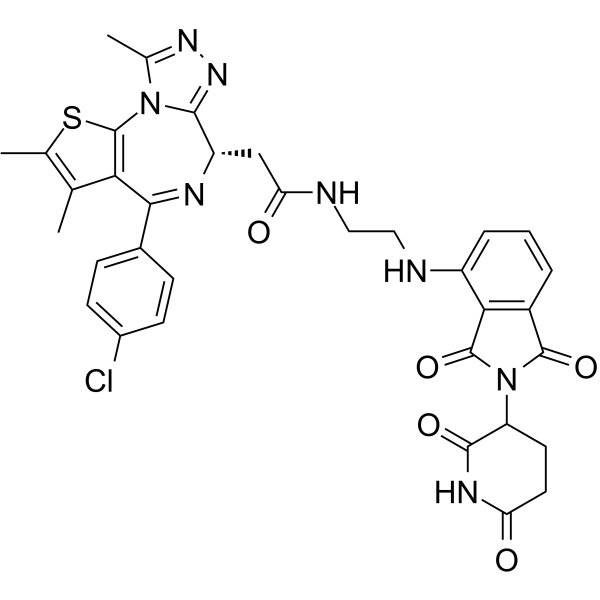 0 ImagesdBET57 is a potent and selective BRD4BD1 PROTAC degrader with a DC50 of approximately 500 nM. dBET57 forms a ternary complex with CRL4CRBN and BRD4BD1, induces the ubiquitination and degradation of BRD4, and indirectly inhibits the transcription of MYCN, c-Myc and PD-L1, ultimately leading to cell cycle arrest and apoptosis. dBET57 can be used in related research on neuroblastoma, non-small cell lung cancer and colorectal cancer.
-
CRBN-6-5-5-VHL
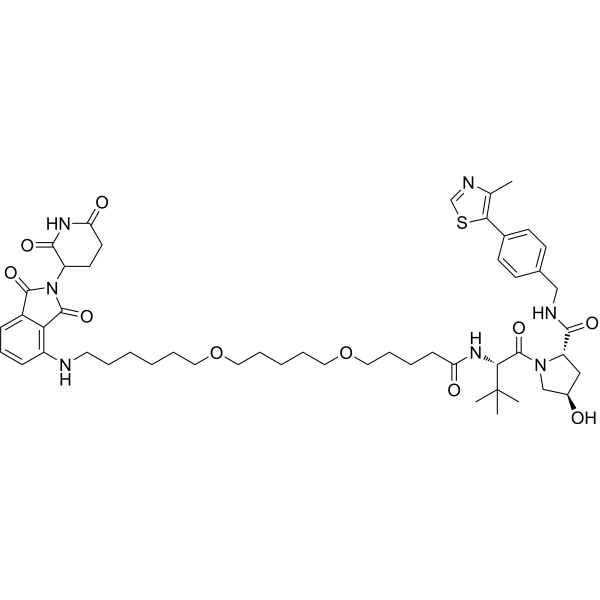 0 ImagesCRBN-6-5-5-VHL is a potent and selective VHL E3 ligand-based Cereblon (CRBN) PROTAC degrader with a DC50 value of 1.5 nM. CRBN-6-5-5-VHL forms a heterotrimeric complex with CRBN and VHL E3 ligase, thereby promoting CRBN ubiquitination and proteasomal degradation without inducing VHL degradation. CRBN-6-5-5-VHL protects myeloma from the toxic effects of IMiDs. CRBN-6-5-5-VHL can be used in the research of multiple myeloma.
-
NR-V04
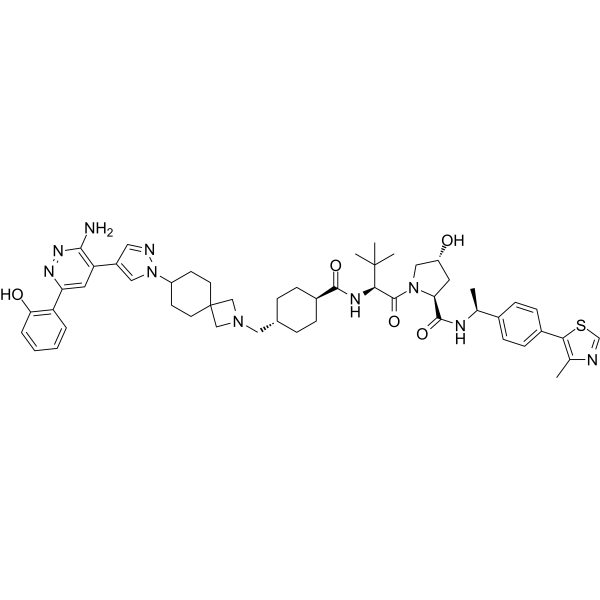
 0 ImagesNR-V04 is a selective NR4A1 PROTAC degrader. NR-V04 forms a ternary complex with NR4A1 and the VHL E3 ligase, mediates proteasome-dependent degradation of NR4A1. NR-V04 induces tumor-infiltrating B cells and effector memory CD8+ T cells and reduces monocytic myeloid-derived suppressor cells in tumor microenvironments. NR-V04 can be used for the research of melanoma and colon cancer.
-
SJ988497
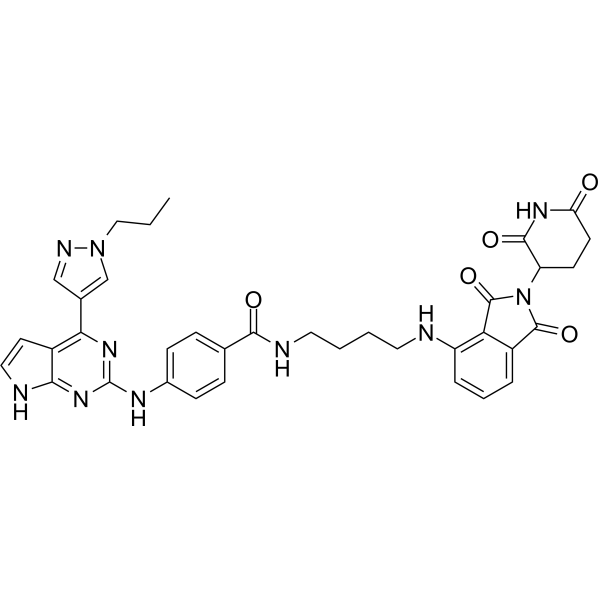 0 ImagesSJ988497 is a PROTAC degrader targeting JAK2. SJ988497 induces the proteasomal degradation of CRBN-mediated JAK2, JAK1, JAK3, GSPT1, and IKZF1, and functions as a CRBN neosubstrate for GSPT1. SJ988497 retains binding affinity for the kinase domain of JAK2. SJ988497 can be used in studies related to cancers such as crlf2-rearranged acute lymphoblastic leukemia.
-
KI-CDK9d-32
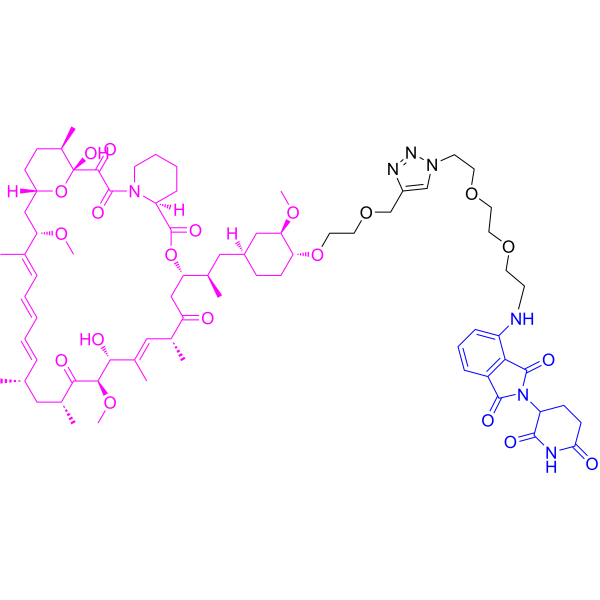
 0 ImagesKI-CDK9d-32 is a selective CDK9 PROTAC degrader (IC50 = 3 nM; DC50 = 0.89 nM). KI-CDK9d-32 induces CDK9 degradation via the ubiquitin-proteasome pathway to abrogates CDK9 enzymatic and scaffolding functions, downregulates MYC expression and MYC-dependent signaling, represses TNF-alpha signaling pathways activity and pre-rRNA levels. KI-CDK9d-32 disrupts nucleolar homeostasis, blocks cell cycle progression and cellular translation by reducing 4EBP1 phosphorylation, and elicits cancer cell cytotoxicity in a CRBN-dependent manner, while high ABCB1 activity attenuates the efficacy. KI-CDK9d-32 can be used for the research of acute lymphoblastic leukemia, rhabdomyosarcoma, pancreatic adenocarcinoma.
-
PROTAC BRAF-V600E degrader-1
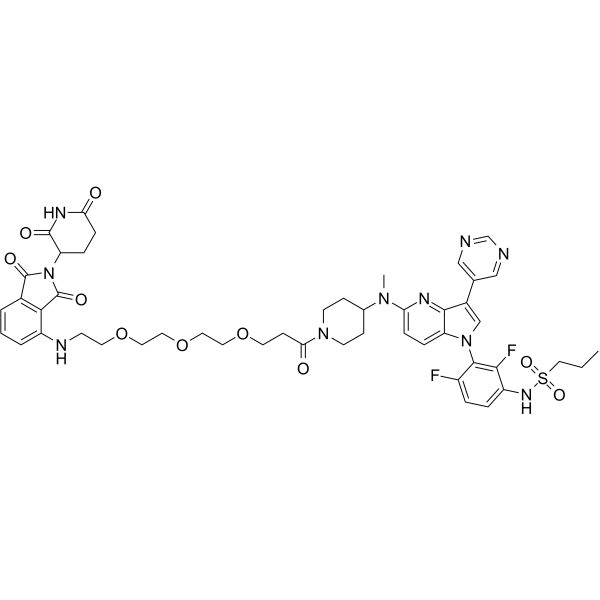 0 ImagesPROTAC BRAF-V600E degrader-1 is a BRAF-V600E-selective PROTAC degrader and inhibitor. PROTAC BRAF-V600E degrader-1 induces degradation of BRAF-V600E via the cellular ubiquitin proteasome system, sparing wild-type BRAF. PROTAC BRAF-V600E degrader-1 suppresses the MEK/ERK kinase cascade in melanoma cells. PROTAC BRAF-V600E degrader-1 impairs growth of melanoma cells in culture. PROTAC BRAF-V600E degrader-1 can be used for the research of melanoma, colon cancer.
-
SIM1
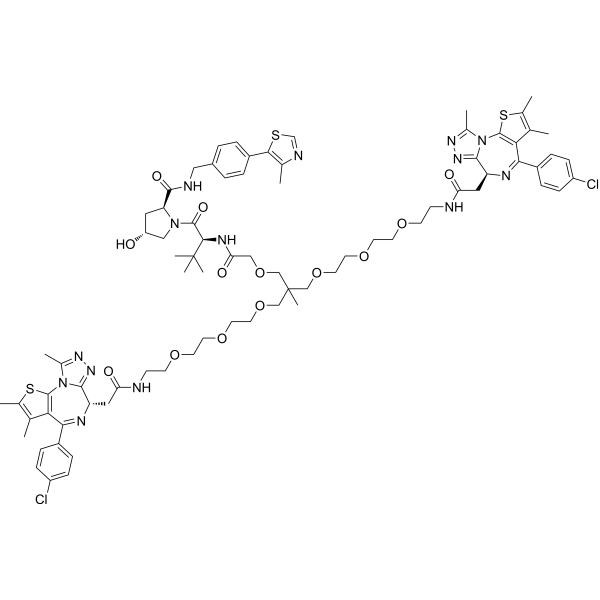 0 ImagesSIM1 is a potent von Hippel-Lindau (VHL)-based trivalent PROTAC capable of degradation for all BET family members, with preference for BRD2 degradation (IC50=1.1 nM; Kd=186 nM). SIM1 shows sustained anti-cancer activity.
-
PROTAC HSP90 degrader BP3
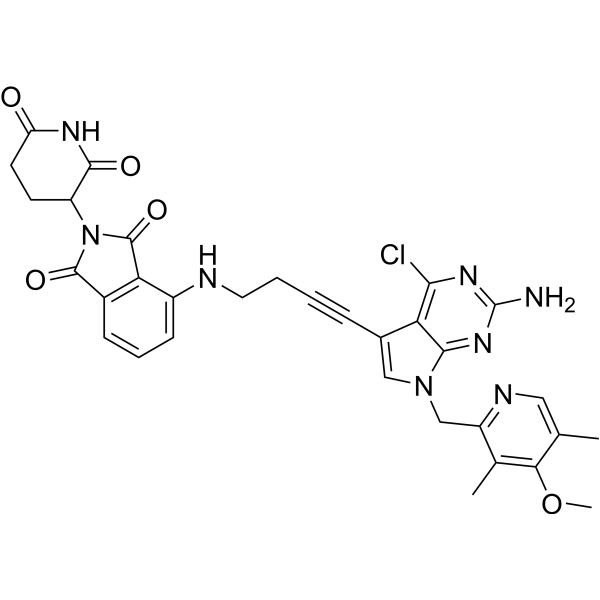 0 ImagesPROTAC HSP90 degrader BP3 is a potent and selective degradation of HSP90 in a CRBN-dependent fashion. PROTAC HSP90 degrader BP3 has a certain degradation effect on HSP90 protein in MCF-7 cells (DC50=0.99 μM). PROTAC HSP90 degrader BP3 inhibits the growth of breast cancer cell. PROTAC HSP90 degrader BP3 is a click chemistry reagent, it contains an Alkyne group and can undergo copper-catalyzed azide-alkyne cycloaddition (CuAAc) with molecules containing Azide groups.
-
SIAIS100 TFA
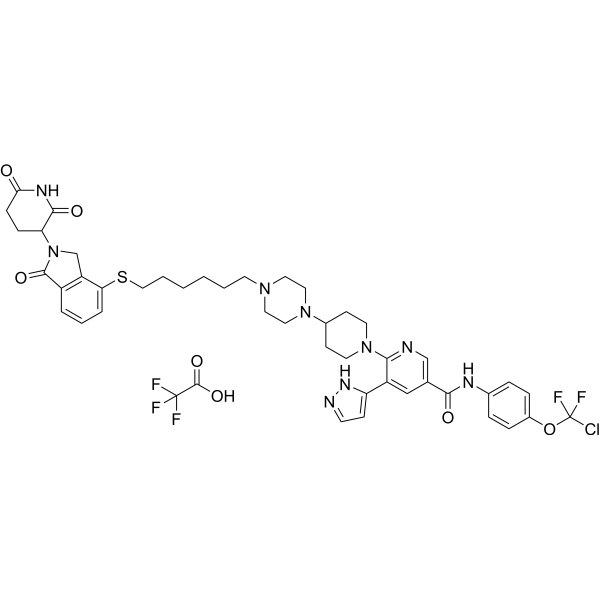 0 ImagesCat. No.: HY-152036APurity: 99.75%SIAIS100 TFA is a potent BCR-ABL PROTAC degrader with an DC50 value of 2.7 nM. SIAIS100 TFA can be used to research chronic myeloid leukemia (CML).
-
SK-3-91
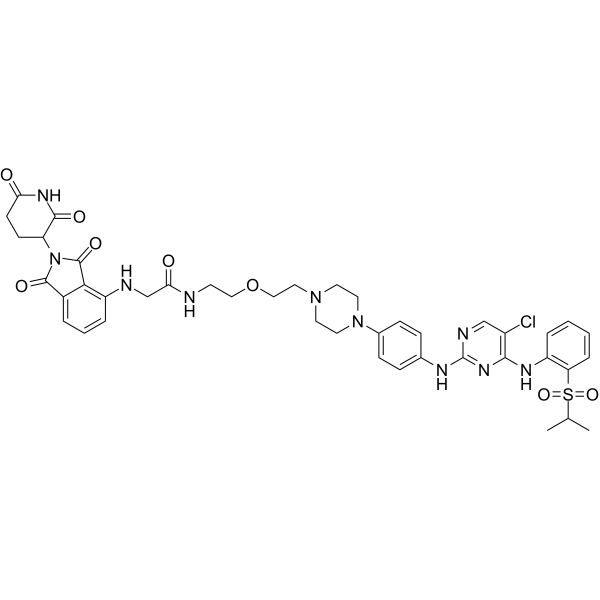 0 ImagesSK-3-91 is a multi-kinase PROTAC degrader that induces the degradation of the maximum number of unique kinases (over 125 distinct kinases) simultaneously. SK-3-91 induces protein degradation via the ubiquitin biotinylation (E-STUB) pathway, such as inducing the degradation of YTHDF2. SK-3-91 also inhibits cell proliferation and induces cell morphological changes. SK-3-91 can be used in research related to acute lymphoblastic leukemia, multiple myeloma, neuroblastoma, ovarian cancer, mantle cell lymphoma, and gastric cancer.
-
SJF-1528
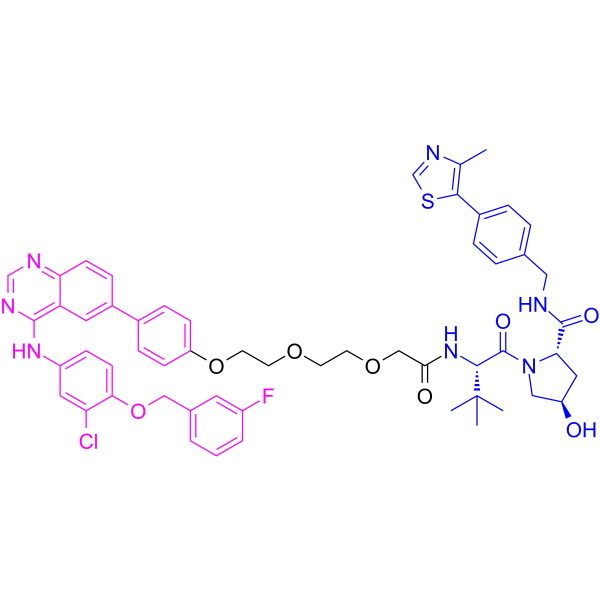 0 ImagesSJF-1528 (PROTAC 1) is a potent EGFR PROTAC degrader with DC50 values of 39.2 nM and 736.2 nM for wild-type EGFR in OVCAR8 cells and Exon 20 Ins mutant EGFR in HeLa cells. SJF-1528 also degrades HER2. SJF-1528 promotes ubiquitination and degradation of EGFR and can be used in breast cancer research.
-
PROTAC RIPK degrader-2
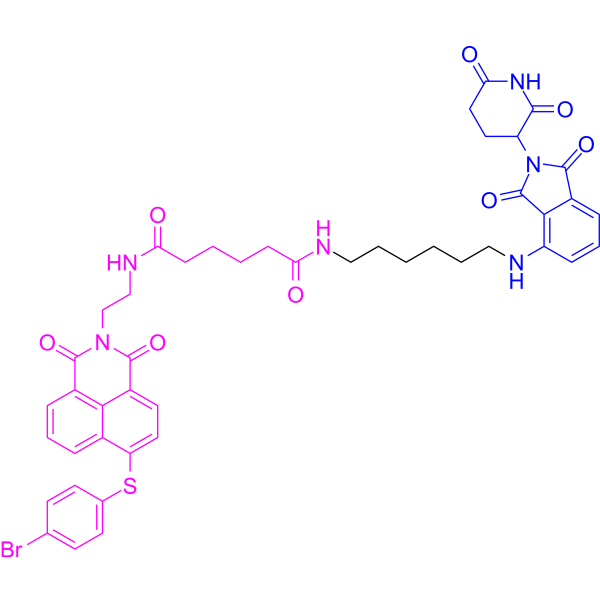
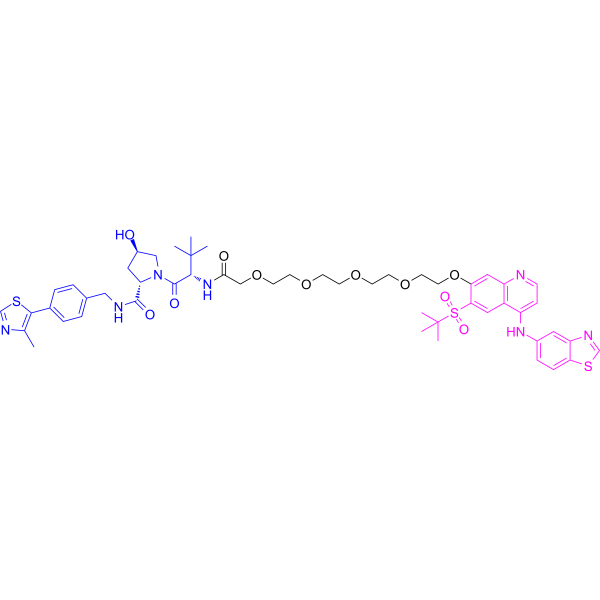 0 ImagesPROTAC RIPK degrader-2 is a non-peptidic PROTAC degrader targeting RIPK2, with a DC50 of 1.5 nM. PROTAC RIPK degrader-2 recruits VHL or cereblon E3 ubiquitin ligases, induces ubiquitination and proteasomal degradation of RIPK2, acts via substoichiometric catalysis, and inhibits downstream pro-inflammatory signaling pathways. PROTAC RIPK degrader-2 inhibits the NOD2/RIPK2 pathway and suppresses MDP (HY-127090)-stimulated TNFα release in human whole blood. PROTAC RIPK degrader-2 can be used in studies related to acute monocytic leukemia and glucose metabolism.
-
MS154
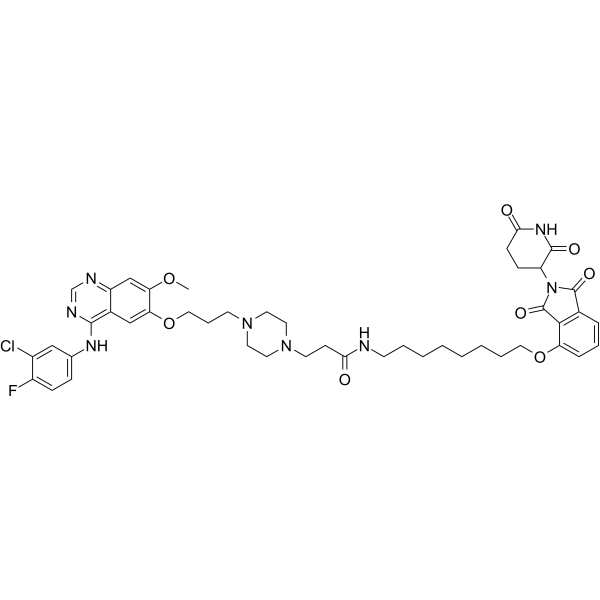 0 ImagesMS154 is a first-in-class E3 ligase cereblon-recruited EGFR degrader with Kd values of 1.8 nM and 3.8 nM for EGFR WT and EGFR L858R mutant, respectively. MS154 potently induces degradation of mutant, but not wild-type, EGFR in cancer cell lines in an E3 ligase-dependent manner. MS154 exhibits anticancer effects against lung cancer (blue: E3 ligase ligand (HY-103596); black: linker (HY-W096167); pink: EGFR ligand (HY-168305)).
-
ERD-308
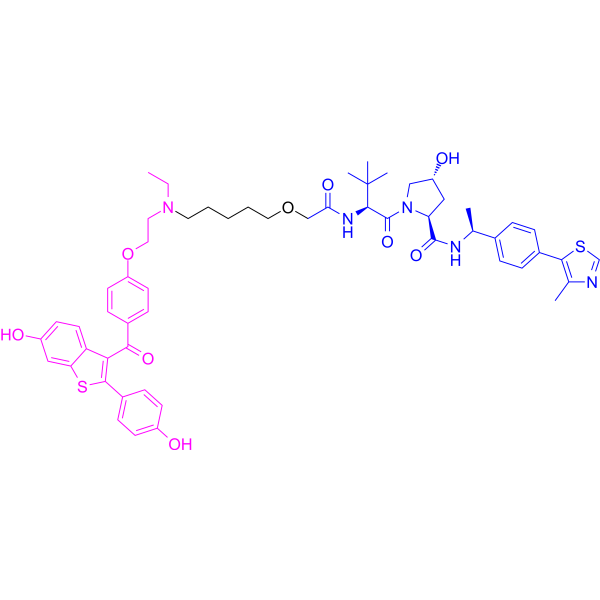 0 ImagesERD-308 is a potent estrogen receptor (ER) PROTAC degrader. ERD-308 has DC50 values of 0.17 nM and 0.43 nM in MCF-7 and T47D ER+ cells. ERD-308 can inhibit the proliferation of breast cancer cells and exhibits anti-tumor activity.

-
PIK5-12d
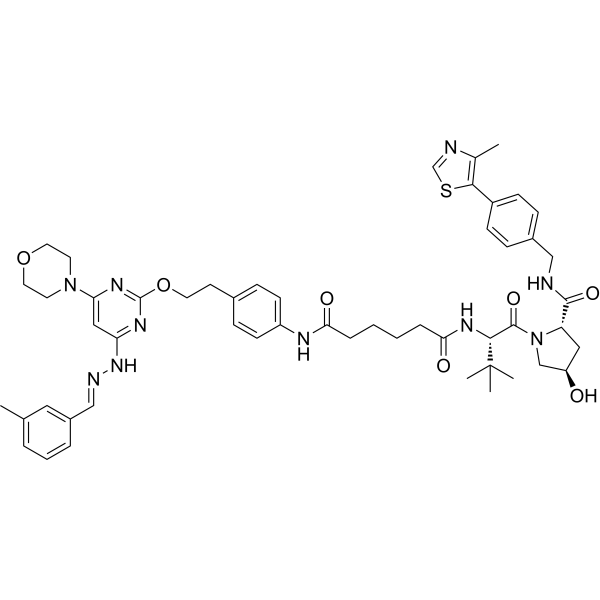 0 ImagesPIK5-12d is a PROTAC PIKfyve degrader (DC50 = 1.48 nM). PIK5-12d induces massive cytoplasmic vacuolization and blocks autophagic flux in multiple prostate cancer cells. PIK5-12d inhibits prostate cancer cell proliferation. PIK5-12d significantly suppresses tumor proliferation in mice bearing LTL-331R human prostate cancer PDX tumors. PIK5-12d can be used for the study of prostate cancer.
-
PROTAC α-synuclein degrader 5
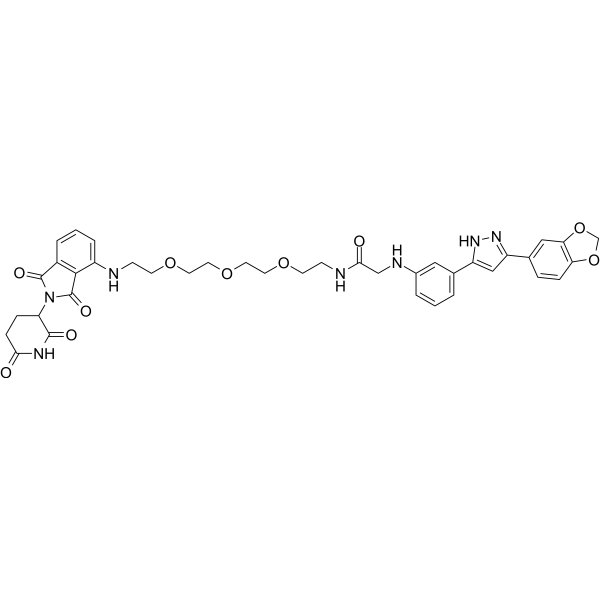 0 ImagesPROTAC α-synuclein degrader 5 is a selective PROTAC degrader targeting α‑synuclein aggregates, with a DC50 of 7.51 μM. PROTAC α-synuclein degrader 5 binds to αSyn aggregates, recruits the CRBN E3 ubiquitin ligase, and mediates the ubiquitination and subsequent degradation of α‑synuclein aggregates. PROTAC α-synuclein degrader 5 activates the autophagy-lysosome pathway. PROTAC α-synuclein degrader 5 reduces ROS levels in neuroblastoma cells, restores mitochondrial membrane potential, rescues cell viability, and decreases LDH release. PROTAC α-synuclein degrader 5 degrades αSyn aggregates in Caenorhabditis elegans and ameliorates oxidative stress. PROTAC α-synuclein degrader 5 is used for the research of synucleinopathies, such as Parkinson's disease.




