



STAT
STAT is a family of cytoplasmic protein that regulates many aspects of growth, survival and differentiation in cells. The transcription factors of this family are activated by Janus kinase and dysregulation of this pathway is frequently observed in primary tumours and leads to increased angiogenesis, enhanced survival of tumours and immunosuppression. Gene knockout studies have provided evidence that STAT proteins are involved in the development and function of the immune system and play a role in maintaining immune tolerance and tumour surveillance. STAT proteins were originally described as latent cytoplasmic transcription factors that require phosphorylation for nuclear retention. The unphosphorylated STAT proteins shuttle between cytosol and the nucleus waiting for its activation signal. Once the activated transcription factor reaches the nucleus, it binds to consensus DNA-recognition motif called gamma-activated sites (GAS) in the promoter region of cytokine-inducible genes and activates transcription of these genes.
STAT Isoform Specific Products
All Product Categories
-
STAT Inhibitors
(709)
View all products
-
STAT Agonists
(9)
View all products
-
STAT Antagonists
(5)
View all products
-
STAT Activators
(77)
View all products
-
STAT Modulators
(23)
View all products
-
STAT Inducers
(2)
View all products
-
STAT Degraders
(25)
View all products
-
STAT Controls
(2)
View all products
-
STAT Ligands
(7)
View all products
-
STAT Related Products (921)
Related Products (921)

-
Antibodies (25)
-
STAT Isoform Comparison
-
SC99
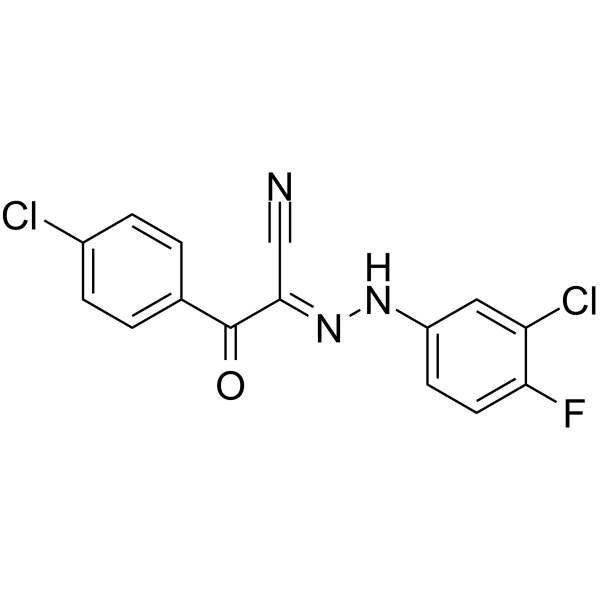 0 ImagesSC99 is an orally active, selective STAT3 inhibitor targeting JAK2-STAT3 pathway. SC99 docks into the ATP-binding pocket of JAK2. SC99 inhibits phosphorylation of JAK2 and STAT3 with no effects on the other kinases associated with STAT3 signaling. SC99 inhibits platelet activation, aggregation and displays potent anti-myeloma, anti-thrombotic activities.
-
Anumigilimab
 0 ImagesSynonyms: CSL-324
-
Cucurbitacin IIa
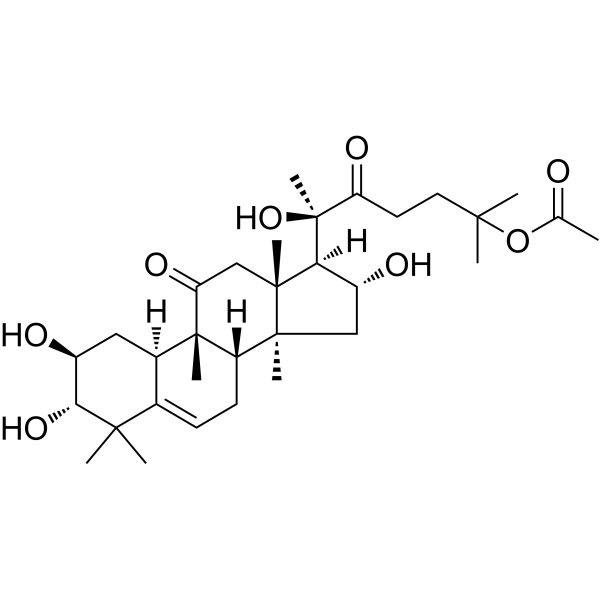 0 ImagesSynonyms: Hemslecin ACucurbitacin IIa (Hemslecin A) is an orally active, blood-brain barrier-permeable EGFR inhibitor with an IC50 of 1.455 nM against human EGFR. Cucurbitacin IIa induces caspase-3-dependent apoptosis, downregulates survivin expression, enhances autophagy levels, disrupts the actin cytoskeleton via actin aggregation, arrests the cell cycle at the G2/M phase, and exerts anti-inflammatory activity by inhibiting the EGFR-MAPK signaling pathway. Cucurbitacin IIa can be used in the research of inflammation-related diseases, depression, and cancers such as non-small cell lung cancer.
-
Glycochenodeoxycholic acid sodium salt (Standard)
 0 ImagesSynonyms: Chenodeoxycholylglycine sodium salt (Standard); Sodium glycochenodeoxycholate (Standard)Glycochenodeoxycholic acid sodium salt (Standard) is the analytical standard of Glycochenodeoxycholic acid sodium salt. This product is intended for research and analytical applications. Glycochenodeoxycholic acid sodium salt (Sodium glycochenodeoxycholate) is a relatively toxic bile salt generated in the liver from chenodeoxycholic acid and glycine. Glycochenodeoxycholic acid sodium salt inhibits Autophagosome formation and impairs lysosomal function by inhibiting lysosomal proteolysis and increasing lysosomal pH in human normal liver cells, leading to the Apoptosis of human hepatocyte cells. Glycochenodeoxycholic acid sodium salt induces stemness and chemoresistance via activating STAT3 signaling pathway in hepatocellular carcinoma cells (HCC). Glycochenodeoxycholic acid sodium salt is promising for research in the field of cholestasis desease, hepatocellular carcinoma and primary sclerosing cholangitis (PSC).
-
PROTAC EGFR degrader 14
 0 ImagesCat. No.: HY-175252Purity: 99.26%PROTAC EGFR degrader 14 is a EGFR PROTAC degrader, with a DC50 of 2.9 nM against EGFRL858R/T790M/C797S. PROTAC EGFR degrader 14 forms a stable ternary complex by bridging the ATP-binding pocket of the target protein EGFR with VHL E3 ubiquitin ligase, induces efficient and specific degradation of EGFR mutants via the ubiquitin-proteasome system, and ultimately induces cell cycle arrest and apoptosis. PROTAC EGFR degrader 14 can be used in studies related to non-small cell lung cancer carrying the EGFRC797S drug-resistant mutation.
-
STAT3-IN-48
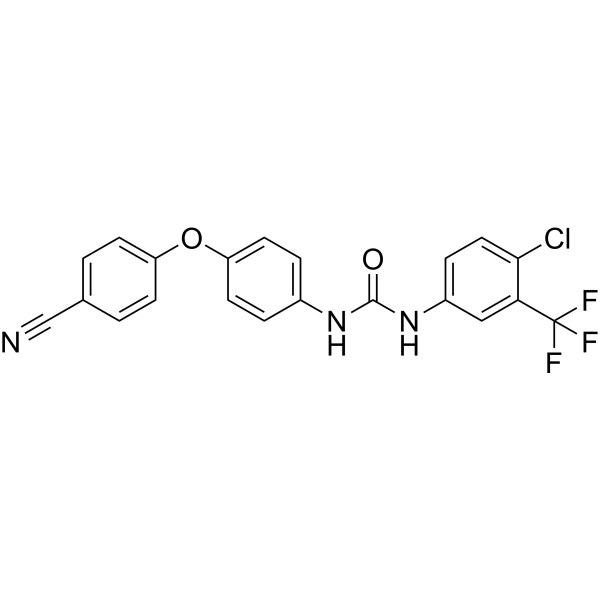 0 ImagesSTAT3-IN-48 is a Sorafenib analogue and potently inhibits the phosphorylation of STAT3. STAT3-IN-48 induces cell apoptosis through SHP-1 dependent STAT3 inactivation. STAT3-IN-48 does not inhibit kinase activity and has anticancer effects.
-
Polygalaxanthone III
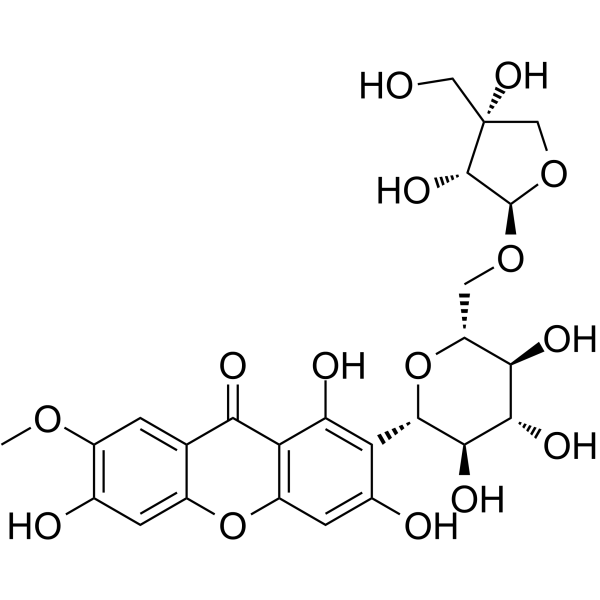 0 ImagesPolygalaxanthone III is a representative xanthone component of Polygala tenuifolia. Polygalaxanthone III inhibits chlorzoxazone 6-hydroxylation catalyzed by CYP2E1, with an IC50 of 50.56 μM. Polygalaxanthone III repairs skin damage induced by M. furfur via activating STAT3 phosphorylation and exerts anti-inflammatory effects. Polygalaxanthone III can be used for research on M. furfur-related skin damage.
-
RBN012811
 0 ImagesRBN012811 is a highly selective PROTAC-based PARP14 degrader. RBN012811 forms a ternary complex with cereblon by binding to the NAD+ site of PARP14, and mediates the specific degradation of PARP14 via the ubiquitin-proteasome pathway (IC50=10 nM). RBN012811 effectively depletes endogenous PARP14 in various cell lines and primary human macrophages, thereby downregulating IL-10 production and IFN-β mRNA levels, increasing phosphorylated STAT1 levels to enhance inflammatory signaling, and inhibiting interferon-induced ADPr condensate formation. RBN012811 also modulates viral replication, exhibiting increased HSV1 replication while reducing VSV replication. RBN012811 has important application value in research related to cancer and viral infections.
-
Physalin B
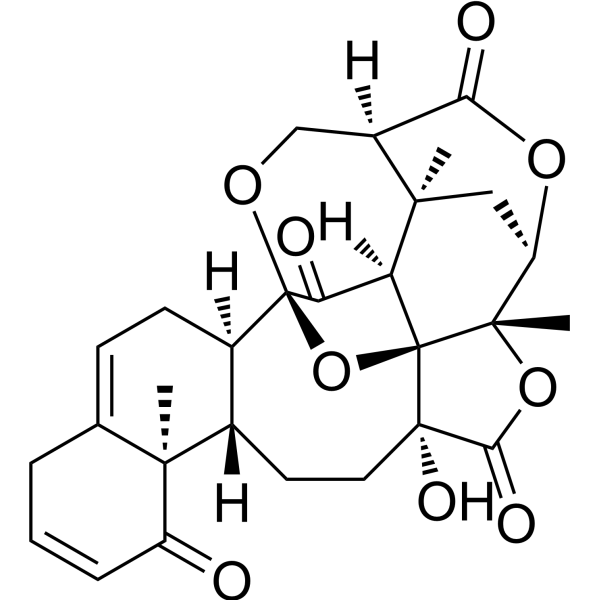 0 ImagesCat. No.: HY-N7695CAS No.: 23133-56-4Physalin B is an orally active anti-inflammatory and anticancer agent. Physalin B can be isolated from Physalis alkekengi L. var. Franchetii. Physalin B inhibits the activation of the NF-κB, NLRP3 inflammasome, STAT3, PI3K/Akt and Hedgehog signaling pathways, regulates the phosphorylation levels of GSK-3β, p38 MAPK, ERK1/2 and JNK, and promotes the nuclear translocation of NRF2. Physalin B reduces the levels of pro-inflammatory cytokines and factors, induces mitochondrial reactive oxygen species (mito-ROS) production, Apoptosis, G2/M cell cycle arrest and incomplete Autophagy, alters cytoskeleton structure and alleviates oxidative stress. Physalin B reduces cancer cell viability, ameliorates liver and lung tissue damage and alleviates liver fibrosis. Physalin B can be used in research related to ulcerative colitis, breast cancer, acute lung injury, colon cancer, non-alcoholic steatohepatitis, liver fibrosis, lung cancer, pancreatic cancer, lymphoma, ovarian cancer, sarcoma and leukemia.
-
Saikosaponin B1
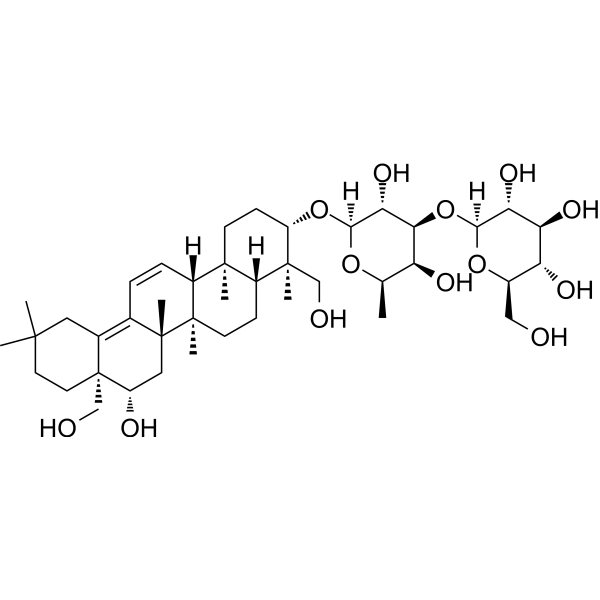 0 ImagesSaikosaponin B1 is a bioactive constituent of Radix Bupleuri. Saikosaponin B1 is an agonist of the 5-HT2C receptor with an EC50 of 147.41 μM. Saikosaponin B1 inhibits the Hedgehog (Hh) signaling pathway by targeting the transmembrane protein SMO. Sailosaponin B1 can reduce liver fibrosis. Saikosaponin B1 has anti-cancer activities thus can be studies in research for cancers such as Medulloblastoma (MB).
-
Artesunate (Standard)
 0 ImagesArtesunate (Standard) is the analytical standard of Artesunate. This product is intended for research and analytical applications. Artesunate is an inhibitor of both STAT-3 and exported protein 1 (EXP1).
-
Gamma-glutamylcysteine (Standard)
 0 ImagesSynonyms: γ-Glu-Cys (Standard)Gamma-glutamylcysteine (Standard) is the analytical standard of Gamma-glutamylcysteine. This product is intended for research and analytical applications. Gamma-glutamylcysteine (γ-Glu-Cys) is an orally active, blood-brain barrier permeable dipeptide. Gamma-glutamylcysteine activates AMPK, SIRT1, IL-4/STAT6, AC/cAMP/PI3K, IGF-1R/IRS1/PI3K, and Nrf2 signaling pathways; it inhibits NF-κB, JAK1/STAT1/3, MAPKs, cadmium-induced p38 MAPK, JNK, and PI3K/Akt signaling pathways. Gamma-glutamylcysteine regulates macrophage polarization, modulates the trafficking of CD36 and GLUT4, induces glutathione synthesis, improves metabolic dysfunction, reduces lipid deposition, ameliorates glucose homeostasis, inhibits apoptosis (Apoptosis), stabilizes mitochondria, suppresses lipid peroxidation, iron accumulation and ferroptosis (Ferroptosis), reduces ds-HMGB1 levels, reverses mechanical hyperalgesia, and alleviates hepatic lipid droplet formation. Gamma-glutamylcysteine is applicable to research related to inflammatory bowel disease, type 2 diabetes, cadmium-induced neurotoxicity, Alzheimer's disease, cerebral ischemia/reperfusion injury, neuropathy, and alcoholic liver disease.
-
Itacnosertib hydrochloride
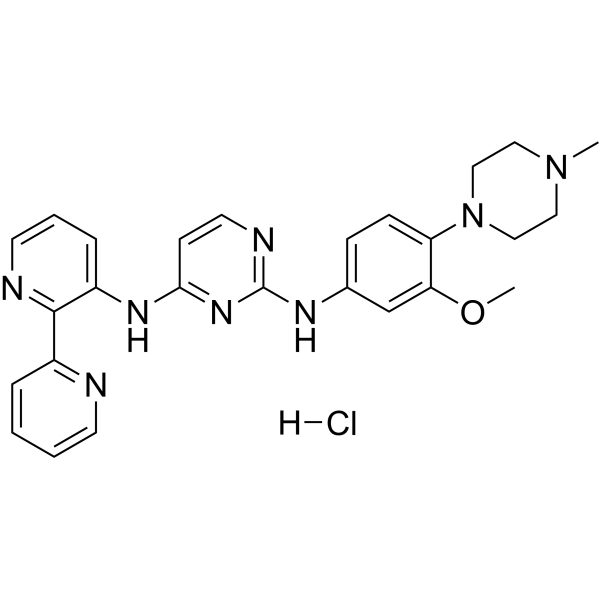 0 ImagesSynonyms: TP-0184 hydrochloride

-
Patiromer
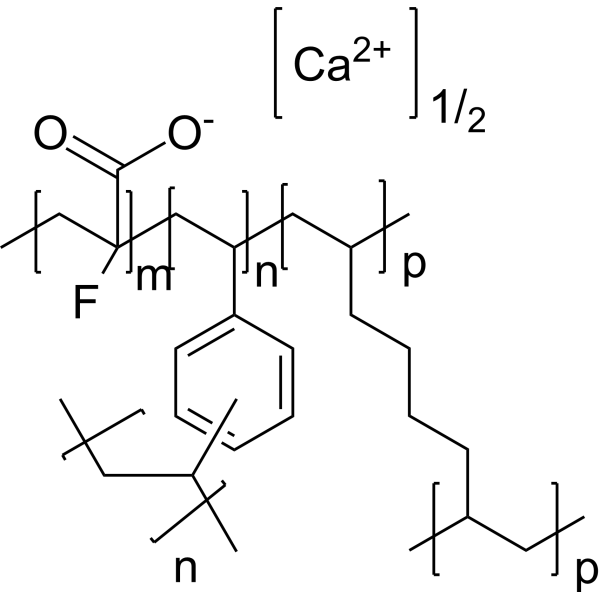 0 ImagesCat. No.: HY-112961CAS No.: 1208912-84-8Patiromer is an orally active, selective and non-absorbable intestinal potassium (K+) polymer binder that reversibly binds potassium ions in exchange for calcium (Ca2+). Patiromer can rapidly and continuously reduce serum potassium levels, maintain a normal blood potassium state, and reduce serum aldosterone levels. Patiromer also increases fecal potassium excretion. Patiromer is mainly used in the study of hyperkalemia associated with diseases such as chronic kidney disease, diabetes, and heart failure, and is particularly suitable for improving renin-angiotensin-aldosterone system inhibitor (RAASi) therapy.
-
BP79
 0 ImagesCat. No.: HY-206870CAS No.: 3104965-33-2BP79 is a potent TSLP receptor inhibitor. BP79 disrupts TSLP-mediated ternary complex formation, blocks TSLPR-IL7Rα co-localization, binds and stabilizes TSLPR, and inhibits phosphorylated STAT3/6. BP79 suppresses immune cell infiltration, secretion of IL-13, IL-4. BP79 can be used for the research of inflammation diseases, such as atopic dermatitis, allergic asthma, and allergic rhinitis.
-
Wilforine
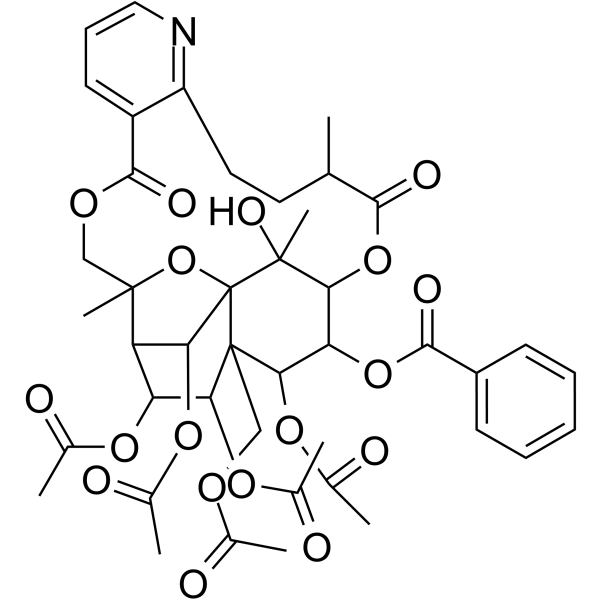 0 ImagesWilforine is an orally active JAK-STAT pathway inhibitor with immunomodulatory effects and the ability to inhibit osteoclast fusion. Wilforine disrupts lipid raft integrity, reprograms cholesterol and glycosphingolipid metabolic pathways, regulates NF-κB and the complement system, and modulates the expression of various interleukins. Wilforine also inhibits the Wnt11/β-catenin signaling pathway and suppresses the proliferation of fibroblast-like synoviocytes. Wilforine can serve as a quality and pharmacokinetic marker for Tripterygium glycoside tablets, and can be applied to research on related diseases such as rheumatoid arthritis, inflammatory osteolysis, and SAPHO syndrome.
-
LLL3
 0 ImagesCat. No.: HY-124843CAS No.: 63972-38-3Synonyms: CLT-005LLL3 (CLT-005) is a STAT3 inhibitor. LLL3 inhibits dimerization and phosphorylation of STAT3, thereby preventing intraconuclear transfer of STAT3 and inhibits the expression of STAT3 dependent genes, which encode proteins such as Bcl-xL and cyclin D1. In addition, LLL3 can induce cell growth inhibition and apoptosis in human breast cancer and rhabdomyosarcoma cells via the caspase pathway. LLL3 can be used in the study of STAT3 persistent activation types of cancer.
-
CT1113
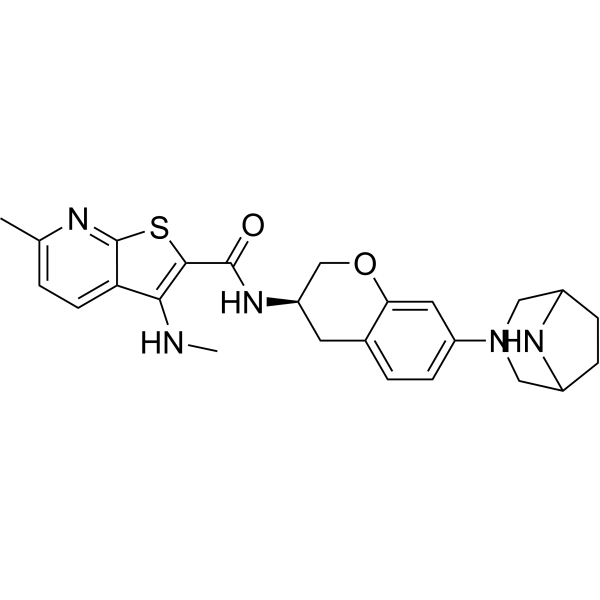 0 ImagesCT1113 is a selective, orally active USP25/USP28 inhibitor. CT1113 inhibits cancer cell proliferation, induces apoptosis, and causes G2/S phase cell cycle arrest. CT1113 reduces the levels of total BCR-ABL1, phosphorylated BCR-ABL1, total STAT5, and phosphorylated STAT5, but does not alter the mRNA level of BCR-ABL1. CT1113 is applicable to research related to pancreatic cancer, colon cancer, and acute leukemia.




