



STAT
STAT is a family of cytoplasmic protein that regulates many aspects of growth, survival and differentiation in cells. The transcription factors of this family are activated by Janus kinase and dysregulation of this pathway is frequently observed in primary tumours and leads to increased angiogenesis, enhanced survival of tumours and immunosuppression. Gene knockout studies have provided evidence that STAT proteins are involved in the development and function of the immune system and play a role in maintaining immune tolerance and tumour surveillance. STAT proteins were originally described as latent cytoplasmic transcription factors that require phosphorylation for nuclear retention. The unphosphorylated STAT proteins shuttle between cytosol and the nucleus waiting for its activation signal. Once the activated transcription factor reaches the nucleus, it binds to consensus DNA-recognition motif called gamma-activated sites (GAS) in the promoter region of cytokine-inducible genes and activates transcription of these genes.
STAT Isoform Specific Products
All Product Categories
-
STAT Inhibitors
(707)
View all products
-
STAT Agonists
(9)
View all products
-
STAT Antagonists
(5)
View all products
-
STAT Activators
(77)
View all products
-
STAT Modulators
(23)
View all products
-
STAT Inducers
(2)
View all products
-
STAT Degraders
(25)
View all products
-
STAT Controls
(2)
View all products
-
STAT Ligands
(7)
View all products
-
STAT Related Products (919)
Related Products (919)

-
Antibodies (25)
-
STAT Isoform Comparison
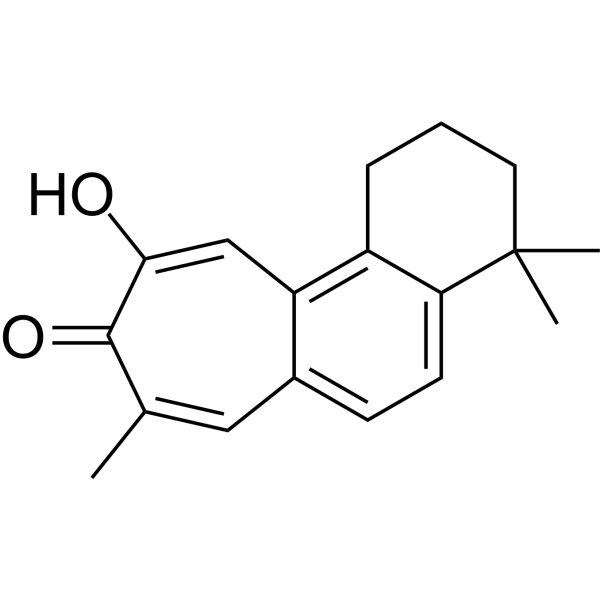
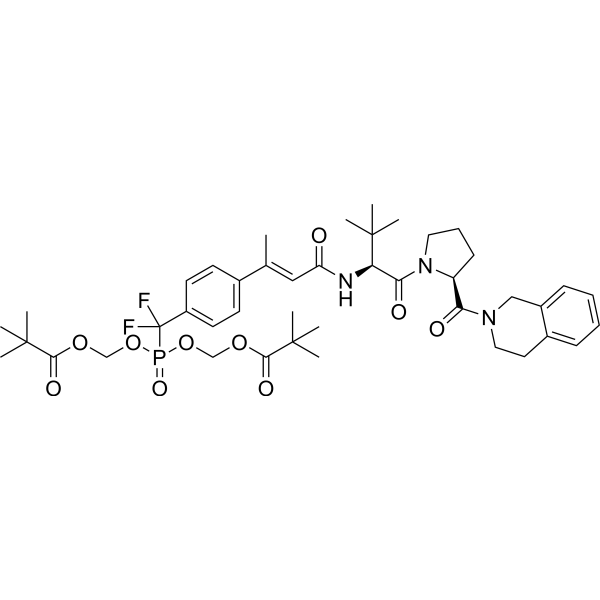
-
Niclosamide (Standard)
 0 ImagesNiclosamide (Standard) is the analytical standard of Niclosamide. This product is intended for research and analytical applications. Niclosamide (BAY2353) is an orally active antihelminthic agent used in parasitic infection research. Niclosamide is a STAT3 inhibitor with an IC50 of 0.25 μM in HeLa cells. Niclosamide has biological activities against cancer, inhibits DNA replication in Vero E6 cells.
-
Pentadecanoic acid (Standard)
 0 Imagesα-Linolenic acid (Standard) is the analytical standard of α-Linolenic acid. This product is intended for research and analytical applications. α-Linolenic acid, isolated from Perilla frutescens, is an essential fatty acid that cannot be synthesized by humans. α-Linolenic acid can affect the process of thrombotic through the modulation of PI3K/Akt signaling. α-Linolenic acid possess the anti-arrhythmic properties and is related to cardiovascular disease and cancer.
-
Balsalazide sodium hydrate
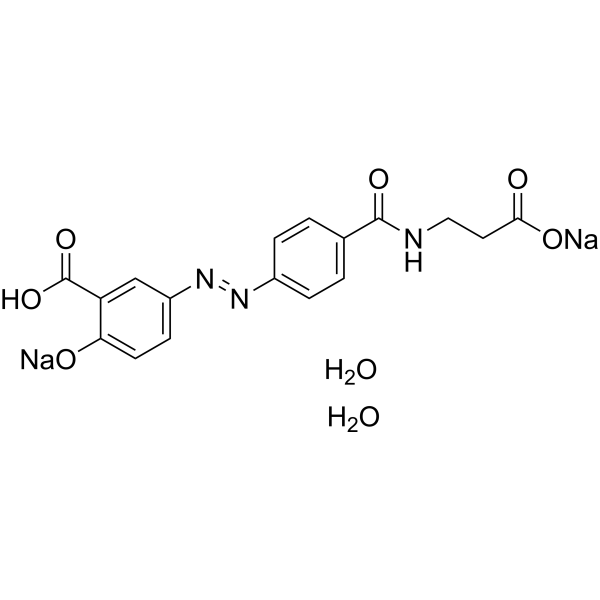 0 ImagesSynonyms: Balsalazide disodium dihydrateBalsalazide sodium hydrate is a prodrug of amino salicylic acid that releases mesalamine (HY-15027) in the colon, offering various anti-inflammatory effects in areas of colitis, and it also exerts related anticancer effects by regulating the IL-6/STAT3 pathway.
-
Tofacitinib-13C3
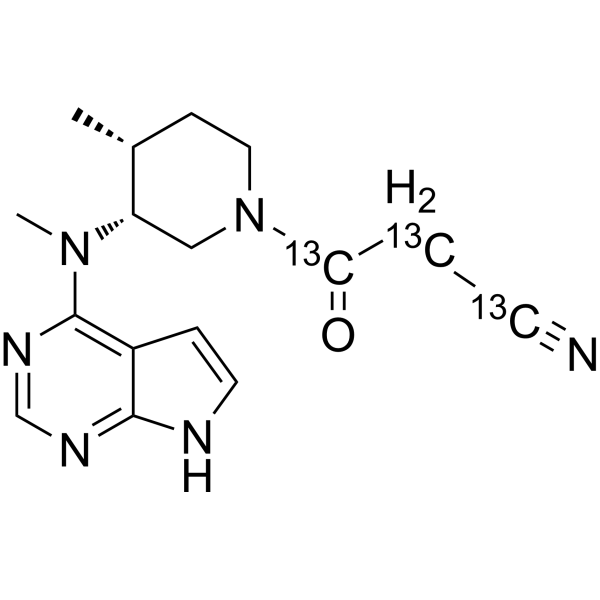 0 ImagesSynonyms: Tasocitinib-13C3; CP-690550-13C3Tofacitinib-13C3 (Tasocitinib-13C3; CP-690550-13C3) is the 13C-labeled Tofacitinib (HY-40354). Tofacitinib (Tasocitinib) is an orally active, blood-brain barrier permeable selective inhibitor of JAK1/JAK3. Tofacitinib blocks the JAK-STAT/NF-κB signaling pathway, inhibits cytokine signal transduction, phosphorylation of STAT1/STAT5, and suppresses innate and adaptive immune responses. Tofacitinib can be used in research related to major depressive disorder, rheumatoid arthritis, pulmonary diseases, systemic lupus erythematosus, and immune-mediated liver injury.
-
ZDZ-553
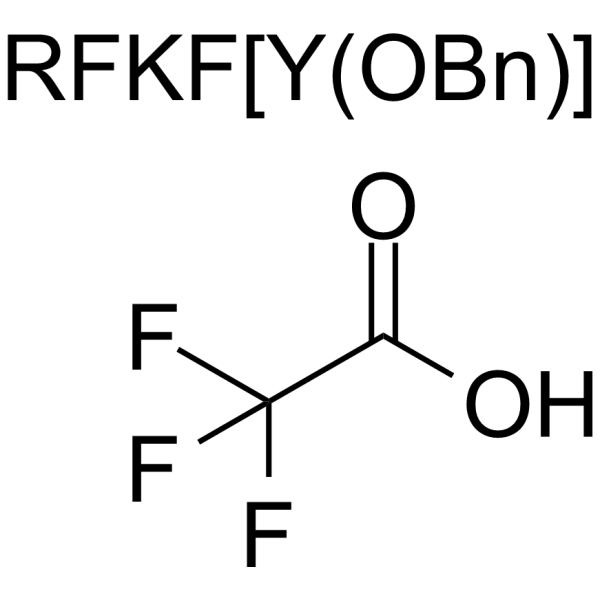
 0 ImagesCat. No.: HY-181792Purity: 99.65%ZDZ-553 is an orally active STAT1 inhibitor with an IC50 value of 0.87 μM. ZDZ-553 modulates STAT1 signaling to affect downstream lipid metabolism and inflammatory pathways. ZDZ-553 attenuates hepatic steatosis in NASH mouse models. ZDZ-553 reduces inflammatory responses in NASH mouse models. ZDZ-553 can be used for the research of nonalcoholic steatohepatitis.
-
ASP3026
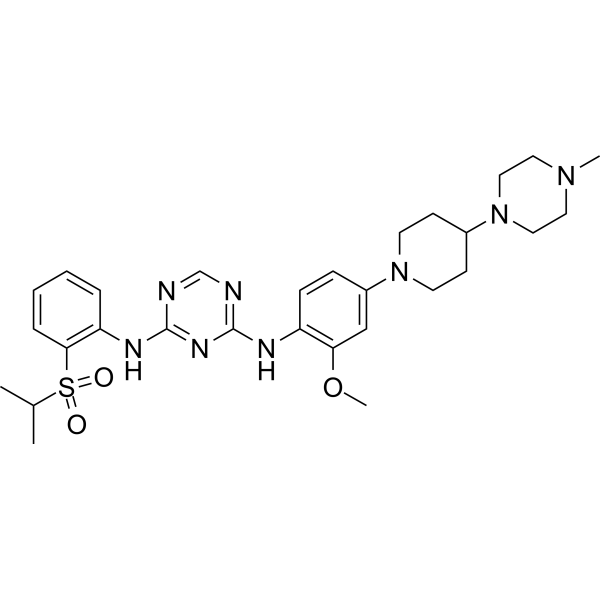 0 ImagesASP3026 is a selective and orally active inhibitor of anaplastic lymphoma kinase (ALK). ASP3026 is a selective and oral active anaplastic lymphoma kinase (ALK) inhibitor with a IC50 value of 3.5 nM. ASP3026 can inhibit the phosphorylation of IGF-1R, STAT3, AKT and JNK proteins, and induce the cleavage of caspase 3 and PARP. It also inhibited ROS and ACK. ASP3026 can be used in anti-tumor research.
-
Ibrutinib-MPEA
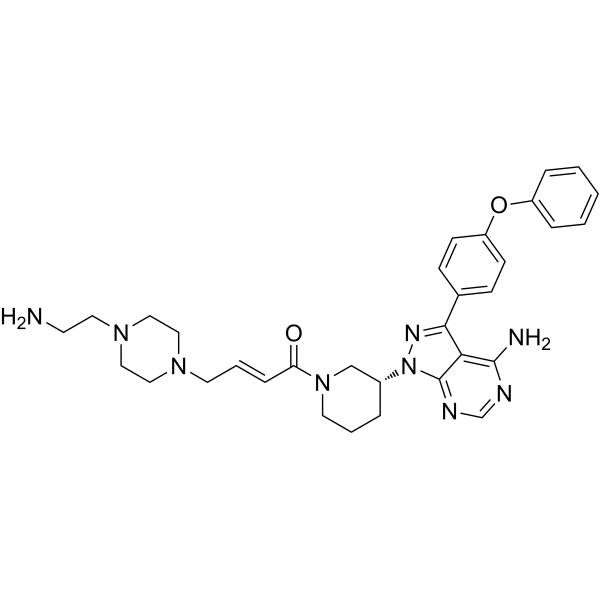 0 ImagesIbrutinib-MPEA is an orally active, blood-brain barrier permeable inhibitor of BTK and STAT5. As a derivative of Ibrutinib (HY-10997) conjugated with a PROTAC linker, Ibrutinib-MPEA allows the synthesis of a series of PROTAC molecules. Ibrutinib-MPEA significantly reduces the proliferation of neoplastic mast cells and primary mastocytoma cells by inducing apoptosis and inhibiting IgE-dependent histamine release. Ibrutinib-MPEA is applicable to the research of canine mast cell tumors, cerebral ischemia/reperfusion injury in diabetic mice, and neuroinflammation-related diseases.
-
STAT3-IN-15
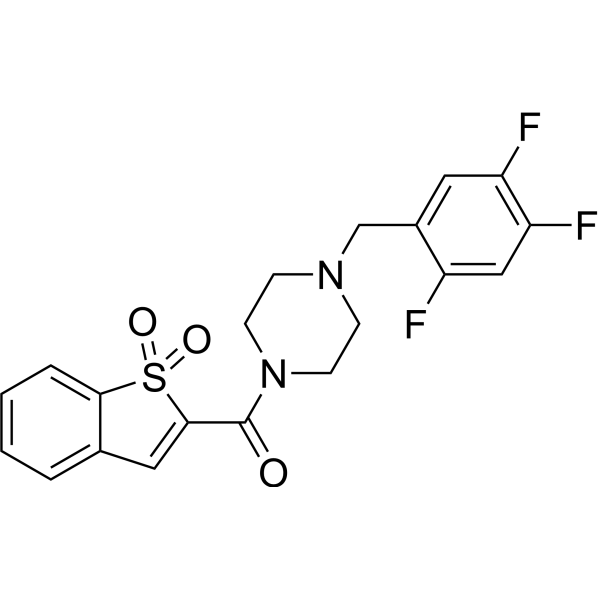 0 ImagesSTAT3-IN-15 is a potent and orally active STAT3 inhibitor against idiopathic pulmonary fibrosis (IPF). STAT3-IN-15 inhibits STAT3 phosphorylation. STAT3-IN-15 also inhibits the migration and deformation of epithelial cells induced by TGF-β1 and inhibit epithelial-mesenchymal transition (EMT).

-
Ritlecitinib tosylate
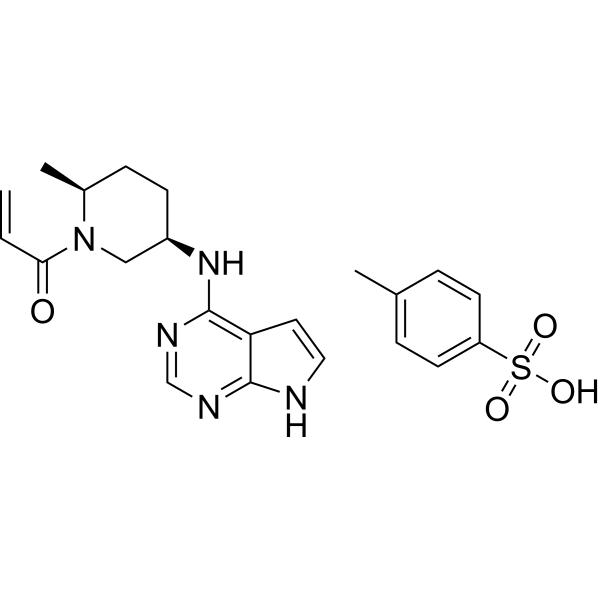 0 ImagesSynonyms: PF-06651600 tosylateRitlecitinib (PF-06651600) tosylate is a highly selective, orally active, irreversible covalent JAK3 inhibitor (IC50=33 nM) without inhibitory activity towards JAK1, JAK2, and TYK2 (IC50 >10 μ M). Ritlecitinib tosylate rapidly inactivates the JAK3 kinase, and blocks signaling and downstream STAT phosphorylation mediated by common gamma chain cytokines such as IL-2 and IL-15. Ritlecitinib tosylate can inhibit Th1/Th17 cell differentiation and function, and effectively suppress preclinical animal models such as alopecia areata, adjuvant-induced arthritis (AIA), and experimental autoimmune encephalomyelitis (EAE).
-
Mulberrofuran G
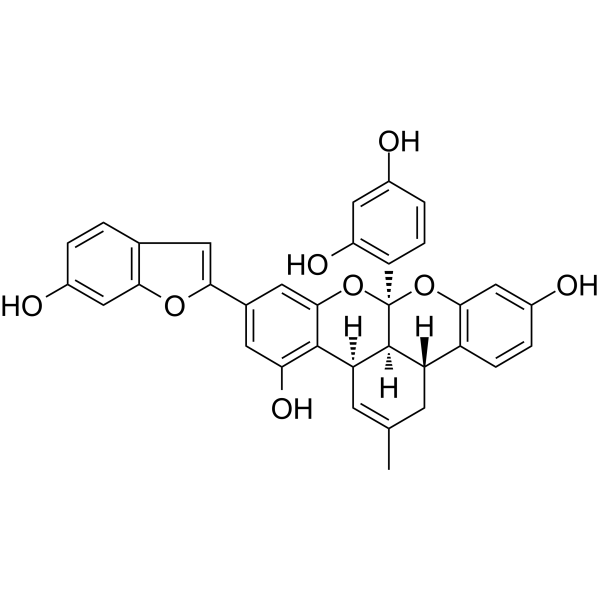 0 ImagesCat. No.: HY-N3239CAS No.: 87085-00-5Mulberrofuran G is a NOX inhibitor (IC50: 6.9 μM) and tyrosinase inhibitor. Mulberrofuran G exhibits anti-inflammatory, antioxidant, antiviral, antitumor, and neuroprotective effects. Mulberrofuran G can be used in the research of tumors, nervous system diseases, and other conditions.
-
BML-260
 0 ImagesBML-260 is a potent inhibitor of dual-specific phosphatases JSP-1 and DUSP22. BML-260 can activate UCP1 and thermogenesis in adipocytes in a JSP-1-independent manner. The effect of BML-260 on adipocytes is partially achieved through the activation of CREB, STAT3, and PPAR signaling pathways. BML-260 can be used in the research of inflammatory and proliferative disorders associated with JNK signaling dysfunction as well as obesity.
-
2,4,5-Trimethoxybenzoic acid
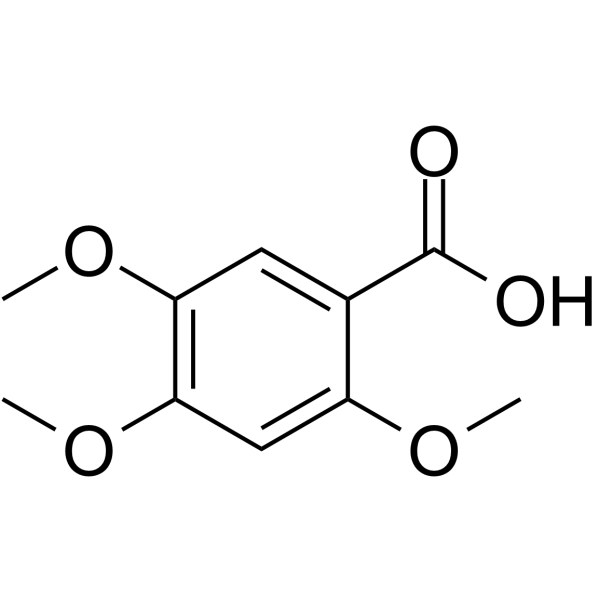 0 Images2,4,5-Trimethoxybenzoic acid (Asaronic acid) is a compound identified in purple perilla extracts. 2,4,5-Trimethoxybenzoic acid inhibits LPS (HY-D1056)-induced inflammatory responses, inhibits the activation of NF-κB and STAT signaling pathways. 2,4,5-Trimethoxybenzoic acid inhibits M1 macrophage phenotype-mediated inflammation in diabetes.
-
WWQ-03-012
 0 ImagesWWQ-03-012 is a selective DESI2 inhibitor with an IC50 of 47.3 nM. WWQ-03-012 binds covalently to DESI2, blocks its enzymatic activity, and inhibits DESI2-mediated deSUMOylation, deubiquitination and stabilization of mutant JAK2, thereby promoting the complete degradation of mutant JAK2 via the intracellular ubiquitin-proteasome system and inducing apoptosis, while exerting no significant effect on wild-type JAK2. WWQ-03-012 can be used for research on myeloproliferative neoplasms (MPN) and secondary acute myeloid leukemia (sAML), especially for hematological malignancies carrying the JAK2-V617F mutation and those resistant to Ruxolitinib (HY-50856).
-
OK2
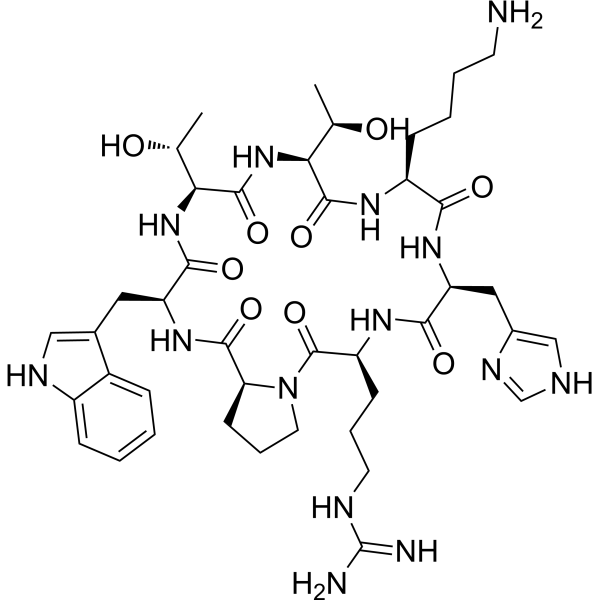 0 ImagesOK2, a specific inhibitor of the CCN2/EGFR interaction, efficiently blocks CCN2/EGFR interaction through binding to the CT domain of CCN2. OK2 can be used for kidney fibrosis and chronic kidney disease research.




