



c-Myc
Myc
The transcription factor c-Myc is a member of the basic helix-loop-helix leucinezipper (bHLHZip) protein family. The target genes of the c-MYC protein participate in different cellular functions, including cell cycle, survival, protein synthesis, cell adhesion, and micro-RNA expression. c-Myc is also one of the four factors used in reprogramming somatic cells to induce pluripotent stem (iPS) cells and is implicated in maintaining cancer stem-like cells (CSCs). Most biological functions of c-Myc require heterodimerization with its activation partner Max.
c-Myc is also part of a dynamic network whose members interact selectively with one another and with various transcriptional coregulators and histone-modifying enzymes. Deregulated expression of c-MYC caused by gene amplification, retroviral insertion, or chromosomal translocation is associated with tumorigenesis. c-Myc has been identified as a highly promising target for cancer therapy.
All Product Categories
-
c-Myc Related Products (286)
Related Products (286)

-
Antibodies (12)
-
hnRNPK-IN-1
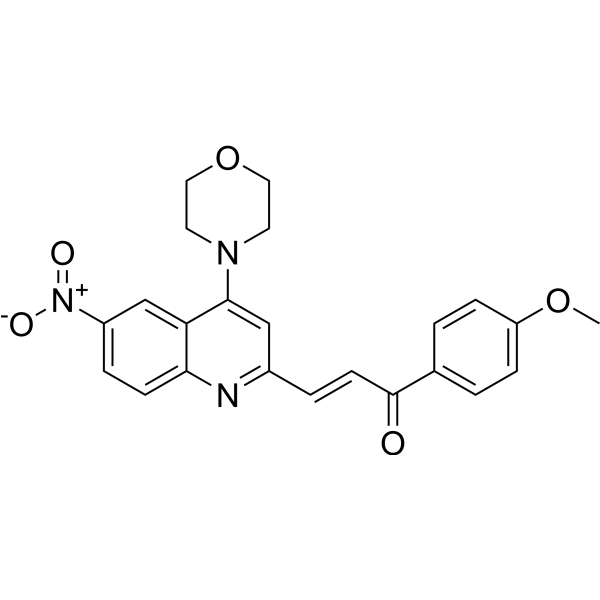 0 ImagesCat. No.: HY-135691CAS No.: 2313528-04-8hnRNPK-IN-1 is a heterogeneous nuclear ribonucleoprotein K (hnRNPK) binding ligand with Kd values of 4.6 μM and 2.6 μM measured with SPR and MST, respectively. hnRNPK-IN-1 inhibits c-myc transcription by disrupting the binding of hnRNPK and c-myc promoter. hnRNPK-IN-1 induces Hela cells apoptosis and has strongly anti-tumor activities.
-
Ravoxertinib hydrochloride
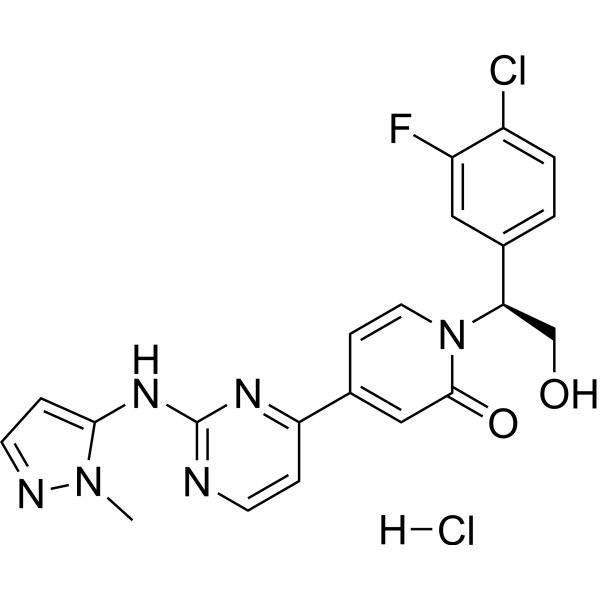 0 ImagesSynonyms: GDC-0994 hydrochlorideRavoxertinib hydrochloride (GDC-0994 hydrochloride) is an orally active ERK1/2 inhibitor. Ravoxertinib hydrochloride inhibits the ERK1/2 MAPK signaling pathway and reduces the expression levels of c-Myc, HK2 and LDHA. Ravoxertinib hydrochloride decreases mammosphere formation, and exerts additive and/or superadditive cytotoxicity when combined with Ipatasertib (HY-15186) in 3D tumor sphere models. Ravoxertinib hydrochloride can be used in research related to various cancers including breast cancer, melanoma, head and neck cancer, non-small cell lung cancer, ovarian cancer and Merkel cell carcinoma.
-
MC-1-F2
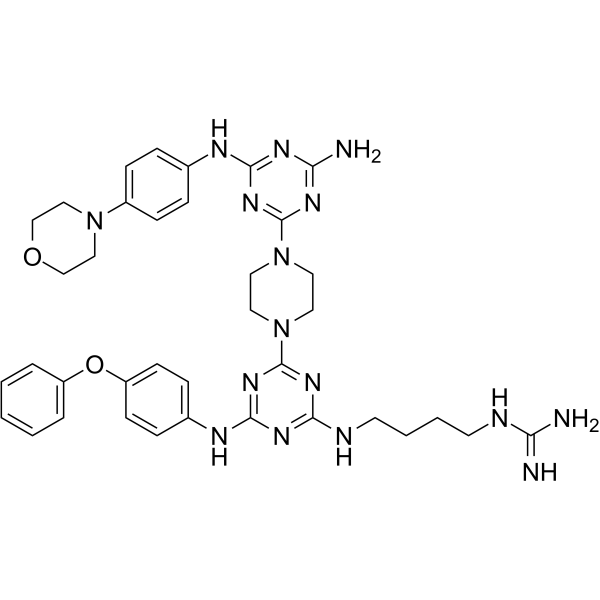 0 ImagesMC-1-F2 is a FOXC2 inhibitor. MC-1-F2 shows a binding affinity (Kd) of 26 μM for full-length FOXC2. MC-1-F2 reduces epithelial-mesenchymal transition (EMT) markers in breast cancer cells, suppresses cancer stem cell (CSC) properties and reduces invasiveness in castration-resistant prostate cancer (CRPC) cells. MC-1-F2 can be used for the study of CRPC and breast cancer.
-
TCIP3
 0 ImagesSynonyms: KAT-TCIPTCIP3 is a bivalent molecular glue degrader that binds dually to p300/CBP and BCL6. TCIP3 redirects p300 and CBP, thereby activating programmed cell death genes that are normally repressed by the oncogenic driver gene BCL6. TCIP3 induces acetylation of BCL6 and histone tails, inhibits c-MYC transcription. TCIP3 can be used for the research of diffuse large B-cell lymphoma (DLBCL).
-
NSC12
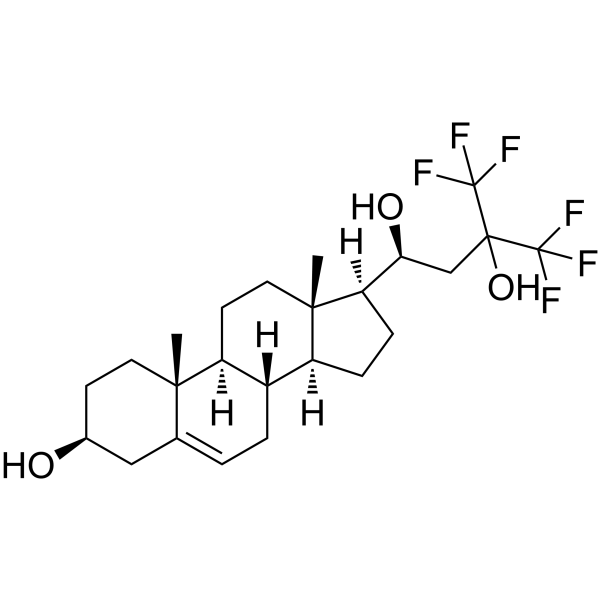 0 ImagesCat. No.: HY-107194CAS No.: 102586-30-1NSC12 is an orally active pan-FGF trap. NSC12 inhibits the interaction between FGF2/FGFR. NSC12 suppresses the phosphorylation of FGFR3. NSC12 reduces c-Myc levels, induces DNA damage, triggers the cleavage of Caspase 3, and promotes ROS production. NSC12 exhibits anticancer activity against lung cancer and multiple myeloma.
-
Bruceantin
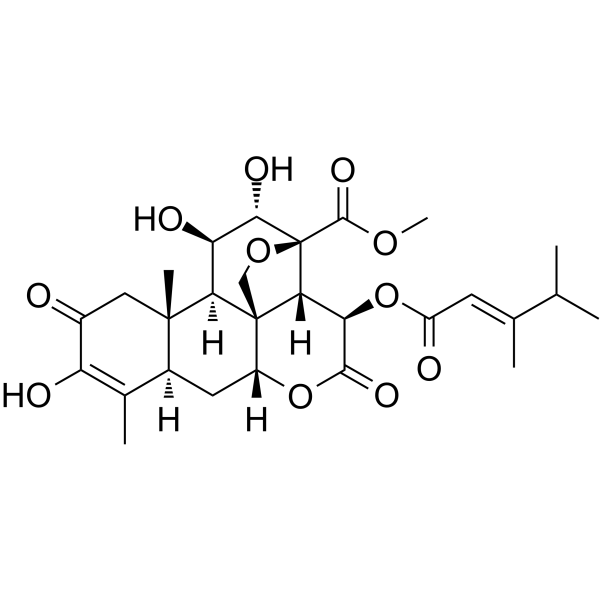 0 ImagesSynonyms: (-)-Bruceantin; NCI165563; NSC165563
-
Briciclib
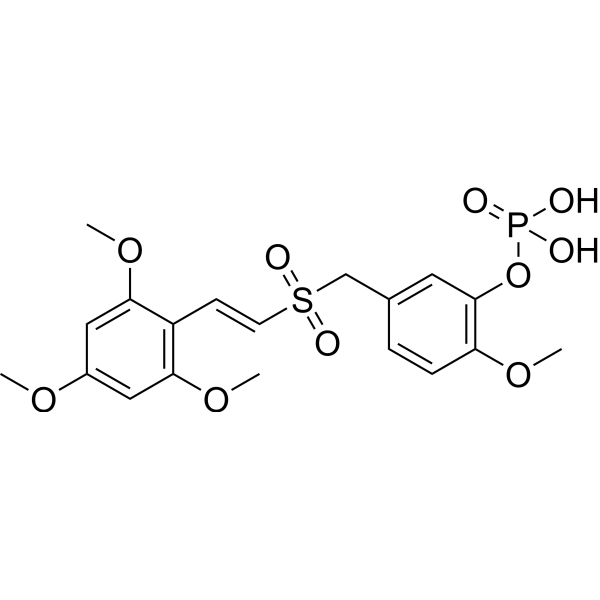 0 ImagesSynonyms: ON 014185Briciclib (ON 014185) is a eukaryotic translation initiation factor 4E (eIF4E) inhibitor. Briciclib exhibits broad-spectrum anti-cancer activity, including in mantle cell leukemia, breast cancer, gastric cancer, and esophageal cancer cells. Briciclib reduces the expression of cyclin D1 and c-Myc, and enhances the expression of P53 and Cleaved Caspase 3 pro-apoptotic proteins. Briciclib can be used for the study of hematological system tumors and solid tumors.
-
YK-2168
 0 ImagesYK-2168 is a potent and selective CDK9 inhibitor with an IC50 of 5.9 nM. YK-2168 inhibits phosphorylation of the CDK9 substrate pS2-RNA Pol II C-terminal domain. YK-2168 induces apoptosis in tumor cells, suppresses expression of CDK9-regulated genes including MYC and Mcl1, and inhibits tumor growth in CDX mice models. YK-2168 can be used for the research of cancer, such as leukemia.
-
MDEG-541
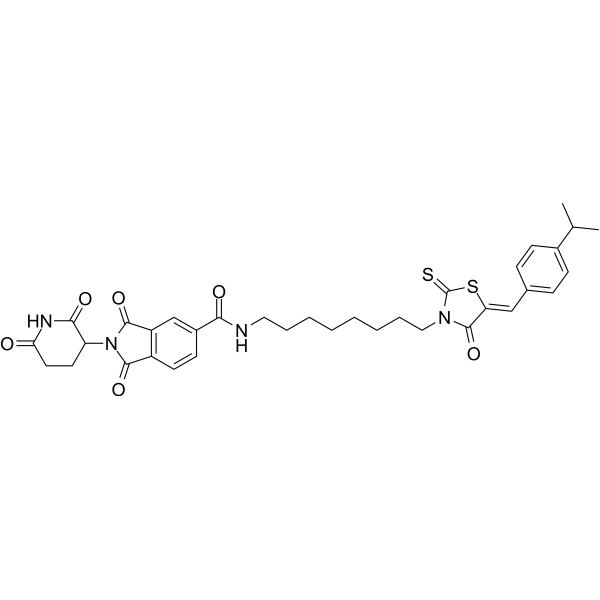 0 ImagesCat. No.: HY-150259Purity: 98.68%MDEG-541 is a PROTAC degrader targeting MYC, GSPT1/2 and PLK1. MDEG-541 induces degradation via proteasome- and ubiquitin-dependent pathways. MDEG-541 exhibits anti-tumor activity in gastrointestinal cancer cells and patient-derived organoids. MDEG-541 can be used for the research of gastrointestinal cancer.
-
Ifupinostat
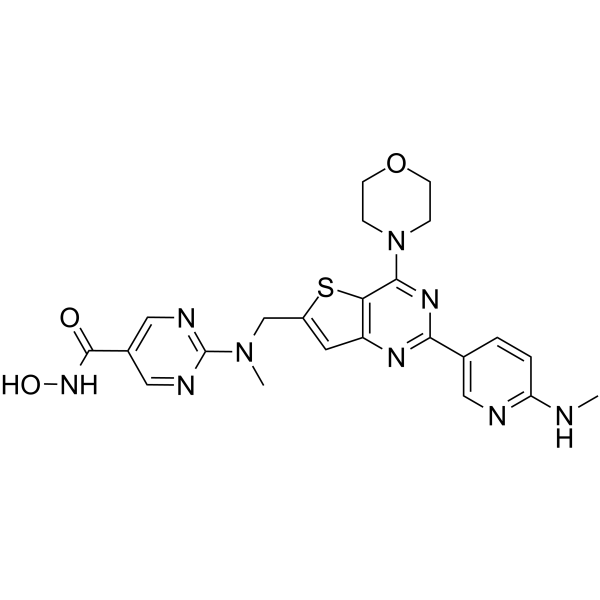 0 ImagesSynonyms: BEBT-908Ifupinostat (BEBT-908) is a blood-brain barrier-permeable PI3K/HDAC inhibitor. Ifupinostat exerts anticancer activity against hematologic malignancies, lung cancer, colon cancer, brain cancer and other cancers. Ifupinostat inhibits the PI3K/AKT/mTOR signaling pathway, suppresses c-Myc expression and induces ferroptosis. Ifupinostat can be used in tumor research.
-
KL4-219A
 0 ImagesCat. No.: HY-172825Purity: 99.85%KL4‑219A is a more durable MYC degrader derived from structural optimization of KL2‑236, with its inactive diastereomer being KL4‑219B. KL4‑219A induces destabilization and degradation of MYC protein in a proteasome-dependent manner. KL4‑219A is applicable to the research of pancreatic cancer.
-
Tocopherols
 0 ImagesTocopherols are orally effective antioxidants and ferroptosis inhibitors. Tocopherols scavenge ROS/RNS, alleviate DNA damage, downregulate cyclin D1/c-Myc/TFF/pS2/PGR in an ER-dependent manner, and inhibit ferroptosis mediated by lipid peroxidation. Tocopherols block the occurrence of ferroptosis in Gpx4-knockout Pfa1 cells, with an EC50 value of 1.0-2.3 μM. Tocopherols inhibit tumor growth. Tocopherols can be used in studies related to estrogen-mediated ER+ breast cancer, oxidative stress-induced carcinogenesis, and ferroptosis regulation.
-
BETd-260
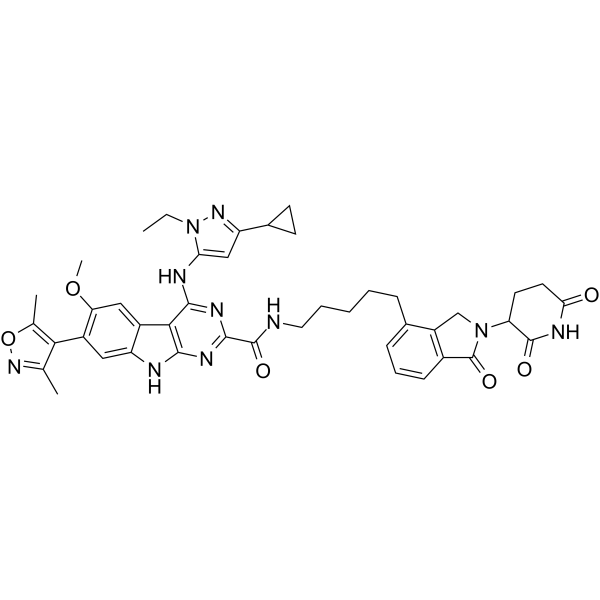 0 ImagesSynonyms: ZBC 260BETd-260 (ZBC 260) is a BET PROTAC degrader. BETd-260 recruits BRD2, BRD3, and BRD4 to the CUL4-RBX1-DDB1-CRBN E3 ubiquitin ligase complex, driving cereblon-, proteasome-, and NEDD8-activating enzyme-dependent ubiquitination and degradation, with a DC50 of approximately 30-100 pM in RS4;11 cells. BETd-260 induces cancer cell apoptosis via endogenous signaling pathways, regulates the expression of the Bcl-2 family, inhibits the oncogene c-Myc, and reduces cell viability. BETd-260 suppresses tumor growth in mouse xenograft models with good biosafety. BETd-260 can be used in research related to acute leukemia, hepatocellular carcinoma, osteosarcoma, and triple-negative breast cancer.
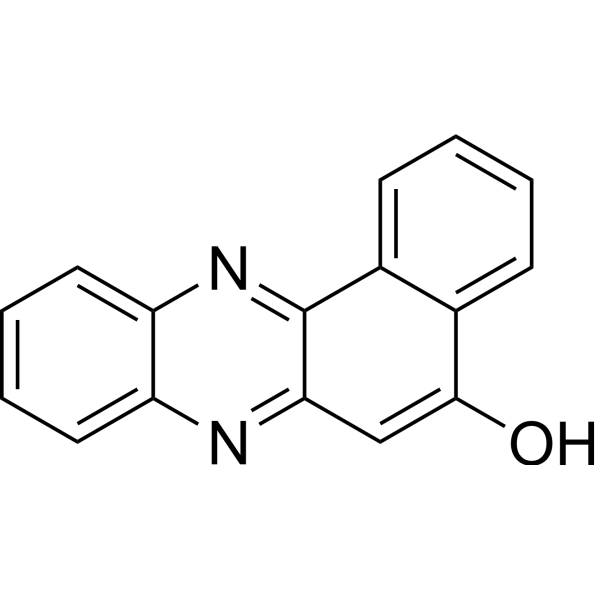
-
HZX-02-059
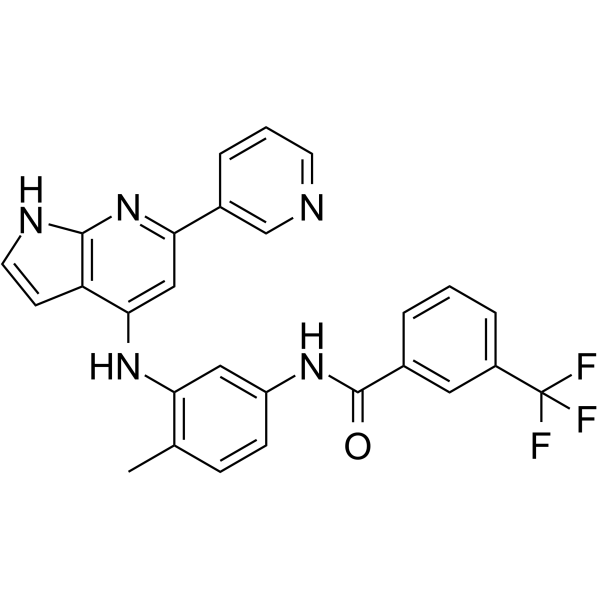 0 ImagesSynonyms: Methuosis inducer 1HZX-02-059 is an allosteric inhibitor of PIKFYVE, and a methuosis inducer. HZX-02-059 disrupts the PIKfyve/TFEB axis, suppresses tubulin polymerization, reduces phosphorylated mTOR levels, downregulates p53, PI3K/AKT, c-Myc, and NF-κB pathways. HZX-02-059 induces G2/M cell cycle arrest, apoptosis, and inhibits cancer cell proliferation. HZX-02-059 can be used for the research of lymphoma, double-hit lymphoma, and B-cell acute lymphoblastic leukemia.
-
Q901
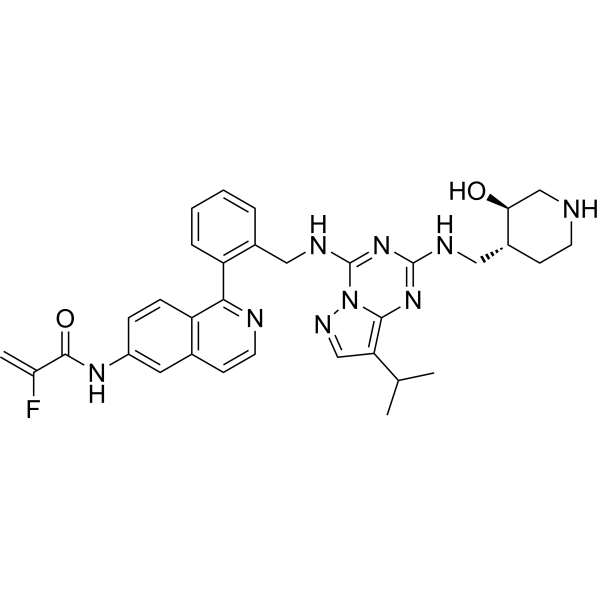 0 ImagesCat. No.: HY-153278CAS No.: 2766124-39-2Synonyms: CDK7-IN-21Q901 (CDK7-IN-21) is a selective and potent CDK7 inhibitor with an IC50 of 10 nM. Q901 disrupts MYC and E2FTOP1-DPCs and sensitizes tumor to TOP1 inhibitors by suppressing RNAPII transition from initiation to elongation. Q901 can inhibit tumor growth and significantly enhances tumor growth inhibition combined with TOP1 inhibitors. Q901 can be used for the research of cancer, such as colon cancer and lung cancer.
-
MY05
 0 ImagesMY05 selectively targets c-MYC in cells and disrupts MYC-MAX interaction. MY05 engages intracellular c-MYC, modulates c-MYC thermal stability, reduces c-MYC transcriptional targets, and possesses anticancer activity (TNBC, Triple-Negative Breast Cancer).
-
PPA24
 0 ImagesPPA24 is a PP2A activator with a KD of 8.465 μM for PP2ACα. PPA24 induces cancer cell death via apoptosis. PP2ACα induces ROS generation and decreases the level of c-Myc expression. PPA24 can be used to study colorectal cancer (CRC), Folinic acid (HY-17556), 5-Fluorouracil (HY-90006), and Oxaliplatin (HY-17371) (FOLFOX)-resistant CRC, and melanoma cancer.
-
Bruceantinol
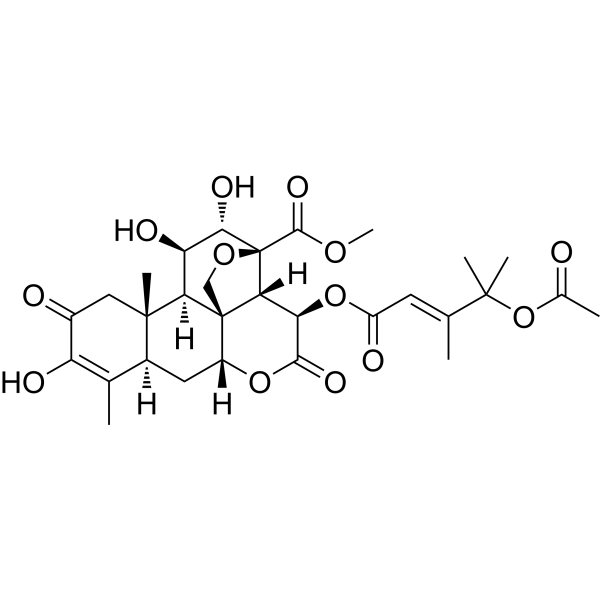 0 ImagesBruceantinol is a quassinoid that can be isolated from Brucea javanica, inhibits pepper mottle virus (PepMoV) in pepper. Bruceantinol is a STAT3 inhibitor demonstrating potent antitumor activity in in vitro and in vivo human colorectal cancer (CRC) models. Bruceantinol has potent anti-leukemic activity. Bruceantinol strongly inhibits STAT3 DNA-binding ability (IC50 = 2.4 pM), blocks the constitutive and IL-6-induced STAT3 activation, and suppresses transcription of MCL-1, PTTG1, survivin and c-Myc. Bruceantinol binds with CDK2/4/6 to facilitate protein degradation through proteasome pathway. Bruceantinol can dose- and time-dependently reduces the cell growth, impede cell proliferation, disrupts the cell cycle, and induces necrosis in MCF-7 cells and apoptosis in MDA-MB-231 cells.
-
Methyl protodioscin
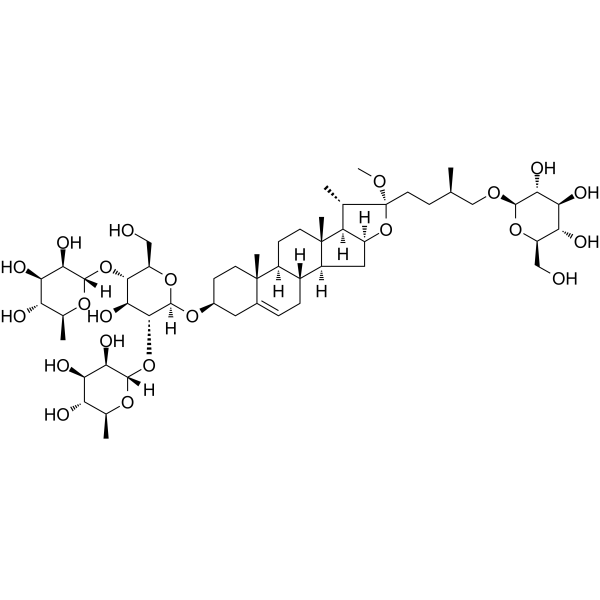 0 ImagesSynonyms: NSC-698790; Smilax saponin BMethyl protodioscin (NSC-698790; Smilax saponin B) is a multi-target, selective, steroidal diglycoside inhibitor with antitumor activity that induces cell cycle arrest. The mechanism of action of Methyl protodioscin is complex, involving the induction of G2/M cell cycle arrest, regulation of the Bcl-2/Bax apoptotic pathway, inhibition of the Akt1/c-Myc axis and MAPK/ERK signaling, while simultaneously downregulating ADAM15 and inducing FOXO1 to reduce cholesterol synthesis. It also inhibits the JNK/c-Jun pathway, reducing the production of inflammatory factors (IL-6, TNF-α). Methyl protodioscin exhibits significant antitumor (inhibiting proliferation, migration, invasion, and inducing apoptosis), anti-inflammatory, and anti-restenosis activities. Methyl protodioscin can be used in research on lung cancer, prostate cancer, pancreatic cancer, and other tumors, as well as inflammatory diseases such as airway inflammation and enteritis.




