



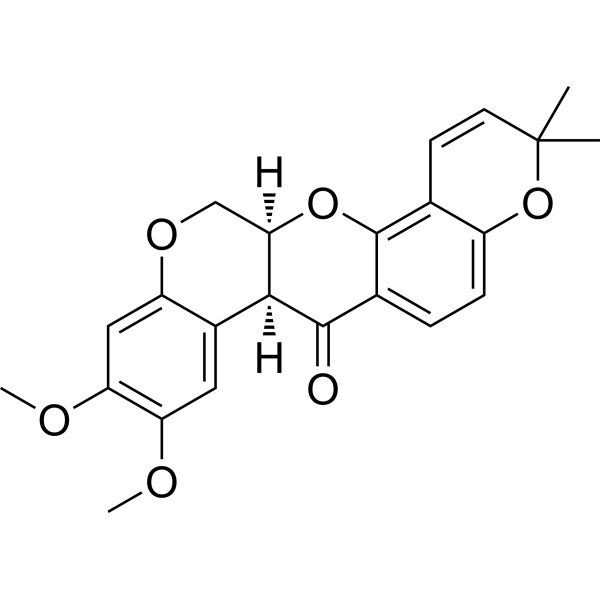
Deguelin
Based on 15 publication(s) in Google Scholar
Deguelin, a naturally occurring rotenoid, acts as a chemopreventive agent by blocking multiple pathways like PI3K-Akt, IKK-NF-κB, and MAPK-mTOR-survivin-mediated apoptosis. Deguelin binding to Hsp90 leads to a decreased expression of numerous oncogenic proteins, including MEK1/2, Akt, HIF1α, COX-2, and NF-κB.
Nur für Forschungszwecke. Wir verkaufen nicht an Patienten.
- Reinheit : 99.20%
- CAS. Nr.: 522-17-8
- Formel: C23H22O6
- Molecular Weight:394.42
-
Speicherung:Powder -20°C, 3 years , 4°C, 2 years ; In solvent -80°C, 1 year , -20°C, 6 months

To place orders, for customer services and technical support, please contact: MedChemExpress USA
Tel: 609-228-6898 E-mail: [email protected] [email protected]


-
 Biologische Aktivität
-
Chemical Information
-
Lösungsmittel & Löslichkeit
- Protokoll
- Reinheit & Dokumentation
- Verweise
-
 Help & FAQs


-
HY-B1756
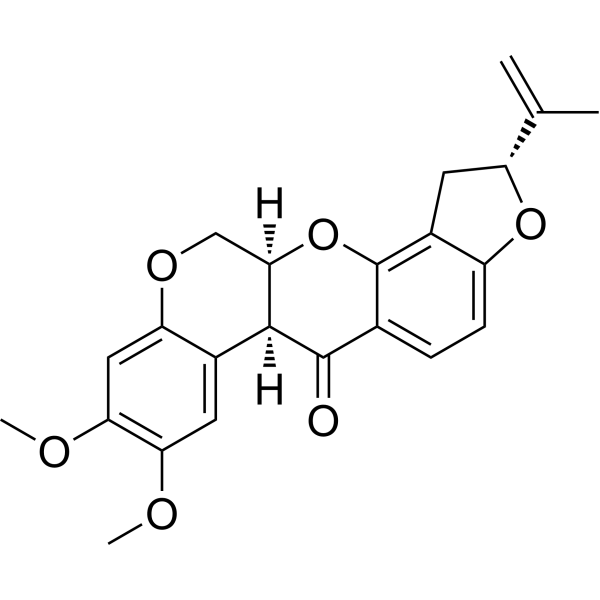
RotenoneMitochondrial Complex I Inhibitor -
HY-14596
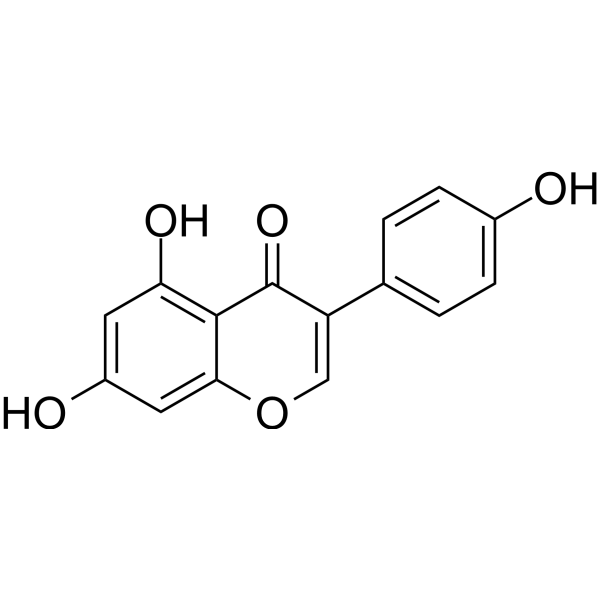
GenisteinAutophagy Inducer -

HY-13425R
Deguelin (Standard)Chemopreventive Agent -
HY-90006
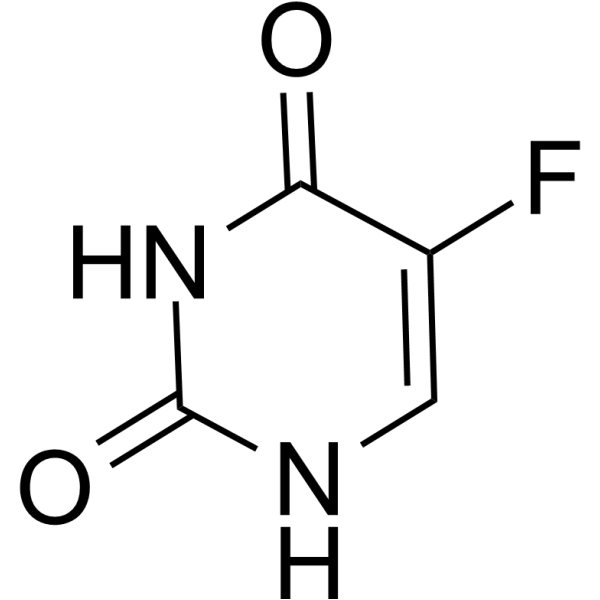
5-FluorouracilThymidylate Synthase Inhibitor -
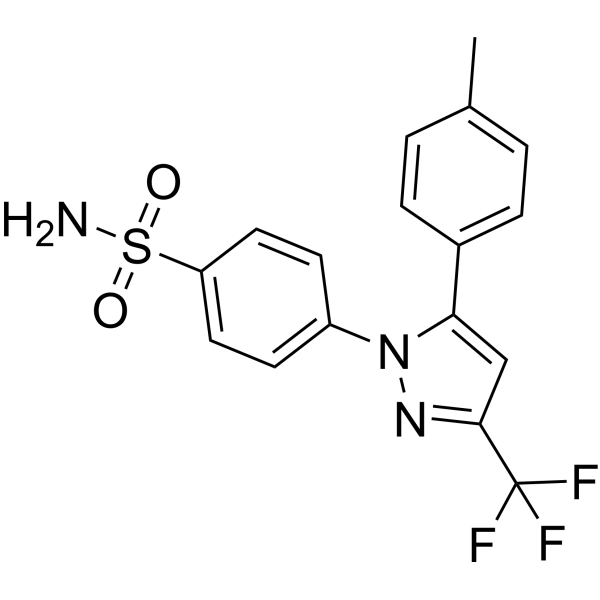
HY-14398
CelecoxibCOX-2inhibitor -
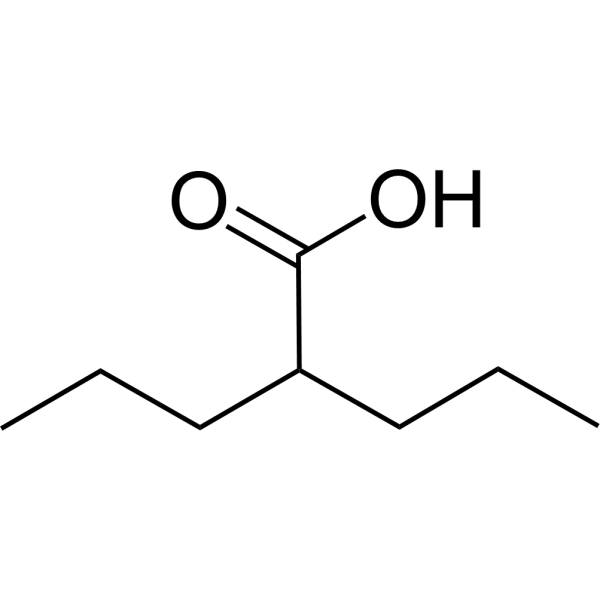
HY-10585
Valproic acidHDAC Inhibitor -
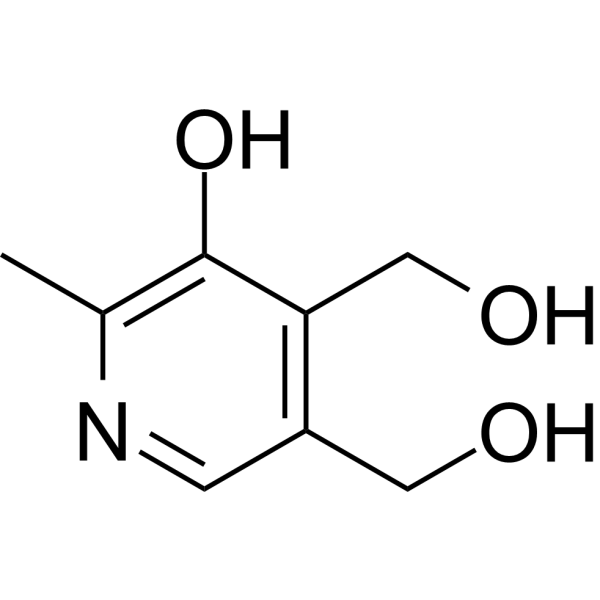
HY-B1328
PyridoxinePyridine Derivative -
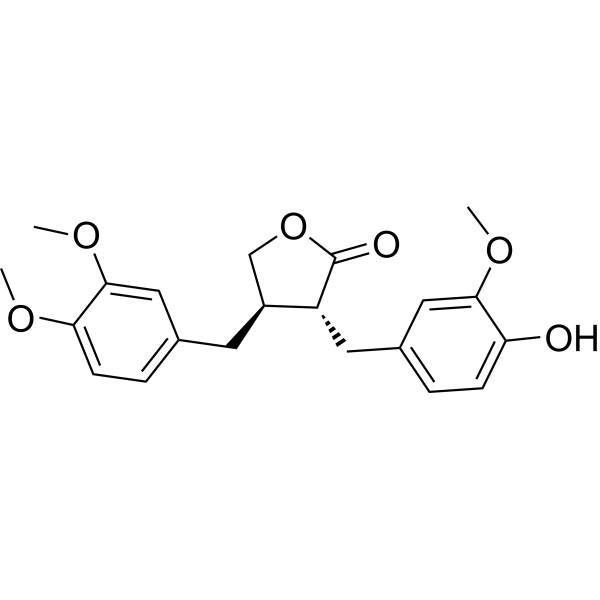
HY-N0035
ArctigeninAntitumor Agent -
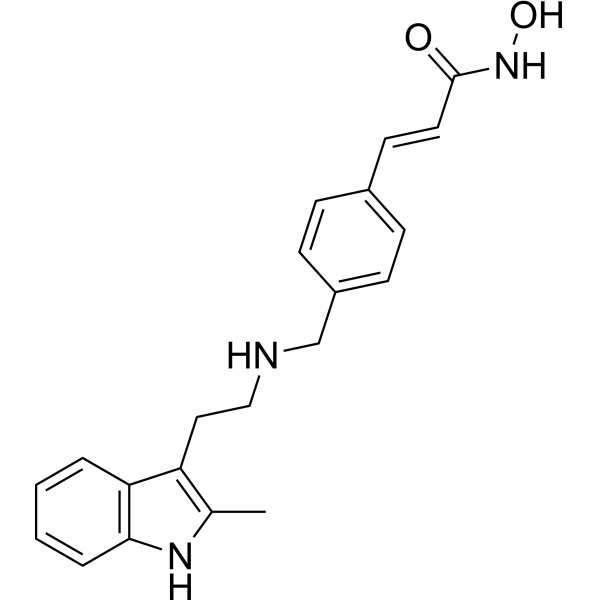
HY-10224
PanobinostatHDAC Inhibitor -
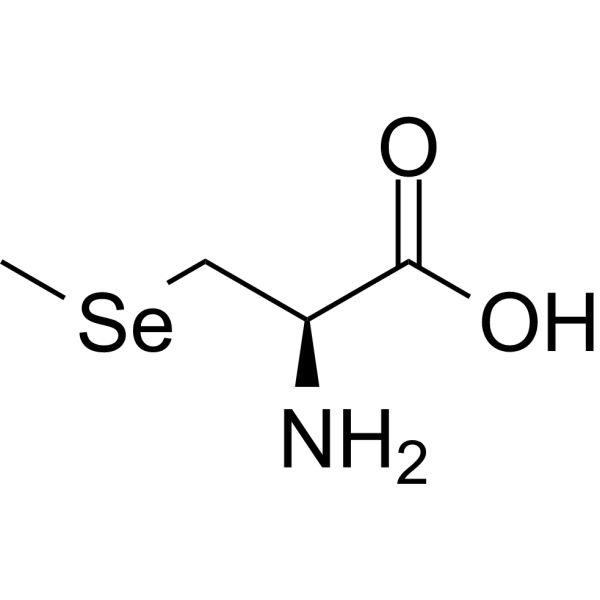
HY-114245
Se-MethylselenocysteineChemopreventive Agent -
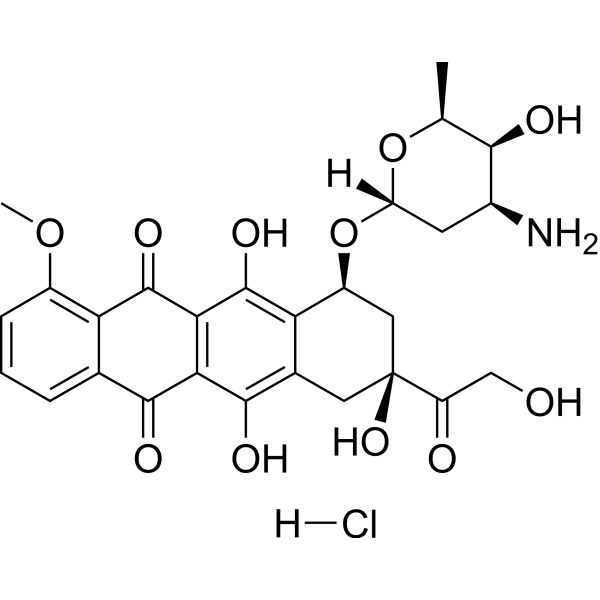
HY-15142
Doxorubicin hydrochlorideTopoisomerase Inhibitor -
HY-D0803
ThymoquinoneNatural Product
Publications Citing Use of MedChemExpress (MCE) Deguelin
More- Acta Pharm Sin B. 2021 Jan;11(1):143-155. [Abstract]
- Food Chem. 2025 Dec 30:497:146992. [Abstract]
- Acta Pharmacol Sin. 2025 Nov 3. [Abstract]
- Food Chem. 2025 Oct 15:489:144992. [Abstract]
- Int J Mol Med. 2018 Jun;41(6):3157-3166. [Abstract]
- PLoS Biol. 2024 Jun 27;22(6):e3002672. [Abstract]
- Cancer Biol Ther. 2026 Dec 31;27(1):2644788. [Abstract]
- Neuropharmacology. 2024 Nov 15:259:110109. [Abstract]
- J Med Virol. 2024 Sep;96(9):e29891. [Abstract]
- Toxicol Appl Pharmacol. 2025 Sep:502:117453. [Abstract]
- Arch Med Res. 2021 Jul;52(5):494-504. [Abstract]
- Int J Biochem Cell Biol. 2026 Jun-Jul:195-196:106940. [Abstract]
- J Cancer. 2021 Jan 1;12(1):270-280. [Abstract]
- Res Sq. 2025 Aug 20.
- bioRxiv. 2024 Apr 3:2023.06.02.542933. [Abstract]
 Customer Validation & Images

-
Cell Proliferation/Viability Assay
-
WB
-
Apoptosis Analysis
-
Cell Imaging/Staining
-
In Vivo Efficacy Study


Biologische Aktivität
Beschreibung
Cellular Effect
|
Cell Line

|
Type | Value | Description | References |
|---|---|---|---|---|
| A549 | IC50 |
6.05 μM
Compound: 4
|
Antiproliferative activity against human A549 cells after 72 hrs by MTT assay
Antiproliferative activity against human A549 cells after 72 hrs by MTT assay
|
[PMID: 30784881] |
| Astrocyte | IC50 |
>80 μM
Compound: 1
|
Growth inhibition of Nf1 defective and Trp53 defective mouse primary astrocytes after 2 hrs by XTT assay
Growth inhibition of Nf1 defective and Trp53 defective mouse primary astrocytes after 2 hrs by XTT assay
|
[PMID: 26467198] |
| HeLa | IC50 |
0.22 μM
Compound: 3
|
Inhibition of TNF-alpha-induced NF-kappaB activation in human HeLa cells by SEAP reporter gene assay
Inhibition of TNF-alpha-induced NF-kappaB activation in human HeLa cells by SEAP reporter gene assay
|
[PMID: 18841906] |
| HEp-2 | CC50 |
26.5 μM
Compound: 10
|
Cytotoxicity against human HEp-2 cells measured after 3 days by CellTiter 96 aqueous one solution assay (Rvb >100 microM)
Cytotoxicity against human HEp-2 cells measured after 3 days by CellTiter 96 aqueous one solution assay (Rvb >100 microM)
|
[PMID: 38579352] |
| HEp-2 | IC50 |
0.4 μM
Compound: 10
|
Antiviral activity against Human respiratory syncytial virus infected in human HEp-2 cells assessed as plaque reduction preincubated with cells 15 mins followed by viral infection for 2.5 hrs and measured after 3 days by crystal violet staining based micr
Antiviral activity against Human respiratory syncytial virus infected in human HEp-2 cells assessed as plaque reduction preincubated with cells 15 mins followed by viral infection for 2.5 hrs and measured after 3 days by crystal violet staining based micr
|
[PMID: 38579352] |
| L5178Y | IC50 |
0.2 μM
Compound: 26
|
Cytotoxicity against mouse L5178Y cells by MTT assay
Cytotoxicity against mouse L5178Y cells by MTT assay
|
[PMID: 28075580] |
| MCF7 | IC50 |
10.59 μM
Compound: i
|
Cytotoxicity against human MCF7 cells assessed as cell growth inhibition after 24 hrs by MTT assay
Cytotoxicity against human MCF7 cells assessed as cell growth inhibition after 24 hrs by MTT assay
|
[PMID: 27376493] |
| MCF7 | IC50 |
8.17 μM
Compound: 4
|
Antiproliferative activity against human MCF7 cells after 72 hrs by MTT assay
Antiproliferative activity against human MCF7 cells after 72 hrs by MTT assay
|
[PMID: 30784881] |
| NCI-H1299 | IC50 |
0.11 μM
Compound: 1, (-)-Deguelin
|
Cytotoxicity against human H1299 cells after 3 days by MTS assay
Cytotoxicity against human H1299 cells after 3 days by MTS assay
|
[PMID: 23186287] |
| NCI-H1299 | IC50 |
5.67 μM
Compound: 4
|
Antiproliferative activity against human NCI-H1299 cells after 72 hrs by MTT assay
Antiproliferative activity against human NCI-H1299 cells after 72 hrs by MTT assay
|
[PMID: 30784881] |
| RAW264.7 | IC50 |
1.75 μM
Compound: 3
|
Inhibition of LPS-induced NF-kappaB activation in mouse RAW264.7 cells by SEAP reporter gene assay
Inhibition of LPS-induced NF-kappaB activation in mouse RAW264.7 cells by SEAP reporter gene assay
|
[PMID: 18841906] |
| U-937 | IC50 |
16 μM
Compound: 1, deguelin
|
Antiproliferative activity against human U937 cells after 48 hrs by WST-8 assay
Antiproliferative activity against human U937 cells after 48 hrs by WST-8 assay
|
[PMID: 17158054] |
| U-937 | IC50 |
42 μM
Compound: 1, deguelin
|
Antiproliferative activity against human U937 cells after 24 hrs by WST-8 assay
Antiproliferative activity against human U937 cells after 24 hrs by WST-8 assay
|
[PMID: 17158054] |
| U-937 | IC50 |
5.8 μM
Compound: 1, deguelin
|
Antiproliferative activity against human U937 cells after 72 hrs by WST-8 assay
Antiproliferative activity against human U937 cells after 72 hrs by WST-8 assay
|
[PMID: 17158054] |
In Vitro
Deguelin (0-500 nM) in a dose and time dependent manner inhibits the growth of MDA-MB-231, MDA-MB-468, BT-549 and BT-20 cells. Deguelin at all concentrations fails to reduce cell numbers in the presence of 1 ng EGF but in the presence of EGF 20 ng reinstated deguelin mediated growth inhibition. Deguelin treated cells show reduced expression of Survivin as determined by western blot and immunofluorescence examinations. Deguelin inhibits p-ERK and its downstream target p-STAT-3 and c-Myc expression in a dose dependent manner[1].
Deguelin down-regulates Akt signaling probably by disrupting its association with Hsp 90 in cultured HNSCC cells. Deguelin deguelin disrupts the association between Hsp 90 with survivin and Cdk4. Deguelin deguelin treatment increases cellular ceramide level through de novo synthase pathway to mediate HNSCC cell death and apoptosis[2].
Deguelin inhibits the proliferation of MPC-11 cells in a concentration- and time-dependent manner and causes the apoptotic death of MPC-11 cells. Following exposure to deguelin, the phosphorylation of Akt is decreased. Deguelin-induced apoptosis is characterized by the upregulation of Bax, downregulation of Bcl-2 and activation of caspase-3[3].
MedChemExpress (MCE) has not independently confirmed the accuracy of these methods. They are for reference only. Further protocols information, click here.
In Vivo
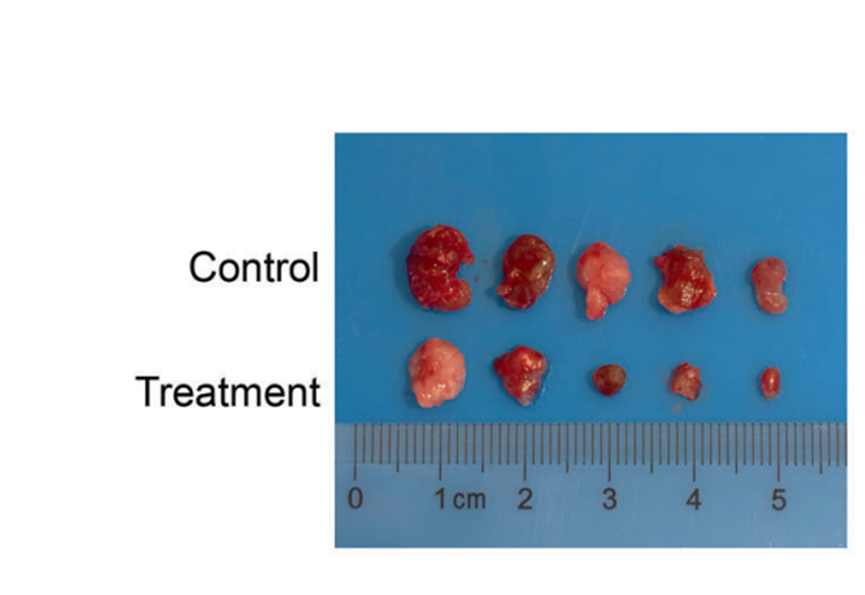
Deguelin (4 mg/kg, p.o.) treatment shows a great inhibition in tumor growth, which is demonstrated by reduced tumor size and improved mice survival and, indicating a significant anti-tumor ability by deguelin in vivo[2].
In the colon cancer xenograft model, the volume of the tumor treated with deguelin is significantly lower than that of the control, and the apoptotic index for deguelin-treated mice is much higher[4].
MedChemExpress (MCE) has not independently confirmed the accuracy of these methods. They are for reference only.


Chemical Information
-
CAS. Nr. 522-17-8
-
Appearance Solid
-
Molecular Weight 394.42
-
Formel C23H22O6
-
Color Light yellow to yellow
-
SMILES
O=C1[C@]2([H])[C@](COC3=CC(OC)=C(OC)C=C32)([H])OC4=C5C=CC(C)(C)OC5=CC=C14
-
Synonyms
(-)-Deguelin; (-)-cis-Deguelin
-
Structure Classification
-
Initial Source
-
Versand
Room temperature in continental US; may vary elsewhere.
-
Speicherung
Powder -20°C 3 years 4°C 2 years In solvent -80°C 1 year -20°C 6 months


Publications (15)
-
Journal Impact Factor
-
Most Recent
-
Acta Pharm Sin B
Chrysin serves as a novel inhibitor of DGK α/FAK interaction to suppress the malignancy of esophageal squamous cell carcinoma (ESCC). [Abstract]2021 Jan;11(1):143-155. PMID: 33532186 -
Food Chem
Effects of sun drying combined with baking processes on the flavor quality of Chongqing Tuocha raw tea. [Abstract]2025 Dec 30:497:146992. PMID: 41285060 -
Acta Pharmacol Sin
Deguelin inhibits growth and prolactin synthesis in prolactinomas by targeting the PI3K/AKT/CREB3L1 pathway and ornithine decarboxylase. [Abstract]2025 Nov 3. PMID: 41184622
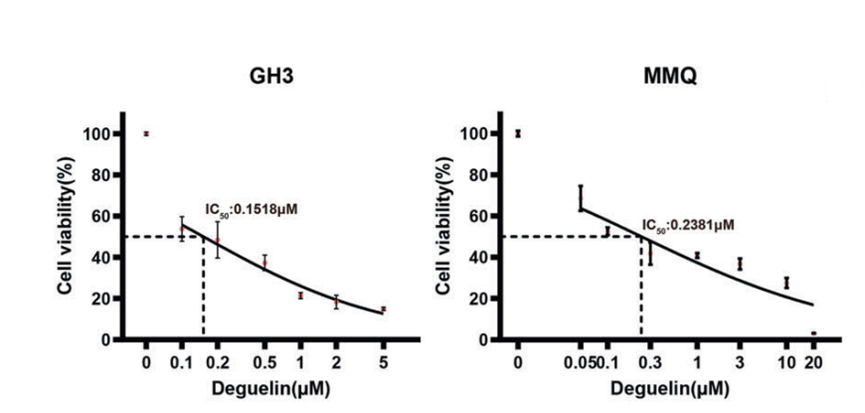
Deguelin purchased from MedChemExpress. Usage Cited in: Acta Pharmacol Sin. 2025 Nov 3. [Abstract]
Deguelin concentration response curves for both cell lines, as determined by the CCK-8 assay.
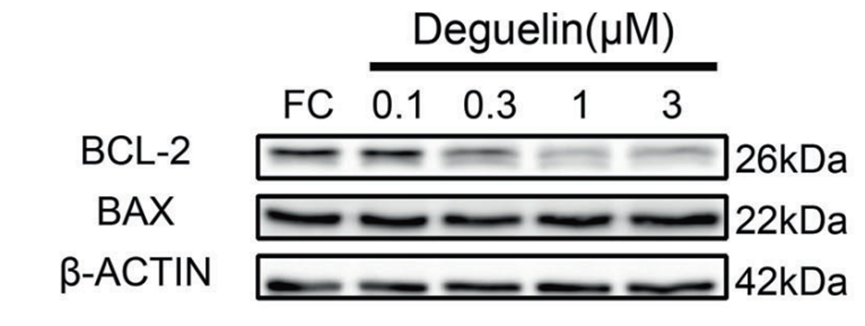
Deguelin purchased from MedChemExpress. Usage Cited in: Acta Pharmacol Sin. 2025 Nov 3. [Abstract]
Western blot analysis showing the levels of BCL-2, BAX in GH3 cells treated with Deguelin (0.1, 0.3, 1, 3 μM).
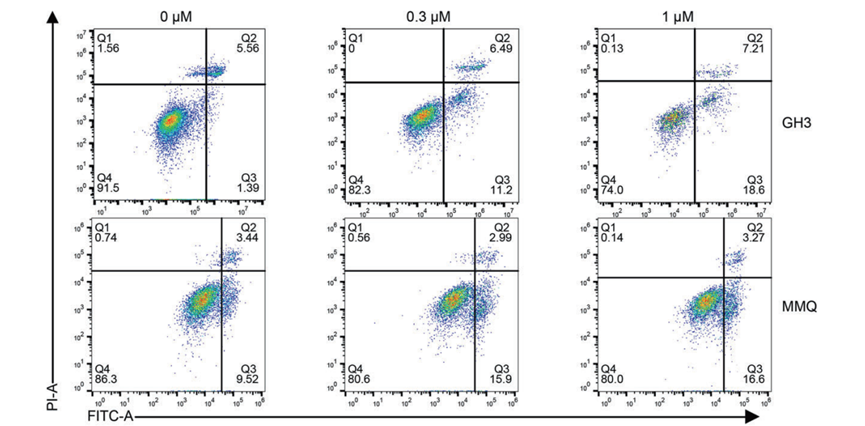
Deguelin purchased from MedChemExpress. Usage Cited in: Acta Pharmacol Sin. 2025 Nov 3. [Abstract]
Apoptosis analysis based on cell flow cytometry of two cell lines treated with different doses of Deguelin (1, 0.3, 1 μM) for 48 h.
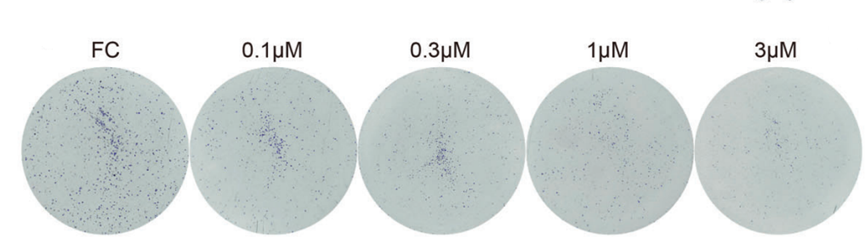
Deguelin purchased from MedChemExpress. Usage Cited in: Acta Pharmacol Sin. 2025 Nov 3. [Abstract]
Colony formation assay of GH3 cells treated with different doses of Deguelin (0.1, 0.3, 1, 3 μM).
Deguelin purchased from MedChemExpress. Usage Cited in: Acta Pharmacol Sin. 2025 Nov 3. [Abstract]
Deguelin (4 mg/kg, i.p.) significantly inhibited GH3 tumor growth in vivo.
-
Food Chem
Flavonoid-mediated metabolic underpinning quality variation in red bud-sport pear mutants. [Abstract]2025 Oct 15:489:144992. PMID: 40466530 -
Int J Mol Med
Deguelin exerts anticancer activity of human gastric cancer MGC-803 and MKN-45 cells in vitro. [Abstract]2018 Jun;41(6):3157-3166. PMID: 29512685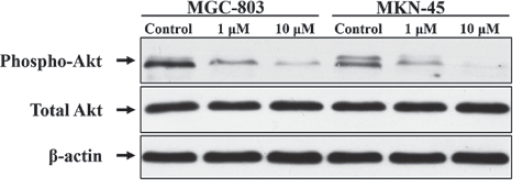
Deguelin purchased from MedChemExpress. Usage Cited in: Int J Mol Med. 2018 Jun;41(6):3157-3166. [Abstract]
MGC-803 and MKN-45 cells are treated with increasing doses of Deguelin (0, 1 and 10 μM) for 6 h and harvested for western blot (WB) analysis to assess the p-Akt signaling.
-
PLoS Biol
2024 Jun 27;22(6):e3002672. PMID: 38935621 -
Cancer Biol Ther
Deguelin inhibits perineural invasion in esophageal squamous cell carcinoma via targeting BDNF/TrkB axis. [Abstract]2026 Dec 31;27(1):2644788. PMID: 41851958 -
Neuropharmacology
Deguelin inhibits the glioblastoma progression through suppressing CCL2/NFκB signaling pathway. [Abstract]2024 Nov 15:259:110109. PMID: 39128581 -
J Med Virol
E3 ubiquitin ligase FBXO22 inhibits SARS-CoV-2 replication via promoting proteasome-dependent degradation of NSP5. [Abstract]2024 Sep;96(9):e29891. PMID: 39223933 -
Toxicol Appl Pharmacol
Deguelin inhibits IL-1β-induced chondrocyte inflammation in vitro and ameliorates murine osteoarthritis in vivo. [Abstract]2025 Sep:502:117453. PMID: 40582373 -
Arch Med Res
microRNA-103 Contributes to Progression of Polycystic Ovary Syndrome Through Modulating the IRS1/PI3K/AKT Signal Axis. [Abstract]2021 Jul;52(5):494-504. PMID: 33583602 -
Int J Biochem Cell Biol
Estradiol facilitates urate excretion by reducing GLUT9 expression via ERβ/TMEM106B/PI3K/AKT1 pathway in renal tubular epithelial cells. [Abstract]2026 Jun-Jul:195-196:106940. PMID: 41825791 -
J Cancer
Tephrosin induces apoptosis of human pancreatic cancer cells through the generation of reactive oxygen species. [Abstract]2021 Jan 1;12(1):270-280. PMID: 33391424 -
-
bioRxiv
An efficient behavioral screening platform classifies natural products and other chemical cues according to their chemosensory valence in C. elegans. [Abstract]2024 Apr 3:2023.06.02.542933. PMID: 37333363


Lösungsmittel & Löslichkeit
In Vitro:
DMSO : 100 mg/mL (253.54 mM; Need ultrasonic; Hygroscopic DMSO has a significant impact on the solubility of product, please use newly opened DMSO)
Please refer to the solubility information to select the appropriate solvent. Once prepared, please aliquot and store the solution to prevent product inactivation from repeated freeze-thaw cycles.
Storage method and period of stock solution: -80°C, 1 year; -20°C, 6 months. When stored at -80°C, please use it within 1 year. When stored at -20°C, please use it within 6 months.
Please refer to the solubility information to select the appropriate solvent. Once prepared, please aliquot and store the solution to prevent product inactivation from repeated freeze-thaw cycles.
Storage method and period of stock solution: -80°C, 1 year; -20°C, 6 months. When stored at -80°C, please use it within 1 year. When stored at -20°C, please use it within 6 months.
Konzentration (Stammlösung) × Volumen (Stammlösung) = Konzentration (Ziellösung) × Volumen (Ziellösung)
In Vivo:
Select the appropriate dissolution method based on your experimental animal and administration route.
- For the following dissolution methods, please ensure to first prepare a clear stock solution using an In Vitro approach and then sequentially add co-solvents:
- To ensure reliable experimental results, the clarified stock solution can be appropriately stored based on storage conditions. As for the working solution for In Vivo experiments, it is recommended to prepare freshly and use it on the same day.
- The percentages shown for the solvents indicate their volumetric ratio in the final prepared solution. If precipitation or phase separation occurs during preparation, heat and/or sonication can be used to aid dissolution.
Add each solvent one by one: 10% DMSO 40% PEG300 5% Tween-80 45% Saline
Solubility: ≥ 2.5 mg/mL (6.34 mM); Clear solution
This protocol yields a clear solution of ≥ 2.5 mg/mL (saturation unknown).
Taking 1 mL working solution as an example, add 100 μL DMSO stock solution (25.0 mg/mL) to 400 μL PEG300, and mix evenly; then add 50 μL Tween-80 and mix evenly; then add 450 μL Saline to adjust the volume to 1 mL.
Preparation of Saline: Dissolve 0.9 g sodium chloride in ddH₂O and dilute to 100 mL to obtain a clear Saline solution.
Add each solvent one by one: 10% DMSO 90% (20% SBE-β-CD in Saline)
Solubility: 2.5 mg/mL (6.34 mM); Suspended solution; Need ultrasonic
This protocol yields a suspended solution of 2.5 mg/mL. Suspended solution can be used for oral and intraperitoneal injection.
Taking 1 mL working solution as an example, add 100 μL DMSO stock solution (25.0 mg/mL) to 900 μL 20% SBE-β-CD in Saline, and mix evenly.
Preparation of 20% SBE-β-CD in Saline (4°C, storage for one week): 2 g SBE-β-CD powder is dissolved in 10 mL Saline, completely dissolve until clear.
In Vivo Dissolution Calculator
Please enter the basic information of animal experiments:
-
-
-
-
Recommended: Prepare an additional quantity of animals to account for potential losses during experiments.
Please enter your animal formula composition:
-
%DMSO +
Recommended: Keep the proportion of DMSO in working solution below 2% if your animal is weak.
-
%+
-
+%Tween-80 + +
-
%Saline +
The co-solvents required include: DMSO, . All of co-solvents are available by MedChemExpress (MCE). , Tween 80. All of co-solvents are available by MedChemExpress (MCE).
Working solution concentration: 0.22 mg/mL
Method for preparing stock solution: mg drug dissolved in μL DMSO. Stock solution concentration: mg/mL.
1. Take μL DMSO stock solution;
2. Add μL .
μL , mix evenly;
3. Then add μL Tween 80, mix evenly;
4. Then add μL
Please ensure that the stock solution in the first step is dissolved to a clear state, and add co-solvents in sequence. You can use ultrasonic heating (ultrasonic cleaner, recommended frequency 20-40 kHz), vortexing, etc. to assist dissolution.

Protokoll
-
RNA extraction experimental
By lysing cells, releasing RNA, and removing impurities such as proteins and DNA, high-purity RNA products are finally obtained. The commonly used traditional method is the guanidine isothiocyanate/phenol/chloroform method (Trizol), which is suitable for a variety of animal materials including animal tissues, microorganisms, cultured cells, etc., and most plant materials.
-
Apoptosis
Apoptosis, also called programmed cell death, is generally characterized by distinct morphological characteristics.
-
TUNEL staining for apoptotic DNA fragmentation
TUNEL staining detects DNA strand breaks by using terminal deoxynucleotidyl transferase to add labeled nucleotides to exposed 3′-OH DNA termini, generating either microscopic staining in fixed cells or tissue sections, or fluorescence/cytometric signal in cell suspensions. TUNEL positivity reflects DNA fragmentation but should not be interpreted alone as definitive apoptosis, because TUNEL can also label necrotic, autolytic, mechanically damaged, or DNA-repair-associated DNA breaks.
-
Annexin V plus membrane-impermeant dye apoptosis staining
Annexin V-based apoptosis assays rely on the detection of phosphatidylserine (PS) externalization from the inner leaflet of the plasma membrane to the outer leaflet, an early biochemical hallmark of apoptosis. Fluorescently labeled Annexin V binds PS in a calcium-dependent manner, enabling identification of early apoptotic cells by flow cytometry or fluorescence microscopy. When combined with a membrane-impermeant DNA-binding dye (e. g. , propidium iodide), this approach allows discrimination between viable (Annexin V−/dye−), early apoptotic (Annexin V+/dye−), and late apoptotic or necrotic (Annexin V+/dye+) cell populations by assessing membrane integrity and PS exposure.
-
Apoptosis Solutions
Apoptosis is a regulated, generally non-lytic cell-death pathway that removes unwanted, damaged, infected, or abnormal cells through coordinated morphological changes, caspase activation, DNA fragmentation, and membrane remodeling. The intrinsic apoptosis pathway is controlled mainly by mitochondrial outer membrane permeabilization, BCL-2 family proteins, cytochrome c release, apoptosome formation, caspase-9 activation, and downstream executioner caspase-3/7 activation. The extrinsic apoptosis pathway is initiated by death receptors such as Fas, TNFR, and TRAIL receptors, which recruit adaptor proteins and activate caspase-8 before engaging executioner caspases or mitochondrial amplification through BID cleavage. Apoptosis is linked to many phenotypes, including cancer cell killing, tissue homeostasis, immune regulation, neurodegeneration, infection response, and treatment-induced cytotoxicity; unresolved questions include how apoptosis interacts with necroptosis, pyroptosis, ferroptos
-
Research Protocol for Inflammation-related Diseases
The NLRP3 inflammasome is a cytosolic innate immune signaling platform that integrates priming signals and danger-signal activation to promote caspase-1 activation, maturation of IL-1β and IL-18, and gasdermin D-mediated pyroptotic cell death. The core experimental logic is to determine whether inflammatory disease phenotypes are driven by increased NLRP3 expression, ASC-containing inflammasome assembly, caspase-1 cleavage, GSDMD cleavage, and extracellular release of IL-1β/IL-18 rather than by nonspecific cell injury alone. The pathway is strongly linked to inflammation-related disease phenotypes because monosodium urate crystals activate NALP3/NLRP3 inflammasome signaling in gout-like crystal inflammation, cholesterol crystals activate NLRP3 inflammasomes in atherogenesis models, and DSS-induced intestinal inflammation has been reported to involve NLRP3 inflammasome activity. However, experimental colitis studies also show context-dependent protective effects of NLRP3 inflammasome co


Reinheit & Dokumentation
-
Data Sheet (283 KB)
-
SDS (393 KB)
- English - EN (393 KB)
- Français - FR (393 KB)
- Deutsch - DE (393 KB)
- Norwegian - NO (393 KB)
- Español - ES (393 KB)
- Swedish - SV (393 KB)
- Italian - IT (393 KB)
- Korean - KR (393 KB)
- Portuguese - PT (393 KB)
-
Handling Instructions (2659 KB)
Verweise
[1]. Mehta R, et al. Deguelin action involves c-Met and EGFR signaling pathways in triple negative breast cancer cells. PLoS One. 2013 Jun 10;8(6):e65113. [Content Brief]
[2]. Yang YL, et al. Deguelin induces both apoptosis and autophagy in cultured head and neck squamous cell carcinoma cells. PLoS One. 2013;8(1):e54736. [Content Brief]
[3]. Li Z, et al. Deguelin, a natural rotenoid, inhibits mouse myeloma cell growth in vitro via induction of apoptosis. Oncol Lett. 2012 Oct;4(4):677-681. [Content Brief]
[4]. Kang HW, et al. Deguelin, an Akt inhibitor, down-regulates NF-κB signaling and induces apoptosis in colon cancer cells and inhibits tumor growth in mice. Dig Dis Sci. 2012 Nov;57(11):2873-82. [Content Brief]


Complete Stock Solution Preparation Table
Please refer to the solubility information to select the appropriate solvent. Once prepared, please aliquot and store the solution to prevent product inactivation from repeated freeze-thaw cycles.
Storage method and period of stock solution: -80°C, 1 year; -20°C, 6 months. When stored at -80°C, please use it within 1 year. When stored at -20°C, please use it within 6 months.
| Optional Solvent | Concentration Solvent Mass | 1 mg | 5 mg | 10 mg | 25 mg |
|---|---|---|---|---|---|
| DMSO | 1 mM | 2.5354 mL | 12.6768 mL | 25.3537 mL | 63.3842 mL |
| 5 mM | 0.5071 mL | 2.5354 mL | 5.0707 mL | 12.6768 mL | |
| 10 mM | 0.2535 mL | 1.2677 mL | 2.5354 mL | 6.3384 mL | |
| 15 mM | 0.1690 mL | 0.8451 mL | 1.6902 mL | 4.2256 mL | |
| 20 mM | 0.1268 mL | 0.6338 mL | 1.2677 mL | 3.1692 mL | |
| 25 mM | 0.1014 mL | 0.5071 mL | 1.0141 mL | 2.5354 mL | |
| 30 mM | 0.0845 mL | 0.4226 mL | 0.8451 mL | 2.1128 mL | |
| 40 mM | 0.0634 mL | 0.3169 mL | 0.6338 mL | 1.5846 mL | |
| 50 mM | 0.0507 mL | 0.2535 mL | 0.5071 mL | 1.2677 mL | |
| 60 mM | 0.0423 mL | 0.2113 mL | 0.4226 mL | 1.0564 mL | |
| 80 mM | 0.0317 mL | 0.1585 mL | 0.3169 mL | 0.7923 mL | |
| 100 mM | 0.0254 mL | 0.1268 mL | 0.2535 mL | 0.6338 mL |


Deguelin Related Classifications
HY-13425 Related Classifications
 Powered by Bioz