



ROS Kinase
The transmembrane proto-oncogene receptor tyrosine kinase (RTK) ROS is one of the last two remaining orphan receptor tyrosine kinases. Its normal expression pattern is tightly spatiotemporally restricted during development. The ectopic expression, as well as the production of variable mutant forms of ROS kinase, has been reported in a number of cancers, such as glioblastoma multiforme, and non-small cell lung cancer, suggesting a role for ROS kinase in deriving such tumors. It is thought also that the c-ROS gene may have a role in some cardiovascular diseases, and the fact that homozygous male mice targeted against the c-ROS gene are healthy but infertile has inspired researchers to think about ROS inhibition as a method for the development of new male contraceptives.
ROS1 is a transmembrane receptor tyrosine kinase proto-oncogene that has been shown to have rearrangements with several genes in glioblastoma, non-small-cell lung cancer (NSCLC), and other neoplasms, including intrachromosomal fusion with GOPC due to microdeletions at 6q22.1. ROS1 fusion events are important findings in these tumors, as they are potentially targetable alterations with newer tyrosine kinase inhibitors.
All Product Categories
-
ROS Kinase Related Products (105)
Related Products (105)

-
Antibodies (3)
-
Crizotinib
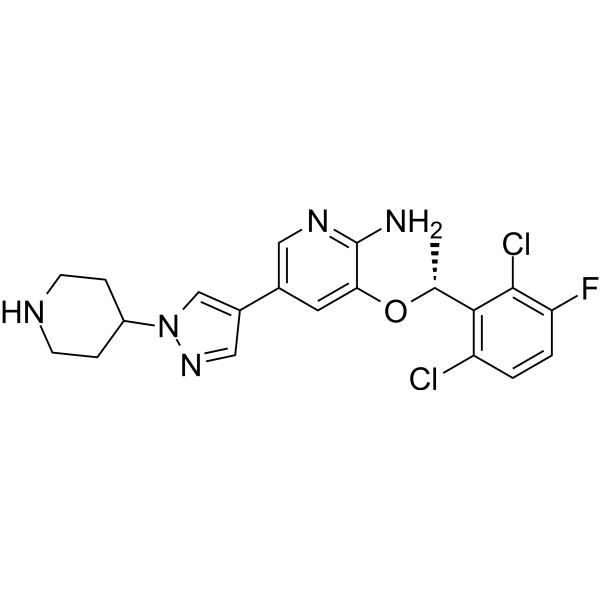 0 ImagesSynonyms: PF-02341066Crizotinib (PF-02341066) is an orally bioavailable, ATP-competitive ALK and c-Met inhibitor with IC50s of 20 and 8 nM, respectively. Crizotinib inhibits tyrosine phosphorylation of NPM-ALK and tyrosine phosphorylation of c-Met with IC50s of 24 and 11 nM in cell-based assays, respectively. Crizotinib is also a ROS1 inhibitor. Crizotinib has effective tumor growth inhibition.
-
Lorlatinib
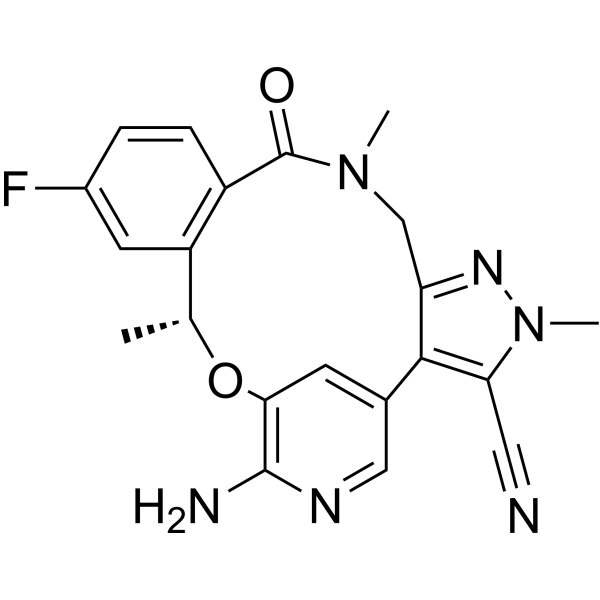 0 ImagesSynonyms: PF-06463922Lorlatinib (PF-06463922) is a selective, orally active, brain-penetrant and ATP-competitive ROS1/ALK inhibitor with anticancer activity. Lorlatinib has Kis of <0.025 nM, <0.07 nM, and 0.7 nM for ROS1, wild type ALK, and ALKL1196M, respectively. Lorlatinib targets to EML4-ALK, and inhibits ALK phosphorylation with IC50s of 15-43 nM (ALKL1196), 14-80 nM (ALKG1269A), 38-50 nM (ALK1151Tins), 77-113 nM (ALKG1202R), respectively.
-
Entrectinib
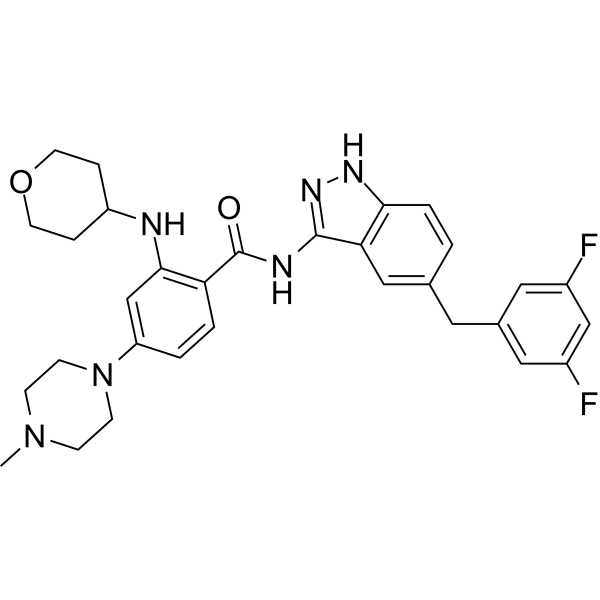 0 ImagesSynonyms: NMS-E628; RXDX-101Entrectinib (NMS-E628) is an orally active, BBB-penetrated and centrally active inhibitor of TrkA/B/C, ROS1 and ALK, with IC50 values of 1, 3, 5, 12 and 7 nM, respectively. Entrectinib induces apoptosis and cycle arrest in cancer cells, has antitumor activity, and attenuates bleomycin-induced lung fibrosis in mice.
-
MitoPQ
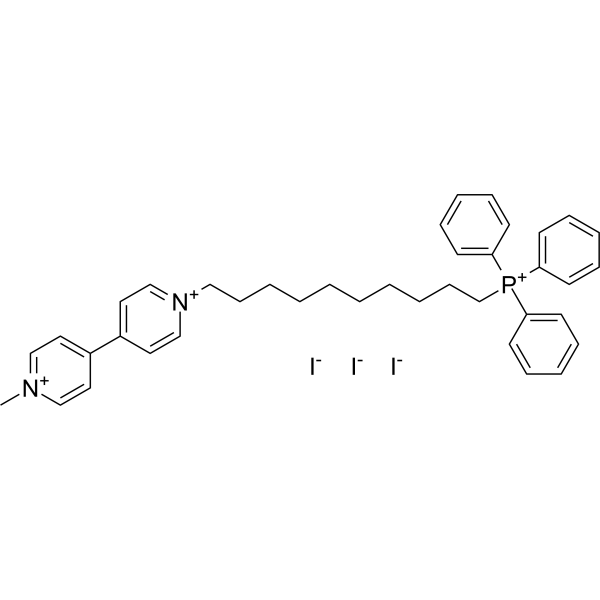 0 ImagesSynonyms: MitoParaquatMitoPQ is a mitochondria-targeted redox cycler. MitoPQ produces superoxide by redox cycling at the flavin site of complex I, selectively increasing superoxide production within mitochondria. MitoPQ can be used in antioxidant study.
-
Phosphocreatine
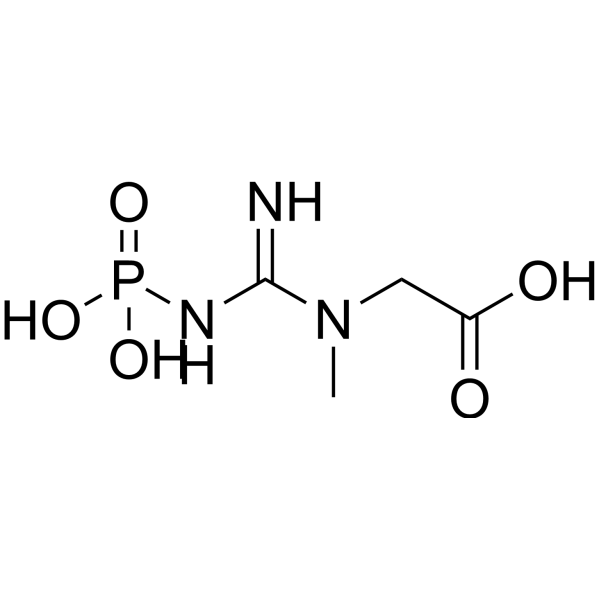 0 ImagesSynonyms: Creatine phosphate; Creatinephosphoric acidPhosphocreatine (creatine phosphate) is an organic compound found in vertebrate skeletal muscles. Phosphocreatine enhances antioxidant activity, and activates the TAK1 pathway to protect the heart. Phosphocreatine normalizing mitochondrial function and reducing oxidative stress via Akt mediated Nrf2/HO-1 pathway. Phosphocreatine provides renal protection by suppressing Apoptosis and ROS (Reactive Oxygen Species) generation through ERK mediated mediated Nrf-2/HO-1 pathway..
-
Repotrectinib
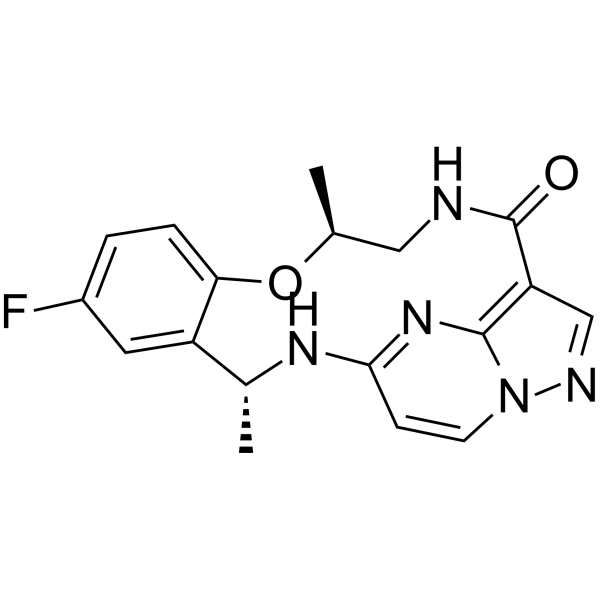 0 ImagesSynonyms: TPX-0005; Ropotrectinib
-
Melamine
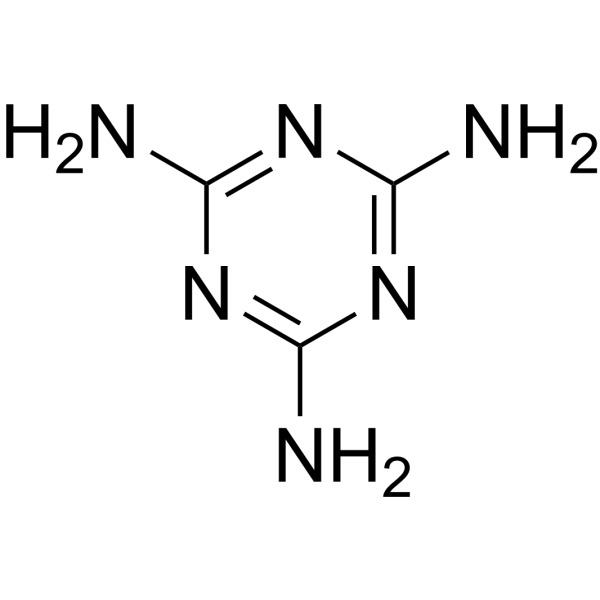 0 ImagesMelamine is an orally active inducer of Apoptosis. Melamine induces animal disease models. Melamine affects the activity of Sertoli cell and can be used for research on male reproductive function. Melamine also has neurotoxicity and nephrotoxicity. Melamine induces cognitive impairment and acute kidney injury models. Melamine can also be used to induce bladder cancer and urinary stone models.
-
L-Cystine
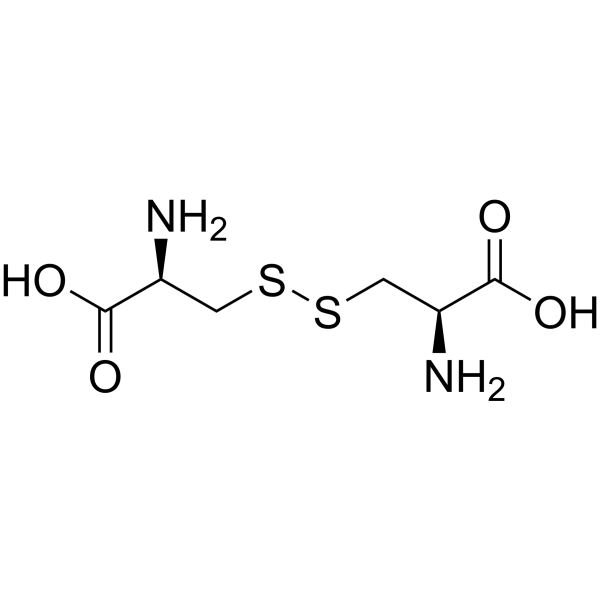 0 ImagesL-Cystine is an orally active extracellular form of L-Cysteine (HY-Y0337), occurring in proteins of plants and animals. L-Cystine elevates Nrf2 protein expression and activates Nrf2 transcription factor. L-cystine reduces ROS generation and protects against oxidant- or Doxorubicin (HY-15142A)-induced apoptosis. L-Cystine combined with L-theanine (HY-15121) enhances the production of antigen-specific IgG by increasing glutathione (GSH) levels and T helper 2 (Th2) mediated responses in mice. L-Cystine is promising for research of cystinuria and kidney stones
-
Cucurbitacin B
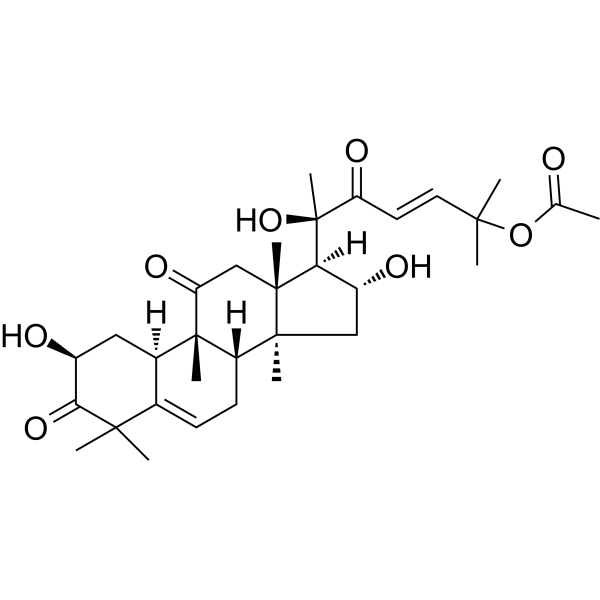 0 ImagesCucurbitacin B belongs to a class of highly oxidized tetracyclic triterpenoids and is oral active. Cucurbitacin B inhibits tumor cell growth, migration and invasion and cycle arrest, but induces cell apoptosis. Cucurbitacin B has potent anti-inflammatory, antioxidant, antiviral, hypoglycemic, hepatoprotective, neuroprotective activity.
-
Taletrectinib
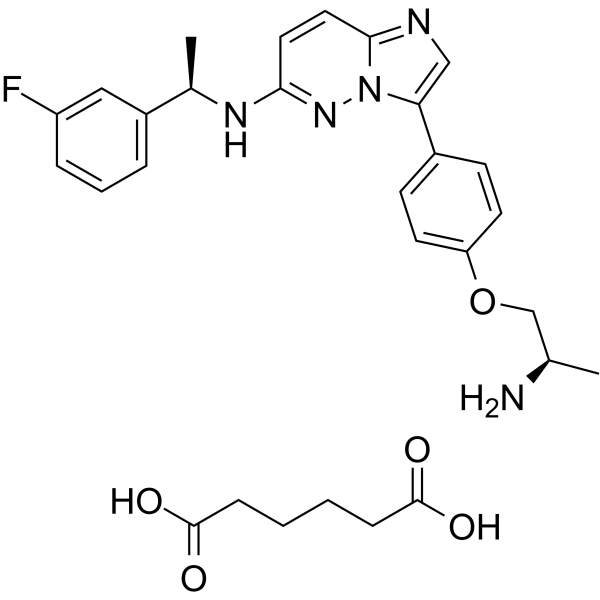 0 ImagesSynonyms: DS-6051b; AB-106; IBI-344Taletrectinib (DS-6051b) is a potent, orally active, and next-generation selective ROS1/NTRK inhibitor. Taletrectinib potently inhibits recombinant ROS1, NTRK1, NTRK2, and NTRK3 with IC50s of 0.207, 0.622, 2.28, and 0.98 nM, respectively. Taletrectinib also inhibits ROS1 G2032R and other Crizotinib-resistant ROS1 mutants.
-
Mefloquine hydrochloride
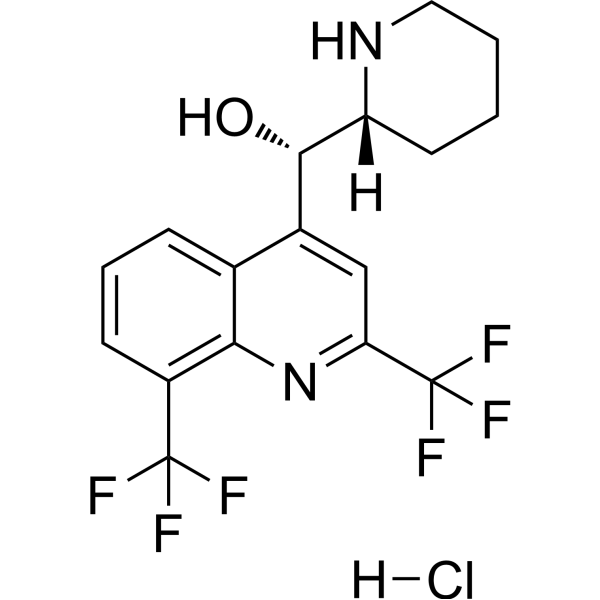 0 ImagesSynonyms: Mefloquin hydrochlorideMefloquine hydrochloride (Mefloquin hydrochloride), a quinoline antimalarial agent, is an anti-SARS-CoV-2 entry inhibitor. Mefloquine hydrochloride is also a K+ channel (KvQT1/minK) antagonist with an IC50 of ~1 μM. Mefloquine hydrochloride can be used for malaria, systemic lupus erythematosus and cancer research.
-
Phosphocreatine disodium
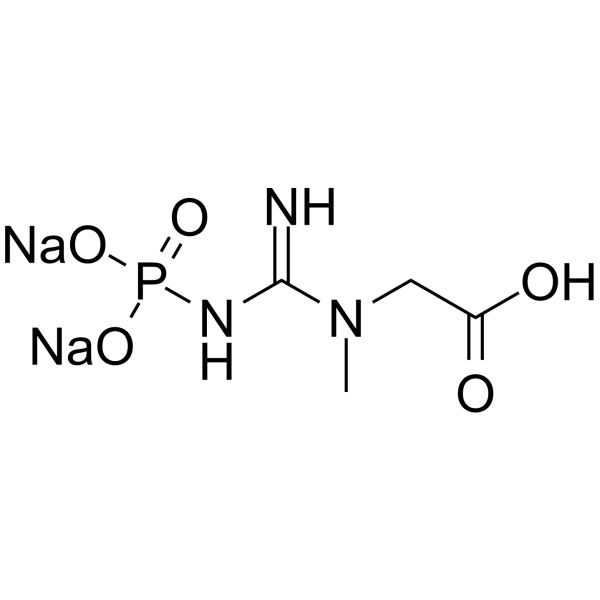 0 ImagesPhosphocreatine (disodium) is an organic compound found in vertebrate skeletal muscles. Phosphocreatine (disodium) enhances antioxidant activity, and activates the TAK1 pathway to protect the heart. Phosphocreatine (disodium) normalizing mitochondrial function and reducing oxidative stress via Akt mediated Nrf2/HO-1 pathway. Phosphocreatine (disodium) provides renal protection by suppressing Apoptosis and ROS (Reactive Oxygen Species) generation through ERK mediated mediated Nrf-2/HO-1 pathway..
-
Higenamine
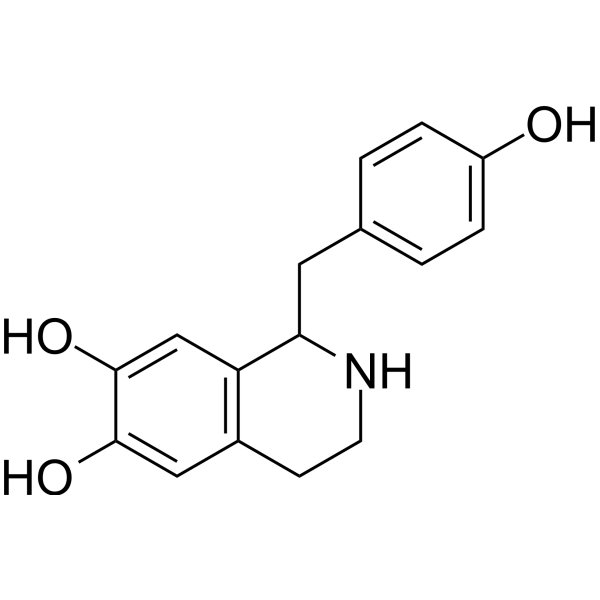 0 ImagesHigenamine (Norcoclaurine), a β2-AR agonist with antioxidant capability, is a key component of the Chinese herb aconite root that prescribes for treating symptoms of heart failure in the oriental Asian countries. Higenamine is also a α1-adrenergic receptor antagonist with hypotensive effect. is a selective LSD1 inhibitor (IC50=1.47 μM) that can be isolated from aconite. Higenamine hydrochloride has anti-inflammatory and antibacterial activity. Higenamine protects myocyte Apoptosis and ischemia/reperfusion (I/R) injury through selective activation of beta2-adrenergic receptor (β2-AR). Higenamine also reduces I/R-induced myocardial infarction in mice. Higenamine can attenuate IL-1β-induced Apoptosis through ROS-mediated PI3K/Akt signaling pathway. Higenamine protects brain cells from oxygen deprivation. Higenamine can promote bone formation in osteoporosis through the SMAD2/3 pathway. Higenamine can be used to study cancer, inflammation, cardiorenal syndrome and other diseases.
-
Crizotinib hydrochloride
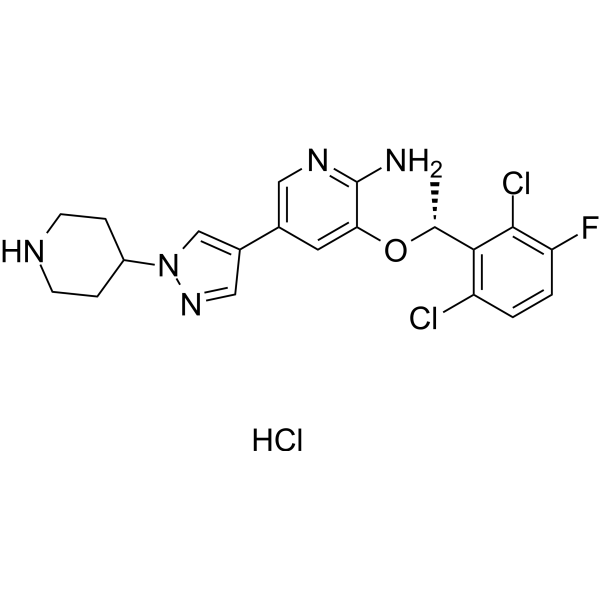 0 ImagesSynonyms: PF-02341066 hydrochlorideCrizotinib hydrochloride (PF-02341066 hydrochloride) is an orally bioavailable, selective, and ATP-competitive dual ALK and c-Met inhibitor with IC50s of 20 and 8 nM, respectively. Crizotinib hydrochloride (PF-02341066 hydrochloride) inhibits tyrosine phosphorylation of NPM-ALK and tyrosine phosphorylation of c-Met with IC50s of 24 and 11 nM in cell-based assays, respectively. It is also a ROS proto-oncogene 1 (ROS1) inhibitor. Crizotinib hydrochloride (PF-02341066 hydrochloride) has effective tumor growth inhibition.
-
Zidesamtinib
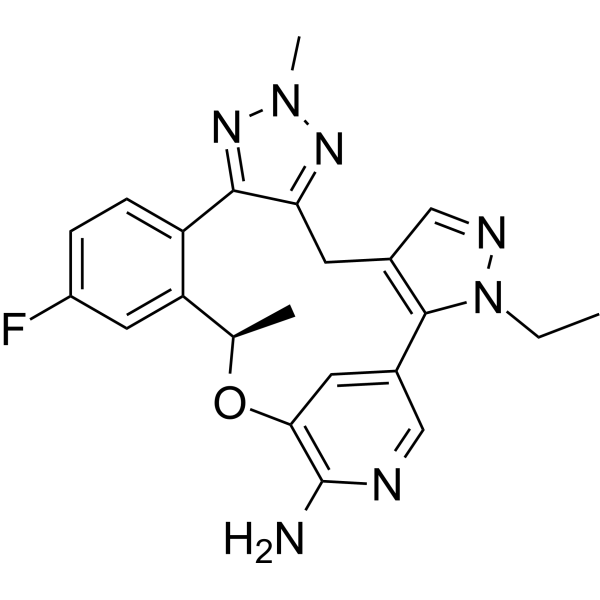 0 ImagesSynonyms: NVL-520; NUV-520
-
Merestinib
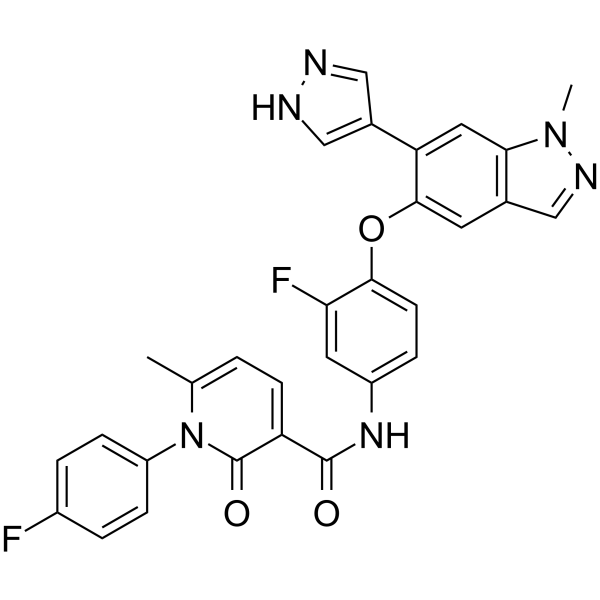 0 ImagesSynonyms: LY2801653Merestinib (LY2801653) is a potent, orally bioavailable c-Met inhibitor (Ki=2 nM) with anti-tumor activities. Merestinib (LY2801653) also has potent activity against MST1R (IC50=11 nM), FLT3 (IC50=7 nM), AXL (IC50=2 nM), MERTK (IC50=10 nM), TEK (IC50=63 nM), ROS1, DDR1/2 (IC50=0.1/7 nM) and MKNK1/2 (IC50=7 nM).
-
Mefloquine
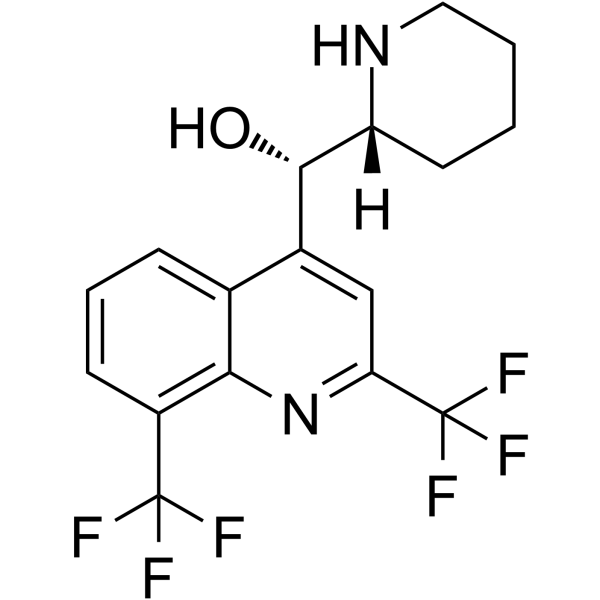 0 ImagesSynonyms: MefloquinMefloquine (Mefloquin), an orally active and potent quinoline antimalarial agent, is an anti-SARS-CoV-2 entry inhibitor. Mefloquine is also a K+ channel (KvQT1/minK) antagonist with an IC50 of ~1 μM. Mefloquine can be used for malaria, systemic lupus erythematosus and cancer research.
-
Higenamine hydrochloride
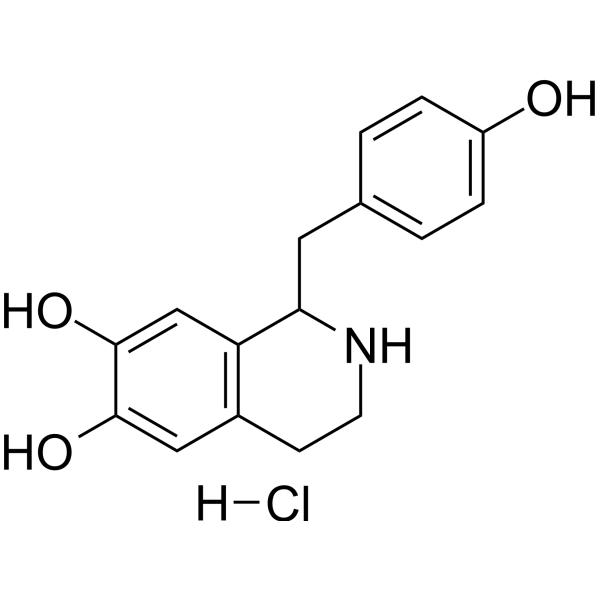 0 ImagesSynonyms: Norcoclaurine hydrochlorideHigenamine hydrochloride is a selective LSD1 inhibitor (IC50=1.47 μM) that can be isolated from aconite. Higenamine hydrochloride has anti-inflammatory and antibacterial activity. Higenamine (Norcoclaurine) can attenuate IL-1β-induced Apoptosis through ROS-mediated PI3K/Akt signaling pathway. Higenamine hydrochloride protects brain cells from oxygen deprivation. Higenamine can promote bone formation in osteoporosis through the SMAD2/3 pathway. Higenamine hydrochloride can be used to study cancer, inflammation, cardiorenal syndrome and other diseases.
-
Pinealon
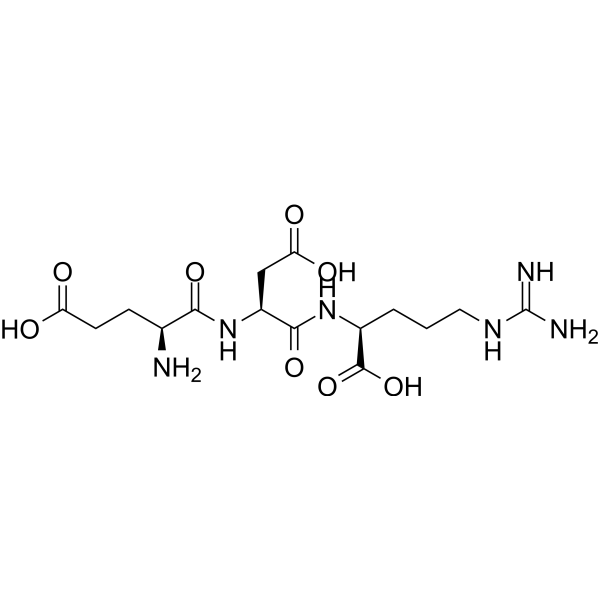 0 ImagesPinealon is a 3-amino acid peptide and shows neuroprotective properties. Pinealon prevents reactive oxygen species (ROS) accumulation and suppresses the activation of ERK 1/2. Pinealon stimulates the functional activity of the main cellular elements of brain tissue, reduces the level of spontaneous cell death. Pinealon protects the rat offspring from prenatal hyperhomocysteinemia.




