



Germacrone
Based on 3 publication(s) in Google Scholar
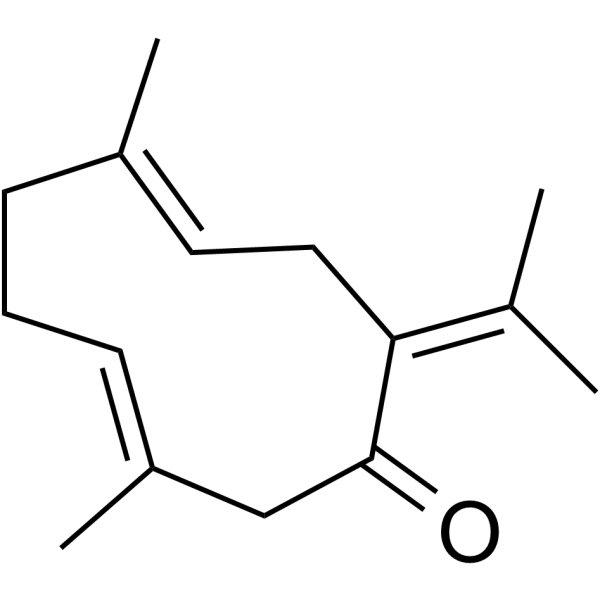
Germacrone is a sesquiterpene compound with multiple biological activities. Germacrone inhibits the H1N1 and H3N2 influenza A virus and the influenza B virus. Germacrone blocks the progressionof arthritis by regulating Th1/Th2 balance and inhibiting NF-κB signaling. Germacrone can arrest the cell cycle at G0/G1 and G2/M phases and induce apoptosis in breast cancer cells. Germacrone inhibits 5α-reductase and has anti-androgenic effect. Germacrone has neuroprotective functions and can be used for the study of traumatic brain injury (TBI). Germacrone also has antioxidant activity.
Para uso exclusivo en investigación. No vendemos a pacientes.
- Pureza : 99.66%
- No. CAS: 6902-91-6
- Fòrmula: C15H22O
- Peso molecular:218.33
-
Almacenamiento:
4°C, protect from light
* In solvent : -80°C, 6 months; -20°C, 1 month (protect from light)

To place orders, for customer services and technical support, please contact: MedChemExpress USA
Tel: 609-228-6898 E-mail: [email protected] [email protected]


-
 Actividad biológica
-
Chemical Information
-
Solvente y solubilidad
- Protocolo
- Pureza y Documentación
- Referencias
-
 Help & FAQs


-
HY-N0104
CurcumolApoptosis Inducer -
HY-N2259
CurcumenolCYP3A4 Inhibitor -

HY-N0440R
Germacrone (Standard)Standard of Germacrone -
HY-107324
β-ElemeneApoptosis Activator -
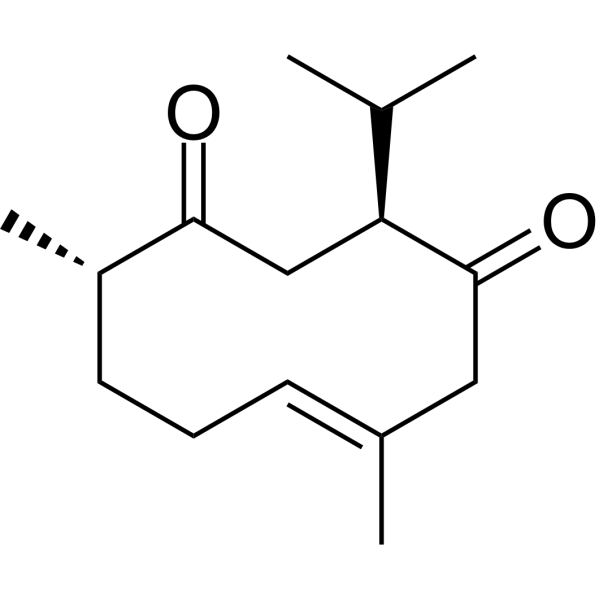
HY-N0353
CurdioneNatural Product -
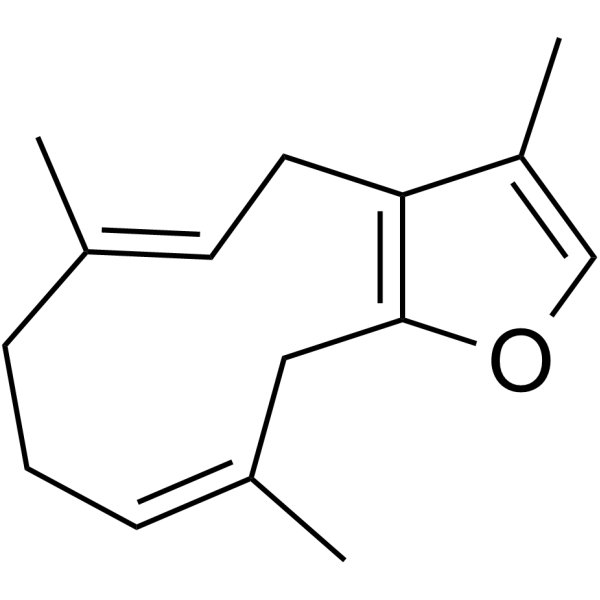
HY-126940
FuranodieneAnti-cancer Agent -
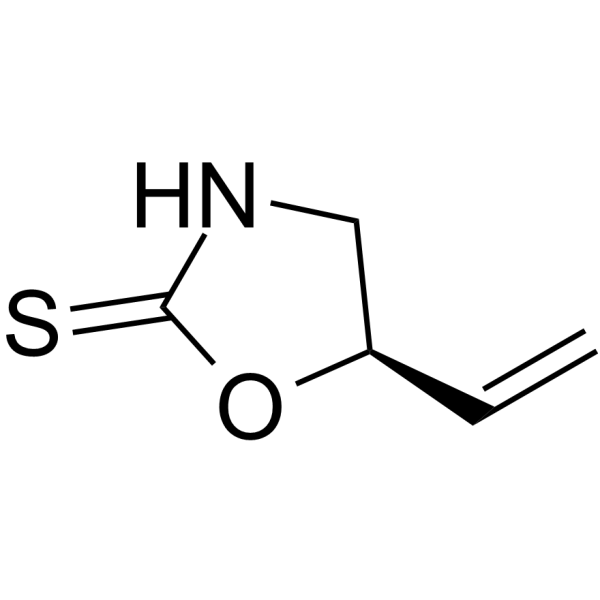
HY-N0224
EpigoitrinInfluenza Virus Inhibitor -
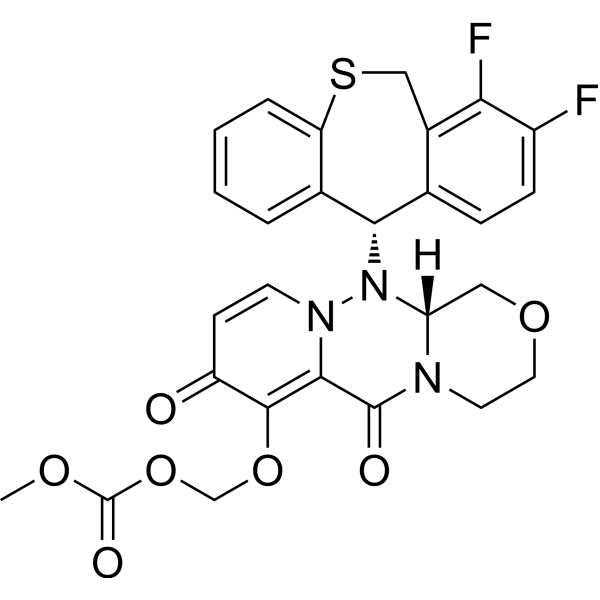
HY-109025
Baloxavir marboxilInfluenza A/B Inhibitor -
HY-17016
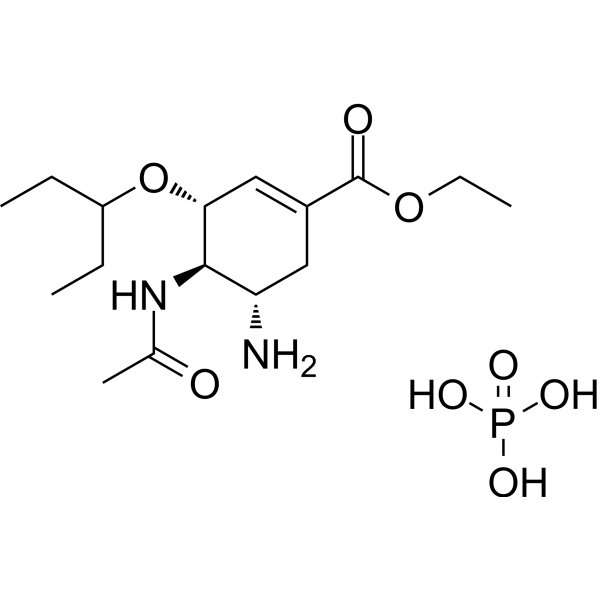
Oseltamivir phosphateInfluenza A/B Inhibitor -
HY-N0822
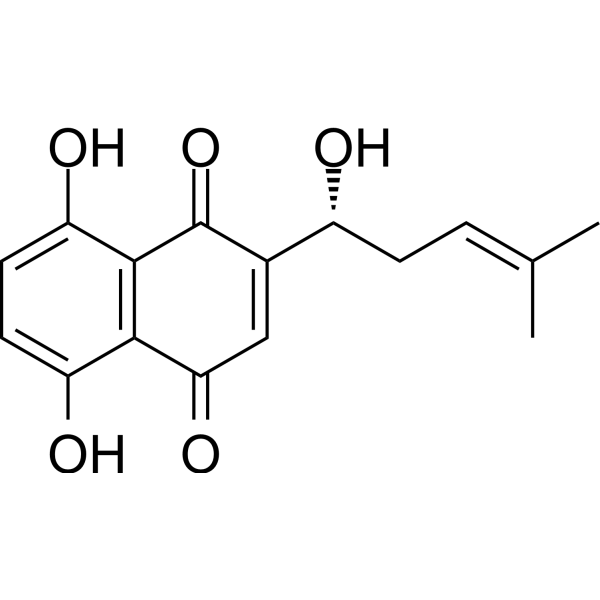
ShikoninChloride Channel Inhibitor -
HY-N0055
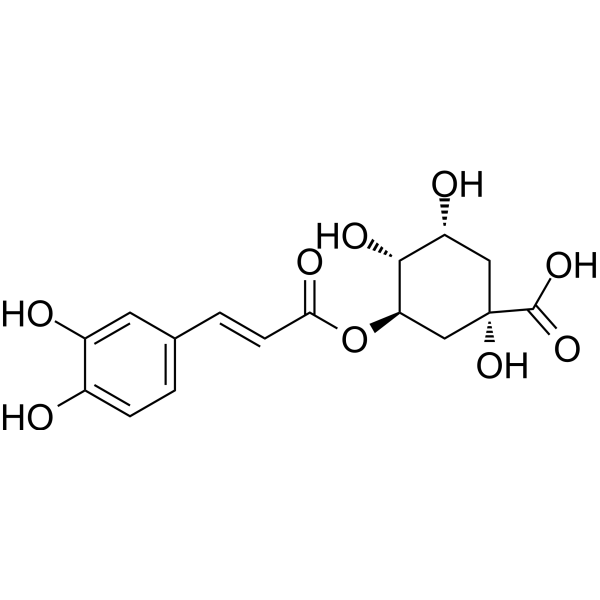
Chlorogenic acidAntioxidant -
HY-B0434
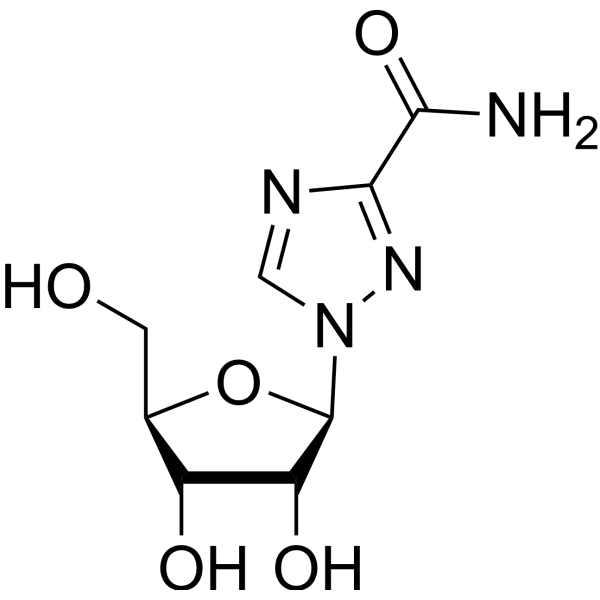
RibavirinAntiviral Agent
Publications Citing Use of MedChemExpress (MCE) Germacrone
More

Actividad biológica
Descripciòn
IC50 & Target
Influenza virus[1]
In Vitro
Germacrone (0-2.0 μM, 48 h) inhibits the neuraminidase activity of A/PR/8/34(H1N1) (EC50: 6.03/2.66 μM), A/human/Hubei/1/2009(H1N1) (EC50: 5.59/2.9 μM), A/human/Hubei/3/2005(H3N2) (EC50: 3.82/2.15 μM), Influenza B virus (EC50: 6.30/2.33 μM), and A/WSN/33/S31N(H1N1) (EC50: 7.12/4.78 μM) virus strains in MDCK cells and A549 cells[1].
Germacrone (0-400 μM, 24-72 h) inhibits the proliferation of breast cancer cell lines MDA-MB-231 cells and MCF-7 cells in a dose-dependent manner[2].
Germacrone (0-400 μM, 24 h) increases the release of LDH (66.85%; 72.76%) but decreases the mitochondrial membrane potential (ΔΨm) in MDA-MB-231 cells and MCF-7 cells[2].
Germacrone (0-200 μM, 24 h) induces cell cycle arrest in G0/G1 phase (71.24%; 77.08%) and G2/M phase (15.89%; 12.36%) in MDA-MB-231 cells and MCF-7 cells in a dose-dependent manner[2].
Germacrone (0-200 μM, 24 h) induces apoptosis in MDA-MB-231 cells[2].
Germacrone (0-200 μM, 24 h) increases the release of mitochondrial cytochrome c and activates the caspases pathway[2].
Germacrone (0.5 mg/mL, 30 min) inhibits the activity of rat liver 5α-reductase (65.7%, IC50: 0.42 mg/mL)[5].
Germacrone (0.01-10 μM, 96 h) inhibits testosterone-induced LNCaP cell growth in a concentration-dependent manner[5].
MedChemExpress (MCE) has not independently confirmed the accuracy of these methods. They are for reference only. Further protocols information, click here.
-
Cell Line:MDA-MB-231 and MCF-7 cells
-
Concentration:0, 25, 50, 100, 200, 400 μM
-
Incubation Time:24, 48, 72 h
-
Result:Inhibited cell proliferation.
-
Cell Line:MDA-MB-231 cells
-
Concentration:0, 50, 100, 200 μM
-
Incubation Time:24 h
-
Result:Increased the TUNEL-positive cell population of MDA-MB-231 cells undergoing apoptosis (45.13%).
-
Cell Line:MDA-MB-231 cells
-
Concentration:0, 50, 100, 200 μM
-
Incubation Time:24 h
-
Result:Down-regulated the expression of phosphorylated ATR (Ser428), phosphorylated cdc2 (Tyr15), phosphorylated Rb (Ser795) and cdc2 proteins.
Up-regulated the expression of Bok, caspase 3, 7 and 9, and PARP proteins.
-
Cell Line:LNCaP cells
-
Concentration:0.01, 0.5, 5, 10 μM
-
Incubation Time:96 h
-
Result:Inhibited cell proliferation.
In Vivo
Germacrone (20 mg/kg, p.o., once a day for 3 weeks) reduces the levels of Th1 cytokines (TNF-α and IFN-γ) and increases Th2 cytokines (IL-4) in serum, synovial tissue and spleen of mice in collagen-induced arthritis (CIA) model[3].
Germacrone (20 mg/kg, p.o., once a day for 3 weeks) inhibits NF-κB activation in synovial tissue of mice in CIA model[3].
Germacrone (5-20 mg/kg, i.p.) improves neurological dysfunction and neurological injury in controlled cortical impact (CCI) model mice; inhibits the activity of microglia, the expression of proinflammatory factors TNF-α, IL-1β, IL-6 and oxidative stress in CCI mice; also inhibits NF-κB and induces Nrf2 pathway to exert anti-inflammatory and antioxidant effects[4].
Germacrone (3-100 μg, topical administration, 4 weeks) inhibits testosterone-stimulated lumbar gland growth in castrated male rats (79-82%)[5].
MedChemExpress (MCE) has not independently confirmed the accuracy of these methods. They are for reference only.
-
Animal Model:BALB/c mice intranasally infected with 5 LD50 influenza virus (A/Puerto Rico/8/34) (18-20 g)[1]
-
Dosage:50, 100 mg/kg
-
Administration:Intravenous injection (i.v.), once every day for 6 d
-
Result:Reduced virus titer.
Increased mice survival rate.
Delayed in the mortality time in mice.
-
Animal Model:CIA mouse model (male DBA/1 J mice, 6 weeks old)[3]
-
Dosage:20 mg/kg
-
Administration:Oral gavage (p.o.), once per day for 3 weeks
-
Result:Reduced the expression of TNF-α and IFN-γ, but increased the expression of IL-4.
Increased the expression of IκB and decreased the phosphorylation level of NF-κB p65.
-
Animal Model:CCI mouse model (male DBA/1 J mice, 6 weeks old)[4]
-
Dosage:5, 10 and 20 mg/kg
-
Administration:Intraperitoneal injection (i.p.)
-
Result:Reversed the pathological changes.
Reduced expression of CD16 and CD11b.
Reduced the expression of TNF-α, IL-1β and IL-6.
Reduced MPO and MDA, increased SOD expression.
Inhibitd NF-κB and induced Nrf2 expression.
-
Animal Model:8-week-old castrated male mice[5]
-
Dosage:3, 30 and 100 μg
-
Administration:Topical Administration, 4 weeks
-
Result:Inhibited the growth of flank gland.


Chemical Information
-
No. CAS 6902-91-6
-
Appearance Solid
-
Peso molecular 218.33
-
Fòrmula C15H22O
-
Color White to off-white
-
SMILES
O=C1C/C(C)=C/CC/C(C)=C/C/C1=C(C)\C
-
Structure Classification
-
Initial Source
-
Envío
Room temperature in continental US; may vary elsewhere.
-
Almacenamiento
4°C, protect from light
* In solvent : -80°C, 6 months; -20°C, 1 month (protect from light)


Publications (3)
-
Journal Impact Factor
-
Most Recent
-
-
Int Immunopharmacol
Germacrone mitigates cardiac remodeling by regulating PI3K/AKT-mediated oxidative stress, inflammation, and apoptosis. [Abstract]2023 Sep 5;124(Pt A):110876. PMID: 37683399 -
Vet Microbiol
The Chinese medicine monomer Schisandrin C inhibits PRRSV infection by regulating the OGT-PI3K/AKT/mTOR signaling pathway. [Abstract]2026 May:316:110992. PMID: 41865607


Solvente y solubilidad
In Vitro:
DMSO : 100 mg/mL (458.02 mM; Need ultrasonic; Hygroscopic DMSO has a significant impact on the solubility of product, please use newly opened DMSO)
Please refer to the solubility information to select the appropriate solvent. Once prepared, please aliquot and store the solution to prevent product inactivation from repeated freeze-thaw cycles.
Storage method and period of stock solution: -80°C, 6 months; -20°C, 1 month (protect from light). When stored at -80°C, please use it within 6 months. When stored at -20°C, please use it within 1 month.
Please refer to the solubility information to select the appropriate solvent. Once prepared, please aliquot and store the solution to prevent product inactivation from repeated freeze-thaw cycles.
Storage method and period of stock solution: -80°C, 6 months; -20°C, 1 month (protect from light). When stored at -80°C, please use it within 6 months. When stored at -20°C, please use it within 1 month.
Concentration (start) × Volume (start) = Concentration (final) × Volume (final)
In Vivo:
Select the appropriate dissolution method based on your experimental animal and administration route.
- For the following dissolution methods, please ensure to first prepare a clear stock solution using an In Vitro approach and then sequentially add co-solvents:
- To ensure reliable experimental results, the clarified stock solution can be appropriately stored based on storage conditions. As for the working solution for In Vivo experiments, it is recommended to prepare freshly and use it on the same day.
- The percentages shown for the solvents indicate their volumetric ratio in the final prepared solution. If precipitation or phase separation occurs during preparation, heat and/or sonication can be used to aid dissolution.
Add each solvent one by one: 10% DMSO 40% PEG300 5% Tween-80 45% Saline
Solubility: ≥ 2.5 mg/mL (11.45 mM); Clear solution
This protocol yields a clear solution of ≥ 2.5 mg/mL (saturation unknown).
Taking 1 mL working solution as an example, add 100 μL DMSO stock solution (25.0 mg/mL) to 400 μL PEG300, and mix evenly; then add 50 μL Tween-80 and mix evenly; then add 450 μL Saline to adjust the volume to 1 mL.
Preparation of Saline: Dissolve 0.9 g sodium chloride in ddH₂O and dilute to 100 mL to obtain a clear Saline solution.
Add each solvent one by one: 10% DMSO 90% (20% SBE-β-CD in Saline)
Solubility: ≥ 2.5 mg/mL (11.45 mM); Clear solution
This protocol yields a clear solution of ≥ 2.5 mg/mL (saturation unknown).
Taking 1 mL working solution as an example, add 100 μL DMSO stock solution (25.0 mg/mL) to 900 μL 20% SBE-β-CD in Saline, and mix evenly.
Preparation of 20% SBE-β-CD in Saline (4°C, storage for one week): 2 g SBE-β-CD powder is dissolved in 10 mL Saline, completely dissolve until clear.
In Vivo Dissolution Calculator
Please enter the basic information of animal experiments:
-
-
-
-
Recommended: Prepare an additional quantity of animals to account for potential losses during experiments.
Please enter your animal formula composition:
-
%DMSO +
Recommended: Keep the proportion of DMSO in working solution below 2% if your animal is weak.
-
%+
-
+%Tween-80 + +
-
%Saline +
The co-solvents required include: DMSO, . All of co-solvents are available by MedChemExpress (MCE). , Tween 80. All of co-solvents are available by MedChemExpress (MCE).
Working solution concentration: 0.22 mg/mL
Method for preparing stock solution: mg drug dissolved in μL DMSO. Stock solution concentration: mg/mL. * In solvent : -80°C, 6 months; -20°C, 1 month (protect from light)
1. Take μL DMSO stock solution;
2. Add μL .
μL , mix evenly;
3. Then add μL Tween 80, mix evenly;
4. Then add μL
Please ensure that the stock solution in the first step is dissolved to a clear state, and add co-solvents in sequence. You can use ultrasonic heating (ultrasonic cleaner, recommended frequency 20-40 kHz), vortexing, etc. to assist dissolution.

Protocolo
-
Collagen-Induced Arthritis
Collagen-induced arthritis (CIA) is an autoimmune murine model of rheumatoid arthritis in which immunization with type II collagen (CII) emulsified in an adjuvant induces a T cell- and autoantibody-driven inflammatory arthritis characterized by synovial hyperplasia, immune cell infiltration, and joint destruction. The model typically relies on genetically susceptible mouse strains (e. g. , DBA/1) and reproduces key features of human rheumatoid arthritis, including anti-collagen immune responses and progressive joint inflammation. Disease onset generally occurs within ~3-4 weeks after immunization, depending on antigen/adjuvant combinations and protocol variation. The immunopathology is driven by adaptive immune activation against CII, leading to systemic and local joint inflammation mediated by pro-inflammatory cytokines and effector immune cells, making CIA a standard preclinical platform for evaluating immunomodulatory and anti-arthritic interventions.
-
Apoptosis
Apoptosis, also called programmed cell death, is generally characterized by distinct morphological characteristics.
-
TUNEL staining for apoptotic DNA fragmentation
TUNEL staining detects DNA strand breaks by using terminal deoxynucleotidyl transferase to add labeled nucleotides to exposed 3′-OH DNA termini, generating either microscopic staining in fixed cells or tissue sections, or fluorescence/cytometric signal in cell suspensions. TUNEL positivity reflects DNA fragmentation but should not be interpreted alone as definitive apoptosis, because TUNEL can also label necrotic, autolytic, mechanically damaged, or DNA-repair-associated DNA breaks.
-
Flow cytometric DNA-content cell-cycle staining
Flow cytometric DNA-content cell-cycle staining measures the fluorescence intensity of DNA-bound fluorochromes in single cells or nuclei to estimate DNA content distributions, allowing assignment of populations to G0/G1, S, and G2/M phases by DNA histogram deconvolution. Propidium iodide (PI) intercalates into DNA, and PI fluorescence is proportional to cellular DNA content when staining is performed under conditions that make DNA accessible and minimize non-DNA signal. Cells with G2/M DNA content are expected to show approximately twice the fluorescence intensity of G0/G1 cells, while S-phase cells occupy intermediate fluorescence values. PI-based DNA-content analysis can also detect cells with fractional DNA content, often reported as sub-G1, when DNA fragmentation and extraction during staining reduce retained DNA signal in apoptotic cells. DAPI is an alternative DNA fluorochrome for univariate DNA-content analysis, while bivariate approaches combining DNA content with proliferation
-
Naïve CD4+ T-cell subset differentiation/polarization
Naïve CD4+ T-cell subset differentiation/polarization is an in vitro assay in which purified naïve CD4+ T cells are activated through TCR and CD28 costimulation and cultured with defined cytokines and neutralizing antibodies to generate Th0, Th1, Th2, Th17, or induced Treg-like populations. Differentiation is detected by subset-associated cytokines and transcription factors: IFN-γ/T-bet for Th1, IL-4/GATA3 for Th2, IL-17A/RORγt for Th17, and Foxp3 for induced Treg cells. The assay readout is usually generated by intracellular cytokine staining after restimulation, transcription-factor staining by flow cytometry, ELISA of secreted cytokines, or gene-expression analysis. The result reflects cytokine-directed lineage commitment or polarization rather than antigen-specific immune protection by itself.
-
Annexin V plus membrane-impermeant dye apoptosis staining
Annexin V-based apoptosis assays rely on the detection of phosphatidylserine (PS) externalization from the inner leaflet of the plasma membrane to the outer leaflet, an early biochemical hallmark of apoptosis. Fluorescently labeled Annexin V binds PS in a calcium-dependent manner, enabling identification of early apoptotic cells by flow cytometry or fluorescence microscopy. When combined with a membrane-impermeant DNA-binding dye (e. g. , propidium iodide), this approach allows discrimination between viable (Annexin V−/dye−), early apoptotic (Annexin V+/dye−), and late apoptotic or necrotic (Annexin V+/dye+) cell populations by assessing membrane integrity and PS exposure.
-
BrdU Incorporation Assay
Bromodeoxyuridine (BrdU) incorporation assay is based on the principle that BrdU, a thymidine analog, is incorporated into newly synthesized DNA during the S phase of the cell cycle, thereby serving as a marker of DNA replication and cellular proliferation. Incorporated BrdU can be detected using anti-BrdU antibodies following DNA denaturation, enabling visualization or quantification of proliferating cells through immunochemical detection methods such as immunofluorescence or immunohistochemistry.
-
Apoptosis Solutions
Apoptosis is a regulated, generally non-lytic cell-death pathway that removes unwanted, damaged, infected, or abnormal cells through coordinated morphological changes, caspase activation, DNA fragmentation, and membrane remodeling. The intrinsic apoptosis pathway is controlled mainly by mitochondrial outer membrane permeabilization, BCL-2 family proteins, cytochrome c release, apoptosome formation, caspase-9 activation, and downstream executioner caspase-3/7 activation. The extrinsic apoptosis pathway is initiated by death receptors such as Fas, TNFR, and TRAIL receptors, which recruit adaptor proteins and activate caspase-8 before engaging executioner caspases or mitochondrial amplification through BID cleavage. Apoptosis is linked to many phenotypes, including cancer cell killing, tissue homeostasis, immune regulation, neurodegeneration, infection response, and treatment-induced cytotoxicity; unresolved questions include how apoptosis interacts with necroptosis, pyroptosis, ferroptos
-
Protocol for Cell Cycle
Cell-cycle analysis by flow cytometry measures DNA content in single cells to estimate the fraction of cells in G0/G1, S, and G2/M phases. Propidium iodide intercalates into DNA, and after RNA removal with RNase, fluorescence intensity reflects cellular DNA content: 2N cells are assigned to G0/G1, cells between 2N and 4N to S phase, and 4N cells to G2/M. DNA-content analysis alone cannot reliably separate G0 from G1 or G2 from M. Ki-67 can distinguish quiescent G0 cells from cycling cells, EdU or BrdU incorporation marks active DNA synthesis in S phase, and phospho-histone H3 staining identifies mitotic cells within the 4N population.
-
Research Protocol for Inflammation-related Diseases
The NLRP3 inflammasome is a cytosolic innate immune signaling platform that integrates priming signals and danger-signal activation to promote caspase-1 activation, maturation of IL-1β and IL-18, and gasdermin D-mediated pyroptotic cell death. The core experimental logic is to determine whether inflammatory disease phenotypes are driven by increased NLRP3 expression, ASC-containing inflammasome assembly, caspase-1 cleavage, GSDMD cleavage, and extracellular release of IL-1β/IL-18 rather than by nonspecific cell injury alone. The pathway is strongly linked to inflammation-related disease phenotypes because monosodium urate crystals activate NALP3/NLRP3 inflammasome signaling in gout-like crystal inflammation, cholesterol crystals activate NLRP3 inflammasomes in atherogenesis models, and DSS-induced intestinal inflammation has been reported to involve NLRP3 inflammasome activity. However, experimental colitis studies also show context-dependent protective effects of NLRP3 inflammasome co
-
Breast Cancer Modeling
Breast cancer is a heterogeneous cancer, and it has been distinguished into four subtypes: luminal A, luminal B, HER2-positive and basal-like. Molecular mutations, epigenetic alterations, hormone exposure and immune microenvironment are related to the progression of breast cancer.


Pureza y Documentación
-
Ficha de datos (292 KB)
-
SDS (394 KB)
- English - EN (394 KB)
- Français - FR (394 KB)
- Deutsch - DE (394 KB)
- Norwegian - NO (394 KB)
- Español - ES (394 KB)
- Swedish - SV (394 KB)
- Italian - IT (394 KB)
- Korean - KR (394 KB)
- Portuguese - PT (394 KB)
-
Instrucciones de manejo (2659 KB)
Referencias
[1]. Liao Q, et al. Germacrone inhibits early stages of influenza virus infection. Antiviral Res. 2013 Dec;100(3):578-88. [Content Brief]
[2]. Zhong Z, et al. Germacrone inhibits the proliferation of breast cancer cell lines by inducing cell cycle arrest and promoting apoptosis. Eur J Pharmacol. 2011 Sep 30;667(1-3):50-5. [Content Brief]
[3]. Wang Z, et al. Germacrone alleviates collagen-induced arthritis via regulating Th1/Th2 balance and NF-κB activation. Biochem Biophys Res Commun. 2019 Oct 20;518(3):560-564. [Content Brief]
[4]. Zhuang S, et al. Germacrone alleviates neurological deficits following traumatic brain injury by modulating neuroinflammation and oxidative stress. BMC Complement Med Ther. 2021 Jan 5;21(1):6. [Content Brief]
[5]. Suphrom N, et al. Anti-androgenic effect of sesquiterpenes isolated from the rhizomes of Curcuma aeruginosa Roxb. Fitoterapia. 2012 Jul;83(5):864-71. [Content Brief]


Complete Stock Solution Preparation Table
Please refer to the solubility information to select the appropriate solvent. Once prepared, please aliquot and store the solution to prevent product inactivation from repeated freeze-thaw cycles.
Storage method and period of stock solution: -80°C, 6 months; -20°C, 1 month (protect from light). When stored at -80°C, please use it within 6 months. When stored at -20°C, please use it within 1 month.
| Optional Solvent | Concentration Solvent Mass | 1 mg | 5 mg | 10 mg | 25 mg |
|---|---|---|---|---|---|
| DMSO | 1 mM | 4.5802 mL | 22.9011 mL | 45.8022 mL | 114.5056 mL |
| 5 mM | 0.9160 mL | 4.5802 mL | 9.1604 mL | 22.9011 mL | |
| 10 mM | 0.4580 mL | 2.2901 mL | 4.5802 mL | 11.4506 mL | |
| 15 mM | 0.3053 mL | 1.5267 mL | 3.0535 mL | 7.6337 mL | |
| 20 mM | 0.2290 mL | 1.1451 mL | 2.2901 mL | 5.7253 mL | |
| 25 mM | 0.1832 mL | 0.9160 mL | 1.8321 mL | 4.5802 mL | |
| 30 mM | 0.1527 mL | 0.7634 mL | 1.5267 mL | 3.8169 mL | |
| 40 mM | 0.1145 mL | 0.5725 mL | 1.1451 mL | 2.8626 mL | |
| 50 mM | 0.0916 mL | 0.4580 mL | 0.9160 mL | 2.2901 mL | |
| 60 mM | 0.0763 mL | 0.3817 mL | 0.7634 mL | 1.9084 mL | |
| 80 mM | 0.0573 mL | 0.2863 mL | 0.5725 mL | 1.4313 mL | |
| 100 mM | 0.0458 mL | 0.2290 mL | 0.4580 mL | 1.1451 mL |


Germacrone Related Classifications
HY-N0440 Related Classifications
 Powered by Bioz