



Fatty Esters
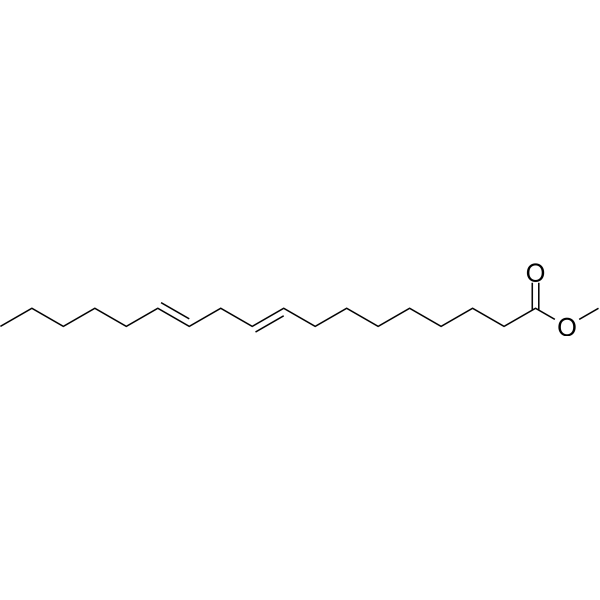
- Formula: C19H34O2
- Molecular Weight: 294.47
(9E,12E)-Methyl octadeca-9,12-dienoate is a methyl ester derivative of linoleic acid. (9E,12E)-Methyl octadeca-9,12-dienoate can be obtained from microalgae lipids and vegetable oils.
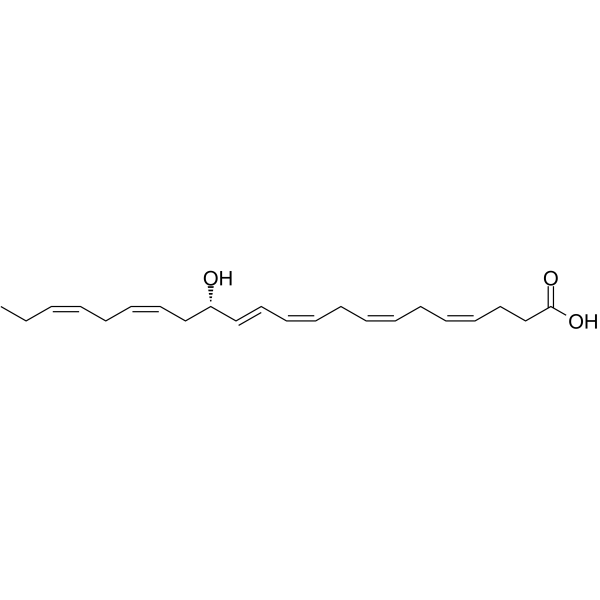
- Formula: C22H32O3
- Molecular Weight: 344.49
14(S)-HDHA (14(S)-HDoHE) is an oxygenation product of Docosahexaenoic acid (DHA). 14(S)-HDHA is a marker reflecting activation of a Docosahexaenoic acid carbon 14-lipoxygenation pathway.
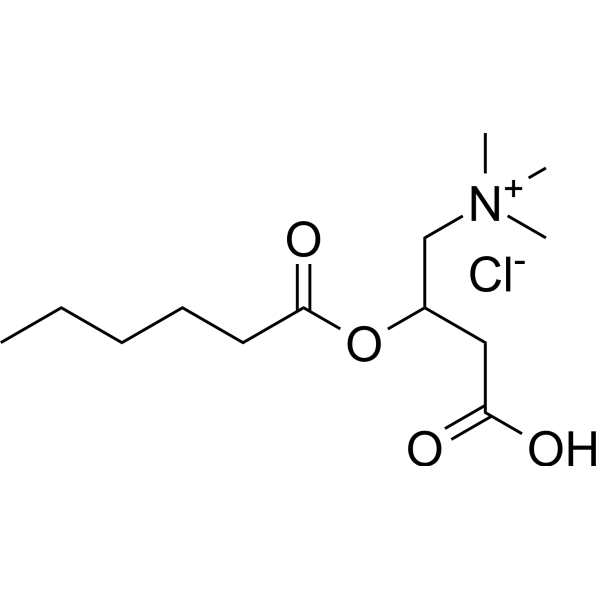
- Formula: C13H26ClNO4
- Molecular Weight: 295.80
(±)-Hexanoylcarnitine chloride is a fatty acid metabolite that breaks down fatty acids into energy that can be used by the body. (±)-Hexanoylcarnitine chloride also serves as a specific and easily detectable biomarker for rat skeletal muscle toxicity. Cerivastatin (HY-129458) and TMPD (HY-W012145) induce an increase in Hexanoylcarnitine in rats in a metabolomic analysis of the rectus femoris muscle. In type 2 diabetes, Hexanoylcarnitine is also significantly associated with and improves prediction of all-cause mortality. Hexanoylcarnitine is a biomarker for the identification of novel pathogenic pathways.
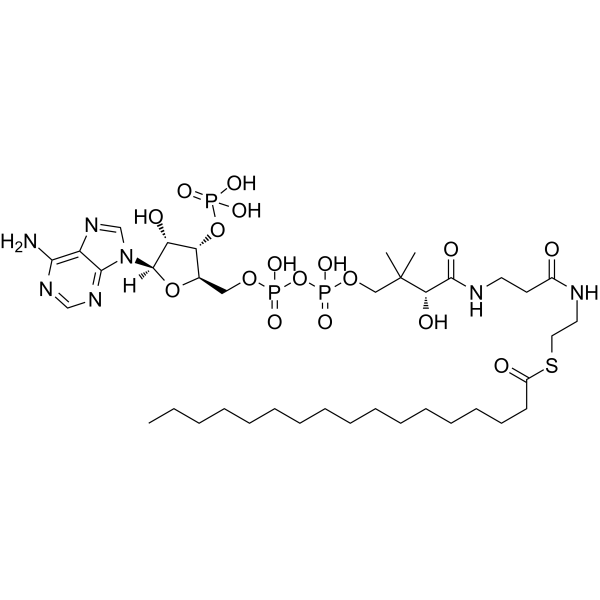
- Formula: C38H68N7O17P3S
- Molecular Weight: 1019.97
Heptadecanoyl Coenzyme A (Heptadecanoyl-CoA), long-chain acyl-coenzymes A (acyl-CoAs) (LCACoA), is an intermediate in lipid metabolism. Heptadecanoyl Coenzyme A can be used for the research of glucose metabolism.
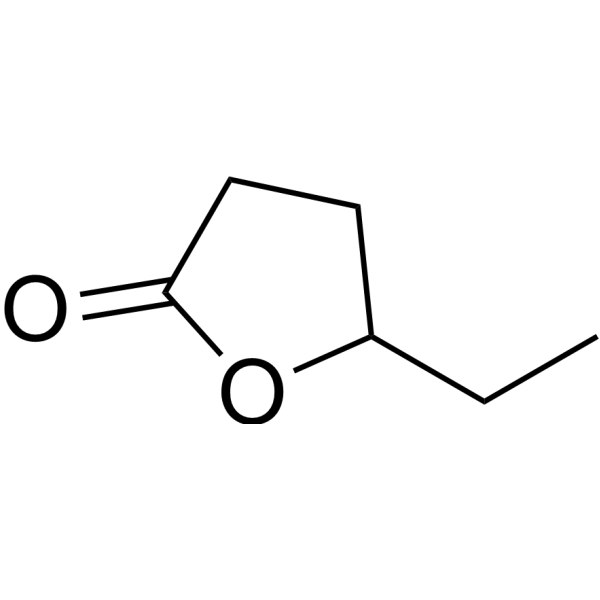
- Formula: C6H10O2
- Molecular Weight: 114.14
γ-Hexalactone (γ-Caprolactone) is a gamma-lactone found in ripe fruits. γ-Hexalactone induces DNA damage in human lymphocytes and HepG2 cells, modulates cytokine secretion in human lymphocytes, and reduces recombinant PON1 activity. γ-Hexalactone serves as a dose-dependent oviposition inhibitor against Bactrocera oleae. γ-Hexalactone can be used for the research of Bactrocera oleae pest management.

- Formula: C10H16LiNO6
- Molecular Weight: 253.18
cis-Malonylcarnitine lithium is an ester compound and a metabolite of Malonyl CoA (HY-115899). The level of cis-Malonylcarnitine lithium is closely related to some diseases, such as malonic aciduria, non-syndromic cleft lip with or without cleft palate, etc.
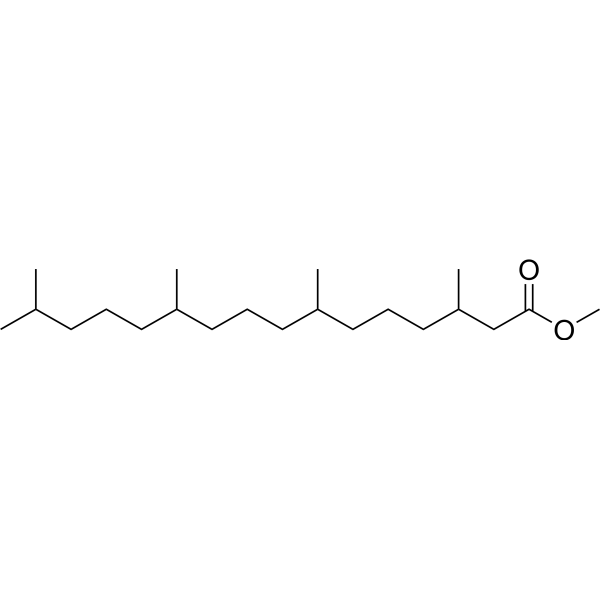
- Formula: C21H42O2
- Molecular Weight: 326.56
Phytanic acid methyl esteris an esterified form of long-chain fatty acid methyl esters and phytanic acid, which has been found in Greek tobacco.
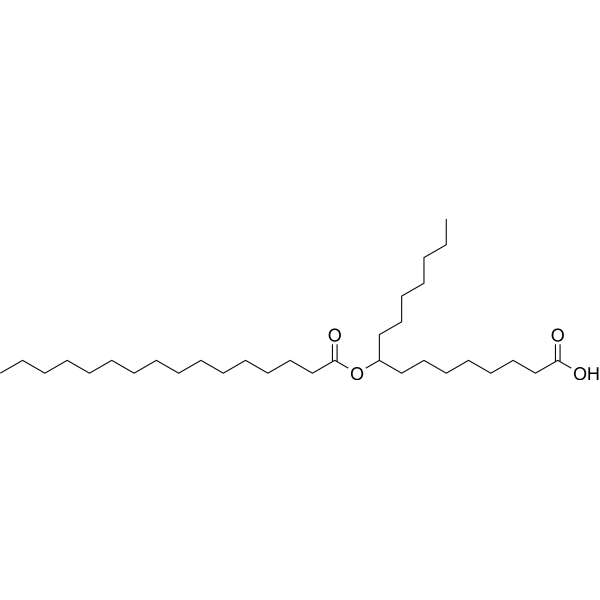
- Formula: C32H62O4
- Molecular Weight: 510.83
9-PAHPA is a fatty acid esters of hydroxy fatty acid (FAHFA). FAHFAs are a new family of endogenous lipids, have antidiabetic and anti-inflammatory effects.
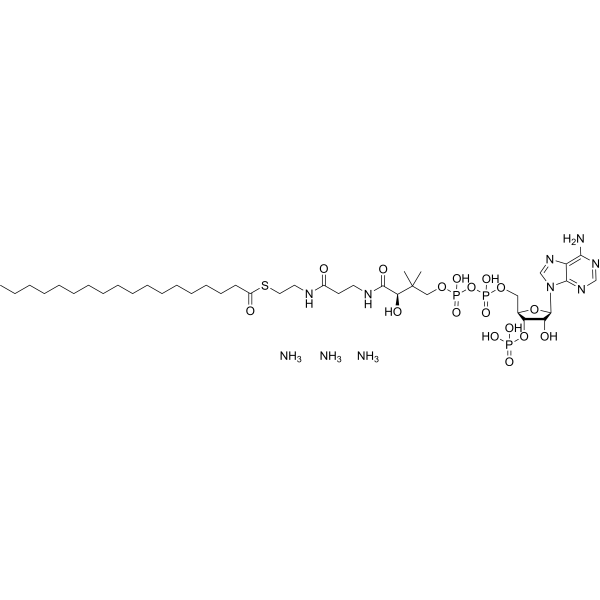
- Formula: C39H79N10O17P3S
- Molecular Weight: 1085.09
18:0 Coenzyme A (triammonium) is a preferred substrate of stearoyl-CoA desaturases (SCDs).
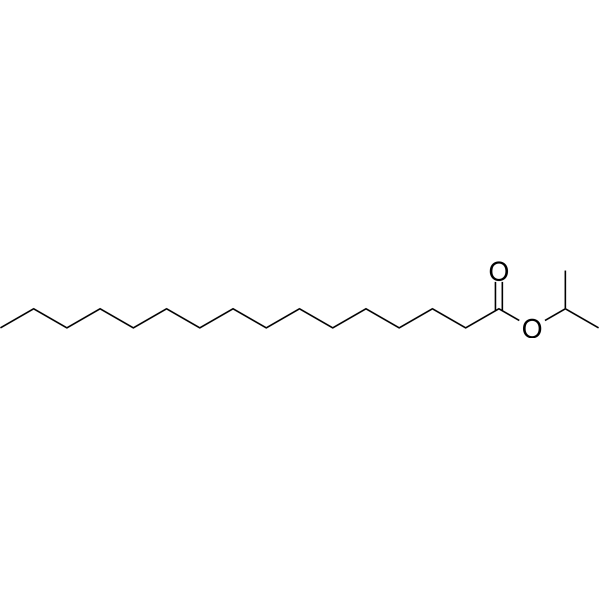
- Formula: C19H38O2
- Molecular Weight: 298.51
Isopropyl palmitate is an fatty acid ester. Isopropyl palmitate can be used for design and characterization of bioactive bilayer films. The bilayer membrane not only has the ability to scavenge free radicals and inhibit lipid peroxidation, but also can inhibit the growth of known foodborne pathogens. Isopropyl palmitate can be used as an excipient, such as lubricant, oily carrier, solvent, controlled-release transdermal film. Pharmaceutical excipients, or pharmaceutical auxiliaries, refer to other chemical substances used in the pharmaceutical process other than pharmaceutical ingredients. Pharmaceutical excipients generally refer to inactive ingredients in pharmaceutical preparations, which can improve the stability, solubility and processability of pharmaceutical preparations. Pharmaceutical excipients also affect the absorption, distribution, metabolism, and elimination (ADME) processes of co-administered drugs.

- Formula: C22H40O4
- Molecular Weight: 368.55
Monostearyl maleate (Octadecyl fumarate) is a monomeric lipid synthesized from maleic anhydride and stearyl alcohol. Monostearyl maleate can be found in the ethanol extract of Citrullus colocynthis fruits. Monostearyl maleate can be used to prepare terpolymers for application as a viscosity reducer for heavy oil.
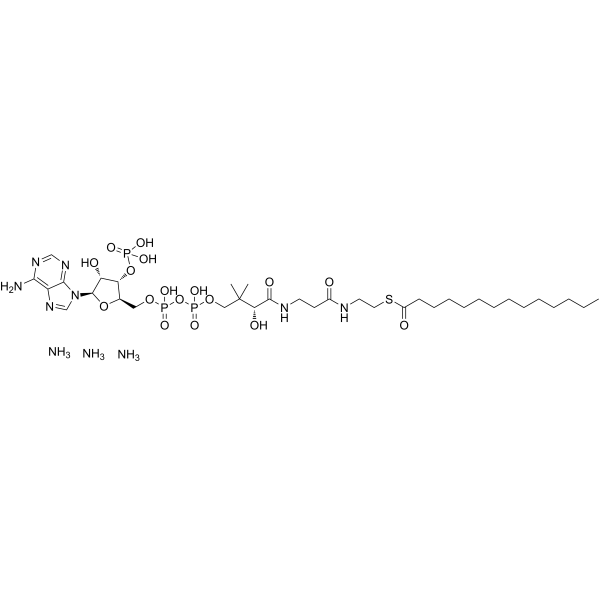
- Formula: C35H71N10O17P3S
- Molecular Weight: 1028.98
Myristoyl coenzyme A triammonium (14:0 Coenzyme A) is a myristoylated coenzyme A (CoA). Myristoylation is an essential process in viruses and is generally controlled by N-myristoyltransferase (NMT). And NMT is more active in colon epithelial tumors than in normal cells. Reduced Ccoenzyme A (CoA) is known to be a key regulator of NMT activity, whereas oxidized CoA does not allow NMT to promote myristoylation. Myristoyl coenzyme A blocks the demyristoylation process and has potential anticancer and antiviral mechanisms.
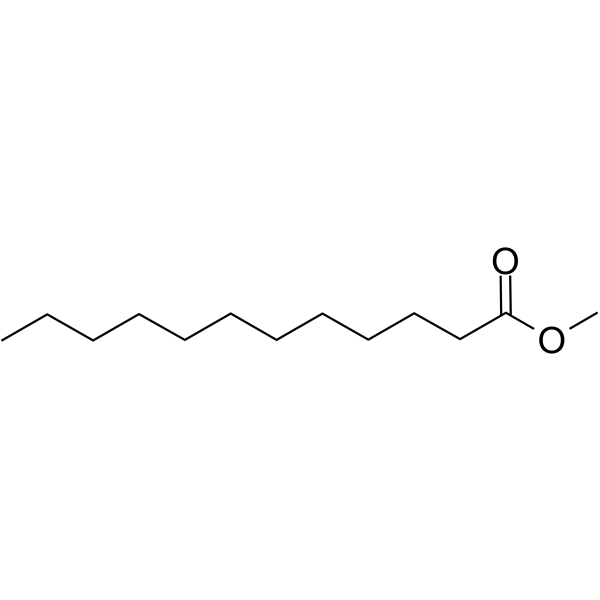
- Formula: C13H26O2
- Molecular Weight: 214.34
Methyl laurate (Methyl dodecanoate) is a fatty acid methyl ester. Methyl laurate can serve as a raw material to produce sucrose monolaurate via transesterification with sucrose.
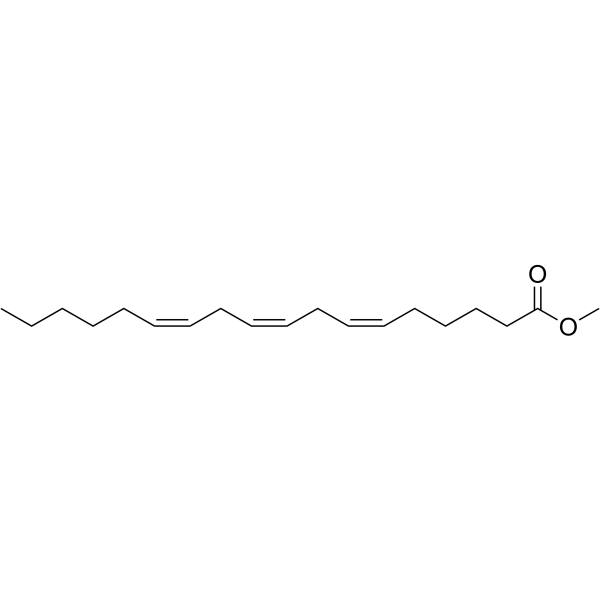
- Formula: C19H32O2
- Molecular Weight: 292.46

- Formula: C22H32O3
- Molecular Weight: 344.49
(±)14-HDHA is the isomer of 14(S)-HDHA (HY-130239). 14(S)-HDHA is an oxygenation product of Docosahexaenoic acid (DHA). 14(S)-HDHA is a marker reflecting activation of a Docosahexaenoic acid carbon 14-lipoxygenation pathway.
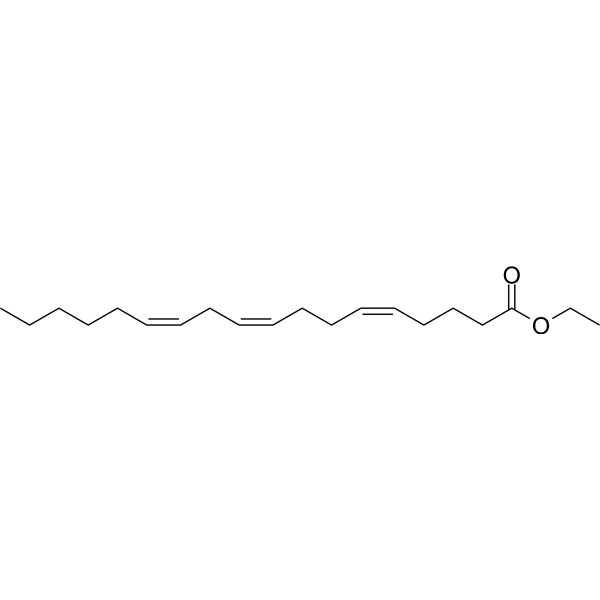
- Formula: C20H34O2
- Molecular Weight: 306.48
Pinolenic acid is a polyunsaturated fatty acid found in the seed oils of red pine (Pinus orientalis) and maritime pine (Pinus pinaster). Both oils were found to have lipid-lowering properties. A diet containing marine pine nut oil (MPSO) reduces HDL and ApoA1 levels in transgenic mice expressing human ApoA1. MPSO was found to reduce cholesterol efflux in vitro. Korean pine nut oil supplements may help obesity by reducing appetite. People who take this oil experience an increase in the satiety hormones CCK and GLP-1 and a decrease in appetite. The activity of the oil is attributed to pinolenic acid. Pinolenic acid is not metabolized to arachidonic acid and can reduce the level of arachidonic acid in the phosphatidylinositol fraction of HepG2 cells from 15.9% to 7.0%. Pinolenic acid ethyl ester is a neutral, more lipophilic form of the free acid.
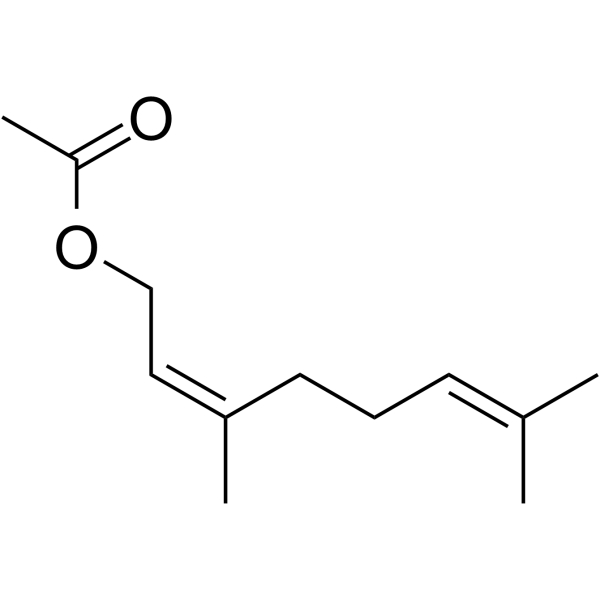
- Formula: C12H20O2
- Molecular Weight: 196.29
Neryl acetate is an essential oil component. Neryl acetate upregulates genes associated with epidermal differentiation, skin barrier formation and ceramide synthesis; it also increases filaggrin expression, total lipid and ceramide contents. Neryl acetate acts as the core driver mediating the skin barrier-forming and antibacterial effects of Helichrysum italicum essential oil.
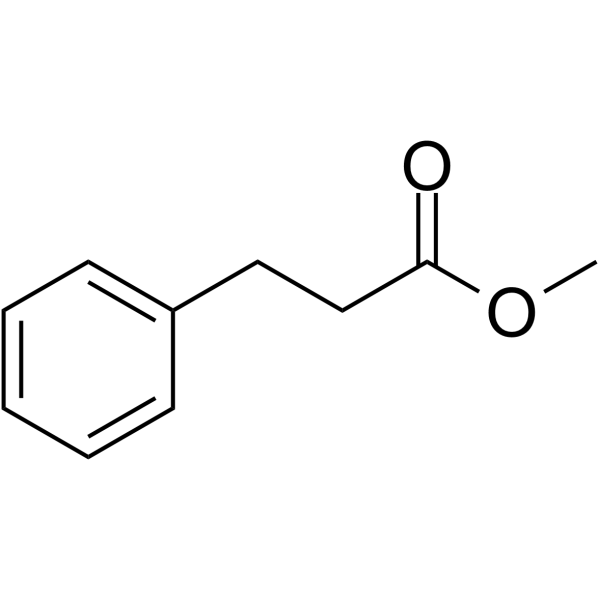
- Formula: C10H12O2
- Molecular Weight: 164.20
Methyl 3-phenylpropanoate is a phenylpropanoate compound. Methyl 3-phenylpropanoate serves as a volatile oil component, a flavoring agent, and also an endogenous metabolite. Derivatives of Methyl 3-phenylpropanoate interfere with the feeding behavior of insects. Methyl 3-phenylpropanoate can be used to study insect feeding behavior.
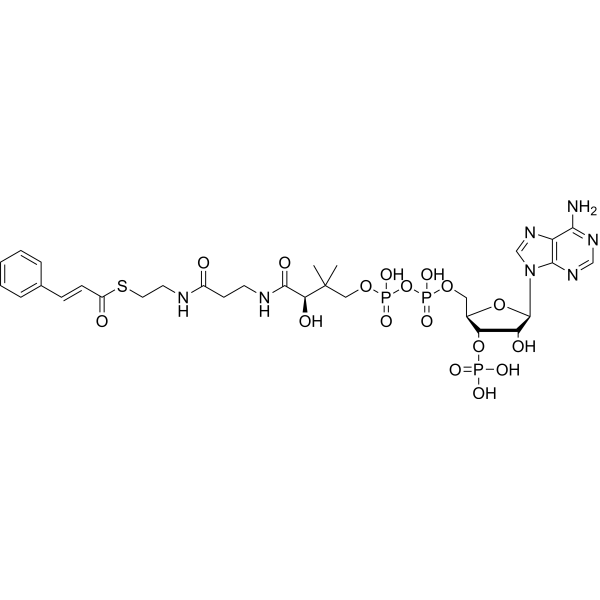
- Formula: C30H42N7O17P3S
- Molecular Weight: 897.68
(E)-Cinnamoyl-coA ((E)-Cinnamoyl-coenzyme A) is a substrate of 2-hydroxyglutaryl-CoA dehydratase.
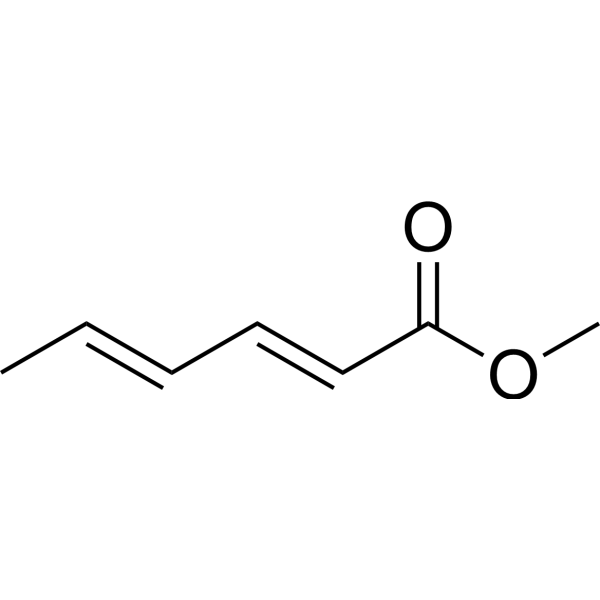
- Formula: C7H10O2
- Molecular Weight: 126.15
Methyl sorbate, which is an ester formed by the condensation of methanol and hexa-2,4-dienoic acid, is commonly used as a flavoring agent and fragrance in the food and cosmetic industries due to its fruity, floral, and taste, and in addition , it has also been investigated for its potential use as a starting material in the synthesis of various organic compounds, including pharmaceuticals, agrochemicals, and polymers.



