



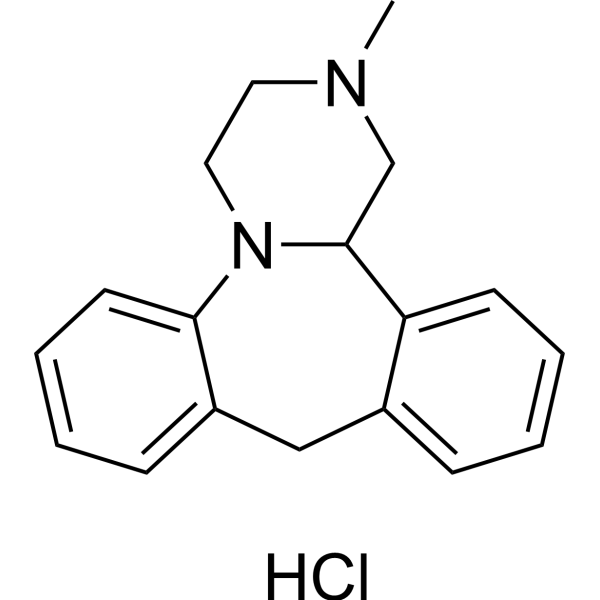
Mianserin hydrochloride
Based on 1 publication(s) in Google Scholar
Mianserin hydrochloride (Org GB 94) is an orally active H1 receptor antagonist. Mianserin hydrochloride can activate κ-opioid receptor and octopamine receptor. Mianserin hydrochloride increases ERK1/2 and CREB phosphorylation, and antagonizes full κ-opioid agonist and Dynorphin A (HY-P1333)-induced MAPK phosphorylation. Mianserin hydrochloride modulates social and exploratory behaviour, raises electroconvulsive thresholds. Mianserin hydrochloride can be used for the research of neurological disease, such as depression and epilepsy.
For research use only. We do not sell to patients.
- Purity : 99.95%
- CAS No.: 21535-47-7
- Formula: C18H21ClN2
- Molecular Weight:300.83
-
Storage:
4°C, sealed storage, away from moisture
* In solvent : -80°C, 2 years; -20°C, 1 year (sealed storage, away from moisture)

To place orders, for customer services and technical support, please contact: MedChemExpress USA
Tel: 609-228-6898 E-mail: [email protected] [email protected]


-
 Biological Activity
-
Chemical Information
-
Solvent & Solubility
- Protocols
- Purity & Documentation
- References
-
 Help & FAQs


-
HY-11018
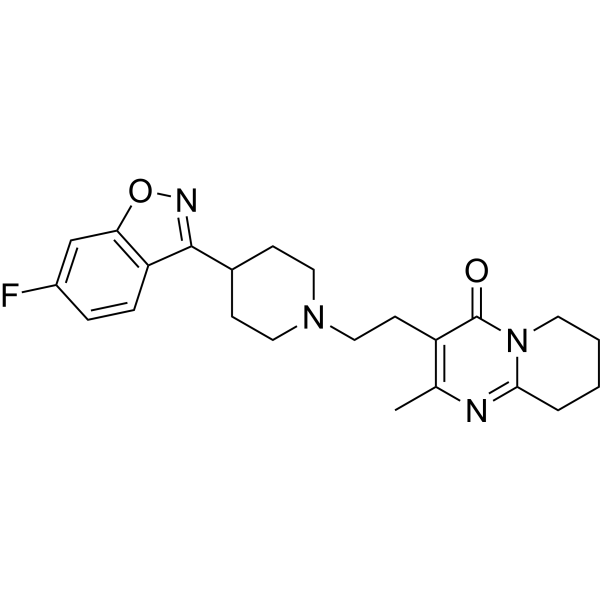
Risperidone5-HT2 Receptor Blocker -
HY-B0352
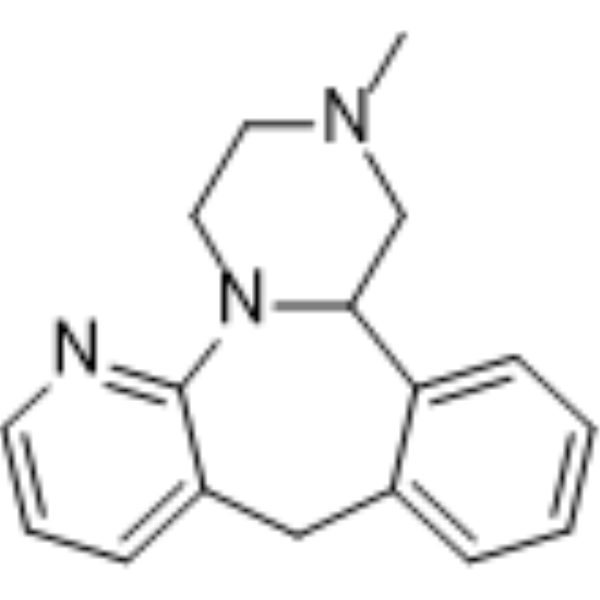
MirtazapineNaSSA Agent -

HY-B0188AR
Mianserin hydrochloride (Standard)Histamine Receptor Inhibitor -
HY-B1490
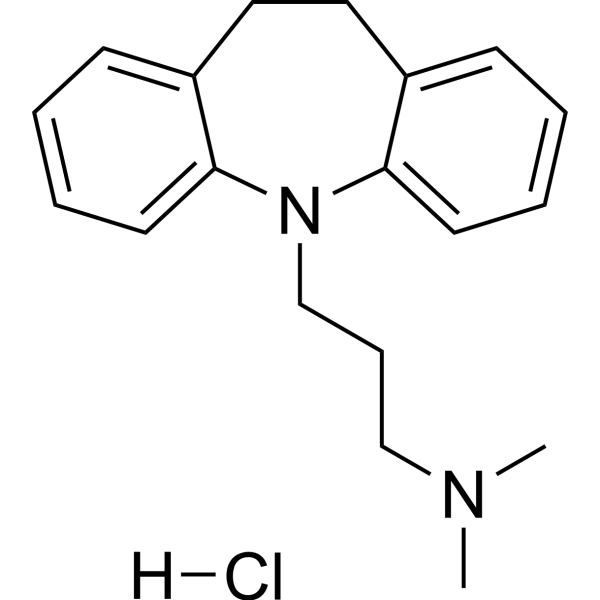
Imipramine hydrochlorideAntidepressant Agent -
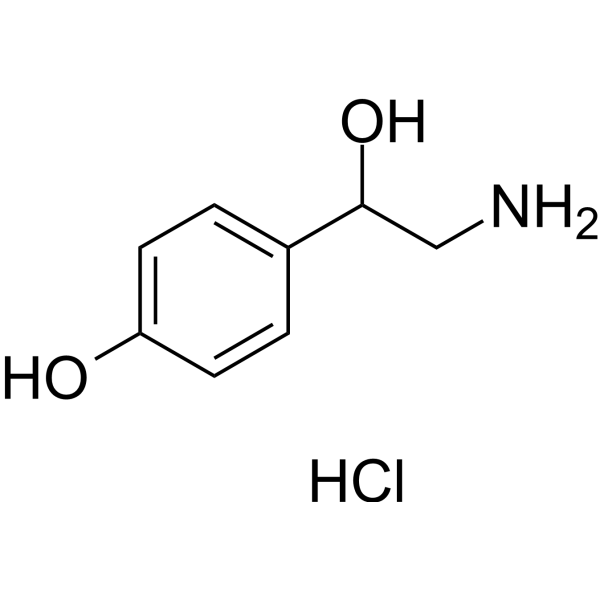
HY-B0528A
Octopamine hydrochlorideNeuromodulator -
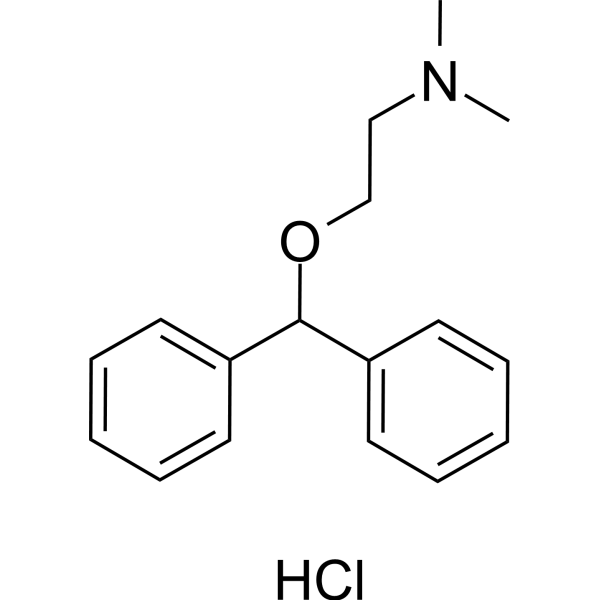
HY-B0303A
Diphenhydramine hydrochlorideHistamine H1-Receptor Antagonist -
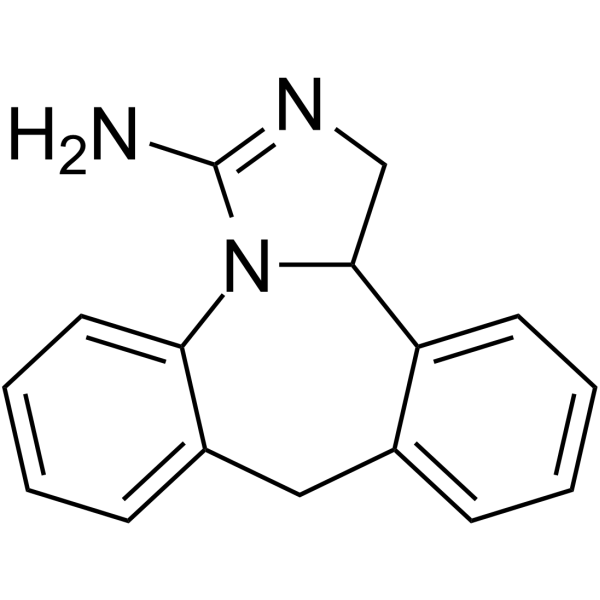
HY-B0640
EpinastineHistamine H1 Receptor Antagonist -
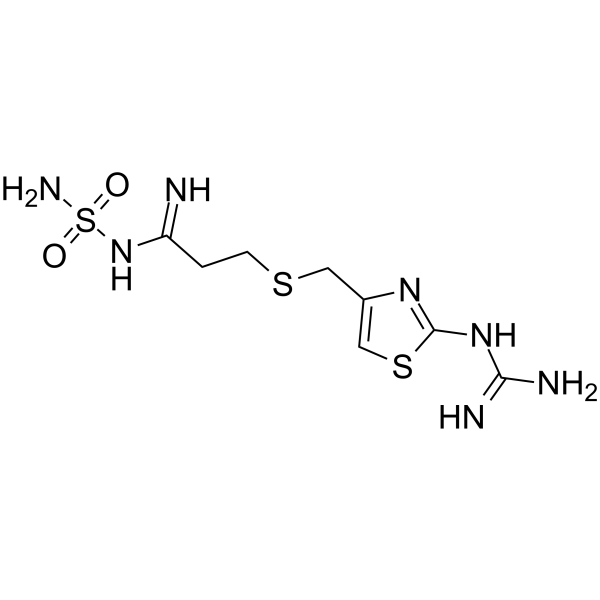
HY-B0377
FamotidineHistamine H2 Receptor Antagonist -
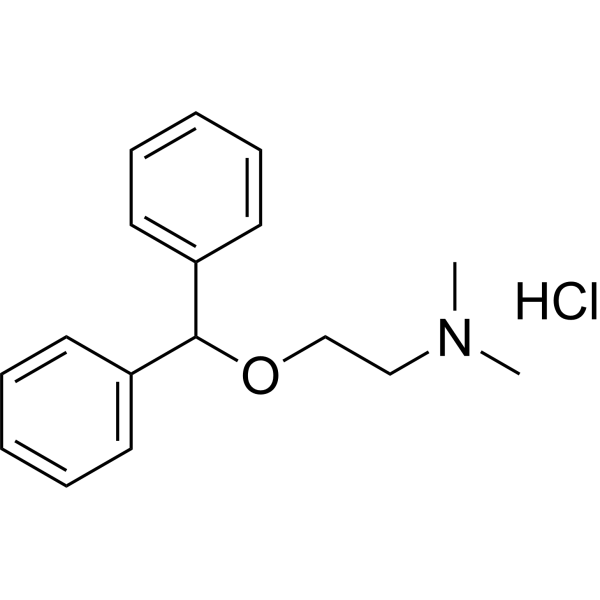
HY-B0303AR
Diphenhydramine hydrochloride (Standard) -

HY-B0377R
Famotidine (Standard)Reference Standard -
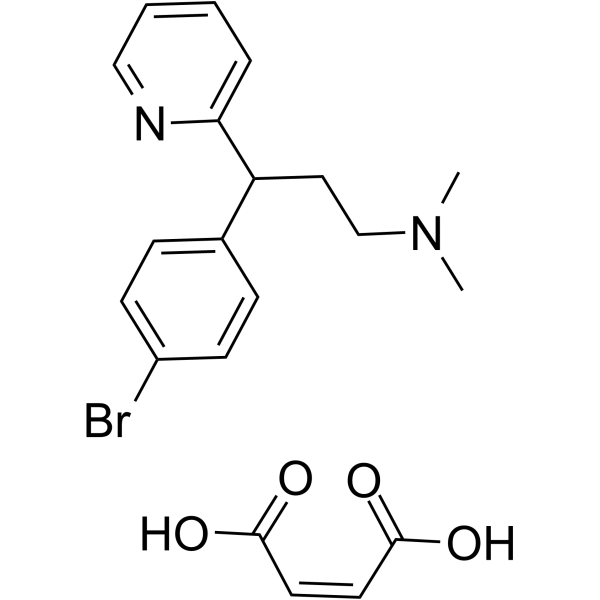
HY-B0480
Brompheniramine maleateAntihistamine Agent -
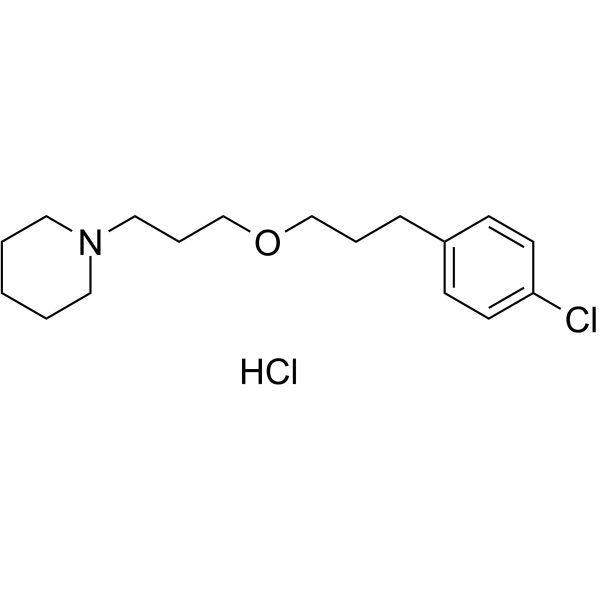
HY-12199B
Pitolisant hydrochlorideH3 Receptor Antagonist
Publications Citing Use of MedChemExpress (MCE) Mianserin hydrochloride
MoreAll Histamine Receptor Isoforms
MoreAll Opioid Receptor Isoforms
More

Biological Activity
Description
IC50 & Target
[5]|
H1 Receptor |
κ Opioid Receptor/KOR |
ERK1 |
ERK2 |
In Vitro
Mianserin hydrochloride exhibits 12- and 18-fold higher affinity for human κ-opioid receptors than for μ-opioid receptors and δ-opioid receptors, respectively, with a Ki of 1.7 ± 0.3 μM for κ-opioid receptors[1].
Mianserin hydrochloride selectively activates human κ-opioid receptors in CHO/KOP cells to stimulate [35S]GTPγS binding with an EC50 of 0.53 ± 0.05 μM, with no activity at μ-, δ-opioid receptors, or in untransfected CHO cells[1].
Mianserin hydrochloride (1 μM, 10-120 min) stimulates ERK1/2 phosphorylation in CHO/KOP cells via κ-opioid receptors with an EC50 of 1.5 ± 0.3 μM, peaking at 10 min and remaining elevated for up to 120 min[1].
Mianserin hydrochloride (0.1-30 μM; 15 min) stimulates ERK1/2 phosphorylation in C6 rat glioma cells via endogenous κ-opioid receptors, with an EC50 of 1.6 ± 0.3 μM[1].
Mianserin hydrochloride (1 μM; 10-120 min) stimulates CREB phosphorylation in CHO/KOP cells and C6 rat glioma cells via κ-opioid receptors, with a peak 2-fold increase at 30 min in CHO/KOP cells[1].
Mianserin hydrochloride selectively activates endogenous κ-opioid receptors in rat striatum and nucleus accumbens membranes to stimulate 35S]GTPγS binding, with EC50 values of 0.70 ± 0.05 μM and 0.39 ± 0.06 μM, respectively[1].
Mianserin hydrochloride (10 μM; 10 min) inhibits p38 MAPK and ERK1/2 phosphorylation in primary mouse striatal and hippocampal neurons induced by dynorphin[1].
Mianserin hydrochloride (60 min) potently inhibits specific [3H]octopamine binding to locust Locusta migratoria neuronal octopamine receptors with a Ki of 1.20 ± 0.27 nM[3].
Mianserin hydrochloride inhibits cyclic AMP accumulation mediated by histamine H1 with a Ki of 0.003 μM[5].
MedChemExpress (MCE) has not independently confirmed the accuracy of these methods. They are for reference only. Further protocols information, click here.
-
Cell Line:CHO/KOP cells
-
Concentration:1 μM
-
Incubation Time:10, 30, 60, 90, 120 min
-
Result:Induced a rapid increase in dual ERK1/2 phosphorylation that peaked at 10 min and remained above control levels for up to 120 min.
Stimulated phosphorylation in a concentration-dependent manner with an EC50 of 1.5 ± 0.3 μM and an Emax corresponding to a 10-fold increase of control values.
Had its stimulatory effect at 1 μM significantly attenuated by 100 nM nor-BNI.
In Vivo
Mianserin hydrochloride (0.12-1.92 μmol/kg; p.o.; daily; 12-16 days) administered chronically significantly enhances social investigation in male CD1 mice during social encounters in both home and neutral cages at 0.12 μmol/kg, while 0.12 μmol/kg and 0.48 μmol/kg doses increase digging behavior in the neutral cage[2].
Mianserin hydrochloride (30-40 mg/kg; i.p.; single dose, 30 minutes before testing) increases electroconvulsive threshold and potentiates the anticonvulsant action of select antiepileptics[4].
MedChemExpress (MCE) has not independently confirmed the accuracy of these methods. They are for reference only.
-
Animal Model:CD1 mice (male, adult, 35-45 g)[2]
-
Dosage:0.12 μmol/kg; 0.48 μmol/kg
-
Administration:I.p.; single dose
-
Result:Produced no statistically significant effects on behavior categories in the home cage, but increased duration of the social act "nose" and reduced duration of the non-social act "explore" at 0.48 μmol/kg.
Significantly decreased frequency and duration of aggressive behavior, and decreased duration of the social act "attend" in the neutral cage at 0.48 μmol/kg.
Produced no statistically significant effects on behavior categories in either test environment, though reduced duration of the non-social act "explore" in the home cage at 0.12 μmol/kg.


Chemical Information
-
CAS No. 21535-47-7
-
Appearance Solid
-
Molecular Weight 300.83
-
Formula C18H21ClN2
-
Color White to light yellow
-
SMILES
CN(CC1)CC2N1C3=CC=CC=C3CC4=CC=CC=C24.Cl
-
Synonyms
Org GB 94
-
Structure Classification
-
Initial Source
-
Shipping
Room temperature in continental US; may vary elsewhere.
-
Storage
4°C, sealed storage, away from moisture
* In solvent : -80°C, 2 years; -20°C, 1 year (sealed storage, away from moisture)


Publications (1)
-
Journal Impact Factor
-
Most Recent
-
Insect Biochem Mol Biol
Molecular and pharmacological characterization of the dopamine receptors in the oriental fruit fly, Bactrocera dorsalis. [Abstract]2025 May:180:104312. PMID: 40245998


Solvent & Solubility
In Vitro:
DMSO : 50 mg/mL (166.21 mM; Need ultrasonic; Hygroscopic DMSO has a significant impact on the solubility of product, please use newly opened DMSO)
H2O : 25 mg/mL (83.10 mM; ultrasonic and warming and heat to 60°C)
Please refer to the solubility information to select the appropriate solvent. Once prepared, please aliquot and store the solution to prevent product inactivation from repeated freeze-thaw cycles.
Storage method and period of stock solution: -80°C, 2 years; -20°C, 1 year (sealed storage, away from moisture). When stored at -80°C, please use it within 2 years. When stored at -20°C, please use it within 1 year.
* Note: If you choose water as the stock solution, please dilute it to the working solution, then filter and sterilize it with a 0.22 μm filter before use.
Please refer to the solubility information to select the appropriate solvent. Once prepared, please aliquot and store the solution to prevent product inactivation from repeated freeze-thaw cycles.
Storage method and period of stock solution: -80°C, 2 years; -20°C, 1 year (sealed storage, away from moisture). When stored at -80°C, please use it within 2 years. When stored at -20°C, please use it within 1 year.
* Note: If you choose water as the stock solution, please dilute it to the working solution, then filter and sterilize it with a 0.22 μm filter before use.
Concentration (start) × Volume (start) = Concentration (final) × Volume (final)
In Vivo:
Select the appropriate dissolution method based on your experimental animal and administration route.
- For the following dissolution methods, please ensure to first prepare a clear stock solution using an In Vitro approach and then sequentially add co-solvents:
- To ensure reliable experimental results, the clarified stock solution can be appropriately stored based on storage conditions. As for the working solution for In Vivo experiments, it is recommended to prepare freshly and use it on the same day.
- The percentages shown for the solvents indicate their volumetric ratio in the final prepared solution. If precipitation or phase separation occurs during preparation, heat and/or sonication can be used to aid dissolution.
Add each solvent one by one: 10% DMSO 40% PEG300 5% Tween-80 45% Saline
Solubility: ≥ 2.5 mg/mL (8.31 mM); Clear solution
This protocol yields a clear solution of ≥ 2.5 mg/mL (saturation unknown).
Taking 1 mL working solution as an example, add 100 μL DMSO stock solution (25.0 mg/mL) to 400 μL PEG300, and mix evenly; then add 50 μL Tween-80 and mix evenly; then add 450 μL Saline to adjust the volume to 1 mL.
Preparation of Saline: Dissolve 0.9 g sodium chloride in ddH₂O and dilute to 100 mL to obtain a clear Saline solution.
Add each solvent one by one: 10% DMSO 90% (20% SBE-β-CD in Saline)
Solubility: ≥ 2.5 mg/mL (8.31 mM); Clear solution
This protocol yields a clear solution of ≥ 2.5 mg/mL (saturation unknown).
Taking 1 mL working solution as an example, add 100 μL DMSO stock solution (25.0 mg/mL) to 900 μL 20% SBE-β-CD in Saline, and mix evenly.
Preparation of 20% SBE-β-CD in Saline (4°C, storage for one week): 2 g SBE-β-CD powder is dissolved in 10 mL Saline, completely dissolve until clear.
In Vivo Dissolution Calculator
Please enter the basic information of animal experiments:
-
-
-
-
Recommended: Prepare an additional quantity of animals to account for potential losses during experiments.
Working solution concentration: 0.22 mg/mL
This product has good water solubility, please refer to the measured solubility data in water/PBS/Saline for details.

Protocols
-
Kinase activity and phosphorylation assays
Kinase activity assays measure the ability of kinases to transfer phosphate groups from ATP to specific substrates, while phosphorylation assays detect the presence and levels of phosphorylated proteins. Common methods include radiolabeled ATP incorporation (e. g. ,), ADP release detection via bioluminescence (e. g. ,[3]), enzyme-linked immunosorbent assays (ELISA) for phospho-specific epitopes (e. g. ,[6]), and microtiter-based formats for high-throughput screening (e. g. ,[8]). The ADP-Glo assay quantifies kinase activity by measuring ADP produced during phosphorylation using a luciferase-based system. Radiometric assays involve autoradiography or scintillation counting after incorporation of 32P-labeled ATP into substrate proteins. ELISA-based approaches rely on phospho-specific antibodies to detect activated kinases in cell lysates or purified samples.
-
Western Blot
Western blotting (WB) is a commonly used experimental method in molecular biology, biochemistry, and immunogenetics for identifying and quantifying target proteins. It combines gel electrophoresis with immunoassay, enabling researchers to analyze protein expression, post-translational modifications, and molecular weight.
-
Protocol for Kinase activity and phosphorylation assays
Kinase activity assays measure transfer of phosphate from ATP to a protein or peptide substrate, generating phosphorylated substrate, ADP, or incorporated radiolabeled phosphate as the readout; phosphorylation assays measure site-specific phosphorylation in cells or tissues as a proxy for kinase-pathway activation, inhibition, or substrate regulation. Phosphorylation can be detected by phospho-specific Western blot, immunoprecipitation kinase assay, phospho-immunofluorescence, phospho-flow cytometry, luminescent ADP detection, radiolabeled ATP incorporation, or reporter-based pathway assays, and these readouts can be applied to cancer cells, primary neurons, mouse tumors, organoids, inflammatory macrophages, ferroptosis studies, and mitophagy studies when the kinase target is biologically relevant.
-
Research Protocol for Neurological Diseases
PINK1/Parkin-mediated mitophagy pathway is a mitochondrial quality-control signaling axis in which mitochondrial depolarization stabilizes PINK1 on damaged mitochondria, activates Parkin recruitment and E3 ubiquitin ligase activity, promotes ubiquitination of outer mitochondrial membrane proteins, recruits selective autophagy adaptors, and drives lysosomal degradation of damaged mitochondria. In neurological disease research, this pathway is experimentally important because neurons, especially dopaminergic neurons, are highly dependent on mitochondrial integrity, and defective mitochondrial turnover can lead to mitochondrial dysfunction, oxidative stress, impaired neuronal survival, α-synuclein accumulation, and neuroinflammatory damage-associated signals. The genetic disease link is strongest in Parkinson’s disease because mutations in PRKN/parkin cause autosomal recessive juvenile parkinsonism, mutations in PINK1 cause hereditary early-onset Parkinson’s disease, and Drosophila studie


Purity & Documentation
-
Data Sheet (301 KB)
-
SDS (393 KB)
- English - EN (393 KB)
- Français - FR (393 KB)
- Deutsch - DE (393 KB)
- Norwegian - NO (393 KB)
- Español - ES (393 KB)
- Swedish - SV (393 KB)
- Italian - IT (393 KB)
- Korean - KR (393 KB)
- Portuguese - PT (393 KB)
-
Handling Instructions (2659 KB)
References
[1]. Olianas MC, et al. The atypical antidepressant mianserin exhibits agonist activity at κ-opioid receptors. Br J Pharmacol. 2012;167(6):1329-1341. [Content Brief]
[2]. Gao B, et al. Effects of acute and chronic administration of the antidepressants, imipramine, phenelzine and mianserin, on the social behaviour of mice. Neuropharmacology. 1994;33(6):813-824. [Content Brief]
[3]. Roeder T. High-affinity antagonists of the locust neuronal octopamine receptor. Eur J Pharmacol. 1990 Nov 27;191(2):221-4. [Content Brief]
[4]. Borowicz KK, et al. Acute and chronic treatment with mianserin differentially affects the anticonvulsant activity of conventional antiepileptic drugs in the mouse maximal electroshock model. Psychopharmacology (Berl). 2007;195(2):167-174. [Content Brief]


Complete Stock Solution Preparation Table
Please refer to the solubility information to select the appropriate solvent. Once prepared, please aliquot and store the solution to prevent product inactivation from repeated freeze-thaw cycles.
Storage method and period of stock solution: -80°C, 2 years; -20°C, 1 year (sealed storage, away from moisture). When stored at -80°C, please use it within 2 years. When stored at -20°C, please use it within 1 year.
| Optional Solvent | Concentration Solvent Mass | 1 mg | 5 mg | 10 mg | 25 mg |
|---|---|---|---|---|---|
| H2O / DMSO | 1 mM | 3.3241 mL | 16.6207 mL | 33.2414 mL | 83.1034 mL |
| 5 mM | 0.6648 mL | 3.3241 mL | 6.6483 mL | 16.6207 mL | |
| 10 mM | 0.3324 mL | 1.6621 mL | 3.3241 mL | 8.3103 mL | |
| 15 mM | 0.2216 mL | 1.1080 mL | 2.2161 mL | 5.5402 mL | |
| 20 mM | 0.1662 mL | 0.8310 mL | 1.6621 mL | 4.1552 mL | |
| 25 mM | 0.1330 mL | 0.6648 mL | 1.3297 mL | 3.3241 mL | |
| 30 mM | 0.1108 mL | 0.5540 mL | 1.1080 mL | 2.7701 mL | |
| 40 mM | 0.0831 mL | 0.4155 mL | 0.8310 mL | 2.0776 mL | |
| 50 mM | 0.0665 mL | 0.3324 mL | 0.6648 mL | 1.6621 mL | |
| 60 mM | 0.0554 mL | 0.2770 mL | 0.5540 mL | 1.3851 mL | |
| 80 mM | 0.0416 mL | 0.2078 mL | 0.4155 mL | 1.0388 mL | |
| DMSO | 100 mM | 0.0332 mL | 0.1662 mL | 0.3324 mL | 0.8310 mL |
* Note: If you choose water as the stock solution, please dilute it to the working solution, then filter and sterilize it with a 0.22 μm filter before use.


Mianserin hydrochloride Related Classifications
HY-B0188A Related Classifications
 Powered by Bioz