
84 Results for "

blight

" in MedChemExpress (MCE) Product Catalog:
Products (84)

84 Results for "blight" in MCE Product Catalog:

1
1 Cited Publications
Cat. No.: HY-N9929
CAS No.: 629-97-0
Docosane is a plant resistance inducer found in Frullania probosciphora. Docosane induces activation of the salicylic acid signaling pathway. Docosane induces activation of the jasmonic acid signaling pathway. Docosane induces activation of the ethylene signaling pathway. Docosane can be used in research on tomato bacterial wilt and apple fire blight .
loading...
    loading...
1
1 Cited Publications
Cat. No.: HY-N4321
CAS No.: 5115-71-9
Synonyms: Benzylglucosinolate potassium
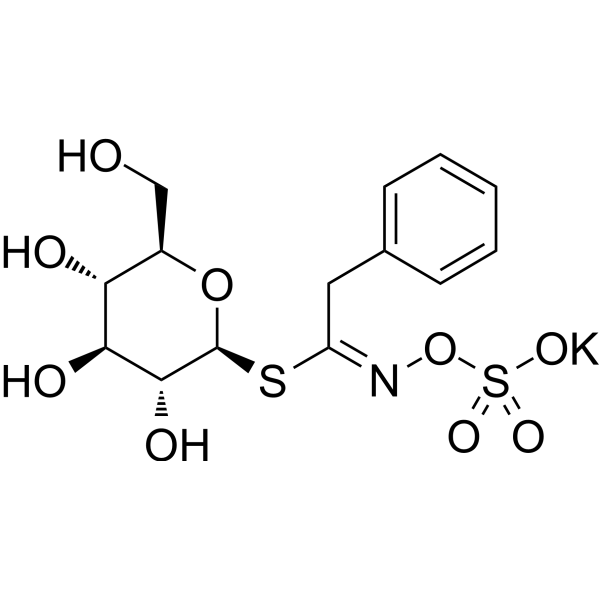
Glucotropaeolin (Benzylglucosinolate) potassium is an orally effective glucosinolate that can be extracted from cruciferous vegetables. Glucotropaeolin potassium exhibits activities including moderate reduction of spontaneous DNA damage in animals, anti-inflammation, antimicrobial action, and anticancer effect. Glucotropaeolin potassium can be used in research related to tendinopathy, late blight, type 2 diabetes, and cancer .
loading...
    loading...
1
1 Cited Publications
Cat. No.: HY-N7435
CAS No.: 54814-64-1
Synonyms: (±)-Massoia lactone
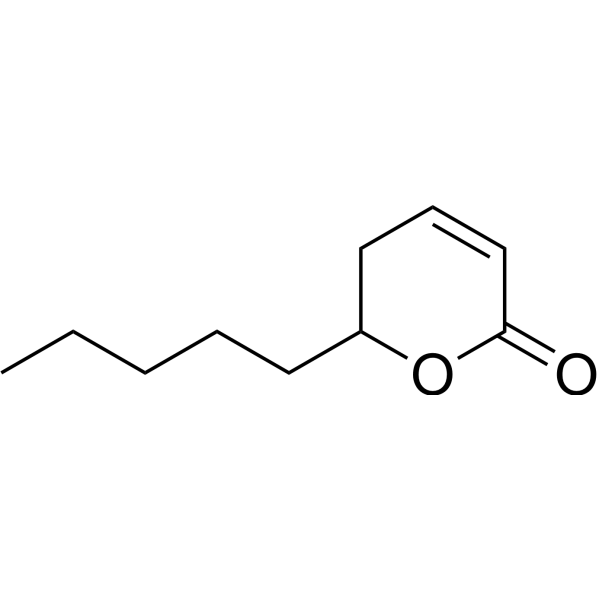
Massoia lactone ((±)-Massoia lactone) is a natural lactone-based biosurfactant with antifungal (fungal), antibiofilm, and cytotoxic activities. Massoia lactone inhibits fungal hyphal growth and spore germination, and induces fungal cell necrosis by forming membrane pores, reducing ergosterol, elevating ROS, and causing leakage of intracellular components. Massoia lactone inhibits the viability and proliferation of tumor cells. Massoia lactone degrades the extracellular polymeric substances of polymicrobial biofilms, penetrates the biofilm matrix, inhibits the growth of planktonic oral bacteria (bacterial), and reduces surface tension through its amphiphilic properties. Massoia lactone is a low-toxicity, biodegradable food additive with a coconut cream aroma, which can be used for flavor improvement and also serves as a quality control marker for Cs-4 mycelium. Massoia lactone can be used for research on Fusarium head blight, malignant tumors, and oral polymicrobial biofilm-associated dental diseases .
loading...
    loading...
Cat. No.: HY-W004263
CAS No.: 629-96-9
Synonyms: Arachidyl alcohol
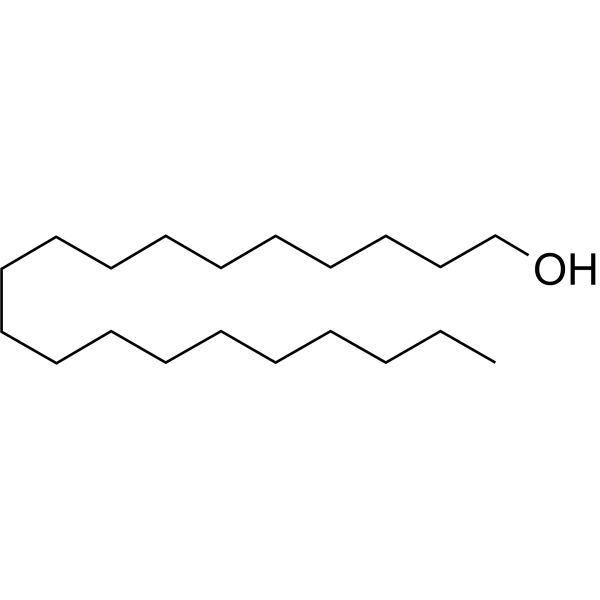
1-Eicosanol (Arachidyl alcohol) is a long-chain fatty alcohol and volatile organic compound that can be isolated from the leaves of Leea indica and produced by Bacillus velezensis ZJ1. 1-Eicosanol inhibits mycelial growth of Alternaria solani and Botrytis cinerea. 1-Eicosanol is applicable to research related to tomato early blight and tomato gray mold .
loading...
    loading...
Cat. No.: HY-W009123
CAS No.: 112-84-5
Synonyms: cis-13-Docosenamide
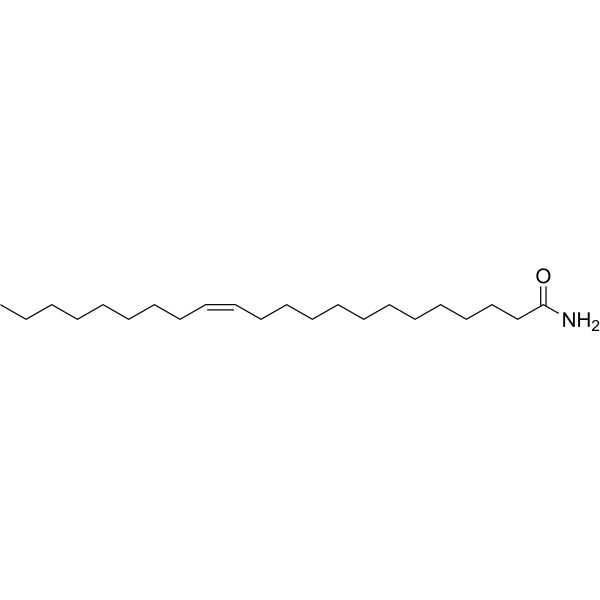
Erucamide is an orally active, blood-brain barrier-permeable TMEM19 ligand and T3SS inhibitor. Erucamide exerts retinal neuroprotective effects in mouse models of retinal degeneration. Erucamide attenuates depression- and anxiety-like behaviors in mice.\n\nErucamide binds to the conserved hydrophobic pocket in HrcC, disrupts its outer membrane localization, and blocks T3SS-mediated effector protein secretion in Gram-negative pathogenic bacteria. Erucamide enhances the antimicrobial immunity of plants against pathogenic bacteria. Erucamide can be used in research related to retinitis pigmentosa, anxiety and depression, bacterial wilt, and bacterial blight .
loading...
    loading...
Cat. No.: HY-W714076
CAS No.: 865318-97-4
Target:  

Fungal

Research Areas:  

Infection Inflammation/Immunology

Ametoctradin is a potent Qo site inhibitor of bc1 complex in mitochondrial respiration. Ametoctradin is a highly selective and effective Oomycete-specific fungicide that can be used against late blight and downy mildews .
loading...
    loading...
Cat. No.: HY-B2008
CAS No.: 131807-57-3
Synonyms: DPX-JE874
Research Areas:  

Infection

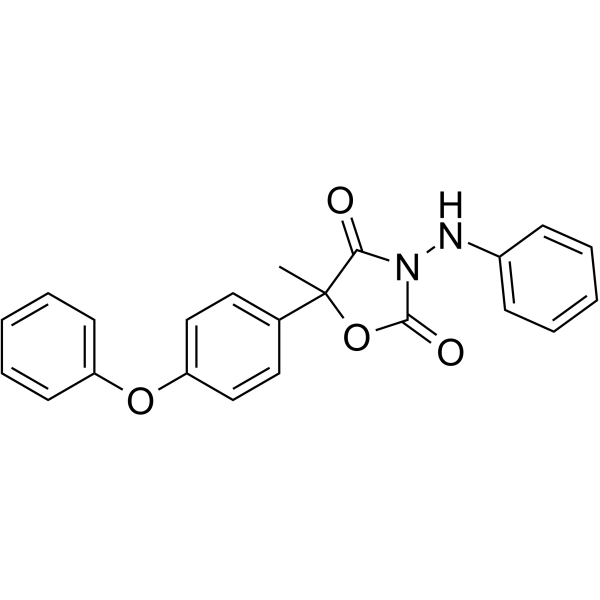
Famoxadone is a fungicide active against various oomycetes. Famoxadone induces rapid lysis of zoospores of P. viticola and P. infestans, and inhibits sporangial differentiation, zoospore release, sporangial germination and mycelial growth. Famoxadone exerts a preventive control effect on plant diseases. Famoxadone can be used in research related to grape downy mildew, potato late blight, tomato late blight and plant oomycete diseases .
loading...
    loading...
Cat. No.: HY-111968
CAS No.: 248593-16-0
Purity:  95.80%
Target:  

Fungal

Research Areas:  

Infection

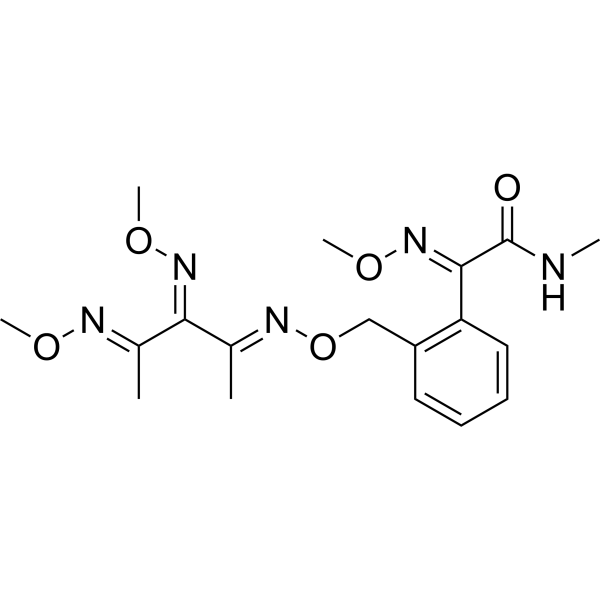
Orysastrobin, a “quinone outside inhibitor” (QoI)-type fungicide, has excellent fungicidal efficacy against leaf and panicle blast and against sheath blight in rice .
loading...
    loading...
Cat. No.: HY-N2620
CAS No.: 33237-37-5
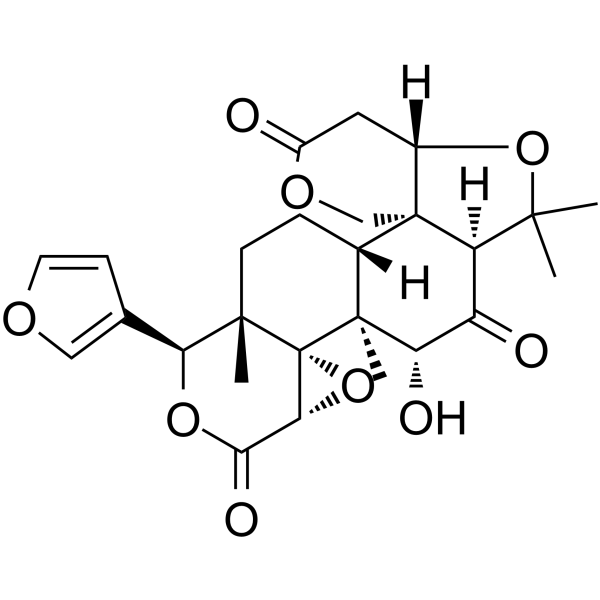
Rutaevin is an antifungal toxin and CYP3A4 inactivator. Rutaevin requires NADPH-dependent bioactivation to generate cis-but-2-ene-1,4-dial, which then covalently modifies and mechanism-based inactivates human CYP3A4 (IC50=4.48 μM, Ki=15.98 μM), and interacts with substances such as glutathione. Rutaevin disrupts the cellular structure of Sirococcus conigenus, accumulates linearly in resistant larch after pathogen exposure, and induces liver toxicity in mice via oral administration. Rutaevin can be applied to research in fields related to larch shoot blight and other associated areas .
loading...
    loading...
Cat. No.: HY-N6243
CAS No.: 475-00-3
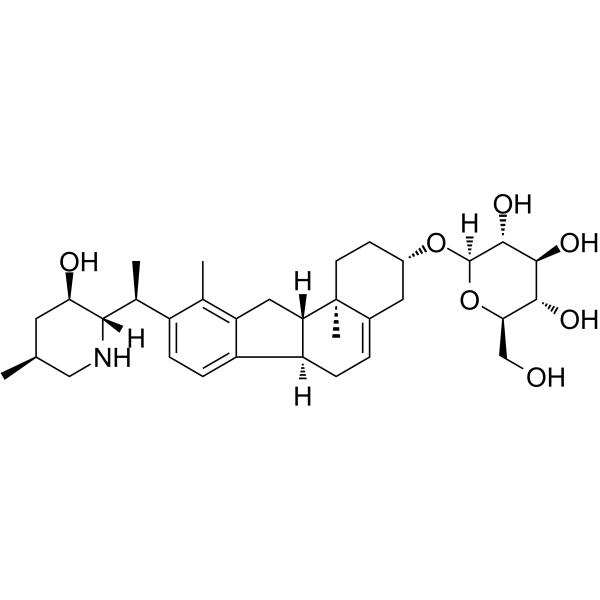
Veratrosine is a Trihydroxynapthalene reductase (THR) inhibitor and fungal plant pathogen inhibitor. Veratrosine interacts with THR, an enzyme in the DHN melanin biosynthesis pathway of Curvularia lunata. Veratrosine can be used for the research of leaf blight of rice, brown spot of rice, and blast disease of foxtail millet .
loading...
    loading...
Cat. No.: HY-139161
CAS No.: 494793-67-8
Purity:  99.70%
Research Areas:  

Infection

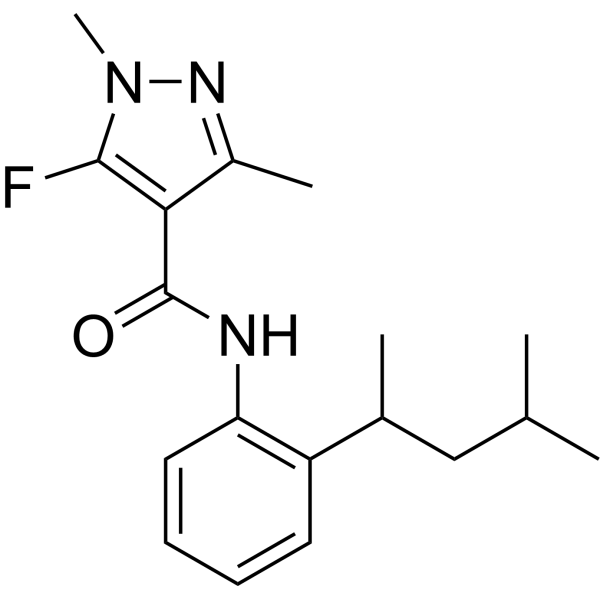
Penflufen is a highly efficient, broad-spectrum succinate dehydrogenase inhibitor (SDHI). Penflufen can be used as a fungicide and has broad bioactivity against many fungal diseases, including potato black scurf, wheat sharp eyespot, rice sheath blight, and root rot in peanut and other similar fungal diseases .
loading...
    loading...
Cat. No.: HY-N14257
CAS No.: 108868-95-7
Andrimid is a peptide Antibiotic and acetyl-CoA carboxylase inhibitor. Andrimid is produced by symbiotic bacteria of the genus *Enterobacter* residing in the brown planthopper Nilaparvata lugens. Andrimid exhibits strong specific activity against Xanthomonas campestris pv. oryzae. Andrimid shows no or only weak activity against Gram-positive and Gram-negative bacteria, including most plant pathogenic bacteria. Andrimid can be used in studies related to bacterial infections and rice bacterial blight .
loading...
    loading...
Cat. No.: HY-108988
CAS No.: 1622253-00-2
Albicidin is a peptide antibiotic with phytotoxic activity. Albicidin potently inhibits bacterial and plant DNA gyrase at nanomolar concentrations, blocks DNA replication, and exhibits excellent antibacterial efficacy against multidrug-resistant bacteria. Albicidin possesses bactericidal activity against Gram-positive and Gram-negative microorganisms, and acts as a virulence factor for the systemic plant infection by Xanthomonas albilineans. Albicidin can be used in studies related to bacterial infections and sugarcane leaf blight .
loading...
    loading...
Cat. No.: HY-B2026
CAS No.: 24579-73-5
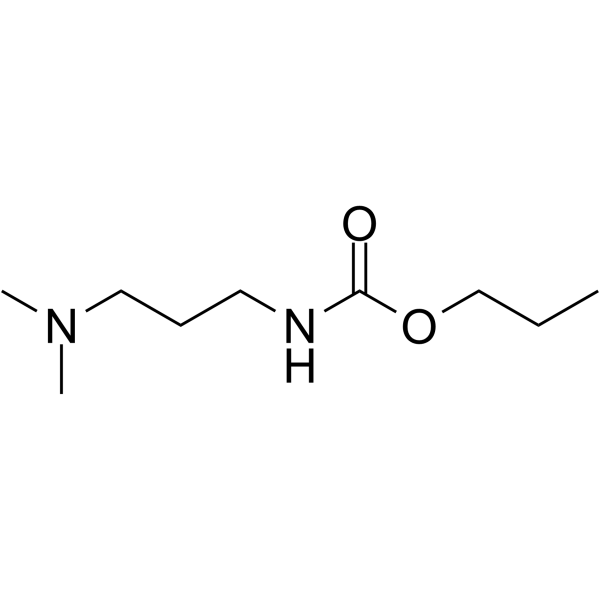
Propamocarb is an orally active phenylalanine ammonia-lyase (PAL) inducer and oomycete membrane biosynthesis inhibitor that can be present in synthetic formulations. Propamocarb is used in research on blight, gut microbiota dysbiosis and metabolic disorders, cardiovascular diseases, and potato late blight .
loading...
    loading...
Cat. No.: HY-B2048S
CAS No.: 83286-58-2
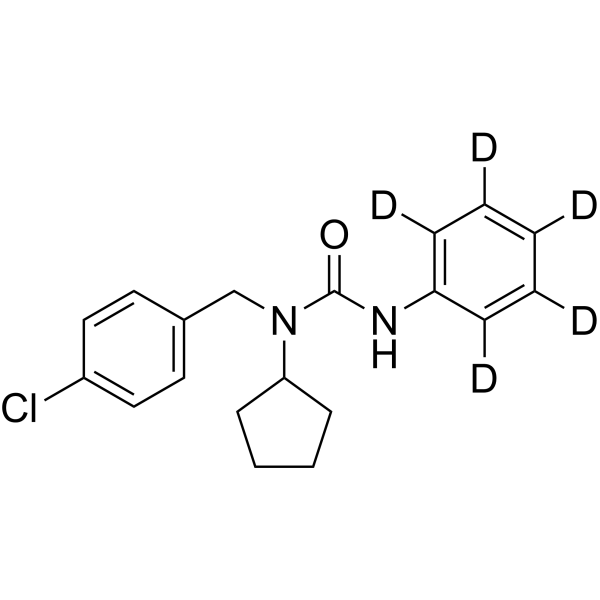
Pencycuron-d5 is the deuterium labeled Pencycuron (HY-B2048). Pencycuron is a benzoylurea fungicide. Pencycuron kills fungi by inhibiting the synthesis of fungal cell walls.Pencycuron can be used in research on the control of fungal diseases on crops, such as sheath blight, powdery mildew and late blight .
loading...
    loading...
Cat. No.: HY-17517
CAS No.: 223580-51-6
Research Areas:  

Infection

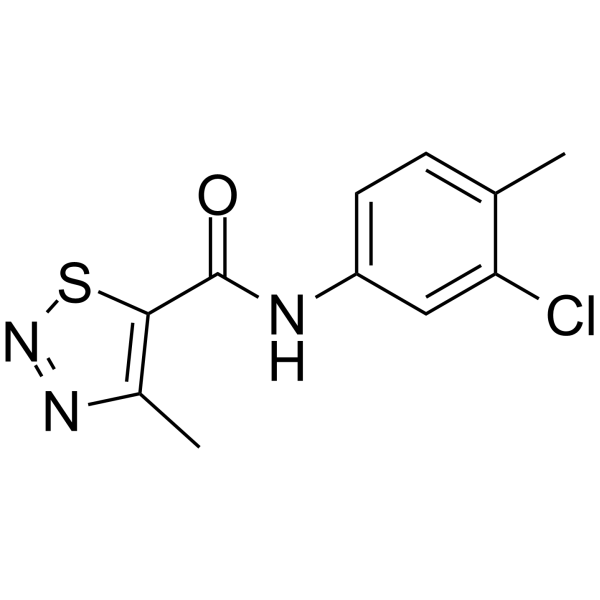
Tiadinil is a systemic acquired resistance (SAR) inducer, plant elicitor and antifungal agent. Tiadinil promotes the production of herbivore-induced plant volatiles in Camellia sinensis (tea plant). Tiadinil inhibits mycelial growth, spore germination and germ tube elongation of Stagonosporopsis citrulli in vitro. Tiadinil can be used in studies related to vine blight .
loading...
    loading...
Cat. No.: HY-W017611
CAS No.: 645-56-7
4-Propylphenol is a plant-derived phenolic compound. 4-Propylphenol causes an increase in ROS within the Fusarium graminearum cells, leading to damage to the DNA and cell membranes of the mycelia, effectively inhibiting the growth of the mycelia. 4-Propylphenol also has a growth inhibitory effect on walnut pathogenic fungi (C. gloeosporioides, C. siamense, A. alternata), with its EC50 ranging from 29.11 to 31.89 mg/L, and it also inhibits spore germination, with EC50 being 55.04-71.85 mg/L. 4-Propylphenol can be used in the research of fungal diseases in walnuts and wheat Fusarium head blight .
loading...
    loading...
Cat. No.: HY-W726127
CAS No.: 25606-41-1
Propamocarb hydrochloride is an orally active phenylalanine ammonia-lyase (PAL) inducer and oomycete membrane biosynthesis inhibitor that can be present in synthetic formulations. Propamocarb hydrochloride is used in research on blight, gut microbiota dysbiosis and metabolic disorders, cardiovascular diseases, and potato late blight .
loading...
    loading...
Cat. No.: HY-N14216
CAS No.: 22976-90-5
Polyoxin L is a nucleoside antifungal antibiotic and has significant effects on rice sheath blight .
loading...
    loading...
Cat. No.: HY-N14208
CAS No.: 22976-87-0
Polyoxin E is a nucleoside antifungal antibiotic and has significant effects on rice sheath blight .
loading...
    loading...

