1899 Results for "

coenzyme

" in MedChemExpress (MCE) Product Catalog:
Products (1899)

1899 Results for "coenzyme" in MCE Product Catalog:

10
10 Cited Publications
Cat. No.: HY-N0303
CAS No.: 58186-27-9
Research Areas:  

Neurological Disease

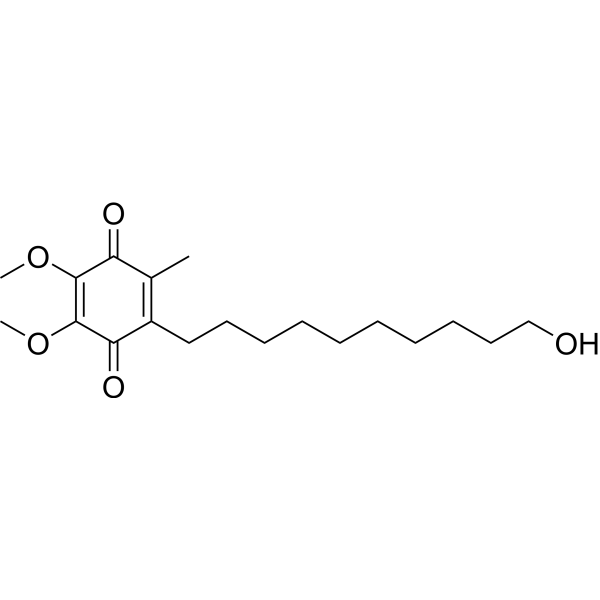
Idebenone, a well-appreciated mitochondrial protectant, exhibits protective efficacy against neurotoxicity and can be used for the research of Alzheimer's disease, Huntington's disease. Idebenone (oxidised form) has a dose-dependent inhibitory effect on the enzymatic metabolism of arachidonic acid in astroglial homogenates (IC50=16.65 μM) . Idebenone, a coenzyme Q10 analog and an antioxidant, induces apoptotic cell death in the human dopaminergic neuroblastoma SHSY-5Y cells . Idebenone quickly crosses the blood-brain barrier.
loading...
    loading...
7
7 Cited Publications
Cat. No.: HY-113596
CAS No.: 102029-73-2
Purity:  99.22%
Synonyms: Acetyl-CoA trisodium
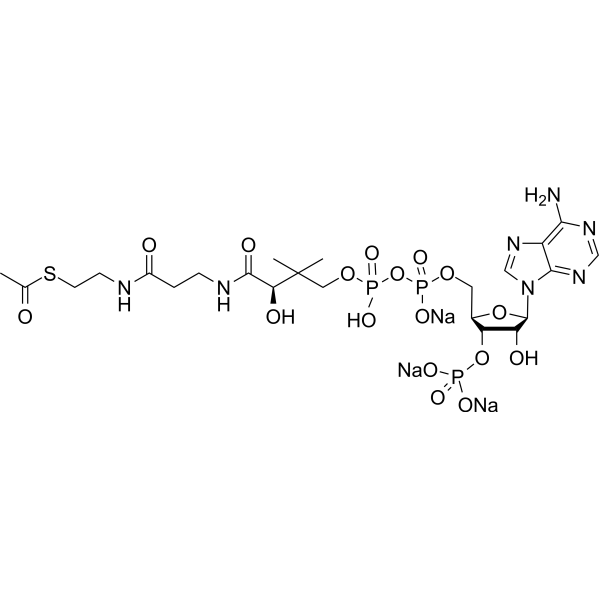
Acetyl-coenzyme A (Acetyl-CoA) trisodium is a membrane-impermeant central metabolic intermediate, participates in the TCA cycle and oxidative phosphorylation metabolism. Acetyl-coenzyme A trisodium, regulates various cellular mechanisms by providing (sole donor) acetyl groups to target amino acid residues for post-translational acetylation reactions of proteins. Acetyl Coenzyme A trisodium is also a key precursor of lipid synthesis .
loading...
    loading...
7
7 Cited Publications
Cat. No.: HY-113596A
CAS No.: 32140-51-5
Purity:  97%
Synonyms: Acetyl-CoA lithium
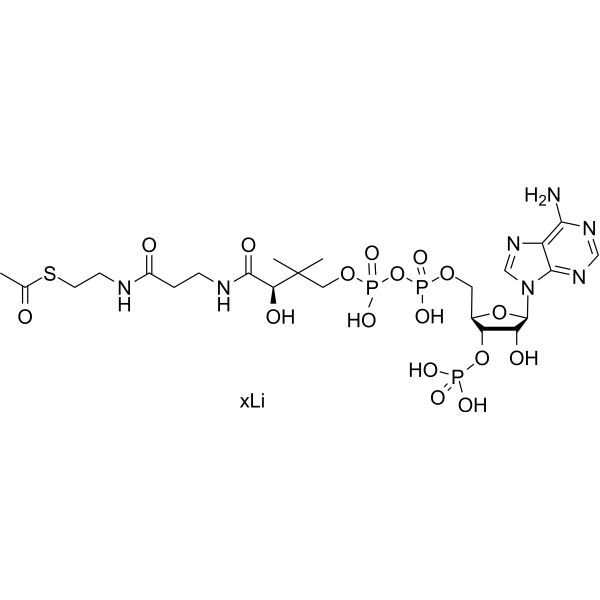
Acetyl-coenzyme A (Acetyl-CoA) lithium is a membrane-impermeant central metabolic intermediate, participates in the TCA cycle and oxidative phosphorylation metabolism. Acetyl-coenzyme A lithium, regulates various cellular mechanisms by providing (sole donor) acetyl groups to target amino acid residues for post-translational acetylation reactions of proteins. Acetyl Coenzyme A lithium is also a key precursor of lipid synthesis .
loading...
    loading...
7
7 Cited Publications
Cat. No.: HY-B0430
CAS No.: 79-83-4
Synonyms: Pantothenate; Vitamin B5
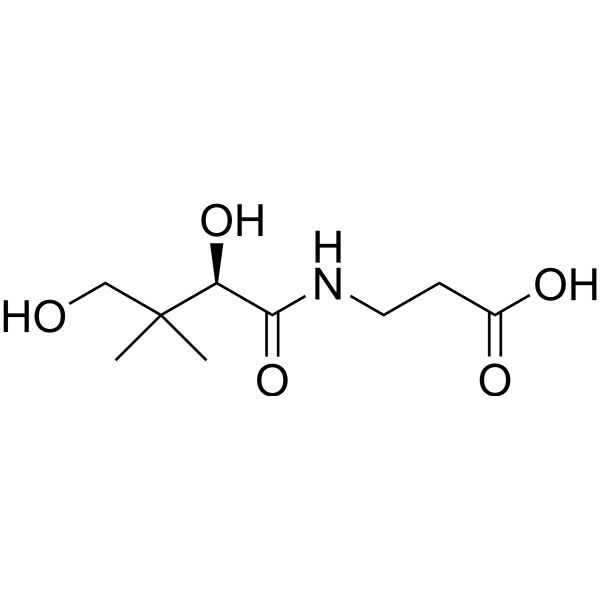
D-Pantothenic acid (Pantothenate) is an essential trace nutrient that functions as the obligate precursor of coenzyme A (CoA). D-Pantothenic acid plays key roles in myriad biological processes, including many that regulate carbohydrate, lipid, protein, and nucleic acid metabolism .
loading...
    loading...
7
7 Cited Publications
Cat. No.: HY-B0430A
CAS No.: 867-81-2
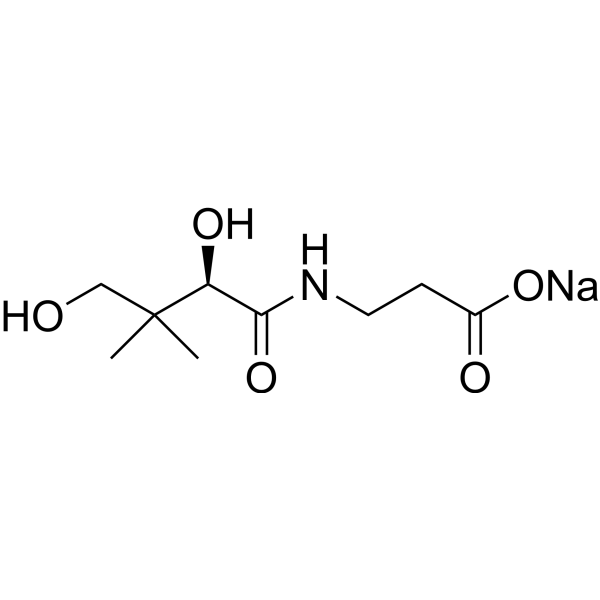
Synonyms: Sodium pantothenate; Vitamin B5 sodium
D-Pantothenic acid sodium (Sodium pantothenate) is an essential trace nutrient that functions as the obligate precursor of coenzyme A (CoA). D-Pantothenic acid sodium plays key roles in myriad biological processes, including many that regulate carbohydrate, lipid, protein, and nucleic acid metabolism .
loading...
    loading...
7
7 Cited Publications
Cat. No.: HY-100793
CAS No.: 126411-39-0
Purity:  99.80%
Synonyms: GW 485801
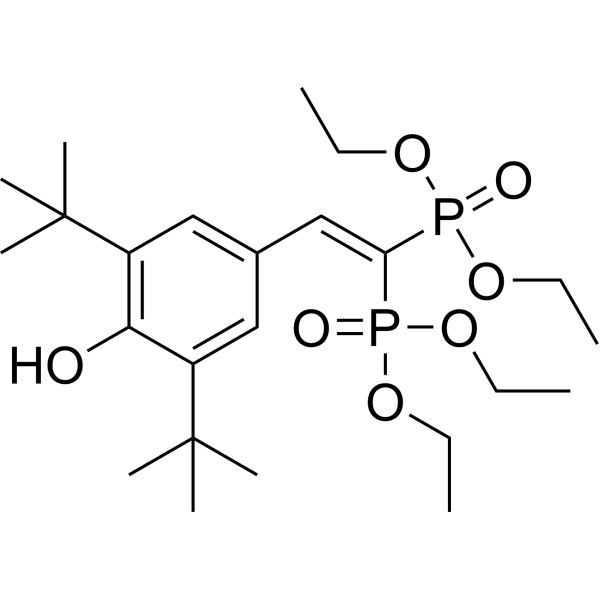
SR12813 (GW 485801) is an inhibitor of 3-hydroxy-3-methylglutaryl-coenzyme A (HMG-CoA) reductase, with an IC50 value of 0.85 μM . SR12813 is also an efficient agonist of human pregnane X receptor (hPXR). SR12813 can strongly bind to hPXR but not to mouse PXR (mPXR) .
loading...
    loading...
7
7 Cited Publications
Cat. No.: HY-113325
CAS No.: 53-59-8
Purity:  99.70%
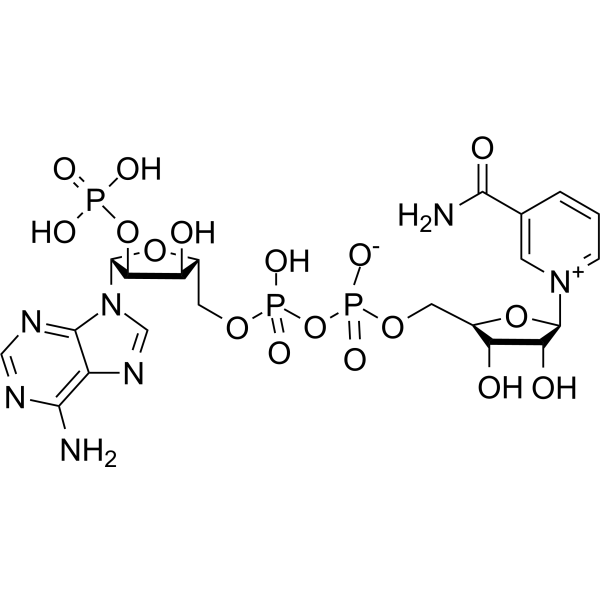
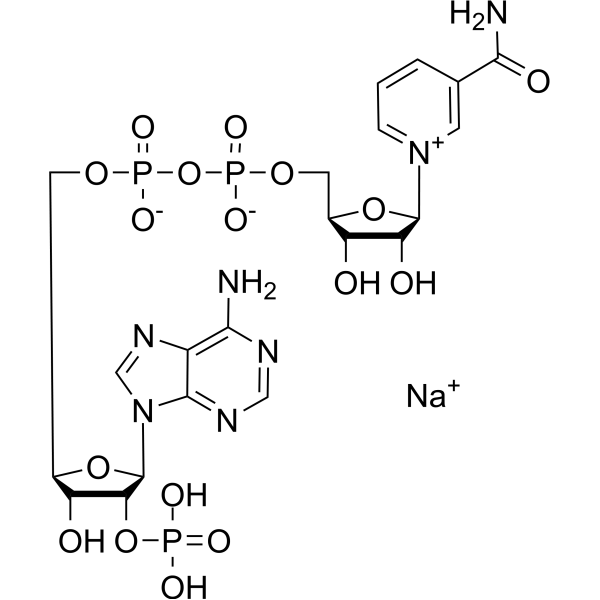
NADP is a coenzyme involved in cellular electron transfer reactions in biological metabolism, which is alternately oxidized (NADP+) and reduced (NADPH), and can maintain cellular redox homeostasis and regulate many biological events, including cellular metabolism. NADPH is a universal electron donor that provides reducing ability for synthetic metabolic reactions and redox balance. NADPH plays a multifunctional role in regulating inflammation, redox homeostasis, and synthetic metabolism processes .
loading...
    loading...
7
7 Cited Publications
Cat. No.: HY-113325A
CAS No.: 698999-85-8
Purity:  99.03%
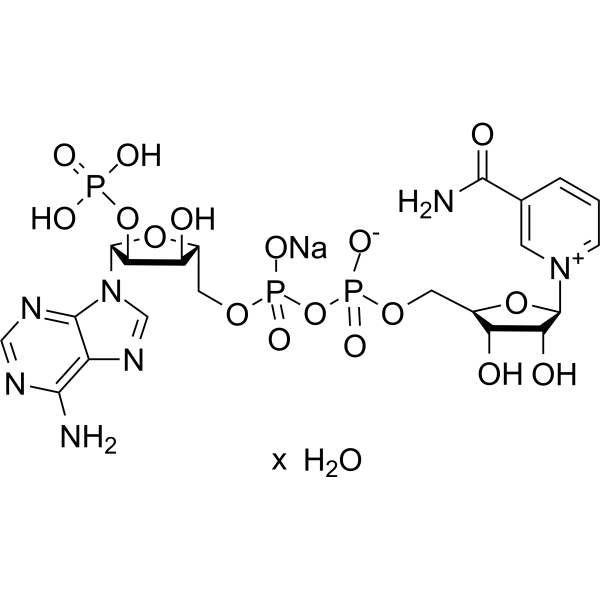
NADP sodium hydrate is the sodium salt hydrate form of NADP (HY-113325). NADP is a coenzyme involved in cellular electron transfer reactions in biological metabolism, which is alternately oxidized (NADP+) and reduced (NADPH), and can maintain cellular redox homeostasis and regulate many biological events, including cellular metabolism. NADPH is a universal electron donor that provides reducing ability for synthetic metabolic reactions and redox balance. NADPH plays a multifunctional role in regulating inflammation, redox homeostasis, and synthetic metabolism processes .
loading...
    loading...
7
7 Cited Publications
Cat. No.: HY-F0002
CAS No.: 1184-16-3
Synonyms: Sodium NADP
NADP sodium salt is the sodium salt form of NADP (HY-113325). NADP is a coenzyme involved in cellular electron transfer reactions in biological metabolism, which is alternately oxidized (NADP+) and reduced (NADPH), and can maintain cellular redox homeostasis and regulate many biological events, including cellular metabolism. NADPH is a universal electron donor that provides reducing ability for synthetic metabolic reactions and redox balance. NADPH plays a multifunctional role in regulating inflammation, redox homeostasis, and synthetic metabolism processes .
loading...
    loading...
7
7 Cited Publications
Cat. No.: HY-F0002A
CAS No.: 24292-60-2
Synonyms: Disodium NADP
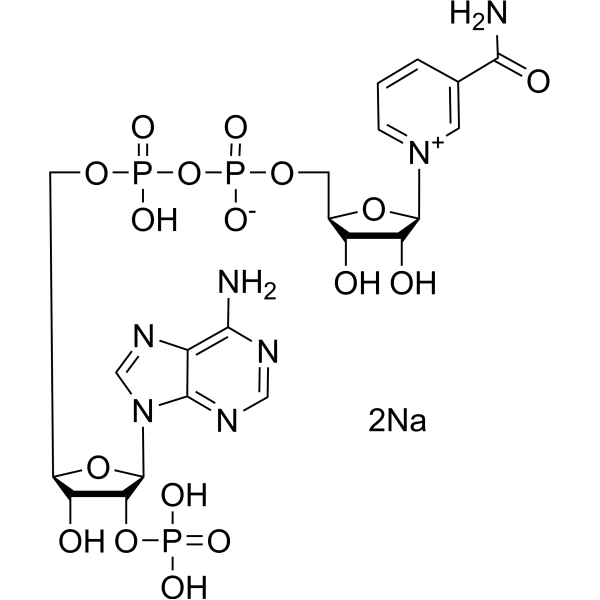
NADP disodium salt is the disodium salt form of NADP (HY-113325). NADP is a coenzyme involved in cellular electron transfer reactions in biological metabolism, which is alternately oxidized (NADP+) and reduced (NADPH), and can maintain cellular redox homeostasis and regulate many biological events, including cellular metabolism. NADPH is a universal electron donor that provides reducing ability for synthetic metabolic reactions and redox balance. NADPH plays a multifunctional role in regulating inflammation, redox homeostasis, and synthetic metabolism processes .
loading...
    loading...
6
6 Cited Publications
Cat. No.: HY-128851
CAS No.: 85-61-0
Purity:  94.29%
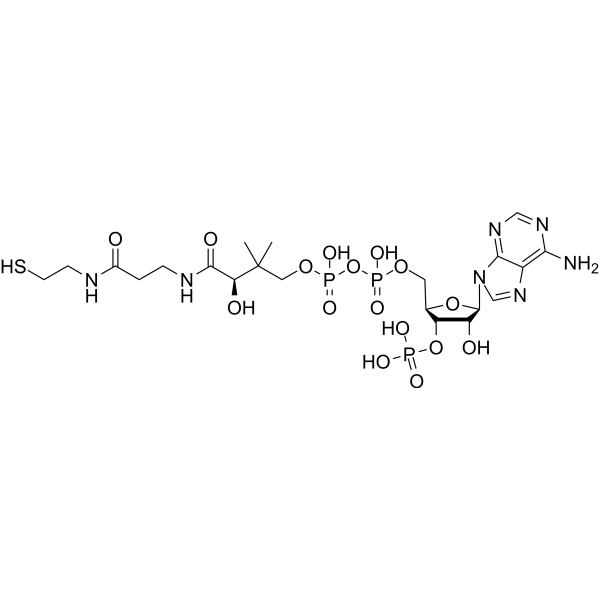
Coenzyme A (CoASH) is a ubiquitous and essential cofactor, which is an acyl group carrier and carbonyl-activating group for the citric acid cycle and fatty acid metabolism. Coenzyme A plays a central role in the oxidation of pyruvate in the citric acid cycle and the metabolism of carboxylic acids, including short- and long-chain fatty acids .
loading...
    loading...
6
6 Cited Publications
Cat. No.: HY-128851B
CAS No.: 55672-92-9
Purity:  99.46%
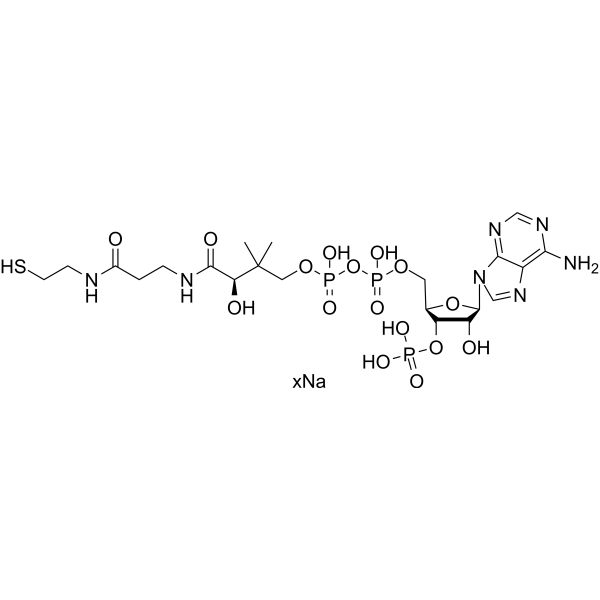
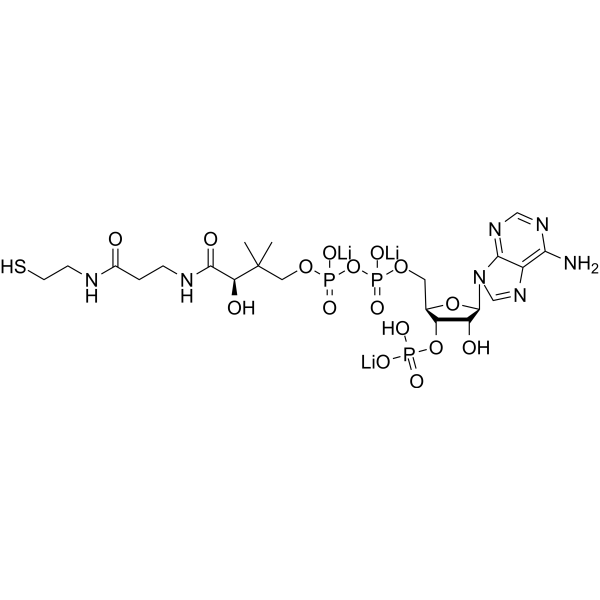
Coenzyme A (CoASH) sodium is a ubiquitous and essential cofactor, which is an acyl group carrier and carbonyl-activating group for the citric acid cycle and fatty acid metabolism. Coenzyme A plays a central role in the oxidation of pyruvate in the citric acid cycle and the metabolism of carboxylic acids, including short- and long-chain fatty acids .
loading...
    loading...
6
6 Cited Publications
Cat. No.: HY-128851A
CAS No.: 18439-24-2
Purity:  95.40%
Coenzyme A (CoASH) is a ubiquitous and essential cofactor, which is an acyl group carrier and carbonyl-activating group for the citric acid cycle and fatty acid metabolism. Coenzyme A plays a central role in the oxidation of pyruvate in the citric acid cycle and the metabolism of carboxylic acids, including short- and long-chain fatty acids .
loading...
    loading...
5
5 Cited Publications
Cat. No.: HY-137808
CAS No.: 108347-97-3
Purity:  94%
Synonyms: Succinyl-CoA sodium
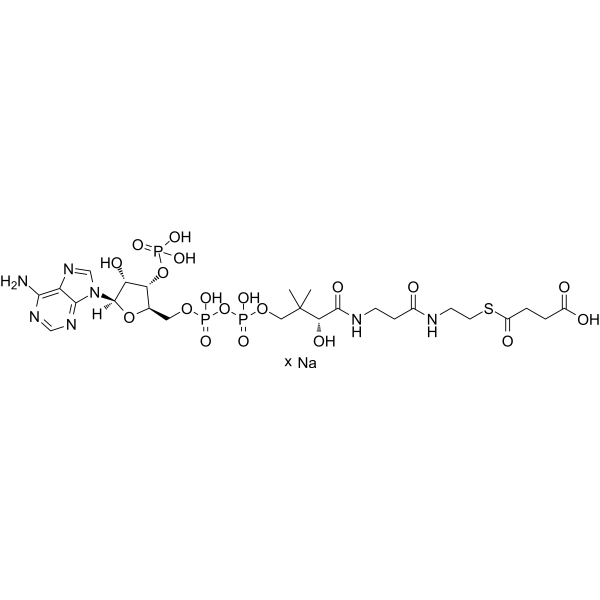
Succinyl CoA (Succinyl-coenzyme A) sodium is a pivotal intermediate metabolite in the tricarboxylic acid cycle and a key coenzyme A metabolite. Succinyl CoA sodium is biosynthesized from α-ketoglutarate or propionyl-CoA. Succinyl CoA sodium acts as a critical precursor and substrate for heme biosynthesis and gluconeogenesis. Succinyl CoA sodium insufficiency caused by cobalamin deficiency is directly linked to growth retardation, impaired heme synthesis, tissue glycine accumulation and neurological abnormalities. Succinyl CoA sodium can be used in research on metabolic, neurological, and hematological abnormalities (such as porphyria) caused by nutritional vitamin B12 deficiency (leading to a lack of Succinyl-Coenzyme A synthesis) .
loading...
    loading...
5
5 Cited Publications
Cat. No.: HY-W011727
CAS No.: 853645-22-4
Synonyms: Pyridoxal phosphate hydrate
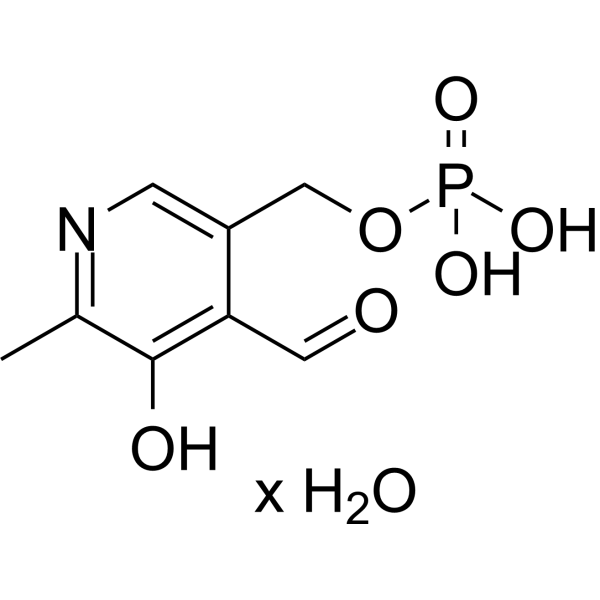
Pyridoxal 5'-phosphate hydrate, the active form of vitamin B6, is an essential cofactor for multiple enzymes, including aromatic l-amino acid decarboxylase that catalyzes the final stage in the production of the neurotransmitters dopamine and serotonin. Pyridoxal 5'-phosphate hydrate is the most important coenzyme variant in the process of vitamin B6 intracellular phosphorylation and is interconvertible with other variants, including pyridoxine 5′‐phosphate (PNP) and pyridoxamine 5′-phosphate (PMP) .
loading...
    loading...
5
5 Cited Publications
Cat. No.: HY-W011727A
CAS No.: 41468-25-1
Synonyms: Pyridoxal phosphate monohydrate
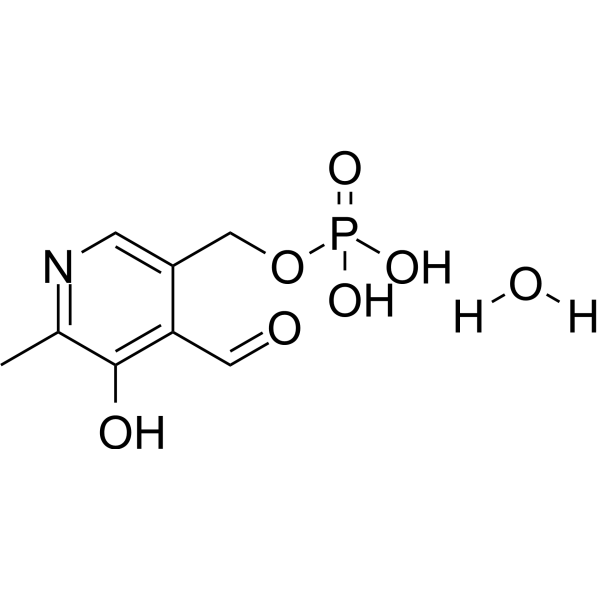
Pyridoxal 5'-phosphate monohydrate, the active form of vitamin B6, is an essential cofactor for multiple enzymes, including aromatic l-amino acid decarboxylase that catalyzes the final stage in the production of the neurotransmitters dopamine and serotonin. Pyridoxal 5'-phosphate monohydrate is the most important coenzyme variant in the process of vitamin B6 intracellular phosphorylation and is interconvertible with other variants, including pyridoxine 5′‐phosphate (PNP) and pyridoxamine 5′‐phosphate (PMP) .
loading...
    loading...
4
4 Cited Publications
Cat. No.: HY-K0313

MCE NAD+/NADH Assay Kit (WST-8) is a colorimetric assay that conveniently detects the oxidized (NAD+) and reduced (NADH) forms of coenzyme Ⅰ within cells, tissues, and other samples.

loading...
    loading...
4
4 Cited Publications
Cat. No.: HY-N4193
CAS No.: 59870-65-4
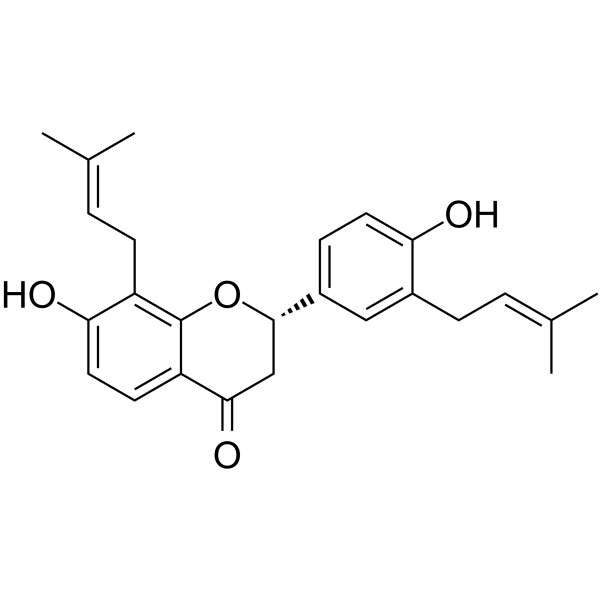
Glabrol (Compound 1), One isoprenyl flavonoid was isolated from ethanol extract of licorice roots, is a potent and non-competitive Acyl-coenzyme A: cholesterol acyltransferase (ACAT) inhibitor with an IC50 value of 24.6 μM for rat liver microsomal ACAT activity .
loading...
    loading...
4
4 Cited Publications
Cat. No.: HY-100399
CAS No.: 133825-80-6
Synonyms: PD-132301; ATR-101
Research Areas:  

Cancer

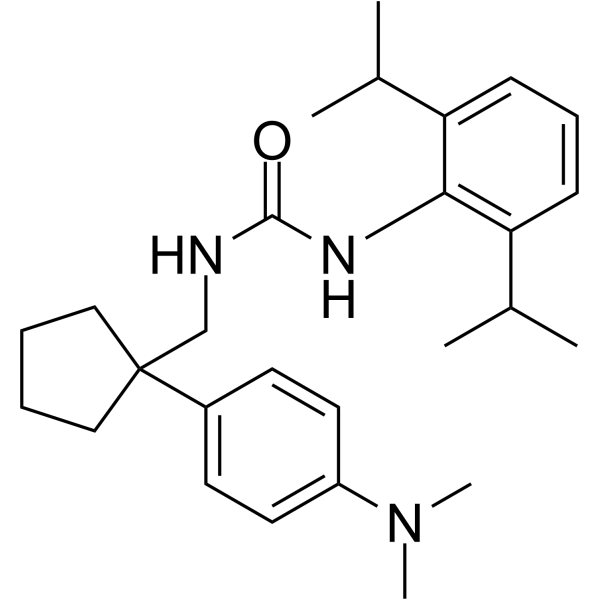
Nevanimibe (PD-132301) is an orally active and selective acyl-coenzyme A:cholesterol O-acyltransferase 1 (ACAT1) inhibitor with an EC50 of 9 nM. Nevanimibe inhibits ACAT2 with an EC50 of 368 nM. Nevanimibe induces cell apoptosis and has the potential for adrenocortical cancer .
loading...
    loading...
4
4 Cited Publications
Cat. No.: HY-100399A
CAS No.: 133825-81-7
Purity:  99.49%
Synonyms: PD-132301 hydrochloride; ATR101 hydrochloride
Research Areas:  

Cancer

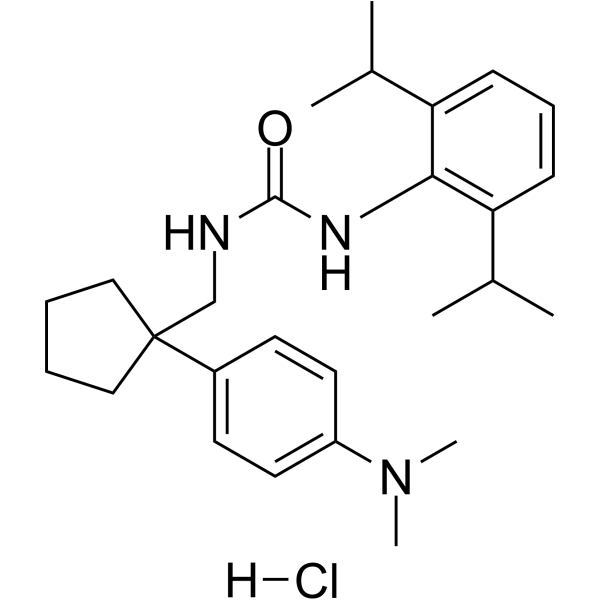
Nevanimibe hydrochloride (PD-132301 hydrochloride) is an orally active and selective acyl-coenzyme A:cholesterol O-acyltransferase 1 (ACAT1) inhibitor with an EC50 of 9 nM. Nevanimibe hydrochloride inhibits ACAT2 with an EC50 of 368 nM. Nevanimibe hydrochloride induces cell apoptosis and has the potential for adrenocortical cancer .
loading...
    loading...

