819 Results for "

normal sinus rhythm

" in MedChemExpress (MCE) Product Catalog:
Products (819)

819 Results for "normal sinus rhythm" in MCE Product Catalog:

8
8 Cited Publications
Cat. No.: HY-12654
CAS No.: 1154028-82-6
Purity:  98.58%
Synonyms: BAY 85-3934
Research Areas:  

Cardiovascular Disease

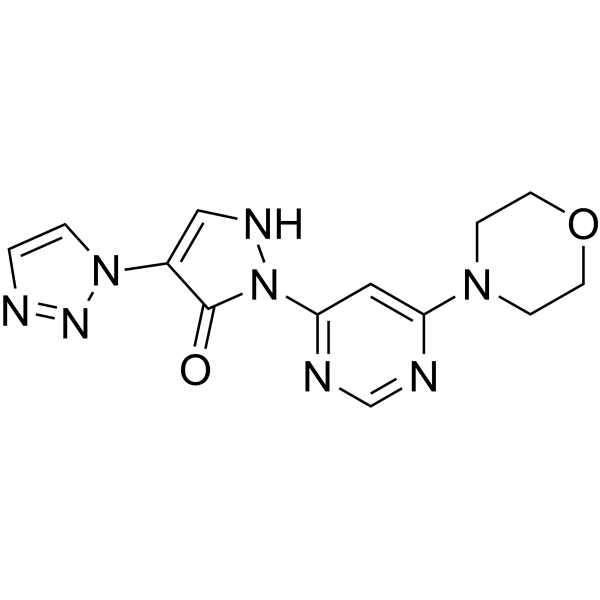
Molidustat (BAY 85-3934) is an orally active inhibitor of hypoxia-inducible factor prolyl hydroxylase (HIF-PH) with IC50 values of 480 nM, 280 nM, and 450 nM for PHD1, PHD2, and PHD3, respectively. Molidustat can elevate the levels of circulating erythropoietin (EPO) to near-normal physiological ranges. Molidustat can be utilized in the research of renal anemia .
loading...
    loading...
8
8 Cited Publications
Cat. No.: HY-N0462
CAS No.: 23094-69-1
Synonyms: NP-004255
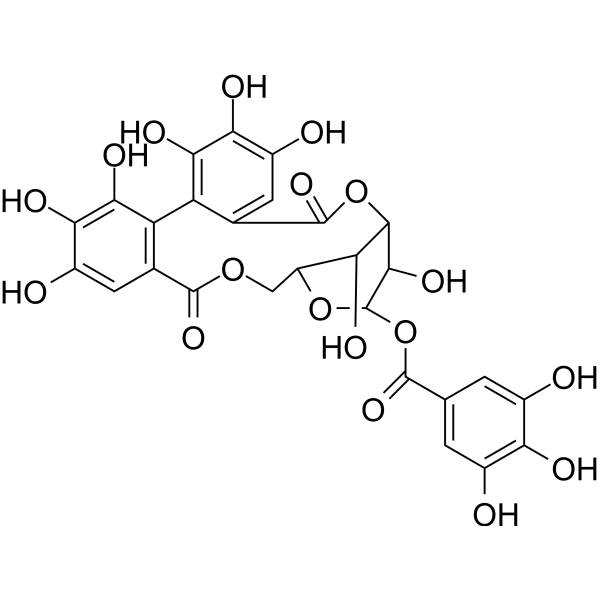
Corilagin, a gallotannin, has anti-tumor, anti-inflammatory and hepatoprotective activities. Corilagin inhibits activity of reverse transcriptase of RNA tumor viruses. Corilagin also inhibits the growth of Staphylococcus aureus with a MIC of 25 μg/mL. Corilagin shows anti-tumor activity on hepatocellular carcinoma and ovarian cancer model. Corilagin shows low toxicity to normal cells and tissues .
loading...
    loading...
8
8 Cited Publications
Cat. No.: HY-N6693
CAS No.: 2001-95-8
Synonyms: NSC 122023
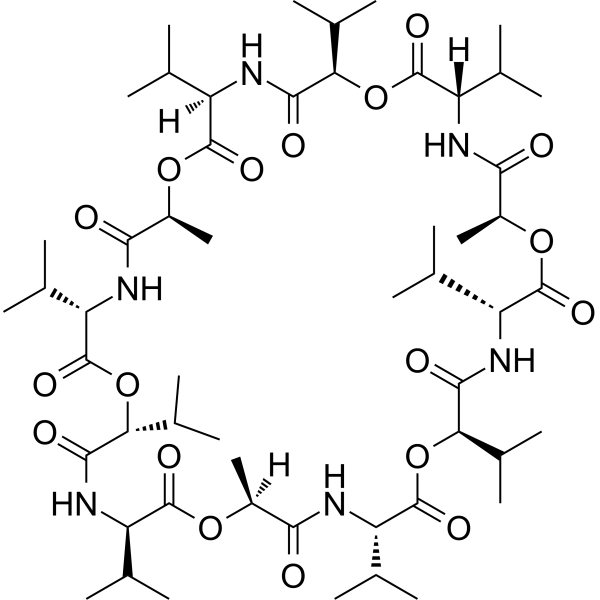
Valinomycin is a potassium-specific ionophore, the valinomycin-K + complex can be incorporated into biological bilayer membranes with the hydrophobic surface of valinomycin, destroys the normal K + gradient across the membrane, and as a result kills the cells, incorporating into liposomes can significantly reduces the cytotoxicity and enhances the targeting effect. Valinomycin exhibits antibiotic, antifungal, antiviral, antitumor and insecticidal efficacy, thus can be used for relevant research .
loading...
    loading...
8
8 Cited Publications
Cat. No.: HY-115364
CAS No.: 14255-87-9
Purity:  99.87%
Synonyms: SKF 29044
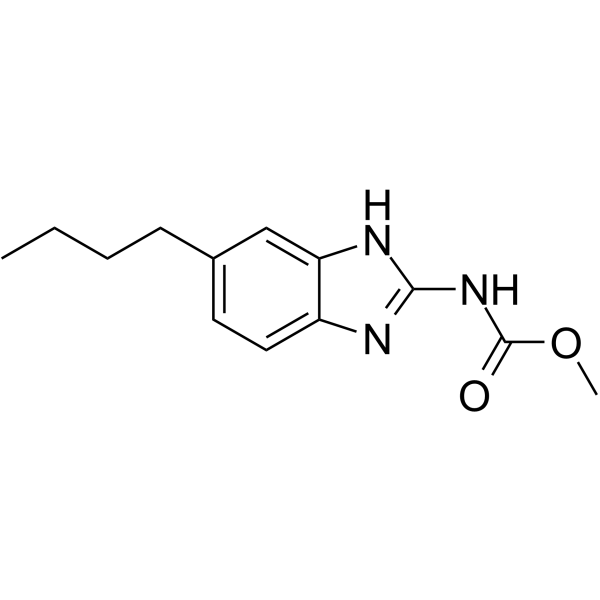
Parbendazole (SKF‑29044) is an orally active benzimidazole carbamate compound with multiple biological activities. Parbendazole binds to free tubulin and inhibits microtubule polymerization; it also activates the JNK/c‑Jun signaling axis and upregulates the expression of the downstream axonal repulsion factor Sema3A. Parbendazole upregulates KAL-1 mRNA expression, reduces nerve growth factor levels, and promotes the terminal differentiation of normal human epidermal keratinocytes. Parbendazole induces apoptosis in differentiated acute myeloid leukemia monocytes and exerts antileukemic activity in a mouse xenograft model of acute myeloid leukemia. Parbendazole exhibits broad-spectrum anthelmintic activity against various animal nematodes. Parbendazole is used in research related to acute myeloid leukemia and parasitic infections .
loading...
    loading...
7
7 Cited Publications
Cat. No.: HY-N0739
CAS No.: 590-46-5
Betaine chloride is a natural compound found in many foods and also an active methyl-donor which can maintain normal DNA methylation patterns.
loading...
    loading...
7
7 Cited Publications
Cat. No.: HY-W010347
CAS No.: 6027-13-0
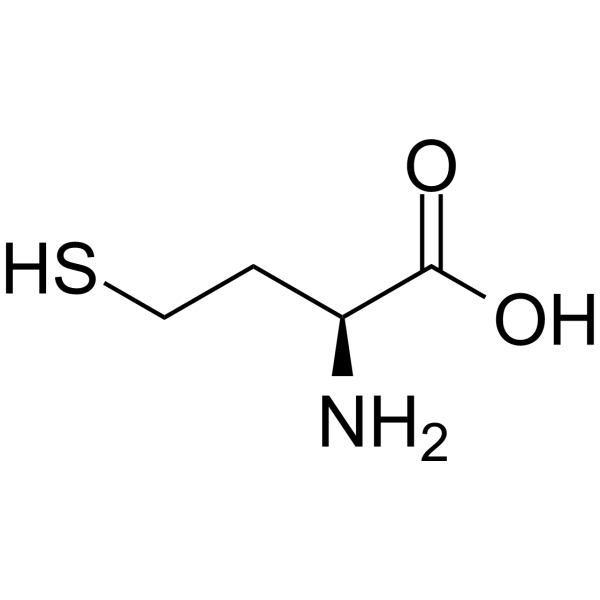
L-Homocysteine, an amino acid, is a homocysteine that has L configuration. Homocysteine is an essential intermediate in normal mammalian metabolism of methionine. L-Homocysteine induces upregulation of Cathepsin V that mediates vascular endothelial inflammation in hyperhomocysteinaemia .
loading...
    loading...
7
7 Cited Publications
Cat. No.: HY-110171
CAS No.: 881970-80-5
Purity:  99.35%
Target:  

PI3K

Research Areas:  

Cancer

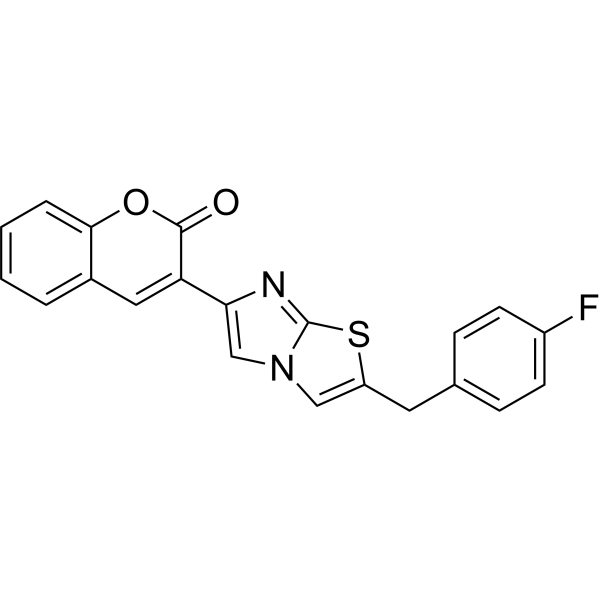
iMDK is a potent PI3K inhibitor and inhibits the growth factor MDK (also known as midkine or MK). iMDK suppresses non-small cell lung cancer (NSCLC) cooperatively with A MEK inhibitor without harming normal cells and mice .
loading...
    loading...
7
7 Cited Publications
Cat. No.: HY-110171A
Purity:  99.37%
Target:  

PI3K

Research Areas:  

Cancer

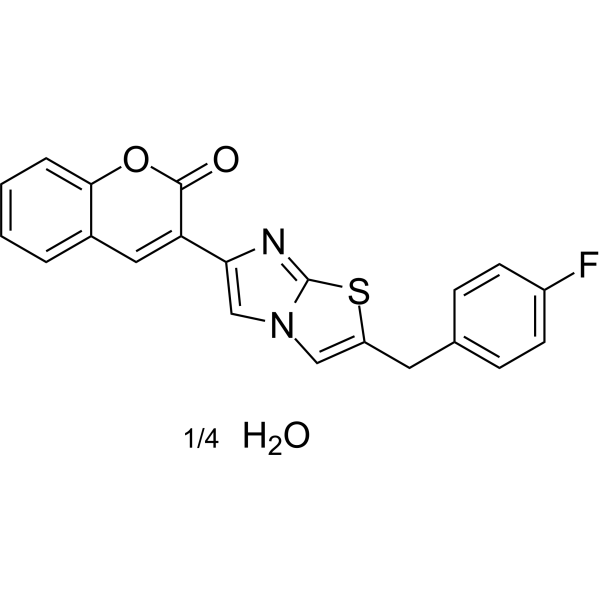
iMDK quarterhydrate is a potent PI3K inhibitor and inhibits the growth factor MDK (also known as midkine or MK). iMDK quarterhydrate suppresses non-small cell lung cancer (NSCLC) cooperatively with A MEK inhibitor without harming normal cells and mice .
loading...
    loading...
7
7 Cited Publications
Cat. No.: HY-B0710
CAS No.: 107-43-7
Synonyms: Trimethylglycine; carboxy-N,N,N-trimethylmethanaminium
Betaine (Trimethylglycine) is a natural compound found in many foods and also an active methyl-donor which can maintain normal DNA methylation patterns [1,2]. Betaine is found ubiquitously in plants, animals, microorganisms, and rich dietary sources including seafood, spinach, and wheat bran. Betaine also acts as an osmolyte, to maintain the avian’s cellular water and ion balance to improve the avian’s capacity against heat stress via preventing dehydration and osmotic inactivation. It helps in maintaining the protective osmolytic activity, especially in heat-stressed birds. Betaine may promote various intestinal microbes against osmotic variations and thus improve microbial fermentation activity .
loading...
    loading...
7
7 Cited Publications
Cat. No.: HY-B0377
CAS No.: 76824-35-6
Synonyms: MK-208
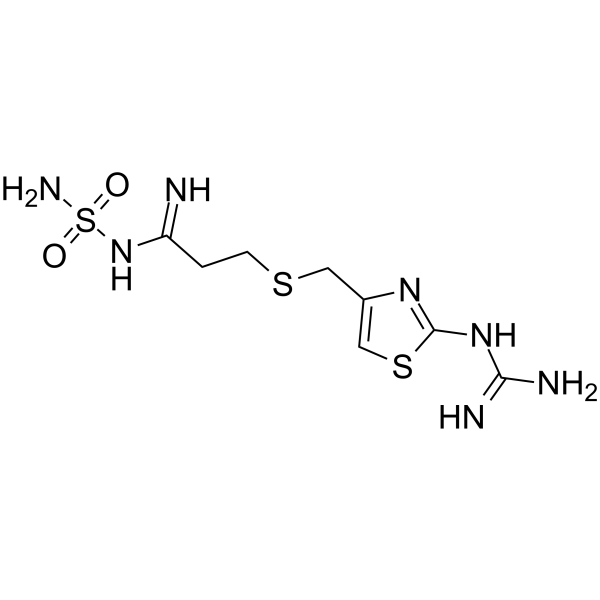
Famotidine (MK-208) is an orally active and highly selective histamine H2 receptor antagonist. It inhibits gastric acid secretion by blocking the Gs signaling pathway, and regulates intracellular cAMP and ERK pathways. Famotidine inhibits TLR3-mediated inflammatory pathways, and reduces the expression of various inflammatory mediators and interferon-related genes. Famotidine scavenges DPPH and nitric oxide free radicals, alleviates oxidative stress damage in gastric tissue, inhibits proMMP-9, improves vascular endothelial permeability, and restores the normal physiological functions of neutrophils and eosinophils. Famotidine crosses intestinal epithelial cells via facilitated diffusion and passive diffusion, blocks paracellular cation transport, and increases intestinal transepithelial electrical resistance. Famotidine reduces serum levels of transaminases and alkaline phosphatase, exerts analgesic effects and gastric protective effects simultaneously. Famotidine can be used in studies related to COVID-19, liver injury and acute gastric ulcer .
loading...
    loading...
6
6 Cited Publications
Cat. No.: HY-100433
CAS No.: 1401089-31-3
Purity:  99.32%
Target:  

PDI

Research Areas:  

Cancer

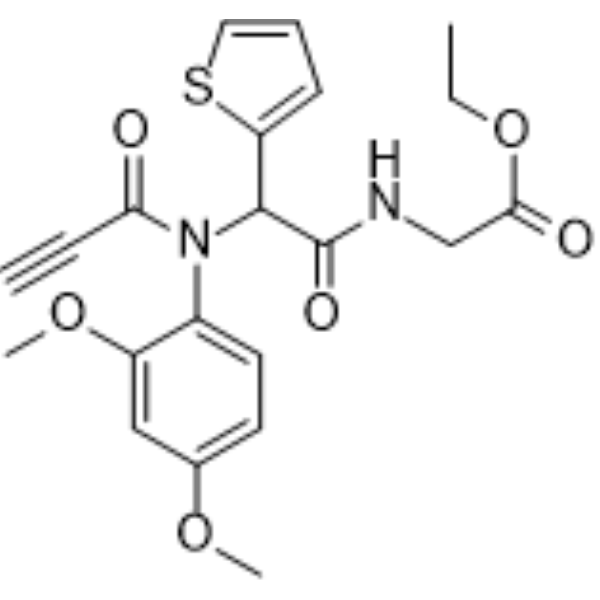
PACMA 31 is an irreversible, orally active protein disulfide isomerase (PDI) inhibitor with an IC50 of 10 μM. PACMA 31 forms a covalent bond with the active site cysteines of PDI. PACMA 31 shows tumor targeting ability and significantly suppresses ovarian tumor growth without causing toxicity to normal tissues . PACMA 31 is a click chemistry reagent, it contains an Alkyne group and can undergo copper-catalyzed azide-alkyne cycloaddition (CuAAc) with molecules containing Azide groups.
loading...
    loading...
6
6 Cited Publications
Cat. No.: HY-A0083
CAS No.: 62-51-1
Synonyms: Acetyl-β-methylcholine chloride
Target:  

mAChR

Research Areas:  

Others

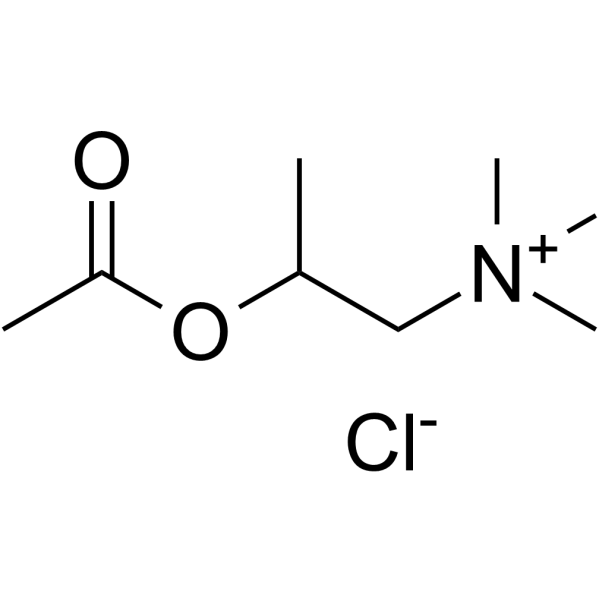
Methacholine (Acetyl-β-methylcholine) choride is a potent muscarinic-3 (M3) agonist. Methacholine choride acts directly on acetylcholine receptors on smooth muscle causing bronchoconstriction and airway narrowing. Methacholine choride shows a high sensitivity to identify bronchial hyperresponsiveness (BHR). Methacholine choride can be used to measure airway hyperresponsiveness (AHR) as a diagnostic aid in the assessment of individuals with asthma-like symptoms and normal resting expiratory flow rates .
loading...
    loading...
6
6 Cited Publications
Cat. No.: HY-B0366A
CAS No.: 969-33-5
Synonyms: Cyproheptadine HCl
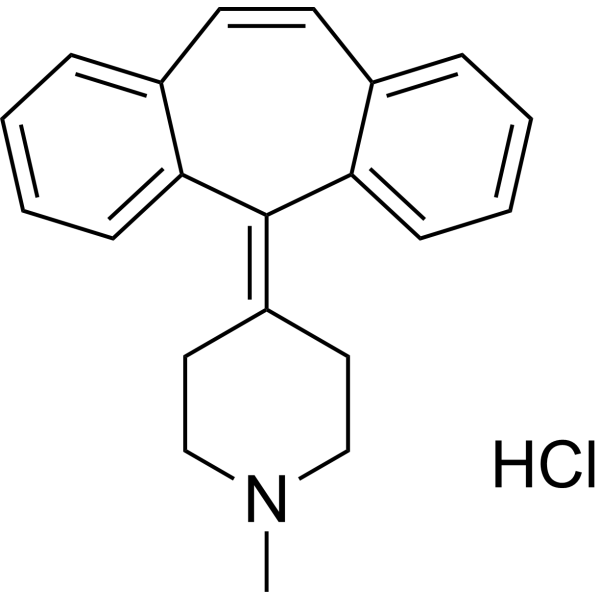
Cyproheptadine hydrochloride (Cyproheptadine HCl) acts as a p38 MAP kinase activator, CHK2 activator, histamine H1 receptor inhibitor and serotonin receptor inhibitor. Cyproheptadine hydrochloride mediates cell cycle arrest via G1 phase arrest, G1/S transition arrest, G0/G1 phase arrest, reduced expression of cyclins D1/D2/D3, upregulated expression of HBP1, p16, p21, p27, and decreased phosphorylation of retinoblastoma protein. Cyproheptadine hydrochloride induces Apoptosis by increasing PARP and cleaved PARP, as well as activating the mitochondrial caspase pathway. Cyproheptadine hydrochloride inhibits tumor growth with extremely low toxicity to normal cells. Cyproheptadine hydrochloride can be used in research related to hepatocellular carcinoma, multiple myeloma and acute myeloid leukemia .
loading...
    loading...
6
6 Cited Publications
Cat. No.: HY-B1622
CAS No.: 129-03-3
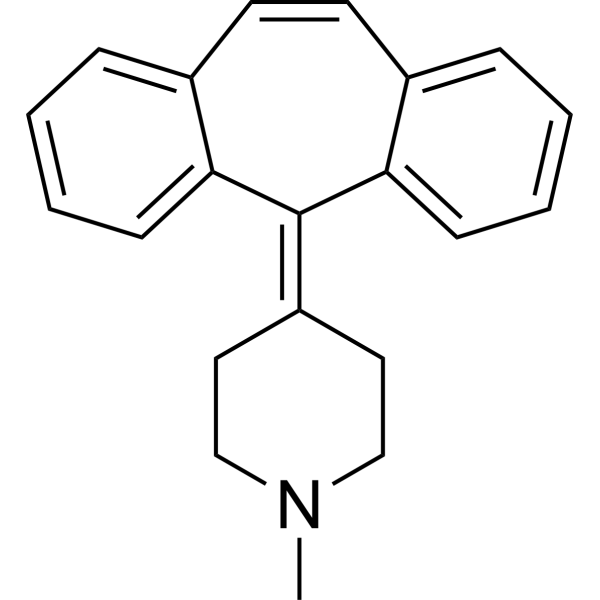
Cyproheptadine acts as a p38 MAP kinase activator, CHK2 activator, histamine H1 receptor inhibitor and serotonin receptor inhibitor. Cyproheptadine mediates cell cycle arrest via G1 phase arrest, G1/S transition arrest, G0/G1 phase arrest, reduced expression of cyclins D1/D2/D3, upregulated expression of HBP1, p16, p21, p27, and decreased phosphorylation of retinoblastoma protein. Cyproheptadine induces Apoptosis by increasing PARP and cleaved PARP, as well as activating the mitochondrial caspase pathway. Cyproheptadine inhibits tumor growth with extremely low toxicity to normal cells. Cyproheptadine can be used in research related to hepatocellular carcinoma, multiple myeloma and acute myeloid leukemia .
loading...
    loading...
6
6 Cited Publications
Cat. No.: HY-B1165
CAS No.: 41354-29-4
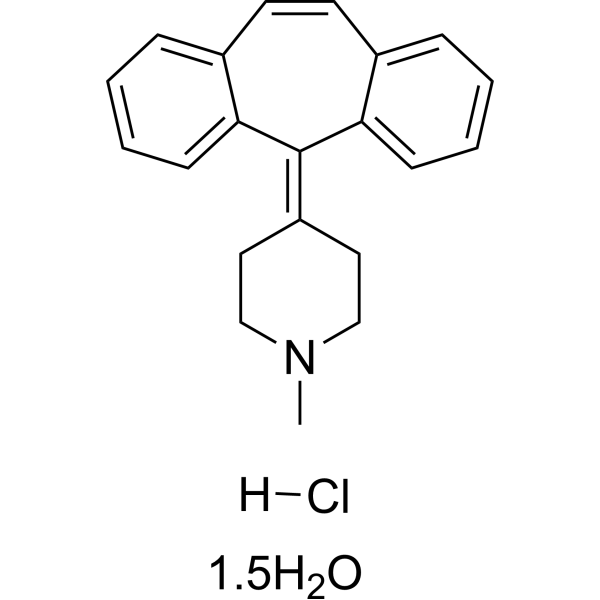
Cyproheptadine hydrochloride sesquihydrate acts as a p38 MAP kinase activator, CHK2 activator, histamine H1 receptor inhibitor and serotonin receptor inhibitor. Cyproheptadine hydrochloride sesquihydrate mediates cell cycle arrest via G1 phase arrest, G1/S transition arrest, G0/G1 phase arrest, reduced expression of cyclins D1/D2/D3, upregulated expression of HBP1, p16, p21, p27, and decreased phosphorylation of retinoblastoma protein. Cyproheptadine hydrochloride sesquihydrate induces Apoptosis by increasing PARP and cleaved PARP, as well as activating the mitochondrial caspase pathway. Cyproheptadine hydrochloride sesquihydrate inhibits tumor growth with extremely low toxicity to normal cells. Cyproheptadine hydrochloride sesquihydrate can be used in research related to hepatocellular carcinoma, multiple myeloma and acute myeloid leukemia .
loading...
    loading...
5
5 Cited Publications
Cat. No.: HY-B0315
CAS No.: 68-19-9
Synonyms: Cyanocobalamin
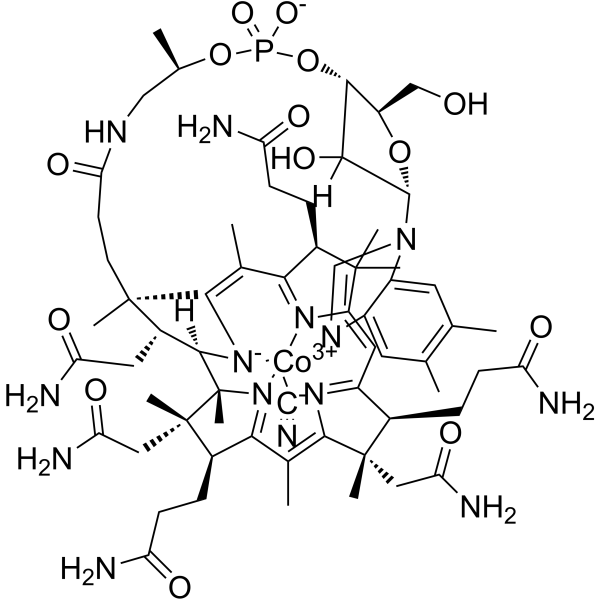
Vitamin B12 is a vitamin that can pass through the blood-brain barrier. Vitamin B12 plays a key role in the normal functioning of the brain and nervous system, and for the formation of blood. Vitamin B12 is beneficial for many inflammatory diseases and also provides protection in oxidative-stress-associated pathologies .
loading...
    loading...
5
5 Cited Publications
Cat. No.: HY-B0315B
CAS No.: 194937-59-2
Synonyms: Cyanocobalamin hydrate
Vitamin B12 (Cyanocobalamin) hydrate is a vitamin that can pass through the blood-brain barrier. Vitamin B12 plays a key role in the normal functioning of the brain and nervous system, and for the formation of blood. Vitamin B12 hydrate is beneficial for many inflammatory diseases and also provides protection in oxidative-stress-associated pathologies .
loading...
    loading...
5
5 Cited Publications
Cat. No.: HY-B1275
CAS No.: 58-71-9
Synonyms: Cefalotin sodium
Research Areas:  

Infection

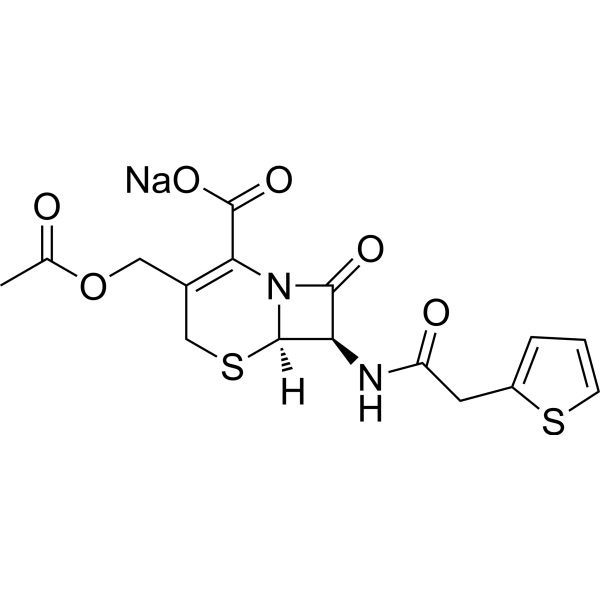
Cephalothin (Cephalotin) sodium is a semi-synthetic cephalosporin antibiotic and beta-lactam antibiotic. Cephalothin inhibits class C β-lactamase AmpC, with an Ki of 0.32 µM. Cephalothin sodium binds to penicillin-binding proteins, interfering with the cross-linking of peptidoglycan in the cell wall and thus hindering the normal synthesis of the bacterial cell wall. Cephalothin sodium shows antibacterial activity against a variety of bacteria. Cephalothin sodium can be used in hematological and nephrotoxicity studies .
loading...
    loading...
5
5 Cited Publications
Cat. No.: HY-B1275A
CAS No.: 153-61-7
Synonyms: Cephalotin
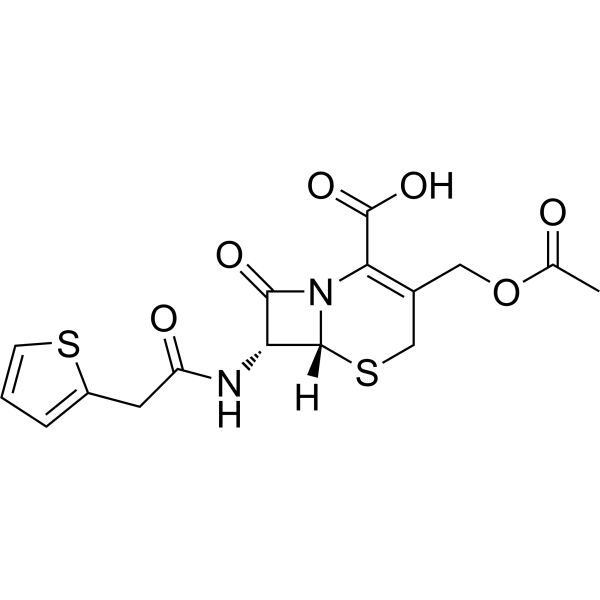
Cephalothin (Cephalotin) is a semi-synthetic cephalosporin antibiotic and beta-lactam antibiotic. Cephalothin inhibits class C β-lactamase AmpC, with an Ki of 0.32 µM. Cephalothin binds to penicillin-binding proteins, interfering with the cross-linking of peptidoglycan in the cell wall and thus hindering the normal synthesis of the bacterial cell wall. Cephalothin shows antibacterial activity against a variety of bacteria. Cephalothin can be used in hematological and nephrotoxicity studies .
loading...
    loading...
5
5 Cited Publications
Cat. No.: HY-133129
CAS No.: 2225938-17-8
Purity:  98.92%
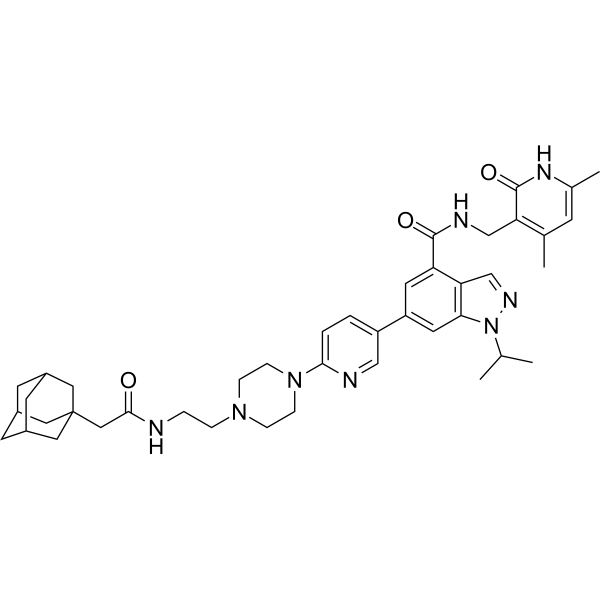
MS1943 is an orally active selective HyT degrader of EZH2 that effectively reduces EZH2 levels in cells. MS1943 has anticancer activity and exhibits cytotoxic effects in a variety of TNBC cells while sparing normal cells. In addition, MS1943 maintains high potency (IC50=120 nM) in inhibiting EZH2 methyltransferase activity and is highly selective for EZH2. (Structure Note: RED, EZH2 ligand (HY-148458); Blue, Hyt (HY-W001578)) .
loading...
    loading...

