10302 Results for "

proteins

" in MedChemExpress (MCE) Product Catalog:
Products (10302)

10302 Results for "proteins" in MCE Product Catalog:

213
213 Cited Publications
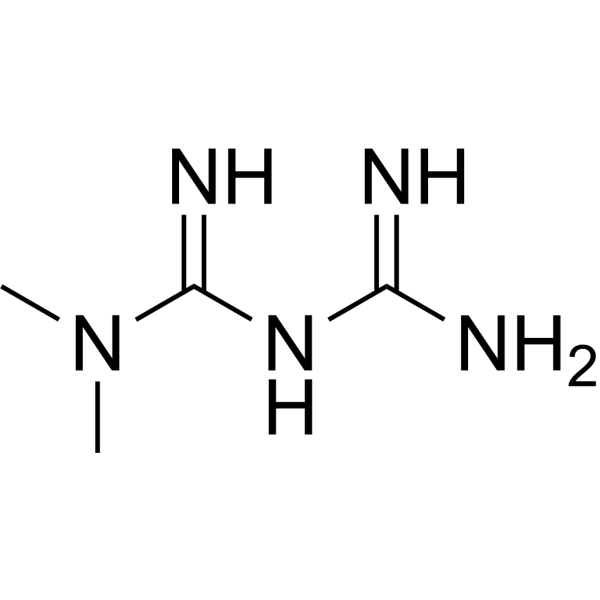
Cat. No.: HY-B0627
CAS No.: 657-24-9
Synonyms: 1,1-Dimethylbiguanide
Metformin (1,1-Dimethylbiguanide) inhibits the mitochondrial respiratory chain in the liver, leading to AMPK activation and enhancing insulin sensitivity, and can be used in the study of type 2 diabetes. Metformin exerts central glucose-lowering effects by inhibiting Ras-related protein 1 (Rap1) in SF1 hypothalamic neurons. Metformin also inhibits liver oxidative stress, nitrosative stress, inflammation, and apoptosis caused by liver ischemia/reperfusion injury. In addition, Metformin regulates the expression of autophagy-related proteins by activating AMPK and inhibiting the mTOR signaling pathway, thereby inducing tumor cell autophagy and inhibiting the growth of renal cell carcinoma in vitro and in vivo .
loading...
    loading...
200
200 Cited Publications
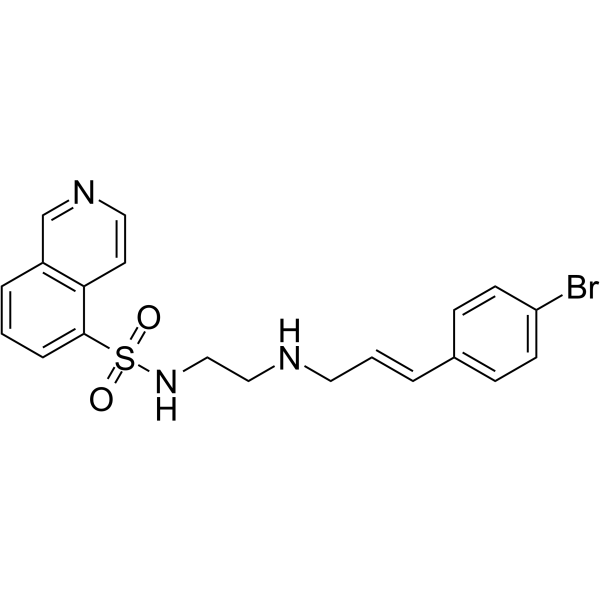
Cat. No.: HY-15979
CAS No.: 127243-85-0
Target:  

PKA Autophagy

Research Areas:  

Neurological Disease

H-89 is a potent and selective inhibitor of cyclic AMP-dependent protein kinase (protein kinase A) with IC50 of 48 nM and has weak inhibition on PKG, PKC, Casein Kinase, and others kinases.
loading...
    loading...
200
200 Cited Publications
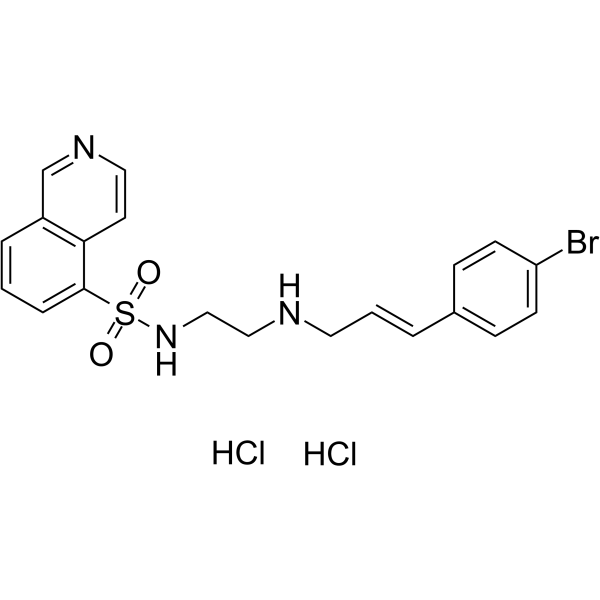
Cat. No.: HY-15979A
CAS No.: 130964-39-5
Target:  

PKA Autophagy

Research Areas:  

Others

H-89 dihydrochloride is a potent and selective inhibitor of protein kinase A (PKA) with an IC50 of 48 nM and has weak inhibition on PKG, PKC, Casein Kinase.
loading...
    loading...
197
197 Cited Publications
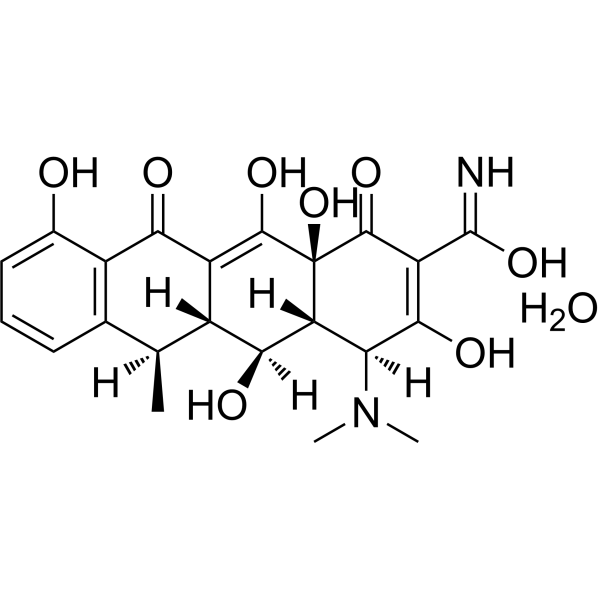
Cat. No.: HY-W008923
CAS No.: 17086-28-1
Doxycycline monohydrate is an orally active highly lipophilic, tissue-permeable MMP inhibitor with broad-spectrum antibacterial activity. Doxycycline monohydrate is also a semi-synthetic antibiotic with chelating properties, which blocks bacterial protein synthesis and inhibits extracellular matrix degradation through interactions with zinc and calcium atoms. Doxycycline monohydrate also inhibits mitochondrial biogenesis, translation, and the expression of respiratory chain proteins. Doxycycline monohydrate induces apoptosis, inhibits autophagy and EMT, downregulates stem cell markers, and activates the PI3K-AKT pathway, thereby effectively inhibiting the viability and proliferation of cancer cells such as breast cancer cells. Doxycycline monohydrate also promotes the survival and self-renewal of embryonic stem cells and neural stem cells, and reduces the frequency of medium changes in culture. Doxycycline monohydrate has been applied in studies related to breast cancer, prostate cancer, bladder cancer, and other cancers .
loading...
    loading...
179
179 Cited Publications
Cat. No.: HY-K0201

MCE Anti-HA Magnetic Beads are used for immunoprecipitation (IP) of specific HA-tagged proteins expressed in bacterial and mammalian cells and in vitro expression systems.The 1 mL volume is defined as the base specification. All larger sizes correspond to incremental volumes of this base.

loading...
    loading...
172
172 Cited Publications
Cat. No.: HY-16592
CAS No.: 20350-15-6
Synonyms: BFA; Cyanein; Decumbin
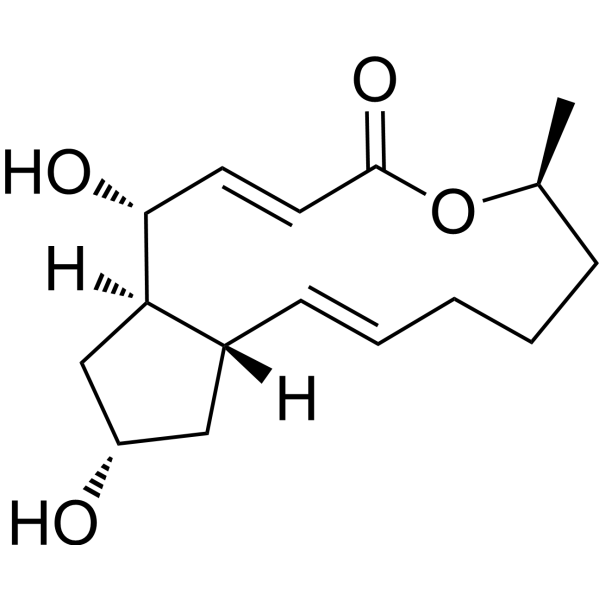
Brefeldin A (BFA) is a lactone antibiotic and a specific inhibitor of protein trafficking. Brefeldin A blocks the transport of secreted and membrane proteins from endoplasmic reticulum to Golgi apparatus . Brefeldin A is also an autophagy and mitophagy inhibitor . Brefeldin A inhibits HSV-1 and has anti-cancer activity .
loading...
    loading...
164
164 Cited Publications
Cat. No.: HY-B0496
CAS No.: 329-98-6
Synonyms: Phenylmethylsulfonyl fluoride; Benzylsulfonyl fluoride
Research Areas:  

Neurological Disease

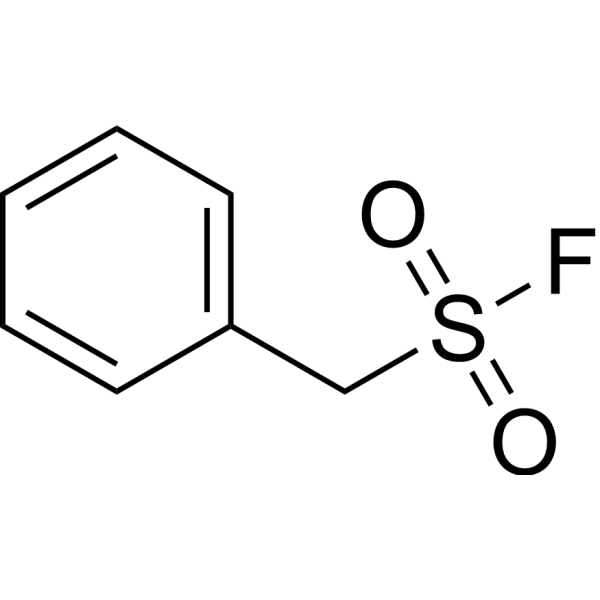
PMSF (Phenylmethylsulfonyl fluoride) is a nonspecific and irreversible serine proteases inhibitor. PMSF inhibits some thiol proteases, non-protease enzymes, and acetylcholinesterase. PMSF can be used to prepare protein extracts from tissue and cell lysates .
loading...
    loading...
163
163 Cited Publications
Cat. No.: HY-18982
CAS No.: 22862-76-6
Synonyms: Flagecidin; Wuningmeisu C
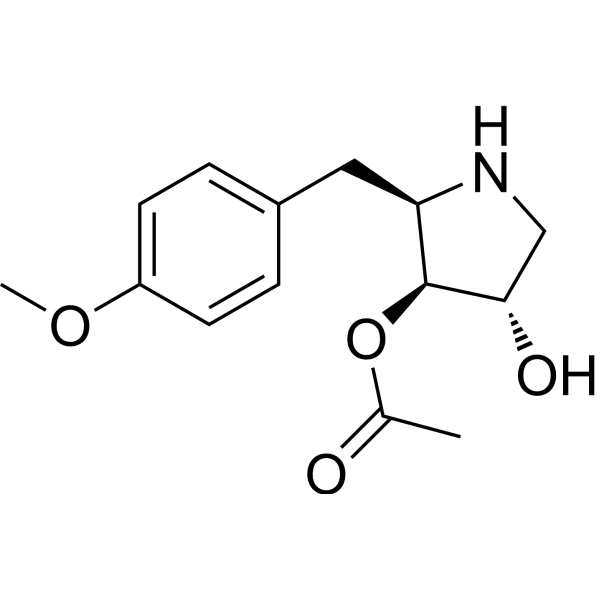
Anisomycin is a potent protein synthesis inhibitor which interferes with protein and DNA synthesis by inhibiting peptidyl transferase or the 80S ribosome system . Anisomycin is a JNK activator, which increases phospho-JNK . Anisomycin is a bacterial antibiotic .
loading...
    loading...
162
162 Cited Publications
Cat. No.: HY-10087
CAS No.: 923564-51-6
Purity:  99.72%
Synonyms: ABT-263
Target:  

Bcl-2 Family

Research Areas:  

Cancer

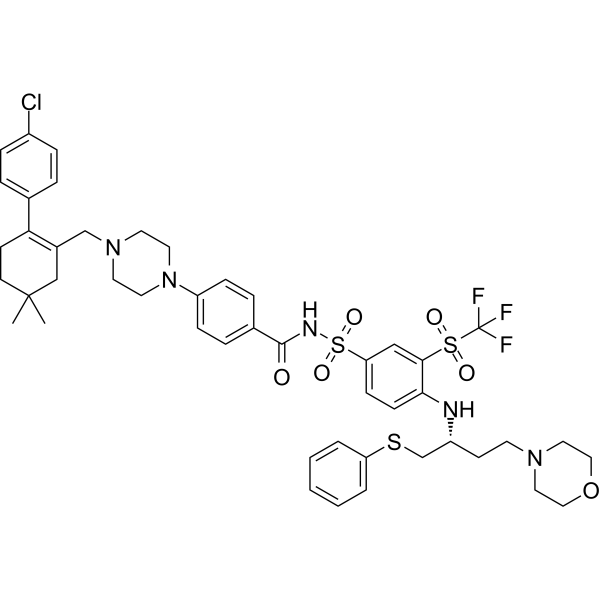
Navitoclax (ABT-263) is a potent and orally active Bcl-2 family protein inhibitor that binds to multiple anti-apoptotic Bcl-2 family proteins, such as Bcl-xL, Bcl-2 and Bcl-w, with a Ki of less than 1 nM .
loading...
    loading...
154
154 Cited Publications
Cat. No.: HY-K0013

MCE Protease and Phosphatase Inhibitor Cocktail (EDTA-Free, 10× in ddH2O) protects protein from degradation by endogenous proteases released during protein extraction and purification.The 1 mL volume is defined as the base specification. All larger sizes correspond to incremental volumes of this base.

loading...
    loading...
139
139 Cited Publications
Cat. No.: HY-N0005
CAS No.: 458-37-7
Synonyms: Diferuloylmethane; Natural Yellow 3; Turmeric yellow
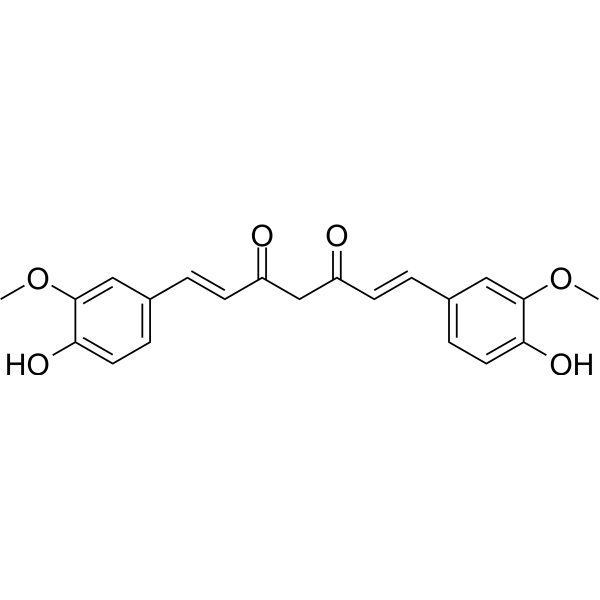
Curcumin (Diferuloylmethane), a natural phenolic compound, is a p300/CREB-binding protein-specific inhibitor of acetyltransferase, represses the acetylation of histone/nonhistone proteins and histone acetyltransferase-dependent chromatin transcription. Curcumin is a photosensitizer against microorganisms. Curcumin shows inhibitory effects on NF-κB and MAPKs, and has diverse pharmacologic effects including anti-inflammatory, antioxidant, antiproliferative and antiangiogenic activities. Curcumin induces stabilization of Nrf2 protein through Keap1 cysteine modification.
loading...
    loading...
138
138 Cited Publications
Cat. No.: HY-13434
CAS No.: 56092-81-0
Purity:  99.27%
Synonyms: SQ23377
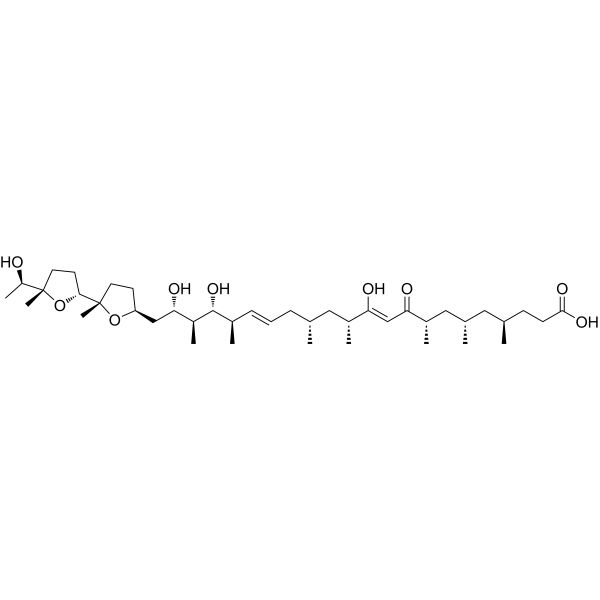
Ionomycin (SQ23377) is a potent, selective calcium ionophore and an antibiotic produced by Streptomyces conglobatus. Ionomycin (SQ23377) is highly specific for divalent cations (Ca>Mg>Sr=Ba). Ionomycin (SQ23377) promotes apoptosis. Ionomycin also induces the activation of protein kinase C (PKC) .
loading...
    loading...
138
138 Cited Publications
Cat. No.: HY-13434A
CAS No.: 56092-82-1
Purity:  98.02%
Synonyms: SQ23377 calcium
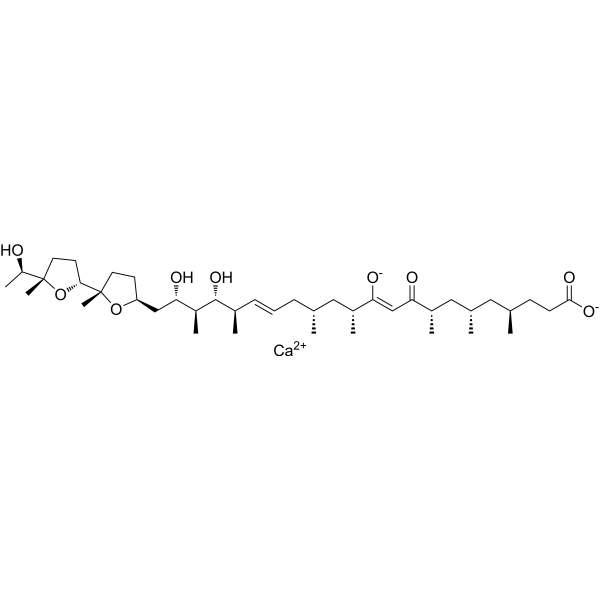
Ionomycin calcium (SQ23377 calcium) is a potent, selective calcium ionophore and an antibiotic produced by Streptomyces conglobatus. Ionomycin calcium (SQ23377 calcium) is highly specific for divalent cations (Ca>Mg>Sr=Ba). Ionomycin (SQ23377) promotes apoptosis. Ionomycin calcium (SQ23377 calcium) also induces the activation of protein kinase C (PKC) .
loading...
    loading...
135
135 Cited Publications
Cat. No.: HY-18072
CAS No.: 1337531-36-8
Target:  

PERK Autophagy Apoptosis

Research Areas:  

Cancer

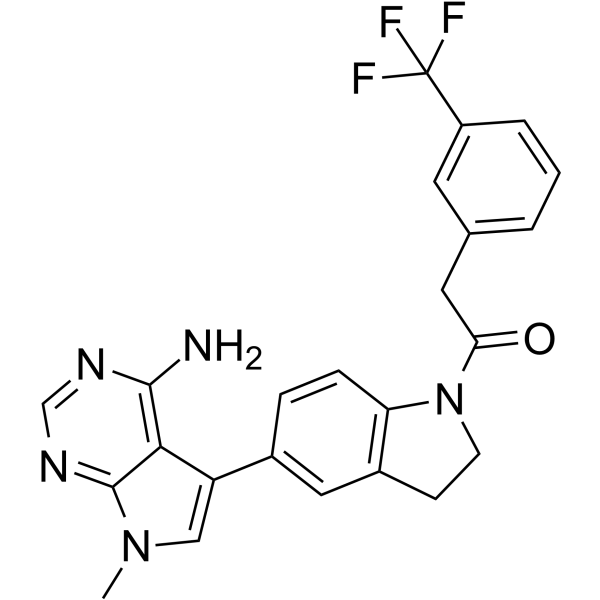
GSK2606414 is a cell-permeable and orally available protein kinase R-like endoplasmic reticulum (ER) kinase (PERK) inhibitor with an IC50 of 0.4 nM.
loading...
    loading...
131
131 Cited Publications
Cat. No.: HY-15463
CAS No.: 152459-95-5
Purity:  99.95%
Synonyms: STI571; CGP-57148B
Research Areas:  

Cancer

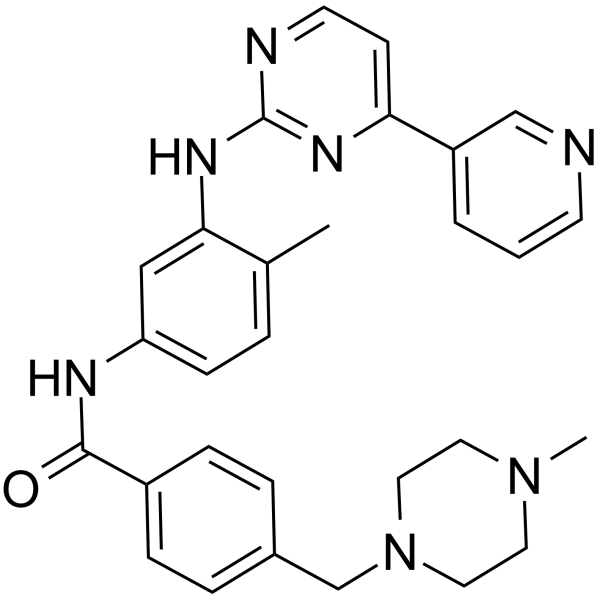
Imatinib (STI571) is an orally bioavailable tyrosine kinases inhibitor that selectively inhibits BCR/ABL, v-Abl, PDGFR and c-kit kinase activity. Imatinib (STI571) works by binding close to the ATP binding site, locking it in a closed or self-inhibited conformation, therefore inhibiting the enzyme activity of the protein semicompetitively . Imatinib also is an inhibitor of SARS-CoV and MERS-CoV .
loading...
    loading...
126
126 Cited Publications
Cat. No.: HY-D0938
CAS No.: 150347-59-4
Synonyms: CFSE; 5(6)-Carboxyfluorescein diacetate succinimidyl ester; 5(6)-CFDA N-succinmidyl ester
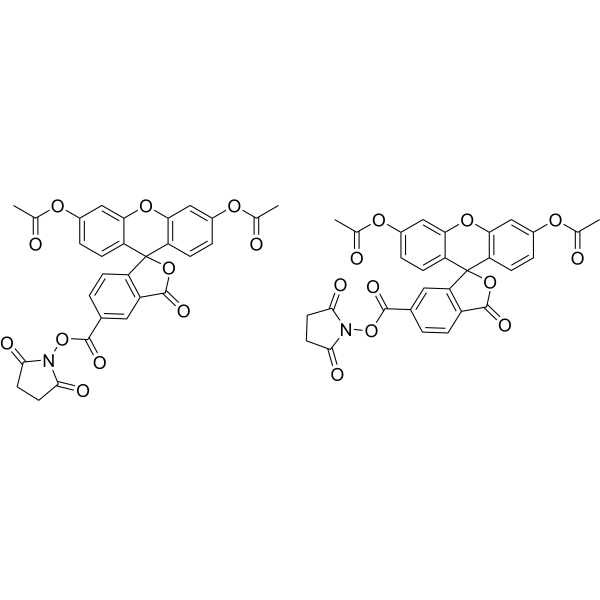
CFDA-SE is a fluorescent dye that can penetrate the cell membrane. It can react with the free amine group in the cytoskeleton protein inside the cell, and finally form a protein complex with fluorescence. After entering the cell, CFDA-SE locates in the cell membrane, cytoplasm and nucleus, and the fluorescence staining is strongest in the nucleus . CFDA-SE dye can be uniformly inherited by the cells with cell division and proliferation, and its attenuation is proportional to the number of cell divisions. This phenomenon can be detected and analyzed by flow cytometry under the excitation light of 488 nm, and can be used to detect the proliferation of cells .
loading...
    loading...
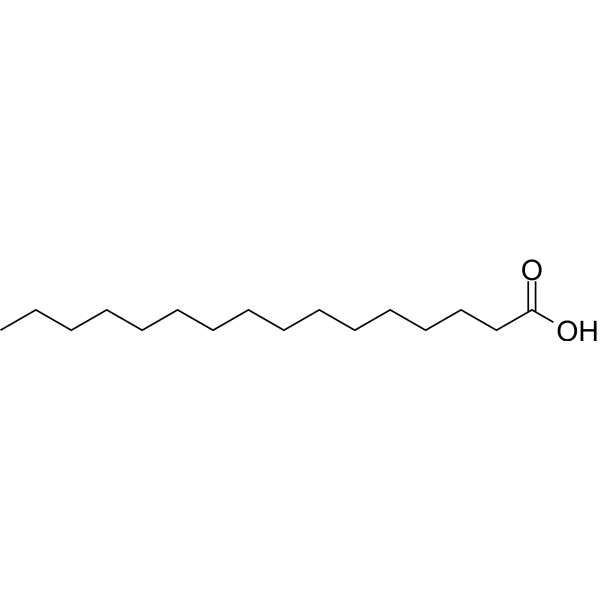
124
124 Cited Publications
Cat. No.: HY-N0830
CAS No.: 57-10-3
Palmitic acid is a long-chain saturated fatty acid commonly found in both animals and plants. PA can induce the expression of glucose-regulated protein 78 (GRP78) and CCAAT/enhancer binding protein homologous protein (CHOP) in in mouse granulosa cells. Palmitic acid is used to establish a cell steatosis model .
loading...
    loading...
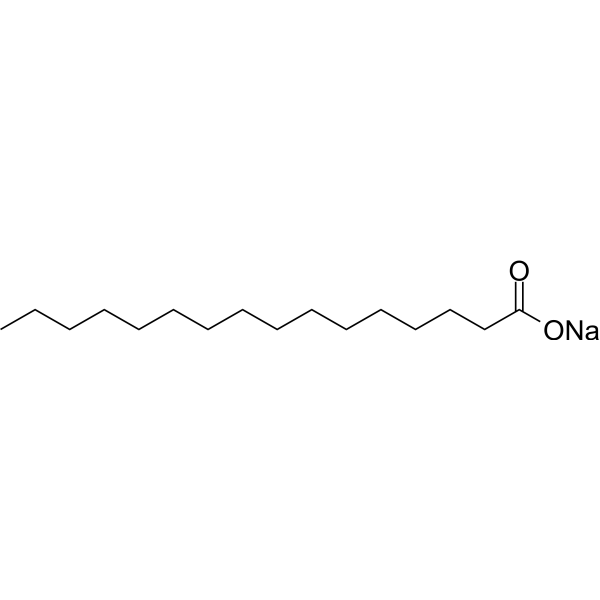
124
124 Cited Publications
Cat. No.: HY-N0830B
CAS No.: 408-35-5
Palmitic acid sodium is a long-chain saturated fatty acid commonly found in both animals and plants. Palmitic acid sodium can induce the expression of glucose-regulated protein 78 (GRP78) and CCAAT/enhancer binding protein homologous protein (CHOP) in in mouse granulosa cells. Palmitic acid sodium is used to establish a cell steatosis model .
loading...
    loading...
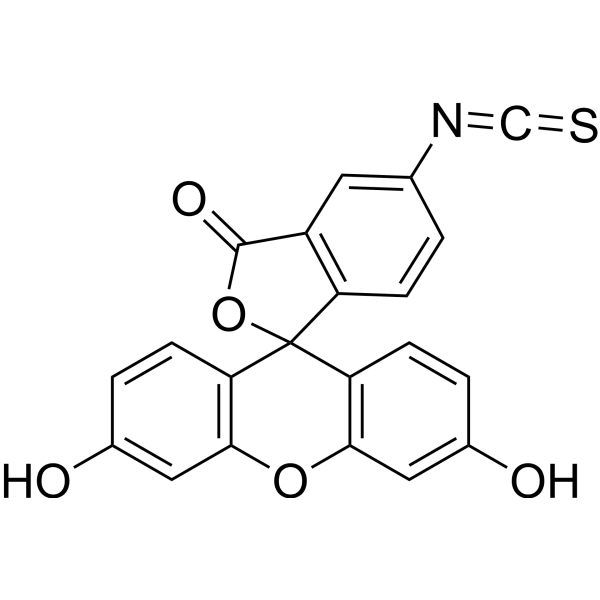
109
109 Cited Publications
Cat. No.: HY-66019
CAS No.: 3326-32-7
Synonyms: Fluorescein 5-isothiocyanate
Target:  

Fluorescent Dye

Research Areas:  

Others

FITC (Fluorescein Isothiocyanate), is one of the green fluorescein derivatives widely used in biology. FITC has the characteristics of high absorptivity and excellent fluorescence quantum yield. The isothiocyanate group of FITC can be combined with amino, sulfhydryl, imidazole, tyrosyl, carbonyl and other groups on the protein, so as to achieve protein labeling including antibodies and lectins. In addition to its use as a protein marker, FITC can also be used as a fluorescent protein tracer to rapidly identify pathogens by labeling antibodies, or for microsequencing of proteins and peptides (HPLC). The maximum excitation wavelength of FITC is 494 nm. Once excited, it fluoresces yellow-green at a maximum emission wavelength of 520 nm. In addition, FITC is also a hapten that can induce contact hypersensitivity (CHS) and induce an atopic dermatitis model .
loading...
    loading...
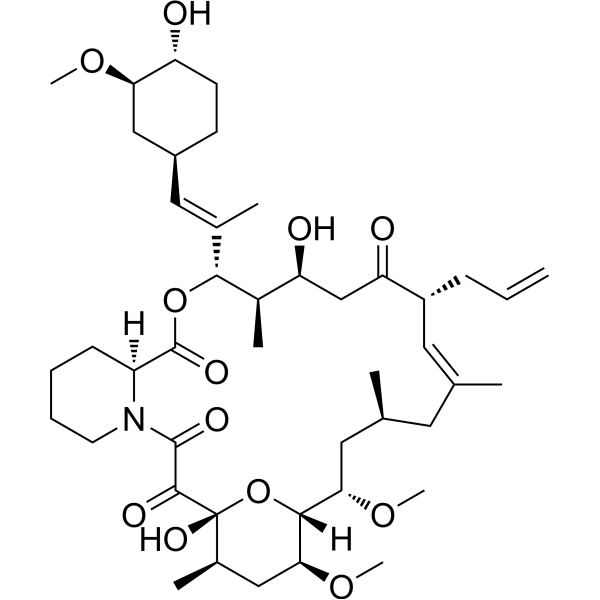
108
108 Cited Publications
Cat. No.: HY-13756
CAS No.: 104987-11-3
Purity:  99.93%
Synonyms: FK506; Fujimycin; FR900506
Tacrolimus (FK506), a molecular glue, a macrocyclic lactone, binds to FK506 binding protein (FKBP) to form a complex. Tacrolimus inhibits calcineurin phosphatase, which inhibits T-lymphocyte signal transduction and IL-2 transcription. Immunosuppressive properties .
loading...
    loading...

