281 Results for "

Fluorescent substrate

" in MedChemExpress (MCE) Product Catalog:
Products (281)

281 Results for "Fluorescent substrate" in MCE Product Catalog:

1
1 Cited Publications
Cat. No.: HY-133536
CAS No.: 1811539-42-0
Purity:  98.2%
Synonyms: PA-JF549-NHS
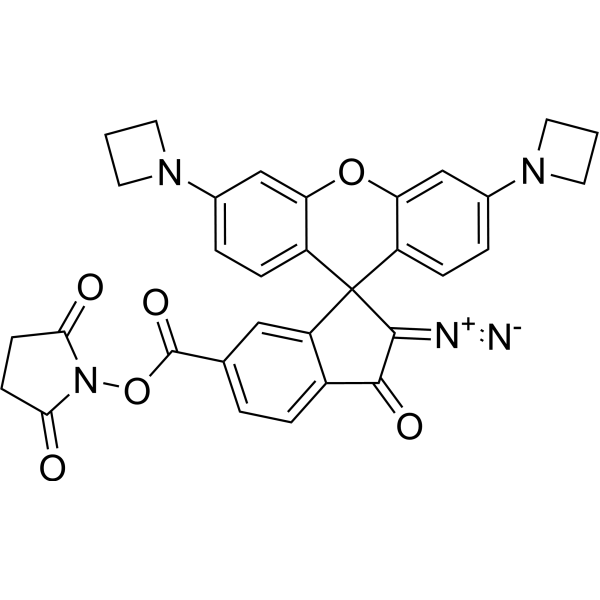
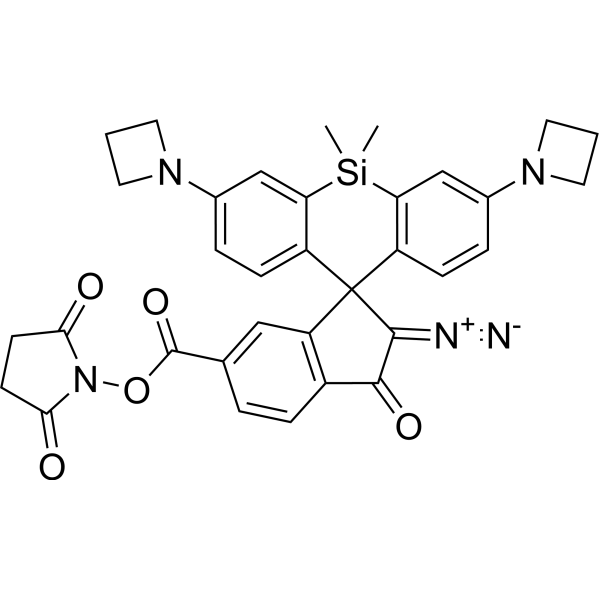
PA Janelia Fluor 549, SE (PA-JF549-NHS) is a bright photoactivatable fluorophore of JF549,SE (JF549,NHS). JF549,SE (JF549,NHS) is a fluorescent dye with the absorption maximum (λab (max)) of 549 nm and emission maximum (λem (max)) of 571 nm . Janelia Fluor fluorescent dyes can be chemically conjugated to the specific HaloTag substrate (a chloroalkane ligand) to form a fluorescent ligand, rather than binding directly to the HaloTag protein itself.
loading...
    loading...
1
1 Cited Publications
Cat. No.: HY-149170
CAS No.: 2210244-83-8
Purity:  99.79%
Research Areas:  

Neurological Disease

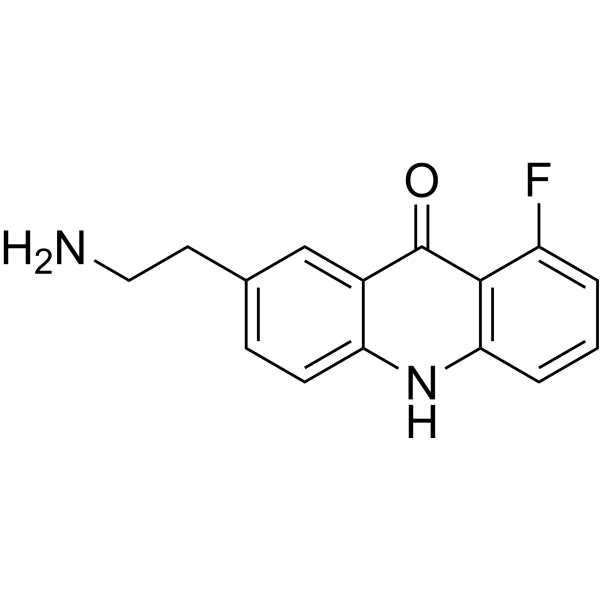
FFN246 is a fluorescent, dual substrate of serotonin transporter (SERT) probe and vesicular monoamine transporter 2 (VMAT2) with excitation and emission spectra 392/427 nm. FFN246 can be used for labeling serotonergic neurons in mouse brain tissue through SERT-dependent accumulation .
loading...
    loading...
1
1 Cited Publications
Cat. No.: HY-P3722
CAS No.: 192723-42-5
Target:  

Fluorescent Dye MMP

Research Areas:  

Others

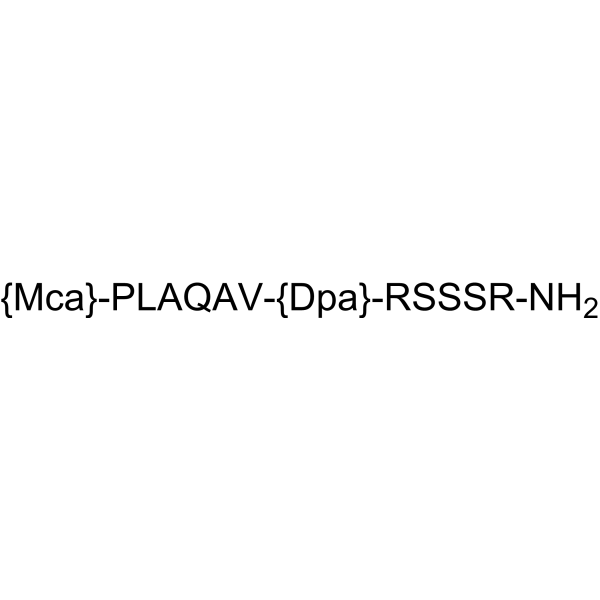
Mca-PLAQAV-Dpa-RSSSR-NH2 is a fluorescent substrate peptide that can be used to detect ADAM9, ADAM10, and tumor necrosis factor-α converting enzyme (TACE/ADAM17). Mca-PLAQAV-Dpa-RSSSR-NH2 is a fluorescence resonance energy transfer-based substrate, and its activity can be determined by changes in fluorescence intensity upon cleavage (Ex = 320 nm ; Em = 405 nm) .
loading...
    loading...
1
1 Cited Publications
Cat. No.: HY-P3722A
Target:  

Fluorescent Dye MMP

Research Areas:  

Others

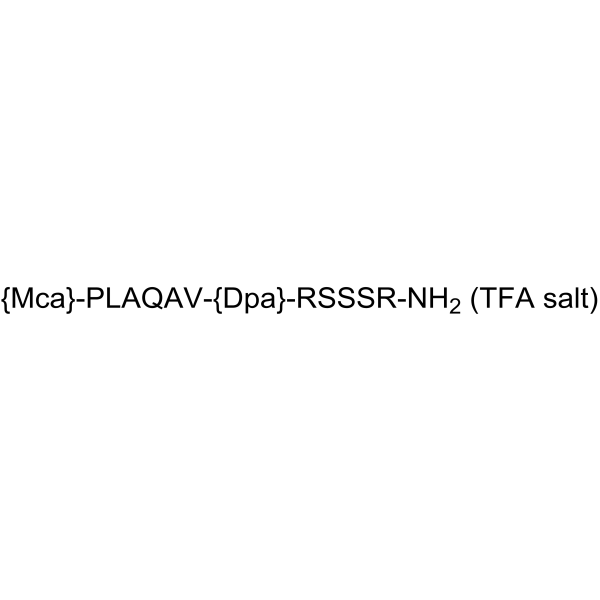
Mca-PLAQAV-Dpa-RSSSR-NH2 TFA is a fluorescent substrate peptide that can be used to detect ADAM9, ADAM10, and tumor necrosis factor-α converting enzyme (TACE/ADAM17). Mca-PLAQAV-Dpa-RSSSR-NH2 TFA is a fluorescence resonance energy transfer-based substrate, and its activity can be determined by changes in fluorescence intensity upon cleavage (Ex = 320 nm ; Em = 405 nm) .
loading...
    loading...
1
1 Cited Publications
Cat. No.: HY-124298
CAS No.: 168482-84-6
Purity:  99.00%
Target:  

Fluorescent Dye

Research Areas:  

Others

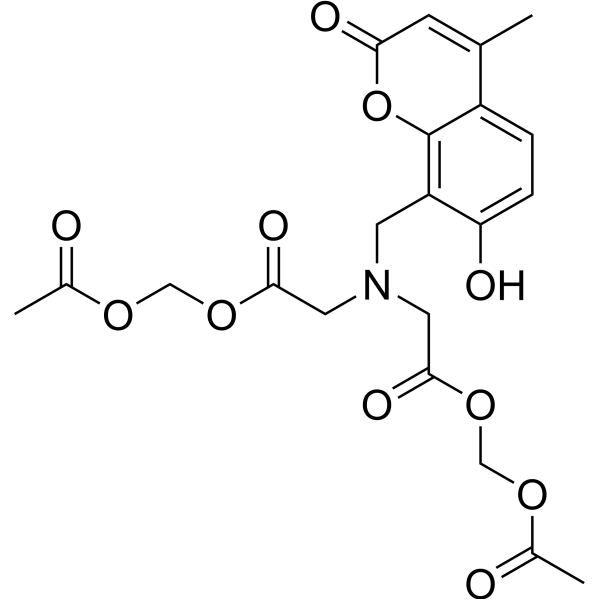
Calcein Blue AM is a cell staining agent. Calcein Blue AM serves as a substrate for intracellular esterases, which hydrolyze its acetoxymethyl (AM) ester group to convert the non-fluorescent reagent into fluorescent Calcein Blue. Calcein Blue AM passively penetrates the plasma membrane of both live and dead cells; it is converted into a polar fluorescent product and retained in the cytoplasm of live cells, whereas dead cells cannot retain the dye. Calcein Blue AM exhibits significant dye leakage, and its fluorescence intensity gradually decreases over time. Calcein Blue AM can be used for endpoint-based cell viability assays and short-term cell tracking experiments with a duration of no more than 4 hours.
loading...
    loading...
1
1 Cited Publications
Cat. No.: HY-133535
CAS No.: 2093120-32-0
Synonyms: PA-JF646-NHS
PA Janelia Fluor 646, SE (PA-JF646-NHS) is a photo-activatable fluorescent dye. PA Janelia Fluor 646, SE is a far-red light-excited, 405 nm-activated NHS ester-based dye. Janelia Fluor fluorescent dyes can be chemically conjugated to the specific HaloTag substrate (a chloroalkane ligand) to form a fluorescent ligand, rather than binding directly to the HaloTag protein itself. PA Janelia Fluor 646, SE can achieve extremely low background and single-molecule-level ultra-high-resolution imaging through photo-controlled switching, making it a powerful tool for live cell super-resolution microscopy technology (Ex/Em = 646/664 nm).
loading...
    loading...
1
1 Cited Publications
Cat. No.: HY-131021
Synonyms: JF549, Azide
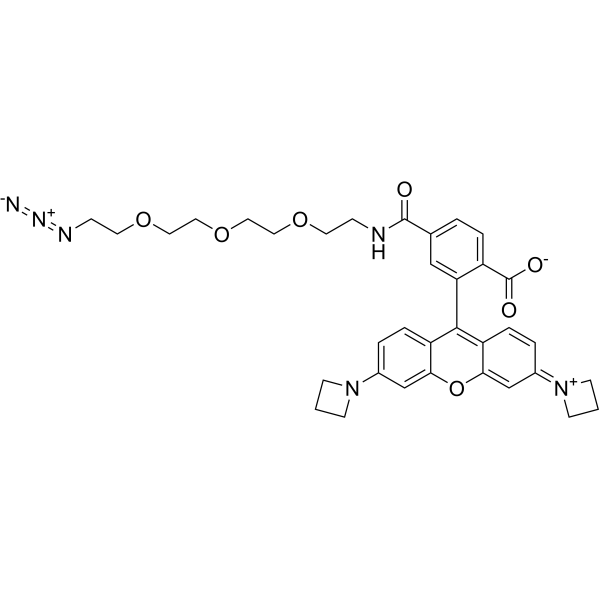
Janelia Fluor 549, Azide (JF549, Azide) is a fluorescent dye with the absorption maximum (λab (max)) of 549 nm and emission maximum (λem (max)) of 571 nm . Janelia Fluor fluorescent dyes can be chemically conjugated to the specific HaloTag substrate (a chloroalkane ligand) to form a fluorescent ligand, rather than binding directly to the HaloTag protein itself. Janelia Fluor products are licensed under U.S. Pat. Nos. 9,933,417, 10,018,624 and 10,161,932 and other patents from Howard Hughes Medical Institute. It contains an azide group and can undergo copper-catalyzed azide-alkyne cycloaddition (CuAAc) with molecules containing alkyne groups. It can also undergo ring strain-promoted alkyne-azide cycloaddition (SPAAC) with molecules containing DBCO or BCN groups.
loading...
    loading...
1
1 Cited Publications
Cat. No.: HY-D0194
CAS No.: 111843-78-8
Research Areas:  

Others

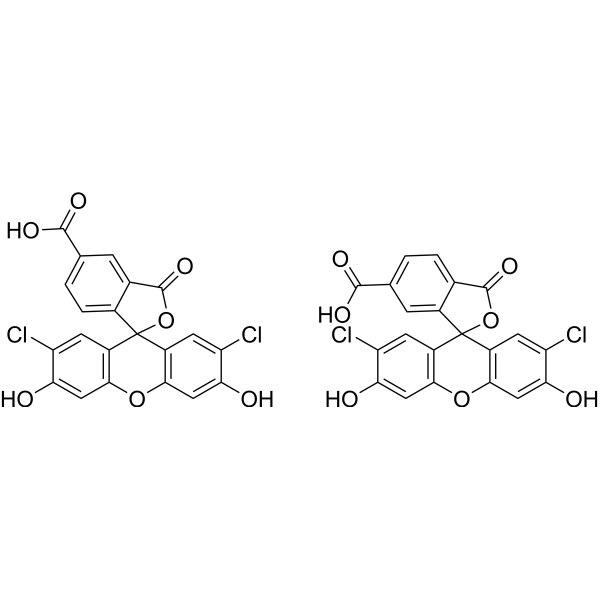
5 (6)-Carboxy-2',7'-dichlorofluorescein is a fluorescent probe substrate that acts on MRP1 and MRP3/Mrp3, passively diffuses across cell membranes, and is actively effluxed by MRP1 in MRP1-positive cells. 5 (6)-Carboxy-2',7'-dichlorofluorescein is transported across membranes in an ATP-dependent manner, but does not stimulate ATPase activity .
loading...
    loading...
1
1 Cited Publications
Cat. No.: HY-D1633A
CAS No.: 206443-06-3
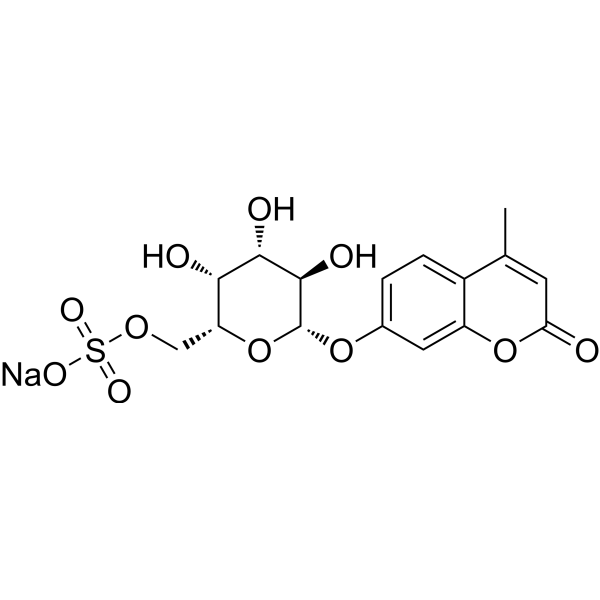
4-Methylumbelliferyl-β-D-galactopyranoside 6-sulfate sodium is a fluorescent dye. 4-Methylumbelliferyl-β-D-galactopyranoside 6-sulfate sodium undergoes desulphation by galactose-6-sulphate sulphatase to form 4-methylumbelliferyl-β-D-galactopyranoside, which is cleaved by β-galactosidase to release fluorescent 4-methylumbelliferone. 4-Methylumbelliferyl-β-D-galactopyranoside 6-sulfate sodium interacts with N-acetylgalactosamine-6-sulfate sulfatase (GALNS) via hydrogen bonds, electrostatic interactions, and steric interactions. 4-Methylumbelliferyl-β-D-galactopyranoside 6-sulfate sodium serves as a substrate in assays measuring galactose-6-sulphate sulphatase and GALNS activity. 4-Methylumbelliferyl-β-D-galactopyranoside 6-sulfate sodium can be used for the research of Morquio disease type A (mucopolysaccharidosis IV A) .
loading...
    loading...
Cat. No.: HY-118135
CAS No.: 38597-12-5
Purity:  99.76%
Synonyms: 4MU-α-Gal
Target:  

Fluorescent Dye

Research Areas:  

Others

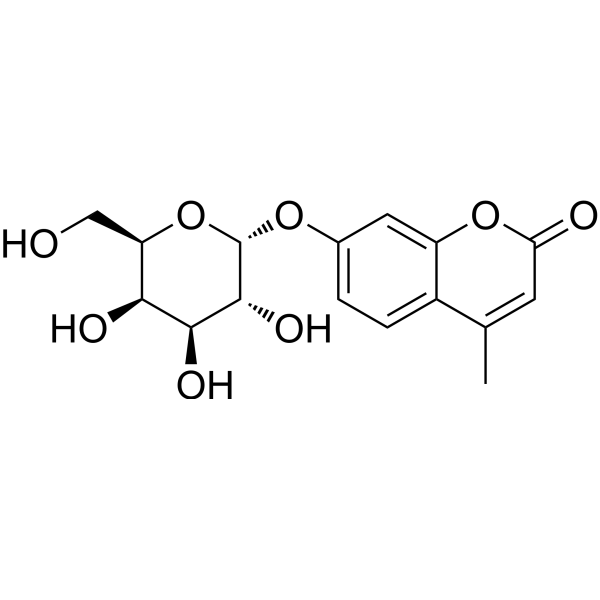
4-Methylumbelliferyl-α-D-galactopyranoside (4MU-α-Gal), a substrate for α-galactosidase A (GLA), is a blue pro-fluorogenic substrate. 4-Methylumbelliferyl-α-D-galactopyranoside forms two products, galactose and fluorescent 4MU, upon cleavage by GLA .
loading...
    loading...
Cat. No.: HY-P1883A
Target:  

Fluorescent Dye

Research Areas:  

Infection

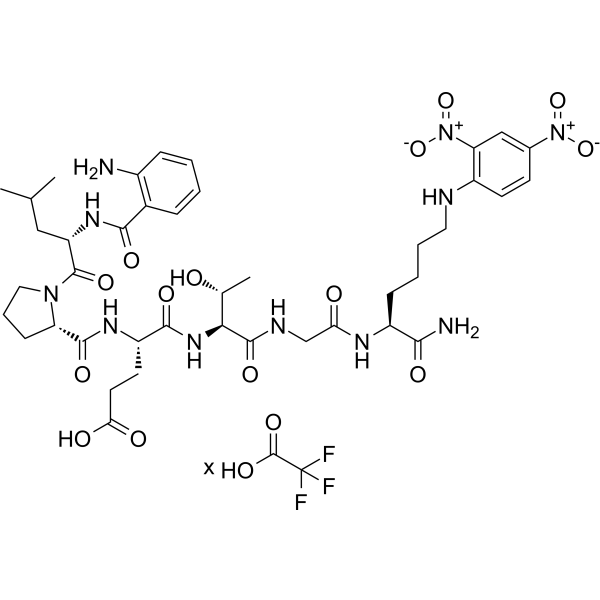
Bacterial Sortase Substrate III, Abz/DNP TFA is a fluorescent peptide substrate. Bacterial Sortase Substrate III, Abz/DNP TFA undergoes cleavage catalyzed by Staphylococcus aureus sortase A (SrtAΔN24) and Streptococcus pyogenes sortase A (SrtAΔN81), and catalyzes the formation of an amide bond between the carboxyl group of threonine and the amino group of the cell wall cross-bridge. Cleavage of this substrate can be detected at Ex/Em=320 nm/420 nm .
loading...
    loading...
Cat. No.: HY-P3949
CAS No.: 143147-75-5
Target:  

Fluorescent Dye

Research Areas:  

Others

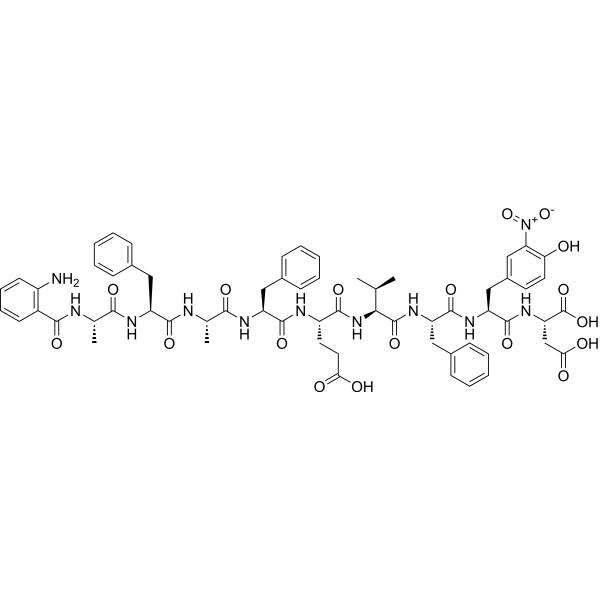
Fluorescent Substrate for Glu-Specific Proteases is a V8 protease-Specific chromogenic substrate .
loading...
    loading...
Cat. No.: HY-P5990
CAS No.: 380225-52-5
Target:  

PSMA

Research Areas:  

Cancer

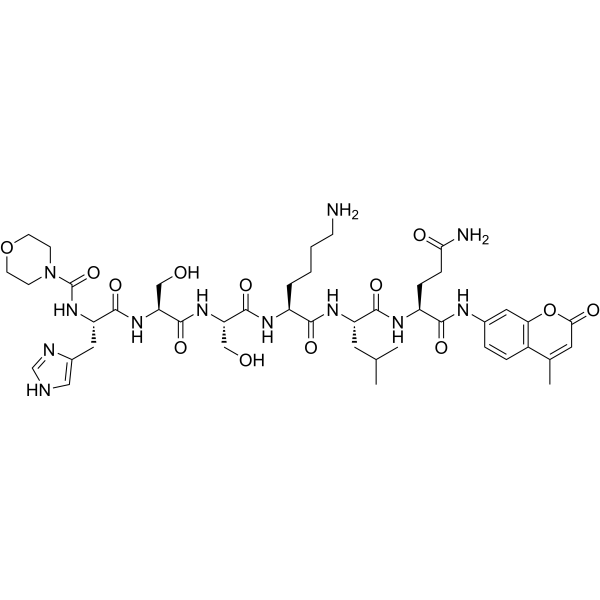
Prostate Specific Antigen Substrate is a highly specific fluorescent peptide substrate can be used for measuring prostate-specific antigen (PSA) enzymatic activity .
loading...
    loading...
Cat. No.: HY-D0149
CAS No.: 575-03-1
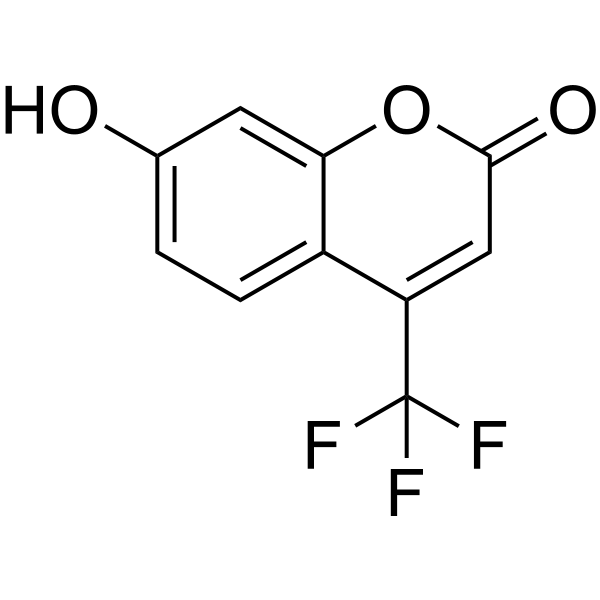
4-(Trifluoromethyl)umbelliferone is fluorescent probe substrate for rat hepatic cytochrome P450 enzymes .
loading...
    loading...
Cat. No.: HY-137855
CAS No.: 15220-11-8
Purity:  99.29%
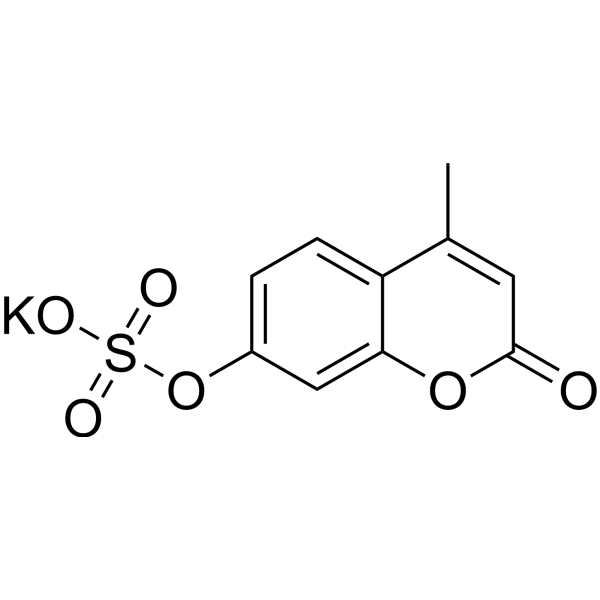
4-Methylumbelliferyl sulfate (potassium), a fluorescent substrate, is commonly used to detect sulfatase activity in biochemical and biomedical research. It consists of a sulfate group attached to a fluorescent molecule, which can be cleaved by sulfatase enzymes. Upon cleavage, 4-Methylumbelliferyl sulfate releases a highly fluorescent product that can be detected using fluorescence microscopy or spectroscopy. The use of 4-Methylumbelliferyl sulfate as a substrate for sulfatase enzymes allows accurate detection and quantification of these enzymes in a variety of biological samples.
loading...
    loading...
Cat. No.: HY-136247
CAS No.: 1431148-26-3
Purity:  95.17%
Synonyms: Tyramide-Cy5
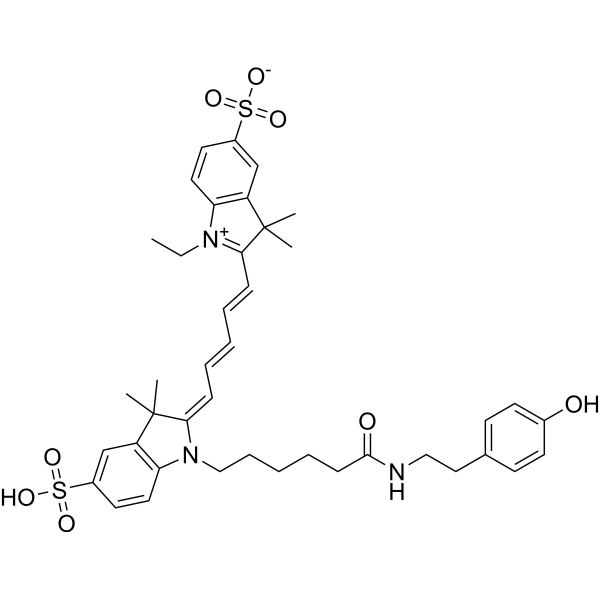
Cyanine 5 Tyramide (Tyramide-Cy5), a red fluorescent dye, is utilized as reporter fluorescent substrate for horseradish peroxidase (HRP)-catalyzed deposition that is signal amplification technique in immunoassay and in situ hybridization of nucleic acids .
loading...
    loading...
Cat. No.: HY-113862
CAS No.: 1028430-42-3
Purity:  ≥99.0%
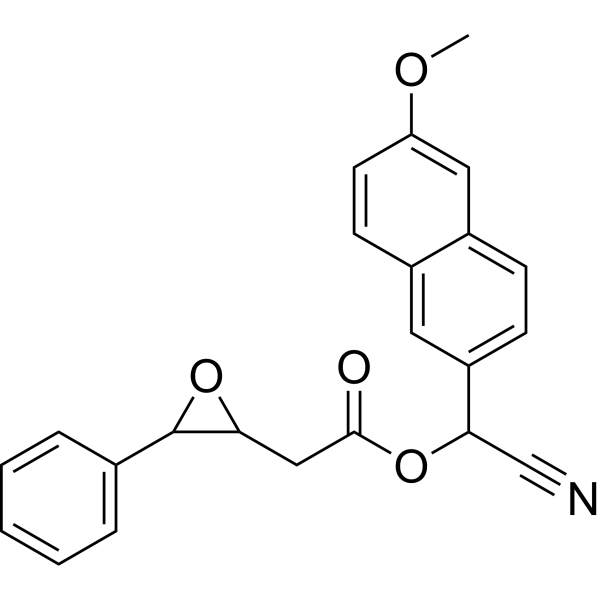
PHOME is a fluorogenic substrate for sEH. sEH can hydrolyze the epoxy ring in the PHOME substrate. PHOME can be used for fluorescent epoxide hydrolase assay .
loading...
    loading...
Cat. No.: HY-P1853
CAS No.: 500799-61-1
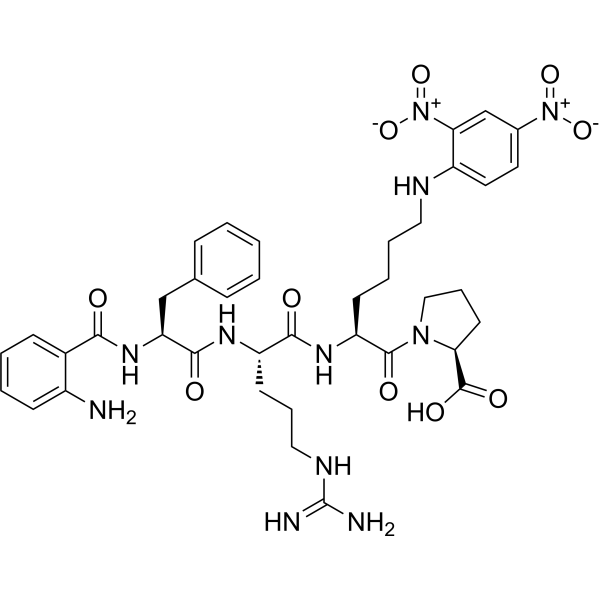
Abz-FR-K(Dnp)-P-OH is an angiotensin I-converting enzyme (ACE) substrate and an internally quenched fluorogenic substrate for real time fluorescent assay .
loading...
    loading...
Cat. No.: HY-119395B
CAS No.: 36681-58-0
Purity:  99.69%
Target:  

Monoamine Oxidase

Research Areas:  

Metabolic Disease

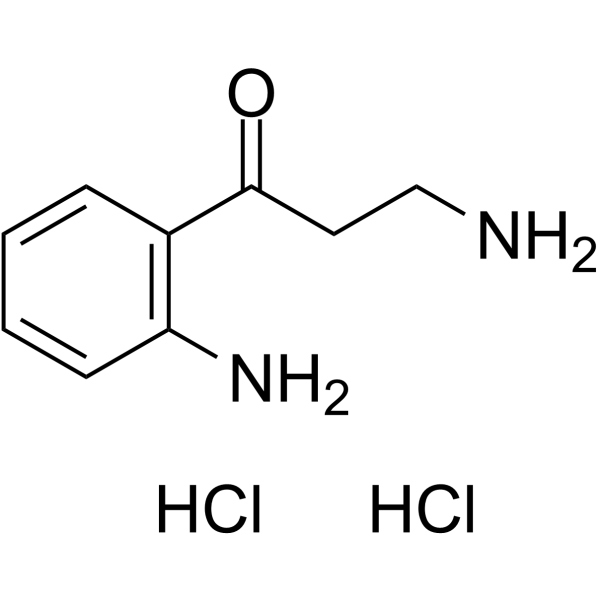
Kynuramine, an endogenously occurring amine, is a fluorescent substrate and probe of plasma amine oxidase .
loading...
    loading...
Cat. No.: HY-P4417
CAS No.: 216757-33-4
Target:  

Fluorescent Dye

Research Areas:  

Others

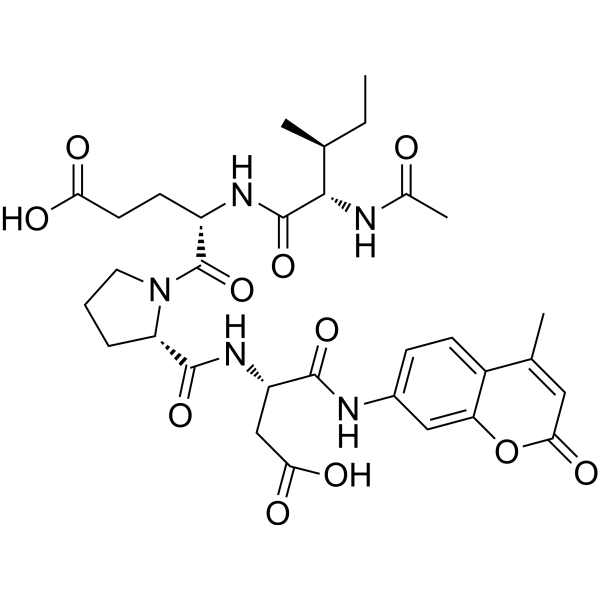
Ac-IEPD-AMC is a fluorogenic substrate for the determination of protease activity. Ac-IEPD-AMC undergoes hydrolysis and releases the fluorescent product 7-amino-4-methylcoumarin (AMC). AMC is fluorescent under UV light and can emit a fluorescent signal .
loading...
    loading...

