
5726 Results for "

3D open framework structure

" in MedChemExpress (MCE) Product Catalog:
Products (5726)

5726 Results for "3D open framework structure" in MCE Product Catalog:

6
6 Cited Publications
Cat. No.: HY-17494
CAS No.: 26839-75-8
Synonyms: (S)-L-714,465; MK 950 free base
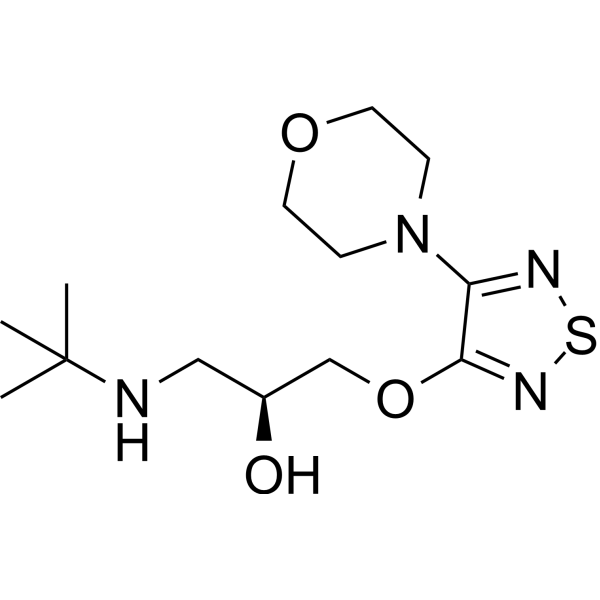
Timolol is a β-blocker available for both topical and systemic administration. Topical Timolol is primarily used to reduce intraocular pressure with open-angle glaucoma and ocular hypertension. Timolol can also be used for the research of infantile hemangiomas, hypertension, myocardial infarction, migraine prophylaxis, and atrial fibrillation.Timolol also has cardioprotective effect .
loading...
    loading...
6
6 Cited Publications
Cat. No.: HY-I0400
CAS No.: 131-48-6
Synonyms: NANA; Lactaminic acid
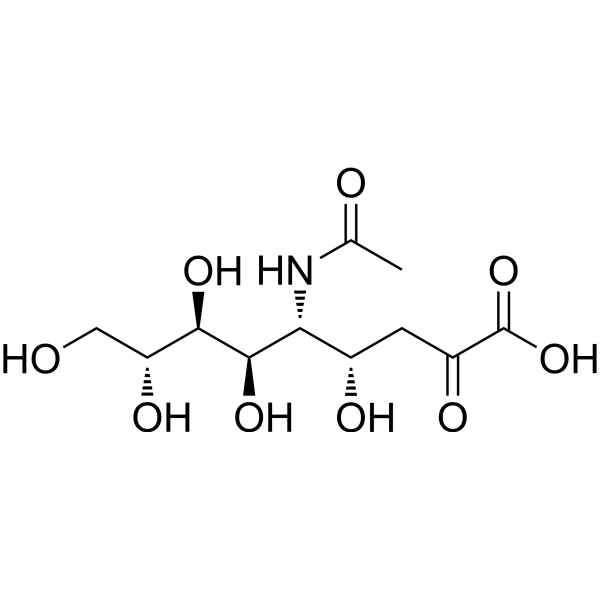
N-Acetylneuraminic acid (NANA; Lactaminic acid), a nonphenolic structure, is the predominant form of sialic from Collocalia esculenta. N-Acetylneuraminic acid plays a biological role in myocardial injury, melanoma and viral or bacterial infection. N-Acetylneuraminic acid inhibits melanogenesis by reducing tyrosinase activity and triggers myocardial injury in vitro and in vivo by activation of the Rho/Rho-associated signaling pathway through binding to RhoA and Cdc42. N-Acetylneuraminic acid may prevent high fat diet (HFD)-induced inflammation and oxidative stress, thereby prevents hyperlipidemia-associated inflammation and oxidative stress. N-Acetylneuraminic acid is promising for research in the field of melanoma, coronary artery, obesity-related diseases and hyperlipidemia .
loading...
    loading...
6
6 Cited Publications
Cat. No.: HY-D1056A1
Synonyms: LPS, from Escherichia coli (O111:B4)
Lipopolysaccharides, from E. coli O111:B4 (LPS, from Escherichia coli (O111:B4)) are endotoxins and TLR4 activators extracted from Escherichia coli (E. coli O111:B4) and are classified as S (smooth) type LPS. Lipopolysaccharides (LPS), from E. coli O111:B4 possess the typical three-part structure: O-antigen, R3-type core oligosaccharide, and lipid A. Lipopolysaccharides (LPS), from E. coli O111:B4 activate TLR-4 in immune cells and can cause significant gastric diseases. Lipopolysaccharides (LPS), from E. coli O111:B4 can be used to induce cellular inflammation and establish animal models related to inflammation .
It is recommended to prepare a solution with concentration ≥2 mg/mL. Vortex thoroughly for more than 10 minutes. Due to the adsorption characteristics of LPS, silanized container or low adsorption centrifuge tubes should be used for aliquoting and storage, and mix thoroughly before use.
loading...
    loading...
5
5 Cited Publications
Cat. No.: HY-D0913
CAS No.: 73043-80-8
Synonyms: 1M7
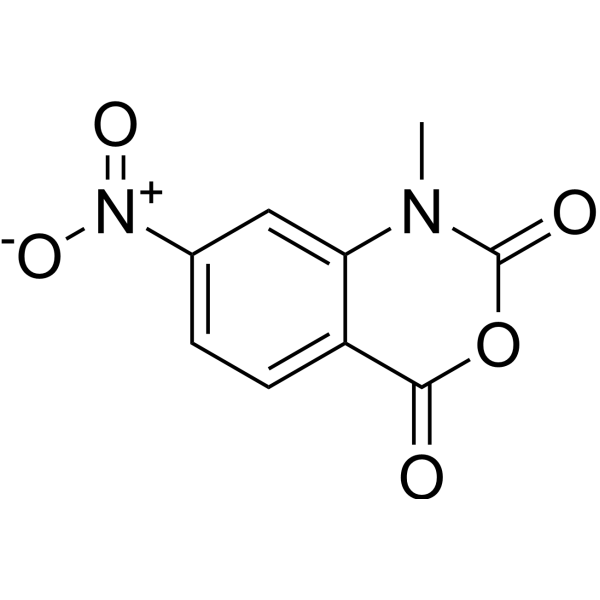
1-Methyl-7-nitroisatoic anhydride (1M7) is a reagent that detects local nucleotide flexibility, for probing 2'-hydroxyl reactivity, can be used for RNA structure analysis .
loading...
    loading...
5
5 Cited Publications
Cat. No.: HY-14273
CAS No.: 241479-67-4
Purity:  99.97%
Synonyms: BAL-4815; RO-0094815
Research Areas:  

Infection Cancer

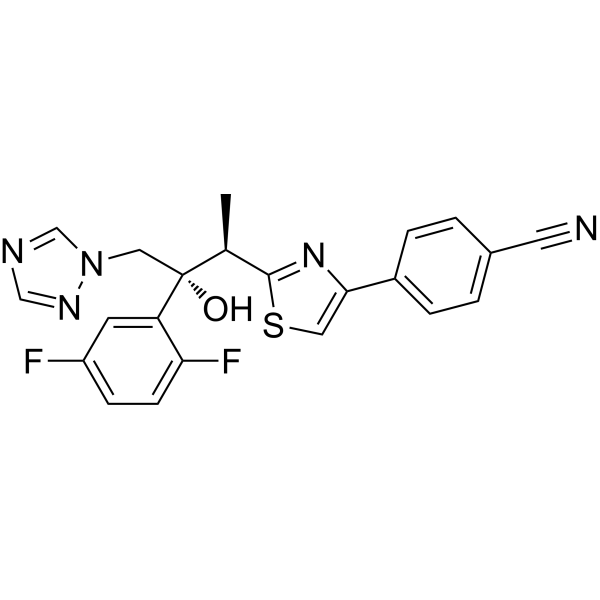
Isavuconazole (BAL-4815) is a triazole proagent with antifungal activity against yeasts, molds, and dimorphic fungi. Isavuconazole inhibits ergosterol biosynthesis and results in the disruption of fungal membrane structure and function. Isavuconazole is a moderate inhibitor of CYP3A4.
loading...
    loading...
5
5 Cited Publications
Cat. No.: HY-125878
CAS No.: 2381320-35-8
Purity:  99.89%
Synonyms: SGK3-PROTAC1
Target:  

PROTACs SGK

Research Areas:  

Cancer

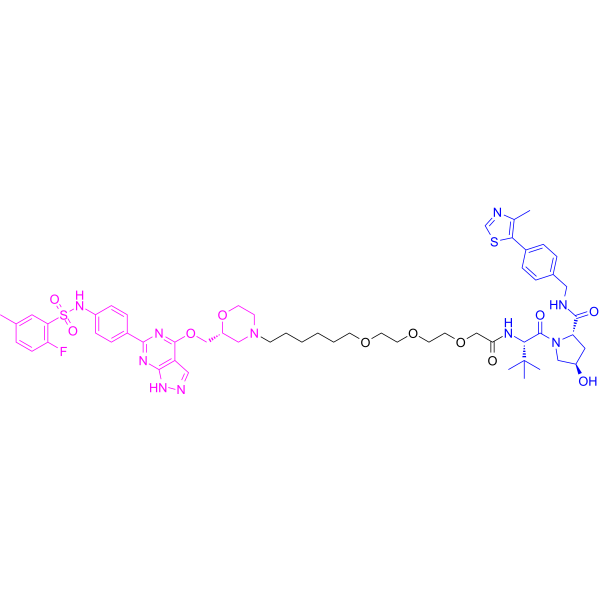
PROTAC SGK3 degrader-1 (SGK3-PROTAC1), a chemical probe, is a von Hippel-Lindau ligand-based SKG3 PROTAC composed of a PEG3-C4-OBn (HY-130620) alkyl linker, an SGK3 degrader (red structure), and a VHL ligand (HY-150803, blue structure). PROTAC SGK3 degrader-1 (0.3 μM) induced 50% endogenous SGK3 degradation within 2 hours, and 80% SGK3 degradation was observed at 8 hours, accompanied by loss of phosphorylation of NDRG1 (SGK3 substrate) .
loading...
    loading...
5
5 Cited Publications
Cat. No.: HY-P2149
CAS No.: 11028-71-0
Concanavalin A can be coupled to agarose to form Concanavalin A (agarose) (HY-P2149A). Concanavalin A (ConA) is a selective, competitive binding agent that targets specific carbohydrate structures containing glucose and mannose; it acts as a mitogen and exhibits varying degrees of cytotoxicity, hepatotoxicity, and teratogenicity. Concanavalin A is also utilized for in vivo blood glucose monitoring in the context of diabetes .
loading...
    loading...
5
5 Cited Publications
Cat. No.: HY-103006
CAS No.: 1612756-29-2
Purity:  99.93%
Research Areas:  

Others

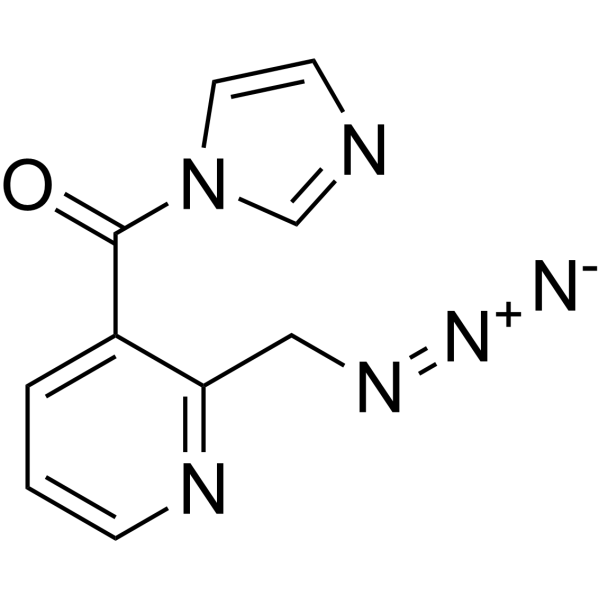
NAI-N3 is a RNA acylation reagent that enables RNA purification. NAI-N3 is a dual-function SHAPE (selective 2-hydroxyl acylation and profiling experiment) probe (RNA structure probe and enrichment) . It contains an azide group and can undergo copper-catalyzed azide-alkyne cycloaddition (CuAAc) with molecules containing alkyne groups. It can also undergo ring strain-promoted alkyne-azide cycloaddition (SPAAC) with molecules containing DBCO or BCN groups.
loading...
    loading...
5
5 Cited Publications
Cat. No.: HY-133129
CAS No.: 2225938-17-8
Purity:  98.92%
MS1943 is an orally active selective HyT degrader of EZH2 that effectively reduces EZH2 levels in cells. MS1943 has anticancer activity and exhibits cytotoxic effects in a variety of TNBC cells while sparing normal cells. In addition, MS1943 maintains high potency (IC50=120 nM) in inhibiting EZH2 methyltransferase activity and is highly selective for EZH2. (Structure Note: RED, EZH2 ligand (HY-148458); Blue, Hyt (HY-W001578)) .
loading...
    loading...
5
5 Cited Publications
Cat. No.: HY-P74743
Purity:  ≥ 90%, as determined by reducing SDS-PAGE.
Synonyms: MRAP; Fat Cell-Specific Low Molecular Weight Protein; Prev. C21orf61; Fat Tissue-Specific Low MW Protein; FALP; Chromosome 21 open Reading Frame 61; B27; GCCD2; MRAP1; Melanocortin 2 Receptor Accessory Protein; Melanocortin-2 Receptor Accessory Protein
Species:  
Human
Source:  
HEK293
loading...
    loading...
4
4 Cited Publications
Cat. No.: HY-B1193
CAS No.: 50679-08-8
Synonyms: (±)-Terfenadine; MDL-991
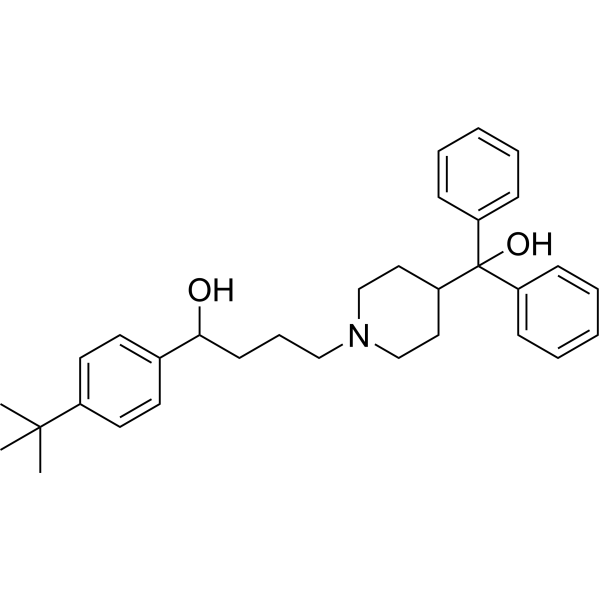
Terfenadine ((±)-Terfenadine) is a potent open-channel blocker of hERG with an IC50 of 204 nM . Terfenadine, an H1 histamine receptor antagonist, acts as a potent apoptosis inducer in melanoma cells through modulation of Ca 2+ homeostasis. Terfenadine induces ROS-dependent apoptosis, simultaneously activates Caspase-4, -2, -9 .
loading...
    loading...
4
4 Cited Publications
Cat. No.: HY-N0898A
CAS No.: 18829-70-4
Synonyms: (-)-Cianidanol; (-)-Catechuic acid
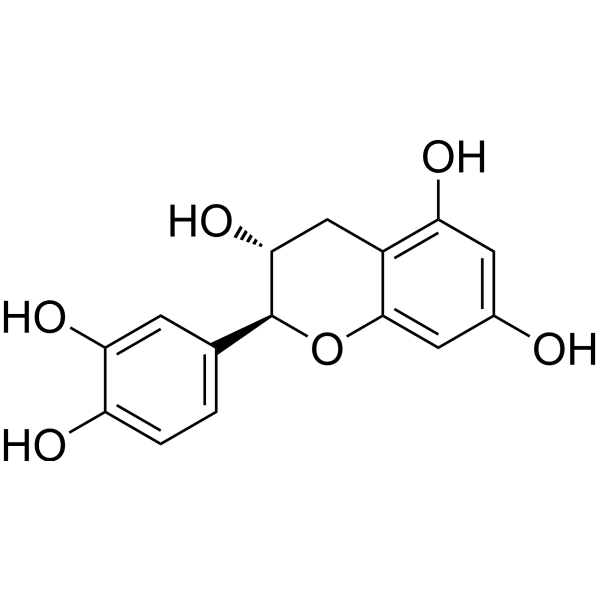
(-)-Catechin is Catechin's one kind of different structure. Catechin inhibitory enzyme-1 (COX-1), IC50 of 1.4 μM. (-)-Catechin promotes hBM-MSC adipose cell differentiation, increases fat cell differentiation, and PPARγ level .
loading...
    loading...
4
4 Cited Publications
Cat. No.: HY-15435
CAS No.: 75621-03-3
Purity:  99.91%
Research Areas:  

Others

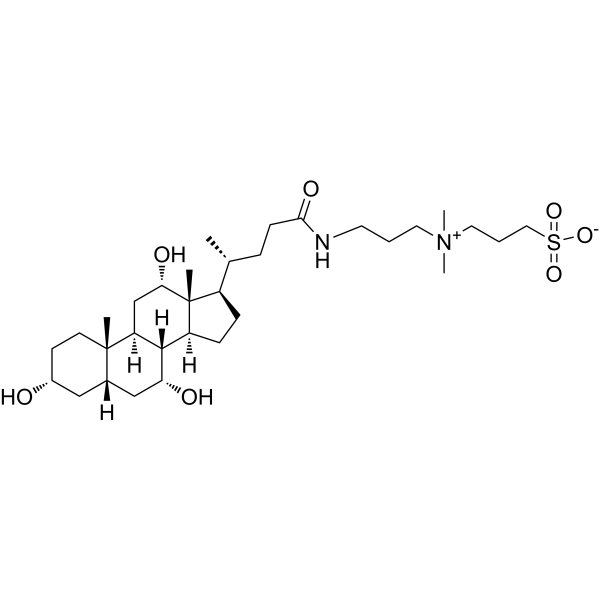
CHAPS is a cholic acid-derived, sulfobetaine-type zwitterionic detergent and micelle-forming agent. CHAPS exhibits properties of weak cationic or nonionic surfactants in different solution systems, undergoes micellization, and forms small, loose hydrophilic aggregates that are temperature-dependent. CHAPS stabilizes mononucleosomes under different ionic strengths, reduces nucleosome sequence specificity, promotes sliding of histone cores along DNA, solubilizes Tamm-Horsfall protein to reduce its interference with urinary exosome isolation, and maintains vesicle structure and the activity of related proteins at the same time. CHAPS is used to recover native folded fusion proteins, enhance the binding capacity of GST fusion proteins, and restore GST enzyme activity. However, CHAPS cannot refold proteins denatured by urea, guanidine hydrochloride or heat, nor can it construct the structure of intrinsically disordered proteins. CHAPS is commonly used in research on the separation and purification of membrane proteins .
loading...
    loading...
4
4 Cited Publications
Cat. No.: HY-15435A
CAS No.: 331717-45-4
Purity:  ≥98.0%
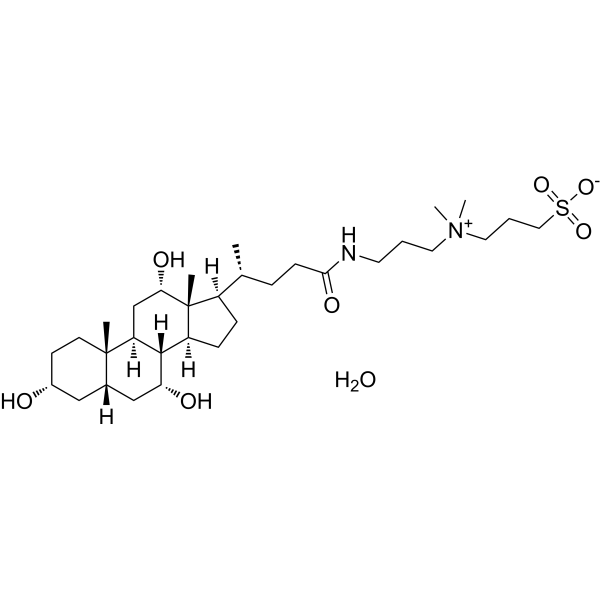
CHAPS hydrate is a cholic acid-derived, sulfobetaine-type zwitterionic detergent and micelle-forming agent. CHAPS hydrate exhibits properties of weak cationic or nonionic surfactants in different solution systems, undergoes micellization, and forms small, loose hydrophilic aggregates that are temperature-dependent. CHAPS hydrate stabilizes mononucleosomes under different ionic strengths, reduces nucleosome sequence specificity, promotes sliding of histone cores along DNA, solubilizes Tamm‑Horsfall protein to reduce its interference with urinary exosome isolation, and maintains vesicle structure and the activity of related proteins at the same time. CHAPS hydrate is used to recover native folded fusion proteins, enhance the binding capacity of GST fusion proteins, and restore GST enzyme activity. However, CHAPS hydrate cannot refold proteins denatured by urea, guanidine hydrochloride or heat, nor can it construct the structure of intrinsically disordered proteins. CHAPS hydrate is commonly used in research on the separation and purification of membrane proteins .
loading...
    loading...
4
4 Cited Publications
Cat. No.: HY-126477
CAS No.: 64091-91-4
Purity:  99.98%
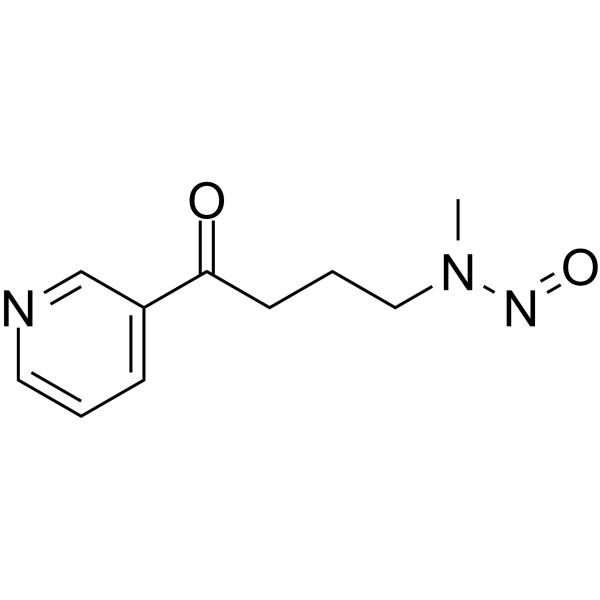
NNK is a nicotine-nitrosated derivative. NNK simultaneously stimulates Bcl2 phosphorylation exclusively at Ser 70 and c-Myc at Thr 58 and Ser 62 through activation of both ERK1/2 and PKCα . NNK induces survival and proliferation of human lung cancer cells. NNK can be used for lung cancer mice model structure .
loading...
    loading...
4
4 Cited Publications
Cat. No.: HY-D0971
CAS No.: 92-32-0
Synonyms: Pyronine G; C.I. 45005
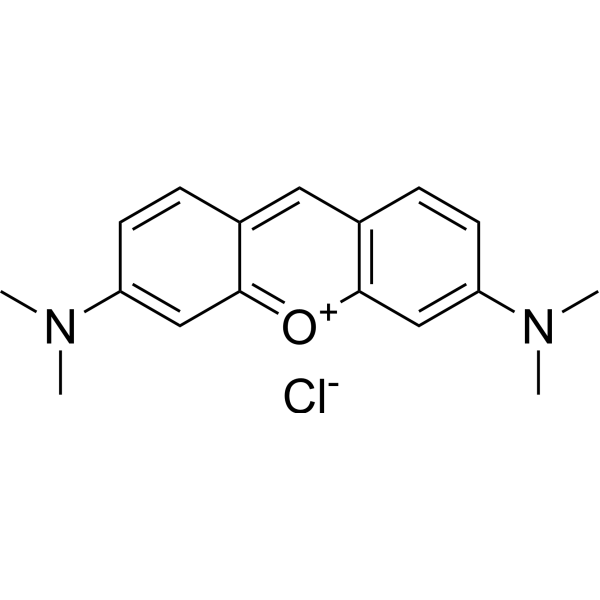
Pyronin Y (Pyronine G) is a cationic dye that intercalates RNA and has been used to target cell structures including RNA, DNA and organelles. Pyronin Y forms fluorescent complexes with double-stranded nucleic acids (especially RNA) enabling semi-quantitative analysis of cellular RNA. Pyronin Y can be used to identify specific RNA subspecies of ribonuclear proteins complexes in live cells .
loading...
    loading...
4
4 Cited Publications
Cat. No.: HY-P7041
Purity:  ≥ 95%, as determined by reducing SDS-PAGE.
Synonyms: IL33; DVS27-Related Protein; Prev. C9orf26; Chromosome 9 open Reading Frame 26 (NF-HEV); NF-HEV; Interleukin-1 Family, Member 11; IL1F11; Alternative Protein IL33; Interleukin-33; IL-1F11; DVS27; NFEHEV; Nuclear Factor From High Endothelial Venules; IL-33
Species:  
Human
Source:  
E. coli
loading...
    loading...
4
4 Cited Publications
Cat. No.: HY-120821
CAS No.: 1839524-44-5
Purity:  99.17%
Synonyms: ES2
Target:  

Exosomes

Research Areas:  

Others

Endosidin-2 (ES2) is a selective inhibitor targeting the conserved exosome subunit EXO70. Endosidin-2 binds to the C-terminal domain of EXO70, inhibiting exocytosis and endosomal recycling, while promoting vacuolar trafficking in plant cells. Endosidin-2 interferes with the EXO70-mediated vesicle-to-plasma membrane anchoring process, leading to abnormal aggregation of auxin transporters (such as PIN2) in the cytoplasm and redirected to vacuolar degradation, while causing abnormal Golgi structure (such as cup-shaped or ring-shaped vesicles cisternae formation). Endosidin-2 can inhibit exocytosis in plant and mammalian cells and is mainly used to study the dynamic regulation of membrane trafficking (such as polar growth, vesicle sorting) .
loading...
    loading...
4
4 Cited Publications
Cat. No.: HY-N0772
CAS No.: 24699-16-9
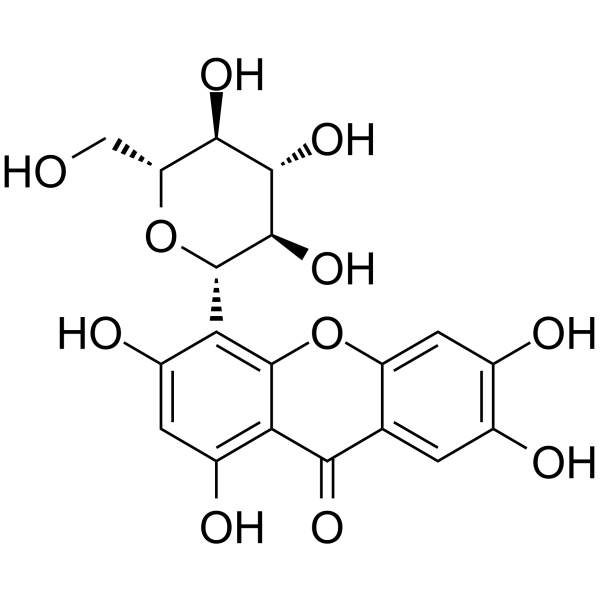
Isomangiferin is an orally active xanthone C-glucoside, and its chemical structure is similar to Mangiferin (HY-N0290). Isomangiferin is an effective VEGFR-2 kinase inhibitor, which can induces cell apoptosis, inhibit the growth, metastasis and angiogenesis of breast cancer. Isomangiferin exerts anti-inflammatory effects by inhibiting the HMGB1/NLRP3/NF-κB signaling pathway, thereby improving the renal function indicators of diabetic mice. Isomangiferin exhibits inhibitory effects on various bacteria and herpes simplex virus type 1 (HSV-1). Isomangiferin promotes the migration and osteogenic differentiation of bone marrow mesenchymal stem cells (BMSCs) and reduces cell apoptosis and the production of ROS by activating the AMPK/ACC pathway, thereby facilitating fracture healing .
loading...
    loading...
3
3 Cited Publications
Cat. No.: HY-DY3001
Glutaraldehyde Fixative (2.5%, For Electron Microscopy) is composed of glutaraldehyde, phosphate, deionized water, etc., with a pH range of 7.2-7.4. This fixative is effective in fixing fine structures of cell nuclei and cytoplasm and is commonly used for fixing electron microscopy specimens.
loading...
    loading...

