
1268 Results for "

DNA-induced aggregation

" in MedChemExpress (MCE) Product Catalog:
Products (1268)

1268 Results for "DNA-induced aggregation" in MCE Product Catalog:

5
5 Cited Publications
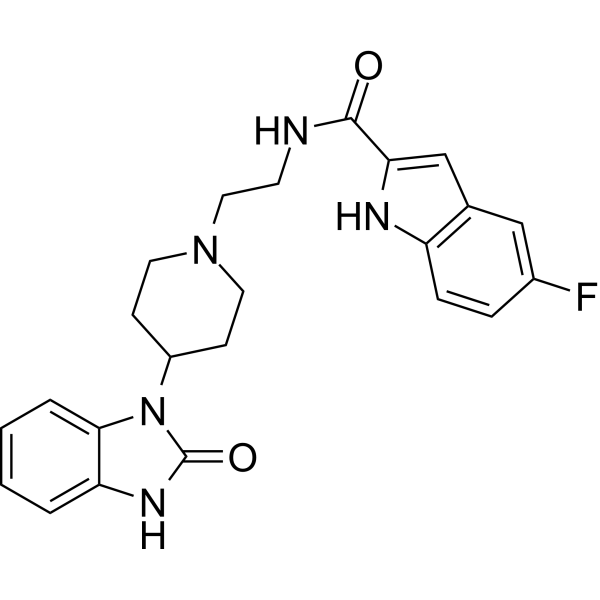
Cat. No.: HY-12807
CAS No.: 939055-18-2
Purity:  98.00%
Synonyms: 5-Fluoro-2-indolyl deschlorohalopemide
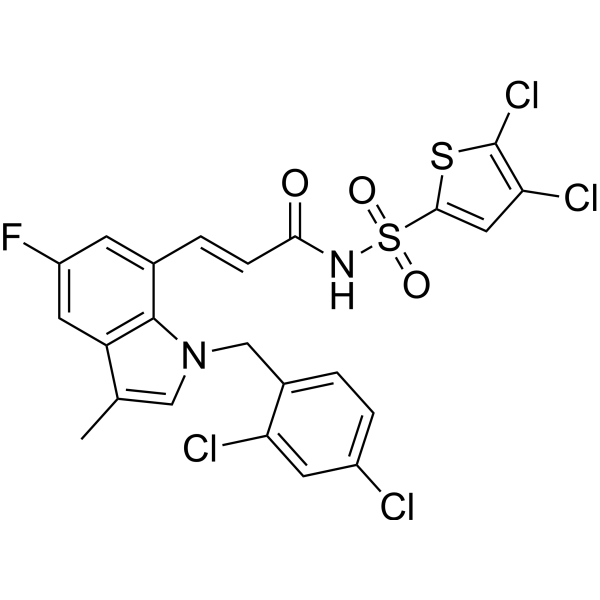
FIPI is a phospholipase D (PLD) inhibitor with an IC50 for PLD1 and PLD2 of about 25 nM. FIPI regulates cytoskeletal recombination, cell diffusion and chemotaxis. FIPI can be used in cancer research. In addition, FIPI can enhance the secretion and aggregation of platelet dense particles, inhibit thrombosis, reduce ischemic stroke infarct volume and improve nerve function .
loading...
    loading...
5
5 Cited Publications
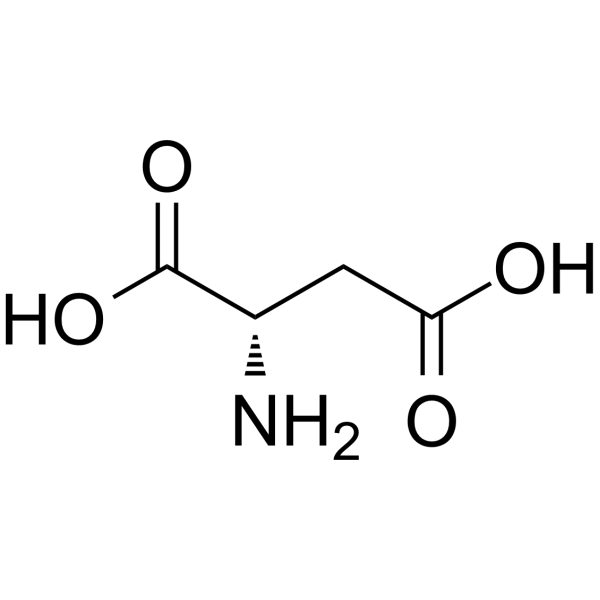
Cat. No.: HY-N0666
CAS No.: 56-84-8
L-Aspartic acid is a NMDA receptor agonist and acidic amino acid. L-Aspartic acid has no independent analgesic activity. L-Aspartic acid can antagonize the analgesic effects of D-Aspartic acid and Morphine. L-Aspartic acid regulates polymorph transformation, crystal growth/aggregation and nucleation processes of calcium carbonate, and can serve as a biomineralization template. L-Aspartic acid promotes burst firing of central neurons. L-Aspartic acid can be used in studies related to cerebral ischemia and epilepsy .
loading...
    loading...
5
5 Cited Publications
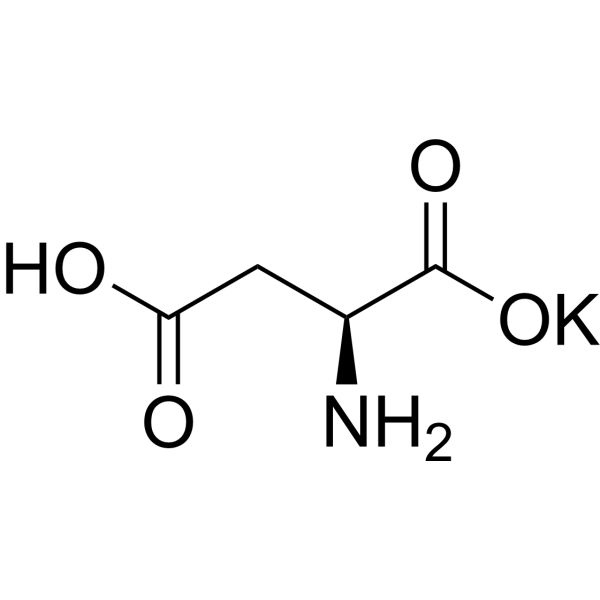
Cat. No.: HY-N0666A
CAS No.: 1115-63-5
L-Aspartic acid potassium (potassium L-aspartate) is a NMDA receptor agonist and acidic amino acid. L-Aspartic acid potassium has no independent analgesic activity. L-Aspartic acid potassium can antagonize the analgesic effects of D-Aspartic acid and Morphine. L-Aspartic acid potassium regulates polymorph transformation, crystal growth/aggregation and nucleation processes of calcium carbonate, and can serve as a biomineralization template. L-Aspartic acid potassium promotes burst firing of central neurons. L-Aspartic acid potassium can be used in studies related to cerebral ischemia and epilepsy .
loading...
    loading...
5
5 Cited Publications
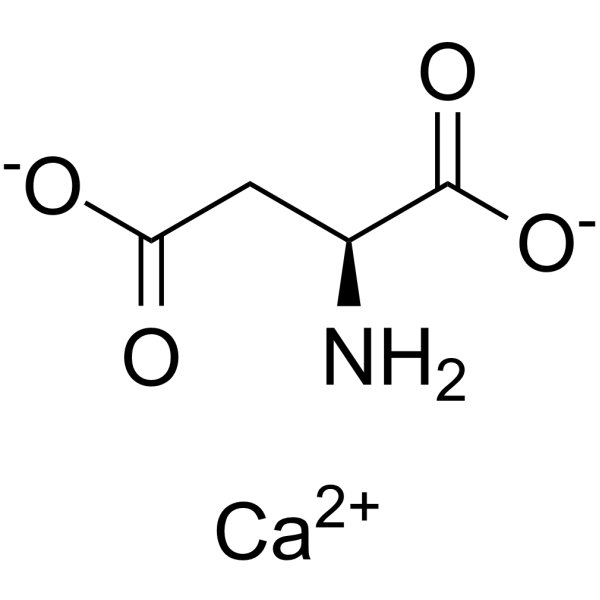
Cat. No.: HY-N0666B
CAS No.: 10389-09-0
Synonyms: Calcium L-aspartate
Aspartic acid calcium (calcium L-aspartate) is a NMDA receptor agonist and acidic amino acid. Aspartic acid calcium has no independent analgesic activity. Aspartic acid calcium can antagonize the analgesic effects of D-Aspartic acid and Morphine. Aspartic acid calcium regulates polymorph transformation, crystal growth/aggregation and nucleation processes of calcium carbonate, and can serve as a biomineralization template. Aspartic acid calcium promotes burst firing of central neurons. Aspartic acid calcium can be used in studies related to cerebral ischemia and epilepsy .
loading...
    loading...
5
5 Cited Publications
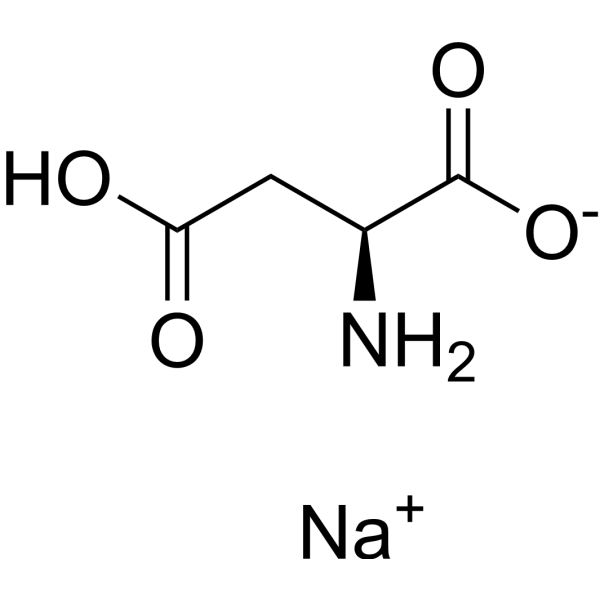
Cat. No.: HY-N0666C
CAS No.: 3792-50-5
Synonyms: Sodium L-aspartate
L-Aspartic acid sodium (Sodium L-aspartate) is a NMDA receptor agonist and acidic amino acid. L-Aspartic acid sodium has no independent analgesic activity. L-Aspartic acid sodium can antagonize the analgesic effects of D-Aspartic acid and Morphine. L-Aspartic acid sodium regulates polymorph transformation, crystal growth/aggregation and nucleation processes of calcium carbonate, and can serve as a biomineralization template. L-Aspartic acid sodium promotes burst firing of central neurons. L-Aspartic acid sodium can be used in studies related to cerebral ischemia and epilepsy .
loading...
    loading...
5
5 Cited Publications
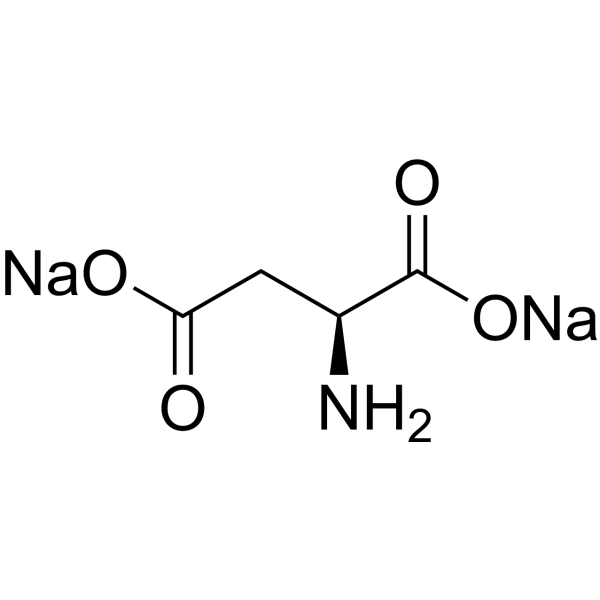
Cat. No.: HY-N0666D
CAS No.: 5598-53-8
Synonyms: Disodium L-aspartate
L-Aspartic acid disodium (disodium L-aspartate) is a NMDA receptor agonist and acidic amino acid. L-Aspartic acid disodium has no independent analgesic activity. L-Aspartic acid disodium can antagonize the analgesic effects of D-Aspartic acid and Morphine. L-Aspartic acid disodium regulates polymorph transformation, crystal growth/aggregation and nucleation processes of calcium carbonate, and can serve as a biomineralization template. L-Aspartic acid disodium promotes burst firing of central neurons. L-Aspartic acid disodium can be used in studies related to cerebral ischemia and epilepsy .
loading...
    loading...
5
5 Cited Publications
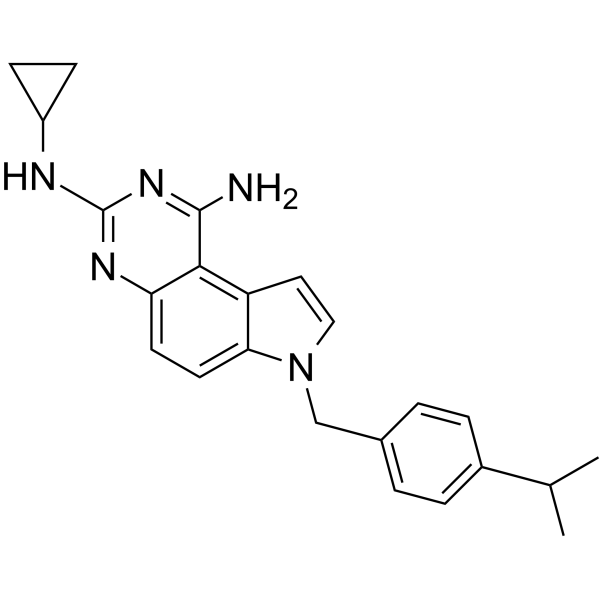
Cat. No.: HY-14993
CAS No.: 245520-69-8
Purity:  99.74%
SCH79797 is a highly potent, selective nonpeptide protease activated receptor 1 (PAR1) antagonist. SCH79797 inhibits binding of a high-affinity thrombin receptor-activating peptide to PAR1 with an IC50 of 70 nM and a Ki of 35 nM. SCH79797 inhibits thrombin-induced platelet aggregation with an IC50 of 3 μM. SCH79797 has antiproliferative and pro-apoptotic effects, and limits myocardial ischemia/reperfusion injury in rat hearts. SCH79797 also potently prevents PAR1 activation in vascular smooth muscle cells, endothelial cells, and astrocytes .
loading...
    loading...
5
5 Cited Publications
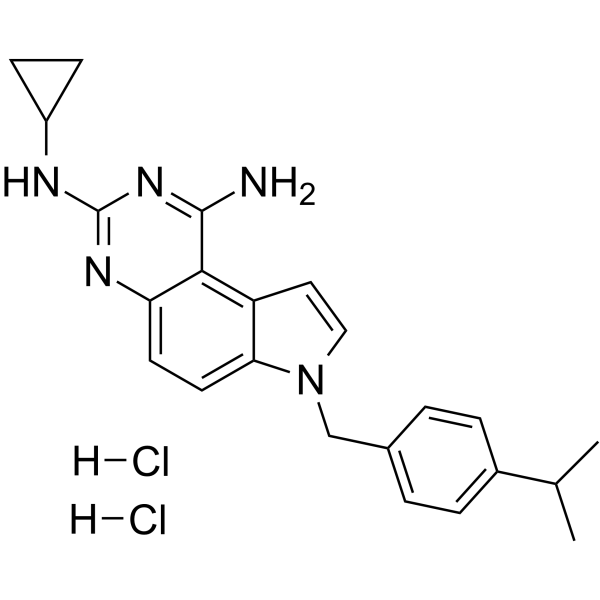
Cat. No.: HY-14994
CAS No.: 1216720-69-2
Purity:  99.91%
SCH79797 dihydrochloride is a highly potent, selective nonpeptide protease activated receptor 1 (PAR1) antagonist. SCH79797 dihydrochloride inhibits binding of a high-affinity thrombin receptor-activating peptide to PAR1 with an IC50 of 70 nM and a Ki of 35 nM. SCH79797 dihydrochloride inhibits thrombin-induced platelet aggregation with an IC50 of 3 μM. SCH79797 dihydrochloride has antiproliferative and pro-apoptotic effects, and limits myocardial ischemia/reperfusion injury in rat hearts. SCH79797 dihydrochloride also potently prevents PAR1 activation in vascular smooth muscle cells, endothelial cells, and astrocytes .
loading...
    loading...
5
5 Cited Publications
Cat. No.: HY-P1956
CAS No.: 70024-90-7
Synonyms: Human serum albumin
HSA Protein (Human serum albumin) is the most abundant protein in plasma and is a major determinant of plasma oncotic pressure. HSA Protein exhibits antioxidant, anticoagulant, anti-inflammatory, anti-platelet aggregation activities as well as colloid osmotic action. HSA Protein can block the inhibitory effect of GML on human T cells, providing protective function for T cells. HSA Protein is also associated with cardiovascular diseases and can partially prevent the LPS (HY-D1056) induced oxidative stress, as well as the upregulation of NF-κB, NF-κB, and peroxynitrite (ONOO -) in the vascular wall, contributing to the reduction of blood pressure .
This product is recombinant HSA Protein expressed in a microbial expression system.
loading...
    loading...
4
4 Cited Publications
Cat. No.: HY-N4213
CAS No.: 163047-21-0
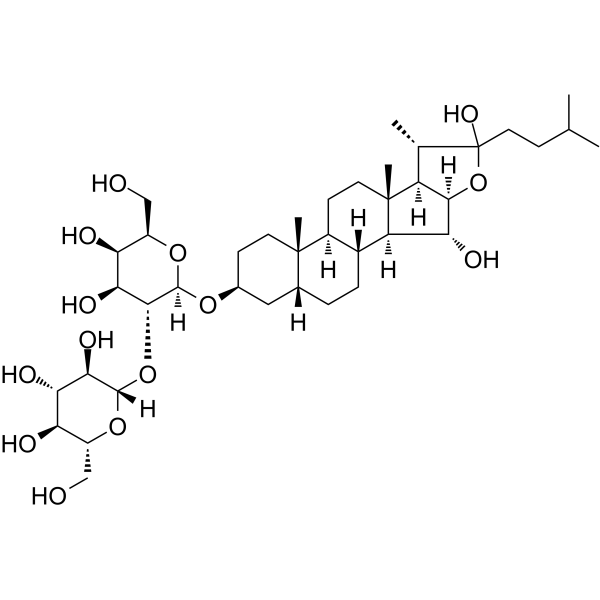
Anemarrhenasaponin I, a traditional Chinese medicine, shows remarkable inhibiting effect on platelet aggregation.
loading...
    loading...
4
4 Cited Publications
Cat. No.: HY-N0375
CAS No.: 1449-05-4
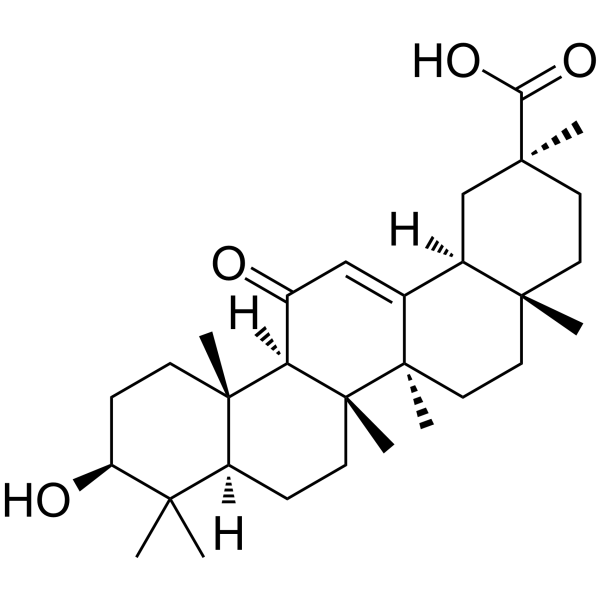
18α-Glycyrrhetinic acid, a diet-derived compound, is an inhibitor of NF-kB and an activator of proteasome, which serves as pro-longevity and anti-aggregation factor in a multicellular organism. 18α-Glycyrrhetinic acid induces apoptosis .
loading...
    loading...
4
4 Cited Publications
Cat. No.: HY-W020033
CAS No.: 79-63-0
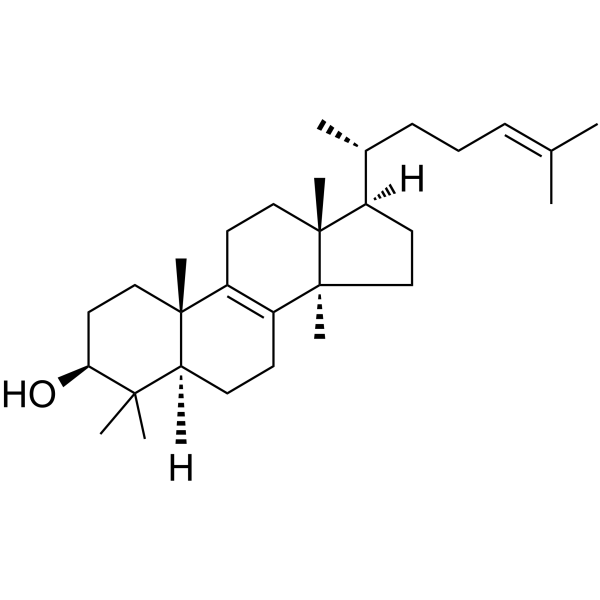
Lanosterol is an intermediate of cholesterol synthesis and use of lanosterol induces ubiquitination and degradation of a rate-controlling enzyme of cholesterol synthesis, i.e., HMG CoA reductase. Lanosterol suppresses the aggregation and cytotoxicity of misfolded proteins linked with neurodegenerative diseases .
loading...
    loading...
4
4 Cited Publications
Cat. No.: HY-19638A
CAS No.: 163706-36-3
Synonyms: AR-C69931MX tetrasodium
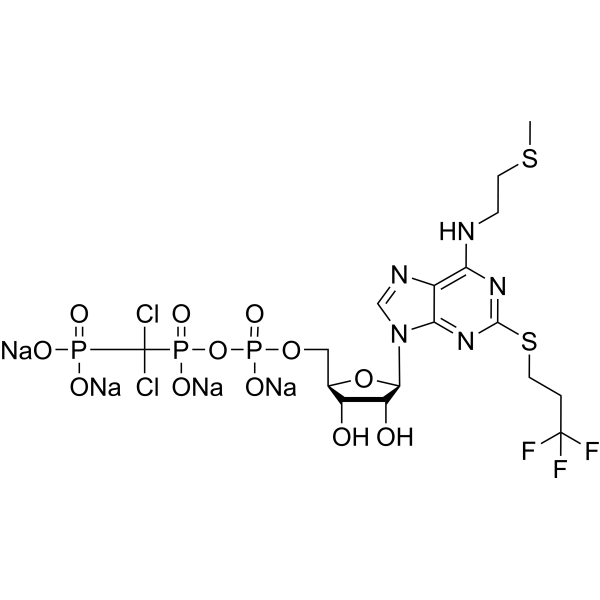
Cangrelor tetrasodium, an adenosine triphosphate analogue, is a reversible and selective platelet P2Y12 antagonist, with prompt and potent antiplatelet effects. Cangrelor tetrasodium directly blocks adenosine diphosphate (ADP)-induced activation and aggregation of platelets. Cangrelor tetrasodium is also a nonspecific GPR17 antagonist .
loading...
    loading...
4
4 Cited Publications
Cat. No.: HY-B0512
CAS No.: 127-79-7
Synonyms: RP2632
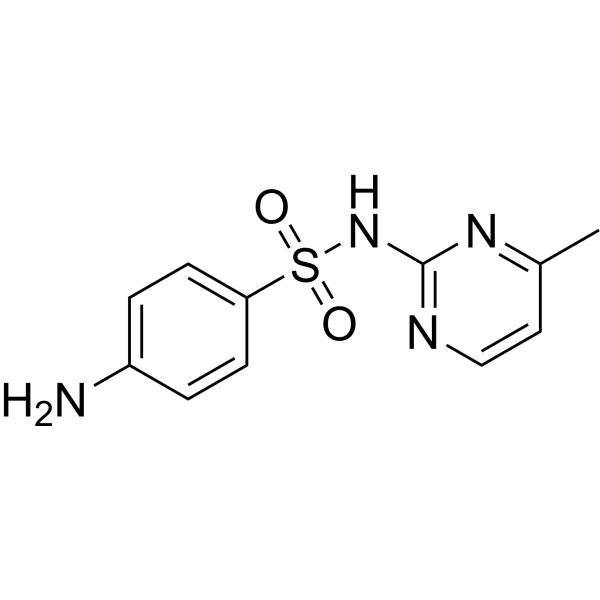
Sulfamerazine (RP2632) is a brain-penetrant and orally active sulfonamide antibiotic and α-synuclein inhibitor with human α-synuclein KD of 352 μM. Sulfamerazine inhibits the synthesis of dihydrofolate by bacteria, thereby inhibiting bacterial growth. Sulfamerazine inhibits α-synuclein fibrillation, reduces α-synuclein aggregation-associated toxicity and α-synuclein aggregate accumulation. Sulfamerazine can be used for the research of Parkinson’s disease and bacterial infection .
loading...
    loading...
4
4 Cited Publications
Cat. No.: HY-120821
CAS No.: 1839524-44-5
Purity:  99.17%
Synonyms: ES2
Target:  

Exosomes

Research Areas:  

Others

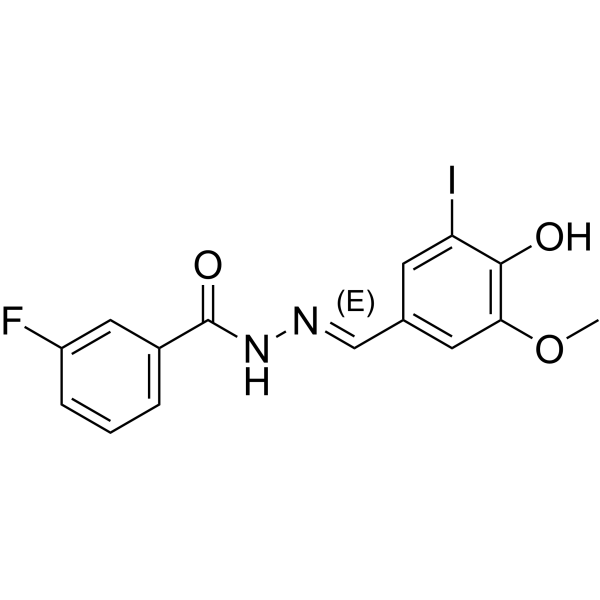
Endosidin-2 (ES2) is a selective inhibitor targeting the conserved exosome subunit EXO70. Endosidin-2 binds to the C-terminal domain of EXO70, inhibiting exocytosis and endosomal recycling, while promoting vacuolar trafficking in plant cells. Endosidin-2 interferes with the EXO70-mediated vesicle-to-plasma membrane anchoring process, leading to abnormal aggregation of auxin transporters (such as PIN2) in the cytoplasm and redirected to vacuolar degradation, while causing abnormal Golgi structure (such as cup-shaped or ring-shaped vesicles cisternae formation). Endosidin-2 can inhibit exocytosis in plant and mammalian cells and is mainly used to study the dynamic regulation of membrane trafficking (such as polar growth, vesicle sorting) .
loading...
    loading...
3
3 Cited Publications
Cat. No.: HY-10835
CAS No.: 861238-35-9
Purity:  99.61%
Research Areas:  

Cardiovascular Disease

DG-041 is a potent, high affinity and selective EP3 receptor antagonist with IC50s of 4.6 nM and 8.1 nM in the binding and FLIPR assay, respectively. DG-041 inhibits PGE2 facilitation of platelet aggregation. DG-041 crosses the blood-brain barrier .
loading...
    loading...
3
3 Cited Publications
Cat. No.: HY-P3414A
Target:  

Proteasome

Research Areas:  

Neurological Disease

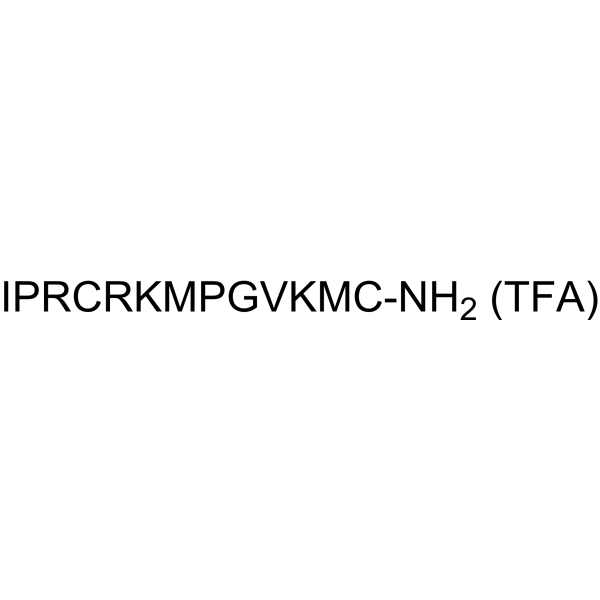
Proteasome-activating peptide 1 TFA is a peptide and a potent proteasome activator. Proteasome-activating peptide 1 TFA increases the chymotrypsin-like proteasomal catalytic activity and, consequently, proteolytic rates both in vitro and in culture. Proteasome-activating peptide 1 TFA prevents protein aggregation in a cellular model of amyotrophic lateral sclerosis .
loading...
    loading...
3
3 Cited Publications
Cat. No.: HY-B0523
CAS No.: 68475-42-3
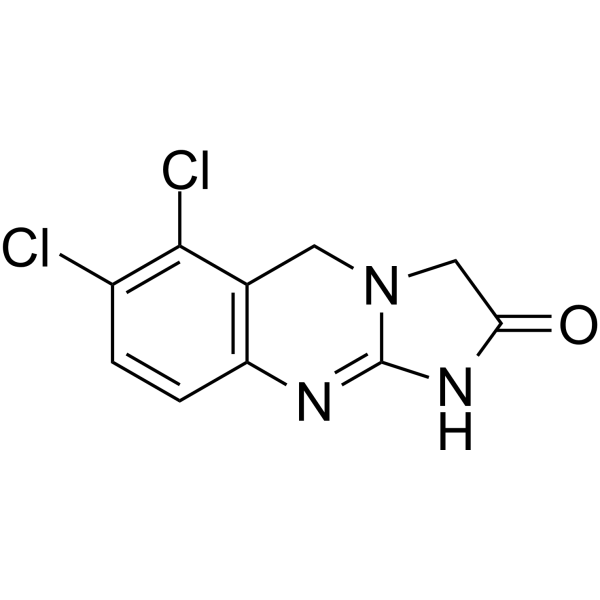
Anagrelide is a potent inhibitor of phosphodiesterase type III (PDE3) (IC50=36 nM). Anagrelide, an imidazoquinazoline derivative, acts as an inhibitor of platelet aggregation. Anagrelide inhibits bone marrow megakaryocytopoiesis. Anagrelide decreases gastrointestinal stromal tumor (GIST) cell proliferation and promotes their apoptosis in vitro. Anagrelide is a platelet-lowering agent and plays in the antithrombopoietic action .
loading...
    loading...
3
3 Cited Publications
Cat. No.: HY-B0523A
CAS No.: 58579-51-4
Synonyms: BL4162A
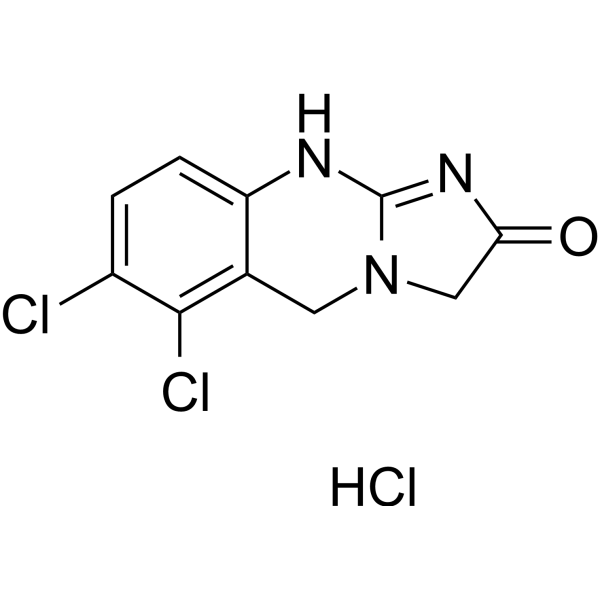
Anagrelide hydrochloride (BL4162A) is a potent inhibitor of phosphodiesterase type III (PDE3) (IC50=36 nM). Anagrelide hydrochloride, an imidazoquinazoline derivative, acts as an inhibitor of platelet aggregation. Anagrelide hydrochloride inhibits bone marrow megakaryocytopoiesis. Anagrelide hydrochloride decreases gastrointestinal stromal tumor (GIST) cell proliferation and promotes their apoptosis in vitro. Anagrelide hydrochloride is a platelet-lowering agent and plays in the antithrombopoietic action .
loading...
    loading...
3
3 Cited Publications
Cat. No.: HY-P0074
CAS No.: 67869-62-9
Synonyms: Gly-Pro-Arg-Pro; Pefa 6003
Target:  

Thrombin

Research Areas:  

Cardiovascular Disease

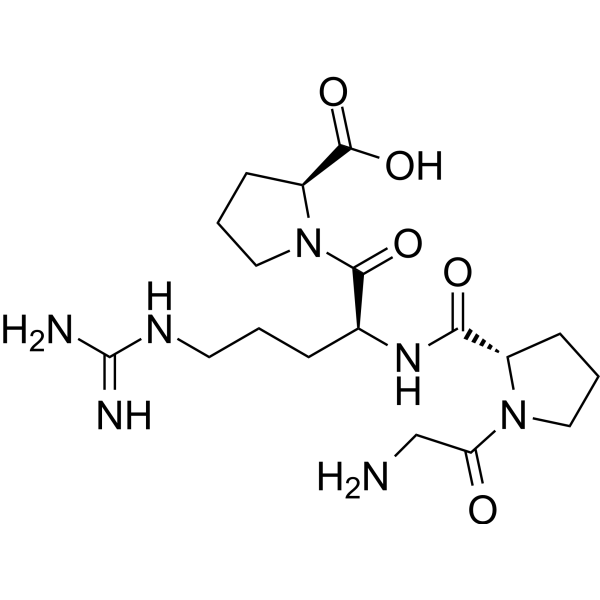
GPRP (Gly-Pro-Arg-Pro; Pefa 6003) is a fibrin polymerization inhibitor that inhibits the interaction between fibrinogen and the platelet membrane glycoprotein Ⅱb/IIIa complex (glycoprotein IIb/IIIa receptor) . GPRP increases the level of free thrombin in activated platelet-rich plasma by reducing the adsorption of thrombin onto fibrin. GPRP inhibits platelet aggregation and prolongs the thrombin-initiated clotting time in plasma. GPRP is applicable for research related to thrombosis and thrombotic diseases .
loading...
    loading...

