3978 Results for "

Cell proteins

" in MedChemExpress (MCE) Product Catalog:
Products (3978)

3978 Results for "Cell proteins" in MCE Product Catalog:

62
62 Cited Publications
Cat. No.: HY-134813
CAS No.: 2621928-55-8
Purity:  99.97%
Target:  

Ras

Research Areas:  

Cancer

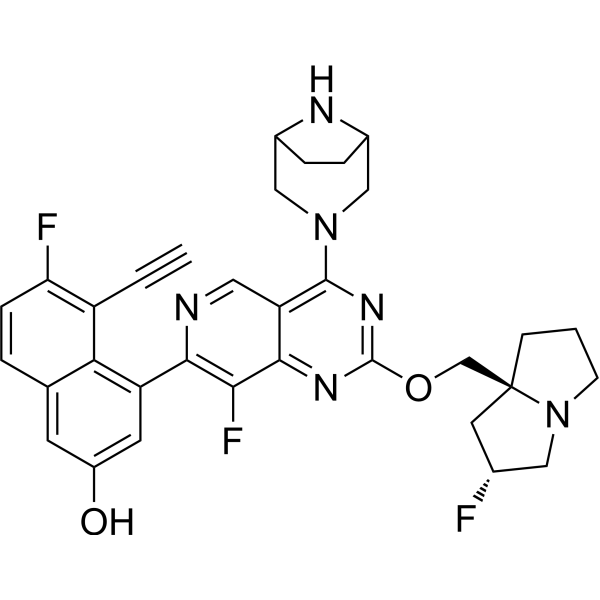
MRTX1133 is a noncovalent, potent, and selective alkyne-based KRAS G12D inhibitor. MRTX1133 optimally fills the switch II pocket and extends three substituents to favorably interact with the protein, resulting in an estimated KD against KRAS G12D of 0.2 pM. MRTX1133 prevents SOS1-catalyzed nucleotide exchange and/or formation of the KRAS G12D/GTP/RAF1 complex, thereby inhibiting mutant KRAS-dependent signal transduction. MRTX1133 selectively inhibits KRAS G12D mutant, but not KRAS wild-type, tumor cells. MRTX1133 has single digit nanomolar activity in cellular assays and marked in vivo efficacy in tumor models harboring KRAS G12D mutations .
loading...
    loading...
61
61 Cited Publications
Cat. No.: HY-134653
CAS No.: 168649-23-8
Purity:  99.51%
Research Areas:  

Cancer

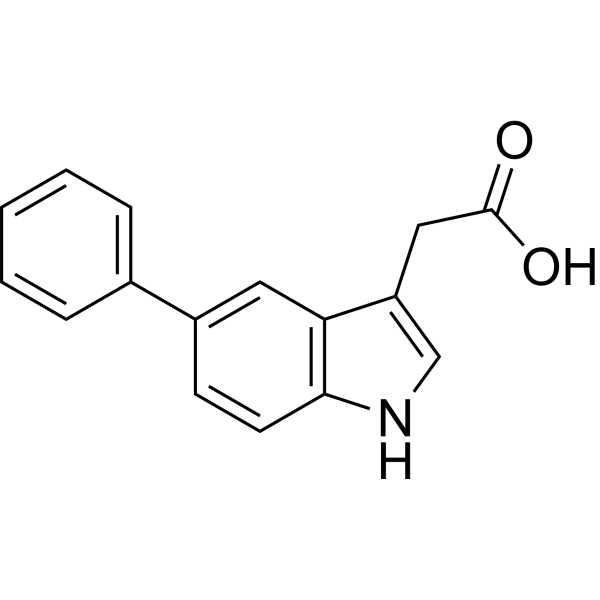
5-Ph-IAA is a derivative of IAA. 5-Ph-IAA, a ligand, establishes the auxin-inducible degron 2 (AID2) system together with an OsTIR1 (F74G) mutant. AID2 induces rapid and efficient depletion of mAID-fused proteins to study protein function in living cells, causing tumor suppression .
loading...
    loading...
61
61 Cited Publications
Cat. No.: HY-15989
CAS No.: 957135-43-2
Target:  

IAP Apoptosis

Research Areas:  

Cancer

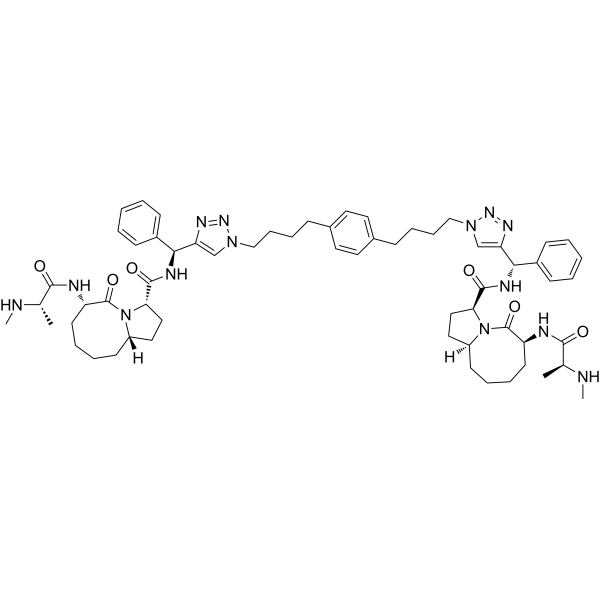
SM-164 is a cell-permeable Smac mimetic compound. SM-164 binds to XIAP protein containing both the BIR2 and BIR3 domains with an IC50 value of 1.39 nM and functions as an extremely potent antagonist of XIAP.
loading...
    loading...
61
61 Cited Publications
Cat. No.: HY-15989A
CAS No.: 2734174-02-6
Target:  

IAP Apoptosis

Research Areas:  

Cancer

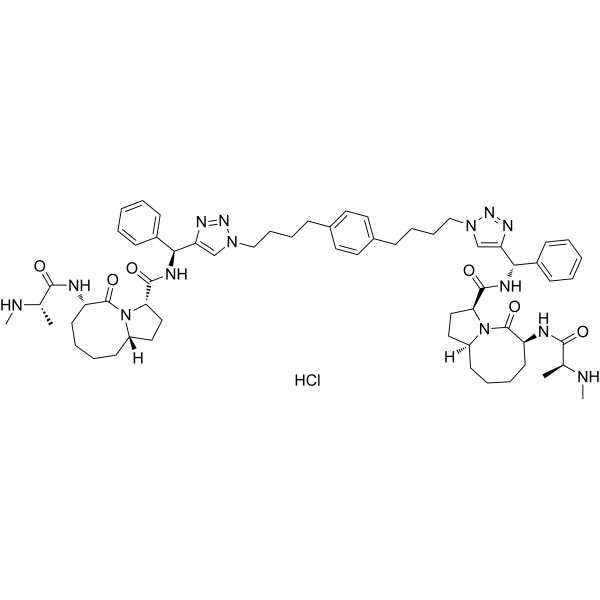
SM-164 hydrochloride is a cell-permeable Smac mimetic compound. SM-164 binds to XIAP protein containing both the BIR2 and BIR3 domains with an IC50 value of 1.39 nM and functions as an extremely potent antagonist of XIAP.
loading...
    loading...
57
57 Cited Publications
Cat. No.: HY-14452
CAS No.: 125256-00-0
Purity:  99.85%
Synonyms: 125B11
Research Areas:  

Cancer

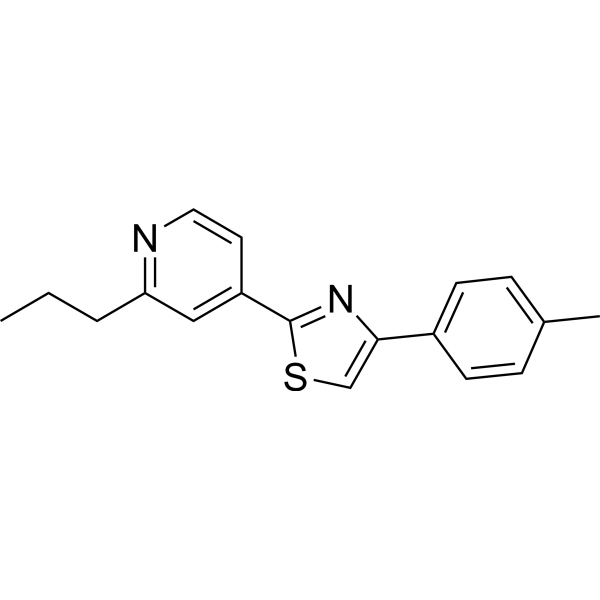
Fatostatin (125B11), a specific inhibitor of SREBP activation, impairs the activation of SREBP-1 and SREBP-2. Fatostatin binds to SCAP (SREBP cleavage-activating protein), and inhibits the ER-Golgi translocation of SREBPs. Fatostatin decreases the transcription of lipogenic genes in cells. Fatostatin possesses antitumor properties, and lowers hyperglycemia in ob/ob mice .
loading...
    loading...
57
57 Cited Publications
Cat. No.: HY-123606
CAS No.: 1652629-23-6
GSK484 is a PAD4 inhibitor that effectively inhibits protein citrullination and the formation of neutrophil extracellular traps (NETs) by blocking the catalytic activity of PAD4. GSK484 suppresses the production of histone H3, MHC-I expression, CD8 + T cell activation, proliferation and inflammatory cytokine release. GSK484 reduces inflammation and bone destruction in collagen-induced rheumatoid arthritis, alleviates pain and mast cell activation in sickle cell disease, and improves myocardial ischemia-reperfusion injury and experimental colitis. In addition, GSK484 restores intestinal microbial homeostasis by reversing ferroptosis-induced dysbiosis. GSK484 can be used to study the disease mechanisms of rheumatoid arthritis, sickle cell disease, thrombosis, myocardial injury, colitis and other conditions .
loading...
    loading...
57
57 Cited Publications
Cat. No.: HY-14452A
CAS No.: 298197-04-3
Purity:  99.52%
Synonyms: 125B11 hydrobromide
Research Areas:  

Cancer

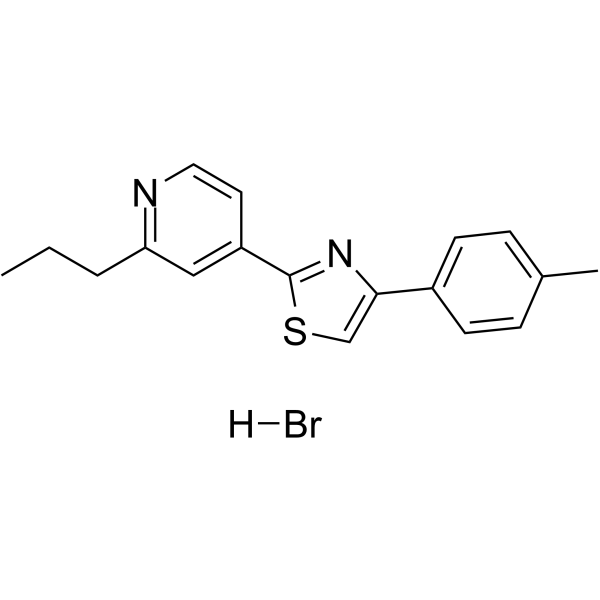
Fatostatin hydrobromide (125B11 hydrobromide), a specific inhibitor of SREBP activation, impairs the activation of SREBP-1 and SREBP-2. Fatostatin hydrobromide binds to SCAP (SREBP cleavage-activating protein), and inhibits the ER-Golgi translocation of SREBPs. Fatostatin hydrobromide decreases the transcription of lipogenic genes in cells. Fatostatin hydrobromide possesses antitumor properties, and lowers hyperglycemia in ob/ob mice .
loading...
    loading...
57
57 Cited Publications
Cat. No.: HY-13328
CAS No.: 1224844-38-5
Purity:  99.63%
Synonyms: INK-128; MLN0128; TAK-228
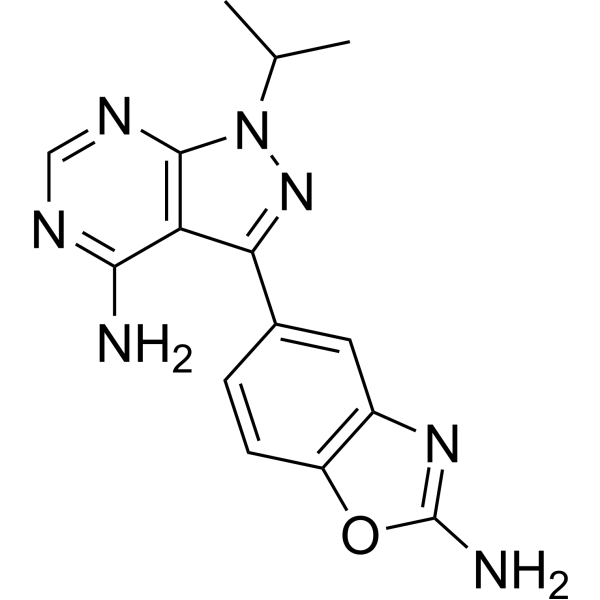
Sapanisertib (INK-128; MLN0128; TAK-228) is an orally active dual mTORC1/mTORC2 inhibitor. Sapanisertib directly and simultaneously inhibits mTORC1/2 activity through competitive binding with ATP, thereby comprehensively blocking downstream processes such as protein and lipid synthesis and cytoskeletal reorganization, consequently suppressing tumor cell proliferation and promoting apoptosis. Sapanisertib is applicable to research on melanoma, ovarian cancer, pulmonary fibrosis, and hematological malignancies .
loading...
    loading...
55
55 Cited Publications
Cat. No.: HY-13992
CAS No.: 195514-80-8
Purity:  99.85%
Synonyms: B/B Homodimerizer
Target:  

FKBP

Research Areas:  

Metabolic Disease

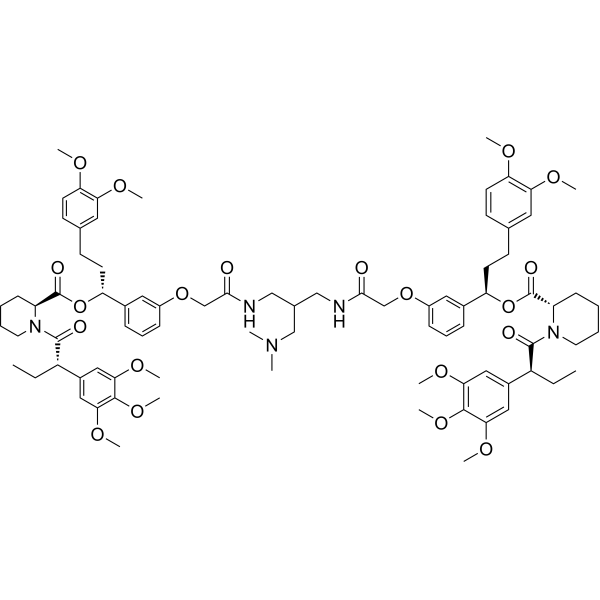
AP20187 (B/B Homodimerizer) is a cell-permeable ligand used to dimerize FK506-binding protein (FKBP) fusion proteins and initiate biological signaling cascades and gene expression or disrupt protein-protein interactions.
loading...
    loading...
53
53 Cited Publications
Cat. No.: HY-B0764
CAS No.: 16980-89-5
Synonyms: Dibutyryl cAMP sodium; DBcAMP sodium
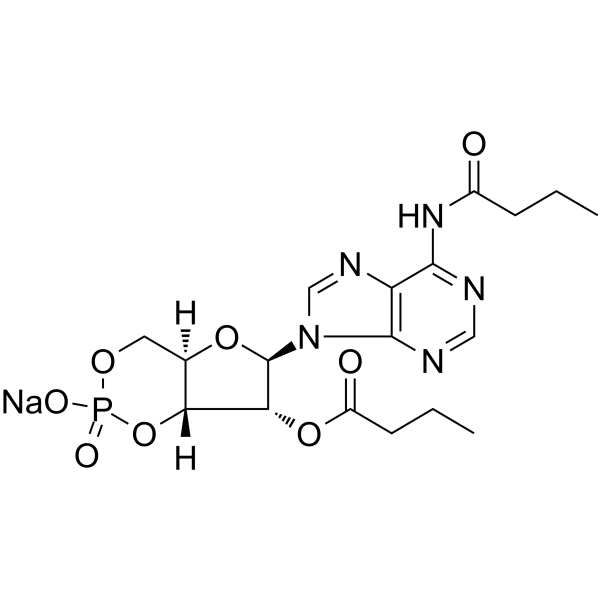
Bucladesine (Dibutyryl cAMP; DBcAMP) sodium is a membrane-permeable 3′, 5′-cyclic adenosine monophosphate (cAMP) analog. Bucladesine selectively activates cAMP dependent protein kinase (PKA) by increasing the intracellular level of cAMP. Bucladesine significantly attenuates MDMA-induced increases in hippocampal mitochondrial ROS formation, mitochondrial outer membrane damage, cytochrome c release, and hippocampal ADP/ATP ratio, thereby improving spatial learning and memory impairments. Bucladesine exhibit anti-nociceptive and anti-inflammation effect. Bucladesine can inhibit cancer cells proliferation, induce apoptosis. Bucladesine can be used for the researches of neurological disease, cancer, inflammation .
loading...
    loading...
53
53 Cited Publications
Cat. No.: HY-B0764A
CAS No.: 938448-87-4
Synonyms: Dibutyryl cAMP hemicalcium; DBcAMP hemicalcium
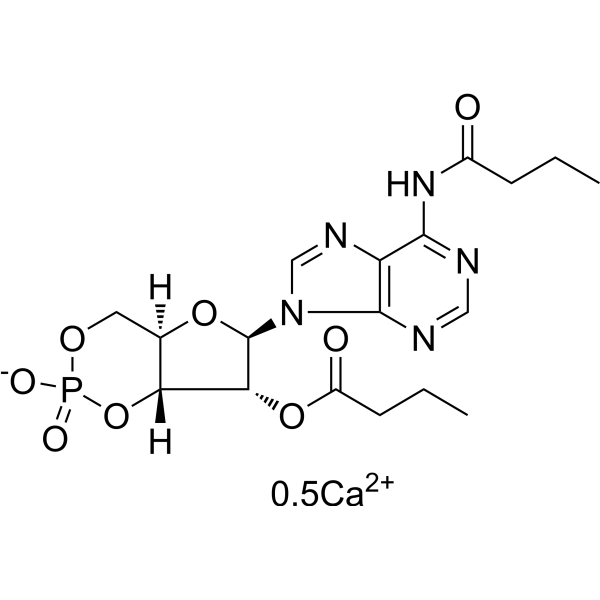
Bucladesine (Dibutyryl cAMP; DBcAMP) hemicalcium is a membrane-permeable 3′, 5′-cyclic adenosine monophosphate (cAMP) analog. Bucladesine selectively activates cAMP dependent protein kinase (PKA) by increasing the intracellular level of cAMP. Bucladesine significantly attenuates MDMA-induced increases in hippocampal mitochondrial ROS formation, mitochondrial outer membrane damage, cytochrome c release, and hippocampal ADP/ATP ratio, thereby improving spatial learning and memory impairments. Bucladesine exhibit anti-nociceptive and anti-inflammation effect. Bucladesine can inhibit cancer cells proliferation, induce apoptosis. Bucladesine can be used for the researches of neurological disease, cancer, inflammation .
loading...
    loading...
52
52 Cited Publications
Cat. No.: HY-17439
CAS No.: 55721-31-8
Synonyms: Salinomycin sodium; Sodium salinomycin
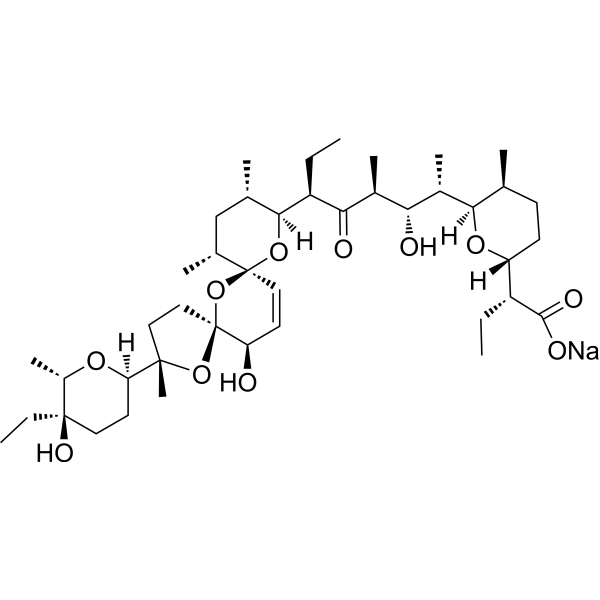
Salinomycin sodium salt (Salinomycin sodium), an antibiotic potassium ionophore, is a potent inhibitor of Wnt/β-catenin signaling. Salinomycin sodium salt acts on the Wnt/Fzd/LRP complex, blocks Wnt-induced LRP6 phosphorylation, and causes degradation of the LRP6 protein. Salinomycin sodium salt shows selective activity against human cancer stem cells .
loading...
    loading...
52
52 Cited Publications
Cat. No.: HY-15676
CAS No.: 1229705-06-9
Purity:  99.93%
Synonyms: RG7388
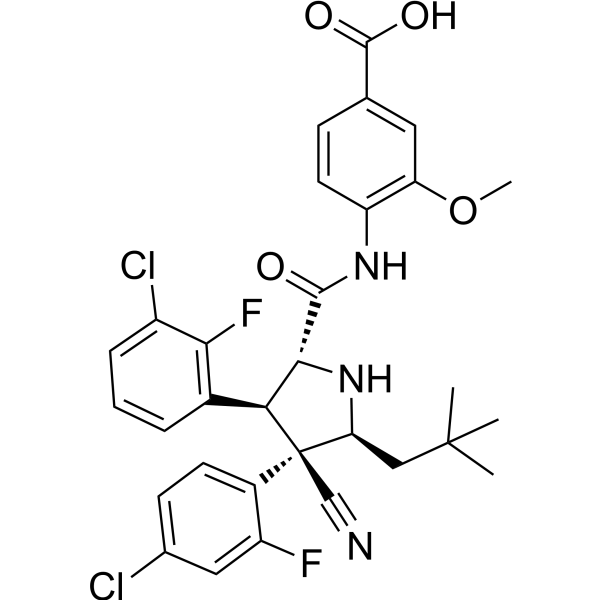
Idasanutlin (RG7388) is an orally bioavailable MDM2 inhibitor with an IC50 of 6 nM. Idasanutlin disrupts MDM2-p53 binding, stabilizes and activates p53, triggering cell cycle arrest, apoptosis, and reduced cancer cell viability. Idasanutlin reduces EGFR protein expression and phosphorylation, suppresses downstream SHP2, MEK1/2, ERK1/2, AKT, mTOR, p70(S6K1), and S6 signaling. Idasanutlin induces mitochondrial ROS production, drives p38 MAPK phosphorylation, upregulates NOXA, and mediates caspase-3-dependent apoptosis and gasdermin E-mediated pyroptosis. Idasanutlin can be used for the research of TP53-mutant non-small cell lung cancer, T-cell acute lymphoblastic leukemia, colorectal carcinoma, melanoma, diffuse large B-cell lymphoma, mantle cell lymphoma, non-Hodgkin lymphoma, severe fever with thrombocytopenia syndrome, neuroblastoma, acute lymphoblastic leukemia, relapsed or refractory acute myeloid leukemia, osteosarcoma, solid tumors, and hematological tumors .
loading...
    loading...
51
51 Cited Publications
Cat. No.: HY-119738
CAS No.: 1681056-61-0
Purity:  99.90%
Target:  

OGT Acyltransferase

Research Areas:  

Metabolic Disease

OSMI-1 is a cell-permeable O-GlcNAc transferase (OGT) inhibitor with an IC50 value of 2.7 μM. OSMI-1 inhibits protein O-linked N-acetylglucosamine (O-GlcNAcylation) in several mammalian cell lines without qualitatively altering cell surface N- or O-linked glycans .
loading...
    loading...
50
50 Cited Publications
Cat. No.: HY-13502
CAS No.: 65271-80-9
Purity:  99.58%
Synonyms: Mitozantrone; NSC 301739
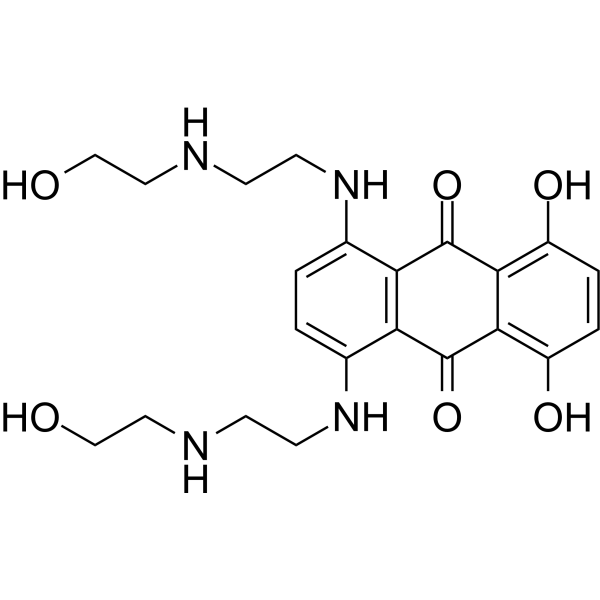
Mitoxantrone is a potent topoisomerase II inhibitor. Mitoxantrone also inhibits protein kinase C (PKC) activity with an IC50 of 8.5 μM. Mitoxantrone induces apoptosis of B-CLL (B-chronic lymphocytic leukaemia) cells. Mitoxantrone shows antitumor activity . Mitoxantrone also has anti-orthopoxvirus activity with EC50s of 0.25 μM and and 0.8 μM for cowpox and monkeypox, respectively .
loading...
    loading...
50
50 Cited Publications
Cat. No.: HY-13502A
CAS No.: 70476-82-3
Purity:  99.55%
Synonyms: Mitozantrone dihydrochloride; NSC 301739 dihydrochloride
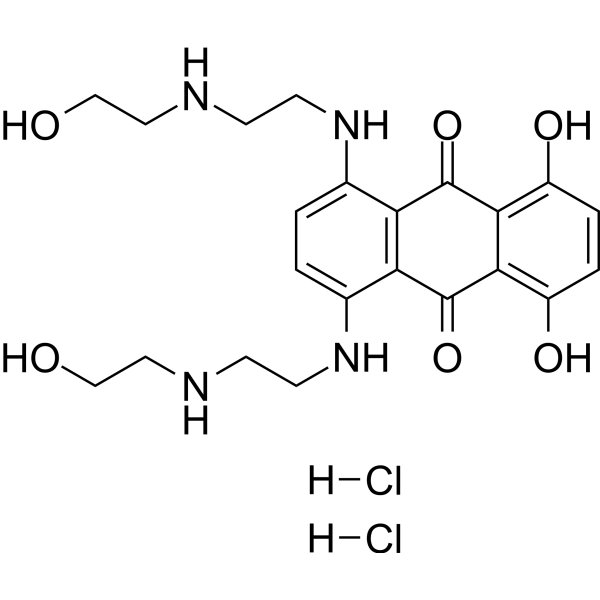
Mitoxantrone dihydrochloride is a potent topoisomerase II inhibitor. Mitoxantrone dihydrochloride also inhibits protein kinase C (PKC) activity with an IC50 of 8.5 μM. Mitoxantrone dihydrochloride induces apoptosis of B-CLL (B-chronic lymphocytic leukaemia) cells. Mitoxantrone dihydrochloride shows antitumor activity . Mitoxantrone dihydrochloride also has anti-orthopoxvirus activity with EC50s of 0.25 μM and and 0.8 μM for cowpox and monkeypox, respectively .
loading...
    loading...
49
49 Cited Publications
Cat. No.: HY-15205
CAS No.: 888216-25-9
Purity:  99.94%
Synonyms: STA-9090
Target:  

HSP Apoptosis

Research Areas:  

Cancer

Ganetespib (STA-9090) is a heat shock protein 90 (HSP90) inhibitor which exhibits potent cytotoxicity in a wide variety of hematological and solid tumor cell lines. Ganetespib has antiangiogenic effects in colorectal cancer mediated through inhibition of HIF-1α and STAT3 .
loading...
    loading...
48
48 Cited Publications
Cat. No.: HY-50662
CAS No.: 844499-71-4
Target:  

AMPK

Research Areas:  

Metabolic Disease

A-769662 is a AMP-activated protein kinase (AMPK) activator. A-769662 inhibits the function of the 26S proteasome by an AMPK-independent mechanism and leads to cell cycle arrest. A-769662 directly stimulates partially purified rat liver AMPK (EC50 = 0.8 μM) and inhibits fatty acid synthesis in primary rat hepatocytes (IC50 = 3.2 μM). A-769662 can alleviate the symptoms of metabolic diseases such as type 2 diabetes .
loading...
    loading...
47
47 Cited Publications
Cat. No.: HY-N0674A
CAS No.: 10605-03-5
Synonyms: 13-Methylpalmatine chloride
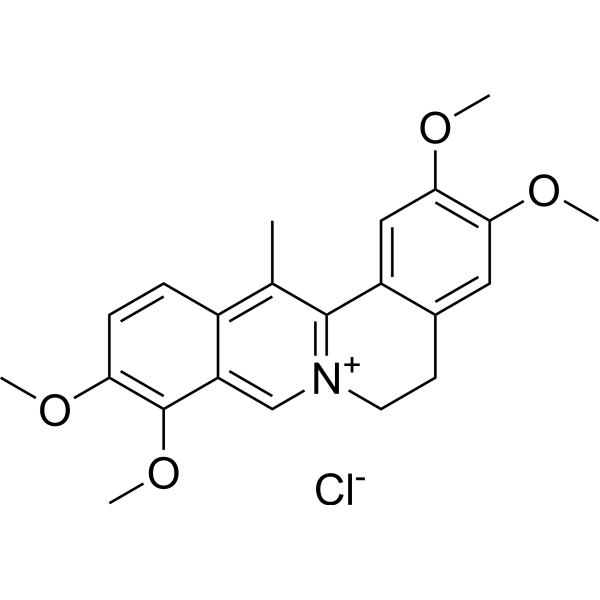
Dehydrocorydaline chloride (13-Methylpalmatine chloride) is an alkaloid that regulates protein expression of Bax, Bcl-2; activates caspase-7, caspase-8, and inactivates PARP . Dehydrocorydaline chloride elevates p38 MAPK activation. Anti-inflammatory and anti-cancer activities . Dehydrocorydaline chloride shows strong anti-malarial effects (IC50 =38 nM), and low cytotoxicity (cell viability > 90%) using P. falciparum 3D7 strain .
loading...
    loading...
47
47 Cited Publications
Cat. No.: HY-N0674
CAS No.: 30045-16-0
Synonyms: 13-Methylpalmatine
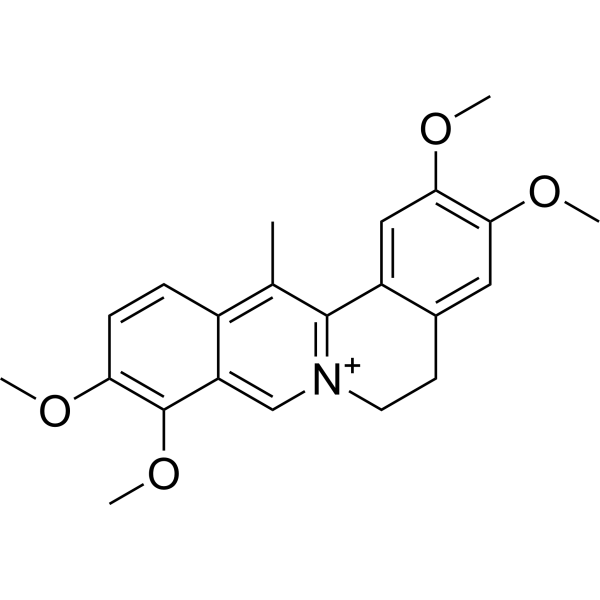
Dehydrocorydaline (13-Methylpalmatine) is an alkaloid that regulates protein expression of Bax, Bcl-2; activates caspase-7, caspase-8, and inactivates PARP . Dehydrocorydaline elevates p38 MAPK activation. Anti-inflammatory and anti-cancer activities . Dehydrocorydaline shows strong anti-malarial effects (IC50=38 nM), and low cytotoxicity (cell viability > 90%) using P. falciparum 3D7 strain .
loading...
    loading...

