
443 Results for "

Reperfusion

" in MedChemExpress (MCE) Product Catalog:
Products (443)

443 Results for "Reperfusion" in MCE Product Catalog:

2
2 Cited Publications
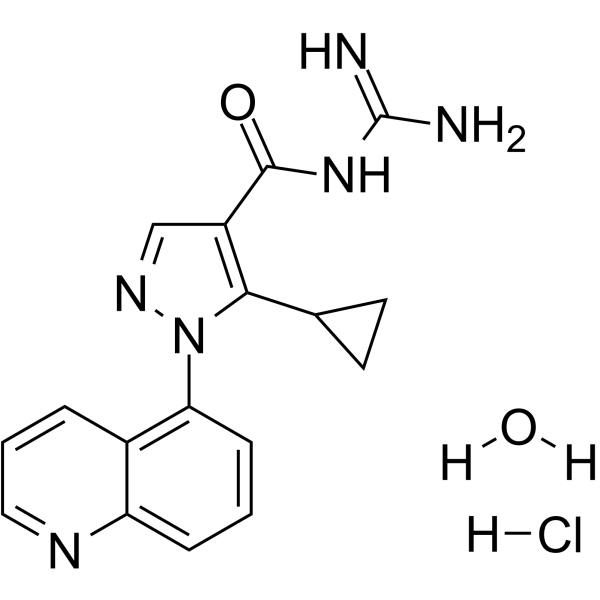
Cat. No.: HY-105064D
CAS No.: 863406-85-3
Purity:  99.37%
Synonyms: CP-597396 hydrochloride hydrate
Zoniporide hydrochloride hydrate (CP-597396 hydrochloride hydrate) is a selective Na +/H + exchanger subtype 1 (NHE1) inhibitor with cardioprotective activity, with IC50 values of 67 nM and 73 nM against rat NHE1. Zoniporide hydrochloride hydrate reduces intracellular Na + and Ca 2+ overload, preserves mitochondrial integrity, activates pro-survival ERK1/2 and STAT3 signaling pathways, reduces necrosis and apoptosis, and decreases neutrophil aggregation. Zoniporide hydrochloride hydrate is applicable to research related to myocardial ischemia-reperfusion injury and heart graft ischemia-reperfusion injury .
loading...
    loading...
2
2 Cited Publications
Cat. No.: HY-105064
CAS No.: 241800-98-6
Purity:  99.89%
Synonyms: CP-597396
Zoniporide (CP-597396) is a selective Na +/H + exchanger subtype 1 (NHE1) inhibitor with cardioprotective activity, with IC50 values of 67 nM and 73 nM against rat NHE1. Zoniporide reduces intracellular Na + and Ca 2+ overload, preserves mitochondrial integrity, activates pro-survival ERK1/2 and STAT3 signaling pathways, reduces necrosis and apoptosis, and decreases neutrophil aggregation. Zoniporide is applicable to research related to myocardial ischemia-reperfusion injury and heart graft ischemia-reperfusion injury .
loading...
    loading...
2
2 Cited Publications
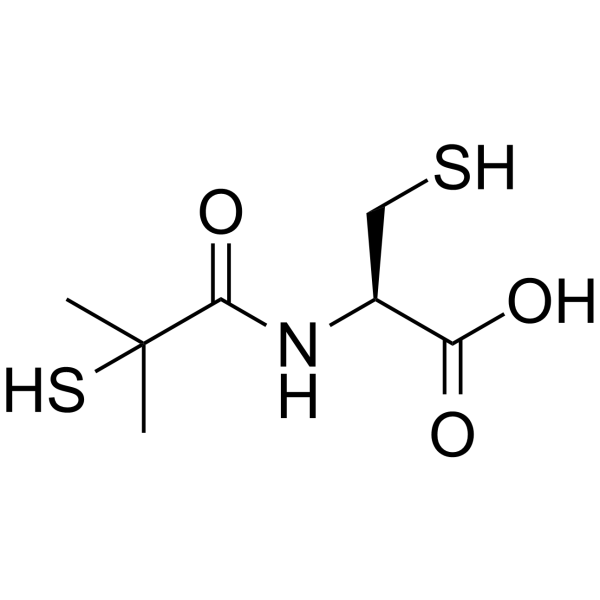
Cat. No.: HY-118530
CAS No.: 65002-17-7
Purity:  98.87%
Synonyms: SA96; Thiobutarit
Target:  

VEGFR

Bucillamine (SA96) is an orally active and potent sulfhydryl donor and antioxidant. Bucillamine is also an antirheumatic agent with antiangiogenic properties. Bucillamine can protect against Ischemia/reperfusion (I/R) injury in high-risk organ transplants. Bucillamine inhibits the production of VEGF. Bucillamine can be used for the research of choroidal neovascularization (CNV) and rheumatoid arthritis (RA) .
loading...
    loading...
2
2 Cited Publications
Cat. No.: HY-107802
CAS No.: 116122-36-2
Purity:  95.59%
Synonyms: Breviscapinun
Breviscapine (Breviscapinun) is a flavonoid compound with antioxidant, anti-inflammatory, anti-fibrotic, and neuroprotective activities. Breviscapine ameliorates cerebral ischemia/reperfusion injury and vascular dementia, and inhibits the formation of postoperative abdominal adhesions. The mechanism of action of Breviscapine involves the regulation of oxidative stress, inflammatory cytokines, signaling pathways such as TGF-β/Smad, and cellular calcium overload. Breviscapine is used for research on diseases including cardiovascular and cerebrovascular diseases .
loading...
    loading...
2
2 Cited Publications
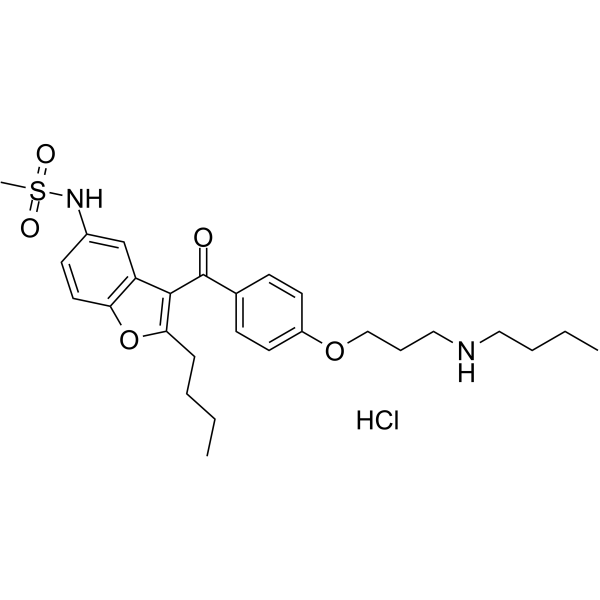
Cat. No.: HY-12753A
CAS No.: 197431-02-0
Purity:  98.73%
Synonyms: SR35021 hydrochloride
Debutyldronedarone hydrochloride (SR35021 hydrochloride) is a Cytochrome P450 enzyme inhibitor and a Thyroid Hormone Receptor inhibitor, and it is a metabolite of Dronedarone (HY-A0016). Debutyldronedarone hydrochloride inhibits the binding of T3 to TRα1 and TRβ1. Debutyldronedarone hydrochloride reduces the incidence of reperfusion-induced ventricular fibrillation in anesthetized rats, while decreasing their heart rate and blood pressure. Debutyldronedarone hydrochloride can be used in studies related to ventricular fibrillation and atrial fibrillation .
loading...
    loading...
2
2 Cited Publications
Cat. No.: HY-124750
CAS No.: 1120332-55-9
Purity:  99.69%
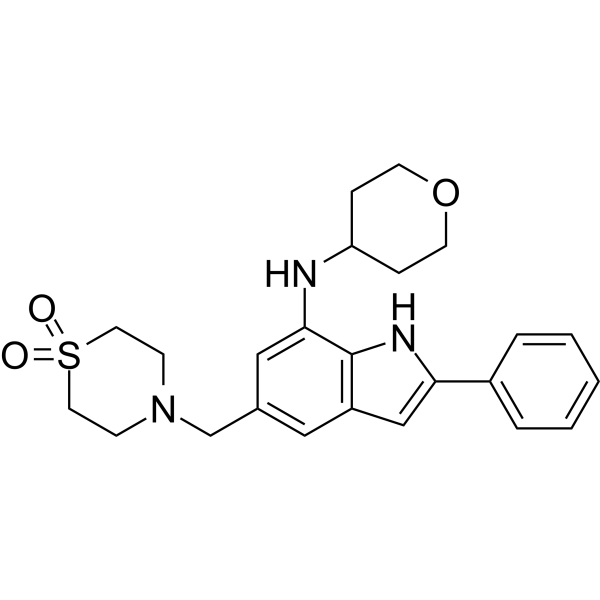
NecroX-7 is a potent free radical scavenger and a HMGB1 (high-mobility group box 1) inhibitor. NecroX-7 can be used as an antidote to acetaminophen toxicity. NecroX-7 exerts a protective effect by preventing the release of HMGB1 in ischemia/reperfusion injury. NecroX-7 inhibits the HMGB1-induced release of TNF and IL-6, as well as the expression of TLR-4 and receptor for advanced glycation end products. NecroX-7 can be used graft-versus-host disease (GVHD) research .
loading...
    loading...
2
2 Cited Publications
Cat. No.: HY-101318
CAS No.: 72786-10-8
Purity:  98.0%
Synonyms: β-FNA hydrochloride
β-Funaltrexamine (β-FNA) hydrochloride is a blood-brain barrier-permeable, selective and irreversible μ-opioid receptor antagonist with immunomodulatory, anti-inflammatory and neuroprotective activities. β-Funaltrexamine hydrochloride inhibits p38 MAPK and TLR4 signaling by blocking μ-opioid receptors, and reduces the transcriptional activities of NF-κB, AP-1, CREB and Stat. Furthermore, β-Funaltrexamine hydrochloride inhibits iNOS activation and pro-inflammatory microglial polarization, converting microglia to an anti-inflammatory phenotype, thereby downregulating neuroinflammation and ameliorating neuronal degeneration. β-Funaltrexamine hydrochloride is widely applicable to research related to stroke, cerebral ischemia/reperfusion injury and neurodegenerative diseases .
loading...
    loading...
2
2 Cited Publications
Cat. No.: HY-17355A
CAS No.: 104632-27-1
Synonyms: (R)-Pramipexole dihydrochloride; R-(+)-Pramipexole dihydrochloride; KNS-760704 dihydrochloride
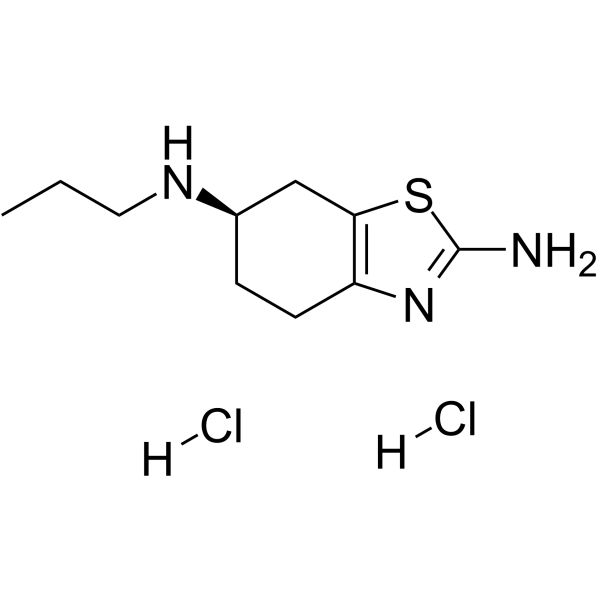
Dexpramipexole ((R)-Pramipexole) dihydrochloride is an orally active, blood-brain barrier permeable mitochondrial protective agent. Dexpramipexole dihydrochloride upregulates the expression of Parkin, PINK1, GPX4 and FSP1; binds to mitochondrial F1/Fo-ATP synthase; blocks the Nav1.8 sodium channel; and inhibits the activation of the NLRP3 inflammasome. Dexpramipexole dihydrochloride induces mitophagy, inhibits ferroptosis, pyroptosis, apoptosis, neuroinflammation and eosinophilopoiesis; maintains mitochondrial function and redox homeostasis; reduces reactive oxygen species production; and decreases myocardial infarct size. Dexpramipexole dihydrochloride is applicable to studies on eosinophilic asthma, myocardial ischemia/reperfusion injury, sepsis-associated encephalopathy, analgesia, and more .
loading...
    loading...
2
2 Cited Publications
Cat. No.: HY-17355B
CAS No.: 104632-28-2
Synonyms: (R)-Pramipexole; R-(+)-Pramipexole; KNS-760704
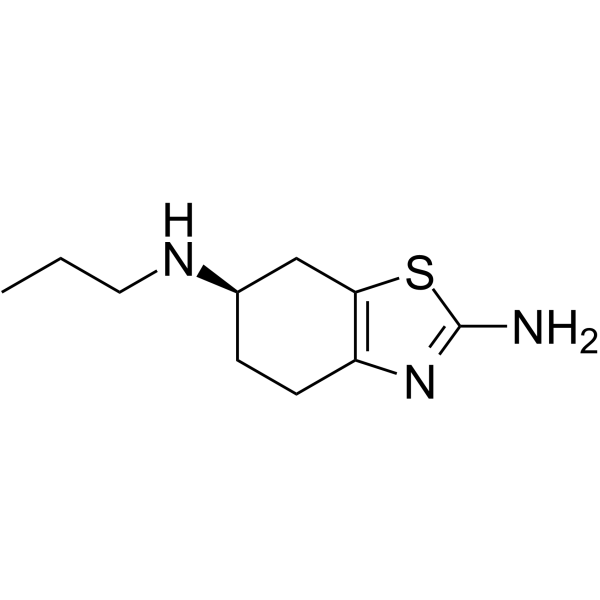
Dexpramipexole ((R)-Pramipexole) is an orally active, blood-brain barrier permeable mitochondrial protective agent. Dexpramipexole upregulates the expression of Parkin, PINK1, GPX4 and FSP1; binds to mitochondrial F1/Fo-ATP synthase; blocks the Nav1.8 sodium channel; and inhibits the activation of the NLRP3 inflammasome. Dexpramipexole induces mitophagy, inhibits ferroptosis, pyroptosis, apoptosis, neuroinflammation and eosinophilopoiesis; maintains mitochondrial function and redox homeostasis; reduces reactive oxygen species production; and decreases myocardial infarct size. Dexpramipexole is applicable to studies on eosinophilic asthma, myocardial ischemia/reperfusion injury, sepsis-associated encephalopathy, analgesia, and more .
loading...
    loading...
2
2 Cited Publications
Cat. No.: HY-109038
CAS No.: 509092-16-4
Synonyms: KRP-203 free base
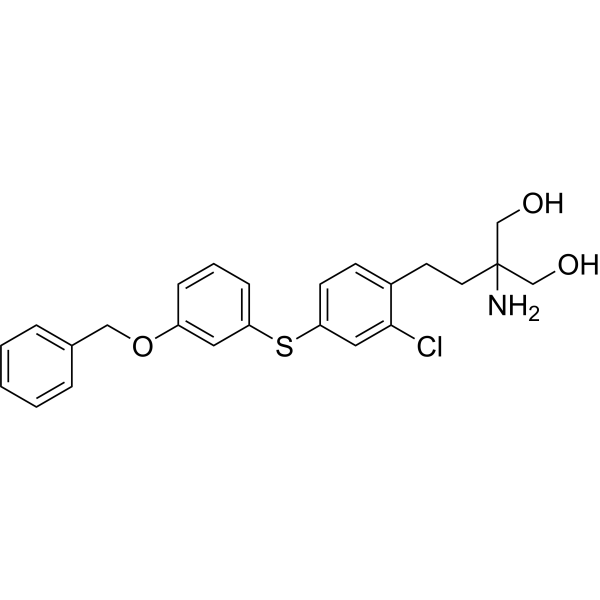
Mocravimod (KRP-203 free base) is a sphingosine-1-phosphate receptor (S1PR) modulator that blocks the signal required by T cells to egress from lymph nodes and other lymphoid organs. Mocravimod preferentially binds to S1PR1 over S1PR2 and S1PR3 in cardiomyocytes. Mocravimod significantly lowered the concentration of reactive oxygen species (ROS), prevented mitochondrial permeability transition pore opening, boosted mitochondrial membrane potential (MMP), and increased phosphorylation of AKT, EKR, GSK-3β, JAK2, and STAT3. Mocravimod retains T cell effector function. Mocravimod can be used for the study of acute myelogenous leukemia, diabetes and Myocardial Ischemia-Reperfusion Injury (MIRI) .
loading...
    loading...
2
2 Cited Publications
Cat. No.: HY-13660
CAS No.: 509088-69-1
Purity:  99.68%
Synonyms: KRP-203
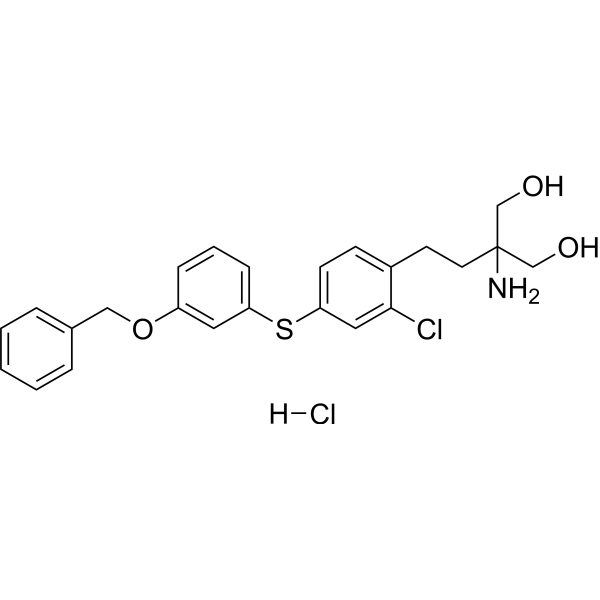
Mocravimod (hydrochloride) is an orally active sphingosine-1-phosphate receptor (S1PR) modulator that blocks the signal required by T cells to egress from lymph nodes and other lymphoid organs. Mocravimod (hydrochloride) preferentially binds to S1PR1 over S1PR2 and S1PR3 in cardiomyocytes. Mocravimod (hydrochloride) significantly lowered the concentration of reactive oxygen species (ROS), prevented mitochondrial permeability transition pore opening, boosted mitochondrial membrane potential (MMP), and increased phosphorylation of AKT, EKR, GSK-3β, JAK2, and STAT3. Mocravimod (hydrochloride) retains T cell effector function. Mocravimod (hydrochloride) can be used for the study of acute myelogenous leukemia, diabetes and Myocardial Ischemia-Reperfusion Injury (MIRI) .
loading...
    loading...
2
2 Cited Publications
Cat. No.: HY-N10424
CAS No.: 600-76-0
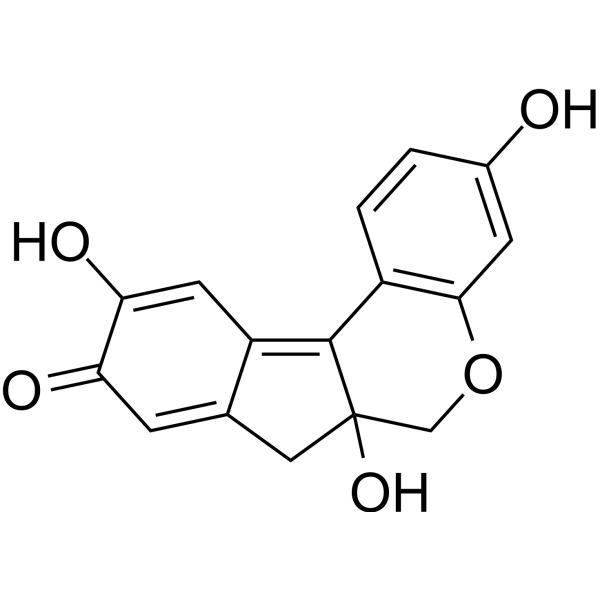
Brazilein is a compound with anti-inflammatory and neuroprotective activities, with an IC50 of 500 μM against guinea pig Na +,K +-ATPase. Brazilein reduces iNOS mRNA expression, thereby inhibiting nitric oxide production in immune cells. Brazilein suppresses inflammatory responses by reducing the mRNA expression of TNF-α and IL-6, but has no effect on IL-1β expression. Brazilein reduces the cerebral infarction volume and improves the neurological function scores of rats with cerebral ischemia-reperfusion injury. Brazilein induces apoptosis of splenic lymphocytes in mice. Brazilein inhibits humoral immune responses in mice, and causes thymus and spleen atrophy as well as body weight loss in mice. Brazilein also possesses antimalarial and antibacterial activities. Brazilein is also a red dye. Brazilein can be used in studies related to the infection, nervous system, cardiovascular system and inflammatory diseases .
loading...
    loading...
2
2 Cited Publications
Cat. No.: HY-N0353
CAS No.: 13657-68-6
Synonyms: (+)-Curdione
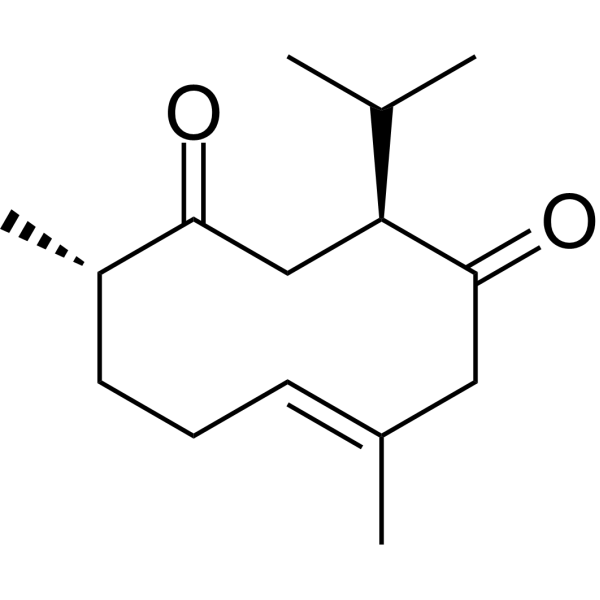
Curdione ((+)-Curdione) is an orally active sesquiterpenoid. Curdione inhibits platelet aggregation. Curdione induces ferroptosis in colorectal cancer via m6A methylation mediated by METTL14 and YTHDF2. Curdione inhibits ferroptosis in Isoproterenol (HY-B0468)-induced myocardial infarction by regulating the Keap1/Trx1/GPX4 signaling pathway, suppressing oxidative stress (ROS) and apoptosis. Curdione ameliorates Doxorubicin (HY-15142)-induced cardiotoxicity by inhibiting oxidative stress (ROS) and activating the Nrf2/HO-1 pathway. Curdione ameliorates sepsis-induced lung injury by inhibiting platelet-mediated neutrophil extracellular trap formation. Curdione ameliorates Bleomycin (HY-17565A)-induced pulmonary fibrosis by inhibiting TGF-β-induced fibroblast-to-myofibroblast differentiation. Curdione exhibits neuroprotective effects against focal cerebral ischemia-reperfusion injury in rats. Curdione exerts antiproliferative effects against human uterine leiomyosarcoma by targeting IDO1. Curdione protects vascular endothelial cells and atherosclerosis by regulating DNMT1-mediated ERBB4 promoter methylation. Curdione inhibits inducible prostaglandin E2 production (IC50 = 1.1 μM) and cyclooxygenase 2 expression .
loading...
    loading...
1
1 Cited Publications
Cat. No.: HY-W015061
CAS No.: 500-98-1
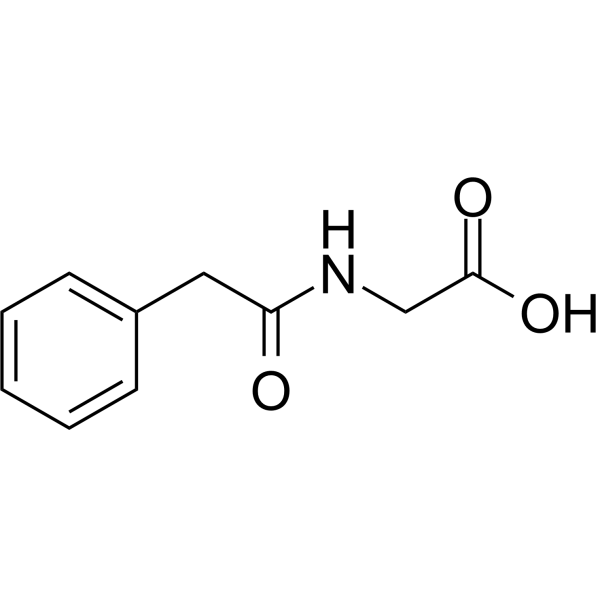
Phenylacetylglycine is a gut microbial metabolite that can activate β2AR. Phenylacetylglycine protects against cardiac injury caused by ischemia/reperfusion .
loading...
    loading...
1
1 Cited Publications
Cat. No.: HY-P2824
CAS No.: 9002-01-1
Target:  

Bacterial

Research Areas:  

Cardiovascular Disease

Streptokinase, β-hemolytic streptococcus (Lancefield Group C) is a bacteria-derived protein and a plasminogen activator. Streptokinase is widely used for the research of the blood-clotting disorders. Streptokinase improves reperfusion blood flow after coronary artery occlusion .
loading...
    loading...
1
1 Cited Publications
Cat. No.: HY-17436
CAS No.: 167221-71-8
Target:  

Calcium Channel

Research Areas:  

Cardiovascular Disease Cancer

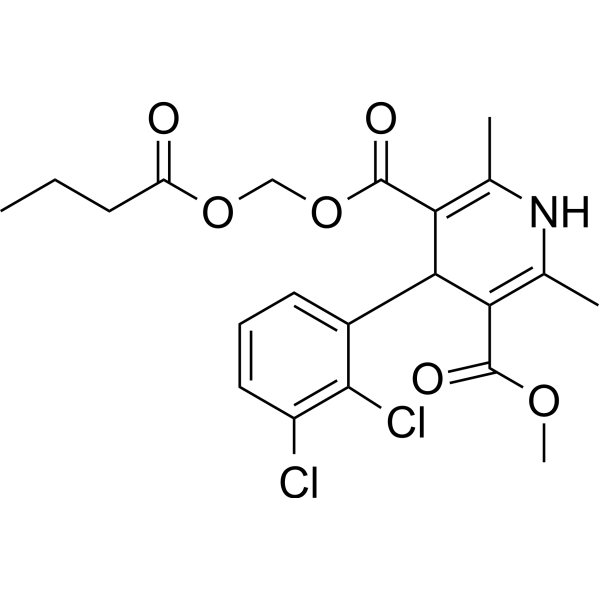
Clevidipine is a selective, short-acting L-type calcium channel antagonist with an IC50 of 7.1 nM. Clevidipine can competitively bind to calcium channels and exert rapid vasoselective vasodilation by blocking the influx of extracellular calcium ions, thereby reducing peripheral vascular resistance and effectively controlling acute severe hypertension. Clevidipine can also protect the myocardium from reperfusion injury by promoting the release of nitric oxide (NO). Clevidipine can be used in the research of acute hypertension, perioperative blood pressure management, and myocardial ischemia-reperfusion injury .
loading...
    loading...
1
1 Cited Publications
Cat. No.: HY-136744
CAS No.: 403848-57-7
Purity:  99.00%
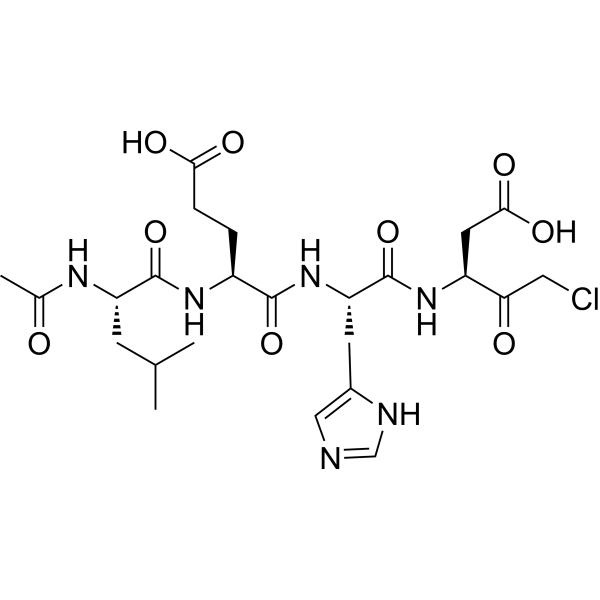
Synonyms: Ac-LEHD-cmk
Target:  

Caspase

Research Areas:  

Cardiovascular Disease

Caspase-9 Inhibitor III (Ac-LEHD-cmk) is a caspase-9 inhibitor. Caspase-9 Inhibitor III exhibits protective effects on ischemia-reperfusion-induced myocardial injury .
loading...
    loading...
1
1 Cited Publications
Cat. No.: HY-12829
CAS No.: 1128096-91-2
Purity:  98.01%
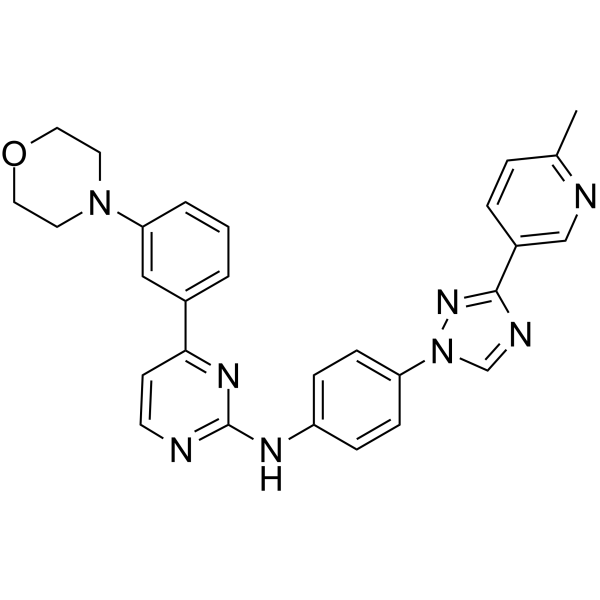
SR-3306 is a brain-penetrant and selective pan-JNK (JNK1/2/3) inhibitor. SR-3306 is a neuroprotective agent that can be used for the study of Parkinson's disease, ischemia/reperfusion (I/R) injury and obesity .
loading...
    loading...
1
1 Cited Publications
Cat. No.: HY-N6996
CAS No.: 93-15-2
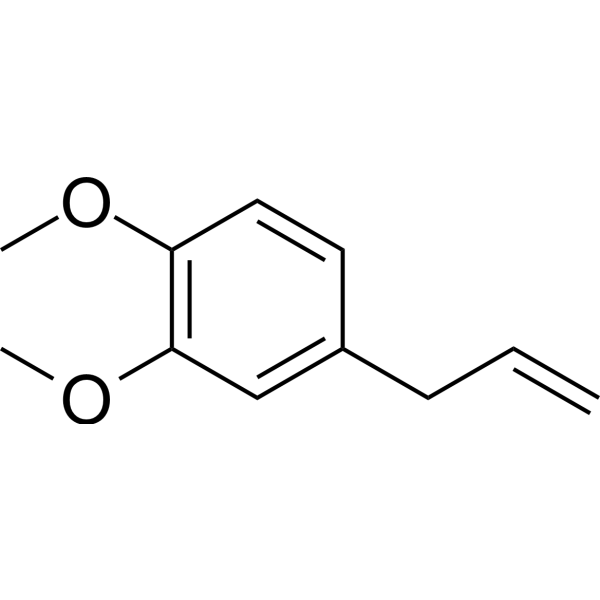
Methyl Eugenol is a bait that has oral activity against oriental fruit fly (Hendel).Methyl Eugenol has anti-cancer and anti-inflammatory activities. Methyl Eugenol can induce Autophagy in cells. Methyl Eugenol can be used in the study of intestinal ischemia/reperfusion injury .
loading...
    loading...
1
1 Cited Publications
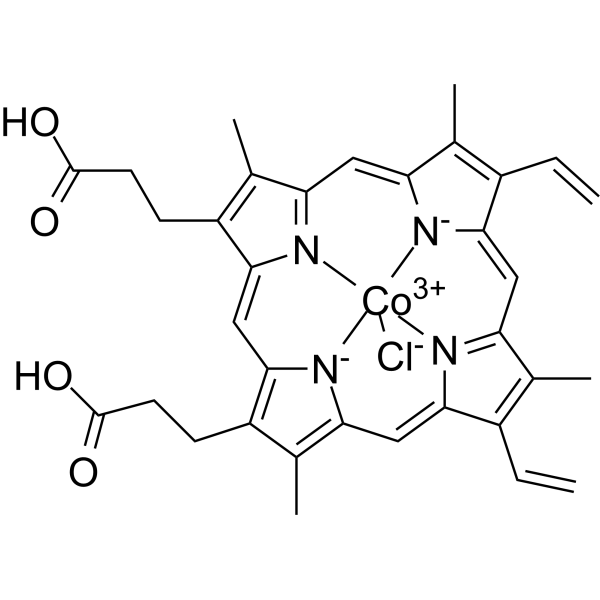
Cat. No.: HY-W250116
CAS No.: 102601-60-5
Synonyms: Protoporphyrin IX cobaltic chloride; CoPPIX-Cl
Co(III) protoporphyrin IX chloride (Protoporphyrin IX cobaltic chloride) is an inducer of HO-1. Co(III) protoporphyrin IX chloride has activities such as anti-inflammation and antibacterial properties. Co(III) protoporphyrin IX chloride can also be used in the research of ischemia-reperfusion injury models .
loading...
    loading...

