443 Results for "

Reperfusion

" in MedChemExpress (MCE) Product Catalog:
Products (443)

443 Results for "Reperfusion" in MCE Product Catalog:

1
1 Cited Publications
Cat. No.: HY-103346
CAS No.: 220509-74-0
Purity:  99.97%
Target:  

Caspase Apoptosis

Research Areas:  

Cardiovascular Disease

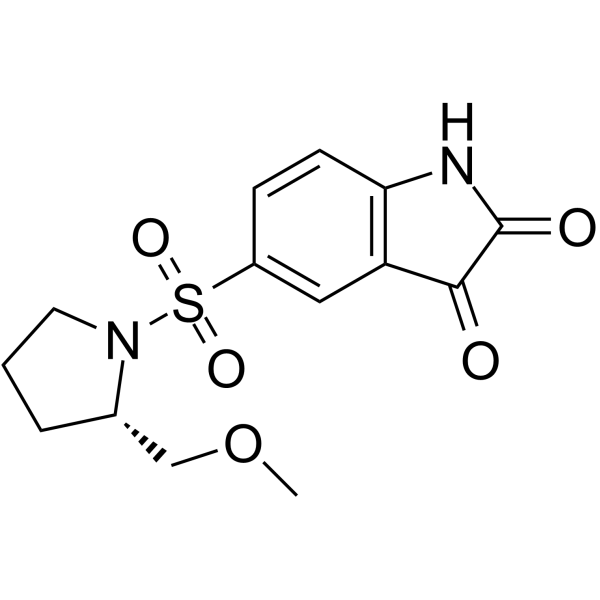
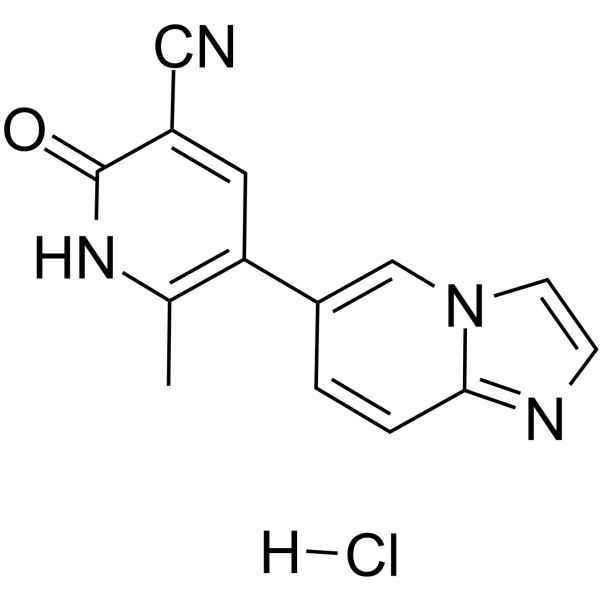
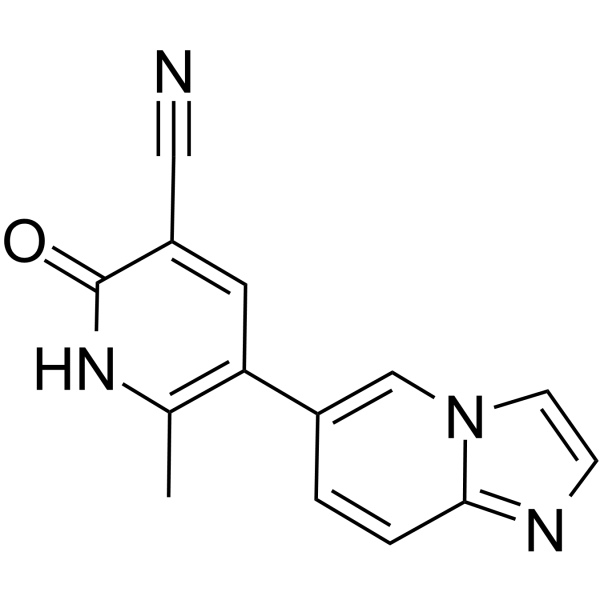
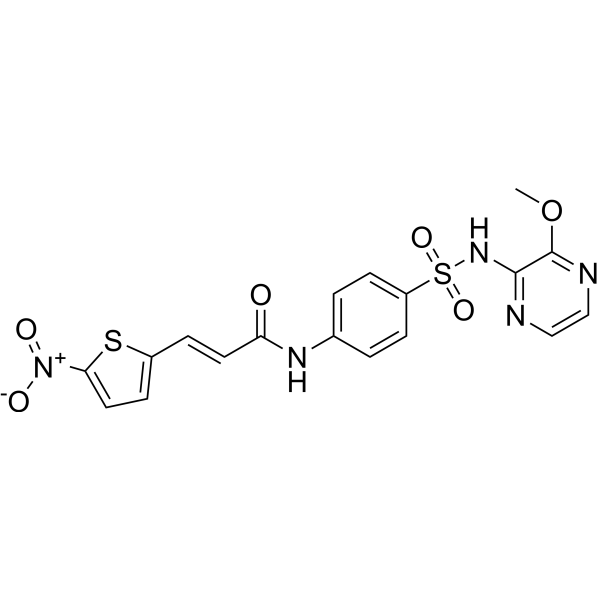
MMPSI is a potent and selective small molecule caspase 3 and caspase 7 inhibitor with an IC50 of 1.7 μM for human caspase-3. MMPSI can significantly reduce ischemia-reperfusion-induced infarct size in the isolated rabbit heart, and reduce apoptosis in both the ischemic myocardium and isolated cardiomyocytes. MMPSI can be used for researching cardioprotection .
loading...
    loading...
1
1 Cited Publications
Cat. No.: HY-100594
CAS No.: 81065-76-1
Purity:  98.27%
Target:  

NF-κB

Research Areas:  

Cardiovascular Disease

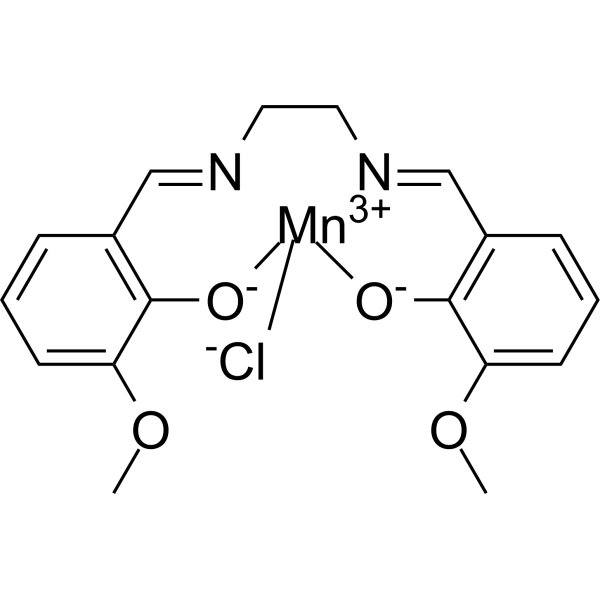
EUK-134, a synthetic superoxide dismutase and catalase mimetic, protects rat kidneys from ischemia-reperfusion-induced damage. EUK-134 is a superoxide dismutase (SOD) mimetics (SODm) with catalase activity. EUK-134 is a mitoprotective antioxidant. EUK-134 reduces the expression of NF-κB, MDA level, and protein carbonylation in H9C2 cells .
loading...
    loading...
1
1 Cited Publications
Cat. No.: HY-125792
CAS No.: 331949-35-0
Purity:  99.69%
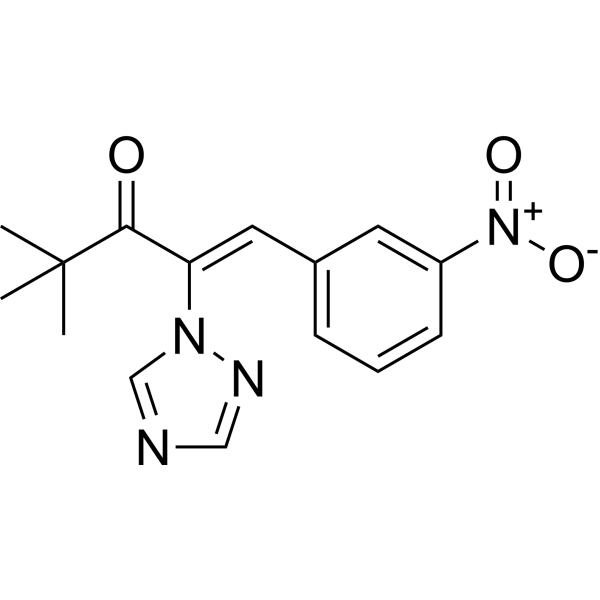
Nexinhib20 is an inhibitor that targets the interactions of Rab27a-JFC1 (IC50: 2.6 μM) and Rac-1-GTP. Nexinhib20 can inhibit neutrophil exocytosis, adhesion, and β2 integrin activation, and has anti-inflammatory activity. Nexinhib20 can be used in the research of diseases such as systemic inflammation and myocardial ischemia-reperfusion injury .
loading...
    loading...
1
1 Cited Publications
Cat. No.: HY-N2026
CAS No.: 94-13-3
Synonyms: Propyl parahydroxybenzoate; Propyl 4-hydroxybenzoate
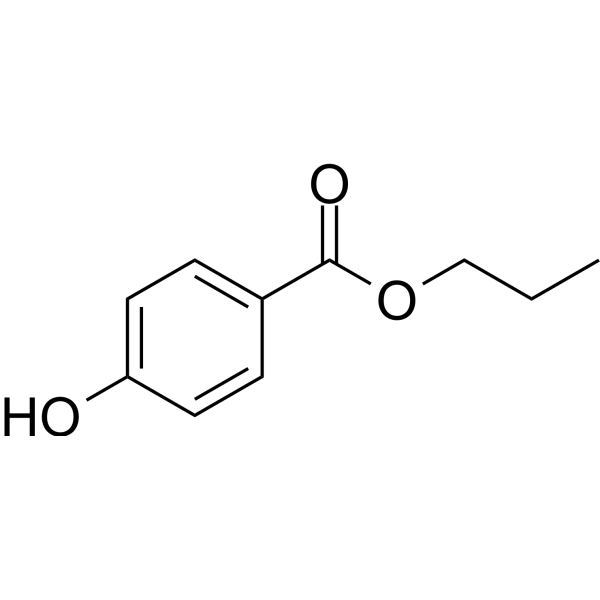
Propylparaben (Propyl parahydroxybenzoate) is an antibacterial preservative that can be produced by plants and bacteria. Propylparaben is an orally active weak estrogen receptor agonist. Propylparaben regulates the PI3K-AKT and JNK signaling pathways, and induces oxidative stress. Propylparaben is commonly used in cosmetics, pharmaceuticals and foods, and can be used in studies related to ovarian aging and myocardial ischemia-reperfusion injury .
loading...
    loading...
1
1 Cited Publications
Cat. No.: HY-N2026A
CAS No.: 35285-69-9
Synonyms: Propyl parahydroxybenzoate sodium; Propyl 4-hydroxybenzoate sodium
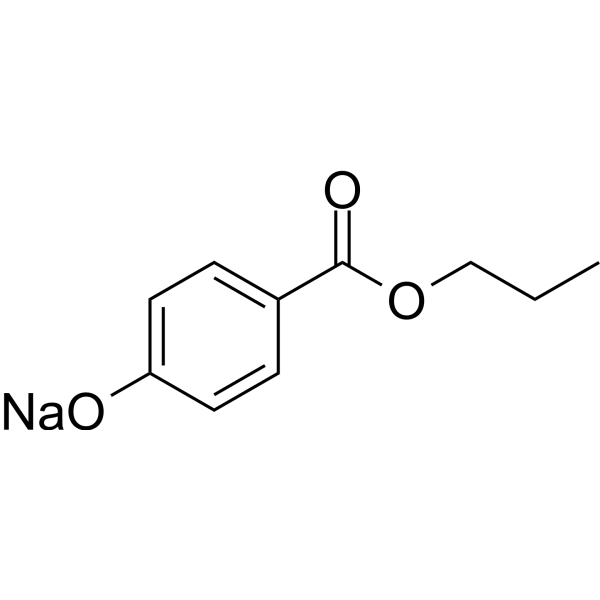
Propylparaben (Propyl parahydroxybenzoate) sodium is an antibacterial preservative that can be produced by plants and bacteria. Propylparaben sodium is an orally active weak estrogen receptor agonist. Propylparaben sodium regulates the PI3K-AKT and JNK signaling pathways, and induces oxidative stress. Propylparaben sodium is commonly used in cosmetics, pharmaceuticals and foods, and can be used in studies related to ovarian aging and myocardial ischemia-reperfusion injury .
loading...
    loading...
1
1 Cited Publications
Cat. No.: HY-N0657
CAS No.: 63902-38-5
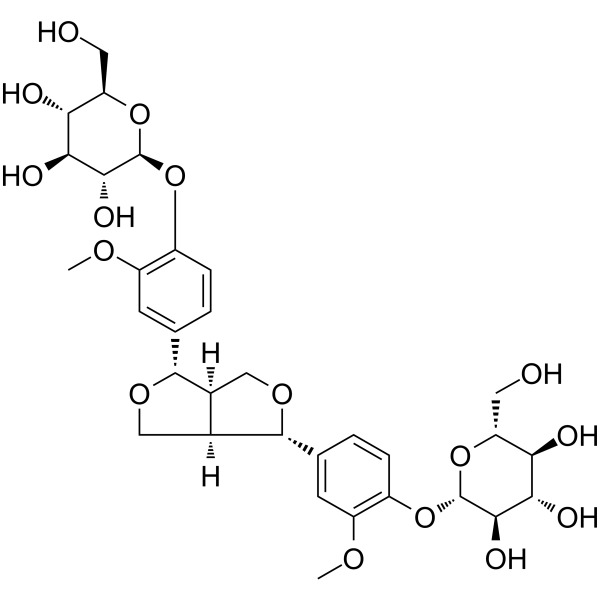
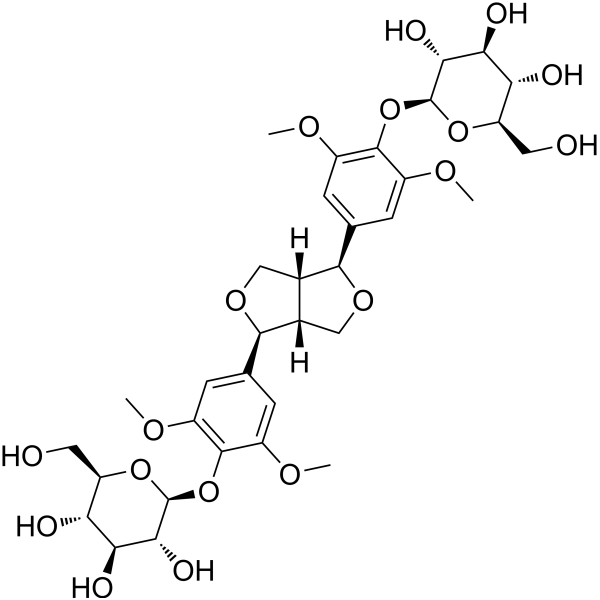
Pinoresinol Diglucoside is an orally active lignan with multifunctional bioactivity. Pinoresinol Diglucoside interacts with targets including ALB, HIF1A, GSK3B, BCL2, MARK3, IL6, NF-κB p65, Nrf2, HO-1, and TLR4, and modulates pathways including PI3K-Akt, estrogen, MAPK, Rap1, AKT/mTOR/NF-κB, and TGF-β1/Smads. Pinoresinol Diglucoside regulates osteogenesis, bone resorption, oxidative stress, inflammation, apoptosis, ferroptosis, ferritinophagy, cardiac fibrosis, and vasorelaxation. Pinoresinol Diglucoside can be used for the research of osteoporosis, ischemia/reperfusion-induced brain injury, Alzheimer’s disease, myocardial ischemia-reperfusion injury, chondrodysplasia, diabetic cardiomyopathy, cardiac hypertrophy, hypertension, cisplatin-induced hearing loss, atherosclerotic cardiovascular diseases, and disuse osteoporosis .
loading...
    loading...
1
1 Cited Publications
Cat. No.: HY-129997
CAS No.: 1154-78-5
Purity:  99.73%
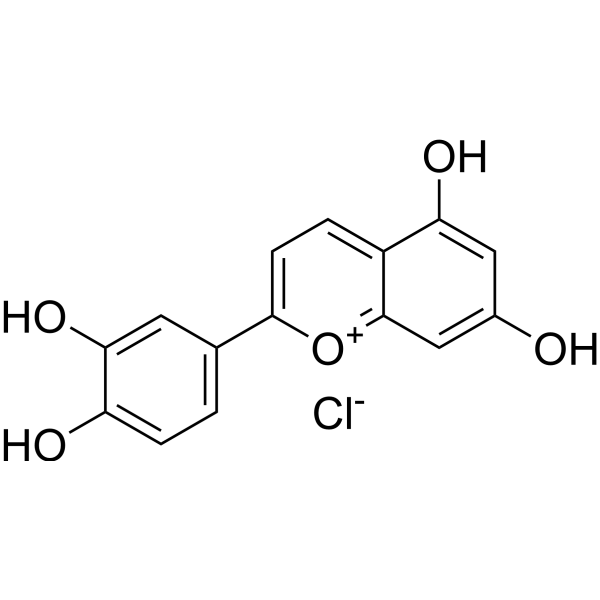
Luteolinidin chloride is a deoxyanthocyanidin isolated from the plant Sorghum bicolor with antioxidant activity. Luteolinidin chloride is a potent CD38 inhibitor (Ki=11.4 μM) and protects the heart from ischemia/reperfusion injury by preserving endothelial nitric oxide synthase (eNOS) function and preventing endothelial dysfunction. Luteolinidin chloride is also a competitive inhibitor of tyrosinase (IC50=3.7 μM) and blocks the production of melanin .
loading...
    loading...
1
1 Cited Publications
Cat. No.: HY-135115
CAS No.: 31773-95-2
Purity:  95.16%
Synonyms: 3,4-DHPEA-EA
Oleuropein Aglycone (3,4-DHPEA-EA) is a secoiridoid that exerts antioxidant, anti-inflammatory, and anti-apoptotic effects by promoting ERK/AMPK/eNOS phosphorylation and inhibiting JNK/p38 MAPK and inflammation-related signaling pathways. Oleuropein Aglycone is used in research on acute kidney injury induced by ischemia-reperfusion injury, pleurisy, osteoporosis, Alzheimer's disease, neurodegenerative diseases, and triple-negative breast cancer .
loading...
    loading...
1
1 Cited Publications
Cat. No.: HY-17609
CAS No.: 1024828-77-0
Synonyms: CR-845; FE-202845
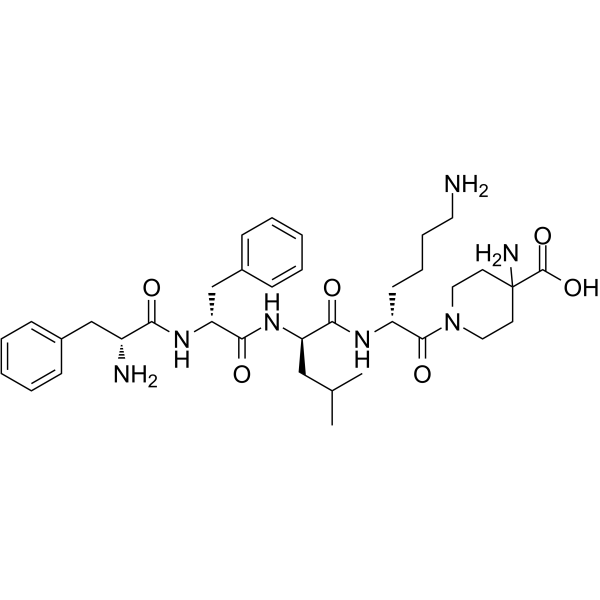
Difelikefalin (CR-845; FE-202845) is an orally active peripherally acting kappa opioid receptor agonist. Difelikefalin reduces acute kidney injury, decreases oliguria, maintains urine flow, inhibits cytokine expression, and improves survival in endotoxemia after ischemia/reperfusion. Difelikefalin suppresses pruritus signals and exhibits neuromodulatory antipruritic activity. Difelikefalin can be used in research related to acute kidney injury, chronic kidney disease-associated pruritus, and atopic dermatitis .
loading...
    loading...
1
1 Cited Publications
Cat. No.: HY-14254
CAS No.: 119615-63-3
Purity:  99.85%
Synonyms: Loprinone Hydrochloride
Olprinone (Loprinone) Hydrochloride is a potent and selective phosphodiesterase 3 (PDE3) inhibitor, with IC50 values of 150, 100, 0.35, and 14 μM against PDE1, PDE2, PDE3, and PDE4, respectively. Olprinone Hydrochloride exerts comprehensive protective effects including anti-inflammatory, antioxidant, and anti-apoptotic activities by elevating intracellular cAMP levels and inhibiting the NF-κB and MAPK signaling pathways. Olprinone Hydrochloride can be used in studies related to lung injury, spinal cord injury, heart failure, myocardial ischemia-reperfusion injury, and cerebral ischemic injury .
loading...
    loading...
1
1 Cited Publications
Cat. No.: HY-14254A
CAS No.: 106730-54-5
Purity:  99.29%
Synonyms: Loprinone
Olprinone (Loprinone) is a potent and selective phosphodiesterase 3 (PDE3) inhibitor, with IC50 values of 150, 100, 0.35, and 14 μM against PDE1, PDE2, PDE3, and PDE4, respectively. Olprinone exerts comprehensive protective effects including anti-inflammatory, antioxidant, and anti-apoptotic activities by elevating intracellular cAMP levels and inhibiting the NF-κB and MAPK signaling pathways. Olprinone can be used in studies related to lung injury, spinal cord injury, heart failure, myocardial ischemia-reperfusion injury, and cerebral ischemic injury .
loading...
    loading...
1
1 Cited Publications
Cat. No.: HY-N0320
CAS No.: 142998-47-8
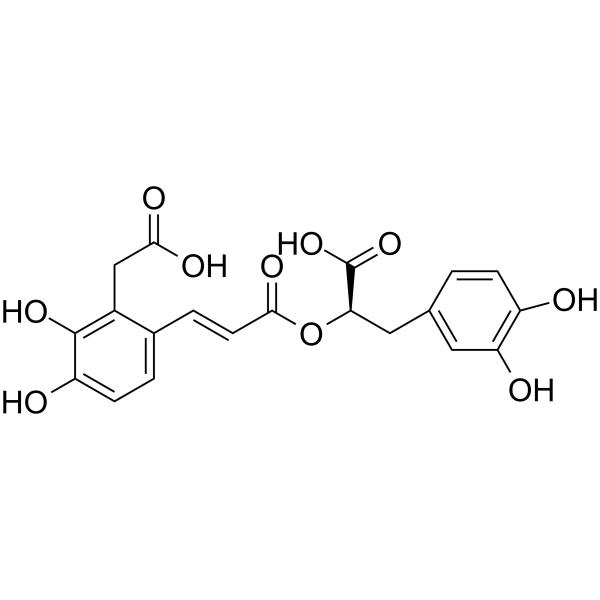
Salvianolic acid D is a depside. Salvianolic acid D can be isolated from Salvia miltiorrhiza (Danshen). Salvianolic acid D promotes the expression of Bcl-2, and inhibits the expressions of Bax, Cleaved caspase-3 and -9. Salvianolic acid D reduces the expression levels of TLR4, MyD88 and TRAF6 proteins both in vitro and in vivo, and significantly inhibits the nuclear translocation of NF-κB. Salvianolic acid D inhibits the cytoplasmic translocation of HMGB1. Salvianolic acid D suppresses inflammatory responses and alleviates cerebral ischemia-reperfusion injury. Salvianolic acid D serves as a potential antiplatelet active component .
loading...
    loading...
1
1 Cited Publications
Cat. No.: HY-N0670
CAS No.: 191729-45-0
Synonyms: Tenacissimoside C
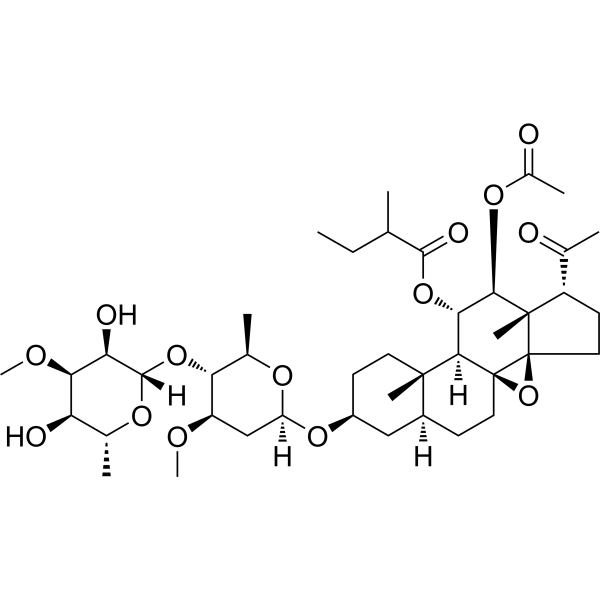
Tenacissoside H (Tenacissimoside C) is a compound found in Caulis Marsdeniae Tenacissimae. Tenacissoside H shows anti-inflammation, anti-tumor and neuroprotective effects. Tenacissoside H inhibits PI3K/Akt and NF-κB signaling pathway. Tenacissoside H inhibits cancer cells proliferation, S phase arrest, and inhibits tumor growyh in mice. Tenacissoside H promotes neurological recovery of ischemia-reperfusion injury in mice by inhibiting inflammation and apoptosis. Tenacissoside H can be used for the research of cancer, inflammation and neurological diseases, such as esophageal cancer and cerebral ischemia .
loading...
    loading...
1
1 Cited Publications
Cat. No.: HY-113044R
CAS No.: 133-89-1
Synonyms: UDP-D-Glucose (Standard)
Uridine 5′-diphosphoglucose (Standard) (UDP-D-Glucose (Standard)) is the analytical standard of Uridine 5′-diphosphoglucose (HY-113044). This product is intended for research and analytical applications. Uridine 5’-diphosphoglucose (UDP-glucose), secreted by cardiomyocytes during ischemia and reperfu, is a potent agonist of the proinflammatory P2Y14 receptor. It acts an important role in the regulation of inflammation and neutrophil polarization in neutrophils. Uridine 5’-diphosphoglucose is also the precursor of glucose-containing oligosaccharides, polysaccharides, glycoproteins, and glycolipids in animal tissues and in some microorganisms. Uridine 5’-diphosphoglucose is promising for research in counteracting myocardial infarction/reperfusion (MIR)-induced inflammation in the heart tissue.
loading...
    loading...
1
1 Cited Publications
Cat. No.: HY-N3377
CAS No.: 573-44-4
Liriodendrin is an orally effective lignan compound with anti-inflammatory, antioxidant, and anti-platelet aggregation activities. Liriodendrin is isolated and extracted from Sargentodoxae caulis and Linaria vulgaris. Liriodendrin regulates the expression of genes related to inflammation and cellular metabolism by inhibiting the NF-κB, PI3K/Akt, and TLR4 signaling pathways, or by activating the PI3K-DDX18 pathway. Liriodendrin increases the expression of HSF1 and HSP27 without cytotoxicity. Liriodendrin is used in studies on ulcerative colitis, myocardial ischemia-reperfusion injury, sepsis-induced acute lung injury, and chronic endometritis .
loading...
    loading...
1
1 Cited Publications
Cat. No.: HY-W017540
CAS No.: 35404-50-3
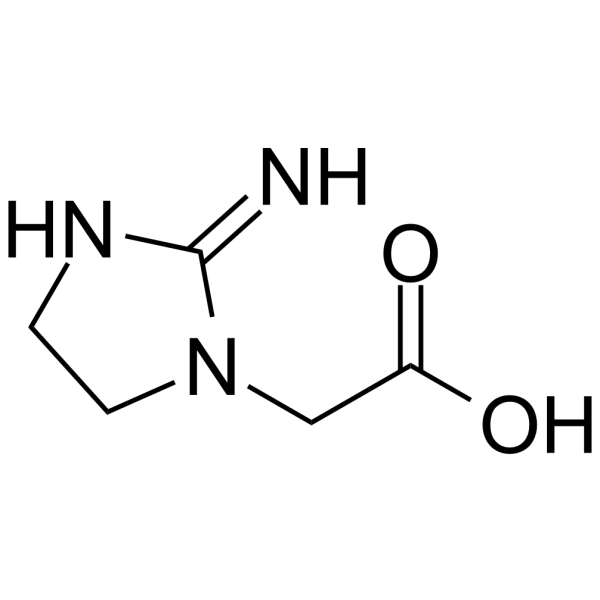
Cyclocreatine, a creatine analogue, acts as a brain-penetrant and potent bioenergetic protective agent by providing high levels of ATP. Cyclocreatine can be phosphorylated and dephosphorylated by creatine kinases. Cyclocreatine suppresses creatine metabolism ameliorating the cognitive, autistic and epileptic phenotype in a mouse model of creatine transporter defciency. Cyclocreatine protects against ischemic injury and enhances cardiac recovery during early reperfusion in dogs and rats. Cyclocreatine decreases plaque-adjacent neuronal dystrophy in TREM2-deficient mice with amyloid-β pathology. Cyclocreatine is proming for research of ischemic heart disease, cardiovascular diseases, Alzheimer’s disease and other neurodegenerative diseases associated with microglial dysfunction, prostate cancer .
loading...
    loading...
1
1 Cited Publications
Cat. No.: HY-100573A
CAS No.: 432531-71-0
Purity:  98.84%
(E/Z)-Necrosulfonamide is a racemic compound of Necrosulfonamide (HY-100573). Necrosulfonamide is a MLKL and Gasdermin D (GSDMD) inhibitor, capable of separately inhibiting necroptosis and pyroptosis of cells. Necrosulfonamide does not affect the activation of upstream signals, but specifically inhibits the downstream executor oligomerization step. Necrosulfonamide reduces the expression of the key kinases NLRP3 and caspase-1 involved in necroptosis and pyroptosis, activate the Nrf2 pathway and the downstream antioxidant enzymes, and also downregulates a variety of inflammatory factors. Necrosulfonamide plays significant roles in various diseases such as neurodegenerative diseases (such as Parkinson’s disease), tissue damage and ischemia-reperfusion injury, inflammatory bowel disease, osteoarthritis and fracture repair, and hair loss by regulating two important programmed necrosis pathways.
loading...
    loading...
1
1 Cited Publications
Cat. No.: HY-134266
CAS No.: 23567-96-6
Purity:  98.81%
Synonyms: 8-Bromoadenosine 5'-monophosphate; 8-Bromoadenylic acid
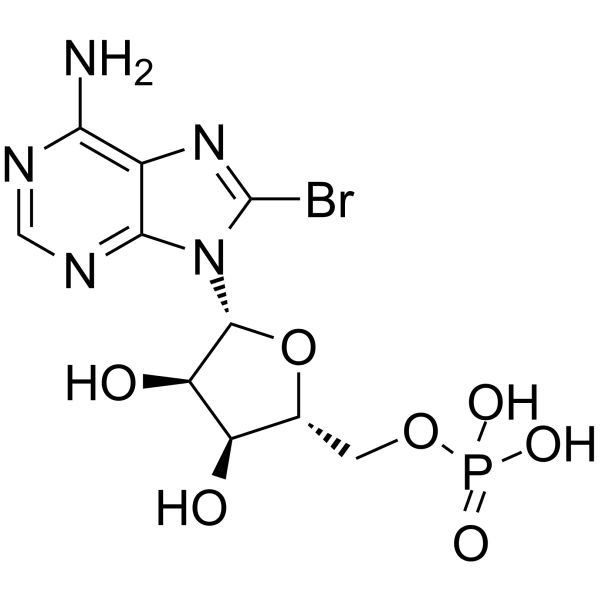
8-Bromo-AMP (8-Bromoadenosine 5'-monophosphate) is an AMP analog. 8-Bromo-AMP inhibits ADP-dependent glucokinase (ADPGK). 8-Bromo-AMP competitively inhibits ADPGK by binding to the nucleotide-binding site, inducing conformational changes, and acting on catalytic residues. 8-Bromo-AMP non-competitively inhibits rat adenylate kinase isozymes AK-M, AK II, and AK III. 8-Bromo-AMP inhibits T cell activation-induced ROS production and ROS-dependent IL-2 and IκB expression. 8-Bromo-AMP is used in research on cancer and myocardial ischemia-reperfusion injury .
loading...
    loading...
1
1 Cited Publications
Cat. No.: HY-N6850
CAS No.: 26020-14-4
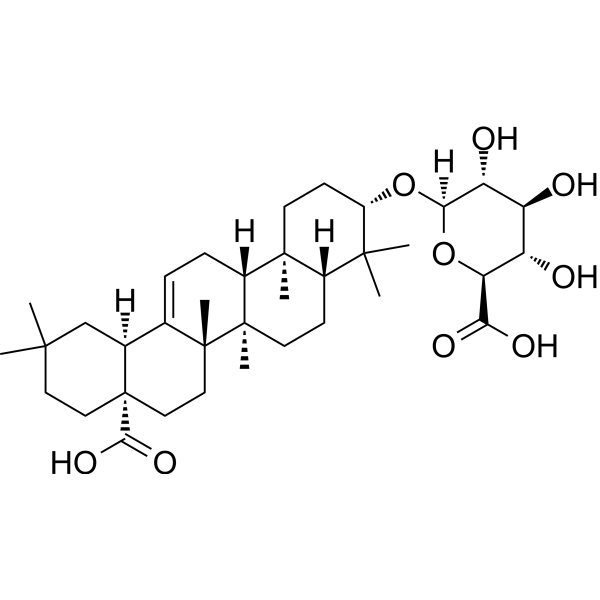
Calenduloside E is a pentacyclic triterpenoid saponin that can be extracted from the bark and roots of Aralia ovata, and has anti-inflammatory and anti-apoptotic activities. Calenduloside E alleviates atherosclerosis by regulating macrophage polarization, improves mitochondrial function by regulating the AMPK-SIRT3 pathway, and alleviates acute liver injury. In addition, Calenduloside E promotes the interaction between L-type calcium channels and Bcl-2 related apoptosis genes, inhibits calcium overload, and alleviates myocardial ischemia/reperfusion injury. Calenduloside E also improves non-alcoholic fatty liver disease by regulating heat shock-dependent pathways, and inhibits ROS mediated JAK1-STAT3 pathways to reduce cellular inflammatory responses .
loading...
    loading...
1
1 Cited Publications
Cat. No.: HY-N9362
CAS No.: 491-60-1
Synonyms: EmodAN
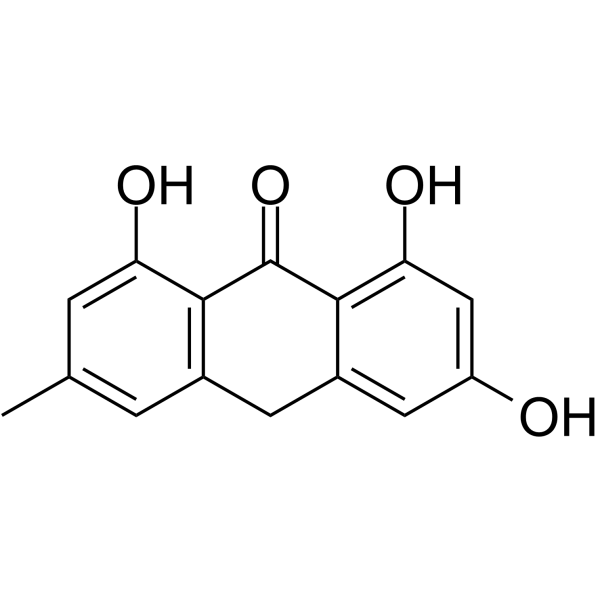
Emodinanthrone (EmodAn) is a MARCH7 stabilizer that inhibits ferroptosis (EC50=70 nM). Emodinanthrone is also a precursor to Emodin (HY-14393) and possesses antibiotic activity. Emodinanthrone directly binds to MARCH7 and blocks its ubiquitination-mediated degradation at the K608 site; this action enhances MARCH7-mediated K48 ubiquitination and degradation of NCOA4, as well as its regulation of the intracellular localization of TFR1 via K63 ubiquitination, thereby reducing the intracellular labile iron pool and blocking ferroptosis. Emodinanthrone demonstrates in vivo cardioprotective effects and exhibits a favorable safety profile. Emodinanthrone is applicable to research on ferroptosis-related cardiovascular diseases, including Doxorubicin (HY-15142A)-induced cardiomyopathy and myocardial ischemia-reperfusion injury .
loading...
    loading...

