443 Results for "

Reperfusion

" in MedChemExpress (MCE) Product Catalog:
Products (443)

443 Results for "Reperfusion" in MCE Product Catalog:

5
5 Cited Publications
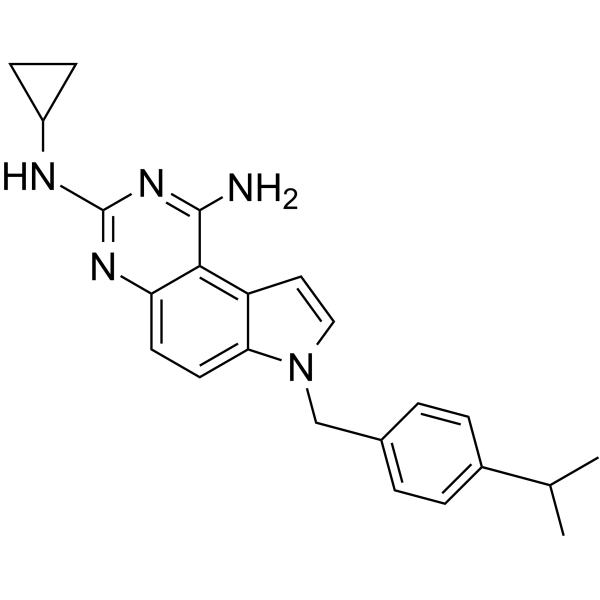
Cat. No.: HY-14993
CAS No.: 245520-69-8
Purity:  99.74%
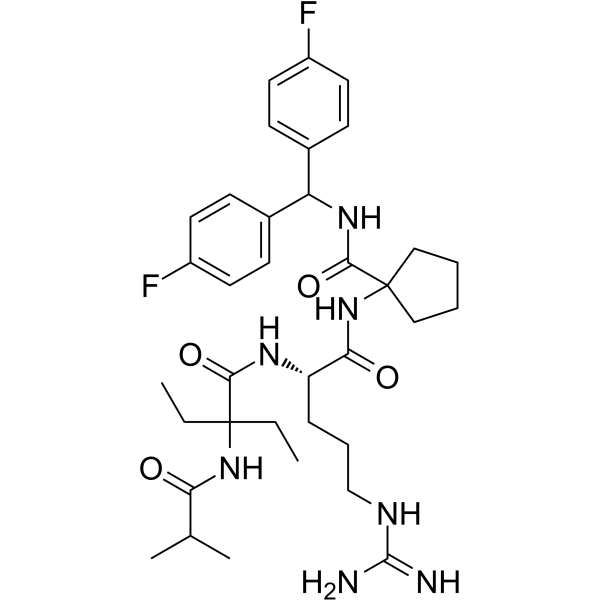
SCH79797 is a highly potent, selective nonpeptide protease activated receptor 1 (PAR1) antagonist. SCH79797 inhibits binding of a high-affinity thrombin receptor-activating peptide to PAR1 with an IC50 of 70 nM and a Ki of 35 nM. SCH79797 inhibits thrombin-induced platelet aggregation with an IC50 of 3 μM. SCH79797 has antiproliferative and pro-apoptotic effects, and limits myocardial ischemia/reperfusion injury in rat hearts. SCH79797 also potently prevents PAR1 activation in vascular smooth muscle cells, endothelial cells, and astrocytes .
loading...
    loading...
5
5 Cited Publications
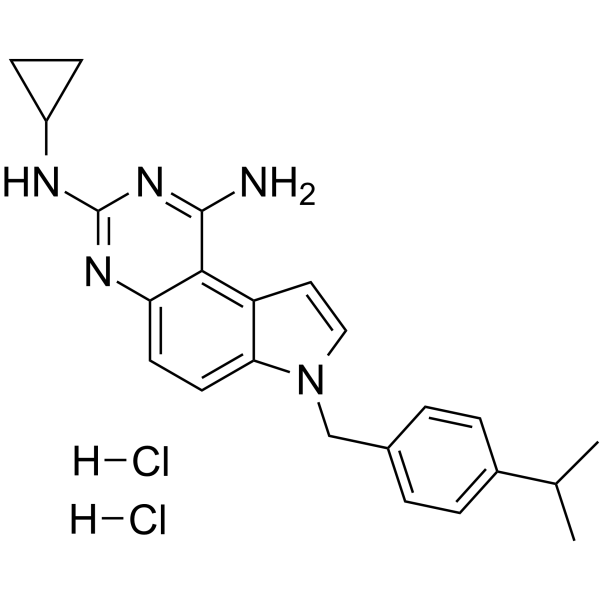
Cat. No.: HY-14994
CAS No.: 1216720-69-2
Purity:  99.91%
SCH79797 dihydrochloride is a highly potent, selective nonpeptide protease activated receptor 1 (PAR1) antagonist. SCH79797 dihydrochloride inhibits binding of a high-affinity thrombin receptor-activating peptide to PAR1 with an IC50 of 70 nM and a Ki of 35 nM. SCH79797 dihydrochloride inhibits thrombin-induced platelet aggregation with an IC50 of 3 μM. SCH79797 dihydrochloride has antiproliferative and pro-apoptotic effects, and limits myocardial ischemia/reperfusion injury in rat hearts. SCH79797 dihydrochloride also potently prevents PAR1 activation in vascular smooth muscle cells, endothelial cells, and astrocytes .
loading...
    loading...
4
4 Cited Publications
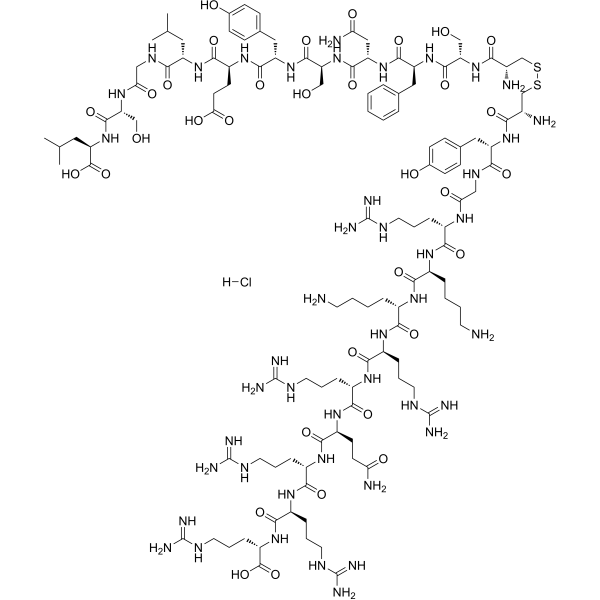
Cat. No.: HY-106262B
Purity:  99.73%
Synonyms: KAI-9803 hydrochloride; BMS-875944 hydrochloride
Target:  

PKC

Delcasertib (KAI-9803) hydrochloride is a potent and selective δ-protein kinase C (δPKC) inhibitor. Delcasertib (KAI-9803) hydrochloride could ameliorate injury associated with ischemia and reperfusion in animal models of acute myocardial infarction (MI) .
loading...
    loading...
4
4 Cited Publications
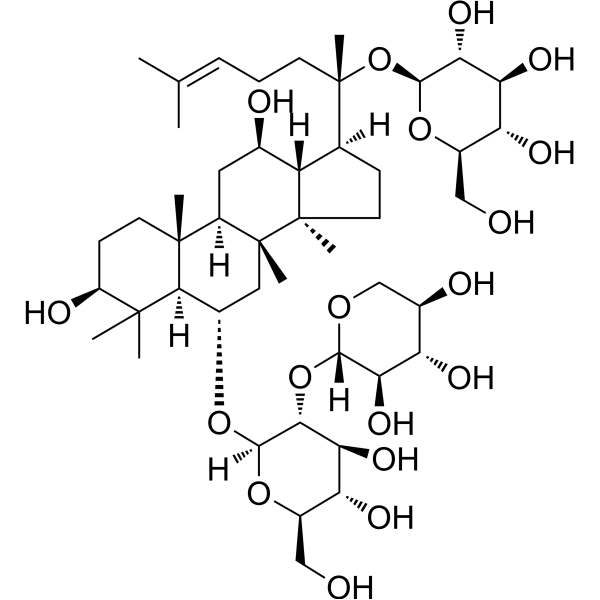
Cat. No.: HY-N0615
CAS No.: 80418-24-2
Synonyms: Sanchinoside R1; Sanqi glucoside R1
Notoginsenoside R1 (Sanchinoside R1), a saponin, is isolated from P. notoginseng. Notoginsenoside R1 exhibits anti-oxidation, anti-inflammatory, anti-angiogenic, and anti-apoptosis activities. Notoginsenoside R1 provides cardioprotection against ischemia/reperfusion (I/R) injury. Notoginsenoside R1 also provides neuroprotection in H2O2-induced oxidative damage in PC12 cells .
loading...
    loading...
4
4 Cited Publications
Cat. No.: HY-12220
CAS No.: 1417329-24-8
Purity:  99.39%
Synonyms: HMTase Inhibitor IX
MM-102 (HMTase Inhibitor IX) is a cell-permeable and tightly binding inhibitor of MLL1-WDR5 interaction (IC50=2.4 nM). MM-102 can specifically inhibit the growth and induce apoptosis of leukemia cells containing MLL1 fusion protein, and reduce renal fibrosis and inflammation in mice with ischemia-reperfusion injury. In addition, MM-102 also acts as an H3K4 histone methyltransferase inhibitor to improve the development of porcine somatic cell nuclear transfer (SCNT) embryos .
loading...
    loading...
4
4 Cited Publications
Cat. No.: HY-N2081
CAS No.: 83-95-4
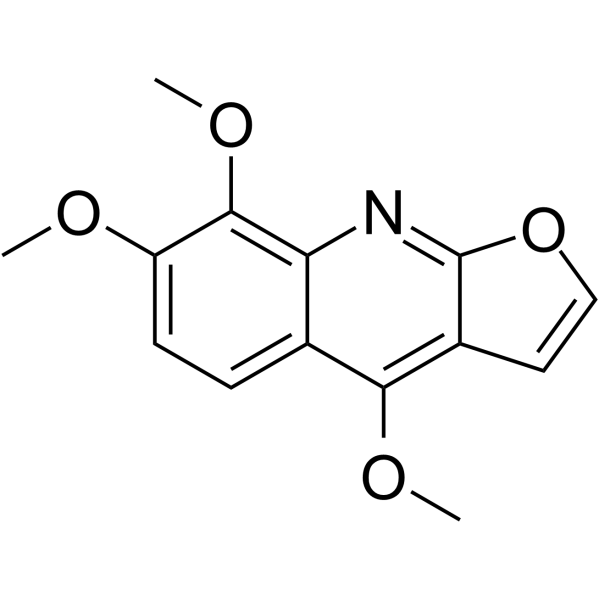
Skimmianine is an orally active furoquiniline alkaloid present mainly in the Rutaceae family. Skimmianine has analgesic, antispastic, sedative, and anti-inflammatory properties. Skimmianine inhibits acetylcholinesterase (AChE) (IC50 = 8.6 μg/mL). Skimmianine exhibits cytotoxicity against a variety of cancer cell lines and genotoxicity. Skimmianine has antioxidant and anti-inflammatory effects on ischemia-reperfusion (IR) injury. Skimmianine exerts anti-inflammatory effects through activation of the phosphatidylinositol-3-kinase (PI3K)-protein kinase B (AKT) pathway. Skimmianine is neuroprotective by targeting the NF-κB activation pathway to prevent neuroinflammation. Skimmianine inhibits the release of histamine, intracellular Ca 2+ signaling and protein kinase C signaling .
loading...
    loading...
4
4 Cited Publications
Cat. No.: HY-18071A
CAS No.: 1422252-46-7
Research Areas:  

Cardiovascular Disease

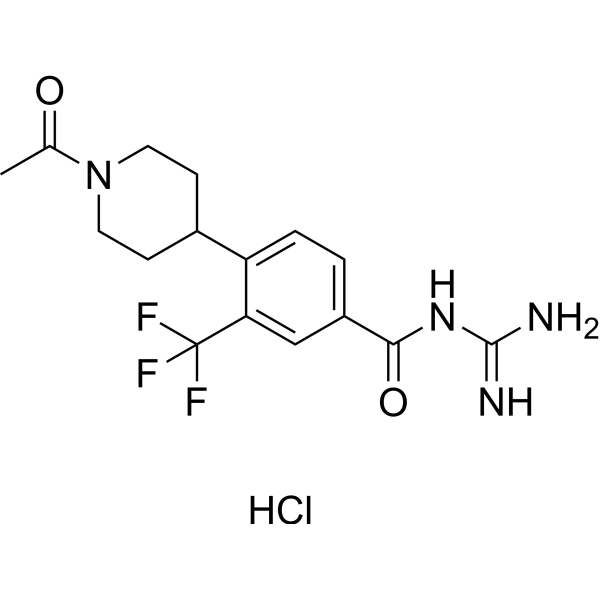
BI-9627 hydrochloride is a potent sodium-hydrogen exchanger isoform 1 (NHE1) inhibitor (IC50 = 6 and 31 nM in intracellular pH recovery (pHi) and human platelet swelling assays). BI-9627 hydrochloride displays >30-fold selectivity against NHE2 and with no measurable inhibitory activity against the NHE3 isoform. BI-9627 hydrochloride decreases autophagy in HTR-8/SVneo cells. BI-9627 hydrochloride can significantly reduce the pHi of human sperm and partially reverse the effect of DMA. BI-9627 hydrochloride prolongs Ca 2+ recovery time in KO hiPSC-CMs. BI-9627 hydrochloride shows low DDI (agent-agent interaction) potential, excellent pharmacokinetics in rat and dog, and remarkably potent activity in the isolated heart model of ischemia-reperfusion injury .
loading...
    loading...
4
4 Cited Publications
Cat. No.: HY-N0805
CAS No.: 26575-95-1
Synonyms: 23-Acetylalismol B; 23-O-Acetylalisol B; Alisol B monoacetate
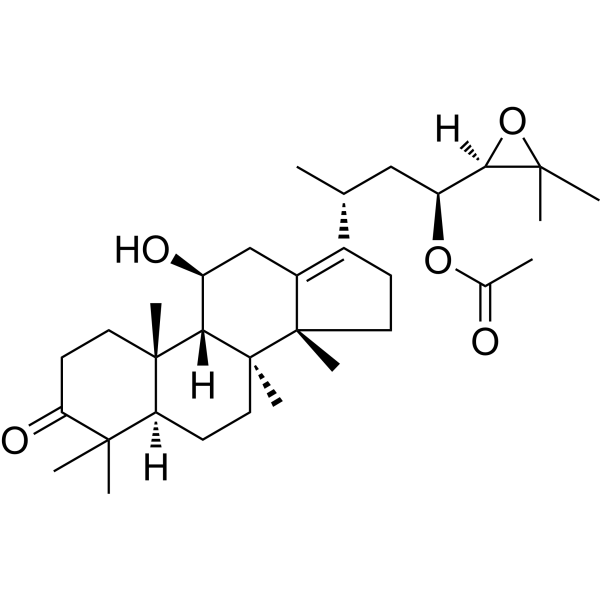
Alisol B 23-acetate is an orally active prototerpane-type triterpenoid. Alisol B 23-acetate can be isolated from Alisma orientalis. Alisol B 23-acetate induces Apoptosis, promotes ROS generation, downregulates CDK4/6, MMP-2/9, upregulates cleaved PARP, activates FXR and inhibits Syk. Alisol B 23-acetate has anti-inflammatory and hepatoprotective activities. Alisol B 23-acetate protects the kidney from ischemia-reperfusion injury. Alisol B 23-acetate has anticancer activity against ovarian cancer, colon cancer, lung cancer, and gastric cancer. Alisol B 23-acetate can be used in the study of atherosclerosis and allergic asthma .
loading...
    loading...
4
4 Cited Publications
Cat. No.: HY-N0806
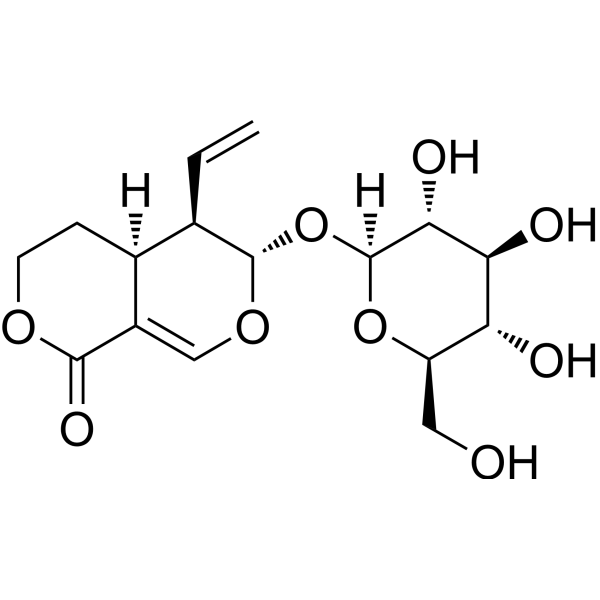
CAS No.: 14215-86-2
Sweroside is an iridoid glycoside that targets multiple targets, including the Keap1/Nrf2 axis, NLRP3 inflammasome, SIRT1, NF-κB, AMPK/mTOR pathway, and caspase family. Sweroside promotes Nrf2 nuclear translocation by competitively binding to Keap1. Sweroside also inhibits oxidative stress and NLRP3-mediated pyroptosis by activating Nrf2, inhibits NF-κB inflammatory pathway by activating SIRT1, and promotes autophagy and induces caspase-dependent apoptosis via the AMPK/mTOR pathway. Sweroside has antioxidant, anti-inflammatory, anti-apoptotic, and lipid metabolism regulating activities, and can be used in the research of myocardial ischemia-reperfusion injury, leukemia, acute lung injury, non-alcoholic fatty liver disease, and other fields .
loading...
    loading...
4
4 Cited Publications
Cat. No.: HY-18071
CAS No.: 1204329-34-9
Research Areas:  

Cardiovascular Disease

BI-9627, a chemical probe, is a potent sodium-hydrogen exchanger isoform 1 (NHE1) inhibitor (IC50 = 6 and 31 nM in intracellular pH recovery (pHi) and human platelet swelling assays). BI-9627 displays >30-fold selectivity against NHE2 and with no measurable inhibitory activity against the NHE3 isoform. BI-9627 decreases autophagy in HTR-8/SVneo cells. BI-9627 can significantly reduce the pHi of human sperm and partially reverse the effect of DMA. BI-9627 prolongs Ca 2+ recovery time in KO hiPSC-CMs. BI-9627 shows low DDI (agent-agent interaction) potential, excellent pharmacokinetics in rat and dog, and remarkably potent activity in the isolated heart model of ischemia-reperfusion injury .
loading...
    loading...
4
4 Cited Publications
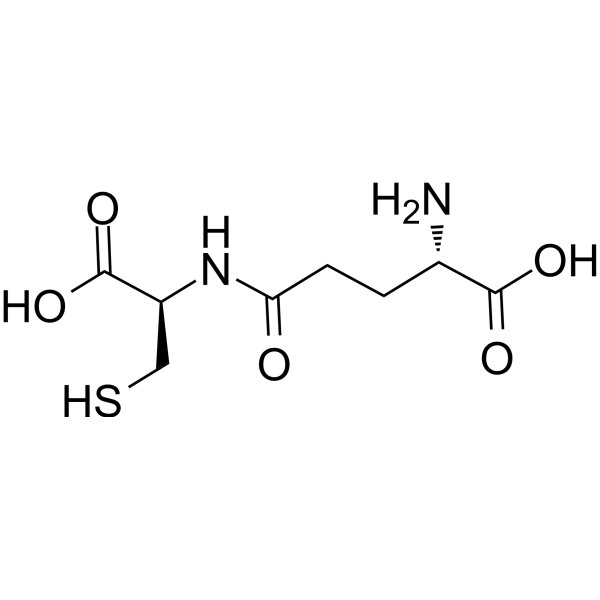
Cat. No.: HY-113402
CAS No.: 636-58-8
Purity:  95.20%
Synonyms: γ-Glu-Cys
Gamma-glutamylcysteine (γ-Glu-Cys) is an orally active, blood-brain barrier permeable dipeptide . Gamma-glutamylcysteine activates AMPK, SIRT1, IL-4/STAT6, AC/cAMP/PI3K, IGF-1R/IRS1/PI3K, and Nrf2 signaling pathways; it inhibits NF-κB, JAK1/STAT1/3, MAPKs, cadmium-induced p38 MAPK, JNK, and PI3K/Akt signaling pathways. Gamma-glutamylcysteine regulates macrophage polarization, modulates the trafficking of CD36 and GLUT4, induces glutathione synthesis, improves metabolic dysfunction, reduces lipid deposition, ameliorates glucose homeostasis, inhibits apoptosis (Apoptosis), stabilizes mitochondria, suppresses lipid peroxidation, iron accumulation and ferroptosis (Ferroptosis), reduces ds-HMGB1 levels, reverses mechanical hyperalgesia, and alleviates hepatic lipid droplet formation. Gamma-glutamylcysteine is applicable to research related to inflammatory bowel disease, type 2 diabetes, cadmium-induced neurotoxicity, Alzheimer's disease, cerebral ischemia/reperfusion injury, neuropathy, and alcoholic liver disease .
loading...
    loading...
4
4 Cited Publications
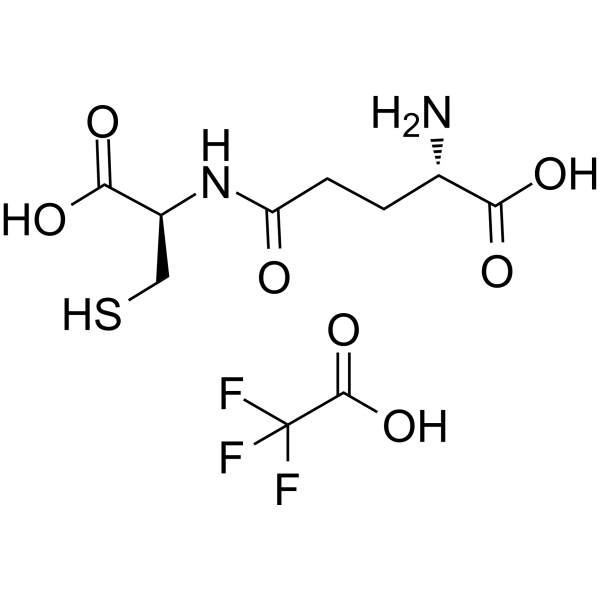
Cat. No.: HY-113402A
CAS No.: 283159-88-6
Purity:  95.20%
Synonyms: γ-Glu-Cys TFA
Gamma-glutamylcysteine TFA (γ-Glu-Cys TFA) is an orally active, blood-brain barrier permeable dipeptide . Gamma-glutamylcysteine TFA activates AMPK, SIRT1, IL-4/STAT6, AC/cAMP/PI3K, IGF-1R/IRS1/PI3K, and Nrf2 signaling pathways; it inhibits NF-κB, JAK1/STAT1/3, MAPKs, cadmium-induced p38 MAPK, JNK, and PI3K/Akt signaling pathways. Gamma-glutamylcysteine TFA regulates macrophage polarization, modulates the trafficking of CD36 and GLUT4, induces glutathione synthesis, improves metabolic dysfunction, reduces lipid deposition, ameliorates glucose homeostasis, inhibits apoptosis (Apoptosis), stabilizes mitochondria, suppresses lipid peroxidation, iron accumulation and ferroptosis (Ferroptosis), reduces ds-HMGB1 levels, reverses mechanical hyperalgesia, and alleviates hepatic lipid droplet formation. Gamma-glutamylcysteine TFA is applicable to research related to inflammatory bowel disease, type 2 diabetes, cadmium-induced neurotoxicity, Alzheimer's disease, cerebral ischemia/reperfusion injury, neuropathy, and alcoholic liver disease .
loading...
    loading...
3
3 Cited Publications
Cat. No.: HY-108457
CAS No.: 484-17-3
Purity:  99.61%
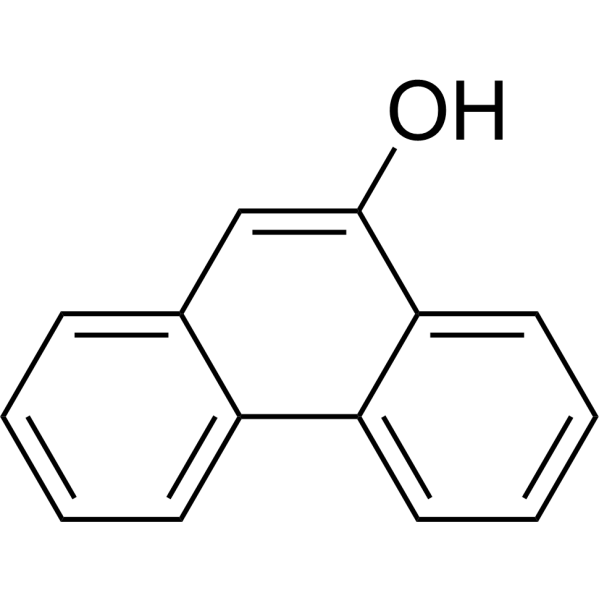
Synonyms: 9-Hydroxyphenanthrene; NSC 50554
Target:  

TRP Channel

Research Areas:  

Cardiovascular Disease

9-Phenanthrol (9-Hydroxyphenanthrene) is a selective TRPM4 inhibitor with an IC50 of 17 μM. 9-Phenanthrol has no inhibitory activity on TRPM5, TRPC6, and CFTR. 9-Phenanthrol can be used for the research of ischemia-reperfusion injury .
loading...
    loading...
3
3 Cited Publications
Cat. No.: HY-N0385
CAS No.: 66280-25-9
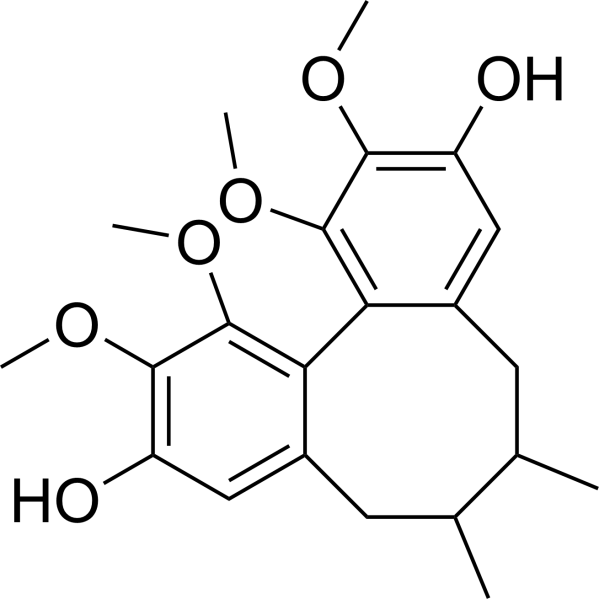
Gomisin J is a Schisandra chinensis-derived lignan that can inhibit multiple targets such as eNOS, AMPK (LKB1, CaMKIIβ), fetuin-A, NF-κB, Nrf2/HO-1, and can pass through the blood-brain barrier. Gomisin J increases NO bioavailability by activating eNOS, regulates lipid metabolism by activating the AMPK pathway, inhibits fetuin-A and NF-κB to exert anti-inflammatory effects, and activates Nrf2/HO-1 to enhance antioxidant capacity. Gomisin J has the activities of anti-hypertension, regulating liver lipid metabolism, and reducing cerebral ischemia-reperfusion injury, and can be used for research on hypertension, non-alcoholic fatty liver disease, cerebral ischemia-reperfusion injury, etc .
loading...
    loading...
3
3 Cited Publications
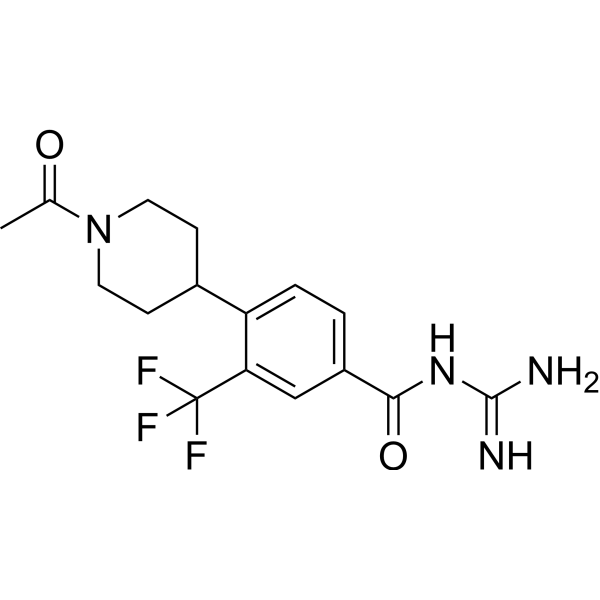
Cat. No.: HY-B0419
CAS No.: 89226-50-6
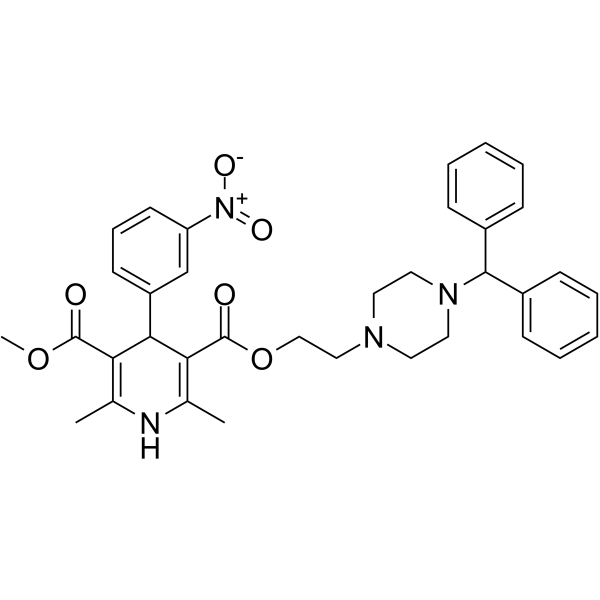
Manidipine is an orally active calcium channel antagonist. Manidipine regulates the expression of cytokines (IL-1β, IL-6). Manidipine has a hypotensive effect. Manidipine can be used in the study of cardiovascular diseases (such as hypertension, myocardial ischemia-reperfusion injury, ventricular hypertrophy), kidney diseases (such as glomerular diseases), and epilepsy .
loading...
    loading...
3
3 Cited Publications
Cat. No.: HY-145237
CAS No.: 2891606-02-1
Purity:  99.81%
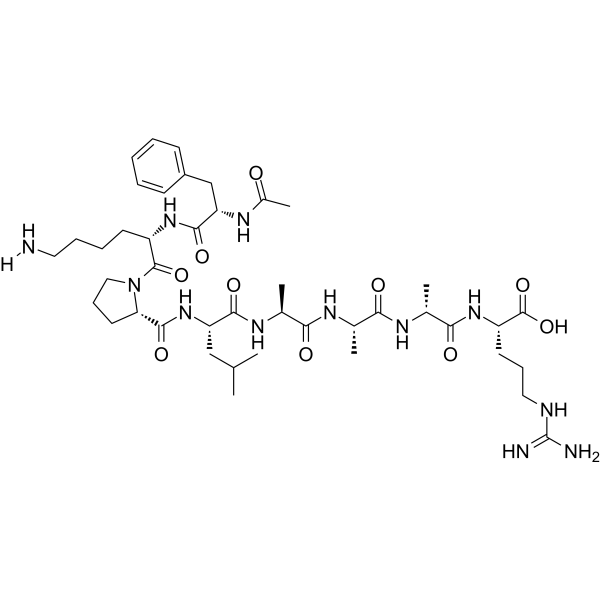
BM213 is a selective C5aR agonist, with an EC50 of 59 nM. BM213 specifically activates the C5a-C5aR1 axis, which in turn promotes neutrophil extracellular trap (NET) formation and exacerbates inflammatory responses. BM213 significantly induces ventricular dilationin, promotes myocardial ROS production, and induces cardiomyocyte apoptosis in rats. BM213 can be used for the study of myocardial ischemia/reperfusion (I/R) injury .
loading...
    loading...
3
3 Cited Publications
Cat. No.: HY-N0597
CAS No.: 32791-84-7
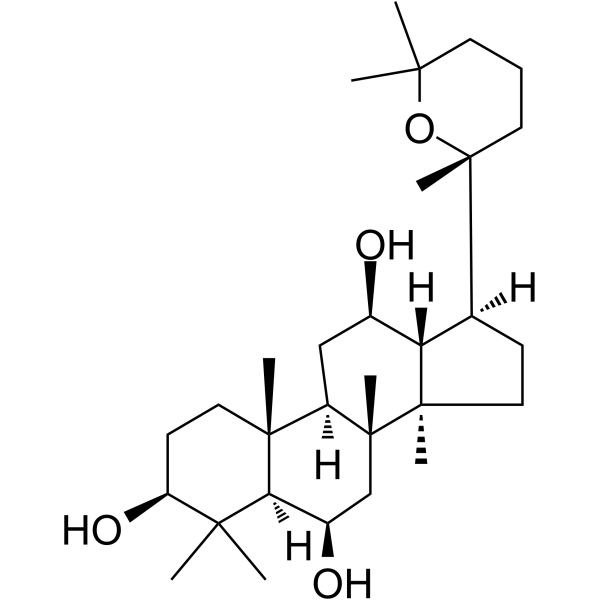
Panaxatriol is an orally active dammarane-type tetracyclic triterpene sapogenin. Panaxatriol enhances the phosphorylation levels of Akt, insulin receptor and p70S6K in skeletal muscle. Panaxatriol reduces the mRNA expression level of Atrogin1 in skeletal muscle. Panaxatriol induces apoptosis, pre-G1 cell cycle arrest and increased intracellular ROS levels in prostate cancer cells, decreases mitochondrial membrane potential, inhibits cell migration and reduces colony formation. Panaxatriol can be used in research related to insulin resistance, myocardial ischemia/reperfusion injury and prostate cancer [1][2][3].
loading...
    loading...
3
3 Cited Publications
Cat. No.: HY-103435
CAS No.: 858134-23-3
Purity:  99.90%
Synonyms: Terrestrin A
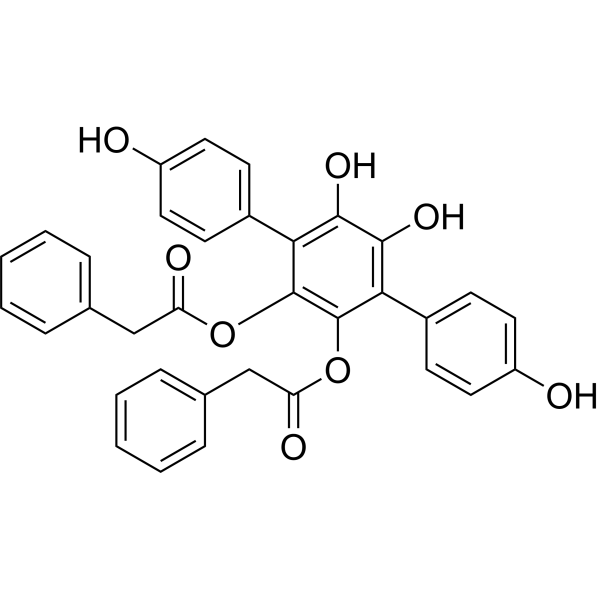
Vialinin A (Terrestrin A) is a p-terphenyl compound that can be derived from a Chinese edible mushroom. Vialinin A is an inhibitor of ubiquitin-specific peptidase 4 (USP4) and has anti-inflammatory and antioxidant properties. Vialinin A can alleviate cerebral ischaemia-reperfusion injury-induced neurological deficits and neuronal apoptosis. Vialinin A promotes activation of Keap1-Nrf2-ARE signaling pathway and increases the protein degradation of Keap1. Vialinin A possesses various pharmacological activities in cancer, Kawasaki disease, asthma, and pathological scarring. Vialinin A is a potent inhibitor of TNF-α, USP4, USP5, and sentrin/SUMO-specific protease 1 (SENP1). Vialinin A can be studied in reseach for autoimmune diseases, cancer and ischaemic stroke .
loading...
    loading...
2
2 Cited Publications
Cat. No.: HY-111475
CAS No.: 219315-22-7
Purity:  99.95%
Research Areas:  

Cardiovascular Disease

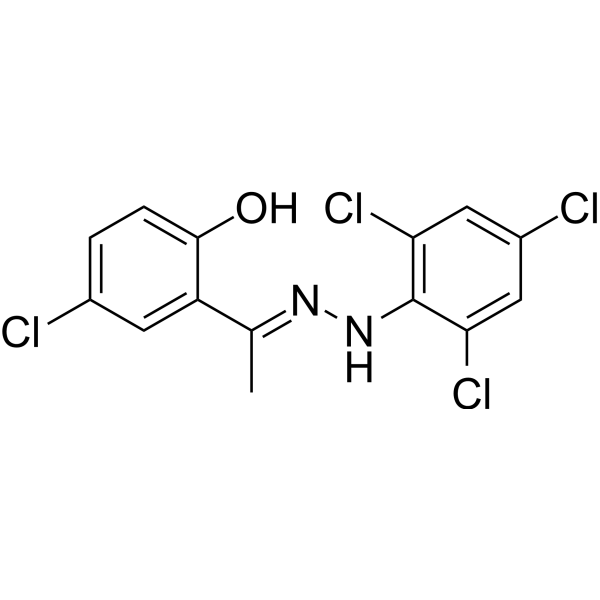
Mitochondrial fusion promoter M1 is a mitochondrial dynamic modulator. Mitochondrial fusion promoter M1 preserves the mitochondrial function and promotes cellular respiration. Mitochondrial fusion promoter M1 alleviates cardiac and brain damage in rats with cardiac ischemia/reperfusion injury .
loading...
    loading...
2
2 Cited Publications
Cat. No.: HY-N0745
CAS No.: 94596-28-8
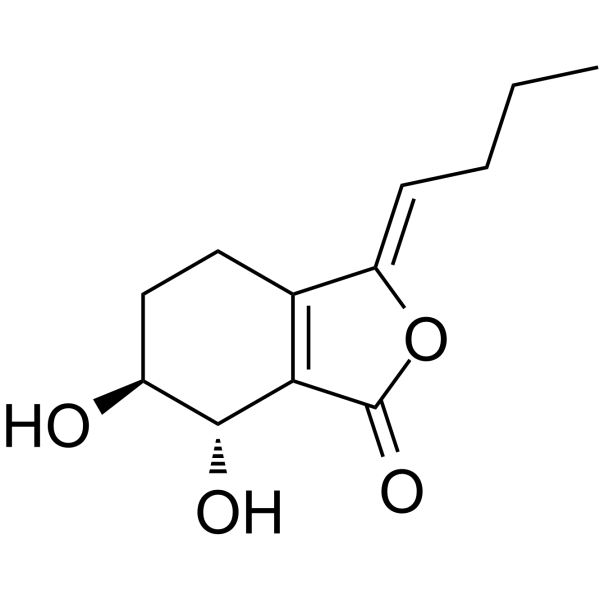
Senkyunolide I is an orally active, blood-brain barrier-permeable metabolite of Z-ligustilide (HY-N0401A) . Senkyunolide I is isolated from Ligusticum chuanxiong. Senkyunolide I upregulates p-Erk1/2 and Nrf2/HO-1, and inhibits Caspase 3. Senkyunolide I alleviates Apoptosis. Senkyunolide I increases the pain threshold in mice and reduces acetic acid-induced writhing responses in mice. Senkyunolide I improves neurological deficits, reduces infarct volume and alleviates cerebral edema in rats with focal cerebral ischemia-reperfusion injury. Senkyunolide I protects renal function and structural integrity in a mouse model of renal ischemia-reperfusion injury. Senkyunolide I is applicable to research related to focal cerebral ischemia-reperfusion injury, migraine, and renal ischemia-reperfusion injury .
loading...
    loading...

