


869 Results for "

cutaneous absorption

" in MedChemExpress (MCE) Product Catalog:
Products (869)

869 Results for "cutaneous absorption" in MCE Product Catalog:

1
1 Cited Publications
Cat. No.: HY-P2802
CAS No.: 9001-42-7
Synonyms: α-D-Glucosidase, Yeast
Target:  

Glycosidase

Research Areas:  

Metabolic Disease

α-Glucosidase, Yeast (α-D-Glucosidase, Yeast), a carbohydrate hydrolyzing enzyme, catalyzes the liberation of α-glucose from the non-reducing end of the substrate. α-Glucosidase can facilitate the absorption of glucose by the small intestine. Inhibition of α-Glucosidase is an effective management of non-insulin-dependent diabetes mellitus (NIDDM) .
loading...
    loading...
1
1 Cited Publications
Cat. No.: HY-133813A
CAS No.: 72296-47-0
Purity:  ≥95.0%
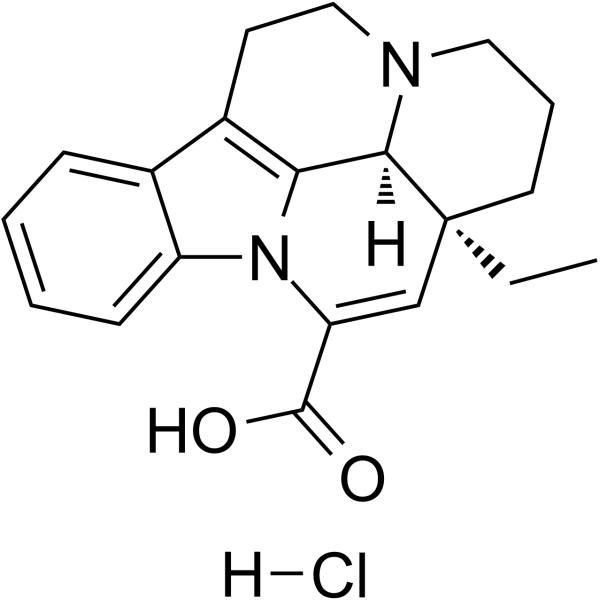
Apovincaminic acid hydrochloride salt is the major metabolite of Vinpocetine (HY-13295), with blood-brain barrier permeability and oral activity. Apovincaminic acid hydrochloride salt is detectable in the plasma of pregnant rabbits after oral administration of Vinpocetine. Apovincaminic acid hydrochloride salt is absorbable from all segments of the gastrointestinal tract of Norway rat, with the stomach as the primary absorption site, and is excreted via urine and feces. Apovincaminic acid hydrochloride salt is used in the research of cerebrovascular diseases .
loading...
    loading...
1
1 Cited Publications
Cat. No.: HY-D2083
CAS No.: 1446240-77-2
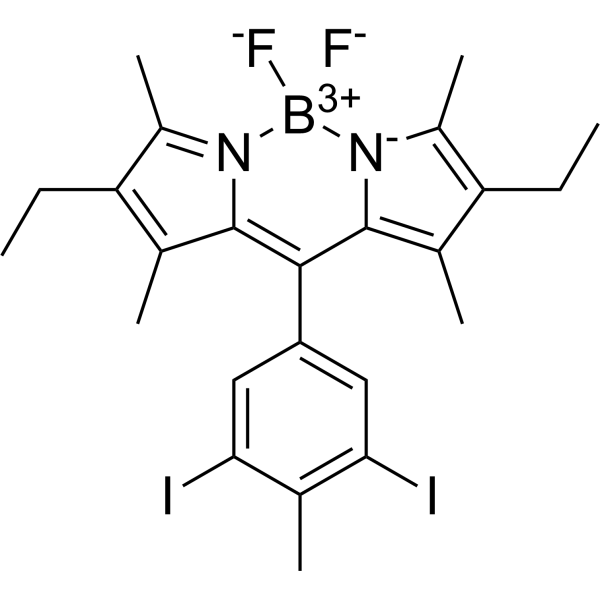
BODIPY 540 (purity>98%) is a BODIPY dye.BODIPY dye is a small molecule dye with strong UV absorption ability.Its fluorescence peak is relatively sharp, its quantum yield is high, and it is relatively insensitive to the polarity and pH value of the environment.BODIPY 540 (purity>98%) has a purity higher than 98% and is suitable for cell experiments (Ex/Em = 540/580 nm) .
loading...
    loading...
1
1 Cited Publications
Cat. No.: HY-154631
CAS No.: 8002-03-7
Purity:  99.2%
Research Areas:  

Others

Peanut Oil can be used as an excipient. Pharmaceutical excipients, or pharmaceutical auxiliaries, refer to other chemical substances used in the pharmaceutical process other than pharmaceutical ingredients. Pharmaceutical excipients generally refer to inactive ingredients in pharmaceutical preparations, which can improve the stability, solubility and processability of pharmaceutical preparations. Pharmaceutical excipients also affect the absorption, distribution, metabolism, and elimination (ADME) processes of co-administered drugs .
loading...
    loading...
1
1 Cited Publications
Cat. No.: HY-148033
CAS No.: 52349-26-5
Synonyms: N,N,N-Trimethylchitosan
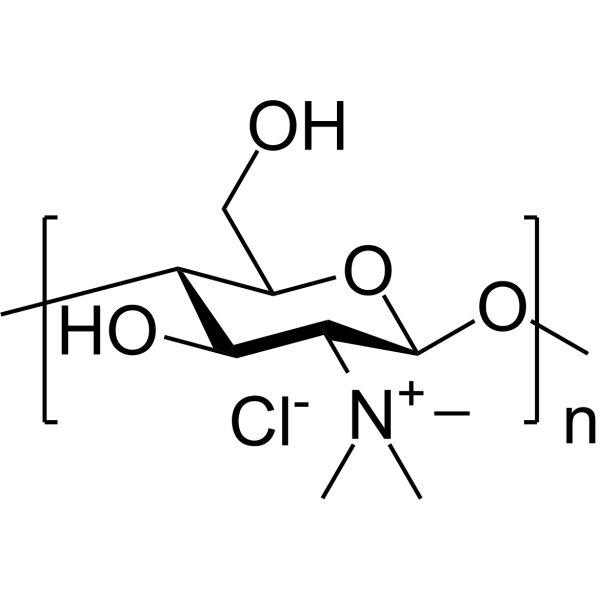
Trimethyl chitosan (N,N,N-Trimethylchitosan) is a multifunctional polymer and a derivative of Chitosan (HY-B2144A). Trimethyl chitosan targets the absorption enhancing proteins of tight junctions of intestinal and mucosal epithelial cells, induces tight junction protein rearrangement, and increases intercellular permeability. Trimethyl chitosan can stimulate the activity of promoting transmembrane transport of hydrophilic drugs (such as peptides and proteins) and can be used for drug delivery and synthesis of nanoparticles .
loading...
    loading...
1
1 Cited Publications
Cat. No.: HY-Y0873E
CAS No.: 25322-68-3
Synonyms: Polyethylene glycol 1500
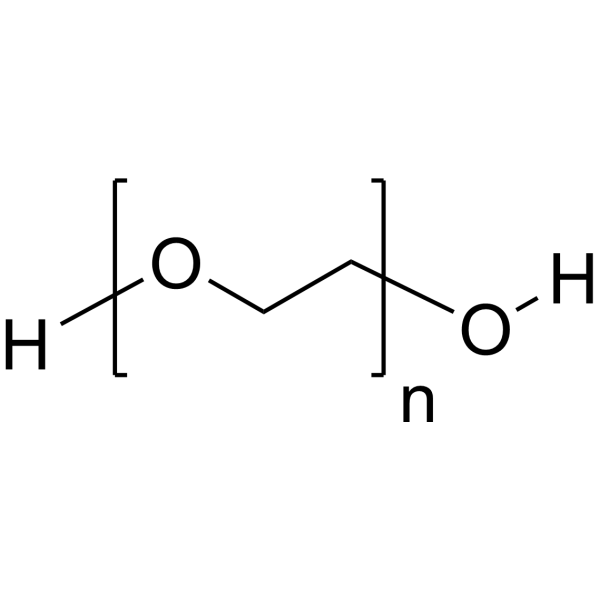
PEG1500 can be used as an excipient, such as ointment base, lubricant. Pharmaceutical excipients, or pharmaceutical auxiliaries, refer to other chemical substances used in the pharmaceutical process other than pharmaceutical ingredients. Pharmaceutical excipients generally refer to inactive ingredients in pharmaceutical preparations, which can improve the stability, solubility and processability of pharmaceutical preparations. Pharmaceutical excipients also affect the absorption, distribution, metabolism, and elimination (ADME) processes of co-administered drugs .
loading...
    loading...
1
1 Cited Publications
Cat. No.: HY-13995A
CAS No.: 152751-57-0
Purity:  ≥98.0%
Target:  

FXR

Research Areas:  

Metabolic Disease Endocrinology

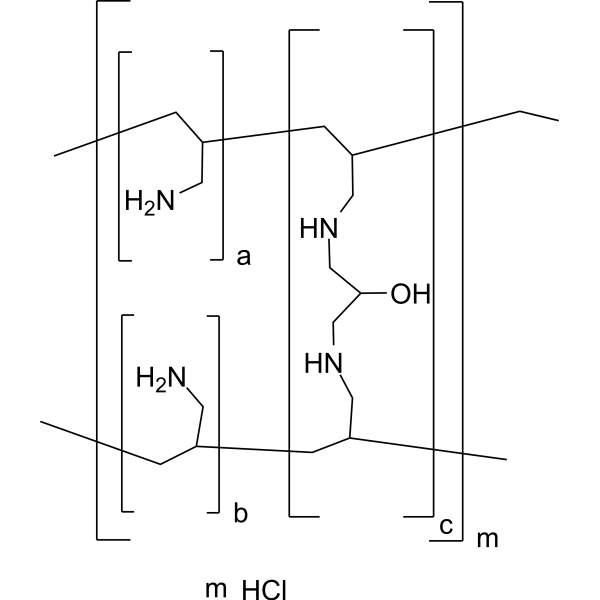
Sevelamer hydrochloride is an orally active polymeric phosphate binder and bile acid sequestrant. Sevelamer hydrochloride binds dietary phosphate in the gastrointestinal tract, reducing phosphate absorption and serum phosphorus levels, and reduces urinary phosphate excretion. Sevelamer hydrochloride binds polyanion bile acids, increases bile acid faecal excretion, and reduces total cholesterol and LDL cholesterol levels. Sevelamer hydrochloride can be used for the research of hyperphosphataemia, hyperparathyroidism, chronic renal failure, kidney disease, and type 2 diabetes .
loading...
    loading...
1
1 Cited Publications
Cat. No.: HY-10533
CAS No.: 59989-18-3
Purity:  99.93%
Synonyms: 5-Ethynyluracil; GW776C85
Research Areas:  

Cancer

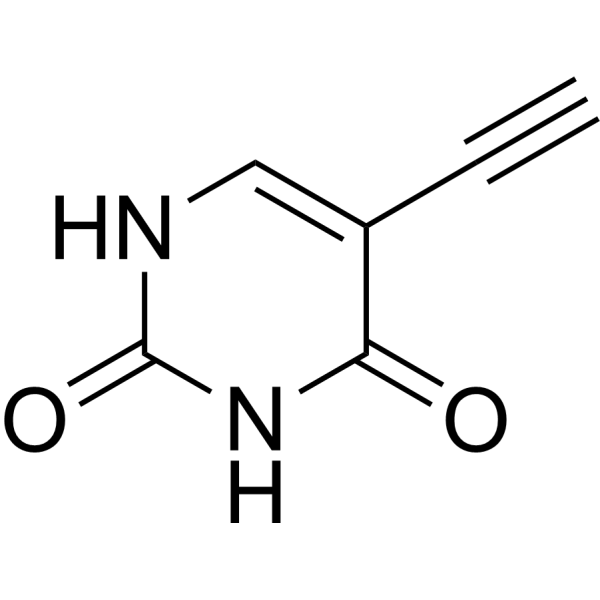
Eniluracil (5-Ethynyluracil) is an orally active dihydropyrimidine dehydrogenase (DPD) inhibitor. Eniluracil irreversibly inhibits DPD, increases the oral bioavailability of 5-fluorouracil to 100%, and facilitates the uniform absorption and toxicity of 5-fluorouracil. Eniluracil can be used in cancer research of combination with fluoropyrimidines (including 5-fluorouracil) . Eniluracil is a click chemistry reagent, it contains an Alkyne group and can undergo copper-catalyzed azide-alkyne cycloaddition (CuAAc) with molecules containing Azide groups.
loading...
    loading...
1
1 Cited Publications
Cat. No.: HY-13995B
CAS No.: 845273-93-0
Target:  

FXR

Research Areas:  

Metabolic Disease Endocrinology

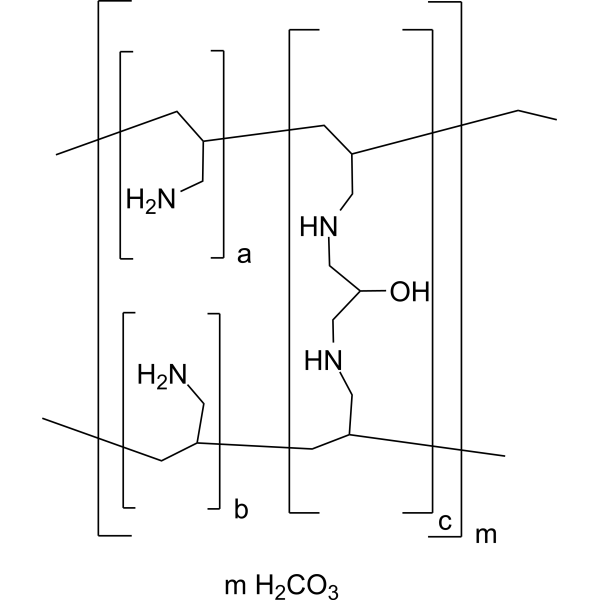
Sevelamer carbonate is an orally active polymeric phosphate binder and bile acid sequestrant. Sevelamer carbonate binds dietary phosphate in the gastrointestinal tract, reducing phosphate absorption and serum phosphorus levels, and reduces urinary phosphate excretion. Sevelamer carbonate binds polyanion bile acids, increases bile acid faecal excretion, and reduces total cholesterol and LDL cholesterol levels. Sevelamer carbonate can be used for the research of hyperphosphataemia, hyperparathyroidism, chronic renal failure, kidney disease, and type 2 diabetes .
loading...
    loading...
1
1 Cited Publications
Cat. No.: HY-149276
CAS No.: 950348-60-4
Purity:  99.88%
Target:  

GLUT

Research Areas:  

Metabolic Disease

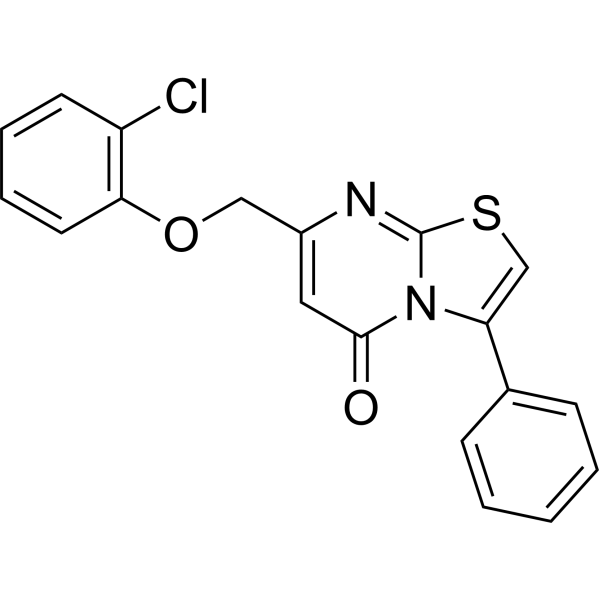
SLC26A3-IN-2 is an orally active inhibitor of anion exchanger protein SLC26A3 (IC50=360 nM). SLC26A3 belongs to solute carrier (SLC) proteins, and the SLC26 family. SLC26 family has broad anion specificity for chloride, bicarbonate, sulfate and oxalate. SLC26A3 down-regulates in adenoma, DRA, involves in in intestinal absorption of chloride and oxalate. The loss of SLC26A3 function mutations is associated with chloride-losing diarrhea .
loading...
    loading...
1
1 Cited Publications
Cat. No.: HY-W105970
CAS No.: 7758-16-9
Synonyms: Disodium pyrophosphate; Sodium acid pyrophosphate; SAPP
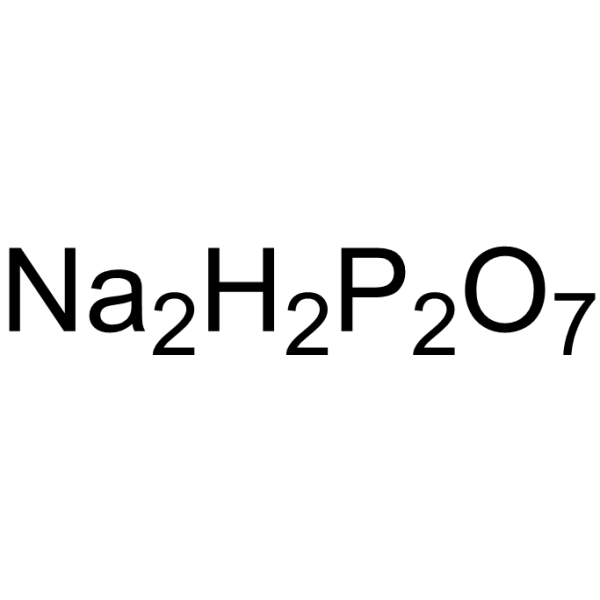
Sodium pyrophosphate (Disodium pyrophosphate) is an orally active reverse transcriptase ribonuclease H inhibitor. Sodium pyrophosphate forms soluble complexes with iron from ferric pyrophosphate to promote intestinal iron absorption. Sodium pyrophosphate increases the β-sheet content of oxidatively damaged myofibrillar protein gels and enhances the gastric digestibility and antioxidant activity of their digestion products. Sodium pyrophosphate prevents the degradation of RNA-DNA hybrids, inhibits antisense complementary DNA synthesis, induces phage DNA leakage, and causes random mutations in temperate phages .
loading...
    loading...
1
1 Cited Publications
Cat. No.: HY-133536
CAS No.: 1811539-42-0
Purity:  98.2%
Synonyms: PA-JF549-NHS
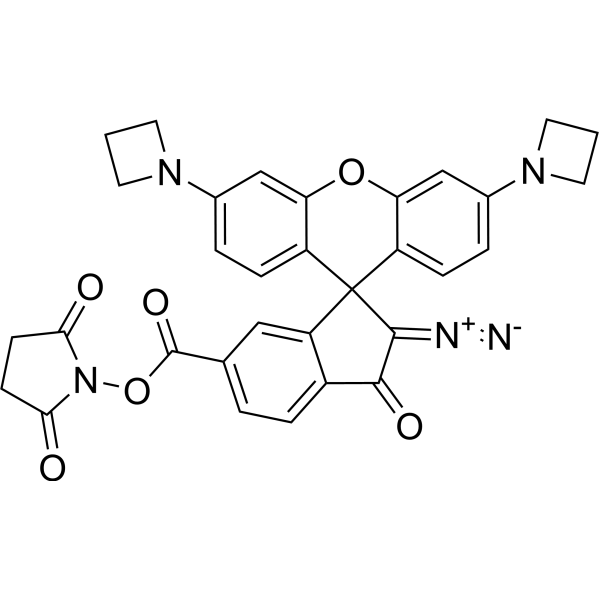
PA Janelia Fluor 549, SE (PA-JF549-NHS) is a bright photoactivatable fluorophore of JF549,SE (JF549,NHS). JF549,SE (JF549,NHS) is a fluorescent dye with the absorption maximum (λab (max)) of 549 nm and emission maximum (λem (max)) of 571 nm . Janelia Fluor fluorescent dyes can be chemically conjugated to the specific HaloTag substrate (a chloroalkane ligand) to form a fluorescent ligand, rather than binding directly to the HaloTag protein itself.
loading...
    loading...
1
1 Cited Publications
Cat. No.: HY-D1565
CAS No.: 2270866-73-2
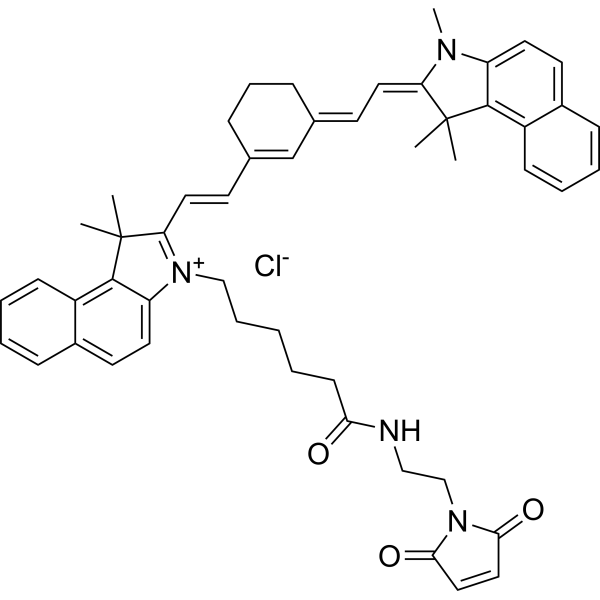
Cy7.5 maleimide is a CY dye. CY, short for Cyanine, is a compound consisting of two nitrogen atoms connected by an odd number of methyl units. Cyanine compounds have the characteristics of long wavelength, adjustable absorption and emission, high extinction coefficient, good water solubility and relatively simple synthesis . CY dyes are of en used for the labeling of proteins, antibodies and small molecular compounds. For the labeling of protein antibodies, the combination can be completed through a simple mixing reaction. Below, we introduce the labeling method of protein antibody labeling, which has certain reference significance .
loading...
    loading...
1
1 Cited Publications
Cat. No.: HY-W014837
CAS No.: 15471-17-7
Synonyms: 3-(1-Pyridinio)-1-propanesulfonate
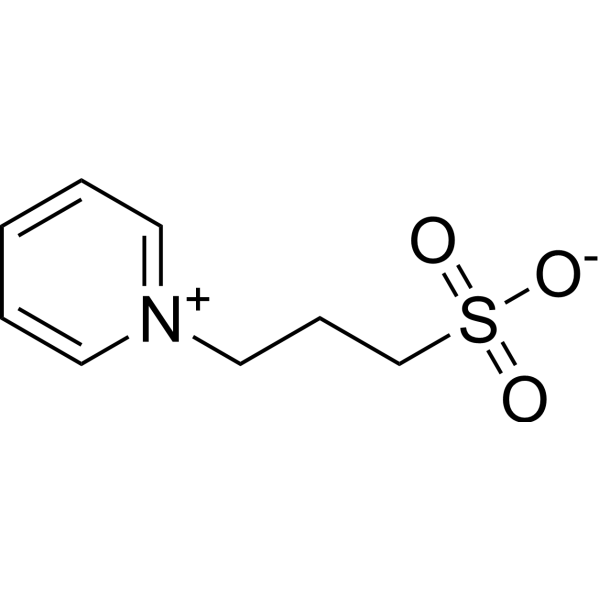
NDSB-201 consists of a pyridine group attached to a propane chain, which in turn is attached to a sulfonate group. This compound is commonly used as a buffer in biochemical and biological research, especially in electrophoretic applications. It maintains a stable pH in aqueous solutions and has low UV absorption, making it suitable for use in the UV spectrum. Furthermore, due to its ability to form stable complexes with DNA and other biomolecules, 3-(pyridin-1-ium-1-yl)propane-1-sulfonate has been investigated for its potential in drug delivery and genetic research.
loading...
    loading...
1
1 Cited Publications
Cat. No.: HY-124344
CAS No.: 116764-15-9
Purity:  98.90%
Avenanthramide C is an orally active polyphenolic compound that penetrates the blood-brain barrier. Avenanthramide C is derived from oats. Avenanthramide C inhibits NF-κB nuclear translocation and inhibits the phosphorylation of PI3K, PLCγ1, Lyn, Syk, and Akt. Avenanthramide C inhibits the expression and activity of MMP-9 and inhibits MAPK phosphorylation. Avenanthramide C scavenges DPPH radicals, reduces intracellular ROS, and inhibits pro-inflammatory cytokine release and adhesion molecule expression. Avenanthramide C inhibits cell degranulation. Avenanthramide C attenuates active systemic anaphylaxis and inhibits passive cutaneous anaphylaxis. Avenanthramide C ameliorates PHZ-induced blood stasis. Avenanthramide C inhibits neuroinflammation, restores long-term potentiation, and improves recognition and spatial memory in Alzheimer's disease models. Avenanthramide C can be used for research on allergic inflammation, thrombosis, atherosclerosis, and Alzheimer's disease .
loading...
    loading...
1
1 Cited Publications
Cat. No.: HY-P1181A
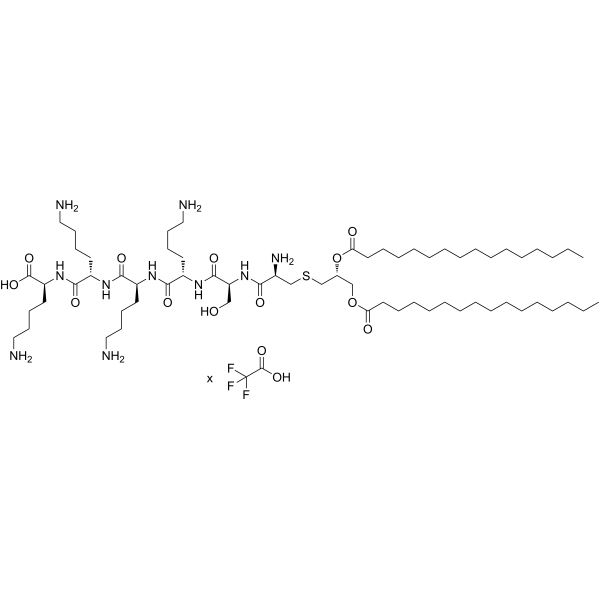
Pam2CSK4 TFA is a TLR2 agonist. Pam2CSK4 TFA induces the expression of iNOS and NO in macrophage cell lines via TBK1 and MyD88 molecules. Pam2CSK4 TFA activates the NF-κB and Bruton's tyrosine kinase signaling pathways in platelets, and promotes platelet-endothelial cell interactions. TLR2 activation triggered by Pam2CSK4 TFA expands myeloid-derived suppressor cells (MDSCs) and suppresses anti-tumor immune responses in the tumor microenvironment. Pam2CSK4 TFA acts as a Th2-polarizing adjuvant in mouse vaccine models against Leishmania major and Brugia malayi. Pam2CSK4 TFA can be used in the research of various diseases, including thromboinflammatory diseases, sepsis, atherosclerosis, heart failure, influenza, lymphoma, melanoma, cutaneous leishmaniasis and lymphatic filariasis .
loading...
    loading...
1
1 Cited Publications
Cat. No.: HY-N5139
CAS No.: 93685-90-6
Synonyms: Lecithins, egg yolk; Belovo PL 85
Lecithins, egg (Lecithins, egg yolk; Belovo PL 85) is an orally active natural phospholipid mixture extracted from egg yolks . Lecithins, egg inhibits the activities of acetylcholinesterase (AChE) and angiotensin-converting enzyme (ACE). Lecithins, egg exhibits antibacterial, antioxidant and anti-inflammatory activities, and helps delay cellular senescence. Lecithins, egg enhances nerve conduction, improves memory and cognitive function, and exerts positive effects on delaying neurodegenerative diseases. Lecithins, egg promotes lipid absorption and alleviates diarrhea. Lecithins, egg acts as a high-efficiency drug carrier for the preparation of targeted drug delivery systems such as liposomes .
loading...
    loading...
1
1 Cited Publications
Cat. No.: HY-112144
CAS No.: 1558021-37-6
Purity:  99.25%
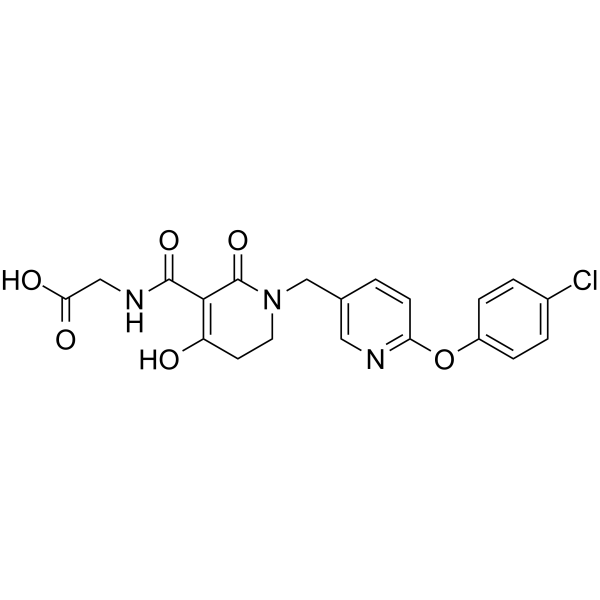
TP0463518 is an orally active, competitive pan-inhibitor of hypoxia-inducible factor prolyl hydroxylases PHD1/2/3. TP0463518 competitively inhibits human PHD1 (IC50=18 nM), PHD2 (Ki=5.3 nM), and PHD3 (IC50=63 nM), and targets monkey PHD2 with an IC50 of 22 nM. TP0463518 inhibits PHD-catalyzed hydroxylation to stabilize HIFα, thereby upregulating erythropoietin (EPO) expression and enhancing intestinal iron absorption (such as increased DMT-1 and dCYTb expression), improving anemia. TP0463518 is mainly used for the research of renal anemia and inflammatory anemia .
loading...
    loading...
1
1 Cited Publications
Cat. No.: HY-131021
Synonyms: JF549, Azide
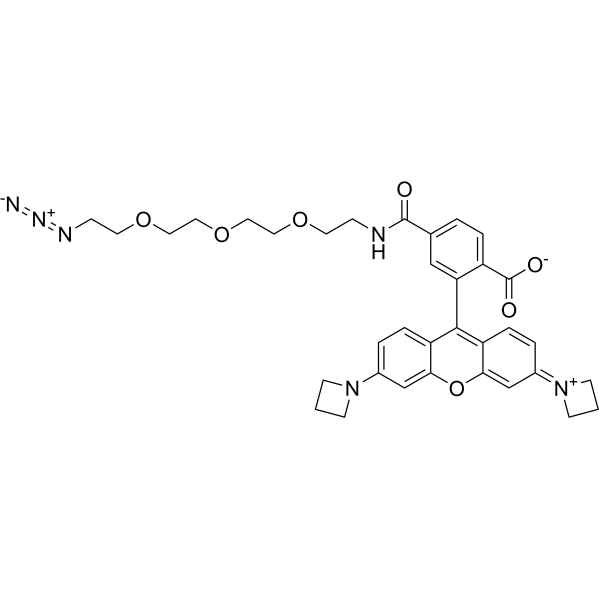
Janelia Fluor 549, Azide (JF549, Azide) is a fluorescent dye with the absorption maximum (λab (max)) of 549 nm and emission maximum (λem (max)) of 571 nm . Janelia Fluor fluorescent dyes can be chemically conjugated to the specific HaloTag substrate (a chloroalkane ligand) to form a fluorescent ligand, rather than binding directly to the HaloTag protein itself. Janelia Fluor products are licensed under U.S. Pat. Nos. 9,933,417, 10,018,624 and 10,161,932 and other patents from Howard Hughes Medical Institute. It contains an azide group and can undergo copper-catalyzed azide-alkyne cycloaddition (CuAAc) with molecules containing alkyne groups. It can also undergo ring strain-promoted alkyne-azide cycloaddition (SPAAC) with molecules containing DBCO or BCN groups.
loading...
    loading...
1
1 Cited Publications
Cat. No.: HY-B0113S
CAS No.: 922731-01-9
Synonyms: H 16868-d3
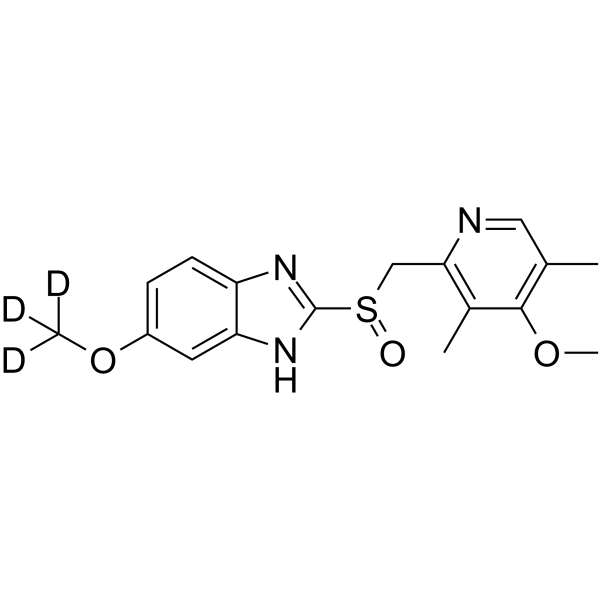
Omeprazole-d3 (H 16868-d3) is deuterium labeled Omeprazole. Omeprazole (H 16868) is an orally active H +,K +-ATPase inhibitor and a proton pump inhibitor. Omeprazole competitively inhibits CYP2C19, CYP3A4, and CYP2C9 activity. Omeprazole inhibits gastric acid secretion and can be used for acid-related gastrointestinal disorders. Omeprazole inhibits pancreatic cancer cell proliferation, induces apoptosis, autophagosome accumulation (elevated LC3-I and LC3-II levels), oxidative stress, and cytogenetic imbalance, modulates lysosomal transport, reduces inflammatory cytokines. Omeprazole alters small intestinal morphology and magnesium absorption, and induces gastric mucosa morphologic changes. Omeprazole also has neuroprotective and antibacterial effects .
loading...
    loading...

