6022 Results for "

APAP-induced acute liver injury

" in MedChemExpress (MCE) Product Catalog:
Products (6022)

6022 Results for "APAP-induced acute liver injury" in MCE Product Catalog:

  • Categories Recommended:
    More
853
853 Publications Verification
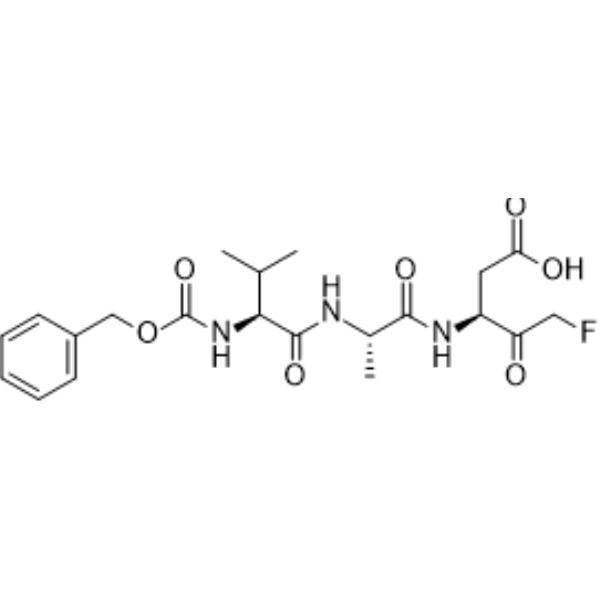
Cat. No.: HY-16658B
CAS No.: 161401-82-7
Synonyms: Z-VAD(OH)-FMK
Z-VAD-FMK is a pan-caspase inhibitor and also an ICE-like protease inhibitor, which inhibits apoptosis by preventing the processing of CPP32 to its active form. Z-VAD-FMK sensitivity varies primarily due to differential expression of receptor-interacting protein 1 (RIP1). Z-VAD-FMK limits the cryopreservation-induced apoptosis by reducing caspase-3 activity of in vitro produced bovine embryos. Z-VAD-FMK is immunosuppressive in vitro and inhibits T cell proliferation without blocking the processing of caspase-8 and caspase-3. Z-VAD-FMK leads to a decrease in intracellular glutathione (GSH) with a concomitant increase in reactive oxygen species (ROS) levels in activated T cells. Z-VAD-FMK is due to oxidative stress via the depletion of GSH. Z-VAD-FMK can be used for the study of acute pancreatitis .
loading...
    loading...
645
645 Cited Publications
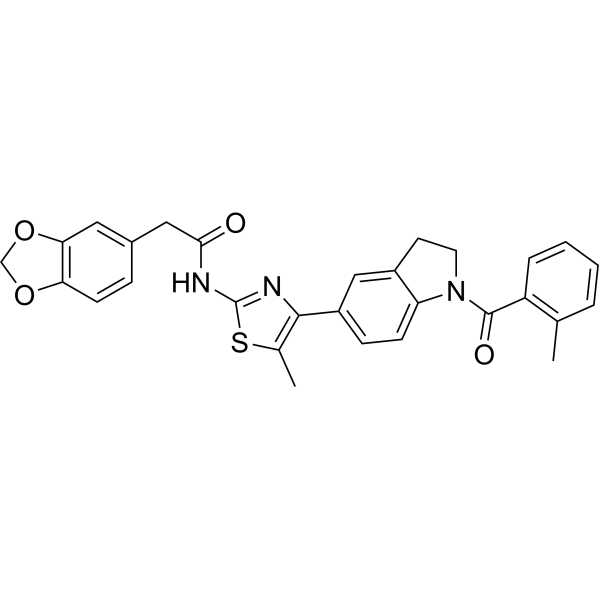
Cat. No.: HY-100523
CAS No.: 846557-71-9
Purity:  99.96%
ML385 is a potent and selective Nrf2 inhibitor with an IC50 of 1.9 μM. ML385 directly binds to the Neh1 domain of NRF2, interferes with the binding of the MAFG-NRF2 protein complex to the antioxidant response element (ARE) DNA sequence, thereby blocking the expression of downstream target genes of NRF2. ML385 can be used in studies related to adult T-cell leukemia, breast cancer, myocardial ischemia/reperfusion injury, non-small cell lung cancer, esophageal squamous cell carcinoma, head and neck squamous cell carcinoma, and lung squamous cell carcinoma .
loading...
    loading...
273
273 Cited Publications
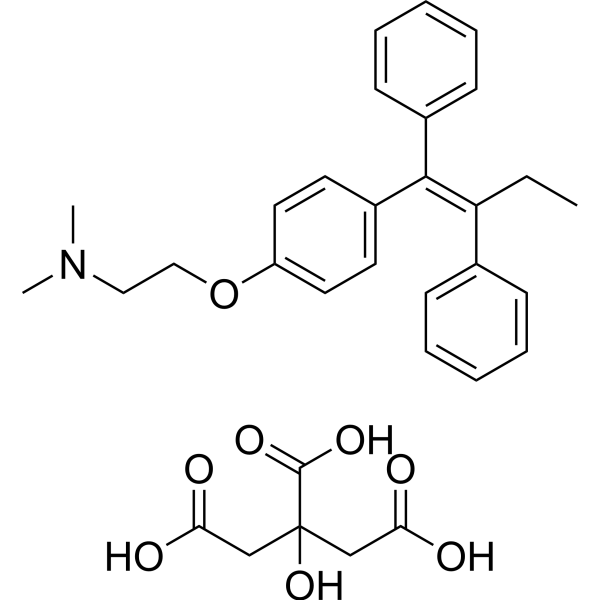
Cat. No.: HY-13757
CAS No.: 54965-24-1
Purity:  99.93%
Synonyms: ICI 46474; (Z)-Tamoxifen Citrate; trans-Tamoxifen Citrate
Tamoxifen Citrate (ICI 46474) is an orally active, selective estrogen receptor modulator (SERM) which blocks estrogen action in breast cells and can activate estrogen activity in other cells, such as bone, liver, and uterine cells.Tamoxifen Citrate is a potent Hsp90 activator and enhances the Hsp90 molecular chaperone ATPase activity. Tamoxifen Citrate also potent inhibits infectious EBOV Zaire and Marburg (MARV) with IC50 of 0.1 μM and 1.8 μM, respectively. Tamoxifen Citrate activates autophagy and induces apoptosis. Tamoxifen Citrate can also be used to induce gene knockout in CreER transgenic mice .
loading...
    loading...
273
273 Cited Publications
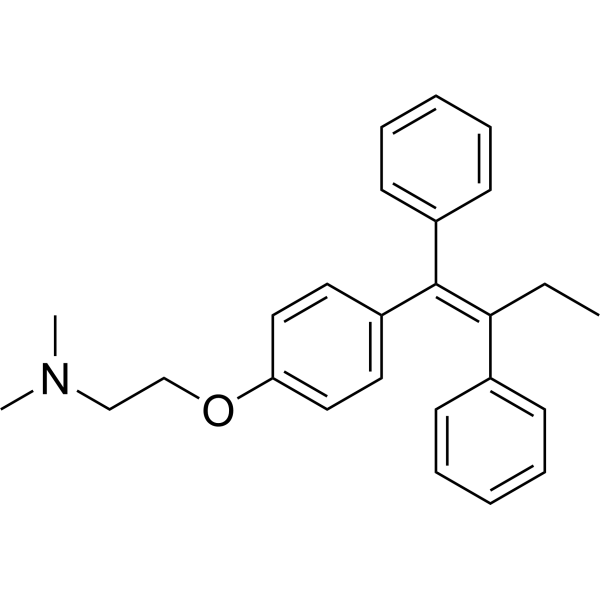
Cat. No.: HY-13757A
CAS No.: 10540-29-1
Purity:  99.78%
Synonyms: ICI 47699; (Z)-Tamoxifen; trans-Tamoxifen
Tamoxifen (ICI 47699) is an orally active, selective estrogen receptor modulator (SERM) which blocks estrogen action in breast cells and can activate estrogen activity in other cells, such as bone, liver, and uterine cells. Tamoxifen is a potent Hsp90 activator and enhances the Hsp90 molecular chaperone ATPase activity. Tamoxifen also potent inhibits infectious EBOV Zaire and Marburg (MARV) with IC50 of 0.1 μM and 1.8 μM, respectively. Tamoxifen activates autophagy and induces apoptosis. Tamoxifen can also be dissolved in corn oil (HY-Y1888) for use in inducing gene knockout in CreER transgenic mice. Tamoxifen has better solubility in corn oil compared to Tamoxifen Citrate (HY-13757) .
loading...
    loading...
213
213 Cited Publications
Cat. No.: HY-17471A
CAS No.: 1115-70-4
Synonyms: 1,1-Dimethylbiguanide hydrochloride
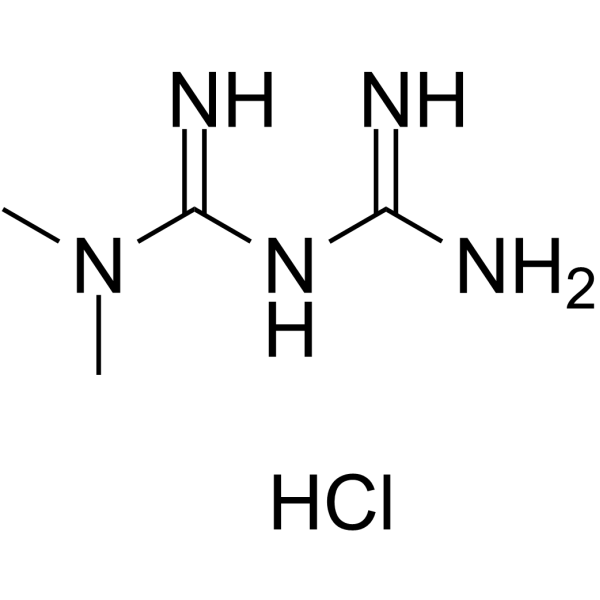
Metformin (1,1-Dimethylbiguanide) hydrochloride inhibits the mitochondrial respiratory chain in the liver, leading to AMPK activation and enhancing insulin sensitivity, and can be used in the study of type 2 diabetes. Metformin hydrochloride exerts central glucose-lowering effects by inhibiting Ras-related protein 1 (Rap1) in SF1 hypothalamic neurons. Metformin hydrochloride also inhibits liver oxidative stress, nitrosative stress, inflammation, and apoptosis caused by liver ischemia/reperfusion injury. In addition, Metformin hydrochloride regulates the expression of autophagy-related proteins by activating AMPK and inhibiting the mTOR signaling pathway, thereby inducing tumor cell autophagy and inhibiting the growth of renal cell carcinoma in vitro and in vivo .
loading...
    loading...
213
213 Cited Publications
Cat. No.: HY-B0627
CAS No.: 657-24-9
Synonyms: 1,1-Dimethylbiguanide
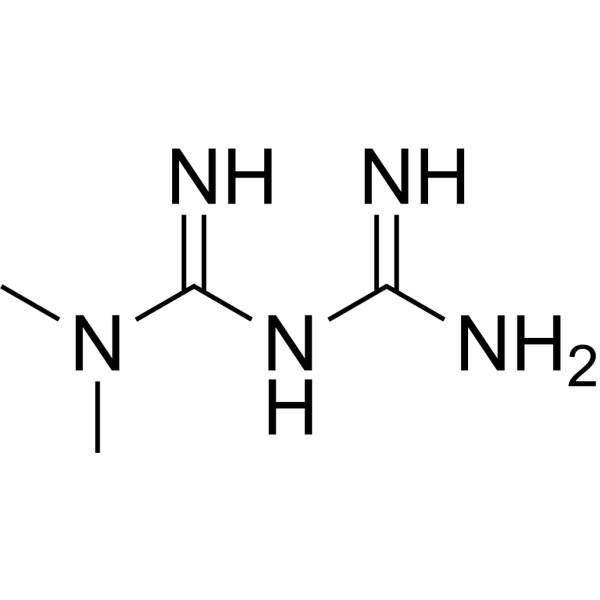
Metformin (1,1-Dimethylbiguanide) inhibits the mitochondrial respiratory chain in the liver, leading to AMPK activation and enhancing insulin sensitivity, and can be used in the study of type 2 diabetes. Metformin exerts central glucose-lowering effects by inhibiting Ras-related protein 1 (Rap1) in SF1 hypothalamic neurons. Metformin also inhibits liver oxidative stress, nitrosative stress, inflammation, and apoptosis caused by liver ischemia/reperfusion injury. In addition, Metformin regulates the expression of autophagy-related proteins by activating AMPK and inhibiting the mTOR signaling pathway, thereby inducing tumor cell autophagy and inhibiting the growth of renal cell carcinoma in vitro and in vivo .
loading...
    loading...
188
188 Cited Publications
Cat. No.: HY-125944
CAS No.: 1569257-94-8
Purity:  98.03%
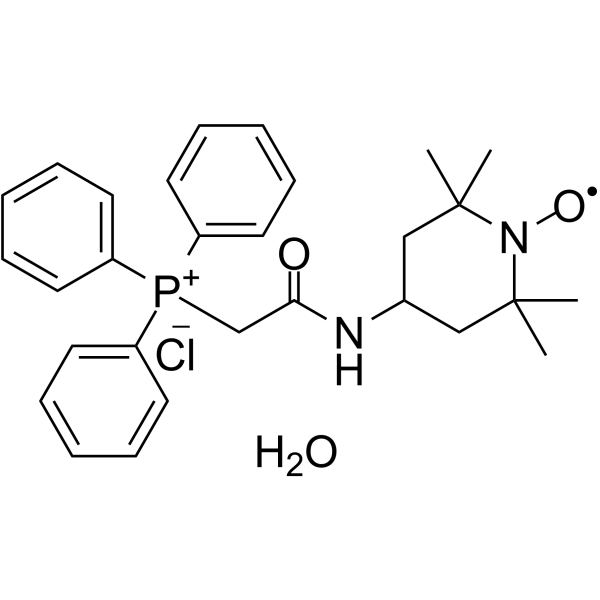
MitoTEMPO hydrate is a mitochondria-targeted antioxidant . MitoTEMPO hydrate induces mitophagy by activating the PINK1/Parkin pathway, inhibits NLRP3 inflammasome activation, restores mitochondrial membrane potential, and improves renal function and podocyte injury. MitoTEMPO hydrate regulates Ca 2+ homeostasis, inhibits Bnip3 overexpression, shortens action potential duration, and exerts antiarrhythmic effects. MitoTEMPO hydrate reverses premature senescence, reduces trabecular bone loss, and decreases cell apoptosis. MitoTEMPO hydrate can be used in studies of chronic kidney disease, age-related cardiac dysfunction, postmenopausal osteoporosis, and ischemic stroke .
loading...
    loading...
188
188 Cited Publications
Cat. No.: HY-112879
CAS No.: 1334850-99-5
Purity:  99.19%
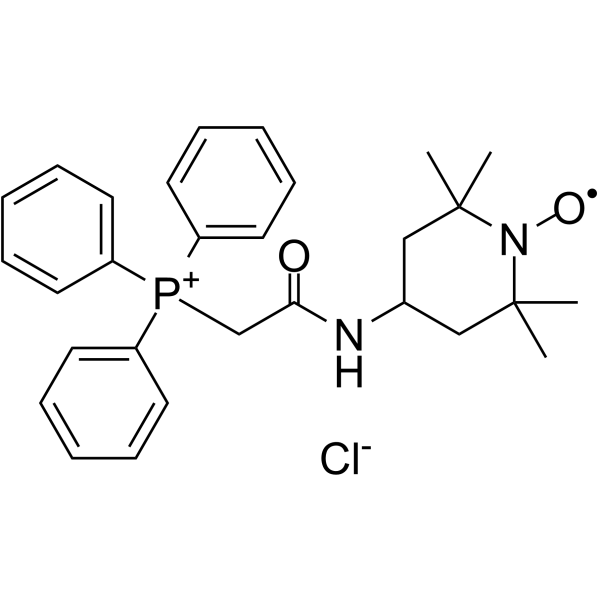
Mito-TEMPO is a mitochondria-targeted antioxidant. Mito-TEMPO induces mitophagy by activating the PINK1/Parkin pathway, inhibits NLRP3 inflammasome activation, restores mitochondrial membrane potential, and improves renal function and podocyte injury. Mito-TEMPO regulates Ca 2+ homeostasis, inhibits Bnip3 overexpression, shortens action potential duration, and exerts antiarrhythmic effects. Mito-TEMPO reverses premature senescence, reduces trabecular bone loss, and decreases cell apoptosis. Mito-TEMPO can be used in studies of chronic kidney disease, age-related cardiac dysfunction, postmenopausal osteoporosis, and ischemic stroke .
loading...
    loading...
175
175 Cited Publications
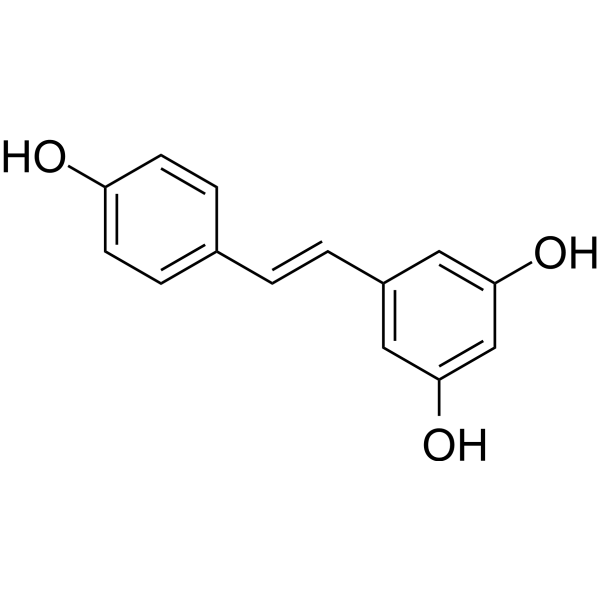
Cat. No.: HY-16561
CAS No.: 501-36-0
Synonyms: trans-Resveratrol; SRT501
Resveratrol (trans-Resveratrol; SRT501) is a CNS-penetrant natural polyphenolic phytoalexin that possesses anti-oxidant, anti-inflammatory, cardioprotective, and anti-cancer properties. Resveratrol (SRT 501) has a wide spectrum of targets including mTOR, JAK, β-amyloid, Adenylyl cyclase, IKKβ, DNA polymerase. Resveratrol also is a specific SIRT1 activator . Resveratrol is a potent pregnane X receptor (PXR) inhibitor . Resveratrol is an Nrf2 activator, ameliorates aging-related progressive renal injury in mice model . Resveratrol increases production of NO in endothelial cells .
loading...
    loading...
162
162 Cited Publications
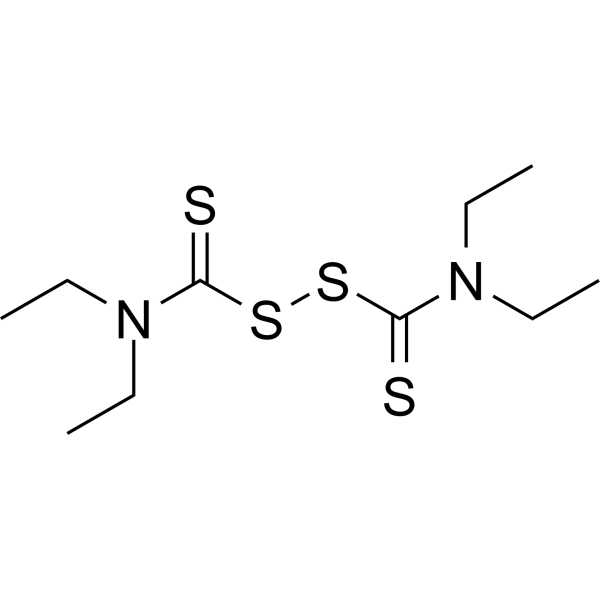
Cat. No.: HY-B0240
CAS No.: 97-77-8
Synonyms: Tetraethylthiuram disulfide; TETD
Disulfiram (Tetraethylthiuram disulfide) is a specific inhibitor of aldehyde-dehydrogenase (ALDH1), used for the treatment of chronic alcoholism by producing an acute sensitivity to alcohol. Disulfiram inhibits gasdermin D (GSDMD) pore formation in liposomes and inflammasome-mediated pyroptosis and IL-1β secretion in human and mouse cells. Disulfiram, a copper ion carrier, with Cu 2+ increases intracellular ROS levels and induces cuproptosis .
loading...
    loading...
162
162 Cited Publications
Cat. No.: HY-10087A1
CAS No.: 1093851-28-5
Synonyms: ABT-263 dihydrochloride
Navitoclax dihydrochloride (ABT-263 dihydrochloride) is an orally active BH3 mimetic and an inhibitor of Bcl-2, Bcl-xL, and Bcl-w, with a Ki value of <1 nM for each target. Navitoclax dihydrochloride triggers endogenous Apoptosis and downregulates the expression of Survivin and TGFβ2. Navitoclax dihydrochloride alleviates fibrosis and induces thrombocytopenia. Navitoclax dihydrochloride exhibits anticancer activity against a variety of tumors and enhances the efficacy of chemotherapy and radiotherapy. Navitoclax dihydrochloride can be used in the research of acute lymphoblastic leukemia, ovarian cancer, and fibrotic diseases .
loading...
    loading...
148
148 Cited Publications
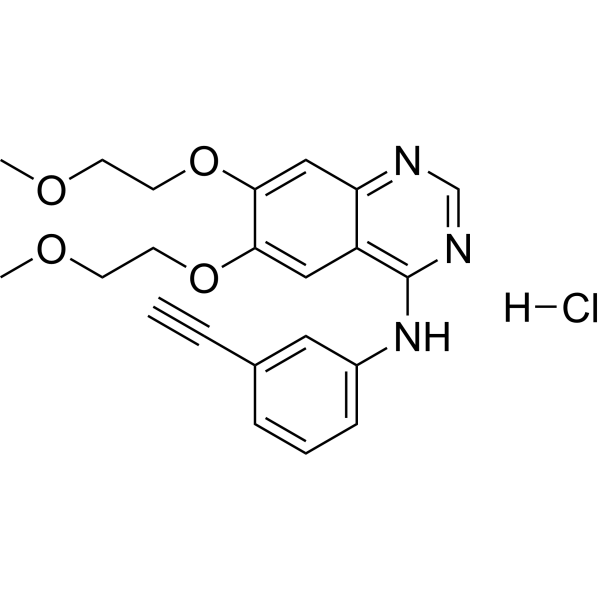
Cat. No.: HY-12008
CAS No.: 183319-69-9
Purity:  99.94%
Synonyms: CP-358774 hydrochloride; NSC 718781 hydrochloride; OSI-774 hydrochloride
Target:  

EGFR OAT ERK GSK-3 β-catenin

Research Areas:  

Endocrinology Cancer

Erlotinib (CP-358774) Hydrochloride is a selective, orally active EGFR tyrosine kinase inhibitor. Erlotinib Hydrochloride also acts as a substrate and inhibitor of OATP2B1, with an IC50 of approximately 0.079 μM for inhibiting OATP2B1-mediated uptake of estrone 3-sulfate. Erlotinib Hydrochloride blocks EGFR phosphorylation, downstream signal transduction, as well as the growth and proliferation of cancer cells. Erlotinib Hydrochloride inhibits MMP-10-mediated renal injury, fibrotic lesions, the ERK1/2, GSK-3β and β-catenin signaling pathways, as well as the deposition of fibronectin, α-SMA, collagen and renal injury markers. Erlotinib Hydrochloride is metabolized via CYP3A to produce the active metabolite OSI-420. Erlotinib Hydrochloride can be used in research related to non-small cell lung cancer, gastric cancer, papillary renal cell carcinoma, EGFR inhibitor resistance and renal fibrosis .
loading...
    loading...
148
148 Cited Publications
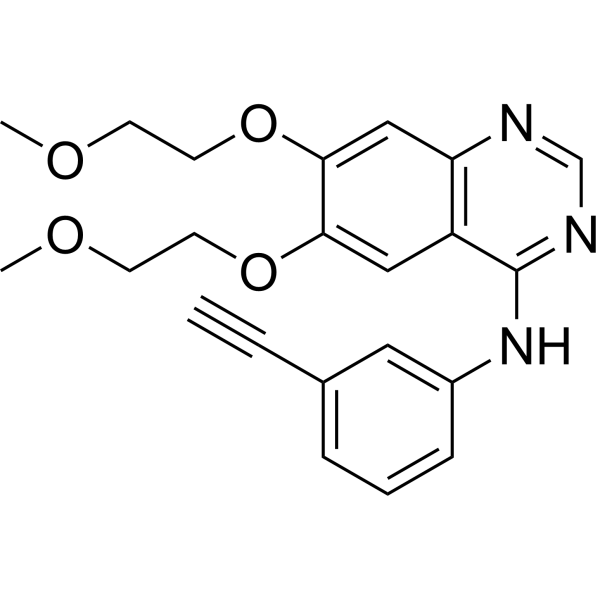
Cat. No.: HY-50896
CAS No.: 183321-74-6
Synonyms: CP-358774; NSC 718781; OSI-774
Target:  

EGFR OAT ERK GSK-3 β-catenin

Research Areas:  

Endocrinology Cancer

Erlotinib (CP-358774) is a selective, orally active EGFR tyrosine kinase inhibitor. Erlotinib also acts as a substrate and inhibitor of OATP2B1, with an IC50 of approximately 0.079 μM for inhibiting OATP2B1-mediated uptake of estrone 3-sulfate. Erlotinib blocks EGFR phosphorylation, downstream signal transduction, as well as the growth and proliferation of cancer cells. Erlotinib inhibits MMP-10-mediated renal injury, fibrotic lesions, the ERK1/2, GSK-3β and β-catenin signaling pathways, fibronectin, α-SMA, collagen deposition, and renal injury markers. Erlotinib is metabolized via CYP3A to produce the active metabolite OSI-420. Erlotinib can be used in research related to non-small cell lung cancer, gastric cancer, papillary renal cell carcinoma, pancreatic cancer, renal fibrosis, and other conditions .
loading...
    loading...
147
147 Cited Publications
Cat. No.: HY-100573
CAS No.: 1360614-48-7
Purity:  99.47%
Necrosulfonamide is a MLKL and Gasdermin D (GSDMD) inhibitor, capable of separately inhibiting necroptosis and pyroptosis of cells. Necrosulfonamide does not affect the activation of upstream signals, but specifically inhibits the downstream executor oligomerization step. Necrosulfonamide reduces the expression of the key kinases NLRP3 and caspase-1 involved in necroptosis and pyroptosis, activate the Nrf2 pathway and the downstream antioxidant enzymes, and also downregulates a variety of inflammatory factors. Necrosulfonamide plays significant roles in various diseases such as neurodegenerative diseases (such as Parkinson’s disease), tissue damage and ischemia-reperfusion injury, inflammatory bowel disease, osteoarthritis and fracture repair, and hair loss by regulating two important programmed necrosis pathways .
loading...
    loading...
117
117 Cited Publications
Cat. No.: HY-134836
CAS No.: 2499663-01-1
Purity:  99.86%
Target:  

Apoptosis METTL3

Research Areas:  

Cancer

STM2457 is a first-in-class, highly potent, selective and orally active METTL3 inhibitor with an IC50 of 16.9 nM. STM2457 can be used for the research of acute myeloid leukaemia (AML) .
loading...
    loading...
114
114 Cited Publications
Cat. No.: HY-101872
CAS No.: 1346546-69-7
Purity:  99.80%
Target:  

RIP kinase

Research Areas:  

Inflammation/Immunology

GSK-872 is a RIPK3 inhibitor, which binds RIP3 kinase domain with an IC50 of 1.8 nM, and inhibits kinase activity with an IC50 of 1.3 nM. GSK-872 decreases the RIPK3-mediated necroptosis and subsequent cytoplasmic translocation and expression of HMGB1, as well as ameliorates brain edema and neurological deficits in early brain injury .
loading...
    loading...
114
114 Cited Publications
Cat. No.: HY-101872A
CAS No.: 2703752-81-0
Purity:  99.21%
Target:  

RIP kinase

Research Areas:  

Inflammation/Immunology

GSK-872 hydrochloride is a RIPK3 inhibitor, which binds RIP3 kinase domain with an IC50 of 1.8 nM, and inhibits kinase activity with an IC50 of 1.3 nM. GSK-872 hydrochloride decreases the RIPK3-mediated necroptosis and subsequent cytoplasmic translocation and expression of HMGB1, as well as ameliorates brain edema and neurological deficits in early brain injury .
loading...
    loading...
111
111 Cited Publications
Cat. No.: HY-19696B
CAS No.: 117609-50-4
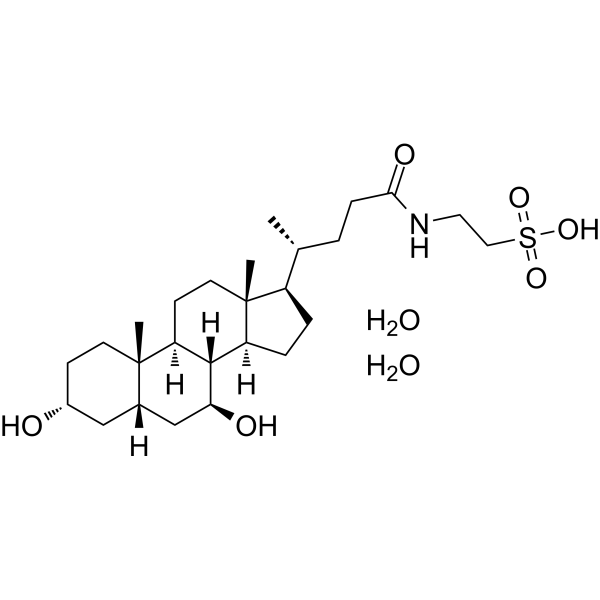
Synonyms: Tauroursodeoxycholic acid dihydrate; TUDCA dihydrate; UR 906 dihydrate
Tauroursodeoxycholate dehydrate is an orally active taurine conjugate of Ursodeoxycholic acid (HY-13771). Tauroursodeoxycholate dehydrate inhibits caspase-3/7, Apoptosis, IRE1α/TRAF2/NF-κB, prevents JNK phosphorylation, inhibits ROS generation, and activates Akt signaling. Tauroursodeoxycholate dehydrate prevents cataract formation, reduces renal tubular damage in type 2 diabetic mice, reduces I/R injury in liver, and inhibits intestinal inflammation and barrier disruption in nonalcoholic fatty liver disease .
loading...
    loading...
103
103 Cited Publications
Cat. No.: HY-40354
CAS No.: 477600-75-2
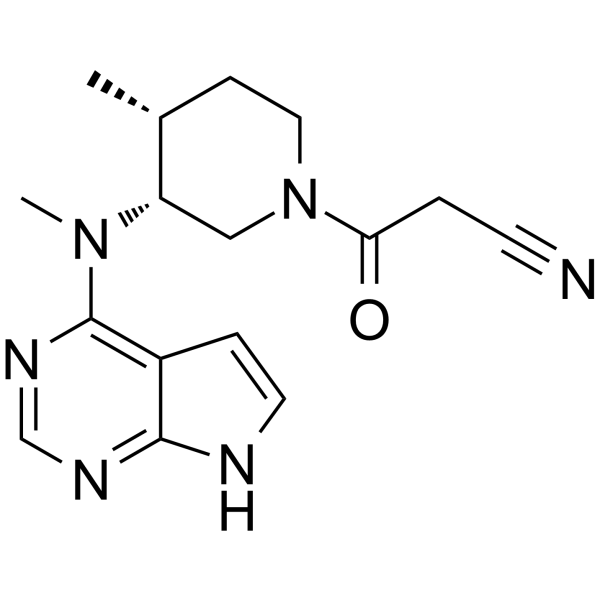
Synonyms: Tasocitinib; CP-690550
Tofacitinib (Tasocitinib) is an orally active, blood-brain barrier permeable selective inhibitor of JAK1/JAK3. Tofacitinib blocks the JAK-STAT/NF-κB signaling pathway, inhibits cytokine signal transduction, phosphorylation of STAT1/STAT5, and suppresses innate and adaptive immune responses. Tofacitinib can be used in research related to major depressive disorder, rheumatoid arthritis, pulmonary diseases, systemic lupus erythematosus, and immune-mediated liver injury .
loading...
    loading...
103
103 Cited Publications
Cat. No.: HY-40354A
CAS No.: 540737-29-9
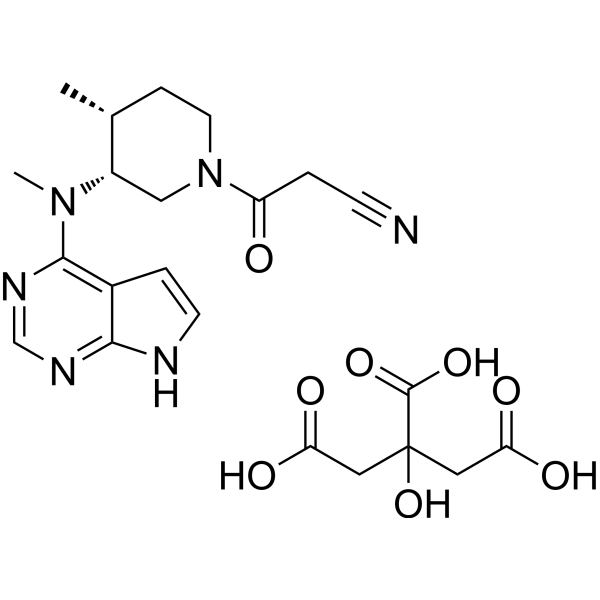
Synonyms: Tasocitinib citrate; CP-690550 citrate
Tofacitinib citrate (Tasocitinib citrate) is an orally active, blood-brain barrier permeable selective inhibitor of JAK1/JAK3. Tofacitinib citrate blocks the JAK-STAT/NF-κB signaling pathway, inhibits cytokine signal transduction, phosphorylation of STAT1/STAT5, and suppresses innate and adaptive immune responses. Tofacitinib citrate can be used in research related to major depressive disorder, rheumatoid arthritis, pulmonary diseases, systemic lupus erythematosus, and immune-mediated liver injury .
loading...
    loading...

