2103 Results for "

Amino Acid Derivatives

" in MedChemExpress (MCE) Product Catalog:
Products (2103)

2103 Results for "Amino Acid Derivatives" in MCE Product Catalog:

109
109 Publications Verification
Cat. No.: HY-66019
CAS No.: 3326-32-7
Synonyms: Fluorescein 5-isothiocyanate
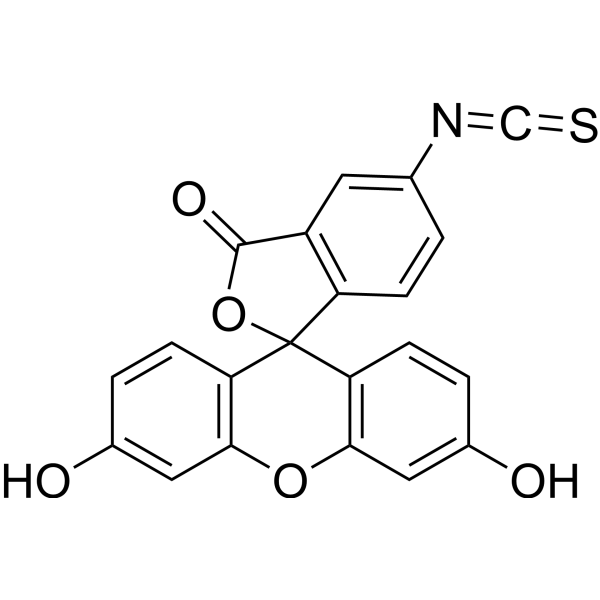
FITC (Fluorescein Isothiocyanate), is one of the green fluorescein derivatives widely used in biology. FITC has the characteristics of high absorptivity and excellent fluorescence quantum yield. The isothiocyanate group of FITC can be combined with amino, sulfhydryl, imidazole, tyrosyl, carbonyl and other groups on the protein, so as to achieve protein labeling including antibodies and lectins. In addition to its use as a protein marker, FITC can also be used as a fluorescent protein tracer to rapidly identify pathogens by labeling antibodies, or for microsequencing of proteins and peptides (HPLC). The maximum excitation wavelength of FITC is 494 nm. Once excited, it fluoresces yellow-green at a maximum emission wavelength of 520 nm. In addition, FITC is also a hapten that can induce contact hypersensitivity (CHS) and induce an atopic dermatitis model .
loading...
    loading...
27
27 Cited Publications
Cat. No.: HY-10587
CAS No.: 935693-62-2
Purity:  98.44%
Research Areas:  

Cancer

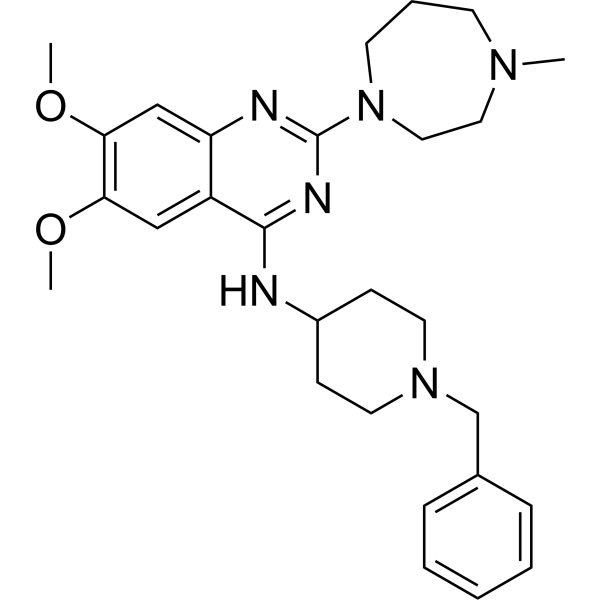
BIX-01294 is a reversible and highly selective G9a and GLP Histone Methyltransferase inhibitor, with IC50s of of 1.7 μM and 0.9 μM, respectively. BIX-01294 inhibits G9a/GLP by competing for binding with the amino acids N-terminal of the substrate lysine residue. BIX-01294, a (1H-1,4-diazepin-1-yl)-quinazolin-4-yl amine derivative, induces necroptosis and autophagy. BIX-01294 has antitumor activity in recurrent tumor cells .
loading...
    loading...
27
27 Cited Publications
Cat. No.: HY-108239
CAS No.: 1392399-03-9
Research Areas:  

Cancer

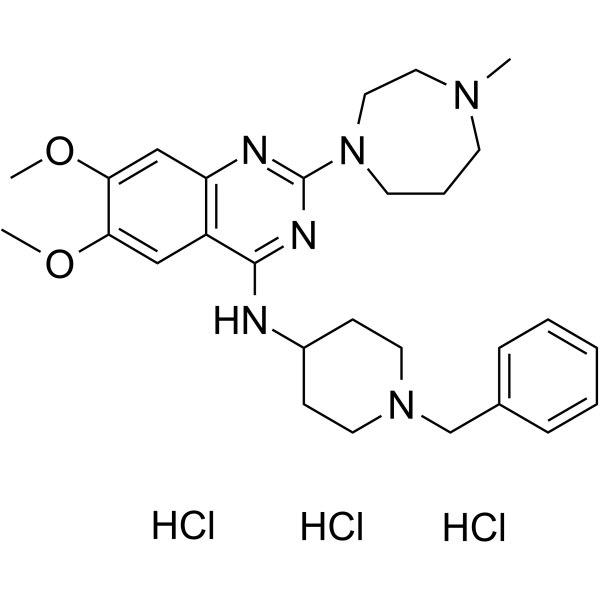
BIX-01294 trihydrochloride is a reversible and highly selective G9a and GLP Histone Methyltransferase inhibitor, with IC50s of of 1.7 μM and 0.9 μM, respectively. BIX-01294 trihydrochloride inhibits G9a/GLP by competing for binding with the amino acids N-terminal of the substrate lysine residue. BIX-01294 trihydrochloride, a (1H-1,4-diazepin-1-yl)-quinazolin-4-yl amine derivative, induces necroptosis and autophagy. BIX-01294 trihydrochloride has antitumor activity in recurrent tumor cells .
loading...
    loading...
20
20 Cited Publications
Cat. No.: HY-19528
CAS No.: 979-92-0
Synonyms: SAH (S-Adenosylhomocysteine)
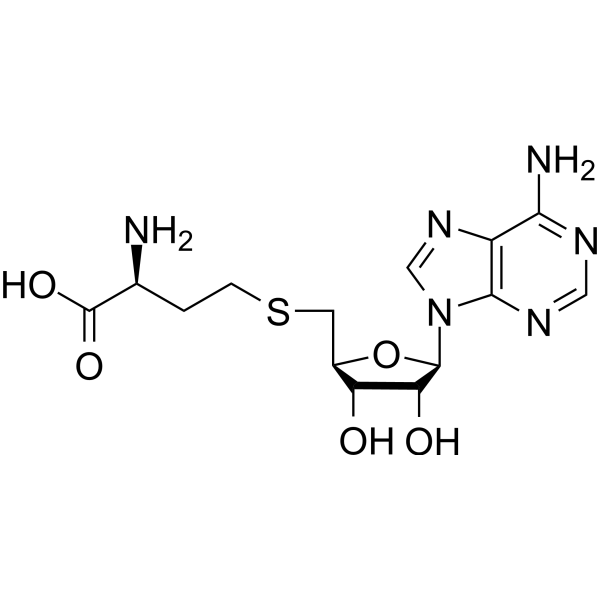
SAH (S-Adenosylhomocysteine) is an amino acid derivative and a modulartor in several metabolic pathways. It is an intermediate in the synthesis of cysteine and adenosine . SAH is an inhibitor for METTL3-METTL14 heterodimer complex (METTL3-14) with an IC50 of 0.9 µM .
loading...
    loading...
13
13 Cited Publications
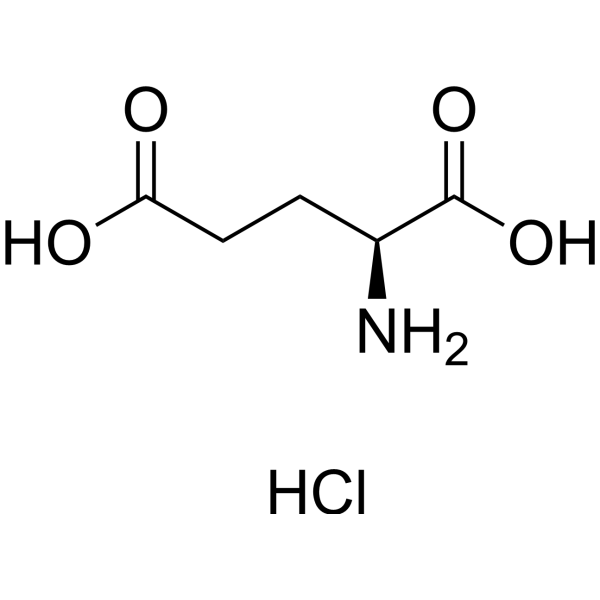
Cat. No.: HY-W016319
CAS No.: 138-15-8
Research Areas:  

Others

(S)-2-aminopentanedioic acid hydrochloride is a glutamic acid derivative .
loading...
    loading...
12
12 Cited Publications
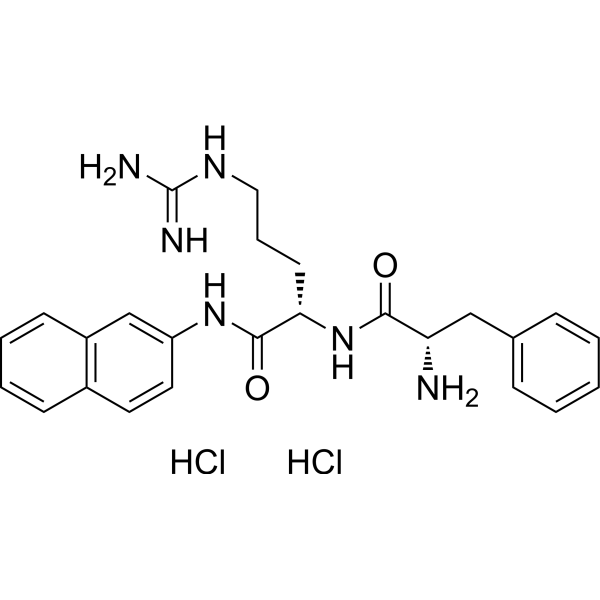
Cat. No.: HY-101444A
CAS No.: 100929-99-5
Purity:  99.89%
Synonyms: MC-207,110 dihydrochloride; Phe-Arg-β-naphthylamide dihydrochloride
Target:  

Bacterial

Research Areas:  

Infection

PAβN dihydrochloride (MC-207110 dihydrochloride) is an efflux pump inhibitor.
loading...
    loading...
10
10 Cited Publications
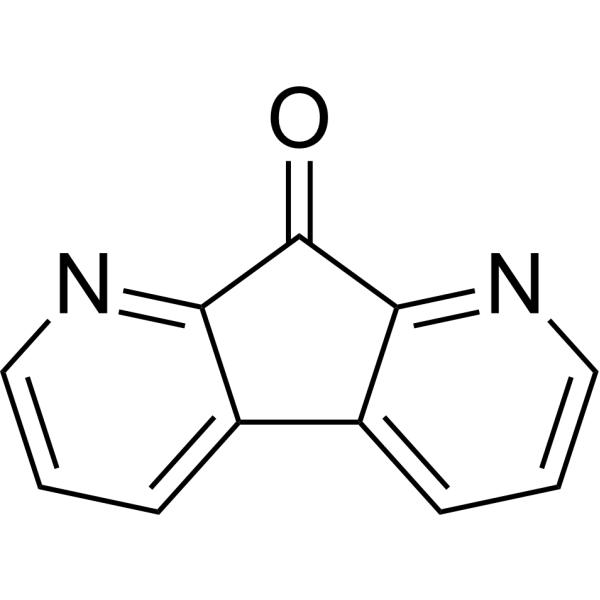
Cat. No.: HY-D0903
CAS No.: 54078-29-4
Synonyms: DFO
1,8-Diazafluoren-9-one (DFO) is a chemical that is used to find fingerprints on porous surfaces. 1,8-Diazafluoren-9-one reacts with amino acids present in the fingerprint to form highly fluorescent derivatives (Ex/Em = ~470/570).
loading...
    loading...
10
10 Cited Publications
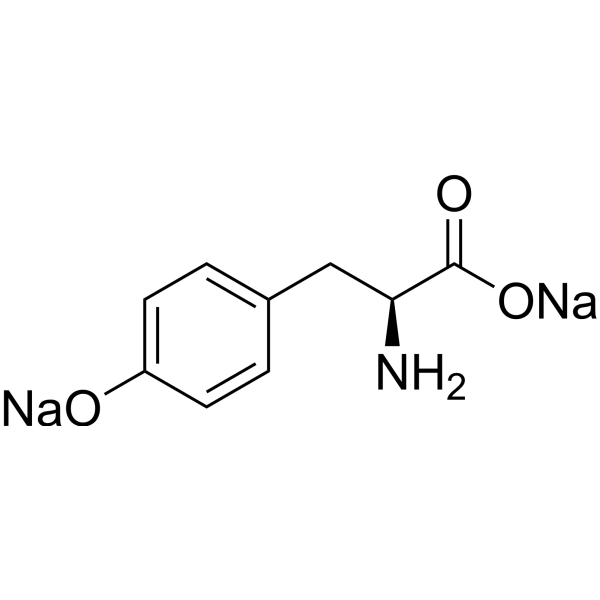
Cat. No.: HY-N0473A
CAS No.: 69847-45-6
Research Areas:  

Others Cancer

L-Tyrosine (disodium) is a tyrosine derivative .
loading...
    loading...
7
7 Cited Publications
Cat. No.: HY-110155
CAS No.: 1243259-19-9
Purity:  99.93%
Target:  

Neurotensin Receptor

Research Areas:  

Neurological Disease

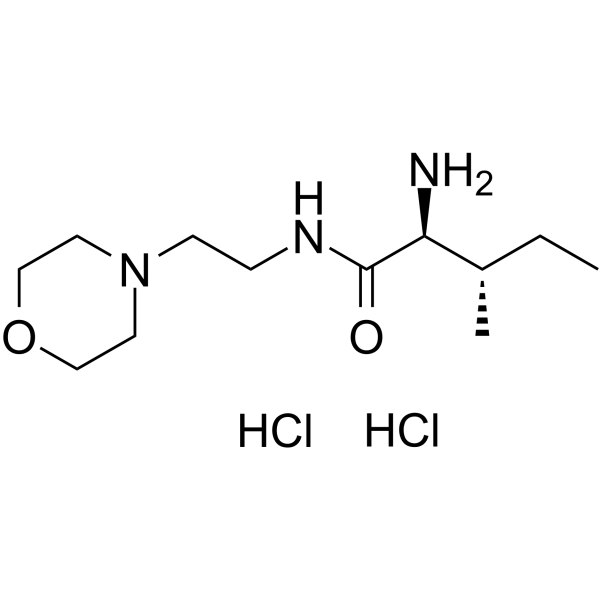
LM11A-31 dihydrochloride, a non-peptide p75 NTR (neurotrophin receptor p75) modulator, is an orally active and potent proNGF (nerve growth factor) antagonist. LM11A-31 dihydrochloride is an amino acid derivative with high blood-brain barrier permeability and blocks p75-mediated cell death. LM11A-31 dihydrochloride reverses cholinergic neurite dystrophy in Alzheimer's disease mouse models with mid- to late-stage disease progression .
loading...
    loading...
7
7 Cited Publications
Cat. No.: HY-117088
CAS No.: 102562-74-3
Purity:  ≥95.0%
Target:  

Neurokinin Receptor

Research Areas:  

Neurological Disease

LM11A-31, a non-peptide p75 NTR (neurotrophin receptor p75) modulator, is an orally active and potent proNGF (nerve growth factor) antagonist. LM11A-31 is an amino acid derivative with high blood-brain barrier permeability and blocks p75-mediated cell death. LM11A-31 reverses cholinergic neurite dystrophy in Alzheimer's disease mouse models with mid- to late-stage disease progression .
loading...
    loading...
7
7 Cited Publications
Cat. No.: HY-W011391A
CAS No.: 7300-59-6
Research Areas:  

Others

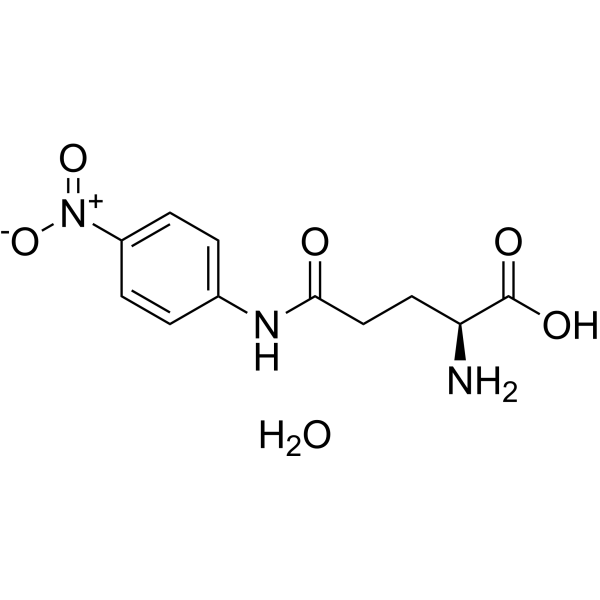
L-γ-Glutamyl-p-nitroanilide Monohydrate is a glutamic acid derivative .
loading...
    loading...
7
7 Cited Publications
Cat. No.: HY-W345421
CAS No.: 122864-94-2
Research Areas:  

Others

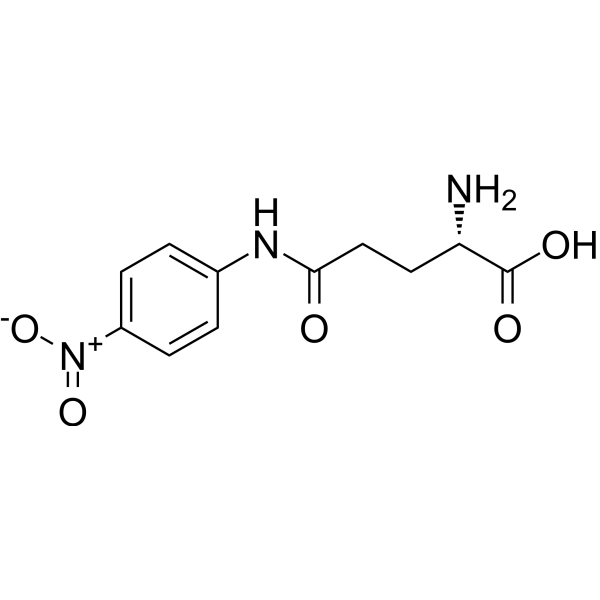
L-γ-Glutamyl-p-nitroanilide (hydrate) is aglutamic acid derivatives.
loading...
    loading...
6
6 Cited Publications
Cat. No.: HY-W010388
CAS No.: 57-00-1
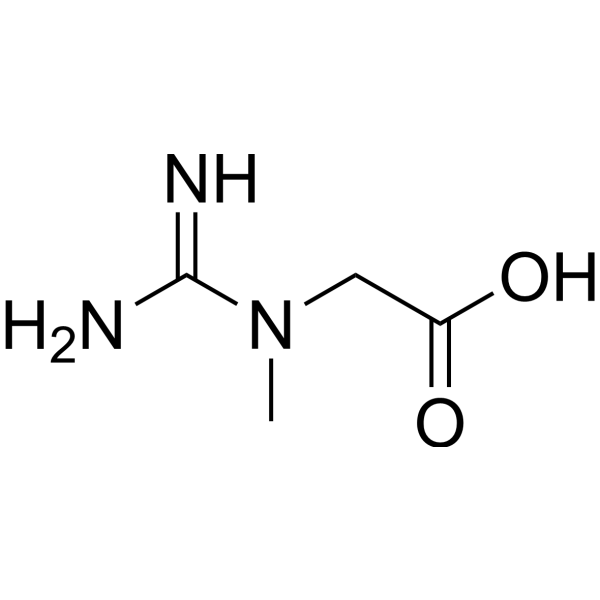
Creatine, an endogenous amino acid derivative, plays an important role in cellular energy, especially in muscle and brain.
loading...
    loading...
6
6 Cited Publications
Cat. No.: HY-W017462
CAS No.: 6020-87-7
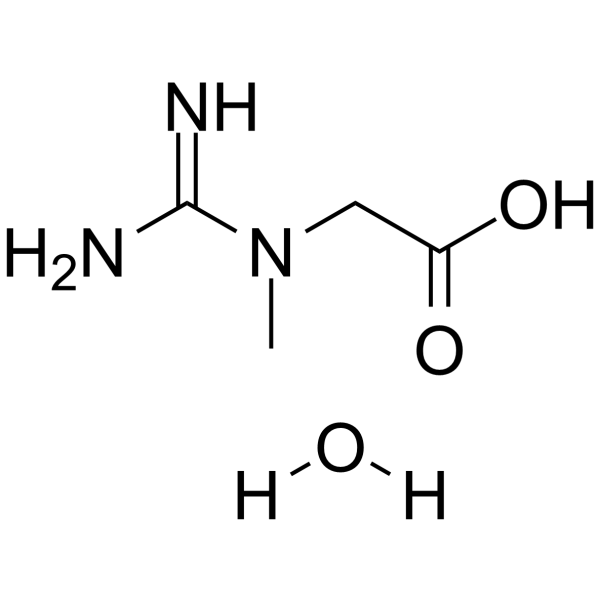
Creatine monohydrate, an endogenous amino acid derivative, plays an important role in cellular energy, especially in muscle and brain .
loading...
    loading...
6
6 Cited Publications
Cat. No.: HY-14520
CAS No.: 135-16-0
Purity:  96.77%
Synonyms: L-5,6,7,8-Tetrahydrofolic Acid; L-Tetrahydrofolic Acid
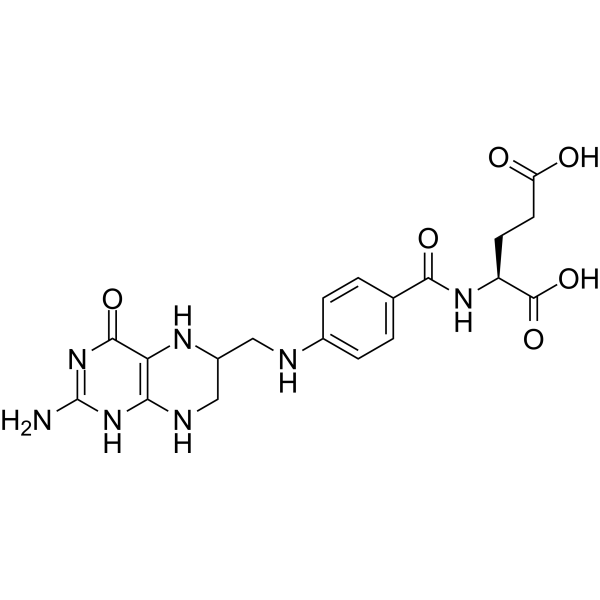
Tetrahydrofolic acid (L-5,6,7,8-Tetrahydrofolic acid) is the biologically active vitamin B9 folate derivative. Tetrahydrofolic acid is a donor of one-carbon groups for amino acids, nucleic acids, and lipids. Tetrahydrofolic acid serves as an acceptor of free formaldehyde, producing 5,10-methylenetetrahydrofolate-Tetrahydrofolic acid .
loading...
    loading...
5
5 Cited Publications
Cat. No.: HY-W009203
CAS No.: 30925-07-6
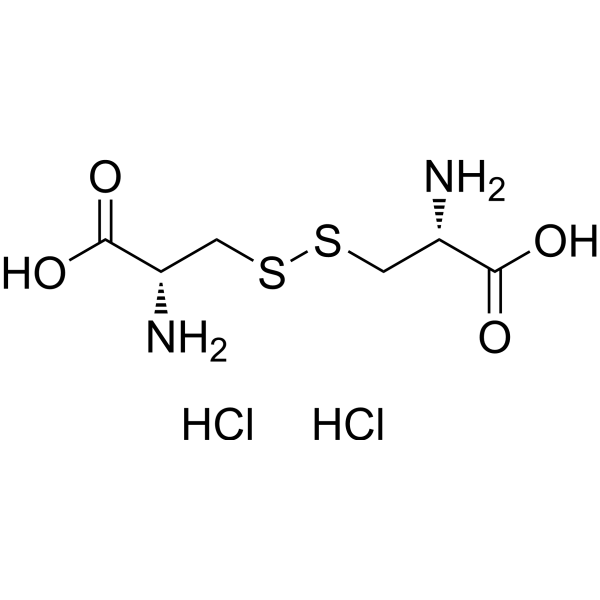
L-Cystine dihydrochloride is the dihydrochloride salt form of L-Cystine (HY-N0394). L-Cystine dihydrochloride elevates Nrf2 protein expression and activates Nrf2 transcription factor. L-cystine dihydrochloride reduces ROS generation and protects against oxidant- or Doxorubicin (HY-15142A)-induced apoptosis. L-Cystine dihydrochloride combined with L-theanine (HY-15121) enhances the production of antigen-specific IgG by increasing glutathione (GSH) levels and T helper 2 (Th2) mediated responses in mice. L-Cystine dihydrochloride is promising for research of cystinuria and kidney stones
loading...
    loading...
5
5 Cited Publications
Cat. No.: HY-W142119
CAS No.: 2792-66-7
Target:  

Ser/Thr Protease

Research Areas:  

Neurological Disease

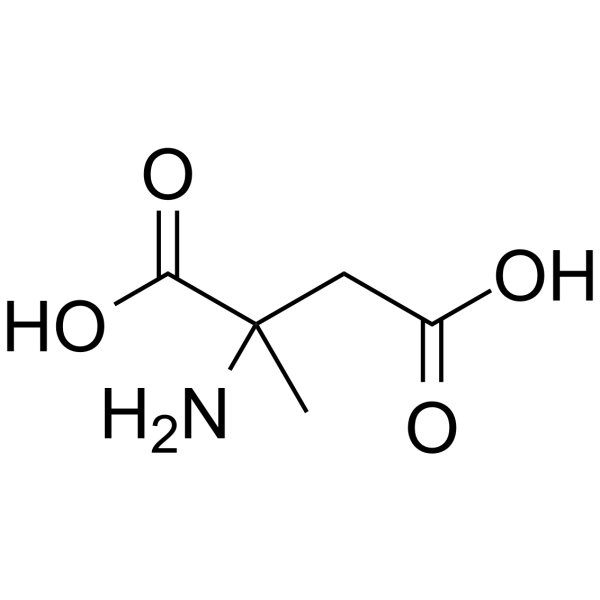
α-Methyl-DL-aspartic acid is a specific inhibitor of argininosuccinate synthase (ASS), and also is the rate-limiting enzyme for the recycling of 1-citrulline to 1-arginine .
loading...
    loading...
4
4 Cited Publications
Cat. No.: HY-W014375
CAS No.: 32042-43-6
Synonyms: (±)-Arginine hydrochloride
Target:  

Endogenous Metabolite

Research Areas:  

Cardiovascular Disease

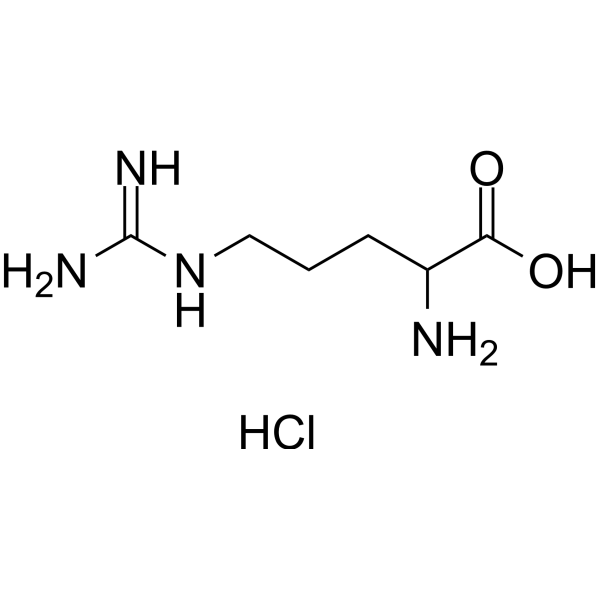
DL-Arginine ((±)-Arginine) hydrochloride is the racemic compound of L-Arginine (HY-N0455) and D-Arginine (HY-W016781). Arginine is an essential amino acid that requires additional supplementation in traumatic or diseased conditions. Arginine is involved in T cell activation, proliferation, and differentiation, and affects the function of immune cells .
loading...
    loading...
4
4 Cited Publications
Cat. No.: HY-W142162
CAS No.: 6027-02-7
Research Areas:  

Others

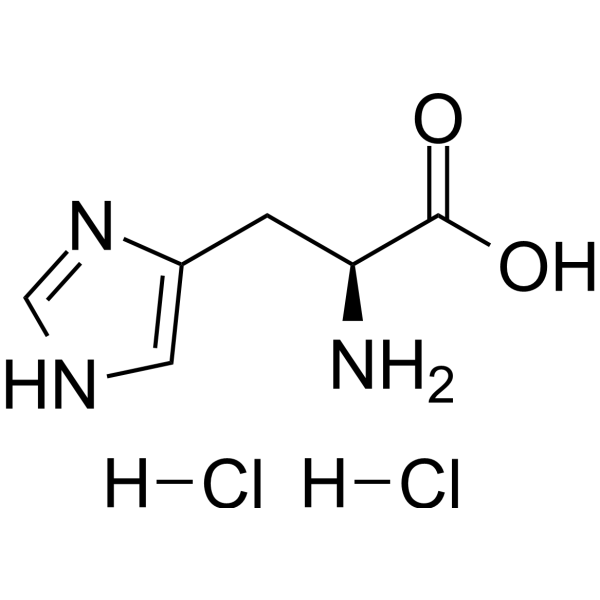
L-Histidine dihydrochloride is a histidine derivative .
loading...
    loading...
3
3 Cited Publications
Cat. No.: HY-D0885A
CAS No.: 71519-72-7
Synonyms: Creatine phosphate disodium tetrahydrate; Creatinephosphoric Acid disodium tetrahydrate
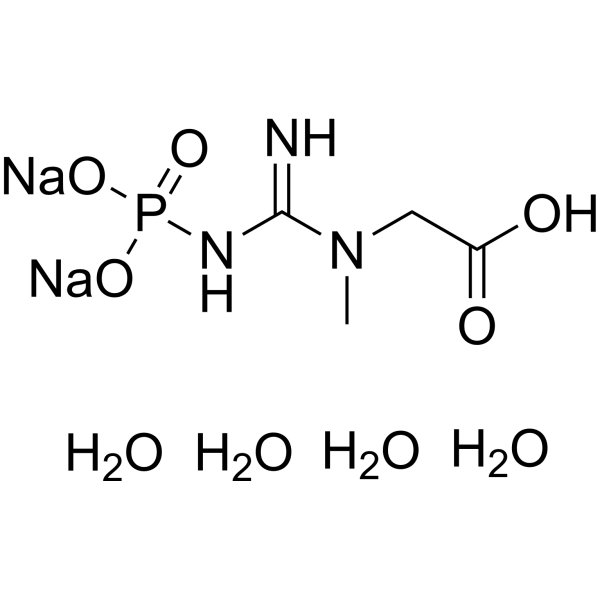
Phosphocreatine disodium tetrahydrate, primarily found in the skeletal muscles of vertebrates and one of organic compounds known as alpha amino acids and derivatives, is a substrate for the determination of creatine kinase and used to regenerate ATP during skeletal muscle contraction .
loading...
    loading...

