

1. Search Result
Search Result
Pathways Recommended: MAPK/ERK Pathway
Results for "

Angiogenesis pathway

" in MedChemExpress (MCE) Product Catalog:

97

Inhibitors & Agonists

2

Screening Libraries

12

Peptides

5

Inhibitory Antibodies

40

Natural
Products

2

Isotope-Labeled Compounds

Cat. No. Product Name Target Research Areas Chemical Structure
  • HY-N0484
    Liensinine
    Maximum Cited Publications
    20 Publications Verification

    Reactive Oxygen Species (ROS) Autophagy Apoptosis VEGFR JAK Amyloid-β p38 MAPK HIF/HIF Prolyl-Hydroxylase STAT PI3K JNK Akt Cardiovascular Disease Neurological Disease Inflammation/Immunology Cancer
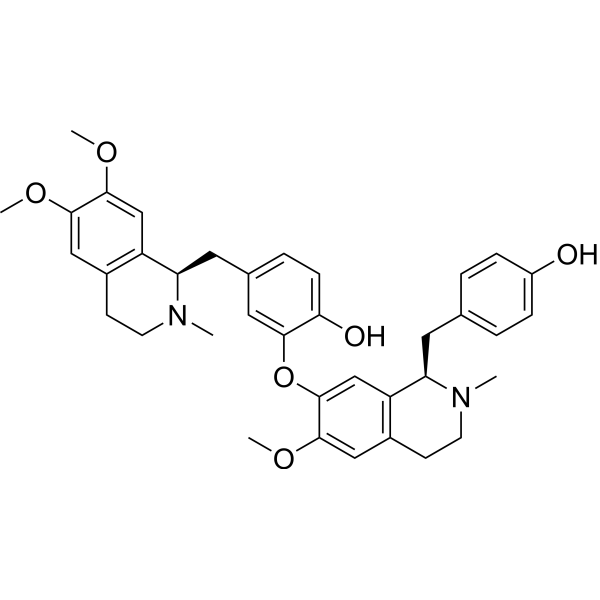
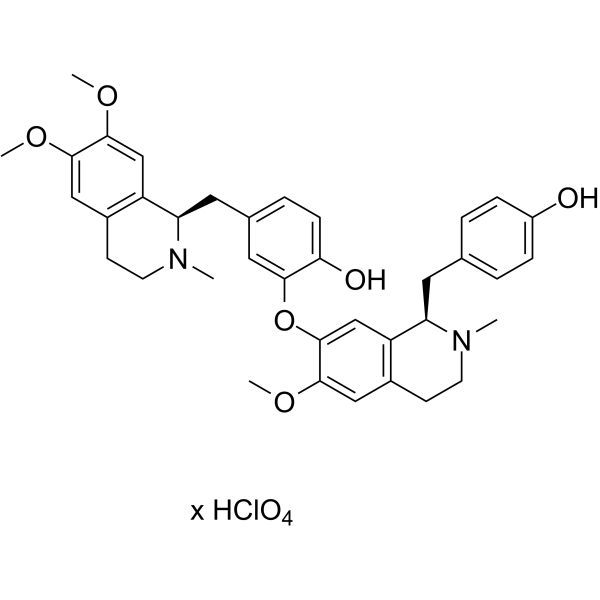
    Liensinine is a bisbenzylisoquinoline alkaloid. By inhibiting the PI3K/AKT and JNK/p38-MAPK signaling pathways, Liensinine suppresses autophagy and apoptosis, clears , and exerts anti-inflammatory, antioxidant and neuroprotective effects. Liensinine activates AMPK and inhibits the expression of HIF-1α and VEGF, thereby suppressing angiogenesis. Liensinine exerts anti-tumor effects through ROS-mediated inhibition of the JAK2/STAT3 signaling pathway. Liensinine can be used for the research of diseases such as Alzheimer's disease, hepatocellular carcinoma, osteosarcoma, sepsis-induced organ injury and stroke .
    Liensinine
  • HY-N0890
    Tubeimoside I
    4 Publications Verification

    Tubeimoside-1; Lobatoside-H

    HSP NF-κB p38 MAPK Akt Autophagy Interleukin Related VEGFR Cardiovascular Disease Inflammation/Immunology Cancer
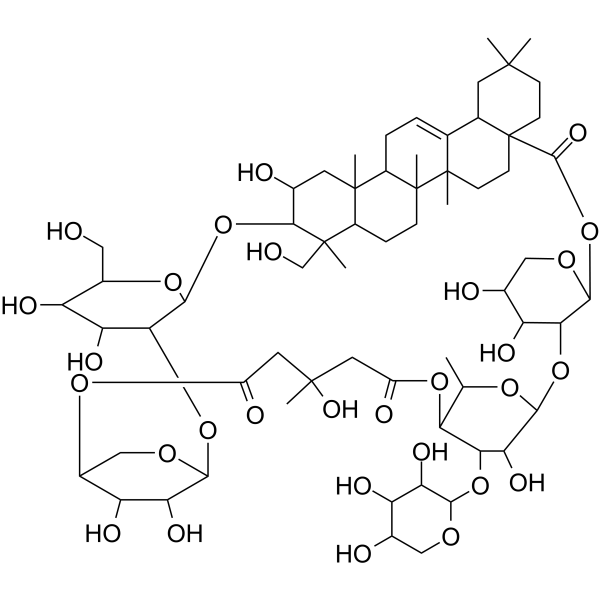
    Tubeimoside I is an orally active HSPD1 inhibitor. Tubeimoside I inhibits NF-κB, MAPK, as well as regulates eNOS-VEGF. Tubeimoside I induces cytoprotective Autophagy via an Akt-mediated pathway. Tubeimoside I inhibits proinflammatory cytokine (IL-6 and IL-1β) production. Tubeimoside I exhibits anti-inflammatory activities. Tubeimoside I promotes angiogenesis and improves sepsis symptoms. Tubeimoside I is used in the research of inflammatory diseases, various cancers, sepsis and ischemic diseases .
    Tubeimoside I
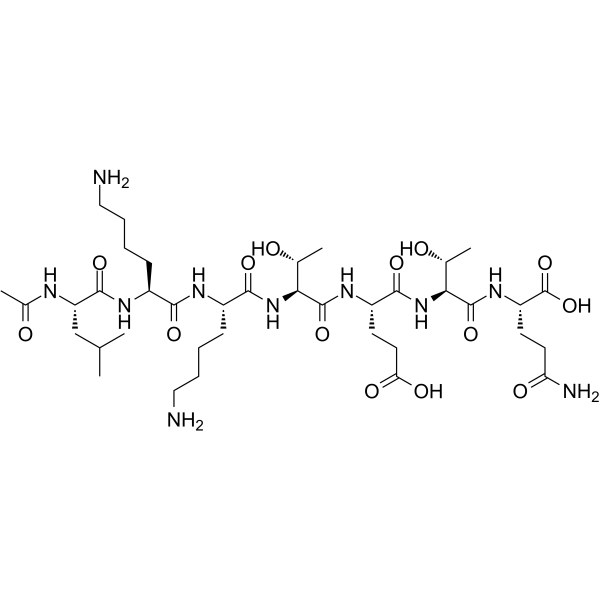
  • HY-P5321
    bFGF (119-126)
    5 Publications Verification

    FGFR Cancer
    bFGF (119-126) is a ligand of bFGF. The complex formed by bFGF (119-126) and bFGF can bind to FGFR1, while inhibiting the bFGF-FGFR1 interaction, FGFR1 phosphorylation and downstream signaling pathways. Therefore, bFGF (119-126) induces cell apoptosis and inhibits cell proliferation, migration, angiogenesis and metastasis. When conjugated with a carrier, bFGF (119-126) enhances cellular uptake via FGFR-mediated endocytosis and serves as an effective FGFR-targeted ligand. When used in combination with ultrasound and Doxorubicin (HY-15142A), bFGF (119-126) significantly enhances the inhibitory effect on tumors. bFGF (119-126) is applicable to research related to lung cancer, breast cancer, glioblastoma and ovarian cancer .
    bFGF (119-126)
  • HY-P991202

    TSH Receptor PKA Metabolic Disease Inflammation/Immunology
    Anti-TSHR Antibody (M22) is a selective agonist targeting TSHR (thyroid-stimulating hormone receptor), acting through competitive binding to the extracellular domain of TSHR. Anti-TSHR Antibody (M22) can mimic the biological effects of thyroid-stimulating hormone (TSH), activating downstream cAMP-PKA and other signaling pathways. Anti-TSHR Antibody (M22) can stimulate the proliferation of thyroid follicular epithelial cells and human umbilical vein endothelial cells (HUVECs), promote angiogenesis and tube formation, cell migration, and also upregulate the expression of angiogenesis-related proteins such as PROX1. Anti-TSHR Antibody (M22) can be used in research areas such as the mechanisms of goiter formation in Graves' disease (GD), angiogenesis regulation, and TSHR antagonist screening .
    Anti-TSHR Antibody (M22)
  • HY-P0170
    TB500
    1 Publications Verification

    Drug Derivative Akt P2X Receptor Inflammation/Immunology
    TB500 is a synthetic version of an active region of thymosin β4. TB500 exhibits anti-fibrotic and wound healing activities by inhibiting the Akt signaling pathway and binding to actin. TB500 is claimed to promote endothelial cell differentiation, angiogenesis in dermal tissues, keratinocyte migration, collagen deposition and decrease inflammation .
    TB500
  • HY-19542
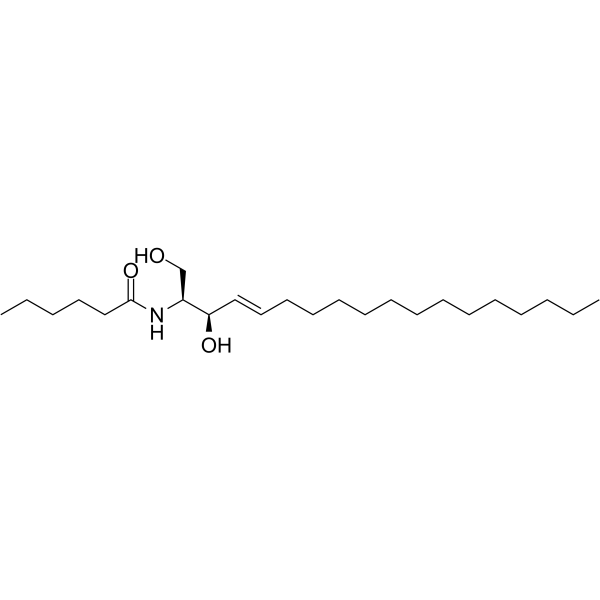
    C6 Ceramide
    3 Publications Verification

    C6-Cer; N-Hexanoylsphingosine

    Apoptosis Cancer
    C6 Ceramide (C6-Cer) is a short-chain, cell-permeable ceramide pathway activator with anticancer activity. C6 Ceramide-mediated miR-29b expression participates in the progression of multiple myeloma through suppressing the proliferation, migration and angiogenesis of endothelial cells by targeting Akt signal pathway. C6 Ceramide exhibits multiple anti-cancer properties including cell cycle arrest, Apoptosis, inhibition of tumor growth and enhances the effects of chemotherapy in drug-resistant cancer cells. C6-ceramide can be used as an adjuvant for chemotherapeutic agents, to enhance anti-tumor effects .
    C6 Ceramide
  • HY-W592871

    10-HDA; Queen Bee Acid

    mTOR Apoptosis ERK MDM-2/p53 GSK-3 AMPK Interleukin Related TNF Receptor Caspase NF-κB Bacterial Fungal Cardiovascular Disease Neurological Disease Inflammation/Immunology Cancer
    10-Hydroxy-2-decenoic acid (10-HDA) is an orally active unsaturated medium-chain fatty acid with various physiological activities. 10-Hydroxy-2-decenoic acid induces ROS-mediated apoptosis in A549 cells. 10-Hydroxy-2-decenoic acid inhibits VEGF-induced angiogenesis in human venous endothelial cells. 10-Hydroxy-2-decenoic acid alleviates non-alcoholic fatty liver disease (NAFLD) by activating the AMPK-α signaling pathway. 10-Hydroxy-2-decenoic acid protects against bone loss by inhibiting NF-κB signaling downstream of FFAR4. 10-Hydroxy-2-decenoic acid is an antibiotic against many bacteria and fungi, such as Neurospora sitophila, molds and Staphylococcus aureus. 10-Hydroxy-2-decenoic acid has longevity-promoting effects in C. elegans. 10-Hydroxy-2-decenoic acid prevents osteoarthritis by targeting aspartyl β hydroxylase and inhibiting chondrocyte senescence .
    10-Hydroxy-2-decenoic acid
  • HY-N0876
    Arenobufagin
    4 Publications Verification

    Apoptosis Autophagy PI3K Akt mTOR PARP Caspase Atg8/LC3 Cancer
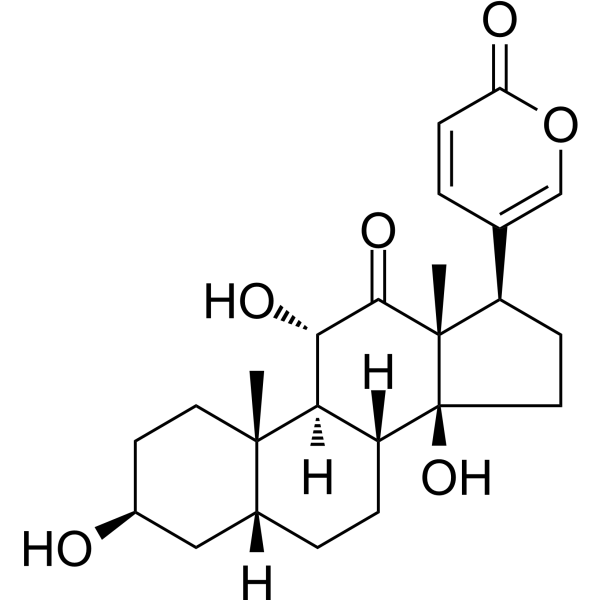
    Arenobufagin is a natural bufadienolide that can be extracted from toad venom. Arenobufagin can induce apoptosis and autophagy in human hepatocellular carcinoma cells through inhibition of PI3K/Akt/mTOR pathway. Arenobufagin has potent antineoplastic activity against HCC HepG2 cells as well as corresponding multidrug-resistant HepG2/ADM cells. Arenobufagin can inhibit VEGF-mediated angiogenesis through suppression of VEGFR-2 signaling pathway .
    Arenobufagin
  • HY-12316
    20(S)-Hydroxycholesterol
    3 Publications Verification

    20α-Hydroxycholesterol

    Smo Endogenous Metabolite Cardiovascular Disease Metabolic Disease Cancer
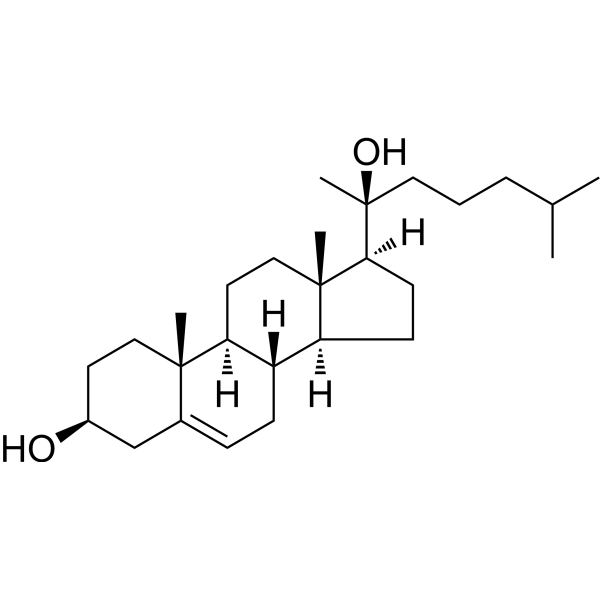
    20(S)-Hydroxycholesterol (20α-Hydroxycholesterol) is an allosteric activator that selectively targets the Smoothened (Smo) of the Hedgehog pathway with an EC50 of ~30 μM (Hedgehog). 20(S)-Hydroxycholesterol binds to the extracellular cysteine-rich domain (CRD) of Smo in a stereoselective manner, activating downstream Gli transcription factors (without inducing transcription of receptor genes in the Wnt pathway). 20(S)-Hydroxycholesterol enhances osteogenic differentiation of bone marrow stromal cells and synergistically activates the Raf/MEK/ERK pathway with Simvastatin (HY-17502) to promote bone regeneration. 20(S)-Hydroxycholesterol can be used to study the mechanisms of developmental biology, oncology, bone, and angiogenesis .
    20(S)-Hydroxycholesterol
  • HY-77813

    Bacterial Apoptosis Antibiotic Parasite Autophagy Reactive Oxygen Species (ROS) Infection Endocrinology Cancer
    Benzyl isothiocyanate is an orally available isothiocyanate with bactericidal, anticancer, antiangiogenic and anthelmintic activities. Benzyl isothiocyanate exerts anticancer functions by regulating multiple signaling pathways, including apoptosis, cell proliferation, cell cycle arrest, metastasis, angiogenesis, and autophagy. In addition, Benzyl isothiocyanate can enhance muscle insulin sensitivity to improve obesity-induced hyperglycemia .
    Benzyl isothiocyanate
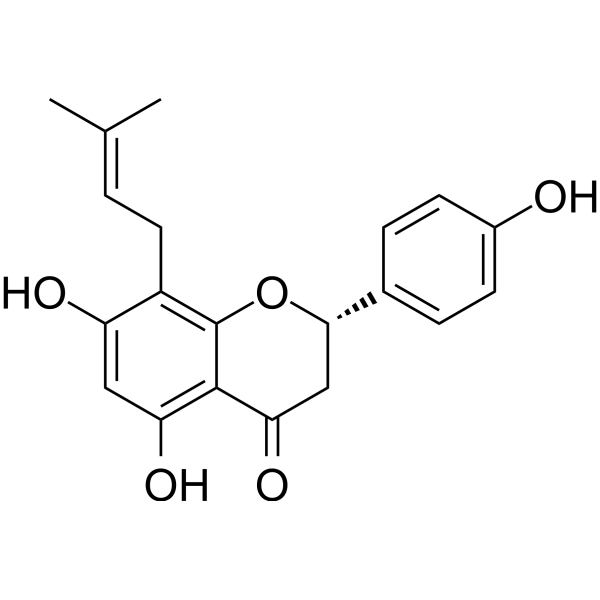
  • HY-N2787
    8-​Prenylnaringenin
    1 Publications Verification

    PI3K Akt AMPK Sirtuin Reactive Oxygen Species (ROS) SOD Cardiovascular Disease Neurological Disease Metabolic Disease Endocrinology Cancer
    8-Prenylnaringenin is an orally active prenyl flavonoid. 8-Prenylnaringenin can be isolated from the hop spike Humulus lupulus. 8-Prenylnaringenin activates the PI3K/Akt pathway and the AMPK pathway, upregulates OXPHOS complexes (II, III, and V) and Sirt1, and reduces ROS production and SOD activity. 8-Prenylnaringenin improves muscle atrophy and obesity and inhibits angiogenesis. 8-Prenylnaringenin exhibits anticancer activity against glioblastoma and colon cancer. 8-Prenylnaringenin also has LH/FSH regulatory activity. 8-prenylnaringenin may be used in bone health research .
    8-​Prenylnaringenin
  • HY-N0883
    Gamabufotalin
    4 Publications Verification

    Gamabufagin

    VEGFR Cancer
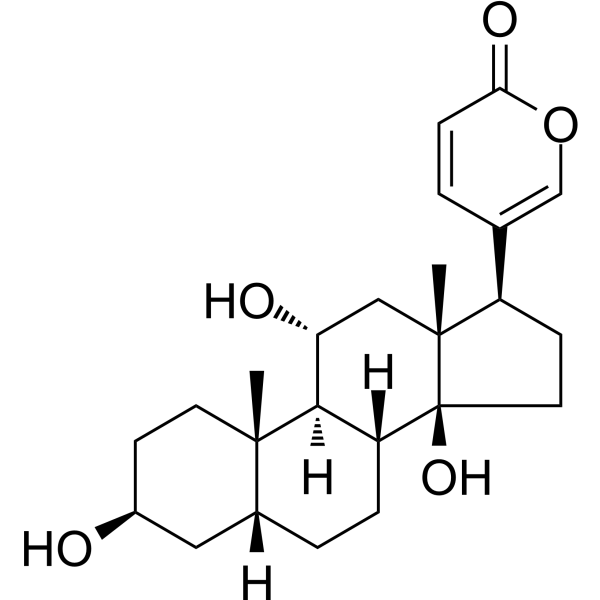
    Gamabufotalin (Gamabufagin), a main active compound isolated from Chinese medicine Chansu, has been shown to strongly inhibit cancer cell growth and inflammatory response. Gamabufotalin could inhibite angiogenesis by inhibiting the activation of VEGFR-2 signaling pathways.
    Gamabufotalin
  • HY-12170
    Prinomastat
    4 Publications Verification

    AG3340; KB-R9896

    MMP Apoptosis Cancer
    Prinomastat (AG3340) is a broad spectrum, potent, orally active metalloproteinase (MMP) inhibitor with IC50s of 79, 6.3 and 5.0 nM for MMP-1, MMP-3 and MMP-9, respectively. Prinomastat inhibits MMP-2, MMP-3, MMP-13 and MMP-9 with Kis of 0.05 nM, 0.3 nM, 0.03 nM and 0.26 nM, respectively. Prinomastat crosses blood-brain barrier. Antitumor avtivity .
    Prinomastat
  • HY-10406
    Talmapimod
    3 Publications Verification

    SCIO-469

    p38 MAPK TNF Receptor Interleukin Related VEGFR Apoptosis Neurological Disease Metabolic Disease Inflammation/Immunology Cancer
    Talmapimod (SCIO-469) is an orally active and selective inhibitor of p38α MAPK with an IC50 of 9 nM. Talmapimod inhibits the secretion of inflammatory factors (such as TNFα, IL-1β, IL-6, and VEGF) by suppressing the p38α MAPK pathway, and it also inhibits angiogenesis and osteoclast activation. Talmapimod inhibits the growth of multiple myeloma cells and induces apoptosis. Talmapimod can be used to study various hematological malignancies (such as multiple myeloma, myelodysplastic syndrome) .
    Talmapimod
  • HY-P5133
    Synstatin (92-119)
    1 Publications Verification

    SSTN92-119

    Integrin Cancer
    Synstatin (92-119) is an inhibitor of αvβ3/αvβ5 integrins and IGF1R with anti-angiogenic, anti-proliferative, antioxidant and anti-tumor activities. Synstatin (92-119) competitively blocks the capture of αvβ3/αvβ5 integrins and IGF1R by syndecan-1, disrupts the formation of the syndecan-1 : integrin : IGF1R ternary complex, inhibits integrin activation and talin-mediated signaling pathways, and blocks VEGF-induced angiogenesis. Synstatin (92-119) is applicable to research related to cancer and hepatocellular carcinoma .
    Synstatin (92-119)
  • HY-N3387

    Apoptosis NF-κB Akt MMP Inflammation/Immunology Cancer
    Licoricidin (LCD) is isolated from Glycyrrhiza uralensis Fisch, possesses anti-cancer activities. Licoricidin (LCD) inhibit SW480 cells (IC50=7.2 μM) by inducing cycle arrest, apoptosis and autophagy, and is a potential chemopreventive or chemotherapeutic agent against colorectal cancer . Licoricidin (LCD) inhibits Lung Metastasis by inhibition of tumor angiogenesis and lymphangiogenesis as well as changes in the local microenvironment of tumor tissues the anticarcinogenic effect . Licoricidin enhanced gemcitabine-induced cytotoxicity in Osteosarcoma (OS) cells by inactivation of the Akt and NF-κB pathways in vitro and in vivo . Licoricidin blocks UVA-induced photoaging via ROS scavenging, limits the activity of MMP-1, it can be considered as an active ingredient in new topically applied anti-ageing formulations .
    Licoricidin
  • HY-N0660

    Apoptosis PARP Caspase AMPK Autophagy VEGFR Keap1-Nrf2 STING 11β-HSD Ferroptosis PI3K Akt p38 MAPK ERK Neurological Disease Metabolic Disease Inflammation/Immunology Cancer
    Jujuboside B is a bioactive saponin component isolated from Ziziphi Spinosae Semen (sour jujube seed), with oral efficacy and blood-brain barrier permeability. Jujuboside B induces acute leukemia cell death and drives necroptosis apoptosis by activating the RIPK1/RIPK3/MLKL pathway. Jujuboside B upregulates the expression of NOXA, PARP and caspase-3, activates AMPK, inhibits the proliferation of breast cancer cells, and induces cell apoptosis and autophagy. Jujuboside B inhibits angiogenesis and tumor growth by blocking the VEGFR-2 signaling pathway. Jujuboside B alleviates liver injury in mice by regulating the Nrf2-STING signaling pathway . Jujuboside B alleviates liver injury by regulating anti-inflammatory responses and downregulating the expression of 11β-HSD2. Jujuboside B induces ferroptosis and overcomes radioresistance in non-small cell lung cancer via the PPARγ-ATF3-Gpx4 signaling pathway. Jujuboside B exerts inhibitory effects on platelet aggregation. Jujuboside B inhibits febrile seizures by suppressing the activity of AMPA receptors. Jujuboside B reverses chronic unpredictable mild stress-promoted tumor progression by blocking the PI3K/Akt and MAPK/ERK pathways and dephosphorylating CREB signaling. Jujuboside B is applicable to related studies on acute leukemia, breast cancer, PM2.5-induced lung injury, hepatotoxicity, liver injury, colorectal cancer, non-small cell lung cancer, thromboembolic diseases, cardiovascular diseases associated with high platelet aggregation, febrile seizures, and depressive-like phenotypes .
    Jujuboside B
  • HY-N0819
    Raddeanin A
    1 Publications Verification

    Apoptosis PI3K Akt ERK mTOR Wnt β-catenin Wee1 JNK VEGFR CDK Neurological Disease Inflammation/Immunology Cancer
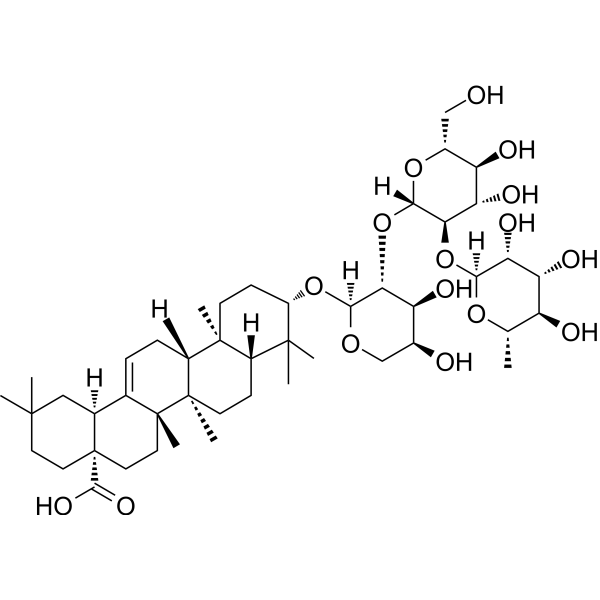
    Raddeanin A is an oleanane-type triterpenoid saponin with oral activity. Raddeanin A inhibits SRC, mTOR, JNK, VEGFR2, NLRP3 inflammasome, Wnt/β-catenin, Wee1, PI3K/AKT signaling pathway, MAPK/ERK signaling pathway, AR-FL, AR-Vs, and downregulates the expression of p-PI3K and p-AKT. Raddeanin A inhibits osteoclast formation, bone resorption, osteolysis, cancer cell invasion, migration, proliferation, angiogenesis and epithelial-mesenchymal transition, while induces apoptosis, cell cycle arrest, ROS production, immunogenic cell death and dendritic cell maturation. Raddeanin A improves blood-retinal barrier function, alleviates inflammation, regulates the tumor microenvironment, and enhances the activity of anti-PD-1 antibody. Raddeanin A is applicable to the research of breast cancer-associated osteolysis, human osteosarcoma, colorectal cancer, glioblastoma, Alzheimer's disease, cholangiocarcinoma, melanoma, non-small cell lung cancer, castration-resistant prostate cancer and multiple myeloma .
    Raddeanin A
  • HY-B0327
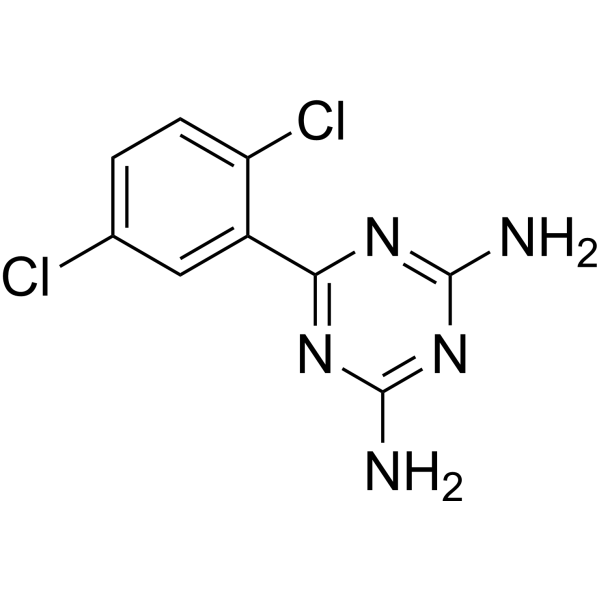
    Irsogladine
    3 Publications Verification

    Dicloguamine

    Phosphodiesterase (PDE) NF-κB AP-1 TRP Channel Interleukin Related Inflammation/Immunology Cancer
    Irsogladine (Dicloguamine) is an orally active gastric mucosal protective agent. Irsogladine inhibits breast cancer recurrence and lung metastasis in nude mice . Irsogladine inhibits the transcriptional activities of NF-κB and AP-1, suppresses the activities of PDE and PDE4 to elevate intracellular cAMP levels, and activates TRPV1 and KATP channels. Irsogladine enhances iNOS expression, NO production, and the activation of cAMP-responsive elements. Irsogladine inhibits the development and progression of intestinal polyps in Apc-mutant mice. Irsogladine alleviates oxidative stress, increases gastric mucosal blood flow, and stimulates the production of endogenous prostaglandins. Irsogladine promotes insulin secretion in MIN6 cells. Irsogladine inhibits tumor angiogenesis, cancer cell proliferation, and the production of proinflammatory cytokines. Irsogladine exerts protective effects on astrocytes in ethanol/hydrochloric acid-induced gastric ulcers in mice. Irsogladine prevents colitis in IL-10 gene-deficient mice by reducing the production of IL-12 and IL-23. Irsogladine upregulates gap junction intercellular communication in pancreatic cancer cells via the PKA pathway. Irsogladine is applicable to research related to breast cancer, intestinal polyposis, gastric ulcer, spontaneous colitis, glioma, liver cancer, and pancreatic cancer [5][6] .
    Irsogladine
  • HY-N0772
    Isomangiferin
    4 Publications Verification

    VEGFR NOD-like Receptor (NLR) NF-κB Bacterial AMPK Acetyl-CoA Carboxylase Apoptosis Reactive Oxygen Species (ROS) HSV Drug Derivative Infection Metabolic Disease Inflammation/Immunology Cancer
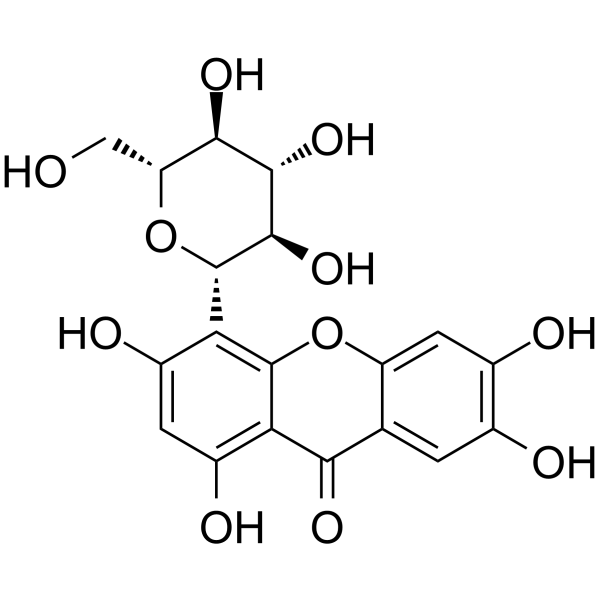
    Isomangiferin is an orally active xanthone C-glucoside, and its chemical structure is similar to Mangiferin (HY-N0290). Isomangiferin is an effective VEGFR-2 kinase inhibitor, which can induces cell apoptosis, inhibit the growth, metastasis and angiogenesis of breast cancer. Isomangiferin exerts anti-inflammatory effects by inhibiting the HMGB1/NLRP3/NF-κB signaling pathway, thereby improving the renal function indicators of diabetic mice. Isomangiferin exhibits inhibitory effects on various bacteria and herpes simplex virus type 1 (HSV-1). Isomangiferin promotes the migration and osteogenic differentiation of bone marrow mesenchymal stem cells (BMSCs) and reduces cell apoptosis and the production of ROS by activating the AMPK/ACC pathway, thereby facilitating fracture healing .
    Isomangiferin
  • HY-P99546

    2xCon4C; AMG 386

    Tie Cardiovascular Disease Cancer
    Trebananib (2xCon4C) is an Fc fusion peptibody. Trebananib exerts its effects by blocking the binding of angiopoietin 1 (Ang1) and angiopoietin 2 (Ang2) to the TIE2 receptor. Trebananib has anti-angiogenic and anti-tumor activities .
    Trebananib
  • HY-110294
    CM037
    1 Publications Verification

    A37

    Aldehyde Dehydrogenase (ALDH) Cancer
    CM037 is a highly selective and competitive ALDH1A1 inhibitor (IC50=4.6 μM). CM037 blocks the catalytic activity of ALDH1A1, thereby inhibiting the activation of the downstream HIF-1α/VEGF pathway. CM037 is mainly used to study the ALDH1A1-mediated regulation of cancer stem cells (CSCs) and angiogenesis, especially in breast cancer, showing the potential to inhibit tumor angiogenesis and stem cell characteristics .
    CM037
  • HY-N2217

    Akt mTOR p38 MAPK Apoptosis Phosphatase Interleukin Related NF-κB PI3K Keap1-Nrf2 Heme Oxygenase (HO) Toll-like Receptor (TLR) Reactive Oxygen Species (ROS) Metabolic Disease Inflammation/Immunology Cancer
    Rotundic acid is an orally effective triterpenoid with a Kd value of 51.3 µM for PTP1B. Rotundic acid downregulates the AKT/mTOR pro-survival pathway and modulates the MAPK pathway. Rotundic acid induces cell cycle S-phase arrest, DNA damage and apoptosis; it inhibits migration, invasion, angiogenesis and proliferation of cancer cells. Rotundic acid improves leptin sensitivity, regulates gut microbiota and reduces cellular senescence. Rotundic acid can be used in research related to hepatocellular carcinoma, obesity, aging, acute lung injury and type 2 diabetes .
    Rotundic acid
  • HY-N5112B
    β,β-Dimethylacrylshikonin
    1 Publications Verification

    Isoarnebin I

    HIF/HIF Prolyl-Hydroxylase Apoptosis Notch NO Synthase Bcl-2 Family Cancer
    β,β-Dimethylacrylshikonin (Isoarnebin I) is a naphthoquinone derivative that can be isolated from Lithospermum erythrorhizon Sieb. et Zucc. β,β-Dimethylacrylshikonin promotes angiogenesis by inducing eNOS, VEGF and HIF-1α expression through the PI3K-dependent pathway. β,β-Dimethylacrylshikonin inhibits Notch-1 activation. β,β-Dimethylacrylshikonin inhibtis tumor cell proliferation, induces tumor cell apoptosis, and inhibits tumor growth .
    β,β-Dimethylacrylshikonin
  • HY-N4322
    Decursinol angelate
    1 Publications Verification

    PKC Inflammation/Immunology Cancer
    Decursinol angelate acts as a PKC activator and GDH inhibitor, with an IC50 of 1.432 μM against human GDH. Decursinol angelate activates PKC, downregulates PKCα and PKCβII isoforms, and exerts cytotoxic activity against cancer cells. Decursinol angelate binds to GDH and inhibits its enzymatic activity. Decursinol angelate inhibits VEGF-induced autophosphorylation of VEGFR2, downstream p42/44 ERK and JNK-MAPK signaling pathways, as well as the angiogenesis process. Decursinol angelate is applicable to research related to cancer and leukemia .
    Decursinol angelate
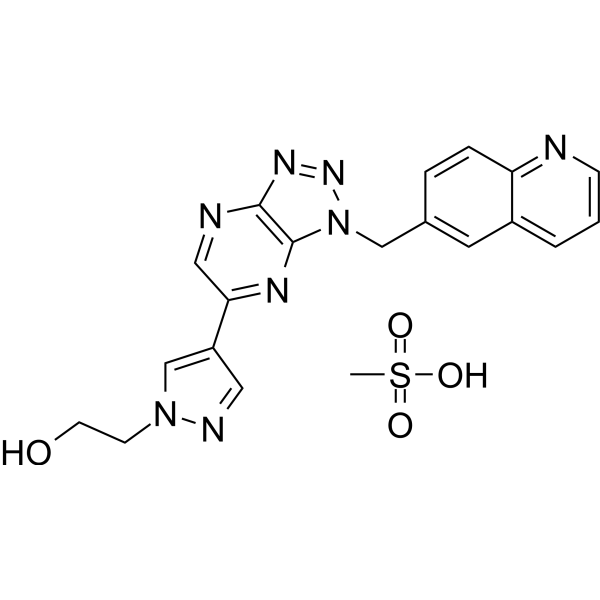
  • HY-145601

    TT 00420

    Aurora Kinase FGFR VEGFR Cancer
    Tinengotinib (TT00420) is an orally active, spectrally selective small molecule kinase inhibitor targeting Aurora A/B (IC50=1.2-3.3 nM), FGFR1/2/3 (IC50=1.5-3.5 nM), VEGFRs, JAK1/2 and CSF1R. Tinengotinib blocks Aurora kinase-mediated cell cycle progression (inducing G2/M arrest), inhibits FGFR/JNK-JUN signaling pathway and activates MEK/ERK-dependent apoptotic pathway. Tinengotinib has the activity of anti-tumor proliferation, inducing apoptosis, inhibiting angiogenesis and regulating tumor microenvironment. Tinengotinib can be used in the study of triple-negative breast cancer (TNBC), gallbladder cancer and tumor immune microenvironment .
    Tinengotinib
  • HY-Y0121

    Environmental Pollutants Apoptosis Parasite VEGFR Cardiovascular Disease Cancer
    Ethyl cinnamate, an orally active chemical constituent of the rhizome of Kaempferia galanga, exhibits anti-cancer, nematocidal, sedative and vasorelaxant activities. Ethyl cinnamate is a fragrance ingredient used as a food flavor and additive for cosmetic products. Ethyl cinnamate is also an excellent clearing reagent for mammalian tissues. Ethyl cinnamate suppresses tumor growth through anti-angiogenesis by attenuating VEGFR2 signal pathway in colorectal cancer. Ethyl cinnamate inhibits the tonic contractions induced by high K+ and phenylephrine (PE) with respective IC50 values of 0.30 mM and 0.38 mM in rat aorta .
    Ethyl cinnamate
  • HY-12379
    NS-2028
    1 Publications Verification

    Guanylate Cyclase Inflammation/Immunology
    NS-2028 is a highly selective soluble Guanylyl Cyclase (sGC) inhibitor with IC50 values of 30 nM and 200 nM for basal and NO-stimulated enzyme activity . NS-2028 inhibits soluble Guanylyl Cyclase activity in homogenates of mouse cerebellum and neuronal NO synthase with IC50 values of 17 nM and 20 nM . NS-2028 inhibits 3-morpholino-sydnonimine (SIN-1)-elicited formation of cyclic GMP in human cultured umbilical vein endothelial cells with an IC50 of 30 nM . NS-2028 is commonly used in the research of nitric oxide signaling pathways, it inhibits NO-dependent relaxant responses in non-vascular smooth muscle completely (1 μM) . NS-2028 reduces vascular endothelial growth factor-induced angiogenesis and permeability .
    NS-2028
  • HY-168894

    Ferroptosis JAK STAT p38 MAPK AMPK GSK-3 Apoptosis HSP TNF Receptor Cardiovascular Disease Neurological Disease Metabolic Disease Cancer
    CT-1 is a secreted protein belonging to the IL-6 cytokine family. Overexpression of CT-1 enhances cell proliferation, migration and angiogenesis via the ADMA/DDAH pathway. CT-1 inhibits the growth of triple-negative breast cancer cells by simultaneously inducing Ferroptosis in N2-type tumor-associated neutrophils and cancer cells. CT-1 activates the Jak/STAT-3, p42/p44 MAPK and AMPK pathways, and inhibits GSK-3β activity through phosphorylation to induce cardiomyocyte hypertrophy. CT-1 enhances the viability of cardiomyocytes and neurons, reduces cell Apoptosis, induces the expression of heat shock proteins (HSP) and BNP, and inhibits TNF levels. CT-1 exerts anti-tumor activity in mouse models of triple-negative breast cancer. CT-1 improves cognitive impairment in mice. CT-1 is applicable to the research of ischemic heart disease, triple-negative breast cancer, myocardial hypertrophy, Parkinson's disease, hypertensive heart disease, myocardial infarction, acute Chagas cardiomyopathy, high-fat diet-induced cognitive impairment and diabetes-related cognitive impairment .
    CT-1
  • HY-173496

    Sialyltransferase Integrin VEGFR Akt Cancer
    ST6GAL1-IN-1 is an orally active selective ST6GAL1 inhibitor (IC50 = 20 μM). ST6GAL1-IN-1 exhibits high antimetastatic potential, effectively inhibiting the migration of MDA-MB-231 cells at noncytotoxic concentrations. ST6GAL1-IN-1 can disrupt integrin sialylation in MDA-MB-231 cells. ST6GAL1-IN-1 inhibits tumor angiogenesis and cancer metastasis via the Integrin/VEGFR2-mediated signaling pathway. ST6GAL1-IN-1 effectively suppresses both tumor growth and cancer metastasis on the MDA-MB-231 xenograft model. ST6GAL1-IN-1 can be used for the study of Triple-negative breast cancer (TNBC) .
    ST6GAL1-IN-1
  • HY-N2445
    Flavokawain C
    4 Publications Verification

    Apoptosis Akt JNK PERK Caspase PARP MDM-2/p53 IAP Reactive Oxygen Species (ROS) SOD FABP Autophagy AMPK mTOR GLUT EGFR PI3K HSP VEGFR FAK Cancer
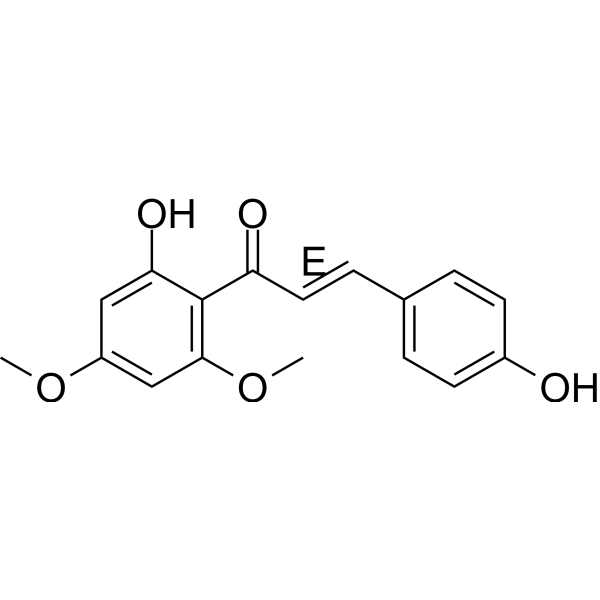
    Flavokawain C is an orally active natural chalcone. Flavokawain C inhibits the proliferation of various cancer cells. Flavokawain C upregulates GADD153 in cancer cells, inhibits the phosphorylation of Akt and JNK, suppresses early ERK phosphorylation, activates late ERK phosphorylation, activates caspase related subtypes, induces PARP-1 cleavage, causes upregulation of p21 and p27, downregulation of mutant p53 and anti-apoptotic IAP proteins, elevates intracellular ROS levels, reduces SOD activity, and induces apoptosis. Flavokawain C downregulates FABP4, induces autophagy in cancer cells, and activates the AMPK/mTOR pathway . Flavokawain C decreases the expression of glycolysis-related proteins GLUT1 and HK2, and inhibits glycolysis in nasopharyngeal carcinoma cells. Flavokawain C inhibits the activation of the EGFR/PI3K/Akt/mTOR signaling pathway and reduces the expression of HSP90B1. Flavokawain C inhibits angiogenesis by decreasing the expression of angiogenic proteins Ang-1 and VEGF in human umbilical vein endothelial cells. Flavokawain C increases γ-H2AX levels in cells, inhibits the phosphorylation of FAK, PI3K and AKT in cells, and induces DNA damage in cells. Flavokawain C exerts anti-tumor activity in multiple tumor xenograft mouse models. Flavokawain C is applicable to research related to colorectal cancer, colon adenocarcinoma, nephroblastoma, nasopharyngeal carcinoma and liver cancer .
    Flavokawain C
  • HY-12170A
    Prinomastat hydrochloride
    4 Publications Verification

    AG3340 hydrochloride; KB-R9896 hydrochloride

    MMP Apoptosis Cancer
    Prinomastat hydrochloride (AG3340 hydrochloride) is a broad spectrum, potent, orally active metalloproteinase (MMP) inhibitor with IC50s of 79, 6.3 and 5.0 nM for MMP-1, MMP-3 and MMP-9, respectively. Prinomastat hydrochloride inhibits MMP-2, MMP-3, MMP-13 and MMP-9 with Kis of 0.05 nM, 0.3 nM, 0.03 nM and 0.26 nM, respectively. Prinomastat hydrochloride can cross blood-brain barrier. Antitumor avtivity .
    Prinomastat hydrochloride
  • HY-P99463
    Batiraxcept
    2 Publications Verification

    AVB-500; AVB-S6-500

    TAM Receptor PI3K Akt p38 MAPK Cancer
    Batiraxcept (AVB-500; AVB-S6-500) is a selective, soluble AXL receptor and GAS6 inhibitor that targets the GAS6-AXL signaling axis. Batiraxcept is orally inactive and does not cross the blood-brain barrier. Batiraxcept competitively binds to GAS6 ((KD <1 nM), preventing its interaction with the AXL receptor tyrosine kinase, thereby inhibiting downstream PI3K/AKT and MAPK signaling pathways, reducing tumor cell glycolysis, angiogenesis, and metastatic potential. Batiraxcept has demonstrated antitumor activity in preclinical models of endometrial, cholangiocarcinoma, and ovarian cancer by inhibiting tumor growth, invasion, and metastasis .
    Batiraxcept
  • HY-N0910
    Notoginsenoside Ft1
    1 Publications Verification

    PI3K mTOR Akt Apoptosis p38 MAPK ERK Transmembrane Glycoprotein Glutathione Reductase (GR) Estrogen Receptor/ERR Calcium Channel Ferroptosis G protein-coupled Bile Acid Receptor 1 FXR Cardiovascular Disease Neurological Disease Metabolic Disease Inflammation/Immunology Cancer
    Notoginsenoside Ft1 is an orally active bioactive saponin. Notoginsenoside Ft1 inhibits the PI3K/AKT/mTOR signaling pathway, activates the p38 MAPK and ERK1/2 signaling pathways, and increases the proportion of CD8 + T cells, thereby inducing apoptosis and lysosomal cell death in various cancer cells, and promoting angiogenesis. Notoginsenoside Ft1 causes vasodilation by activating glucocorticoid receptors (GR) and estrogen receptor beta (ERβ) in endothelial cells. Notoginsenoside Ft1 increases intracellular Ca 2+ accumulation, reduces cAMP levels by activating a signaling network mediated through P2Y12 receptors, and promotes platelet aggregation, thereby exerting a procoagulant effect. Notoginsenoside Ft1 inhibits ferroptosis (ferroptosis) in renal tubular epithelial cells by activating the TGR5 receptor, thereby demonstrating a renal protective effect. Notoginsenoside Ft1 acts as a TGR5 agonist and an FXR antagonist to combat obesity and insulin resistance .
    Notoginsenoside Ft1
  • HY-75625

    4-Methoxysalicylic Acid

    Monocarboxylate Transporter Apoptosis Mitochondrial Metabolism Cardiovascular Disease Metabolic Disease Cancer
    2-Hydroxy-4-methoxybenzoic acid is an orally active inhibitor of MCT-1 and MCT-4, as well as a plant biomarker. 2-Hydroxy-4-methoxybenzoic acid can be isolated from roots. 2-Hydroxy-4-methoxybenzoic acid induces Apoptosis and loss of mitochondrial membrane potential. 2-Hydroxy-4-methoxybenzoic acid exhibits anticancer activity against breast cancer. 2-Hydroxy-4-methoxybenzoic acid normalizes lactic acid levels. 2-Hydroxy-4-methoxybenzoic acid neutralizes viper venom and attenuates its lethal, hemorrhagic, coagulant and anticoagulant activities in male albino mice. 2-Hydroxy-4-methoxybenzoic acid possesses antihyperlipidemic, antidiabetic and hepatoprotective activities .
    2-Hydroxy-4-methoxybenzoic acid
  • HY-148877

    HSP HSV HIF/HIF Prolyl-Hydroxylase VEGFR NF-κB ERK Akt FAK Infection Inflammation/Immunology Cancer
    AT-533 is a potent Hsp90 and HSV inhibitor. AT-533 suppresses tumor growth and angiogenesis by blocking the HIF-1α/VEGF/VEGFR-2 signaling pathway. AT-533 also inhibits the activation of the downstream pathways, including Akt/mTOR/p70S6K, Erk1/2 and FAK. AT-533 inhibits the tube formation, cell migration, and invasion of human umbilical vein endothelial cells (HUVECs) .
    AT-533
  • HY-P2196A
    ELA-32(human) TFA
    1 Publications Verification

    Apelin Receptor (APJ) Cancer
    ELA-32(human) TFA is a potent, high affinity apelin receptor agonist (IC50=0.27 nM; Kd=0.51 nM). ELA-32(human) TFA exhibits no binding GPR15 and GPR25. ELA-32(human) TFA activates the PI3K/AKT pathway and promotes self-renewal of hESCs via cell-cycle progression and protein translation. ELA-32(human) TFA also potentiates the TGFβ pathway, priming hESCs toward the endoderm lineage. ELA-32(human) TFA stimulates angiogenesis in HUVEC cells.
    ELA-32(human) TFA
  • HY-W012985

    ATP Synthase Apoptosis Metabolic Disease Cancer
    Methyl pyruvate is a methyl ester derivative of pyruvic acid. Methyl pyruvate induces insulin release and membrane depolarization. Methyl pyruvate rescues proteasome damage and nuclear localization of TdP-43 caused by overexpression of σ1RE102Q by enhancing ATP synthesis. Methyl pyruvate selectively protects normal lung fibroblasts from cell death induced by Irinotecan (HY-16562). Methyl pyruvate promotes apoptosis and necrosis in cancer cells and downregulates angiogenesis and cell cycle pathways. Methyl pyruvate is an effective substrate for dihydrodihydrogen dehydrogenase.
    Methyl pyruvate
  • HY-N1904

    8-Methoxyapigenin

    IKK NF-κB p38 MAPK PI3K Akt Reactive Oxygen Species (ROS) Interleukin Related TNF Receptor Apoptosis Caspase Bcl-2 Family Cardiovascular Disease Inflammation/Immunology Cancer
    4′-Hydroxywogonin (8-Methoxyapigenin), a flavonoid, could be isolated from a variety of plants including Scutellaria barbata and Verbena littoralis. 4′-Hydroxywogonin has anti-inflammatory activity via TAK1/IKK/NF-κB, MAPKs and PI3/AKT signaling pathways. 4′-Hydroxywogonin inhibits angiogenesis by disrupting PI3K/AKT signaling. 4′-Hydroxywogonin inhibits cell proliferation and induces apoptosis .
    4′-Hydroxywogonin
  • HY-N2666

    VEGFR Cancer
    5α-Hydroxycostic acid, a eudesmane-type sesquiterpene, is isolated from the herb Laggera alata. 5α-Hydroxycostic acid inhibits angiogenesis and suppresses breast cancer cell migration through regulating VEGF/VEGFR2 and Ang2/Tie2 pathways .
    5α-Hydroxycostic acid
  • HY-106789

    CS-684

    Bacterial Infection Inflammation/Immunology Cancer
    Plaunotol is an orally active acyclic diterpene alcohol. Plaunotol has antibacterial activity against Helicobacter pylori which causes peptic ulcer . Plaunotol inhibits tumor angiogenesis and cell proliferation. Plaunotol induces apoptosis by activation of caspase 8 and caspase 9 pathways. Plaunotol is a potential anticancer agent against colon cancer .
    Plaunotol
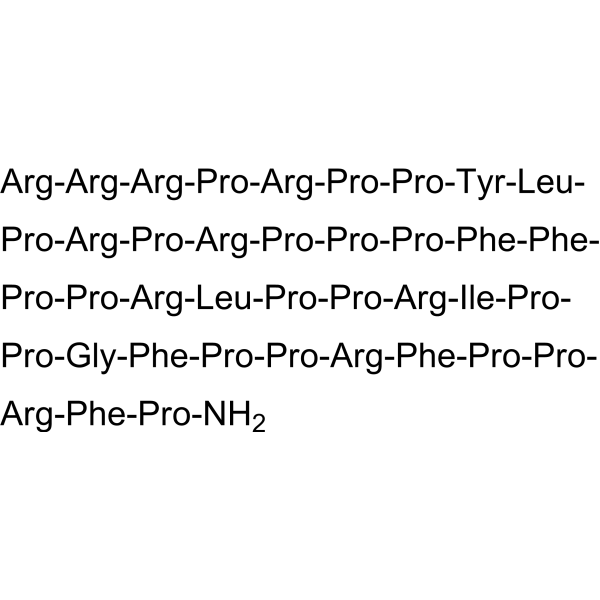
  • HY-P1259A

    Proteasome Bacterial Inflammation/Immunology
    PR-39 TFA, a natural proline- and arginine-rich antibacterial peptide, is a noncompetitive, reversible and allosteric proteasome inhibitor. PR-39 TFAreversibly binds to the α7 subunit of the proteasome and blocks degradation of NF-κB inhibitor IκBα by the ubiquitin-proteasome pathway. PR-39 TFA stimulates angiogenesis, inhibits inflammatory responses and significant reduces myocardial infarct size in mice .
    PR-39 TFA
  • HY-164853

    Pyroptosis NOD-like Receptor (NLR) ERK FGFR AMPK Cardiovascular Disease Neurological Disease Inflammation/Immunology
    Kanglexin is an orally active and novel anthraquinone compound. Kanglexin inhibits NLRP3 inflammatory body activation and cell pyroptosis, and has a cardioprotective effect. Kanglexin promotes angiogenesis through FGFR1/ERK signaling pathway and accelerates diabetic wound healing. In addition, Kanglexin has the effect of lipid-lowering and inhibiting the dedifferentiation of vascular smooth muscle cells, and can be used in the study of hyperlipidemia, fatty liver and atherosclerosis .
    Kanglexin
  • HY-142019

    Akt AMPK Cardiovascular Disease
    Tanshinol borneol ester, an angiogenesis stimulator, promoted multiple key steps of angiogenesis through Akt and MAPK signalling pathways. Tanshinol borneol ester has anti-ischemic and anti-atherosclerosis activities .
    Tanshinol borneol ester
  • HY-N6926

    HIV Apoptosis Caspase VEGFR ERK PI3K Akt mTOR PARP Infection Cancer
    1,3,5-Tricaffeoylquinic acid acts as an angiogenesis inhibitor and apoptosis inducer, and exhibits anti-HIV activity. 1,3,5-Tricaffeoylquinic acid inhibits the phosphorylation of VEGFR2, ERK, PI3K, Akt and mTOR in the angiogenesis signaling pathway. 1,3,5-Tricaffeoylquinic acid regulates apoptosis-related proteins, upregulates the levels of activated caspase-8, Bax, activated PARP and caspase-3/9, while downregulates the level of Bcl-2. 1,3,5-Tricaffeoylquinic acid inhibits tube formation and shows cytotoxicity against ovarian cancer cells. 1,3,5-Tricaffeoylquinic acid can be used in studies related to ovarian cancer .
    1,3,5-Tricaffeoylquinic acid
  • HY-130326

    Ru(η6-p-cymene)Cl2(pta)

    Apoptosis Caspase Cardiovascular Disease Cancer
    RAPTA-C (Ru(η6-p-cymene)Cl2(pta)) acts as an anti-cancer and anti-angiogenic agent. RAPTA-C exhibits anti-metastatic, anti-angiogenic, and anti-tumoral activities through protein and histone-deoxyribonucleic acid alterations. RAPTA-C exhibits cell growth inhibition by triggering G(2)/M phase arrest in cancer cells. RAPTA-C also enhances the levels of p53 and triggers the mitochondrial Apoptotic pathway, resulting in cytochrome C release and caspase-9 activation. RAPTA-C reduces the growth of tumors with the inhibition of angiogenesis in a ovarian carcinoma model .
    RAPTA-C
  • HY-168996

    CDK Apoptosis Cancer
    LA-CB1 is an Abemaciclib (HY-16297A) derivative that targets CDK4/6 and promotes its degradation via the ubiquitin-proteasome pathway, thereby disrupting the CDK4/6-Cyclin D1-Rb-E2F axis and inducing G0/G1 cell cycle arrest and apoptosis. LA-CB1 exhibits antiproliferative activity against MDA-MB-231 cells, with an IC50 of 0.27 µM, and effectively inhibits epithelial-mesenchymal transition (EMT), cell migration, invasion, and angiogenesis. In highly aggressive models such as triple-negative breast cancer (TNBC), LA-CB1 significantly suppresses tumor growth in a dose-dependent manner. LA-CB1 holds potential for research in the field of breast cancer .
    LA-CB1
  • HY-142693

    HIF/HIF Prolyl-Hydroxylase Metabolic Disease
    Angiogenesis agent 1 (compound C-31) is a salidroside-derivated glycoside analogue. Angiogenesis agent 1 is an activator of the HIF-1α pathway. Angiogenesis agent 1 has the potential for the research of diabetic hind limb ischemia .
    Angiogenesis agent 1
  • HY-119767

    VEGFR Apoptosis Cancer
    Jolkinolide A is a diterpenoid, can be extracted from the roots of Euphorbia fischeriana Steud. Jolkinolide A exhibits anti-tumor activity, by affecting on angiogenesis of tumor tissues. Jolkinolide A significantly inhibits the Akt-STAT3-mTOR signaling pathway and reduces the expression of VEGF in A549 cells .
    Jolkinolide A
  • HY-P1259

    Proteasome Bacterial Inflammation/Immunology
    PR-39, a natural proline- and arginine-rich antibacterial peptide, is a noncompetitive, reversible and allosteric proteasome inhibitor. PR-39 reversibly binds to the α7 subunit of the proteasome and blocks degradation of NF-κB inhibitor IκBα by the ubiquitin-proteasome pathway. PR-39 stimulates angiogenesis, inhibits inflammatory responses and significant reduces myocardial infarct size in mice .
    PR-39

Inquiry Online

Your information is safe with us. * Required Fields.

Salutation


Country or Region *

Applicant Name *


Organization Name *

Department *


Email Address *


Product Name *

Cat. No.


Requested quantity *

Phone Number *


Remarks

Inquiry Online

Inquiry Information

Product Name:
Cat. No.:
Quantity:
MCE Japan Authorized Agent:

