69 Results for "

Antiarrhythmic effect

" in MedChemExpress (MCE) Product Catalog:
Products (69)

69 Results for "Antiarrhythmic effect" in MCE Product Catalog:

25
25 Publications Verification
Cat. No.: HY-B1302
CAS No.: 6151-40-2
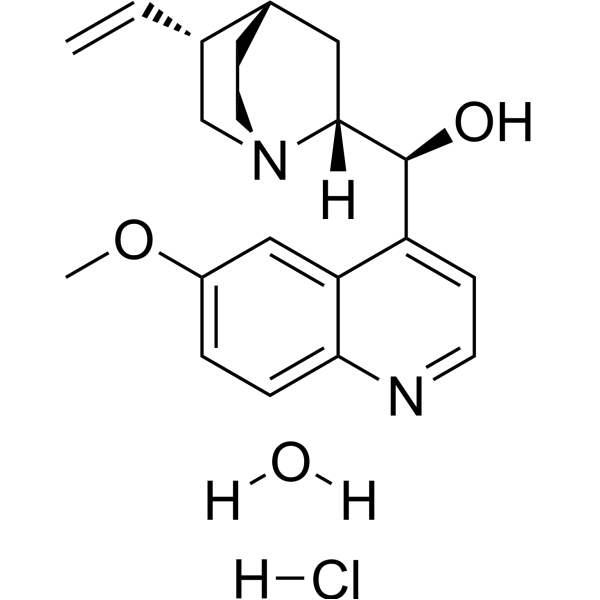
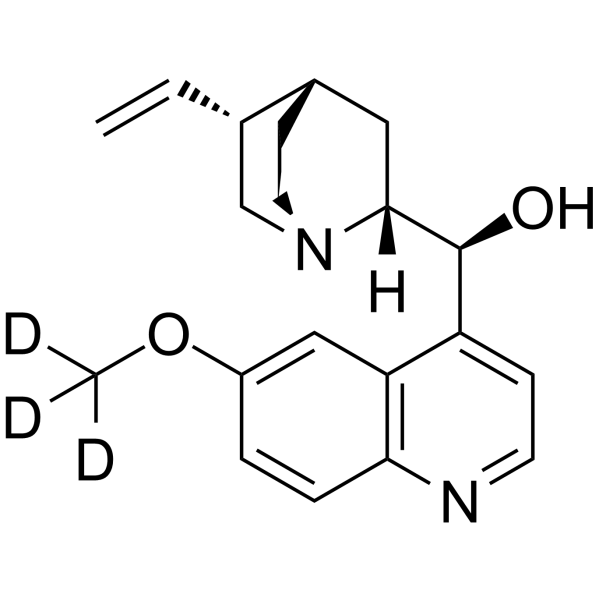
Quinidine hydrochloride monohydrate is an orally active antiarrhythmic agent. Quinidine hydrochloride monohydrate reduces the expression level of P-gp, inhibits P-gp-mediated efflux, increases the intracellular accumulation of P-gp substrates, induces PARP cleavage and Caspase-3 activation, and elevates the proportion of Apoptotic cells at the sub-G1 phase. Quinidine hydrochloride monohydrate exerts sustained block and open-channel block effects on IK(f). Quinidine hydrochloride monohydrate alters the urinary metabolic ratio of Amphetamine, modulates the Pentylenetetrazol-induced seizure threshold, and regulates the anticonvulsant effect of Dextromethorphan. Quinidine hydrochloride monohydrate can be used in studies related to uterine sarcoma and seizures .
loading...
    loading...
24
24 Cited Publications
Cat. No.: HY-B1751
CAS No.: 56-54-2
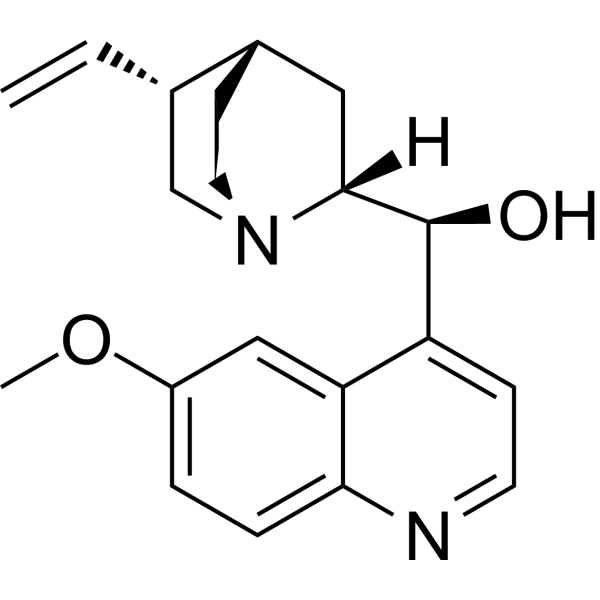
Quinidine (15% dihydroquinidine) is an orally active antiarrhythmic agent. Quinidine (15% dihydroquinidine) reduces the expression level of P-gp, inhibits P-gp-mediated efflux, increases the intracellular accumulation of P-gp substrates, induces PARP cleavage and Caspase-3 activation, and elevates the proportion of Apoptotic cells at the sub-G1 phase. Quinidine (15% dihydroquinidine) exerts sustained block and open-channel block effects on IK(f). Quinidine (15% dihydroquinidine) alters the urinary metabolic ratio of Amphetamine, modulates the Pentylenetetrazol-induced seizure threshold, and regulates the anticonvulsant effect of Dextromethorphan. Quinidine (15% dihydroquinidine) can be used in studies related to uterine sarcoma and seizures .
loading...
    loading...
5
5 Cited Publications
Cat. No.: HY-103160A
CAS No.: 58337-38-5
Purity:  99.67%
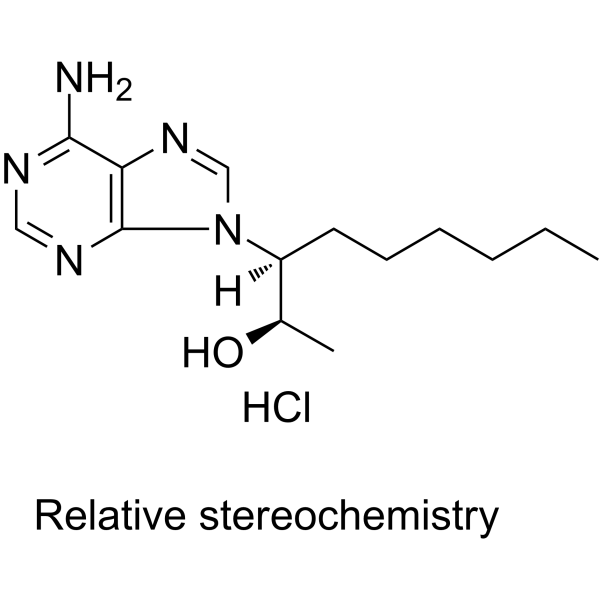
EHNA hydrochloride is a potent and selective dual inhibitor of cyclic nucleotide phosphodiesterase 2 (PDE2)(IC50=4 μM) and adenosine deaminase (ADA). EHNA hydrochloride exerts a concentration inhibition of the cGMP-stimulated PDE II (cGs-PDE)(IC50:0.8 μM (human), 2 μM (porcine myocardium)), but has smaller inhibitory effect on the unstimulated PDE2 activity. EHNA hydrochloride play roles in mediating diverse pharmacological responses, including antiviral, antitumour and antiarrhythmic effects .
loading...
    loading...
5
5 Cited Publications
Cat. No.: HY-N0221
CAS No.: 70553-76-3
Synonyms: (R,R)-Daurisoline
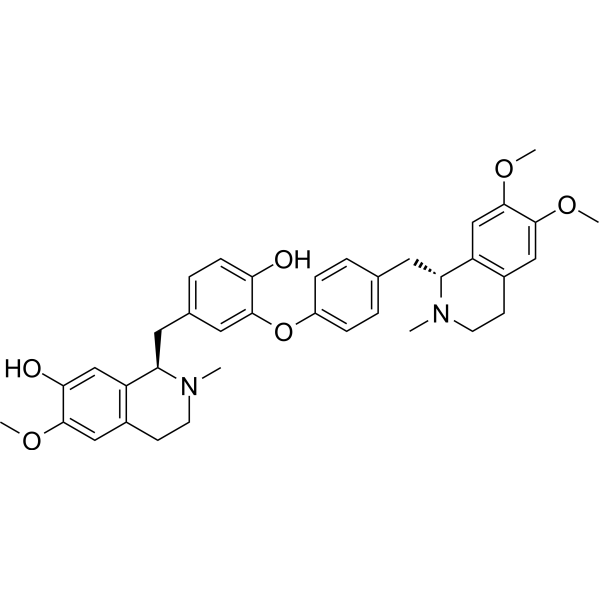
Daurisoline is a bis-benzylisoquinoline alkaloid that can be isolated from Menispermum dauricum and Rhizoma Menispermi. Daurisoline exerts a blocking effect on hERG and has antiarrhythmic effects. Daurisoline is a potent autophagy blocker that can be used for the research of cancer .
loading...
    loading...
3
3 Cited Publications
Cat. No.: HY-B1392
CAS No.: 81161-17-3
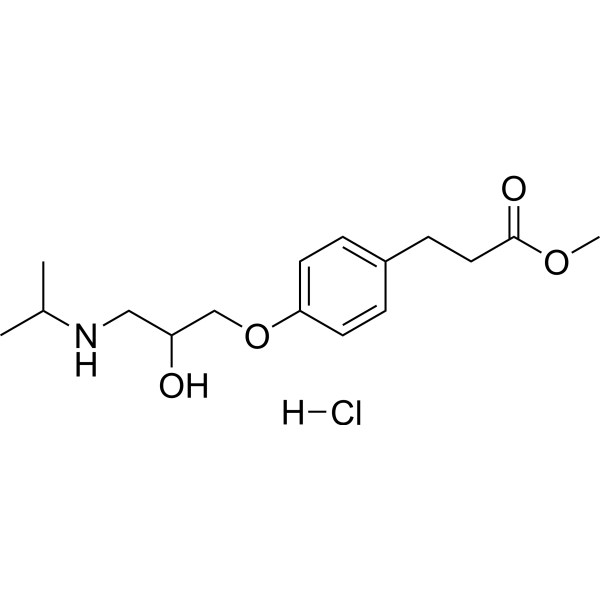
Esmolol hydrochloride is an ultra-short-acting cardioselective β1-adrenergic blocker. Esmolol hydrochloride exerts its antiarrhythmic effect by activating Neurokinin 1 Receptor. Esmolol hydrochloride attenuates post resuscitation myocardial dysfunction. Esmolol hydrochloride improves diabetic wound healing by inhibiting aldose reductase and the production of advanced glycation end products and promoting fibroblast migration. Esmolol hydrochloride can be used to study cardiac diseases such as arrhythmias and diabetic foot ulcers .
loading...
    loading...
3
3 Cited Publications
Cat. No.: HY-10913A
CAS No.: 943133-81-1
Purity:  99.49%
Synonyms: GAP-134 Hydrochloride; ZP 1609 Hydrochloride
Target:  

Gap Junction Protein

Research Areas:  

Cardiovascular Disease

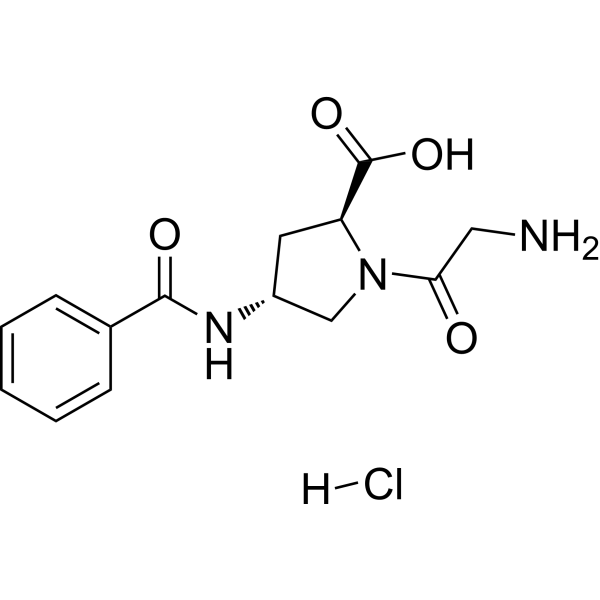
Danegaptide Hydrochloride (GAP-134 Hydrochloride) is a potent, selective and orally active gap-junction modifier with an antiarrhythmic effect .
loading...
    loading...
3
3 Cited Publications
Cat. No.: HY-123785
CAS No.: 763926-98-3
Purity:  99.60%
Target:  

Na+/Ca2+ Exchanger

Research Areas:  

Metabolic Disease

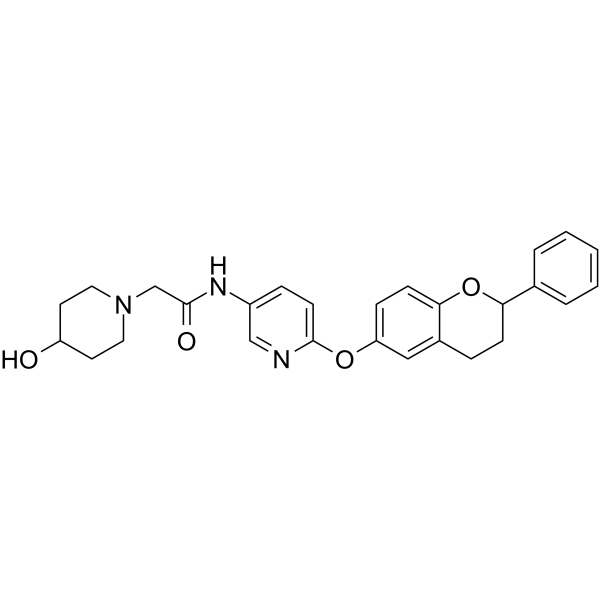
ORM-10962 is a potent, highly selective sodium-calcium exchanger (NCX) inhibitor, with IC50 values of 67 and 55 nM for the reverse and forward mode inhibition, respectively. ORM-10962 shows antiarrhythmic effect .
loading...
    loading...
3
3 Cited Publications
Cat. No.: HY-N2106
CAS No.: 67909-49-3
Dehydroevodiamine is a major bioactive quinazoline alkaloid isolated from Evodiae Fructus, has an antiarrhythmic effect in guinea-pig ventricular myocytes . Dehydroevodiamine inhibits LPS-induced iNOS, COX-2, prostaglandin E2 (PGE2) and nuclear factor-kappa B (NF-κB) expression in murine macrophage cells .
loading...
    loading...
Cat. No.: HY-B0551
CAS No.: 309-29-5
Target:  

Potassium Channel

Research Areas:  

Neurological Disease

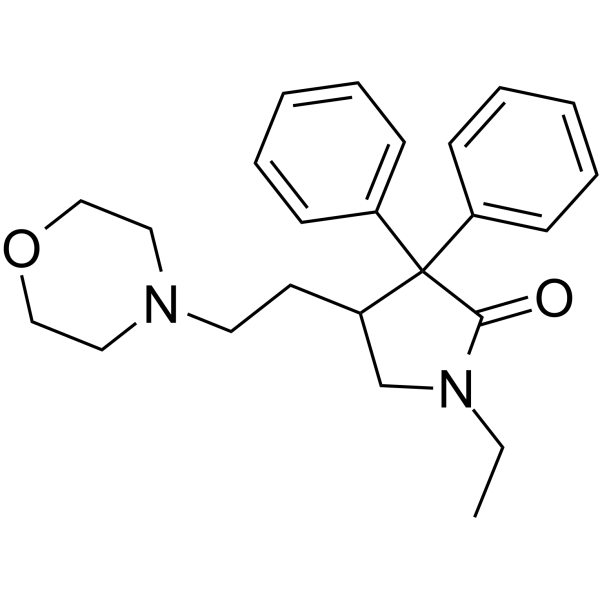
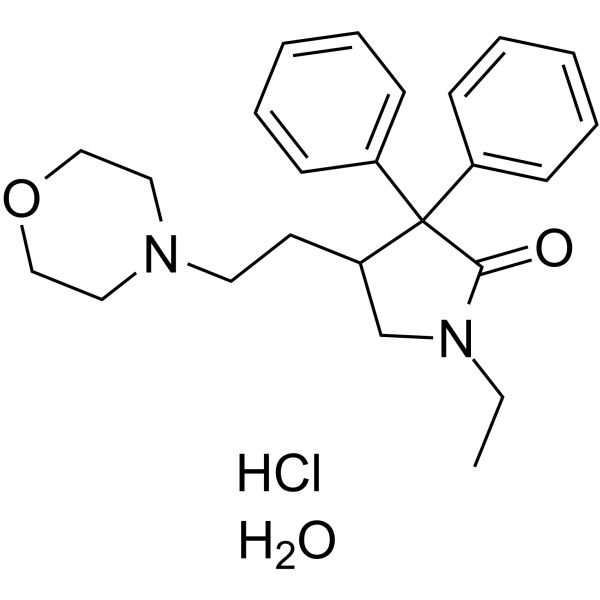
Doxapram is a respiratory stimulant. Doxapram increases breathing rate and depth by acting on the brain's respiratory centers and peripheral chemoreceptors. Doxapram inhibits TASK-1, TASK-3, TASK-1/TASK-3 heterodimeric channel function with EC50s of 410 nM, 37 μM, 9 μM, respectively. Doxapram inhibits the Ca²⁺-activated potassium current (IC50 ≈ 13 μM) and Ca²⁺-independent potassium current (IC50 ≈ 20 μM) in type I cells of the carotid body. Doxapram significantly prolongs the effective refractory period of the atrium and has an anti-arrhythmic effect. Doxapram can be used for the study of respiratory depression such as post-anesthesia respiratory depression, chronic obstructive pulmonary disease and apnea of prematurity .
loading...
    loading...
Cat. No.: HY-B0551A
CAS No.: 7081-53-0
Target:  

Potassium Channel

Research Areas:  

Neurological Disease

Doxapram hydrochloride hydrate is a respiratory stimulant. Doxapram hydrochloride hydrate increases breathing rate and depth by acting on the brain's respiratory centers and peripheral chemoreceptors. Doxapram hydrochloride hydrate inhibits TASK-1, TASK-3, TASK-1/TASK-3 heterodimeric channel function with EC50s of 410 nM, 37 μM, 9 μM, respectively. Doxapram hydrochloride hydrate inhibits the Ca²⁺-activated potassium current (IC50 ≈ 13 μM) and Ca²⁺-independent potassium current (IC50 ≈ 20 μM) in type I cells of the carotid body. Doxapram hydrochloride hydrate significantly prolongs the effective refractory period of the atrium and has an anti-arrhythmic effect. Doxapram hydrochloride hydrate can be used for the study of respiratory depression such as post-anesthesia respiratory depression, chronic obstructive pulmonary disease and apnea of prematurity .
loading...
    loading...
Cat. No.: HY-108586
CAS No.: 343630-41-1
Purity:  ≥99.0%
Target:  

Potassium Channel

Research Areas:  

Neurological Disease

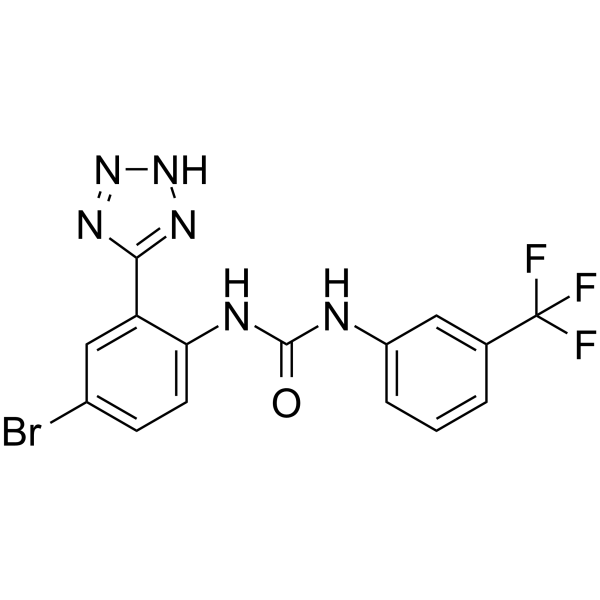
NS3623 is an activator of human ether-a-go-go-related gene (hERG1/KV11.1) potassium channels. NS3623 activates the IKr and Ito currents and has antiarrhythmic effect. NS3623 has a dual mode of action, being an inhibitor of hERG1 channels .
loading...
    loading...
Cat. No.: HY-B1067
CAS No.: 2508-72-7
Synonyms: Phenazoline hydrochloride
Target:  

Histamine Receptor HBV

Research Areas:  

Neurological Disease Endocrinology

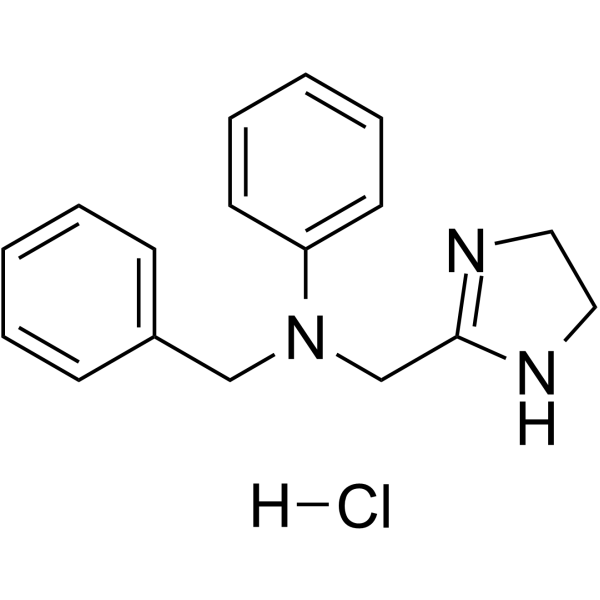
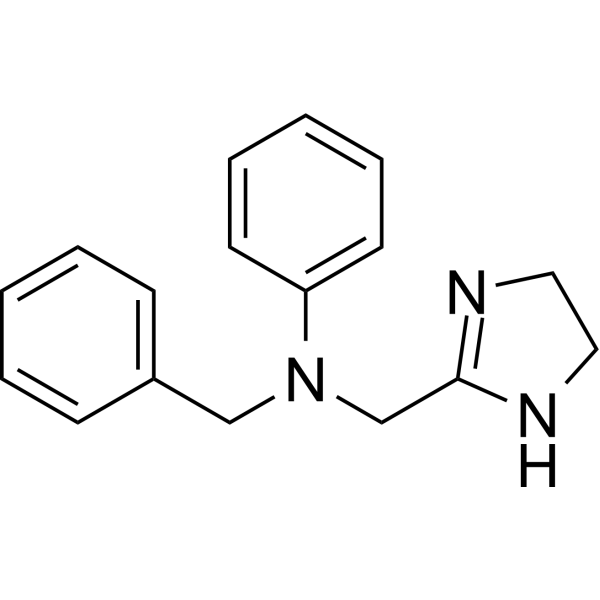
Antazoline hydrochloride is a histamine H1 receptor antagonist with anticholinergic and antiviral properties. Antazoline hydrochloride can prevent histamine from acting on target cells through a reversible competition effect on histamine receptor sites of these cells. Antazoline hydrochloride can exert an antiallegic effect and prevent the occurrence of physiological reactions from the effect of blocking as well as inhibiting H1 receptor. Antazoline hydrochloride can effectively reduce HBV DNA in the extracellular supernatant in a dose-dependent manner, with EC50 of 2.910 μmol/L in HepAD38 cells. Antazoline hydrochloride also has a significant inhibitory effect on HBV DNA in the extracellular supernatant of Huh7 cells (EC50 = 2.349 μmol/L). Antazoline hydrochloride has anti-arrhythmic effect in acute myocardial infarctions. Antazoline hydrochloride can be studied in research for cardiovascular diseases, and HBV .
loading...
    loading...
Cat. No.: HY-124098
CAS No.: 2903-45-9
Purity:  99.92%
Synonyms: Lidocaine N-oxide
Research Areas:  

Cardiovascular Disease

Lignocaine N-oxide (Lidocaine N-oxide) is a hypoxia-activated prodrug of lidocaine (HY-B0185). Lignocaine N-oxide exerts exactly the same sodium current-blocking effect as lidocaine only when it is converted to lidocaine under ischemic conditions. Lignocaine N-oxide possesses antiarrhythmic activity against ischemia-induced ventricular fibrillation. Lignocaine N-oxide can be used in studies related to ischemia-induced ventricular fibrillation .
loading...
    loading...
Cat. No.: HY-101205
CAS No.: 115199-84-3
Purity:  99.39%
ICI-199441 hydrochloride is a potent and selective κ-opioid receptor agonist with analgesic effects. ICI 199441 hydrochloride can improve heart resistance to ischemia/reperfusion .
loading...
    loading...
Cat. No.: HY-A0236
CAS No.: 37640-71-4
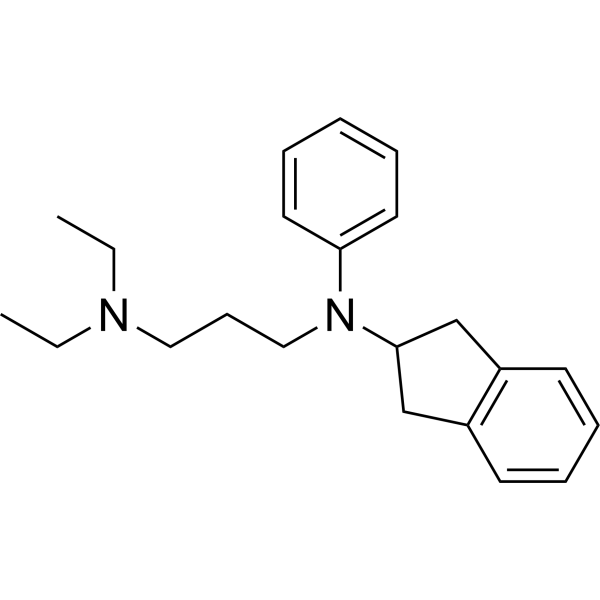
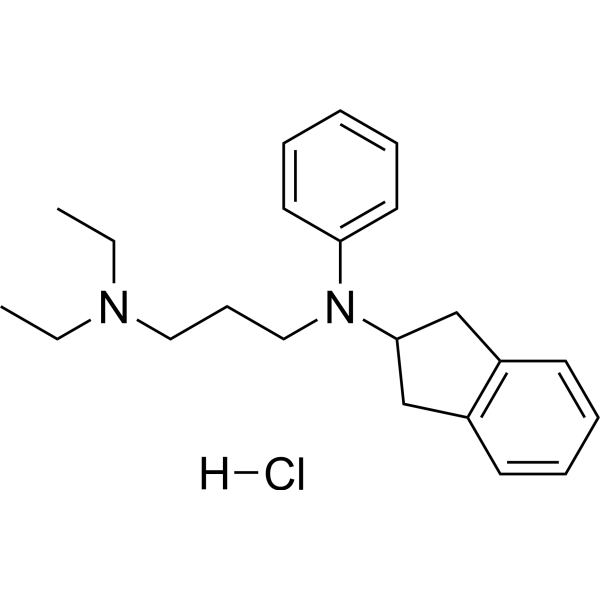
Aprindine is an Ib-class anti-arrhythmic agent. Aprindine mainly exerts its effect by blocking sodium channels (INa), thereby reducing the excitability and conduction velocity of cardiac muscle cells. Aprindine significantly inhibits delayed potassium currents, which helps to prolong the atrial effective refractory period (AERP) and inhibit the occurrence of atrial fibrillation. Aprindine can also regulate intracellular calcium ion concentration by inhibiting Na +/Ca 2+ exchange current (INCX), thereby further stabilizing cardiac electrical activity. Aprindine can be used for the study of atrial fibrillation (AF) and ventricular arrhythmias .
loading...
    loading...
Cat. No.: HY-10913
CAS No.: 943134-39-2
Synonyms: GAP-134; ZP 1609
Target:  

Gap Junction Protein

Research Areas:  

Cardiovascular Disease

Danegaptide (GAP-134) is a potent, selective and orally active gap-junction modifier with an antiarrhythmic effect .
loading...
    loading...
Cat. No.: HY-B1067A
CAS No.: 91-75-8
Synonyms: Phenazoline
Target:  

Histamine Receptor

Research Areas:  

Neurological Disease Endocrinology

Antazoline (Phenazoline) is a histamine H1 receptor antagonist with anticholinergic and antiviral properties. Antazoline can prevent histamine from acting on target cells through a reversible competition effect on histamine receptor sites of these cells. Antazoline can exert an antiallegic effect and prevent the occurrence of physiological reactions from the effect of blocking as well as inhibiting H1 receptor. Antazoline can effectively reduce HBV DNA in the extracellular supernatant in a dose-dependent manner, with EC50 of 2.910 μmol/L in HepAD38 cells. Antazoline also has a significant inhibitory effect on HBV DNA in the extracellular supernatant of Huh7 cells (EC50 = 2.349 μmol/L). Antazoline has anti-arrhythmic effect in acute myocardial infarctions. Antazoline can be studied in research for cardiovascular diseases, and HBV .
loading...
    loading...
Cat. No.: HY-A0236A
CAS No.: 33237-74-0
Aprindine hydrochloride is an Ib-class anti-arrhythmic agent. Aprindine hydrochloride mainly exerts its effect by blocking sodium channels (INa), thereby reducing the excitability and conduction velocity of cardiac muscle cells. Aprindine hydrochloride significantly inhibits delayed potassium currents, which helps to prolong the atrial effective refractory period (AERP) and inhibit the occurrence of atrial fibrillation. Aprindine hydrochloride can also regulate intracellular calcium ion concentration by inhibiting Na +/Ca 2+ exchange current (INCX), thereby further stabilizing cardiac electrical activity. Aprindine hydrochloride can be used for the study of atrial fibrillation (AF) and ventricular arrhythmias .
loading...
    loading...
Cat. No.: HY-B1751D
CAS No.: 6591-63-5
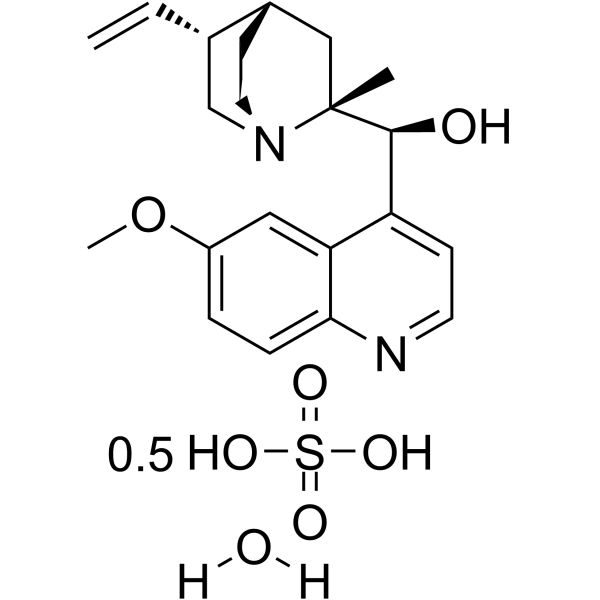
Quinidine sulfate dihydrate is an orally active antiarrhythmic agent. Quinidine sulfate dihydrate reduces the expression level of P-gp, inhibits P-gp-mediated efflux, increases the intracellular accumulation of P-gp substrates, induces PARP cleavage and Caspase-3 activation, and elevates the proportion of Apoptotic cells at the sub-G1 phase. Quinidine sulfate dihydrate exerts sustained block and open-channel block effects on IK(f). Quinidine sulfate dihydrate alters the urinary metabolic ratio of Amphetamine, modulates the Pentylenetetrazol-induced seizure threshold, and regulates the anticonvulsant effect of Dextromethorphan. Quinidine sulfate dihydrate can be used in studies related to uterine sarcoma and seizures .
loading...
    loading...
Cat. No.: HY-118387
CAS No.: 498577-53-0
Target:  

Potassium Channel

Research Areas:  

Cardiovascular Disease

AVE-0118 is a Kv1.5 potassium channel blocker and antiarrhythmic agent. AVE-0118 blocks neuronal Kv1.5 potassium channels, thereby enhancing the release of norepinephrine. AVE-0118 enhances field stimulation-induced neurogenic contraction, an effect sensitive to α1-adrenergic receptor blockade. AVE-0118 terminates persistent atrial fibrillation in some dogs. AVE-0118 is applicable to research related to atrial fibrillation and persistent atrial fibrillation .
loading...
    loading...

