1. Search Result
Search Result
Results for "

BP1

" in MedChemExpress (MCE) Product Catalog:

65

Inhibitors & Agonists

9

Peptides

6

Natural
Products

9

Recombinant Proteins

4

Isotope-Labeled Compounds

47

Antibodies

18

Oligonucleotides

Cat. No. Product Name Target Research Areas Chemical Structure
  • HY-141898

    Fluorescent Dye Others
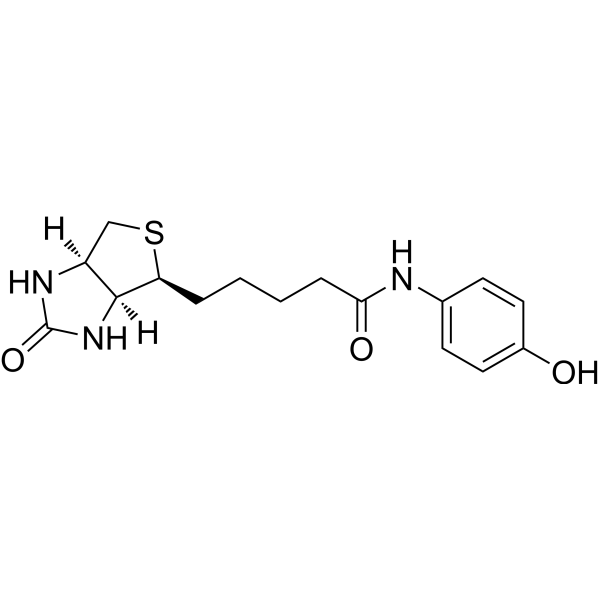
    Biotin-4-aminophenol is a biotin-phenol analog. Biotin-4-aminophenol generates free radicals and conjugates to tyrosine residues in proteins more efficiently and selectively than the previously reported BP1 [1].
    Biotin-4-aminophenol
  • HY-B0280
    Ranolazine
    4 Publications Verification

    CVT 303; RS 43285-003

    Sodium Channel Calcium Channel Cardiovascular Disease Cancer
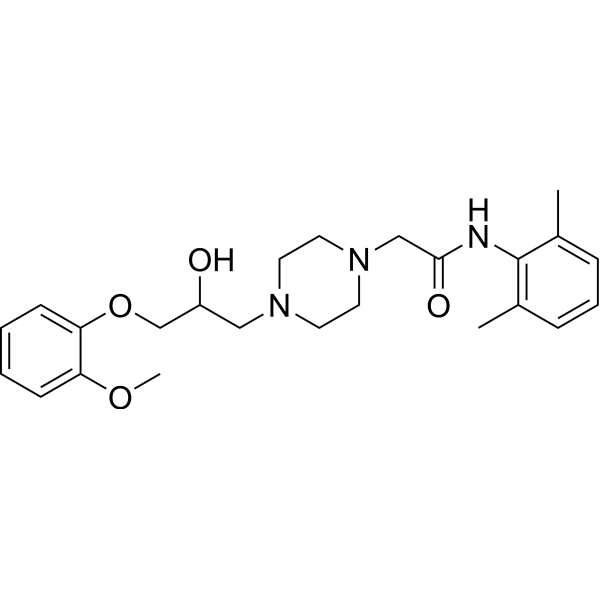
    Ranolazine (CVT 303) is an anti-angina drug that achieves its effects by inhibiting the late phase of inward sodium current (INa and IKr with IC50 values of 6 μM and 12 μM, respectively) without affecting heart rate or blood pressure (BP) . Ranolazine is also a partial fatty acid oxidation (FAO) inhibitor . Antianginal agent.
    Ranolazine
  • HY-162288
    FAZ-3532
    4 Publications Verification

    DNA/RNA Synthesis Cancer
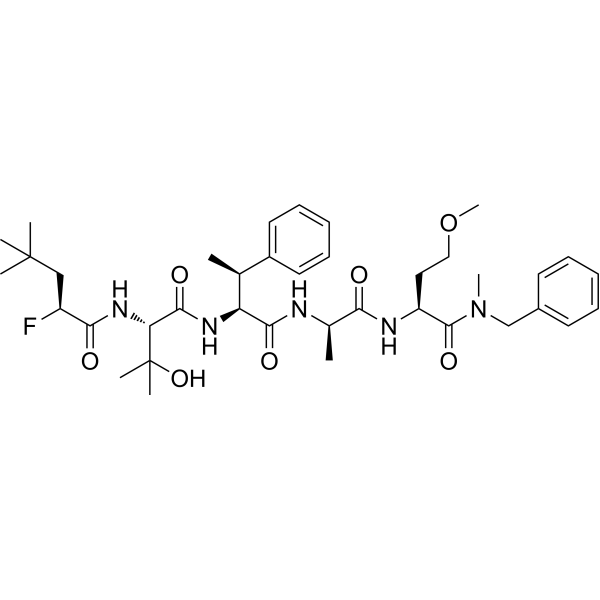
    FAZ-3532 is a G3BP inhibitor (Kd = 0.54 μM) which binds to the NTF2L nsP3 binding pocket in G3BP1. FAZ-3532 disrupts the co-condensation of RNA, G3BP1, and caprin 1. FAZ-3532 inhibits G3BP-driven stress granule formation. FAZ-3532 can be studied as a powerful tool to probe the biology of stress granules and a promising interventions designed to modulate stress granule formation [1].
    FAZ-3532
  • HY-100493
    BP-1-102
    Maximum Cited Publications
    11 Publications Verification

    STAT Cancer
    BP-1-102 is an orally available, small-molecule inhibitor of transcription factor Stat3, with an IC50 of 6.8 μM.
    BP-1-102
  • HY-144873

    Insulin Receptor Apoptosis Cancer
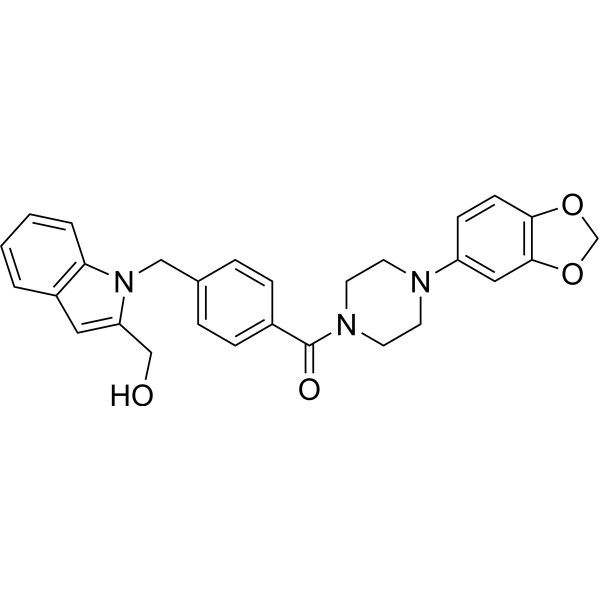
    AVJ16 is a cancer cell migration inhibitor that targets the insulin-like growth factor 2 mRNA binding protein IGF2BP1 with a good affinity of Kd of 1.4μM. AVJ16 interferes with IGF2BP1 binding target mRNA to regulate gene expression and translation [1].
    AVJ16
  • HY-162289
    FAZ-3780
    2 Publications Verification

    DNA/RNA Synthesis Neurological Disease Cancer
    FAZ-3780 is an inhibitor that binds to the NTF2L domain of G3BP1/2. FAZ-3780 binds to the NTF2L nsP3 of G3BP1 with high affinity, with a Kd of 0.15 μM and a Pep-FRET IC50 of 0.7 μM. FAZ-3780 targets the protein-protein interaction domain of G3BP1/2, and specifically inhibits the co-condensation of G3BP1, caprin 1 and RNA in vitro. FAZ-3780 inhibits stress granule formation and disassembles pre-formed stress granules. FAZ-3780 can be used in studies related to cancer and neurodegenerative diseases [1].
    FAZ-3780
  • HY-17401
    Ranolazine dihydrochloride
    4 Publications Verification

    CVT 303 dihydrochloride; RS 43285

    Calcium Channel Sodium Channel Autophagy Cardiovascular Disease Cancer
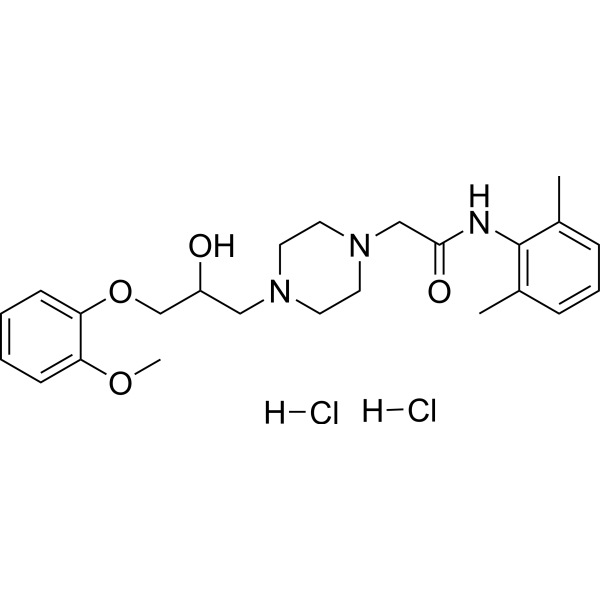
    Ranolazine dihydrochloride (CVT 303 dihydrochloride) is an anti-angina agent that achieves its effects by inhibiting the late phase of inward sodium current (INa and IKr with IC50 values of 6 μM and 12 μM, respectively) without affecting heart rate or blood pressure (BP) . Ranolazine dihydrochloride is also a partial fatty acid oxidation inhibitor .
    Ranolazine dihydrochloride
  • HY-124447

    IGF-1R c-Myc Apoptosis TGF-beta/Smad Cancer
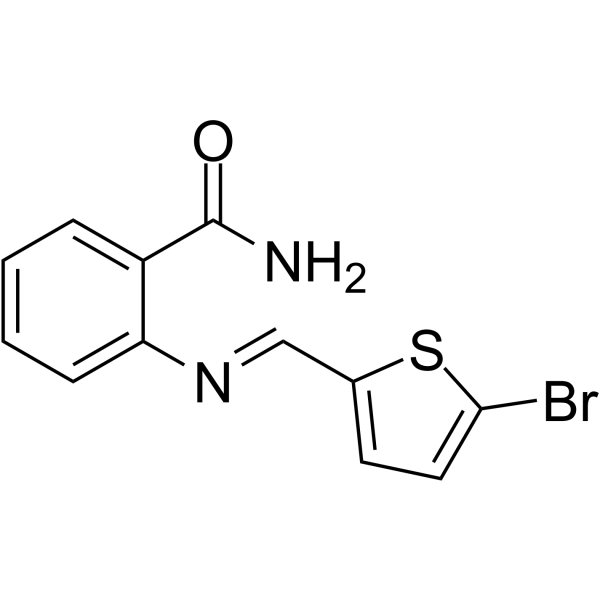
    BTYNB is a structure-specific nucleic acid binder and IGF2BP1 inhibitor (with an IC50 of 5 μM against hBTYNB). BTYNB disrupts the IGF2BP1-RNA interaction and blocks its binding to oncogenic mRNAs such as c-Myc, MDM2, PD-L1. BTYNB completely blocks the INHBA-Smad2/3 pathway, disrupts the MYCN/IGF2BP1 loop, and thereby induces apoptosis and cell cycle arrest, effectively inhibiting the proliferation and survival of cancer cells. In addition, BTYNB acts as an immune activator and tumor microenvironment modulator, enhances T cell-mediated tumor killing, and produces significant synergistic effects with inhibitors of PD-1, BRD and BIRC5. BTYNB can be used in relevant research on various malignant tumors including ovarian cancer, neuroblastoma, leukemia and melanoma [1] .
    BTYNB
  • HY-156110

    Insulin Receptor Cancer
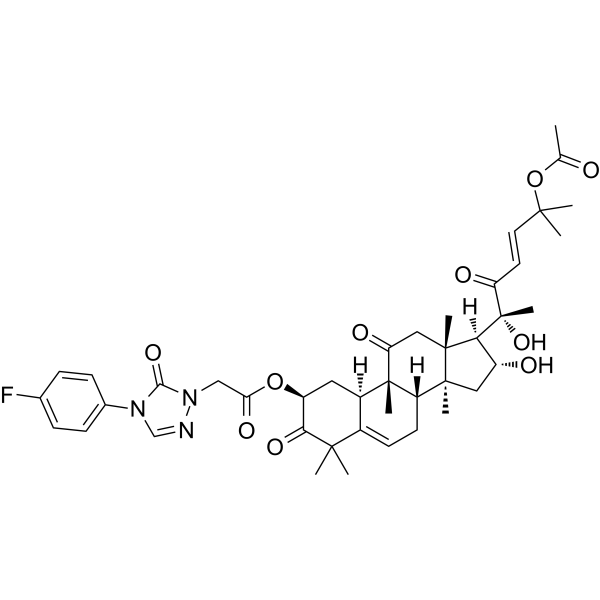
    IGF2BP1-IN-1 (Compound A11) is a IGF2BP1 inhibitor and inhibits downstream signaling. IGF2BP1-IN-1 binds to IGF2BP1 protein with a KD value of 2.88 nM. IGF2BP1-IN-1 inhibits cancer cells proliferation (IC50: 9 nM for A549 cell, 34 nM for HCT116). IGF2BP1-IN-1 induces cancer cell apoptosis. GF2BP1-IN-1 inhibits tumor growth in A549 xenograft mouse model [1].
    IGF2BP1-IN-1
  • HY-N1677

    Akt mTOR Bacterial Fungal AMPK Infection Metabolic Disease Inflammation/Immunology Cancer
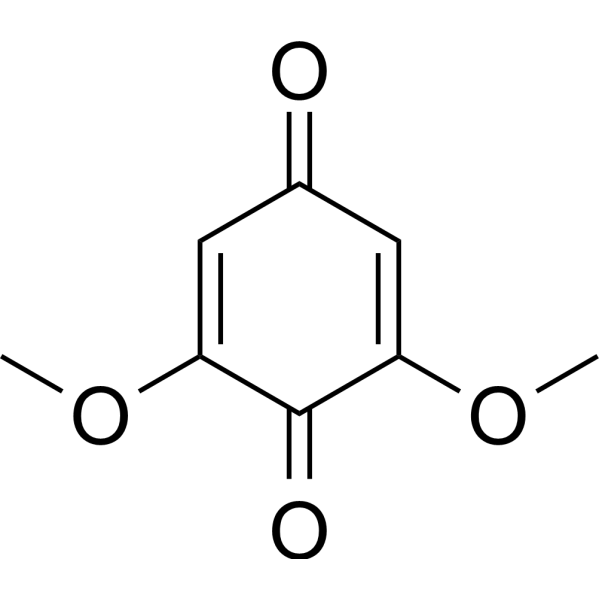
    2,6-Dimethoxy-1,4-benzoquinone is a 1,4-benzoquinone derivative. 2,6-Dimethoxy-1,4-benzoquinone promotes phosphorylation of AKT, S6K, mTOR, 4E-BP1, and AMPK, and attenuates mTORC1 activity as part of the AKT/mTOR pathway. 2,6-Dimethoxy-1,4-benzoquinone stimulates myoblast differentiation, increases myotube size, elevates MHC protein expression, enhances mitochondrial biogenesis, respiration, and DNA content, and increases skeletal muscle weights, fiber size, grip strength, and treadmill performance. 2,6-Dimethoxy-1,4-benzoquinone exerts anti-cancer, anti-inflammatory, anti-adipogenic, antibacterial, and antimutagenic effects, inhibits adipogenic transcription factors, nitric oxide production, skin tumor development, Magnaporthe oryzae growth, spore germination, appressorium formation, and growth of select bacterial species, induces H2O2 generation and rice defense gene expression, and reduces rice blast lesion formation. 2,6-Dimethoxy-1,4-benzoquinone can be used for the research of obesity, skin tumorigenesis, rice blast disease, and food-borne illness [1] .
    2,6-Dimethoxy-1,4-benzoquinone
  • HY-N6954
    Garcinone C
    2 Publications Verification

    ATM/ATR STAT CDK Hedgehog Inflammation/Immunology Cancer
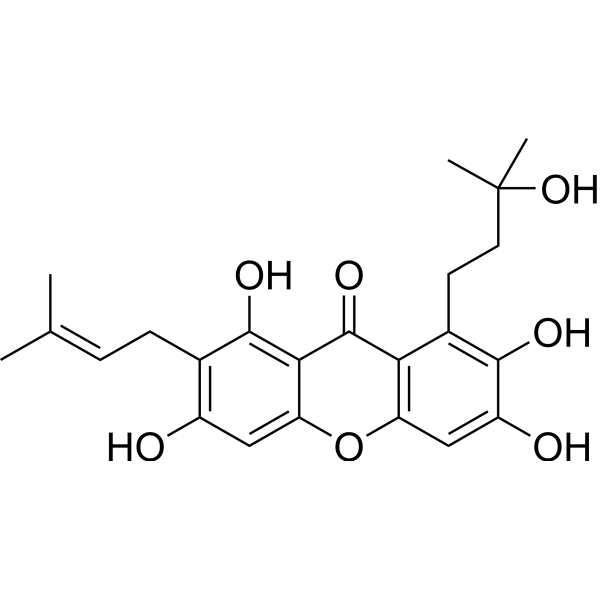
    Garcinone C, a xanthone derivative, is a natural compound extracted from Garcinia oblongifolia that is used as an anti-inflammatory, astringency and granulation-promoting medicine, and has potential cytotoxic effects on certain cancers. Garcinone C stimulates the expression levels of ATR and 4E-BP1, arrests the cell cycle, inhibits cell viability of the human Nasopharyngeal carcinoma (NPC) cell lines CNE1, CNE2, HK1 and HONE1 in a time‑ and dose‑dependent manner through inhibition of Hedgehog signaling pathway. Garcinone C is orally active [1] .
    Garcinone C
  • HY-156257
    UNC9512
    1 Publications Verification

    DNA/RNA Synthesis Cancer
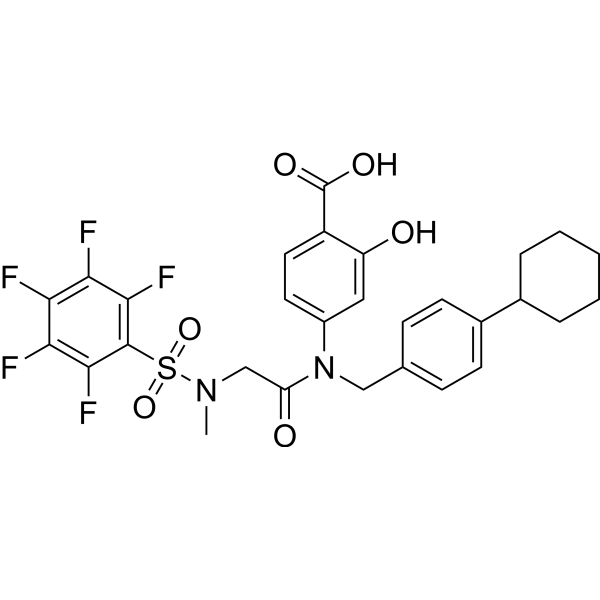
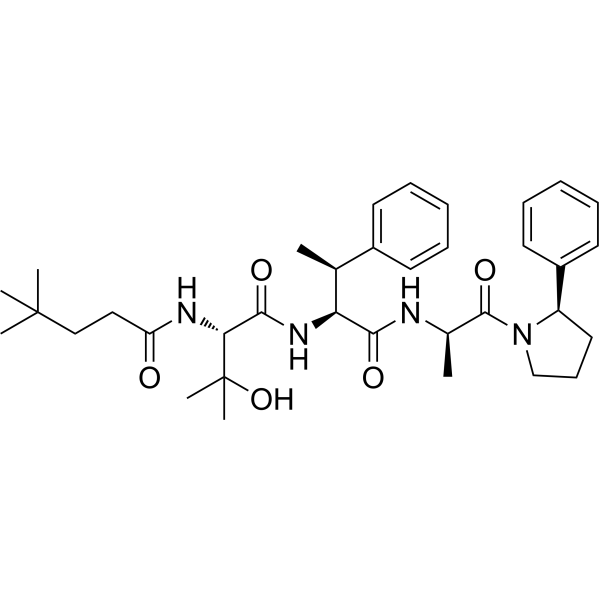
    UNC9512 is a selective 53BP1 inhibitor with an IC50 of 0.46 μM, and a Kd values of 0.17 μM. UNC9512 binds 53BP1 and its tandem Tudor domain, disrupts histone H4 interaction, and inhibits 53BP1 activity. UNC9512 can be used as a probe for DNA damage repair and Gene editing [1] .
    UNC9512
  • HY-170872

    PROTACs DNA/RNA Synthesis Cancer
    PT-129 is a G3BP1/G3BP2 PROTAC degrader. PT-129 inhibits the formation of stress granules, disassembles pre-existing stress granules, disrupts stress granule-mediated ATF4 trafficking via migratory exocytosis, and suppresses cancer cell proliferation. PT-129 is applicable to the research of lung cancer and melanoma [1].
    PT-129
  • HY-W412264

    Pim Cancer
    Pim-1/2 kinase inhibitor 1 is an orally active pim-1/2 kinase inhibitor. Pim-1/2 kinase inhibitor 1 blocks the ability of Pim kinases to phosphorylate peptides, and inhibits the pim protein kinase directed phosphorylation of 4E-BP1 and p27 Kip1. Pim-1/2 kinase inhibitor 1 can be used in study of cancer, especially prostate cancer [1].
    Pim-1/2 kinase inhibitor 1
  • HY-134903

    mTOR Cancer
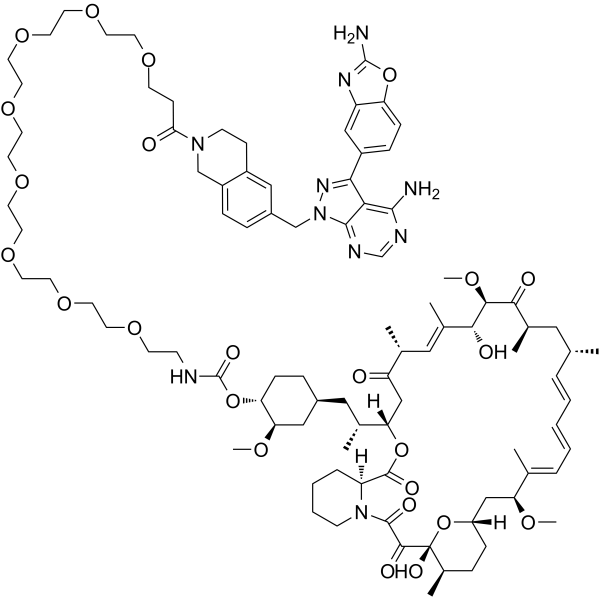
    (32-Carbonyl)-RMC-5552 is a potent mTOR inhibitor. (32-Carbonyl)-RMC-5552 inhibits mTORC1 and mTORC2 substrate (p-P70S6K-(T389), p-4E-BP1-(T37/36), AND p-AKT1/2/3-(S473)) phosphorylation with pIC50s of > 9, >9 and between 8 and 9, respectively (patent WO2019212990A1, example 2) [1].
    (32-Carbonyl)-RMC-5552
  • HY-115531

    DNA/RNA Synthesis Cancer
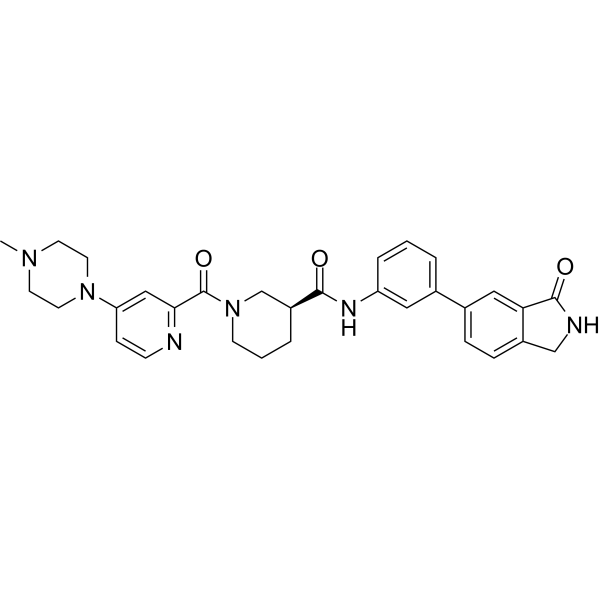
    UNC-2170 is a functionally active, fragment-like ligand for 53BP1 (IC50=29 µM; Kd=22 µM). UNC-2170 shows at least 17-fold selectivity for 53BP1 as compared to nine other methyl-lysine (Kme) reader proteins. 53BP1 is a Kme binding protein that plays a central role in DNA Damage Repair (DDR) pathways and is recruited to sites of double-strand breaks (DSB) [1].
    UNC-2170
  • HY-W348485

    mTOR Cancer
    WRX606 is an orally active nonrapalog inhibitor for mTOR complex 1 (mTORC1M). WRX606 inhibits the phosphorylation of mTORC1 substrate S6 kinase 1 (S6K1) (IC50 = 10 nM) and eukaryotic translation initiation factor 4E binding protein (p-4E-BP1) (IC50 = 0.27 μM) in MCF-7 cells. WRX606 suppresses tumor growth in mice without promotion of metastasis. WRX606 can be studied in research as an antitumor agent [1] .
    WRX606
  • HY-P10323

    Tumstatin (74-98), human

    Integrin FAK mTOR Apoptosis Cancer
    T7 Peptide is a protein synthesis inhibitor and anti-angiogenic agent, with a Kd of 10 nM for human transferrin receptor. T7 Peptide inhibits the phosphorylation of focal adhesion kinase, the activation of phosphatidylinositol 3-kinase and Akt, the kinase activity of mTOR, as well as the phosphorylation of 4E-BP1 in endothelial cells. T7 Peptide induces G0/G1 cell cycle arrest, apoptosis and protective autophagy in hepatocellular carcinoma cells, and suppresses tumor growth in mouse models. T7 Peptide is applicable to research related to cancer, glioblastoma, hepatocellular carcinoma and glioma [1] .
    T7 Peptide
  • HY-P10323A

    Tumstatin (74-98), human TFA

    Integrin FAK mTOR Apoptosis Cancer
    T7 Peptide TFA is a protein synthesis inhibitor and anti-angiogenic agent, with a Kd of 10 nM for human transferrin receptor. T7 Peptide TFA inhibits the phosphorylation of focal adhesion kinase, the activation of phosphatidylinositol 3-kinase and Akt, the kinase activity of mTOR, as well as the phosphorylation of 4E-BP1 in endothelial cells. T7 Peptide TFA induces G0/G1 cell cycle arrest, apoptosis and protective autophagy in hepatocellular carcinoma cells, and suppresses tumor growth in mouse models. T7 Peptide TFA is applicable to research related to cancer, glioblastoma, hepatocellular carcinoma and glioma [1] .
    T7 Peptide TFA
  • HY-N11709

    Apoptosis VEGFR ATM/ATR PTEN Akt mTOR HIF/HIF Prolyl-Hydroxylase NF-κB Notch Cholinesterase (ChE) Amyloid-β γ-secretase Ferroptosis Fungal Infection Neurological Disease Metabolic Disease Cancer
    Theasaponin E1 is an orally effective tea saponin. Theasaponin E1 inhibits the proliferation of cancer cells by activating apoptosis. Theasaponin E1 inhibits angiogenesis in ovarian cancer cells and HUVECs by reducing the expression of VEGF. Theasaponin E1 upregulates the phosphorylation level of ATM protein and the expression level of PTEN protein in cancer cells, decreases the phosphorylation levels of Akt, mTOR, p70S6K and 4E-BP1 proteins, downregulates the expression of HIF-1α and NF-κB, and reduces the protein expression of Notch ligands Dll4 and Jagged1. Theasaponin E1 exerts neuroprotective effects by inhibiting the activity of acetylcholinesterase, activating α-secretase and neprilysin, reducing the concentration of , and inhibiting the activities of β-secretase and γ-secretase. Theasaponin E1 exhibits toxic effects on cancer cells and quinone reductase-inducing activity, and inhibits tumor growth in vivo. Theasaponin E1 induces ferroptosis in Pomacea canaliculata by synergistically disrupting cholesterol homeostasis and sphingolipid metabolism. Theasaponin E1 possesses anti-biofilm activity against Candida albicans. Theasaponin E1 can be used in the research of ovarian cancer, obesity, Alzheimer's disease and fungal infections [1] .
    Theasaponin E1
  • HY-156906

    MDM-2/p53 Cancer
    UNC3474 is a small molecule ligand, binding with 53BP1. UNC3474 binds the aromatic methyl-lysine binding cage of 53BP1 TT, with a dissociation constant (Kd) of 1.0 ± 0.3 μM. UNC3474 inhibits the recruitment of 53BP1 to DSBs by stabilizing a pre-existing autoinhibited state of 53BP1 in cells [1].
    UNC3474
  • HY-RS06619

    Small Interfering RNA (siRNA) Others

    IGF2BP1 Human Pre-designed siRNA Set A contains three designed siRNAs for IGF2BP1 gene (Human), as well as a negative control, a positive control, and a FAM-labeled negative control.

    IGF2BP1 Human Pre-designed siRNA Set A
    IGF2BP1 Human Pre-designed siRNA Set A
  • HY-RS05189

    Small Interfering RNA (siRNA) Others

    G3BP1 Human Pre-designed siRNA Set A contains three designed siRNAs for G3BP1 gene (Human), as well as a negative control, a positive control, and a FAM-labeled negative control.

    G3BP1 Human Pre-designed siRNA Set A
    G3BP1 Human Pre-designed siRNA Set A
  • HY-P11257

    Radionuclide-Drug Conjugates (RDCs) Cancer
    DOTA-BP1 is a DOTA-modified BP1 (BCMA-targeting peptide). DOTA-BP1 can be radiolabeled with [ 68Ga]Ga to produce a BCMA-targeting PET tracer. DOTA-BP1 can be used in the research of detecting BCMA in multiple myeloma [1].
    DOTA-BP1
  • HY-124072

    Cyclophilin LPL Receptor MDM-2/p53 Apoptosis Reactive Oxygen Species (ROS) Cancer
    HL001 is an orally active small molecule inhibitor of Cyclophilin A (CypA) and a receptor antagonist of Lysophosphatidic acid 1 (LPA1). HL001 induces cell cycle arrest and apoptosis of tumor cells by p53. HL001 stabilizes p53 by down-regulating G3BP1, inducing reactive oxygen species and DNA damage. HL001 disrupts the interaction between MDM2 and p53-72R in a CypA dependent manner. HL001 has antitumor activity. HL001 can also be used to study pulmonary fibrosis [1] .
    HL001
  • HY-124348

    3,5-Dimethyl PIT-1

    PI3K Cancer
    DM-PIT-1 is a PIP3/PH (phosphatidylinositol-3,4,5-triphosphate/Pleckstrin) interaction inhibitor. DM-PIT-1 decreases he expression of P-Akt, P-GSK-3-β, P-p70S6K, P-S6, P-4E-BP1. DM-PIT-1 induces apoptosis and shows anticancer activity. DM-PIT-1 has the potential for the research of ovarian cancer [1] .
    DM-PIT-1
  • HY-115869

    mTOR Cancer
    RMC-4529 has an IC50 value of 1.0 nM against p-4E-BP1-(T37/46) in mTOR kinase cellular assay.
    RMC-4529
  • HY-149292

    Casein Kinase Cancer
    SR-4133 is a potent and highly CK1ε selective inhibitor with an IC50 of 58 nM. SR-4133 binds to the ATP-binding site of CK1ε. SR-4133 displays nanomolar growth inhibition of bladder cancer cells, and inhibits the phosphorylation of 4E-BP1 [1].
    SR-4133
  • HY-P2819

    PFK1

    Phosphatase Metabolic Disease
    Phosphofructokinase 1 (PFK1) is a major regulatory enzyme targeting glycolytic pathway. Phosphofructokinase 1 catalyzes the phosphorylation of fructose-6-phosphate (F6P) to fructose-1,6-bisphosphate (F1,6BP) to regulate glycolytic flux. Phosphofructokinase 1 is promising for research of cancer metabolic reprogramming (e.g., hypoxia adaptation, oxidative stress resistance) and metabolic syndromes [1].
    Phosphofructokinase 1
  • HY-125151

    STAT Apoptosis Cancer
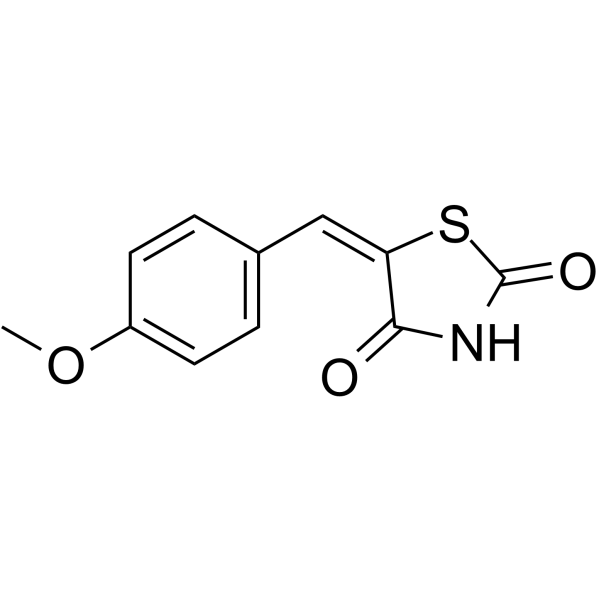
    BP-1-108 is a selective inhibitor of STAT5 (Ki=8.3 μM) with anticancer activity. BP-1-108 induces apoptosis of leukemia cells by inhibiting the phosphorylation of STAT5. BP-1-108 can be used in the study of acute myeloid leukemia and prostate cancer [1].
    BP-1-108
  • HY-P11642A

    Enteropeptidase Aminopeptidase Opioid Receptor ERK mTOR Androgen Receptor Inflammation/Immunology
    Sialorphin TFA is a neutral endopeptidase (NEP) and aminopeptidase N (APN) inhibitor that responds to androgen signals. Sialorphin TFA blocks the degradation of endogenous opioid peptides and interacts with μ-, δ-, κ-opioid receptors. Sialorphin TFA regulates the ERK/mTOR signaling pathway by inducing cell cycle arrest, enhancing ERK1/2 activity, and reducing the phosphorylation levels of mTOR, 4E-BP1, p70S6K; accordingly, Sialorphin TFA exhibits antiproliferative activity against colorectal cancer, glioma and prostate cancer cells without cytotoxicity. In addition, Sialorphin TFA also produces antinociceptive responses, regulates sexual behavior, relaxes corpus cavernosum smooth muscle, and alleviates experimental colitis. Sialorphin TFA is also a copper (II) ion-binding ligand. Sialorphin TFA has been used in mechanistic studies related to cancer, pain management and inflammatory bowel disease [1] .
    Sialorphin TFA
  • HY-170873

    Ligands for Target Protein for PROTAC DNA/RNA Synthesis Cancer
    G3BP1/2-Targeting ligand-1 is the ligand for G3BP1/2 that can be used as target protein ligand for synthesis of G3BP1/2 PROTAC degrader PT-129 (HY-170872) [1].
    G3BP1/2-Targeting ligand-1
  • HY-111370

    mTOR Cancer
    mTOR inhibitor-2 is a highlt potent, selective and oral mTOR inhibitor with an IC50 of 7 nM. mTOR inhibitor-2 inhibits cellular phosphorylation of mTORC1 (pS6 and p4E-BP1) and mTORC2 (pAKT (S473)) substrates [1].
    mTOR inhibitor-2
  • HY-118897

    DNA/RNA Synthesis Cancer
    UNC-2170 maleate is the maleate salt form of UNC-2170 (HY-115531). UNC-2170 maleate is a selective inhibitor for the methyl-lysine binding protein 53BP1, with IC50 of 29 µM and Kd of 22 µM. UNC-2170 maleate shows at least 17-fold selectivity for 53BP1 as compared to nine other methyl-lysine (Kme) reader proteins. 53BP1 is a Kme binding protein that plays a central role in DNA Damage Repair (DDR) pathways and is recruited to sites of double-strand breaks (DSB) [1].
    UNC-2170 maleate
  • HY-17401S

    CVT 303-d8 dihydrochloride; RS 43285-d8

    Calcium Channel Sodium Channel Autophagy Cardiovascular Disease Cancer
    Ranolazine-d8 (dihydrochloride) is the deuterium labeled Ranolazine dihydrochloride. Ranolazine dihydrochloride (CVT 303 dihydrochloride) is an anti-angina agent that achieves its effects by inhibiting the late phase of inward sodium current (INa and IKr with IC50 values of 6 μM and 12 μM, respectively) without affecting heart rate or blood pressure (BP) . Ranolazine dihydrochloride is also a partial fatty acid oxidation inhibitor .
    Ranolazine-d8 dihydrochloride
  • HY-181960

    Histamine Receptor Neurological Disease
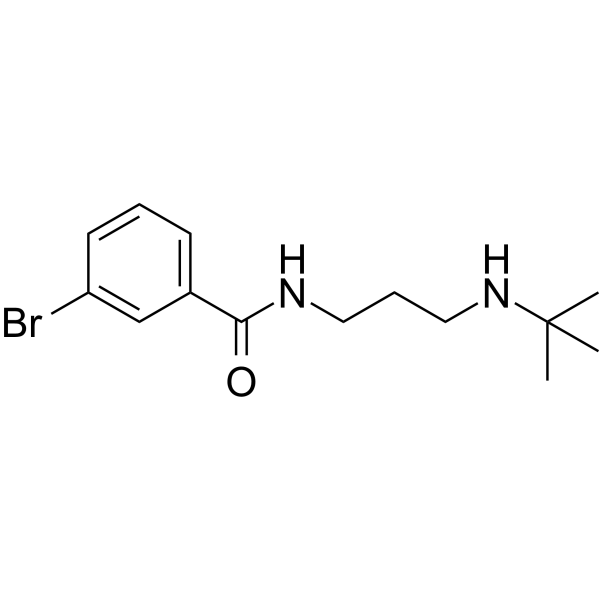
    BP1.3656B is a selective, orally active, blood-brain barrier-permeable histamine H3 receptor (histamine H3 receptor) inverse agonist/antagonist, with a KB value of 0.08 nM for antagonizing agonist-induced activity and an IC50 value of 0.38 nM for directly inhibiting the basal activity of the receptor. BP1.3656B reduces alcohol consumption, alcohol-seeking behavior, alcohol self-administration, motivation to drink, alcohol relapse, alcohol-induced hyperlocomotion, and binge alcohol intake. BP1.3656B is applicable for the research of alcohol use disorder [1].
    BP1.3656B
  • HY-B0280S1

    Isotope-Labeled Compounds Sodium Channel Calcium Channel Cardiovascular Disease Cancer
    Ranolazine-d8 is the deuterium labeled Ranolazine. Ranolazine (CVT 303) is an anti-angina agent that achieves its effects by inhibiting the late phase of inward sodium current (INa and IKr with IC50 values of 6 μM and 12 μM, respectively) without affecting heart rate or blood pressure (BP) . Ranolazine is also a partial fatty acid oxidation (FAO) inhibitor . Antianginal agent.
    Ranolazine-d8
  • HY-B0280S2

    Sodium Channel Calcium Channel Cardiovascular Disease Cancer
    Ranolazine-d3 is the deuterium labeled Ranolazine. Ranolazine (CVT 303) is an anti-angina agent that achieves its effects by inhibiting the late phase of inward sodium current (INa and IKr with IC50 values of 6 μM and 12 μM, respectively) without affecting heart rate or blood pressure (BP) . Ranolazine is also a partial fatty acid oxidation (FAO) inhibitor . Antianginal agent.
    Ranolazine-d3
  • HY-B0280S

    CVT 303-d5; RS 43285-003-d5

    Isotope-Labeled Compounds Sodium Channel Calcium Channel Cardiovascular Disease Cancer
    Ranolazine-d5 is the deuterium labeled Ranolazine. Ranolazine (CVT 303) is an anti-angina drug that achieves its effects by inhibiting the late phase of inward sodium current (INa and IKr with IC50 values of 6 μM and 12 μM, respectively) without affecting heart rate or blood pressure (BP) . Ranolazine is also a partial fatty acid oxidation (FAO) inhibitor . Antianginal agent.
    Ranolazine-d5
  • HY-17401R

    CVT 303 dihydrochloride (Standard); RS 43285 (Standard)

    Calcium Channel Sodium Channel Autophagy Reference Standards Cardiovascular Disease Cancer
    Ranolazine (dihydrochloride) (Standard) is the analytical standard of Ranolazine (dihydrochloride). This product is intended for research and analytical applications. Ranolazine dihydrochloride (CVT 303 dihydrochloride) is an anti-angina agent that achieves its effects by inhibiting the late phase of inward sodium current (INa and IKr with IC50 values of 6 μM and 12 μM, respectively) without affecting heart rate or blood pressure (BP) . Ranolazine dihydrochloride is also a partial fatty acid oxidation inhibitor .
    Ranolazine dihydrochloride (Standard)
  • HY-N6954R

    Reference Standards ATM/ATR STAT CDK Hedgehog Inflammation/Immunology Cancer
    Garcinone C (Standard) is the analytical standard of Garcinone C. This product is intended for research and analytical applications. Garcinone C, a xanthone derivative, is a natural compound extracted from Garcinia oblongifolia that is used as an anti-inflammatory, astringency and granulation-promoting medicine, and has potential cytotoxic effects on certain cancers. Garcinone C stimulates the expression levels of ATR and 4E-BP1, arrests the cell cycle, inhibits cell viability of the human Nasopharyngeal carcinoma (NPC) cell lines CNE1, CNE2, HK1 and HONE1 in a time‑ and dose‑dependent manner through inhibition of Hedgehog signaling pathway. Garcinone C is orally active [1] .
    Garcinone C (Standard)
  • HY-RS14842

    Small Interfering RNA (siRNA) Others

    TNKS1BP1 Human Pre-designed siRNA Set A contains three designed siRNAs for TNKS1BP1 gene (Human), as well as a negative control, a positive control, and a FAM-labeled negative control.

    TNKS1BP1 Human Pre-designed siRNA Set A
    TNKS1BP1 Human Pre-designed siRNA Set A
  • HY-RS14915

    Small Interfering RNA (siRNA) Others

    TP53BP1 Human Pre-designed siRNA Set A contains three designed siRNAs for TP53BP1 gene (Human), as well as a negative control, a positive control, and a FAM-labeled negative control.

    TP53BP1 Human Pre-designed siRNA Set A
    TP53BP1 Human Pre-designed siRNA Set A
  • HY-RS17909

    Small Interfering RNA (siRNA) Others

    G3bp1 Mouse Pre-designed siRNA Set A contains three designed siRNAs for G3bp1 gene (Mouse), as well as a negative control, a positive control, and a FAM-labeled negative control.

    G3bp1 Mouse Pre-designed siRNA Set A
    G3bp1 Mouse Pre-designed siRNA Set A
  • HY-RS22048

    Small Interfering RNA (siRNA) Others

    Tax1bp1 Mouse Pre-designed siRNA Set A contains three designed siRNAs for Tax1bp1 gene (Mouse), as well as a negative control, a positive control, and a FAM-labeled negative control.

    Tax1bp1 Mouse Pre-designed siRNA Set A
    Tax1bp1 Mouse Pre-designed siRNA Set A
  • HY-RS08979

    Small Interfering RNA (siRNA) Others

    N4BP1 Human Pre-designed siRNA Set A contains three designed siRNAs for N4BP1 gene (Human), as well as a negative control, a positive control, and a FAM-labeled negative control.

    N4BP1 Human Pre-designed siRNA Set A
    N4BP1 Human Pre-designed siRNA Set A
  • HY-RS12830

    Small Interfering RNA (siRNA) Others

    SH3BP1 Human Pre-designed siRNA Set A contains three designed siRNAs for SH3BP1 gene (Human), as well as a negative control, a positive control, and a FAM-labeled negative control.

    SH3BP1 Human Pre-designed siRNA Set A
    SH3BP1 Human Pre-designed siRNA Set A
  • HY-RS14227

    Small Interfering RNA (siRNA) Others

    TAX1BP1 Human Pre-designed siRNA Set A contains three designed siRNAs for TAX1BP1 gene (Human), as well as a negative control, a positive control, and a FAM-labeled negative control.

    TAX1BP1 Human Pre-designed siRNA Set A
    TAX1BP1 Human Pre-designed siRNA Set A
  • HY-RS06904

    Small Interfering RNA (siRNA) Others

    IRF2BP1 Human Pre-designed siRNA Set A contains three designed siRNAs for IRF2BP1 gene (Human), as well as a negative control, a positive control, and a FAM-labeled negative control.

    IRF2BP1 Human Pre-designed siRNA Set A
    IRF2BP1 Human Pre-designed siRNA Set A
  • HY-RS08464

    Small Interfering RNA (siRNA) Others

    MIS18BP1 Human Pre-designed siRNA Set A contains three designed siRNAs for MIS18BP1 gene (Human), as well as a negative control, a positive control, and a FAM-labeled negative control.

    MIS18BP1 Human Pre-designed siRNA Set A
    MIS18BP1 Human Pre-designed siRNA Set A

Inquiry Online

Your information is safe with us. * Required Fields.

Salutation


Country or Region *

Applicant Name *


Organization Name *

Department *


Email Address *


Product Name *

Cat. No.


Requested quantity *

Phone Number *


Remarks

Inquiry Online

Inquiry Information

Product Name:
Cat. No.:
Quantity:
MCE Japan Authorized Agent:

