355 Results for "

C9

" in MedChemExpress (MCE) Product Catalog:
Products (355)

355 Results for "C9" in MCE Product Catalog:

50
50 Publications Verification
Cat. No.: HY-N1201
CAS No.: 520-36-5
Synonyms: 4',5,7-Trihydroxyflavone; Apigenol; C.I. Natural Yellow 1
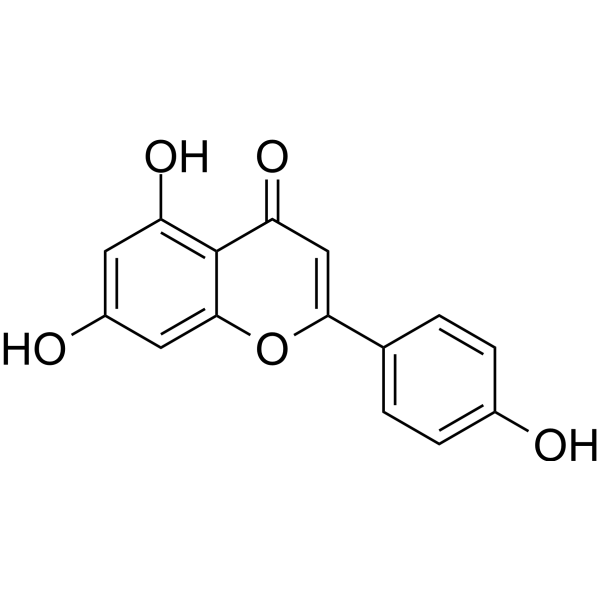
Apigenin (4',5,7-Trihydroxyflavone) is a competitive CYP2C9 inhibitor with a Ki of 2 μM.
loading...
    loading...
36
36 Cited Publications
Cat. No.: HY-17356
CAS No.: 49562-28-9
Research Areas:  

Cardiovascular Disease Cancer

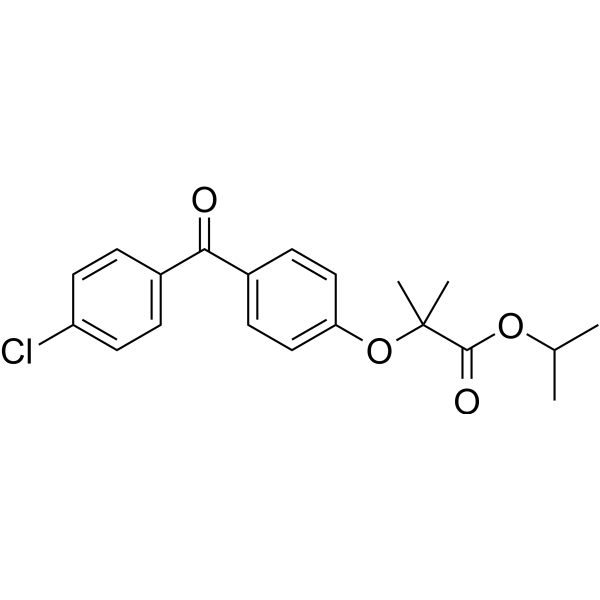
Fenofibrate is a selective PPARα agonist with an EC50 of 30 μM. Fenofibrate also inhibits human cytochrome P450 isoforms, with IC50s of 0.2, 0.7, 9.7, 4.8 and 142.1 μM for CYP2C19, CYP2B6, CYP2C9, CYP2C8, and CYP3A4, respectively.
loading...
    loading...
14
14 Cited Publications
Cat. No.: HY-N6972
CAS No.: 481-49-2
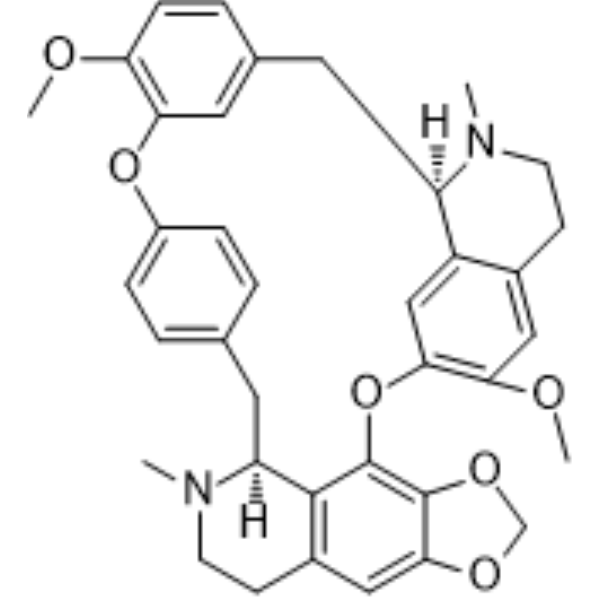
Cepharanthine is a natural product that can be isolated from the plant Stephania cephalantha Hayata. Cepharanthine has anti-severe acute respiratory syndrome coronavirus 2 (anti-SARS-CoV-2) activities. Cepharanthine has good effective in suppressing viral proliferation (half maximal (50%) inhibitory concentration (IC50) and 90% inhibitory concentration (IC90) values of 1.90 and 4.46 μM . Cepharanthine can also effectively reverses P-gp-mediated multidrug resistance in K562 cells and increase enhances the sensitivity of anticancer agents in xenograft mice model . Cepharanthine shows inhibitory effects of human liver cytochrome P450 enzymes CYP3A4, CYP2E1 and CYP2C9. Cepharanthine has antitumor, anti-inflammatory and antinociceptive effects .
loading...
    loading...
13
13 Cited Publications
Cat. No.: HY-B1218
CAS No.: 526-08-9
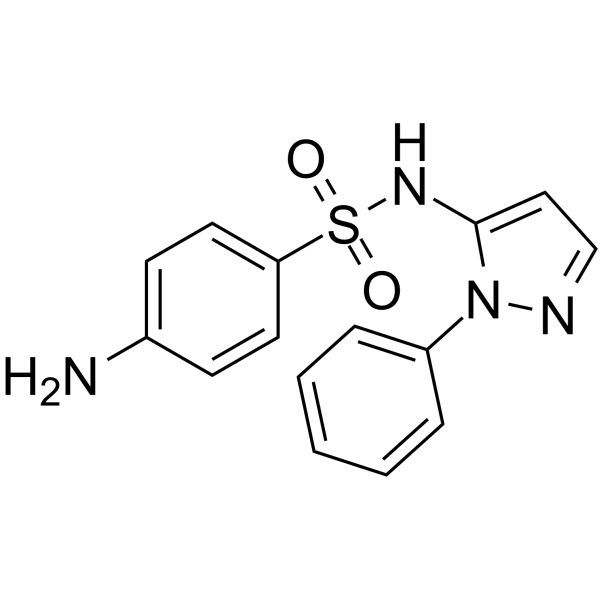
Sulfaphenazole is a selective inhibitor of human cytochrome P450 (CYP) 2C9 enzyme. Sulfaphenazole is a cytoprotective agent against light-induced death of photoreceptors. Sulfaphenazole inhibits light-induced necrosis and mitochondrial stress-initiated apoptosis. Sulfaphenazole is an off patent sulfonamide antibiotic and demonstrates bactericidal activity through enhanced M1 macrophage activity. Sulfaphenazole can significantly reduce infarct size and restore post-ischemic coronary flow following ischemia and reperfusion .
loading...
    loading...
13
13 Cited Publications
Cat. No.: HY-13024
CAS No.: 1020172-07-9
Purity:  99.91%
Synonyms: DCC-2036
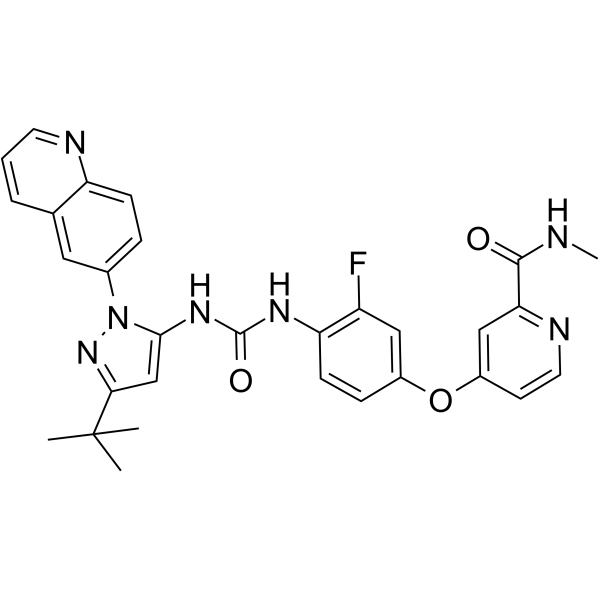
Rebastinib (DCC-2036) is an orally active, non-ATP-competitive Bcr-Abl inhibitor, with IC50 values of 0.8 nM and 4 nM against Abl1 WT and Abl1 T315I, respectively. Rebastinib potently inhibits CYP2C8 (IC50 = 0.0533 μM) and CYP2C9 (IC50 = 2.54 μM). Rebastinib allosterically inhibits Tie2 with an IC50 of 0.63 nM. Rebastinib inhibits the transcriptional activity of FoxO1. Rebastinib inhibits SRC family kinases, KDR and FLT3 kinases. Rebastinib induces Apoptosis. Rebastinib exerts anti-tumor activity in breast cancer. Rebastinib exerts anti-angiogenic effects. Rebastinib increases myotube diameter and improves reduced contractility. Rebastinib can be used in research related to triple-negative breast cancer, luminal breast cancer, pancreatic neuroendocrine tumors, muscle atrophy, cancer cachexia, chronic myeloid leukemia, and B-lymphocytic leukemia .
loading...
    loading...
10
10 Cited Publications
Cat. No.: HY-B0113
CAS No.: 73590-58-6
Synonyms: H 16868
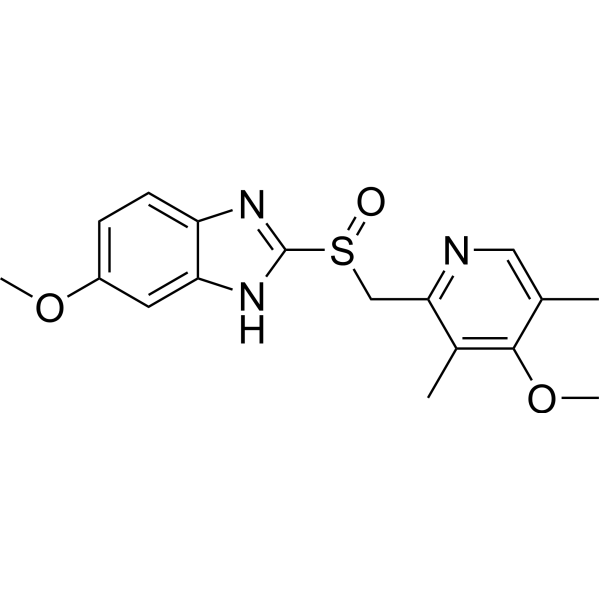
Omeprazole (H 16868) is an orally active H +,K +-ATPase inhibitor and a proton pump inhibitor. Omeprazole competitively inhibits CYP2C19, CYP3A4, and CYP2C9 activity. Omeprazole inhibits gastric acid secretion and can be used for acid-related gastrointestinal disorders. Omeprazole inhibits pancreatic cancer cell proliferation, induces apoptosis, autophagosome accumulation (elevated LC3-I and LC3-II levels), oxidative stress, and cytogenetic imbalance, modulates lysosomal transport, reduces inflammatory cytokines. Omeprazole alters small intestinal morphology and magnesium absorption, and induces gastric mucosa morphologic changes. Omeprazole aslo has neuroprotective and antibacterial effects .
loading...
    loading...
10
10 Cited Publications
Cat. No.: HY-B0113A
CAS No.: 95510-70-6
Synonyms: H 16868 sodium
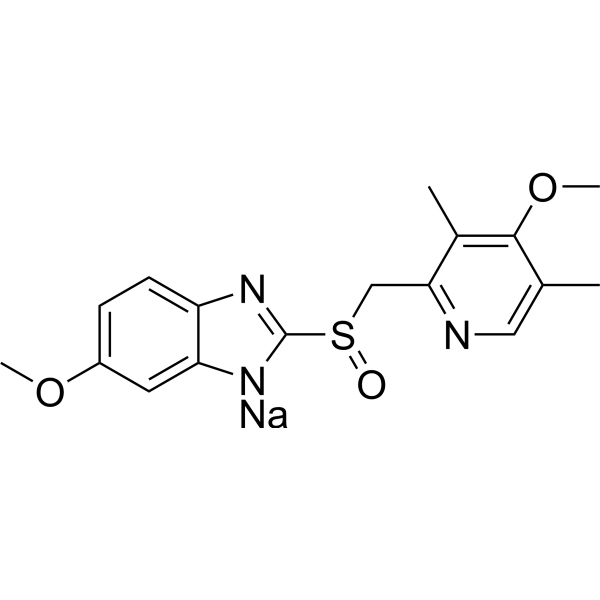
Omeprazole (H 16868) sodium is an orally active H +,K +-ATPase inhibitor and a proton pump inhibitor. Omeprazole sodium competitively inhibits CYP2C19, CYP3A4, and CYP2C9 activity. Omeprazole sodium inhibits gastric acid secretion and can be used for acid-related gastrointestinal disorders. Omeprazole sodium inhibits pancreatic cancer cell proliferation, induces apoptosis, autophagosome accumulation (elevated LC3-I and LC3-II levels), oxidative stress, and cytogenetic imbalance, modulates lysosomal transport, reduces inflammatory cytokines. Omeprazole sodium alters small intestinal morphology and magnesium absorption, and induces gastric mucosa morphologic changes. Omeprazole sodium aslo has neuroprotective and antibacterial effects .
loading...
    loading...
7
7 Cited Publications
Cat. No.: HY-100738
CAS No.: 108477-18-5
Purity:  ≥98.0%
Synonyms: NSC144303
Target:  

Apoptosis

Research Areas:  

Cancer

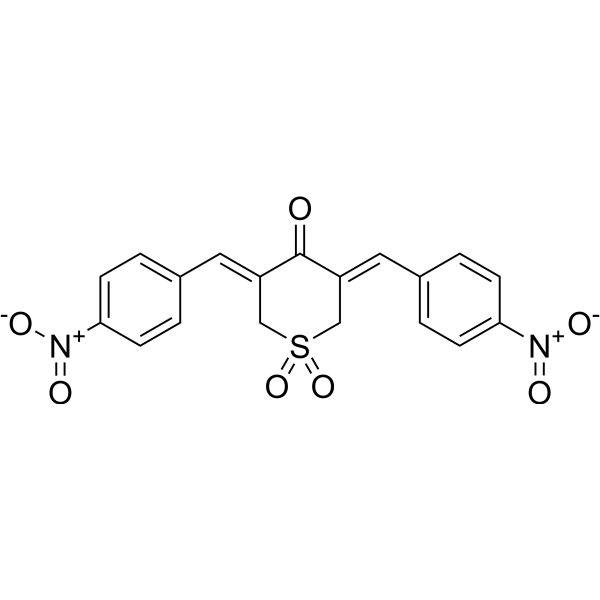
Ubiquitin Isopeptidase Inhibitor I, G5 (NSC 144303) is an apoptosome-independent caspase and apoptosis activator with IC50 values of 1.76 and 1.6 μM in E1A and E1A/C9DN cells, respectively.
loading...
    loading...
6
6 Cited Publications
Cat. No.: HY-B0258
CAS No.: 25812-30-0
Synonyms: CI-719
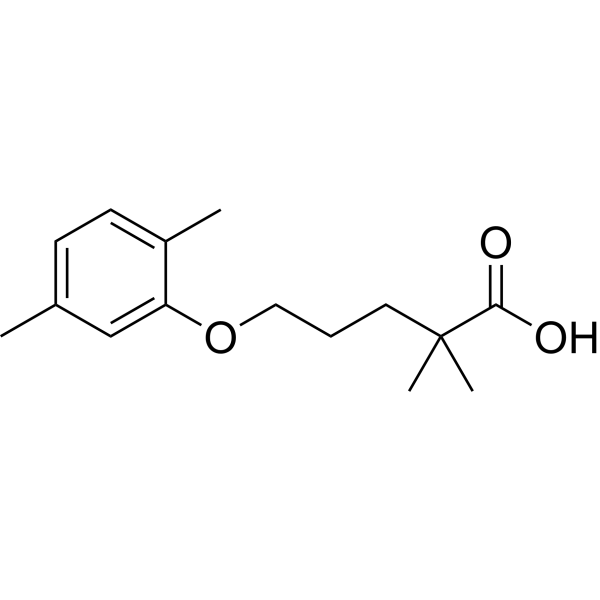
Gemfibrozil is an activator of PPAR-α, used as a lipid-lowering agent; Gemfibrozil is also a nonselective inhibitor of several P450 isoforms, with Ki values for CYP2C9, 2C19, 2C8, and 1A2 of 5.8, 24, 69, and 82 μM, respectively.
loading...
    loading...
6
6 Cited Publications
Cat. No.: HY-N0762
CAS No.: 31524-62-6
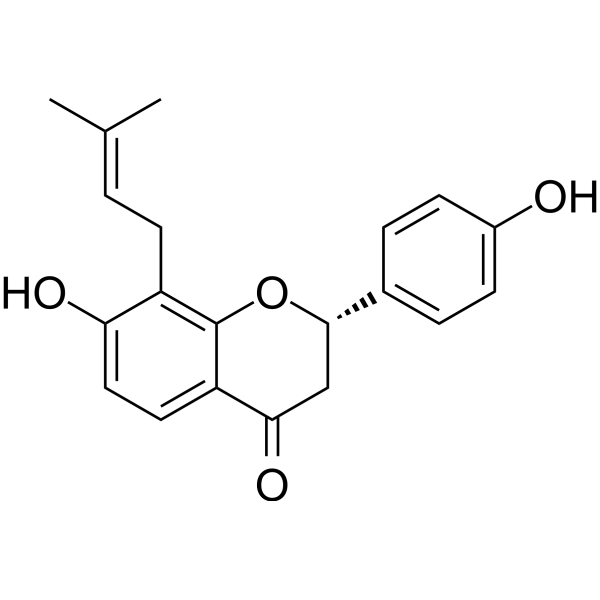
Isobavachin is an orally active, blood-brain barrier-penetrating prenylated flavonoid present in Psoralea corylifolia. Isobavachin inhibits human CYP2B6, CYP2C9, CYP2C19, UGT1A1, UGT1A9, and UGT2B7. Isobavachin suppresses MAPK activation, NF-κB nuclear translocation, overexpression of iNOS/COX-2, FcεRI-mediated signaling pathways, and RANKL-induced osteoclastogenesis. Isobavachin induces autophagy, cytotoxicity, neuronal differentiation, and NRF2 activation; it alleviates oxidative damage, inflammatory responses, apoptosis, iron accumulation, mitochondrial biogenesis, and mast cell degranulation. Isobavachin is applicable to research related to liver injury, inflammatory diseases, osteoporosis, liver cancer, prostate cancer, glioma, periodontitis-induced bone loss, and Alzheimer's disease [9].
loading...
    loading...
5
5 Cited Publications
Cat. No.: HY-N0904
CAS No.: 39262-14-1
Synonyms: Ginsenoside compound K; Ginsenoside K
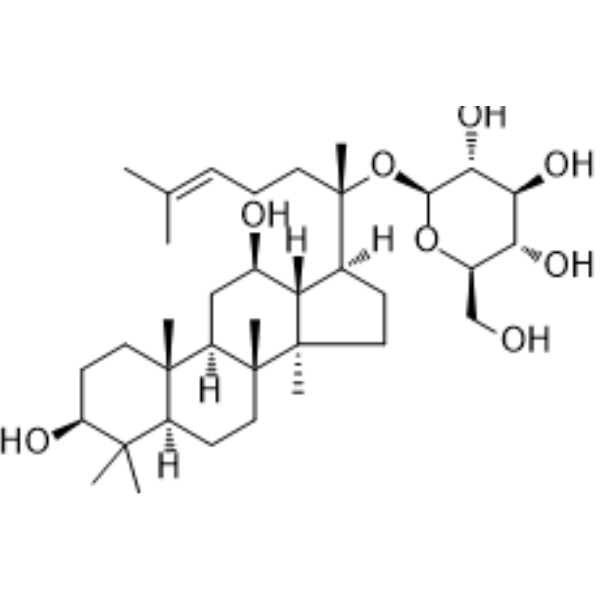
Ginsenoside C-K, a bacterial metabolite of G-Rb1, exhibits anti-inflammatory effects by reducing iNOS and COX-2. Ginsenoside C-K exhibits an inhibition against the activity of CYP2C9 and CYP2A6 in human liver microsomes with IC50s of 32.0±3.6 μM and 63.6±4.2 μM, respectively.
loading...
    loading...
5
5 Cited Publications
Cat. No.: HY-13463
CAS No.: 570406-98-3
Purity:  99.83%
Synonyms: AKR-501; E5501; YM477
Research Areas:  

Inflammation/Immunology Cancer

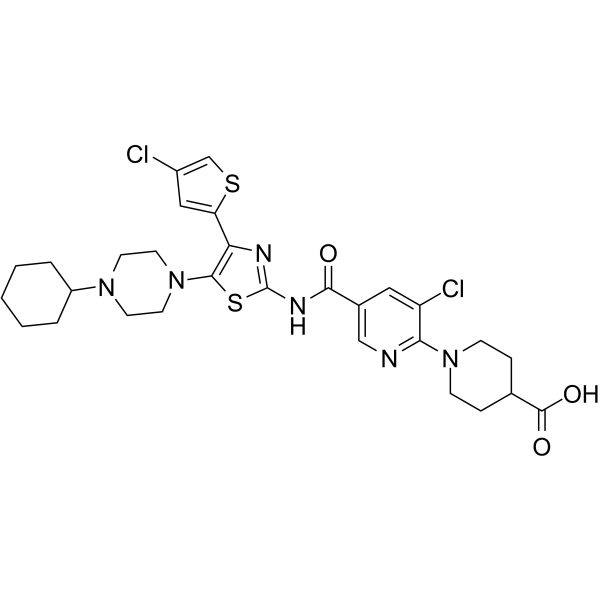
Avatrombopag (AKR-501) is an orally active, nonpeptide thrombopoietin (TPO) receptor agonist (EC50=3.3 nM). Avatrombopag mimics the biological activities of TPO. Avatrombopag increases platelet production by activating the intracellular signaling system, and promotes production of platelets and megakaryocytes from hemopoietic precursor cells. Avatrombopag is a substrate of cytochrome P450 (CYP) 2C9 and CYP3A .
loading...
    loading...
5
5 Cited Publications
Cat. No.: HY-13463A
CAS No.: 677007-74-8
Purity:  99.88%
Synonyms: AKR-501 maleate; E5501 maleate; YM477 maleate
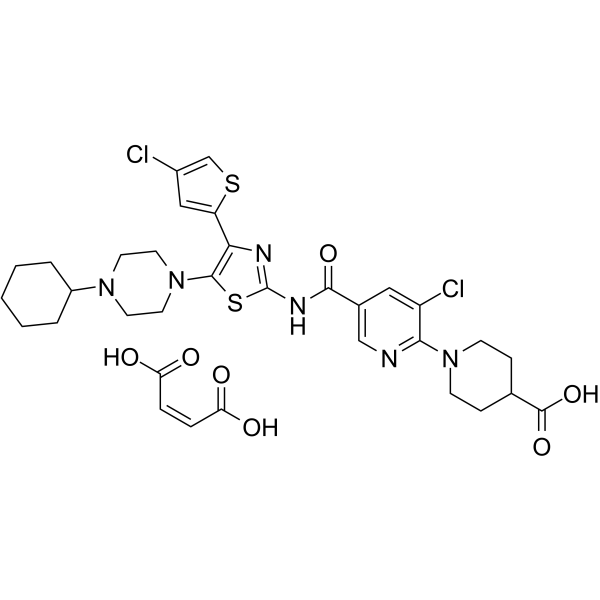
Avatrombopag (AKR-501) maleate is an orally active, non-peptide thrombopoietin receptor (TPO receptor) agonist (EC50: 3.3 nM). Avatrombopag maleate mimics the biological activity of TPO. Avatrombopag maleate increases platelet production by activating intracellular signaling systems and promotes the production of platelets and megakaryocytes from hematopoietic precursor cells. Avatrombopag maleate is a substrate for cytochrome P450 (CYP) 2C9 and CYP3A .
loading...
    loading...
5
5 Cited Publications
Cat. No.: HY-13463B
CAS No.: 570403-17-7
Purity:  97.05%
Synonyms: AKR-501 hydrochloride; E5501 hydrochloride; YM477 hydrochloride
Research Areas:  

Cardiovascular Disease Cancer

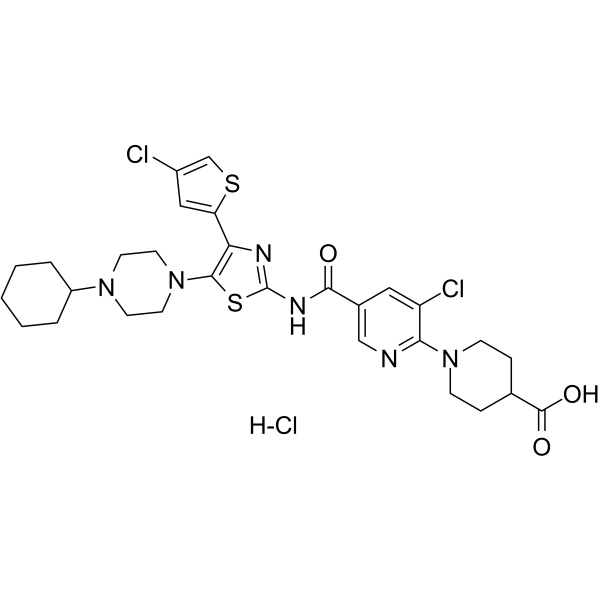
Avatrombopag (AKR-501) hydrochloride is an orally active, nonpeptide thrombopoietin (TPO) receptor agonist (EC50=3.3 nM). Avatrombopag hydrochloride mimics the biological activities of TPO. Avatrombopag hydrochloride increases platelet production by activating the intracellular signaling system, and promotes production of platelets and megakaryocytes from hemopoietic precursor cells. Avatrombopag hydrochloride is a substrate of cytochrome P450 (CYP) 2C9 and CYP3A .
loading...
    loading...
3
3 Cited Publications
Cat. No.: HY-103661
CAS No.: 791835-21-7
Purity:  98.47%
Research Areas:  

Neurological Disease

BI-6C9 is a highly specific BH3 interacting domain (Bid) inhibitor, which prevents mitochondrial outer membrane potential (MOMP) and mitochondrial fission, and protects the cells from mitochondrial apoptosis inducing factor (AIF) release and caspase-independent cell death in neurons .
loading...
    loading...
3
3 Cited Publications
Cat. No.: HY-100386
CAS No.: 55142-85-3
Purity:  99.56%
Synonyms: PCR 5332
Target:  

NTPDase Cytochrome P450

Research Areas:  

Cardiovascular Disease

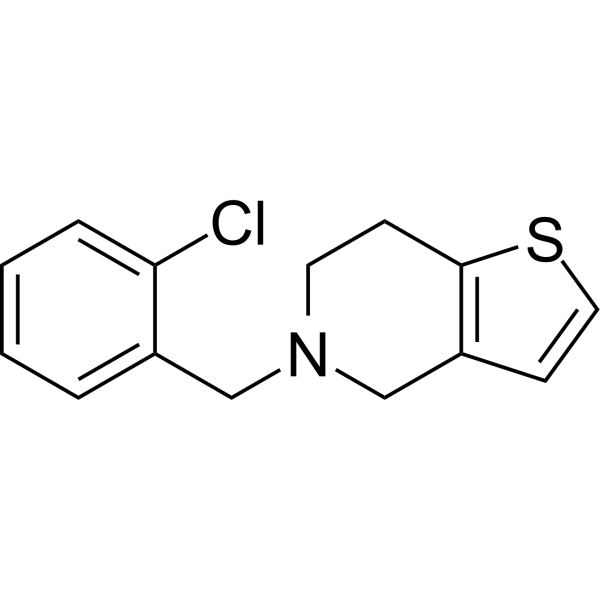
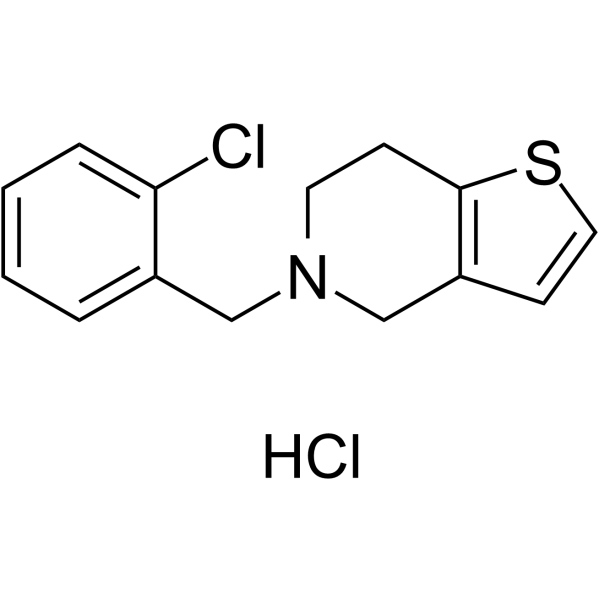
Ticlopidine (PCR 5332), an antithrombotic proagent, acts as an allosteric, noncompetitive inhibitor of CD39 with the IC50 of 81.7 μM. Ticlopidine blocks several NTPDase isoenzymes with IC50s of 170 μM and 149 μM for NTPDase2 and NTPDase3, respectively. Ticlopidine is an inhibitor of CYP2C19 human liver cytochrome. Ticlopidine inhibits CYP2C9 and CYP3A4 with IC50s of 26.0 and 32.3 μM, respectively.
loading...
    loading...
3
3 Cited Publications
Cat. No.: HY-B0153A
CAS No.: 53885-35-1
Ticlopidine (PCR 5332) hydrochloride, an antithrombotic proagent, acts as an allosteric, noncompetitive inhibitor of CD39 with the IC50 of 81.7 μM. Ticlopidine hydrochloride blocks several NTPDase isoenzymes with IC50s of 170 μM and 149 μM for NTPDase2 and NTPDase3, respectively. Ticlopidine hydrochloride is an inhibitor of CYP2C19 human liver cytochrome. Ticlopidine hydrochloride inhibits CYP2C9 and CYP3A4 with IC50s of 26.0 and 32.3 μM, respectively .
loading...
    loading...
2
2 Cited Publications
Cat. No.: HY-N0215S10
CAS No.: 439685-11-7
Synonyms: (S)-2-Amino-3-phenylpropionic acid-13C9
L-Phenylalanine- 13C9 is the 13C-labeled L-Phenylalanine. L-Phenylalanine ((S)-2-Amino-3-phenylpropionic acid) is an essential amino acid isolated from Escherichia coli. L-Phenylalanine is a α2δ subunit of voltage-dependent Ca+ channels antagonist with a Ki of 980 nM. L-phenylalanine is a competitive antagonist for the glycine- and glutamate-binding sites of N-methyl-D-aspartate receptors (NMDARs) (KB of 573 μM ) and non-NMDARs, respectively. L-Phenylalanine is widely used in the production of food flavors and pharmaceuticals .
loading...
    loading...
2
2 Cited Publications
Cat. No.: HY-N0893
CAS No.: 36062-04-1
Synonyms: HZIV 81-2
Tetrahydrocurcumin is a Curcuminoid found in turmeric (Curcuma longa) that is produced by the reduction of Curcumin. Tetrahydrocurcumin inhibit CYP2C9 and CYP3A4.
loading...
    loading...
2
2 Cited Publications
Cat. No.: HY-15565
CAS No.: 832714-46-2
Purity:  99.73%
Research Areas:  

Metabolic Disease

APD668 is a potent, selective and orally active agonist of G-protein coupled receptor GPR119, with EC50s of 2.7 nM and 33 nM for hGPR119 and rGPR119, respectively. APD668 shows no significant inhibition of any of the five major CYP isoforms with the exception of CYP2C9 (Ki=0.1 μM). APD668 can be used for the research of steatohepatitis and diabetes .
loading...
    loading...

