1. Search Result
Search Result
Isoforms Recommended: CYP1A2 CYP1
Results for "

CYP1A2

" in MedChemExpress (MCE) Product Catalog:

106

Inhibitors & Agonists

1

Fluorescent Dyes

1

Peptides

24

Natural
Products

8

Isotope-Labeled Compounds

1

Antibodies

3

Click Chemistry

3

Oligonucleotides

Cat. No. Product Name Target Research Areas Chemical Structure
  • HY-B0476
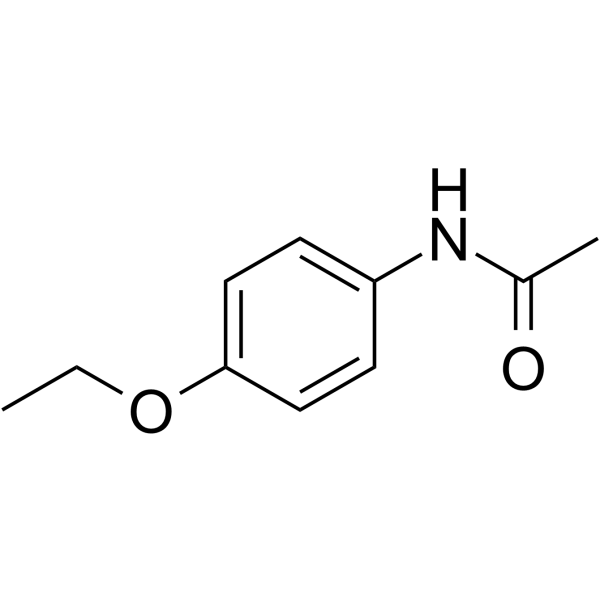
    Phenacetin
    1 Publications Verification

    Acetophenetidin

    COX Inflammation/Immunology
    Phenacetin (Acetophenetidin) is a non-opioid analgesic/antipyretic agent. Phenacetin is a selective COX-3 inhibitor. Phenacetin is used as probe of cytochrome P450 enzymes CYP1A2 in human liver microsomes and in rats .
    Phenacetin
  • HY-111052

    GABA Receptor Cytochrome P450 Neurological Disease Inflammation/Immunology
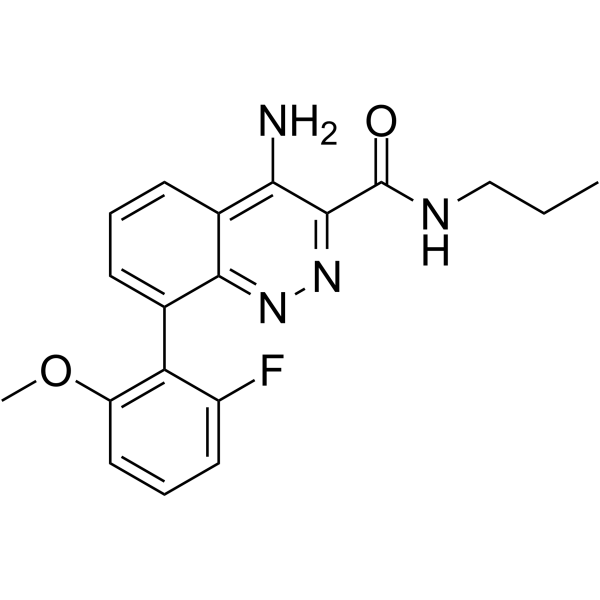
    AZD7325 is a potent and orally active partial selective PAM of GABAAα2 and Aα3 receptor (Ki=0.3 and 1.3 nM, respectively), and has less antagonistic efficacy at the Aα1 and Aα5 receptor subtypes . AZD7325 is a moderate CYP1A2 and a potent CYP3A4 inducer in vitro . AZD7325 has the potential for the investigation of anxiety and dravet syndrome . PAM: positive allosteric modulator.
    AZD7325
  • HY-N0043
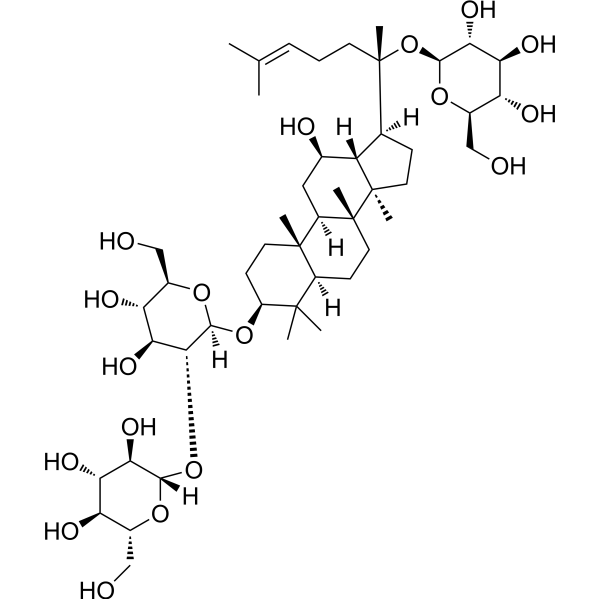
    Ginsenoside Rd
    1 Publications Verification

    Gypenoside VIII

    NF-κB COX Calcium Channel Cytochrome P450 Endogenous Metabolite Cardiovascular Disease Inflammation/Immunology Cancer
    Ginsenoside Rd inhibits TNFα-induced NF-κB transcriptional activity with an IC50 of 12.05±0.82 μM in HepG2 cells. Ginsenoside Rd inhibits expression of COX-2 and iNOS mRNA. Ginsenoside Rd also inhibits Ca 2+ influx. Ginsenoside Rd inhibits CYP2D6, CYP1A2, CYP3A4, and CYP2C9, with IC50s of 58.0±4.5 μM, 78.4±5.3 μM, 81.7±2.6 μM, and 85.1±9.1 μM, respectively.
    Ginsenoside Rd
  • HY-111338
    Tacrine
    5+ Cited Publications

    Cholinesterase (ChE) Neurological Disease
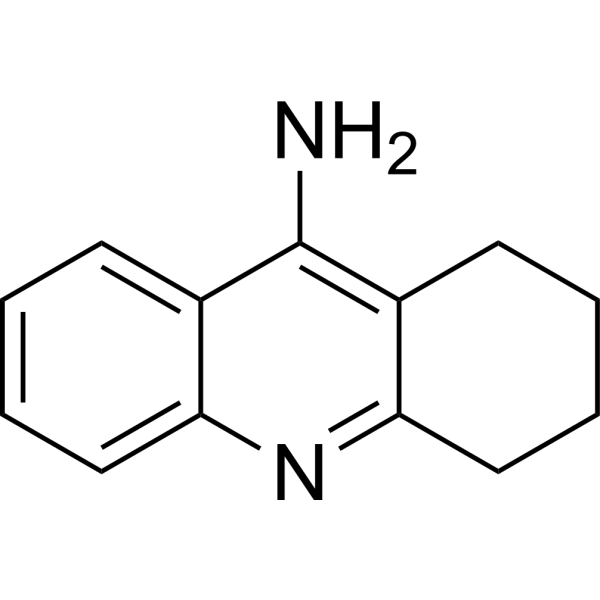
    Tacrine is an effective oral acetylcholine (AChE) inhibitor (IC50 = 109 nM) and also acts as an active substrate for CYP1A2. Tacrine can restore cognitive dysfunction in elderly rats. Tacrine can cause liver toxicity and is used in research related to Alzheimer's disease .
    Tacrine
  • HY-N0482
    Phillyrin
    Maximum Cited Publications
    8 Publications Verification

    Cytochrome P450 Influenza Virus Bacterial Infection Inflammation/Immunology Cancer
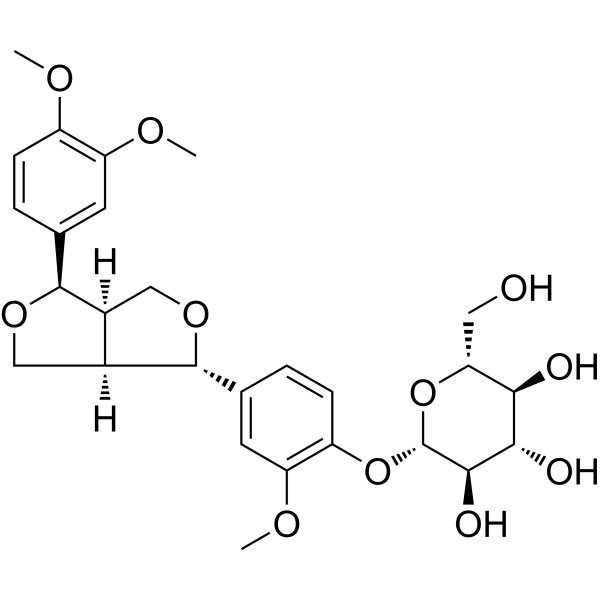
    Phillyrin is isolated from Forsythia suspensa Vahl (Oleaceae), has antibacterial and anti-inflammatory activities. Phillyrin has potential inductive effects on rat CYP1A2 and CYP2D1 activities, without affecting CYP2C11 and CYP3A1/2 activities . Phillyrin has anti-influenza A virus activities .
    Phillyrin
  • HY-W011956

    Drug Metabolite Endogenous Metabolite Neurological Disease Metabolic Disease
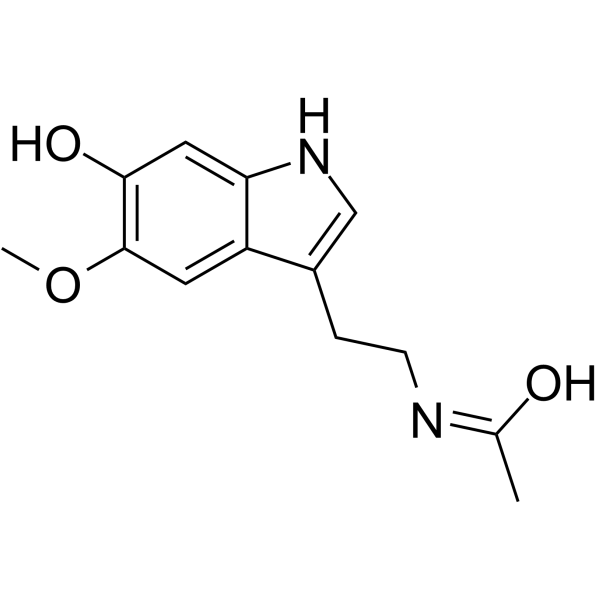
    6-Hydroxymelatonin is the main metabolite of melatonin (HY-B0075) after being metabolized by CYP1A2 and can cross the blood-brain barrier. 6-Hydroxymelatonin has strong free radical scavenging ability and antioxidant activity, and can alleviate oxidative damage caused by various neurotoxins. 6-Hydroxymelatonin can cause oxidative DNA damage in the presence of copper ions through a "non-quinone" type redox cycling mechanism .
    6-Hydroxymelatonin
  • HY-19340
    TMS
    Maximum Cited Publications
    9 Publications Verification

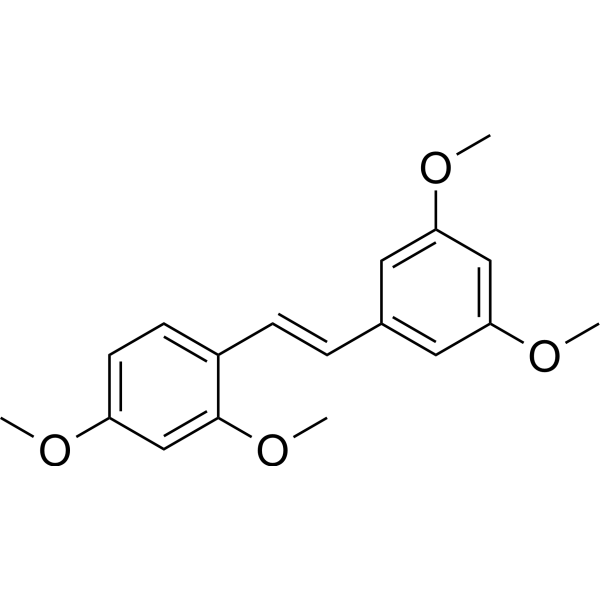
    (E)-2,3',4,5'-tetramethoxystilbene

    Cytochrome P450 Cancer
    TMS ((E)-2,3',4,5'-tetramethoxystilbene) is a selective and competitive CYP1B1 inhibitor with an IC50 of 6 nM and a Ki value of 3 nM. TMS shows a lesser extent inhibitory effect on CYP1A1 (IC50=300 nM) and CYP1A2 (IC50=3.1 μM). TMS is a methylated derivative of resveratrol and has anti-cancer activity .
    TMS
  • HY-Y0110
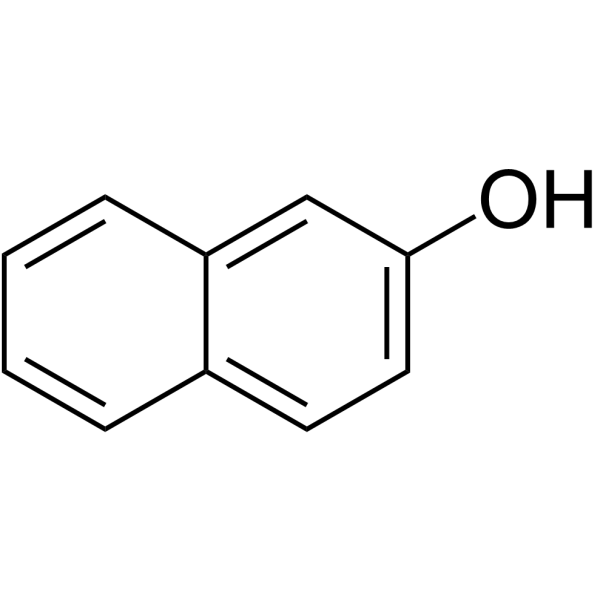
    2-Naphthol
    1 Publications Verification

    Environmental Pollutants Endogenous Metabolite Others
    2-Naphthol is a metabolite of naphthalene, catalyzed by cytochrome P450 (CYP) isozymes (CYP 1A1, CYP 1A2, CYP 2A1, CYP 2E1 and CYP 2F2).
    2-Naphthol
  • HY-30152
    Xanthotoxol
    2 Publications Verification

    8-Hydroxypsoralen

    5-HT Receptor Reactive Oxygen Species (ROS) Endogenous Metabolite Neurological Disease Inflammation/Immunology
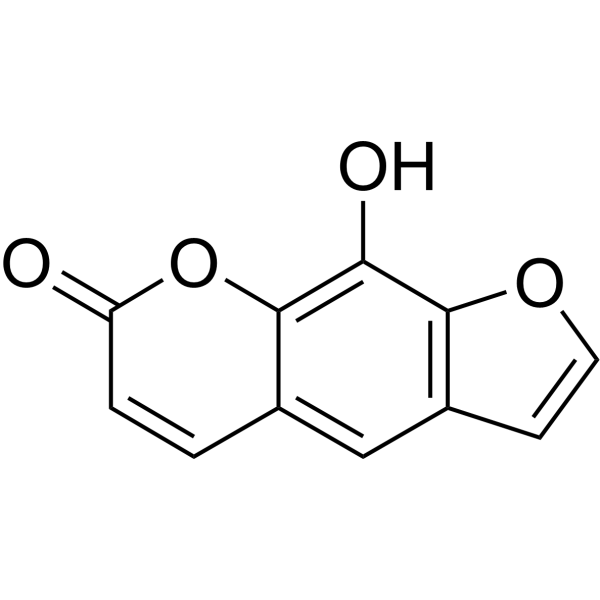
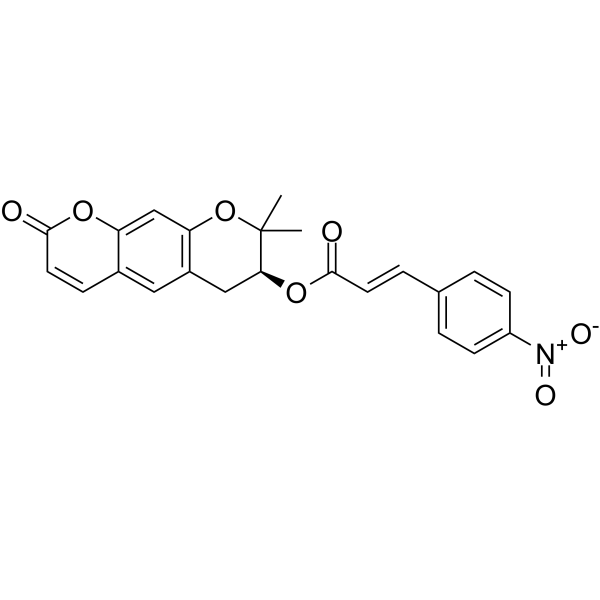
    Xanthotoxol (8-Hydroxypsoralen) It is a kind of fragrant bean substance, and it is a CYP450 inhibitor. Xanthotoxol has anti-inflammatory, anti-inflammatory, and 5-HT antagonistic and protective effects. Xanthotoxol inhibited CYP3A4 sum CYP1A2 IC50s separation 7.43 μM sum 27.82 μM. Xanthotoxol can pass through MAPK and NF-κB, inhibiting inflammation.
    Xanthotoxol
  • HY-18063

    Potassium Channel Cytochrome P450 Neurological Disease
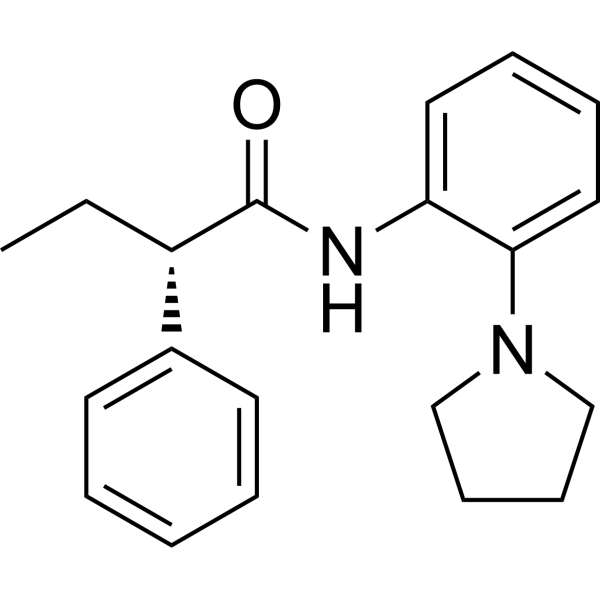
    ML252 is a selective inhibitor of KCNQ2 (Kv7.2) channel with an IC50s of 69 nM, 2.92 μM, 0.12 μM and 0.20 μM for KCNQ2, KCNQ1 (Kv7.1), KCNQ2/Q3 and KCNQ4, respectively. ML252 also inhibits Cytochrome P450 with IC50s of 6.1 nM (CYP1A2), 18.9 nM (CYP2C9), 3.9 nM (CYP3A4), 19.9 nM (CYP2D6), respectively. ML252 shows highly brain penetrant .
    ML252
  • HY-17614

    SMT C1100; BMN 195; VOX-C1100

    Cytochrome P450 Others
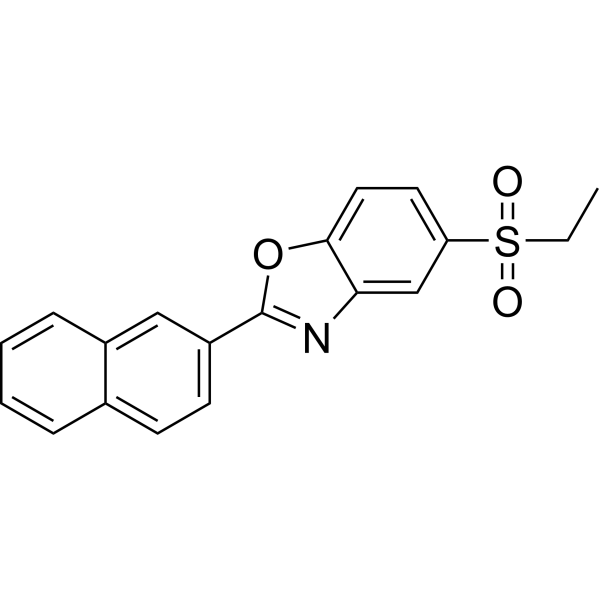
    Ezutromid (SMT C1100) is a first-in-class, orally active benzoxazole utrophin modulator with an EC50 of 0.91 μM. Ezutromid can be used for the research Duchenne muscular dystrophy (DMD). Ezutromid inhibits CYP1A2 enzymic activity in human liver microsomes (HLM) with an IC50 of 5.4 μM .
    Ezutromid
  • HY-N5132

    Cytochrome P450 Others
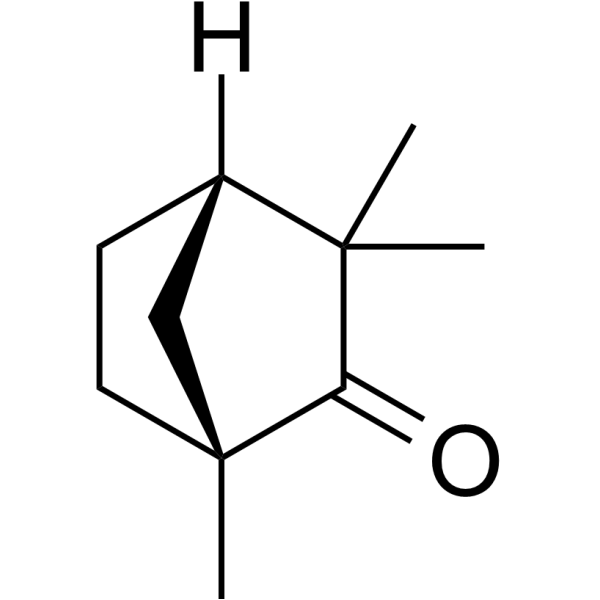
    (-)-Fenchone is a bicyclic monoterpene and serves as a substrate for human liver microsomal cytochrome P450 enzymes CYP2A6 and CYP2B6. (-)-Fenchone is not metabolized by human CYP1A1, CYP1A2, CYP1B1, CYP2C8, CYP2C9, CYP2C19, CYP2D6, CYP2E1, or CYP3A4 enzymes. (-)-Fenchone undergoes hydroxylation to produce 6-exo-hydroxyfenchone, 6-endo-hydroxyfenchone, and 10-hydroxyfenchone. During the metabolism of (-)-Fenchone, CYP2A6 may play a more important role than CYP2B6 .
    (-)-Fenchone
  • HY-G0007
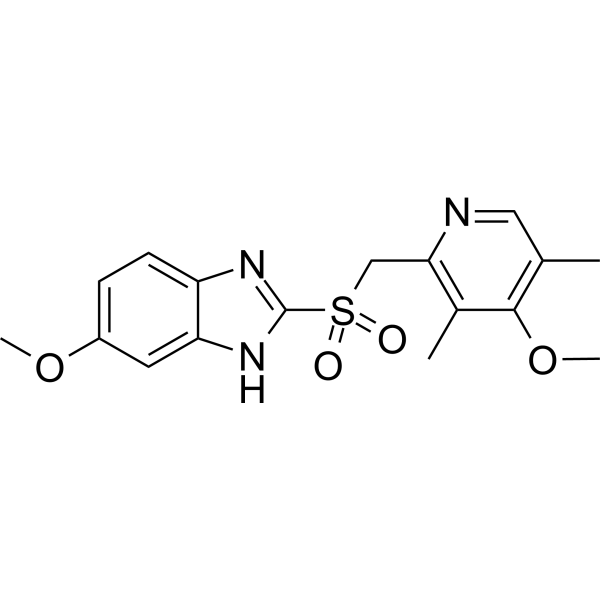
    Omeprazole sulfone
    2 Publications Verification

    Omeprazole sulphone

    Drug Metabolite Cytochrome P450 Aryl Hydrocarbon Receptor Inflammation/Immunology
    Omeprazole sulfone (Omeprazole sulphone) is one of the major circulating metabolites of Omeprazole (HY-B0113) in vivo, and belongs to class 4 non-mutagenic impurities. Omeprazole sulfone does not bind to the aryl hydrocarbon receptor (AhR), nor does it induce the expression of CYP1A1 or CYP1A2. However, Omeprazole sulfone promotes the migration of gastric epithelial cells under basal conditions and reverses the inhibitory effect of Indomethacin (HY-14397) on cell migration. Omeprazole sulfone does not promote cell proliferation, nor does it upregulate COX-2 expression or activate signaling pathways such as ERK, P38 MAPK and PI3K. Omeprazole sulfone maintains basal ulcer healing under non-acid-dependent conditions and can be used in studies related to gastric ulcer repair .
    Omeprazole sulfone
  • HY-B1012

    W-3566

    Estrogen Receptor/ERR Cytochrome P450 GnRH Receptor Metabolic Disease Endocrinology
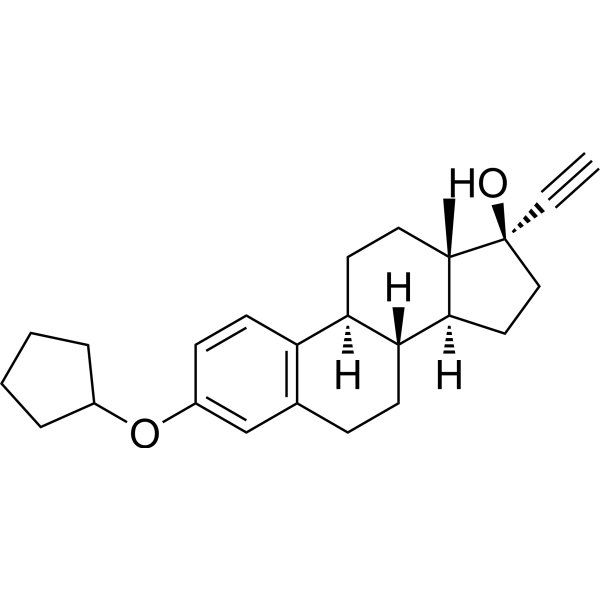
    Quinestrol (W-3566) is an orally effective synthetic estrogen compound that acts on CYP3A4, CYP1A2, and GnRH. Quinestrol interferes with GnRH release and disrupts the hypothalamic-pituitary-ovarian axis. Quinestrol downregulates the gene expression of follicle-stimulating hormone β and luteinizing hormone β, induces oxidative stress, damages reproductive organs, reduces sperm density and motility, increases sperm malformation rate, and alters the levels of sex hormones such as testosterone, luteinizing hormone, estradiol, and progesterone. Quinestrol can be used in studies related to reproductive function regulation .
    Quinestrol
  • HY-128914

    ADC Payload Microtubule/Tubulin Apoptosis Cancer
    Tubulysin is a microtubule destabilizer that binds to the β-tubulin peptide site adjacent to the vinca alkaloid binding site and inhibits tubulin polymerization. Tubulysin induces apoptosis and exhibits antiproliferative activity against a variety of human cancer cells, including multidrug-resistant strains. Tubulysin can be conjugated to antibodies via a disulfide-containing quaternary ammonium linker for ADC synthesis . Tubulysin is applicable to tumor-related research .
    Tubulysin
  • HY-W013268

    (+)-N-3-Benzylnirvanol

    Cytochrome P450 Metabolic Disease
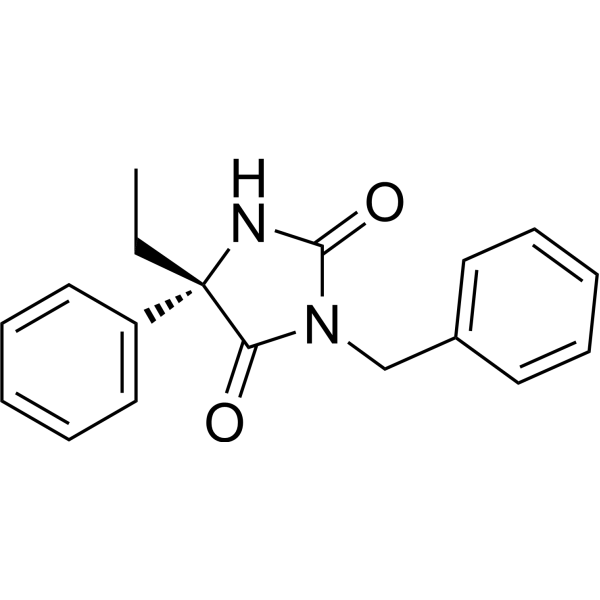
    (S)-(+)-N-3-Benzylnirvanol ((+)-N-3-Benzylnirvanol) is a selective and competitive cytochrome P450 (CYP) isoform CYP2C19 inhibitor with a Ki of 250 nM. (S)-(+)-N-3-Benzylnirvanol has low activity against CYP1A2, CYP2A6, CYP2C8, CYP2C9, CYP2D6, CYP2E1, and CYP3A4 .
    (S)-(+)-N-3-Benzylnirvanol
  • HY-N1050

    mTOR Ribosomal S6 Kinase (RSK) Bacterial Infection Neurological Disease Cancer
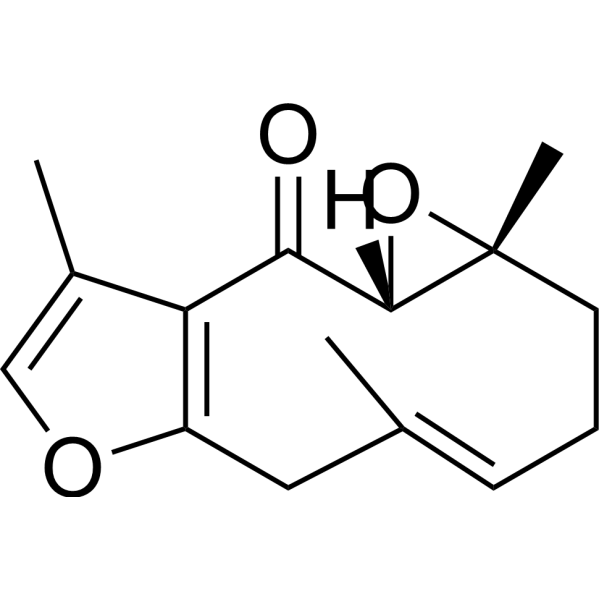
    Zederone is a sesquiterpene. Zederone inhibits ovarian cancer cell proliferation through mTOR/p70s6K signalling pathway. Zederone inhibits CYP activities with IC50s of 2.9 μM (CYP2B6), 9.2 μM (CYP2C9), 11,2 μM (CYP2C19) and >30 μM (CYP1A2 and CYP2D6). Zederone is hepatotoxic with LD50 value at 24 hours in mice of approximately 223 mg/kg and cytotoxic against the KG1a cell line. Zederone shows antibacterial activity against a number of multi-drug resistant and Methicillin (HY-121544)-resistant Staphylococcus aureus strain. Zederone shows cognition improving capacity and assists in the modulation of gut bacterial dysbiosis .
    Zederone
  • HY-W010195

    Cytochrome P450 Others
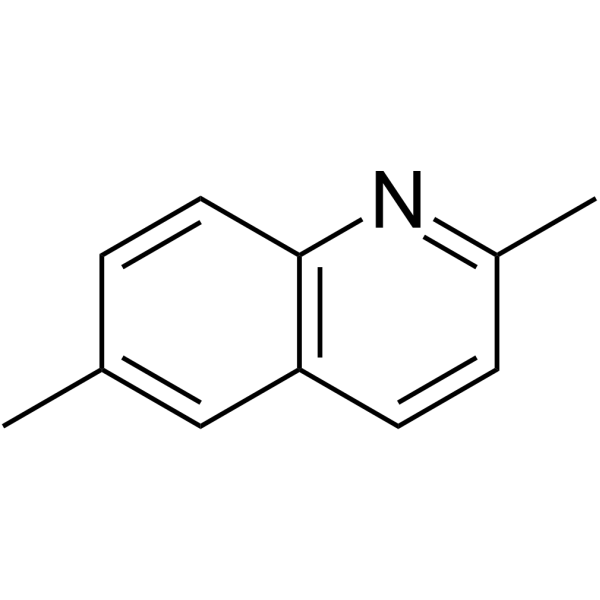
    2,6-Dimethylquinoline, a nature constituent from the roots of Peucedantu praeruptorum, is a CYP1A2 inhibitor with an IC50 of 3.3 µM. 2,6-Dimethylquinoline also inhibits CYP2B6 activity with an IC50 of 480 µM .
    2,6-Dimethylquinoline
  • HY-120868
    TP-004
    1 Publications Verification

    MetAP Metabolic Disease Cancer
    TP-004 is a potent and reversible inhibitor of methionine aminopeptidase 2 (MetAP2), with an IC50 of 6 nM against MetAP2. TP-004 is a chemical probe. TP-004 suppresses MetAP2 enzymatic activity, blocks N-terminal methionine cleavage, impairs protein maturation and stability, and thereby inhibits cell proliferation and angiogenesis. TP-004 can be used for the study of tumors and diseases associated with excessive angiogenesis .
    TP-004
  • HY-N2382
    Polyphyllin H
    1 Publications Verification

    Cytochrome P450 P-glycoprotein Metabolic Disease Cancer
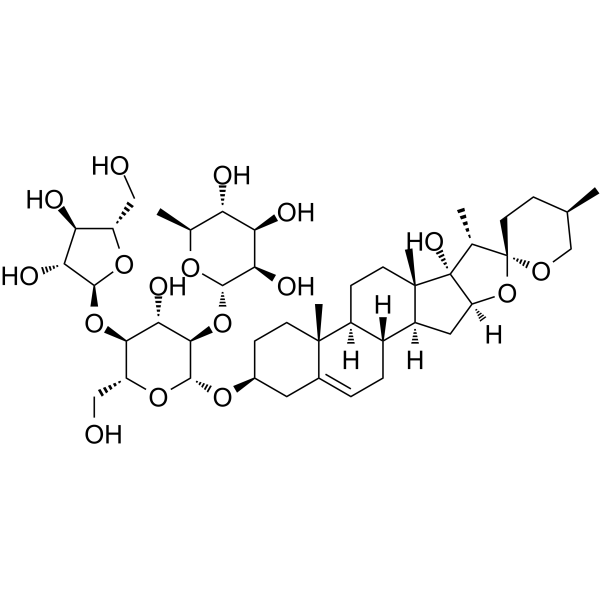
    Polyphyllin H is a steroidal saponin. Polyphyllin H is isolated from Paris polyphylla. Polyphyllin H potently inhibits the activities of CYP1A2 (IC50 = 6.44 μM, competitive), CYP2D6 (IC50 = 13.88 μM, competitive) and CYP3A4 (IC50 = 4.52 μM, non-competitive, time-dependent). Polyphyllin H downregulates the expression of ABCB1 and ABCC3. Polyphyllin H binds to membrane cholesterol and disrupts lipid raft structures. Polyphyllin H restores the sensitivity of paclitaxel-resistant breast cancer cells to paclitaxel .
    Polyphyllin H
  • HY-N6023

    Cytochrome P450 Pregnane X Receptor (PXR) Others
    Thermopsoside is a CYP450 isoenzyme inhibitor and PXR activator. Thermopsoside inhibits CYP3A4, CYP2C19, CYP2D6 and CYP2C9 with IC50 values of 6.0 μM, 9.5 μM, 12.0 μM and 32.0 μM, respectively .
    Thermopsoside
  • HY-117026
    LKY-047
    1 Publications Verification

    Cytochrome P450 Metabolic Disease Inflammation/Immunology
    LKY-047, a Decursin derivative, is a potent and selective reversible competitive cytochrome P45022J2 (CYP2J2) inhibitor with an IC50 of 1.7 μM. LKY-047 is inactive against other human P450s, such as CYPs 1A2, 2A6, 2B6, 2C8, 2C9, 2C19, 2D6, 2E1, and 3A .
    LKY-047
  • HY-132845

    PTC857

    α-synuclein Cytochrome P450 Ferroptosis Lipoxygenase Neurological Disease
    Utreloxastat (PTC857) is an orally active and blood-brain barrier-permeable 15-lipooxygenase inhibitor. Utreloxastat is a weak inhibitor of CYP1A2 and 2B6 with an IC50 of >5.3 μM. Utreloxastat reduces oxidative stress and inhibits the consumption of reduced glutathione and ferroptosis. Utreloxastat can be used in the study of neurodegenerative diseases characterized by high levels of oxidative stress and mitochondrial pathology, such as amyotrophic lateral sclerosisc .
    Utreloxastat
  • HY-W267897

    7-BFC

    Cytochrome P450 Others
    7-Benzyloxy-4-(trifluoromethyl)coumarin (7-BFC) is a coumarin fluorescent substrate. 7-Benzyloxy-4-(trifluoromethyl)coumarin is a substrate for cDNA-expressed CYP1A2 and CYP3A4 and is metabolized to 7-hydroxy-4-trifluoromethylcoumarin (HFC). 7-Benzyloxy-4-(trifluoromethyl)coumarin is used for rapid CYP isoform metabolism and inhibition screening studies .
    7-Benzyloxy-4-(trifluoromethyl)coumarin
  • HY-B0476S

    Acetophenetidin-d5

    COX Inflammation/Immunology
    Phenacetin-d5 is the deuterium labeled Phenacetin. Phenacetin (Acetophenetidin) is a non-opioid analgesic/antipyretic agent. Phenacetin is a selective COX-3 inhibitor. Phenacetin is used as probe of cytochrome P450 enzymes CYP1A2 in human liver microsomes and in rats .
    Phenacetin-d5
  • HY-Y0110S1

    Endogenous Metabolite Others
    2-Naphthol-d7 is the deuterium labeled 2-Naphthol . 2-Naphthol is a metabolite of naphthalene, catalyzed by cytochrome P450 (CYP) isozymes (CYP 1A1, CYP 1A2, CYP 2A1, CYP 2E1 and CYP 2F2) .
    2-Naphthol-d7
  • HY-B0476R
    Phenacetin (Standard)
    1 Publications Verification

    Acetophenetidin (Standard)

    Reference Standards COX Inflammation/Immunology
    Phenacetin (Standard) is the analytical standard of Phenacetin. This product is intended for research and analytical applications. Phenacetin (Acetophenetidin) is a non-opioid analgesic/antipyretic agent. Phenacetin is a selective COX-3 inhibitor. Phenacetin is used as probe of cytochrome P450 enzymes CYP1A2 in human liver microsomes and in rats .
    Phenacetin (Standard)
  • HY-116780A

    Cytochrome P450 Neurological Disease
    Prothipendyl hydrochloride is a tricyclic azaphenothiazine neuroleptic agent. Prothipendyl hydrochloride is a substrate of the CYP isozymes CYP1A2, CYP2D6, CYP2C19 and CYP3A4. Prothipendyl hydrochloride has sedating and psychomotorically damping effects. Prothipendyl hydrochloride can be used for psychomotoric agitation, sleep disorder and anxiety research .
    Prothipendyl hydrochloride
  • HY-W045990

    Cytochrome P450 Metabolic Disease
    2,7-Dimethylnaphthalene is a selective cytochrome P450 1A2 (CYP1A2) enzyme inhibitor with an IC50 of 65 μM. 2,7-Dimethylnaphthalene can be used for the research of metabolic disease .
    2,7-Dimethylnaphthalene
  • HY-N8382

    Cytochrome P450 Parasite Insecticide Infection
    Chalepensin is a nematicide and CYP inhibitor. Chalepensin inhibits CYP2A6, CYP1A1, CYP1A2, CYP2A13, CYP2C9, CYP2D6, CYP2E1, and CYP3A4 to varying degrees, with IC50 values of 82.3 μM, 2.86 μM, 3.01 μM, 0.21 μM, 6.58 μM, 1.67 μM, 61.1 μM, and 61.7 μM, respectively. Chalepensin potently and selectively kills third-stage infective larvae of Strongyloides venezuelensis .
    Chalepensin
  • HY-W074537

    Phosphodiesterase (PDE) Neurological Disease
    P7-2104 is a blood-brain barrier-permeable, selective PDE7A inhibitor with an IC50 of 31 nM. P7-2104 shows selectivity for hERG channels and most CYP450 subtypes. P7-2104 can be used for PDE7-targeted PET neuroimaging studies and research related to neurodegenerative diseases, when labeled with 11C or 18F .
    P7-2104
  • HY-W275481

    Cytochrome P450 Others
    γ-Dodecanolactone is a γ-lactone compound. γ-Dodecanolactone exhibits inhibitory activity against CYP1A2 with an IC50 value of 58 µM and a pIC50 value of 4.24. γ-Dodecanolactone can be used in the research of diseases related to the CYP1A2 enzyme .
    γ-Dodecanolactone
  • HY-W777979

    Cytochrome P450 Bacterial Infection
    Frutinone A is a CYP1A2 inhibitor, possesses a chromonocoumarin structural scaffold. Frutinone A shows various biological activities, including antibacterial and antioxidant .
    Frutinone A
  • HY-N3090

    Cytochrome P450 Metabolic Disease
    Peucedanol is a non-competitive inhibitor of CYP3A4 with a Ki value of 4.07 μM and a competitive inhibitor of CYP1A2 and CYP2D6 with Ki values of 3.39 μM and 6.77 μM, respectively .
    Peucedanol
  • HY-RS03442

    Small Interfering RNA (siRNA) Others

    CYP1A2 Human Pre-designed siRNA Set A contains three designed siRNAs for CYP1A2 gene (Human), as well as a negative control, a positive control, and a FAM-labeled negative control.

    CYP1A2 Human Pre-designed siRNA Set A
    CYP1A2 Human Pre-designed siRNA Set A
  • HY-B0352A

    (S)-Org3770; (S)-6-Azamianserin

    5-HT Receptor Neurological Disease
    (S)-Mirtazapine ((S)-Org3770) is a S(+)-enantiomer of Mirtazapine with pronociceptive properties in an animal model of acute thermal nociception. (S)-Mirtazapine is a stereoselective 5-HT2 receptor antagonist. (S)-Mirtazapine is metabolized by CYP2D6 and CYP1A2 .
    (S)-Mirtazapine
  • HY-W015697

    Cytochrome P450 Neurological Disease Metabolic Disease Inflammation/Immunology Cancer
    3-Methylquinoline is a selective cytochrome P450 (CYP1A2) inhibitor with an IC50 of 13 μM. 3-Methylquinoline can reduce the metabolic clearance of CYP1A2 substrate drugs. 3-Methylquinoline can inhibit the activation of carcinogenic precursors .
    3-Methylquinoline
  • HY-N1882

    Cytochrome P450 Metabolic Disease
    4,5-Dimethoxycanthin-6-one is a potent and uncompetitive inhibitor of CYP1A2-mediated phenacetin O-deethylation with an IC50 value of 1.7μM and a Ki value of 2.6 μM. 4,5-Dimethoxycanthin-6-one, as an alkaloid, is isolated from the wood of Picrasma quassioides BENNET (Simaroubaceae) .
    4,5-Dimethoxycanthin-6-one
  • HY-B0476S1

    COX Inflammation/Immunology
    Phenacetin- 13C is the 13C labeled Phenacetin . Phenacetin (Acetophenetidin) is a non-opioid analgesic/antipyretic agent. Phenacetin is a selective COX-3 inhibitor. Phenacetin is used as probe of cytochrome P450 enzymes CYP1A2 in human liver microsomes and in rats .
    Phenacetin-13C
  • HY-131495

    (S)-6-Desmethyl Naproxen

    COX Inflammation/Immunology
    (S)-6-O-Desmethylnaproxen ((S)-6-Desmethyl Naproxen) is a metabolite of the non-steroidal anti-inflammatory drug (NSAID) and COX inhibitor (+)-naproxen ((S)-naproxen). (S)-6-O-Desmethylnaproxen is formed from (S)-naproxen by the cytochrome P450 (CYP) isoforms CYP1A2 and CYP2C9.
    (S)-6-O-Desmethylnaproxen
  • HY-155732

    Parasite Infection
    NPD-2975 (compound 30) is an orally active antitrypanosomal agent, against Human African Trypanosomiasis (HAT). NPD-2975 has low toxicity potential against human MRC-5 lung fibroblasts, and acute mouse model of T. b. brucei infection. NPD-2975 shows acceptable metabolic stability, inhibits T. b. brucei with IC500 of 70 nM in vitro. NPD-2975 also inhibits CYP enzymes resulted in IC50 values of 0.16 and 0.42 μM against CYP1A2 and CYP2C19, respectively .
    NPD-2975
  • HY-D0144

    Methoxyresorufin

    Cytochrome P450 Others
    Resorufin methyl ether (Methoxyresorufin) is a cytochrome P450 fluorometric substrate . Resorufin methyl ether is a relatively specific substrate for CYP1A2 activity in rodents .
    Resorufin methyl ether
  • HY-RS16640

    Small Interfering RNA (siRNA) Others

    Cyp1a2 Mouse Pre-designed siRNA Set A contains three designed siRNAs for Cyp1a2 gene (Mouse), as well as a negative control, a positive control, and a FAM-labeled negative control.

    Cyp1a2 Mouse Pre-designed siRNA Set A
    Cyp1a2 Mouse Pre-designed siRNA Set A
  • HY-RS23074

    Small Interfering RNA (siRNA) Others

    Cyp1a2 Rat Pre-designed siRNA Set A contains three designed siRNAs for Cyp1a2 gene (Rat), as well as a negative control, a positive control, and a FAM-labeled negative control.

    Cyp1a2 Rat Pre-designed siRNA Set A
    Cyp1a2 Rat Pre-designed siRNA Set A
  • HY-146177

    Bacterial Cytochrome P450 Infection
    CYP3A4 enzyme-IN-1 (compound 59) is a potent antibacterial agent, with a MIC of 1 μg/mL for MRSA. CYP3A4 enzyme-IN-1 exhibits low to moderate inhibitory effects on CYP1A2, CYP2E1, CYP2D6, and CYP3A4 enzymes .
    CYP3A4 enzyme-IN-1
  • HY-124158

    Proton Pump Metabolic Disease
    KR-60436 is a reversible H +/K +-ATPase inhibitor. KR-60436 can potently inhibit the metabolism of CYP1A2 substrates .
    KR-60436
  • HY-G0007R

    Omeprazole sulphone (Standard)

    Reference Standards Drug Metabolite Cytochrome P450 Aryl Hydrocarbon Receptor Infection Cancer
    Omeprazole sulfone (Standard) is the analytical standard of Omeprazole sulfone. This product is intended for research and analytical applications. Omeprazole sulfone (Omeprazole sulphone) is one of the major circulating metabolites of Omeprazole (HY-B0113) in vivo, and belongs to class 4 non-mutagenic impurities. Omeprazole sulfone does not bind to the aryl hydrocarbon receptor (AhR), nor does it induce the expression of CYP1A1 or CYP1A2. However, Omeprazole sulfone promotes the migration of gastric epithelial cells under basal conditions and reverses the inhibitory effect of Indomethacin (HY-14397) on cell migration. Omeprazole sulfone does not promote cell proliferation, nor does it upregulate COX-2 expression or activate signaling pathways such as ERK, P38 MAPK and PI3K. Omeprazole sulfone maintains basal ulcer healing under non-acid-dependent conditions and can be used in studies related to gastric ulcer repair .
    Omeprazole sulfone (Standard)
  • HY-W010195R

    Reference Standards Cytochrome P450 Others
    2,6-Dimethylquinoline, a nature constituent from the roots of Peucedantu praeruptorum, is a CYP1A2 inhibitor with an IC50 of 3.3 µM. 2,6-Dimethylquinoline also inhibits CYP2B6 activity with an IC50 of 480 µM .
    2,6-Dimethylquinoline (Standard)
  • HY-175836

    Cytochrome P450 Apoptosis Cancer
    CYP1B1-IN-12 is a selective cytochrome P450 1B1 (CYP1B1) inhibitor with an IC50 of 6.05 nM. CYP1B1-IN-12 demonstrates remarkable selectivity, exceeding 1600-fold and 16,000-fold over CYP1A1 and CYP1A2, respectively. CYP1B1-IN-12 can enhance Paclitaxel (HY-B0015)-mediated apoptosis and restore Paclitaxel sensitivity in A549/Taxol-resistant cells. CYP1B1-IN-12 can inhibit the epithelial-mesenchymal transition process and reduce cells migration and invasion. CYP1B1-IN-12 can be used for the research of cancer, such as non-small cell lung cancer (NSCLC) .
    CYP1B1-IN-12
  • HY-100644

    Trimethoprim 1-N-oxide

    Drug Metabolite Infection
    Trimethoprim N-oxide (Trimethoprim 1-N-oxide) belongs to human urinary metabolites. Trimethoprim N-oxide is generated by oxidation of nitrogen atoms in the pyrimidine ring. Trimethoprim N-oxide is formed predominantly by CYP1A2 in human liver microsomes .
    Trimethoprim N-oxide

Inquiry Online

Your information is safe with us. * Required Fields.

Salutation


Country or Region *

Applicant Name *


Organization Name *

Department *


Email Address *


Product Name *

Cat. No.


Requested quantity *

Phone Number *


Remarks

Inquiry Online

Inquiry Information

Product Name:
Cat. No.:
Quantity:
MCE Japan Authorized Agent:

