

584 Results for "

DNA binding

" in MedChemExpress (MCE) Product Catalog:
Products (584)

584 Results for "DNA binding" in MCE Product Catalog:

644
644 Publications Verification
Cat. No.: HY-100523
CAS No.: 846557-71-9
Purity:  99.96%
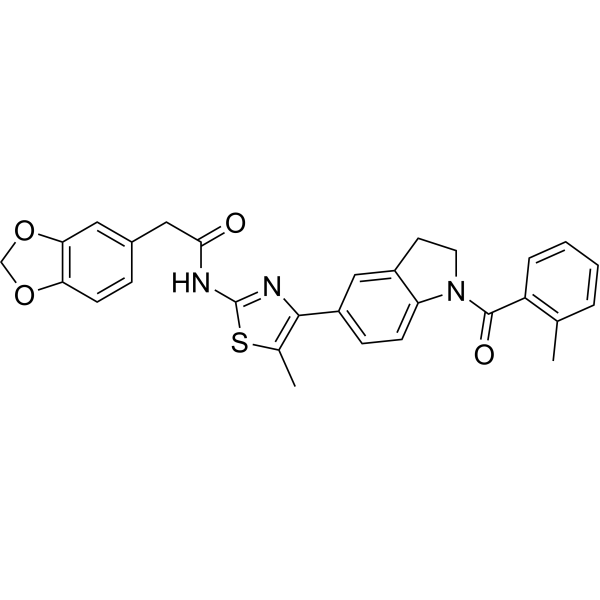
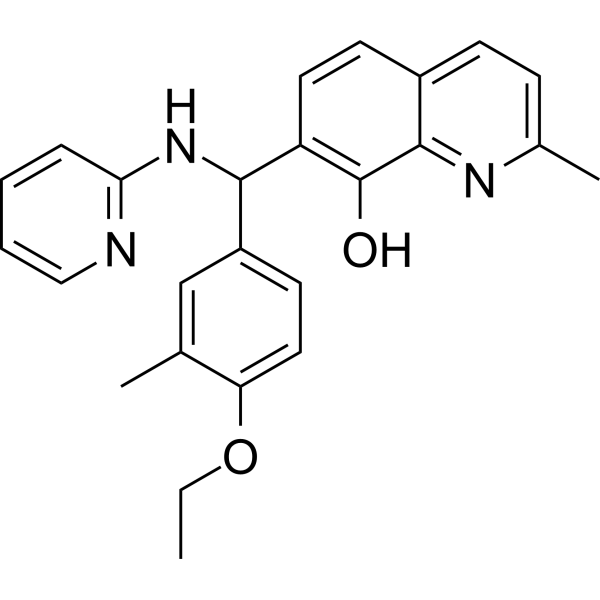
ML385 is a potent and selective Nrf2 inhibitor with an IC50 of 1.9 μM. ML385 directly binds to the Neh1 domain of NRF2, interferes with the binding of the MAFG-NRF2 protein complex to the antioxidant response element (ARE) DNA sequence, thereby blocking the expression of downstream target genes of NRF2. ML385 can be used in studies related to adult T-cell leukemia, breast cancer, myocardial ischemia/reperfusion injury, non-small cell lung cancer, esophageal squamous cell carcinoma, head and neck squamous cell carcinoma, and lung squamous cell carcinoma .
loading...
    loading...
123
123 Cited Publications
Cat. No.: HY-12684
CAS No.: 301326-22-7
Purity:  99.96%
Research Areas:  

Cancer

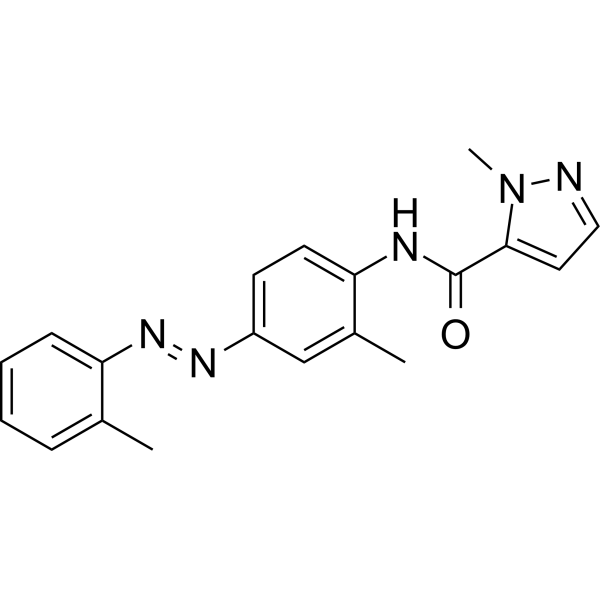
CH-223191 is a potent and specific antagonist of aryl hydrocarbon receptor (AhR). CH-223191 inhibits TCDD-mediated nuclear translocation and DNA binding of AhR, and inhibits TCDD-induced luciferase activity with an IC50 of 0.03 μM .
loading...
    loading...
109
109 Cited Publications
Cat. No.: HY-12270
CAS No.: 530141-72-1
Purity:  99.03%
Target:  

AP-1 MMP

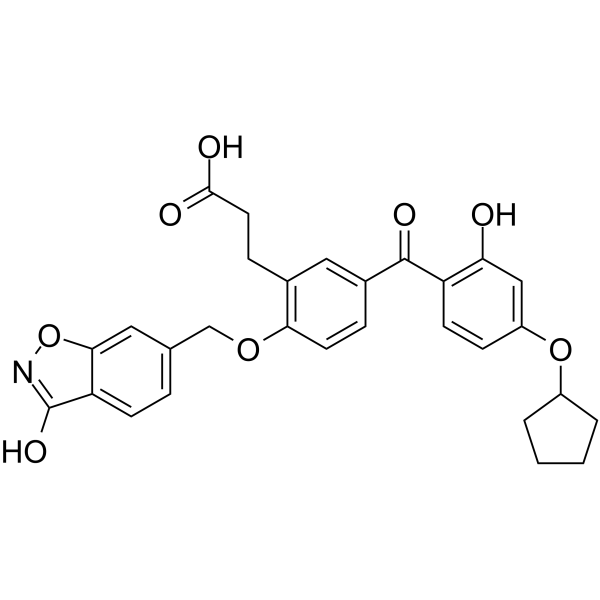
T-5224 is a transcription factor c-Fos/activator protein (AP)-1 inhibitor with anti-inflammatory effects, which specifically inhibits the DNA binding activity of c-Fos/c-Jun without affecting other transcription factors. T-5224 inhibits the IL-1β-induced up-regulation of Mmp-3, Mmp-13 and Adamts-5 transcription .
loading...
    loading...
87
87 Cited Publications
Cat. No.: HY-16562
CAS No.: 97682-44-5
Synonyms: (+)-Irinotecan; CPT-11; VAL-413free base
Target:  

Topoisomerase Autophagy

Research Areas:  

Neurological Disease Cancer

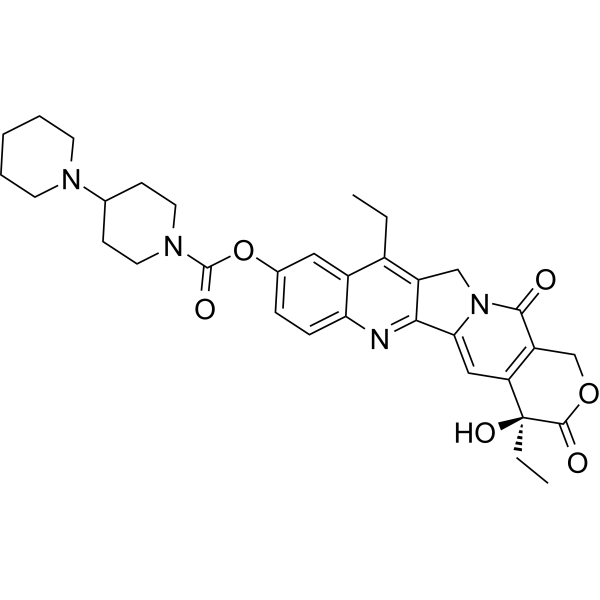
Irinotecan ((+)-Irinotecan) is a topoisomerase I inhibitor, preventing religation of the DNA strand by binding to topoisomerase I-DNA complex .
loading...
    loading...
68
68 Cited Publications
Cat. No.: HY-13067
CAS No.: 34157-83-0
Purity:  99.64%
Synonyms: Tripterine; Tripterin
Celastrol (Tripterine;Tripterin) is a proteasome inhibitor which potently and preferentially inhibits the chymotrypsin-like activity of a purified 20S proteasome with IC50 of 2.5 μM. In addition, Celastrol is also an antibiotic with potent antimicrobial activity against standard and clinical methicillin-resistant Staphylococcus aureus (MRSA) strains, inducing oxidative stress and inhibiting DNA synthesis by binding to P5CDH .
loading...
    loading...
47
47 Cited Publications
Cat. No.: HY-10074
CAS No.: 507475-17-4
Purity:  98.60%
Target:  

IKK STAT Apoptosis

Research Areas:  

Inflammation/Immunology Cancer

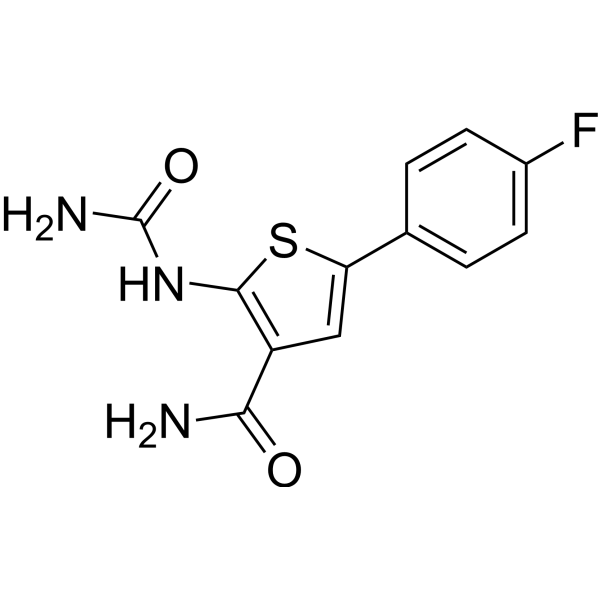
TPCA-1 is a potent and selective inhibitor of IKK-2 with IC50 of 17.9 nM. TPCA-1 is an effective inhibitor of STAT3 phosphorylation, DNA binding, and transactivation.
loading...
    loading...
37
37 Cited Publications
Cat. No.: HY-10496
CAS No.: 913822-46-5
Purity:  99.24%
Target:  

NF-κB Influenza Virus

Research Areas:  

Infection Cancer

SC75741 is a broad and efficient NF-κB inhibitor with an IC50 of 200 nM for p65 . SC75741 blocks influenza viruses (IV) replication. SC75741 impairs DNA binding of the NF-κB subunit p65, resulting in reduced expression of cytokines, chemokines, and pro-apoptotic factors. SC75741 subsequently inhibits caspase activation and blocks caspase-mediated nuclear export of viral ribonucleoproteins .
loading...
    loading...
33
33 Cited Publications
Cat. No.: HY-B0660
CAS No.: 10417-94-4
Synonyms: EPA; Timnodonic acid
Eicosapentaenoic Acid (EPA) is an orally active Omega-3 long-chain polyunsaturated fatty acid (ω-3 LC-PUFA). Eicosapentaenoic Acid exhibits a DNA demethylating action that promotes the re-expression of the tumor suppressor gene CCAAT/enhancer-binding protein δ (C/EBPδ). Eicosapentaenoic Acid activates RAS/ERK/C/EBPβ pathway through H-Ras intron 1 CpG island demethylation in U937 leukemia cells. Eicosapentaenoic Acid can promote relaxation of vascular smooth muscle cells and vasodilation .
loading...
    loading...
33
33 Cited Publications
Cat. No.: HY-W011269
CAS No.: 73167-03-0
Synonyms: EPA sodium; Timnodonic acid sodium
Eicosapentaenoic Acid (EPA)sodium is an orally active Omega-3 long-chain polyunsaturated fatty acid (ω-3 LC-PUFA). Eicosapentaenoic Acid sodium exhibits a DNA demethylating action that promotes the re-expression of the tumor suppressor gene CCAAT/enhancer-binding protein δ (C/EBPδ). Eicosapentaenoic Acid sodium activates RAS/ERK/C/EBPβ pathway through H-Ras intron 1 CpG island demethylation in U937 leukemia cells. Eicosapentaenoic Acid sodium can promote relaxation of vascular smooth muscle cells and vasodilation .
loading...
    loading...
22
22 Cited Publications
Cat. No.: HY-16261
CAS No.: 1361644-26-9
Synonyms: INNO-206; DOXO-EMCH
Research Areas:  

Cancer

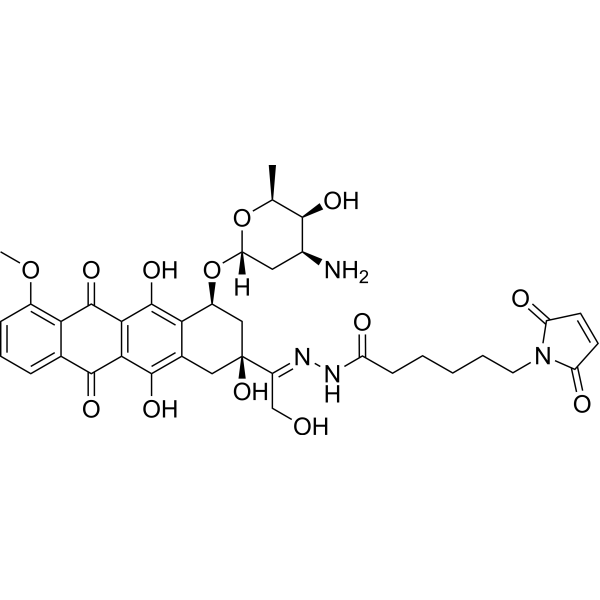
Aldoxorubicin (INNO-206) is an albumin-binding proagent of Doxorubicin (DNA topoisomerase II inhibitor), which is released from albumin under acidic conditions. Aldoxorubicin (INNO-206) has potent antitumor activities in various cancer cell lines and in murine tumor models.
loading...
    loading...
17
17 Cited Publications
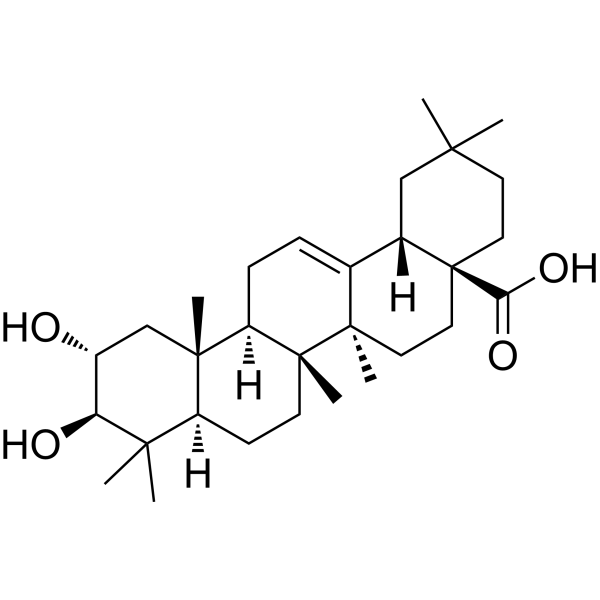
Cat. No.: HY-N0629
CAS No.: 4373-41-5
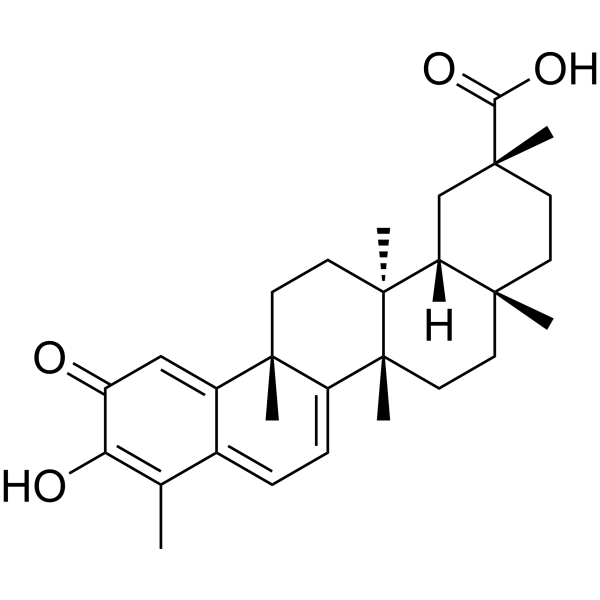
Synonyms: Crategolic acid; 2α-Hydroxyoleanolic acid
Maslinic acid can inhibit the DNA-binding activity of NF-κB p65 and abolish the phosphorylation of IκB-α, which is required for p65 activation.
loading...
    loading...
14
14 Cited Publications
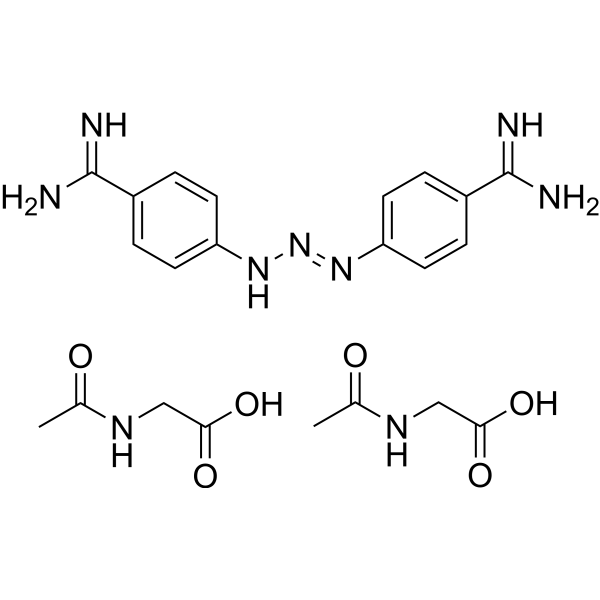
Cat. No.: HY-12404
CAS No.: 908-54-3
Purity:  99.16%
Synonyms: Diminazene diaceturate
Diminazene aceturate (Diminazene diaceturate) is an anti-trypanosome agent for livestock. The main biochemical mechanism of the trypanocidal actions of Diminazene aceturate is by binding to trypanosomal kinetoplast DNA (kDNA) in a non-intercalative manner through specific interaction with sites rich in adenine-thymine base pairs. Diminazene aceturate is also an angiotensin-converting enzyme 2 (ACE2) activator and has strong and potent anti-inflammatory properties .
loading...
    loading...
13
13 Cited Publications
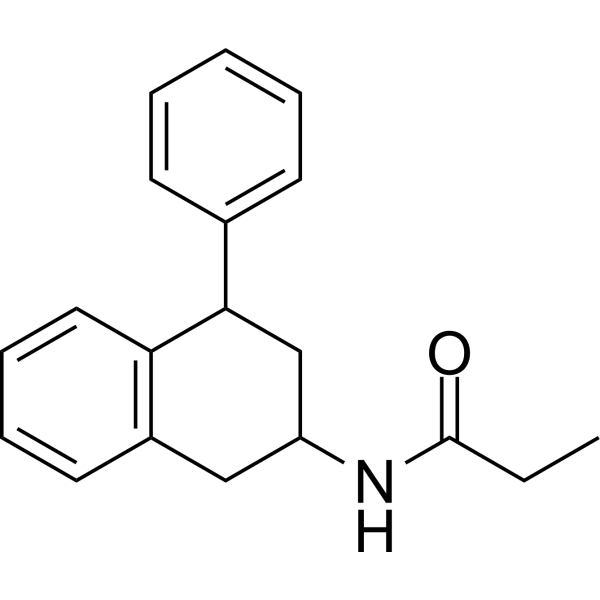
Cat. No.: HY-100609
CAS No.: 134865-74-0
Purity:  99.90%
Target:  

Melatonin Receptor

Research Areas:  

Neurological Disease

4-P-PDOT is a potent, selective and affinity Melatonin receptor (MT2) antagonist. 4-P-PDOT is >300-fold more selective for MT2 than MT1. 4-P-PDOT significantly counteracts Melatonin-mediated antioxidant effects (GSH/GSSG ratio, phospho-ERK, Nrf2 nuclear translocation, Nrf2 DNA-binding activity) .
loading...
    loading...
12
12 Cited Publications
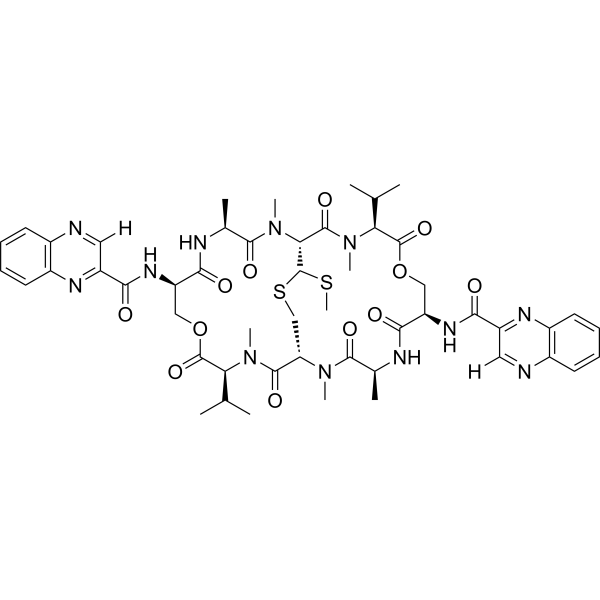
Cat. No.: HY-106101
CAS No.: 512-64-1
Purity:  98.57%
Synonyms: Quinomycin A; NSC-13502
Research Areas:  

Cancer

Echinomycin (Quinomycin A) is potent small-molecule and cell-permeable inhibitor of hypoxia-inducible factor-1 (HIF-1) DNA-binding activity. Echinomycin selectively inhibits the cancer stem cells (CSCs) with an IC50 of 29.4 pM .
loading...
    loading...
11
11 Cited Publications
Cat. No.: HY-128729
CAS No.: 35973-25-2
Purity:  98.51%
Target:  

DNA/RNA Synthesis

Research Areas:  

Cancer

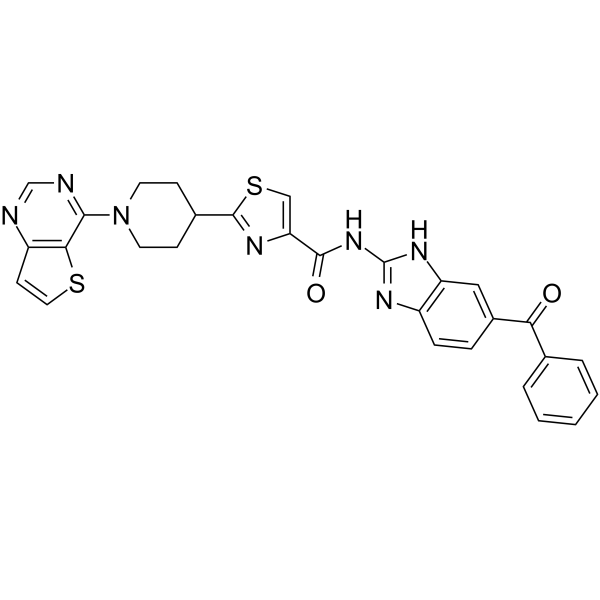
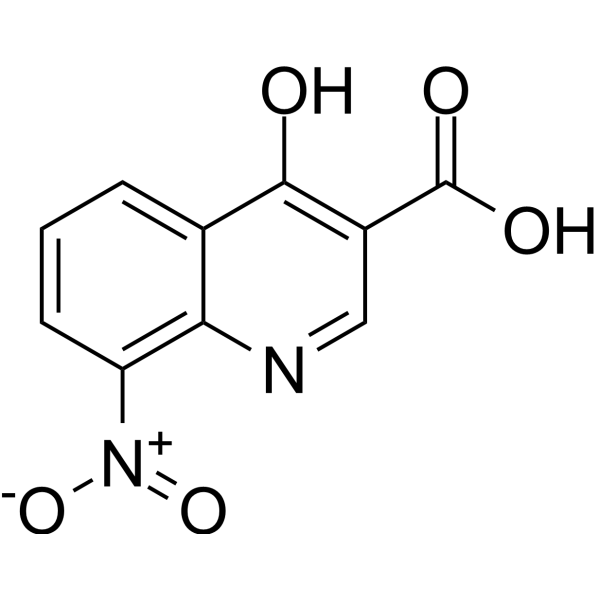
DNA2 inhibitor C5 is a potent, competitive, and specific DNA2 nuclease inhibitor with an IC50 of 20 μM. DNA2 inhibitor C5 inhibits the nuclease, DNA-dependent ATPase, helicase, and DNA-binding activities of DNA2. DNA2 inhibitor C5 can be used in breast cancer and colorectal cancer research .
loading...
    loading...
10
10 Cited Publications
Cat. No.: HY-16667
CAS No.: 353519-63-8
Target:  

Early 2 Factor (E2F)

Research Areas:  

Cancer

HLM006474 is a pan E2F inhibitor, which inhibits E2F4 DNA-binding with an IC50 of 29.8 μM in A375 cells.
loading...
    loading...
10
10 Cited Publications
Cat. No.: HY-129241
CAS No.: 330834-54-3
Purity:  99.33%
AGX51 is a pan-Id (inhibitors of DNA-binding/differentiation proteins) antagonist that disrupts ID-E protein interactions, thereby triggering ubiquitin-mediated proteasomal degradation of ID1, ID2, ID3 and ID4. AGX51 induces ROS production, G0/G1 cell cycle arrest, non-apoptotic cell death, and regulates EMT-related proteins. AGX51 reduces the proliferation, migration and myofibroblast differentiation of lung fibroblasts, alleviates pulmonary fibrosis, inhibits cancer cell viability and tumor growth, impairs neovascularization, and shows no obvious toxicity in mice. AGX51 can be used in research related to idiopathic pulmonary fibrosis, triple-negative breast cancer, breast cancer, pancreatic ductal adenocarcinoma, colorectal tumors, wet age-related macular degeneration and retinopathy of prematurity .
loading...
    loading...
9
9 Cited Publications
Cat. No.: HY-124697
CAS No.: 100874-08-6
Purity:  99.98%
Target:  

TGF-β Receptor

Research Areas:  

Cancer

BMP signaling agonist sb4 is a potent benzoxazole bone morphogenetic protein 4 (BMP4) signaling agonist with a EC50 value of 74 nM, activates BMP signaling by stabilizing intracellular p-SMAD-1/5/9. BMP signaling agonist sb4 activates BMP4 target genes (inhibitors of DNA binding,?Id1?and?Id3) canonical BMP signaling .
loading...
    loading...
9
9 Cited Publications
Cat. No.: HY-12695B
CAS No.: 207300-85-4
Purity:  ≥95.0%
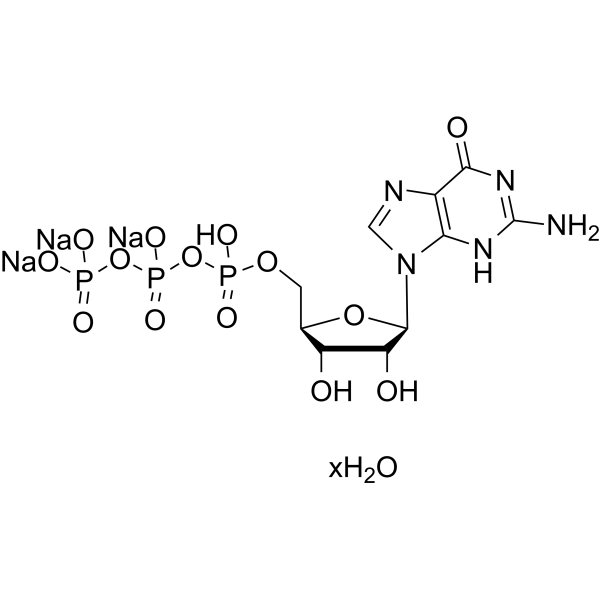
Synonyms: GTP trisodium salt hydrate
Guanosine triphosphate (GTP) trisodium salt hydrate is a critical nucleotide and regulator of cellular metabolism. Guanosine triphosphate trisodium salt hydrate promotes ribosomal DNA localization, pre-rRNA transcription and ribosome biogenesis by binding to RNA polymerase I and GPN proteins (GPN1/3). Guanosine triphosphate trisodium salt hydrate links MYC-dependent ribosome biogenesis to nucleotide sufficiency, acts as a metabolic gatekeeper supporting protein synthesis, DNA/RNA synthesis and cellular signal transduction, while also participating in the physiological activities of pancreatic β-cells and serving as an oxidative substrate for reactive oxygen species. In small cell lung cancer with high MYC expression, Guanosine triphosphate trisodium salt hydrate accumulates through the IMPDH-driven synthetic pathway, thereby affecting apoptosis and mitotic processes. Guanosine triphosphate trisodium salt hydrate is used in the research of small cell lung cancer, hepatoblastoma and cellular metabolism .
loading...
    loading...
9
9 Cited Publications
Cat. No.: HY-W010737
CAS No.: 56001-37-7
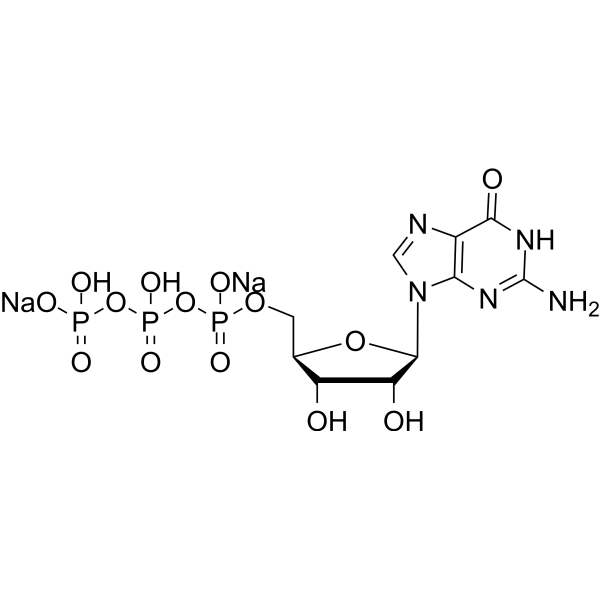
Synonyms: GTP disodium
Guanosine triphosphate (GTP) disodium is a critical nucleotide and regulator of cellular metabolism. Guanosine triphosphate disodium promotes ribosomal DNA localization, pre-rRNA transcription and ribosome biogenesis by binding to RNA polymerase I and GPN proteins (GPN1/3). Guanosine triphosphate disodium links MYC-dependent ribosome biogenesis to nucleotide sufficiency, acts as a metabolic gatekeeper supporting protein synthesis, DNA/RNA synthesis and cellular signal transduction, while also participating in the physiological activities of pancreatic β-cells and serving as an oxidative substrate for reactive oxygen species. In small cell lung cancer with high MYC expression, Guanosine triphosphate disodium accumulates through the IMPDH-driven synthetic pathway, thereby affecting apoptosis and mitotic processes. Guanosine triphosphate disodium is used in the research of small cell lung cancer, hepatoblastoma and cellular metabolism .
loading...
    loading...

