
Search Result
Results for "
Diammonium
" in MedChemExpress (MCE) Product Catalog:
9
Biochemical Assay Reagents
3
Isotope-Labeled Compounds
| Cat. No. |
Product Name |
Target |
Research Areas |
Chemical Structure |
-
- HY-15902
-
|
AzBTS-(NH4)2
|
Fluorescent Dye
|
Others
|
|
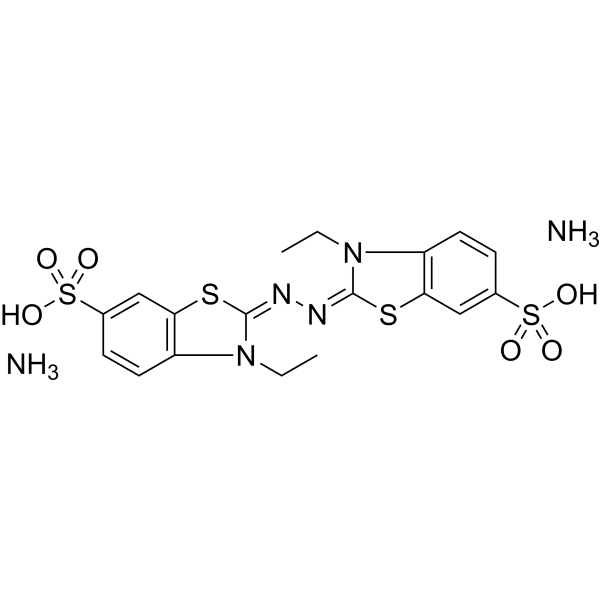
ABTS diammonium salt (AzBTS-(NH4)2) is a substrate for horseradish peroxidase (HRP) conjugate. ABTS diammonium salt can be used to evaluate antioxidant capacity .
|
-
-
- HY-N6804
-
|
|
NF-κB
Reactive Oxygen Species (ROS)
|
Inflammation/Immunology
Cancer
|
|
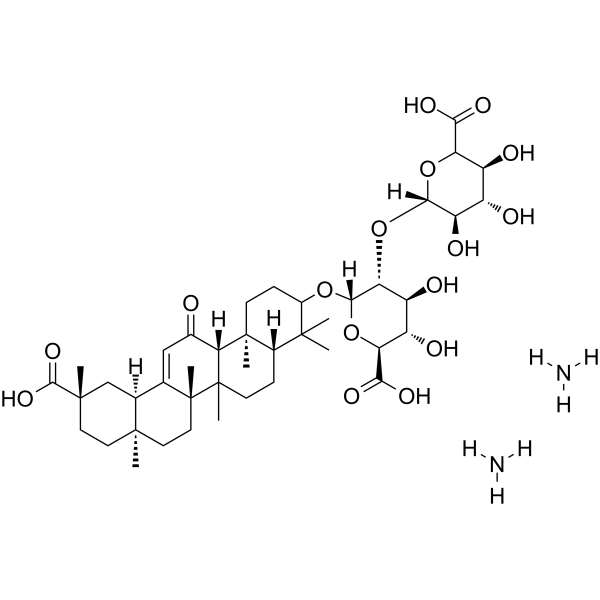
Diammonium glycyrrhizinate is a substance that can be extracted and purified from a traditional Chinese medicinal herb. Diammonium glycyrrhizinate has anti-inflammatory effect, resistance to biologic oxidation, membranous protection and a weak steroidal action. Diammonium glycyrrhizinate exerts protective effect by downregulating inflammation cytokines, suppressing the NF-κB pathway, and restoring superoxide dismutase. Diammonium glycyrrhizinate can be used as a hepatic protector and can therefore be studied in research for most liver diseases .
|
-
-
- HY-111999A
-
|
|
STING
|
Cancer
|
|
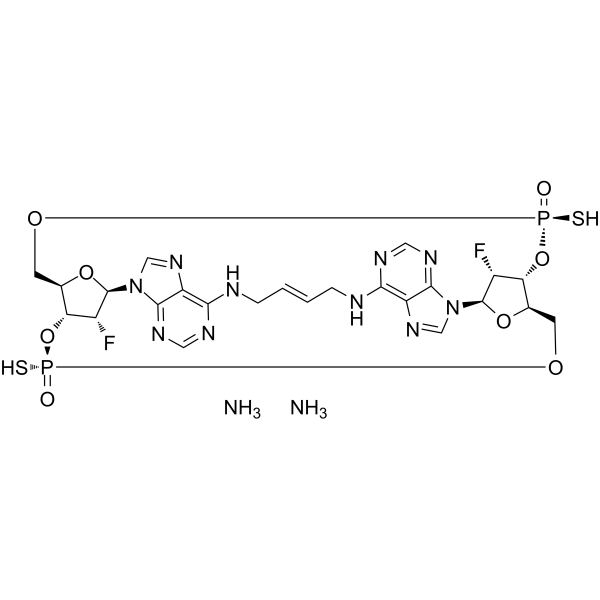
E7766 diammonium salt is a macrocycle-bridged STING agonist with a Kd of 40 nM. E7766 diammonium salt shows potent pan-genotypic and antitumor activities .
|
-
-
- HY-P0118B
-
|
P144 Diammonium
|
TGF-beta/Smad
PI3K
Apoptosis
|
Cancer
|
|
Disitertide (P144) diammonium is a peptidic transforming growth factor-beta 1 (TGF-β1) inhibitor specifically designed to block the interaction with its receptor. Disitertide diammonium is also a PI3K inhibitor and an apoptosis inducer .
|
-
-
- HY-110385
-
cGAMP disodium
Maximum Cited Publications
26 Publications Verification
Cyclic GMP-AMP disodium; 3',3'-cGAMP disodium
|
STING
Endogenous Metabolite
|
Inflammation/Immunology
|
|
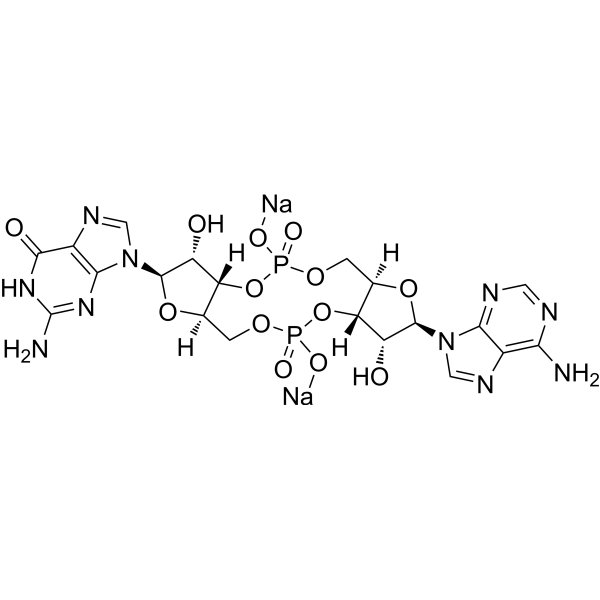
cGAMP (Cyclic GMP-AMP) disodium functions as an endogenous second messenger in metazoans and triggers interferon production in response to cytosolic DNA. cGAMP diammonium activates stimulator of interferon genes (STING), which activates a signaling cascade leading to the production of type I interferons and other immune mediators .
|
-
-
- HY-146248B
-
|
|
Poly(ADP-ribose) Glycohydrolase (PARG)
SARS-CoV
Protease Activated Receptor (PAR)
|
Metabolic Disease
|
|
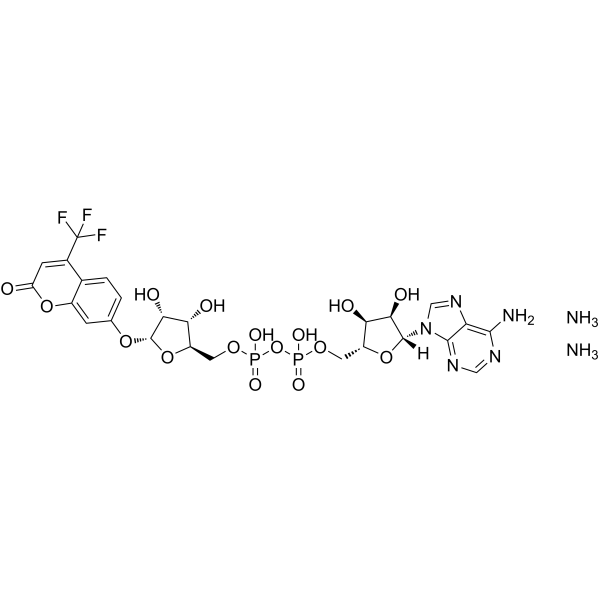
TFMU-ADPr diammonium is a selective reporter substrate of SARS-CoV-2 Macro1 (IC50=0.59 μM), with an excitation wavelength (λEx) of 385 nm, and an emission wavelength (λEm) of 502 nm (or 495 nm). TFMU-ADPr diammonium can also undergo enzymatic hydrolysis with Poly(ADP-ribose) Glycohydrolase (PARG) sourced from human, Tetrahymena thermophila and ADP-ribosylhydrolase 3 from human to release fluorophores, thereby directly reporting total poly (ADP-ribose) hydrolase activity. TFMU-ADPr diammonium binds to the ADPr-binding site of SARS-CoV-2 Macro1, and its TFMU moiety inserts into the narrow hydrophobic groove of this protein. TFMU-ADPr diammonium can thus be used to evaluate small-molecule inhibitors targeting PAR hydrolases under in vitro conditions, to investigate the regulatory mechanisms of ADP-ribosyl catabolic enzymes, or to detect PAR hydrolase activity in whole-cell lysate assays. TFMU-ADPr diammonium is also applicable to COVID-19-related research .
|
-
-
- HY-108657A
-
|
|
P2Y Receptor
|
Neurological Disease
|
|
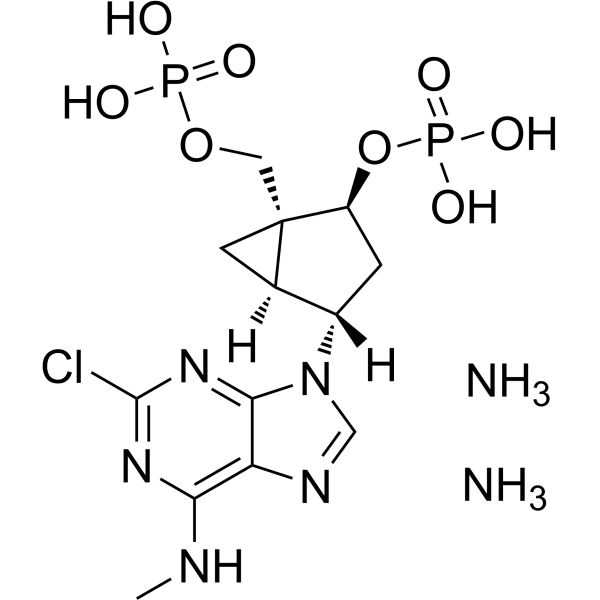
MRS2279 diammonium is a selective and high affinity P2Y1 receptor antagonist, with a Ki value of 2.5 nM and an IC50 value of 51.6 nM. MRS2279 diammonium competitively inhibits ADP-promoted platelet aggregation with an pKb value of 8.05 .
|
-
-
- HY-Y0286A
-
-
-
- HY-139100B
-
|
m7GpppA Diammonium; N7-Methyl-guanosine-5'-triphosphate-5'-adenosine Diammonium
|
DNA/RNA Synthesis
|
Infection
|
|
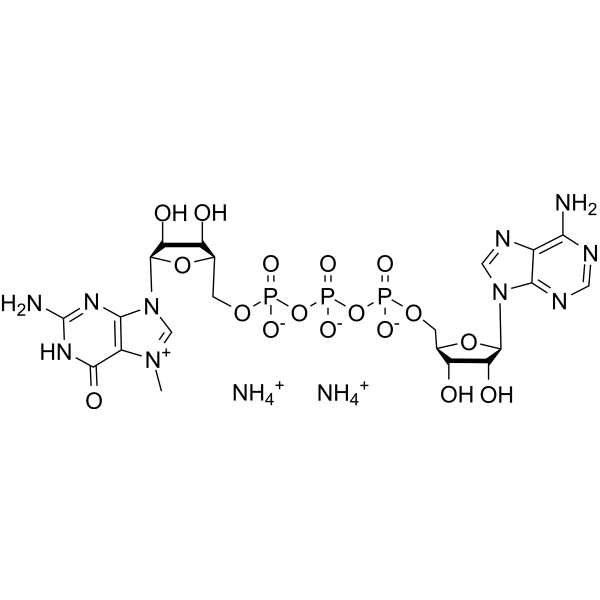
m7G(5')ppp(5')A (m7GpppA) diammonium is a dinucleotide cap analog that can be used for in vitro RNA transcription .
|
-
-
- HY-B1529
-
-
-
- HY-107780B
-
|
c-di-GMP Diammonium; cyclic diguanylate Diammonium; 5GP-5GP Diammonium
|
STING
Endogenous Metabolite
|
Cancer
|
|
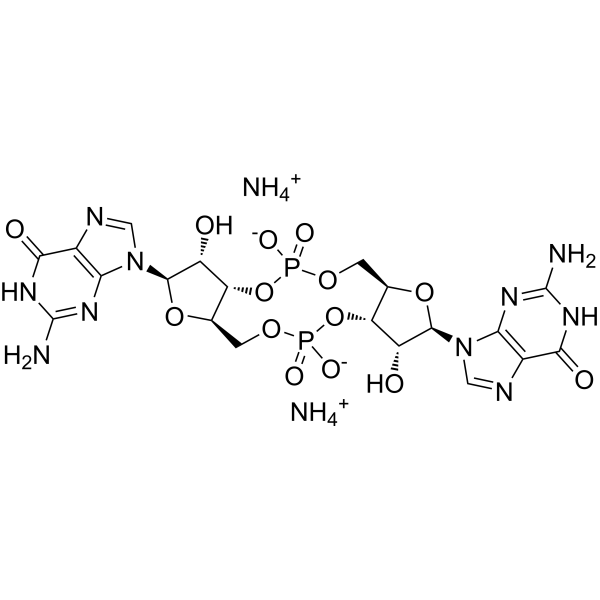
Cyclic-di-GMP diammonium is a STING agonist and a bacterial second messenger that coordinates different aspects of bacterial growth and behavior, including motility, virulence, biofilm formation, and cell cycle progression. Cyclic-di-GMP diammonium has anti-cancer cell proliferation activity and also induces elevated CD4 receptor expression and cell cycle arrest. Cyclic-di-GMP diammonium can be used in cancer research .
|
-
-
- HY-12326B
-
|
Cyclic diadenylate Diammonium; Cyclic-di-AMP Diammonium
|
STING
Bacterial
Endogenous Metabolite
|
Inflammation/Immunology
|
|
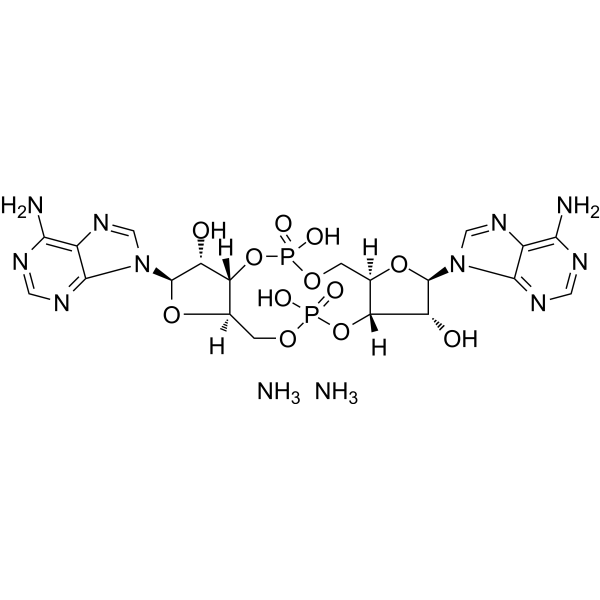
c-di-AMP diammonium is a STING agonist, which binds to the transmembrane protein STING thereby activating the TBK3-IRF3 signaling pathway, subsequently triggering the production of type I IFN and TNF. c-di-AMP diammonium is also a bacterial second messenger, which regulates cell growth, survival, and virulence, primarily within Gram-positive bacteria, and also regulates host immune response. c-di-AMP diammonium acts as a potent mucosal adjuvant stimulating both humoral and cellular responses .
|
-
-
- HY-W105775
-
|
Ammonium succinate
|
Environmental Pollutants
Biochemical Assay Reagents
|
Others
|
|
Diammonium succinate (Ammonium succinate) is a hydrophobic hydrocarbon compound that can be used to study its interaction with microbial cells, especially the mechanisms of degradation and bioavailability. Diammonium succinate is a biomaterial or organic compound that can be used as a biomaterial or organic compound related to life science research.
|
-
-
- HY-Y0262A
-
|
Ethanedioic acid Diammonium monohydrate
|
Environmental Pollutants
Endogenous Metabolite
|
Infection
Inflammation/Immunology
|
Oxalic acid (Ethanedioic acid) diammonium monohydrate is a dicarboxylic acid found in a wide variety of plants. Oxalic acid diammonium monohydrate shows antioxidant acyivity and suppresses lipid peroxidation. Oxalic acid diammonium monohydrate is a pathogenicity factor for sclerotinia sclerotiorum, and suppresses the oxidative burst of the host plant. Oxalic acid diammonium monohydrate exerts acaricidal activity. Oxalic acid can be used for the researches of sclerotinia disease varroatosis and inflammatory diseases .
|
-
-
- HY-W109973
-
|
L-(+)-Tartaric acid Diammonium
|
Endogenous Metabolite
|
Cardiovascular Disease
|
|
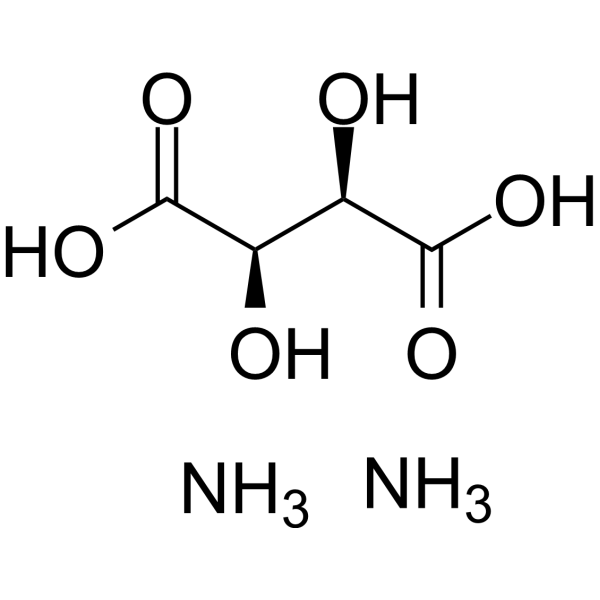
L-Tartaric acid diammonium (L-(+) -tartaric acid) is an orally active weak organic acid that can be isolated from grapes. L-Tartaric acid diammonium has vasodilatory and antihypertensive effects. L-Tartaric acid diammonium can be used as flavorings and antioxidants in a range of foods and beverages. L-Tartaric acid diammonium can be used in laser frequency doubling and optical limiting applications .
|
-
-
- HY-Y0302
-
-
-
- HY-110385A
-
|
Cyclic GMP-AMP Diammonium; 3',3'-cGAMP Diammonium
|
STING
Endogenous Metabolite
|
Inflammation/Immunology
|
|
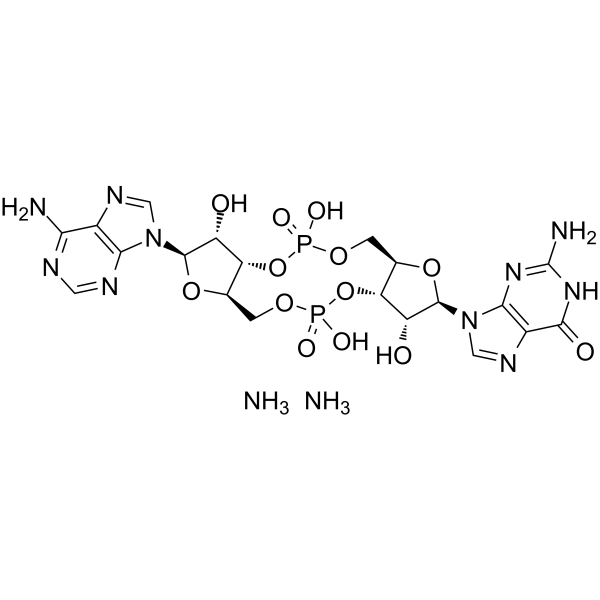
cGAMP (Cyclic GMP-AMP) diammonium functions as an endogenous second messenger in metazoans and triggers interferon production in response to cytosolic DNA. cGAMP diammonium activates stimulator of interferon genes (STING), which activates a signaling cascade leading to the production of type I interferons and other immune mediators .
|
-
-
- HY-131139A
-
|
|
Apoptosis
|
Neurological Disease
Cancer
|
|
Ganglioside GD3 diammonium is an acidic glycosphingolipid. Ganglioside GD3 diammonium inhibits the proliferation of cancer cells, affects the opening of the mitochondrial permeability transition pore (PTPC), induces apoptosis and activates caspase family. Ganglioside GD3 diammonium can be used in research about cancer and neurodegenerative diseases .
|
-
-
- HY-166114A
-
|
(Z)-Heptaprenyl phosphate Diammonium
|
Bacterial
|
Infection
|
|
(Z)-Heptaprenyl-MPDA ((Z)-Heptaprenyl phosphate) diammonium is the (Z)-isomer of Heptaprenyl-MPDA (HY-166114). Heptaprenyl-MPDA (Heptaprenyl phosphate) is a short-chain homolog of undecaprenyl phosphate, is an endogenous substrate of Phospho-MurNAc-pentapeptide translocase (MraY). Heptaprenyl-MPDA can be used for bacterial infections research .
|
-
-
- HY-130115B
-
|
|
STING
|
Cancer
|
|
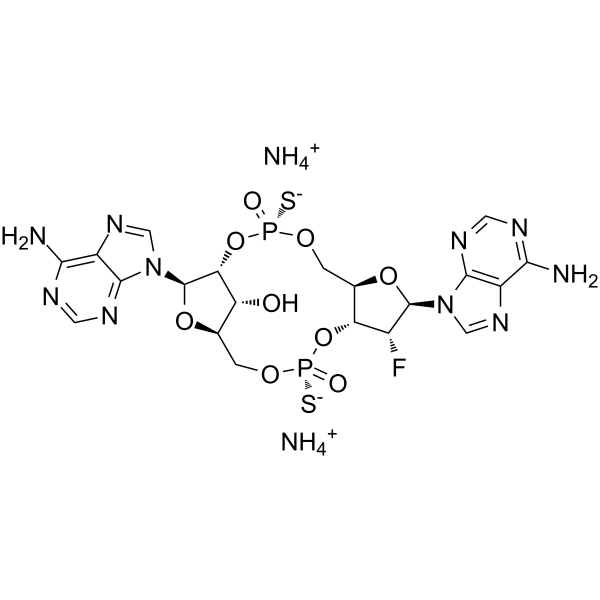
IACS-8803 diammonium is a highly potent cyclic dinucleotide STING agonist. IACS-8803 diammonium has a robust systemic antitumor efficacy .
|
-
-
- HY-105967A
-
|
|
Bacterial
|
Infection
|
|
Dicresulene diammonium is an impurity of Policresulen, an organic acid with hemostatic, antimicrobial and antiviral activities .
|
-
-
- HY-W590676
-
|
TMCL Diammonium
|
Liposome
|
Others
|
|
Tetramyristoylcardiolipin (TMCL) is an anionic lipid. Tetramyristoylcardiolipin can be used to study cell membrane function and drug delivery .
|
-
-
- HY-W142308
-
|
|
Biochemical Assay Reagents
|
|
|
Diammonium dithiodiglycolate is a film-forming polymer used as a crosslinking agent, with the activity of promoting crosslinking of materials and enhancing their stability. Diammonium dithiodiglycolate plays a key role in biomedical applications, especially in the preparation of biocompatible materials. The unique chemical properties of Diammonium dithiodiglycolate make it an ideal choice to achieve high-performance polymer properties.
|
-
-
- HY-D1739
-
|
|
Fluorescent Dye
Carboxylesterase (CES)
|
Others
|
|
DDAO phosphate diammonium is a fluorescent phosphatase substrate. DDAO phosphate diammonium has tunable excitation wavelength (600-650nm) and long emission wavelength (λem=656nm). DDAO phosphate diammonium can be used to detect the activity of different enzymes such as β-galactosidase, sulfatase, protein phosphatase 2A, carboxylesterase 2, human albumin and esterase.
|
-
-
- HY-156730B
-
|
|
Molecular Glues
STAT
|
Cancer
|
|
KT-333 diammonium is a molecular glues that degrades STAT3 protein. KT-333 diammonium mediates the selective degradation of STAT3 through the ubiquitin-proteasome system by binding to STAT3 protein and E3 ubiquitin ligase von Hippel-Lindau protein (VHL). KT-333 diammonium has strong selectivity for STAT3 protein degradation and good antitumor activity. KT-333 diammonium can be used in the study of hematologic malignancies such as large granular lymphocytic leukemia (LGL-L), peripheral T-cell lymphoma (PTCL), and cutaneous T-cell lymphoma (CTCL) .
|
-
-
- HY-W012158
-
|
Sebacic acid ammonium; Ammonium decanedioate; Diammonium sebacate
|
PROTAC Linkers
|
Cancer
|
|
Decanedioic acid (ammonium) (Sebacic acid (ammonium); Ammonium decanedioate; Diammonium sebacate) is a PROTAC linker that can be used in the synthesis of PROTACs.
|
-
-
- HY-136573
-
|
|
Virus Protease
|
Infection
|
|
5-Hydroxytoluene-2,4-disulphonic acid diammonium is an impurity of Policresulen. Policresulen is a potent NS2B/NS3 protease inhibitor with an IC50 of 0.48 μg/mL. Policresulen effectively inhibits the replication of DENV2 virus in BHK-21 cells with an IC50 of 4.99 μg/mL. Policresulen acted as a competitive inhibitor of the protease, and slightly affected the protease stability .
|
-
-
- HY-Y0302S
-
|
|
Biochemical Assay Reagents
|
Others
|
|
Diammonium phosphate- 15N2 is 15N2 labeled Diammonium phosphate (HY-Y0302). Diammonium phosphate is a neutral and efficient catalyst in 1,8-Dioxo-octahydroxanthene derivatives synthesis, which can be used as an excipient, such as diuretic, buffer, effervescent .
|
-
-
- HY-W127789
-
|
EDTA Diammonium
|
Biochemical Assay Reagents
|
Others
|
|
Ethylenediaminetetraacetic acid diammonium is a class of organic compounds containing both ammonium and carboxylic acid functional groups. It is commonly used as a chelating agent in various industrial and medical applications, especially in the food and pharmaceutical industries. Ethylenediaminetetraacetic acid diammonium has strong metal ion binding properties and can be used to chelate trace metals that may affect product quality or stability. In addition, it is used as an anticoagulant in blood collection tubes and as a clarifying agent in cosmetic and personal care products.
|
-
-
- HY-D0101
-
|
|
Fluorescent Dye
|
|
|
Fluorescein-diphosphat (diammonium) is a colorimetric probe formed by the reaction of adipic acid dihydrazide and fluorescein isothiocyanate.
|
-
-
- HY-14519S1
-
|
|
Isotope-Labeled Compounds
|
Metabolic Disease
Inflammation/Immunology
Cancer
|
|
Methotrexate-d3 diammonium is the deuterium labeled Methotrexate diammonium. Methotrexate (Amethopterin), an antimetabolite and antifolate agent, inhibits the enzyme dihydrofolate reductase, thereby preventing the conversion of folic acid into tetrahydrofolate, and inhibiting DNA synthesis. Methotrexate, also an immunosuppressant and antineoplastic agent, is used for the research of rheumatoid arthritis and a number of different cancers (such as acute lymphoblastic leukemia) .
|
-
-
- HY-15133A
-
|
|
Phosphatase
|
Metabolic Disease
Cancer
|
|
PTP1B-IN-3 diammonium is a potent and orally active PTP1B inhibitor with IC50s of 120 nM for both PTP1B and TCPTP. PTP1B-IN-3 diammonium has antidiabetic and anticancer effects .
|
-
-
- HY-N16301
-
-
-
- HY-W140537
-
|
|
Biochemical Assay Reagents
|
Others
|
|
EDTA diammonium salt hydrate, 97% is a derivative of ethylenediaminetetraacetic acid (EDTA), commonly used as a chelating agent in various applications due to its ability to bind with various metal ions and form stable complexes.
|
-
-
- HY-N8515B
-
|
UDP-3-O-(3-hydroxytetradecanoyl)-N-acetylglucosamine Diammonium
|
Endogenous Metabolite
|
Others
|
|
UDP-3-O-acyl-GlcNAc diammonium is an E. coli metabolite that is involved in 3-deoxy-D-manno-octulosonate (KDO) biosynthesis pathway .
|
-
-
- HY-W603111
-
|
|
Biochemical Assay Reagents
|
Others
|
|
5-Thio-D-glucose-6-phosphate diammonium salt is a class of biochemical reagents used in glycobiology research. Glycobiology studies the structure, synthesis, biology, and evolution of sugars. It involves carbohydrate chemistry, enzymology of glycan formation and degradation, protein-glycan recognition, and the role of glycans in biological systems. This field is closely related to basic research, biomedicine, and biotechnology .
|
-
-
- HY-P3860
-
|
|
Amyloid-β
|
Neurological Disease
|
|
Biotinyl-Amyloid β-Protein (1-42) ammonium is a biotinylated Amyloid β-Protein (1-42) (HY-P1363). Biotinyl-Amyloid β-Protein (1-42) ammonium can be used for the research of Aβ1-42 converts to Aβ1-40 in brain .
|
-
-
- HY-N7395B
-
-
-
- HY-D0335
-
|
|
Biochemical Assay Reagents
|
Others
|
|
Acid blue 9 diammonium is a triarylmethane dye and inducer. Acid blue 9 diammonium induces chromosomal aberrations in onion root tip meristematic cells. Acid blue 9 diammonium exhibits cytogenetic toxicity to onion root tip meristematic cells .
|
-
-
- HY-W713888
-
|
|
Fluorescent Dye
|
Others
|
|
Aniline blue diammonium is a component of commonly used polychrome stains. Aniline blue diammonium is used to stain collagen fibers in tissue sections using Masson′s trichrome protocol for staining multiple components. Collagen is stained blue by this method. The dye is suitable for selective staining of callose in plant specimens and staining histones for assessing nuclear maturity. Aniline blue diammonium is used in Gomori′s one-step trichrome stain and Mallory′s connective tissue stain for tissue including kidney and intestine.
|
-
-
- HY-166113A
-
-
-
- HY-179842
-
-
-
- HY-N16329
-
-
-
- HY-146836S2
-
-
-
- HY-156905A
-
|
|
Biochemical Assay Reagents
|
Cancer
|
|
6-Azido-N-acetylgalactosamine-UDP diammonium (compound 5) is an active sugar donor in the beta-1, 3-N-Acetylhexaminyltransferase (LgtA)-catalyzed glycosylation of lactose .
|
-
-
- HY-179816
-
-
-
- HY-153862
-
-
-
- HY-P3783
-
-
| Cat. No. |
Product Name |
Type |
-
- HY-15902
-
|
AzBTS-(NH4)2
|
Fluorescent Dyes
|
|
ABTS diammonium salt (AzBTS-(NH4)2) is a substrate for horseradish peroxidase (HRP) conjugate. ABTS diammonium salt can be used to evaluate antioxidant capacity .
|
-
- HY-D1739
-
|
|
Fluorescent Dyes
|
|
DDAO phosphate diammonium is a fluorescent phosphatase substrate. DDAO phosphate diammonium has tunable excitation wavelength (600-650nm) and long emission wavelength (λem=656nm). DDAO phosphate diammonium can be used to detect the activity of different enzymes such as β-galactosidase, sulfatase, protein phosphatase 2A, carboxylesterase 2, human albumin and esterase.
|
-
- HY-D0101
-
|
|
Fluorescent Dyes
|
|
Fluorescein-diphosphat (diammonium) is a colorimetric probe formed by the reaction of adipic acid dihydrazide and fluorescein isothiocyanate.
|
-
- HY-D0335
-
|
|
Fluorescent Dyes
|
|
Acid blue 9 diammonium is a triarylmethane dye and inducer. Acid blue 9 diammonium induces chromosomal aberrations in onion root tip meristematic cells. Acid blue 9 diammonium exhibits cytogenetic toxicity to onion root tip meristematic cells .
|
-
- HY-W713888
-
|
|
Fluorescent Dyes
|
|
Aniline blue diammonium is a component of commonly used polychrome stains. Aniline blue diammonium is used to stain collagen fibers in tissue sections using Masson′s trichrome protocol for staining multiple components. Collagen is stained blue by this method. The dye is suitable for selective staining of callose in plant specimens and staining histones for assessing nuclear maturity. Aniline blue diammonium is used in Gomori′s one-step trichrome stain and Mallory′s connective tissue stain for tissue including kidney and intestine.
|
| Cat. No. |
Product Name |
Type |
-
- HY-Y0286A
-
|
Carbonic acid Diammonium, 99.999% trace metals basis
|
Biochemical Assay Reagents
|
|
Diammonium carbonate, 99.999% trace metals basis is a biochemical reagent and a buffer component .
|
-
- HY-B1529
-
|
Ammonium hydrogencitrate, 99%; Diammonium hydrogen citrate, 99%
|
Biochemical Assay Reagents
|
|
Ammonium citrate dibasic, 99% (Ammonium hydrogencitrate, 99%) can be used as the carbon source to prepare carbon quantum dots (CDs). Ammonium citrate dibasic, 99% is a buffering agent .
|
-
- HY-W105775
-
|
Ammonium succinate
|
Biochemical Assay Reagents
|
|
Diammonium succinate (Ammonium succinate) is a hydrophobic hydrocarbon compound that can be used to study its interaction with microbial cells, especially the mechanisms of degradation and bioavailability. Diammonium succinate is a biomaterial or organic compound that can be used as a biomaterial or organic compound related to life science research.
|
-
- HY-Y0262A
-
|
Ethanedioic acid Diammonium monohydrate
|
Biochemical Assay Reagents
|
Oxalic acid (Ethanedioic acid) diammonium monohydrate is a dicarboxylic acid found in a wide variety of plants. Oxalic acid diammonium monohydrate shows antioxidant acyivity and suppresses lipid peroxidation. Oxalic acid diammonium monohydrate is a pathogenicity factor for sclerotinia sclerotiorum, and suppresses the oxidative burst of the host plant. Oxalic acid diammonium monohydrate exerts acaricidal activity. Oxalic acid can be used for the researches of sclerotinia disease varroatosis and inflammatory diseases .
|
-
- HY-W109973
-
|
L-(+)-Tartaric acid Diammonium
|
Biochemical Assay Reagents
|
|
L-Tartaric acid diammonium (L-(+) -tartaric acid) is an orally active weak organic acid that can be isolated from grapes. L-Tartaric acid diammonium has vasodilatory and antihypertensive effects. L-Tartaric acid diammonium can be used as flavorings and antioxidants in a range of foods and beverages. L-Tartaric acid diammonium can be used in laser frequency doubling and optical limiting applications .
|
-
- HY-W142308
-
|
|
Biochemical Assay Reagents
|
|
Diammonium dithiodiglycolate is a film-forming polymer used as a crosslinking agent, with the activity of promoting crosslinking of materials and enhancing their stability. Diammonium dithiodiglycolate plays a key role in biomedical applications, especially in the preparation of biocompatible materials. The unique chemical properties of Diammonium dithiodiglycolate make it an ideal choice to achieve high-performance polymer properties.
|
-
- HY-W127789
-
|
EDTA Diammonium
|
Biochemical Assay Reagents
|
|
Ethylenediaminetetraacetic acid diammonium is a class of organic compounds containing both ammonium and carboxylic acid functional groups. It is commonly used as a chelating agent in various industrial and medical applications, especially in the food and pharmaceutical industries. Ethylenediaminetetraacetic acid diammonium has strong metal ion binding properties and can be used to chelate trace metals that may affect product quality or stability. In addition, it is used as an anticoagulant in blood collection tubes and as a clarifying agent in cosmetic and personal care products.
|
-
- HY-W140537
-
|
|
Biochemical Assay Reagents
|
|
EDTA diammonium salt hydrate, 97% is a derivative of ethylenediaminetetraacetic acid (EDTA), commonly used as a chelating agent in various applications due to its ability to bind with various metal ions and form stable complexes.
|
-
- HY-W603111
-
|
|
Biochemical Assay Reagents
|
|
5-Thio-D-glucose-6-phosphate diammonium salt is a class of biochemical reagents used in glycobiology research. Glycobiology studies the structure, synthesis, biology, and evolution of sugars. It involves carbohydrate chemistry, enzymology of glycan formation and degradation, protein-glycan recognition, and the role of glycans in biological systems. This field is closely related to basic research, biomedicine, and biotechnology .
|
| Cat. No. |
Product Name |
Target |
Research Area |
-
- HY-P0118B
-
|
P144 Diammonium
|
TGF-beta/Smad
PI3K
Apoptosis
|
Cancer
|
|
Disitertide (P144) diammonium is a peptidic transforming growth factor-beta 1 (TGF-β1) inhibitor specifically designed to block the interaction with its receptor. Disitertide diammonium is also a PI3K inhibitor and an apoptosis inducer .
|
-
- HY-P3860
-
|
|
Amyloid-β
|
Neurological Disease
|
|
Biotinyl-Amyloid β-Protein (1-42) ammonium is a biotinylated Amyloid β-Protein (1-42) (HY-P1363). Biotinyl-Amyloid β-Protein (1-42) ammonium can be used for the research of Aβ1-42 converts to Aβ1-40 in brain .
|
-
- HY-P3783
-
| Cat. No. |
Product Name |
Category |
Target |
Chemical Structure |
| Cat. No. |
Product Name |
Chemical Structure |
-
- HY-Y0302S
-
|
|
|
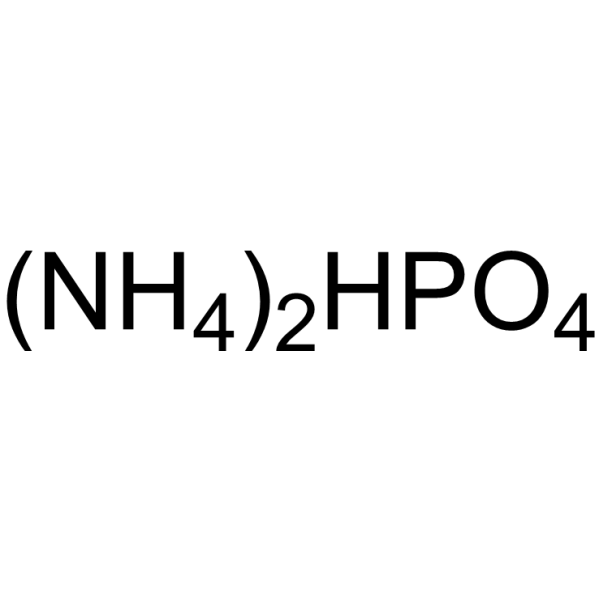
Diammonium phosphate- 15N2 is 15N2 labeled Diammonium phosphate (HY-Y0302). Diammonium phosphate is a neutral and efficient catalyst in 1,8-Dioxo-octahydroxanthene derivatives synthesis, which can be used as an excipient, such as diuretic, buffer, effervescent .
|
-
-
- HY-14519S1
-
|
|
|
Methotrexate-d3 diammonium is the deuterium labeled Methotrexate diammonium. Methotrexate (Amethopterin), an antimetabolite and antifolate agent, inhibits the enzyme dihydrofolate reductase, thereby preventing the conversion of folic acid into tetrahydrofolate, and inhibiting DNA synthesis. Methotrexate, also an immunosuppressant and antineoplastic agent, is used for the research of rheumatoid arthritis and a number of different cancers (such as acute lymphoblastic leukemia) .
|
-
-
- HY-146836S2
-
|
|
|
(Rac)-16:0 PI(5)P-d5 diammonium is deuterium labeled (Rac)-16:0 PI(5)P diammonium .
|
-
| Cat. No. |
Product Name |
|
Classification |
-
- HY-156905A
-
|
|
|
Azide
|
|
6-Azido-N-acetylgalactosamine-UDP diammonium (compound 5) is an active sugar donor in the beta-1, 3-N-Acetylhexaminyltransferase (LgtA)-catalyzed glycosylation of lactose .
|
| Cat. No. |
Product Name |
|
Classification |
-
- HY-139100B
-
|
m7GpppA Diammonium; N7-Methyl-guanosine-5'-triphosphate-5'-adenosine Diammonium
|
|
Cap Analogs
Cap Analogs
|
|
m7G(5')ppp(5')A (m7GpppA) diammonium is a dinucleotide cap analog that can be used for in vitro RNA transcription .
|
-
- HY-Y0302
-
|
|
|
pH Modifiers
|
|
Diammonium phosphate is a neutral and efficient catalyst in 1,8‐Dioxo‐octahydroxanthene derivatives synthesis. Diammonium phosphate can be used as an excipient, such as diuretic, buffer, effervescent .
|
-
- HY-W590676
-
|
TMCL Diammonium
|
|
Phospholipids
|
|
Tetramyristoylcardiolipin (TMCL) is an anionic lipid. Tetramyristoylcardiolipin can be used to study cell membrane function and drug delivery .
|
-
- HY-157640
-
|
|
|
Phospholipids
|
|
18:0-20:4 PI(5)P (diammonium) is a phosphoinositide. Phosphoinositides (PI) are similar to other phospholipids, but the head group is the cyclic myo-inositol.
|
Your information is safe with us. * Required Fields.
Inquiry Information
- Product Name:
- Cat. No.:
- Quantity:
- MCE Japan Authorized Agent:

