


88 Results for "

Distributed multipoles

" in MedChemExpress (MCE) Product Catalog:
Products (88)

88 Results for "Distributed multipoles" in MCE Product Catalog:

11
11 Publications Verification
Cat. No.: HY-109101
CAS No.: 1825352-65-5
Pureté:  99.58%
Synonyms: RG7916; RO7034067
Target:  

DNA/RNA Synthesis

Domaines de recherche:  

Neurological Disease

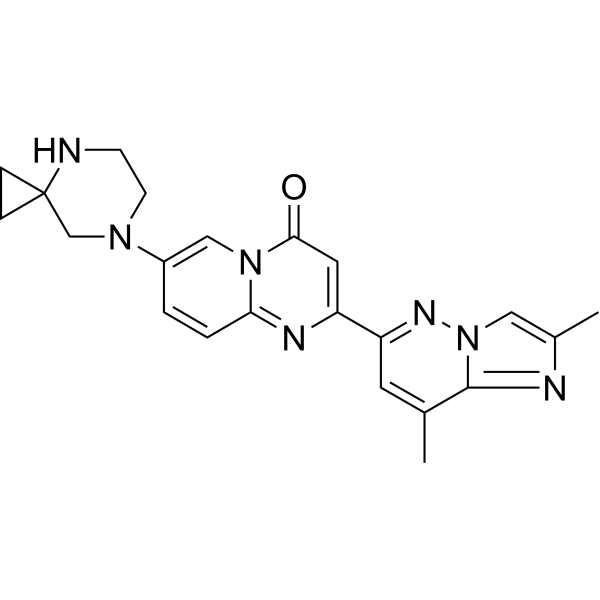
Risdiplam (RG7916) is an orally administered, centrally and peripherally distributed SMN2 pre-mRNA splicing modifier that increases survival motor neuron (SMN) protein levels .
loading...
    loading...
11
11 Publications Verification
Cat. No.: HY-P1944
CAS No.: 217082-58-1
Target:  

Apelin Receptor (APJ)

Domaines de recherche:  

Cardiovascular Disease Metabolic Disease

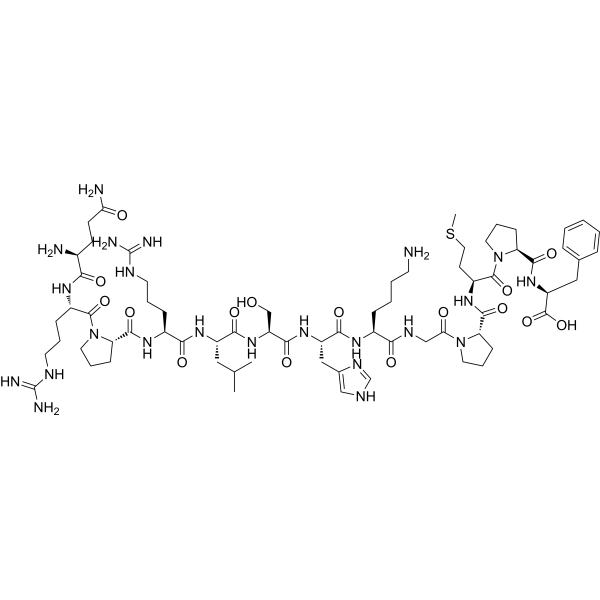
Apelin-13 is an endogenous ligand for the G-protein coupled receptor angiotensin II protein J (APJ), activating this G protein-coupled receptor with an EC 50 value of 0.37 nM. Apelin-13 is widely distributed in the central and peripheral nervous systems. Apelin-13 has vasodilatory and antihypertensive effects. Apelin-13 also can be used for researching type 2 diabetes and metabolic syndrome .
loading...
    loading...
9
9 Cited Publications
Cat. No.: HY-N0269
CAS No.: 34221-41-5
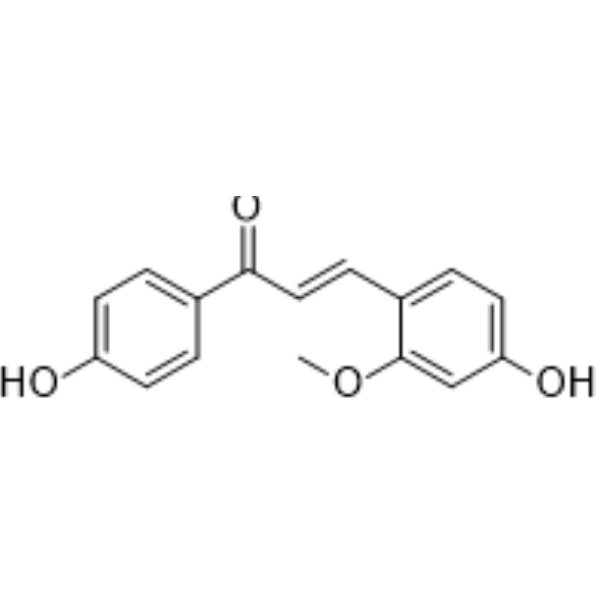
Echinatin is a chalcone isolated from the Chinese herbal medicine Gancao with hepatoprotective and anti-inflammatory effects . Echinatin can be quickly absorbed and eliminated and extensively distributed with an absolute bioavailability of approximately 6.81% in Rat .
loading...
    loading...
6
6 Cited Publications
Cat. No.: HY-P1071
CAS No.: 90954-53-3
Synonyms: Calcitonin gene-related peptide
Target:  

CGRP Receptor

Domaines de recherche:  

Cardiovascular Disease

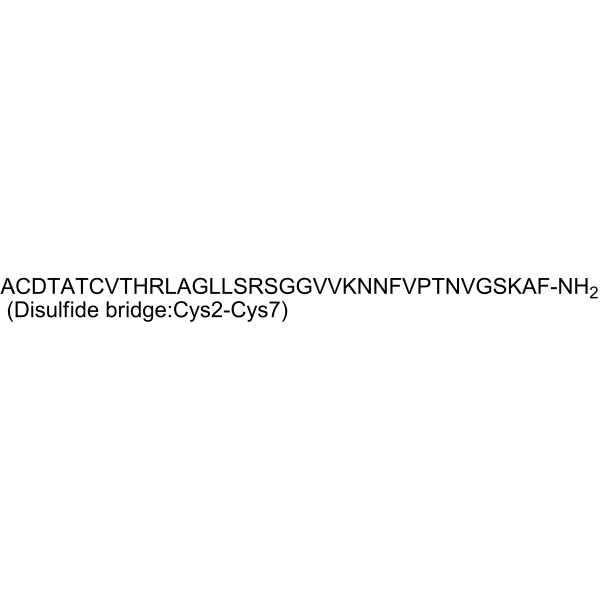
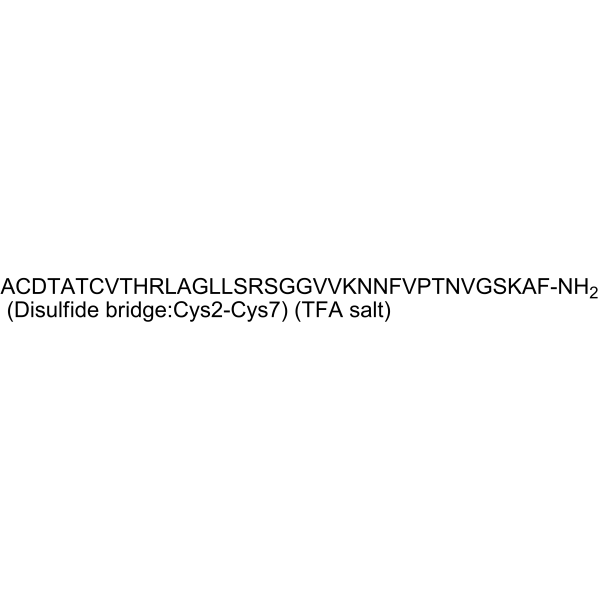
α-CGRP (human) (Calcitonin gene-related peptide) is a regulatory neuropeptide of 37 amino acids. α-CGRP (human) is widely distributed in the central and peripheral nervous system. α-CGRP (human) is a potent vasodilator and has inotropic and chronotropic effects .
loading...
    loading...
6
6 Cited Publications
Cat. No.: HY-N0794
CAS No.: 20347-71-1
Proanthocyanidin (Procyanidin) are a class of polyphenolic that are widely distributed in higher plants, consisted of an electrophilic flavanyl unit. Proanthocyanidin can be used as antioxidant and anti-cancers agent. Proanthocyanidin also exhibit anti-inflammatory, cardioprotective, antibacterial and antifungal properties, which can be used in the treatment of chronic venous insufficiency, capillary fragility, sunburn and retinopathy. .
loading...
    loading...
6
6 Cited Publications
Cat. No.: HY-P1071A
Synonyms: Calcitonin gene-related peptide TFA
Target:  

CGRP Receptor

Domaines de recherche:  

Cardiovascular Disease

α-CGRP (human) (TFA) is a regulatory neuropeptide of 37 amino acids. α-CGRP (human) (TFA) is widely distributed in the central and peripheral nervous system. α-CGRP (human) (TFA) is a potent vasodilator and has inotropic and chronotropic effects .
loading...
    loading...
3
3 Cited Publications
Cat. No.: HY-W001132
CAS No.: 120-72-9
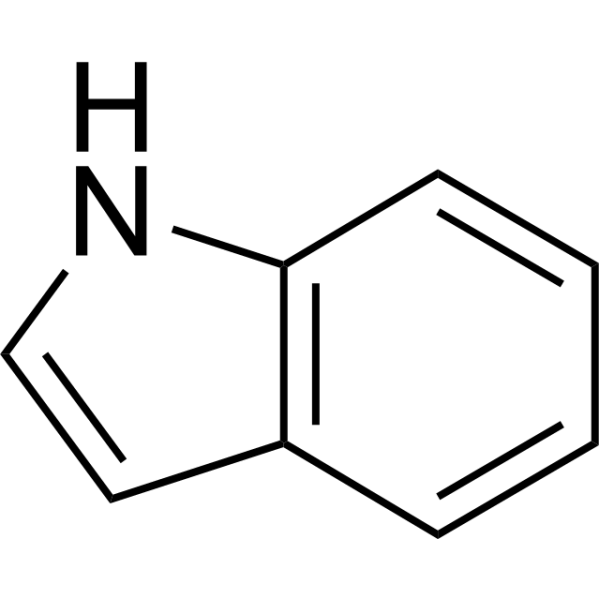
Indole is an aromatic, heterocyclic, organic compound which widely distributed in the natural environment and can be produced by a variety of bacteria. Indole regulates various aspects of bacterial physiology, including spore formation, plasmid stability, resistance to drugs, biofilm formation, and virulence as an intercellular signal molecule .
loading...
    loading...
2
2 Cited Publications
Cat. No.: HY-P2831
CAS No.: 9016-18-6
Synonyms: CESs
Target:  

Endogenous Metabolite

Domaines de recherche:  

Metabolic Disease

Esterase, pig liver (CESs), namely carboxylate hydrolases, are widely distributed in nature, commonly found in mammalian liver, and often used in biochemical research. Esterase catalyzes the hydrolysis of a variety of endogenous and exogenous substrates, including esters, thioesters, carbamates, and amides, hydrolyzing carboxylic acid esters to the corresponding alcohols and carboxylic acids .
loading...
    loading...
1
1 Cited Publications
Cat. No.: HY-Y0892
CAS No.: 623-05-2
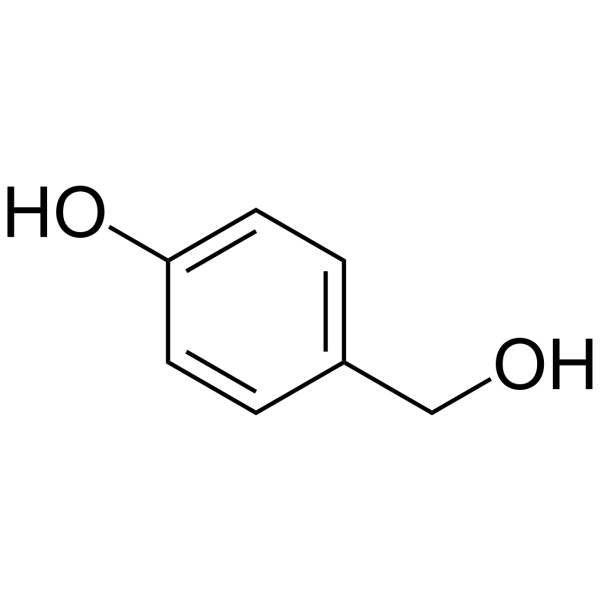
4-Hydroxybenzyl alcohol is a phenolic compound widely distributed in various kinds of plants. Anti-inflammatory, anti-oxidant, anti-nociceptive activity. Neuroprotective effect. Inhibitor of tumor angiogenesis and growth .
loading...
    loading...
1
1 Cited Publications
Cat. No.: HY-N6807
CAS No.: 487-11-6
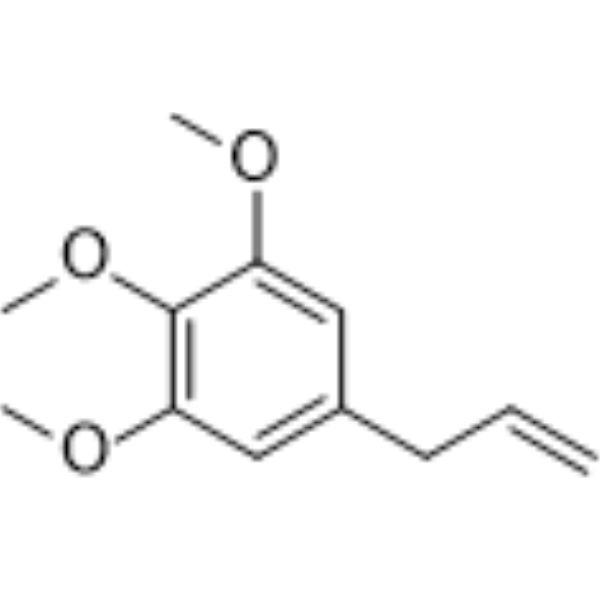
Elemicin is an orally active alkenylbenzene widely distributed in many herbs and spices. Elemicin inhibits Stearoyl-CoA Desaturase 1 (SCD1) by metabolic activation. Elemicin has anti-influenza activities, antimicrobial, antioxidant, and antiviral activities. Elemicin and its reactive metabolite of 1′-Hydroxyelemicin can induce hepatotoxicity .
loading...
    loading...
1
1 Cited Publications
Cat. No.: HY-N2188
CAS No.: 69091-17-4
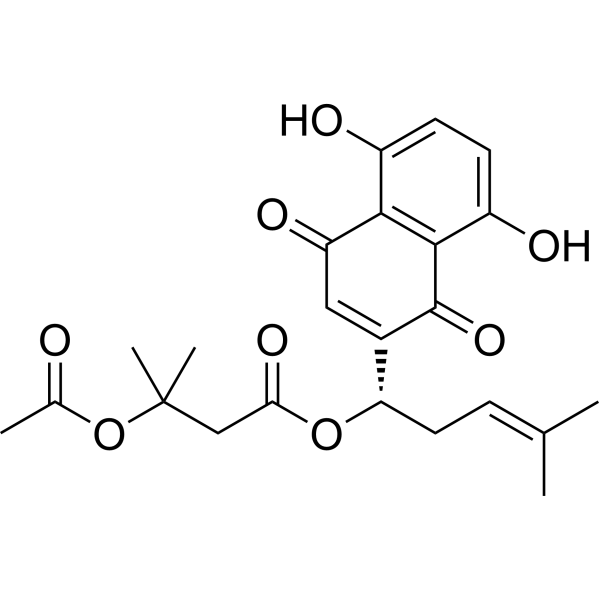
Beta-Acetoxyisovalerylshikonin is a naturally occurring naphthoquinone-type shikonin derivative that is widely distributed in the roots and cell suspension cultures of *Arnebia euchroma*, *Arnebia guttata*, *Onosma hispidum* and *Lithospermum erythrorhizon*. Beta-Acetoxyisovalerylshikonin exhibits favorable antibacterial, anti-inflammatory, wound-healing promoting and antioxidant activities, and also possesses potential anti-tumor and anti-HIV properties .
loading...
    loading...
1
1 Cited Publications
Cat. No.: HY-109101S
Pureté:  98.88%
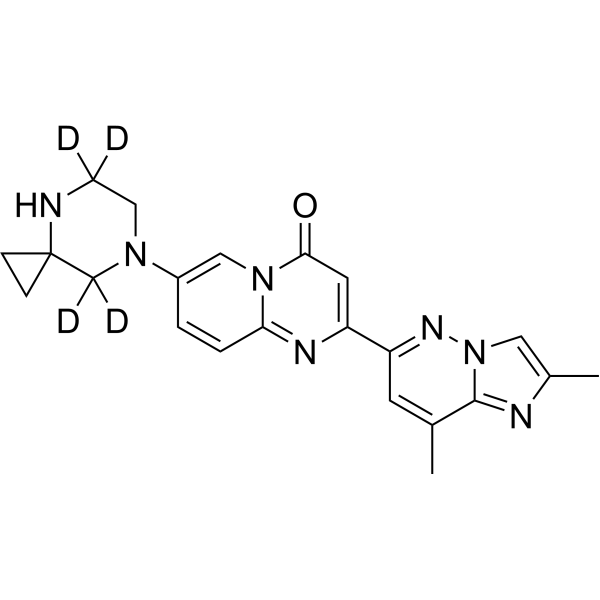
Risdiplam-d4 is deuterium labeled Risdiplam. Risdiplam (RG7916) is an orally administered, centrally and peripherally distributed SMN2 pre-mRNA splicing modifier that increases survival motor neuron (SMN) protein levels .
loading...
    loading...
1
1 Cited Publications
Cat. No.: HY-157624
CAS No.: 96998-01-5
Pureté:  ≥99.0%
Synonyms: 18:0-22:6 PE
Target:  

Liposome

Domaines de recherche:  

Others

1-Stearoyl-2-docosahexaenoyl-sn-glycero-3-phosphoethanolamine (18:0-22:6 PE) is a lipid compound that can be used for liposome preparation. Liposomes are the main component of vesicles with concentric phospholipid bilayer membranes, which can be used to construct drug delivery systems for anti-cancer and anti-infection fields. Highly polar water-soluble loads can be captured in the internal aqueous space of liposomes, while lipophilic loads can be distributed into the lipid bilayer and become part of the lipid bilayer. Especially for the delivery of antisense oligonucleotides, it can overcome the problems of inefficient cellular uptake and rapid loss in the body.
loading...
    loading...
1
1 Cited Publications
Cat. No.: HY-W795960
CAS No.: 108340-81-4
D-myo-inositol 1,4,5-trisphosphate sodium salt is a widely distributed intracellular second messenger. D-myo-inositol 1,4,5-trisphosphate sodium salt acts as a potent agonist of the Ins (1,4,5) P3 receptor with an EC50 of 0.12 μM and inhibits bovine PLC-δ1, with an IC50 of 5.4 μM for binding and an IC50 of 12.4 μM for hydrolysis. D-myo-inositol 1,4,5-trisphosphate sodium saltis metabolized into Ins (1,4) P2 and Ins (1,3,4,5) P4. D-myo-inositol 1,4,5-trisphosphate sodium salt mediates various cellular processes, including growth, development, fertilization, secretion, contraction and neuromodulation. D-myo-inositol 1,4,5-trisphosphate sodium salt inhibits PIP2 hydrolysis and Ca 2+-ATPase activity. D-myo-inositol 1,4,5-trisphosphate sodium salt is used for cardiac preconditioning, exerts cardioprotective effects and mimics ischemic preconditioning. D-myo-inositol 1,4,5-trisphosphate sodium salt is applied in studies related to intracellular calcium and phosphoinositol signaling pathways .
loading...
    loading...
Cat. No.: HY-111355B
CAS No.: 2864-50-8
Pureté:  98.22%
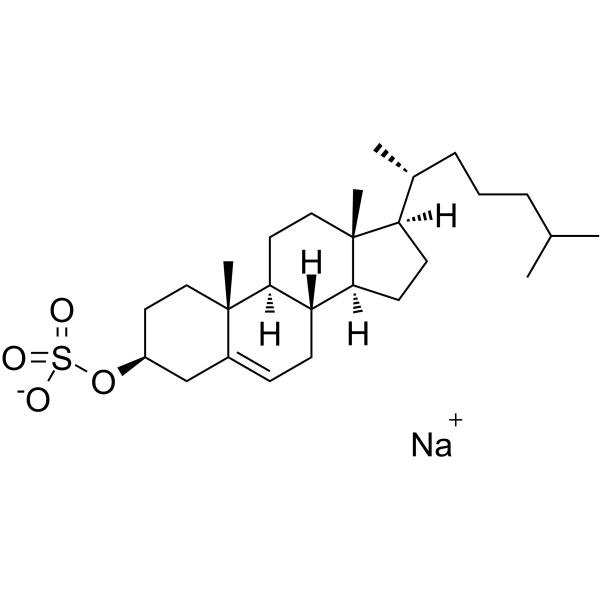
Cholesterol sulfate sodium is a naturally occurring, orally active cholesterol derivative that is widely distributed in various tissues and body fluids. Cholesterol sulfate sodium acts as a DOCK2 inhibitor, with IC50 values of 2 μM and 2.9 μM against mouse and human targets, respectively. Cholesterol sulfate sodium restricts excessive neutrophil infiltration and alleviates intestinal inflammation and damage. Cholesterol sulfate sodium serves as an activator of protein kinase C (PKC), which promotes squamous cell differentiation and inhibits skin carcinogenesis. Cholesterol sulfate sodium regulates cholesterol homeostasis and cellular metabolism by activating the AMPK-Sirt1 pathway. Cholesterol sulfate sodium can be used in research related to actinic keratitis, ulcerative colitis, skin cancer, and other conditions .
loading...
    loading...
Cat. No.: HY-P2907
CAS No.: 9028-85-7
Domaines de recherche:  

Others

Formate dehydrogenase is a class of oxidoreductases widely distributed in bacteria, fungi, plants and animals. Formate dehydrogenase catalyzes the reversible conversion between formic acid and carbon dioxide, accompanied by redox reactions of the coenzyme NAD +/NADH or other electron carriers .
loading...
    loading...
Cat. No.: HY-124754
CAS No.: 2244614-14-8
Pureté:  99.97%
Synonyms: BTRX-335140; CYM-53093
Target:  

Opioid Receptor

Domaines de recherche:  

Neurological Disease Metabolic Disease

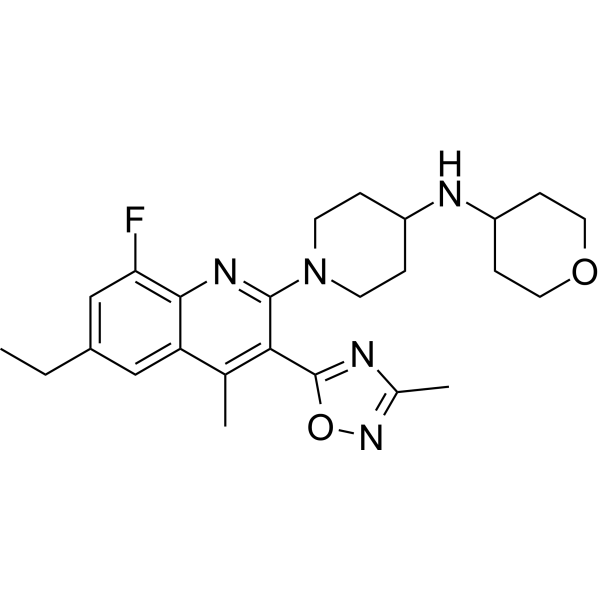
Navacaprant (BTRX-335140) is a selective and orally active κ opioid receptor (KOR) antagonist, has antagonist activity for κOR, μOR and δOR with IC50 values of 0.8 nM, 110 nM, and 6500 nM, respectively. Navacaprant endows with favorable in vitro ADMET and in vivo pharmacokinetic profiles and medication-like duration of action in rats. Navacaprant distributes well into the CNS and can be used for the research of neuropathy .
loading...
    loading...
Cat. No.: HY-111355
CAS No.: 1256-86-6
Cholesterol sulfate is a naturally occurring, orally active cholesterol derivative that is widely distributed in various tissues and body fluids. Cholesterol sulfate acts as a DOCK2 inhibitor, with IC50 values of 2 μM and 2.9 μM against mouse and human targets, respectively. Cholesterol sulfate restricts excessive neutrophil infiltration and alleviates intestinal inflammation and damage. Cholesterol sulfate serves as an activator of protein kinase C (PKC), which promotes squamous cell differentiation and inhibits skin carcinogenesis. Cholesterol sulfate regulates cholesterol homeostasis and cellular metabolism by activating the AMPK-Sirt1 pathway. Cholesterol sulfate can be used in research related to actinic keratitis, ulcerative colitis, skin cancer, and other conditions .
loading...
    loading...
Cat. No.: HY-P1775A
CAS No.: 9001-03-0
Target:  

Carbonic Anhydrase

Domaines de recherche:  

Neurological Disease Metabolic Disease Cancer

Carbonic anhydrase isoenzyme is an isoform of Carbonic anhydrase (HY-P1775). Carbonic anhydrase isoenzymes are a class of widely distributed metalloenzymes that catalyze the reversible hydration-dehydration reaction of the carbon dioxide-bicarbonate system, and also exhibit acetaldehyde hydration and ester hydrolysis activities. Carbonic anhydrase isoenzyme is associated with epithelial ion transport processes involving sodium, potassium, anions, and ammonia. Carbonic anhydrase isoenzyme can be used in research on cancer, glaucoma, obesity, and epilepsy .
loading...
    loading...
Cat. No.: HY-N3434
CAS No.: 15486-34-7
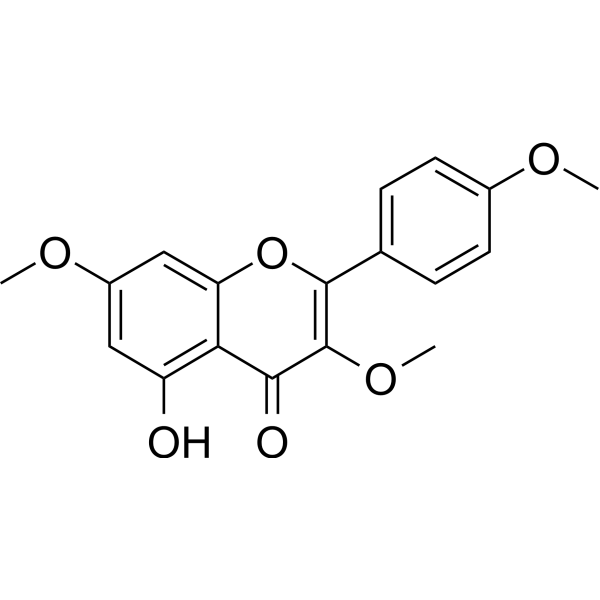
Kaempferol 3,7,4'-trimethyl ether is an O-methylated kaempferol flavonol aglycone distributed in Siparuna gigantotepala, Aframomum arundinaceum and Siparuna guianensis. Kaempferol 3,7,4'-trimethyl ether exhibits antioxidant activity. Kaempferol 3,7,4'-trimethyl ether suppresses the proliferation of leukemia cells and exerts selective cytotoxicity against both drug‑sensitive and multi‑factorial drug‑resistant cancer cells. Kaempferol 3,7,4'-trimethyl ether can be applied in the research of multidrug‑resistant cancers .
loading...
    loading...

