
1. Search Result
Search Result
Results for "

IRS1

" in MedChemExpress (MCE) Product Catalog:

30

Inhibitors & Agonists

3

Peptides

8

Natural
Products

2

Recombinant Proteins

2

Isotope-Labeled Compounds

2

Antibodies

5

Oligonucleotides

Cat. No. Product Name Target Research Areas Chemical Structure
  • HY-113402
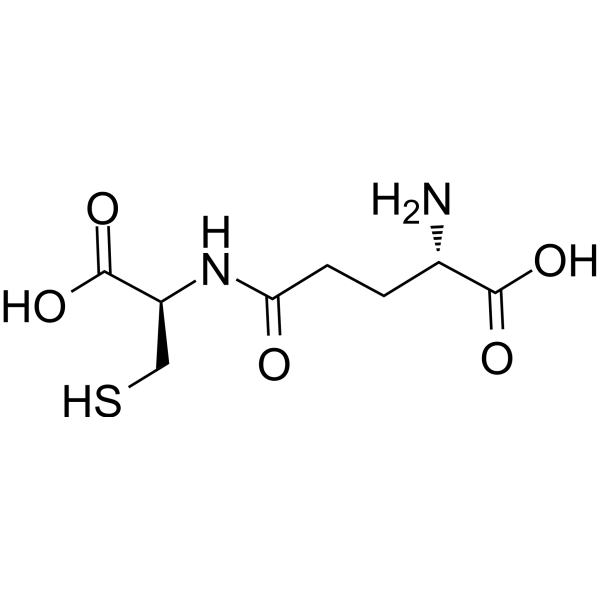
    Gamma-glutamylcysteine
    4 Publications Verification

    γ-Glu-Cys

    Endogenous Metabolite Interleukin Related TNF Receptor AMPK Sirtuin STAT PI3K NF-κB JAK p38 MAPK JNK Akt Apoptosis Ferroptosis Cardiovascular Disease Neurological Disease Inflammation/Immunology
    Gamma-glutamylcysteine (γ-Glu-Cys) is an orally active, blood-brain barrier permeable dipeptide . Gamma-glutamylcysteine activates AMPK, SIRT1, IL-4/STAT6, AC/cAMP/PI3K, IGF-1R/IRS1/PI3K, and Nrf2 signaling pathways; it inhibits NF-κB, JAK1/STAT1/3, MAPKs, cadmium-induced p38 MAPK, JNK, and PI3K/Akt signaling pathways. Gamma-glutamylcysteine regulates macrophage polarization, modulates the trafficking of CD36 and GLUT4, induces glutathione synthesis, improves metabolic dysfunction, reduces lipid deposition, ameliorates glucose homeostasis, inhibits apoptosis (Apoptosis), stabilizes mitochondria, suppresses lipid peroxidation, iron accumulation and ferroptosis (Ferroptosis), reduces ds-HMGB1 levels, reverses mechanical hyperalgesia, and alleviates hepatic lipid droplet formation. Gamma-glutamylcysteine is applicable to research related to inflammatory bowel disease, type 2 diabetes, cadmium-induced neurotoxicity, Alzheimer's disease, cerebral ischemia/reperfusion injury, neuropathy, and alcoholic liver disease [1] .
    Gamma-glutamylcysteine
  • HY-113402A
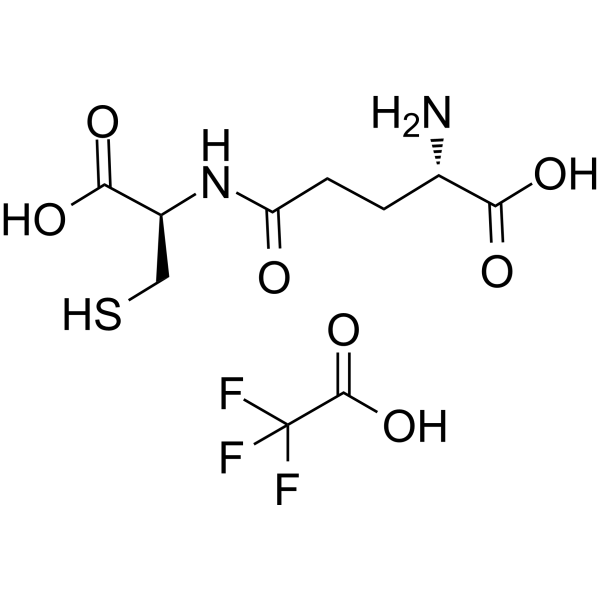
    Gamma-glutamylcysteine TFA
    4 Publications Verification

    γ-Glu-Cys TFA

    Interleukin Related TNF Receptor Endogenous Metabolite AMPK Sirtuin STAT PI3K NF-κB JAK p38 MAPK JNK Akt Apoptosis Ferroptosis Cardiovascular Disease Neurological Disease Inflammation/Immunology
    Gamma-glutamylcysteine TFA (γ-Glu-Cys TFA) is an orally active, blood-brain barrier permeable dipeptide . Gamma-glutamylcysteine TFA activates AMPK, SIRT1, IL-4/STAT6, AC/cAMP/PI3K, IGF-1R/IRS1/PI3K, and Nrf2 signaling pathways; it inhibits NF-κB, JAK1/STAT1/3, MAPKs, cadmium-induced p38 MAPK, JNK, and PI3K/Akt signaling pathways. Gamma-glutamylcysteine TFA regulates macrophage polarization, modulates the trafficking of CD36 and GLUT4, induces glutathione synthesis, improves metabolic dysfunction, reduces lipid deposition, ameliorates glucose homeostasis, inhibits apoptosis (Apoptosis), stabilizes mitochondria, suppresses lipid peroxidation, iron accumulation and ferroptosis (Ferroptosis), reduces ds-HMGB1 levels, reverses mechanical hyperalgesia, and alleviates hepatic lipid droplet formation. Gamma-glutamylcysteine TFA is applicable to research related to inflammatory bowel disease, type 2 diabetes, cadmium-induced neurotoxicity, Alzheimer's disease, cerebral ischemia/reperfusion injury, neuropathy, and alcoholic liver disease [1] .
    Gamma-glutamylcysteine TFA
  • HY-145935
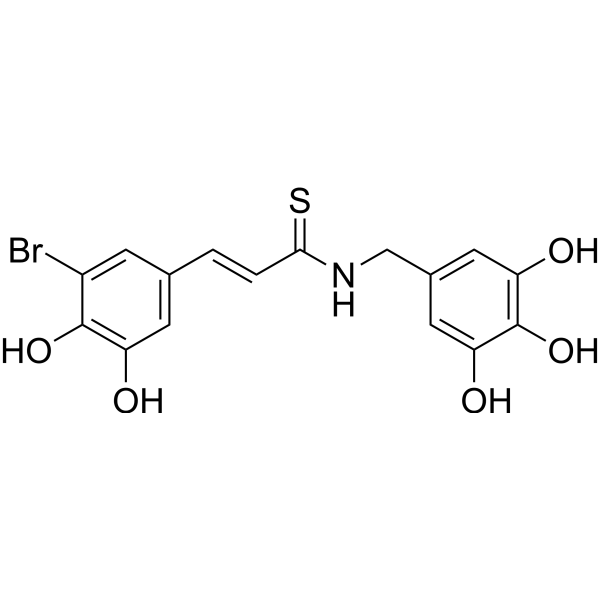
    NT219
    1 Publications Verification

    Insulin Receptor STAT Cancer
    NT219 is a potent and dual inhibitor of insulin receptor substrates 1/2 (IRS1/2) and STAT3. IRS1/2 and STAT3 are major signaling junctions regulated by various oncogenes. NT219 affects IRS1/2 degradation and inhibits STAT3 phosphorylation. NT219 has the potential for the research of cancer diseases [1].
    NT219
  • HY-N0479
    Licarin B
    1 Publications Verification

    (-)-Licarin B

    PPAR GLUT Metabolic Disease
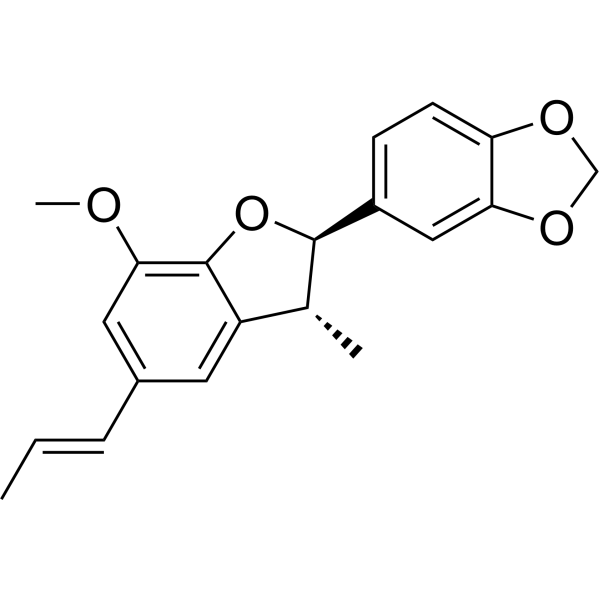
    Licarin B, a nitric oxide production inhibitor extracted from the component of the seeds of Myristica fragrans, improves insulin sensitivity via PPARγ and activation of GLUT4 in the IRS-1/PI3K/AKT pathway [1] .
    Licarin B
  • HY-100037
    NT157
    2 Publications Verification

    Tyrphostin NT157

    Insulin Receptor STAT Endocrinology Cancer
    NT157 (Tyrphostin NT157) is a selective IRS-1/2 inhibitor that induces Ser-phosphorylation and consequently the degradation of IRS-1/2. NT157 (Tyrphostin NT157) is a first-in-class anti-cancer agent that also targets Stat3 signaling pathway [1] .
    NT157
  • HY-B1885
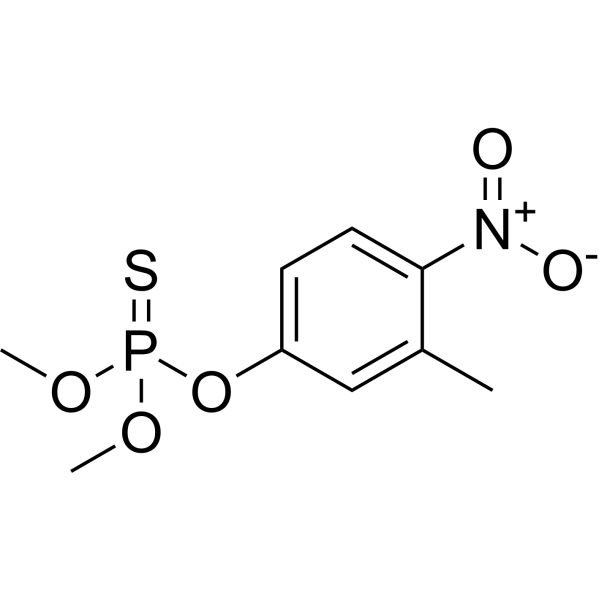
    Fenitrothion
    2 Publications Verification

    Environmental Pollutants Apoptosis Insecticide Cholinesterase (ChE) AMPK PI3K Parasite Akt SOD Infection
    Fenitrothion is a broad-spectrum and orally active insecticide/acaricide. Fenitrothion inhibits cholinesterase, AMPKα and IRS1/PI3K/AKT. Fenitrothion causes Apoptosis, reduces SOD activity. Fenitrothion shows insecticidal effect against Rhyzopertha dominica and Tribolium castaneum adults. Fenitrothion is widely used in cotton crops, vegetable crops, fruit crops and field crops, especially rice. Fenitrothion can be used for brain and spleen toxicology studies [1] .
    Fenitrothion
  • HY-12557

    γ-Glu-Val

    Endogenous Metabolite CaSR Wnt TNF Receptor Interleukin Related PPAR β-catenin Inflammation/Immunology
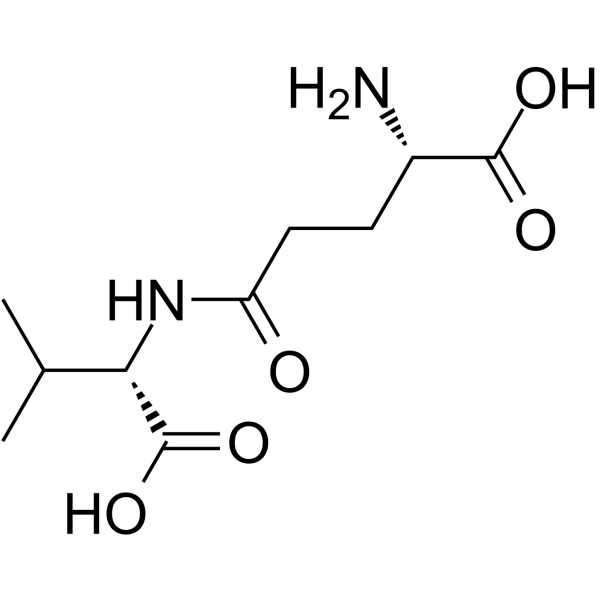
    γ‑Glutamylvaline (γ-Glu-Val) is a calcium‑sensing receptor (CaSR) agonist. γ‑Glutamylvaline activates CaSR and facilitates its binding to β‑arrestin 2 to modulate inflammatory and metabolic homeostasis signaling. γ‑Glutamylvaline inhibits TNF‑α‑induced IL‑6/MCP‑1 and enhances adiponectin/PPARγ in adipocytes. γ‑Glutamylvaline upregulates Wnt5a, restores β‑catenin phosphorylation, and reduces serine‑phosphorylated IRS‑1 in adipocytes. γ-Glutamylvaline can be used for the research of low-grade chronic inflammation [1].
    γ-Glutamylvaline
  • HY-161321

    Phosphatase Insulin Receptor Akt Metabolic Disease
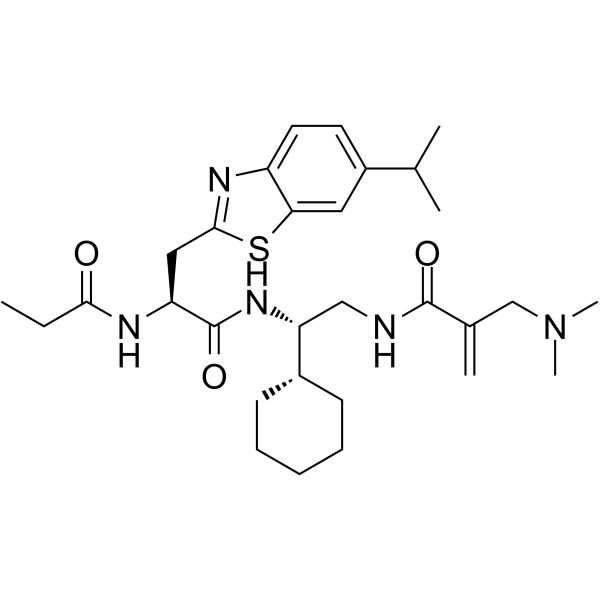
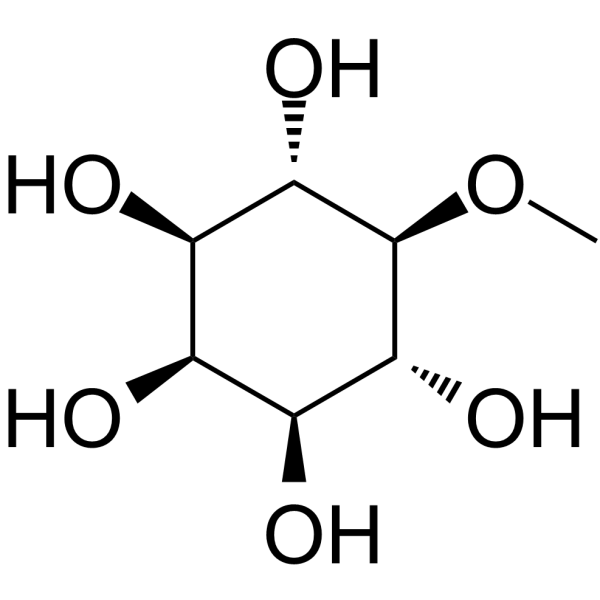
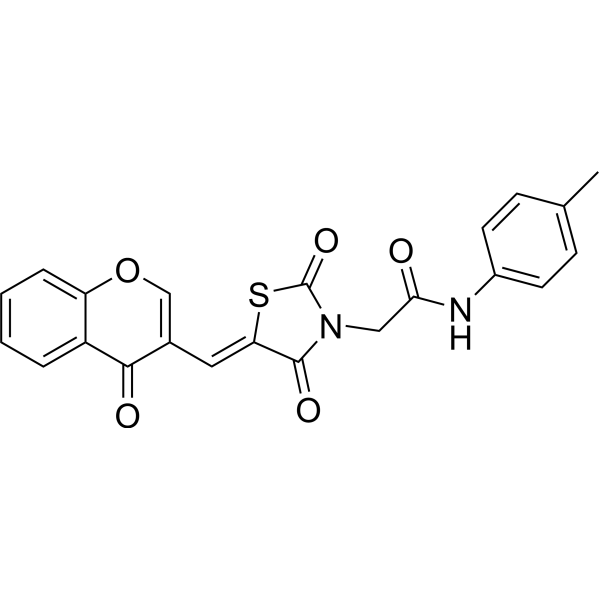
    PTP1B-IN-24 (Compound 9) is a reversible PTP1B inhibitor with an IC50 value of 1.4 μM, and PTP1B-IN-24 can enhance the thermal stability of PTP1B. PTP1B-IN-24 can restore PA- (HY-N0830) induced insulin resistance by increasing the phosphorylation levels of IRS1 and AKT [1].
    PTP1B-IN-24
  • HY-RS16895

    Small Interfering RNA (siRNA) Others

    Irs1 Mouse Pre-designed siRNA Set A contains three designed siRNAs for Irs1 gene (Mouse), as well as a negative control, a positive control, and a FAM-labeled negative control.

    Irs1 Mouse Pre-designed siRNA Set A
    Irs1 Mouse Pre-designed siRNA Set A
  • HY-N3542

    Glycosidase Cancer
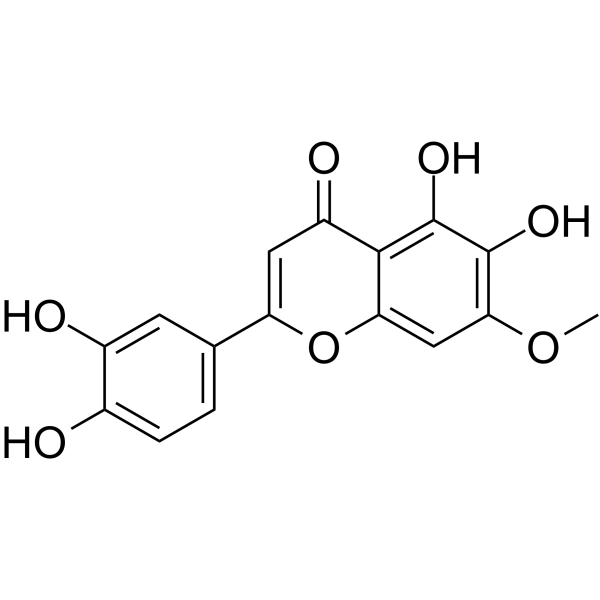
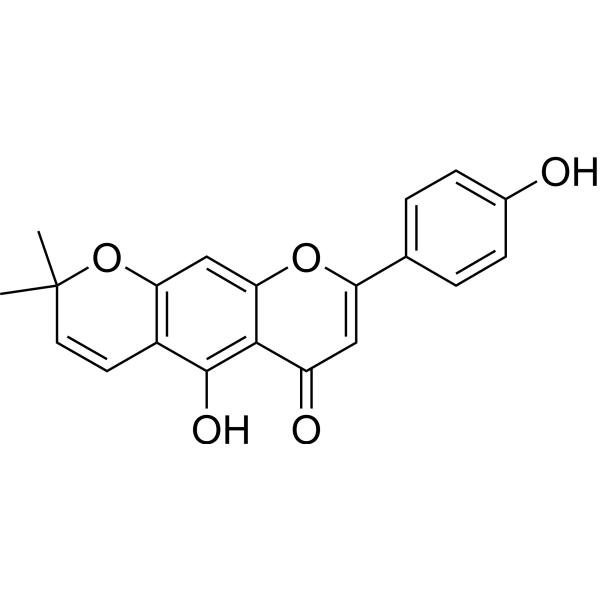
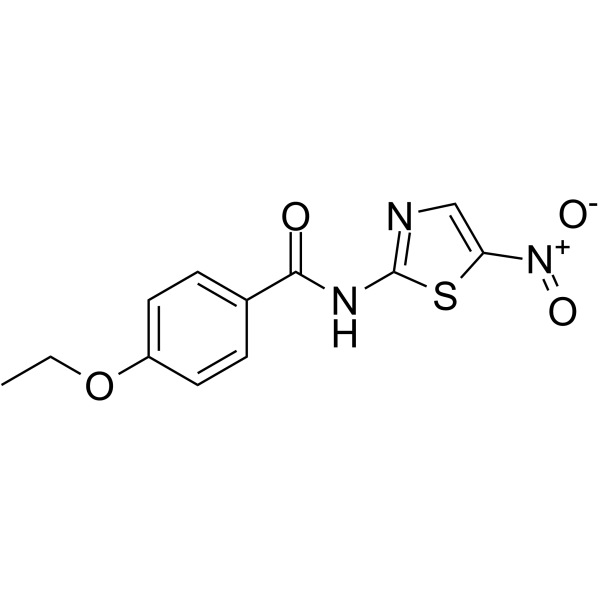
    Carpachromene is a potent α-glucosidase enzyme inhibitor. Carpachromene ameliorates insulin resistance in HepG2 cells via modulating IR/IRS1/PI3k/Akt/GSK3/FoxO1 pathway [1].
    Carpachromene
  • HY-115461

    Insulin Receptor Metabolic Disease
    MID-1 is a disruptor of MG53-IRS-1 (Mitsugumin 53-insulin receptor substrate-1) interaction. MID-1 disrupts molecular association of MG53 with IRS-1 and abolishes MG53-induced IRS-1 ubiquitination and degradation in skeletal muscle, leading to elevated IRS-1 expression level and increased insulin signaling and glucose uptake [1].
    MID-1
  • HY-RS06917

    Small Interfering RNA (siRNA) Others

    IRS1 Human Pre-designed siRNA Set A contains three designed siRNAs for IRS1 gene (Human), as well as a negative control, a positive control, and a FAM-labeled negative control.

    IRS1 Human Pre-designed siRNA Set A
    IRS1 Human Pre-designed siRNA Set A
  • HY-153479

    Insulin Receptor Inflammation/Immunology
    Aganirsen is a 25 mer DNA antisense oligonucleotide, which silences expression of insulin receptor substrate-1 (IRS-1).
    Aganirsen
  • HY-P5433F

    Insulin Receptor Others
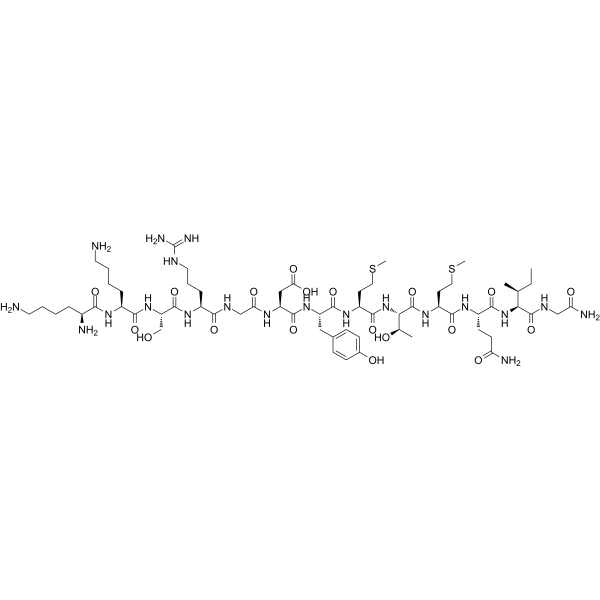
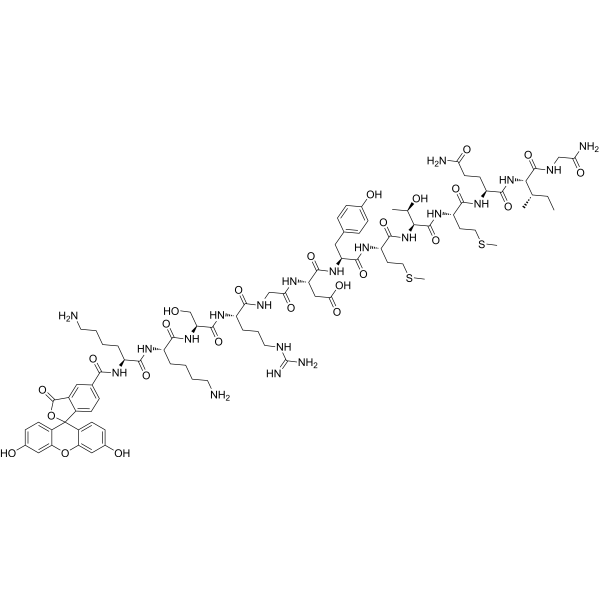
    IRS-1 Peptide, FAM labeled is a biological active peptide. (Insulin receptor substrate)
    IRS-1 Peptide, FAM labeled
  • HY-113402R

    γ-Glu-Cys (Standard)

    Reference Standards Endogenous Metabolite Interleukin Related TNF Receptor AMPK Sirtuin STAT PI3K NF-κB JAK p38 MAPK JNK Akt Apoptosis Ferroptosis Inflammation/Immunology
    Gamma-glutamylcysteine (Standard) is the analytical standard of Gamma-glutamylcysteine. This product is intended for research and analytical applications. Gamma-glutamylcysteine (γ-Glu-Cys) is an orally active, blood-brain barrier permeable dipeptide . Gamma-glutamylcysteine activates AMPK, SIRT1, IL-4/STAT6, AC/cAMP/PI3K, IGF-1R/IRS1/PI3K, and Nrf2 signaling pathways; it inhibits NF-κB, JAK1/STAT1/3, MAPKs, cadmium-induced p38 MAPK, JNK, and PI3K/Akt signaling pathways. Gamma-glutamylcysteine regulates macrophage polarization, modulates the trafficking of CD36 and GLUT4, induces glutathione synthesis, improves metabolic dysfunction, reduces lipid deposition, ameliorates glucose homeostasis, inhibits apoptosis (Apoptosis), stabilizes mitochondria, suppresses lipid peroxidation, iron accumulation and ferroptosis (Ferroptosis), reduces ds-HMGB1 levels, reverses mechanical hyperalgesia, and alleviates hepatic lipid droplet formation. Gamma-glutamylcysteine is applicable to research related to inflammatory bowel disease, type 2 diabetes, cadmium-induced neurotoxicity, Alzheimer's disease, cerebral ischemia/reperfusion injury, neuropathy, and alcoholic liver disease.
    Gamma-glutamylcysteine (Standard)
  • HY-15113A

    Prolyl Endopeptidase (PREP) Neurological Disease Cancer
    Y-29794 tosylate is a selective, orally active inhibitor for non-peptide prolyl endopeptidase (PREP), with an IC50 of 3 nM and a Ki of 0.95 nM. Y-29794 tosylate enhances the effect of thyrotropin-releasing hormone (TRH) on the release of ACh in the rat hippocampus, exhibits potential neuroprotective efficacy. Y-29794 tosylate exhibits anticancer activity through inhibition of the IRS1-AKT-mTORC1 pathway. Y-29794 tosylate penetrates the brain-blood barrier (BBB) [1] .
    Y-29794 tosylate
  • HY-RS23337

    Small Interfering RNA (siRNA) Others

    Irs1 Rat Pre-designed siRNA Set A contains three designed siRNAs for Irs1 gene (Rat), as well as a negative control, a positive control, and a FAM-labeled negative control.

    Irs1 Rat Pre-designed siRNA Set A
    Irs1 Rat Pre-designed siRNA Set A
  • HY-153479A

    Insulin Receptor Inflammation/Immunology
    Aganirsen sodium is a 25 mer DNA antisense oligonucleotide, which silences expression of insulin receptor substrate-1 (IRS-1).
    Aganirsen sodium
  • HY-N3628

    mTOR Ribosomal S6 Kinase (RSK) Metabolic Disease Inflammation/Immunology
    Coronarin A is an orally active natural compound that inhibits mTORC1 and S6K1 to increase IRS1 activity. Coronarin A shows anti-inflammatory activity and can also be used for type 2 diabetes mellitus research [1].
    Coronarin A
  • HY-113402AR

    γ-Glu-Cys TFA (Standard)

    Interleukin Related TNF Receptor Endogenous Metabolite Reference Standards AMPK Sirtuin STAT PI3K NF-κB JAK p38 MAPK JNK Akt Apoptosis Ferroptosis Cardiovascular Disease Neurological Disease Inflammation/Immunology
    Gamma-glutamylcysteine (TFA) (Standard) is the analytical standard of Gamma-glutamylcysteine (TFA). This product is intended for research and analytical applications. Gamma-glutamylcysteine TFA (γ-Glu-Cys TFA) is an orally active, blood-brain barrier permeable dipeptide . Gamma-glutamylcysteine TFA activates AMPK, SIRT1, IL-4/STAT6, AC/cAMP/PI3K, IGF-1R/IRS1/PI3K, and Nrf2 signaling pathways; it inhibits NF-κB, JAK1/STAT1/3, MAPKs, cadmium-induced p38 MAPK, JNK, and PI3K/Akt signaling pathways. Gamma-glutamylcysteine TFA regulates macrophage polarization, modulates the trafficking of CD36 and GLUT4, induces glutathione synthesis, improves metabolic dysfunction, reduces lipid deposition, ameliorates glucose homeostasis, inhibits apoptosis (Apoptosis), stabilizes mitochondria, suppresses lipid peroxidation, iron accumulation and ferroptosis (Ferroptosis), reduces ds-HMGB1 levels, reverses mechanical hyperalgesia, and alleviates hepatic lipid droplet formation. Gamma-glutamylcysteine TFA is applicable to research related to inflammatory bowel disease, type 2 diabetes, cadmium-induced neurotoxicity, Alzheimer's disease, cerebral ischemia/reperfusion injury, neuropathy, and alcoholic liver disease.
    Gamma-glutamylcysteine TFA (Standard)
  • HY-107758

    Prolyl Endopeptidase (PREP) Cancer
    Y-29794 oxalate is a selective, orally active and blood-brain barrier permeable non-peptide prolyl endopeptidase inhibitor. Y-29794 oxalate blocks the IRS1-AKT-mTORC1 pathway and inhibits tumor growth. Y-29794 oxalate is also effective in inhibiting the progression of Aβ-like deposition in the hippocampus of aging-accelerated mice (SAM) [1] .
    Y-29794 oxalate
  • HY-15113

    Prolyl Endopeptidase (PREP) Neurological Disease Cancer
    Y-29794 is a selective, orally active inhibitor for non-peptide prolyl endopeptidase (PREP), with an IC50 of 3 nM and a Ki of 0.95 nM. Y-29794 enhances the effect of thyrotropin-releasing hormone (TRH) on the release of ACh in the rat hippocampus, exhibits potential neuroprotective efficacy. Y-29794 exhibits anticancer activity through inhibition of the IRS1-AKT-mTORC1 pathway. Y-29794 penetrates the brain-blood barrier (BBB) [1] .
    Y-29794
  • HY-N3055

    Apoptosis AMPK Platelet-activating Factor Receptor (PAFR) Caspase Neurological Disease Metabolic Disease Cancer
    Pinusolide is an AMPK activator and PAF receptor antagonist. Pinusolide activates AMPK, phosphorylates ACC, enhances IRS-1 tyrosine phosphorylation, boosts glucose uptake, and modulates insulin signaling. Pinusolide inhibits caspase-3/7 activation, intracellular calcium elevation, reactive oxygen species overproduction, lipid peroxidation, and tumor cell proliferation. Pinusolide stabilizes superoxide dismutase activity, reduces apoptotic hallmarks, induces mitochondrial pathway apoptosis, and triggers DNA fragmentation. Pinusolide can be used for the research of type 2 diabetes, neurodegenerative diseases, acute lymphoblastic leukemia, acute myeloid leukemia, and Burkitt lymphoma [1] .
    Pinusolide
  • HY-B1885S

    Isotope-Labeled Compounds Insecticide Cholinesterase (ChE) AMPK PI3K Akt Apoptosis SOD Infection
    Fenitrothion-d6 is the deuterium labeled Fenitrothion (HY-B1885). Fenitrothion is a broad-spectrum and orally active insecticide/acaricide. Fenitrothion inhibits cholinesterase, AMPKα and IRS1/PI3K/AKT. Fenitrothion causes Apoptosis, reduces SOD activity. Fenitrothion shows insecticidal effect against Rhyzopertha dominica and Tribolium castaneum adults. Fenitrothion is widely used in cotton crops, vegetable crops, fruit crops and field crops, especially rice. Fenitrothion can be used for brain and spleen toxicology studies [1] .
    Fenitrothion-d6
  • HY-B1885R

    Reference Standards Insecticide Parasite Cholinesterase (ChE) AMPK PI3K Akt Apoptosis SOD Infection
    Fenitrothion (Standard) is the analytical standard of Fenitrothion (HY-B1885). This product is intended for research and analytical applications. Fenitrothion is a broad-spectrum and orally active insecticide/acaricide. Fenitrothion inhibits cholinesterase, AMPKα and IRS1/PI3K/AKT. Fenitrothion causes Apoptosis, reduces SOD activity. Fenitrothion shows insecticidal effect against Rhyzopertha dominica and Tribolium castaneum adults. Fenitrothion is widely used in cotton crops, vegetable crops, fruit crops and field crops, especially rice. Fenitrothion can be used for brain and spleen toxicology studies [1] .
    Fenitrothion (Standard)
  • HY-162499

    Phosphatase Metabolic Disease
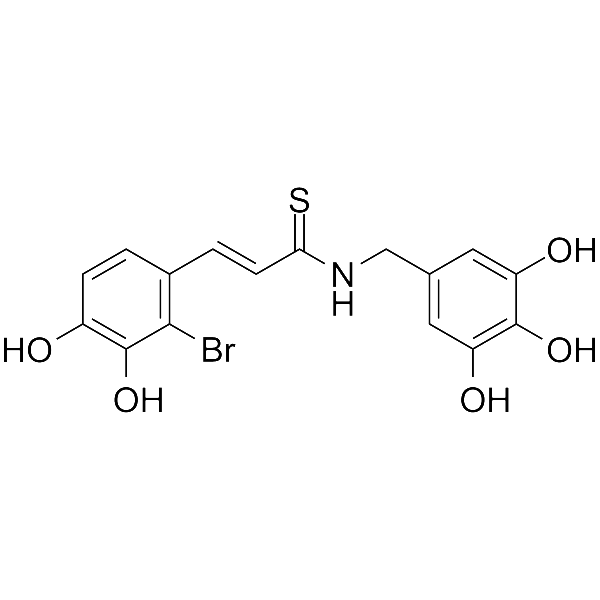
    MY17 is an inhibitor of protein tyrosine phosphatase 1B (PTP1B) (IC50=0.41±0.05 μM). MY17 alleviates palmitic acid (PA) -induced insulin resistance by up-regulating the expression of phosphorylated insulin receptor substrate (IRS1) and protein kinase B (AKT). By binding with PTP1B, MY17 can inhibit the activity of PTP1B, thereby improving insulin signaling and having anti-diabetic activity. MY17 can be used in the study of type 2 diabetes [1].
    MY17
  • HY-113402B

    γ-Glu-Cys ammonium

    Interleukin Related TNF Receptor Endogenous Metabolite AMPK Sirtuin STAT PI3K NF-κB JAK p38 MAPK JNK Akt Apoptosis Ferroptosis Cardiovascular Disease Neurological Disease Inflammation/Immunology
    Gamma-glutamylcysteine ammonium (γ-Glu-Cys ammonium) is an orally active, blood-brain barrier permeable dipeptide . Gamma-glutamylcysteine ammonium activates AMPK, SIRT1, IL-4/STAT6, AC/cAMP/PI3K, IGF-1R/IRS1/PI3K, and Nrf2 signaling pathways; it inhibits NF-κB, JAK1/STAT1/3, MAPKs, cadmium-induced p38 MAPK, JNK, and PI3K/Akt signaling pathways. Gamma-glutamylcysteine ammonium regulates macrophage polarization, modulates the trafficking of CD36 and GLUT4, induces glutathione synthesis, improves metabolic dysfunction, reduces lipid deposition, ameliorates glucose homeostasis, inhibits apoptosis (Apoptosis), stabilizes mitochondria, suppresses lipid peroxidation, iron accumulation and ferroptosis (Ferroptosis), reduces ds-HMGB1 levels, reverses mechanical hyperalgesia, and alleviates hepatic lipid droplet formation. Gamma-glutamylcysteine ammonium is applicable to research related to inflammatory bowel disease, type 2 diabetes, cadmium-induced neurotoxicity, Alzheimer's disease, cerebral ischemia/reperfusion injury, neuropathy, and alcoholic liver disease [1] .
    Gamma-glutamylcysteine ammonium
  • HY-182558

    Drug Derivative AMPK IKK NF-κB Metabolic Disease
    Nandinine is an orally active derivative of Berberine (HY-N0716). Nandinine enhances AMPK activity, inhibits the activation of IKKβ/NF-κB, and regulates the phosphorylation of IRS-1. Nandinine reverses the abnormal production of adipokines, promotes insulin-mediated glucose uptake, and alleviates insulin resistance. Nandinine improves glucose tolerance and increases the insulin sensitivity index in mice. Nandinine can be used in studies related to insulin resistance [1].
    Nandinine
  • HY-N0479S

    Isotope-Labeled Compounds PPAR GLUT Metabolic Disease
    Licarin B-d4 is the deuterium labeled Licarin B (HY-N0479). Licarin B, a nitric oxide production inhibitor extracted from the component of the seeds of Myristica fragrans, improves insulin sensitivity via PPARγ and activation of GLUT4 in the IRS-1/PI3K/AKT pathway [1] .
    Licarin B-d4
  • HY-100037R

    Tyrphostin NT157 (Standard)

    Insulin Receptor Reference Standards STAT Endocrinology Cancer
    NT157 (Standard) is the analytical standard of NT157 (HY-100037). This product is intended for research and analytical applications. NT157 (Tyrphostin NT157) is a selective IRS-1/2 inhibitor that induces Ser-phosphorylation and consequently the degradation of IRS-1/2. NT157 (Tyrphostin NT157) is a first-in-class anti-cancer agent that also targets Stat3 signaling pathway [1] .
    NT157 (Standard)

Inquiry Online

Your information is safe with us. * Required Fields.

Salutation


Country or Region *

Applicant Name *


Organization Name *

Department *


Email Address *


Product Name *

Cat. No.


Requested quantity *

Phone Number *


Remarks

Inquiry Online

Inquiry Information

Product Name:
Cat. No.:
Quantity:
MCE Japan Authorized Agent:

