

1. Search Result
Search Result
Results for "

Insect

" in MedChemExpress (MCE) Product Catalog:

402

Inhibitors & Agonists

1

Screening Libraries

1

Fluorescent Dye

6

Biochemical Assay Reagents

32

Peptides

6

MCE Kits

146

Natural
Products

37

Isotope-Labeled Compounds

Cat. No. Product Name Target Research Areas Chemical Structure
  • HY-Y1110I

    Magnogene, for Insect cell culture, 97%

    Environmental Pollutants Biochemical Assay Reagents Infection
    Magnesium chloride, for insect cell culture, 97% is an orally active inorganic mineral salt. Magnesium chloride combined with Potassium chloride (HY-Y0537E) increases the fat body glycogen, protein, total lipids and haemolymph protein and trehalose in the silkworm, Bombyx mori L .
    Magnesium chloride, for insect cell culture, 97%
  • HY-B1161
    Methoprene
    Maximum Cited Publications
    15 Publications Verification

    ZR-515

    Environmental Pollutants Insecticide Others
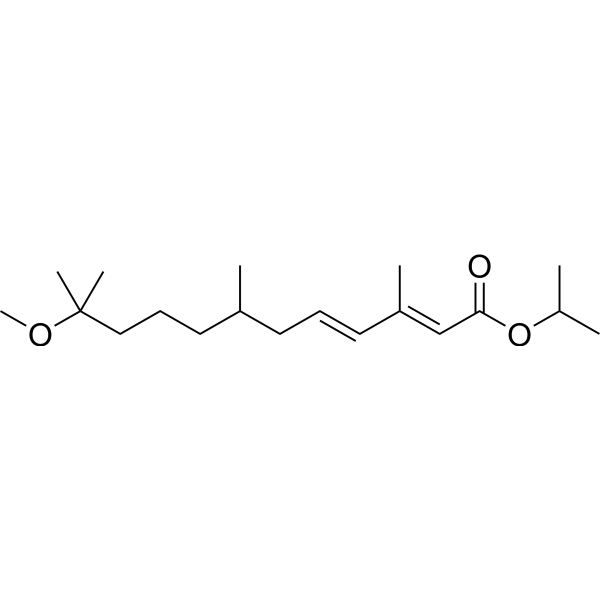
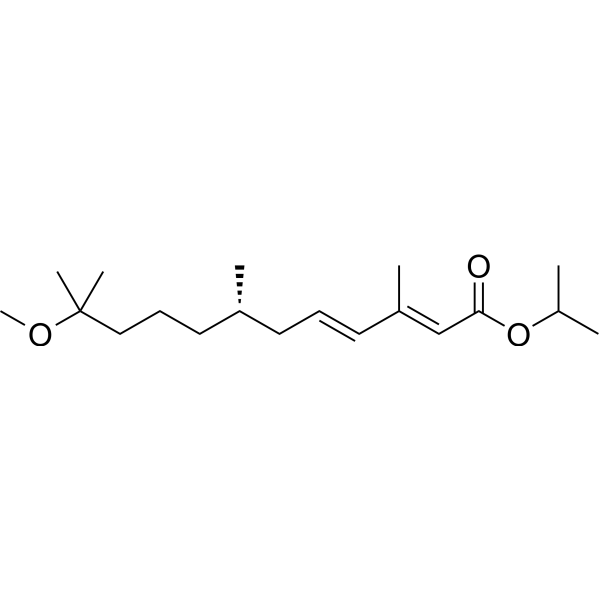
    Methoprene, an insect juvenile growth hormone mimic, is a growth-regulating insecticide that manifests its toxicity to target organisms by acting as a juvenile hormone agonist .
    Methoprene
  • HY-16974
    Afoxolaner
    1 Publications Verification

    GABA Receptor Chloride Channel Parasite Infection
    Afoxolaner is an orally active isoxazoline insecticide/acaricide against Ixodes scapularis in dogs. Afoxolaner acts on the insect γ-aminobutyric acid receptor (GABA) and glutamate receptors, inhibiting GABA & glutamate-regulated uptake of chloride ions, resulting in excess neuronal stimulation and death of the arthropod .
    Afoxolaner
  • HY-W010607

    (Z)-3-Hexen-1-ol

    Environmental Pollutants Neurological Disease
    cis-3-Hexen-1-ol ((Z)-3-Hexen-1-ol) is a green grassy smelling compound found in many fresh fruits and vegetables with bitter taste enhancement. cis-3-Hexen-1-ol is widely used as an added flavor in processed food to provide a fresh green quality. cis-3-Hexen-1-ol is an attractant to various insects .
    cis-3-Hexen-1-ol
  • HY-Y1110H

    Magnogene, suitable for Insect cell culture

    Environmental Pollutants Biochemical Assay Reagents Others
    Magnesium chloride anhydrous, suitable for insect cell culture is an inorganic salt and cell culture medium component that can be used to prepare Tris buffer. Magnesium chloride anhydrous, suitable for insect cell culture is a component of Hunter's Thrips medium, which supports the in vitro culture of western flower thrip embryonic cells, and promotes the adhesion of tissue fragments/cells as well as the growth of fibroblast-like and epithelial-like cells .
    Magnesium chloride anhydrous, suitable for insect cell culture
  • HY-W017423

    Environmental Pollutants Cholinesterase (ChE) Neurological Disease
    (-)-Carvone is an insect neurotoxin and a irreversible acetylcholinesterase (AChE) inhibitor. (-)-Carvone can be used as a bird repellent, inhibits larval growth, decreases pupatation rate, and increases mortality of larvae .
    (-)-Carvone
  • HY-B0820

    nAChR Parasite Neurological Disease
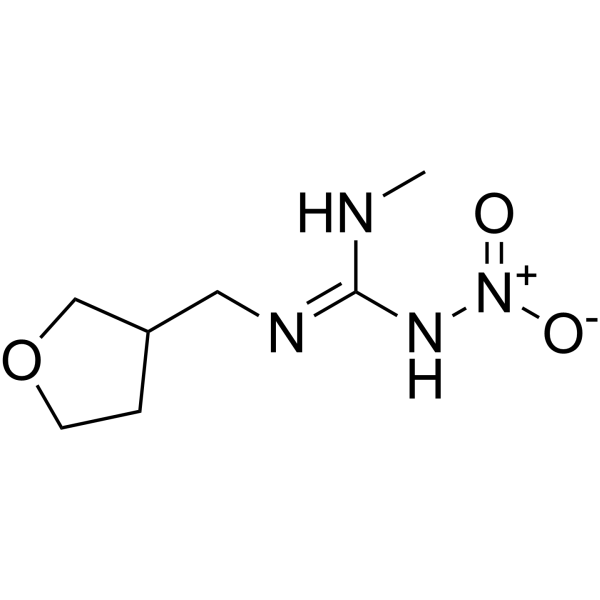
    Nitenpyram is a calss of neonicotinoid and an insect nicotinic acetylcholine receptor (nAChR) agonist with an IC50 of 14 nM. Nitenpyram is an oral fast-acting insecticide used to suppress sucking insects on companion animals .
    Nitenpyram
  • HY-W099479

    Ethyl butylacetylaminopropionate; IR-3535

    Environmental Pollutants Apoptosis Reactive Oxygen Species (ROS) Parasite SOD Infection Inflammation/Immunology
    Insect repellent M 3535 (Ethyl butylacetylaminopropionate) is a broad-spectrum, mild insect repellent based on the structure of β-alanine. Insect repellent M 3535 exerts repellent effects by interfering with the olfaction of mosquitoes, but it poses risks of developmental and cardiac toxicity to aquatic organisms such as zebrafish embryos in aquatic environments, and can activate oxidative stress responses .
    Insect repellent M 3535
  • HY-B0841
    Acephate
    2 Publications Verification

    Environmental Pollutants Cholinesterase (ChE) Neurological Disease
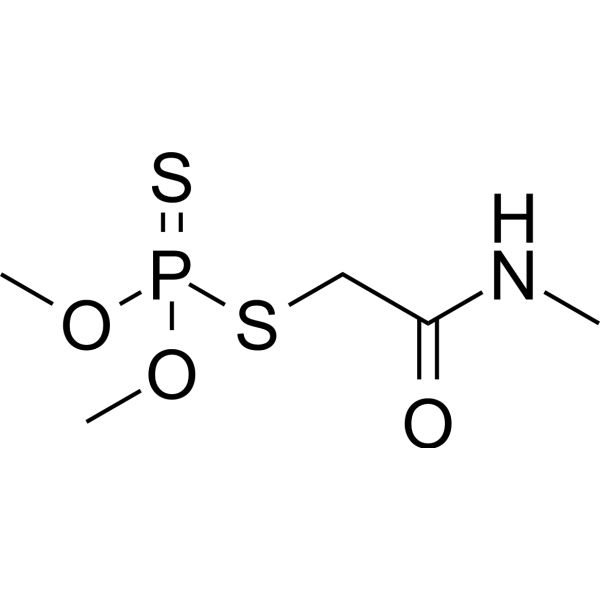
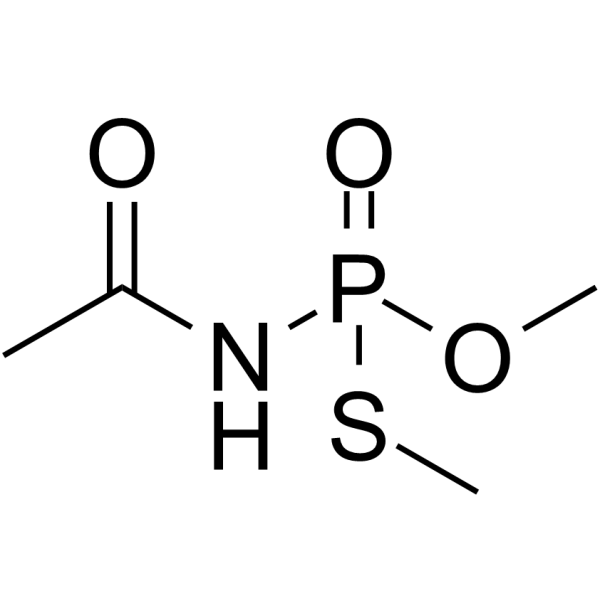
    Acephate is a broad-spectrum anticholinesterase insecticide. Acephate acts via inhibiting AChE activity of insects. Acephate is used for control of several species of insects in agriculture and in horticulture .
    Acephate
  • HY-N7145

    Isobombycol

    Sex Pheromone Endocrinology
    Bombykol is an insect sex pheromone and a sex attractant produced by female Bombyx mandarina .
    Bombykol
  • HY-B2031
    Pyriproxyfen
    1 Publications Verification

    S-31183

    Environmental Pollutants Autophagy Parasite Infection
    Pyriproxyfen is a juvenile hormone analog and insect growth regulator. Pyriproxyfen is used in research related to dengue fever and malaria .
    Pyriproxyfen
  • HY-B1331

    Cyromazin; CGA-72662

    Environmental Pollutants Endogenous Metabolite Parasite Neurological Disease Metabolic Disease
    Cyromazine (CGA-72662) is a triazine insect growth regulator used as an insecticide and an acaricide. It is a cyclopropyl derivative of melamine. Cyromazine works by affecting the nervous system of the immature larval stages of certain insects. Cyromazine reduced the number of germ cells by interfering with the Ecdysone (HY-N0179) signaling pathway. Cyromazine induces renal toxicity attenuated and restored by green tea extract in rats .
    Cyromazine
  • HY-B0840

    Environmental Pollutants Parasite Oxidative Phosphorylation Metabolic Disease
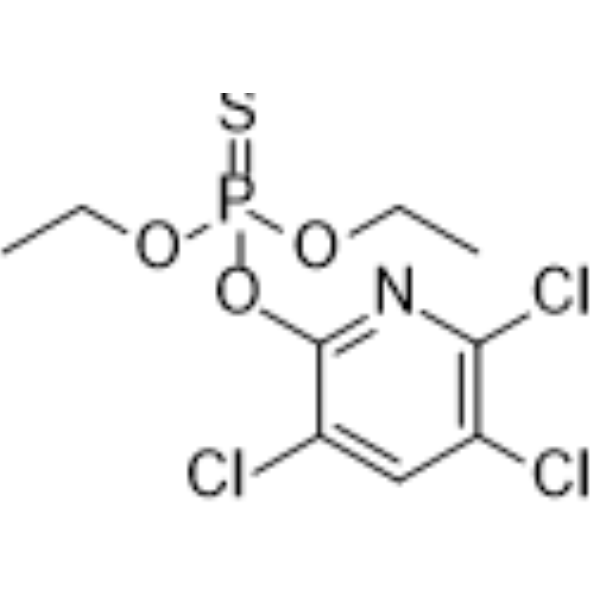
    Chlorfenapyr is a pyrrole insecticide. Chlorfenapyr has a mode of action: the mixed function oxidase oxidizes and removes the Nethoxymethyl group to form the active metabolite, CL 303268. Chlorfenapyr is used for termite control and crop protection against a variety of insect and mite pests .
    Chlorfenapyr
  • HY-B1973

    Environmental Pollutants Insecticide Others
    Diflubenzuron is an insecticide with larvicidal and ovicidal activities. Diflubenzuron can inhibit the synthesis of chitin in insects, affect insect molting and lead to the death of insects .
    Diflubenzuron
  • HY-B1072A

    (-)-trans-Phenothrin

    Parasite Infection
    D-Phenothrin ((-)-trans-Phenothrin), an orally active Type II synthetic pyrethroid, is widely used to kill insects, mosquitoes, and human lice. D-Phenothrin is also used in veterinary medicine to control insect pests on animals and protect agricultural crops .
    D-Phenothrin
  • HY-125982

    Insecticide Others
    VUAA1 is an insect odorant co-receptor (Orco) agonist. VUAA1 activates both heteromeric and homomeric Orco-containing channels. VUAA1 can disrupt the destructive behaviors of nuisance insects. VUAA1 can be used for insect olfactory research .
    VUAA1
  • HY-N2548

    Others Cardiovascular Disease
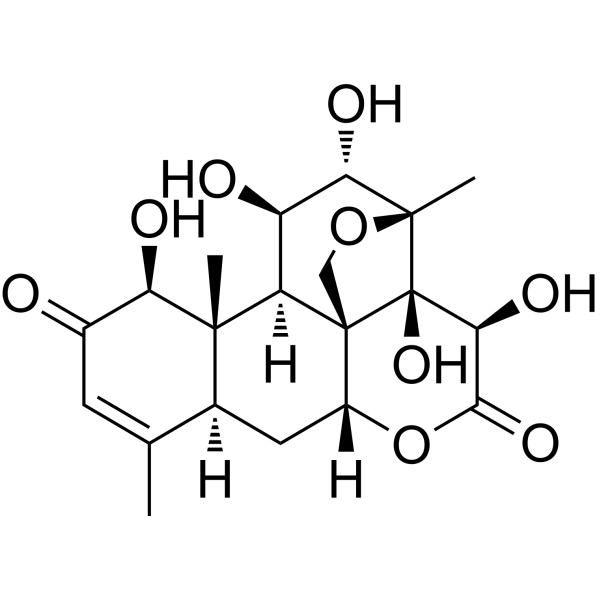
    Turkesterone is a potent ecdysteroid. Turkesterone acts as an ecdysteroid receptor (EcR) agonist in some insect systems .
    Turkesterone
  • HY-133204

    IKI-7899

    Environmental Pollutants Insecticide Others
    Chlorfluazuron (IKI-7899) is a benzoylurea insecticide. Chlorfluazuron inhibts insect chitin and disrupts normal exuviation by inducing malformations, thereby preventing and controlling lepidopteran pests .
    Chlorfluazuron
  • HY-114117

    GF-3242

    Environmental Pollutants Insecticide Infection
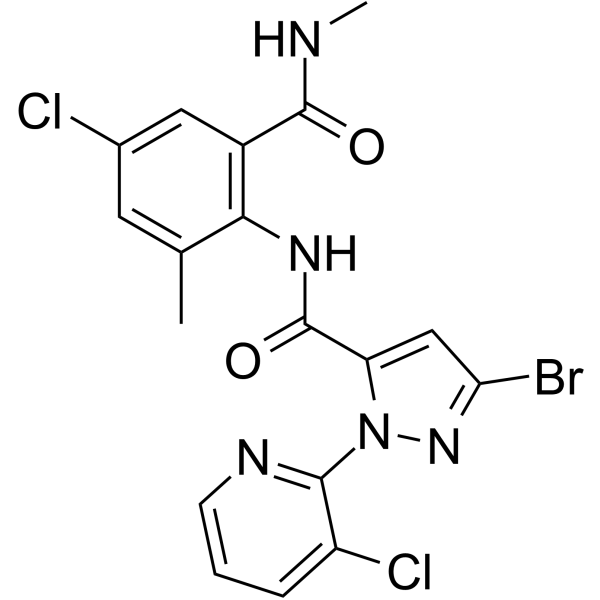
    Tyclopyrazoflor (GF-3242) is a pyridylpyrazole Insecticide. Tyclopyrazoflor exhibits excellent insecticidal efficacy against sap-sucking insects. Tyclopyrazoflor effectively controls insect pests caused by Myzus persicae and Bemisia tabaci larvae .\n

    Tyclopyrazoflor
  • HY-136394
    Diafenthiuron
    2 Publications Verification

    Environmental Pollutants Mitochondrial Metabolism Oxidative Phosphorylation Parasite Others
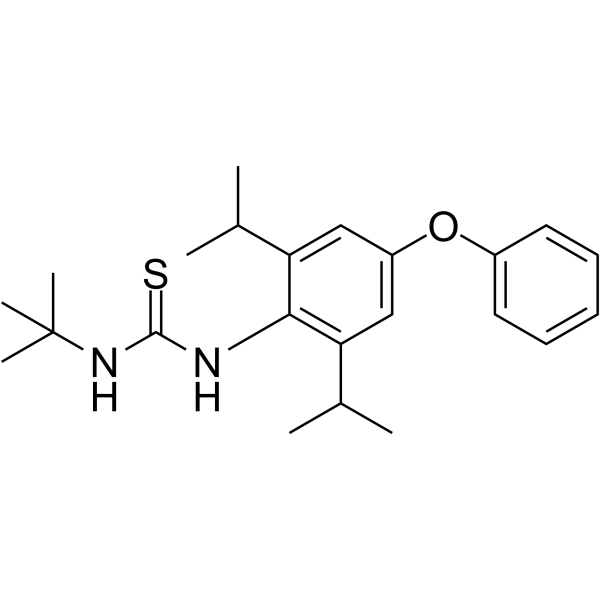
    Diafenthiuron is a thiourea compound commonly used a broad-spectrum insecticide and acaricide. Diafenthiuron disturbs the insect respiratory system by inhibiting the oxidative phosphorylation and mitochondrial ATP synthesis .
    Diafenthiuron
  • HY-113890

    RH-0345

    Environmental Pollutants Others
    Halofenozide (RH-0345) is an ecdysteroid agonist. RH-0345 belongs to a new group of insect growth regulators (IGRs) with a benzoylhydrazine structure that mimic the action of the natural insect molting hormone 20-hydroxyecdysone .
    Halofenozide
  • HY-14620A

    Fungal CDK Others
    Farnesene (mixture of isomers) is a farnesene with mixture of isomers. Farnesene is a herbivore-induced plant volatile (HIPV). Farnesene has an important effect on insect resistance in many plant species .
    Farnesene (mixture of isomers)
  • HY-110381

    Acyltransferase Metabolic Disease
    JNJ-DGAT2-A is a selective diacylglycerol acyltransferase 2 (DGAT2) inhibitor with an IC50 value of 0.14 μM in human DGAT2-expressing Sf9 insect cell membranes. JNJ-DGAT2-A can be used for the research of triglyceride (TG) synthesis .
    JNJ-DGAT2-A
  • HY-N7677

    VZV HSV Infection Inflammation/Immunology Cancer
    Isookanin can be used for the research of various illnesses including cancers, skin rashes, snake and insects bites, diabetes mellitus, diarrhoea. Isookanin acts as an anti-viral agent against HSV and varicella-zoster virus (VZV). Antioxidant activity .
    Isookanin
  • HY-B1848

    Environmental Pollutants Insecticide Others
    Hexaflumuron is an insect growth regulator (IGR) that inhibits chitin synthesis during insect molting .
    Hexaflumuron
  • HY-W007828

    Others Neurological Disease
    Methyl 3-phenylpropanoate is a phenylpropionate compound. Methyl 3-phenylpropanoate derivatives interfere with insect feeding behavior. Methyl 3-phenylpropanoate can be used to study insect feeding behavior .
    Methyl 3-phenylpropanoate
  • HY-136612

    Drug Metabolite Others
    DCBA is a metabolite of insect repellent N-N-diethyl-meta-toluamide (DEET). The concentration of DCBA in urine can assess exposure to DEET .
    DCBA
  • HY-118967

    VU0183254

    HCN Channel Others
    VUANT1 (VU0183254) is an allosteric antagonist of insect odorant receptor ion channels, which has the activity of inhibiting insect odorant receptor signaling. VUANT1 can inhibit the activation of insect odorant receptors through allosteric regulation, which is important for the study of the molecular mechanism of insect olfactory signaling. Although it may be of limited use in insect control programs, it can be used as a pharmacological tool to study related mechanisms.
    VUANT1
  • HY-P5142

    ω-ACTX-Hv1; ω-Atracotoxin-HV1

    Insecticide Calcium Channel Apoptosis Necroptosis Cardiovascular Disease Neurological Disease Inflammation/Immunology
    ω-Hexatoxin-Hv1a (ω-ACTX-Hv1; ω-Atracotoxin-HV1) is an orally active insecticidal neurotoxin containing an inhibitor cystine knot motif and a selective calcium channel inhibitor. ω-Hexatoxin-Hv1a blocks L-type voltage-dependent Ca 2+ channels and reduces intracellular calcium ion concentration, thereby decreasing apoptosis, necroptosis and oxidative stress, and promoting cell recovery and energy level elevation. ω-Hexatoxin-Hv1a causes larval paralysis and death by impairing neurotransmission in the central nervous system of insects. It shows high injectable toxicity against insects of multiple orders, but exhibits weak oral toxicity. ω-Hexatoxin-Hv1a is widely applicable to studies related to ischemia-reperfusion injury, atopic dermatitis, and ischemic injury of cardiomyocytes and neurons .
    ω-Hexatoxin-Hv1a
  • HY-W099479R

    Ethyl butylacetylaminopropionate (Standard); IR-3535 (Standard)

    Reference Standards Reactive Oxygen Species (ROS) Apoptosis Infection Inflammation/Immunology
    Insect repellent M 3535 (Ethyl butylacetylaminopropionate) Standard is the analytical standard of Insect repellent M 3535 (HY-W099479). This product is intended for research and analytical applications. Insect repellent M 3535 (Ethyl butylacetylaminopropionate) is a broad-spectrum, mild insect repellent based on the structure of β-alanine. Insect repellent M 3535 exerts repellent effects by interfering with the olfaction of mosquitoes, but it poses risks of developmental and cardiac toxicity to aquatic organisms such as zebrafish embryos in aquatic environments, and can activate oxidative stress responses.
    Insect repellent M 3535 (Standard)
  • HY-133620

    Insecticide Infection
    7-Oxodehydroabietic acid is a diterpene resin acid isolated from the roots of the pine Pinus densiflora. 7-Oxodehydroabietic acid play a defensive role against herbivorous insects via insect endocrine-disrupting activity .
    7-Oxodehydroabietic acid
  • HY-N7267

    Others Endocrinology
    31-Norlanostenol is a triterpenic compound isolated from the latex of Euphorbia officinarum. 31-Norlanostenol can act as efficient insect growth regulator on S. frugiperda and Tenebrio molitor .
    31-Norlanostenol
  • HY-W338247

    Insecticide Others
    Imidaclothiz is a kind of neonicotinoid insecticides. Imidaclothiz has excellent insecticidal effect. Imidaclothiz can be used for the research of sucking and biting insects .
    Imidaclothiz
  • HY-112006

    (+)-alpha-Curcumene

    Drug Derivative Others
    (S)-ar-Curcumene ((+)-alpha-Curcumene), found in oil from Zingiber officinalis, is a natural product. (S)-ar-Curcumene has weak repellent activity against B. tabaci. (S)-ar-Curcumene can be used for research of insect repellent .
    (S)-ar-Curcumene
  • HY-B0840R

    Oxidative Phosphorylation Parasite Reference Standards Metabolic Disease
    Chlorfenapyr (Standard) is the analytical standard of Chlorfenapyr. This product is intended for research and analytical applications. Chlorfenapyr is a pyrrole insecticide. Chlorfenapyr has a mode of action: the mixed function oxidase oxidizes and removes the Nethoxymethyl group to form the active metabolite, CL 303268. Chlorfenapyr is used for termite control and crop protection against a variety of insect and mite pests .
    Chlorfenapyr (Standard)
  • HY-P3035

    G Protein-coupled Receptor Kinase (GRK) Neurological Disease
    Corazonin is a highly conserved neuropeptide hormone of wide-spread occurrence in insects, serves a central regulator of caste identity and behavior in social insects. Corazonin is also preferentially expressed in workers and/or foragers from other social insect species .
    Corazonin
  • HY-145297

    nAChR Insecticide Neurological Disease
    Flupyrimin is the antagonist for insect nicotinic acetylcholine receptor (nAChR) that exhibits insecticidal effect by targeting insect nervous system .
    Flupyrimin
  • HY-129243

    Insecticide Others
    Uredepa is an insect chemosterilant. Uredepa can be used for the research of various biochemical studies .
    Uredepa
  • HY-16974R

    Reference Standards GABA Receptor Chloride Channel Parasite Infection
    Afoxolaner (Standard) is the analytical standard of Afoxolaner. This product is intended for research and analytical applications. Afoxolaner is an orally active isoxazoline insecticide/acaricide against Ixodes scapularis in dogs. Afoxolaner acts on the insect γ-aminobutyric acid receptor (GABA) and glutamate receptors, inhibiting GABA & glutamate-regulated uptake of chloride ions, resulting in excess neuronal stimulation and death of the arthropod .
    Afoxolaner (Standard)
  • HY-W010607R

    (Z)-3-Hexen-1-ol (Standard)

    Reference Standards Others Neurological Disease
    cis-3-Hexen-1-ol (Standard) is the analytical standard of cis-3-Hexen-1-ol. This product is intended for research and analytical applications. cis-3-Hexen-1-ol ((Z)-3-Hexen-1-ol) is a green grassy smelling compound found in many fresh fruits and vegetables. cis-3-Hexen-1-ol is widely used as an added flavor in processed food to provide a fresh green quality. cis-3-Hexen-1-ol is an attractant to various insects .
    cis-3-Hexen-1-ol (Standard)
  • HY-B0841R

    Reference Standards Cholinesterase (ChE) Neurological Disease
    Acephate (Standard) is the analytical standard of Acephate. This product is intended for research and analytical applications. Acephate is a broad-spectrum anticholinesterase insecticide. Acephate acts via inhibiting AChE activity of insects. Acephate is used for control of several species of insects in agriculture and in horticulture .
    Acephate (Standard)
  • HY-N1133

    Parasite Infection
    trans-Methylisoeugenol is an insect chemosterilant isolated from Acorus calamus L .
    trans-Methylisoeugenol
  • HY-119335

    S-2703

    Sodium Channel Others
    Cyphenothrin (S-2703) is a pyrethroid pesticide. Cyphenothrin acts on the neuromuscular system of insects, intervening in the gating mechanism of sodium channels .
    Cyphenothrin
  • HY-177745

    5β-Cholan-24-dimethylamine

    Insecticide Infection
    25-Azacoprostane (5β-Cholan-24-dimethylamine) is an azasteroid. 25-Azacoprostane has significant inhibitory activity against the molting and metamorphosis processes of various insects. 25-Azacoprostane can be used as insecticide .
    25-Azacoprostane
  • HY-N16475

    nAChR Infection
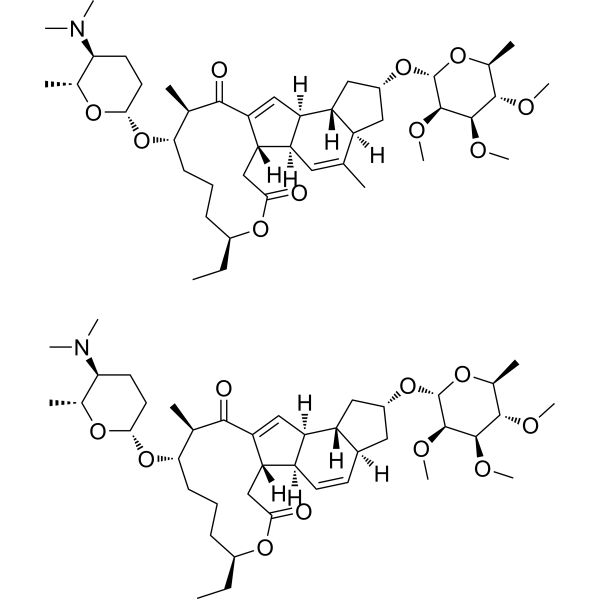
    Spinosyn L is a selective nicotinic acetylcholine receptors (nAChR) agonist. Spinosyn L causes sustained neural excitation and paralysis in insects. Spinosyn L is promising for research of pesticides for controlling Lepidoptera, Diptera, and other agricultural pests .
    Spinosyn L
  • HY-W587768R

    S-21074 (Standard)

    Insecticide Reference Standards Others
    Metoxadiazone (Standard) is the analytical standard of Metoxadiazone. This product is intended for research and analytical applications. Metoxadiazone is a type of insecticide that effectively controls a wide range of insects, including cockroaches and ants. Metoxadiazone exerts its insecticidal effect by impacting the nervous system of insects. Metoxadiazone can be used for research into its potential toxicity to humans and other non-target organisms .
    Metoxadiazone (Standard)
  • HY-B1161R

    ZR-515 (Standard)

    Insecticide Reference Standards Others
    Methoprene (Standard) is the analytical standard of Methoprene. This product is intended for research and analytical applications. Methoprene, an insect juvenile growth hormone mimic, is a growth-regulating insecticide that manifests its toxicity to target organisms by acting as a juvenile hormone agonist .
    Methoprene (Standard)
  • HY-P3655

    Calcium Channel Others
    Agelenin is a polypeptide composed of 35 amino acids. Agelenin could be isolated from the Agelenidae spider Agelena opulenta. Agelenin has structural similarity to insect-specific calcium channel inhibitor .
    Agelenin
  • HY-P3630

    Biochemical Assay Reagents Others
    Stick Insect Hypertrehalosaemic Factor II is a synthetic peptide. Stick Insect Hypertrehalosaemic Factor II has the same FAB spectra, reversed-phase high-performance liquid chromatographic behavior, and biological behavior as the natural material. Stick Insect Hypertrehalosaemic Factor II can be used for the research of hypertrehalosaemic effect .
    Stick Insect Hypertrehalosaemic Factor II
  • HY-W750355

    Insecticide Infection
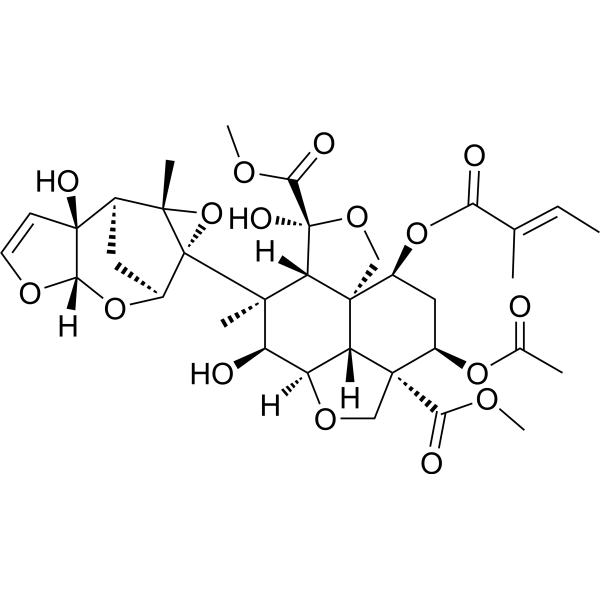
    Azadirachtin D is an insect growth regulator targeting ecdysone receptor (EcR) in insects. Azadirachtin D blocks the 20-hydroxyecdysone signaling pathway, leading to developmental arrest or death in insects. Azadirachtin D is promising for research of agricultural pests .
    Azadirachtin D

Inquiry Online

Your information is safe with us. * Required Fields.

Salutation


Country or Region *

Applicant Name *


Organization Name *

Department *


Email Address *


Product Name *

Cat. No.


Requested quantity *

Phone Number *


Remarks

Inquiry Online

Inquiry Information

Product Name:
Cat. No.:
Quantity:
MCE Japan Authorized Agent:

