
1. Search Result
Search Result
Results for "

Lipase

" in MedChemExpress (MCE) Product Catalog:

245

Inhibitors & Agonists

9

Fluorescent Dye

10

Biochemical Assay Reagents

7

Peptides

2

Inhibitory Antibodies

58

Natural
Products

16

Recombinant Proteins

4

Isotope-Labeled Compounds

17

Antibodies

1

Click Chemistry

7

Oligonucleotides

Cat. No. Product Name Target Research Areas Chemical Structure
  • HY-B0218
    Orlistat
    30+ Cited Publications

    Tetrahydrolipstatin; Ro-18-0647

    Fatty Acid Synthase (FASN) Apoptosis Metabolic Disease Cancer
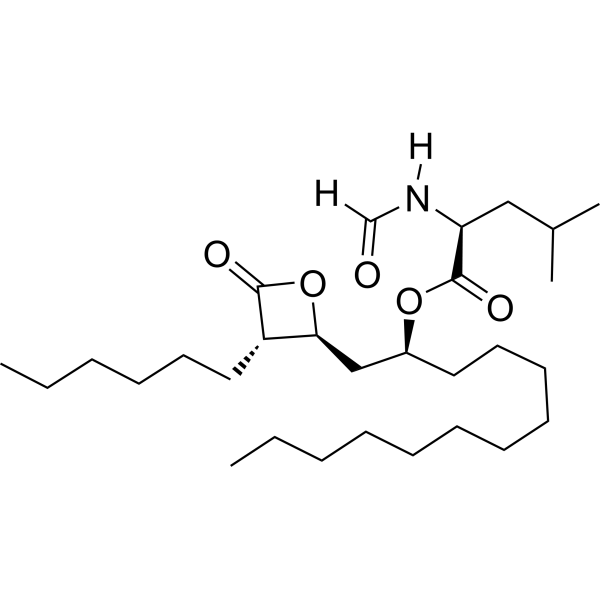
    Orlistat (Tetrahydrolipstatin) is a well-known irreversible inhibitor of pancreatic and gastric lipases. Orlistat is also an inhibitor of fatty acid synthase (FASN), is used orally for long-term research of obesity . Anti-atherosclerotic effect .
    Orlistat
  • HY-Y1422D

    Environmental Pollutants Lipase Others
    Lipase,Candida antarctica (Immobilized) is an immobilized lipase isolated from Candida antarctica fraction B. Lipase,Candida antarctica (Immobilized) features high stability and selectivity. Lipase,Candida antarctica (Immobilized) is widely used in fields such as chemical synthesis, food oil modification, and biodiesel production .
    Lipase,Candida antarctica (Immobilized)
  • HY-Y1422

    Alkaline Lipase

    Environmental Pollutants Lipase Metabolic Disease
    Triacylglycerol lipase is an enzyme catalyzing the hydrolysis of triacylglycerol. Triacylglycerol lipase promotes fat decomposition, providing energy and lipid precursors for cells. Triacylglycerol lipase is used in the research of metabolic diseases such as diabetes and obesity .
    Triacylglycerol lipase
  • HY-W013168

    4-Nitrophenyl hexadecanoate; p-Nitrophenyl Palmitate; pNpp

    Lipase Others
    4-Nitrophenyl palmitate (4-Nitrophenyl hexadecanoate) is a chromogenic substrate for lipases and esterases. Upon enzymatic hydrolysis, 4-Nitrophenyl palmitate releases p-nitrophenol, which can be quantified by colorimetric detection at 410 nm as a measure of enzymatic activity. 4-Nitrophenyl palmitate is used to characterize the activity of various bacterial and mammalian enzymes, including those from Burkholderia and porcine pancreatic lipase .
    4-Nitrophenyl palmitate
  • HY-E70313

    Candida antarctica Lipase B

    Biochemical Assay Reagents Others
    Lipase,Candida antarctica (Immobilized on hydrophilic carrier) (Candida antarctica lipase B) is a lipase derived from Candida antarctica and immobilized on a hydrophilic carrier. Lipase,Candida antarctica (Immobilized on hydrophilic carrier) is a green catalyst that can be used to catalyze polymer synthesis .
    Lipase,Candida antarctica (Immobilized on hydrophilic carrier)
  • HY-P2752

    LPL

    Endogenous Metabolite Metabolic Disease Cancer
    Lipoprotein lipase, Pseudomonas sp (LPL) is a multifunctional enzyme from adipose tissue, heart and skeletal muscle, islets and macrophages. Lipoprotein lipase promotes normal lipoprotein metabolism, delivery and utilization of tissue-specific substrates. Lipoprotein lipase catalyzes the rate-limiting step of lipids in blood circulation .
    Lipoprotein lipase, Pseudomonas sp
  • HY-Y1422I

    Environmental Pollutants Biochemical Assay Reagents Lipase Others
    Lipase, Pseudomonas fluorescens (Immobilized) is an immobilized biocatalyst derived from Pseudomonas fluorescens. Lipase, Pseudomonas fluorescens (Immobilized) efficiently catalyzes the hydrolysis, esterification and transesterification of triacylglycerols in solvent-free systems, and is particularly suitable for biodiesel production from soybean oil and selective modification of oils rich in EPA and DHA. Lipase, Pseudomonas fluorescens (Immobilized) exhibits optimal activity at pH 8.5 and 45°C, and retains residual activity after repeated cycles of use. Lipase, Pseudomonas fluorescens (Immobilized) is activated by Ca 2+, but inhibited by Co 2+, Ni 2+, Fe 3+, Fe 2+ and EDTA .
    Lipase,Pseudomonas fluorescens (Immobilized)
  • HY-117095

    Fluorescent Dye Metabolic Disease
    4-Methylumbelliferyl oleate is a fluorogenic substrate for acid and alkaline lipases. 4-Methylumbelliferyl oleate is cleaved by lipases, liberating 4-Methylumbelliferyl (Ex/Em=320/450 nm) .
    4-Methylumbelliferyl oleate
  • HY-14471
    Cetilistat
    1 Publications Verification

    ATL-962

    Lipase Metabolic Disease
    Cetilistat (ATL-962), an inhibitor of pancreatic lipase, acts as an effective anti-obesity agent. Cetilistat inhibits rat and human pancreatic lipase activity with IC50s of 54.8 nM, and 5.95 nM, respectively .
    Cetilistat
  • HY-153523
    Hi 76-0079
    1 Publications Verification

    NNC0076-0079; 76-0079

    Lipase Metabolic Disease
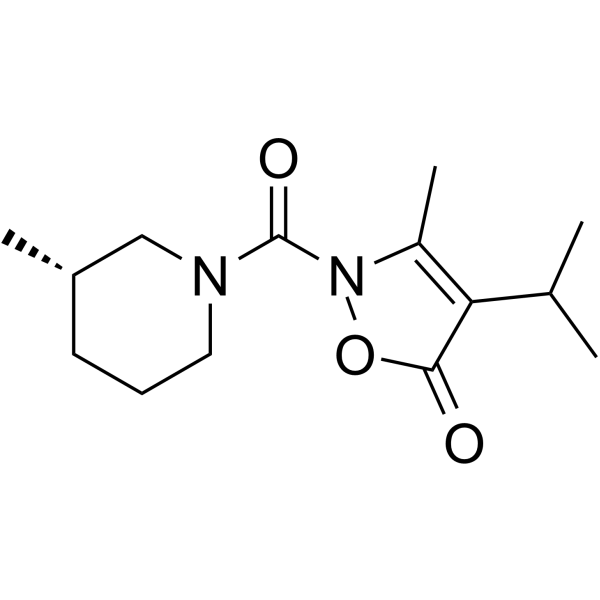
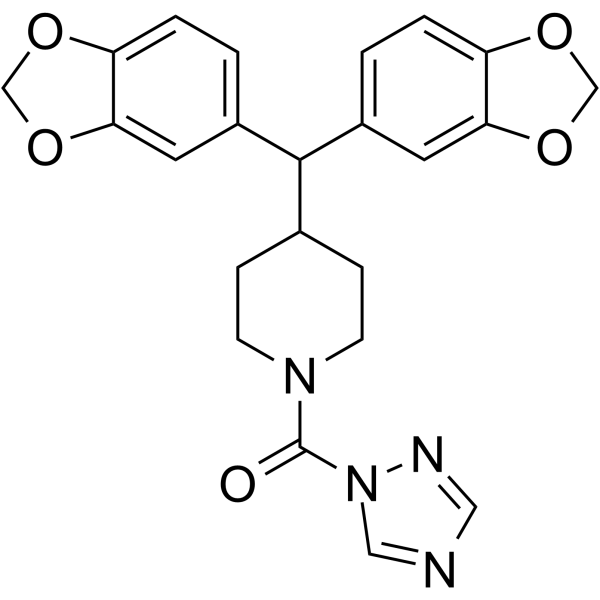
    Hi 76-0079 (NNC0076-0079; 76-0079) is a lipase inhibitor that specifically targets hormone-sensitive lipase (HSL). Hi 76-0079 inhibits PNPB Hydrolysis in cell lysates of HEK293A cells overexpressing Lipe with an IC50 value of 0.1 μM. Hi 76-0079 synergizes with the ATGL inhibitor Atglistatin (HY-15859) to block lipolysis in vitro. Hi 76-0079 can be used for the study of lipid metabolism .
    Hi 76-0079
  • HY-18522

    Phospholipase Metabolic Disease
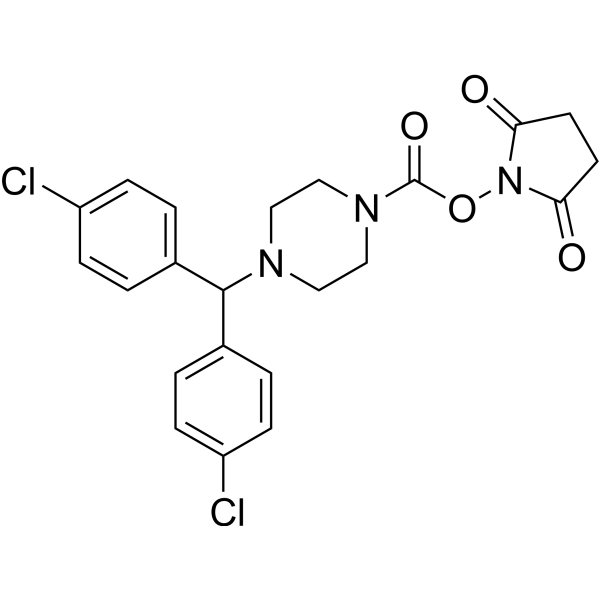
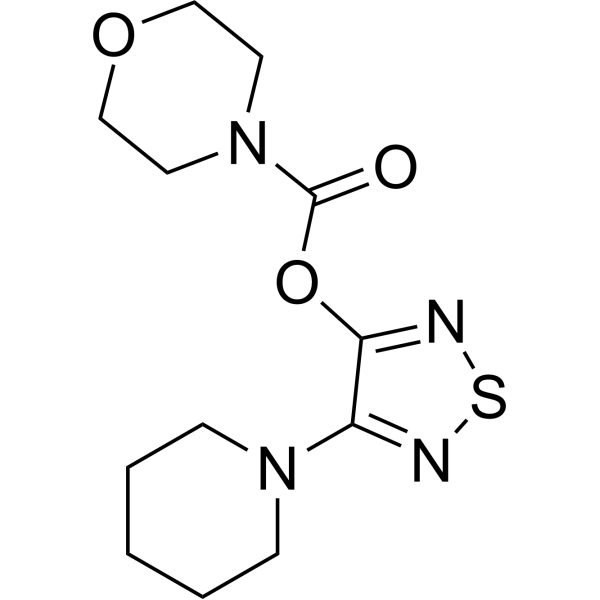
    AA26-9 is a potent and broad spectrum serine hydrolase inhibitor. AA26-9 targets included serine peptidases, lipases, amidases, esterases, and thioesterases. AA26-9 shows inhibitory activity against approximately 1/3 of the 40+ serine hydrolases detected in immortalized T cell lines .
    AA26-9
  • HY-107416

    U-57908

    DAGL Acyltransferase mAChR COX Phospholipase Neurological Disease Metabolic Disease
    RHC 80267 (U-57908) is a potent and selective inhibitor of diacylglycerol lipase (DAGL) (with IC50 of 4 μM in canine platelets). RHC-80267 inhibits cholinesterase activity with an IC50 of 4 μM, thereby enhancing the relaxation evoked by acetylcholine. RHC 80267 also inhibits COX and the hydrolysis of phosphatidylcholine (PC) .
    RHC 80267
  • HY-126411

    Lipase ATP Synthase Others
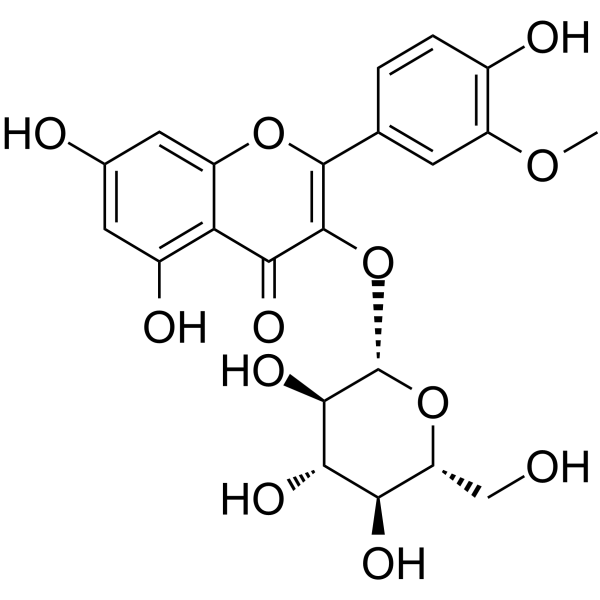
    Peonidin-3-O-galactoside chloride is an anthocyanin with antioxidant properties and blood-brain barrier permeability. Peonidin-3-O-galactoside chloride inhibits pancreatic lipase, with an IC50 value of 23.2 μg/mL against porcine pancreatic lipase. Peonidin-3-O-galactoside chloride mediates neuroprotection, regulates glucose metabolism, protects cells from high glucose-induced damage, promotes glucose uptake and increases ATP production. Peonidin-3-O-galactoside (chloride) can be used in the research of obesity and neurodegenerative diseases .
    Peonidin-3-O-galactoside chloride
  • HY-110390

    Carboxylesterase (CES) Free Fatty Acid Receptor Reactive Oxygen Species (ROS) Mitochondrial Metabolism Ferroptosis Apoptosis Cardiovascular Disease Cancer
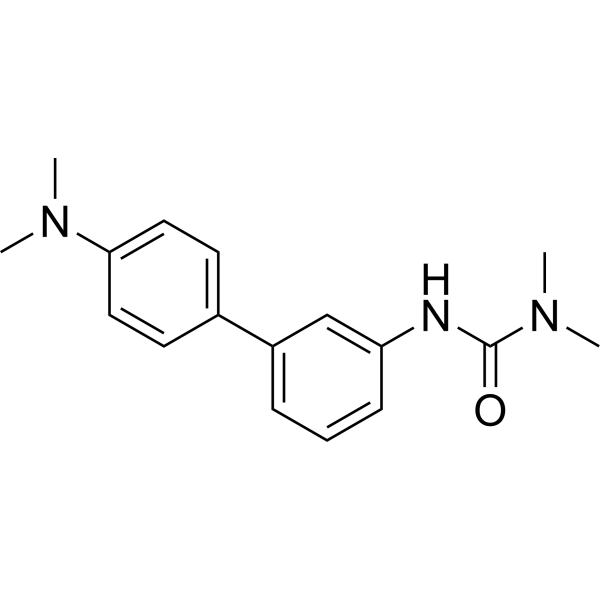
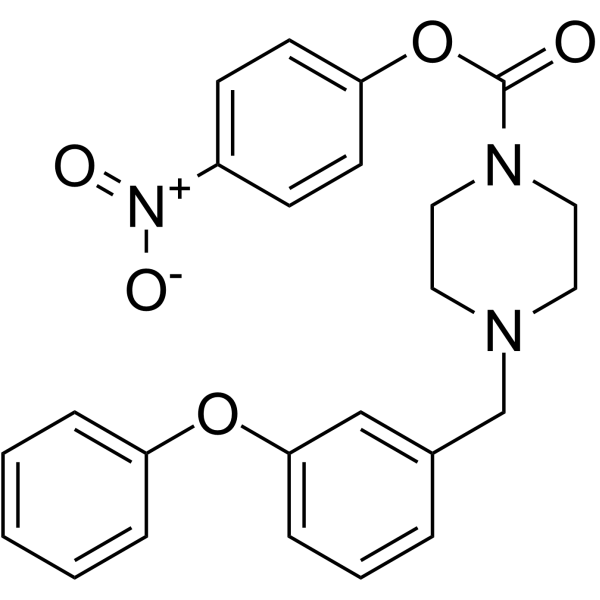
    GR148672X is an inhibitor of carboxylesterase 1 (CES1) and hepatic microsomal triglyceride hydrolase (TGH). GR148672X blocks the catalytic activity of CES1, impairs the functions of triglyceride and cholesteryl ester lipase, reduces triglyceride mobilization and secretion, and decreases apolipoprotein B-100 secretion in primary rat hepatocytes. Under low-glucose conditions, GR148672X inhibits the survival of colorectal cancer cells by reducing free fatty acid availability, inducing toxic triglyceride accumulation, ROS production, mitochondrial damage, ferroptosis and apoptosis. GR148672X can be used in studies related to colorectal cancer and atherosclerosis .
    GR148672X
  • HY-Y1422H

    Environmental Pollutants Biochemical Assay Reagents Lipase Others
    Lipase, Candida cylindracea (Immobilized) is an immobilized hydrolase and biocatalyst with relaxed positional and substrate specificity. Lipase, Candida cylindracea (Immobilized) can target primary and secondary ester bonds to completely hydrolyze triglycerides into fatty acids and glycerol, producing only trace amounts of monoglycerides. Lipase, Candida cylindracea (Immobilized) exhibits chain specificity, with a relatively fast hydrolysis rate for oleic acid and lauric acid chains, and the slowest hydrolysis rate for stearic acid chains. Lipase, Candida cylindracea (Immobilized) shows high catalytic activity toward long-chain triglycerides under the conditions of pH 8.0 and 37°C .
    Lipase,Candida cylindracea (Immobilized)
  • HY-117549

    NO-1886

    Lipase Cardiovascular Disease
    Ibrolipim (NO-1886) is an orally active lipoprotein lipase (LPL)-promoting agent. Ibrolipim decreases plasma triglycerides, increases high-density lipoprotein cholesterol levels. Ibrolipim has renoprotective and hypolipidemic effects .
    Ibrolipim
  • HY-P2879A

    Biochemical Assay Reagents Metabolic Disease
    Cholesterol esterase, Porcine pancreas is an enzyme that hydrolyzes cholesteryl esters into cholesterol and free fatty acids in the intestine. Cholesterol esterase, also known as bile salt-stimulated lipase or carboxyl ester lipase, functions to promote cholesterol absorption .
    Cholesterol esterase, Porcine pancreas
  • HY-E70332

    Endogenous Metabolite Others
    Lipase, Aspergillus niger is a biocatalyst and a key enzyme in new biocatalyst technology. Enzyme engineering focuses on enhancing enzyme reaction kinetics, substrate selectivity, and activity under harsh conditions such as low or high pH. By introducing stimulus responsiveness to these enzyme modifications, dynamic control of activity is also possible .
    Lipase, Aspergillus niger
  • HY-116583

    Cholinesterase (ChE) Metabolic Disease
    Resorufin butyrate is a fluorogenic substrate for triglyceride lipases and cholinesterase (Ex=570 nm, Em=580 nm) .
    Resorufin butyrate
  • HY-E70277

    ATGL Metabolic Disease
    Hexadecyl-CoA is a thioether analog of acyl-CoA that can inhibit adipose triglyceride lipase (ATGL) .
    Hexadecyl-CoA
  • HY-W099648

    Lipase Others
    4-Methylumbelliferyl octanoate is a octoate. 4-Methylumbelliferyl octanoate can be used as a s ubstrate of hog pancreatic lipase .
    4-Methylumbelliferyl octanoate
  • HY-132310

    MAGL Neurological Disease
    MAGL-IN-4 is an orally active, selective and reversible monoacylglycerol lipase (MAGL) inhibitor with an IC50 of 6.2 nM. MAGL-IN-4 can penetrate the blood-brain barrier (BBB). MAGL-IN-4 enhances endocannabinoid signaling mostly by the increase in the level of 2-AG via selective MAGL inhibition in the brain .
    MAGL-IN-4
  • HY-Y1422B
    Lipase (MS grade)
    1 Publications Verification

    Endogenous Metabolite Metabolic Disease
    Lipase (MS grade) catalyzes the hydrolysis of triacylglycerols to release long-chain fatty acids in a site-specific manner. Lipase (MS grade) is involved in a variety of biological processes, from fat metabolism to cell signaling and inflammation, and can be used to study diseases such as pancreatic insufficiency, celiac disease and cystic fibrosis .
    Lipase (MS grade)
  • HY-112911

    Lipase Cardiovascular Disease
    Endothelial lipase inhibitor-1 is a potent endothelial lipase inhibitor with an IC50 of 49 nM.
    Endothelial lipase inhibitor-1
  • HY-Y1422E

    Biochemical Assay Reagents Lipase Others
    Lipase, Aspergillus niger (Immobilized) is an immobilized triacylglycerol acyl hydrolase and biocatalyst. Lipase, Aspergillus niger (Immobilized) broadly catalyzes the hydrolysis of glycerol-long-chain fatty acid esters, exhibits positional selectivity for the 1,3-positions of glycerol, but shows low hydrolysis efficiency for castor oil. Lipase, Aspergillus niger (Immobilized) displays optimal activity at 45°C and pH 7.0, and remains stable at temperatures up to 60°C and over a broad pH range of 2.0-9.0. Lipase, Aspergillus niger (Immobilized) is activated by Ca 2+ and Mg 2+, but inhibited by Mn 2+, Fe 2+ and Zn 2+ .
    Lipase,Aspergillusniger (Immobilized)
  • HY-136562

    MAGL Metabolic Disease
    N-Arachidonyl maleimide is a potent, irreversible inhibitor of monoacylglycerol lipase (MAGL) with an IC50 value of 140 nM .
    N-Arachidonyl maleimide
  • HY-118653

    MAGL Metabolic Disease
    SAR629 is a potent monoglyceride lipase (MGL) covalent inhibitor. SAR629 also inhibits 2-Arachidonoylglycerol (2-AG) degradation .
    SAR629
  • HY-E70312

    Endogenous Metabolite Others
    High-efficiency lipase,Candida antarctica (Immobilized on hydrophilic carrier) is a biocatalyst and a key enzyme in new biocatalyst technology. Enzyme engineering focuses on enhancing enzyme reaction kinetics, substrate selectivity, and activity under harsh conditions such as low or high pH. By introducing stimulus responsiveness to these enzyme modifications, dynamic control of activity is also possible .
    High-efficiency lipase,Candida antarctica (Immobilized on hydrophilic carrier)
  • HY-135297

    Biochemical Assay Reagents Others
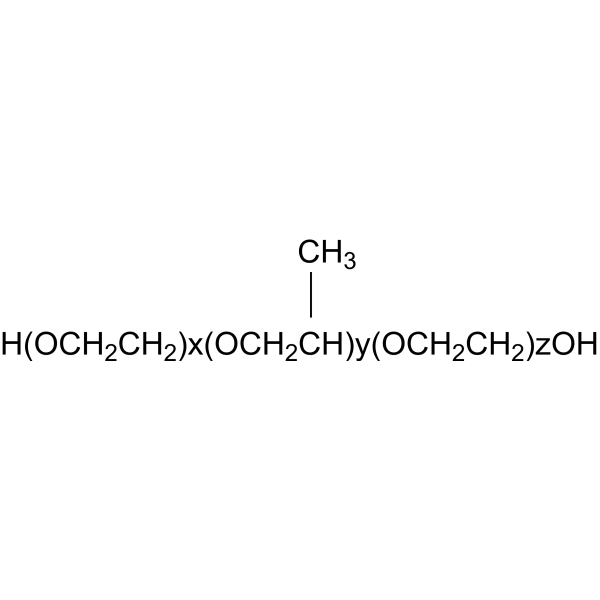
    Mono-and diglycerides is formed by triglycerides being broken down by pancreatic lipase in the gastrointestinal lumen. Mono-and diglycerides is a food additive used as a nonionic emulsifier and mainly present in food fats .
    Mono-and diglycerides
  • HY-119741

    Glycosidase Lipase Metabolic Disease
    Salacinol, compound found in Salacia reticulata, is an orally active α-glucosidase/lipase inhibitor. Salacinol inhibits enzymatic activity of intestinal maltase (IC50 = 3.2 μg/mL, Ki = 0.31 μg/mL), sucrase (IC50 = 0.84 μg/mL, Ki = 0.32 μg/mL), and isomaltase (IC50 = 0.59 μg/mL, Ki = 0.47 μg/mL), and inhibits increases in serum glucose levels in sucrose-loaded rats. Salacinol also inhibits pancreatic lipase and lipoprotein lipase. Salacinol can be used for the research of diabetes mellitus .
    Salacinol
  • HY-Y1422J

    Biochemical Assay Reagents Lipase Others
    Lipase,Burkholderiacepacia (Immobilized) comes from Burkholderiacepacia and can be used for catalytic reaction .
    Lipase,Burkholderiacepacia (Immobilized)
  • HY-N16617

    Lipase Metabolic Disease
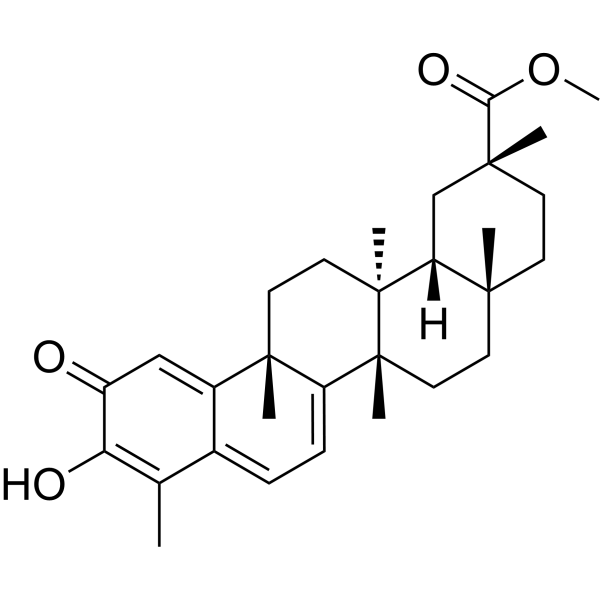
    Platycodin V is a triterpenoid saponin. Platycodin V has a relatively weak inhibitory effect on pancreatic lipase.
    Platycodin V
  • HY-N3797A

    Ditaine chloride

    Apoptosis Cancer
    Echitamine (Ditaine) chloride is the major monoterpene indole alkaloid present in Alstonia scholaris with potent anti-tumour activity. Echitamine chloride induces DNA fragmentation and cells apoptosis. Echitamine chloride inhibits pancreatic lipase with an IC50 of 10.92 μM .
    Echitamine chloride
  • HY-W010947

    Fluorescent Dye Inflammation/Immunology
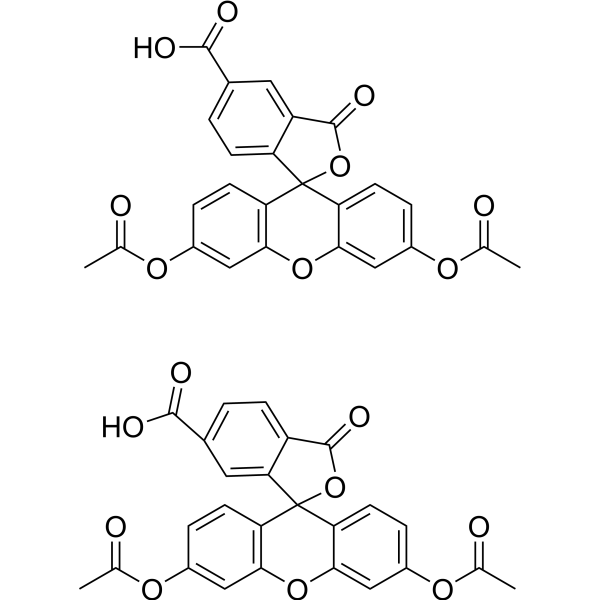
    4-Methylumbelliferyl palmitate is an excellent fluorophore for measuring acid lipase in human leukocytes. Acidity and solvent have important influence on its fluorescence. 4-Methylumbelliferyl palmitate exists mainly as neutral molecular form which can be produced strong fluorescence at 445 nm in near neutral aqueous solutions, and exist mainly as anion form which can be produced stronger fluorescence at 445 nm in weak alkaline solutions .
    4-Methylumbelliferyl palmitate
  • HY-P991574

    REG-101

    ATGL Cardiovascular Disease
    MEDI-5884 is a humanized IgG4Pκ neutralizing monoclonal antibody targeting Endothelial lipase (EL). MEDI-5884 inhibits EL and increases quantity (particularly phosphatidylinositols and cholesteryl esters) and function of high-density lipoproteins (HDL). MEDI-5884 can be used for cardiovascular disease like coronary artery disease (CAD) research .
    MEDI-5884
  • HY-N0241

    Cholinesterase (ChE) Lipase Bacterial Cytochrome P450 Infection Metabolic Disease
    Rhodionin is an orally active, multifunctional antivirulence and cytoprotective agent that targets and inhibits Lipase, sortase A (SrtA), CYP2D6 (IC50=0.761 μM), AChE (IC50=2.43-57.5 μM), and DPPH free radicals (IC50=19.49 μM). Rhodionin is isolable from the roots of Rhodiola crenulata. Rhodionin reduces postprandial serum triglyceride levels in mice by inhibiting lipase activity. Rhodionin also binds directly to SrtA to inhibit its transpeptidase activity, thereby reducing the fibrinogen adhesion and surface protein A levels of MRSA, effectively inhibiting biofilm formation and protecting against MRSA-induced cell damage. Rhodionin improves the survival rate of infected mice without affecting MRSA growth, and finds wide application in studies related to hyperlipidemia, exogenous obesity, and pneumonia induced by methicillin-resistant Staphylococcus aureus (MRSA) .
    Rhodionin
  • HY-144809

    Carboxylesterase (CES) Metabolic Disease
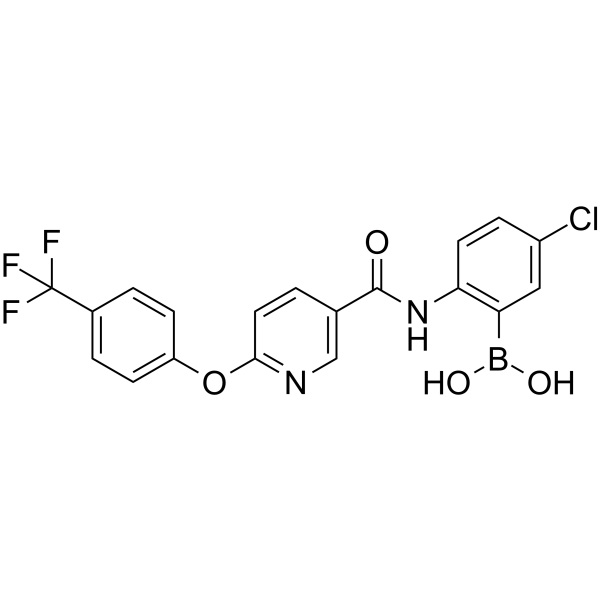
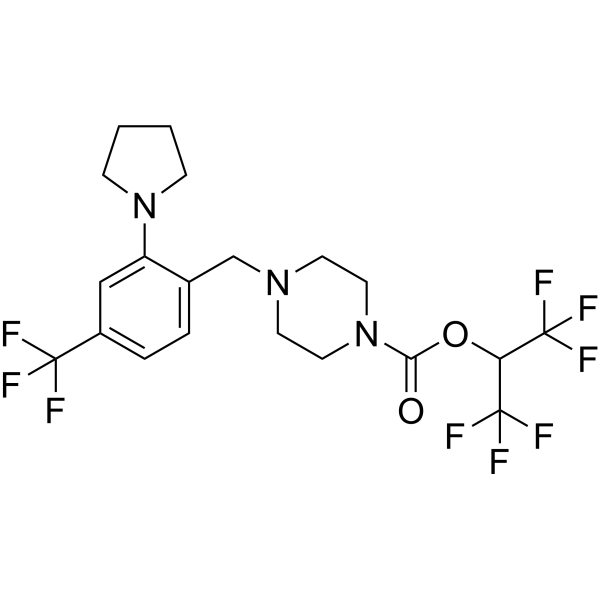
    Pancreatic lipase/Carboxylesterase 1-IN-1 (Compound 39) is a potent dual inhibitor of pancreatic lipase (PL) and human carboxylesterase 1A (hCES1A) with IC50 values of 2.13 µM and 0.055  µM against PL and hCES1A .
    Pancreatic lipase/Carboxylesterase 1-IN-1
  • HY-138653

    DGGR; 1,2-o-Dilauryl-rac-glycero-3-glutaric acid (6′-methylresorufin) ester

    Lipase Metabolic Disease
    Lipase Substrate is a chromogenic substrate of lipase to detect activity . It is used in colorimetric methods to measure lipase activity. It produces a red-purple compound, methylresorufin, upon digestion by the lipase enzyme.
    Lipase Substrate
  • HY-E70888

    Lipase Others
    Lipase, Candida antarctica, expressed in Aspergillus niger, is a serine hydrolase, which belongs to the α/β hydrolase fold family .
    Lipase, Candida antarctica, expressed in Aspergillus niger
  • HY-131999

    Lipase Metabolic Disease
    3,4,5-Trihydroxycinnamic acid decyl ester is an excellent inhibitor of lipid absorption and accumulation, with anti-obesity properties. 3,4,5-Trihydroxycinnamic acid decyl ester is a pancreatic lipase inhibitor, with an EC50 of approximately 0.9 μM .
    3,4,5-Trihydroxycinnamic acid decyl ester
  • HY-N15385

    Lipase Metabolic Disease
    Hericenone D, an orally active pancreatic lipase inhibitor, can be found in Hericium erinaceus. Hericenone D reduces lipid absorption and stimulates nerve growth factor NGF gene expression. Hericenone D can be used for the research of menopausal obesity .
    Hericenone D
  • HY-N12292

    Lipase Metabolic Disease
    Acanthopanaxoside A, a triterpenoid saponin, has pancreatic lipase inhibitory action .
    Acanthopanaxoside A
  • HY-136124

    Drug Metabolite Others
    Cetilistat impurity 1 is an impurity of Cetilistat. Cetilistat, an inhibitor of pancreatic lipase, acts as an effective anti-obesity agent. Cetilistat inhibits rat and human pancreatic lipase activity with IC50s of 54.8 nM, and 5.95 nM, respectively .
    Cetilistat impurity 1
  • HY-Y0606

    (+)-10-Camphorsulfonic acid

    Lipase Metabolic Disease
    (+)-Camphor-10-sulfonic acid ((+)-10-Camphorsulfonic acid) is an effective pancreatic lipase (PL) inhibitor. (+)-Camphor-10-sulfonic acid is promising for research of obesity .
    (+)-Camphor-10-sulfonic acid
  • HY-138959

    p-Nitrophenyl caprylate

    Lipase Others
    4-Nitrophenyl octanoate (p-Nitrophenyl caprylate) is an aromatic ester compound which can be used as a substrate for pancreatic lipase. 4-Nitrophenyl octanoate contains an ester bond that can be hydrolyzed under the action of lipase, releasing p-nitrophenol as a yellow product. 4-Nitrophenyl octanoate can be used to assay the activities of lipases and esterases .
    4-Nitrophenyl octanoate
  • HY-157313

    Lipase Metabolic Disease
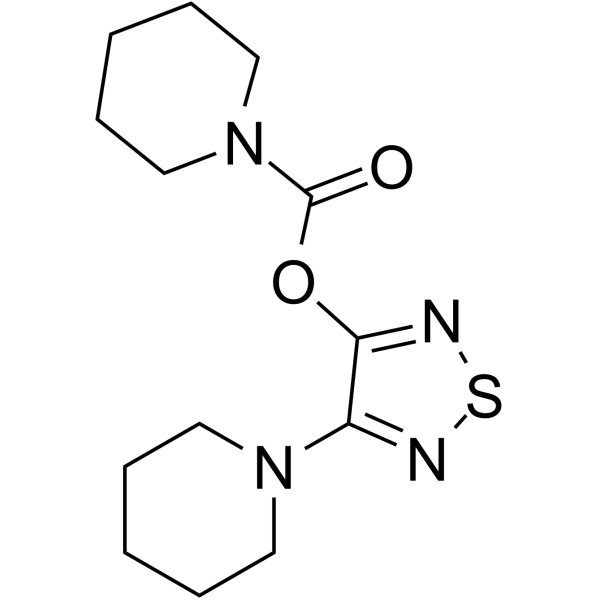
    Pancreatic lipase-IN-1 (compound 8) ia a pancreatic lipase inhibitor with the Ki of 1.288 μM .
    Pancreatic lipase-IN-1
  • HY-144375

    MAGL Others
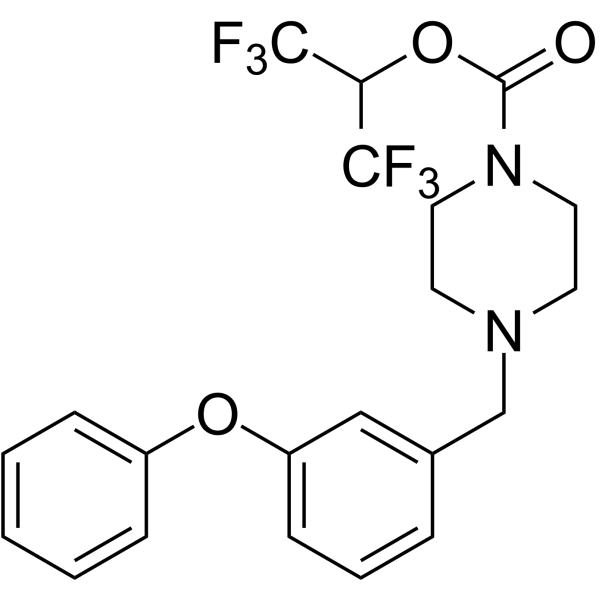
    Monoacylglycerol lipase inhibitor 1 is a potent monoacylglycerol lipase inhibitor (compound 13) .
    Monoacylglycerol lipase inhibitor 1
  • HY-E70311

    Thermomyces lanuginosus Lipase

    Endogenous Metabolite Others
    1,3-specific lipase,Bacillus lanolin (Immobilized)(Thermomyces lanuginosus lipase) is a high-efficiency biocatalyst, a lipase from Thermomyces lanuginosus. 1,3-specific lipase,Bacillus lanolin (Immobilized) can be conjugated to magnetic nanoparticles and coupled to the surface of Fe(3)O(4)-COOH to obtain better temperature resistance and pH resistance. The activity unit (U) of lipase is defined as the amount of enzyme that produces 1 μmol of fatty acid per minute under experimental conditions .
    1,3-specific lipase,Bacillus lanolin (Immobilized)
  • HY-E70310

    Lipase for biodiesel production

    Endogenous Metabolite Others
    Lipase (Immobilized,Used for biodiesel production) is a methanol-resistant lipase with high catalytic activity and can be used for the production of biodiesel. The reaction conditions of Lipase (Immobilized,Used for biodiesel production) are mild, which can avoid the oxidation of hydroxyl groups and the opening of double bonds, and prevent the production of by-products other than glycerol .
    Lipase (Immobilized,Used for biodiesel production)
  • HY-157534

    Lipase Metabolic Disease
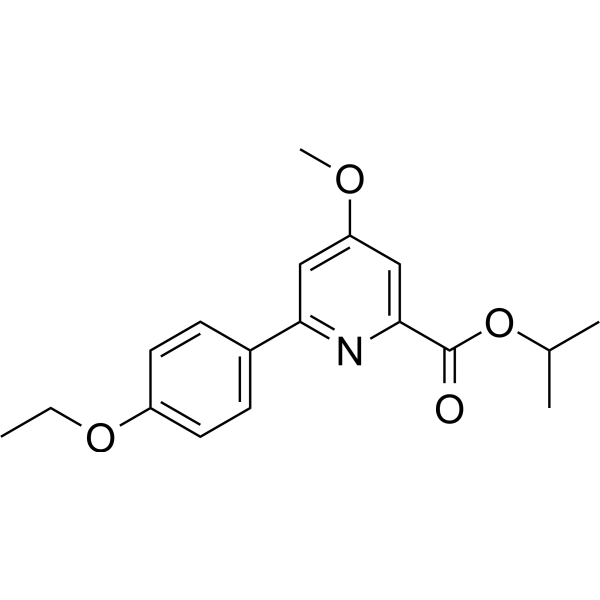
    Pancreatic lipase-IN-2 (compound 7r) is a potent inhibitor of pancreatic lipase (PL), with the IC50 value of 2.67 μM, that has anti-obesity effect .
    Pancreatic lipase-IN-2

Inquiry Online

Your information is safe with us. * Required Fields.

Salutation


Country or Region *

Applicant Name *


Organization Name *

Department *


Email Address *


Product Name *

Cat. No.


Requested quantity *

Phone Number *


Remarks

Inquiry Online

Inquiry Information

Product Name:
Cat. No.:
Quantity:
MCE Japan Authorized Agent:

