

1. Search Result
Search Result
Isoforms Recommended: MMP-1
Results for "

MMP1

" in MedChemExpress (MCE) Product Catalog:

130

Inhibitors & Agonists

3

Fluorescent Dye

23

Biochemical Assay Reagents

11

Peptides

25

Natural
Products

2

Recombinant Proteins

3

Isotope-Labeled Compounds

8

Antibodies

3

Oligonucleotides

Targets Recommended:
Cat. No. Product Name Target Research Areas Chemical Structure
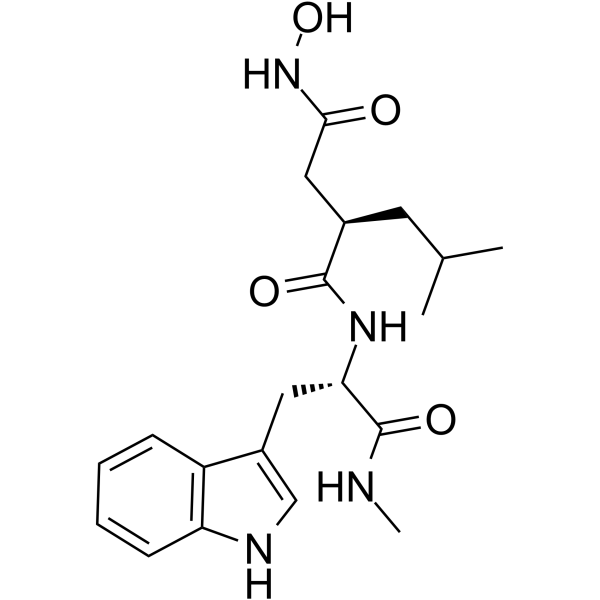
  • HY-15768
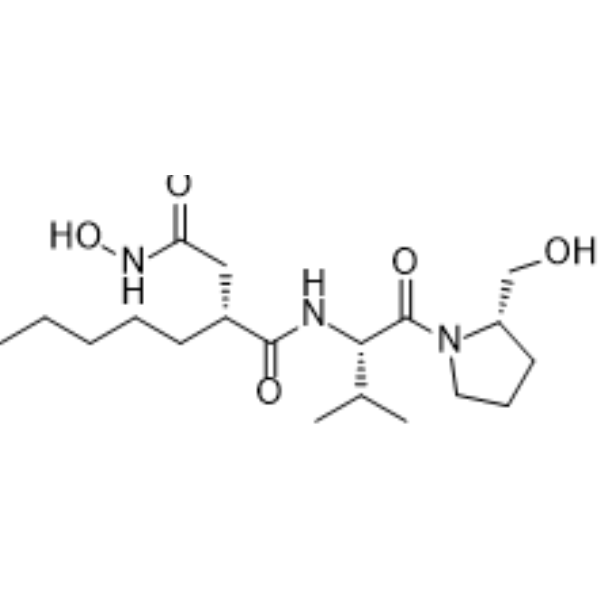
    Ilomastat
    Maximum Cited Publications
    61 Publications Verification

    GM6001; Galardin

    MMP Cancer
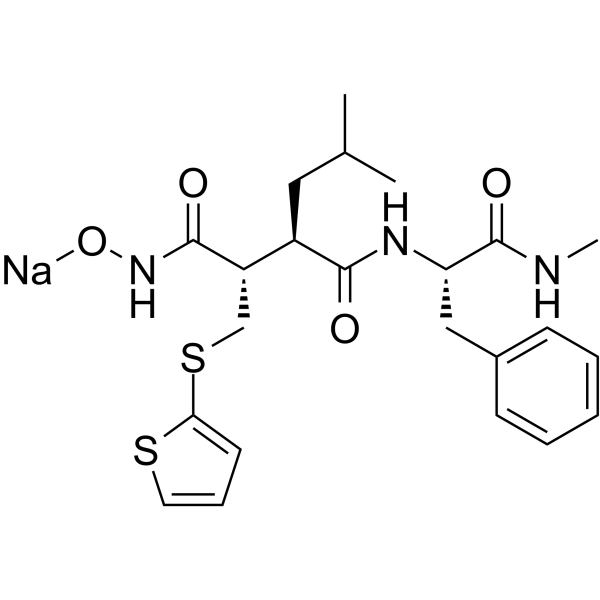
    Ilomastat (GM6001) is a potent and broad spectrum matrix metalloprotease (MMP) inhibitor, inhibits MMPs (IC50s, 1.5 nM for MMP-1; 1.1 nM for MMP-2; 1.9 nM for MMP-3; 0.5 nM for MMP-9), with a Ki of 0.4 nM for human skin fibroblast collagenase (MMP-1).
    Ilomastat
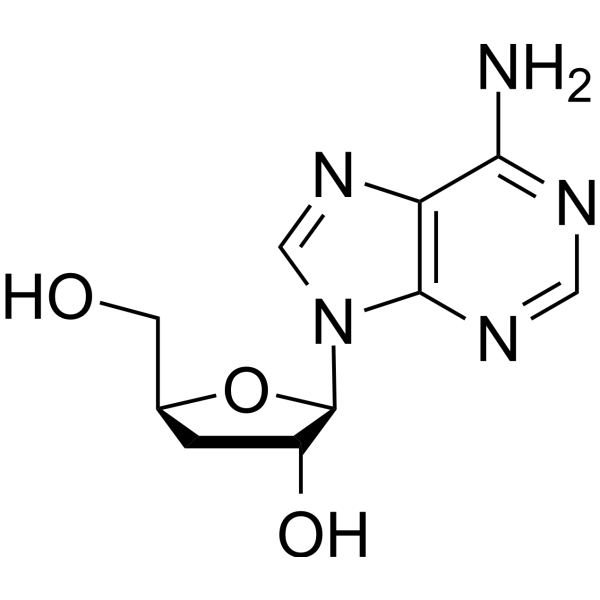
  • HY-N0262
    Cordycepin
    Maximum Cited Publications
    13 Publications Verification

    3'-Deoxyadenosine

    TNF Receptor MMP Bacterial Autophagy Antibiotic Infection Inflammation/Immunology Cancer
    Cordycepin (3'-Deoxyadenosine) is a nucleoside derivative and inhibits IL-1β-induced MMP-1 and MMP-3 expression in rheumatoid arthritis synovial fibroblasts (RASFs) in a dose-dependent manner [1]. Cordycepin kills Mycobacterium tuberculosis through hijacking the bacterial adenosine kinase .
    Cordycepin
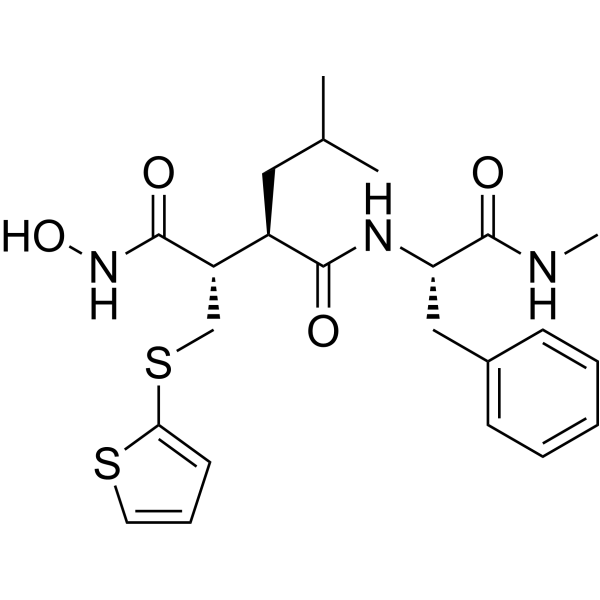
  • HY-12169
    Marimastat
    15+ Cited Publications

    BB2516; TA2516

    MMP Cancer
    Marimastat (BB2516) is a broad spectrum and orally bioavailable inhibitor of MMPs, with potent activity against MMP-9 (IC50=3 nM), MMP-1 (IC50=5 nM), MMP-2 (IC50=6 nM), MMP-14 (IC50=9 nM) and MMP-7 (IC50=13 nM), used in the treatment of cancer. Marimastat (BB2516) is an angiogenesis and metastasis inhibitor, which limits the growth and production of blood vessels. As an antimetatstatic agent it prevents malignant cells from breaching the basement membranes [1] .
    Marimastat
  • HY-13564
    Batimastat
    15+ Cited Publications

    BB94

    MMP Cancer
    Batimastat is a potent broad spectrum MMP inhibitor with IC50 of 3, 4, 4, 6, and 20 nM for MMP-1, MMP-2, MMP-9, MMP-7 and MMP-3, respectively.
    Batimastat
  • HY-108910
    Chymotrypsin
    2 Publications Verification

    EC 3.4.21.1; Chymotrypsin A

    Toll-like Receptor (TLR) NF-κB MMP Others Inflammation/Immunology
    Chymotrypsin (EC 3.4.21.1; Chymotrypsin A) is an orally effective inhibitor targeting molecules such as TLR4, NF-κB, MMP-1, TNF-α, IL-1β, and IL-6. Chymotrypsin downregulates the TLR4/NF-κB signaling pathway, inhibiting the release of inflammatory factors, reducing cell infiltration and tissue damage. It also reduces the expression of tumor cell adhesion molecules (such as CD44 and CD54) and can be specifically detected by fluorescent probes (such as NBD-3). Chymotrypsin has anti-inflammatory, hepatoprotective, joint damage-reducing, liver protection against lipotoxicity, and anti-tumor metastasis functions. It can be used in research on diseases such as rheumatoid arthritis, non-alcoholic fatty liver disease, and melanoma metastasis. Chymotrypsin can be used in studies of inflammation, edema, and expectoration [1] .
    Chymotrypsin
  • HY-N1981
    Triolein
    1 Publications Verification

    Environmental Pollutants Endogenous Metabolite MMP Inflammation/Immunology
    Triolein is a symmetric triacylglycerol that reduces upregulation of MMP-1 and has strong antioxidant and anti-inflammatory activities [1] .
    Triolein
  • HY-N1463
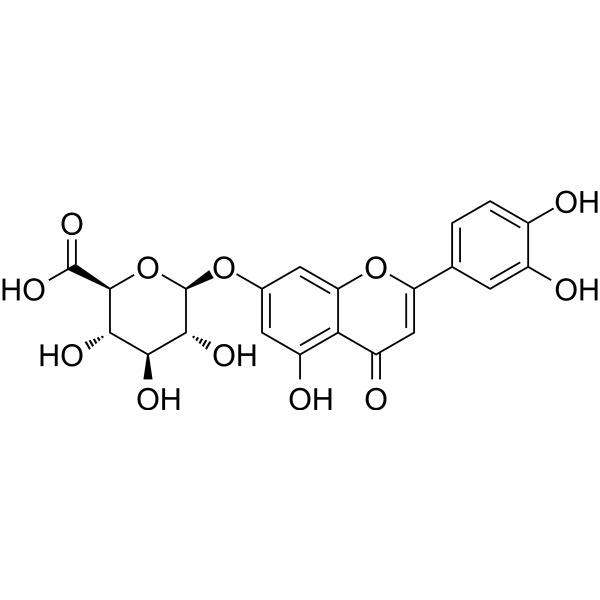
    Luteolin 7-O-glucuronide
    3 Publications Verification

    Luteolin 7-glucuronide

    MMP Neurological Disease Inflammation/Immunology
    Luteolin 7-O-glucuronide could inhibit Matrix Metalloproteinases (MMP) activities, with IC50s of 17.63, 7.99, 11.42, 12.85, 0.03 μM for MMP-1, MMP-3, MMP-8, MMP-9, MMP-13, respectively [1].
    Luteolin 7-O-glucuronide
  • HY-135232
    MMP-9-IN-1
    5+ Cited Publications

    MMP Cancer
    MMP-9-IN-1 is a specific matrix metalloproteinase-9 (MMP-9) inhibitor, which selectively target the hemopexin (PEX) domain of MMP-9, but not other MMPs .
    MMP-9-IN-1
  • HY-113952
    Actinonin
    5+ Cited Publications

    (-)-Actinonin

    Aminopeptidase Bacterial MMP Apoptosis Antibiotic Infection Cancer
    Actinonin ((-)-Actinonin) is a naturally occurring antibacterial agent produced by Actinomyces. Actinonin inhibits aminopeptidase M, aminopeptidase N and leucine aminopeptidase. Actinonin is a potent reversible peptide deformylase (PDF) inhibitor with a Ki of 0.28 nM. Actinonin also inhibits MMP-1, MMP-3, MMP-8, MMP-9, and hmeprin α with Ki values of 300 nM, 1,700 nM, 190 nM, 330 nM, and 20 nM, respectively. Actinonin is an apoptosis inducer. Actinonin has antiproliferative and antitumor activities [1] .
    Actinonin
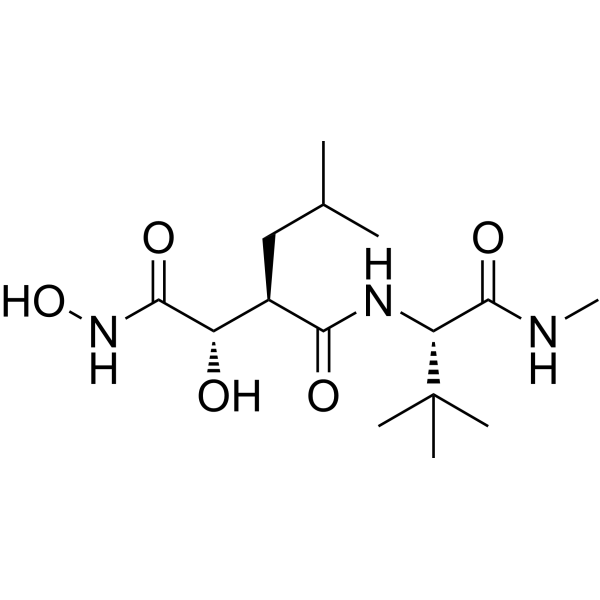
  • HY-107394
    UK 356618
    5+ Cited Publications

    MMP Inflammation/Immunology Cancer
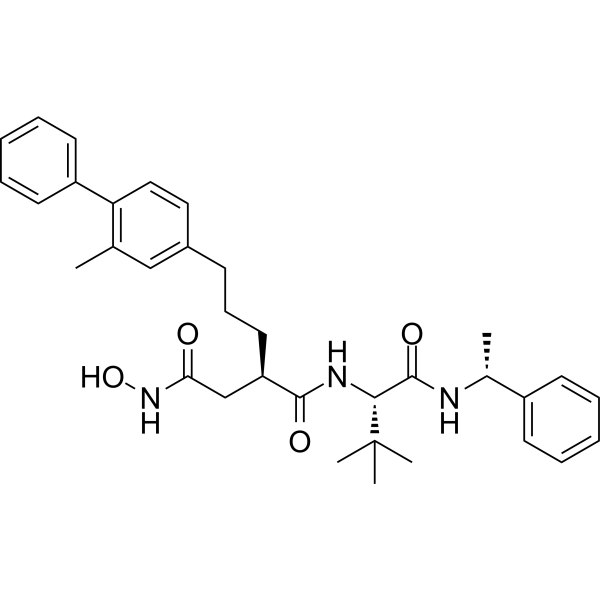
    UK 356618 (Compound 4j) is a potent and selective inhibitor of matrix metalloprotease-3 (MMP-3) with an IC50 of 5.9 nM. UK 356618 is less potent against MMP-1, MMP-2, MMP-9, MMP-13 and MMP-14 compared with MMP-3 [1].
    UK 356618
  • HY-B2162A

    Chondroitin polysulfate sodium (from shark cartilage)

    NO Synthase MMP Endogenous Metabolite Inflammation/Immunology Cancer
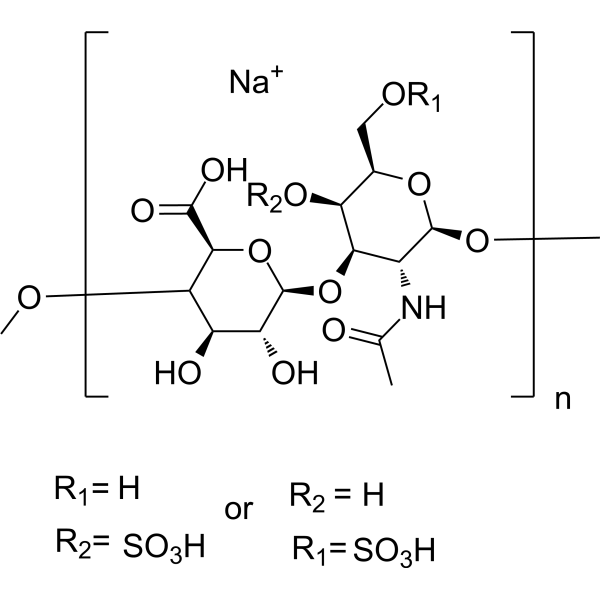
    Chondroitin sulfate sodium (from shark cartilage), one of five classes of glycosaminoglycans, has been widely used in the treatment of osteoarthritis. Chondroitin sulfate reduces inflammation mediators and the apoptotic process and is able to reduce protein production of inflammatory cytokines, iNOS and MMPs .
    Chondroitin sulfate sodium (from shark cartilage)
  • HY-100211
    TAPI-2
    5 Publications Verification

    TNF Protease Inhibitor 2

    MMP SARS-CoV Cancer
    TAPI-2 (TNF Protease Inhibitor 2) is a broad-spectrum inhibitor of matrix metalloprotease (MMP), tumour necrosis factorα-converting enzyme (TACE) and a disintegrin and metalloproteinase (ADAM), with an IC50 of 20 μM for MMP . TAPI-2 blocks the entry of infectious SARS-CoV .
    TAPI-2
  • HY-P4931
    Mca-KPLGL-Dap(Dnp)-AR-NH2
    1 Publications Verification

    MMP Cancer
    Mca-Lys-Pro-Leu-Gly-Leu-Dap(Dnp)-Ala-Arg-NH2 (FS-6) is a fluorescent peptide that is a quenched MMP peptide substrate. Mca-Lys-Pro-Leu-Gly-Leu-Dap(Dnp)-Ala-Arg-NH2 can be used for real-time quantification of MMP enzymatic activity. Mca-Lys-Pro-Leu-Gly-Leu-Dap(Dnp)-Ala-Arg-NH2 is an elongated peptide of MMP substrate (FS-1) and is active against collagenases (MMP-1, MMP-8, MMP-13 ) and MT1-MMP with higher specificity constants than FS-1 [1]. (Ex/Em=325 nm/400 nm)
    Mca-KPLGL-Dap(Dnp)-AR-NH2
  • HY-154919
    DC-Y13-27
    4 Publications Verification

    YTHDF FOXO MMP Pyroptosis Interleukin Related Endocrinology Cancer
    DC-Y13-27 is a DC-Y13 derivative and YTHDF2 inhibitor (KD: 37.9 μM). DC-Y13-27 inhibits YTHDF2, restores FOXO3 and TIMP1 protein levels, and reduces MMP1/3/7/9 expression. DC-Y13-27 induces Pyroptosis and increases IL-1β secretion. DC-Y13-27 reduces intervertebral disc degeneration and enhances the response to radiotherapy in colon cancer and melanoma. DC-Y13-27 has antitumor activity against breast cancer [1] .
    DC-Y13-27
  • HY-103444
    ARP-100
    1 Publications Verification

    MMP Cancer
    ARP-100 is a potent and selective matrix metalloproteinase MMP-2 inhibitor (IC50=12 nM). ARP-100 interacts with S1' pocket of MMP-2 and shows anti-invasive properties in an in vitro model of invasion on matrigel. ARP-100 shows the less inhibitory activity towards MMP-1 (>50 μM), MMP-3 (4.5 μM), MMP-7 (>50 μM), and MMP-9 (0.2 μM) [1] .
    ARP-100
  • HY-12170
    Prinomastat
    4 Publications Verification

    AG3340; KB-R9896

    MMP Apoptosis Cancer
    Prinomastat (AG3340) is a broad spectrum, potent, orally active metalloproteinase (MMP) inhibitor with IC50s of 79, 6.3 and 5.0 nM for MMP-1, MMP-3 and MMP-9, respectively. Prinomastat inhibits MMP-2, MMP-3, MMP-13 and MMP-9 with Kis of 0.05 nM, 0.3 nM, 0.03 nM and 0.26 nM, respectively. Prinomastat crosses blood-brain barrier. Antitumor avtivity [1] .
    Prinomastat
  • HY-N3387

    Apoptosis NF-κB Akt MMP Inflammation/Immunology Cancer
    Licoricidin (LCD) is isolated from Glycyrrhiza uralensis Fisch, possesses anti-cancer activities. Licoricidin (LCD) inhibit SW480 cells (IC50=7.2 μM) by inducing cycle arrest, apoptosis and autophagy, and is a potential chemopreventive or chemotherapeutic agent against colorectal cancer [1]. Licoricidin (LCD) inhibits Lung Metastasis by inhibition of tumor angiogenesis and lymphangiogenesis as well as changes in the local microenvironment of tumor tissues the anticarcinogenic effect [1]. Licoricidin enhanced gemcitabine-induced cytotoxicity in Osteosarcoma (OS) cells by inactivation of the Akt and NF-κB pathways in vitro and in vivo . Licoricidin blocks UVA-induced photoaging via ROS scavenging, limits the activity of MMP-1, it can be considered as an active ingredient in new topically applied anti-ageing formulations .
    Licoricidin
  • HY-N5072
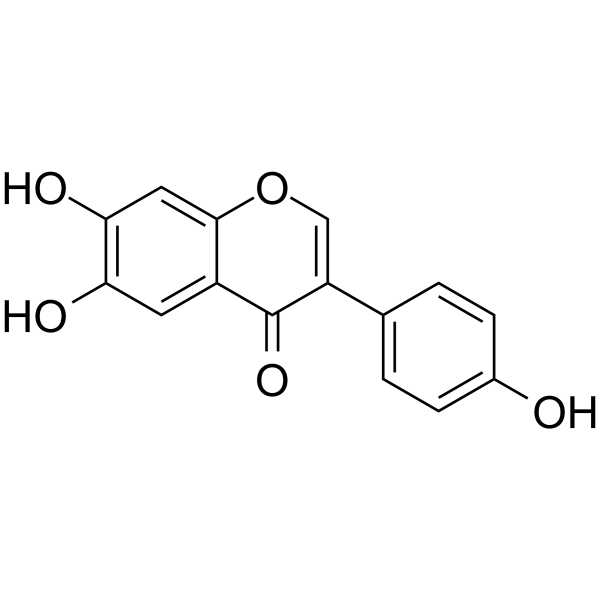
    Desmethylglycitein
    3 Publications Verification

    4',6,7-Trihydroxyisoflavone

    CDK PI3K PKC Cancer
    Desmethylglycitein (4',6,7-Trihydroxyisoflavone), a metabolite of daidzein, sourced from Glycine max with antioxidant, and anti-cancer activities. Desmethylglycitein binds directly to CDK1 and CDK2 in vivo, resulting in the suppresses CDK1 and CDK2 activity [1]. Desmethylglycitein is a direct inhibitor of protein kinase C (PKC)α, against solar UV (sUV)-induced matrix matrix metalloproteinase 1 (MMP1) . Desmethylglycitein binds to PI3K in an ATP competitive manner in the cytosol, where it inhibits the activity of PI3K and downstream signaling cascades, leading to the suppression of adipogenesis in 3T3-L1 preadipocytes .
    Desmethylglycitein
  • HY-108910A
    Chymotrypsin (MS grade)
    2 Publications Verification

    EC 3.4.21.1 (MS grade); Chymotrypsin A (MS grade)

    Toll-like Receptor (TLR) NF-κB MMP Others Inflammation/Immunology
    Chymotrypsin (EC 3.4.21.1; Chymotrypsin A) (MS grade) is an orally effective inhibitor targeting molecules such as TLR4, NF-κB, MMP-1, TNF-α, IL-1β, and IL-6. Chymotrypsin (MS grade) downregulates the TLR4/NF-κB signaling pathway, inhibits the release of inflammatory factors, reduces cell infiltration and tissue damage, and also reduces the expression of tumor cell adhesion molecules (such as CD44 and CD54). It can also be specifically detected by fluorescent probes (such as NBD-3). Chymotrypsin (MS grade) has anti-inflammatory, hepatoprotective, joint damage-reducing, liver protection against lipotoxicity, and anti-tumor metastasis functions, and can be used in the research of diseases such as rheumatoid arthritis, non-alcoholic fatty liver disease, and melanoma metastasis. Chymotrypsin (MS grade) can be used in studies of inflammation, edema, and expectoration [1] .
    Chymotrypsin (MS grade)
  • HY-P2179

    Fluorescent Dye MMP Others
    MMP-1/MMP-9 Substrate, Fluorogenic is a fluorogenic substrate for MMP-1 and MMP-9 [1].Ex/Em = 340/440 nm
    MMP-1/MMP-9 Substrate, Fluorogenic
  • HY-164159

    Reactive Oxygen Species (ROS) MMP Inflammation/Immunology
    α-Glucosylrutin, a flavonoid, is a potent antioxidant with free radical scavenging activity. α-Glucosylrutin reduces MMP-1 gene expression, protein expression, and enzyme activity, and reduces MMP-2 protein expression and enzyme activity in UVA-irradiated human dermal fibroblasts. α-Glucosylrutin prevents oxidative stress-induced intracellular tyrosine residue phosphorylation and counteracts intracellular thiol level depletion in human skin cells. α-Glucosylrutin is effective in the prevention of dermatologic diseases in which oxidative stress is of pathogenetic relevance, e.g. in polymorphous light eruption (PLE). α-Glucosylrutin can be used for the research of UV-induced skin photodamage/photoaging [1] .
    α-Glucosylrutin
  • HY-N3266

    Tyrosinase Phosphatase Cholinesterase (ChE) SARS-CoV PERK JNK p38 MAPK TGF-beta/Smad Apoptosis Reactive Oxygen Species (ROS) AMPK MMP Cardiovascular Disease Infection Neurological Disease Inflammation/Immunology Cancer
    Methyl rosmarinate is an orally active hydroxycinnamic acid. Methyl rosmarinate exhibits an IC50 of 24.70 μM and a Ki of 15.29 μM against PTP1B, an IC50 of 41.46 μg/mL against BChE, a Ki of 0.61 mM against mushroom tyrosinase, and an IC50 of 2.50 μM against SARS-CoV-2 3CLpro. Methyl rosmarinate downregulates the phosphorylation levels of ERK, JNK, p38, Smad2 and Smad3. Methyl rosmarinate activates erythrocyte BPGM and promotes the production of 2,3-BPG. Methyl rosmarinate induces apoptosis of fibroblasts. Methyl rosmarinate prolongs the survival time of hypoxic mice. Methyl rosmarinate improves insulin sensitivity. Methyl rosmarinate binds to SARS-CoV-2 3CLpro and inhibits viral replication. Methyl rosmarinate induces glioblastoma cell death. Methyl rosmarinate activates the TGR5/AMPK axis and reduces the levels of ROS and MDA. Methyl rosmarinate shows inhibitory activity against MMP-1. Methyl rosmarinate can be used in research related to pulmonary fibrosis, hypoxia-induced injury, type 2 diabetes, Alzheimer's disease, hyperpigmentation disorders, COVID-19, glioblastoma and myocardial ischemia-reperfusion injury [1] .
    Methyl rosmarinate
  • HY-10398
    CTS-1027
    4 Publications Verification

    Ro 1130830; RS 130830

    MMP Cancer
    CTS-1027 is a potent small molecule inhibitor of MMPs, with IC50s of 0.3 nM, 0.5 nM for MMP2, MMP13, respectively, and has > 1,000 fold selectivity over MMP1.
    CTS-1027
  • HY-19485
    XL-784
    2 Publications Verification

    MMP Cardiovascular Disease
    XL-784 is a selective matrix metalloproteinases (MMP) inhibitor, with IC50s of ~1900, 0.81, 120, 10.8, 18, 0.56 nM for MMP-1, MMP-2, MMP-3, MMP-8, MMP-9, MMP-13, respectively.
    XL-784
  • HY-124029

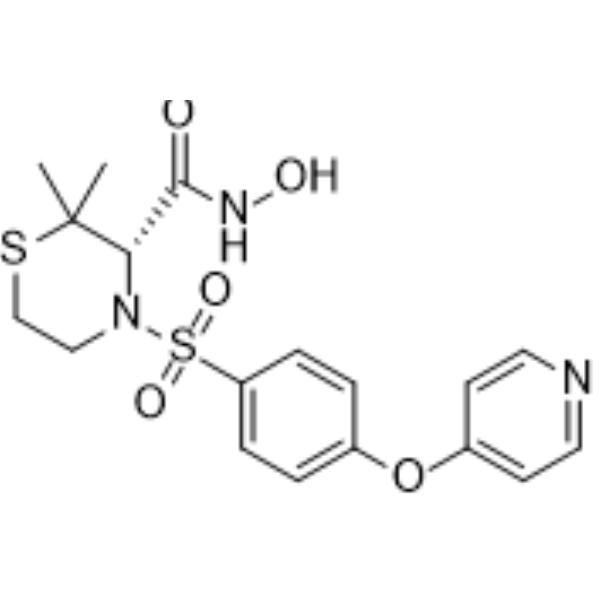
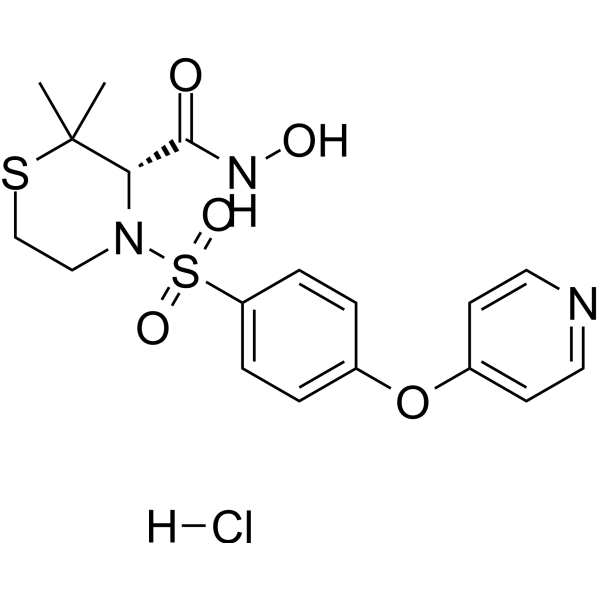
    MMP13-IN-3

    MMP Inflammation/Immunology
    BI-4394 (MMP13-IN-3), a chemical probe, is a potent, selective, and orally active MMP-13 inhibitor (IC50=1 nM [1]) for the potential treatment of osteoarthritis . BI-4394 is >1000 selective over other MMPs .
    BI-4394
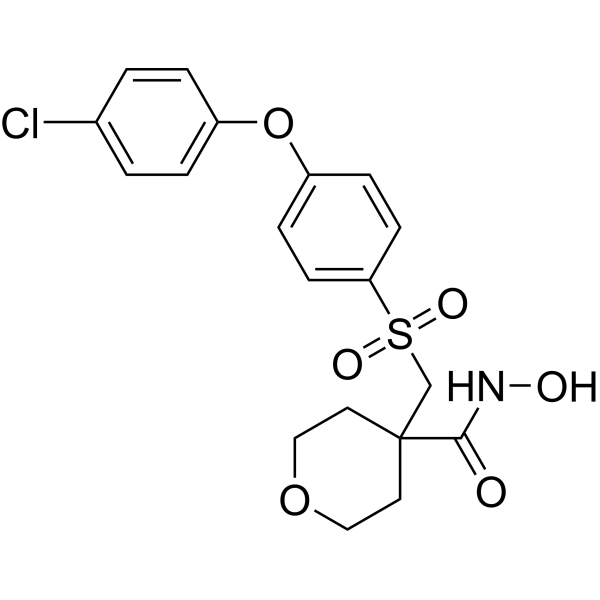
  • HY-152092
    MMP-1-IN-1
    1 Publications Verification

    MMP Cancer
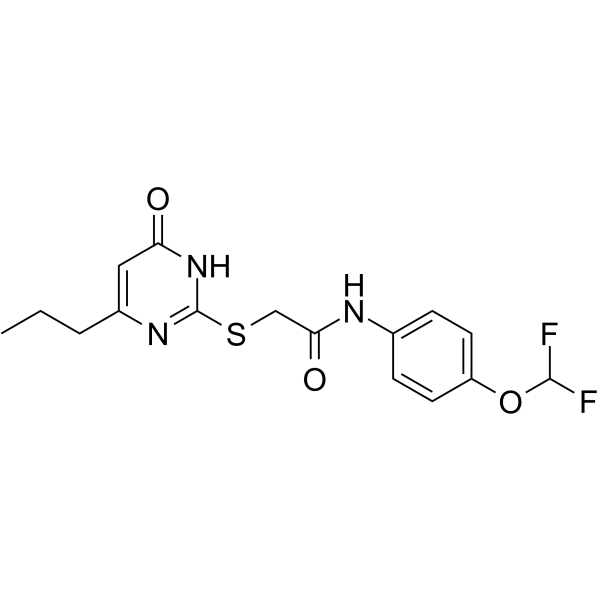
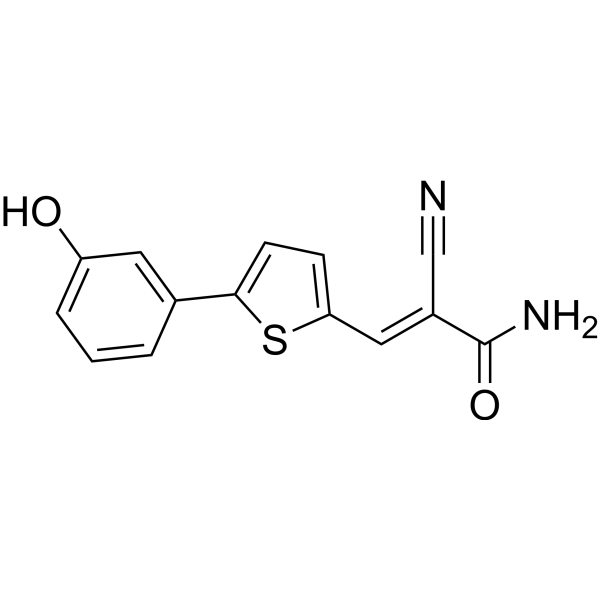
    MMP-1-IN-1 (Compound 6) is a highly potent MMP-1 inhibitor with an IC50 of 0.034 μM [1].
    MMP-1-IN-1
  • HY-12170A
    Prinomastat hydrochloride
    4 Publications Verification

    AG3340 hydrochloride; KB-R9896 hydrochloride

    MMP Apoptosis Cancer
    Prinomastat hydrochloride (AG3340 hydrochloride) is a broad spectrum, potent, orally active metalloproteinase (MMP) inhibitor with IC50s of 79, 6.3 and 5.0 nM for MMP-1, MMP-3 and MMP-9, respectively. Prinomastat hydrochloride inhibits MMP-2, MMP-3, MMP-13 and MMP-9 with Kis of 0.05 nM, 0.3 nM, 0.03 nM and 0.26 nM, respectively. Prinomastat hydrochloride can cross blood-brain barrier. Antitumor avtivity [1] .
    Prinomastat hydrochloride
  • HY-N0363
    (+)-Columbianetin
    2 Publications Verification

    (S)-Columbianetin

    ERK JNK Collagen TGF-beta/Smad p38 MAPK Reactive Oxygen Species (ROS) Others
    (+)-Columbianetin ((S)-Columbianetin) acts as an inhibitor of JNK/ERK. (+)-Columbianetin inhibits UVA-induced phosphorylation of JNK and ERK, reduces the production of MMP-1, reverses UVA-induced Collagen (HY-NP003) degradation, and alleviates UVA-mediated inhibition of Smad2/3 phosphorylation and translocation. (+)-Columbianetin regulates the AP-1 and ASK1-MAPK signaling pathways, inhibits the production of ROS and blocks sub-G1 cell cycle arrest. (+)-Columbianetin is applicable to research related to skin aging [1] .
    (+)-Columbianetin
  • HY-107428

    MMP Cardiovascular Disease
    PD-166793 is a potent, selective, orally active and wide-broad spectrum inhibitor of MMP, exhibiting nanomolar potency against MMP-2, MMP-3 and MMP-13 (IC50=4, 7, and 8 nM, respectively) and micromolar potency vs MMP-1, -7 and -9 (IC50=6.0, 7.2, and 7.9 μM, respectively). PD-166793 can attenuate left ventricular remodeling and dysfunction in a rat model of progressive heart failure [1] .
    PD-166793
  • HY-107639

    MMP Inflammation/Immunology
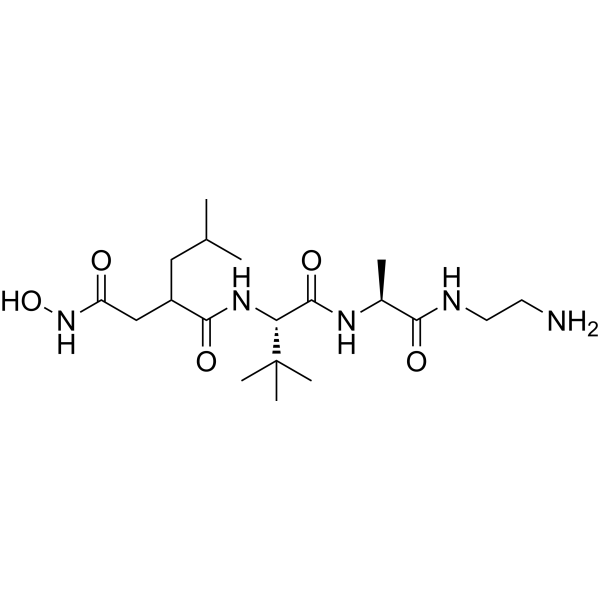
    UK-370106 is a potent and highly selective MMP-3 (IC50 of 23 nM) and MMP-12 (IC50 of 42 nM) inhibitor with >1200-fold higher potency than MMP-1, MMP-2, MMP-9, and MMP-14, and about 100-fold than MMP-13 and MMP-8. UK-370106 potently inhibits cleavage of [ 3H]-fibronectin by MMP-3 (IC50 of 320 nM) and has little effect on keratinocyte migration in vitro [1] .
    UK-370106
  • HY-P10043

    MMP Others
    MMP-1 Substrate is a matrix metalloproteinase-1 (MMP-1) selective substrate that can be used for the fluorometric determination of MMP-1 enzymatic activity [1].
    MMP-1 Substrate
  • HY-N1981S1

    Isotope-Labeled Compounds MMP Endogenous Metabolite Inflammation/Immunology
    Triolein-d5 is the deuterium labeled Triolein. Triolein is a symmetrical triacylglycerol, reduces MMP-1 upregulation, with strong antioxidant and anti-inflammatory properties [1].
    Triolein-d5
  • HY-13564A
    Batimastat sodium salt
    15+ Cited Publications

    BB-94 sodium salt

    MMP Cancer
    Batimastat sodium salt is a potent broad spectrum MMP inhibitor with IC50 of 3, 4, 4, 6, and 20 nM for MMP-1, MMP-2, MMP-9, MMP-7 and MMP-3, respectively.
    Batimastat sodium salt
  • HY-118157

    MMP Inflammation/Immunology
    3,5,7-Trimethoxyflavone, a flavonoid compound, can inhibit the TNF-α-induced high expression and secretion of MMP-1 by cells. 3,5,7-Trimethoxyflavone can be used to ameliorate skin damage [1].
    3,5,7-Trimethoxyflavone
  • HY-177590

    MMP Others
    14-3-3-IN-2 is a 14-3-3 protein inhibitor with an IC50 of 15 nM. 14-3-3-IN-2 can disrupt the interaction of 14-3-3α with aminopeptidase N and down-regulate 14-3-3α increased MMP-1 mRNA levels [1].
    14-3-3-IN-2
  • HY-114785

    MMP Cancer
    BPHA is a potent and orally active MMP-2, MMP-9 and MMP-14 inhibitor with IC50s of 12 nM, 16 nM and 17 nM, respectively. BPHA does not inhibit MMP-1, -3, and -7 (the IC50s are 974, >1000, and 795 nM, respectively). BPHA has antiangiogenic and antitumor effects [1].
    BPHA
  • HY-143657

    Myosin Ferlin Family MMP Cancer
    Myoferlin inhibitor 1 is a compound that exhibits reversible, concentration-dependent binding to the myoferlin MYOF-C2D protein, with a KD of 0.094 μM. Myoferlin inhibitor 1 shows potent anti-invasion and anti-migration activities against different pancreatic cancer cells. Myoferlin inhibitor 1 inhibits pancreatic cancer metastasis through reversing mesenchymal transition (EMT), inhibiting the secretions of MMP1 and MMP2 and blocking the receptor tyrosine kinases. Myoferlin inhibitor 1 displays effective antimetastatic activities in pancreatic cancer in vitro and in vivo. Myoferlin inhibitor 1 can be used in research on preventing pancreatic cancer metastasis [1].
    Myoferlin inhibitor 1
  • HY-122624

    MMP Inflammation/Immunology
    MMP13-IN-2 is a potent, selective and orally active MMP-13 inhibitor. MMP13-IN-2 exhibits excellent potency for MMP-13 (IC50=0.036 nM) and selectivities (greater than 1,500-fold) over MMP-1, 3, 7, 8, 9, 14, and TACE. MMP13-IN-2 has the ability to block the release of collagen from cartilage in vitro. MMP13-IN-2 has the potential for collagenase related disease research [1].
    MMP13-IN-2
  • HY-113440
    5-Methoxytryptophol
    1 Publications Verification

    Melatonin Receptor ERK TNF Receptor Interleukin Related MMP Endogenous Metabolite Neurological Disease Metabolic Disease Inflammation/Immunology
    5-Methoxytryptophol is a 5-methoxyindole alcohol structurally homologous to Melatonin (HY-B0075). It is secreted by the mammalian pineal gland and exhibits an inverse circadian rhythm. 5-Methoxytryptophol regulates bone metabolism by activating the ERK1/2 pathway. It reduces the levels of pro-inflammatory cytokines TNF-α and IL-1β, as well as proteolytic enzymes MMP-1 and MMP-2, in serum and dental pulp tissues, thereby ameliorating acute pulpitis. 5-Methoxytryptophol induces rapid sleep in mice, while high doses cause respiratory depression and death. 5-Methoxytryptophol. 5-Methoxytryptophol can be used in studies related to acute pulpitis, hypnosis, and bone metabolism [1].
    5-Methoxytryptophol
  • HY-122106

    MMP Others
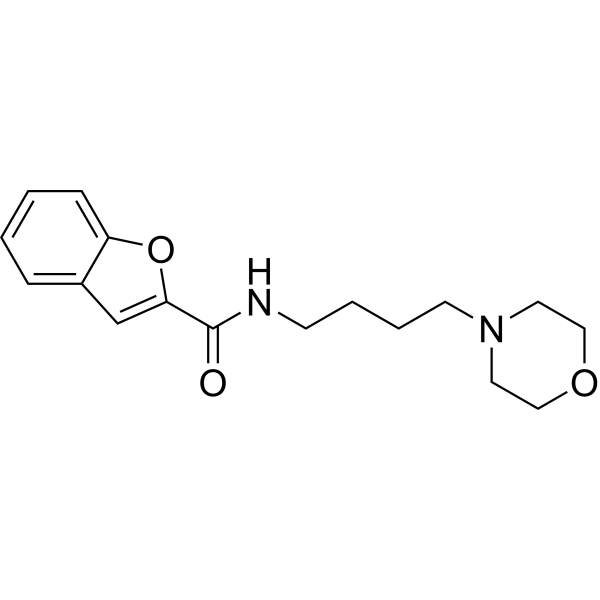
    RS-104966 is a potent collagenase-1 (MMP-1) inhibitor. RS-104966 induces a conformational change in the side chains of the S10 pocket of MMP-1 [1].
    RS-104966
  • HY-N1981S

    MMP Endogenous Metabolite Inflammation/Immunology
    Triolein- 13C3 is the 13C-labeled Triolein. Triolein is a symmetrical triacylglycerol, reduces MMP-1 upregulation, with strong antioxidant and anti-inflammatory properties [1].
    Triolein-13C3
  • HY-N1981R

    Reference Standards MMP Endogenous Metabolite Inflammation/Immunology
    Triolein (Standard) is the analytical standard of Triolein. This product is intended for research and analytical applications. Triolein is a symmetric triacylglycerol that reduces upregulation of MMP-1 and has strong antioxidant and anti-inflammatory activities [1] .
    Triolein (Standard)
  • HY-W011085
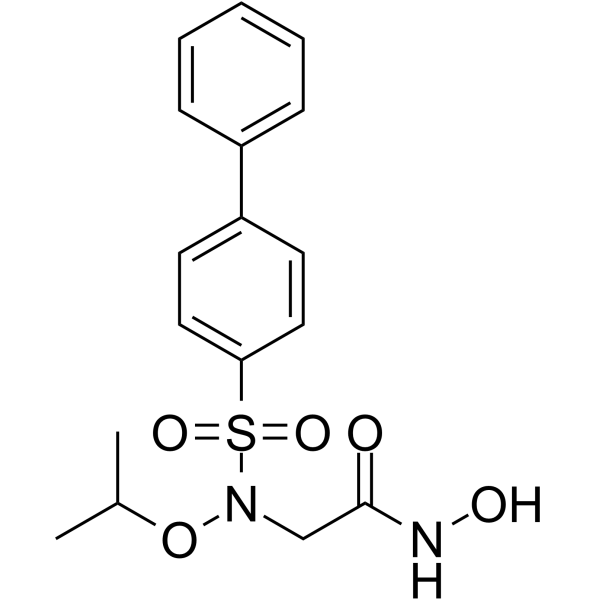
    CP-471474
    1 Publications Verification

    MMP Inflammation/Immunology
    CP-471474 is an orally active and pan MMP inhibitor, with IC50 values of 1170 nM (MMP-1), 0.7 nM (MMP-2), 16 nM (MMP-3), 13 nM (MMP-9) and 0.9 nM (MMP-13), respectively [1] .
    CP-471474
  • HY-P3484

    MMP Cancer
    Dnp-PLGLWA-DArg-NH2 TFA is a fluorogenic substrate for MMP-1 and MMP-9. Dnp-PLGLWA-DArg-NH2 TFA can be used to quantify the activity of MMPs (Ex=280 nm, Em=360 nm) [1] .
    Dnp-PLGLWA-DArg-NH2 TFA
  • HY-119423

    MMP Cancer
    MMP Inhibitor II (compound 4e) is a potent, reversible pan-MMP inhibitor with IC50 values of 24 nM, 18.4 nM, 30 nM, and 2.7 nM for MMP-1,MMP-3, MMP-7, and MMP-9, respectively [1].
    MMP Inhibitor II
  • HY-116302

    MMP Neurological Disease Inflammation/Immunology
    MMP-9-IN-9 (compound 4f) is a slective MMP-9 inhibitor with an IC50 of 5 nM. MMP-9-IN-9 shows selective for MMP-9 over MMP-1 and MMP-13. MMP-9-IN-9 shows strong anti-inflammatory and neuroprotective effects [1].
    MMP-9-IN-9
  • HY-N0262R

    3'-Deoxyadenosine (Standard)

    TNF Receptor Reference Standards MMP Bacterial Autophagy Antibiotic Infection Inflammation/Immunology Cancer
    Cordycepin (Standard) is the analytical standard of Cordycepin. This product is intended for research and analytical applications. Cordycepin (3'-Deoxyadenosine) is a nucleoside derivative and inhibits IL-1β-induced MMP-1 and MMP-3 expression in rheumatoid arthritis synovial fibroblasts (RASFs) in a dose-dependent manner [1]. Cordycepin kills Mycobacterium tuberculosis through hijacking the bacterial adenosine kinase .
    Cordycepin (Standard)
  • HY-117970

    MMP Cardiovascular Disease
    MMPI-1154 is a promising novel cardio-cytoprotective imidazole-carboxylic acid (ICA) MMP-2 inhibitor(IC50=6.6 μM) and can be used for the study of acute myocardial infarction. MMPI-1154 also inhibits the activity of MMP-13, MMP-1 and MMP-9 with IC50s of 1.8 μM,10 μM, and 13 μM, respectively [1].
    MMPI-1154
  • HY-164826

    Interleukin Related Reactive Oxygen Species (ROS) MMP Pyroptosis Ferroptosis Notch Keap1-Nrf2 PINK1/Parkin Mitophagy Caspase Apoptosis Inflammation/Immunology Cancer
    Acetyl zingerone is an analog of Zingerone (HY-14621). Acetyl zingerone downregulates the expression of ROS metabolism-related genes, fibroblast senescence-related genes, keratinocyte differentiation-related genes, and IL-17A target genes. Acetyl zingerone inhibits the activities of MMP-1, MMP-3, and MMP-12, as well as the activation of NLRP3 inflammasome, pyroptosis (pyroptosis), ferroptosis (ferroptosis), cartilage destruction, and UVA-induced cyclobutane pyrimidine dimer formation. Acetyl zingerone upregulates the expression of collagen, proteoglycan, extracellular matrix glycoprotein, Notch pathway, and GPX4 gene, activates Nrf2 and HO-1, induces extracellular matrix synthesis and PINK1/Parkin-mediated mitophagy (mitophagy), and promotes chondrocyte survival. Acetyl zingerone alleviates the progression of osteoarthritis in mice . Acetyl zingerone can be used in research related to skin aging, inflammatory skin diseases, osteoarthritis, melanoma, and non-melanoma skin cancer [1] .
    Acetyl zingerone
  • HY-P4123

    MMP Cardiovascular Disease Inflammation/Immunology Cancer
    TAT (47-57) GGG-Cys (Npys) is a cell-penetrating peptide and delivery carrier derived from TAT. TAT (47-57) GGG-Cys (Npys) facilitates the translocation of conjugated drug molecules across cell membranes. TAT (47-57) GGG-Cys (Npys) acts as a delivery carrier for MT1-MMP inhibitors. TAT (47-57) GGG-Cys (Npys) is applicable to research on diseases associated with MT1-MMP activity, such as cancer, arthritis, heart disease, and vascular disorders [1].
    TAT (47-57) GGG-Cys(Npys)

Inquiry Online

Your information is safe with us. * Required Fields.

Salutation


Country or Region *

Applicant Name *


Organization Name *

Department *


Email Address *


Product Name *

Cat. No.


Requested quantity *

Phone Number *


Remarks

Inquiry Online

Inquiry Information

Product Name:
Cat. No.:
Quantity:
MCE Japan Authorized Agent:

