360 Results for "

NF-κB signaling activity

" in MedChemExpress (MCE) Product Catalog:
Products (360)

360 Results for "NF-κB signaling activity" in MCE Product Catalog:

68
68 Publications Verification
Cat. No.: HY-18234A
CAS No.: 103476-89-7
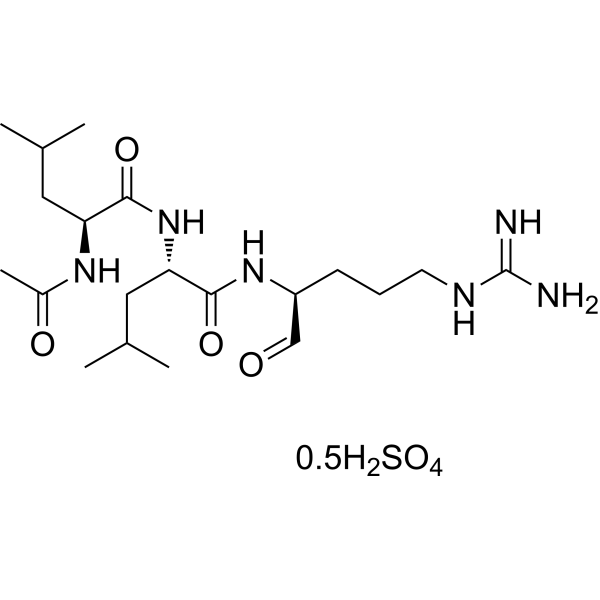
Leupeptin hemisulfate is a broad-spectrum protease inhibitor . By inhibiting the activation of the PTEN/PI3K/Akt/NF-κB/ERK1/2/p38 signaling pathway, Leupeptin hemisulfate significantly reduces LPS-induced NO and ROS production, mitochondrial membrane potential hyperpolarization, phagocytic activity, pro-inflammatory cytokine release, and M1 polarization in mouse peritoneal macrophages, and reverses autophagic flux impairment. It also decreases Concanavalin A (HY-P2149)-induced proliferation index of mouse splenic lymphocytes and the Th1/IL-10 and Th2/IL-10 cytokine ratios, thereby modulating innate and adaptive immune responses. Leupeptin hemisulfate inhibits blood coagulation and tumorigenesis in mouse skin. Leupeptin hemisulfate can be used in research on chronic inflammatory diseases and skin tumorigenesis .
loading...
    loading...
24
24 Cited Publications
Cat. No.: HY-N0171
CAS No.: 83-46-5
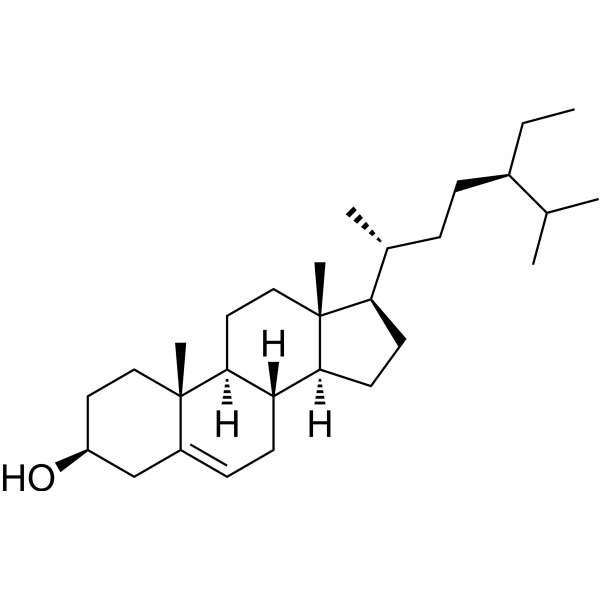
Beta-Sitosterol (purity≥80%) is orally active. Beta-Sitosterol exhibits multiple activities, including anti-inflammatory, anticancer, antioxidant, antimicrobial, antidiabetic, antioxidant enzyme, and analgesic. Beta-Sitosterol inhibits inflammation and impaired adipogenesis in bovine mammary epithelial cells by reducing levels of ROS, TNF-α, IL-1β, and NF-κB p65 and restoring the activity of the HIF-1α/mTOR signaling pathway. Beta-Sitosterol induces apoptosis in cancer cells through ROS-mediated mitochondrial dysregulation and p53 activation. Beta-Sitosterol exerts its anticancer effects in cancer cells by activating caspase-3, caspase-8, and caspase-9, mediating PARP inactivation, MMP loss, altered Bcl-2-Bax ratio, and cytochrome c release. Beta-Sitosterol modulates macrophage polarization and reduces rheumatoid inflammation in mice. Beta-Sitosterol inhibits tumor growth in multiple mouse cancer models. Beta-Sitosterol can be used in the research of arthritis, lung cancer, breast cancer and other cancers, diabetes, etc .
loading...
    loading...
24
24 Cited Publications
Cat. No.: HY-N0171A
CAS No.: 83-46-5
Synonyms: β-Sitosterol (purity>98%); 22,23-Dihydrostigmasterol (purity>98%)
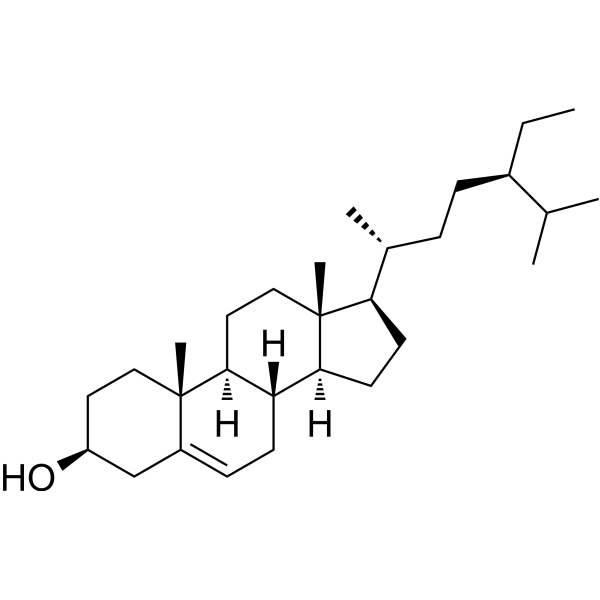
Beta-Sitosterol (purity>98%) is orally active. Beta-Sitosterol exhibits multiple activities, including anti-inflammatory, anticancer, antioxidant, antimicrobial, antidiabetic, antioxidant enzyme, and analgesic. Beta-Sitosterol inhibits inflammation and impaired adipogenesis in bovine mammary epithelial cells by reducing levels of ROS, TNF-α, IL-1β, and NF-κB p65 and restoring the activity of the HIF-1α/mTOR signaling pathway. Beta-Sitosterol induces apoptosis in cancer cells through ROS-mediated mitochondrial dysregulation and p53 activation. Beta-Sitosterol exerts its anticancer effects in cancer cells by activating caspase-3, caspase-8, and caspase-9, mediating PARP inactivation, MMP loss, altered Bcl-2-Bax ratio, and cytochrome c release. Beta-Sitosterol modulates macrophage polarization and reduces rheumatoid inflammation in mice. Beta-Sitosterol inhibits tumor growth in multiple mouse cancer models. Beta-Sitosterol can be used in the research of arthritis, lung cancer, breast cancer and other cancers, diabetes, etc .
loading...
    loading...
19
19 Cited Publications
Cat. No.: HY-N0279
CAS No.: 18956-16-6
Synonyms: Cardamomin; Alpinetin chalcone
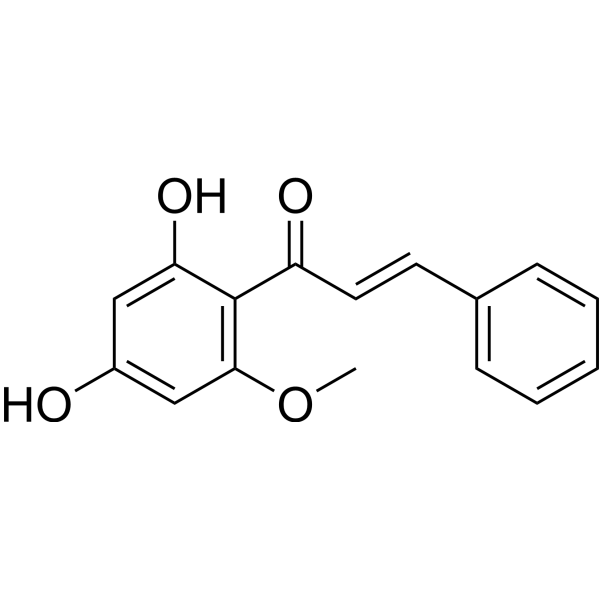
Cardamonin can be found from cardamom, and can target various signaling molecules, transcriptional factors, cytokines and enzymes. Cardamonin can inhibit mTOR, NF-κB, Akt, STAT3, Wnt/β-catenin and COX-2. Cardamonin shows anticancer, anti-inflammatory, antimicrobial and antidiabetic activities .
loading...
    loading...
18
18 Cited Publications
Cat. No.: HY-B1272
CAS No.: 58-28-6
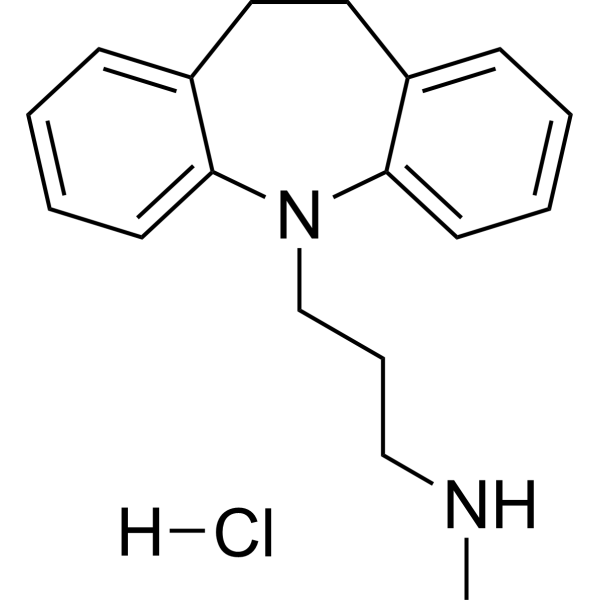
Desipramine hydrochloride is a first-generation tricyclic antidepressant. Desipramine hydrochloride selectively binds to norepinephrine transporter and blocks neuronal norepinephrine reuptake. Desipramine hydrochloride activates MAPK signaling via ERK1/2, JNK, and p38, represses NF-κB and AP-1 activity, and induces apoptosis via ROS elevation, mitochondrial membrane potential reduction, and intracellular calcium increase. Desipramine hydrochloride also shows anyi-inflammatory activity, inhibiting TNF-α production. Desipramine hydrochloride can be used for the research of hepatocellular cancer, inflammation, and neurological diseases .
loading...
    loading...
16
16 Cited Publications
Cat. No.: HY-19744
CAS No.: 2437475-16-4
Target:  

MyD88

Research Areas:  

Inflammation/Immunology

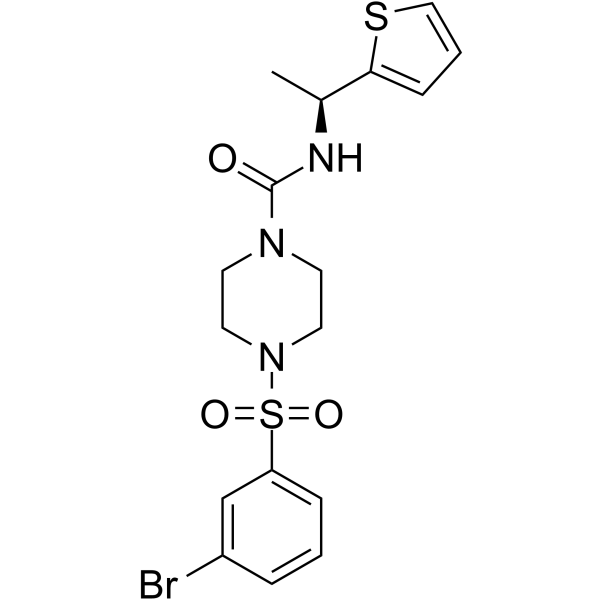
T6167923 is a selective inhibitor of MyD88-dependent signaling pathways. T6167923 directly binds to Toll/IL1 receptor (TIR) domain of MyD88 and disrupts MyD88 homodimeric formation. T6167923 inhibits NF-κB driven Staphylococcus enterotoxin AP (SEAP) activity, and improves anti-inflammatory activity with IC50s of 2.7 μM, 2.9 μM, 2.66 μM and 2.66 μM for IFN-γ, IL-1β, IL-6 and TNF-α, respectively .
loading...
    loading...
15
15 Cited Publications
Cat. No.: HY-123942
CAS No.: 2170867-89-5
Purity:  98.82%
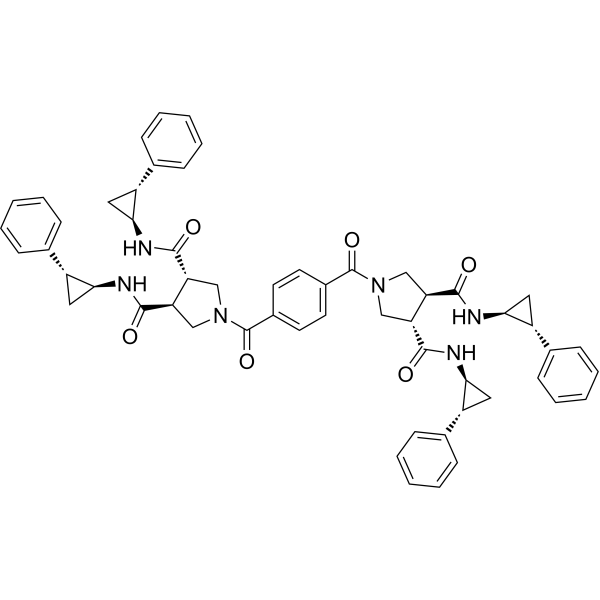
Diprovocim is a potent TLR1/TLR2 agonist. Diprovocim elicits full agonist activity in human THP-1 cells (EC50=110 pM). Diprovocim stimulates the release of TNF-α from mouse macrophages (EC50=1.3 nM). Diprovocim activates downstream MAPK and NF-κB signaling pathway. Diprovocim displays strong adjuvant activity in mice, particularly abetting cellular immune responses .
loading...
    loading...
13
13 Cited Publications
Cat. No.: HY-12687
CAS No.: 173903-47-4
Purity:  98.10%
Synonyms: TIZ
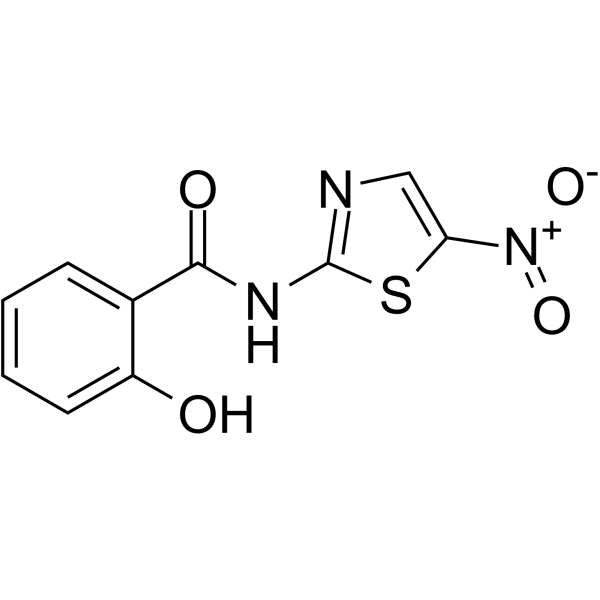
Tizoxanide (TIZ) is the active metabolite of Nitazoxanide, which is a thiazolide anti-infective compound against anaerobic bacteria, protozoa, and a range of viruses. Tizoxanide (TIZ) has anti-HIV-1 activities and potent inhibition of both HBV and HCV replication with values EC50 of 0.46μM and 0.15 μM, respectively. Tizoxanide also exerts anti-inflammatory effects by inhibiting the production of pro-inflammatory cytokines and suppressing of the activation of the NF-κB and the MAPK signaling pathways in LPS-treated macrophage cells .
loading...
    loading...
12
12 Cited Publications
Cat. No.: HY-N2515
CAS No.: 494753-69-4
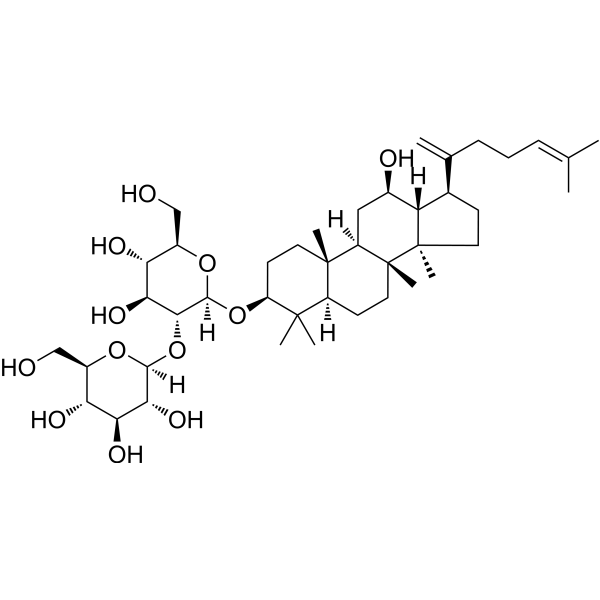
Ginsenoside Rk1 is a unique component created by processing the ginseng plant (mainly Sung Ginseng, SG) at high temperatures . Ginsenoside Rk1 has anti-inflammatory effect, suppresses the activation of Jak2/Stat3 signaling pathway and NF-κB . Ginsenoside Rk1 has anti-tumor effect, antiplatelet aggregation activities, anti-insulin resistance, nephroprotective effect, antimicrobial effect, cognitive function enhancement, lipid accumulation reduction and prevents osteoporosis . Ginsenoside Rk1 induces cell apoptosis by triggering intracellular reactive oxygen species (ROS) generation and blocking PI3K/Akt pathway .
loading...
    loading...
11
11 Cited Publications
Cat. No.: HY-N0763
CAS No.: 523-50-2
Synonyms: Isopsoralen
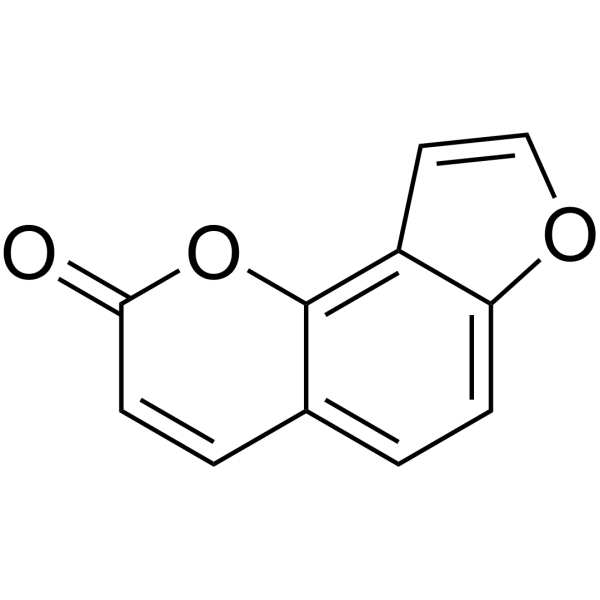
Angelicin is a furanocoumarin compound that functions as an inhibitor of NF-κB and MAPK signaling pathways, exhibiting anti-inflammatory, antiviral, and antitumor activities. It suppresses the lytic replication of γ-herpesviruses, such as MHV-68, early during viral infection, potentially inhibiting RTA gene expression (IC50=28.95 μM). Angelicin also mitigates inflammation by inhibiting the phosphorylation and nuclear translocation of NF-κB, and the phosphorylation of p38 and JNK. Furthermore, it induces apoptosis in neuroblastoma cells by downregulating anti-apoptotic proteins like Bcl-2, Bcl-xL, and Mcl-1, while activating caspase-9 and caspase-3.
loading...
    loading...
9
9 Cited Publications
Cat. No.: HY-N0738
CAS No.: 4136-37-2
Stachydrine hydrochloride is the major active constituent of Leonurus artemisia, which is a potential therapy for cardiovascular diseases . Stachydrine can inhibit the NF-κB signal pathway. Anti-hypertrophic activities .
loading...
    loading...
9
9 Cited Publications
Cat. No.: HY-N0104
CAS No.: 4871-97-0
Synonyms: (-)-Curcumol
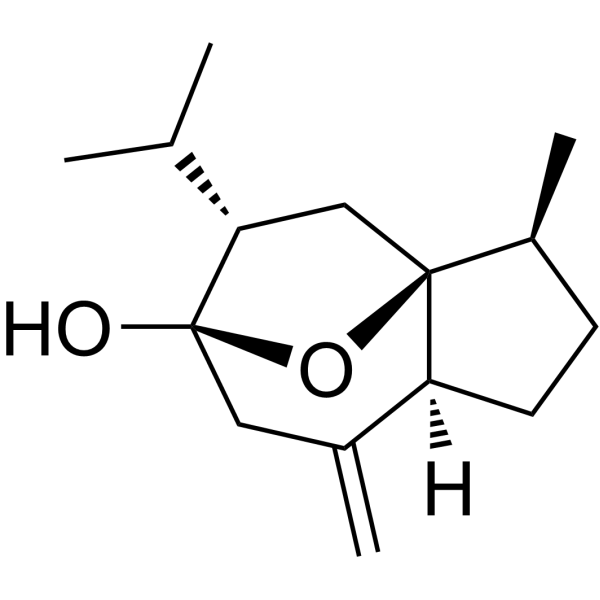
Curcumol ((-)-Curcumol), a bioactive sesquiterpenoid, possesses numerous pharmacological activities like anticancer, antimicrobial, antifungal, antiviral, and antiinflammatory. Curcumol is a potent inducer of apoptosis in numerous cancer cells via targeting key signaling pathways as MAPK/ERK, PI3K/Akt and NF-κB which are generally deregulated in several cancers .
loading...
    loading...
8
8 Cited Publications
Cat. No.: HY-13811
CAS No.: 343351-67-7
Purity:  99.93%
Research Areas:  

Cancer

NSC697923 is a potent UBE2N (ubiquitin-conjugating enzyme E2 N, Ubc13) inhibitor. NSC697923 induces neuroblastoma (NB) cell death via promoting nuclear importation of p53 in p53 wild-type NB cells. NSC697923 also induces cell death in p53 mutant NB cells by activation of JNK-mediated apoptotic pathway. NSC697923 inhibits DNA damage and NF-κB signaling. Antitumor activity .
loading...
    loading...
7
7 Cited Publications
Cat. No.: HY-N0022
CAS No.: 61303-13-7
Synonyms: Isoverbascoside
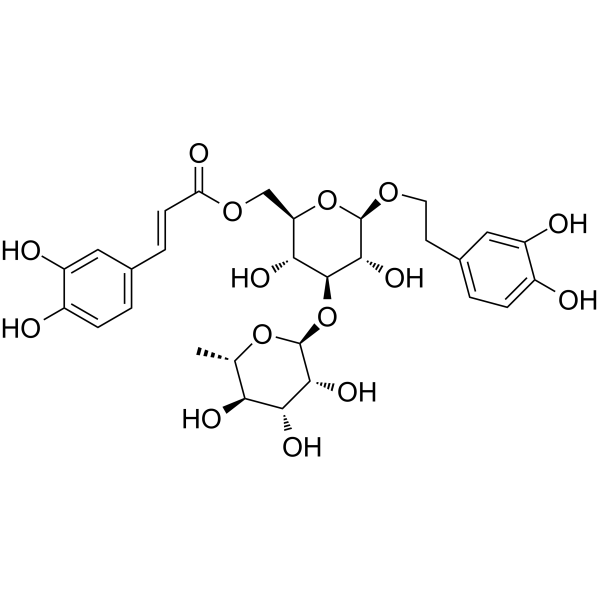
Isoacteoside is a natural product that can significantly inhibit the formation of glycation end products. Isoacteoside regulates the AKT/PI3K/m-TOR/NF-κB signaling pathway, induces apoptosis in OVCAR-3 cell. Isoacteoside exhibits antitumor, anti-inflammatory, anti-obesity and neuroprotective activities .
loading...
    loading...
7
7 Cited Publications
Cat. No.: HY-N0631
CAS No.: 131189-57-6
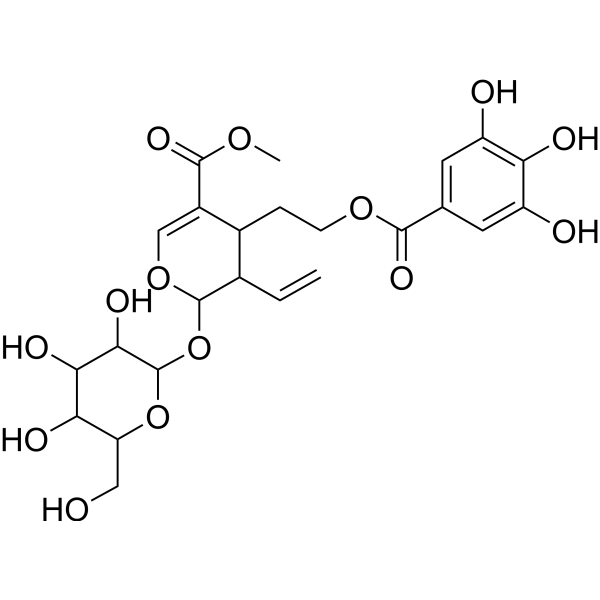
Cornuside is an iridoid glycoside with anti-allergic, anti-inflammatory, and neuroprotective activities. Cornuside exerts anti-allergic activity by downregulating the p38 MAPK, JNK, and NF-κB signaling pathways, and inhibits IgE-mediated histamine release from mast cells. Cornuside improves cognitive impairment in mice by inhibiting BACE1 activity (IC50 = 55.84 μg/mL) and enhancing ChAT activity. Cornuside inhibits LPS (HY-D1056)-induced inflammatory mediators, including iNOS, COX-2, PGE2, TNF-α, IL-6, and IL-1β, by suppressing NF-κB activation .
loading...
    loading...
7
7 Cited Publications
Cat. No.: HY-135317
CAS No.: 1801344-14-8
Purity:  99.96%
Synonyms: CA-4948
Research Areas:  

Inflammation/Immunology Cancer

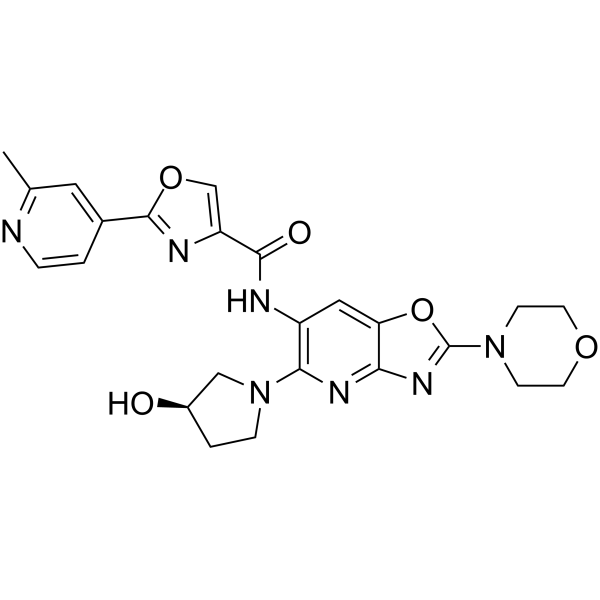
Emavusertib is an orally active inhibitor for IRAK4 (IC50=57 nM) and FLT3. Emavusertib inhibits NF-κB and MyD88 signaling pathways, reduces the generation of pro-inflammatory cytokines like IL-6 and IL-10, thereby exhibiting anti-inflammatory and anti-proliferative activities against cancer cells, leading to cell apoptosis. Emavusertib exhibits antitumor activity in mouse model
loading...
    loading...
7
7 Cited Publications
Cat. No.: HY-N0815
CAS No.: 465-39-4
Synonyms: Bufogenin; Recibufogenin
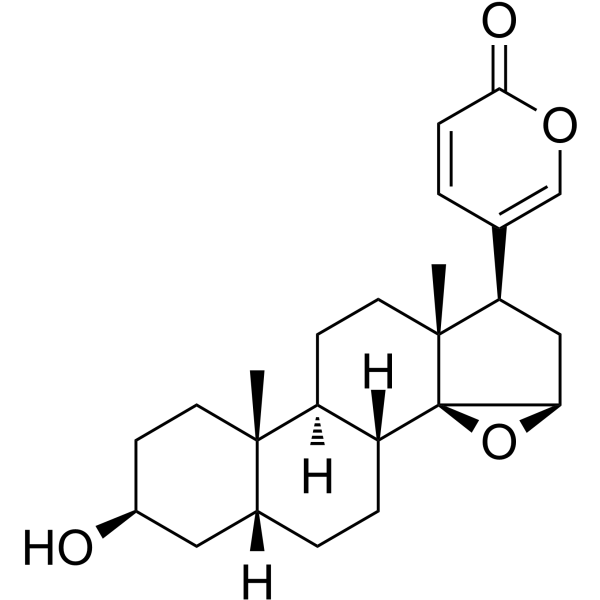
Resibufogenin is an orally active anticancer agent. Resibufogenin can be extracted from toad venom. Resibufogenin blocks signaling pathways such as PI3K/Akt, NF-κB, AP-1, activates GSK-3β, and regulates cyclin D1. Resibufogenin can activate central neurons. Resibufogenin has anti-inflammatory activity. Resibufogenin has anti-tumor effects on a variety of tumors such as multiple myeloma, renal cancer, colorectal cancer, pancreatic cancer, and glioma .
loading...
    loading...
6
6 Cited Publications
Cat. No.: HY-N2526
CAS No.: 506-37-6
Synonyms: Selacholeic acid; cis-15-Tetracosenoic acid
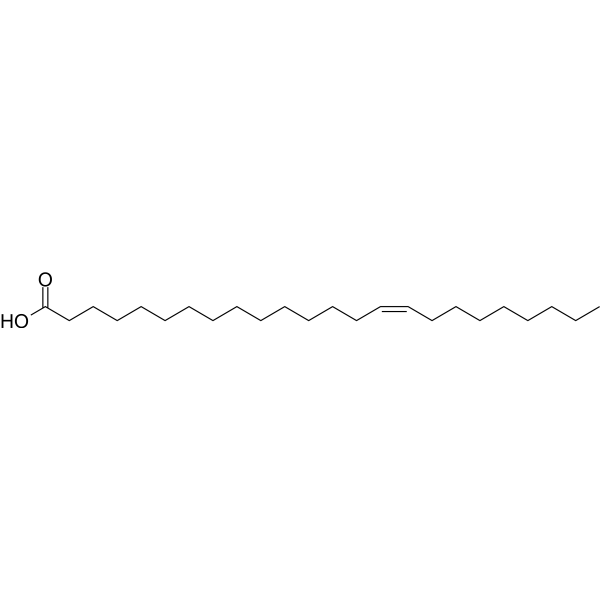
Nervonic acid is a monounsaturated fatty acid with oral activity. Nervonic acid exerts anti-inflammatory activity by inhibiting NF-κB signaling. Nervonic acid can be used in the study of neurodegenerative diseases .
loading...
    loading...
6
6 Cited Publications
Cat. No.: HY-16126
CAS No.: 99519-84-3
Synonyms: L-651582; CAI
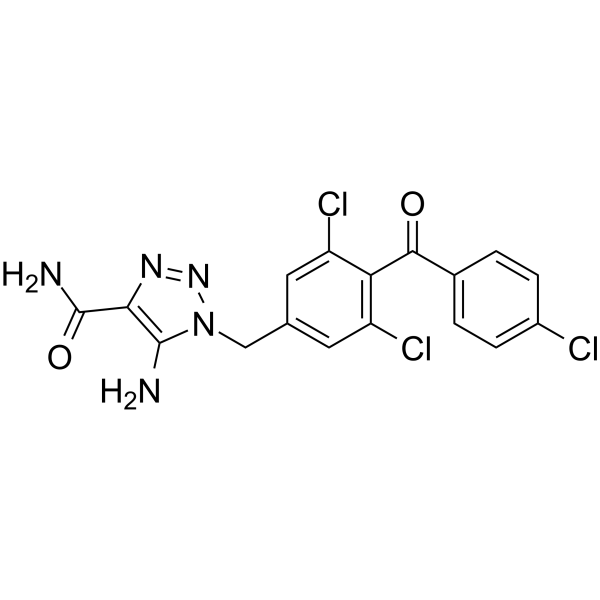
Carboxyamidotriazole (L-651582) is an orally active cytostatic inhibitor of nonvoltage-operated calcium channels and calcium channel-mediated signaling pathways. Carboxyamidotriazole inhibits NF-κB, MAPK activation and NO production. Carboxyamidotriazole has anti-angiogenic and anti-inflammatory activities. Carboxyamidotriazole has anticancer activity against liver cancer, lung cancer and leukemia .
loading...
    loading...
6
6 Cited Publications
Cat. No.: HY-N0816
CAS No.: 55916-51-3
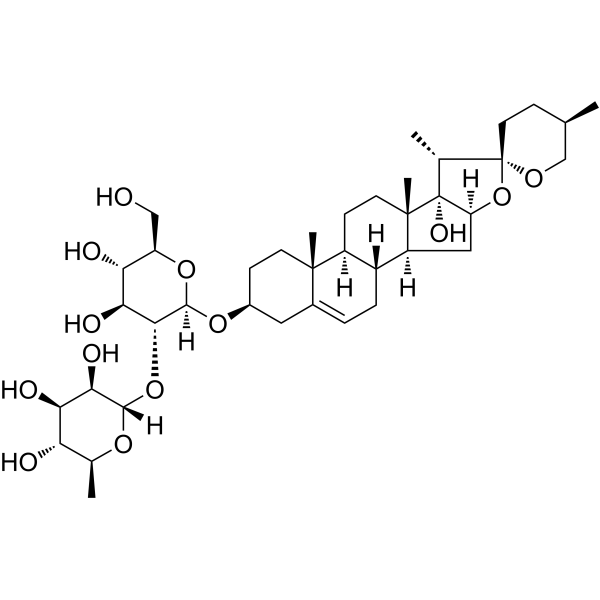
Polyphyllin VI, an active saponin, possess anti-cancer activities. Polyphyllin VI induces G2/M cell cycle arrest and triggers apoptosis. Polyphyllin VI induces caspase-1-mediated pyroptosis via the induction of ROS/NF-κB/NLRP3/GSDMD signal axis in non-small cell lung cancer .
loading...
    loading...

