












Search Result
Results for "
Neutralizing
" in MedChemExpress (MCE) Product Catalog:
15
Biochemical Assay Reagents
5
Isotope-Labeled Compounds
| Cat. No. |
Product Name |
Target |
Research Areas |
Chemical Structure |
-
- HY-P9917
-
Tocilizumab
Maximum Cited Publications
42 Publications Verification
Anti-Human IL6R, Humanized Antibody; RG-1569; rhPM-1
|
Interleukin Related
|
Inflammation/Immunology
Cancer
|
|
Tocilizumab (Anti-Human IL6R, Humanized Antibody) is an anti-human interleukin-6 receptor (IL-6R) neutralizing antibody, prevents binding of IL-6 to the IL-6R, thereby inhibiting both classic and trans-signaling. Tocilizumab (Anti-Human IL6R, Humanized Antibody) can be used for the treatment of rheumatoid arthritis . Tocilizumab is remarkablely effective for the study of severe COVID-19 (coronavirus disease) .
|
-
-
- HY-100561
-
-
-
- HY-A0248
-
|
|
Antibiotic
Bacterial
|
Infection
|
|
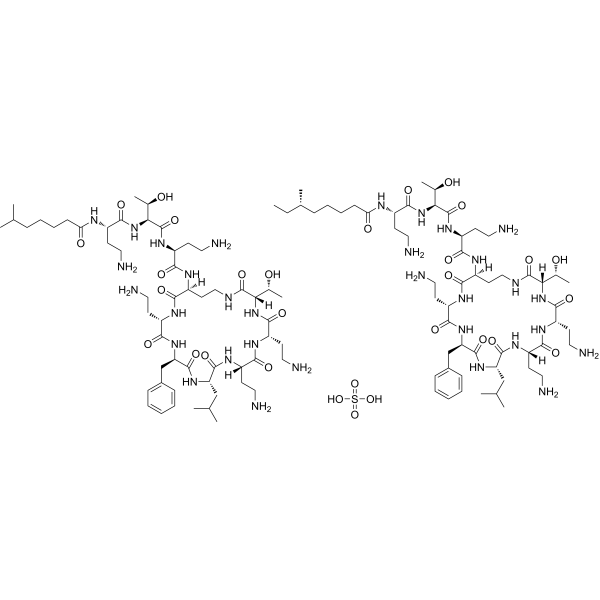
Polymyxin B Sulfate is an antibiotic. Polymyxin B Sulfate inhibits Gram-negative infections by binding to the LPS of the bacterial wall with high affinity. Polymyxin B Sulfate neutralizes the effect of endotoxin. Polymyxin B Sulfate induces bacterial death by increasing its permeability. Polymyxin B Sulfate is used in endotoxemia research .
|
-
-
- HY-149179
-
|
|
Antibiotic
Bacterial
|
Infection
|
|
Polymyxin B is an antibiotic. Polymyxin B inhibits Gram-negative infections by binding to the LPS of the bacterial wall with high affinity. Polymyxin B neutralizes the effect of endotoxin. Polymyxin B induces bacterial death by increasing its permeability. Polymyxin B is used in endotoxemia research .
|
-
-
- HY-107911
-
|
|
Thrombin
|
Metabolic Disease
|
|
Protamine sulfate, polycationic peptide and a antiheparin agent, could neutralize the anticoagulant action of heparin and enhances lipid-mediated gene transfer .
|
-
-
- HY-P99275
-
|
AMG-888; U3-1287
|
EGFR
Akt
ERK
PARP
Survivin
|
Cancer
|
|
Patritumab (Human Anti-ERBB3 Recombinant Antibody) is a neutralizing monoclonal antibody to ERBB3. Patritumab shows a synergy with Cetuximab (HY-P9905), potently inhibits the phosphorylation of EGFR, HER2, HER3, ERK, and AKT. Patritumab also induces cell apoptosis and suppresses the growth of pancreatic, non-small cell lung cancer, and colorectal cancer xenograft tumors .
|
-
-
- HY-P9927
-
|
AIN457
|
Interleukin Related
|
Inflammation/Immunology
Cancer
|
|
Secukinumab (AIN457) is a high affinity, human monoclonal antibody targeted against interleukin (IL)-17A. Secukinumab is the first-in-class anti-IL-17 agent used for the research of plaque psoriasis, ankylosing spondylitis and psoriatic arthritis .
|
-
-
- HY-P99756
-
|
MEDI8897
|
RSV
|
Infection
|
|
Nirsevimab (MEDI8897) is a recombinant monoclonal antibody against human respiratory syncytial virus (RSV). Nirsevimab has neutralizing activity against RSV A and RSV B viruses, with IC50 values of 5.42 ng/mL and 9.71 ng/mL, respectively. Nirsevimab can be used for research on respiratory infections .
|
-
-
- HY-P99486
-
|
ABT-874
|
Interleukin Related
|
Inflammation/Immunology
|
|
Briakinumab (ABT-874) is a fully human anti-IL-12/23p40 monoclonal antibody. Briakinumab targets and neutralizes IL-12 and IL-23. Briakinumab can be used for the research of rheumatoid arthritis, inflammatory bowel disease, and multiple sclerosis .
|
-
-
- HY-P9945
-
|
SB 240563
|
Interleukin Related
|
Cardiovascular Disease
Inflammation/Immunology
|
|
Mepolizumab (SB 240563) is a humanized monoclonal antibody that binds to and neutralizes interleukin-5 (IL-5), the major cytokine involved in eosinophil proliferation, activation, and survival. Mepolizumab can be used for the research of eosinophilic granulomatosis with polyangiitis (EGPA) and severe eosinophilic asthma .
|
-
-
- HY-P9945A
-
|
|
Interleukin Related
|
Inflammation/Immunology
|
|
Mepolizumab (anti-IL5) is a humanized monoclonal antibody that binds to and neutralizes interleukin-5 (IL-5), the major cytokine involved in eosinophil proliferation, activation, and survival. Mepolizumab can be used for the research of eosinophilic granulomatosis with polyangiitis (EGPA) and severe eosinophilic asthma .
|
-
-
- HY-P99192
-
|
LY2875358
|
c-Met/HGFR
|
Cancer
|
|
Emibetuzumab (LY2875358) is a humanized bivalent MET antibody (IgG4 type). Emibetuzumab shows high neutralization and internalization activities, resulting in inhibition of both HGF-dependent and HGF-independent MET pathway activation and tumor growth. Emibetuzumab can be used in study of cancer .
|
-
-
- HY-Y0319B
-
|
Potassium acetate
|
Environmental Pollutants
Biochemical Assay Reagents
|
Infection
Cancer
|
|
Acetic acid potassium 99% (Potassium acetate) is a potassium salt employed to replenish electrolytes, for restoration of water-electrolyte balance. Acetic acid potassium 99% can employ in DNA and protein purification. Acetic acid potassium 99% has been used to prepare neutralizing solution for alkaline lysis of bacteria and activated carbon .
|
-
-
- HY-P99604
-
|
AZD-1061; COV2-2130
|
SARS-CoV
|
Infection
|
|
Cilgavimab (AZD-1061; COV2-2130) is a human SARS-CoV-2-neutralizing monoclonal antibody, can compose monoclonal-antibody combination AZD7442 with Tixagevimab (HY-P99556). Cilgavimab shows protective action on mouse models of SARS-CoV-2 infection .
|
-
-
- HY-P99947
-
|
XVR011
|
SARS-CoV
|
Infection
|
|
Rimteravimab (XVR011) is a bivalent VHH-Fc antibody with potent neutralizing activity with high stability, broad coverage and silenced Fc effector functions against the disease caused by SARS-CoV-2 .
|
-
-
- HY-P9953
-
|
Certolizumab; CDP870
|
TNF Receptor
|
Inflammation/Immunology
Cancer
|
|
Certolizumab pegol (Certolizumab) is a recombinant, polyethylene glycosylated, antigen-binding fragment of a humanized monoclonal antibody that selectively targets and neutralizes tumour necrosis factor-α (TNF-α). Certolizumab pegol can be used for rheumatoid arthritis and Crohn disease research .
|
-
-
- HY-P99305
-
-
-
- HY-P991069
-
|
|
HIV
|
Infection
|
|
VRC-01 is a broadly neutralizing IgG1 monoclonal antibody that targets HIV-1 envelope glycoprotein gp120 Protein. VRC-01 blocks HIV-1 viral entry by mimicking CD4 receptor interaction with HIV-1 gp120 and neutralizes broad HIV-1 clades. VRC-01 can be used for the research of HIV-1 infection .
|
-
-
- HY-P990036
-
|
PF-06823859
|
IFNAR
|
Inflammation/Immunology
|
|
Dazukibart (PF-06823859) is a potent, selective humanized IgG1 neutralizing monoclonal antibody that targets interferon β (IFNβ). Dazukibart can be used in the study of moderate to severe dermatomyositis .
|
-
-
- HY-P99053
-
-
-
- HY-P99375
-
|
IMC-RON8; LY3012219; Anti-MSPR/RON/CD136 Reference Antibody (narnatumab)
|
Tyrosinase
c-Met/HGFR
|
Cancer
|
|
Narnatumab (IMC-RON8) is a neutralizing human monoclonal antibody that blocks RON binding to its ligand, macrophage-stimulating protein (MSP), with a Kd of 32 pM. Narnatumab can be used for the research of cancer .
|
-
-
- HY-P99424
-
|
RG 7624; RO 5553110; NI-1401
|
Interleukin Related
|
Inflammation/Immunology
|
|
Afasevikumab (RG 7624; RO 5553110; NI-1401) is a fully human monoclonal IgG1κ antibody neutralizing both IL-17A and IL-17F. Afasevikumab has anti-inflammatory activities .
|
-
-
- HY-P99621
-
|
NPC-21; EV2038
|
CMV
|
Infection
|
|
Fiztasovimab (NPC-21; EV2038) is a fully human IgG1λ mAb against human cytomegalovirus (hCMV). Fiztasovimab acts neutralizing activity by binding to the antigenic domain 1 of glycoprotein B on hCMV envelope. Fiztasovimab inhibits cell-to-cell transmission of hCMV .
|
-
-
- HY-P99556
-
|
AZD8895; COV2-2196
|
SARS-CoV
|
Infection
|
|
Tixagevimab (AZD8895) is a human monoclonal antibody that targets the SARS-CoV-2 receptor binding domain (RBD). It exhibits neutralizing activity against SARS-CoV-2 by binding to the RBD and the S-glycoprotein ectodomain and blocking S-glycoprotein-mediated binding to the receptor .
|
-
-
- HY-P99368
-
|
MCS110
|
c-Fms
|
Metabolic Disease
Cancer
|
|
Lacnotuzumab (MCS110) is a neutralizing humanized IgG1/κ monoclonal antibody targeting CSF-1 that prevents CSF-1 from activating the CSF-1R. Lacnotuzumab can be used for the research of pigmented villonodular synovitis .
|
-
-
- HY-P99905
-
|
IBI302
|
VEGFR
|
Cardiovascular Disease
Neurological Disease
|
|
Efdamrofusp alfa is a bispecific fusion protein. Efdamrofusp alfa is capable of neutralizing both VEGF isoforms and C3b/C4b. Efdamrofusp alfa can be used for the research of neovascular age-related macular degeneration (nAMD) and other complement-related ocular conditions .
|
-
-
- HY-P991363
-
|
|
Myosin
STAT
|
Inflammation/Immunology
|
|
AX-202 is a humanized IgG4 monoclonal antibody targeting S100A4. AX-202 neutralizes the activity of S100A4. AX-202 effectively reverses established fibrosis and reduces inflammation and fibrosis-related biomarkers in a mouse model of skin fibrosis. AX-202 is applicable for the research of fibrotic and inflammatory diseases .
|
-
-
- HY-164485
-
|
|
Toll-like Receptor (TLR)
SARS-CoV
|
Infection
|
|
INI-4001 is a TLR7/8 agonist and vaccine adjuvant. INI-4001 regulates innate and adaptive immune responses by activating murine TLR7 and human TLR7/TLR8. INI-4001 enhances IgG and neutralizing antibody responses against Powassan virus (POWV), reduces viral loads in the brain, liver and spleen, provides complete protection against lethal POWV challenge, and skews immune responses toward a Th1 phenotype. When INI-4001 is used in combination with Al (OH)3 and SARS-CoV-2 RBD antigen, it efficiently adsorbs to Al (OH)3, promotes Th1 immunity and enhances SARS-CoV-2 neutralizing antibody responses. INI-4001 is applicable to research related to Powassan virus infection and COVID-19 .
|
-
-
- HY-P99906
-
|
DKN-01; LY-2812176
|
β-catenin
|
Cancer
|
|
Sirexatamab (DKN-01) is a humanized IgG4 monoclonal antibody that can bind to and neutralize circulating DKK1. Sirexatamab exhibits antitumor activity in tumor models expressing DKK1 .
|
-
-
- HY-P99900
-
|
MSL-109
|
CMV
|
Infection
|
|
Sevirumab (MSL-109) is a human IgG1 neutralizing monoclonal antibody against cytomegalovirus (CMV). Sevirumab recognizes CMV gH complexes and inhibits CMV replication with an EC50 of 0.3 μg/mL .
|
-
-
- HY-125457
-
|
p-Naphtolbenzein
|
Biochemical Assay Reagents
|
Others
|
|
α-Naphtholbenzein (p-Naphtolbenzein) is a dye. α-Naphtholbenzein can be used as a pH indicator. α-Naphtholbenzein is commonly used in experiments such as acid-base neutralization reactions, titration, and pH measurement .
|
-
-
- HY-P99648
-
|
BMS-986168; IPN007; BIIB092
|
Tau Protein
|
Neurological Disease
|
|
Gosuranemab (BMS-986168; IPN007; BIIB092) is a humanised IgG4 anti-tau monoclonal antibody. Gosuranemab neutralizes the extracellular tau protein, inhibiting the spread and aggregation of pathological tau protein. Gosuranemab can be used for the research of progressive supranuclear palsy and early Alzheimer’s disease .
|
-
-
- HY-P99529
-
|
BAX1810; TAK-752; SM101
|
Fc Receptor (FcR)
|
Inflammation/Immunology
|
|
Valziflocept (BAX1810; TAK-752) is a recombinant soluble human FcγRIIb receptor that targets Fc and FcγR. FcγRs bind to and neutralize pathogenic IgG, thereby acting as a "decoy" or "scavenger" receptor that reduces the severity of autoimmune diseases. Valziflocept is used in research on autoimmune diseases such as systemic lupus erythematosus (SLE) .
|
-
-
- HY-P990937
-
|
PF-04236921; TOUR-006
|
Interleukin Related
|
Inflammation/Immunology
|
|
Pacibekitug (PF-04236921; TOUR-006) is a fully humanized IgG2 monoclonal antibody targeting IL-6. Pacibekitug binds to and neutralizes IL-6 signaling, thereby inhibiting the pathophysiological role of this pro-inflammatory cytokine in autoimmune diseases (such as rheumatoid arthritis, Crohn's disease, and systemic lupus erythematosus) [1][2].
|
-
-
- HY-P99395
-
|
JNJ 56022473; CSL 362
|
Interleukin Related
|
Cancer
|
|
Talacotuzumab (JNJ 56022473; CSL 362) is an IgG1-type fully humanized, CD123-neutralizing monoclonal antibody containing a modified Fc structure. Talacotuzumab has KDs of 0.43 nM, 188 nM, 46 nM, 16.8 nM for CD123, CD32b/c, CD16-158F, CD16-158V, respectively. Talacotuzumab inhibits IL-3 binding to CD123, antagonizing IL-3 signaling in target cells. Talacotuzumab has mutated the Fc region to increase affinity for CD16 (FcγRIIIa), thereby enhancing antibody-dependent cell-mediated cytotoxicity (ADCC). Talacotuzumab is highly effective in vivo reducing leukemic cell growth in acute myeloid leukemia (AML) xenograft mouse models .
|
-
-
- HY-P99347
-
-
-
- HY-B1610I
-
|
Trisodium citrate dihydrate, for molecular biology
|
Biochemical Assay Reagents
|
Others
|
|
Sodium citrate dihydrate, for molecular biology is an antacid used in studies to neutralize gastric acid. Sodium citrate dehydrate is often used to prepare biological buffers and can be used in molecular biology research .
|
-
-
- HY-P99703
-
|
17.1.41
|
HBV
|
Infection
|
|
Libivirumab (17.1.41) is a human anti-HBV monoclonal antibody. Libivirumab shows neutralization activity with IC50s of 35, 130 ng/mL for HBsAg, HBeAg, respectively .
|
-
-
- HY-P2920
-
-
-
- HY-P99811
-
|
CR57
|
RABV
|
Infection
|
|
Rafivirumab (CR57) is an anti-rabies virus monoclonal antibody for the prophylaxis of rabies. Rafivirumab has neutralizing potency against a broad spectrum of RABV variants. Rafivirumab can be used for research of cocktails .
|
-
-
- HY-P9998
-
|
UB421
|
HIV
|
Cancer
|
|
Semzuvolimab is a human IgG1κ antibody, targeting to p55, T cell surface antigen T4/Leu-3 (CD4). Human CD4 antibodies can neutralize HIV infection and have the potential to inhibit HAART stable HIV infection .
|
-
-
- HY-P990071
-
|
LY-3016859
|
EGFR
|
Neurological Disease
Metabolic Disease
Inflammation/Immunology
|
|
Fepixnebart (LY3016859) is a humanized monoclonal hIgG4 antibody, which binds and neutralizes only TGFα and epiregulin with high affinity. Fepixnebart can be used for the study of diabetic nephropathy and broad-spectrum chronic pain, including diabetic peripheral neuropathic pain (DPNP), signs and symptoms of osteoarthritis (OA), and chronic low back pain (CLBP) .
|
-
-
- HY-122907
-
|
|
Influenza Virus
|
Infection
|
|
JNJ4796 is an oral active fusion inhibitor of influenza virus, neutralizing influenza A group 1 viruses by inhibiting hemagglutinin (HA)-mediated fusion. JNJ4796 mimics the functionality of the broadly neutralizing antibodies (bnAbs) .
|
-
-
- HY-147392
-
|
|
CXCR
|
Metabolic Disease
|
|
CXCR2 antagonist 8 is a potent and selective CXCR2 antagonist. CXCR2 antagonist 8 can be used for insulin resistance research .
|
-
-
- HY-P99792
-
|
NM57; rhRIG
|
RABV
|
Infection
|
|
Ormutivimab (rhRIG) is a recombinant human monoclonal antibody, targeting rabies virus. Ormutivimab neutralizes a variety of rabies virus strains. Ormutivimab exhibits potent potency against rabies post-exposure prophylaxis (PEP) model .
|
-
-
- HY-P99626
-
|
LY 3015014
|
PCSK9
|
Metabolic Disease
|
|
Frovocimab (LY 3015014) is a humanized IgG4 monoclonal antibody (mAb) that neutralizes PCSK9. Frovocimab inhibits PCSK9 binding to LDL receptor (LDLR) while permitting the normal proteolytic cleavage of the bound intact PCSK9 .
|
-
-
- HY-P99417
-
|
UCB4144; VR 942
|
Interleukin Related
|
Inflammation/Immunology
|
|
Abrezekimab (UCB4144; VR 942) is a humanized, high-affinity, neutralizing anti-human-IL-13 antibody fragment that binds to IL-13. Abrezekimab prevents IL-13 binding to the IL-13 Rα1 subunit. Abrezekimab can be used for the research of asthma .
|
-
-
- HY-P2343
-
|
|
Apoptosis
|
Cancer
|
|
BH3 hydrochloride, a BBB penetrated peptide, provoke apoptosis either by direct activation of pro-apoptotic Bax/Bak or by neutralizing anti-apoptotic Bcl-2 proteins (Bcl-2, Bcl-XL, Bcl-w, Mcl-1 and A-1) via their BH3 domian .
|
-
-
- HY-E70012
-
|
|
Bacterial
|
Infection
Neurological Disease
|
|
Penicillinase is an enzyme capable of hydrolyzing penicillin. Penicillinase converts penicillin into penicilloic acid, which has no antigenicity, and destroys the antibacterial, antigenic and epileptogenic properties of penicillin. Penicillinase shortens the duration of penicillin-induced seizures and neutralizes the ability of penicillin to form epileptogenic foci. Penicillinase can be used in research related to penicillin hypersensitivity and penicillin-induced encephalopathy .
|
-
-
- HY-P99937
-
|
|
HIV
|
Infection
|
|
Elipovimab is a potent broadly neutralizing HIV-1 antibody for the targeted elimination of HIV-infected cells
|
-
- HY-P991221
-
|
|
Melanocortin Receptor
|
Metabolic Disease
|
|
ALD1613 is a potent neutralizing monoclonal antibody against adrenocorticotropic hormone (ACTH). ALD1613 neutralizes ACTH-induced signaling and inhibits ACTH-induced cyclic AMP accumulation in a mouse adrenal cell line (Y1) via all five melanocortin receptors. ALD1613 significantly reduces plasma corticosterone levels in wild-type rats. ALD1613 can be used in the study of diseases associated with elevated ACTH levels .
|
-
- HY-P99584
-
|
KD-247
|
HIV
|
Infection
|
|
Suvizumab (KD-247) is an neutralizing antibody anti-HIV-1. Suvizumab effectively neutralizes HIV-1MN, HIV-1SF2 and HIV-189.6 with IC50 values of 0.1 µg/mL, 1.0 µg/mL and 0.2 µg/mL, respectively. Suvizumab reduces the viral load of HIV. Suvizumab has good tolerance and can be used to prevent HIV infection .
|
-
- HY-108739
-
|
BI 655075
|
Thrombin
|
Cardiovascular Disease
|
|
Idarucizumab is a humanized monoclonal antibody fragment. Idarucizumab is first reversal agent for a direct oral anticoagulant (DOAC). Idarucizumab can specifically neutralize the effects of the oral direct thrombin inhibitor in order to restore hemostasis .
|
-
- HY-W923277
-
|
|
Biochemical Assay Reagents
|
|
|
Sodium sesquicarbonate hydrate is a kind of buffering agent that can stabilize pH value by neutralizing acidic substances without causing a sharp change in pH value. This property makes it widely used in many fields, especially in maintaining acid-base balance in organisms.
|
-
- HY-P99435
-
|
BRII-196
|
SARS-CoV
|
Infection
|
Amubarvimab (BRII-196) is a human IgG1 mAb that bind to non-competing epitopes on the receptor binding domain (RBD) of spike protein, with a KD of 5.88 nM. Amubarvimab can effectively neutralize SARS-CoV-2 variants .
|
-
- HY-P991574
-
|
REG-101
|
ATGL
|
Cardiovascular Disease
|
|
MEDI-5884 is a humanized IgG4Pκ neutralizing monoclonal antibody targeting Endothelial lipase (EL). MEDI-5884 inhibits EL and increases quantity (particularly phosphatidylinositols and cholesteryl esters) and function of high-density lipoproteins (HDL). MEDI-5884 can be used for cardiovascular disease like coronary artery disease (CAD) research .
|
-
- HY-P4020
-
|
|
HIV
|
Others
|
|
2F5 epitope, a peptide gp41 (659-671), comprises the entire epitope for one of the three known antibodies capable of neutralizing a broad spectrum of primary HIV-1 isolates and is the only such epitope that is sequential. 2F5 epitope is recognized by broadly neutralizing antibodies 2F5 .
|
-
- HY-P99307
-
|
AMG-203; Anti-Human CSF2 Recombinant Antibody
|
c-Fms
|
Inflammation/Immunology
|
|
Namilumab (AMG203) is a human IgG1 monoclonal antibody that binds with high affinity to the GM-CSF ligand, potently neutralizing GM-CSF. Namilumab can be used for the research of rheumatoid arthritis .
|
-
- HY-100561S
-
|
4-Hydroxy-TEMPO-d17,15N
|
Autophagy
Reactive Oxygen Species (ROS)
|
Cancer
|
|
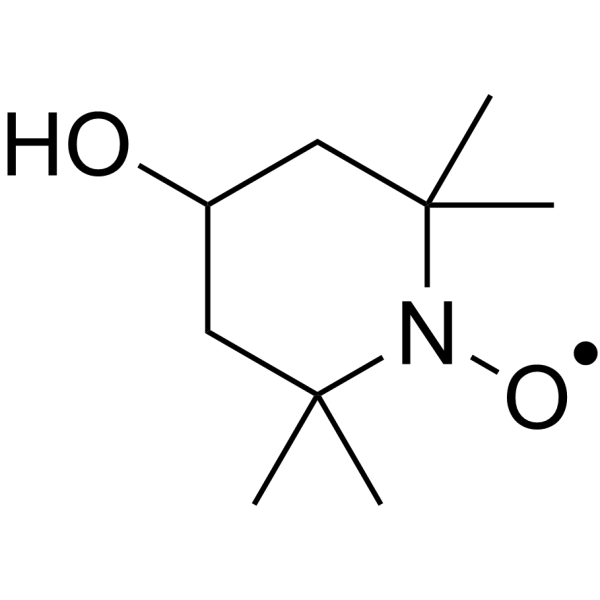
Tempol-d17, 15N is the deuterium labeled Tempol . Tempol is a general superoxide dismutase (SOD)-mimetic agent that efficiently neutralizes reactive oxygen species (ROS) .
|
-
- HY-P991195
-
|
SIM1811-03
|
TNF Receptor
|
Cancer
|
|
SIM-0235 is humanized immunoglobulin G1 (IgG1) monoclonal antibody that targets and inhibits TNFR2, the recommed isotype control is Human IgG1 kappa, Isotype Control (HY-P99001) [1].
|
-
- HY-100561R
-
|
4-Hydroxy-TEMPO (Standard)
|
Reference Standards
Reactive Oxygen Species (ROS)
Autophagy
|
Cancer
|
|
Tempol (Standard) is the analytical standard of Tempol. This product is intended for research and analytical applications. Tempol is a general superoxide dismutase (SOD)-mimetic agent that efficiently neutralizes reactive oxygen species (ROS).
|
-
- HY-P99889
-
|
BRII-198
|
SARS-CoV
|
Infection
|
|
Romlusevimab (BRII-198) is a neutralizing recombinant human IgG1 monoclonal antibody against the spike protein of severe acute respiratory syndrome coronavirus 2 (SARS-CoV-2) .
|
-
- HY-P11126
-
|
|
Bacterial
|
Infection
|
|
Mel4 is an antimicrobial peptide, exhibiting broad-spectrum antimicrobial activity. Mel4 can neutralize bacterial lipopolysaccharide in a dose-dependent manner. Mel4 can be used in the research and prevention of related bacterial infectious diseases (such as ocular infections) .
|
-
- HY-P991589
-
|
NOV-1105
|
c-Met/HGFR
|
Cancer
|
|
SFN68 is a humanized IgG1 neutralizing monoclonal antibody targeting HGF. SFN68 significantly inhibits HGF/c-Met interaction, c-Met activation, and, cell scattering and proliferation mediated by HGF. SFN68 can be used for cancers research .
|
-
- HY-P991797
-
|
|
Interleukin Related
|
Inflammation/Immunology
|
|
Anti-Mouse IL-17A Antibody (BZN035) targets mouse IL-17A that can neutralize IL-17 in mice. Recommend Isotype Controls: Mouse IgG2a kappa, Isotype Control (HY-P99978) .
|
-
- HY-B1610H
-
|
Trisodium citrate dihydrate (Pharmaceutical primary standard, USP)
|
Biochemical Assay Reagents
|
Others
|
|
Sodium citrate dihydrate, United States Pharmacopeia (USP) Reference Standard is an antacid used in studies to neutralize gastric acid. Sodium citrate dehydrate can also be used to prepare biological buffers. Sodium citrate dehydrate is a reference standard grade of the United States Pharmacopeia (USP) and a first-class pharmaceutical standard .
|
-
- HY-P991828
-
|
|
Interleukin Related
|
Inflammation/Immunology
|
|
Anti-Mouse IL-2 Antibody (JES6-5H4) reacts with mouse IL-2 that can neutralize IL-2 in vivo. Recommend Isotype Controls: Rat IgG2b kappa, Isotype Control (HY-P990682) .
|
-
- HY-P990278
-
|
|
Integrin
|
Cancer
|
|
Anti-Mouse CD29 Antibody (KMI6) is a rat-derived IgG2a κ type antibody inhibitor, targeting to mouse CD29. Anti-Mouse CD29 Antibody (KMI6) can neutralize CD29. Anti-Mouse CD29 Antibody (KMI6) can be used for the research of cancer, such as glioma .
|
-
- HY-P5550
-
|
|
Influenza Virus
|
Infection
|
|
Urumin has antiviral activity against the human influenza A virus. Urumin inhibits the growth of PR8 influenza virus (IC50: 3.8 μM). Urumin targets the conserved stalk of H1 hemagglutini, and is effective at neutralizing drug-resistant H1 influenza viruses. Urumin protects naive mice from lethal influenza infection .
|
-
- HY-P9806
-
|
MERS-D12; MERS Antibody-D12
|
SARS-CoV
|
Infection
|
|
Anti-MERS-D12 mAb (MERS-D12; MERS Antibody-D12) is a human monoclonal IgG1. Anti-MERS-D12 mAb binds directly to the DPP4 interacting region of the MERS-CoV Spike receptor binding domain (RBD) and effect neutralization by directly blocking receptor binding .
|
-
- HY-157930
-
|
|
Biochemical Assay Reagents
|
Cardiovascular Disease
|
|
TP-2, a caltrop-like multicationic small molecule, is an antidote that can completely neutralize both unfractionated heparin (UFH) and low-molecular-weight heparins (LMWHs). TP-2 is not only superior to protamine, has higher neutralization activity, but is also biocompatible .
|
-
- HY-P99710
-
|
BI 767551; DZIF-10c
|
SARS-CoV
|
Infection
|
|
Lomtegovimab (BI 767551) is a human anti-SARS-COV-2 spike glycoprotein monoclonal antibody. Lomtegovimab binds and neutralizes SARS-CoV-2. Lomtegovimab shows antiviral efficacy. Lomtegovimab has the potential for the research of COVID-19 .
|
-
- HY-P4042
-
|
hepatitis B peptide 4980
|
HBV
|
Infection
Inflammation/Immunology
|
|
Hepatitis B Virus Receptor Binding Fragment (hepatitis B peptide 4980) is a synthetic peptide analog which specifically binds to Hep G2 cells. Hepatitis B Virus Receptor Binding Fragment is a promising immunogen expected to elicit protective antibodies based on the concept of the attachment blockade pathway of virus neutralization .
|
-
- HY-P5851
-
|
|
Biochemical Assay Reagents
|
Neurological Disease
|
|
AaHI is a neurotoxin that can be obtained from the venom of the North African scorpion Androctonus australis hector. AaHI can be used as a tool for the development of active substances with toxin-neutralizing capabilities .
|
-
- HY-100561S1
-
|
4-Hydroxy-TEMPO-d17
|
Autophagy
Reactive Oxygen Species (ROS)
|
Cancer
|
|
Tempol-d17 is the deuterium labeled Tempol . Tempol is a general superoxide dismutase (SOD)-mimetic agent that efficiently neutralizes reactive oxygen species (ROS) .
|
-
- HY-105240
-
|
PMX-60056
|
Factor Xa
|
Cardiovascular Disease
|
|
Delparantag (PMX-60056) is a salicylamide derivative and an effective unfractionated heparin (UFH) and low molecular weight heparin (LMWH) reversing agent. Delparantag shows ability to neutralize the anticoagulation and bleeding effects of UFH and LMWH .
|
-
- HY-P10976
-
|
|
SARS-CoV
|
Infection
|
|
Spike Glycoprotein (1147-1162) is a linear and broadly neutralizing peptide in the S2 protein of SARS-CoV-2. Spike Glycoprotein (1147-1162) is conserved across SARS-CoV, BatCoV RaTG13, SARS-CoV-2, and SARS-CoV-2 variants. Spike Glycoprotein (1147-1162)-targeting mAbs can neutralize both SARS-CoV-2 and SARS-CoV by preventing fusion between the virus and cell membrane. Spike Glycoprotein (1147-1162) can be used for universal vaccines against SARS-CoV-2 mutants research .
|
-
- HY-P4025
-
|
|
HIV
|
Others
|
|
ELDKWA is the highly conserved amino acids on the ecto-domain of gp41. ELDKWA acts as the epitope of a neutralizing monoclonal antibody 2F5 (mAb 2F5) directed against human immunodeficiency virus type 1 .
|
-
- HY-161118
-
|
|
nAChR
|
Neurological Disease
|
|
MB327 is a bipyridine nonoxime compound that restores neuromuscular function. MB327 restores the activity of nicotinamide acetylcholine receptors (nAChRs) for carbachol desensitization in a typical type II PAM manner. MB327 can neutralize nerve agent poisoning .
|
-
- HY-W127447
-
|
Maleic acid sodium
|
Biochemical Assay Reagents
|
Others
|
|
Maleate trihydrate sodiumIt is an organic compound belonging to the salt class. It is formed from the neutralization reaction between maleic acid and sodium hydroxide and has a slightly bitter taste. Maleate trihydrate sodiumIt has a variety of applications in industrial settings, especially as an intermediate in the synthesis of various chemicals and polymers. Additionally, it is used in the food and beverage industry as a buffer, flavor enhancer and preservative.
|
-
- HY-N13202
-
|
|
Others
|
Inflammation/Immunology
|
|
Black Currant Extract is a black currant extract, and its components include: Anthocyanidins. Black Currant Extract is an anti-inflammatory agent that can neutralize the cytotoxic effects of nicotine on epithelial cells and fibroblasts in a dose-dependent manner. Black Currant Extract can also inhibit LPS-induced IL-6 secretion by human macrophages. .
|
-
- HY-P991741
-
|
|
CMV
|
Infection
|
|
Anti-HCMV gB Antibody (SM5-1) is an efficient neutralizing human monoclonal antibody that targets the human cytomegalovirus (HCMV) glycoprotein B (gB). Anti-HCMV gB Antibody (SM5-1) neutralizes HCMV by blocking the conformational changes of gB and interfering with its binding to the gH/gL complex. Anti-HCMV gB Antibody (SM5-1) can broadly neutralize different virus strains and inhibit the infection of various cell types (such as fibroblasts, epithelial cells, and dendritic cells). Anti-HCMV gB Antibody (SM5-1) can be used in HCMV vaccine research .
|
-
- HY-P992154
-
|
KJ-103
|
Human leukocyte immunoglobulin (Ig)-like receptors (LILR)
|
Infection
Inflammation/Immunology
|
|
Ricefidase (KJ-103) is a recombinant human immunoglobulin G-degrading enzyme. Ricefidase efficiently cleaves human IgG at the hinge region. Ricefidase rapidly reduces IgG levels. Ricefidase has low immunogenicity and clears AAV neutralizing antibodies. Ricefidase is applicable to research related to desensitization of all IgG subclasses and improvement of the suitability of AAV-based gene therapy .
|
-
- HY-P991949
-
|
|
c-Fms
|
Inflammation/Immunology
|
|
EV1007 is a fully human antibody with a neutralizing effect on GM-CSF activity. EV1007 can be used for the research of autoimmune diseases .
|
-
- HY-P992081
-
|
|
Orthopoxvirus
|
Infection
|
|
Anti-H3L Antibody (NAL_A185) is a neutralizing antibody targeting the H3L envelope protein of vaccinia virus (CV) belonging to the genus Orthopoxvirus. By binding to the H3L protein of intracellular mature virions, Anti-H3L Antibody (NAL_A185) blocks the binding of the virus to host cells, thereby neutralizing viral infectivity. Anti-H3L Antibody (NAL_A185) not only protects BALB/c mice from intranasal challenge with the lethal vaccinia virus WR strain, reducing weight loss and mortality, but also exhibits complement-dependent neutralizing activity against monkeypox virus. Among these properties, NAL_A185 is an immune target induced by the smallpox vaccine Dryvax; it elicits a robust recall antibody response and induces high-titer neutralizing antibodies in mice. Anti-H3L Antibody (NAL_A185) can be used for studies related to vaccinia virus infection, monkeypox and monkeypox disease .
|
-
- HY-P992150
-
|
|
Interleukin Related
|
Inflammation/Immunology
|
|
Altrakincept is a recombinant hIL-4 receptor and IL-4 neutralizer. Altrakincept neutralizes endogenous IL-4, and prevents the decline of pulmonary function and acute asthma exacerbations after abrupt withdrawal of inhaled glucocorticoids .
|
-
- HY-P992123
-
|
AZD-5148
|
Bacterial
|
Infection
|
|
Ombetoxabart is a humanized IgG1-κ monoclonal antibody targeting TcdB (Clostridioides difficile toxin B), which exerts its function by neutralizing the toxicity of TcdB. Ombetoxabart can be used for the study of Clostridioides difficile infection .
|
-
- HY-N15697
-
|
(-)-Prinsepiol
|
Others
|
Metabolic Disease
|
|
Prinsepiol ((-)-Prinsepiol) is an antioxidant agent targeting free radical scavenging. Prinsepiol exerts antioxidant activity via direct free radical neutralization and modulation of oxidative stress-related pathways. Prinsepiol is promising for research of liver injury repair and oxidative stress-related diseases .
|
-
- HY-P991753
-
|
|
CXCR
|
Inflammation/Immunology
|
|
Anti-Mouse CCL5 Antibody (R6G9) reacts with mouse CCL5 that can neutralize CCL5 both in vitro and in vivo. Recommend Isotype Controls: Mouse IgG1 kappa, Isotype Control (HY-P99977) .
|
-
- HY-P992422
-
|
|
Transmembrane Glycoprotein
|
Neurological Disease
|
|
NG004 is a fully human monoclonal antibody targeting Nogo-A. NG004 reduces retinal Nogo-A levels, blocks the binding of the Nogo-A-receptor complex, and neutralizes the Nogo-A protein. NG004 can be used in studies related to diabetic retinopathy, stroke and acute spinal cord injury .
|
-
- HY-P992078
-
|
|
Influenza Virus
|
Infection
|
|
Anti-Flu A (H3N2) HA/Hemagglutinin Antibody (C05) is a broad-spectrum neutralizing antibody that targets multiple influenza A HA subtypes. Anti-Flu A (H3N2) HA/Hemagglutinin Antibody (C05) is applicable to research related to influenza A virus infection .
|
-
- HY-E71219
-
|
|
Biochemical Assay Reagents
|
Others
|
|
α-Bisabolene synthase (EC 4.2.3.38) requires a divalent cationic cofactor (Mg2+) to neutralize the negative charge of the bisphosphate leaving group. α-Bisabolene synthase (EC 4.2.3.38) can generate (+)-(4R)-limonene in vitro using GDP as a substrate.
|
-
- HY-P992079
-
|
|
Influenza Virus
|
Infection
|
|
Anti-Flu A (H3N2) HA/Hemagglutinin Antibody (CR8043) is an antibody targeting influenza virus hemagglutinin (HA) that specifically neutralizes group 2 influenza viruses. Anti-Flu A (H3N2) HA/Hemagglutinin Antibody (CR8043) is applicable to research related to influenza virus infection .
|
-
- HY-P992083
-
|
|
Influenza Virus
|
Infection
|
|
Anti-Influenza HA Antibody (CR9114) is an antibody against influenza virus hemagglutinin. Anti-Influenza HA Antibody (CR9114) binds to the conserved hemagglutinin (HA) stalk region of influenza A and B viruses, and mediates cross-subtype neutralization. Anti-Influenza HA Antibody (CR9114) is applicable for influenza-related research .
|
-
- HY-P992155
-
|
Arevirumab-3
|
Arenavirus
|
Infection
|
|
Arevirumab (Arevirumab-3) is a pan-lineage neutralizing human monoclonal antibody cocktail (8.9F, 12.1F, 37.D). Arevirumab protects cynomolgus monkeys from severe Lassa fever caused by lineage II and III LASV isolates. Arevirumab is applicable to research related to Lassa fever .
|
-
- HY-P991838
-
|
|
Transferrin Receptor
|
Cancer
|
|
Anti-CD71 Antibody (T56/14) reacts with human CD71. Anti-CD71 Antibody (T56/14) is a non-neutralizing antibody that does not inhibit the binding of transferrin. Recommend Isotype Controls: Mouse IgG1 kappa, Isotype Control (HY-P99977) .
|
-
- HY-P99648A
-
|
BMS-986168 (powder); IPN007 (powder); BIIB092 (powder)
|
Tau Protein
|
Neurological Disease
|
|
Gosuranemab (BMS-986168; IPN007; BIIB092) (powder) is a humanised IgG4 anti-tau monoclonal antibody. Gosuranemab (powder) neutralizes the extracellular tau protein, inhibiting the spread and aggregation of pathological tau protein. Gosuranemab (powder) can be used for the research of progressive supranuclear palsy and early Alzheimer’s disease .
|
-
- HY-P991752
-
|
|
CXCR
|
Cancer
|
|
Anti-Mouse CXCL16 Antibody (12-81) reacts with the extracellular domain of CXCL16. Anti-Mouse CXCL16 Antibody (12-81) can neutralize CXCL16/SR-PSOX both in vitro and in vivo. Recommend Isotype Controls: Rat IgG1 kappa, Isotype Control (HY-P99979) .
|
-
- HY-180988
-
|
|
Biochemical Assay Reagents
|
Cardiovascular Disease
|
|
Heparin reversal agent-1 (Compound QA-1) is a reversal agent for Heparin (HY-17567). Heparin reversal agent-1 shows neutralization activity. Heparin reversal agent-1 completely reverses the anticoagulant activity of both unfractionated heparin and low-molecular-weight heparins, including Dalte, Enoxa, and Nadro .
|
-
- HY-P992409
-
|
|
Hedgehog
|
Cancer
|
|
MEDI-5304 is a hedgehog pathway inhibitor with human sonic hedgehog (SHH) KD of 5.13 pmol/L, and human Indian hedgehog (IHH) KD of 34.7 pmol/L. MEDI-5304 binds and neutralizes SHH and IHH, blocks downstream target gene transcription, inhibits osteoblast differentiation. MEDI-5304 can be used for the research of colon cancer .
|
-
- HY-W749844
-
|
2',4,4',6'-Tetrahydroxy-3-methoxychalcone; 3-Methoxy-2',4',6',4-tetrahydroxychalcone
|
Reactive Oxygen Species (ROS)
|
Neurological Disease
Inflammation/Immunology
Cancer
|
|
Homoeriodictyol chalcone (2',4,4',6'-Tetrahydroxy-3-methoxychalcone; 3-Methoxy-2',4',6',4-tetrahydroxychalcone) is a non-selective antioxidant radical scavenger that neutralizes reactive oxygen species (ROS). Homoeriodictyol chalcone is promising for research of neurodegenerative diseases (e.g., Alzheimer’s), inflammatory disorders, and cancers .
|
-
- HY-P9804
-
|
MERS-2E6; MERS Antibody-2E6
|
SARS-CoV
|
Infection
|
|
Anti-MERS-2E6 mAb (MERS-2E6; MERS Antibody-2E6), a human neutralizing antibody IgG1 (CHO expressed) that can compete for the binding of the virus Spike protein to the receptor (CD26), thereby inhibiting virus invasion into host cells.
|
-
- HY-163027
-
|
|
Keap1-Nrf2
|
Neurological Disease
Inflammation/Immunology
|
|
R079 (compound 17) is a selective, orally active Nrf2 activator. R079 increases Nrf2 translocation activity (EC50 = 32.41 μM). R079 can neutralize excess levels of reactive oxygen species through activating Nrf2. R079 has anti-inflammatory properties and can be used in multiple sclerosis research .
|
-
- HY-P99588
-
|
MYO-029
|
TGF-β Receptor
|
Metabolic Disease
|
|
Stamulumab (MYO-029) is a recombinant human IgG1λ antibody that binds to myostatin and neutralizes its activity by preventing binding to its endogenous high-affinity receptor ActRIIB. Stamulumab leads to muscle fiber hypertrophy and not hyperplasia in SCID mice. Stamulumab has the potential for Becker muscular dystrophy (BMD), facioscapulohumeral dystrophy (FSHD), and limb-girdle muscular dystrophy (LGMD) research .
|
-
- HY-P990591
-
|
Aletekitug
|
Interleukin Related
|
Inflammation/Immunology
|
|
GSK-1070806 (Aletekitug) is a humanized IgG1/κ monoclonal antibody targeting IL-18. GSK-1070806 neutralizes IL-18 activity.GSK-1070806 can be used for the research of inflammation. The isotype control for GSK-1070806 can be referenced as Human IgG1 kappa, Isotype Control (HY-P99001) .
|
-
- HY-P991795
-
|
|
CXCR
|
Cancer
|
|
Anti-Mouse/Human CXCL12 Antibody (K15C) reacts with mouse CXCL12. Anti-Mouse/Human CXCL12 Antibody (K15C) has the effect of neutralizing CXCL12/SDF-1 both in vivo and in vitro. Recommend Isotype Controls: Mouse IgG2a kappa, Isotype Control (HY-P99978) .
|
-
- HY-153480
-
|
BAX499
|
Factor Xa
Factor VIIa
Tissue Factor Pathway Inhibitor (TFPI)
|
Others
|
|
ARC19499 is an aptamer that inhibits tissue factor pathway inhibitor (TFPI) , thereby enabling clot initiation and propagation via the extrinsic pathway. The core aptamer binds tightly and specifically to TFPI. ARC19499 blocks TFPI inhibition of both factor Xa and the TF/factor VIIa complex. ARC19499 corrects thrombin generation in hemophilia A and B plasma and restores clotting in FVIII-neutralized whole blood.
|
-
- HY-153480A
-
|
BAX499 sodium
|
Factor Xa
Factor VIIa
Tissue Factor Pathway Inhibitor (TFPI)
|
Others
|
|
ARC19499 sodium is an aptamer that inhibits tissue factor pathway inhibitor (TFPI) , thereby enabling clot initiation and propagation via the extrinsic pathway. The core aptamer binds tightly and specifically to TFPI. ARC19499 sodium blocks TFPI inhibition of both factor Xa and the TF/factor VIIa complex. ARC19499 sodium corrects thrombin generation in hemophilia A and B plasma and restores clotting in FVIII-neutralized whole blood.
|
-
- HY-P99750
-
|
CT-P23
|
Influenza Virus
|
Infection
|
|
Navivumab (CT-P23) is a monoclonal antibody targeting the hemagglutinin (HA) of influenza A virus. Navivumab binds to the HA2 stem fusion domain and the low-variability HA2 region of influenza viruses. Navivumab neutralizes influenza A viruses of subtypes H1, H2, H5, and H9. Navivumab is applicable to research related to influenza and influenza A .
|
-
- HY-P990839
-
|
|
IFNAR
|
Inflammation/Immunology
|
|
Anti-IFNγ Antibody (B133.5) is a kind of mouse IgG1 chimeric antibody inhibitor, targeting to human IFNγ. Anti-IFNγ Antibody (B133.5) can neutralize human IFNγ (interferon gamma). Anti-IFNγ Antibody (B133.5) can be used for the research of immunology .
|
-
- HY-P9949
-
|
Sch 55700; CDP-835; JES1-39D10
|
Interleukin Related
|
Inflammation/Immunology
|
|
Reslizumab (Sch 55700) is humanized monoclonal antibodies that target interleukin-5 (IL-5) for the treatment of eosinophilic asthma. Reslizumab is effective in neutralizing the function of IL-5. Reslizumab has high binding affinity for human IL-5, with KD values of 109 pM and 4.3 pM in the the Biacore surface plasmon resonance and Kinetic Exclusion Assay, respectively .
|
-
- HY-P991594
-
|
|
Interleukin Related
|
Inflammation/Immunology
|
|
Anti-IL-13 Antibody (C836) is a neutralizing monoclonal antibody targeting human IL-13. The Fab fragment of Anti-IL-13 Antibody (C836) is a heterodimer composed of heavy chains and light chains, each folded into variable and constant domains. Anti-IL-13 Antibody (C836) can be used for chronic inflammatory diseases, such as asthma .
|
-
- HY-108810
-
|
Ilaris; ACZ 885
|
Interleukin Related
|
Inflammation/Immunology
Cancer
|
|
Canakinumab (ACZ885) is a recombinant human anti-IL-1β monoclonal antibody. Canakinumab shows IC50 values of 43.6 and 40.8 pM for human and marmoset IL-1β, respectively. The mode of action of canakinumab is based on the neutralization of IL-1β signaling, resulting in suppression of inflammation related to disorders of autoimmune origin .
|
-
- HY-P991761
-
|
|
CXCR
|
Inflammation/Immunology
|
|
Anti-Mouse CXCL10 Antibody (1F11) reacts with the pro-inflammatory CXCL10. Anti-Mouse CXCL10 Antibody (1F11) can be used for neutralization of CXCL10 (in vitro and in vivo) and for inhibition of T cell recruitment in vivo in a range of inflammatory disease models. Recommend Isotype Controls: Polyclonal Armenian hamster IgG, Isotype Control (HY-P990305) .
|
-
- HY-P990015
-
|
VIR-3434
|
HBV
|
Infection
|
|
Tobevibart (VIR-3434) is a human IgG1 lambda monoclonal antibody against hepatitis B virus (HBV) surface antigen (HBsAg). Tobevibart shows potent neutralization against HBsAg from all HBV genotypes in vitro and inhibits viral entry of HBV and hepatitis delta virus (HDV). Recommend Isotype Controls: Human IgG1 lambda2, Isotype Control (HY-P990096) .
|
-
- HY-P990876
-
|
PF-06480605; RVT-3101
|
TNF Receptor
NF-κB
IFNAR
|
Inflammation/Immunology
|
|
Afimkibart (PF-06480605; RVT-3101) is a fully human monoclonal antibody that selectively inhibits trimeric tumor necrosis factor-like ligand 1A (TL1A). Afimkibart neutralizes active trimeric TL1A, blocks TL1A-induced signaling pathways. Afimkibart inhibits NF-κB activation and IFN-γ production. Afimkibart can be used for the research of inflammatory bowel disease .
|
-
- HY-P99103
-
|
LY-3853113; LY-COV1404
|
SARS-CoV
|
Infection
|
|
Bebtelovimab a human IgG1-λ2 antibody targeting to SARS-CoV-2, especially COVID-19 ((the IC50 value for SARS-CoV-2/MT020880.1 virus is 9-22.1 ng/mL)). Bebtelovimab potently neutralizes SARS-CoV-2 variants, and inhibits COVID-19 with mild-to-moderate efficacy .
|
-
- HY-70003
-
|
CPG2 Inhibitor
|
Carboxypeptidase
|
Cancer
|
|
Carboxypeptidase G2 (CPG2) Inhibitor is a novel CPG2 inhibitor with an Ki of 0.3 μM. Carboxypeptidase G2 (CPG2) Inhibitor effectively neutralizes the CPG2 activity in non-tumor sites, allowing for earlier administration of the drug and forming a complementary strategy with antibody clearance strategies. Carboxypeptidase G2 (CPG2) Inhibitor can be used for the study of antibody-directed enzyme prodrug therapy (ADEPT) .
|
-
- HY-P990216
-
|
|
Interleukin Related
|
Inflammation/Immunology
|
|
Anti-Mouse IL-25 Antibody (2C3) is a mouse-derived IgG1 κ type antibody inhibitor, targeting to mouse IL-25. Anti-Mouse IL-25 Antibody (2C3) can neutralize IL-25. Anti-Mouse IL-25 Antibody (2C3) can be used for inflammation researches, such as colitis and asthma .
|
-
- HY-108628
-
SU16f
3 Publications Verification
|
PDGFR
|
Cancer
|
|
SU16f is a potent and selective PDGFRβ inhibitor with IC50s of 10 nM, 140 nM, 2.29 μM for PDGFRβ, VEGF-R2, FGF-R1, respectively . Neutralization of PDGFRβ receptor by SU16f blocks the promoting role of GC-MSCs (gastric cancer-derived mesenchymal stem cells) conditioned medium in gastric cancer cell proliferation and migration .
|
-
- HY-P99583
-
|
MEDI4893
|
Bacterial
|
Infection
Inflammation/Immunology
|
|
Suvratoxumab (MEDI4893) is a long-acting, high-affinity human anti-α-toxin monoclonal antibody (IgG1κ type). Suvratoxumab potently neutralizes α-toxin, a key S. aureus virulence factor. Suvratoxumab improves survival and reduces lung injury in an immunocompromised mice model of pneumonia. Suvratoxumab also enhances the antibacterial activity of Vancomycin (HY-B0671) or Linezolid (HY-10394) .
|
-
- HY-169335
-
|
|
HIV
|
Infection
|
|
HIV-1 inhibitor-77 (compound 13) is a HIV-1 inhibitor. HIV-1 inhibitor-77 can neutralize all three tested viruses with the IC50 values of 0.14 μM, 8.28 μM and 2.92 μM for HIV-1CH58TF , HIV-1 JRFL and HIV-1 AD8, respectively .
|
-
- HY-P99340
-
|
VIR 7831; GSK-4182136
|
SARS-CoV
|
Infection
Cancer
|
|
Sotrovimab (VIR 7831) is a human IgG1κ pan-sarbecovirus monoclonal antibody (mAb), neutralizes SARS-CoV-2, SARS-CoV-1, and multiple other sarbecoviruses. Sotrovimab is developed based on S309, exhibits a long half-life and great bioavailability in the respiratory mucosa. Sotrovimab could result in immune-mediated viral clearance and prevent progression of Covid-19 early in the course of disease .
|
-
- HY-P9924
-
|
LY2439821
|
Interleukin Related
|
Inflammation/Immunology
|
|
Ixekizumab (LY2439821) is a humanized IgG4 monoclonal antibody that selectively binds and neutralizes interleukin IL-17A (KD<3 pM). Ixekizumab directly blocks IL-17A binding to IL-17RA (IL-17A receptor) but does not bind to other IL-17 family members. Ixekizumab is used for the research of moderate-to-severe plaque psoriasis .
|
-
- HY-P991446
-
|
|
Influenza Virus
|
Infection
|
|
MEDI-8852 is a human IgG1 monoclonal antibody against influenza A virus hemagglutinin (HA). MEDI-8852 binds to the conserved HA stalk epitope and neutralizes viral infectivity. MEDI-8852 reduces viral titers in mouse lung tissues. MEDI-8852 is applicable to research related to pandemic influenza . Recommended isotype control: Human IgG1 kappa, Isotype Control (HY-P99001).
|
-
- HY-145996
-
|
|
Biochemical Assay Reagents
|
Cardiovascular Disease
Infection
|
|
STC314 is a histone-neutralizing agent. STC314 inhibits histone-mediated cytotoxicity, blocks histone-induced erythrocyte aggregation, reduces fragility, restores deformability and inhibits histone-induced aggregation and degranulation in human erythrocytes. STC314 reduces histone-mediated tissue damage, thrombocytopenia, anemia, and cell death, and improves survival in preclinical models. STC314 can be used for the research of sepsis, ischemia-reperfusion injury, and deep-vein thrombosis .
|
-
- HY-P990295
-
|
|
Integrin
|
Metabolic Disease
Inflammation/Immunology
Cancer
|
|
Anti-Mouse CD103 Antibody (M290) is a rat-derived IgG2a κ type antibody inhibitor, targeting to mouse CD103. Anti-Mouse CD103 Antibody (M290) can neutralize CD103. Anti-Mouse CD103 Antibody (M290) can be used for the researches of cancer, inflammation, immunology and metabolic disease, such as B16.gp33 tumor, colitis and diabetes .
|
-
- HY-P990263
-
|
|
CD73
|
Infection
Inflammation/Immunology
Cancer
|
|
Anti-Mouse CD73 Antibody (TY/23) is a rat-derived IgG2a κ type antibody inhibitor, targeting to mouse CD73. Anti-Mouse CD73 Antibody (TY/23) can neutralize CD73. Anti-Mouse CD73 Antibody (TY/23) can be used for the researches of cancer, infection and immunology, such as B16F10 tumor and murine cytomegalovirus infection .
|
-
- HY-P990288
-
|
|
Integrin
Transmembrane Glycoprotein
|
Inflammation/Immunology
|
|
Anti-Mouse CD18 Antibody (M18/2) is a rat-derived IgG2a κ type antibody inhibitor, targeting to mouse CD18. Anti-Mouse CD18 Antibody (M18/2) can neutralize lymphocyte function-associated antigen 1 (LFA-1). Anti-Mouse CD18 Antibody (M18/2) can be used for the researches of immunology, such as heart transplantation .
|
-
- HY-P991601
-
|
|
Interleukin Related
|
Inflammation/Immunology
|
|
Anti-IL6 Antibody (MH166) is a murine anti-hIL-6 monoclonal antibody. Anti-IL6 Antibody (MH166) can completely neutralize the activity of hIL-6 in vitro, but when used in combination with hIL-6 in vivo, Anti-IL6 Antibody (MH166) can enhance the activity and prolong the half-life of hIL-6, and increase the production of antigen-specific antibodies .
|
-
- HY-P990798
-
|
|
IFNAR
|
Inflammation/Immunology
Cancer
|
|
Anti-Mouse IFN gamma Antibody (XMG1.2) is a kind of rat-derived IgG1 antibody inhibitor, targeting to IFN-γ. Anti-Mouse IFN gamma Antibody (XMG1.2) can neutralize IFN-γ. Anti-Mouse IFN gamma Antibody (XMG1.2) can be used for the researches of cancer, inflammation and immunology, such as multiple myeloma and chronic inflammation .
|
-
- HY-P99100
-
|
CTL-002
|
TGF-beta/Smad
PD-1/PD-L1
|
Cancer
|
|
Visugromab (CTL-002) is a GDF-15 neutralizing IgG4 mAb. Visugromab has synergistic anticancer activity with the anti-PD1 antibody Nivolumab (HY-P9903) and can effectively act on PD-1/PD-L1 relapsed/refractory metastatic solid tumors. Recommend Isotype Controls: Human IgG4 (S228P) kappa, Isotype Control (HY-P99003) .
|
-
- HY-P99111
-
|
CNTO-148
|
TNF Receptor
Apoptosis
Interleukin Related
Caspase
|
Inflammation/Immunology
Cancer
|
|
Golimumab (CNTO-148) is a potent human IgG1 TNFα antagonist monoclonal antibody. Golimumab has anti-inflammation activitity and inhibits IL-6 and IL-1β production. Golimumab acts via targeting and neutralizing TNF to prevent inflammation and destruction of cartilage and bone. Golimumab has the anticancer activity and induces cell apoptosis. Golimumab can be used for rheumatoid arthritis, Crohn's disease and cancer research .
|
-
- HY-126360
-
|
|
TNF Receptor
Interleukin Related
|
Inflammation/Immunology
|
|
Oxazolone is a haptenizing agent that induces acute or chronic inflammation of the large intestine and is used to construct models of colitis. Oxazolone can cause Th1/Th2-dependent colitis with weight loss and diarrhea. Oxazolone-induced inflammation can be mitigated by neutralizing anti-IL-4 or anti-TNF-α antibodies or decoy IL-13R2-α-FC proteins .
|
-
- HY-P99342
-
|
REGN10987
|
SARS-CoV
|
Infection
|
|
Imdevimab (REGN10987) is a human monoclonal antibody that targets SARS-CoV-2 virus. Imdevimab can be used in combination with Casirivimab (HY-P99341) to reduce viral load and transiently increases anti-receptor-binding domain IgG titers. Imdevimab maintains most of its neutralization activity against viruses with B.1.1.7, B.1.351 and mink cluster 5 spike proteins .
|
-
- HY-P990223
-
|
|
Interleukin Related
|
Infection
Others
Inflammation/Immunology
Cancer
|
|
Anti-Mouse IL-15 Antibody (AIO.3) is a rat-derived IgG2a λ type antibody inhibitor, targeting to mouse IL-15. Anti-Mouse IL-15 Antibody (AIO.3) can neutralize IL-15. Anti-Mouse IL-15 Antibody (AIO.3) can be used for the researches of cancer, infection and inflammation, such as hepatitis virus infection and esophagitis .
|
-
- HY-P990287
-
|
|
CD1
|
Inflammation/Immunology
|
|
Anti-Mouse CD1d Antibody (19G11) is a rat-derived IgG1 type antibody inhibitor, targeting to mouse CD1d. Anti-Mouse CD1d Antibody (19G11) can neutralize CD1d and inhibit the activation of invariant natural killer T (iNKT) cells. Anti-Mouse CD1d Antibody (19G11) can be used for the researches of inflammation and immunology, such as colitis .
|
-
- HY-P992101
-
|
AUR-200
|
TNF Receptor
IFNAR
Interleukin Related
|
Inflammation/Immunology
|
|
Aritinercept (AUR-200) is a recombinant fusion protein targeting TNFSF13B/BAFF/CD257. Aritinercept neutralizes BAFF and APRIL (TNFSF13), reduces B cell proliferation, suppresses peripheral B cells, lowers serum immunoglobulins. Aritinercept reduces renal damage markers, decreases IFNγ, IL-17A, and anti-dsDNA autoantibodies, and improves survival in a mouse model of SLE. ritinercept can be used for the research of systemic lupus erythematosus .
|
-
- HY-P99100A
-
|
CLT-002 (Powder)
|
TGF-beta/Smad
PD-1/PD-L1
|
Cancer
|
|
Visugromab (CTL-002) (Powder) is a GDF-15 neutralizing IgG4 mAb. Visugromab (Powder) has synergistic anticancer activity with the anti-PD1 antibody Nivolumab (HY-P9903) and can effectively act on PD-1/PD-L1 relapsed/refractory metastatic solid tumors. Recommend Isotype Controls: Human IgG4 (S228P) kappa, Isotype Control (HY-P99003) .
|
-
- HY-P99137
-
|
|
IFNAR
|
Inflammation/Immunology
|
|
Anti-Mouse IFNAR1 Antibody (MAR1-5A3) is a neutralizing antibody of IFNAR1. Anti-Mouse IFNAR1 Antibody (MAR1-5A3) reacts with IFNAR1 and inhibits IFNAR1 signaling in vitro and in vivo. Mouse IgG1 kappa, Isotype Control (HY-P99977) is the isotype control of Anti-Mouse IFNAR1 Antibody (MAR1-5A3) .
|
-
- HY-P990841
-
|
|
Glycoprotein VI
|
Cancer
|
|
Anti-pan-Glypican Antibody (HS20) is a kind of human IgG1 κ human antibody, targeting to human pan-Glypican. Anti-pan-Glypican Antibody (HS20) can neutralize the heparan sulfate (HS) chains on GPC3 thereby disrupting the Wnt3a-GPC3 interactions leading to blockade of the Wnt3a/β-catenin signaling. Anti-pan-Glypican Antibody (HS20) can be used for the research of cancer, such as hepatocellular carcinoma (HCC) .
|
-
- HY-P99020
-
|
GC1008
|
TGF-beta/Smad
|
Metabolic Disease
Inflammation/Immunology
Cancer
|
|
Fresolimumab (GC1008) is a human monoclonal antibody against TGF-β that neutralizes all mammalian active subtypes of TGF-β. The binding affinity of Fresolimumab to TGF-β2 is 1.8 nM. Fresolimumab improves Bleomycin (HY-108345)-induced acute lung injury. Fresolimumab radiolabeled with 89Zr can be used for PET analysis of TGF-β expression, antibody uptake and organ distribution. Fresolimumab can be used in the study of cancer, osteogenesis imperfecta, fibrosis and kidney disease .
|
-
- HY-160041A
-
|
NOX-A12 sodium
|
CXCR
|
Cancer
|
|
Olaptesed pegol (NOX-A12) sodium is a L-oligoribonucleotide aptamer targeting CXCL12 based on a pegylated structure. Olaptesed pegol sodium neutralizes CXCL12, and CXCL12 inhibition mobilizes chronic lymphocytic leukemia cells into the circulation and prevents their homing into the protective microenvironment. Olaptesed pegol sodium can enhances the infiltration of human primary T cells and NK cells and inhibit tumor growth companied with anti-PD-1 antibody. Olaptesed pegol sodium can be used for researches of colon cancer and lymphocytic leukemia .
|
-
- HY-B0215
-
-
- HY-P990222
-
|
|
Interleukin Related
|
Infection
Metabolic Disease
Inflammation/Immunology
|
|
Anti-Mouse/Rat IL-17A Antibody (17F3) is a mouse-derived IgG1κ type antibody inhibitor, targeting to mouse and rat IL-17A. Anti-Mouse IL-17A Antibody (17F3) can neutralize IL-17. Anti-Mouse/Rat IL-17A Antibody (17F3) can be used for the researches of infection, immunology and metabolic disease, such as M.intracellulare infection and diabetes .
|
-
- HY-P991674
-
|
BJT-778
|
HBV
|
Infection
Inflammation/Immunology
|
|
Brelovitug (BJT-778) is a humanized IgG1 neutralizing monoclonal antibody targeting hepatitis B surface antigen (HBsAg). Brelovitug binds with high affinity to HBsAg purified from HBV serotypes ad and ay, with Kd values of 0.22 nM and 0.39 nM, respectively. Brelovitug binds with high affinity to HBsAg of HBV genotypes A, B, C and D, with IC50 values of 0.07, 0.02, 0.02 and 0.07 nM, respectively. Brelovitug can be used in research related to chronic hepatitis B and chronic hepatitis D .
|
-
- HY-160041
-
|
NOX-A12
|
CXCR
|
Cancer
|
|
Olaptesed pegol (NOX-A12) is a L-oligoribonucleotide aptamer targeting CXCL12 based on a pegylated structure. Olaptesed pegol neutralizes CXCL12, and CXCL12 inhibition mobilizes chronic lymphocytic leukemia cells into the circulation and prevents their homing into the protective microenvironment. Olaptesed pegol can enhances the infiltration of human primary T cells and NK cells and inhibit tumor growth companied with anti-PD-1 antibody. Olaptesed pegol can be used for researches of colon cancer and lymphocytic leukemia .
|
-
- HY-P99127
-
|
|
Integrin
|
Inflammation/Immunology
|
|
Anti-Mouse CD54 Antibody (YN1/1.7.4) is an anti-mouse CD54 IgG2b antibody inhibitor derived from host Rat. Anti-Mouse CD54 Antibody (YN1/1.7.4) can neutralize CD54 also known as Intercellular Adhesion Molecule-1 (ICAM-1). Anti-Mouse CD54 Antibody (YN1/1.7.4) can be used for the research of inflammation .
|
-
- HY-P990817
-
|
|
Dengue Virus
Flavivirus
|
Infection
|
|
Anti-West Nile/dengue virus E protein Antibody (E60) is mouse-derived IgG2a κ type antibody inhibitor, targeting to West Nile/dengue virus E protein. Anti-West Nile/dengue virus E protein Antibody (E60) can cross-neutralize West Nile virus (WNV) and dengue virus (DENV) envelope (E) protein. Anti-West Nile/dengue virus E protein Antibody (E60) can be used for the researches of WNV and DENV infection .
|
-
- HY-P99551
-
|
KBSA301; AR-301
|
Antibiotic
Bacterial
|
Infection
|
|
Tosatoxumab (AR-301; KBSA301) is a human immunoglobulin G1 monoclonal antibody that specifically neutralizes alpha-toxin (alpha-hemolysin; Hla) of S. aureus. Tosatoxumab binds to an N-terminal epitope of alpha-toxin, thereby preventing functional toxin pore oligomerisation. Tosatoxumab has the potential for passive immunotherapy in the S. aureus pneumonia as an adjunctive therapy to standard antibiotic agent. Recommend Isotope Control: Human IgG1 lambda1, Isotype Control (HY-P99992) .
|
-
- HY-P99620
-
|
CT-P22; CT120
|
Influenza Virus
|
Infection
|
|
Firivumab (CT-P22; CT120) is a human IgG1 monoclonal influenza A virus hemagglutinin (Anti-IAV HA) antibody. Firivumab is capable of neutralizing H1N1, H5N1, H6N1, H6N2, H8N4, H8N8, H9N2 and H12N7. Firivumab shows protection against H1N1 virus in mice .
|
-
- HY-P990837
-
|
|
Interleukin Related
|
Inflammation/Immunology
|
|
Anti-IL-4 Antibody (MP4-25D2) is a kind of rat IgG1 κ chimeric antibody inhibitor, targeting to human IL-4. Anti-IL-4 Antibody (MP4-25D2) can neutralize human IL-4 (interleukin-4). Anti-IL-4 Antibody (MP4-25D2) can be used for the inflammation and immunology .
|
-
- HY-P99120
-
|
|
Integrin
|
Inflammation/Immunology
Cancer
|
|
Anti-Mouse CD11a Antibody (FD441.8) is an anti-mouse CD11a IgG2b antibody inhibitor derived from the host Rat. Anti-Mouse CD11a Antibody (FD441.8) can neutralize CD11a also known as LFA-1α (lymphocyte function-associated antigen 1 alpha). Anti-Mouse CD11a Antibody (FD441.8) can be used for the researches of inflammation, immunology and cancer, such as transplant and leukemia .
|
-
- HY-P990205
-
|
|
C-type Lectin-like Receptors (CTLRs)
|
Inflammation/Immunology
|
|
Anti-Mouse/Human KLRG-1 Antibody (2F1) is a Syrian hamster-derived IgG type antibody inhibitor, targeting to mouse/human KLRG-1. Anti-Mouse/Human KLRG-1 Antibody (2F1) neutralizes KLRG1. Anti-Mouse/Human KLRG-1 Antibody (2F1) reduces T-cell receptor signals and regulatory T-cell accumulation. Anti-Mouse/Human KLRG-1 Antibody (2F1) can be used for the researches of immunology .
|
-
- HY-P99404
-
|
E6011
|
CXCR
|
Inflammation/Immunology
Cancer
|
|
Quetmolimab (E6011) is a humanized anti-Fractalkine (CX3CL1) monoclonal antibody. Quetmolimab binds to membrane-bound and soluble Fractalkine, neutralizes Fractalkine-induced migration of CX3CR1-expressing cells, mediates target-bound complex elimination from serum. Quetmolimab suppresses free soluble Fractalkine levels in cynomolgus monkeys, with target engagement linked to increased serum total Fractalkine concentration. Quetmolimab can be used for the research of Crohn’s disease, rheumatoid arthritis, and primary biliary cholangitis .
|
-
- HY-W116335A
-
|
|
Environmental Pollutants
Biochemical Assay Reagents
|
Inflammation/Immunology
|
|
Dried aluminum hydroxide gel, United States Pharmacopeia (USP) Reference Standard is a commonly used antacid with remarkable compound adhesion and release activity. Dried aluminum hydroxide gel, United States Pharmacopeia (USP) Reference Standard can effectively neutralize gastric acid and relieve stomach discomfort. Dried aluminum hydroxide gel, United States Pharmacopeia (USP) Reference Standard is also often used as an adjuvant in vaccines to enhance immune responses. Dried aluminum hydroxide gel, United States Pharmacopeia (USP) Reference Standard can improve the stability and bioavailability of compounds in preparations .
|
-
- HY-105005
-
|
AAD-2004
|
Prostaglandin Receptor
PGE synthase
Reactive Oxygen Species (ROS)
Apoptosis
|
Neurological Disease
Inflammation/Immunology
|
|
Crisdesalazine (AAD-2004) is a microsomal prostaglandin E2 synthase-1 (mPGES-1) inhibitor. Crisdesalazine acts as a potent free radical scavenger that directly neutralizes reactive oxygen species (ROS) including hydrogen peroxide, exerting neuroprotective effects against apoptosis and axonal damage. Crisdesalazine inhibits PGE2 production, mediates inflammatory responses, and promotes the conversion of macrophages from the pro-inflammatory M1 phenotype to the anti-inflammatory M2 phenotype. Crisdesalazine is applicable to neuroprotection research in multiple sclerosis and spinal cord injury .
|
-
- HY-P990226
-
|
|
Interleukin Related
|
Infection
Inflammation/Immunology
|
|
Anti-Mouse IL-12 p35 Antibody (C18.2) is a rat-derived IgG2a κ type antibody inhibitor, targeting to mouse IL-12 p35. Anti-Mouse IL-12 p35 Antibody (C18.2) can neutralize IL-12. Anti-Mouse IL-12 p35 Antibody (C18.2) can be used for the researches of infection, inflammation and immunology, such as airway inflammation and F. tularensis infection .
|
-
- HY-P991224
-
|
|
CCR
|
Inflammation/Immunology
Cancer
|
|
CAP-100 is a monoclonal antibody that targets CCR7. CAP-100 neutralizes the ligand-binding site and signaling of CCR7. CAP-100 strongly inhibits CCR7-induced migration, extravasation, homing, and survival in chronic lymphocytic leukemia (CLL) samples. CAP-100 triggers potent tumor cell killing, mediated by host immune mechanism. CAP-100 shows a favorable toxicity profile on relevant hematopoietic subsets. CAP-100 is involved in research on anti-tumor and disease such as CLL .
|
-
- HY-P992301
-
|
|
RSV
|
Infection
|
|
Anti-RSV F Antibody (R4.C6) is a monoclonal antibody against RSV F, with a Kd of 0.34 nM for the post-fusion RSV F trimer. Anti-RSV F Antibody (R4.C6) recognizes a unique neutralizing epitope spanning epitopes II and IV on both pre-fusion and post-fusion RSV F. Anti-RSV F Antibody (R4.C6) can be used in studies related to respiratory syncytial virus infection .
|
-
- HY-P99134
-
|
|
c-Fms
|
Infection
Inflammation/Immunology
Cancer
|
|
Anti-Mouse GM-CSF Antibody (MP1-22E9) is a rat-derived anti-mouse GM-CSF IgG2a antibody inhibitor. Anti-Mouse GM-CSF Antibody (MP1-22E9) can neutralize GM-CSF. Anti-Mouse GM-CSF Antibody (MP1-22E9) can be used for the researches of cancer, infection inflammation and immunology, such as cholangiocarcinoma and arthritis .
|
-
- HY-180129
-
|
|
SARS-CoV
|
Infection
|
|
SARS-CoV-2-IN-120 (Compound S22) is a SARS-CoV-2-specific entry inhibitor. SARS-CoV-2-IN-120 binds and trimerizes within the apex cavity of the SARS2 spike trimer. SARS-CoV-2-IN-120 blocks RBD-ACE2 interaction. SARS-CoV-2-IN-120 neutralizes BA.2 and subsequent Omicron variants. SARS-CoV-2-IN-120 inhibits SARS-CoV-2 replication in mice .
|
-
- HY-B0215R
-
|
N-Acetylcysteine (Standard); N-Acetyl-L-cysteine (Standard); NAC (Standard)
|
Reference Standards
Reactive Oxygen Species (ROS)
Endogenous Metabolite
Apoptosis
Ferroptosis
Influenza Virus
Disulfidptosis
|
Infection
Neurological Disease
Cancer
|
|
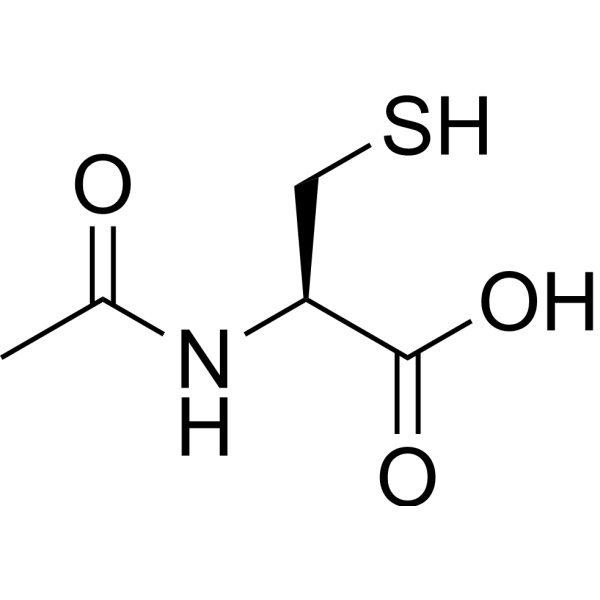
Acetylcysteine (Standard) is the analytical standard of Acetylcysteine. This product is intended for research and analytical applications. Acetylcysteine (N-Acetylcysteine) is a mucolytic agent which reduces the thickness of the mucus. Acetylcysteine is a ROS inhibitor . Acetylcysteine is a cysteine precursor, prevents hemin-induced ferroptosis by neutralizing toxic lipids generated by arachidonate-dependent activity of 5-lipoxygenases . Acetylcysteine induces cell apoptosis . Acetylcysteine also has anti-influenza virus activities . In addition, Acetylcysteine is the most stable form of cysteine during drug delivery and can be used in disulfidptosis studies .
|
-
- HY-B0215S
-
|
N-Acetylcysteine-d3; N-Acetyl-L-cysteine-d3; NAC-d3
|
Isotope-Labeled Compounds
Reactive Oxygen Species (ROS)
Endogenous Metabolite
Apoptosis
Ferroptosis
Influenza Virus
Disulfidptosis
|
Infection
Neurological Disease
|
|
Acetylcysteine-d3 is the deuterium labeled Acetylcysteine. Acetylcysteine (N-Acetylcysteine) is a mucolytic agent which reduces the thickness of the mucus. Acetylcysteine is a ROS inhibitor. Acetylcysteine is a cysteine precursor, prevents hemin-induced ferroptosis by neutralizing toxic lipids generated by arachidonate-dependent activity of 5-lipoxygenases. Acetylcysteine induces cell apoptosis. Acetylcysteine also has anti-influenza virus activities. In addition, Acetylcysteine is the most stable form of cysteine during drug delivery and can be used in disulfidptosis studies .
|
-
- HY-108628R
-
|
|
Reference Standards
PDGFR
|
Cancer
|
|
SU16f (Standard) is the analytical standard of SU16f (HY-108628). This product is intended for research and analytical applications. SU16f is a potent and selective PDGFRβ inhibitor with IC50s of 10 nM, 140 nM, 2.29 μM for PDGFRβ, VEGF-R2, FGF-R1, respectively . Neutralization of PDGFRβ receptor by SU16f blocks the promoting role of GC-MSCs (gastric cancer-derived mesenchymal stem cells) conditioned medium in gastric cancer cell proliferation and migration .
|
-
- HY-P990227
-
|
|
Interleukin Related
Bacterial
|
Infection
Inflammation/Immunology
|
|
Anti-Mouse IL-12 Antibody (R1-5D9) is a rat-derived IgG2a type antibody inhibitor, targeting to mouse IL-12. Anti-Mouse IL-12 Antibody (R1-5D9) can neutralize IL-12. Anti-Mouse IL-12 Antibody (R1-5D9) can be used for the researches of infection, inflammation and immunology, such as Leishmania infection and skin inflammation .
|
-
- HY-P990794
-
|
|
TNF Receptor
Dengue Virus
|
Infection
Inflammation/Immunology
Cancer
|
|
Anti-Mouse TNF-alpha/TNFSF2 Antibody (XT3.11) is a rat-derived IgG1 antibody inhibitor, targeting to TNF-alpha/TNFSF2. Anti-Mouse TNF-alpha/TNFSF2 Antibody (XT3.11) neutralizes of TNF-alpha. Anti-Mouse TNF-alpha/TNFSF2 Antibody (XT3.11) can be used for the researches of cancer, infection and immunology, such as dengue virus and B16K1 tumor .
|
-
- HY-P990220
-
|
|
Interleukin Related
|
Infection
Inflammation/Immunology
Cancer
|
|
Anti-Mouse IL-18 Antibody (YIGIF74-1G7) is a rat-derived IgG2a κ type antibody inhibitor, targeting to mouse IL-18. Anti-Mouse IL-18 Antibody (YIGIF74-1G7) can neutralize IL-18. Anti-Mouse IL-18 Antibody (YIGIF74-1G7) can be used for the researches of cancer, infection, inflammation and immunology, such as hepatocellular carcinoma and eosinophilic esophagitis .
|
-
- HY-P990807
-
|
|
CD1
|
Infection
Inflammation/Immunology
Cancer
|
|
Anti-Mouse CD1d Antibody (20H2 (HB323)) is a rat-derived IgG1 κ type antibody inhibitor, targeting to mouse CD1d. Anti-Mouse CD1d Antibody (20H2 (HB323)) can block CD1d and neutralize invariant natural killer
T (iNKT) cells. Anti-Mouse CD1d Antibody (20H2 (HB323)) can be used for the researches of cancer, infection, inflammation and immunology, such as melanoma, L. monocytogenes infection and arthritis .
|
-
- HY-P991764
-
|
|
Dengue Virus
|
Infection
|
|
Anti-Dengue virus type 4 E protein DIII Antibody (DV4-E88) reacts with the DIII domain on the E protein of dengue virus serotype 4 (DENV-4). Anti-Dengue virus type 4 E protein DIII Antibody (DV4-E88) neutralizes 1036, TVP-376, and TVP-986 genotype II strains of DENV-4. Recommend Isotype Controls: Mouse IgG2c kappa, Isotype Control (HY-P99981) .
|
-
- HY-P991059
-
|
|
Influenza Virus
|
Infection
|
|
VIS-410 is an antibody inhibitor targeting the stem region of hemagglutinin (HA). VIS-410 inhibits influenza virus replication by blocking HA-mediated membrane fusion. VIS-410 exhibits broad-spectrum neutralization against influenza A viruses with group 1 and group 2 hemagglutinins, including subtypes such as H1N1, H3N2, H5N1, and H7N9 (H5N1 IC50 = 1.5 μg/mL). VIS-410 is applicable to research related to influenza A virus infection .
|
-
- HY-B0215S1
-
|
N-Acetylcysteine-15N; N-Acetyl-L-cysteine-15N; NAC-15N
|
Isotope-Labeled Compounds
Reactive Oxygen Species (ROS)
Endogenous Metabolite
Apoptosis
Ferroptosis
Influenza Virus
Disulfidptosis
|
Infection
Neurological Disease
|
|
Acetylcysteine- 15N (N-Acetylcysteine- 15N) is the 15N-labeled Acetylcysteine. Acetylcysteine (N-Acetylcysteine) is a mucolytic agent which reduces the thickness of the mucus. Acetylcysteine is a ROS inhibitor. Acetylcysteine is a cysteine precursor, prevents hemin-induced ferroptosis by neutralizing toxic lipids generated by arachidonate-dependent activity of 5-lipoxygenases. Acetylcysteine induces cell apoptosis. Acetylcysteine also has anti-influenza virus activities. In addition, Acetylcysteine is the most stable form of cysteine during drug delivery and can be used in disulfidptosis studies .
|
-
- HY-153235
-
|
|
mRNA
SARS-CoV
Liposome
|
Infection
|
|
COVID-19 Spike Protein mRNA-LNP is a lipid nanoparticle (LNP) containing mRNA encoding COVID-19 Spike Protein. COVID-19 Spike Protein undertakes the functions of virus binding with host cell receptors, thereby mediating the entry of COVID-19 virus into cells. COVID-19 Spike Protein is an important site of action for host neutralizing antibodies and a key target for vaccine design. COVID-19 Spike Protein mRNA-LNP can be used for RNA delivery, vaccine formulation and design targeting SARS-CoV-2 .
|
-
- HY-W251598B
-
|
Sodium hydrogen carbonate for molecular biology; Soda bicarbonate for molecular biology
|
Bacterial
NO Synthase
|
Inflammation/Immunology
Cancer
|
|
Sodium bicarbonate, for molecular biology (Sodium hydrogen carbonate for molecular biolog; Soda bicarbonate for molecular biolog) is an inorganic salt. Sodium bicarbonate can maintain the pH of the culture medium, thereby affecting the expression of inducible nitric oxide synthase (iNOS) and nitric oxide (NO) production in macrophages and reversing the acidosis of the tumor microenvironment. Sodium bicarbonate is widely used in the fields of food, cosmetics, etc. Its main uses include buffers, flavoring agents, disinfectants, pharmaceuticals, and proton gradient regulators. Sodium bicarbonate is also commonly used as an antacid to inhibit gastrointestinal diseases, neutralize gastric acid, and reduce gastric discomfort .
|
-
- HY-P990848
-
|
|
CTLA-4
|
Infection
Inflammation/Immunology
|
|
Anti-CTLA-4/CD152 Antibody (BN13) is a kind of mouse IgG2a κ chimeric antibody inhibitor, targeting to human CTLA-4/CD152. Anti-CTLA-4/CD152 Antibody (BN13) can neutralize CTLA-4 (cytotoxic T lymphocyte antigen-4) also known as CD152. Anti-CTLA-4/CD152 Antibody (BN13) can be used for the researches of infection and immunology, such as human immunodeficiency virus (HIV) .
|
-
- HY-P991278
-
|
|
Interleukin Related
|
Inflammation/Immunology
|
|
ABM-125 is a IL-25 neutralizer and immune response modulator. ABM-125 neutralizes human and mouse IL-25 and blocks type 2 immune activation function. ABM-125 regulates virus-induced inflammatory cytokine expression and increases the expression level of antiviral interferons in rhinovirus-infected asthmatic bronchial epithelial cells. For the isotype control of ABM-125, refer to Human IgG1 kappa, Isotype Control (HY-P99001). ABM-125 is applicable to research related to virus-induced acute asthma exacerbations .
|
-
- HY-P991215
-
|
|
HPV
|
Infection
|
|
Anti-HPV18 L1 Antibody (H18L1-A) is a humanized antibody targeting the L1 protein of human papillomavirus type 18 (HPV18). Anti-HPV18 L1 Antibody (H18L1-A) blocks the binding of the HPV18 virus to cell surface receptors, neutralizing the virus activity, and thus inhibiting the virus from infecting cells. Anti-HPV18 L1 Antibody (H18L1-A) is promising for research of human papillomavirus-related diseases .
|
-
- HY-183649
-
|
|
Biochemical Assay Reagents
|
Cardiovascular Disease
|
|
BCN-PEG6-OH is a neutralizing agent and anticoagulant inhibitor containing strained alkyne. BCN-PEG6-OH undergoes strain-promoted alkyne-azide cycloaddition (SPAAC) click reaction with azido-Warfarin to generate an inactive product that can be rapidly cleared via the kidneys. In mice, BCN-PEG6-OH effectively reduces the anticoagulant activity of azido-Warfarin in a dose-dependent manner, normalizes prothrombin time, and exhibits no inherent anticoagulant or procoagulant effects when administered alone. BCN-PEG6-OH can be used for the research of drug-induced coagulopathy .
|
-
- HY-P990224
-
|
|
Interleukin Related
Bacterial
|
Infection
Cancer
|
|
Anti-Mouse IL-12 p75 Antibody (R2-9A5) is a rat-derived IgG2b κ type antibody inhibitor, targeting to mouse IL-12 p75. Anti-Mouse IL-12 p75 Antibody (R2-9A5) can neutralize IL-12. Anti-Mouse IL-12 p75 Antibody (R2-9A5) can be used for the researches of infection and cancer, such as E. coli infection and MCA205 sarcoma .
|
-
- HY-115501
-
|
|
Ser/Thr Protease
|
Cancer
|
(E)-FOBISIN101 is a 14-3-3 protein-protein interaction (14-3-3 protein-protein interaction) inhibitor, with IC50 values of 9.3 and 16.4 μM for disrupting the binding of 14-3-3ζ or 14-3-3γ to PRAS40, respectively. (E)-FOBISIN101 inhibits the binding of 14-3-3 to Raf-1 and proline-rich AKT substrate, and neutralizes the ability of 14-3-3 to activate exotoxin S ADP-ribosyltransferase. (E)-FOBISIN101 is applicable to 14-3-3-mediated cancer research .
|
-
- HY-P992172
-
|
|
Tau Protein
|
Neurological Disease
|
|
ADEL-Y01 is a humanized and parental murine blood-brain barrier-penetrating monoclonal antibody against tau-acK280. ADEL-Y01 specifically recognizes tau-acK280 and its surrounding residues, mediates the neutralization and phagocytosis of acetylated tau aggregates, and interferes with the activity of pathological tau protein. ADEL-Y01 prevents the progression of tauopathies, increases neuronal survival rate, reduces tau-related pathological changes, and improves memory impairment. ADEL-Y01 can be used in research related to Alzheimer's disease and tauopathies .
|
-
- HY-W251598I
-
|
Sodium hydrogen carbonate, meets analytical specification of Ph. Eur., BP, USP, FCC, E500
|
Bacterial
NO Synthase
|
Inflammation/Immunology
Cancer
|
|
Sodium bicarbonate, meets analytical specification of Ph. Eur., BP, USP, FCC, E500 is an inorganic salt that is neutral to slightly alkaline and easily decomposes when exposed to moisture in the air. Sodium bicarbonate can maintain the pH of the culture medium, thereby affecting the expression of inducible nitric oxide synthase (iNOS) and nitric oxide (NO) production in macrophages and reversing the acidosis of the tumor microenvironment. Sodium bicarbonate is widely used in the fields of food, medicine, cosmetics, etc. Its main uses include buffers, flavoring agents, disinfectants, pharmaceuticals, and proton gradient regulators. Sodium bicarbonate is also commonly used as an antacid to inhibit gastrointestinal diseases, neutralize gastric acid, and reduce gastric discomfort .
|
-
- HY-P99129
-
|
|
Transmembrane Glycoprotein
|
Inflammation/Immunology
|
|
Anti-Mouse CD8a Antibody (53-6.7) is an anti-mouse CD8a IgG2a antibody inhibitor derived from host Rat. Anti-Mouse CD8a Antibody (53-6.7) binds to CD8αβ stabilizes a conformation with a higher affinity for interaction with MHC class I. Anti-Mouse CD8a Antibody (53-6.7) induces the phosphorylation and activation of TCR proximal signaling pathway components Lck and ZAP70 in polyclonal memory T cells. Anti-Mouse CD8a Antibody (53-6.7) depletes CD8+ T cells and neutralizes cytokine in mice .
|
-
- HY-P990849
-
|
|
c-Fms
|
Others
|
|
Anti-CSF1R/CD115 Antibody (2-4A5-4) is a kind of rat IgG1 κ chimeric antibody inhibitor, targeting to human CSF1R/CD115. Anti-CSF1R/CD115 Antibody (2-4A5-4) can neutralize colony stimulating factor 1 receptor (CSF1R), also known as CD115. Anti-CSF1R/CD115 Antibody (2-4A5-4) can be used for the detections of immunohistochemistry, functional assays and flow cytometry .
|
-
- HY-P9964
-
|
11F8; IMC-11F8; LY3012211
|
EGFR
|
Cancer
|
|
Necitumumab (11F8; IMC-11F8; LY3012211) is a human IgG monoclonal antibody directed against EGFR. Necitumumab binds to the EGF binding site of EGFR, blocks ligand binding, neutralizes ligand-induced EGFR phosphorylation and downstream signaling, induces EGFR internalization and degradation, and mediates antibody-dependent cellular cytotoxicity (ADCC) in EGFR-expressing cells. Necitumumab enhances antitumour activity in combination with Gemcitabine (HY-17026) and Cisplatin (HY-17394) in murine non-small-cell lung cancer xenograft models. Necitumumab can be used in research on cancers such as non-small cell lung cancer and colorectal cancer .
|
-
- HY-P990844
-
|
|
Complement System
|
Infection
Inflammation/Immunology
Cancer
|
|
Anti-GC1q R/C1QBP Antibody (60.11) is a kind of mouse IgG1 κ chimeric antibody inhibitor, targeting to human GC1q R/C1QBP. Anti-GC1q R/C1QBP Antibody (60.11) can neutralize GC1q R. Anti-GC1q R/C1QBP Antibody (60.11) can be used for the researches of cancer, infection and inflammation, such as MDA231 tumor and S. aureus induced infective endocarditis (IE) .
|
-
- HY-W251598J
-
|
Sodium hydrogen carbonate (Pharmaceutical primary standard, USP); Soda bicarbonate (Pharmaceutical primary standard, USP)
|
Bacterial
NO Synthase
|
Inflammation/Immunology
Cancer
|
|
Sodium bicarbonate, United States Pharmacopeia (USP) Reference Standard is an inorganic salt. Sodium bicarbonate, United States Pharmacopeia (USP) Reference Standard can maintain the pH of the culture medium, thereby affecting the expression of inducible nitric oxide synthase (iNOS) and nitric oxide (NO) production in macrophages and reversing the acidosis of the tumor microenvironment. Sodium bicarbonate, United States Pharmacopeia (USP) Reference Standard is widely used in the fields of food, cosmetics, etc. Its main uses include buffers, flavoring agents, disinfectants, pharmaceuticals, and proton gradient regulators. Sodium bicarbonate, United States Pharmacopeia (USP) Reference Standard is also commonly used as an antacid to inhibit gastrointestinal diseases, neutralize gastric acid, and reduce gastric discomfort .
|
-
- HY-W251598S
-
|
|
Reference Standards
Bacterial
NO Synthase
|
Inflammation/Immunology
Cancer
|
|
Bicarbonate- 13C sodium is the 13C-labeled Sodium bicarbonate (HY-Y0756). Sodium bicarbonate is an inorganic salt that is neutral to slightly alkaline and easily decomposes when exposed to moisture in the air. Sodium bicarbonate can maintain the pH of the culture medium, thereby affecting the expression of inducible nitric oxide synthase (iNOS) and nitric oxide (NO) production in macrophages and reversing the acidosis of the tumor microenvironment. Sodium bicarbonate is widely used in the fields of food, medicine, cosmetics, etc. Its main uses include buffers, flavoring agents, disinfectants, pharmaceuticals, and proton gradient regulators. Sodium bicarbonate is also commonly used as an antacid to inhibit gastrointestinal diseases, neutralize gastric acid, and reduce gastric discomfort .
|
-
- HY-W251598C
-
|
Sodium hydrogen carbonate for cell culture; Soda bicarbonate for cell culture
|
Environmental Pollutants
Bacterial
|
Inflammation/Immunology
Cancer
|
|
Sodium bicarbonate, for cell culture (Sodium hydrogen carbonate for cell culture; Soda bicarbonate for cell culture) is an inorganic salt that is neutral to slightly alkaline and easily decomposes when exposed to moisture in the air. Sodium bicarbonate, for cell culture can maintain the pH of the culture medium, thereby affecting the expression of inducible nitric oxide synthase (iNOS) and nitric oxide (NO) production in macrophages and reversing the acidosis of the tumor microenvironment. Sodium bicarbonate is widely used in the fields of food, medicine, cosmetics, etc. Its main uses include buffers, flavoring agents, disinfectants, pharmaceuticals, and proton gradient regulators. Sodium bicarbonate is also commonly used as an antacid to inhibit gastrointestinal diseases, neutralize gastric acid, and reduce gastric discomfort .
|
-
- HY-W115727A
-
|
PAM,Anion,Mw 14-16 million
|
Biochemical Assay Reagents
|
Others
|
|
Polyacrylamide, Anion, Mw 14-16 million is a multifunctional high molecular weight anionic polyacrylamide copolymer. The anionic properties of Polyacrylamide, Anion, Mw 14-16 million enable it to be used as a flocculant to achieve charge neutralization and aggregation, while its high molecular weight properties provide viscoelastic properties for fluid applications. Polyacrylamide series materials can maintain enzyme activity in enzyme immobilization, achieve controlled release as a drug carrier, respond to temperature/pH stimulation as a smart material, and can also be used for in vitro toxin adsorption and soft tissue filling through mechanisms such as physical embedding, covalent bonding or chemical cross-linking. Polyacrylamide can be used in biomedical engineering, environmental management and industrial applications .
|
-
- HY-P990215
-
|
|
Interleukin Related
|
Infection
Inflammation/Immunology
|
|
Anti-Mouse IL-27 p28 Antibody (MM27.7B1) is a mouse-derived anti-mouse IL-27 p28 IgG2a, κ type antibody inhibitor. Anti-Mouse IL-27 p28 Antibody (MM27.7B1) can neutralize IL-27. Anti-Mouse IL-27 p28 Antibody (MM27.7B1) delays CD8+ T cell reconstitution mediated by IL-27 after murine anti-thymocyte globulin (mATG) treatment in BALB/c heart allografts mice models .
|
-
- HY-P990871
-
|
|
Integrin
|
Inflammation/Immunology
|
|
Anti-CD11a/LFA-1α Antibody (R7-1) is a kind of mouse IgG1 chimeric antibody inhibitor, targeting to human CD11a/LFA-1α. Anti-CD11a/LFA-1α Antibody (R7-1) can neutralize LFA-1α (lymphocyte function-associated antigen 1 alpha) also known as integrin alpha L chain and CD11a. Anti-CD11a/LFA-1α Antibody (R7-1) can be used for the research of inflammation .
|
-
- HY-W115727B
-
|
PAM,Anion,Mw 18 million
|
Biochemical Assay Reagents
|
Others
|
|
Polyacrylamide,Anion,Mw 18 million (PAM,Anion,Mw 18 million) is a multifunctional high molecular weight anionic polyacrylamide copolymer. The anionic properties of Polyacrylamide,Anion,Mw 18 million enable it to be used as a flocculant to achieve charge neutralization and aggregation, while its high molecular weight properties provide viscoelastic properties for fluid applications. Polyacrylamide series materials can maintain enzyme activity in enzyme immobilization, act as drug carriers to achieve controlled release, serve as smart materials responding to temperature/pH stimuli, and be used for in vitro toxin adsorption and soft tissue filling through mechanisms such as physical entrapment, covalent binding or chemical crosslinking. Polyacrylamide finds applications in biomedical engineering, environmental management and industrial applications .
|
-
- HY-P992482
-
|
|
Drug Derivative
Influenza Virus
Fc Receptor (FcR)
Complement System
|
Infection
|
|
VIR-2482 is a monoclonal antibody targeting influenza A hemagglutinin (HA). VIR-2482 is generated by introducing LS mutations (M428L/N434S) into the Fc region of MEDI8852 (HY-P991446). VIR-2482 binds to the conserved HA stem epitope across all 18 influenza A HA subtypes, neutralizes a broad spectrum of H1N1 and H3N2 strains, binds to FcγRIIIa, FcγRIIa and C1q, and induces antibody-dependent cellular cytotoxicity and complement-dependent cytotoxicity. VIR-2482 reduces morbidity and mortality caused by seasonal influenza A strains and provides prophylactic protection in mice. VIR-2482 can be used in research related to influenza A disease .
|
-
- HY-P99136
-
|
|
IFNAR
|
Infection
Inflammation/Immunology
|
|
Anti-Mouse IFN gamma Antibody (H22) is an anti-mouse IFN gamma IgG antibody inhibitor derived from host Armenian Hamster. Anti-Mouse IFN gamma Antibody (H22) abrogates specific binding of I25II-rIFN-γ to macrophages. Anti-Mouse IFN gamma Antibody (H22) inhibits macrophage-activating factor (MAF) (ID50 = 56 ng). Anti-Mouse IFN gamma Antibody (H22) inhibits IFN-gamma dependent antiviral activity (ID50 = 2 ng). Anti-Mouse IFN gamma Antibody (H22) neutralizes IFNγ in mice. Anti-Mouse IFN gamma Antibody (H22) can be used for the researches of inflammation and infection, such as arthritis .
|
-
- HY-P990221
-
|
|
Interleukin Related
|
Infection
Neurological Disease
Cancer
|
|
Anti-Mouse IL-17F Antibody (MM17F8F5.1A9) is a mouse-derived IgG1 κ type antibody inhibitor, targeting to mouse IL-17F. Anti-Mouse IL-17F Antibody (MM17F8F5.1A9) can neutralize IL-17. Anti-Mouse IL-17F Antibody (MM17F8F5.1A9) can be used for the researches of cancer, infection and neurological disease, such as Alzheimer’s disease (AD) and pancreatic cancer .
|
-
- HY-P99148
-
|
|
TNF Receptor
|
Metabolic Disease
Inflammation/Immunology
|
|
Anti-Mouse TNF alpha Antibody (TN3-19.12) is an anti-mouse TNF alpha IgG antibody inhibitor derived from host Armenian Hamster. Anti-Mouse TNF alpha Antibody (TN3-19.12) neutralizes cytotoxic activity in supernatants obtained from LNC-8 cells. Anti-Mouse TNF alpha Antibody (TN3-19.12) reduces the symptoms and severity of EAE (experimental allergic encephalomyelitis) in LNC-8 cells xenograft mice models. Anti-Mouse TNF alpha Antibody (TN3-19.12) prevents diabetes in NOD mice. Anti-Mouse TNF alpha Antibody (TN3-19.12) shows apparent radiosensitizing effect in CD2F1 mice .
|
-
- HY-P991097
-
|
PM-8002; BNT-327
|
VEGFR
PD-1/PD-L1
|
Cancer
|
|
Pumitamig (PM-8002, BNT-327) is a bispecific antibody targeting PD-L1 and VEGF-A, with immune activation and anti-angiogenic activities. By binding to PD-L1, Pumitamig restores the function of effector T cells, while neutralizing VEGF-A in the tumor microenvironment to reverse its inhibition on the infiltration and activation of immune cells and normalize tumor blood vessels. Pumitamig can also be combined with various ADCs targeting TROP2, B7H3, HER2, HER3 for the research of advanced/metastatic solid tumors, including non-small cell lung cancer, ovarian cancer, triple-negative breast cancer, cervical cancer, etc. Pumitamig also exhibits potential efficacy in "cold" tumors with low PD-L1 expression that are insensitive to immunotherapy .
|
-
- HY-75625
-
|
4-Methoxysalicylic Acid
|
Monocarboxylate Transporter
Apoptosis
Mitochondrial Metabolism
|
Cardiovascular Disease
Metabolic Disease
Cancer
|
|
2-Hydroxy-4-methoxybenzoic acid is an orally active inhibitor of MCT-1 and MCT-4, as well as a plant biomarker. 2-Hydroxy-4-methoxybenzoic acid can be isolated from roots. 2-Hydroxy-4-methoxybenzoic acid induces Apoptosis and loss of mitochondrial membrane potential. 2-Hydroxy-4-methoxybenzoic acid exhibits anticancer activity against breast cancer. 2-Hydroxy-4-methoxybenzoic acid normalizes lactic acid levels. 2-Hydroxy-4-methoxybenzoic acid neutralizes viper venom and attenuates its lethal, hemorrhagic, coagulant and anticoagulant activities in male albino mice. 2-Hydroxy-4-methoxybenzoic acid possesses antihyperlipidemic, antidiabetic and hepatoprotective activities .
|
-
- HY-P990232
-
|
|
IFNAR
|
Others
|
|
Anti-Mouse IFNγRα/CD119 Antibody (2E2) is an Armenian hamster-derived IgG type antibody inhibitor, targeting to mouse IFNγRα/CD119. Anti-Mouse IFNγRα/CD119 Antibody (2E2) reacts with the mouse IFNγR (interferon gamma receptor) α chain also known as CD119 and IFNγ receptor 1. Anti-Mouse IFNγRα/CD119 Antibody (2E2) is a non-neutralizing antibody and does not block the binding of IFNγ to the receptor. Anti-Mouse IFNγRα/CD119 Antibody (2E2) can be used for detections of western blot, flow cytometry and immunoprecipitation .
|
-
- HY-P99590A
-
|
RAP-011
|
TGF-β Receptor
TGF-beta/Smad
|
Cardiovascular Disease
Metabolic Disease
|
|
Sotatercept (mIgG2a) (RAP-011), the murine homolog of Sotatercept (ACE-011) (HY-P99590), is a soluble activin receptor type IIA (ActRIIA) ligand trap. Sotatercept (mIgG2a) inhibits the binding of activin A and other members of the TGF-β superfamily (such as Activin A/B, GDF11 and BMP9/10) to their receptors by combining and neutralizing them, thereby regulating cell proliferation and differentiation. Sotatercept (mIgG2a) mainly inhibits the SMAD2/3 signaling pathway, and can be used in various diseases such as chronic kidney disease. Sotatercept (mIgG2a) reduces the expression of erythropoietic hepcidin (ERFE), regulates iron metabolism, and promotes red blood cell production. Sotatercept (mIgG2a) has a dual effect of promoting bone formation (anabolic) and inhibiting bone resorption (catabolic) .
|
-
- HY-P990957
-
|
BCA-101; FMAB2
|
EGFR
TGF-beta/Smad
|
Inflammation/Immunology
Cancer
|
|
Ficerafusp alfa (BCA-101) is a bispecific antibody targeting EGFR and TGFβ, with a Kd of 2.58 nM against EGFR and a Kd of 61.3 nM against TGFβ1. Ficerafusp alfa binds to EGFR, inhibits EGFR phosphorylation, blocks EGF-dependent cell proliferation, and mediates antibody-dependent cellular cytotoxicity against EGFR-positive tumor cells. Ficerafusp alfa sequesters TGFβ via its TGFβRII ECD domain, neutralizes the activity of TGFβ and TGFβ1, and blocks TGFβ-dependent processes, including epithelial-mesenchymal transition, cell invasion, and differentiation of inducible regulatory T cells. Ficerafusp alfa is applicable to research related to head and neck squamous cell carcinoma, advanced solid tumors, squamous non-small cell lung cancer, anal squamous cell carcinoma, colorectal cancer, and pancreatic cancer .
|
-
- HY-P990235
-
|
|
Transmembrane Glycoprotein
|
Infection
Inflammation/Immunology
|
|
Anti-Mouse ICOSL/CD275 (D265A) Antibody (HK5.3) is a mouse-derived IgG1 κ type antibody inhibitor, targeting to mouse ICOSL/CD275. Anti-Mouse ICOSL/CD275 (D265A) Antibody (HK5.3) is a chimeric antibody of the original HK5.3 antibody (HY-P990123). Anti-Mouse ICOSL/CD275 (D265A) Antibody (HK5.3) contains the D265A mutation region. Anti-Mouse ICOSL/CD275 (D265A) Antibody (HK5.3) can neutralize ICOSL. Anti-Mouse ICOSL/CD275 (D265A) Antibody (HK5.3) can be used for researches of inflammation and infection.
|
-
- HY-P991628
-
|
PF-08634404
|
PD-1/PD-L1
VEGFR
|
Cancer
|
|
SSGJ-707 (PF-08634404) is a bispecific antibody targeting VEGF and PD-1. SSGJ-707 exerts dual anti-tumor effects by neutralizing VEGF and blocking the PD-1 signaling pathway. SSGJ-707 can be combined with platinum-based chemotherapy to inhibit advanced non-small cell lung cancer (NSCLC), and its inhibitory effect is not limited by PD-L1 expression levels. In the HARMONi-2 trial, the objective response rate of SSGJ-707 correlates with the PD-L1 tumor proportion score, and the incidence of grade ≥3 adverse events is comparable to that of Inetetamab (HY-P99969). SSGJ-707 is being extensively investigated for a variety of malignancies including advanced NSCLC, colorectal cancer and small cell lung cancer .
|
-
- HY-P10427
-
|
|
CXCR
Dengue Virus
|
Neurological Disease
Inflammation/Immunology
Cancer
|
|
DV1 is a CXCR4 inhibitor with anti-proteolytic properties that specifically blocks the binding of SDF-1α to its receptor. DV1 inhibits the migration of breast cancer cells and enables the targeted delivery of avidin-PLGA nanoparticles to CXCR4-expressing cancer cells. DV1 not only effectively suppresses the progression of metastatic breast cancer in mouse models, but also preferentially accumulates in brain tumor tissues rather than normal brain tissues, showing potential for inhibiting intracranial tumor metastasis. As a humoral immune stimulant, DV1 induces the production of specific IgG, neutralizing antibodies and cellular immune responses, thereby providing the host with protection against lethal challenges. DV1 has been applied to studies on CXCR4-expressing cancers, glioblastoma, dengue fever and other related diseases .
|
-
- HY-P5107A
-
|
LMWP acetate; TDSP5 acetate
|
VEGFR
|
Cancer
|
|
Low molecular weight protamine (LMWP) is a truncated arginine-rich protamine peptide, which also acts as an antidote for heparin/low molecular weight heparin and a cell-penetrating delivery vector. Low molecular weight protamine neutralizes heparin-induced anticoagulant activities, including aPTT, anti-Xa and anti-IIa activities. Low molecular weight protamine translocates across mammalian cell membranes, delivers conjugated impermeable molecules through tumor tissues, enhances the skin permeability of conjugated epidermal growth factor, and accelerates wound healing when conjugated with epidermal growth factor. Low molecular weight protamine retains the in vitro cell proliferation activity of conjugated EGF, and also enables site-specific conjugation with peptides or proteins via genetic recombination. Low molecular weight protamine can be used in studies related to colon cancer, skin wounds and diabetic skin wounds .
|
-
- HY-P990234
-
|
|
Transmembrane Glycoprotein
|
Infection
Inflammation/Immunology
|
|
Anti-Mouse ICOSL/CD275 (LALA-PG) Antibody (HK5.3) is a mouse-derived IgG2a κ type antibody inhibitor, targeting to mouse ICOSL/CD275. Anti-Mouse ICOSL/CD275 (LALA-PG) Antibody (HK5.3) is a chimeric antibody of the original HK5.3 antibody (HY-P990123). Anti-Mouse ICOSL/CD275 (LALA-PG) Antibody (HK5.3) contains the LALA-PG mutation region. Anti-Mouse ICOSL/CD275 (LALA-PG) Antibody (HK5.3) can neutralize ICOSL. Anti-Mouse ICOSL/CD275 (LALA-PG) Antibody (HK5.3) can be used for researches of inflammation and infection.
|
-
- HY-P990552A
-
|
|
PAI-1
Integrin
|
Cancer
|
|
huATN-658 is an inhibitor that specifically targets the DIII domain of human urokinase plasminogen activator receptor (uPAR). huATN-658 neutralizes uPAR function by blocking the interaction between uPAR and integrins, without interfering with the binding of uPA or vitronectin to uPAR. huATN-658 inhibits the proliferation and invasion of breast cancer cells, slows the growth of primary breast tumors, reduces breast cancer-induced bone lesions and decreases osteoclast activity. huATN-658 also alters the gene expression of the TGF-β receptor complex signaling pathway. huATN-658 exerts synergistic anticancer effects when combined with Zoledronic Acid (HY-13777), and does not cause physiological or behavioral abnormalities in immunodeficient mice. huATN-658 can be used in research related to breast cancer, metastatic breast cancer and breast cancer-induced bone disease .
|
-
- HY-P10427A
-
|
|
CXCR
Dengue Virus
|
Infection
|
|
DV1 TFA is a CXCR4 inhibitor with anti-proteolytic properties that specifically blocks the binding of SDF-1α to its receptor. DV1 TFA inhibits the migration of breast cancer cells and enables the targeted delivery of avidin-PLGA nanoparticles to CXCR4-expressing cancer cells. DV1 TFA not only effectively suppresses the progression of metastatic breast cancer in mouse models, but also preferentially accumulates in brain tumor tissues rather than normal brain tissues, showing potential for inhibiting intracranial tumor metastasis. As a humoral immune stimulant, DV1 TFA induces the production of specific IgG, neutralizing antibodies and cellular immune responses, thereby providing the host with protection against lethal challenges. DV1 TFA has been applied to studies on CXCR4-expressing cancers, glioblastoma, dengue fever and other related diseases .
|
-
- HY-W145481A
-
|
Carob galactomannan
|
Sirtuin
|
Inflammation/Immunology
|
|
D-Galacto-D-mannan (Carob galactomannan) is an orally active Dectin-2 agonist. D-Galacto-D-mannan exerts antioxidant activity against hydroxyl radical generation. D-Galacto-D-mannan activates Dectin-2 to trigger downstream signaling pathways, promote the expression of immunoregulatory molecules, coordinate innate and adaptive immune responses, and inhibit excessive inflammatory responses by upregulating the expression of Sirtuin 1. When used as a vaccine adjuvant, D-Galacto-D-mannan induces cellular and humoral immune responses, promotes IFNγ secretion, increases antibody levels and virus neutralization titers, and elevates the levels of immunoglobulin G and A. D-Galacto-D-mannan can serve as an adjuvant for foot-and-mouth disease vaccines, enhance the vaccine-mediated ability of hosts to defend against viral infection in mice, and reduce local side effects at the inoculation site in pigs. D-Galacto-D-mannan can be used in the research of inflammatory and immune diseases, such as foot-and-mouth disease .
|
-
-
-
HY-L177
-
|
|
1,747 compounds
|
|
Antibody inhibitors are compounds with the same activity as the original therapeutic antibodies, which can be used as positive controls for drug efficacy evaluation and other studies. Antibody inhibitors can also assist in verifying the functional activity of the target protein. These antibody inhibitors are active in vivo and can achieve certain physiological functions by blocking or neutralizing target proteins, such as CD20, HER2, EGFR, VEGFR, TNF-α, etc. In drug screening, antibody inhibitor-based screening can be carried out to identify active compounds targeting target proteins and target diseases.
MCE can provide 1,747 antibody inhibitors that can be used for drug development in cancer, immunity, infection and other hot research areas.
|
| Cat. No. |
Product Name |
Type |
-
- HY-W251598C
-
|
Sodium hydrogen carbonate for cell culture; Soda bicarbonate for cell culture
|
Biochemical Assay Reagents
|
|
Sodium bicarbonate, for cell culture (Sodium hydrogen carbonate for cell culture; Soda bicarbonate for cell culture) is an inorganic salt that is neutral to slightly alkaline and easily decomposes when exposed to moisture in the air. Sodium bicarbonate, for cell culture can maintain the pH of the culture medium, thereby affecting the expression of inducible nitric oxide synthase (iNOS) and nitric oxide (NO) production in macrophages and reversing the acidosis of the tumor microenvironment. Sodium bicarbonate is widely used in the fields of food, medicine, cosmetics, etc. Its main uses include buffers, flavoring agents, disinfectants, pharmaceuticals, and proton gradient regulators. Sodium bicarbonate is also commonly used as an antacid to inhibit gastrointestinal diseases, neutralize gastric acid, and reduce gastric discomfort .
|
-
- HY-Y0319B
-
|
Potassium acetate
|
Biochemical Assay Reagents
|
|
Acetic acid potassium 99% (Potassium acetate) is a potassium salt employed to replenish electrolytes, for restoration of water-electrolyte balance. Acetic acid potassium 99% can employ in DNA and protein purification. Acetic acid potassium 99% has been used to prepare neutralizing solution for alkaline lysis of bacteria and activated carbon .
|
-
- HY-W251598B
-
|
Sodium hydrogen carbonate for molecular biology; Soda bicarbonate for molecular biology
|
Biochemical Assay Reagents
|
|
Sodium bicarbonate, for molecular biology (Sodium hydrogen carbonate for molecular biolog; Soda bicarbonate for molecular biolog) is an inorganic salt. Sodium bicarbonate can maintain the pH of the culture medium, thereby affecting the expression of inducible nitric oxide synthase (iNOS) and nitric oxide (NO) production in macrophages and reversing the acidosis of the tumor microenvironment. Sodium bicarbonate is widely used in the fields of food, cosmetics, etc. Its main uses include buffers, flavoring agents, disinfectants, pharmaceuticals, and proton gradient regulators. Sodium bicarbonate is also commonly used as an antacid to inhibit gastrointestinal diseases, neutralize gastric acid, and reduce gastric discomfort .
|
-
- HY-W115727B
-
|
PAM,Anion,Mw 18 million
|
Biochemical Assay Reagents
|
|
Polyacrylamide,Anion,Mw 18 million (PAM,Anion,Mw 18 million) is a multifunctional high molecular weight anionic polyacrylamide copolymer. The anionic properties of Polyacrylamide,Anion,Mw 18 million enable it to be used as a flocculant to achieve charge neutralization and aggregation, while its high molecular weight properties provide viscoelastic properties for fluid applications. Polyacrylamide series materials can maintain enzyme activity in enzyme immobilization, act as drug carriers to achieve controlled release, serve as smart materials responding to temperature/pH stimuli, and be used for in vitro toxin adsorption and soft tissue filling through mechanisms such as physical entrapment, covalent binding or chemical crosslinking. Polyacrylamide finds applications in biomedical engineering, environmental management and industrial applications .
|
-
- HY-W115727A
-
|
PAM,Anion,Mw 14-16 million
|
Biochemical Assay Reagents
|
|
Polyacrylamide, Anion, Mw 14-16 million is a multifunctional high molecular weight anionic polyacrylamide copolymer. The anionic properties of Polyacrylamide, Anion, Mw 14-16 million enable it to be used as a flocculant to achieve charge neutralization and aggregation, while its high molecular weight properties provide viscoelastic properties for fluid applications. Polyacrylamide series materials can maintain enzyme activity in enzyme immobilization, achieve controlled release as a drug carrier, respond to temperature/pH stimulation as a smart material, and can also be used for in vitro toxin adsorption and soft tissue filling through mechanisms such as physical embedding, covalent bonding or chemical cross-linking. Polyacrylamide can be used in biomedical engineering, environmental management and industrial applications .
|
-
- HY-125457
-
|
p-Naphtolbenzein
|
Biochemical Assay Reagents
|
|
α-Naphtholbenzein (p-Naphtolbenzein) is a dye. α-Naphtholbenzein can be used as a pH indicator. α-Naphtholbenzein is commonly used in experiments such as acid-base neutralization reactions, titration, and pH measurement .
|
-
- HY-153235
-
|
|
Biochemical Assay Reagents
|
|
COVID-19 Spike Protein mRNA-LNP is a lipid nanoparticle (LNP) containing mRNA encoding COVID-19 Spike Protein. COVID-19 Spike Protein undertakes the functions of virus binding with host cell receptors, thereby mediating the entry of COVID-19 virus into cells. COVID-19 Spike Protein is an important site of action for host neutralizing antibodies and a key target for vaccine design. COVID-19 Spike Protein mRNA-LNP can be used for RNA delivery, vaccine formulation and design targeting SARS-CoV-2 .
|
-
- HY-B1610I
-
|
Trisodium citrate dihydrate, for molecular biology
|
Biochemical Assay Reagents
|
|
Sodium citrate dihydrate, for molecular biology is an antacid used in studies to neutralize gastric acid. Sodium citrate dehydrate is often used to prepare biological buffers and can be used in molecular biology research .
|
-
- HY-P2920
-
|
|
Biochemical Assay Reagents
|
|
Protamine from salmon is a biochemical agent with antioxidant, antiheparin and antimicrobial activities. Protamine from salmon neutralizes the anticoagulant effect of heparin, thereby preventing the formation of antithrombin complexes in canine samples pretreated with heparin in vitro .
|
-
- HY-W251598I
-
|
Sodium hydrogen carbonate, meets analytical specification of Ph. Eur., BP, USP, FCC, E500
|
Biochemical Assay Reagents
|
|
Sodium bicarbonate, meets analytical specification of Ph. Eur., BP, USP, FCC, E500 is an inorganic salt that is neutral to slightly alkaline and easily decomposes when exposed to moisture in the air. Sodium bicarbonate can maintain the pH of the culture medium, thereby affecting the expression of inducible nitric oxide synthase (iNOS) and nitric oxide (NO) production in macrophages and reversing the acidosis of the tumor microenvironment. Sodium bicarbonate is widely used in the fields of food, medicine, cosmetics, etc. Its main uses include buffers, flavoring agents, disinfectants, pharmaceuticals, and proton gradient regulators. Sodium bicarbonate is also commonly used as an antacid to inhibit gastrointestinal diseases, neutralize gastric acid, and reduce gastric discomfort .
|
-
- HY-W145481A
-
|
Carob galactomannan
|
Biochemical Assay Reagents
|
|
D-Galacto-D-mannan (Carob galactomannan) is an orally active Dectin-2 agonist. D-Galacto-D-mannan exerts antioxidant activity against hydroxyl radical generation. D-Galacto-D-mannan activates Dectin-2 to trigger downstream signaling pathways, promote the expression of immunoregulatory molecules, coordinate innate and adaptive immune responses, and inhibit excessive inflammatory responses by upregulating the expression of Sirtuin 1. When used as a vaccine adjuvant, D-Galacto-D-mannan induces cellular and humoral immune responses, promotes IFNγ secretion, increases antibody levels and virus neutralization titers, and elevates the levels of immunoglobulin G and A. D-Galacto-D-mannan can serve as an adjuvant for foot-and-mouth disease vaccines, enhance the vaccine-mediated ability of hosts to defend against viral infection in mice, and reduce local side effects at the inoculation site in pigs. D-Galacto-D-mannan can be used in the research of inflammatory and immune diseases, such as foot-and-mouth disease .
|
-
- HY-W923277
-
|
|
Biochemical Assay Reagents
|
|
Sodium sesquicarbonate hydrate is a kind of buffering agent that can stabilize pH value by neutralizing acidic substances without causing a sharp change in pH value. This property makes it widely used in many fields, especially in maintaining acid-base balance in organisms.
|
-
- HY-B1610H
-
|
Trisodium citrate dihydrate (Pharmaceutical primary standard, USP)
|
Biochemical Assay Reagents
|
|
Sodium citrate dihydrate, United States Pharmacopeia (USP) Reference Standard is an antacid used in studies to neutralize gastric acid. Sodium citrate dehydrate can also be used to prepare biological buffers. Sodium citrate dehydrate is a reference standard grade of the United States Pharmacopeia (USP) and a first-class pharmaceutical standard .
|
-
- HY-W251598J
-
|
Sodium hydrogen carbonate (Pharmaceutical primary standard, USP); Soda bicarbonate (Pharmaceutical primary standard, USP)
|
Biochemical Assay Reagents
|
|
Sodium bicarbonate, United States Pharmacopeia (USP) Reference Standard is an inorganic salt. Sodium bicarbonate, United States Pharmacopeia (USP) Reference Standard can maintain the pH of the culture medium, thereby affecting the expression of inducible nitric oxide synthase (iNOS) and nitric oxide (NO) production in macrophages and reversing the acidosis of the tumor microenvironment. Sodium bicarbonate, United States Pharmacopeia (USP) Reference Standard is widely used in the fields of food, cosmetics, etc. Its main uses include buffers, flavoring agents, disinfectants, pharmaceuticals, and proton gradient regulators. Sodium bicarbonate, United States Pharmacopeia (USP) Reference Standard is also commonly used as an antacid to inhibit gastrointestinal diseases, neutralize gastric acid, and reduce gastric discomfort .
|
-
- HY-W127447
-
|
Maleic acid sodium
|
Biochemical Assay Reagents
|
|
Maleate trihydrate sodiumIt is an organic compound belonging to the salt class. It is formed from the neutralization reaction between maleic acid and sodium hydroxide and has a slightly bitter taste. Maleate trihydrate sodiumIt has a variety of applications in industrial settings, especially as an intermediate in the synthesis of various chemicals and polymers. Additionally, it is used in the food and beverage industry as a buffer, flavor enhancer and preservative.
|
| Cat. No. |
Product Name |
Target |
Research Area |
-
- HY-A0248
-
|
|
Antibiotic
Bacterial
|
Infection
|
|
Polymyxin B Sulfate is an antibiotic. Polymyxin B Sulfate inhibits Gram-negative infections by binding to the LPS of the bacterial wall with high affinity. Polymyxin B Sulfate neutralizes the effect of endotoxin. Polymyxin B Sulfate induces bacterial death by increasing its permeability. Polymyxin B Sulfate is used in endotoxemia research .
|
-
- HY-P2343
-
|
|
Apoptosis
|
Cancer
|
|
BH3 hydrochloride, a BBB penetrated peptide, provoke apoptosis either by direct activation of pro-apoptotic Bax/Bak or by neutralizing anti-apoptotic Bcl-2 proteins (Bcl-2, Bcl-XL, Bcl-w, Mcl-1 and A-1) via their BH3 domian .
|
-
- HY-P10427
-
|
|
CXCR
Dengue Virus
|
Neurological Disease
Inflammation/Immunology
Cancer
|
|
DV1 is a CXCR4 inhibitor with anti-proteolytic properties that specifically blocks the binding of SDF-1α to its receptor. DV1 inhibits the migration of breast cancer cells and enables the targeted delivery of avidin-PLGA nanoparticles to CXCR4-expressing cancer cells. DV1 not only effectively suppresses the progression of metastatic breast cancer in mouse models, but also preferentially accumulates in brain tumor tissues rather than normal brain tissues, showing potential for inhibiting intracranial tumor metastasis. As a humoral immune stimulant, DV1 induces the production of specific IgG, neutralizing antibodies and cellular immune responses, thereby providing the host with protection against lethal challenges. DV1 has been applied to studies on CXCR4-expressing cancers, glioblastoma, dengue fever and other related diseases .
|
-
- HY-P5364
-
|
|
Peptides
|
Others
|
|
B8R 20-27 is a biological active peptide. (This is amino acids 20 to 27 fragment of B8R, a vaccinia virus (VV) gene that encodes a secreted protein related to gamma interferon receptor. B8R binding to IFN-g neutralizes its antiviral activity.)
|
-
- HY-P10427A
-
|
|
CXCR
Dengue Virus
|
Infection
|
|
DV1 TFA is a CXCR4 inhibitor with anti-proteolytic properties that specifically blocks the binding of SDF-1α to its receptor. DV1 TFA inhibits the migration of breast cancer cells and enables the targeted delivery of avidin-PLGA nanoparticles to CXCR4-expressing cancer cells. DV1 TFA not only effectively suppresses the progression of metastatic breast cancer in mouse models, but also preferentially accumulates in brain tumor tissues rather than normal brain tissues, showing potential for inhibiting intracranial tumor metastasis. As a humoral immune stimulant, DV1 TFA induces the production of specific IgG, neutralizing antibodies and cellular immune responses, thereby providing the host with protection against lethal challenges. DV1 TFA has been applied to studies on CXCR4-expressing cancers, glioblastoma, dengue fever and other related diseases .
|
-
- HY-P4020
-
|
|
HIV
|
Others
|
|
2F5 epitope, a peptide gp41 (659-671), comprises the entire epitope for one of the three known antibodies capable of neutralizing a broad spectrum of primary HIV-1 isolates and is the only such epitope that is sequential. 2F5 epitope is recognized by broadly neutralizing antibodies 2F5 .
|
-
- HY-P11126
-
|
|
Bacterial
|
Infection
|
|
Mel4 is an antimicrobial peptide, exhibiting broad-spectrum antimicrobial activity. Mel4 can neutralize bacterial lipopolysaccharide in a dose-dependent manner. Mel4 can be used in the research and prevention of related bacterial infectious diseases (such as ocular infections) .
|
-
- HY-P5550
-
|
|
Influenza Virus
|
Infection
|
|
Urumin has antiviral activity against the human influenza A virus. Urumin inhibits the growth of PR8 influenza virus (IC50: 3.8 μM). Urumin targets the conserved stalk of H1 hemagglutini, and is effective at neutralizing drug-resistant H1 influenza viruses. Urumin protects naive mice from lethal influenza infection .
|
-
- HY-P5107A
-
|
LMWP acetate; TDSP5 acetate
|
VEGFR
|
Cancer
|
|
Low molecular weight protamine (LMWP) is a truncated arginine-rich protamine peptide, which also acts as an antidote for heparin/low molecular weight heparin and a cell-penetrating delivery vector. Low molecular weight protamine neutralizes heparin-induced anticoagulant activities, including aPTT, anti-Xa and anti-IIa activities. Low molecular weight protamine translocates across mammalian cell membranes, delivers conjugated impermeable molecules through tumor tissues, enhances the skin permeability of conjugated epidermal growth factor, and accelerates wound healing when conjugated with epidermal growth factor. Low molecular weight protamine retains the in vitro cell proliferation activity of conjugated EGF, and also enables site-specific conjugation with peptides or proteins via genetic recombination. Low molecular weight protamine can be used in studies related to colon cancer, skin wounds and diabetic skin wounds .
|
-
- HY-P4042
-
|
hepatitis B peptide 4980
|
HBV
|
Infection
Inflammation/Immunology
|
|
Hepatitis B Virus Receptor Binding Fragment (hepatitis B peptide 4980) is a synthetic peptide analog which specifically binds to Hep G2 cells. Hepatitis B Virus Receptor Binding Fragment is a promising immunogen expected to elicit protective antibodies based on the concept of the attachment blockade pathway of virus neutralization .
|
-
- HY-P5851
-
|
|
Biochemical Assay Reagents
|
Neurological Disease
|
|
AaHI is a neurotoxin that can be obtained from the venom of the North African scorpion Androctonus australis hector. AaHI can be used as a tool for the development of active substances with toxin-neutralizing capabilities .
|
-
- HY-105240
-
|
PMX-60056
|
Factor Xa
|
Cardiovascular Disease
|
|
Delparantag (PMX-60056) is a salicylamide derivative and an effective unfractionated heparin (UFH) and low molecular weight heparin (LMWH) reversing agent. Delparantag shows ability to neutralize the anticoagulation and bleeding effects of UFH and LMWH .
|
-
- HY-P10976
-
|
|
SARS-CoV
|
Infection
|
|
Spike Glycoprotein (1147-1162) is a linear and broadly neutralizing peptide in the S2 protein of SARS-CoV-2. Spike Glycoprotein (1147-1162) is conserved across SARS-CoV, BatCoV RaTG13, SARS-CoV-2, and SARS-CoV-2 variants. Spike Glycoprotein (1147-1162)-targeting mAbs can neutralize both SARS-CoV-2 and SARS-CoV by preventing fusion between the virus and cell membrane. Spike Glycoprotein (1147-1162) can be used for universal vaccines against SARS-CoV-2 mutants research .
|
-
- HY-P4025
-
|
|
HIV
|
Others
|
|
ELDKWA is the highly conserved amino acids on the ecto-domain of gp41. ELDKWA acts as the epitope of a neutralizing monoclonal antibody 2F5 (mAb 2F5) directed against human immunodeficiency virus type 1 .
|
-
- HY-P10708A
-
|
|
Peptides
|
Cancer
|
|
SVS-1 peptide acetate is an anticancer peptide. SVS-1 peptide acetate can selectively recognize cancer cells through electrostatic interactions, disrupt the cell membrane structure, and lead to cell death. Unlike antimicrobial peptides, the efficacy of SVS-1 peptide acetate occurs before complete neutralization of the membrane charge .
|
-
- HY-P10708
-
|
|
Peptides
|
Cancer
|
|
SVS-1 peptide is an anticancer peptide. SVS-1 peptide can selectively recognize cancer cells through electrostatic interactions, disrupt the cell membrane structure, and lead to cell death. Unlike antimicrobial peptides, the efficacy of SVS-1 peptide occurs before complete neutralization of the membrane charge .
|
-
- HY-K0003
-
|
|
|
MCE IP Elution Buffer is a ready-to-use elution system specifically designed for IP/Co-IP experiments. It consists of an elution buffer and a matched neutralization buffer, enabling efficient and controlled elution of target proteins and ensuring compatibility with downstream analytical applications.
|
| Cat. No. |
Product Name |
Target |
Research Area |
Image |
-
- HY-P9917
-
Tocilizumab
Maximum Cited Publications
42 Publications Verification
Anti-Human IL6R, Humanized Antibody; RG-1569; rhPM-1
|
Interleukin Related
|
Inflammation/Immunology
Cancer
|
|
Tocilizumab (Anti-Human IL6R, Humanized Antibody) is an anti-human interleukin-6 receptor (IL-6R) neutralizing antibody, prevents binding of IL-6 to the IL-6R, thereby inhibiting both classic and trans-signaling. Tocilizumab (Anti-Human IL6R, Humanized Antibody) can be used for the treatment of rheumatoid arthritis . Tocilizumab is remarkablely effective for the study of severe COVID-19 (coronavirus disease) .
|
-
(5)
-
- HY-108810
-
|
Ilaris; ACZ 885
|
Interleukin Related
|
Inflammation/Immunology
Cancer
|
|
Canakinumab (ACZ885) is a recombinant human anti-IL-1β monoclonal antibody. Canakinumab shows IC50 values of 43.6 and 40.8 pM for human and marmoset IL-1β, respectively. The mode of action of canakinumab is based on the neutralization of IL-1β signaling, resulting in suppression of inflammation related to disorders of autoimmune origin .
|
-
(5)
-
- HY-P99275
-
|
AMG-888; U3-1287
|
EGFR
Akt
ERK
PARP
Survivin
|
Cancer
|
|
Patritumab (Human Anti-ERBB3 Recombinant Antibody) is a neutralizing monoclonal antibody to ERBB3. Patritumab shows a synergy with Cetuximab (HY-P9905), potently inhibits the phosphorylation of EGFR, HER2, HER3, ERK, and AKT. Patritumab also induces cell apoptosis and suppresses the growth of pancreatic, non-small cell lung cancer, and colorectal cancer xenograft tumors .
|
-
(5)
-
- HY-P9927
-
|
AIN457
|
Interleukin Related
|
Inflammation/Immunology
Cancer
|
|
Secukinumab (AIN457) is a high affinity, human monoclonal antibody targeted against interleukin (IL)-17A. Secukinumab is the first-in-class anti-IL-17 agent used for the research of plaque psoriasis, ankylosing spondylitis and psoriatic arthritis .
|
-
(5)
-
- HY-P99756
-
|
MEDI8897
|
RSV
|
Infection
|
|
Nirsevimab (MEDI8897) is a recombinant monoclonal antibody against human respiratory syncytial virus (RSV). Nirsevimab has neutralizing activity against RSV A and RSV B viruses, with IC50 values of 5.42 ng/mL and 9.71 ng/mL, respectively. Nirsevimab can be used for research on respiratory infections .
|
-
(5)
-
- HY-P990876
-
|
PF-06480605; RVT-3101
|
TNF Receptor
NF-κB
IFNAR
|
Inflammation/Immunology
|
|
Afimkibart (PF-06480605; RVT-3101) is a fully human monoclonal antibody that selectively inhibits trimeric tumor necrosis factor-like ligand 1A (TL1A). Afimkibart neutralizes active trimeric TL1A, blocks TL1A-induced signaling pathways. Afimkibart inhibits NF-κB activation and IFN-γ production. Afimkibart can be used for the research of inflammatory bowel disease .
|
-
(5)
-
- HY-P99486
-
|
ABT-874
|
Interleukin Related
|
Inflammation/Immunology
|
|
Briakinumab (ABT-874) is a fully human anti-IL-12/23p40 monoclonal antibody. Briakinumab targets and neutralizes IL-12 and IL-23. Briakinumab can be used for the research of rheumatoid arthritis, inflammatory bowel disease, and multiple sclerosis .
|
-
(5)
-
- HY-P9924
-
|
LY2439821
|
Interleukin Related
|
Inflammation/Immunology
|
|
Ixekizumab (LY2439821) is a humanized IgG4 monoclonal antibody that selectively binds and neutralizes interleukin IL-17A (KD<3 pM). Ixekizumab directly blocks IL-17A binding to IL-17RA (IL-17A receptor) but does not bind to other IL-17 family members. Ixekizumab is used for the research of moderate-to-severe plaque psoriasis .
|
-
(5)
-
- HY-P99100
-
|
CTL-002
|
TGF-beta/Smad
PD-1/PD-L1
|
Cancer
|
|
Visugromab (CTL-002) is a GDF-15 neutralizing IgG4 mAb. Visugromab has synergistic anticancer activity with the anti-PD1 antibody Nivolumab (HY-P9903) and can effectively act on PD-1/PD-L1 relapsed/refractory metastatic solid tumors. Recommend Isotype Controls: Human IgG4 (S228P) kappa, Isotype Control (HY-P99003) .
|
-
(5)
-
- HY-P9945
-
|
SB 240563
|
Interleukin Related
|
Cardiovascular Disease
Inflammation/Immunology
|
|
Mepolizumab (SB 240563) is a humanized monoclonal antibody that binds to and neutralizes interleukin-5 (IL-5), the major cytokine involved in eosinophil proliferation, activation, and survival. Mepolizumab can be used for the research of eosinophilic granulomatosis with polyangiitis (EGPA) and severe eosinophilic asthma .
|
-
(5)
-
- HY-P9945A
-
|
|
Interleukin Related
|
Inflammation/Immunology
|
|
Mepolizumab (anti-IL5) is a humanized monoclonal antibody that binds to and neutralizes interleukin-5 (IL-5), the major cytokine involved in eosinophil proliferation, activation, and survival. Mepolizumab can be used for the research of eosinophilic granulomatosis with polyangiitis (EGPA) and severe eosinophilic asthma .
|
-
(5)
-
- HY-P99192
-
|
LY2875358
|
c-Met/HGFR
|
Cancer
|
|
Emibetuzumab (LY2875358) is a humanized bivalent MET antibody (IgG4 type). Emibetuzumab shows high neutralization and internalization activities, resulting in inhibition of both HGF-dependent and HGF-independent MET pathway activation and tumor growth. Emibetuzumab can be used in study of cancer .
|
-
(5)
-
- HY-P99111
-
|
CNTO-148
|
TNF Receptor
Apoptosis
Interleukin Related
Caspase
|
Inflammation/Immunology
Cancer
|
|
Golimumab (CNTO-148) is a potent human IgG1 TNFα antagonist monoclonal antibody. Golimumab has anti-inflammation activitity and inhibits IL-6 and IL-1β production. Golimumab acts via targeting and neutralizing TNF to prevent inflammation and destruction of cartilage and bone. Golimumab has the anticancer activity and induces cell apoptosis. Golimumab can be used for rheumatoid arthritis, Crohn's disease and cancer research .
|
-
(5)
-
- HY-P990591
-
|
Aletekitug
|
Interleukin Related
|
Inflammation/Immunology
|
|
GSK-1070806 (Aletekitug) is a humanized IgG1/κ monoclonal antibody targeting IL-18. GSK-1070806 neutralizes IL-18 activity.GSK-1070806 can be used for the research of inflammation. The isotype control for GSK-1070806 can be referenced as Human IgG1 kappa, Isotype Control (HY-P99001) .
|
-
(5)
-
- HY-P99340
-
|
VIR 7831; GSK-4182136
|
SARS-CoV
|
Infection
Cancer
|
|
Sotrovimab (VIR 7831) is a human IgG1κ pan-sarbecovirus monoclonal antibody (mAb), neutralizes SARS-CoV-2, SARS-CoV-1, and multiple other sarbecoviruses. Sotrovimab is developed based on S309, exhibits a long half-life and great bioavailability in the respiratory mucosa. Sotrovimab could result in immune-mediated viral clearance and prevent progression of Covid-19 early in the course of disease .
|
-
(5)
-
- HY-P990798
-
|
|
IFNAR
|
Inflammation/Immunology
Cancer
|
|
Anti-Mouse IFN gamma Antibody (XMG1.2) is a kind of rat-derived IgG1 antibody inhibitor, targeting to IFN-γ. Anti-Mouse IFN gamma Antibody (XMG1.2) can neutralize IFN-γ. Anti-Mouse IFN gamma Antibody (XMG1.2) can be used for the researches of cancer, inflammation and immunology, such as multiple myeloma and chronic inflammation .
|
-
(5)
-
- HY-P99604
-
|
AZD-1061; COV2-2130
|
SARS-CoV
|
Infection
|
|
Cilgavimab (AZD-1061; COV2-2130) is a human SARS-CoV-2-neutralizing monoclonal antibody, can compose monoclonal-antibody combination AZD7442 with Tixagevimab (HY-P99556). Cilgavimab shows protective action on mouse models of SARS-CoV-2 infection .
|
-
(5)
-
- HY-P99947
-
|
XVR011
|
SARS-CoV
|
Infection
|
|
Rimteravimab (XVR011) is a bivalent VHH-Fc antibody with potent neutralizing activity with high stability, broad coverage and silenced Fc effector functions against the disease caused by SARS-CoV-2 .
|
-
(5)
-
- HY-P9953
-
|
Certolizumab; CDP870
|
TNF Receptor
|
Inflammation/Immunology
Cancer
|
|
Certolizumab pegol (Certolizumab) is a recombinant, polyethylene glycosylated, antigen-binding fragment of a humanized monoclonal antibody that selectively targets and neutralizes tumour necrosis factor-α (TNF-α). Certolizumab pegol can be used for rheumatoid arthritis and Crohn disease research .
|
-
(5)
-
- HY-P99583
-
|
MEDI4893
|
Bacterial
|
Infection
Inflammation/Immunology
|
|
Suvratoxumab (MEDI4893) is a long-acting, high-affinity human anti-α-toxin monoclonal antibody (IgG1κ type). Suvratoxumab potently neutralizes α-toxin, a key S. aureus virulence factor. Suvratoxumab improves survival and reduces lung injury in an immunocompromised mice model of pneumonia. Suvratoxumab also enhances the antibacterial activity of Vancomycin (HY-B0671) or Linezolid (HY-10394) .
|
-
(5)
-
- HY-P9939
-
|
KRN23; N5KG1_C10_LH; UX-023
|
Inhibitory Antibodies
|
Metabolic Disease
Cancer
|
|
Burosumab (KRN23) is a humanized FGF23-neutralizing antibody. By neutralizing FGF23, Burosumab blocks its inhibitory effect on renal phosphate reabsorption, thereby increasing serum phosphate levels and improving abnormal bone mineralization. Burosumab can be used in the research of diseases such as X-linked hypophosphatemia (XLH) and osteomalacia .
|
-
(5)
-
- HY-P99305
-
-
(5)
-
- HY-P991069
-
|
|
HIV
|
Infection
|
|
VRC-01 is a broadly neutralizing IgG1 monoclonal antibody that targets HIV-1 envelope glycoprotein gp120 Protein. VRC-01 blocks HIV-1 viral entry by mimicking CD4 receptor interaction with HIV-1 gp120 and neutralizes broad HIV-1 clades. VRC-01 can be used for the research of HIV-1 infection .
|
-
(5)
-
- HY-P990036
-
|
PF-06823859
|
IFNAR
|
Inflammation/Immunology
|
|
Dazukibart (PF-06823859) is a potent, selective humanized IgG1 neutralizing monoclonal antibody that targets interferon β (IFNβ). Dazukibart can be used in the study of moderate to severe dermatomyositis .
|
-
(5)
-
- HY-P99053
-
-
(5)
-
- HY-P99375
-
|
IMC-RON8; LY3012219; Anti-MSPR/RON/CD136 Reference Antibody (narnatumab)
|
Tyrosinase
c-Met/HGFR
|
Cancer
|
|
Narnatumab (IMC-RON8) is a neutralizing human monoclonal antibody that blocks RON binding to its ligand, macrophage-stimulating protein (MSP), with a Kd of 32 pM. Narnatumab can be used for the research of cancer .
|
-
(5)
-
- HY-P99424
-
|
RG 7624; RO 5553110; NI-1401
|
Interleukin Related
|
Inflammation/Immunology
|
|
Afasevikumab (RG 7624; RO 5553110; NI-1401) is a fully human monoclonal IgG1κ antibody neutralizing both IL-17A and IL-17F. Afasevikumab has anti-inflammatory activities .
|
-
(5)
-
- HY-P99621
-
|
NPC-21; EV2038
|
CMV
|
Infection
|
|
Fiztasovimab (NPC-21; EV2038) is a fully human IgG1λ mAb against human cytomegalovirus (hCMV). Fiztasovimab acts neutralizing activity by binding to the antigenic domain 1 of glycoprotein B on hCMV envelope. Fiztasovimab inhibits cell-to-cell transmission of hCMV .
|
-
(5)
-
- HY-P99213
-
|
GSK1223249
|
Inhibitory Antibodies
|
Neurological Disease
Inflammation/Immunology
|
|
Ozanezumab (GSK1223249) is a humanized, Fc-inactivated monoclonal antibody that targets the nervous system protein Nogo-A. Ozanezumab promotes neurite outgrowth and axonal regeneration by neutralizing Nogo-A signaling. Ozanezumab is used for research on neurodegenerative diseases such as amyotrophic lateral sclerosis and multiple sclerosis [1] .
|
-
(5)
-
- HY-P99556
-
|
AZD8895; COV2-2196
|
SARS-CoV
|
Infection
|
|
Tixagevimab (AZD8895) is a human monoclonal antibody that targets the SARS-CoV-2 receptor binding domain (RBD). It exhibits neutralizing activity against SARS-CoV-2 by binding to the RBD and the S-glycoprotein ectodomain and blocking S-glycoprotein-mediated binding to the receptor .
|
-
(5)
-
- HY-P99368
-
|
MCS110
|
c-Fms
|
Metabolic Disease
Cancer
|
|
Lacnotuzumab (MCS110) is a neutralizing humanized IgG1/κ monoclonal antibody targeting CSF-1 that prevents CSF-1 from activating the CSF-1R. Lacnotuzumab can be used for the research of pigmented villonodular synovitis .
|
-
(5)
-
- HY-P99905
-
|
IBI302
|
VEGFR
|
Cardiovascular Disease
Neurological Disease
|
|
Efdamrofusp alfa is a bispecific fusion protein. Efdamrofusp alfa is capable of neutralizing both VEGF isoforms and C3b/C4b. Efdamrofusp alfa can be used for the research of neovascular age-related macular degeneration (nAMD) and other complement-related ocular conditions .
|
-
(5)
-
- HY-P99177
-
|
|
Inhibitory Antibodies
|
Cardiovascular Disease
Infection
|
|
Enibarcimab is a humanized, non-neutralizing monoclonal antibody targeting adrenomedullin (ADM). Enibarcimab binds to the N-terminus of ADM, retains ADM in the circulation, and mobilizes interstitial ADM to increase the level of active bio-ADM, ultimately stabilizing blood vessels. Enibarcimab can be used in research related to septic shock and acute heart failure .
|
-
(5)
-
- HY-P991363
-
|
|
Myosin
STAT
|
Inflammation/Immunology
|
|
AX-202 is a humanized IgG4 monoclonal antibody targeting S100A4. AX-202 neutralizes the activity of S100A4. AX-202 effectively reverses established fibrosis and reduces inflammation and fibrosis-related biomarkers in a mouse model of skin fibrosis. AX-202 is applicable for the research of fibrotic and inflammatory diseases .
|
-
(5)
-
- HY-P99750
-
|
CT-P23
|
Influenza Virus
|
Infection
|
|
Navivumab (CT-P23) is a monoclonal antibody targeting the hemagglutinin (HA) of influenza A virus. Navivumab binds to the HA2 stem fusion domain and the low-variability HA2 region of influenza viruses. Navivumab neutralizes influenza A viruses of subtypes H1, H2, H5, and H9. Navivumab is applicable to research related to influenza and influenza A .
|
-
(5)
-
- HY-P9949
-
|
Sch 55700; CDP-835; JES1-39D10
|
Interleukin Related
|
Inflammation/Immunology
|
|
Reslizumab (Sch 55700) is humanized monoclonal antibodies that target interleukin-5 (IL-5) for the treatment of eosinophilic asthma. Reslizumab is effective in neutralizing the function of IL-5. Reslizumab has high binding affinity for human IL-5, with KD values of 109 pM and 4.3 pM in the the Biacore surface plasmon resonance and Kinetic Exclusion Assay, respectively .
|
-
(5)
-
- HY-P990015
-
|
VIR-3434
|
HBV
|
Infection
|
|
Tobevibart (VIR-3434) is a human IgG1 lambda monoclonal antibody against hepatitis B virus (HBV) surface antigen (HBsAg). Tobevibart shows potent neutralization against HBsAg from all HBV genotypes in vitro and inhibits viral entry of HBV and hepatitis delta virus (HDV). Recommend Isotype Controls: Human IgG1 lambda2, Isotype Control (HY-P990096) .
|
-
(5)
-
- HY-P991446
-
|
|
Influenza Virus
|
Infection
|
|
MEDI-8852 is a human IgG1 monoclonal antibody against influenza A virus hemagglutinin (HA). MEDI-8852 binds to the conserved HA stalk epitope and neutralizes viral infectivity. MEDI-8852 reduces viral titers in mouse lung tissues. MEDI-8852 is applicable to research related to pandemic influenza . Recommended isotype control: Human IgG1 kappa, Isotype Control (HY-P99001).
|
-
(5)
-
- HY-P99906
-
|
DKN-01; LY-2812176
|
β-catenin
|
Cancer
|
|
Sirexatamab (DKN-01) is a humanized IgG4 monoclonal antibody that can bind to and neutralize circulating DKK1. Sirexatamab exhibits antitumor activity in tumor models expressing DKK1 .
|
-
(5)
-
- HY-P99900
-
|
MSL-109
|
CMV
|
Infection
|
|
Sevirumab (MSL-109) is a human IgG1 neutralizing monoclonal antibody against cytomegalovirus (CMV). Sevirumab recognizes CMV gH complexes and inhibits CMV replication with an EC50 of 0.3 μg/mL .
|
-
(5)
-
- HY-P99648
-
|
BMS-986168; IPN007; BIIB092
|
Tau Protein
|
Neurological Disease
|
|
Gosuranemab (BMS-986168; IPN007; BIIB092) is a humanised IgG4 anti-tau monoclonal antibody. Gosuranemab neutralizes the extracellular tau protein, inhibiting the spread and aggregation of pathological tau protein. Gosuranemab can be used for the research of progressive supranuclear palsy and early Alzheimer’s disease .
|
-
(5)
-
- HY-P99529
-
|
BAX1810; TAK-752; SM101
|
Fc Receptor (FcR)
|
Inflammation/Immunology
|
|
Valziflocept (BAX1810; TAK-752) is a recombinant soluble human FcγRIIb receptor that targets Fc and FcγR. FcγRs bind to and neutralize pathogenic IgG, thereby acting as a "decoy" or "scavenger" receptor that reduces the severity of autoimmune diseases. Valziflocept is used in research on autoimmune diseases such as systemic lupus erythematosus (SLE) .
|
-
(5)
-
- HY-P990937
-
|
PF-04236921; TOUR-006
|
Interleukin Related
|
Inflammation/Immunology
|
|
Pacibekitug (PF-04236921; TOUR-006) is a fully humanized IgG2 monoclonal antibody targeting IL-6. Pacibekitug binds to and neutralizes IL-6 signaling, thereby inhibiting the pathophysiological role of this pro-inflammatory cytokine in autoimmune diseases (such as rheumatoid arthritis, Crohn's disease, and systemic lupus erythematosus) [1][2].
|
-
(5)
-
- HY-P99395
-
|
JNJ 56022473; CSL 362
|
Interleukin Related
|
Cancer
|
|
Talacotuzumab (JNJ 56022473; CSL 362) is an IgG1-type fully humanized, CD123-neutralizing monoclonal antibody containing a modified Fc structure. Talacotuzumab has KDs of 0.43 nM, 188 nM, 46 nM, 16.8 nM for CD123, CD32b/c, CD16-158F, CD16-158V, respectively. Talacotuzumab inhibits IL-3 binding to CD123, antagonizing IL-3 signaling in target cells. Talacotuzumab has mutated the Fc region to increase affinity for CD16 (FcγRIIIa), thereby enhancing antibody-dependent cell-mediated cytotoxicity (ADCC). Talacotuzumab is highly effective in vivo reducing leukemic cell growth in acute myeloid leukemia (AML) xenograft mouse models .
|
-
(5)
-
- HY-P99588
-
|
MYO-029
|
TGF-β Receptor
|
Metabolic Disease
|
|
Stamulumab (MYO-029) is a recombinant human IgG1λ antibody that binds to myostatin and neutralizes its activity by preventing binding to its endogenous high-affinity receptor ActRIIB. Stamulumab leads to muscle fiber hypertrophy and not hyperplasia in SCID mice. Stamulumab has the potential for Becker muscular dystrophy (BMD), facioscapulohumeral dystrophy (FSHD), and limb-girdle muscular dystrophy (LGMD) research .
|
-
(5)
-
- HY-P99342
-
|
REGN10987
|
SARS-CoV
|
Infection
|
|
Imdevimab (REGN10987) is a human monoclonal antibody that targets SARS-CoV-2 virus. Imdevimab can be used in combination with Casirivimab (HY-P99341) to reduce viral load and transiently increases anti-receptor-binding domain IgG titers. Imdevimab maintains most of its neutralization activity against viruses with B.1.1.7, B.1.351 and mink cluster 5 spike proteins .
|
-
(5)
-
- HY-P990223
-
|
|
Interleukin Related
|
Infection
Others
Inflammation/Immunology
Cancer
|
|
Anti-Mouse IL-15 Antibody (AIO.3) is a rat-derived IgG2a λ type antibody inhibitor, targeting to mouse IL-15. Anti-Mouse IL-15 Antibody (AIO.3) can neutralize IL-15. Anti-Mouse IL-15 Antibody (AIO.3) can be used for the researches of cancer, infection and inflammation, such as hepatitis virus infection and esophagitis .
|
-
(5)
-
- HY-P99347
-
-
(5)
-
- HY-P99703
-
|
17.1.41
|
HBV
|
Infection
|
|
Libivirumab (17.1.41) is a human anti-HBV monoclonal antibody. Libivirumab shows neutralization activity with IC50s of 35, 130 ng/mL for HBsAg, HBeAg, respectively .
|
-
(5)
-
- HY-P99811
-
|
CR57
|
RABV
|
Infection
|
|
Rafivirumab (CR57) is an anti-rabies virus monoclonal antibody for the prophylaxis of rabies. Rafivirumab has neutralizing potency against a broad spectrum of RABV variants. Rafivirumab can be used for research of cocktails .
|
-
(5)
- HY-P99277
-
|
Anti-C. difficile Toxin A Recombinant Antibody
|
Inhibitory Antibodies
|
Infection
|
|
Actoxumab (Anti-C. difficile Toxin A Recombinant Antibody) is a antitoxin antibody against C. difficile toxin A by neutralizing TcdA. Actoxumab prevents both the damage to the gut wall and the inflammatory response, which are associated with C. difficile. Actoxumab has synergy effect with Bezlotoxumab (HY-P9929) targeting TcdB .
|
-
(5)
- HY-P9998
-
|
UB421
|
HIV
|
Cancer
|
|
Semzuvolimab is a human IgG1κ antibody, targeting to p55, T cell surface antigen T4/Leu-3 (CD4). Human CD4 antibodies can neutralize HIV infection and have the potential to inhibit HAART stable HIV infection .
|
-
(5)
- HY-P990071
-
|
LY-3016859
|
EGFR
|
Neurological Disease
Metabolic Disease
Inflammation/Immunology
|
|
Fepixnebart (LY3016859) is a humanized monoclonal hIgG4 antibody, which binds and neutralizes only TGFα and epiregulin with high affinity. Fepixnebart can be used for the study of diabetic nephropathy and broad-spectrum chronic pain, including diabetic peripheral neuropathic pain (DPNP), signs and symptoms of osteoarthritis (OA), and chronic low back pain (CLBP) .
|
-
(5)
- HY-P99103
-
|
LY-3853113; LY-COV1404
|
SARS-CoV
|
Infection
|
|
Bebtelovimab a human IgG1-λ2 antibody targeting to SARS-CoV-2, especially COVID-19 ((the IC50 value for SARS-CoV-2/MT020880.1 virus is 9-22.1 ng/mL)). Bebtelovimab potently neutralizes SARS-CoV-2 variants, and inhibits COVID-19 with mild-to-moderate efficacy .
|
-
(5)
- HY-P99469
-
|
PB 2452; MEDI 2452
|
Inhibitory Antibodies
|
Metabolic Disease
|
|
Bentracimab (PB 2452) is a neutralizing monoclonal antibody that binds Ticagrelor (HY-1006) and its major active circulating metabolite with high affinity. Bentracimab can rapidly reverse the antiplatelet effect of Ticagrelor .
|
-
(5)
- HY-P99792
-
|
NM57; rhRIG
|
RABV
|
Infection
|
|
Ormutivimab (rhRIG) is a recombinant human monoclonal antibody, targeting rabies virus. Ormutivimab neutralizes a variety of rabies virus strains. Ormutivimab exhibits potent potency against rabies post-exposure prophylaxis (PEP) model .
|
-
(5)
- HY-P99626
-
|
LY 3015014
|
PCSK9
|
Metabolic Disease
|
|
Frovocimab (LY 3015014) is a humanized IgG4 monoclonal antibody (mAb) that neutralizes PCSK9. Frovocimab inhibits PCSK9 binding to LDL receptor (LDLR) while permitting the normal proteolytic cleavage of the bound intact PCSK9 .
|
-
(5)
- HY-P99417
-
|
UCB4144; VR 942
|
Interleukin Related
|
Inflammation/Immunology
|
|
Abrezekimab (UCB4144; VR 942) is a humanized, high-affinity, neutralizing anti-human-IL-13 antibody fragment that binds to IL-13. Abrezekimab prevents IL-13 binding to the IL-13 Rα1 subunit. Abrezekimab can be used for the research of asthma .
|
-
(5)
- HY-P990839
-
|
|
IFNAR
|
Inflammation/Immunology
|
|
Anti-IFNγ Antibody (B133.5) is a kind of mouse IgG1 chimeric antibody inhibitor, targeting to human IFNγ. Anti-IFNγ Antibody (B133.5) can neutralize human IFNγ (interferon gamma). Anti-IFNγ Antibody (B133.5) can be used for the research of immunology .
|
-
(5)
- HY-P99438
-
|
KIND-030
|
Inhibitory Antibodies
|
Infection
|
|
Anivovetmab (KIND-030) is an anti-VP2 protein (canine parvovirus major capsid protein) monoclonal antibody (IgG2 isotype). Anivovetmab has the potential for studying canine parvovirus infection .
|
-
(5)
- HY-P990216
-
|
|
Interleukin Related
|
Inflammation/Immunology
|
|
Anti-Mouse IL-25 Antibody (2C3) is a mouse-derived IgG1 κ type antibody inhibitor, targeting to mouse IL-25. Anti-Mouse IL-25 Antibody (2C3) can neutralize IL-25. Anti-Mouse IL-25 Antibody (2C3) can be used for inflammation researches, such as colitis and asthma .
|
-
(5)
- HY-P990263
-
|
|
CD73
|
Infection
Inflammation/Immunology
Cancer
|
|
Anti-Mouse CD73 Antibody (TY/23) is a rat-derived IgG2a κ type antibody inhibitor, targeting to mouse CD73. Anti-Mouse CD73 Antibody (TY/23) can neutralize CD73. Anti-Mouse CD73 Antibody (TY/23) can be used for the researches of cancer, infection and immunology, such as B16F10 tumor and murine cytomegalovirus infection .
|
-
(5)
- HY-P99937
-
|
|
HIV
|
Infection
|
|
Elipovimab is a potent broadly neutralizing HIV-1 antibody for the targeted elimination of HIV-infected cells
|
-
(5)
- HY-P991221
-
|
|
Melanocortin Receptor
|
Metabolic Disease
|
|
ALD1613 is a potent neutralizing monoclonal antibody against adrenocorticotropic hormone (ACTH). ALD1613 neutralizes ACTH-induced signaling and inhibits ACTH-induced cyclic AMP accumulation in a mouse adrenal cell line (Y1) via all five melanocortin receptors. ALD1613 significantly reduces plasma corticosterone levels in wild-type rats. ALD1613 can be used in the study of diseases associated with elevated ACTH levels .
|
-
(5)
- HY-P99584
-
|
KD-247
|
HIV
|
Infection
|
|
Suvizumab (KD-247) is an neutralizing antibody anti-HIV-1. Suvizumab effectively neutralizes HIV-1MN, HIV-1SF2 and HIV-189.6 with IC50 values of 0.1 µg/mL, 1.0 µg/mL and 0.2 µg/mL, respectively. Suvizumab reduces the viral load of HIV. Suvizumab has good tolerance and can be used to prevent HIV infection .
|
-
(5)
- HY-108739
-
|
BI 655075
|
Thrombin
|
Cardiovascular Disease
|
|
Idarucizumab is a humanized monoclonal antibody fragment. Idarucizumab is first reversal agent for a direct oral anticoagulant (DOAC). Idarucizumab can specifically neutralize the effects of the oral direct thrombin inhibitor in order to restore hemostasis .
|
-
(5)
- HY-P99435
-
|
BRII-196
|
SARS-CoV
|
Infection
|
Amubarvimab (BRII-196) is a human IgG1 mAb that bind to non-competing epitopes on the receptor binding domain (RBD) of spike protein, with a KD of 5.88 nM. Amubarvimab can effectively neutralize SARS-CoV-2 variants .
|
-
(5)
- HY-P991574
-
|
REG-101
|
ATGL
|
Cardiovascular Disease
|
|
MEDI-5884 is a humanized IgG4Pκ neutralizing monoclonal antibody targeting Endothelial lipase (EL). MEDI-5884 inhibits EL and increases quantity (particularly phosphatidylinositols and cholesteryl esters) and function of high-density lipoproteins (HDL). MEDI-5884 can be used for cardiovascular disease like coronary artery disease (CAD) research .
|
-
(5)
- HY-P99307
-
|
AMG-203; Anti-Human CSF2 Recombinant Antibody
|
c-Fms
|
Inflammation/Immunology
|
|
Namilumab (AMG203) is a human IgG1 monoclonal antibody that binds with high affinity to the GM-CSF ligand, potently neutralizing GM-CSF. Namilumab can be used for the research of rheumatoid arthritis .
|
-
(5)
- HY-P990295
-
|
|
Integrin
|
Metabolic Disease
Inflammation/Immunology
Cancer
|
|
Anti-Mouse CD103 Antibody (M290) is a rat-derived IgG2a κ type antibody inhibitor, targeting to mouse CD103. Anti-Mouse CD103 Antibody (M290) can neutralize CD103. Anti-Mouse CD103 Antibody (M290) can be used for the researches of cancer, inflammation, immunology and metabolic disease, such as B16.gp33 tumor, colitis and diabetes .
|
-
(5)
- HY-P990288
-
|
|
Integrin
Transmembrane Glycoprotein
|
Inflammation/Immunology
|
|
Anti-Mouse CD18 Antibody (M18/2) is a rat-derived IgG2a κ type antibody inhibitor, targeting to mouse CD18. Anti-Mouse CD18 Antibody (M18/2) can neutralize lymphocyte function-associated antigen 1 (LFA-1). Anti-Mouse CD18 Antibody (M18/2) can be used for the researches of immunology, such as heart transplantation .
|
-
(5)
- HY-P991195
-
|
SIM1811-03
|
TNF Receptor
|
Cancer
|
|
SIM-0235 is humanized immunoglobulin G1 (IgG1) monoclonal antibody that targets and inhibits TNFR2, the recommed isotype control is Human IgG1 kappa, Isotype Control (HY-P99001) [1].
|
-
(5)
- HY-P99889
-
|
BRII-198
|
SARS-CoV
|
Infection
|
|
Romlusevimab (BRII-198) is a neutralizing recombinant human IgG1 monoclonal antibody against the spike protein of severe acute respiratory syndrome coronavirus 2 (SARS-CoV-2) .
|
-
(5)
- HY-P991589
-
|
NOV-1105
|
c-Met/HGFR
|
Cancer
|
|
SFN68 is a humanized IgG1 neutralizing monoclonal antibody targeting HGF. SFN68 significantly inhibits HGF/c-Met interaction, c-Met activation, and, cell scattering and proliferation mediated by HGF. SFN68 can be used for cancers research .
|
-
(5)
- HY-P991797
-
|
|
Interleukin Related
|
Inflammation/Immunology
|
|
Anti-Mouse IL-17A Antibody (BZN035) targets mouse IL-17A that can neutralize IL-17 in mice. Recommend Isotype Controls: Mouse IgG2a kappa, Isotype Control (HY-P99978) .
|
-
(5)
- HY-P991828
-
|
|
Interleukin Related
|
Inflammation/Immunology
|
|
Anti-Mouse IL-2 Antibody (JES6-5H4) reacts with mouse IL-2 that can neutralize IL-2 in vivo. Recommend Isotype Controls: Rat IgG2b kappa, Isotype Control (HY-P990682) .
|
-
(5)
- HY-P990278
-
|
|
Integrin
|
Cancer
|
|
Anti-Mouse CD29 Antibody (KMI6) is a rat-derived IgG2a κ type antibody inhibitor, targeting to mouse CD29. Anti-Mouse CD29 Antibody (KMI6) can neutralize CD29. Anti-Mouse CD29 Antibody (KMI6) can be used for the research of cancer, such as glioma .
|
-
(5)
- HY-P9806
-
|
MERS-D12; MERS Antibody-D12
|
SARS-CoV
|
Infection
|
|
Anti-MERS-D12 mAb (MERS-D12; MERS Antibody-D12) is a human monoclonal IgG1. Anti-MERS-D12 mAb binds directly to the DPP4 interacting region of the MERS-CoV Spike receptor binding domain (RBD) and effect neutralization by directly blocking receptor binding .
|
-
(5)
- HY-P99710
-
|
BI 767551; DZIF-10c
|
SARS-CoV
|
Infection
|
|
Lomtegovimab (BI 767551) is a human anti-SARS-COV-2 spike glycoprotein monoclonal antibody. Lomtegovimab binds and neutralizes SARS-CoV-2. Lomtegovimab shows antiviral efficacy. Lomtegovimab has the potential for the research of COVID-19 .
|
-
(5)
- HY-P9804
-
|
MERS-2E6; MERS Antibody-2E6
|
SARS-CoV
|
Infection
|
|
Anti-MERS-2E6 mAb (MERS-2E6; MERS Antibody-2E6), a human neutralizing antibody IgG1 (CHO expressed) that can compete for the binding of the virus Spike protein to the receptor (CD26), thereby inhibiting virus invasion into host cells.
|
-
(5)
- HY-P991594
-
|
|
Interleukin Related
|
Inflammation/Immunology
|
|
Anti-IL-13 Antibody (C836) is a neutralizing monoclonal antibody targeting human IL-13. The Fab fragment of Anti-IL-13 Antibody (C836) is a heterodimer composed of heavy chains and light chains, each folded into variable and constant domains. Anti-IL-13 Antibody (C836) can be used for chronic inflammatory diseases, such as asthma .
|
-
(5)
- HY-P991601
-
|
|
Interleukin Related
|
Inflammation/Immunology
|
|
Anti-IL6 Antibody (MH166) is a murine anti-hIL-6 monoclonal antibody. Anti-IL6 Antibody (MH166) can completely neutralize the activity of hIL-6 in vitro, but when used in combination with hIL-6 in vivo, Anti-IL6 Antibody (MH166) can enhance the activity and prolong the half-life of hIL-6, and increase the production of antigen-specific antibodies .
|
-
(5)
- HY-P991741
-
|
|
CMV
|
Infection
|
|
Anti-HCMV gB Antibody (SM5-1) is an efficient neutralizing human monoclonal antibody that targets the human cytomegalovirus (HCMV) glycoprotein B (gB). Anti-HCMV gB Antibody (SM5-1) neutralizes HCMV by blocking the conformational changes of gB and interfering with its binding to the gH/gL complex. Anti-HCMV gB Antibody (SM5-1) can broadly neutralize different virus strains and inhibit the infection of various cell types (such as fibroblasts, epithelial cells, and dendritic cells). Anti-HCMV gB Antibody (SM5-1) can be used in HCMV vaccine research .
|
-
(5)
- HY-P992154
-
|
KJ-103
|
Human leukocyte immunoglobulin (Ig)-like receptors (LILR)
|
Infection
Inflammation/Immunology
|
|
Ricefidase (KJ-103) is a recombinant human immunoglobulin G-degrading enzyme. Ricefidase efficiently cleaves human IgG at the hinge region. Ricefidase rapidly reduces IgG levels. Ricefidase has low immunogenicity and clears AAV neutralizing antibodies. Ricefidase is applicable to research related to desensitization of all IgG subclasses and improvement of the suitability of AAV-based gene therapy .
|
-
(5)
- HY-P991949
-
|
|
c-Fms
|
Inflammation/Immunology
|
|
EV1007 is a fully human antibody with a neutralizing effect on GM-CSF activity. EV1007 can be used for the research of autoimmune diseases .
|
-
(5)
- HY-P992081
-
|
|
Orthopoxvirus
|
Infection
|
|
Anti-H3L Antibody (NAL_A185) is a neutralizing antibody targeting the H3L envelope protein of vaccinia virus (CV) belonging to the genus Orthopoxvirus. By binding to the H3L protein of intracellular mature virions, Anti-H3L Antibody (NAL_A185) blocks the binding of the virus to host cells, thereby neutralizing viral infectivity. Anti-H3L Antibody (NAL_A185) not only protects BALB/c mice from intranasal challenge with the lethal vaccinia virus WR strain, reducing weight loss and mortality, but also exhibits complement-dependent neutralizing activity against monkeypox virus. Among these properties, NAL_A185 is an immune target induced by the smallpox vaccine Dryvax; it elicits a robust recall antibody response and induces high-titer neutralizing antibodies in mice. Anti-H3L Antibody (NAL_A185) can be used for studies related to vaccinia virus infection, monkeypox and monkeypox disease .
|
-
(5)
- HY-P992150
-
|
|
Interleukin Related
|
Inflammation/Immunology
|
|
Altrakincept is a recombinant hIL-4 receptor and IL-4 neutralizer. Altrakincept neutralizes endogenous IL-4, and prevents the decline of pulmonary function and acute asthma exacerbations after abrupt withdrawal of inhaled glucocorticoids .
|
-
(5)
- HY-P992123
-
|
AZD-5148
|
Bacterial
|
Infection
|
|
Ombetoxabart is a humanized IgG1-κ monoclonal antibody targeting TcdB (Clostridioides difficile toxin B), which exerts its function by neutralizing the toxicity of TcdB. Ombetoxabart can be used for the study of Clostridioides difficile infection .
|
-
(5)
- HY-P991753
-
|
|
CXCR
|
Inflammation/Immunology
|
|
Anti-Mouse CCL5 Antibody (R6G9) reacts with mouse CCL5 that can neutralize CCL5 both in vitro and in vivo. Recommend Isotype Controls: Mouse IgG1 kappa, Isotype Control (HY-P99977) .
|
-
(5)
- HY-P992422
-
|
|
Transmembrane Glycoprotein
|
Neurological Disease
|
|
NG004 is a fully human monoclonal antibody targeting Nogo-A. NG004 reduces retinal Nogo-A levels, blocks the binding of the Nogo-A-receptor complex, and neutralizes the Nogo-A protein. NG004 can be used in studies related to diabetic retinopathy, stroke and acute spinal cord injury .
|
-
(5)
- HY-P992078
-
|
|
Influenza Virus
|
Infection
|
|
Anti-Flu A (H3N2) HA/Hemagglutinin Antibody (C05) is a broad-spectrum neutralizing antibody that targets multiple influenza A HA subtypes. Anti-Flu A (H3N2) HA/Hemagglutinin Antibody (C05) is applicable to research related to influenza A virus infection .
|
-
(5)
- HY-P992079
-
|
|
Influenza Virus
|
Infection
|
|
Anti-Flu A (H3N2) HA/Hemagglutinin Antibody (CR8043) is an antibody targeting influenza virus hemagglutinin (HA) that specifically neutralizes group 2 influenza viruses. Anti-Flu A (H3N2) HA/Hemagglutinin Antibody (CR8043) is applicable to research related to influenza virus infection .
|
-
(5)
- HY-P992083
-
|
|
Influenza Virus
|
Infection
|
|
Anti-Influenza HA Antibody (CR9114) is an antibody against influenza virus hemagglutinin. Anti-Influenza HA Antibody (CR9114) binds to the conserved hemagglutinin (HA) stalk region of influenza A and B viruses, and mediates cross-subtype neutralization. Anti-Influenza HA Antibody (CR9114) is applicable for influenza-related research .
|
-
(5)
- HY-P992155
-
|
Arevirumab-3
|
Arenavirus
|
Infection
|
|
Arevirumab (Arevirumab-3) is a pan-lineage neutralizing human monoclonal antibody cocktail (8.9F, 12.1F, 37.D). Arevirumab protects cynomolgus monkeys from severe Lassa fever caused by lineage II and III LASV isolates. Arevirumab is applicable to research related to Lassa fever .
|
-
(5)
- HY-P991838
-
|
|
Transferrin Receptor
|
Cancer
|
|
Anti-CD71 Antibody (T56/14) reacts with human CD71. Anti-CD71 Antibody (T56/14) is a non-neutralizing antibody that does not inhibit the binding of transferrin. Recommend Isotype Controls: Mouse IgG1 kappa, Isotype Control (HY-P99977) .
|
-
(5)
- HY-P99648A
-
|
BMS-986168 (powder); IPN007 (powder); BIIB092 (powder)
|
Tau Protein
|
Neurological Disease
|
|
Gosuranemab (BMS-986168; IPN007; BIIB092) (powder) is a humanised IgG4 anti-tau monoclonal antibody. Gosuranemab (powder) neutralizes the extracellular tau protein, inhibiting the spread and aggregation of pathological tau protein. Gosuranemab (powder) can be used for the research of progressive supranuclear palsy and early Alzheimer’s disease .
|
-
(5)
- HY-P991752
-
|
|
CXCR
|
Cancer
|
|
Anti-Mouse CXCL16 Antibody (12-81) reacts with the extracellular domain of CXCL16. Anti-Mouse CXCL16 Antibody (12-81) can neutralize CXCL16/SR-PSOX both in vitro and in vivo. Recommend Isotype Controls: Rat IgG1 kappa, Isotype Control (HY-P99979) .
|
-
(5)
- HY-P992409
-
|
|
Hedgehog
|
Cancer
|
|
MEDI-5304 is a hedgehog pathway inhibitor with human sonic hedgehog (SHH) KD of 5.13 pmol/L, and human Indian hedgehog (IHH) KD of 34.7 pmol/L. MEDI-5304 binds and neutralizes SHH and IHH, blocks downstream target gene transcription, inhibits osteoblast differentiation. MEDI-5304 can be used for the research of colon cancer .
|
-
(5)
- HY-P991795
-
|
|
CXCR
|
Cancer
|
|
Anti-Mouse/Human CXCL12 Antibody (K15C) reacts with mouse CXCL12. Anti-Mouse/Human CXCL12 Antibody (K15C) has the effect of neutralizing CXCL12/SDF-1 both in vivo and in vitro. Recommend Isotype Controls: Mouse IgG2a kappa, Isotype Control (HY-P99978) .
|
-
(5)
- HY-P991761
-
|
|
CXCR
|
Inflammation/Immunology
|
|
Anti-Mouse CXCL10 Antibody (1F11) reacts with the pro-inflammatory CXCL10. Anti-Mouse CXCL10 Antibody (1F11) can be used for neutralization of CXCL10 (in vitro and in vivo) and for inhibition of T cell recruitment in vivo in a range of inflammatory disease models. Recommend Isotype Controls: Polyclonal Armenian hamster IgG, Isotype Control (HY-P990305) .
|
-
(5)
- HY-P990287
-
|
|
CD1
|
Inflammation/Immunology
|
|
Anti-Mouse CD1d Antibody (19G11) is a rat-derived IgG1 type antibody inhibitor, targeting to mouse CD1d. Anti-Mouse CD1d Antibody (19G11) can neutralize CD1d and inhibit the activation of invariant natural killer T (iNKT) cells. Anti-Mouse CD1d Antibody (19G11) can be used for the researches of inflammation and immunology, such as colitis .
|
-
(5)
- HY-P992101
-
|
AUR-200
|
TNF Receptor
IFNAR
Interleukin Related
|
Inflammation/Immunology
|
|
Aritinercept (AUR-200) is a recombinant fusion protein targeting TNFSF13B/BAFF/CD257. Aritinercept neutralizes BAFF and APRIL (TNFSF13), reduces B cell proliferation, suppresses peripheral B cells, lowers serum immunoglobulins. Aritinercept reduces renal damage markers, decreases IFNγ, IL-17A, and anti-dsDNA autoantibodies, and improves survival in a mouse model of SLE. ritinercept can be used for the research of systemic lupus erythematosus .
|
-
(5)
- HY-P99100A
-
|
CLT-002 (Powder)
|
TGF-beta/Smad
PD-1/PD-L1
|
Cancer
|
|
Visugromab (CTL-002) (Powder) is a GDF-15 neutralizing IgG4 mAb. Visugromab (Powder) has synergistic anticancer activity with the anti-PD1 antibody Nivolumab (HY-P9903) and can effectively act on PD-1/PD-L1 relapsed/refractory metastatic solid tumors. Recommend Isotype Controls: Human IgG4 (S228P) kappa, Isotype Control (HY-P99003) .
|
-
(5)
- HY-P99137
-
|
|
IFNAR
|
Inflammation/Immunology
|
|
Anti-Mouse IFNAR1 Antibody (MAR1-5A3) is a neutralizing antibody of IFNAR1. Anti-Mouse IFNAR1 Antibody (MAR1-5A3) reacts with IFNAR1 and inhibits IFNAR1 signaling in vitro and in vivo. Mouse IgG1 kappa, Isotype Control (HY-P99977) is the isotype control of Anti-Mouse IFNAR1 Antibody (MAR1-5A3) .
|
-
(5)
- HY-P990841
-
|
|
Glycoprotein VI
|
Cancer
|
|
Anti-pan-Glypican Antibody (HS20) is a kind of human IgG1 κ human antibody, targeting to human pan-Glypican. Anti-pan-Glypican Antibody (HS20) can neutralize the heparan sulfate (HS) chains on GPC3 thereby disrupting the Wnt3a-GPC3 interactions leading to blockade of the Wnt3a/β-catenin signaling. Anti-pan-Glypican Antibody (HS20) can be used for the research of cancer, such as hepatocellular carcinoma (HCC) .
|
-
(5)
- HY-P99020
-
|
GC1008
|
TGF-beta/Smad
|
Metabolic Disease
Inflammation/Immunology
Cancer
|
|
Fresolimumab (GC1008) is a human monoclonal antibody against TGF-β that neutralizes all mammalian active subtypes of TGF-β. The binding affinity of Fresolimumab to TGF-β2 is 1.8 nM. Fresolimumab improves Bleomycin (HY-108345)-induced acute lung injury. Fresolimumab radiolabeled with 89Zr can be used for PET analysis of TGF-β expression, antibody uptake and organ distribution. Fresolimumab can be used in the study of cancer, osteogenesis imperfecta, fibrosis and kidney disease .
|
-
(5)
- HY-P990222
-
|
|
Interleukin Related
|
Infection
Metabolic Disease
Inflammation/Immunology
|
|
Anti-Mouse/Rat IL-17A Antibody (17F3) is a mouse-derived IgG1κ type antibody inhibitor, targeting to mouse and rat IL-17A. Anti-Mouse IL-17A Antibody (17F3) can neutralize IL-17. Anti-Mouse/Rat IL-17A Antibody (17F3) can be used for the researches of infection, immunology and metabolic disease, such as M.intracellulare infection and diabetes .
|
-
(5)
- HY-P991674
-
|
BJT-778
|
HBV
|
Infection
Inflammation/Immunology
|
|
Brelovitug (BJT-778) is a humanized IgG1 neutralizing monoclonal antibody targeting hepatitis B surface antigen (HBsAg). Brelovitug binds with high affinity to HBsAg purified from HBV serotypes ad and ay, with Kd values of 0.22 nM and 0.39 nM, respectively. Brelovitug binds with high affinity to HBsAg of HBV genotypes A, B, C and D, with IC50 values of 0.07, 0.02, 0.02 and 0.07 nM, respectively. Brelovitug can be used in research related to chronic hepatitis B and chronic hepatitis D .
|
-
(5)
- HY-P99127
-
|
|
Integrin
|
Inflammation/Immunology
|
|
Anti-Mouse CD54 Antibody (YN1/1.7.4) is an anti-mouse CD54 IgG2b antibody inhibitor derived from host Rat. Anti-Mouse CD54 Antibody (YN1/1.7.4) can neutralize CD54 also known as Intercellular Adhesion Molecule-1 (ICAM-1). Anti-Mouse CD54 Antibody (YN1/1.7.4) can be used for the research of inflammation .
|
-
(5)
- HY-P990817
-
|
|
Dengue Virus
Flavivirus
|
Infection
|
|
Anti-West Nile/dengue virus E protein Antibody (E60) is mouse-derived IgG2a κ type antibody inhibitor, targeting to West Nile/dengue virus E protein. Anti-West Nile/dengue virus E protein Antibody (E60) can cross-neutralize West Nile virus (WNV) and dengue virus (DENV) envelope (E) protein. Anti-West Nile/dengue virus E protein Antibody (E60) can be used for the researches of WNV and DENV infection .
|
-
(5)
- HY-P99551
-
|
KBSA301; AR-301
|
Antibiotic
Bacterial
|
Infection
|
|
Tosatoxumab (AR-301; KBSA301) is a human immunoglobulin G1 monoclonal antibody that specifically neutralizes alpha-toxin (alpha-hemolysin; Hla) of S. aureus. Tosatoxumab binds to an N-terminal epitope of alpha-toxin, thereby preventing functional toxin pore oligomerisation. Tosatoxumab has the potential for passive immunotherapy in the S. aureus pneumonia as an adjunctive therapy to standard antibiotic agent. Recommend Isotope Control: Human IgG1 lambda1, Isotype Control (HY-P99992) .
|
-
(5)
- HY-P99620
-
|
CT-P22; CT120
|
Influenza Virus
|
Infection
|
|
Firivumab (CT-P22; CT120) is a human IgG1 monoclonal influenza A virus hemagglutinin (Anti-IAV HA) antibody. Firivumab is capable of neutralizing H1N1, H5N1, H6N1, H6N2, H8N4, H8N8, H9N2 and H12N7. Firivumab shows protection against H1N1 virus in mice .
|
-
(5)
- HY-P990837
-
|
|
Interleukin Related
|
Inflammation/Immunology
|
|
Anti-IL-4 Antibody (MP4-25D2) is a kind of rat IgG1 κ chimeric antibody inhibitor, targeting to human IL-4. Anti-IL-4 Antibody (MP4-25D2) can neutralize human IL-4 (interleukin-4). Anti-IL-4 Antibody (MP4-25D2) can be used for the inflammation and immunology .
|
-
(5)
- HY-P99120
-
|
|
Integrin
|
Inflammation/Immunology
Cancer
|
|
Anti-Mouse CD11a Antibody (FD441.8) is an anti-mouse CD11a IgG2b antibody inhibitor derived from the host Rat. Anti-Mouse CD11a Antibody (FD441.8) can neutralize CD11a also known as LFA-1α (lymphocyte function-associated antigen 1 alpha). Anti-Mouse CD11a Antibody (FD441.8) can be used for the researches of inflammation, immunology and cancer, such as transplant and leukemia .
|
-
(5)
- HY-P990205
-
|
|
C-type Lectin-like Receptors (CTLRs)
|
Inflammation/Immunology
|
|
Anti-Mouse/Human KLRG-1 Antibody (2F1) is a Syrian hamster-derived IgG type antibody inhibitor, targeting to mouse/human KLRG-1. Anti-Mouse/Human KLRG-1 Antibody (2F1) neutralizes KLRG1. Anti-Mouse/Human KLRG-1 Antibody (2F1) reduces T-cell receptor signals and regulatory T-cell accumulation. Anti-Mouse/Human KLRG-1 Antibody (2F1) can be used for the researches of immunology .
|
-
(5)
- HY-P99404
-
|
E6011
|
CXCR
|
Inflammation/Immunology
Cancer
|
|
Quetmolimab (E6011) is a humanized anti-Fractalkine (CX3CL1) monoclonal antibody. Quetmolimab binds to membrane-bound and soluble Fractalkine, neutralizes Fractalkine-induced migration of CX3CR1-expressing cells, mediates target-bound complex elimination from serum. Quetmolimab suppresses free soluble Fractalkine levels in cynomolgus monkeys, with target engagement linked to increased serum total Fractalkine concentration. Quetmolimab can be used for the research of Crohn’s disease, rheumatoid arthritis, and primary biliary cholangitis .
|
-
(5)
- HY-P990226
-
|
|
Interleukin Related
|
Infection
Inflammation/Immunology
|
|
Anti-Mouse IL-12 p35 Antibody (C18.2) is a rat-derived IgG2a κ type antibody inhibitor, targeting to mouse IL-12 p35. Anti-Mouse IL-12 p35 Antibody (C18.2) can neutralize IL-12. Anti-Mouse IL-12 p35 Antibody (C18.2) can be used for the researches of infection, inflammation and immunology, such as airway inflammation and F. tularensis infection .
|
-
(5)
- HY-P991224
-
|
|
CCR
|
Inflammation/Immunology
Cancer
|
|
CAP-100 is a monoclonal antibody that targets CCR7. CAP-100 neutralizes the ligand-binding site and signaling of CCR7. CAP-100 strongly inhibits CCR7-induced migration, extravasation, homing, and survival in chronic lymphocytic leukemia (CLL) samples. CAP-100 triggers potent tumor cell killing, mediated by host immune mechanism. CAP-100 shows a favorable toxicity profile on relevant hematopoietic subsets. CAP-100 is involved in research on anti-tumor and disease such as CLL .
|
-
(5)
- HY-P992301
-
|
|
RSV
|
Infection
|
|
Anti-RSV F Antibody (R4.C6) is a monoclonal antibody against RSV F, with a Kd of 0.34 nM for the post-fusion RSV F trimer. Anti-RSV F Antibody (R4.C6) recognizes a unique neutralizing epitope spanning epitopes II and IV on both pre-fusion and post-fusion RSV F. Anti-RSV F Antibody (R4.C6) can be used in studies related to respiratory syncytial virus infection .
|
-
(5)
- HY-P99134
-
|
|
c-Fms
|
Infection
Inflammation/Immunology
Cancer
|
|
Anti-Mouse GM-CSF Antibody (MP1-22E9) is a rat-derived anti-mouse GM-CSF IgG2a antibody inhibitor. Anti-Mouse GM-CSF Antibody (MP1-22E9) can neutralize GM-CSF. Anti-Mouse GM-CSF Antibody (MP1-22E9) can be used for the researches of cancer, infection inflammation and immunology, such as cholangiocarcinoma and arthritis .
|
-
(5)
- HY-P990227
-
|
|
Interleukin Related
Bacterial
|
Infection
Inflammation/Immunology
|
|
Anti-Mouse IL-12 Antibody (R1-5D9) is a rat-derived IgG2a type antibody inhibitor, targeting to mouse IL-12. Anti-Mouse IL-12 Antibody (R1-5D9) can neutralize IL-12. Anti-Mouse IL-12 Antibody (R1-5D9) can be used for the researches of infection, inflammation and immunology, such as Leishmania infection and skin inflammation .
|
-
(5)
- HY-P990794
-
|
|
TNF Receptor
Dengue Virus
|
Infection
Inflammation/Immunology
Cancer
|
|
Anti-Mouse TNF-alpha/TNFSF2 Antibody (XT3.11) is a rat-derived IgG1 antibody inhibitor, targeting to TNF-alpha/TNFSF2. Anti-Mouse TNF-alpha/TNFSF2 Antibody (XT3.11) neutralizes of TNF-alpha. Anti-Mouse TNF-alpha/TNFSF2 Antibody (XT3.11) can be used for the researches of cancer, infection and immunology, such as dengue virus and B16K1 tumor .
|
-
(5)
- HY-P990220
-
|
|
Interleukin Related
|
Infection
Inflammation/Immunology
Cancer
|
|
Anti-Mouse IL-18 Antibody (YIGIF74-1G7) is a rat-derived IgG2a κ type antibody inhibitor, targeting to mouse IL-18. Anti-Mouse IL-18 Antibody (YIGIF74-1G7) can neutralize IL-18. Anti-Mouse IL-18 Antibody (YIGIF74-1G7) can be used for the researches of cancer, infection, inflammation and immunology, such as hepatocellular carcinoma and eosinophilic esophagitis .
|
-
(5)
- HY-P990807
-
|
|
CD1
|
Infection
Inflammation/Immunology
Cancer
|
|
Anti-Mouse CD1d Antibody (20H2 (HB323)) is a rat-derived IgG1 κ type antibody inhibitor, targeting to mouse CD1d. Anti-Mouse CD1d Antibody (20H2 (HB323)) can block CD1d and neutralize invariant natural killer
T (iNKT) cells. Anti-Mouse CD1d Antibody (20H2 (HB323)) can be used for the researches of cancer, infection, inflammation and immunology, such as melanoma, L. monocytogenes infection and arthritis .
|
-
(5)
- HY-P991764
-
|
|
Dengue Virus
|
Infection
|
|
Anti-Dengue virus type 4 E protein DIII Antibody (DV4-E88) reacts with the DIII domain on the E protein of dengue virus serotype 4 (DENV-4). Anti-Dengue virus type 4 E protein DIII Antibody (DV4-E88) neutralizes 1036, TVP-376, and TVP-986 genotype II strains of DENV-4. Recommend Isotype Controls: Mouse IgG2c kappa, Isotype Control (HY-P99981) .
|
-
(5)
- HY-P991059
-
|
|
Influenza Virus
|
Infection
|
|
VIS-410 is an antibody inhibitor targeting the stem region of hemagglutinin (HA). VIS-410 inhibits influenza virus replication by blocking HA-mediated membrane fusion. VIS-410 exhibits broad-spectrum neutralization against influenza A viruses with group 1 and group 2 hemagglutinins, including subtypes such as H1N1, H3N2, H5N1, and H7N9 (H5N1 IC50 = 1.5 μg/mL). VIS-410 is applicable to research related to influenza A virus infection .
|
-
(5)
- HY-P990848
-
|
|
CTLA-4
|
Infection
Inflammation/Immunology
|
|
Anti-CTLA-4/CD152 Antibody (BN13) is a kind of mouse IgG2a κ chimeric antibody inhibitor, targeting to human CTLA-4/CD152. Anti-CTLA-4/CD152 Antibody (BN13) can neutralize CTLA-4 (cytotoxic T lymphocyte antigen-4) also known as CD152. Anti-CTLA-4/CD152 Antibody (BN13) can be used for the researches of infection and immunology, such as human immunodeficiency virus (HIV) .
|
-
(5)
- HY-P992181
-
|
MEDI1116; VIB-1116; HZN-1116
|
Inhibitory Antibodies
|
Inflammation/Immunology
|
|
AMG-329 (MEDI1116) is a human immunoglobulin G1λ monoclonal antibody targeting FLT3L. AMG-329 selectively binds to FLT3L, blocks FLT3L-FLT3 interaction, neutralizes soluble and cell-bound human FLT3L activity. AMG-329 reduces circulating relative proportions of plasmacytoid dendritic cells, conventional dendritic cells, and classical monocytes. AMG-329 does not induce antibody dependent cellular cytotoxicity. AMG-329 can be used for the research of sjögren’s disease .
|
-
(5)
- HY-P991278
-
|
|
Interleukin Related
|
Inflammation/Immunology
|
|
ABM-125 is a IL-25 neutralizer and immune response modulator. ABM-125 neutralizes human and mouse IL-25 and blocks type 2 immune activation function. ABM-125 regulates virus-induced inflammatory cytokine expression and increases the expression level of antiviral interferons in rhinovirus-infected asthmatic bronchial epithelial cells. For the isotype control of ABM-125, refer to Human IgG1 kappa, Isotype Control (HY-P99001). ABM-125 is applicable to research related to virus-induced acute asthma exacerbations .
|
-
(5)
- HY-P991215
-
|
|
HPV
|
Infection
|
|
Anti-HPV18 L1 Antibody (H18L1-A) is a humanized antibody targeting the L1 protein of human papillomavirus type 18 (HPV18). Anti-HPV18 L1 Antibody (H18L1-A) blocks the binding of the HPV18 virus to cell surface receptors, neutralizing the virus activity, and thus inhibiting the virus from infecting cells. Anti-HPV18 L1 Antibody (H18L1-A) is promising for research of human papillomavirus-related diseases .
|
-
(5)
- HY-P990224
-
|
|
Interleukin Related
Bacterial
|
Infection
Cancer
|
|
Anti-Mouse IL-12 p75 Antibody (R2-9A5) is a rat-derived IgG2b κ type antibody inhibitor, targeting to mouse IL-12 p75. Anti-Mouse IL-12 p75 Antibody (R2-9A5) can neutralize IL-12. Anti-Mouse IL-12 p75 Antibody (R2-9A5) can be used for the researches of infection and cancer, such as E. coli infection and MCA205 sarcoma .
|
-
(5)
- HY-P992172
-
|
|
Tau Protein
|
Neurological Disease
|
|
ADEL-Y01 is a humanized and parental murine blood-brain barrier-penetrating monoclonal antibody against tau-acK280. ADEL-Y01 specifically recognizes tau-acK280 and its surrounding residues, mediates the neutralization and phagocytosis of acetylated tau aggregates, and interferes with the activity of pathological tau protein. ADEL-Y01 prevents the progression of tauopathies, increases neuronal survival rate, reduces tau-related pathological changes, and improves memory impairment. ADEL-Y01 can be used in research related to Alzheimer's disease and tauopathies .
|
-
(5)
- HY-P99129
-
|
|
Transmembrane Glycoprotein
|
Inflammation/Immunology
|
|
Anti-Mouse CD8a Antibody (53-6.7) is an anti-mouse CD8a IgG2a antibody inhibitor derived from host Rat. Anti-Mouse CD8a Antibody (53-6.7) binds to CD8αβ stabilizes a conformation with a higher affinity for interaction with MHC class I. Anti-Mouse CD8a Antibody (53-6.7) induces the phosphorylation and activation of TCR proximal signaling pathway components Lck and ZAP70 in polyclonal memory T cells. Anti-Mouse CD8a Antibody (53-6.7) depletes CD8+ T cells and neutralizes cytokine in mice .
|
-
(5)
- HY-P990849
-
|
|
c-Fms
|
Others
|
|
Anti-CSF1R/CD115 Antibody (2-4A5-4) is a kind of rat IgG1 κ chimeric antibody inhibitor, targeting to human CSF1R/CD115. Anti-CSF1R/CD115 Antibody (2-4A5-4) can neutralize colony stimulating factor 1 receptor (CSF1R), also known as CD115. Anti-CSF1R/CD115 Antibody (2-4A5-4) can be used for the detections of immunohistochemistry, functional assays and flow cytometry .
|
-
(5)
- HY-P9964
-
|
11F8; IMC-11F8; LY3012211
|
EGFR
|
Cancer
|
|
Necitumumab (11F8; IMC-11F8; LY3012211) is a human IgG monoclonal antibody directed against EGFR. Necitumumab binds to the EGF binding site of EGFR, blocks ligand binding, neutralizes ligand-induced EGFR phosphorylation and downstream signaling, induces EGFR internalization and degradation, and mediates antibody-dependent cellular cytotoxicity (ADCC) in EGFR-expressing cells. Necitumumab enhances antitumour activity in combination with Gemcitabine (HY-17026) and Cisplatin (HY-17394) in murine non-small-cell lung cancer xenograft models. Necitumumab can be used in research on cancers such as non-small cell lung cancer and colorectal cancer .
|
-
(5)
- HY-P990844
-
|
|
Complement System
|
Infection
Inflammation/Immunology
Cancer
|
|
Anti-GC1q R/C1QBP Antibody (60.11) is a kind of mouse IgG1 κ chimeric antibody inhibitor, targeting to human GC1q R/C1QBP. Anti-GC1q R/C1QBP Antibody (60.11) can neutralize GC1q R. Anti-GC1q R/C1QBP Antibody (60.11) can be used for the researches of cancer, infection and inflammation, such as MDA231 tumor and S. aureus induced infective endocarditis (IE) .
|
-
(5)
- HY-P990215
-
|
|
Interleukin Related
|
Infection
Inflammation/Immunology
|
|
Anti-Mouse IL-27 p28 Antibody (MM27.7B1) is a mouse-derived anti-mouse IL-27 p28 IgG2a, κ type antibody inhibitor. Anti-Mouse IL-27 p28 Antibody (MM27.7B1) can neutralize IL-27. Anti-Mouse IL-27 p28 Antibody (MM27.7B1) delays CD8+ T cell reconstitution mediated by IL-27 after murine anti-thymocyte globulin (mATG) treatment in BALB/c heart allografts mice models .
|
-
(5)
- HY-P990871
-
|
|
Integrin
|
Inflammation/Immunology
|
|
Anti-CD11a/LFA-1α Antibody (R7-1) is a kind of mouse IgG1 chimeric antibody inhibitor, targeting to human CD11a/LFA-1α. Anti-CD11a/LFA-1α Antibody (R7-1) can neutralize LFA-1α (lymphocyte function-associated antigen 1 alpha) also known as integrin alpha L chain and CD11a. Anti-CD11a/LFA-1α Antibody (R7-1) can be used for the research of inflammation .
|
-
(5)
- HY-P992482
-
|
|
Drug Derivative
Influenza Virus
Fc Receptor (FcR)
Complement System
|
Infection
|
|
VIR-2482 is a monoclonal antibody targeting influenza A hemagglutinin (HA). VIR-2482 is generated by introducing LS mutations (M428L/N434S) into the Fc region of MEDI8852 (HY-P991446). VIR-2482 binds to the conserved HA stem epitope across all 18 influenza A HA subtypes, neutralizes a broad spectrum of H1N1 and H3N2 strains, binds to FcγRIIIa, FcγRIIa and C1q, and induces antibody-dependent cellular cytotoxicity and complement-dependent cytotoxicity. VIR-2482 reduces morbidity and mortality caused by seasonal influenza A strains and provides prophylactic protection in mice. VIR-2482 can be used in research related to influenza A disease .
|
-
(5)
- HY-P99136
-
|
|
IFNAR
|
Infection
Inflammation/Immunology
|
|
Anti-Mouse IFN gamma Antibody (H22) is an anti-mouse IFN gamma IgG antibody inhibitor derived from host Armenian Hamster. Anti-Mouse IFN gamma Antibody (H22) abrogates specific binding of I25II-rIFN-γ to macrophages. Anti-Mouse IFN gamma Antibody (H22) inhibits macrophage-activating factor (MAF) (ID50 = 56 ng). Anti-Mouse IFN gamma Antibody (H22) inhibits IFN-gamma dependent antiviral activity (ID50 = 2 ng). Anti-Mouse IFN gamma Antibody (H22) neutralizes IFNγ in mice. Anti-Mouse IFN gamma Antibody (H22) can be used for the researches of inflammation and infection, such as arthritis .
|
-
(5)
- HY-P990221
-
|
|
Interleukin Related
|
Infection
Neurological Disease
Cancer
|
|
Anti-Mouse IL-17F Antibody (MM17F8F5.1A9) is a mouse-derived IgG1 κ type antibody inhibitor, targeting to mouse IL-17F. Anti-Mouse IL-17F Antibody (MM17F8F5.1A9) can neutralize IL-17. Anti-Mouse IL-17F Antibody (MM17F8F5.1A9) can be used for the researches of cancer, infection and neurological disease, such as Alzheimer’s disease (AD) and pancreatic cancer .
|
-
(5)
- HY-P99148
-
|
|
TNF Receptor
|
Metabolic Disease
Inflammation/Immunology
|
|
Anti-Mouse TNF alpha Antibody (TN3-19.12) is an anti-mouse TNF alpha IgG antibody inhibitor derived from host Armenian Hamster. Anti-Mouse TNF alpha Antibody (TN3-19.12) neutralizes cytotoxic activity in supernatants obtained from LNC-8 cells. Anti-Mouse TNF alpha Antibody (TN3-19.12) reduces the symptoms and severity of EAE (experimental allergic encephalomyelitis) in LNC-8 cells xenograft mice models. Anti-Mouse TNF alpha Antibody (TN3-19.12) prevents diabetes in NOD mice. Anti-Mouse TNF alpha Antibody (TN3-19.12) shows apparent radiosensitizing effect in CD2F1 mice .
|
-
(5)
- HY-P991097
-
|
PM-8002; BNT-327
|
VEGFR
PD-1/PD-L1
|
Cancer
|
|
Pumitamig (PM-8002, BNT-327) is a bispecific antibody targeting PD-L1 and VEGF-A, with immune activation and anti-angiogenic activities. By binding to PD-L1, Pumitamig restores the function of effector T cells, while neutralizing VEGF-A in the tumor microenvironment to reverse its inhibition on the infiltration and activation of immune cells and normalize tumor blood vessels. Pumitamig can also be combined with various ADCs targeting TROP2, B7H3, HER2, HER3 for the research of advanced/metastatic solid tumors, including non-small cell lung cancer, ovarian cancer, triple-negative breast cancer, cervical cancer, etc. Pumitamig also exhibits potential efficacy in "cold" tumors with low PD-L1 expression that are insensitive to immunotherapy .
|
-
(5)
- HY-P990232
-
|
|
IFNAR
|
Others
|
|
Anti-Mouse IFNγRα/CD119 Antibody (2E2) is an Armenian hamster-derived IgG type antibody inhibitor, targeting to mouse IFNγRα/CD119. Anti-Mouse IFNγRα/CD119 Antibody (2E2) reacts with the mouse IFNγR (interferon gamma receptor) α chain also known as CD119 and IFNγ receptor 1. Anti-Mouse IFNγRα/CD119 Antibody (2E2) is a non-neutralizing antibody and does not block the binding of IFNγ to the receptor. Anti-Mouse IFNγRα/CD119 Antibody (2E2) can be used for detections of western blot, flow cytometry and immunoprecipitation .
|
-
(5)
- HY-P99590A
-
|
RAP-011
|
TGF-β Receptor
TGF-beta/Smad
|
Cardiovascular Disease
Metabolic Disease
|
|
Sotatercept (mIgG2a) (RAP-011), the murine homolog of Sotatercept (ACE-011) (HY-P99590), is a soluble activin receptor type IIA (ActRIIA) ligand trap. Sotatercept (mIgG2a) inhibits the binding of activin A and other members of the TGF-β superfamily (such as Activin A/B, GDF11 and BMP9/10) to their receptors by combining and neutralizing them, thereby regulating cell proliferation and differentiation. Sotatercept (mIgG2a) mainly inhibits the SMAD2/3 signaling pathway, and can be used in various diseases such as chronic kidney disease. Sotatercept (mIgG2a) reduces the expression of erythropoietic hepcidin (ERFE), regulates iron metabolism, and promotes red blood cell production. Sotatercept (mIgG2a) has a dual effect of promoting bone formation (anabolic) and inhibiting bone resorption (catabolic) .
|
-
(5)
- HY-P990957
-
|
BCA-101; FMAB2
|
EGFR
TGF-beta/Smad
|
Inflammation/Immunology
Cancer
|
|
Ficerafusp alfa (BCA-101) is a bispecific antibody targeting EGFR and TGFβ, with a Kd of 2.58 nM against EGFR and a Kd of 61.3 nM against TGFβ1. Ficerafusp alfa binds to EGFR, inhibits EGFR phosphorylation, blocks EGF-dependent cell proliferation, and mediates antibody-dependent cellular cytotoxicity against EGFR-positive tumor cells. Ficerafusp alfa sequesters TGFβ via its TGFβRII ECD domain, neutralizes the activity of TGFβ and TGFβ1, and blocks TGFβ-dependent processes, including epithelial-mesenchymal transition, cell invasion, and differentiation of inducible regulatory T cells. Ficerafusp alfa is applicable to research related to head and neck squamous cell carcinoma, advanced solid tumors, squamous non-small cell lung cancer, anal squamous cell carcinoma, colorectal cancer, and pancreatic cancer .
|
-
(5)
- HY-P990235
-
|
|
Transmembrane Glycoprotein
|
Infection
Inflammation/Immunology
|
|
Anti-Mouse ICOSL/CD275 (D265A) Antibody (HK5.3) is a mouse-derived IgG1 κ type antibody inhibitor, targeting to mouse ICOSL/CD275. Anti-Mouse ICOSL/CD275 (D265A) Antibody (HK5.3) is a chimeric antibody of the original HK5.3 antibody (HY-P990123). Anti-Mouse ICOSL/CD275 (D265A) Antibody (HK5.3) contains the D265A mutation region. Anti-Mouse ICOSL/CD275 (D265A) Antibody (HK5.3) can neutralize ICOSL. Anti-Mouse ICOSL/CD275 (D265A) Antibody (HK5.3) can be used for researches of inflammation and infection.
|
-
(5)
- HY-P991628
-
|
PF-08634404
|
PD-1/PD-L1
VEGFR
|
Cancer
|
|
SSGJ-707 (PF-08634404) is a bispecific antibody targeting VEGF and PD-1. SSGJ-707 exerts dual anti-tumor effects by neutralizing VEGF and blocking the PD-1 signaling pathway. SSGJ-707 can be combined with platinum-based chemotherapy to inhibit advanced non-small cell lung cancer (NSCLC), and its inhibitory effect is not limited by PD-L1 expression levels. In the HARMONi-2 trial, the objective response rate of SSGJ-707 correlates with the PD-L1 tumor proportion score, and the incidence of grade ≥3 adverse events is comparable to that of Inetetamab (HY-P99969). SSGJ-707 is being extensively investigated for a variety of malignancies including advanced NSCLC, colorectal cancer and small cell lung cancer .
|
-
(5)
- HY-P990234
-
|
|
Transmembrane Glycoprotein
|
Infection
Inflammation/Immunology
|
|
Anti-Mouse ICOSL/CD275 (LALA-PG) Antibody (HK5.3) is a mouse-derived IgG2a κ type antibody inhibitor, targeting to mouse ICOSL/CD275. Anti-Mouse ICOSL/CD275 (LALA-PG) Antibody (HK5.3) is a chimeric antibody of the original HK5.3 antibody (HY-P990123). Anti-Mouse ICOSL/CD275 (LALA-PG) Antibody (HK5.3) contains the LALA-PG mutation region. Anti-Mouse ICOSL/CD275 (LALA-PG) Antibody (HK5.3) can neutralize ICOSL. Anti-Mouse ICOSL/CD275 (LALA-PG) Antibody (HK5.3) can be used for researches of inflammation and infection.
|
-
(5)
- HY-P990552A
-
|
|
PAI-1
Integrin
|
Cancer
|
|
huATN-658 is an inhibitor that specifically targets the DIII domain of human urokinase plasminogen activator receptor (uPAR). huATN-658 neutralizes uPAR function by blocking the interaction between uPAR and integrins, without interfering with the binding of uPA or vitronectin to uPAR. huATN-658 inhibits the proliferation and invasion of breast cancer cells, slows the growth of primary breast tumors, reduces breast cancer-induced bone lesions and decreases osteoclast activity. huATN-658 also alters the gene expression of the TGF-β receptor complex signaling pathway. huATN-658 exerts synergistic anticancer effects when combined with Zoledronic Acid (HY-13777), and does not cause physiological or behavioral abnormalities in immunodeficient mice. huATN-658 can be used in research related to breast cancer, metastatic breast cancer and breast cancer-induced bone disease .
|
-
(5)
| Cat. No. |
Product Name |
Category |
Target |
Chemical Structure |
| Cat. No. |
Product Name |
Chemical Structure |
-
- HY-W251598S
-
|
|
|
Bicarbonate- 13C sodium is the 13C-labeled Sodium bicarbonate (HY-Y0756). Sodium bicarbonate is an inorganic salt that is neutral to slightly alkaline and easily decomposes when exposed to moisture in the air. Sodium bicarbonate can maintain the pH of the culture medium, thereby affecting the expression of inducible nitric oxide synthase (iNOS) and nitric oxide (NO) production in macrophages and reversing the acidosis of the tumor microenvironment. Sodium bicarbonate is widely used in the fields of food, medicine, cosmetics, etc. Its main uses include buffers, flavoring agents, disinfectants, pharmaceuticals, and proton gradient regulators. Sodium bicarbonate is also commonly used as an antacid to inhibit gastrointestinal diseases, neutralize gastric acid, and reduce gastric discomfort .
|
-
-
- HY-B0215S
-
|
|
|
Acetylcysteine-d3 is the deuterium labeled Acetylcysteine. Acetylcysteine (N-Acetylcysteine) is a mucolytic agent which reduces the thickness of the mucus. Acetylcysteine is a ROS inhibitor. Acetylcysteine is a cysteine precursor, prevents hemin-induced ferroptosis by neutralizing toxic lipids generated by arachidonate-dependent activity of 5-lipoxygenases. Acetylcysteine induces cell apoptosis. Acetylcysteine also has anti-influenza virus activities. In addition, Acetylcysteine is the most stable form of cysteine during drug delivery and can be used in disulfidptosis studies .
|
-
-
- HY-100561S
-
|
|
|
Tempol-d17, 15N is the deuterium labeled Tempol . Tempol is a general superoxide dismutase (SOD)-mimetic agent that efficiently neutralizes reactive oxygen species (ROS) .
|
-
-
- HY-B0215S1
-
|
|
|
Acetylcysteine- 15N (N-Acetylcysteine- 15N) is the 15N-labeled Acetylcysteine. Acetylcysteine (N-Acetylcysteine) is a mucolytic agent which reduces the thickness of the mucus. Acetylcysteine is a ROS inhibitor. Acetylcysteine is a cysteine precursor, prevents hemin-induced ferroptosis by neutralizing toxic lipids generated by arachidonate-dependent activity of 5-lipoxygenases. Acetylcysteine induces cell apoptosis. Acetylcysteine also has anti-influenza virus activities. In addition, Acetylcysteine is the most stable form of cysteine during drug delivery and can be used in disulfidptosis studies .
|
-
-
- HY-100561S1
-
|
|
|
Tempol-d17 is the deuterium labeled Tempol . Tempol is a general superoxide dismutase (SOD)-mimetic agent that efficiently neutralizes reactive oxygen species (ROS) .
|
-
| Cat. No. |
Product Name |
|
Classification |
-
- HY-160041A
-
|
NOX-A12 sodium
|
|
Antisense Oligonucleotides
|
|
Olaptesed pegol (NOX-A12) sodium is a L-oligoribonucleotide aptamer targeting CXCL12 based on a pegylated structure. Olaptesed pegol sodium neutralizes CXCL12, and CXCL12 inhibition mobilizes chronic lymphocytic leukemia cells into the circulation and prevents their homing into the protective microenvironment. Olaptesed pegol sodium can enhances the infiltration of human primary T cells and NK cells and inhibit tumor growth companied with anti-PD-1 antibody. Olaptesed pegol sodium can be used for researches of colon cancer and lymphocytic leukemia .
|
-
- HY-160041
-
|
NOX-A12
|
|
Antisense Oligonucleotides
|
|
Olaptesed pegol (NOX-A12) is a L-oligoribonucleotide aptamer targeting CXCL12 based on a pegylated structure. Olaptesed pegol neutralizes CXCL12, and CXCL12 inhibition mobilizes chronic lymphocytic leukemia cells into the circulation and prevents their homing into the protective microenvironment. Olaptesed pegol can enhances the infiltration of human primary T cells and NK cells and inhibit tumor growth companied with anti-PD-1 antibody. Olaptesed pegol can be used for researches of colon cancer and lymphocytic leukemia .
|
-
- HY-153235
-
|
|
|
mRNA
Liposome
Antigens
|
|
COVID-19 Spike Protein mRNA-LNP is a lipid nanoparticle (LNP) containing mRNA encoding COVID-19 Spike Protein. COVID-19 Spike Protein undertakes the functions of virus binding with host cell receptors, thereby mediating the entry of COVID-19 virus into cells. COVID-19 Spike Protein is an important site of action for host neutralizing antibodies and a key target for vaccine design. COVID-19 Spike Protein mRNA-LNP can be used for RNA delivery, vaccine formulation and design targeting SARS-CoV-2 .
|
-
- HY-153480A
-
|
BAX499 sodium
|
|
Aptamers
|
|
ARC19499 sodium is an aptamer that inhibits tissue factor pathway inhibitor (TFPI) , thereby enabling clot initiation and propagation via the extrinsic pathway. The core aptamer binds tightly and specifically to TFPI. ARC19499 sodium blocks TFPI inhibition of both factor Xa and the TF/factor VIIa complex. ARC19499 sodium corrects thrombin generation in hemophilia A and B plasma and restores clotting in FVIII-neutralized whole blood.
|
-
- HY-153480
-
|
BAX499
|
|
Aptamers
|
|
ARC19499 is an aptamer that inhibits tissue factor pathway inhibitor (TFPI) , thereby enabling clot initiation and propagation via the extrinsic pathway. The core aptamer binds tightly and specifically to TFPI. ARC19499 blocks TFPI inhibition of both factor Xa and the TF/factor VIIa complex. ARC19499 corrects thrombin generation in hemophilia A and B plasma and restores clotting in FVIII-neutralized whole blood.
|
Your information is safe with us. * Required Fields.
Inquiry Information
- Product Name:
- Cat. No.:
- Quantity:
- MCE Japan Authorized Agent:

