Search Result
Results for "
Nucleic acid conjugates
" in MedChemExpress (MCE) Product Catalog:
9
Biochemical Assay Reagents
8
Isotope-Labeled Compounds
| Cat. No. |
Product Name |
Target |
Research Areas |
Chemical Structure |
-
- HY-Y1055
-
Guanine
3 Publications Verification
|
DNA/RNA Synthesis
Endogenous Metabolite
|
Infection
Neurological Disease
Cancer
|
|
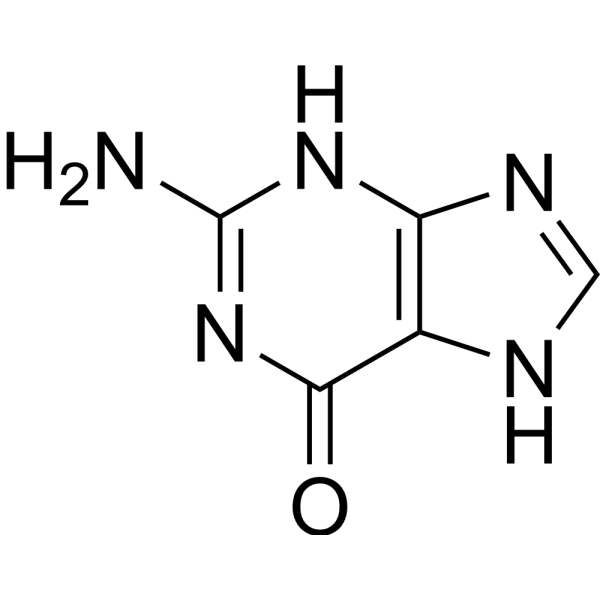
Guanine is one of the fundamental components of nucleic acids (DNA and RNA). Guanine is a purine derivative, consisting of a fused pyrimidine-imidazole ring system with conjugated double bonds. Guanine has the potential to serve as a large-capacity N pool. Guanine has cytotoxic, antinociceptive and neuroprotective effects .
|
-
-
- HY-D0150
-
|
|
Fluorescent Dye
|
Others
|
|
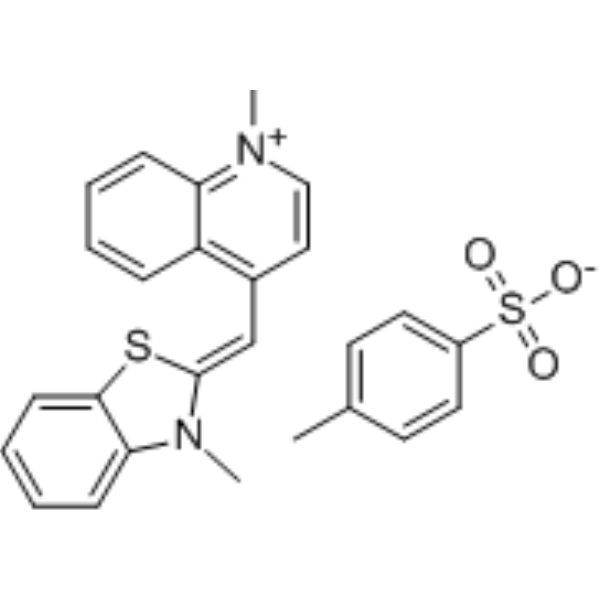
Thiazole Orange is an asymmetric anthocyanin dye that can be coupled with oligonucleotides (ONs) to prepare fluorescent hybridization probes. Thiazole Orange has been widely used in biomolecular detection and staining of DNA/ RNA in gels and can be used for reticulocyte analysis. Thiazole orange generates a significant fluorescence enhancement and high quantum yield when it binds with nucleic acids, especially RNA. Thiazole orange can permeate living cell membranes. Thiazole orange can use UV light for detection, but can also be detected with blue light. The excitation and emission of Thiazole orange are λex = 510 nm (488 nm and 470 nm also show strong excitation) and λem = 527 nm, respectively .
|
-
-
- HY-W440911
-
|
|
Liposome
Fluorescent Dye
|
Cancer
|
|
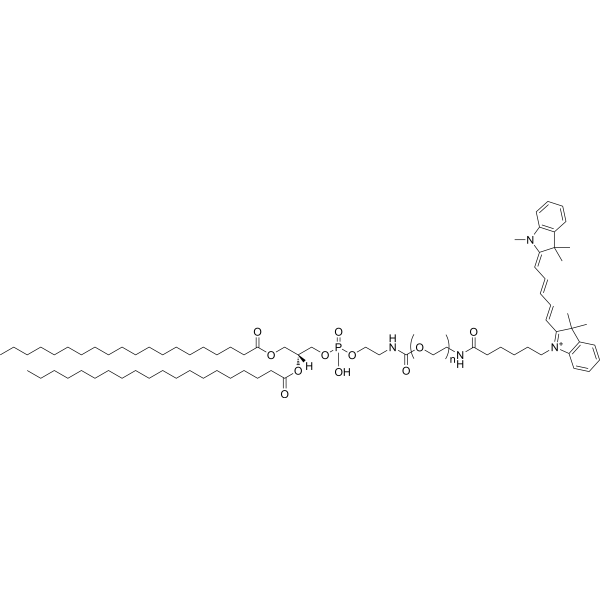
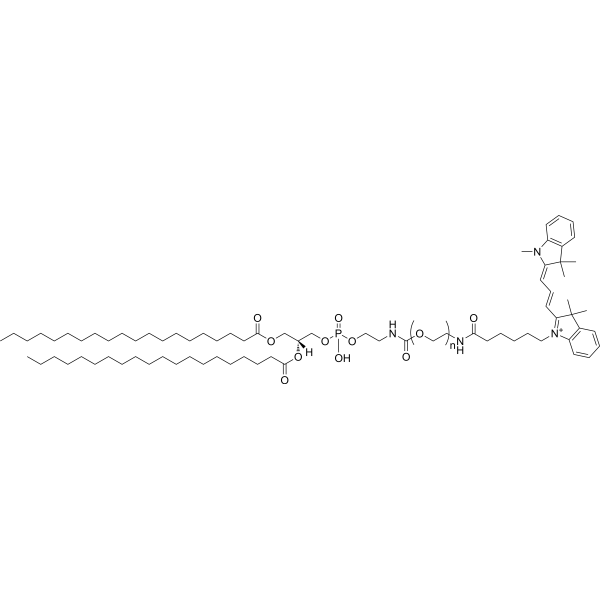
DSPE-PEG2000-Cy5 is a Cy5 (HY-D0821) fluorophore-labeled conjugate of distearoylphosphatidylethanolamine and polyethylene glycol, as well as a liposome component. The Cy5 fluorophore is commonly used for labeling proteins and nucleic acids in imaging, flow cytometry and genomic applications. DSPE-PEG2000-Cy5 supports cell membrane modification, in vivo tumor targeting research and long-term in vivo circulation of its liposomal formulations (Ex/Em=633/670 nm) .
|
-
-
- HY-155882
-
|
mPEG750-NH2
|
Biochemical Assay Reagents
|
Cancer
|
|
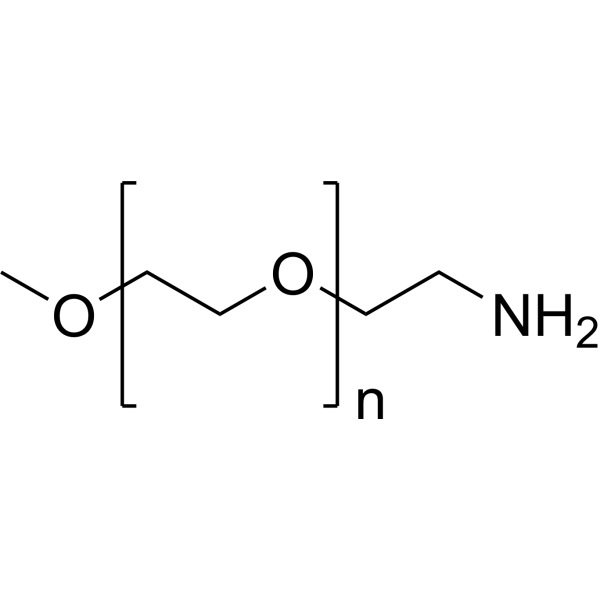
mPEG750-amine (mPEG750-NH2) is a chemical modification reagent for nanoparticles, capable of covalently binding to Ad-PVA to form Ad-PVA-PEG polymers. mPEG750-amine stabilizes gene delivery complexes by providing steric hindrance, reducing particle aggregation, while enhancing the water solubility and serum stability of the complex, reducing carrier cytotoxicity, and assisting in the efficient condensation of pDNA by cationic components to form nanoparticles that can be endocytosed by cells. mPEG750-amine can also be used to synthesize folate-conjugated polymer micelles for encapsulating the anticancer agent Camptothecin (HY-16560). Folate-conjugated polymer micelles are effective carriers for poorly soluble anticancer drugs, capable of avoiding macrophages and acting through folate receptor (FR)-mediated endocytosis to target tumor cells. mPEG750-amine can be applied to research in the field of non-viral gene delivery, as a component of gene delivery vectors, facilitating the safe and efficient delivery of nucleic acid drugs to target cells .
|
-
-
- HY-Y1055A
-
|
|
Endogenous Metabolite
DNA/RNA Synthesis
|
Infection
Neurological Disease
Cancer
|
|
Guanine hydrochloride is one of the fundamental components of nucleic acids (DNA and RNA). Guanine hydrochloride is a purine derivative, consisting of a fused pyrimidine-imidazole ring system with conjugated double bonds. Guanine hydrochloride has the potential to serve as a large-capacity N pool. Guanine hydrochloride has cytotoxic, antinociceptive and neuroprotective effects .
|
-
-
- HY-132142
-
|
|
DNA/RNA Synthesis
|
Others
|
|
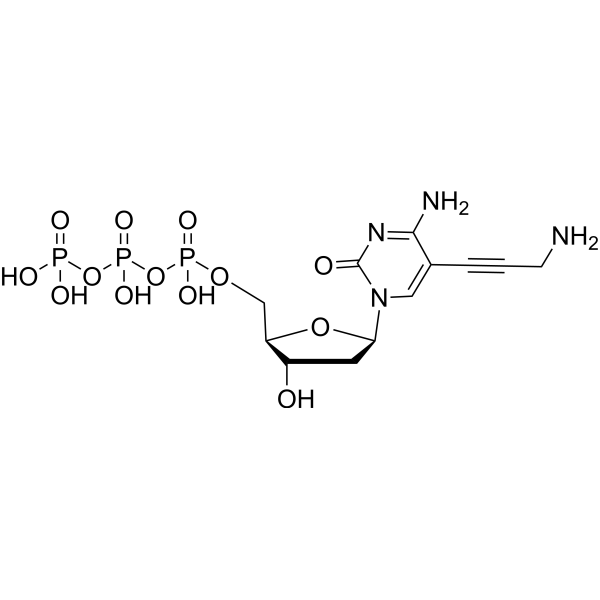
5-Propargylamino-dCTP is a sustrate for DNA polymerases. 5-Propargylamino-dCTP can conjugate to molecular markers for use in nucleic acid labeling or sequence analysis. 5-Propargylamino-dCTP is a click chemistry reagent, it contains an Alkyne group and can undergo copper-catalyzed azide-alkyne cycloaddition (CuAAc) with molecules containing Azide groups .
|
-
-
- HY-172705
-
|
|
Liposome
nAChR
|
Neurological Disease
|
|
DSPE-PEG2000-RVG29 is a PEG conjugate composed of DSPE and rabies virus glycoprotein 29 (RVG29). RVG29 specifically binds to nicotinic acetylcholine receptors (nAChR) at the blood-brain barrier (BBB), crosses the BBB, and mediates receptor-dependent transcytosis. DSPE-PEG2000-RVG29 can be used for brain-targeted drug delivery, surface modification of nanocarriers, as well as gene and nucleic acid delivery. DSPE-PEG2000-RVG29 is applicable to research related to hypoxic-ischemic brain injury, Parkinson's disease, and other conditions .
|
-
-
- HY-Y1055S3
-
|
|
Isotope-Labeled Compounds
DNA/RNA Synthesis
Endogenous Metabolite
|
Neurological Disease
Cancer
|
|
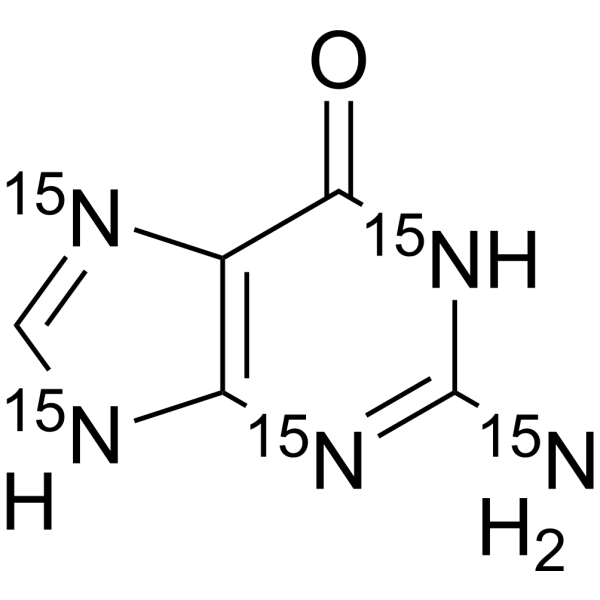
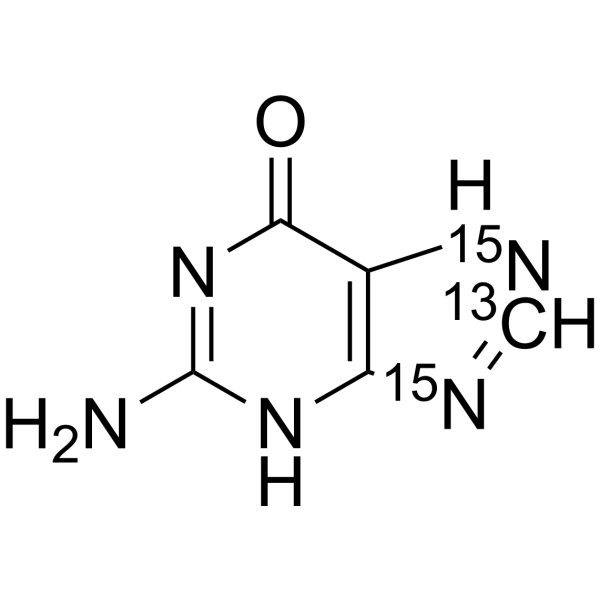
Guanine- 15N5 is 15N labeled Guanine (HY-Y1055). Guanine is one of the fundamental components of nucleic acids (DNA and RNA). Guanine is a purine derivative, consisting of a fused pyrimidine-imidazole ring system with conjugated double bonds. Guanine has the potential to serve as a large-capacity N pool. Guanine has cytotoxic, antinociceptive and neuroprotective effects .
|
-
-
- HY-Y1055S
-
|
|
DNA/RNA Synthesis
Endogenous Metabolite
|
Neurological Disease
Cancer
|
|
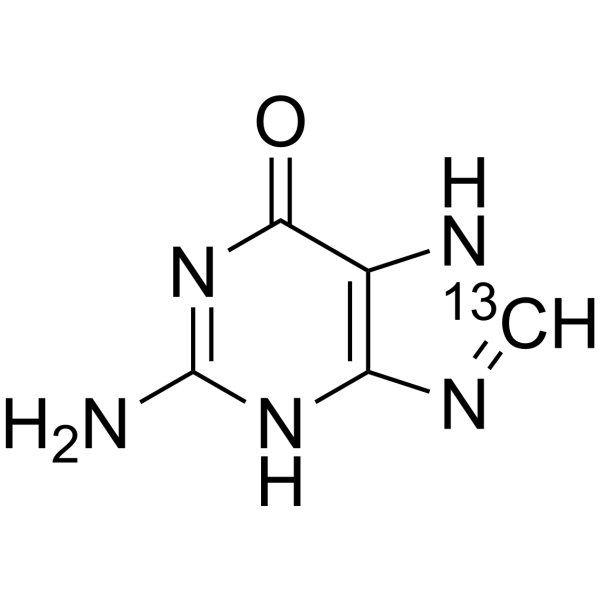
Guanine- 13C is the 13C labeled Guanine (HY-Y1055) . Guanine is one of the fundamental components of nucleic acids (DNA and RNA). Guanine is a purine derivative, consisting of a fused pyrimidine-imidazole ring system with conjugated double bonds. Guanine has the potential to serve as a large-capacity N pool. Guanine has cytotoxic, antinociceptive and neuroprotective effects .
|
-
-
- HY-D2466
-
|
|
Fluorescent Dye
|
Cardiovascular Disease
|
|
Cy3 Dextran (MW 70000) is a fluorescent labeling reagent that conjugates the Cy3 (HY-D0822) fluorescent dye with Dextran (HY-112624). The Cy3 fluorophore is commonly used in applications such as immunolabeling, nucleic acid labeling, fluorescence microscopy, and flow cytometry. The maximum emission wavelength of Cy3 is approximately 562-570 nm. Dextran inhibits platelet aggregation and coagulation factors, and serves as a plasma volume expander .
|
-
-
- HY-Y1055R
-
|
|
Reference Standards
DNA/RNA Synthesis
Endogenous Metabolite
|
Neurological Disease
Cancer
|
|
Guanine (Standard) is the analytical standard of Guanine (HY-Y1055). This product is intended for research and analytical applications. Guanine is one of the fundamental components of nucleic acids (DNA and RNA). Guanine is a purine derivative, consisting of a fused pyrimidine-imidazole ring system with conjugated double bonds. Guanine has the potential to serve as a large-capacity N pool. Guanine has cytotoxic, antinociceptive and neuroprotective effects .
|
-
-
- HY-W440908
-
|
|
Liposome
|
Others
|
|
DSPE-PEG2000-Cy3 is a PEG lipid conjugated with a fluorophore. The Cy3 fluorophore is commonly used in applications such as immunolabeling, nucleic acid labeling, fluorescence microscopy and flow cytometry. The absorption wavelength of the Cy3 fluorophore peaks at 548-552 nm, while its emission wavelength reaches a maximum at 562-570 nm. DSPE-PEG2000-Cy3 can be used in research areas such as the preparation of nanoparticles and drug delivery .
|
-
-
- HY-D2433
-
|
|
Fluorescent Dye
|
Others
|
|
Glucose-PEG2000-Cy3 is a Cy3 (HY-D0822) labeled Glucose-PEG conjugate. The Cy3 fluorophore is commonly used in applications such as immunolabeling, nucleic acid labeling, fluorescence microscopy, and flow cytometry. Cy3 has an emission maximum around 562-570 nm. Glucose-PEG improves drug cellular uptake and reduces endosomal degradation, and can be used in drug delivery .
|
-
-
- HY-Y1055S1
-
|
|
DNA/RNA Synthesis
Endogenous Metabolite
|
Neurological Disease
Cancer
|
|
Guanine- 13C, 15N2 is the 13C and 15N labeled Guanine (HY-Y1055) . Guanine is one of the fundamental components of nucleic acids (DNA and RNA). Guanine is a purine derivative, consisting of a fused pyrimidine-imidazole ring system with conjugated double bonds. Guanine has the potential to serve as a large-capacity N pool. Guanine has cytotoxic, antinociceptive and neuroprotective effects .
|
-
-
- HY-D2438
-
|
|
Fluorescent Dye
|
Cancer
|
|
CDDP-PEG-Cy3 is a CDDP-PEG conjugate labeled with Cy3 (HY-D0822). The Cy3 fluorophore is commonly used in applications such as immunolabeling, nucleic acid labeling, fluorescence microscopy, and flow cytometry. The maximum emission wavelength of Cy3 is approximately 562-570 nm. Cisplatin (CDDP) (HY-17394) is an antineoplastic chemotherapy agent by cross-linking with DNA and causing DNA damage in cancer cells. Cisplatin activates ferroptosis and induces autophagy .
|
-
-
- HY-132146A
-
|
|
DNA/RNA Synthesis
|
Others
|
|
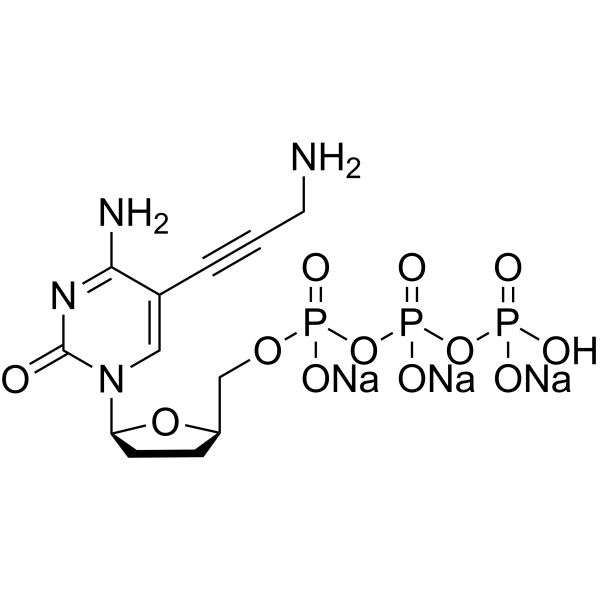
5-Propargylamino-ddCTP (trisodium) solution (25mM), a nucleoside molecule that can be used to synthesis of cyanine dye-nucleotide conjugate which is used in nucleic acid labeling or sequence analysis .
|
-
-
- HY-D2440
-
|
|
Fluorescent Dye
|
Others
|
|
cRGD-PEG-Cy3 is a Cy3 (HY-D0822) labeled cRGD-PEG conjugate. The Cy3 fluorophore is commonly used in applications such as immunolabeling, nucleic acid labeling, fluorescence microscopy, and flow cytometry. Cy3 has an emission maximum around 562-570 nm. cRGD can be used to modify lipid for improved stability .
|
-
-
- HY-D2437
-
|
|
Fluorescent Dye
Antibiotic
|
Cardiovascular Disease
Cancer
|
|
DOX-PEG-Cy3 (Doxorubicin-PEG-Cy3) is a Cy3 (HY-D0822) labeled DOX-PEG conjugate. The Cy3 fluorophore is commonly used in applications such as immunolabeling, nucleic acid labeling, fluorescence microscopy, and flow cytometry. Cy3 has an emission maximum around 562-570 nm. DOX is a broad-spectrum anthracycline antibiotic with cytotoxic properties .
|
-
-
- HY-W1113135
-
|
|
Biochemical Assay Reagents
|
Others
|
|
Carboxymethyl-β-cyclodextrin sodium salt is a negatively charged β-cyclodextrin derivative, as well as a metal ion chelator and solubilizing reagent. Carboxymethyl-β-cyclodextrin sodium salt forms stable aqueous complexes with Ba 2+, Ca 2+, Cd 2+, Ni 2+, Pb 2+, Sr 2+, and Zn 2+ ions. Carboxymethyl-β-cyclodextrin sodium salt derived hydrogel carriers support oral insulin delivery via paracellular permeation across Caco-2 monolayers and produce sustained hypoglycemic effects in diabetic mice. Carboxymethyl-β-cyclodextrin sodium salt can be conjugated onto folate-modified BSA nanoparticles to boost folate receptor-mediated endocytosis, elevate intracellular anticancer drug uptake and trigger cell apoptosis. Carboxymethyl-β-cyclodextrin sodium salt can be utilized for chiral separation in capillary electrophoresis, development of nanoscale drug carriers and nucleic acid transfection research .
|
-
-
- HY-W048671
-
|
|
Amino Acid Derivatives
|
Others
|
|
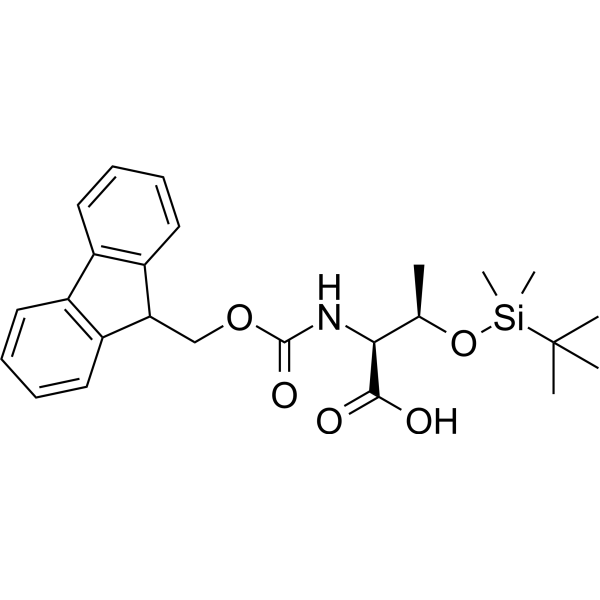
Fmoc-Thr(TBDMS)-OH is a Threonine derivative. Fmoc-Thr(TBDMS)-OH can be used for the preparation of sugar ligand-tethered functional nucleic acid conjugates for targeted research .
|
-
-
- HY-W777809
-
|
|
Isotope-Labeled Compounds
DNA/RNA Synthesis
Endogenous Metabolite
|
Cancer
|
|
Guanine- 13C2, 15N is the 13C- and 15N-labeled Guanine (HY-Y1055). Guanine is one of the fundamental components of nucleic acids (DNA and RNA). Guanine is a purine derivative, consisting of a fused pyrimidine-imidazole ring system with conjugated double bonds. Guanine has the potential to serve as a large-capacity N pool. Guanine has cytotoxic, antinociceptive and neuroprotective effects .
|
-
-
- HY-D2436
-
|
|
Fluorescent Dye
Microtubule/Tubulin
Apoptosis
|
Cardiovascular Disease
Cancer
|
|
PTX-PEG-Cy3 (Paclitaxel-PEG-Cy3) is a Cy3 (HY-D0822) labeled PTX-PEG conjugate. The Cy3 fluorophore is commonly used in applications such as immunolabeling, nucleic acid labeling, fluorescence microscopy, and flow cytometry. Cy3 has an emission maximum around 562-570 nm. PTX stabilizes tubulin polymerization. PTX can cause both mitotic arrest and apoptotic cell death. PTX also induces autophagy .
|
-
-
- HY-132145
-
|
|
DNA/RNA Synthesis
|
Others
|
|
5-Propargylamino-ddUTP, a nucleoside molecule that can be used to synthesis of cyanine dye-nucleotide conjugate which is used in nucleic acid labeling or sequence analysis .
|
-
-
- HY-132146
-
|
|
DNA/RNA Synthesis
|
Others
|
|
5-Propargylamino-ddCTP, a nucleoside molecule that can be used to synthesis of cyanine dye-nucleotide conjugate which is used in nucleic acid labeling or sequence analysis .
|
-
-
- HY-108409
-
|
Etienic acid; Testosterone-17β-carboxylic acid; 3-Oxoandrost-4-ene-17β-carboxylic acid
|
Drug Derivative
|
Metabolic Disease
Cancer
|
|
Progesterone carboxylic acid (Testosterone-17β-carboxylic acid) is an androstenedione analogue. Progesterone carboxylic acid can conjugate with 20-mer peptide nucleic acid (PNA) and the conjugate has superior binding capacity on complementary DNA. Progesterone carboxylic acid can be used for cancers and type 2 diabetes (T2D) research .
|
-
-
- HY-Y1055S4
-
|
|
Isotope-Labeled Compounds
DNA/RNA Synthesis
Endogenous Metabolite
|
Neurological Disease
Cancer
|
|
Guanine- 13C5 is 13C-labeled Guanine (HY-Y1055). Guanine is one of the fundamental components of nucleic acids (DNA and RNA). Guanine is a purine derivative, consisting of a fused pyrimidine-imidazole ring system with conjugated double bonds. Guanine has the potential to serve as a large-capacity N pool. Guanine has cytotoxic, antinociceptive and neuroprotective effects .
|
-
-
- HY-D2431
-
|
|
Fluorescent Dye
|
Others
|
|
Galactose-PEG-Cy3 is a Cy3 (HY-D0822) labeled Galactose-PEG conjugate. The Cy3 fluorophore is commonly used in applications such as immunolabeling, nucleic acid labeling, fluorescence microscopy, and flow cytometry. Cy3 has an emission maximum around 562-570 nm. Galactose-PEG improves drug cellular uptake and reduces endosomal degradation, and can be used in drug delivery .
|
-
-
- HY-W778114
-
|
|
Isotope-Labeled Compounds
DNA/RNA Synthesis
Endogenous Metabolite
|
Cancer
|
|
Guanine- 13C2, 15N is the 13C- and 15N-labeled Guanine (HY-Y1055). Guanine is one of the fundamental components of nucleic acids (DNA and RNA). Guanine is a purine derivative, consisting of a fused pyrimidine-imidazole ring system with conjugated double bonds. Guanine has the potential to serve as a large-capacity N pool. Guanine has cytotoxic, antinociceptive and neuroprotective effects .
|
-
-
- HY-Y1055S2
-
|
|
Isotope-Labeled Compounds
DNA/RNA Synthesis
Endogenous Metabolite
|
Neurological Disease
Cancer
|
|
Guanine- 13C5, 15N5 is 13C and 15N-labeled Guanine (HY-Y1055). Guanine is one of the fundamental components of nucleic acids (DNA and RNA). Guanine is a purine derivative, consisting of a fused pyrimidine-imidazole ring system with conjugated double bonds. Guanine has the potential to serve as a large-capacity N pool. Guanine has cytotoxic, antinociceptive and neuroprotective effects .
|
-
-
- HY-D2435
-
|
|
Fluorescent Dye
|
Inflammation/Immunology
Cancer
|
|
CDDP-PEG-Cy3 is a MTX-PEG conjugate labeled with Cy3 (HY-D0822). The Cy3 fluorophore is commonly used in applications such as immunolabeling, nucleic acid labeling, fluorescence microscopy, and flow cytometry. The maximum emission wavelength of Cy3 is approximately 562-570 nm. Methotrexate (Amethopterin; MTX) (HY-14519), an antimetabolite and antifolate agent, inhibits the enzyme dihydrofolate reductase, thereby preventing the conversion of folic acid into tetrahydrofolate, and inhibiting DNA synthesis. Methotrexate, also an immunosuppressant and antineoplastic agent, is used for the research of rheumatoid arthritis and a number of different cancers (such as acute lymphoblastic leukemia) .
|
-
-
- HY-172705A
-
|
|
Liposome
nAChR
|
Infection
|
|
DSPE-PEG3400-RVG29 is a PEG conjugate composed of DSPE and rabies virus glycoprotein 29 (RVG29). RVG29 specifically binds to nicotinic acetylcholine receptors (nAChR) at the blood-brain barrier (BBB), crosses the BBB, and mediates receptor-dependent transcytosis. DSPE-PEG3400-RVG29 can be used for brain-targeted drug delivery, surface modification of nanocarriers, as well as gene and nucleic acid delivery. DSPE-PEG3400-RVG29 is applicable to research related to hypoxic-ischemic brain injury, Parkinson's disease, and other conditions
|
-
-
- HY-DY1097
-
|
|
Fluorescent Dye
|
Others
|
Thiazole Orange (solution) is an asymmetric anthocyanin dye that can be coupled with oligonucleotides (ONs) to prepare fluorescent hybridization probes. Thiazole Orange has been widely used in biomolecular detection and staining of DNA/ RNA in gels and can be used for reticulocyte analysis. Thiazole orange generates a significant fluorescence enhancement and high quantum yield when it binds with nucleic acids, especially RNA. Thiazole orange can permeate living cell membranes. Thiazole orange can use UV light for detection, but can also be detected with blue light. The excitation and emission of Thiazole orange are λex = 510 nm (488 nm and 470 nm also show strong excitation) and λem = 527 nm, respectively . Solvent and concentration: DMSO: 10 mM The 1 mL volume is defined as the base specification. All larger sizes correspond to incremental volumes of this base.
|
-
-
- HY-P11697
-
|
|
Drug Intermediate
|
Others
|
|
Fmoc-PNA-maleimide-OH is a Fmoc-protected functionalized peptide nucleic acid monomer featuring a maleimide group for thiol-reactive conjugation. Fmoc-PNA-maleimide-OH can be used in constructing PNA conjugates for molecular assembly applications.
|
-
-
- HY-108409R
-
|
Etienic acid (Standard); Testosterone-17β-carboxylic acid (Standard); 3-Oxoandrost-4-ene-17β-carboxylic acid (Standard)
|
Reference Standards
Drug Derivative
|
Metabolic Disease
Cancer
|
|
Progesterone carboxylic acid (Standard) is the analytical standard of Progesterone carboxylic acid (HY-108409). This product is intended for research and analytical applications. Progesterone carboxylic acid (Testosterone-17β-carboxylic acid) is an androstenedione analogue. Progesterone carboxylic acid can conjugate with 20-mer peptide nucleic acid (PNA) and the conjugate has superior binding capacity on complementary DNA. Progesterone carboxylic acid can be used for cancers and type 2 diabetes (T2D) research .
|
-
-
- HY-Y1055S6
-
|
|
Isotope-Labeled Compounds
DNA/RNA Synthesis
Endogenous Metabolite
|
Neurological Disease
Cancer
|
|
Guanine-d5 is the deuterium labeled Guanine (HY-Y1055). Guanine is one of the fundamental components of nucleic acids (DNA and RNA). Guanine is a purine derivative, consisting of a fused pyrimidine-imidazole ring system with conjugated double bonds. Guanine has the potential to serve as a large-capacity N pool. Guanine has cytotoxic, antinociceptive and neuroprotective effects .
|
-
-
- HY-P11759
-
|
|
Drug Derivative
|
Cancer
|
|
Myr-transportan-Cys is a derivative of the cell-penetrating peptide Transportan (HY-P1732), and its conjugated myristoyl group (Myr) enhances the interaction between the peptide and cell membranes. Myr-transportan-Cys integrates three key delivery functions: nucleic acid condensation, cell penetration, and endosomal escape. Myr-transportan-Cys can form immunostimulatory tandem peptide nanocomplexes (iTPNCs) for encapsulating and delivering immunostimulatory oligonucleotide cargos to tumors .
|
-
-
- HY-D2428
-
|
|
Fluorescent Dye
|
Cardiovascular Disease
Infection
Inflammation/Immunology
Cancer
|
|
OVA-PEG-Cy3 is a Cy3 (HY-D0822)-labeled OVA-PEG conjugate. The Cy3 fluorophore is commonly used in applications such as immunolabeling, nucleic acid labeling, fluorescence microscopy, and flow cytometry. The maximum emission wavelength of Cy3 is approximately 562-570 nm. Ovalbumins (OVA), the main protein found in egg whites, have various biological activities such as anticancer, antihypertensive, antibacterial, antioxidant and immunomodulatory activities. Ovalbumins are the most abundant proteins synthesized in progesterone- or estrogen-treated fallopian tubes and are commonly used as markers to study hormone regulation of gene expression in tissues .
|
-
-
- HY-P11733
-
|
|
Bacterial
|
Infection
|
(KFF)3K-acpP is an antibacterial agent conjugating of cell penetrating peptide (KFF)3K (HY-P10556) and acpP peptide nucleic acid. (KFF)3K-acpP binds to the translation start site region of acpP mRNA, sterically blocking ribosome binding and inhibiting translation of the acyl carrier protein. (KFF)3K-acpP induces bacterial envelope stress response pathways, and triggers depletion of outer membrane protein F (ompF) transcript. (KFF)3K-acpP can be used for the research of infections .
|
-
| Cat. No. |
Product Name |
Type |
-
- HY-D0150
-
|
|
Fluorescent Dyes
|
|
Thiazole Orange is an asymmetric anthocyanin dye that can be coupled with oligonucleotides (ONs) to prepare fluorescent hybridization probes. Thiazole Orange has been widely used in biomolecular detection and staining of DNA/ RNA in gels and can be used for reticulocyte analysis. Thiazole orange generates a significant fluorescence enhancement and high quantum yield when it binds with nucleic acids, especially RNA. Thiazole orange can permeate living cell membranes. Thiazole orange can use UV light for detection, but can also be detected with blue light. The excitation and emission of Thiazole orange are λex = 510 nm (488 nm and 470 nm also show strong excitation) and λem = 527 nm, respectively .
|
-
- HY-D2466
-
|
|
Fluorescent Dyes
|
|
Cy3 Dextran (MW 70000) is a fluorescent labeling reagent that conjugates the Cy3 (HY-D0822) fluorescent dye with Dextran (HY-112624). The Cy3 fluorophore is commonly used in applications such as immunolabeling, nucleic acid labeling, fluorescence microscopy, and flow cytometry. The maximum emission wavelength of Cy3 is approximately 562-570 nm. Dextran inhibits platelet aggregation and coagulation factors, and serves as a plasma volume expander .
|
-
- HY-D2433
-
|
|
Fluorescent Dyes
|
|
Glucose-PEG2000-Cy3 is a Cy3 (HY-D0822) labeled Glucose-PEG conjugate. The Cy3 fluorophore is commonly used in applications such as immunolabeling, nucleic acid labeling, fluorescence microscopy, and flow cytometry. Cy3 has an emission maximum around 562-570 nm. Glucose-PEG improves drug cellular uptake and reduces endosomal degradation, and can be used in drug delivery .
|
-
- HY-D2438
-
|
|
Fluorescent Dyes
|
|
CDDP-PEG-Cy3 is a CDDP-PEG conjugate labeled with Cy3 (HY-D0822). The Cy3 fluorophore is commonly used in applications such as immunolabeling, nucleic acid labeling, fluorescence microscopy, and flow cytometry. The maximum emission wavelength of Cy3 is approximately 562-570 nm. Cisplatin (CDDP) (HY-17394) is an antineoplastic chemotherapy agent by cross-linking with DNA and causing DNA damage in cancer cells. Cisplatin activates ferroptosis and induces autophagy .
|
-
- HY-D2440
-
|
|
Fluorescent Dyes
|
|
cRGD-PEG-Cy3 is a Cy3 (HY-D0822) labeled cRGD-PEG conjugate. The Cy3 fluorophore is commonly used in applications such as immunolabeling, nucleic acid labeling, fluorescence microscopy, and flow cytometry. Cy3 has an emission maximum around 562-570 nm. cRGD can be used to modify lipid for improved stability .
|
-
- HY-D2437
-
|
|
Fluorescent Dyes
|
|
DOX-PEG-Cy3 (Doxorubicin-PEG-Cy3) is a Cy3 (HY-D0822) labeled DOX-PEG conjugate. The Cy3 fluorophore is commonly used in applications such as immunolabeling, nucleic acid labeling, fluorescence microscopy, and flow cytometry. Cy3 has an emission maximum around 562-570 nm. DOX is a broad-spectrum anthracycline antibiotic with cytotoxic properties .
|
-
- HY-D2436
-
|
|
Fluorescent Dyes
|
|
PTX-PEG-Cy3 (Paclitaxel-PEG-Cy3) is a Cy3 (HY-D0822) labeled PTX-PEG conjugate. The Cy3 fluorophore is commonly used in applications such as immunolabeling, nucleic acid labeling, fluorescence microscopy, and flow cytometry. Cy3 has an emission maximum around 562-570 nm. PTX stabilizes tubulin polymerization. PTX can cause both mitotic arrest and apoptotic cell death. PTX also induces autophagy .
|
-
- HY-D2431
-
|
|
Fluorescent Dyes
|
|
Galactose-PEG-Cy3 is a Cy3 (HY-D0822) labeled Galactose-PEG conjugate. The Cy3 fluorophore is commonly used in applications such as immunolabeling, nucleic acid labeling, fluorescence microscopy, and flow cytometry. Cy3 has an emission maximum around 562-570 nm. Galactose-PEG improves drug cellular uptake and reduces endosomal degradation, and can be used in drug delivery .
|
-
- HY-D2435
-
|
|
Fluorescent Dyes
|
|
CDDP-PEG-Cy3 is a MTX-PEG conjugate labeled with Cy3 (HY-D0822). The Cy3 fluorophore is commonly used in applications such as immunolabeling, nucleic acid labeling, fluorescence microscopy, and flow cytometry. The maximum emission wavelength of Cy3 is approximately 562-570 nm. Methotrexate (Amethopterin; MTX) (HY-14519), an antimetabolite and antifolate agent, inhibits the enzyme dihydrofolate reductase, thereby preventing the conversion of folic acid into tetrahydrofolate, and inhibiting DNA synthesis. Methotrexate, also an immunosuppressant and antineoplastic agent, is used for the research of rheumatoid arthritis and a number of different cancers (such as acute lymphoblastic leukemia) .
|
-
- HY-DY1097
-
|
|
Fluorescent Dyes
|
Thiazole Orange (solution) is an asymmetric anthocyanin dye that can be coupled with oligonucleotides (ONs) to prepare fluorescent hybridization probes. Thiazole Orange has been widely used in biomolecular detection and staining of DNA/ RNA in gels and can be used for reticulocyte analysis. Thiazole orange generates a significant fluorescence enhancement and high quantum yield when it binds with nucleic acids, especially RNA. Thiazole orange can permeate living cell membranes. Thiazole orange can use UV light for detection, but can also be detected with blue light. The excitation and emission of Thiazole orange are λex = 510 nm (488 nm and 470 nm also show strong excitation) and λem = 527 nm, respectively . Solvent and concentration: DMSO: 10 mM The 1 mL volume is defined as the base specification. All larger sizes correspond to incremental volumes of this base.
|
-
- HY-D2428
-
|
|
Fluorescent Dyes
|
|
OVA-PEG-Cy3 is a Cy3 (HY-D0822)-labeled OVA-PEG conjugate. The Cy3 fluorophore is commonly used in applications such as immunolabeling, nucleic acid labeling, fluorescence microscopy, and flow cytometry. The maximum emission wavelength of Cy3 is approximately 562-570 nm. Ovalbumins (OVA), the main protein found in egg whites, have various biological activities such as anticancer, antihypertensive, antibacterial, antioxidant and immunomodulatory activities. Ovalbumins are the most abundant proteins synthesized in progesterone- or estrogen-treated fallopian tubes and are commonly used as markers to study hormone regulation of gene expression in tissues .
|
| Cat. No. |
Product Name |
Type |
-
- HY-W440911
-
|
|
Biochemical Assay Reagents
|
|
DSPE-PEG2000-Cy5 is a Cy5 (HY-D0821) fluorophore-labeled conjugate of distearoylphosphatidylethanolamine and polyethylene glycol, as well as a liposome component. The Cy5 fluorophore is commonly used for labeling proteins and nucleic acids in imaging, flow cytometry and genomic applications. DSPE-PEG2000-Cy5 supports cell membrane modification, in vivo tumor targeting research and long-term in vivo circulation of its liposomal formulations (Ex/Em=633/670 nm) .
|
-
- HY-155882
-
|
mPEG750-NH2
|
Biochemical Assay Reagents
|
|
mPEG750-amine (mPEG750-NH2) is a chemical modification reagent for nanoparticles, capable of covalently binding to Ad-PVA to form Ad-PVA-PEG polymers. mPEG750-amine stabilizes gene delivery complexes by providing steric hindrance, reducing particle aggregation, while enhancing the water solubility and serum stability of the complex, reducing carrier cytotoxicity, and assisting in the efficient condensation of pDNA by cationic components to form nanoparticles that can be endocytosed by cells. mPEG750-amine can also be used to synthesize folate-conjugated polymer micelles for encapsulating the anticancer agent Camptothecin (HY-16560). Folate-conjugated polymer micelles are effective carriers for poorly soluble anticancer drugs, capable of avoiding macrophages and acting through folate receptor (FR)-mediated endocytosis to target tumor cells. mPEG750-amine can be applied to research in the field of non-viral gene delivery, as a component of gene delivery vectors, facilitating the safe and efficient delivery of nucleic acid drugs to target cells .
|
-
- HY-132142
-
|
|
Biochemical Assay Reagents
|
|
5-Propargylamino-dCTP is a sustrate for DNA polymerases. 5-Propargylamino-dCTP can conjugate to molecular markers for use in nucleic acid labeling or sequence analysis. 5-Propargylamino-dCTP is a click chemistry reagent, it contains an Alkyne group and can undergo copper-catalyzed azide-alkyne cycloaddition (CuAAc) with molecules containing Azide groups .
|
-
- HY-172705
-
|
|
Biochemical Assay Reagents
|
|
DSPE-PEG2000-RVG29 is a PEG conjugate composed of DSPE and rabies virus glycoprotein 29 (RVG29). RVG29 specifically binds to nicotinic acetylcholine receptors (nAChR) at the blood-brain barrier (BBB), crosses the BBB, and mediates receptor-dependent transcytosis. DSPE-PEG2000-RVG29 can be used for brain-targeted drug delivery, surface modification of nanocarriers, as well as gene and nucleic acid delivery. DSPE-PEG2000-RVG29 is applicable to research related to hypoxic-ischemic brain injury, Parkinson's disease, and other conditions .
|
-
- HY-W440908
-
|
|
Biochemical Assay Reagents
|
|
DSPE-PEG2000-Cy3 is a PEG lipid conjugated with a fluorophore. The Cy3 fluorophore is commonly used in applications such as immunolabeling, nucleic acid labeling, fluorescence microscopy and flow cytometry. The absorption wavelength of the Cy3 fluorophore peaks at 548-552 nm, while its emission wavelength reaches a maximum at 562-570 nm. DSPE-PEG2000-Cy3 can be used in research areas such as the preparation of nanoparticles and drug delivery .
|
-
- HY-132146A
-
|
|
Biochemical Assay Reagents
|
|
5-Propargylamino-ddCTP (trisodium) solution (25mM), a nucleoside molecule that can be used to synthesis of cyanine dye-nucleotide conjugate which is used in nucleic acid labeling or sequence analysis .
|
-
- HY-132145
-
|
|
Biochemical Assay Reagents
|
|
5-Propargylamino-ddUTP, a nucleoside molecule that can be used to synthesis of cyanine dye-nucleotide conjugate which is used in nucleic acid labeling or sequence analysis .
|
-
- HY-132146
-
|
|
Biochemical Assay Reagents
|
|
5-Propargylamino-ddCTP, a nucleoside molecule that can be used to synthesis of cyanine dye-nucleotide conjugate which is used in nucleic acid labeling or sequence analysis .
|
-
- HY-172705A
-
|
|
Biochemical Assay Reagents
|
|
DSPE-PEG3400-RVG29 is a PEG conjugate composed of DSPE and rabies virus glycoprotein 29 (RVG29). RVG29 specifically binds to nicotinic acetylcholine receptors (nAChR) at the blood-brain barrier (BBB), crosses the BBB, and mediates receptor-dependent transcytosis. DSPE-PEG3400-RVG29 can be used for brain-targeted drug delivery, surface modification of nanocarriers, as well as gene and nucleic acid delivery. DSPE-PEG3400-RVG29 is applicable to research related to hypoxic-ischemic brain injury, Parkinson's disease, and other conditions
|
| Cat. No. |
Product Name |
Target |
Research Area |
-
- HY-P4084A
-
|
|
Peptides
|
Others
|
|
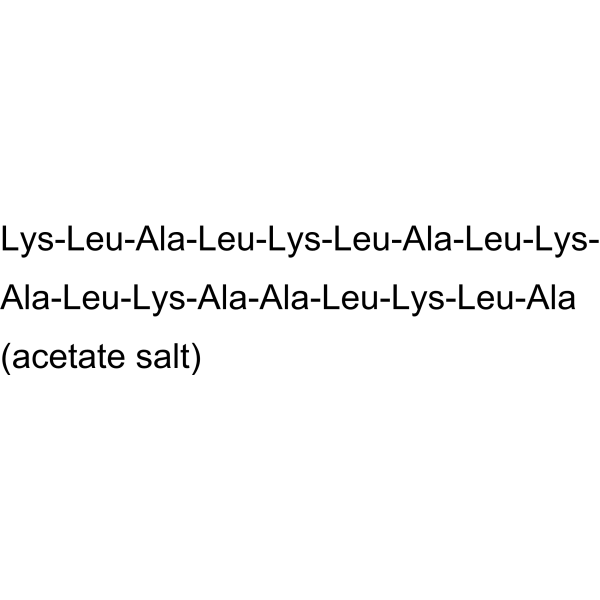
KLA seq acetate is a cell membrane-penetrating α-helical amphipathic model peptide. KLA seq acetate conjugates peptide nucleic acids (PNAs) for delivery to mammalian cells. KLA seq acetate covalently links targeted mRNA and fluorescein to form a delivery system that has low re-export and is less resistant to serum effects .
|
-
- HY-W048671
-
|
|
Amino Acid Derivatives
|
Others
|
|
Fmoc-Thr(TBDMS)-OH is a Threonine derivative. Fmoc-Thr(TBDMS)-OH can be used for the preparation of sugar ligand-tethered functional nucleic acid conjugates for targeted research .
|
-
- HY-P11697
-
|
|
Drug Intermediate
|
Others
|
|
Fmoc-PNA-maleimide-OH is a Fmoc-protected functionalized peptide nucleic acid monomer featuring a maleimide group for thiol-reactive conjugation. Fmoc-PNA-maleimide-OH can be used in constructing PNA conjugates for molecular assembly applications.
|
-
- HY-P11759
-
|
|
Drug Derivative
|
Cancer
|
|
Myr-transportan-Cys is a derivative of the cell-penetrating peptide Transportan (HY-P1732), and its conjugated myristoyl group (Myr) enhances the interaction between the peptide and cell membranes. Myr-transportan-Cys integrates three key delivery functions: nucleic acid condensation, cell penetration, and endosomal escape. Myr-transportan-Cys can form immunostimulatory tandem peptide nanocomplexes (iTPNCs) for encapsulating and delivering immunostimulatory oligonucleotide cargos to tumors .
|
-
- HY-P11733
-
|
|
Bacterial
|
Infection
|
(KFF)3K-acpP is an antibacterial agent conjugating of cell penetrating peptide (KFF)3K (HY-P10556) and acpP peptide nucleic acid. (KFF)3K-acpP binds to the translation start site region of acpP mRNA, sterically blocking ribosome binding and inhibiting translation of the acyl carrier protein. (KFF)3K-acpP induces bacterial envelope stress response pathways, and triggers depletion of outer membrane protein F (ompF) transcript. (KFF)3K-acpP can be used for the research of infections .
|
| Cat. No. |
Product Name |
Category |
Target |
Chemical Structure |
| Cat. No. |
Product Name |
Chemical Structure |
-
- HY-Y1055S3
-
|
|
|
Guanine- 15N5 is 15N labeled Guanine (HY-Y1055). Guanine is one of the fundamental components of nucleic acids (DNA and RNA). Guanine is a purine derivative, consisting of a fused pyrimidine-imidazole ring system with conjugated double bonds. Guanine has the potential to serve as a large-capacity N pool. Guanine has cytotoxic, antinociceptive and neuroprotective effects .
|
-
-
- HY-Y1055S
-
|
|
|
Guanine- 13C is the 13C labeled Guanine (HY-Y1055) . Guanine is one of the fundamental components of nucleic acids (DNA and RNA). Guanine is a purine derivative, consisting of a fused pyrimidine-imidazole ring system with conjugated double bonds. Guanine has the potential to serve as a large-capacity N pool. Guanine has cytotoxic, antinociceptive and neuroprotective effects .
|
-
-
- HY-Y1055S1
-
|
|
|
Guanine- 13C, 15N2 is the 13C and 15N labeled Guanine (HY-Y1055) . Guanine is one of the fundamental components of nucleic acids (DNA and RNA). Guanine is a purine derivative, consisting of a fused pyrimidine-imidazole ring system with conjugated double bonds. Guanine has the potential to serve as a large-capacity N pool. Guanine has cytotoxic, antinociceptive and neuroprotective effects .
|
-
-
- HY-W777809
-
|
|
|
Guanine- 13C2, 15N is the 13C- and 15N-labeled Guanine (HY-Y1055). Guanine is one of the fundamental components of nucleic acids (DNA and RNA). Guanine is a purine derivative, consisting of a fused pyrimidine-imidazole ring system with conjugated double bonds. Guanine has the potential to serve as a large-capacity N pool. Guanine has cytotoxic, antinociceptive and neuroprotective effects .
|
-
-
- HY-Y1055S4
-
|
|
|
Guanine- 13C5 is 13C-labeled Guanine (HY-Y1055). Guanine is one of the fundamental components of nucleic acids (DNA and RNA). Guanine is a purine derivative, consisting of a fused pyrimidine-imidazole ring system with conjugated double bonds. Guanine has the potential to serve as a large-capacity N pool. Guanine has cytotoxic, antinociceptive and neuroprotective effects .
|
-
-
- HY-W778114
-
|
|
|
Guanine- 13C2, 15N is the 13C- and 15N-labeled Guanine (HY-Y1055). Guanine is one of the fundamental components of nucleic acids (DNA and RNA). Guanine is a purine derivative, consisting of a fused pyrimidine-imidazole ring system with conjugated double bonds. Guanine has the potential to serve as a large-capacity N pool. Guanine has cytotoxic, antinociceptive and neuroprotective effects .
|
-
-
- HY-Y1055S2
-
|
|
|
Guanine- 13C5, 15N5 is 13C and 15N-labeled Guanine (HY-Y1055). Guanine is one of the fundamental components of nucleic acids (DNA and RNA). Guanine is a purine derivative, consisting of a fused pyrimidine-imidazole ring system with conjugated double bonds. Guanine has the potential to serve as a large-capacity N pool. Guanine has cytotoxic, antinociceptive and neuroprotective effects .
|
-
-
- HY-Y1055S6
-
|
|
|
Guanine-d5 is the deuterium labeled Guanine (HY-Y1055). Guanine is one of the fundamental components of nucleic acids (DNA and RNA). Guanine is a purine derivative, consisting of a fused pyrimidine-imidazole ring system with conjugated double bonds. Guanine has the potential to serve as a large-capacity N pool. Guanine has cytotoxic, antinociceptive and neuroprotective effects .
|
-
| Cat. No. |
Product Name |
|
Classification |
-
- HY-W440911
-
|
|
|
Pegylated Lipids
Fluorescent Lipids
|
|
DSPE-PEG2000-Cy5 is a Cy5 (HY-D0821) fluorophore-labeled conjugate of distearoylphosphatidylethanolamine and polyethylene glycol, as well as a liposome component. The Cy5 fluorophore is commonly used for labeling proteins and nucleic acids in imaging, flow cytometry and genomic applications. DSPE-PEG2000-Cy5 supports cell membrane modification, in vivo tumor targeting research and long-term in vivo circulation of its liposomal formulations (Ex/Em=633/670 nm) .
|
-
- HY-155882
-
|
mPEG750-NH2
|
|
Polymers
|
|
mPEG750-amine (mPEG750-NH2) is a chemical modification reagent for nanoparticles, capable of covalently binding to Ad-PVA to form Ad-PVA-PEG polymers. mPEG750-amine stabilizes gene delivery complexes by providing steric hindrance, reducing particle aggregation, while enhancing the water solubility and serum stability of the complex, reducing carrier cytotoxicity, and assisting in the efficient condensation of pDNA by cationic components to form nanoparticles that can be endocytosed by cells. mPEG750-amine can also be used to synthesize folate-conjugated polymer micelles for encapsulating the anticancer agent Camptothecin (HY-16560). Folate-conjugated polymer micelles are effective carriers for poorly soluble anticancer drugs, capable of avoiding macrophages and acting through folate receptor (FR)-mediated endocytosis to target tumor cells. mPEG750-amine can be applied to research in the field of non-viral gene delivery, as a component of gene delivery vectors, facilitating the safe and efficient delivery of nucleic acid drugs to target cells .
|
-
- HY-132142
-
|
|
|
Nucleotide Analogs
|
|
5-Propargylamino-dCTP is a sustrate for DNA polymerases. 5-Propargylamino-dCTP can conjugate to molecular markers for use in nucleic acid labeling or sequence analysis. 5-Propargylamino-dCTP is a click chemistry reagent, it contains an Alkyne group and can undergo copper-catalyzed azide-alkyne cycloaddition (CuAAc) with molecules containing Azide groups .
|
-
- HY-172705
-
|
|
|
Pegylated Lipids
|
|
DSPE-PEG2000-RVG29 is a PEG conjugate composed of DSPE and rabies virus glycoprotein 29 (RVG29). RVG29 specifically binds to nicotinic acetylcholine receptors (nAChR) at the blood-brain barrier (BBB), crosses the BBB, and mediates receptor-dependent transcytosis. DSPE-PEG2000-RVG29 can be used for brain-targeted drug delivery, surface modification of nanocarriers, as well as gene and nucleic acid delivery. DSPE-PEG2000-RVG29 is applicable to research related to hypoxic-ischemic brain injury, Parkinson's disease, and other conditions .
|
-
- HY-W440908
-
|
|
|
Pegylated Lipids
Fluorescent Lipids
|
|
DSPE-PEG2000-Cy3 is a PEG lipid conjugated with a fluorophore. The Cy3 fluorophore is commonly used in applications such as immunolabeling, nucleic acid labeling, fluorescence microscopy and flow cytometry. The absorption wavelength of the Cy3 fluorophore peaks at 548-552 nm, while its emission wavelength reaches a maximum at 562-570 nm. DSPE-PEG2000-Cy3 can be used in research areas such as the preparation of nanoparticles and drug delivery .
|
-
- HY-132145
-
|
|
|
Nucleotide Analogs
|
|
5-Propargylamino-ddUTP, a nucleoside molecule that can be used to synthesis of cyanine dye-nucleotide conjugate which is used in nucleic acid labeling or sequence analysis .
|
Your information is safe with us. * Required Fields.
Inquiry Information
- Product Name:
- Cat. No.:
- Quantity:
- MCE Japan Authorized Agent:

