1. Search Result
Search Result
Results for "

PKA

" in MedChemExpress (MCE) Product Catalog:

316

Inhibitors & Agonists

6

Screening Libraries

6

Fluorescent Dye

17

Biochemical Assay Reagents

41

Peptides

1

Inhibitory Antibodies

33

Natural
Products

5

Recombinant Proteins

18

Isotope-Labeled Compounds

13

Antibodies

21

Oligonucleotides

3

GMP Molecules

Targets Recommended:
Cat. No. Product Name Target Research Areas Chemical Structure
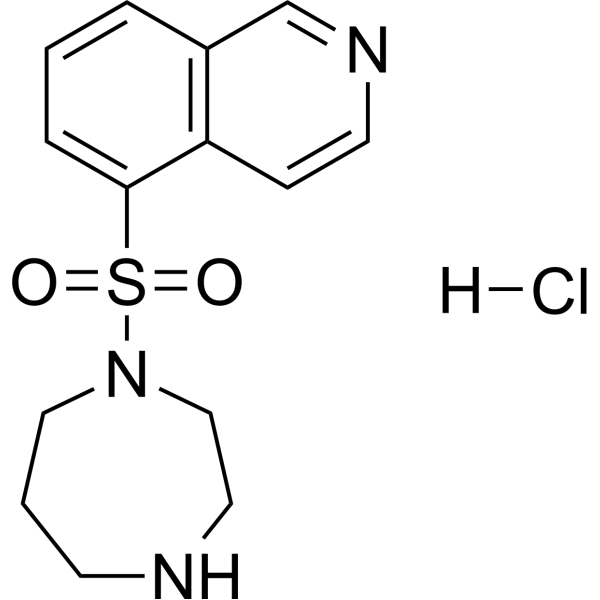
  • HY-15979A
    H-89 dihydrochloride
    175+ Cited Publications

    PKA Autophagy Others
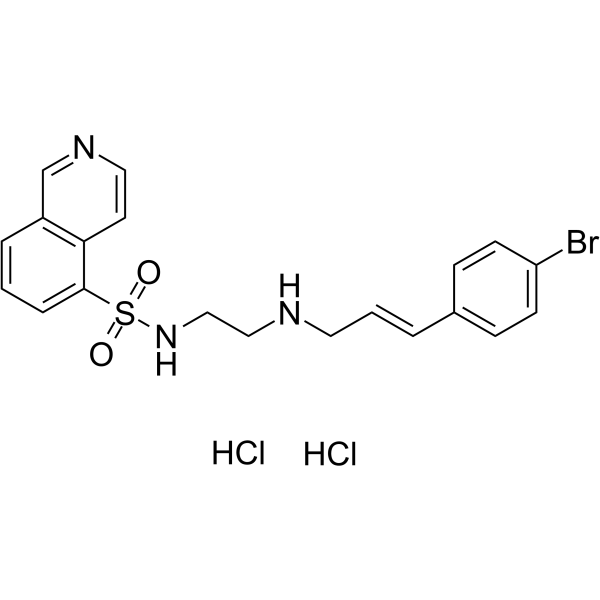
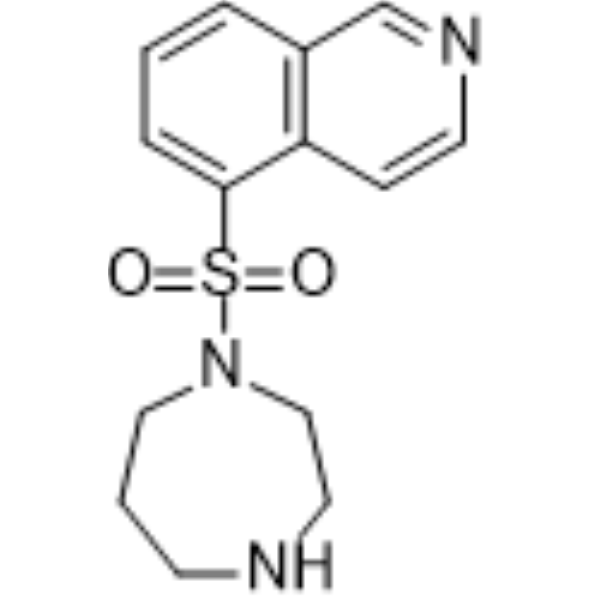
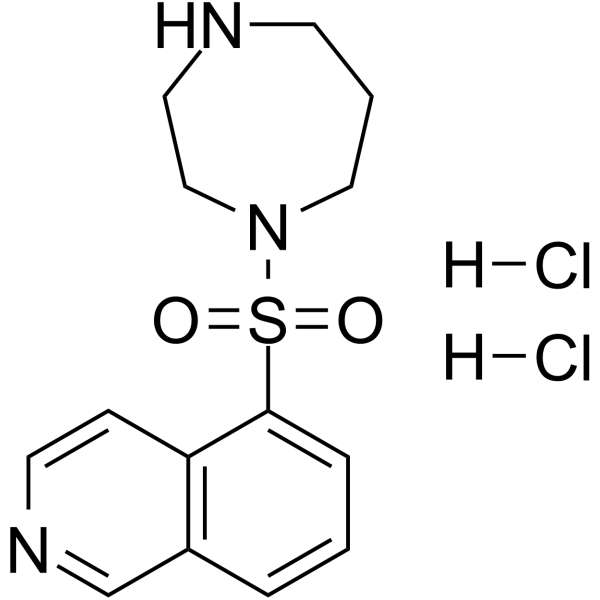
    H-89 dihydrochloride is a potent and selective inhibitor of protein kinase A (PKA) with an IC50 of 48 nM and has weak inhibition on PKG, PKC, Casein Kinase.
    H-89 dihydrochloride
  • HY-N1420
    Rhamnose
    1 Publications Verification

    L-Rhamnose

    Environmental Pollutants Endogenous Metabolite PKA MMP Interleukin Related Infection Metabolic Disease Cancer
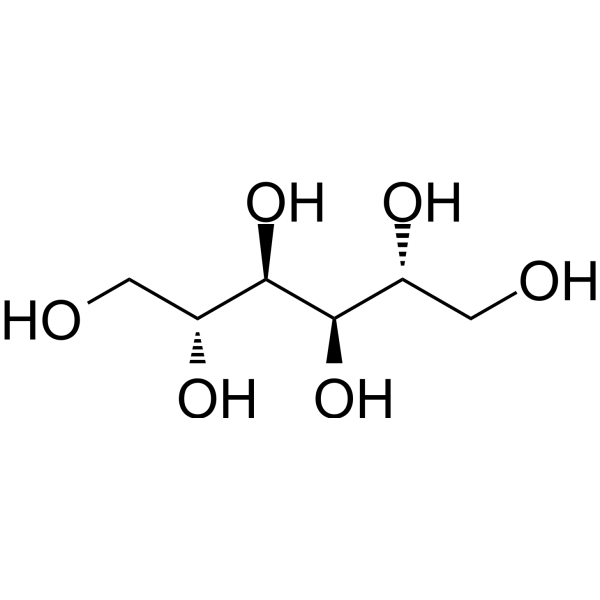
    Rhamnose (L-Rhamnose ) is an orally active deoxysugar. Rhamnose can inhibit levels of pro-inflammatory interleukin and matrix metalloproteinases (MMPs) in skin aging models. Rhamnose can promote the phosphorylation levels of PKA substrates and HSL in SVF-derived adipocytes, stimulating PKA signaling. Rhamnose can act against obesity in mice by stimulating fat dopamine receptors and inducing thermogenesis. Rhamnose shows anti-aging effects. Rhamnose monohydrate can be used in the study of Ehrlich’s solid tumors and sarcomas .
    Rhamnose
  • HY-N6791
    KT5823
    10+ Cited Publications

    PKA PKC Bacterial Apoptosis Antibiotic Infection Inflammation/Immunology
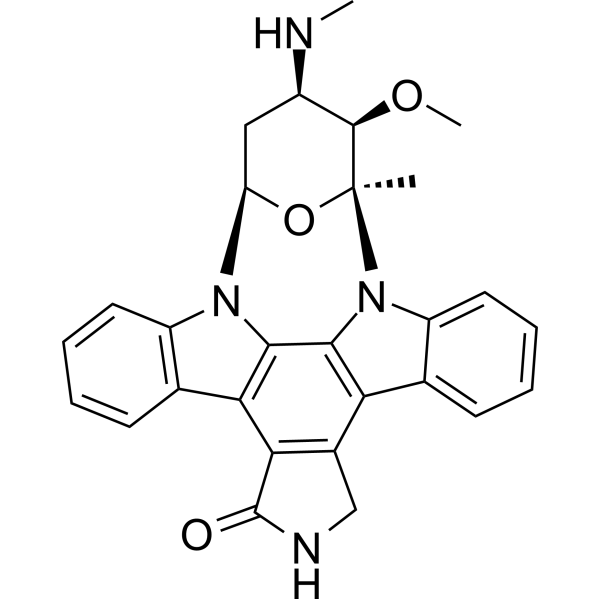
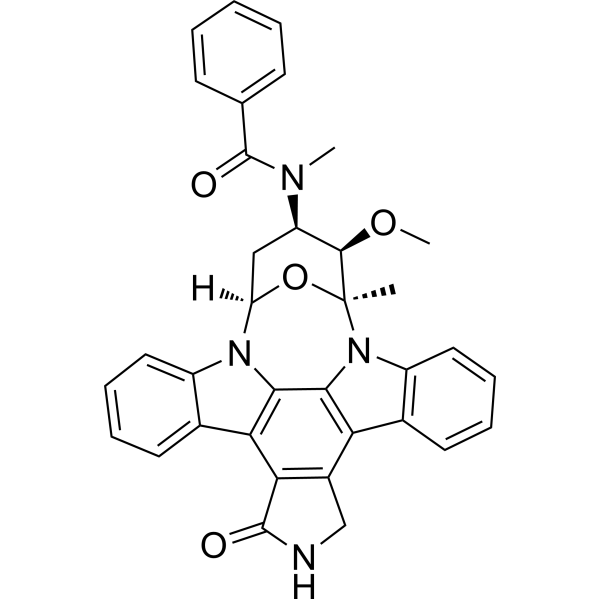
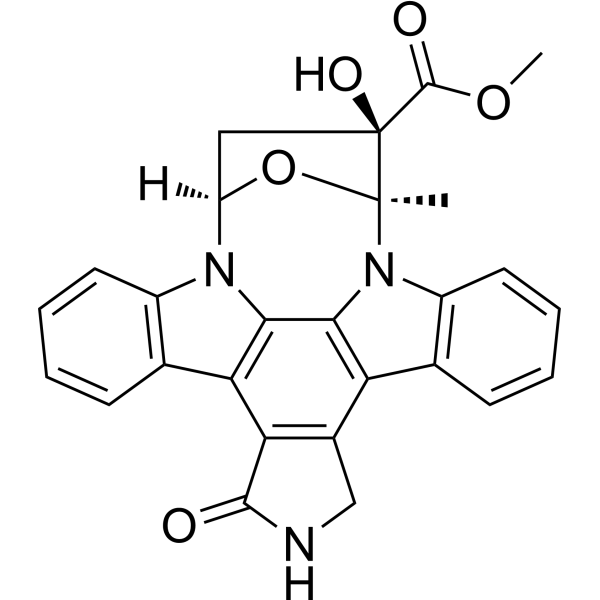
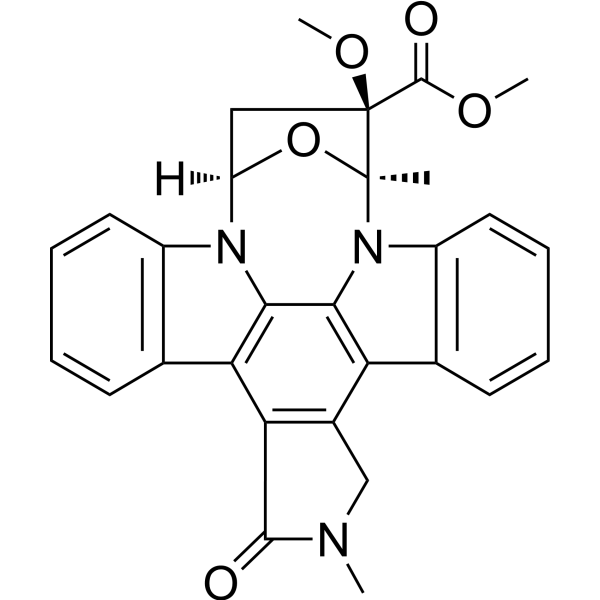
    KT5823, a selective the cGMP-dependent protein kinase (PKG) inhibitor with an Ki value of 0.23 μM, it also inhibits PKA and PKC with Ki values of 10 μM and 4 μM, respectively. KT5823 is a Staurosporine-related protein kinase inhibitor, increases thyroid-stimulating hormone-induced (Na +/I - symporter) NIS expression, and iodide uptake in thyroid cells. KT5823 arrests cells after the G0/G1 boundary and causes increases in the levels of apoptotic DNA fragmentation .
    KT5823
  • HY-112758
    DLin-KC2-DMA
    Maximum Cited Publications
    9 Publications Verification

    Liposome Others
    DLin-KC2-DMA is an ionisable cationic lipid (pKa≈6) that is virtually non-toxic to antigen presenting cells (APCs). DLin-KC2-DMA produces significant siRNA-mediated gene silencing of GAPDH, when binds to lipid nanoparticles (LNP). DLin-KC2-DMA can be used in siRNA delivery studies .
    DLin-KC2-DMA
  • HY-N1420A
    Rhamnose monohydrate
    1 Publications Verification

    L-Rhamnose monohydrate

    Endogenous Metabolite MMP Interleukin Related PKA Infection Metabolic Disease Cancer
    Rhamnose monohydrate (L-Rhamnose monohydrate) is an orally active deoxysugar. Rhamnose monohydrate can inhibit levels of pro-inflammatory interleukin and matrix metalloproteinases (MMPs) in skin aging models. Rhamnose can promote the phosphorylation levels of PKA substrates and HSL in SVF-derived adipocytes, stimulating PKA signaling. Rhamnose monohydrate can act against obesity in mice by stimulating fat dopamine receptors and inducing thermogenesis. Rhamnose monohydrate shows anti-aging effects. Rhamnose monohydrate can be used in the study of Ehrlich’s solid tumors and sarcomas .
    Rhamnose monohydrate
  • HY-13260
    CCT128930
    5+ Cited Publications

    Akt Autophagy Apoptosis Cancer
    CCT128930 is a ATP-competitive and selective inhibitor of AKT (IC50=6 nM for AKT2). CCT128930 has 28-fold selectivity over the closely related PKA kinase (IC50=168 nM) through the targeting of Met282 of AKT (Met173 of PKA-AKT chimera), as well as 20-fold selectivity over p70S6K (IC50=120 nM). Antitumor activity.
    CCT128930
  • HY-115732
    PKA-IN-1
    1 Publications Verification

    PKA Inflammation/Immunology
    PKA-IN-1 is a potent and selective cyclic AMP-dependent protein kinase (PKA) catalytic subunit (cAK) inhibitor with an IC50 of 0.03 μM. PKA-IN-1 inhibits cAK in a fashion that is competitive with respect to ATP as substrate .
    PKA-IN-1
  • HY-P0248
    Kemptide
    1 Publications Verification

    PKA Metabolic Disease
    Kemptide is a synthetic heptapeptide that acts as a specific substrate for cAMP-dependent protein kinase (PKA).
    Kemptide
  • HY-P1290
    PKA Inhibitor Fragment (6-22) amide
    5 Publications Verification

    PKI-(6-22)-amide

    PKA Neurological Disease
    PKA Inhibitor Fragment (6-22) amide is a highly potent and specific competitive inhibitor of PKA, with Ki values of 1.7 nM and 1.6 nM against human and bovine PKA catalytic subunits, respectively. The IC50 of PKA Inhibitor Fragment (6-22) amide targeting bovine PKA is 8.6 nM. PKA Inhibitor Fragment (6-22) amide effectively abolishes PKA activity in mouse brain and spinal cord, and exerts in vivo efficacy via intracerebroventricular administration. PKA Inhibitor Fragment (6-22) amide significantly reverses low-dose morphine analgesic tolerance in mice and blocks photoaffinity labeling of cAMP-dependent protein kinase. PKA Inhibitor Fragment (6-22) amide can be applied to research in fields related to the mechanism of morphine analgesic tolerance and skin wound healing .
    PKA Inhibitor Fragment (6-22) amide
  • HY-N7144A

    Environmental Pollutants PKC TRP Channel PKA Neurological Disease
    Citronellyl acetate, a monoterpene product of the secondary metabolism of plants, is an orally active antinociceptive agent. Citronellyl acetate modulates TRPV1, TRPM8, ASIC, glutamate receptors, PKC, and PKA-mediated nociception. Citronellyl acetate can be used for the research of acute pain .
    Citronellyl acetate
  • HY-156630
    Ionizable lipid-1
    1 Publications Verification

    Liposome Others
    Ionizable lipid-1 (compound II-10) is an ionizable lipid (pKa=6.16) that can be used to prepare lipid nanoparticles (LNP) with bilayer structure .
    Ionizable lipid-1
  • HY-B1898

    PKA Metabolic Disease
    Metadoxine blocks adipocyte differentiation in association with inhibition of the protein kinase A-cAMP response element binding protein (PKA-CREB) pathway.
    Metadoxine
  • HY-P1290A
    PKA Inhibitor Fragment (6-22) amide TFA
    5 Publications Verification

    PKI-(6-22)-amide TFA

    PKA Neurological Disease
    PKA Inhibitor Fragment (6-22) amide TFA is an inhibitor of cAMP-dependent protein kinase A (PKA), with a Ki of 2.8 nM. PKA Inhibitor Fragment (6-22) amide TFA can significantly reverse antinociceptive tolerance in mice .
    PKA Inhibitor Fragment (6-22) amide TFA
  • HY-12659
    LX7101
    3 Publications Verification

    LIM Kinase (LIMK) ROCK PKA Endocrinology
    LX7101 is a potent LIM-kinase, ROCK and PKA inhibitor with IC50s of 24 nM, 1.6 nM, 10 nM and <1 nM for LIMK1, LIMK2, ROCK2 and PKA, respectively. LX7101 proves significantly selective for LIMK2 with IC50 values of 4.3 nM and 32 nM for LIMK2 and LIMK1 at 2 μM ATP, respectively. LX7101 has the potential for ocular hypertension and associated glaucoma research .
    LX7101
  • HY-D0867

    Biochemical Assay Reagents Others
    BES is a secondary standard biochemical buffer with effective pH range of 6.4 to 7.8 (pKa: 7.15 at 20 °C). BES is used in the diagnostic testing area.
    BES
  • HY-P10602

    RII phosphopeptide

    PKA Others
    PKA Regulatory Subunit II Substrate (RII phosphopeptide) is a tool peptide derived from the regulatory subunit Type II (RII) of cyclic AMP-dependent protein kinase (PKA). PKA Regulatory Subunit II Substrate is commonly used to mimic the phosphorylation of protein kinases and as a specific substrate for protein phosphatases to assess the activities of these enzymes .
    PKA Regulatory Subunit II Substrate
  • HY-P1595

    PKA PKC Metabolic Disease
    CREBtide is a CREB (cAMP response element binding protein)-like peptide. CREBtide, a synthetic 13 amino acid peptide, has been reported as a PKA and PKC substrate.
    CREBtide
  • HY-100530C

    PKA Phosphodiesterase (PDE) Neurological Disease Metabolic Disease
    Sp-cAMPS sodium salt, a cAMP analog, is potent activator of cAMP-dependent PKA I and PKA II. Sp-cAMPS sodium salt is also a potent, competitive phosphodiesterase (PDE3A) inhibitor with a Ki of 47.6 µM. Sp-cAMPS sodium salt binds the PDE10 GAF domain with an EC50 of 40 μM .
    Sp-cAMPS sodium salt
  • HY-112412

    PDGFR Neurological Disease
    PDGFR Tyrosine kinase-IN-1, a multikinase inhibitor, inhibits PDGFR, EGFR, FGFR, PKA, and PKC, respectively. PDGFR Tyrosine kinase-IN-1 can be used for the research of amyotrophic lateral sclerosis .
    PDGFR Tyrosine kinase-IN-1
  • HY-B0764B

    Dibutyryl cAMP; DBcAMP

    PKA Reactive Oxygen Species (ROS) Apoptosis Neurological Disease Inflammation/Immunology Cancer
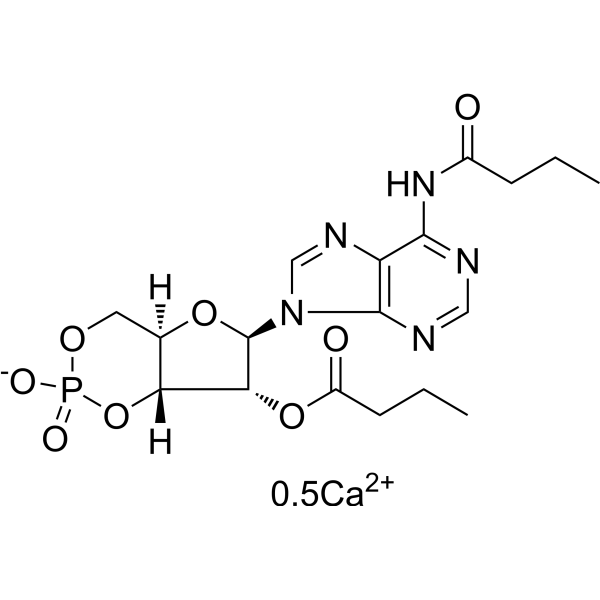
    Bucladesine (Dibutyryl cAMP; DBcAMP) is a membrane-permeable 3′, 5′-cyclic adenosine monophosphate (cAMP) analog. Bucladesine selectively activates cAMP dependent protein kinase (PKA) by increasing the intracellular level of cAMP. Bucladesine significantly attenuates MDMA-induced increases in hippocampal mitochondrial ROS formation, mitochondrial outer membrane damage, cytochrome c release, and hippocampal ADP/ATP ratio, thereby improving spatial learning and memory impairments. Bucladesine exhibit anti-nociceptive and anti-inflammation effect. Bucladesine can inhibit cancer cells proliferation, induce apoptosis. Bucladesine can be used for the researches of neurological disease, cancer, inflammation .
    Bucladesine
  • HY-107544

    PKA Metabolic Disease
    8-pCPT-2'-O-Me-cAMP-AM is a cyclic AMP analogue, selectively activates Epac-Rap signaling pathway. 8-pCPT-2'-O-Me-cAMP-AM protects renal function by activating Epac from ischemia injury. 8-pCPT-2'-O-Me-cAMP-AM also stimulates insulin secretion by interaction with PKA pathway .
    8-pCPT-2'-O-Me-cAMP-AM
  • HY-113252
    2-Methoxyestrone
    3 Publications Verification

    Endogenous Metabolite Metabolic Disease
    2-Methoxyestrone is a methoxylated catechol estrogen and metabolite of estrone, with a pKa of 10.81.
    2-Methoxyestrone
  • HY-108047

    Phosphodiesterase (PDE) Metabolic Disease Inflammation/Immunology
    MK-0873 is a selective phosphodiesterase-4 (PDE4) inhibitor. MK-0873 increases intracellular levels of cyclic adenosine phosphate (cAMP) by inhibiting the activity of the PDE4 enzyme and subsequently activates protein kinase A (PKA). Activated PKA inhibits the activity of inflammatory cells and leads to direct relaxation of airway smooth muscle. MK-0873 can be used in studies of chronic obstructive pulmonary disease (COPD) .
    MK-0873
  • HY-142066

    PKA ERK iGluR Neurological Disease
    4′-Demethylnobiletin is a bioactive metabolite that activates the PKA/ERK/CREB signaling pathway, enhances CRE-mediated transcription in hippocampal neurons, and reverses memory impairment associated with NMDA receptor antagonism by stimulating ERK signaling .
    4′-Demethylnobiletin
  • HY-B0764G

    Dibutyryl cAMP sodium; DBcAMP sodium

    PKA Reactive Oxygen Species (ROS) Apoptosis Neurological Disease Inflammation/Immunology Cancer
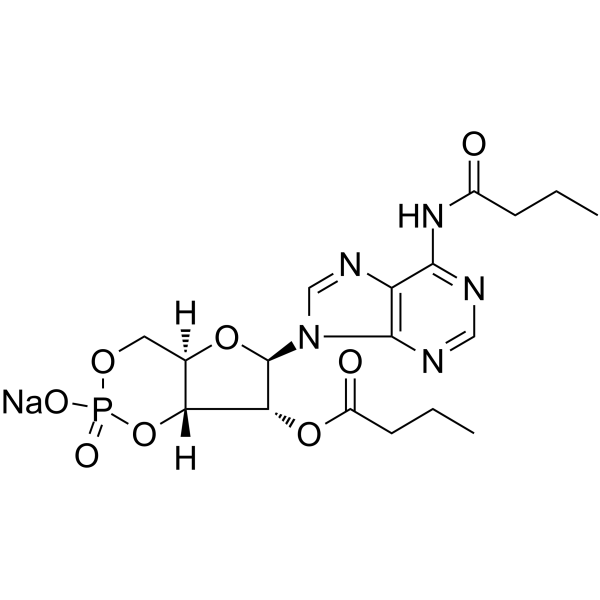
    Bucladesine (Dibutyryl cAMP; DBcAMP) sodium (GMP) is a Bucladesine sodium (HY-B0764) produced by using GMP guidelines. Bucladesine (Dibutyryl cAMP; DBcAMP) is a membrane-permeable 3′, 5′-cyclic adenosine monophosphate (cAMP) analog. Bucladesine selectively activates cAMP dependent protein kinase (PKA) by increasing the intracellular level of cAMP. Bucladesine significantly attenuates MDMA-induced increases in hippocampal mitochondrial ROS formation, mitochondrial outer membrane damage, cytochrome c release, and hippocampal ADP/ATP ratio, thereby improving spatial learning and memory impairments. Bucladesine exhibit anti-nociceptive and anti-inflammation effect. Bucladesine can inhibit cancer cells proliferation, induce apoptosis. Bucladesine can be used for the researches of neurological disease, cancer, inflammation .
    Bucladesine sodium
  • HY-134299

    8-(4-Chlorophenylthio)-cAMP-AM

    Ras PKA Cardiovascular Disease Metabolic Disease Cancer
    8-CPT-cAMP-AM (8-(4-Chlorophenylthio)-cAMP-AM) is an Epac/PKA activator. 8-CPT-cAMP-AM potentiates glucose-dependent first- and second-phase insulin secretion, induces β-cell depolarization, modulates intracellular calcium via influx and ryanodine-sensitive store mobilization, and facilitates calcium-induced calcium release resistant to PKA inhibition. 8-CPT-cAMP-AM can be used for the research of cardiac hypertrophy, diabetic cardiomyopathy, and melanoma .
    8-CPT-cAMP-AM
  • HY-P4331

    Fluorescent Dye Ser/Thr Protease Cardiovascular Disease
    Boc-Gln-Gly-Arg-AMC is a fluorogenic substrate for kallikrein (PKa), coagulation factor XIIa (FXIIa) and coagulation factor XIa (FXIa). Boc-Gln-Gly-Arg-AMC enables fluorescence-based activity assays for PKa, FXIIa and FXIa .
    Boc-Gln-Gly-Arg-AMC
  • HY-110218
    CW 008
    2 Publications Verification

    PKA Epigenetic Reader Domain Others
    CW 008, a derivative of pyrazole-pyridine, is a CREB or PKA pathway agonist. CW 008 also is a stem cell differentiating agent. CW 008 stimulates osteoblast differentiation of human MSCs and increases bone formation in ovariectomized mice. CW008 promotes osteogenesis by activating cAMP/PKA/CREB signaling pathway and inhibiting leptin secretion .
    CW 008
  • HY-P1597
    Malantide
    1 Publications Verification

    PKA PKC Cancer
    Malantide is a synthetic dodecapeptide derived from the site phosphorylated by cAMP-dependent protein kinase (PKA) on the β-subunit of phosphorylase kinase. Malantide is a highly specific substrate for PKA with a Km of 15 μM and shows protein inhibitor (PKI) inhibition >90% substrate phosphorylation in various rat tissue extracts . Malantide is also an efficient substrate for PKC with a Km of 16 μM .
    Malantide
  • HY-N1420R

    L-Rhamnose (Standard)

    Reference Standards Endogenous Metabolite MMP Interleukin Related PKA Cancer
    Amobam (Standard) is the analytical standard of Amobam. This product is intended for research and analytical applications. Amobam is a pesticidal .
    Rhamnose (Standard)
  • HY-13260A
    CCT128930 hydrochloride
    5+ Cited Publications

    Akt Autophagy Apoptosis Cancer
    CCT128930 hydrochloride is a potent and selective inhibitor of AKT (IC50=6 nM). CCT128930 hydrochloride has 28-fold selectivity over the closely related PKA kinase (IC50=168 nM) through the targeting of Met282 of AKT (Met173 of PKA-AKT chimera), as well as 20-fold selectivity over p70S6K (IC50=120 nM). CCT128930 hydrochloride induces cell cycle arrest, DNA damage, and autophagy. Antitumor activity .
    CCT128930 hydrochloride
  • HY-123520

    G Protein-coupled Receptor Kinase (GRK) PKA Cancer
    GSK299115A is a G Protein-coupled Receptor Kinase (GRK) and PKA inhibitor .
    GSK299115A
  • HY-120994B

    PKA Neurological Disease Inflammation/Immunology
    Sp-8-CPT-cAMPS, a cAMP analog, is a potent and selective activator of the cAMP-dependent protein kinas A (PKA I and PKA II). Sp-8-CPT-cAMPS selects site A of RI compares to site A of RII by 153-fold and site B of RII compares to site B of RI by 59-fold .
    Sp-8-CPT-cAMPS
  • HY-123468

    Cyclic GMP-AMP Synthase PKA ERK Tyrosine Hydroxylase Calcium Channel Cardiovascular Disease Metabolic Disease
    HA-1004 is a selective inhibitor of PKA, which can inhibit lipolysis and induce vascular relaxation. HA-1004 is also a dual inhibitor of cyclic GMP-dependent protein kinase and cyclic AMP-dependent protein, and is involved in smooth muscle, second messenger, cyclic AMP and cyclic GMP regulation mechanisms. HA-1004 is an antagonist for calcium, that can be used as a vasodilator to inhibit the contraction of rabbit aortic strips, or to antagonize ERK and tyrosine hydroxylase (TH) phosphorylation in morphine abstinence rat models .
    HA-1004
  • HY-137640C
    Rp-8-Br-cAMPS sodium
    1 Publications Verification

    PKA Inflammation/Immunology Cancer
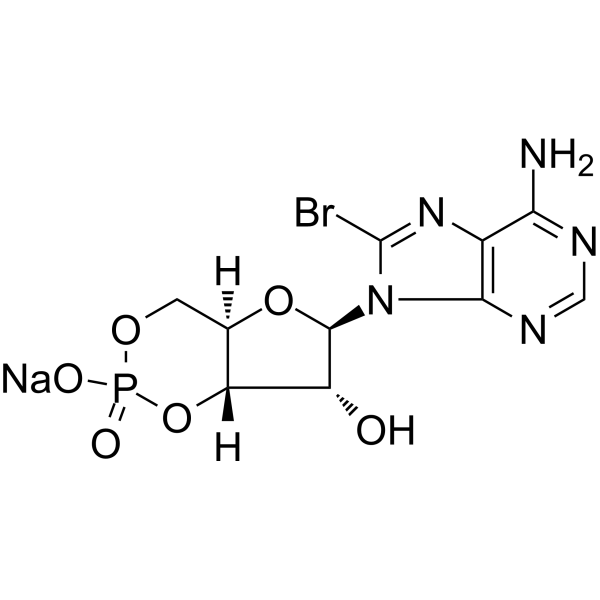
    Rp-8-Br-cAMPS sodium is an analog of cAMP and an inhibitor of PKA. Rp-8-Br-cAMPS sodium occupies cAMP binding sites on PKA type I regulatory subunits, thereby preventing PKA dissociation and activation. Rp-8-Br-cAMPS sodium can be used in the study of tumors and retrovirus-induced immune deficiency. Rp-8-Br-cAMPS sodium also inhibits insulin secretion .
    Rp-8-Br-cAMPS sodium
  • HY-148868A

    Akt CDK Cancer
    Akt1&PKA-IN-2 (Compound R-29) is a AKT1 and PKA inhibitor with selectivity for CDK2, with IC50 values of 0.007 and 0.01 μM, respectively. Akt1&PKA-IN-2 is applicable for cancer research .
    Akt1&PKA-IN-2
  • HY-P0228A

    PKA Metabolic Disease
    PKA RII peptide TFA is a PKA substrate that, after being phosphorylated at the serine residue, can be used for the detection of calcineurin activity .
    PKA RII peptide TFA
  • HY-100530B

    PKA Phosphodiesterase (PDE) Neurological Disease Metabolic Disease
    Sp-cAMPS, a cAMP analog, is potent activator of cAMP-dependent PKA I and PKA II. Sp-cAMPS is also a potent, competitive phosphodiesterase (PDE3A) inhibitor with a Ki of 47.6 µM. Sp-cAMPS binds the PDE10 GAF domain with an EC50 of 40 μM .
    Sp-cAMPS
  • HY-110005

    PKA Phosphodiesterase (PDE) Neurological Disease Metabolic Disease
    Sp-cAMPS triethylamine, a cAMP analog, is potent activator of cAMP-dependent PKA I and PKA II. Sp-cAMPS triethylamine is also a potent, competitive phosphodiesterase (PDE3A) inhibitor with a Ki of 47.6 µM. Sp-cAMPS triethylamine binds the PDE10 GAF domain with an EC50 of 40 μM .
    Sp-cAMPS triethylamine
  • HY-143898

    Pim Cancer
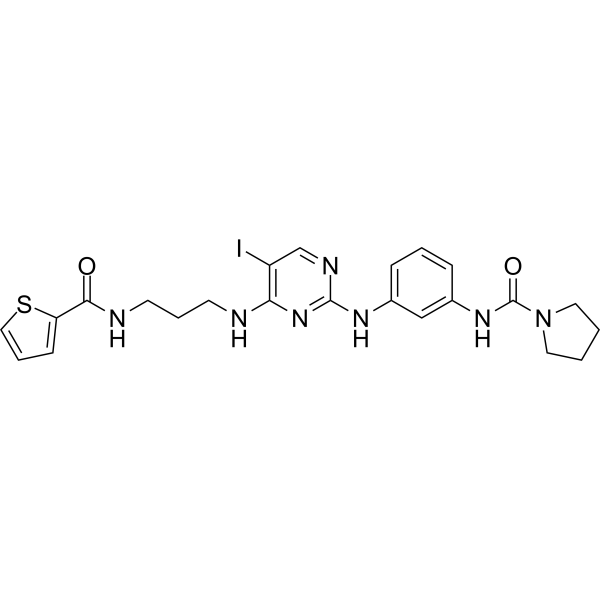
    PIM1-IN-4 (Compound 8) is a potent inhibitor of PIM1. PIM1-IN-4 reveals strong inhibition of five other enzymes, i.e., SGK-1, PKA, CaMK-1, GSK3β, and MSK1. PIM1-IN-4 has the potential for the research of cancer diseases .
    PIM1-IN-4
  • HY-P2261
    STAD 2
    1 Publications Verification

    PKA Infection
    STAD 2 is a potent and selective disruptor of PKA-RII, with a Kd of 6.2 nM. STAD 2 disrupts interactions between PKA and AKAP in an isoform-selective manner. STAD 2 displays antimalarial activity through a PKA-independent mechanism .
    STAD 2
  • HY-P3770

    PKC Others
    Phosphate acceptor peptide is a substrate for cAMP-dependent protein kinase (PKA). phosphate acceptor peptide is also a weak PKC inhibitor .
    Phosphate acceptor peptide
  • HY-156985

    Isotope-Labeled Compounds Liposome Others
    Lipid AX4 is an ionizable cationic lipid with the pKa of 6.89, and can be used the study for the formation of lipid nanoparticles (LNPs) for the delivery of mRNA in vivo .
    Lipid AX4
  • HY-P3929A
    PKI (14-24)amide TFA
    1 Publications Verification

    PKA Cancer
    PKI (14-24)amide TFA is a potent PKA inhibitor. PKI (14-24)amide strongly inhibited cyclic AMP-dependent protein kinase activity in the cell homogenate .
    PKI (14-24)amide TFA
  • HY-137108

    PKA PKG Neurological Disease
    Sp-8-pCPT-cGMPS is a potent cyclic guanosine monophosphate-gated channel agonist and a lipophilic activator of protein kinase G (types I α, I β, and II) and protein kinase A type II with excellent cell membrane permeability and phosphodiesterase stability. Sp-8-pCPT-cGMPS can be used to study the role of cGMP in neural plasticity and synaptic transmission .
    Sp-8-pCPT-cGMPS
  • HY-P10098

    PKA Cancer
    PKA Substrate is a potent and selective substrate peptide of PKA that can be used to detect PKA activity .
    PKA Substrate
  • HY-P0228

    PKA Neurological Disease
    PKA RII peptide is a PKA substrate that, after being phosphorylated at the serine residue, can be used for the detection of calcineurin activity .
    PKA RII peptide
  • HY-148868

    Akt PKA CDK Others
    Akt1&PKA-IN-1 is a potent dual Akt/PKA inhibitor with IC50 values of 0.03 , 0.11 μM, and 9.8 μM for PKAa, Akt, and CDK2, respectively. Akt1&PKA-IN-1 is selective for cyclin-dependent kinase 2 (CDK2) .
    Akt1&PKA-IN-1
  • HY-134263

    PKA Ras Cardiovascular Disease
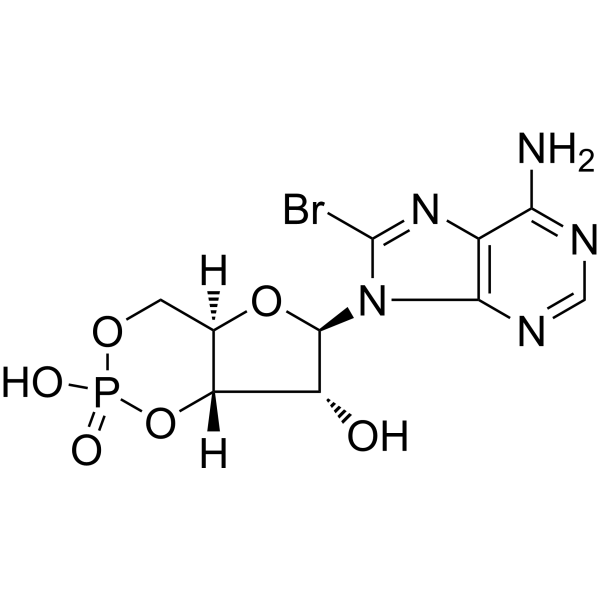
    8-Br-cAMP-AM is a cyclic adenosine monophosphate (cAMP) analog that activates two major signal transduction pathways in the heart by mimicking the effects of cAMP: protein kinase A (PKA) and guanosine nucleotide exchange factor (Epac), which is directly activated by cAMP. 8-Br-cAMP-AM can be used to study cardiac ischemia and reperfusion injury .
    8-Br-cAMP-AM
  • HY-120994A

    PKA Neurological Disease Inflammation/Immunology
    Rp-8-CPT-cAMPS, a cAMP analog, is a potent and competitive antagonist of cAMP-induced activation of cAMP-dependent PKA I and II. Rp-8-CPT-cAMPS preferentially selects site A of RI compares to site A of RII and site B of RII compares to site B of RI .
    Rp-8-CPT-cAMPS

Inquiry Online

Your information is safe with us. * Required Fields.

Salutation


Country or Region *

Applicant Name *


Organization Name *

Department *


Email Address *


Product Name *

Cat. No.


Requested quantity *

Phone Number *


Remarks

Inquiry Online

Inquiry Information

Product Name:
Cat. No.:
Quantity:
MCE Japan Authorized Agent:

