1. Search Result
Search Result
Isoforms Recommended: SIRT1
Results for "

SIRT1

" in MedChemExpress (MCE) Product Catalog:

213

Inhibitors & Agonists

3

Fluorescent Dyes

5

Biochemical Assay Reagents

4

Peptides

81

Natural
Products

1

Recombinant Proteins

15

Isotope-Labeled Compounds

6

Antibodies

1

Click Chemistry

3

Oligonucleotides

3

GMP Molecules

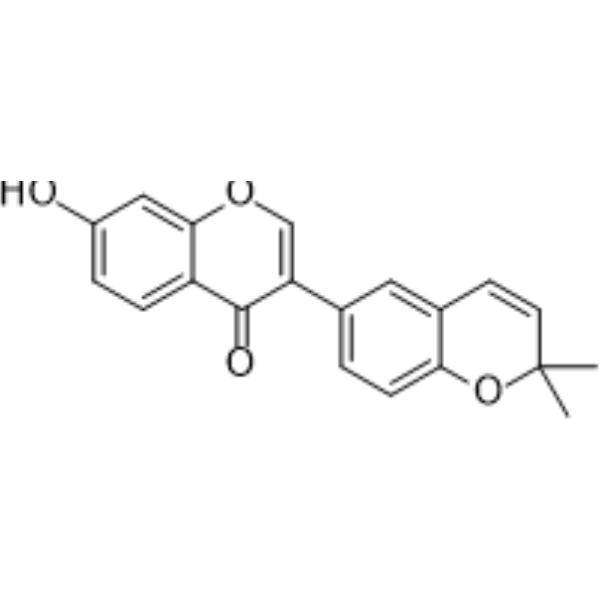
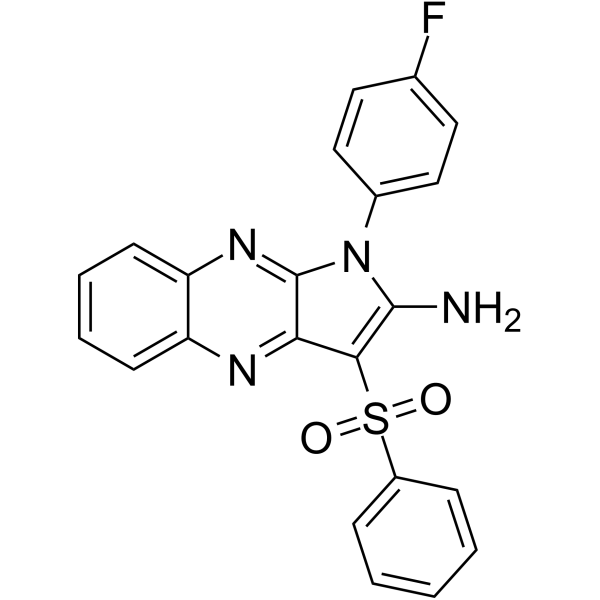
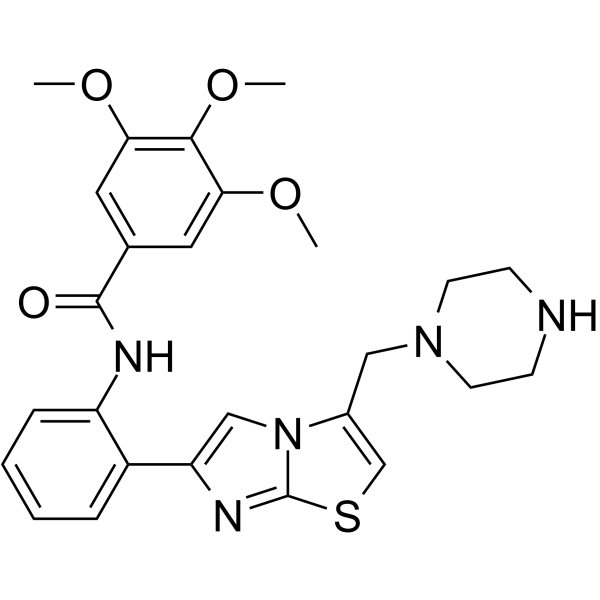
Cat. No. Product Name Target Research Areas Chemical Structure
  • HY-18085
    Quercetin
    Maximum Cited Publications
    198 Publications Verification

    Reactive Oxygen Species (ROS) PI3K Autophagy Mitophagy Apoptosis Cancer
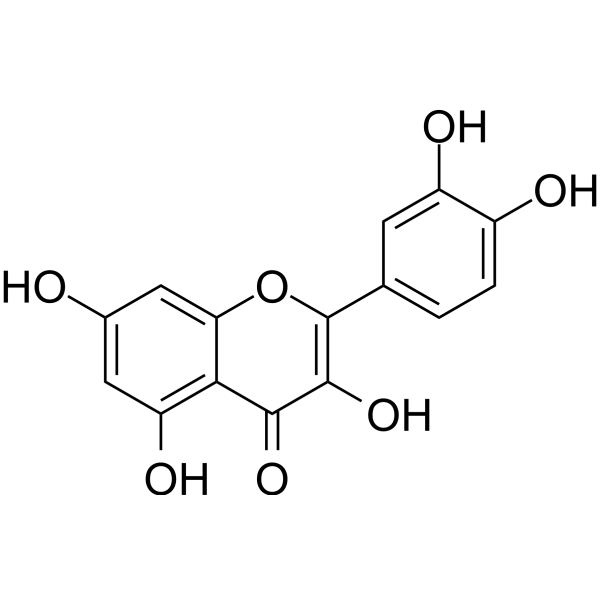
    Quercetin, a natural flavonoid, is a stimulator of recombinant SIRT1 and also a PI3K inhibitor with IC50 of 2.4 μM, 3.0 μM and 5.4 μM for PI3K γ, PI3K δ and PI3K β, respectively [1].
    Quercetin
  • HY-15452
    Selisistat
    Maximum Cited Publications
    292 Publications Verification

    EX-527

    Sirtuin Inflammation/Immunology Cancer
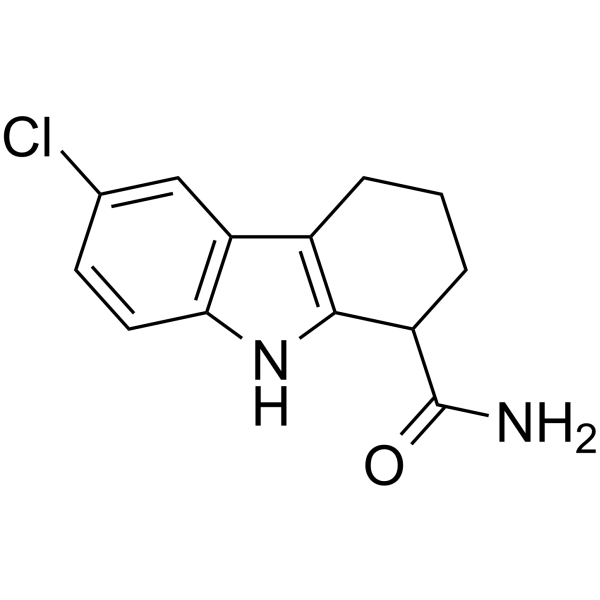
    Selisistat (EX-527) is a potent and selective SirT1 (Sir2 in Drosophila melanogaster) inhibitor with an IC50 of 123 nM for SirT1. Selisistat alleviates pathology in multiple animal and cell models of Huntington's disease [1] .
    Selisistat
  • HY-10532
    SRT 1720
    55+ Cited Publications

    Sirtuin Autophagy Metabolic Disease
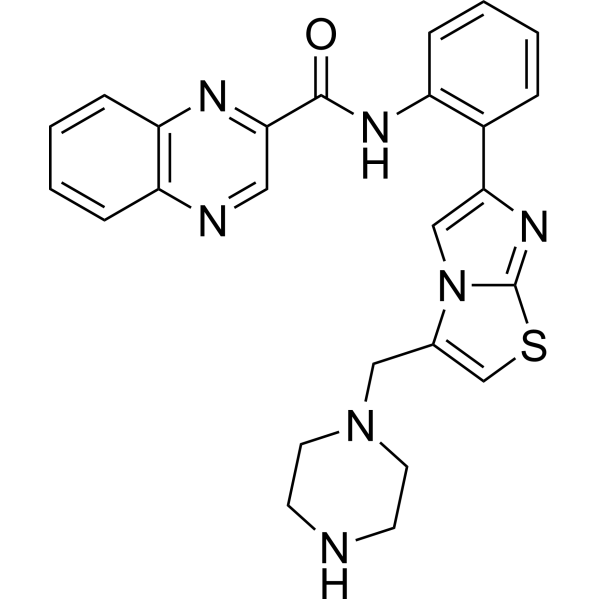
    SRT 1720 is a selective activator of human SIRT1 with an EC1.5 of 0.16 μM, and shows less potent activities for SIRT2 and SIRT3 with EC1.5s of 37 μM and > 300 μM, respectively.
    SRT 1720
  • HY-18085A
    Quercetin hydrate
    195+ Cited Publications

    PI3K Autophagy Mitophagy Apoptosis Reactive Oxygen Species (ROS) Cancer
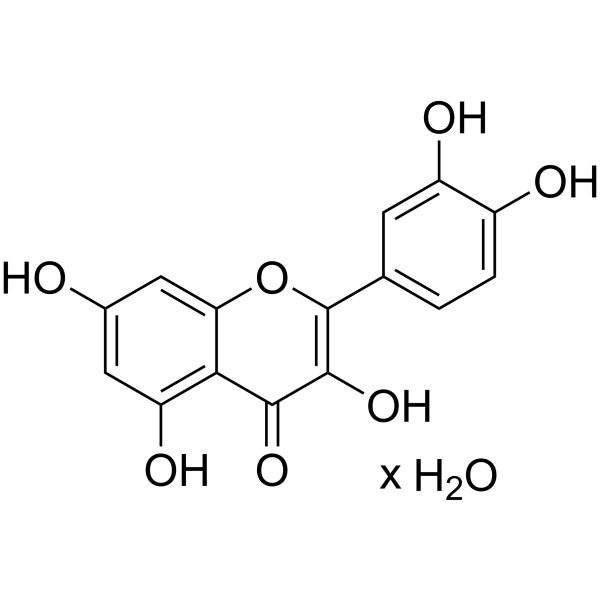
    Quercetin hydrate, a natural flavonoid, is a stimulator of recombinant SIRT1 and also a PI3K inhibitor with IC50 of 2.4 μM, 3.0 μM and 5.4 μM for PI3K γ, PI3K δ and PI3K β, respectively [1].
    Quercetin hydrate
  • HY-15262
    SRT 2104
    20+ Cited Publications

    Sirtuin Neurological Disease Metabolic Disease Inflammation/Immunology Cancer
    SRT 2104 is a first-in-class, highly selective and brain-permeable activator of the NAD + dependent deacetylase Sirt1, increases Sirt1 protein, but shows no effect on Sirt1 mRNA. Used in the research of diabetes mellitus and Huntington’s disease [1] .
    SRT 2104
  • HY-N0704
    Agrimol B
    1 Publications Verification

    Sirtuin PPAR Fatty Acid Synthase (FASN) c-Myc Bacterial Infection Metabolic Disease Cancer
    Agrimol B, a polyphenol, is an orally active and potent SIRT1 activator. Agrimol B shows anti-adipogenic and anticancer activity. Agrimol B shows antibacterial activity against plant pathogens. Agrimol B dramatically inhibits 3T3-L1 adipocyte differentiation by reducing PPARγ, C/EBPα, FAS, UCP-1, and apoE expression. The action of Agrimol B on the cancer cells is likely derived from its effect on c-MYC, SKP2 and p27 [1] .
    Agrimol B
  • HY-16558
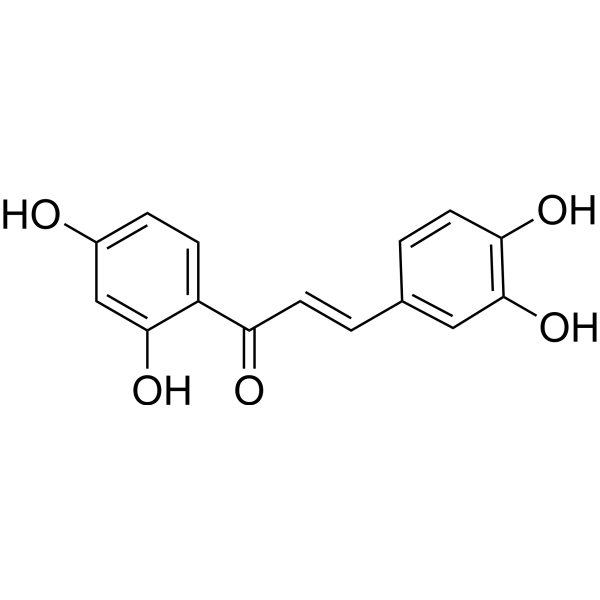
    Butein
    5+ Cited Publications

    2’,3,4,4’-tetrahydroxy Chalcone

    EGFR Autophagy Apoptosis Phosphodiesterase (PDE) Cancer
    Butein is a cAMP-specific PDE inhibitor with an IC50 of 10.4 μM for PDE4 [1]. Butein is a specific protein tyrosine kinase inhibitor with IC50s of 16 and 65 μM for EGFR and p60 c-src in HepG2 cells . Butein sensitizes HeLa cells to Cisplatin through AKT and ERK/p38 MAPK pathways by targeting FoxO3a . Butein is a SIRT1 activator (STAC).
    Butein
  • HY-100578
    AGK2
    15+ Cited Publications

    Sirtuin Apoptosis Cancer
    AGK2 is a selective SIRT2 inhibitor with an IC50 of 3.5 μM. AGK2 inhibits SIRT1 and SIRT3 with IC50s of 30 and 91 μM, respectively.
    AGK2
  • HY-B0150S
    Nicotinamide-d4
    1 Publications Verification

    Niacinamide-d4; Nicotinic acid amide-d4

    Sirtuin Endogenous Metabolite Neurological Disease Cancer
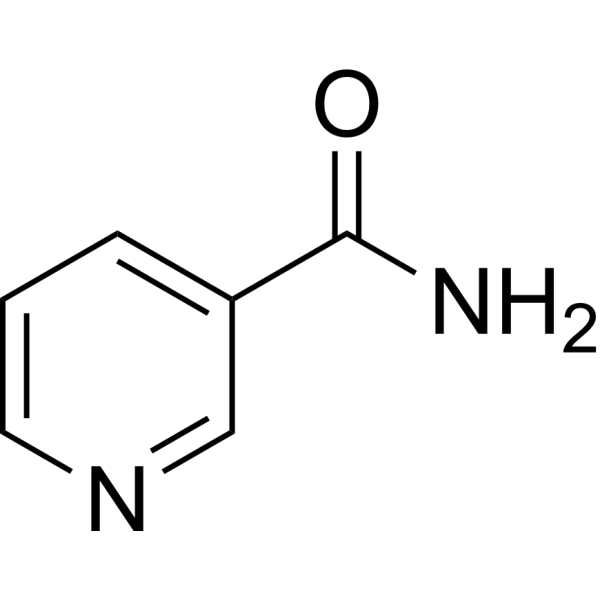
    Nicotinamide-d4 is the deuterium labeled Nicotinamide. Nicotinamide is a form of vitamin B3 that plays essential roles in cell physiology through facilitating NAD+ redox homeostasis and providing NAD+ as a substrate to a class of enzymes that catalyze non-redox reactions. Nicotinamide is an inhibitor of SIRT1.
    Nicotinamide-d4
  • HY-15145A
    SRT 1720 dihydrochloride
    55+ Cited Publications

    Sirtuin Autophagy Metabolic Disease
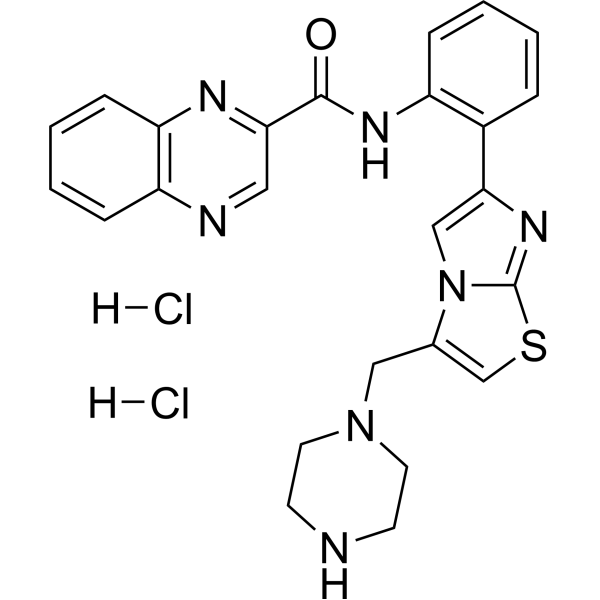
    SRT 1720 dihydrochloride is a selective and orally active activator of SIRT1 with an EC50 of 0.10 μM, and shows less potent activities on SIRT2 and SIRT3 [1].
    SRT 1720 dihydrochloride
  • HY-116152

    Ciprofol; HSK3486

    GABA Receptor Sirtuin Keap1-Nrf2 Apoptosis Cardiovascular Disease Neurological Disease Metabolic Disease Inflammation/Immunology Cancer
    Cipepofol (Ciprofol), a novel 2,6-disubstituted phenol derivative, is a positive allosteric modulator and direct agonist of the GABAA receptor. Cipepofol can cause the central nerve inhibition and promote sleep based on the structural modification of Propofol (HY-B0649). Cipepofol can activate the sirtuin1 (Sirt1)/Nrf2 pathway. Cipepofol protects the heart against Isoproterenol (ISO; HY-B0468)-induced myocardial infarction by reducing cardiac oxidative stress, inflammatory response and cardiomyocyte apoptosis [1] .
    Cipepofol
  • HY-N0526
    2"-O-Galloylhyperin
    2 Publications Verification

    Sirtuin Keap1-Nrf2 NF-κB ERK p38 MAPK JNK TSH Receptor Reactive Oxygen Species (ROS) SOD Neurological Disease Inflammation/Immunology
    2''-O-Galloylhyperin is an active natural compound with anti‑inflammatory, antioxidant, anti‑adipogenic, antifibrotic, and cytostatic activities. 2''-O-Galloylhyperin upregulates SIRT1/Nrf2 signaling, inhibits NF-κB and MAPK (ERK1/2, p38, JNK) phosphorylation, suppresses TSHR activation, reduces ROS accumulation, and enhances SOD and GSH-Px activities. 2''-O-Galloylhyperin protects against LPS-induced tissue injury, enhances survival, and inhibits adipogenesis and fibrosis. 2"-O-Galloylhyperin can be used for the research of sepsis, acute lung injury, and thyroid eye disease [1] .
    2
  • HY-N0671
    Rhapontin
    2 Publications Verification

    Rhaponiticin

    Apoptosis Cardiovascular Disease Metabolic Disease Inflammation/Immunology Cancer
    Rhapontin (Rhaponiticin) is an orally aactive SIRT1 agonist and AMPK activator with anti-inflammatory and anti-fibrotic activities. Rhapontin inhibits NLRP3 inflammasome activation by activating SIRT1 and inhibits TGF-β/Smad signaling via the AMPK pathway. Rhapontin reduces intestinal and lung inflammation, inhibits fibroblast differentiation and extracellular matrix deposition, and enhances tight junction protein expression to repair epithelial barriers. Rhapontin can be used in the study of inflammatory bowel diseases (such as ulcerative colitis) and pulmonary fibrosis [1] .
    Rhapontin
  • HY-N1990
    Gypenoside XLIX
    2 Publications Verification

    PPAR Sirtuin Keap1-Nrf2 Toll-like Receptor (TLR) NF-κB Reactive Oxygen Species (ROS) NOD-like Receptor (NLR) Apoptosis Pyroptosis Autophagy Cardiovascular Disease Neurological Disease Metabolic Disease Inflammation/Immunology
    Gypenoside XLIX is a multifunctional bioactive compound that can be isolated from Gynostemma pentaphyllum, with a Ka value of 1.58 μM for its binding to SIRT1. Gypenoside XLIX acts as a PPAR-α agonist. It inhibits the activation of TLR4-mediated NF-κB signaling pathway by activating the Sirt1/Nrf2 signaling pathway, reduces ROS accumulation, and alleviates hepatic inflammatory injury in mice with sepsis-induced liver disease. Gypenoside XLIX targets SIRT1 to block YAP-NLRP3 activation and improve sepsis-induced cardiomyopathy. Gypenoside XLIX inhibits apoptosis (Apoptosis), pyroptosis (Pyroptosis), autophagy (Autophagy), lipid peroxidation, pro-inflammatory cytokines and anti-inflammatory cytokines. Gypenoside XLIX alleviates sepsis-induced splenic injury by inhibiting inflammation and oxidative stress, and mitigates sepsis-associated encephalopathy by targeting PPAR-α. Gypenoside XLIX prevents acute kidney injury by inhibiting IGFBP7/IGF1R-mediated programmed cell death and inflammation. Gypenoside XLIX inhibits the expression and activity of vascular cell adhesion molecule-1 in cytokine-induced human endothelial cells. Gypenoside XLIX is applicable to research related to acute liver injury, lung injury, cardiomyopathy, acute splenic injury, sepsis-associated encephalopathy, acute kidney injury, atherosclerosis and chronic inflammation [1] .
    Gypenoside XLIX
  • HY-124037
    SRT 1460
    5+ Cited Publications

    Sirtuin Cancer
    SRT 1460, a potent Sirtuin-1 (SIRT1) activator with an EC1.5 value of 2.9 μM, shows good selectivity for activation of SIRT1 versus SIRT2 and SIRT3 (EC1.5>300 μM), and is more potent than Resveratrol and the closest sirtuin homologues [1].
    SRT 1460
  • HY-104073
    CAY10602
    5+ Cited Publications

    Sirtuin Metabolic Disease Inflammation/Immunology
    CAY10602 is a SIRT1 activator. CAY10602 dose-dependently suppresses the NF-κB-dependent induction of TNF-α by lipopolysaccharide in THP-1 cells [1].
    CAY10602
  • HY-15869
    Inauhzin
    3 Publications Verification

    INZ

    Sirtuin MDM-2/p53 Cancer
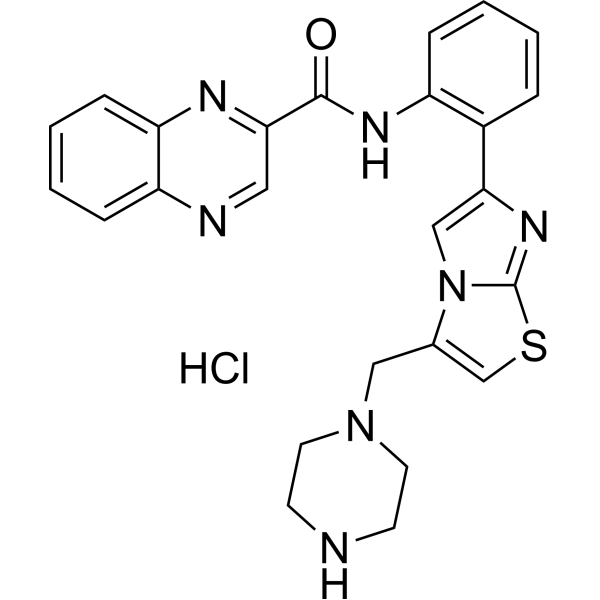
    Inauhzin is a dual SirT1/IMPDH2 inhibitor, and acts as an activator p53, used in the research of cancer.
    Inauhzin
  • HY-101073
    Salermide
    3 Publications Verification

    Sirtuin Apoptosis Cancer
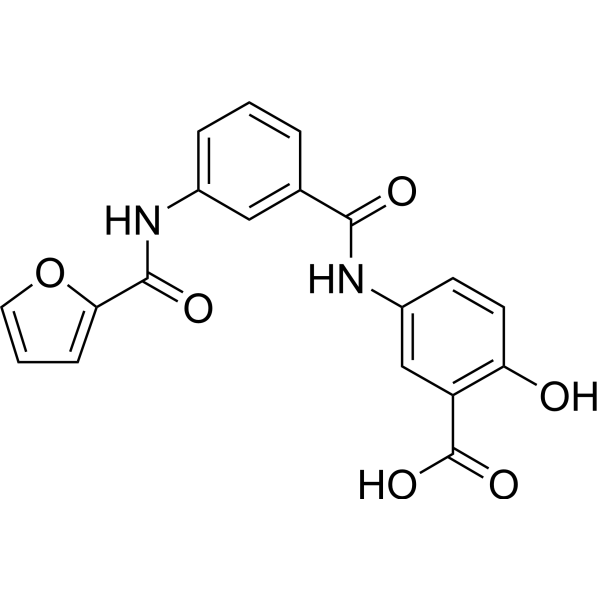
    Salermide is an inhibitor of Sirt1 and Sirt2; can cause strong cancer-specific apoptotic cell death.
    Salermide
  • HY-100732
    Cambinol
    4 Publications Verification

    Exosomes Sirtuin Apoptosis Phospholipase Cancer
    Cambinol is a SIRT1 and SIRT2 inhibitor with IC50 values of 56 μM and 59 μM, respectively. Cambinol is a potent brain penetrant neutral sphingomyelinase (N-SMase) inhibitor (exosome inhibitor) [1] .
    Cambinol
  • HY-124113

    4′‐BR

    Sirtuin Apoptosis Caspase Lactate Dehydrogenase GLUT Metabolic Disease Inflammation/Immunology Cancer
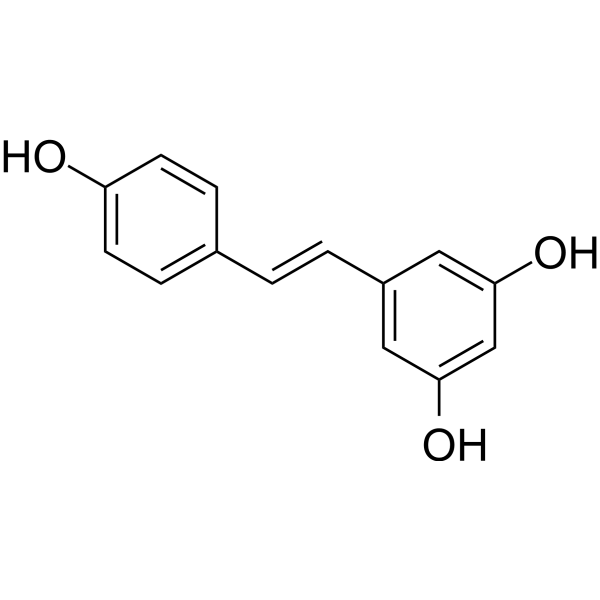
    4'-Bromo-resveratrol (4′‐BR) is a dual SIRT1/SIRT3 inhibitor with an IC50 of 0.2 mM for both targets. 4'-Bromo-resveratrol induces caspase-dependent apoptosis, induces G0/G1 cell cycle arrest, and inhiibits proliferation. 4'-Bromo-resveratrol reduces lactate production, glucose uptake, and NAD +/NADH ratio, and downregulates lactate dehydrogenase A and glucose transporter 1 (GLUT1). 4'-Bromo-resveratrol can be used for the research of melanoma [1].
    4'-Bromo-resveratrol
  • HY-N1926

    Hydrocoumarin; Chroman-2-one

    Sirtuin Cancer
    Dihydrocoumarin is a compound found in Melilotus officinalis. Dihydrocoumarin is a yeast Sir2p inhibitor. Dihydrocoumarin also inhibits human SIRT1 and SIRT2 with IC50s of 208 μM and 295 μM, respectively [1].
    Dihydrocoumarin
  • HY-19759
    SRT 2183
    3 Publications Verification

    Sirtuin Apoptosis Cancer
    SRT 2183 is a selective Sirtuin-1 (SIRT1) activator with an EC1.5 value of 0.36 μM [1]. SRT 2183 induces growth arrest and apoptosis, concomitant with deacetylation of STAT3 and NF-κB, and reduction of c-Myc protein levels .
    SRT 2183
  • HY-N3504

    Sirtuin OAT Cancer
    Ophiopogonin D' is a steroidal saponin and a SIRT1 activator. Ophiopogonin D' can also regulate the activities of transporters OATP1B1 and OATP1B3. Ophiopogonin D' exhibits certain toxicity to tumor cells. Ophiopogonin D' can be used in tumor research [1] .
    Ophiopogonin D'
  • HY-13423
    Tenovin-1
    5 Publications Verification

    MDM-2/p53 Dihydroorotate Dehydrogenase Sirtuin Autophagy Cancer
    Tenovin-1, a p53 activator, protects p53 from MDM2-mediated degradation. Tenovin-1 acts through inhibition of the protein-deacetylating activities of SirT1 and SirT2. Tenovin-1 is also a dihydroorotate dehydrogenase (DHODH) inhibitor [1] .
    Tenovin-1
  • HY-15452A
    (S)-Selisistat
    1 Publications Verification

    (S)-EX-527

    Sirtuin Cancer
    (S)-Selisistat ((S)-EX-527) is a potent and selective SIRT1 inhibitor, with an IC50 of 98 nM.
    (S)-Selisistat
  • HY-16616

    Sirtuin Neurological Disease Metabolic Disease Inflammation/Immunology Cancer
    SIRT-IN-2 is a potent inhibitor of SIRT1/2/3, with IC50s of 4, 4, 7 nM, respectively.
    SIRT-IN-2
  • HY-107245
    Segetalin B
    2 Publications Verification

    Estrogen Receptor/ERR Sirtuin RUNX Metabolic Disease
    Segetalin B, an orally active cyclopentapeptide found in Vaccaria segetalis, possesses estrogen-like activity. Segetalin B promotes mineralization of ovariectomized rat-derived bone marrow mesenchymal stem cells (BMSCs) in vitro and increases the level of osteocalcin, BMP-2, ALP, and SIRT1 activity. Segetalin B is promising for research of post-menopausal osteoporosis (PMOP) [1] .
    Segetalin B
  • HY-15145
    SRT 1720 monohydrochloride
    55+ Cited Publications

    Sirtuin Autophagy Metabolic Disease
    SRT 1720 monohydrochloride is a selective and orally active activator of SIRT1 with an EC50 of 0.10 μM, and shows less potent activities on SIRT2 and SIRT3 [1].
    SRT 1720 monohydrochloride
  • HY-136199
    SIRT1-IN-1
    1 Publications Verification

    Sirtuin CMV Infection
    SIRT1-IN-1 is a selective SIRT1 inhibitor with an IC50 of 0.205 μM. SIRT1-IN-1 inhibits SIRT2 with an IC50 of 11.5 μM [1]. SIRT1-IN-1, a indole, is a cytomegalovirus (CMV) inhibitors and has antiviral activity .
    SIRT1-IN-1
  • HY-117006
    E1231
    1 Publications Verification

    1-{4-[2-(5-Methylfuran-2-yl)quinoline-4-carbonyl]piperazin-1-yl}ethan-1-one

    Sirtuin Cardiovascular Disease
    E1231 is an orally active activator of Sirtuin 1 (SIRT1) (EC50=0.83 μM), to modulate cholesterol and lipid metabolism. E1231 interactes with SIRT1 (KD=9.61 μM) and deacetylated liver X receptor-alpha (LXRα), and increases ATP-binding cassette transporter A1 (ABCA1) expression. E1231 also reduces atherosclerotic plaque development in ApoE -/- mice model. E1231 can be used for research in cholesterol and lipid disorder-related diseases [1].
    E1231
  • HY-156023

    Sirtuin Cardiovascular Disease Neurological Disease Metabolic Disease Inflammation/Immunology Cancer
    SIRT1 activator 2 is a SIRT1 activator with an ED50 value <5 μM. SIRT1 activator 2 modulates SIRT1 deacetylase activity. SIRT1 activator 2 can be used for aging research [1].
    SIRT1 activator 2
  • HY-18085G
    Quercetin
    1 Publications Verification

    PI3K Autophagy Mitophagy Apoptosis Reactive Oxygen Species (ROS) Cancer
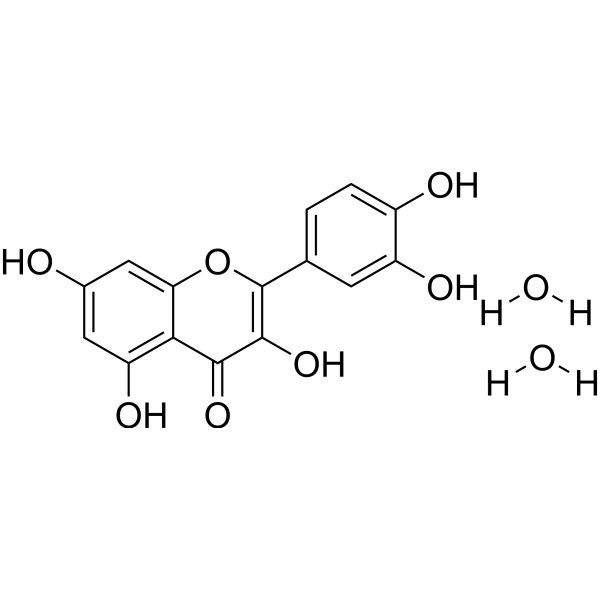
    Quercetin GMP is Quercetin (HY-18085) produced by using GMP guidelines. GMP small molecules works appropriately as an auxiliary reagent for cell therapy manufacture. Quercetin is a flavonoid antioxidant, a PI3K inhibitor and a SIRT1 Activator [1] .
    Quercetin
  • HY-111317

    Sirtuin Metabolic Disease
    SIRT1 activator 3 is a potent activator of Sirt1 and suppresses TNF-α in a dose-dependent manner. SIRT1 activator 3 has the potential for anti-obesity or anti-diabetic researches [1].
    SIRT1 activator 3
  • HY-176434

    Sirtuin Neurological Disease
    DDL-218 is an orally active and potent SirT1 inhibitor. DDL-218 enhances SirT1 in ApoE4-expressing neurons and a murine AD model. DDL-218 can be used in the study of Alzheimer's disease [1].
    DDL-218
  • HY-RS12937

    Small Interfering RNA (siRNA) Sirtuin Others

    SIRT1 Human Pre-designed siRNA Set A contains three designed siRNAs for SIRT1 gene (Human), as well as a negative control, a positive control, and a FAM-labeled negative control.

    SIRT1 Human Pre-designed siRNA Set A
    SIRT1 Human Pre-designed siRNA Set A
  • HY-N0341

    Sirtuin Metabolic Disease
    Scopolin is a coumarin isolated from Arabidopsis thaliana (Arabidopsis) roots [1]. Scopolin attenuated hepatic steatosis through activation of SIRT1-mediated signaling cascades .
    Scopolin
  • HY-E70008

    Sirtuin Inflammation/Immunology
    Lumbokinase attenuates myocardial ischemia-reperfusion (I-R) injury through the activation of Sirt1 signaling, and thus enhances autophagic flux and reduces I-R-induced oxidative damage, inflammation and apoptosis [1].
    Lumbokinase
  • HY-169934

    Sirtuin Cancer
    SIRT1-IN-4 (Compound 8c) is a SIRT1 inhibitor, with an IC50 of 10.04 μM. SIRT1-IN-4 can be used for the research of cancer [1].
    SIRT1-IN-4
  • HY-N12386

    Sirtuin Cancer
    SIRT1 activator 1(compound 3) is a derivative of marine compound xyloallenoide A isolated from the mangrove fungus Xylaria sp.SIRT1 activator 1 shows angiogenic activities in zebrafish. SIRT1 activator 1 protects hEPC against AngII-induced senescence by increasing SIRT1 expression levels and balancing the AMPK/Akt signaling pathway [1].
    SIRT1 activator 1
  • HY-W013816

    AMPK Akt Metabolic Disease
    Dipentyl phthalate is an endocrine-disrupting phthalate plasticizer. Dipentyl phthalate increases AMPK phosphorylation and decreases AKT1 phosphorylation and SIRT1 levels. Dipentyl phthalate reduces adrenocorticotropic hormone levels. Dipentyl phthalate is a testicular toxicant [1].
    Dipentyl phthalate
  • HY-RS12938

    Small Interfering RNA (siRNA) Others

    Sirt1 Mouse Pre-designed siRNA Set A contains three designed siRNAs for Sirt1 gene (Mouse), as well as a negative control, a positive control, and a FAM-labeled negative control.

    Sirt1 Mouse Pre-designed siRNA Set A
    Sirt1 Mouse Pre-designed siRNA Set A
  • HY-133998
    SIRT-IN-3
    1 Publications Verification

    Sirtuin Cancer
    SIRT-IN-3 is a potent SIRT inhibitor, with an IC50 of 17 μM for SIRT1. SIRT-IN-3 shows about 4-fold and 14-fold selectivity for SIRT1 over SIRT2 and SIRT3, respectively (IC50 of 74 μM and 235 μM for SIRT2 and SIRT3, respectively) [1].
    SIRT-IN-3
  • HY-16615
    SIRT-IN-1
    1 Publications Verification

    Sirtuin Neurological Disease Metabolic Disease Inflammation/Immunology Cancer
    SIRT-IN-1 is a potent inhibitor of SIRT1/2/3, with IC50s of 15, 10, 33 nM, respectively.
    SIRT-IN-1
  • HY-15452B

    (R)-EX-527

    Sirtuin Cancer
    (R)-Selisistat ((R)-EX-527) is a R-enantiomer of Selisistat. Selisistat (EX-527) is a potent and selective SIRT1 inhibitor with IC50 of 98 nM.
    (R)-Selisistat
  • HY-146689

    Sirtuin Cancer
    SIRT1-IN-2 (compound 3h) is a potent and selective SIRT1 (silent information regulator 1) inhibitor, with an IC50 of 1.6 μM [1].
    SIRT1-IN-2
  • HY-N0671R
    Rhapontin (Standard)
    2 Publications Verification

    Rhaponiticin (Standard)

    Reference Standards Apoptosis Cardiovascular Disease Metabolic Disease Inflammation/Immunology Cancer
    Rhapontin (Standard) is the analytical standard of Rhapontin (HY-N0671). This product is intended for research and analytical applications. Rhapontin (Rhaponiticin) is an orally aactive SIRT1 agonist and AMPK activator with anti-inflammatory and anti-fibrotic activities. Rhapontin inhibits NLRP3 inflammasome activation by activating SIRT1 and inhibits TGF-β/Smad signaling via the AMPK pathway. Rhapontin reduces intestinal and lung inflammation, inhibits fibroblast differentiation and extracellular matrix deposition, and enhances tight junction protein expression to repair epithelial barriers. Rhapontin can be used in the study of inflammatory bowel diseases (such as ulcerative colitis) and pulmonary fibrosis [1] .
    Rhapontin (Standard)
  • HY-NP019

    Sirtuin Caspase Apoptosis Neurological Disease
    Agkistrodon halys batroxobin is a thrombin-like serine protease. Agkistrodon halys batroxobin reduces the expression of Sirt1 and extracellular signal-regulated kinase activation in brain tissue. Agkistrodon halys batroxobin reduces cleaved caspase-3 expression and inhibits neuronal apoptosis in rat [1].
    Agkistrodon halys batroxobin
  • HY-B0150S2

    Niacinamide-13C6; Nicotinic acid amide-13C6

    Endogenous Metabolite Sirtuin Neurological Disease Cancer
    Nicotinamide- 13C6 is the 13C-labeled Nicotinamide. Nicotinamide is a form of vitamin B3 that plays essential roles in cell physiology through facilitating NAD+ redox homeostasis and providing NAD+ as a substrate to a class of enzymes that catalyze non-redox reactions. Nicotinamide is an inhibitor of SIRT1.
    Nicotinamide-13C6
  • HY-N3532

    Sirtuin Neurological Disease Inflammation/Immunology
    Cannabisin F is a SIRT1 modulator. Cannabisin F, as a hempseed lignanamide, can be used for the research of anti-inflammatory and anti-oxidative. Cannabisin F may be a potential agent of neurodegenerative diseases as modulators of SIRT1/NF-κB and Nrf2 [1].
    Cannabisin F
  • HY-15452R

    EX-527 (Standard)

    Sirtuin Reference Standards Inflammation/Immunology Cancer
    Selisistat (Standard) is the analytical standard of Selisistat. This product is intended for research and analytical applications. Selisistat (EX-527) is a potent and selective SirT1 (Sir2 in Drosophila melanogaster) inhibitor with an IC50 of 123 nM for SirT1. Selisistat alleviates pathology in multiple animal and cell models of Huntington's disease [1] .
    Selisistat (Standard)

Inquiry Online

Your information is safe with us. * Required Fields.

Salutation


Country or Region *

Applicant Name *


Organization Name *

Department *


Email Address *


Product Name *

Cat. No.


Requested quantity *

Phone Number *


Remarks

Inquiry Online

Inquiry Information

Product Name:
Cat. No.:
Quantity:
MCE Japan Authorized Agent:

