
337 Results for "

Streptococcus pneumoniae FabK

" in MedChemExpress (MCE) Product Catalog:
Products (337)

337 Results for "Streptococcus pneumoniae FabK" in MCE Product Catalog:

66
66 Publications Verification
Cat. No.: HY-135748A
Poly (I:C):Kanamycin (1:1) sodium is an isometric complex of Poly (I:C) (HY-135748) and Kanamycin (HY-16566). Poly(I:C) sodium, a synthetic analog of double-stranded RNA, is a TLR3 and retinoic acid-inducible gene I receptor (RIG-I and MDA5) agonist. Poly(I:C) sodium can be used as a vaccine adjuvant to enhance innate and adaptive immune responses and induce apoptosis in cancer cells . Kanamycin is an orally active antibacterial agent (Gram-negative/positive bacteria) that inhibits translocation and causes miscoding by binding to the 70S ribosomal subunit. Kanamycin shows good inhibitory activity against Mycobacterium tuberculosis (susceptible and drug-resistant) and Klebsiella pneumoniae, and can be used in the research of tuberculosis and pneumonia .
loading...
    loading...
31
31 Cited Publications
Cat. No.: HY-113678
CAS No.: 1066-17-7
Synonyms: Polymyxin E
Target:  

Antibiotic Bacterial

Research Areas:  

Infection

Colistin is an orally active polypeptide antibiotic. Colistin has excellent activity against various Gram-negative rod-shaped bacteria, including multidrug-resistant Pseudomonas aeruginosa, Acinetobacter baumannii and Klebsiella pneumoniae. Colistin is associated with nephrotoxicity. Colistin can be used for the research of infections caused by Gram-negative bacilli .
loading...
    loading...
25
25 Cited Publications
Cat. No.: HY-15417
CAS No.: 110448-33-4
Purity:  99.60%
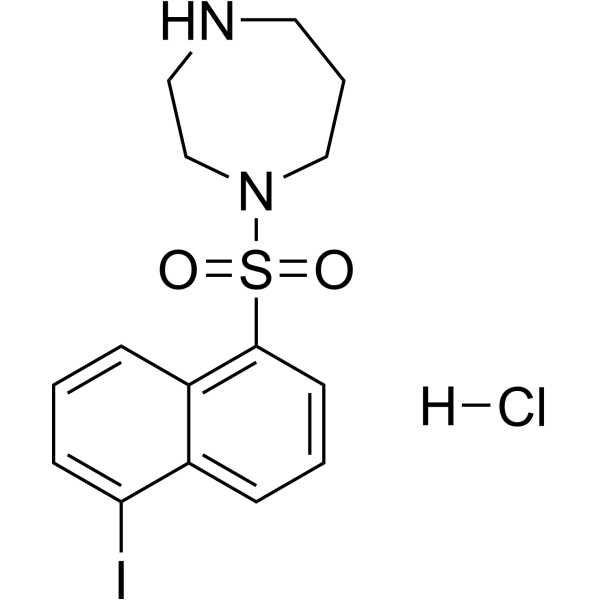
ML-7 hydrochloride is a selective and highly specific myosin light chain kinase (MLCK) inhibitor that acts as a trabecular meshwork (TM) relaxant. ML-7 hydrochloride enhances Quinocetone (HY-123581)-induced phosphorylation of ERK, p38 MAPK and JNK, attenuates Akt activation, and promotes apoptosis of hepatocellular carcinoma cells. ML-7 hydrochloride reduces Th2 cytokine secretion by inhibiting MLCK, while alleviating smooth muscle hyperplasia and collagen deposition . As a non-antibiotic adjuvant, ML-7 hydrochloride restores the sensitivity of drug-resistant bacteria to Tigecycline (HY-B0117) . ML-7 hydrochloride can be used in research related to glaucoma, hepatocellular carcinoma, asthma, and Klebsiella pneumoniae infection .
loading...
    loading...
23
23 Cited Publications
Cat. No.: HY-W353258
CAS No.: 192927-63-2
Synonyms: BAY 12-8039 monohydrate
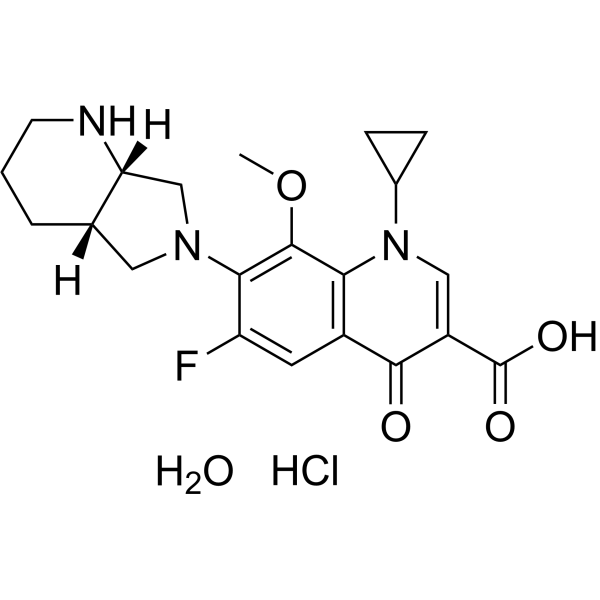
Moxifloxacin (BAY 12-8039) hydrochloride monohydrate is an orally active bacterial inhibitor that is effective against Streptococcus pneumoniae. Moxifloxacin hydrochloride monohydrate can be used in tuberculosis research .
loading...
    loading...
11
11 Cited Publications
Cat. No.: HY-124617A
CAS No.: 2444815-84-1
Purity:  ≥98.0%
Target:  

Apoptosis Bacterial

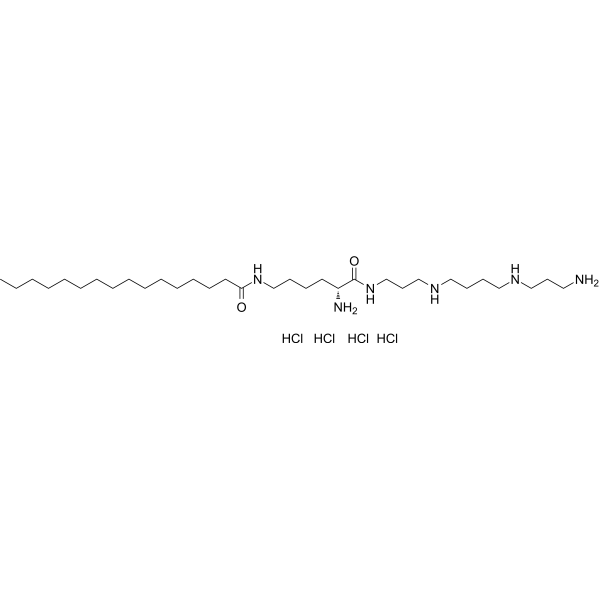
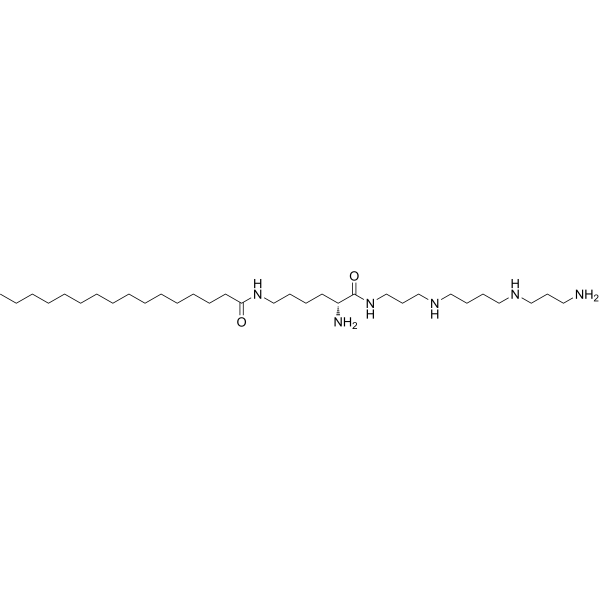
AMXT-1501 tetrahydrochloride is a Bacterial agent and polyamine transport system inhibitor. AMXT-1501 tetrahydrochloride targets membrane phospholipids and exhibits antibacterial activity against a variety of Gram-positive and Gram-negative multidrug-resistant bacteria . AMXT-1501 tetrahydrochloride inhibits capsular biosynthesis in Streptococcus pneumoniae . AMXT-1501 tetrahydrochloride targets ornithine decarboxylase and polyamines to inhibit the proliferation of neuroblastoma cells . AMXT-1501 tetrahydrochloride in combination with DFMO (HY-B0744) induces Apoptosis in neuroblastoma cells. AMXT-1501 tetrahydrochloride is applicable to research related to multidrug-resistant bacterial infections, pneumococcal infections, Streptococcus pneumoniae infections, and neuroblastoma .
loading...
    loading...
11
11 Cited Publications
Cat. No.: HY-124617
CAS No.: 441022-64-6
Purity:  99.44%
Target:  

Apoptosis Bacterial

Research Areas:  

Infection Cancer

AMXT-1501 is a Bacterial agent and polyamine transport system inhibitor. AMXT-1501 targets membrane phospholipids and exhibits antibacterial activity against a variety of Gram-positive and Gram-negative multidrug-resistant bacteria . AMXT-1501 inhibits capsular biosynthesis in Streptococcus pneumoniae . AMXT-1501 targets ornithine decarboxylase and polyamines to inhibit the proliferation of neuroblastoma cells . AMXT-1501 in combination with DFMO (HY-B0744) induces Apoptosis in neuroblastoma cells. AMXT-1501 is applicable to research related to multidrug-resistant bacterial infections, pneumococcal infections, Streptococcus pneumoniae infections, and neuroblastoma .
loading...
    loading...
8
8 Cited Publications
Cat. No.: HY-100126
CAS No.: 69-33-0
Purity:  99.24%
Synonyms: 7-Deazaadenosine
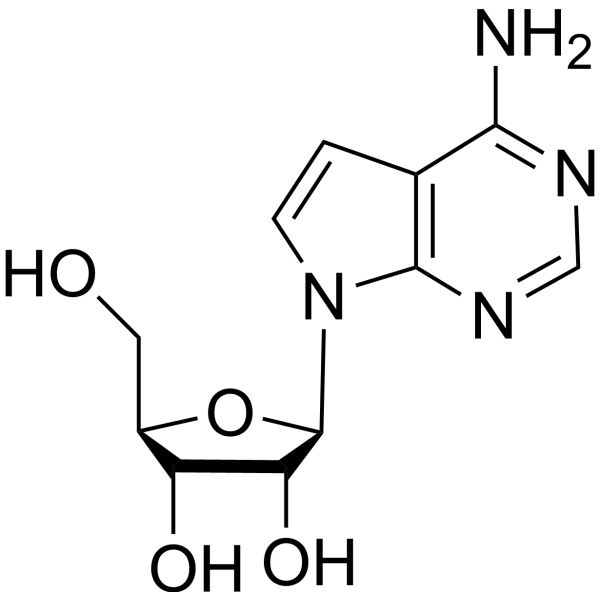
Tubercidin (7-Deazaadenosine) is an antibiotic obtained from Streptomyces tubercidicus. Tubercidin inhibits the growth of Streptococcus faecalis (8043) with an IC50 of 0.02 μM . Tubercidin inhibits polymerases by incorporating DNA or RNA, thereby inhibiting DNA replication, RNA and protein synthesis . Tubercidin is a weak inhibitor of adenosine phosphorylase, and interferes with the phosphorylation of adenosine and AMP . Tubercidin has antiviral activity .
loading...
    loading...
6
6 Cited Publications
Cat. No.: HY-14814
CAS No.: 189279-58-1
Purity:  99.95%
Synonyms: RX-3341; WQ-3034; ABT492
Target:  

Bacterial Antibiotic

Research Areas:  

Infection

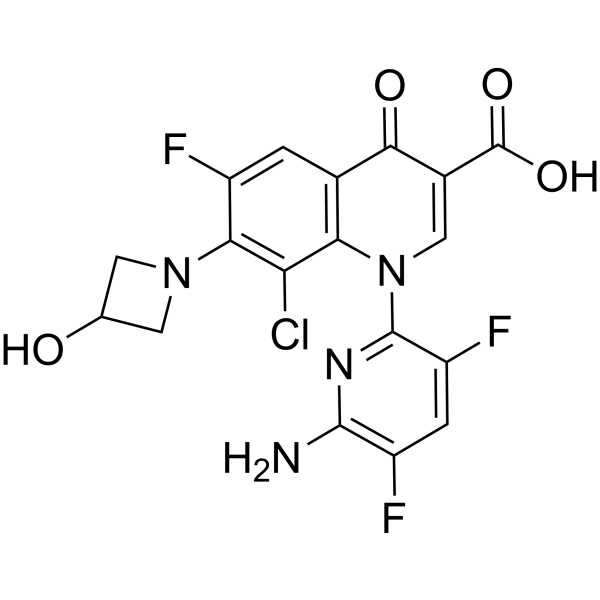
Delafloxacin (RX-3341; WQ-3034; ABT492) is a broad-spectrum fluoroquinolone antibiotic. Delafloxacin has a broad spectrum of activity that includes drug-resistant Staphylococcus aureus, Streptococcus pneumoniae, and Klebsiella pneumonia .
loading...
    loading...
6
6 Cited Publications
Cat. No.: HY-14814A
CAS No.: 352458-37-8
Purity:  99.87%
Synonyms: ABT492 meglumine; RX-3341 meglumine; WQ-3034 meglumine
Target:  

Bacterial Antibiotic

Research Areas:  

Infection

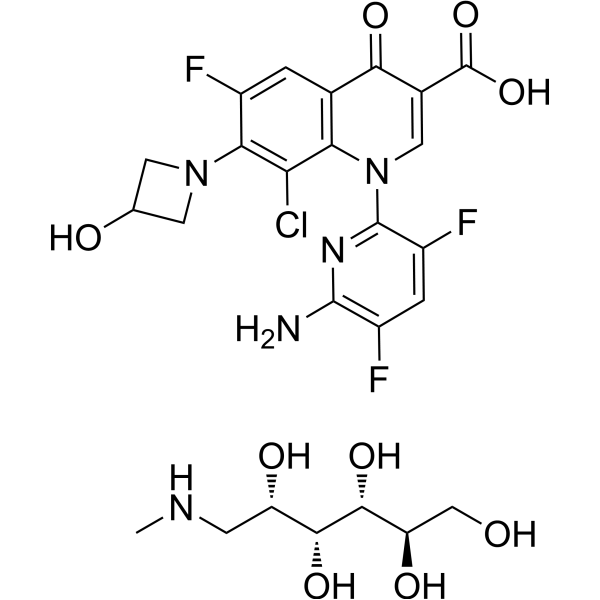
Delafloxacin meglumine (ABT492 meglumine; RX-3341 meglumine; WQ-3034 meglumine) is a broad-spectrum fluoroquinolone antibiotic. Delafloxacin has a broad spectrum of activity that includes drug-resistant Staphylococcus aureus, Streptococcus pneumoniae, and Klebsiella pneumonia .
loading...
    loading...
4
4 Cited Publications
Cat. No.: HY-P1607
CAS No.: 1414-45-5
Target:  

Bacterial Antibiotic

Research Areas:  

Infection Inflammation/Immunology

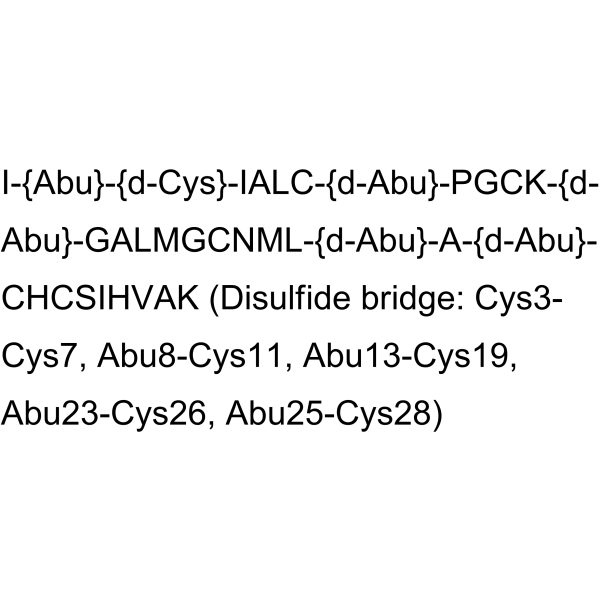
Nisin is a bacteriocin produced by a group of Gram-positive bacteria that belongs to Lactococcus and Streptococcus species. Nisin has antibacterial and anti-inflammatory activity .
loading...
    loading...
4
4 Cited Publications
Cat. No.: HY-B1422
CAS No.: 90-45-9
Synonyms: Aminacrine
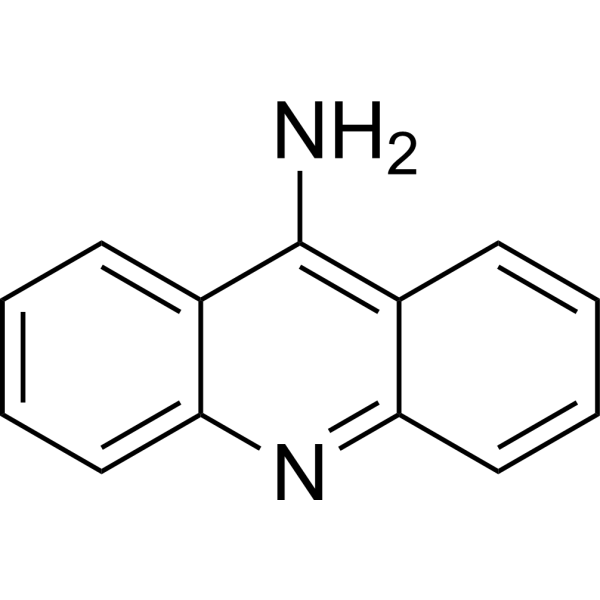
9-Aminoacridine, a fluorescent probe, acts as an indicator of pH for quantitative determination of transmembrane pH gradients (inside acidic). 9-Aminoacridine is an antimicrobial. 9-Aminoacridine exerts its antimicrobial activity by interacting with specific bacterial DNA and disrupting the proton motive force in K. pneumoniae. 9-Aminoacridine is a HIV-1 inhibitor and inhibits HIV LTR transcription highly dependent on the presence and location of the amino moiety. 9-Aminoacridine inhibits virus replication in HIV-1 infected cell lines. 9-Aminoacridine is used as a Rifampin (RIF; HY-B0272) adjuvant for the multidrug-resistant K. pneumoniae infections .
loading...
    loading...
3
3 Cited Publications
Cat. No.: HY-17593
CAS No.: 760981-83-7
Synonyms: CEM-101; OP-1068
Target:  

Bacterial Antibiotic

Research Areas:  

Infection

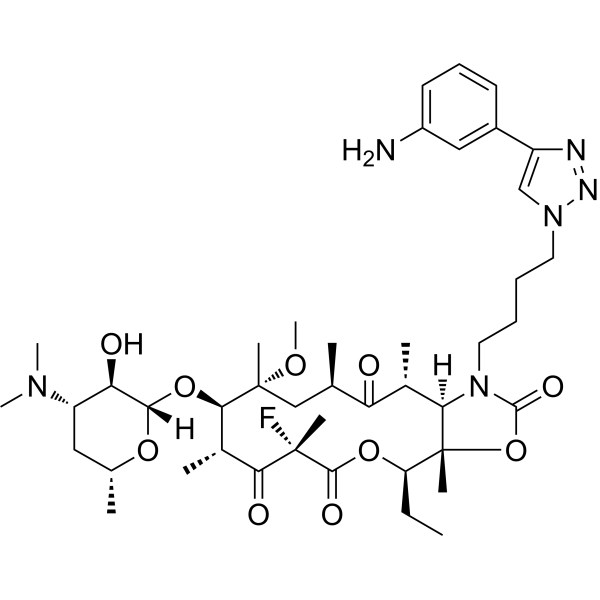
Solithromycin (CEM-101) is an orally bioavailable, effective antimicrobial agent, with IC50s for inhibition of cell viability, protein synthesis, and growth rate are 7.5 ng/mL, 40 ng/mL, and 125 ng/mL for Streptococcus pneumonia, Staphylococcus aureus, and Haemophilus influenzae, respectively. Solithromycin binds to the large 50S subunit of the ribosome and inhibits protein biosynthesis .
loading...
    loading...
3
3 Cited Publications
Cat. No.: HY-112726
CAS No.: 1478364-68-9
Purity:  98.79%
Synonyms: BI-1467335
Target:  

VAP-1 MMP

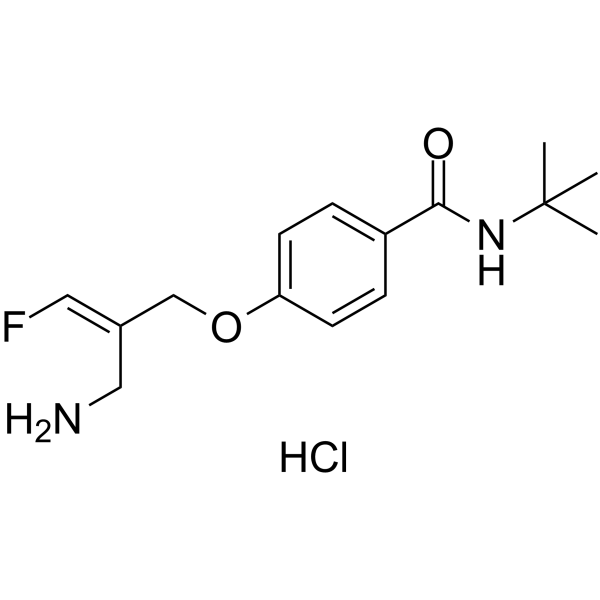
PXS-4728A is an orally active, selective VAP-1/SSAO inhibitor with an IC50 of 5 nM and a Ki of 175 nM. PXS-4728A inhibits the expression of MMP-9. It reduces cell rolling, adhesion and migration, decreases cell infiltration levels, pro-inflammatory cytokines, chemokines and collagen deposition, and improves pulmonary function. PXS-4728A reduces the formation and progression of atherosclerotic plaques, and decreases blood lipid and blood glucose levels as well as body weight gain. PXS-4728A can be used in research related to chronic obstructive pulmonary disease, cystic fibrosis, acute pulmonary inflammation, acute lung injury, bronchiolitis obliterans syndrome, rhinovirus-exacerbated asthma, sepsis, Klebsiella pneumoniae pulmonary infection and atherosclerosis .
loading...
    loading...
2
2 Cited Publications
Cat. No.: HY-14737A
CAS No.: 400827-55-6
Purity:  98.88%
Synonyms: TAK-599 hydrate; PPI0903 hydrate
Target:  

Antibiotic Bacterial

Research Areas:  

Infection

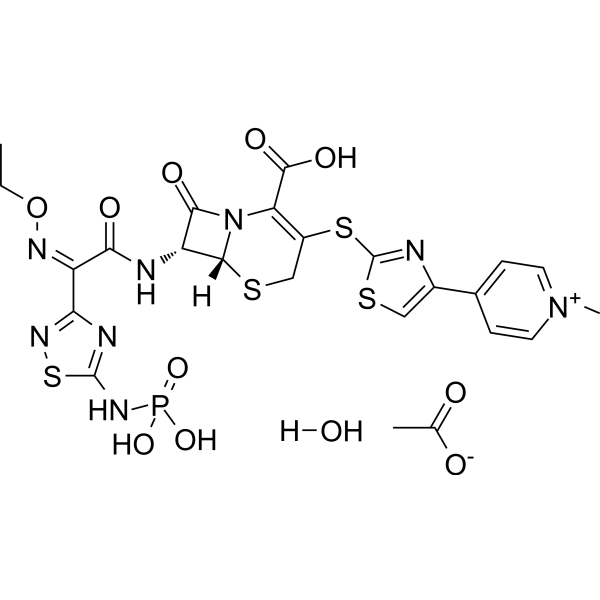
Ceftaroline fosamil hydrate is a potent cephalosporin antibiotic. Ceftaroline fosamil hydrateshows broad-spectrum activity against Gram-positive pathogens, including methicillin-resistant Staphylococcus aureus (MRSA) and multidrug-resistant Streptococcus pneumoniae, and common Gram-negative organisms. Ceftaroline fosamil hydrate has anti-infective activity, and can be used for the research of complicated skin and skin structure infections (cSSSIs) and community-acquired bacterial pneumonia (CABP) .
loading...
    loading...
2
2 Cited Publications
Cat. No.: HY-P2733D
Target:  

Endogenous Metabolite

Research Areas:  

Metabolic Disease

Glycerol 3-phosphate Oxidase, Streptococcus thermophilus (EC 1.1.3.21), is an oxidoreductase that acts on the CH-OH group in donor molecules and uses oxygen as an acceptor. Glycerol 3-phosphate Oxidase participates in glycerophospholipid metabolism and utilizes a cofactor, FAD. The two substrates of Glycerol 3-phosphate Oxidase are sn-glycerol-3-phosphate and O2, while its two products are glycerophosphate and H2O2.
loading...
    loading...
2
2 Cited Publications
Cat. No.: HY-106257A
CAS No.: 1628046-32-1
Purity:  98.17%
Target:  

Bacterial Antibiotic

Research Areas:  

Infection

Ceftolozane TFA is a cephalosporin antibiotic active against Gram-negative pathogens. Ceftolozane TFA acts as a bactericide and reduces Klebsiella pneumoniae thigh tissue loads in neutropenic mice. Ceftolozane TFA can be used in studies related to bacterial infections .
loading...
    loading...
2
2 Cited Publications
Cat. No.: HY-19806A
CAS No.: 936111-69-2
Synonyms: CXA-101; FR264205
Target:  

Bacterial Antibiotic

Research Areas:  

Infection

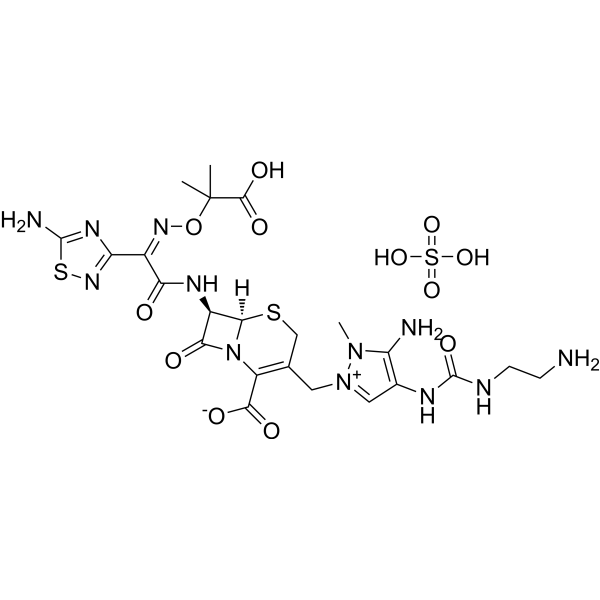
Ceftolozane sulfate is a cephalosporin antibiotic active against Gram-negative pathogens. Ceftolozane sulfate acts as a bactericide and reduces Klebsiella pneumoniae thigh tissue loads in neutropenic mice. Ceftolozane sulfate can be used in studies related to bacterial infections .
loading...
    loading...
2
2 Cited Publications
Cat. No.: HY-131981
CAS No.: 2427584-96-9
Purity:  99.86%
Target:  

Bacterial

Research Areas:  

Infection Cardiovascular Disease

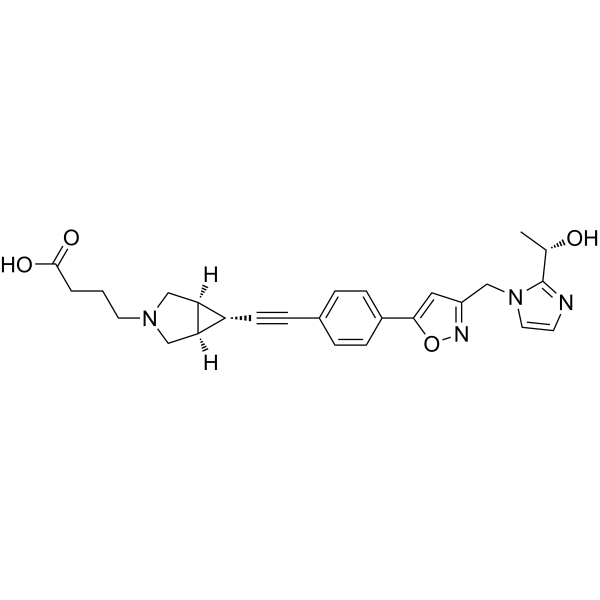
TP0586532 is a non-hydroxamate LpxC inhibitor (IC50=0.101 μM). TP0586532 as a compound with a low cardiovascular risk that is effective against K. pneumoniae, including resistant strains . TP0586532 is a click chemistry reagent, it contains an Alkyne group and can undergo copper-catalyzed azide-alkyne cycloaddition (CuAAc) with molecules containing Azide groups.
loading...
    loading...
2
2 Cited Publications
Cat. No.: HY-N8423
CAS No.: 638-95-9
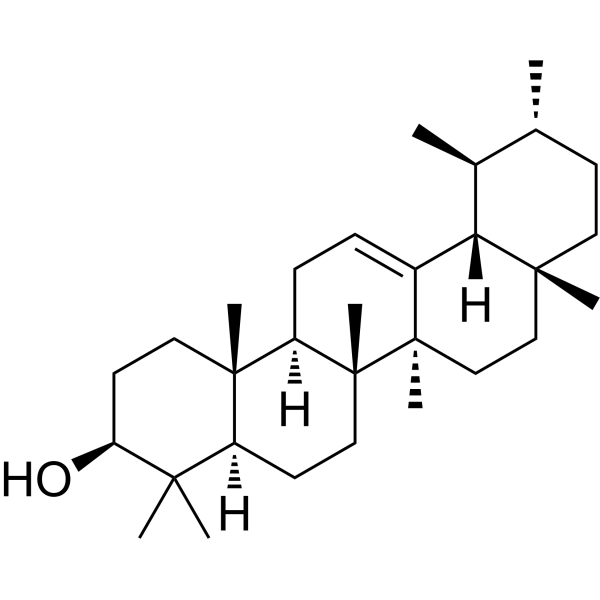
α-Amyrin is a pentacyclic triterpenoid compound with oral activity. α-Amyrin activates the ERK and GSK-3β signaling pathways. α-Amyrin can inhibit cancer cells proliferation and induce apoptosis. α-Amyrin shows anti-bacterial and anti-inflammation activity. α-Amyrin can reduce blood glucose level. α-Amyrin can be used for the researches of cancer, infection, inflammation, metabolic disease and neurological disease, such as breast cancer, Streptococcus oralis infection, skin inflammation and diabetes .
loading...
    loading...
2
2 Cited Publications
Cat. No.: HY-109008
CAS No.: 1452458-86-4
Purity:  99.30%
Synonyms: OP0595 free acid
Research Areas:  

Infection

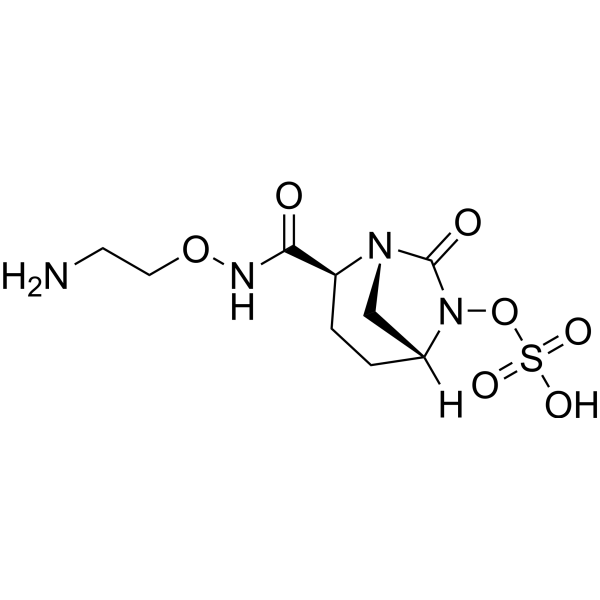
Nacubactam (OP0595 free acid) is a potent non-β-lactam-β-lactamase inhibitor with activity against class A and C β-lactamases. Nacubactam acts as a penicillin binding protein (PBP) 2-active antibacterial, and gives β-lactamase-independent potentiation of β-lactams targeting other PBPs. Nacubactam potentiates the antimicrobial activities of Piperacillin (HY-B1923), Cefepime (HY-B0692), and Meropenem (HY-13678) against CTX-M-15-positive Escherichia coli and KPC-positive Klebsiella pneumoniae .
loading...
    loading...

