1. Search Result
Search Result
Results for "

Superoxide

" in MedChemExpress (MCE) Product Catalog:

292

Inhibitors & Agonists

10

Fluorescent Dye

14

Biochemical Assay Reagents

10

Peptides

3

MCE Kits

105

Natural
Products

7

Recombinant Proteins

12

Isotope-Labeled Compounds

11

Antibodies

1

Click Chemistry

10

Oligonucleotides

Targets Recommended:
Cat. No. Product Name Target Research Areas Chemical Structure
  • HY-D1055
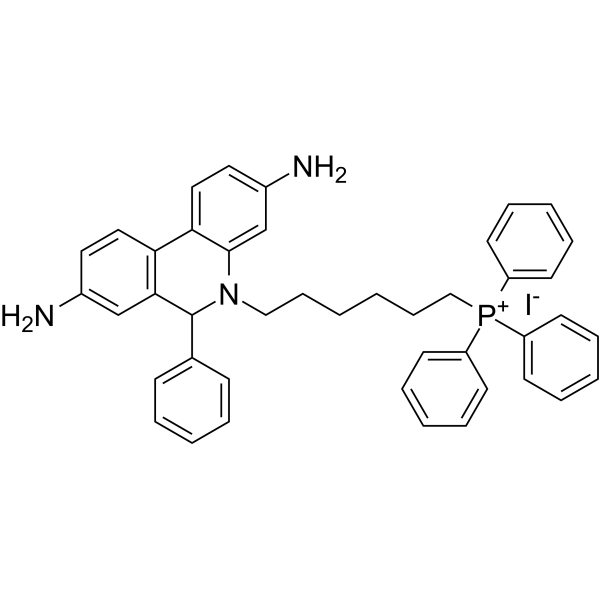
    MitoSOX Red
    Maximum Cited Publications
    263 Publications Verification

    Fluorescent Dye Reactive Oxygen Species (ROS) Mitochondrial Metabolism Cancer
    MitoSOX Red is a live cell fluorescent probe that specifically targets mitochondria and is cell membrane permeable. MitoSOX Red enters mitochondria and is oxidized by superoxide but not by other ROS or RNS generating systems. The oxidized MitoSOX Red then binds to nucleic acids in mitochondria/nucleus, producing strong red fluorescence. MitoSOX Red can be used as a fluorescent indicator to specifically detect superoxide. In addition, superoxide dismutase (SOD) can prevent the oxidation of MitoSOX Red.
    Excitation/emission wavelength: 510/580 nm.
    MitoSOX Red
  • HY-100561
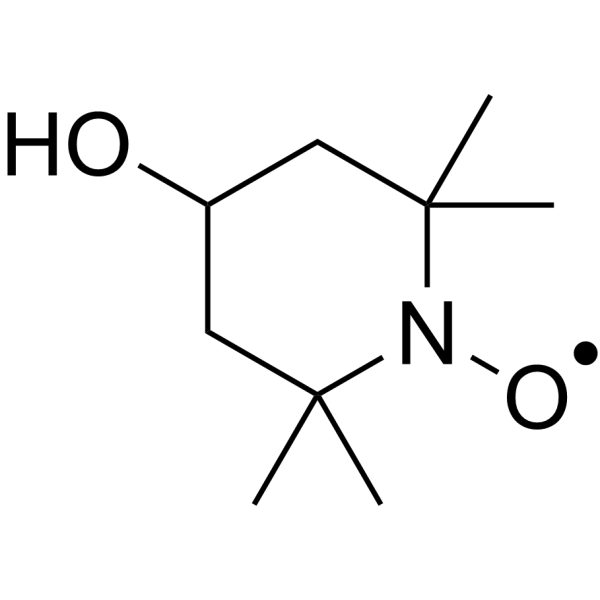
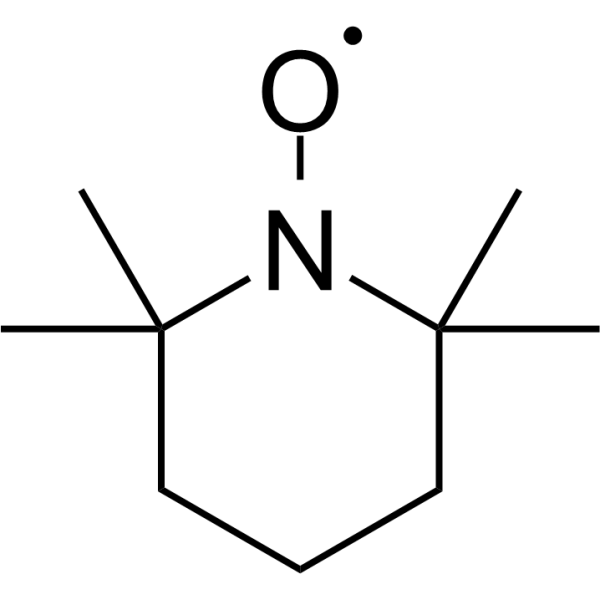
    Tempol
    25+ Cited Publications

    4-Hydroxy-TEMPO

    Reactive Oxygen Species (ROS) Autophagy Cancer
    Tempol is a general superoxide dismutase (SOD)-mimetic agent that efficiently neutralizes reactive oxygen species (ROS).
    Tempol
  • HY-130278
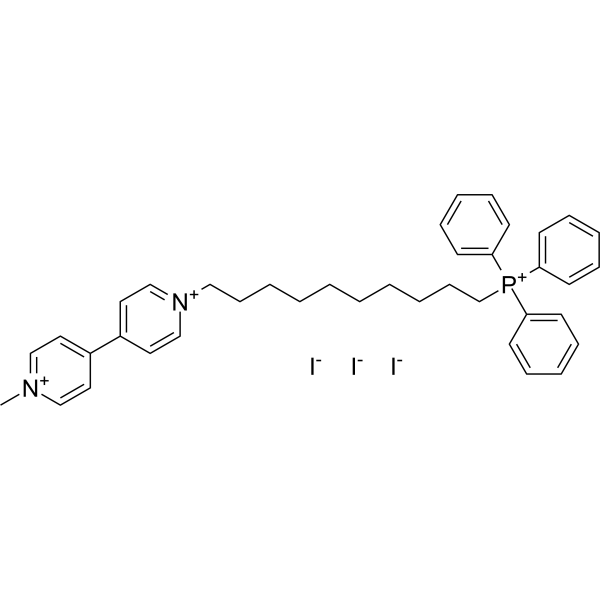
    MitoPQ
    5 Publications Verification

    MitoParaquat

    ROS Kinase Cancer
    MitoPQ is a mitochondria-targeted redox cycler. MitoPQ produces superoxide by redox cycling at the flavin site of complex I, selectively increasing superoxide production within mitochondria. MitoPQ can be used in antioxidant study .
    MitoPQ
  • HY-108537
    L 012 sodium salt
    2 Publications Verification

    Reactive Oxygen Species (ROS) Inflammation/Immunology
    L 012 sodium salt is a luminal-based chemiluminescent probe. L 012 sodium salt can detect NADPH oxidase (Nox)-derived superoxide and nitrogen species (reactive oxygen species (ROS) and reactive nitrogen species (RNS)) .
    L 012 sodium salt
  • HY-107690
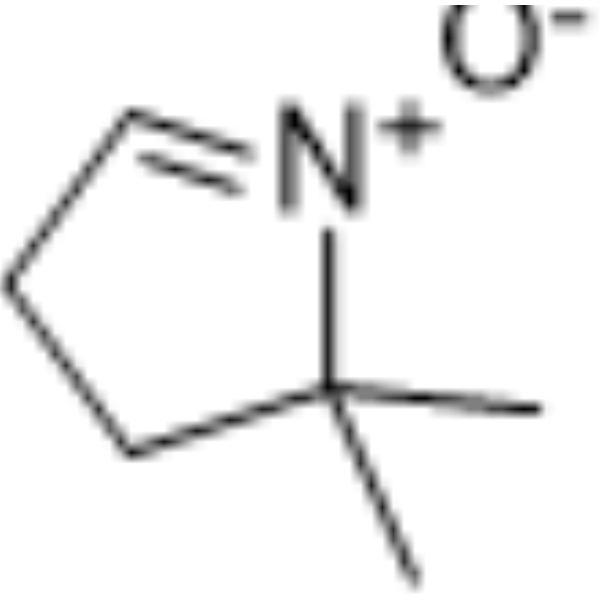
    DMPO
    5+ Cited Publications

    Reactive Oxygen Species (ROS) NO Synthase Inflammation/Immunology
    DMPO is a cell permeable hydrophillic spin trap agent for superoxide detection .
    DMPO
  • HY-110282

    Oxidative Phosphorylation Mitochondrial Metabolism Metabolic Disease
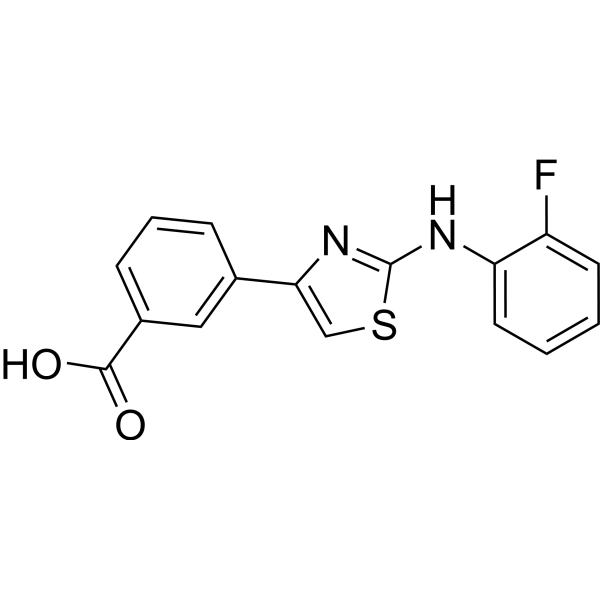
    S3QEL-2, a suppressor of superoxide production from mitochondrial complex III, potently and selectively suppresses site IIIQo superoxide production (IC50=1.7 μM). S3QEL-2 does not affect oxidative phosphorylation, and normal electron flux. S3QEL-2 inhibits HIF-1α accumulation .
    S3QEL-2
  • HY-19619
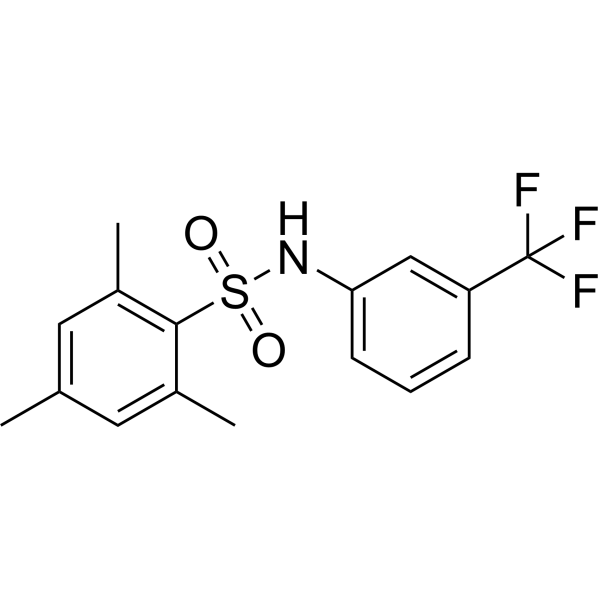
    m-3M3FBS
    5+ Cited Publications

    Phospholipase Apoptosis Cancer
    m-3M3FBS is a potent phospholipase C (PLC) activator. m-3M3FBS stimulates superoxide generation in human neutrophils, upregulates intracellular calcium concentration, and stimulates inositol phosphate generation in various cell lines. m-3M3FBS induces monocytic leukemia cell apoptosis .
    m-3M3FBS
  • HY-N1579
    Pyrogallol
    4 Publications Verification

    Endogenous Metabolite Fungal Apoptosis Infection
    Pyrogallol is a polyphenol compound, which has anti-fungal and anti-psoriatic properties. Pyrogallol is a reductant that is able to generate free radicals, in particular superoxide anions.
    Pyrogallol
  • HY-129064

    SOD

    SOD Inflammation/Immunology Cancer
    Superoxide dismutase, Porcine erythrocytes (SOD) is the only antioxidant enzyme that scavenges the superoxide anion by converting this free radical to oxygen and hydrogen peroxide, thus preventing peroxynitrite production and further damage. Superoxide dismutase, Porcine erythrocytes is extensively researched and used in anti-inflammatory, antitumor, radiation protection, and antisenility applications .
    Superoxide dismutase, Porcine erythrocytes
  • HY-100594
    EUK-134
    1 Publications Verification

    NF-κB Cardiovascular Disease
    EUK-134, a synthetic superoxide dismutase and catalase mimetic, protects rat kidneys from ischemia-reperfusion-induced damage. EUK-134 is a superoxide dismutase (SOD) mimetics (SODm) with catalase activity. EUK-134 is a mitoprotective antioxidant. EUK-134 reduces the expression of NF-κB, MDA level, and protein carbonylation in H9C2 cells .
    EUK-134
  • HY-121137
    BMPO
    1 Publications Verification

    BocMPO

    Reactive Oxygen Species (ROS) Others
    BMPO (BocMPO) is a cell-permeable superior spin trap with favorable chemical and spectroscopic features. BMPO (BocMPO) can be used for detecting thiyl radicals, hydroxyl radicals, superoxide anions and glutathiyl radicals .
    BMPO
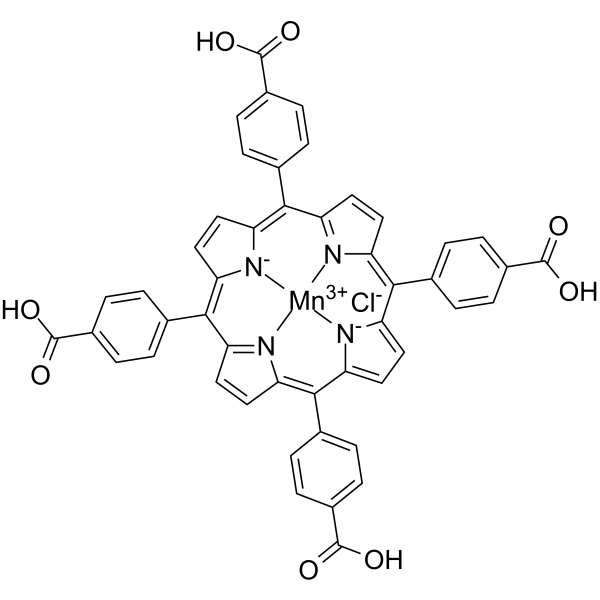
  • HY-126397
    MnTBAP chloride
    5+ Cited Publications

    NF-κB Inflammation/Immunology
    MnTBAP chloride is a superoxide dismutase (SOD) mimetic and peroxynitrite scavenger. MnTBAP chloride is a manganic porphyrin complex and has anti-oxidative property. MnTBAP chloride mediates anti-inflammatory effects through upregulation of BMPR-II and inhibition of the NFκB signaling. MnTBAP chloride has the potential for the fibrotic response in chronic kidney diseases (CKDs) research .
    MnTBAP chloride
  • HY-16074
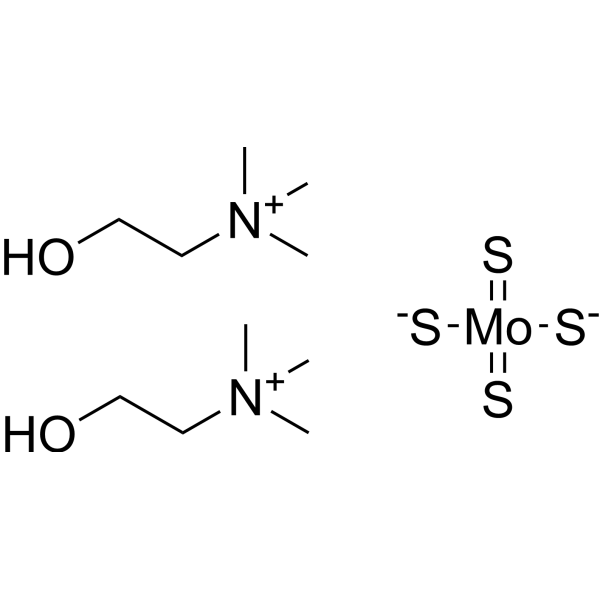
    ATN-224
    4 Publications Verification

    Bischolinetetrathiomolybdate

    SOD Cancer
    ATN-224 is an orally active Cu 2+/Zn 2+-superoxide dismutase 1 (SOD1) inhibitor. ATN-224 inhibits SOD1 activity in endothelial cells, an effect that is dose dependent with an IC50 of 17.5 nM.
    ATN-224
  • HY-N4084

    Apoptosis Cancer
    Thonningianin A, an ellagitannin, is isolated from the methanolic extract of the African medicinal herb, Thonningia sanguinea. The antioxidant properties of Th A involve radical scavenging, anti-superoxide formation and metal chelation. Anti-cancer activities .
    Thonningianin A
  • HY-109110

    GC-4419; M-40419

    Reactive Oxygen Species (ROS) Inflammation/Immunology Cancer
    Avasopasem manganese (GC4419; M-40419) is a potent superoxide dismutase mimetic that rapidly and specifically converts O2 *- to hydrogen peroxide (H2O2), arresting the initiation of this cascade. Avasopasem manganese can be used for the research of severe oral mucositis (SOM) and cancer .
    Avasopasem manganese
  • HY-W002004

    4-Amino-2,2,6,6-tetramethylpiperidine-1-oxyl

    Biochemical Assay Reagents Inflammation/Immunology
    4-Amino-TEMPO (4-Amino-2,2,6,6-tetramethylpiperidine-1-oxyl) is a stable nitroxide radical and N-nucleophile based on TEMPO. 4-Amino-TEMPO has superoxide dismutase-mimetic activity, can protect cells from oxidative damage, and has radioprotective effects. 4-Amino-TEMPO is widely used in fields such as biomedicine, materials science, and industrial production. 4-Amino-TEMPO can be used as a spin label to detect free radicals, an oxidation catalyst in industrial production, and an antioxidant stabilizer for polymers, among others .
    4-Amino-TEMPO
  • HY-135152

    Reactive Oxygen Species (ROS) Cancer
    CYPMPO is a spin-trapping reagent. CYPMPO, a cyclic DEPMPO-type nitrone, is evaluated for spin-trapping capabilities toward hydroxyl and superoxide radicals. anti-oxidant and anti-tumor?activity .
    CYPMPO
  • HY-W008646
    7,8-Dihydro-L-biopterin
    1 Publications Verification

    SOD Apoptosis NO Synthase Cardiovascular Disease Neurological Disease
    7,8-Dihydro-L-biopterin is a NOS uncoupling inducer with blood-brain barrier permeability, and it is a reduced non-conjugated pteridine. 7,8-Dihydro-L-biopterin is the main metabolite of 4-amino-tetrahydro-L-biopterin, and it undergoes photooxidation to form biopterin. 7,8-Dihydro-L-biopterin promotes the conversion of nitric oxide synthase to a superoxide-producing form, thereby increasing oxidative stress levels in the renal outer medulla and inducing apoptosis. 7,8-Dihydro-L-biopterin is sensitive to the inhibitory effect of SOD, and it can be applied to research related to salt-sensitive hypertension, moderate to severe traumatic brain injury, and neurodegenerative diseases .
    7,8-Dihydro-L-biopterin
  • HY-Y0651

    Environmental Pollutants Biochemical Assay Reagents Infection Inflammation/Immunology
    Sodium sulfite is an inorganic salt used as an antioxidant and preservative. Sodium sulfite is also used in sulfonation and sulfomethylation reactions. Sodium sulfite can also be used as a bleaching agent, desulfurizer, and dechlorinator. Sodium sulfite inhibits hepatocyte proliferation, promotes hepatocyte apoptosis and necrosis, and impairs mitochondrial integrity. Sodium sulfite induces superoxide anion production, primes neutrophils for enhanced superoxide anion generation, and induces neutrophil gene expression. Sodium sulfite can be used in studies related to pulmonary inflammation and gastric tissue injury .
    Sodium sulfite
  • HY-23033
    Tempone-H
    1 Publications Verification

    Biochemical Assay Reagents Neurological Disease
    Tempone-H may be used as a spin trap in chemical and biological systems to quantify peroxynitrite and superoxide radical formation. Ferric and cupric ions are effective oxidants of Tempone-H .
    Tempone-H
  • HY-W115721

    Sodium rhodizonate dibasic

    Reactive Oxygen Species (ROS) DNA/RNA Synthesis Others
    Rhodizonic acid disodium (Sodium rhodizonate dibasic) is a transition metal-dependent pro-oxidant and lead detection agent that induces reactive oxygen species generation, DNA damage, and inhibits Aconitase activity. Rhodizonic acid disodium generates superoxide anion radicals in an iron (II)-dependent manner, leading to aconitase inactivation. Rhodizonic acid disodium also triggers hydroxyl radical-mediated DNA strand breaks and 8-OHdG formation via copper ion reduction. Rhodizonic acid disodium reacts with lead to form a scarlet precipitate, with the color intensity proportional to lead content, enabling qualitative or quantitative analysis of lead. Rhodizonic acid disodium can also be used for real-time visualization of the dynamic process of lead sequestration in the plant rhizosphere and evaluation of the effects of environmental factors such as soil type on the stability of lead-sequestering structures .
    Rhodizonic acid disodium
  • HY-13336
    Imisopasem manganese
    2 Publications Verification

    M40403; GC4403

    SOD Cancer
    Imisopasem manganese (M40403) is a stable non-peptidyl mimetic of manganese superoxide MnSOD.
    Imisopasem manganese
  • HY-W017960

    Et-HE; 1,4-DHP

    SOD Endocrinology
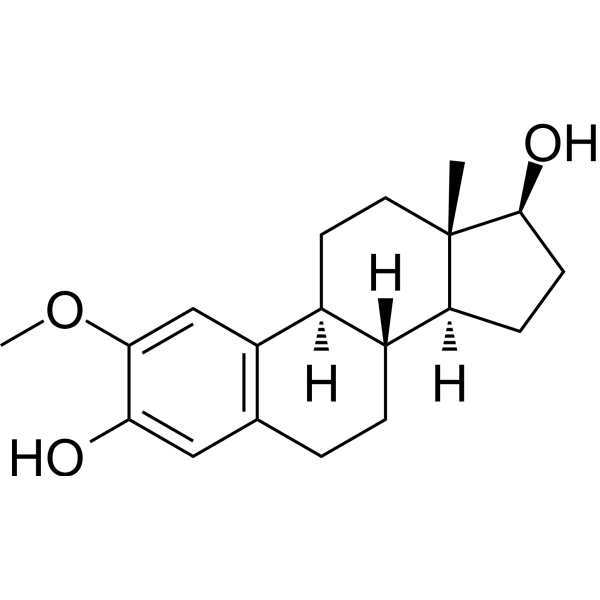
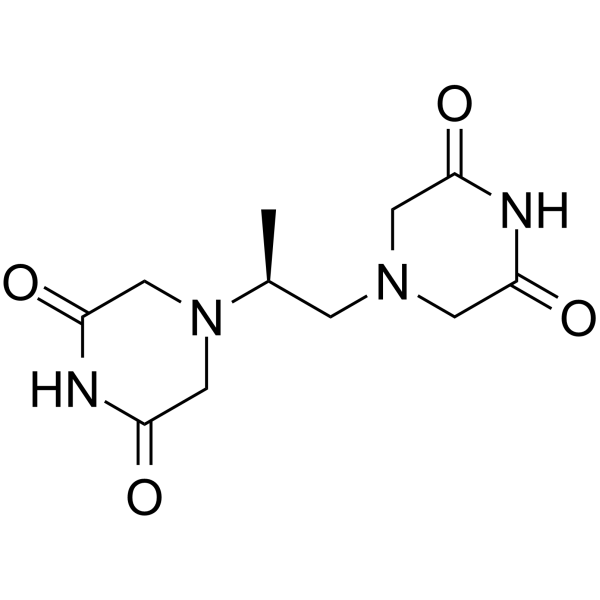
    Diludine (BNP-7787) is an orally effective feed additive. Diludine reduces the activity of G6PD and increases the level of superoxide dismutase (SOD). Diludine reduces the mutagenic effect of environmental pollutants, protects parental reproductive systems and improves offspring quality. Diludine is mainly applied during the transition period of dairy cows to increase milk yield and milk fat content, and improve health status during parturition. Diludine can be used in animal feeding research .
    Diludine
  • HY-130015
    HKSOX-1 (5/6-mixture)
    2 Publications Verification

    Reactive Oxygen Species (ROS) Others
    HKSOX-1 (5/6-mixture) is a fluorescent probe which is used for imaging and detection of endogenous superoxide in live cells and in vivo. HKSOX-1 (5/6-mixture) exhibits excellent selectivity and sensitivity towards superoxide anion radical (Ex/Em = 509/534 nm) .
    HKSOX-1 (5/6-mixture)
  • HY-130017

    Reactive Oxygen Species (ROS) Others
    HKSOX-1r (5/6-mixture) is a fluorescent probe which is used for imaging and detection of endogenous superoxide in live cells and in vivo. HKSOX-1r (5/6-mixture) exhibits excellent selectivity and sensitivity towards superoxide anion radical .
    HKSOX-1r (5/6-mixture)
  • HY-W001583
    Manganese(salen) chloride
    1 Publications Verification

    EUK-8

    Reactive Oxygen Species (ROS) Cardiovascular Disease
    Manganese(salen) chloride (EUK-8), a superoxide dismutase and catalase mimetic, is an antioxidant with oxyradical scavenging properties. Manganese(salen) chloride ameliorates acute lung injury in endotoxemic swine .
    Manganese(salen) chloride
  • HY-P4666

    Biochemical Assay Reagents Others
    Valylhistidine is a dipeptide composed of valine and histidine (Val-His). Valylhistidine can form a dipeptide complex with Cu (II) that mimics superoxide dismutase but lacks activity .
    Valylhistidine
  • HY-W013275
    MCLA hydrochloride
    1 Publications Verification

    Reactive Oxygen Species (ROS) Others
    MCLA hydrochloride is a chemiluminescent reagent which can be used to quantify aqueous concentrations of superoxide.
    MCLA hydrochloride
  • HY-136651

    Reactive Oxygen Species (ROS) Inflammation/Immunology
    BNTA, a potent extracellular matrix (ECM) modulator, facilitates cartilage structural molecule synthesis on chondrocytes by activating superoxide dismutase 3 (SOD3). BNTA shows a promising potential for osteoarthritis alleviation by modulating cartilage generation .
    BNTA
  • HY-129242

    4-Oxo-Tempo

    SOD Others
    Tempone (4-Oxo-Tempo) is a stable water-soluble nitro radical. Tempone is widely used as a contrast agent for metabolic activity and hypoxic sensitivity in electron spin resonance spectroscopy, magnetic resonance imaging and dynamic nuclear polarization. Tempone reduces superoxide radicals by mimicking the activity of superoxide dismutase (SOD), thereby reducing the formation of hydroxyl radicals and peroxynitrites. Tempone can be used in the study of ischemia-reperfusion injury and acute renal failure .
    Tempone
  • HY-W196368

    COX SARS-CoV Infection Inflammation/Immunology Cancer
    Thymohydroquinone is a COX-2 inhibitor and anti-SARS-CoV-2 agent that induces cytotoxicity, antiproliferative effects and inhibits tumor growth. Thymohydroquinone cannot scavenge superoxide radicals via σ (hydrogen atom transfer) and π-π attacks with superoxide anions. Thymohydroquinone can be used in research related to squamous cell carcinoma, fibrosarcoma and coronavirus disease 2019 (SARS-CoV-2 infection) .
    Thymohydroquinone
  • HY-125539

    Antibiotic Phosphatase Fungal Infection
    Roridin E is a glucose-6-phosphatase (G6Pase) inhibitor and antibiotic, and is a metabolic byproduct of Roridin A (HY-N9599). Roridin E induces significant oxidative stress, characterized by depletion of glutathione in vivo, induction of hepatic lipid peroxidation, and inhibition of renal superoxide dismutase activity. Roridin E reduces blood glucose levels in rats, but exhibits acute toxicity (which is enhanced when co-administered with linoleic acid (HY-N0729)) and causes hepatotoxicity in male albino mice. Roridin E induces a decrease in total blood protein and increases in the levels of total lipids, γ-glutamyltransferase, alkaline phosphatase, and 5'-nucleotidase. Roridin E can be isolated from molds, and possesses cytostatic and antifungal activities similar to those of Verrucarin A (HY-107426) and Roridin A. Roridin E exhibits in vivo activity in rodents and is commonly used in hepatotoxicity-related studies .
    Roridin E
  • HY-132132

    Elastase Inflammation/Immunology
    Neutrophil elastase inhibitor 3 (compound 13), a benzoxazinone analog, shows effects on superoxide anion generation and exhibits as a neutrophil elastase (NE) inhibitor, with an IC50 of 80.8 nM for NE release .
    Neutrophil elastase inhibitor 3
  • HY-103473
    Boc-MLF
    4 Publications Verification

    Boc-Met-Leu-Phe-OH

    Formyl Peptide Receptor (FPR) Inflammation/Immunology
    Boc-MLF is a formyl peptide receptor (FPR) antagonist, and reduces superoxide production induced by fMLF with an IC50 of 0.63 μM .
    Boc-MLF
  • HY-154921

    LacCer (bovine buttermilk)

    Reactive Oxygen Species (ROS) Inflammation/Immunology
    Lactosylceramide (bovine buttermilk) (LacCer (bovine buttermilk)) is a sphingolipid that highly expressed on the plasma membranes of human phagocytes. Lactosylceramide mediates phagocytosis, chemotaxis, and superoxide generation .
    Lactosylceramide (bovine buttermilk)
  • HY-N10450

    1-Ethoxycarbonyl-β-carboline

    Reactive Oxygen Species (ROS) Inflammation/Immunology
    Kumujian A (1-Ethoxycarbonyl-β-carboline), an anti-inflammatory agent, inhibits both superoxide anion generation (IC50 = 4.87 μg/mL) and elastase release (IC50 = 6.29 μg/mL) .
    Kumujian A
  • HY-111804
    3',4'-Dihydroxyflavonol
    1 Publications Verification

    DiOHF

    NO Synthase Cardiovascular Disease Metabolic Disease
    3',4'-Dihydroxyflavonol (DiOHF) is an effective antioxidant, which reduces superoxide and improves nitric oxide (NO) function in diabetic rat mesenteric arteries .
    3',4'-Dihydroxyflavonol
  • HY-165529
    Camostat
    40+ Cited Publications

    Ser/Thr Protease Inflammation/Immunology
    Camostat is an orally active trypsin inhibitor. Camostat can reduce pancreatic fibrosis induced by repeated administration of superoxide dismutase inhibitors in rats, and decrease the proliferation and activation of pancreatic stellate cells (PSCs) .
    Camostat
  • HY-129064B

    SOD Metabolic Disease
    Superoxide dismutase PEG (EC 1.15.1.1) is a mimetic of superoxide dismutase (SOD) and powerful free radical scavenger acts by reducing superoxide anions .
    Superoxide dismutase PEG
  • HY-E70377

    Cu/Zn SOD

    SOD Inflammation/Immunology Cancer
    Cu/Zn Superoxide dismutase (Cu/Zn SOD; SOD1) is a cytosolic copper-zinc dimer form of superoxide dismutase enzyme. Cu/Zn Superoxide dismutase has oxygen radical enzymatic dismutation .
    Cu/Zn Superoxide dismutase
  • HY-N9447
    Norbergenin
    1 Publications Verification

    Reactive Oxygen Species (ROS) Neurological Disease
    Norbergenin, the O-demethyl derivative of bergenin, shows moderate antioxidant activity (IC50 13 μM in DPPH radical scavenging; 32 μM in superoxide anion scavenging) .
    Norbergenin
  • HY-N10411

    Reverse Transcriptase HIV Xanthine Oxidase Infection Cardiovascular Disease Cancer
    Morin 3-O-β-D-glucopyranoside is a natural flavonoid with antifungal, anticancer and antioxidant activities. Morin 3-O-β-D-glucopyranoside inhibits reverse transcriptase, protein-tyrosine kinase and xanthine oxidase, and also shows anti-HIV, antiarteriosclerotic, and superoxide scavenging activities .
    Morin 3-O-β-D-glucopyranoside
  • HY-118824

    Endogenous Metabolite Others
    Moschamine acts as an inhibitor of excessive superoxide production in mitochondria.
    Moschamine
  • HY-132829

    GC4711

    Reactive Oxygen Species (ROS) Cancer
    Rucosopasem manganese (GC4711) is a selective superoxide dismutase mimetic that converts superoxide to hydrogen peroxide. Rucosopasem manganese can be used for the research of cancer .
    Rucosopasem manganese
  • HY-N9895

    Others Infection Inflammation/Immunology
    3,5-Dicaffeoyl-epi-quinic acid can be extracted from Chrysanthemum morifolium. 3,5-Dicaffeoyl-epi-quinic acid has antioxidant activities. 3,5-Dicaffeoyl-epi-quinic acid can scavenge DPPH radical and superoxide anion radical, with IC50s of 5.6 and 2.9 μg/mL respectively .
    3,5-Dicaffeoyl-epi-quinic acid
  • HY-N3562

    Reactive Oxygen Species (ROS) Neurological Disease
    Cedrin is a natural flavonoid that can be found in Cedrus deodara. Cedrin protects PC12 cells against neurotoxicity induced by Aβ1-42. Cedrin can reduce reactive oxygen species overproduction, increase the activity of superoxide dismutase and decrease malondialdehyde content .
    Cedrin
  • HY-19382

    SOD ERK Reactive Oxygen Species (ROS) Neurological Disease
    EUK-189 is a synthetic superoxide dismutase (SOD) and catalase mimetic. EUK-189 can block oxygen/glucose deprivation (OGD)-induced ERK1/2 dephosphorylation, ATP depletion and eliminate ROS production. EUK-189 exhibits neuroprotective effect and can inhibit delayed radiation injury. EUK-189 can be used for the research of neurological disease, such as ischemic stroke .
    EUK-189
  • HY-148901

    SOD Neurological Disease
    CMB-087229 is a mutant superoxide dismutase 1 (SOD1) protein aggregation inhibitor with IC50 of 67 nM, which can be used in the research of amyotrophic lateral sclerosis .
    CMB-087229
  • HY-120253

    BY-108330

    Environmental Pollutants Insecticide SOD Glutathione Peroxidase Carboxylesterase (CES) Infection Metabolic Disease
    Spirotetramat (BY-108330) is an orally active Insecticide and lipid biosynthesis inhibitor. Spirotetramat regulates the activities of superoxide dismutase (SOD) and glutathione peroxidase (GSH-Px), with short-term exposure increasing their activities and long-term exposure altering their activities. Spirotetramat induces the activity and mRNA expression of carboxylesterase (CarE). Spirotetramat induces oxidative stress and lipid peroxidation in tadpoles. Spirotetramat is toxic to amphibian tadpoles and exhibits sublethal/non-lethal toxicity to amphibians. Spirotetramat causes death in immature psyllids, aphids, scale insects, mealybugs, whiteflies and thrips, and shows a high lethal rate against Cacopsylla pyri nymphs. Spirotetramat reduces the fecundity of Aphis gossypii. Spirotetramat induces tolerance in the offspring of exposed Aphis gossypii, and acts on Myzus persicae, Bemisia tabaci and Tetranychus urticae .
    Spirotetramat
  • HY-N16406

    SOD Metabolic Disease
    Auroglaucin is a potent antioxidant. Auroglaucin shows 1,1-diphenyl-2-picrylhydrazyl (DPPH) radical scavenging capacity and superoxide radical scavenging activity with EC50 value of 74.6, 12.3 µM, respectively. Auroglaucin shows low activity for inhibiting the autoxidation of docosahexaenoic acid (DHA) .
    Auroglaucin

Inquiry Online

Your information is safe with us. * Required Fields.

Salutation


Country or Region *

Applicant Name *


Organization Name *

Department *


Email Address *


Product Name *

Cat. No.


Requested quantity *

Phone Number *


Remarks

Inquiry Online

Inquiry Information

Product Name:
Cat. No.:
Quantity:
MCE Japan Authorized Agent:

