




178 Results for "

Targeted therapy

" in MedChemExpress (MCE) Product Catalog:
Products (178)

178 Results for "Targeted therapy" in MCE Product Catalog:

2
2 Cited Publications
Cat. No.: HY-P99575
CAS No.: 2307488-83-9
Synonyms: AMG-757

Target:  

Notch

Research Areas:  

Inflammation/Immunology Cancer

Tarlatamab (AMG-757) is a bispecific T-cell engager (BiTE) antibody targeting delta-like ligand 3 (DLL3). DLL3 is a target that is selectively expressed in small-cell lung cancer (SCLC) tumors, but with minimal normal tissue expression. Tarlatamab has the KDs of 0.64 nM and 0.50 nM for human and nonhuman primate (NHP) DLL3, respectively. Tarlatamab has the KDs of 14.9 nM and 12 nM for human and NHP CD3, respectively. Tarlatamab is a first-in-class HLE BiTE immuno-oncology therapy targeting DLL3 and has the potential for SCLC research .
loading...
    loading...
2
2 Cited Publications
Cat. No.: HY-B0459
CAS No.: 498-45-3
Synonyms: 6,7-Epoxytropine
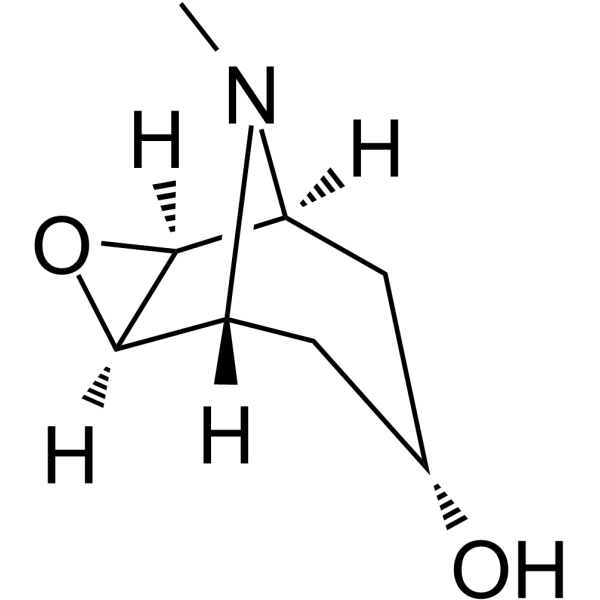
Scopine is a metabolite of Scopolamine (HY-N0296) and brain-targeting compound. Scopine significantly increases the brain exposure of Chlorambucil (HY-13593) and enhances its anti-glioma activity. Scopine can be used in targeted therapy research for brain gliomas .
loading...
    loading...
2
2 Cited Publications
Cat. No.: HY-B0459A
CAS No.: 85700-55-6
Synonyms: 6,7-Epoxytropine hydrochloride
Target:  

Drug Metabolite

Research Areas:  

Neurological Disease Cancer

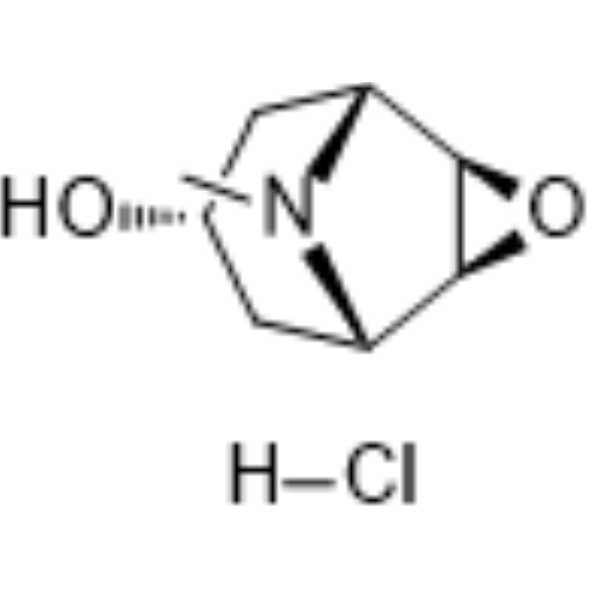
Scopine hydrochloride is a metabolite of Scopolamine (HY-N0296) and brain-targeting compound. Scopine hydrochloride significantly increases the brain exposure of Chlorambucil (HY-13593) and enhances its anti-glioma activity. Scopine hydrochloride can be used in targeted therapy research for brain gliomas .
loading...
    loading...
1
1 Cited Publications
Cat. No.: HY-113011
CAS No.: 1109-28-0
Purity:  ≥98.0%
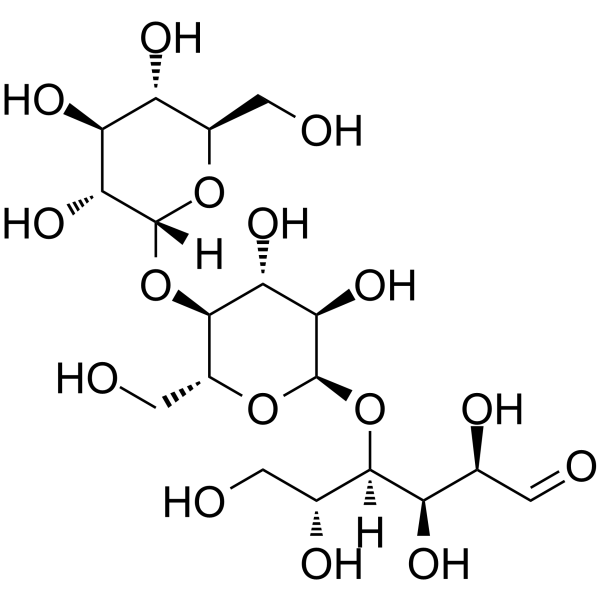
Maltotriose is a maltooligosaccharide and a specific inducer of the Escherichia coli maltose operon. The oligosaccharide structure of Maltotriose acts as a highly efficient drug delivery carrier, which significantly enhances the targeting ability and water solubility of photosensitizers in photodynamic therapy for pancreatic cancer .
loading...
    loading...
1
1 Cited Publications
Cat. No.: HY-13912G
CAS No.: 686770-61-6
IWP-2 (GMP) is >IWP-2 (HY-13912) produced by using GMP guidelines. GMP small molecules work appropriately as an auxiliary reagent for cell therapy manufacture. IWP-2 is an inhibitor of Wnt processing and secretion with an IC50 of 27 nM. IWP-2 targets the membrane-bound O-acyltransferase porcupine (Porcn) and blocks Wnt ligand palmitoylation .
loading...
    loading...
1
1 Cited Publications
Cat. No.: HY-P99144A

Target:  

PD-1/PD-L1

Research Areas:  

Inflammation/Immunology Cancer

Anti-Mouse PD-1 Antibody (S-5001) is a selective inhibitor targeting PD-1, blocking the PD-1/PD-L1 immune checkpoint axis through competitive binding to PD-1. Anti-Mouse PD-1 Antibody (S-5001) works by reversing the tumor immunosuppressive microenvironment and reactivating the anti-tumor activity of cytotoxic T lymphocytes. It can be used in research on tumors such as melanoma and HPV-positive oropharyngeal squamous cell carcinoma. Anti-Mouse PD-1 Antibody (S-5001) is often combined with photothermal therapy, chemotherapy, etc., to enhance efficacy .
loading...
    loading...
1
1 Cited Publications
Cat. No.: HY-W583868
CAS No.: 26662-94-2
Synonyms: 1,2-POPE; 16:0-18:1 PE
1-Palmitoyl-2-oleoyl-sn-glycero-3-PE (1,2-POPE; 16:0-18:1 PE) is a phosphatidylethanolamine (PE) lipid. 1-Palmitoyl-2-oleoyl-sn-glycero-3-PE can induce lipid bilayer to form a hexagonal phase (HII) structure in an acidic environment and promote membrane fusion. 1-Palmitoyl-2-oleoyl-sn-glycero-3-PE can enhance the endosomal escape ability of lipid nanoparticles (LNPs) and improve the cellular delivery efficiency of nucleic acid drugs such as mRNA. 1-Palmitoyl-2-oleoyl-sn-glycero-3-PE can be used for LNP carrier targeting of gene therapy and mRNA vaccines .
loading...
    loading...
Cat. No.: HY-145898
CAS No.: 2095780-08-6
Purity:  ≥95.0%
Synonyms: 14-D-Valine-TPL
Target:  

c-Myc Molecular Glues

Research Areas:  

Cancer

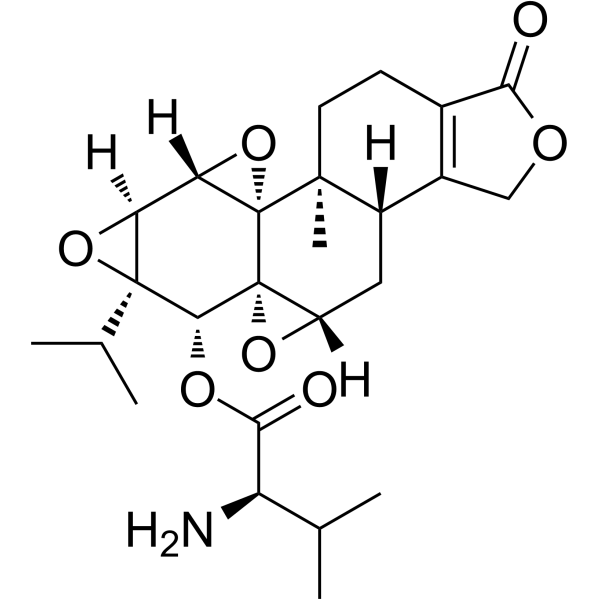
WBC100 (14-D-Valine-TPL) is a potent, selective, and orally active c-Myc molecule glue degrader. WBC100 is a c-Myc degrader and targets ubiquitin E3 ligase CHIP mediated 26S proteasome pathway. WBC100 is used for c-Myc overexpressing tumors research .
loading...
    loading...
Cat. No.: HY-P2213
CAS No.: 109053-09-0
Target:  

MMP Apoptosis

Research Areas:  

Cancer

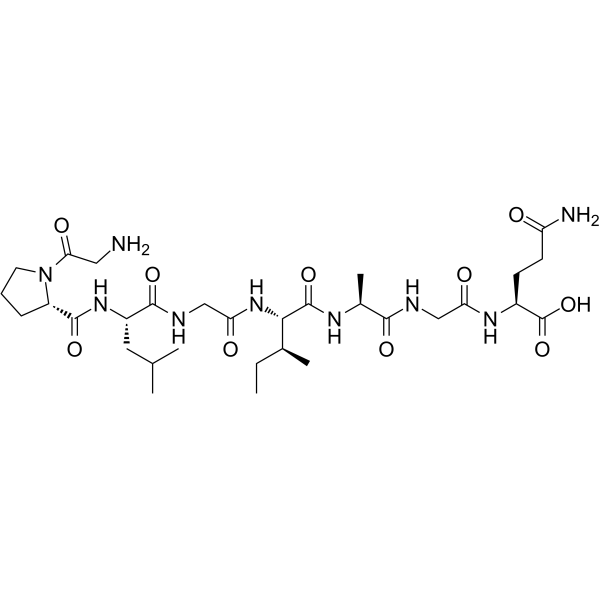
GPLGIAGQ, a MMP2-cleavable polypeptide, is used as a stimulus-sensitive linker in both liposomal and micellar nanocarriers for MMP2-triggered tumor targeting. GPLGIAGQ can be used to synthesis unique MMP2-targeted photosensitizer in photodynamic therapy (PDT) .
loading...
    loading...
Cat. No.: HY-145795
CAS No.: 1883431-67-1
Purity:  ≥98.0%
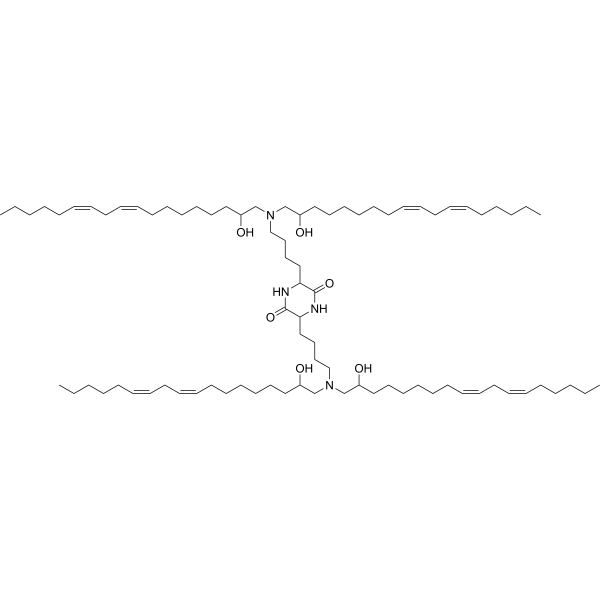
OF-02 is an ionizable lipid for mRNA delivery and a key component of lipid nanoparticles (LNPs). OF-02 is protonated in the acidic endosomal environment to promote endosomal escape of mRNA and efficiently induce protein expression in target cells. OF-02 relies on the pH-responsive membrane fusion properties to form a complex with mRNA and destroy the endosomal membrane structure to achieve mRNA release in the cytoplasm. OF-02 is mainly used in the development of mRNA vaccines, gene editing, and protein replacement therapy[1][2][3].
loading...
    loading...
Cat. No.: HY-128522
CAS No.: 2436544-27-1
Purity:  99.59%
Target:  

Ras

Research Areas:  

Cancer

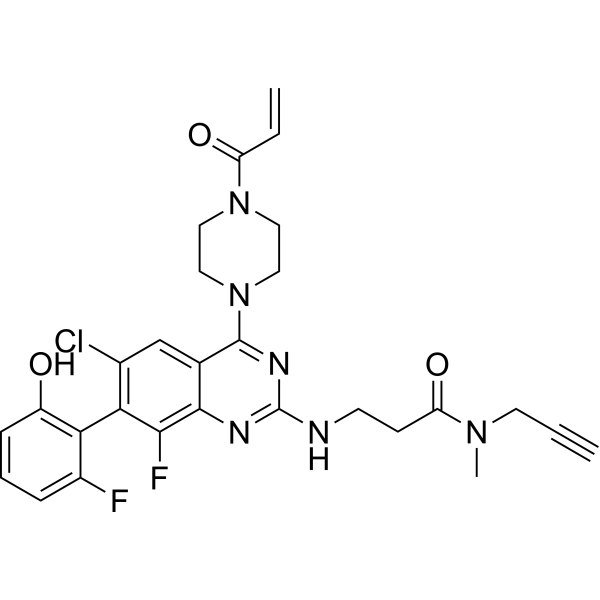
ARS-1323-alkyne is a covalent inhibitor probe that covalently binds to the Switch-II pocket (S-IIP) of the KRAS G12C mutant protein. ARS-1323-alkyne visualizes the covalent modification of KRAS G12C and quantitatively measures the binding efficiency of the inhibitor to the target. ARS-1323-alkyne can be used to validate the target occupancy of KRAS G12C inhibitors and the synergistic mechanism of combination therapy .
loading...
    loading...
Cat. No.: HY-150229
CAS No.: 2803699-70-7
Purity:  98.84%
306-N16B is a selective lung-targeted lipid nanoparticle that reversibly targets lung endothelial cells and specific immune cells through selective adsorption of a protein corona mediated by differences in tail structure (such as fibrinogen β/γ chain). 306-N16B binds to specific plasma proteins in the blood to form a protein corona, which guides the particles to be enriched in the lungs, releases mRNA and promotes target cell gene expression, exerts efficient lung cell transfection activity, and can precisely regulate gene delivery of different cell types in the lungs (such as endothelial cells and macrophages). 306-N16B can be used in gene therapy technologies for hereditary lung diseases including pulmonary lymphangioleiomyomatosis (LAM), restoring tumor suppressor function by delivering Tsc2 mRNA, and can also be used for lung-specific mRNA vaccines and gene editing therapies .
loading...
    loading...
Cat. No.: HY-124012
CAS No.: 444930-42-1
Purity:  99.20%
Research Areas:  

Cancer

PCNA-I1 is a selective small molecule inhibitor targeting proliferating cell nuclear antigen (PCNA) with anticancer activity. PCNA-I1 can stabilize the PCNA trimer structure (Kd=0.14-0.41μM), reduce its binding to chromatin, induce tumor cell cycle arrest, inhibit DNA replication and repair, and enhance the anti-tumor effect of DNA damaging agents. PCNA-I1 can be used in the study of targeted therapy for prostate cancer, lung cancer and other tumors .
loading...
    loading...
Cat. No.: HY-W008951
CAS No.: 1429-50-1
Synonyms: EDTMP
Ethylenediaminetetramethylenephosphonic acid (EDTMP) is a bone-targeted chelating agent. Ethylenediaminetetramethylenephosphonic acid sodium‘s phosphonic acid groups possess a unique ability to bind with high affinity to hydroxyapatite in bone, and can form radioactive compounds with 153Sm and 177Lu. Ethylenediaminetetramethylenephosphonic acid is used to study palliative therapy for pain associated with multiple bone metastatic cancers .
loading...
    loading...
Cat. No.: HY-141591
CAS No.: 1799392-31-6
Purity:  99.80%
Research Areas:  

Others

CYT296 is a target chromatin de-condensation compound. CYT296 can improve the induction of induced pluripotent stem cell (iPSCs) mediated by defined factors (OSKM) and induce an open chromatin state in Mouse Embryonic Fibroblast (MEFs) to facilitate somatic cell reprogramming. CYT296 can be used for cell replacement therapies and drug screening research .
loading...
    loading...
Cat. No.: HY-P990059
CAS No.: 2760250-47-1
Synonyms: INT-016; AZD8205 Antibody

Research Areas:  

Cancer

Puxitatug (INT-016; AZD8205 Antibody) is a monoclonal antibody targeting VTCN1/B7-H4. Puxitatug can be used to synthesize antibody-drug conjugates (ADCs), such as Puxitatug samrotecan (HY-171689), which can be applied to various solid tumors. Puxitatug can also be used for researching adjuvant therapies for gastric cancer .
loading...
    loading...
Cat. No.: HY-139564
CAS No.: 1908409-18-6
Research Areas:  

Cancer

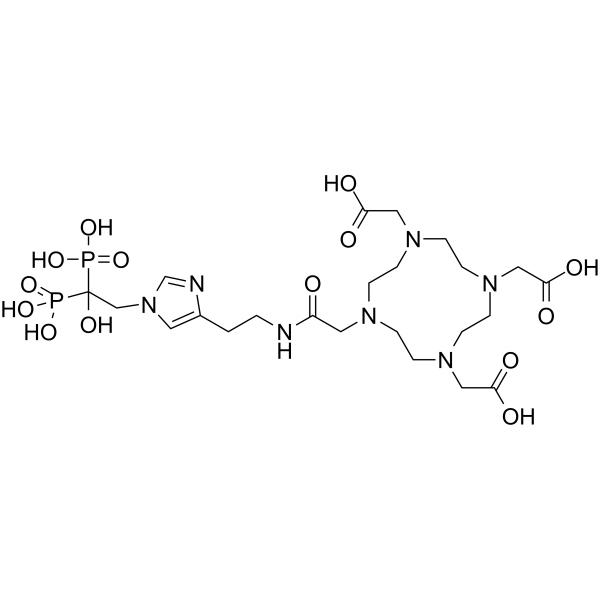
DOTA Zoledronate is a next-generation agent for bone targeted radionuclide therapy for diagnosing bone metastases .
loading...
    loading...
Cat. No.: HY-P5911
Target:  

iGluR

Research Areas:  

Inflammation/Immunology

GluN1 (359-378) is an anti-N-methyl-D-aspartate receptor (NMDAR) peptide. GluN1 (359-378) can cross the blood-brain barrier. GluN1 (359-378) can be used to study anti-NMDAR encephalitis therapy targeting the immune system .
loading...
    loading...
Cat. No.: HY-164574
CAS No.: 2565792-45-0
BCN-DOTA is a cyclooctyne-linked DOTA chelator. BCN-DOTA integrates BCN and DOTA, enabling conjugation with azide-functionalized groups via the click chemistry properties of BCN, while binding to metal ions through the coordination capacity of DOTA. BCN-DOTA can serve as a radionuclide-drug conjugate (RDC) to target specific biomolecules, cells or tissues after radiolabeling with zirconium-89. BCN-DOTA is applicable to research related to PET imaging and targeted therapy .
loading...
    loading...
Cat. No.: HY-146324
CAS No.: 2458170-54-0
Purity:  98.64%
Target:  

PROTACs Apoptosis CaMK

Research Areas:  

Cancer

PROTAC eEF2K degrader-1 (Compound 11l) is an eEF2K-Targeting PROTAC small molecule that induces apoptosis in MDA-MB-231 cells. PROTAC eEF2K degrader-1 mediates eEF2K degradation .
loading...
    loading...

