1. Search Result
Search Result
Results for "

Tau

" in MedChemExpress (MCE) Product Catalog:

311

Inhibitors & Agonists

1

Screening Libraries

6

Fluorescent Dye

4

Biochemical Assay Reagents

46

Peptides

20

Inhibitory Antibodies

17

Natural
Products

30

Recombinant Proteins

6

Isotope-Labeled Compounds

34

Antibodies

2

Click Chemistry

11

Oligonucleotides

Targets Recommended:
Cat. No. Product Name Target Research Areas Chemical Structure
  • HY-P99471

    UCB 0107

    Tau Protein Neurological Disease
    Bepranemab is a humanized IgG4 monoclonal antibody that binds to the central region of tau protein. Bepranemab inhibits the seeding, aggregation of pathological tau protein and the spread of tau pathology to distal brain regions. Bepranemab is applicable to research related to Alzheimer's disease .
    Bepranemab
  • HY-19948
    Leucomethylene blue mesylate
    5+ Cited Publications

    TRx0237 mesylate; Methylene blue leuco base mesylate

    Tau Protein Neurological Disease
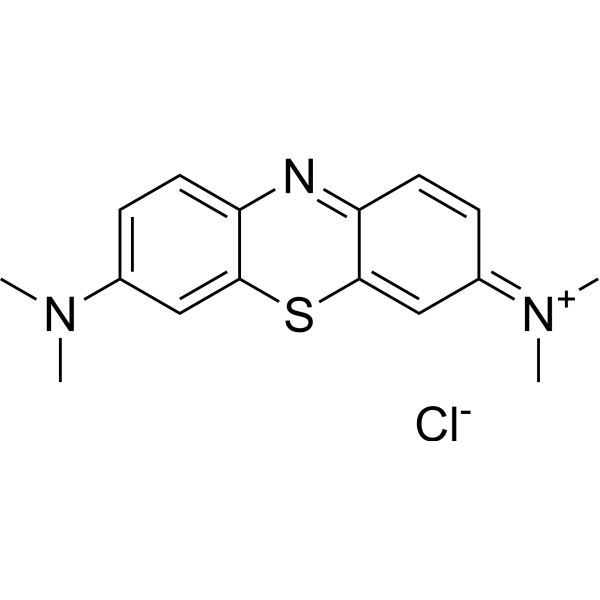
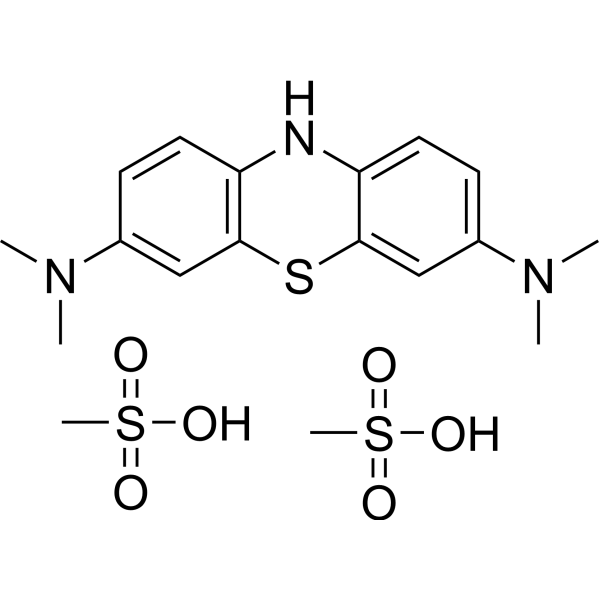
    Leucomethylene blue (TRx0237) mesylate, an orally active second-generation tau protein aggregation inhibitor (Ki of 0.12 μM), could be used for the study of Alzheimer's Disease. Leucomethylene blue mesylate is a common reduced form of Methylene Blue, Methylene Blue is a member of the thiazine class of dyes .
    Leucomethylene blue mesylate
  • HY-157839

    PROTACs α-synuclein Tau Protein Neurological Disease
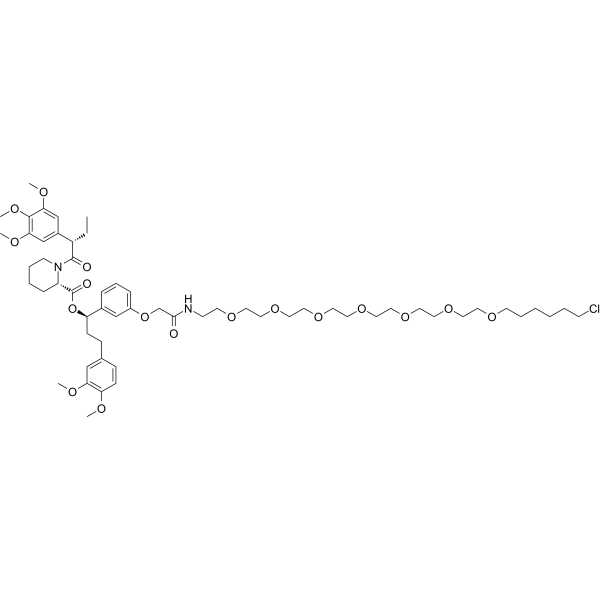
    PROTAC α-Synuclein/Tau degrader 1 is a blood-brain barrier-penetrant dual PROTAC degrader of α-synuclein (α-Syn) and tau, with DC50 of 1.57 μM and 4.09 μM, respectively. PROTAC α-Synuclein/Tau degrader 1 binds to α-Syn and tau PFF, with KDs of 0.47 and 2.78 μM, respectively. PROTAC α-Synuclein/Tau degrader 1 exhibits degradation effect mediated by the ubiquitin-proteasome system (UPS). PROTAC α-Synuclein/Tau degrader 6 can be used for the study of Parkinson’s disease (PD) (Pink: α-Synuclein/Tau ligand (HY-151035); Blue: CRBN ligase ligand (HY-14658); Black: Linker (HY-128803)) .
    PROTAC α-Synuclein/Tau degrader 1
  • HY-W143216

    Monomethylthionine

    Amyloid-β Tau Protein Neurological Disease
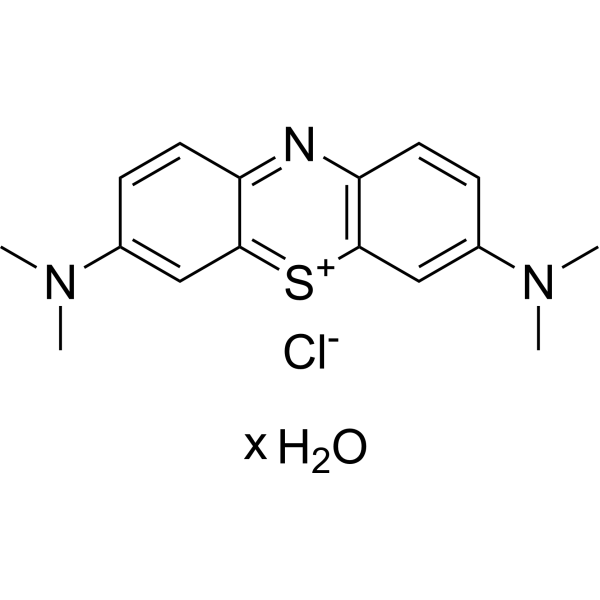
    Azure C acts as a tau oligomer modulator and Aβ42 oligomerization inhibitor. It regulates hsp70 ATPase activity, thereby mediating the clearance of tau protein. Azure C reduces the levels of toxic tau oligomers by promoting the formation of non-toxic tau aggregates, rescues neuroblastoma cells from tau oligomer-induced toxicity, and binds to and inhibits Aβ42 oligomerization without suppressing its fibrillization. Azure C is generated via sequential oxidation of methylene blue or Azure B through a horseradish peroxidase-mediated reaction, and accumulates in HRP reaction media. Azure C can be used in studies related to tauopathies, including Alzheimer's disease .
    Azure C
  • HY-P4808

    Amyloid-β Autophagy Neurological Disease
    PHF6 (VQIVYK) is a self-assembly sequence capable of initiating the full-length tau protein aggregation and is mapped to the third microtubule-binding repeat region of the tau protein .
    PHF6
  • HY-P990995

    E2814

    Tau Protein Neurological Disease
    Etalanetug (E2814) is a humanized high-affinity IgG1 antibody that targets tau protein and can cross the blood-brain barrier. Etalanetug inhibits the spread of pathological tau protein through high-affinity binding to the microtubule-binding region (MTBR). Etalanetug can be used in research related to Alzheimer's disease .
    Etalanetug
  • HY-145232
    PhosTAC7
    4 Publications Verification

    OGTAC-3

    PhosTACs Phosphatase Tau Protein Neurological Disease Cancer
    PhosTAC7 is a heterobifunctional molecule named as a Phosphorylation Targeting Chimera (PhosTAC). PhosTAC7 can dephosphorylate the PDCD4 protein, FOXO3a protein, and tau protein by recruiting serine/threonine protein phosphatase 2A (PP2A). PhosTAC7 offers the advantage of selectively modulating the phosphorylation state of individual target proteins, making it a promising tool for research in cancer and tau protein-related neurodegenerative diseases (Alzheimer's disease) .
    PhosTAC7
  • HY-W453397

    Ligands for Target Protein for PROTAC Tau Protein Cardiovascular Disease Neurological Disease
    Aberrant tau ligand 1 is a tau protein ligand. Aberrant tau ligand 1 engages tau and CRBN to trigger proteasomal degradation. Aberrant tau ligand 1 can be used for synthesis PROTACs, such as QC-01–175 (HY-134850) .
    Aberrant tau ligand 1
  • HY-P1707A

    Tau Protein Neurological Disease
    Tau protein (592-597), human TFA is a peptide fragment of human Tau protein. The dysfunction of Tau protein is involved in neurodegeneration and dementia .
    Tau protein (592-597), human TFA
  • HY-P9995

    JNJ-63733657

    Tau Protein Neurological Disease
    Posdinemab (JNJ-63733657) is a humanized IgG1/κ monoclonal antibody that selectively targets phosphorylated tau (pT217). Posdinemab specifically binds to the pT217+tau epitope rich in the proline domain, blocks tau protein aggregation and seed propagation, and promotes the clearance of extracellular tau species. Posdinemab reduces the levels of free and total p217+tau in cerebrospinal fluid, thereby inhibiting the pathological propagation of tau protein and the formation of neurofibrillary tangles. Posdinemab can be used for the study of progressive supranuclear palsy syndrome and Alzheimer's disease (AD), especially for prodromal or mild AD disease .
    Posdinemab
  • HY-P99163

    ABBV-8E12; C2N-8E12

    Tau Protein Neurological Disease
    Tilavonemab (ABBV-8E12) is a humanized anti-tau monoclonal antibody that binds to amino acids 25-30 near the N-terminus of the tau protein. Tilavonemab can block the ability of human and mouse neurons to uptake tau aggregates. Tilavonemab can be used for research on Alzheimer’s disease and other tauopathies .
    Tilavonemab
  • HY-137557

    APN1607; PM-PBB3

    Tau Protein Neurological Disease
    Florzolotau (APN1607) is a positron emission tomography (PET) ligand that can be used for the detection of Alzheimer's disease (AD) and other tau proteinopathies. Its binding sites are located in the β-sheet of paired helical filaments (PHFs) and straight filaments (SFs) of tau protein, as well as in the C-shaped cavity of SFs. In addition, APN-1607 binds to intraneuronal inclusions in Alzheimer's disease (AD), primary age-related tauopathy (PART) and posterior cortical atrophy (PCA). Florzolotau shows promise for PET imaging studies of neurological disorders, particularly tau proteinopathies .
    Florzolotau
  • HY-P99648

    BMS-986168; IPN007; BIIB092

    Tau Protein Neurological Disease
    Gosuranemab (BMS-986168; IPN007; BIIB092) is a humanised IgG4 anti-tau monoclonal antibody. Gosuranemab neutralizes the extracellular tau protein, inhibiting the spread and aggregation of pathological tau protein. Gosuranemab can be used for the research of progressive supranuclear palsy and early Alzheimer’s disease .
    Gosuranemab
  • HY-132582

    IONIS-MAPTRx; BIIB080; ISIS 814907

    Tau Protein Neurological Disease
    Diranersen (IONIS-MAPTRx) is an antisense oligonucleotide that targets the human MAPT gene to inhibit the production of tau protein. Diranersen can be used in research related to Alzheimer's disease and tauopathies .
    Diranersen
  • HY-174311

    Glycosidase Neurological Disease Metabolic Disease
    GT-02216 can bind to GCase allosterically and enhance its activity. GT-02216 enhances the activity of GCase in primary human fibroblasts dose-dependently reduces the accumulation of its substrate, hexosylsphingosine (HexCer). GT-02216 reduces the Tau accumulation in mutant GBA1 fibroblasts. GT-02216 can be used for the study of Parkinson’s disease .
    GT-02216
  • HY-132582C

    IONIS-MAPTRx sodium; BIIB080 sodium; ISIS 814907 sodium

    Tau Protein Neurological Disease
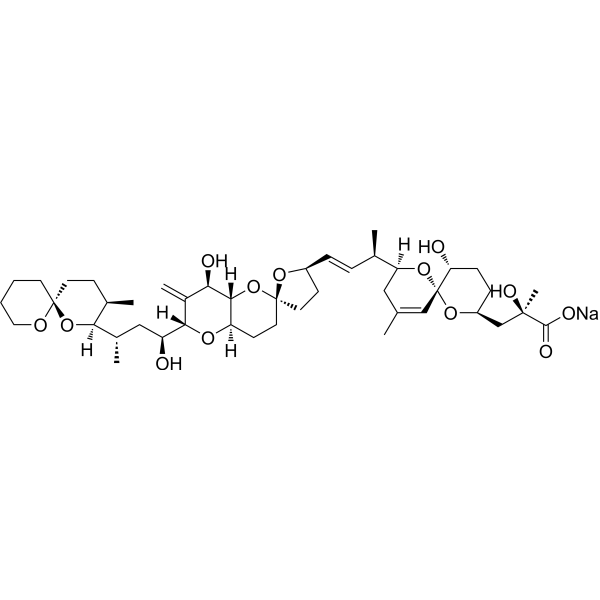
    Diranersen (IONIS-MAPTRx) sodium is an antisense oligonucleotide that targets the human MAPT gene to inhibit the production of tau protein. Diranersen sodium can be used in research related to Alzheimer's disease and tauopathies .
    Diranersen sodium
  • HY-139324
    Cu(II)GTSM
    1 Publications Verification

    GSK-3 Amyloid-β Neurological Disease Cancer
    Cu(II)GTSM, a cell-permeable Cu-complex, significantly inhibits GSK3β. Cu(II)GTSM inhibits Amyloid-β oligomers (AβOs) and decreases tau phosphorylation. Cu(II)GTSM also decreases the abundance of Amyloid-β trimers. Cu(II)GTSM is a potential anticancer and antimicrobial agent .
    Cu(II)GTSM
  • HY-P10861A

    Tau Protein Neurological Disease
    RI-AG03 acetate is a proteolytically stable tau aggregation inhibitor that crosses the blood-brain barrier and exhibits oral efficacy. RI-AG03 acetate inhibits tau aggregation and promotes the formation of alternative amorphous aggregates that are non-amyloidogenic. RI-AG03 acetate mediates cellular uptake through direct membrane penetration and macropinocytosis, and its conjugation with cell-penetrating peptide sequences (CPPs) enhances the binding of cells to liposomes. RI-AG03 acetate suppresses aggregation-dependent neurodegenerative and behavioral phenotypes, and extends the lifespan of Drosophila models of tauopathy. RI-AG03 acetate can be used for research on tau-related diseases such as Alzheimer's disease .
    RI-AG03 acetate
  • HY-134880

    PI-2620

    Microtubule/Tubulin Neurological Disease
    Tau tracer 2 (PI-2620) is a Tau tracer used for imaging Tau protein aggregates. Tau tracer 2 can be used to diagnose neurodegenerative diseases .
    Tau tracer 2
  • HY-153430

    Amyloid-β Neurological Disease
    Aβ/tau aggregation-IN-3 is a potent amyloid protein aggregation inhibitor with an IC50 of 0.85 μM by Aβ-Thioflavin T (Aβ-ThT) functional aggregation assay. Aβ/tau aggregation-IN-3 has anti-amyloid activity .
    Aβ/tau aggregation-IN-3
  • HY-P99164

    LY3303560

    Tau Protein Neurological Disease
    Zagotenemab (LY3303560) is a humanized anti-tau antibody that selectively binds and neutralises tau deposits in the brain. Zagotenemab can be used in Alzheimer's disease research .
    Zagotenemab
  • HY-144290

    GSK-3 DYRK Neurological Disease
    ARN25068 is a sub-micromolar inhibitor of the three protein kinases, GSK-3β, FYN and DYRK1A to tackle tau hyperphosphorylation .
    ARN25068
  • HY-19738

    Tau Protein Neurological Disease
    NQTrp, an aromatic naphthoquinone-tryptophan hybrid molecule, an inhibitor of the aggregation of the tau protein with generic anti-amyloidogenic effects. NQTrp inhibits the in vitro aggregation of hexapeptide ( 41GCWMLY 46 within the N-terminus of γD-crystallin) as well as full-length γD-crystallin .
    NQTrp
  • HY-146005

    Microtubule/Tubulin Neurological Disease Inflammation/Immunology
    Tau-aggregation and neuroinflammation-IN-1 is a potent tau-aggregation and neuroinflammation inhibitor. Tau-aggregation and neuroinflammation-IN-1 exhibits remarkable inhibitory activities against AcPHF6 and full-length tau aggregation. Tau-aggregation and neuroinflammation-IN-1 has a low cytotoxicity and reduced NO release in LPS-stimulated BV2 cells. Tau-aggregation and neuroinflammation-IN-1 can reverse okadaic acid-induced memory impairment in rats .
    Tau-aggregation and neuroinflammation-IN-1
  • HY-132582A

    Tau Protein Cancer
    Tau ASO-12 (murine) (sodium) is a Tau-lowering antisense oligonucleotide (ASO) for murine use, and it has the potential for the research of Alzheimer Disease. (Tau ASO-12 sequence – 5′ GCTTTTACTGACCATGCGAG 3′ )
    Tau ASO-12 (murine) sodium
  • HY-P4933

    Tau-F protein (255-314)

    Tau Protein Neurological Disease
    Tau Peptide (255-314) (Repeat 2 Domain) (human) (Tau-F protein (255-314)) is a polypeptide. Tau Peptide (255-314) (human) is the 255-314 fragment of Tau-F (also known as Tau-4, the 2N4 isoform), a major isoform of the Tau protein. Tau Peptide (255-314) (human) contains two core driving sequences for Tau aggregation, namely PHF6* (275-280, VQIINK) and PHF6 (306-311, VQIVYK), and spans the C-terminal half of repeat domain R1, the entire repeat domain R2, and the N-terminal half of repeat domain R3 within the microtubule-binding region (MTBR).
    Tau Peptide (255-314) (Repeat 2 Domain) (human)
  • HY-P4808A

    Amyloid-β Autophagy Neurological Disease
    PHF6 (VQIVYK) TFA is a self-assembly sequence capable of initiating the full-length tau protein aggregation. PHF6 TFA is mapped to the third microtubule-binding repeat region of the tau protein .
    PHF6 TFA
  • HY-138643

    Amyloid-β Neurological Disease
    Cl-NQTrp signifcantly disrupts the preformed fbrillar aggregates of Tau-derived PHF6 (VQIVYK) peptide and full-length tau protein .
    Cl-NQTrp
  • HY-P10861

    Tau Protein Neurological Disease
    RI-AG03 is a proteolytically stable tau aggregation inhibitor that crosses the blood-brain barrier and exhibits oral efficacy. RI-AG03 inhibits tau aggregation and promotes the formation of alternative amorphous aggregates that are non-amyloidogenic. RI-AG03 mediates cellular uptake through direct membrane penetration and macropinocytosis, and its conjugation with cell-penetrating peptide sequences (CPPs) enhances the binding of cells to liposomes. RI-AG03 suppresses aggregation-dependent neurodegenerative and behavioral phenotypes, and extends the lifespan of Drosophila models of tauopathy. RI-AG03 can be used for research on tau-related diseases such as Alzheimer's disease .
    RI-AG03
  • HY-N3187

    Flavivirus Dengue Virus Fungal Bacterial Histamine Receptor Infection Neurological Disease Inflammation/Immunology Cancer
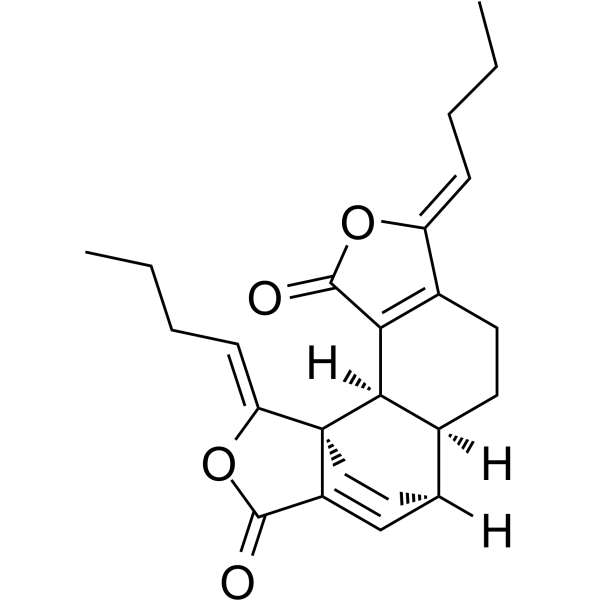
    Nimbin is an orally active intermediate limonoid found in Azadirachta. Nimbin prevents tau aggregation and increases cell viability. Nimbin is effective inhibits the envelope protein of dengue virus. Nimbin has anti-inflammatory, antipyretic, antifungal, antihistamine, antiseptic, antioxidant, anti-cancer and anti-viral properties. Nimbin is promising for research of neurodegenerative diseases and viral infections .
    Nimbin
  • HY-13486

    Tau Protein Neurological Disease
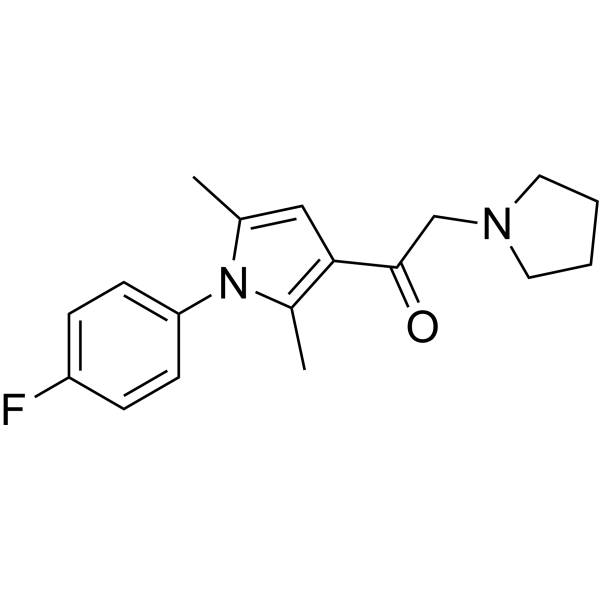
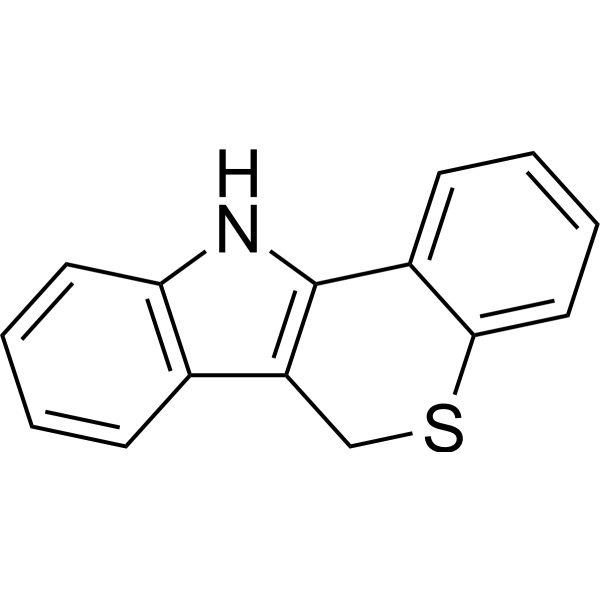
    TAU-IN-1 (compound 051) is a TAU protein inhibitor with an EC50 value of 325 nM. TAU-IN-1 can be used in the study of neurodegenerative diseases .
    TAU-IN-1
  • HY-175840

    Tau Protein Neurological Disease
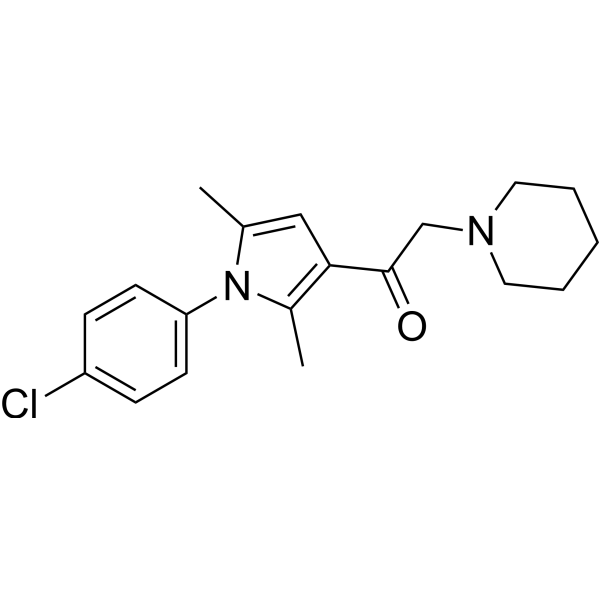
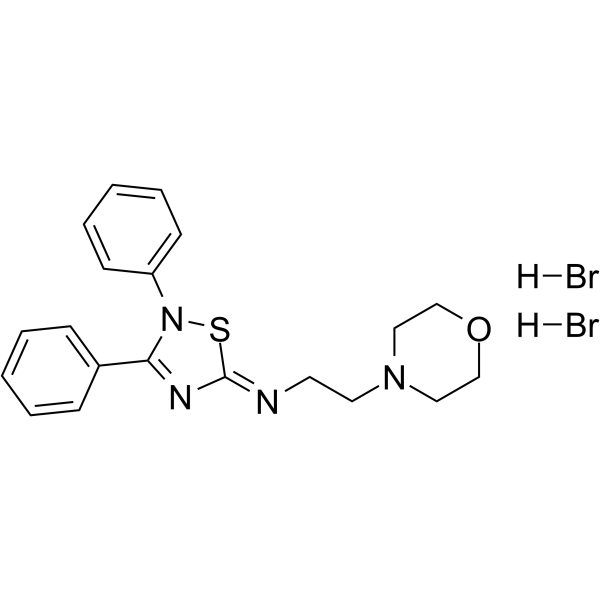
    TAU-IN-5 (compound 13) is a TAU protein inhibitor with an EC50 of 0.81 μM. TAU-IN-5 inhibits the formation of tau (2N4R isoform) oligomers and reduces the formation of tau dimers. TAU-IN-5 can be used in the study of Alzheimer's disease (AD) and Parkinson's disease (PD) .
    TAU-IN-5
  • HY-153427

    Tau Protein Neurological Disease
    Tau protein aggregation-IN-1 (Compound 0c) is a Tau protein aggregation inhibitor. Tau protein aggregation-IN-1 can be used in the study of protein folding disorders such as Alzheimer's disease, dementia, Parkinson's disease, Huntington's disease and prion-based spongiform encephalopathies .
    Tau protein aggregation-IN-1
  • HY-P4943

    Tau Protein Neurological Disease
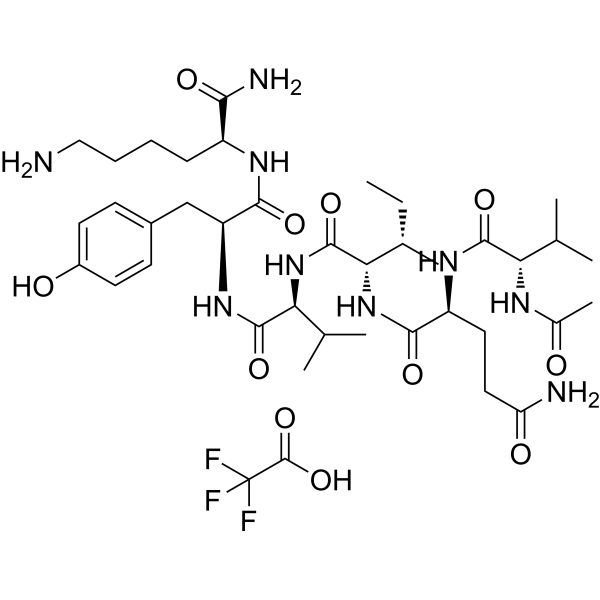
    Tau Peptide (273-284) is a Tau fragment. Tau Peptide (273-284) can be used in the research of tauopathies, especially Alzheimer's disease .
    Tau Peptide (273-284)
  • HY-174215

    Tau Protein Neurological Disease
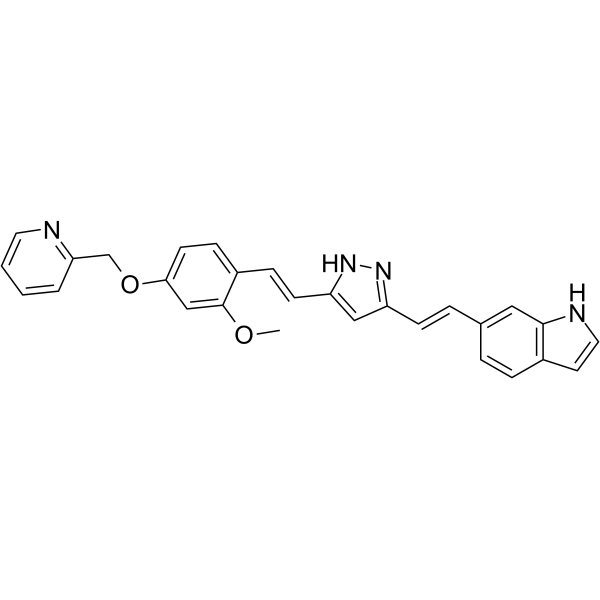
    TAU-IN-3 (Compound 2) is an orally active TAU inhibitor. TAU-IN-3 inhibits the expression of MAPT exon 10 DDPAC mutant gene in HeLa cells (IC50: 0.6 µM). TAU-IN-3 reduces the 4R/3R MAPT mRNA ratio in HeLa cells transfected with WT or DDPAC minigenes. TAU-IN-3 inhibits the insertion of endogenous MAPT exon 10 and the production of 4R tau protein in cells. TAU-IN-3 modulates tau splicing in htau mice and improves the associated behavioral phenotypes. TAU-IN-3 can be used to study neurodegenerative diseases .
    TAU-IN-3
  • HY-173291

    Tau Protein Neurological Disease
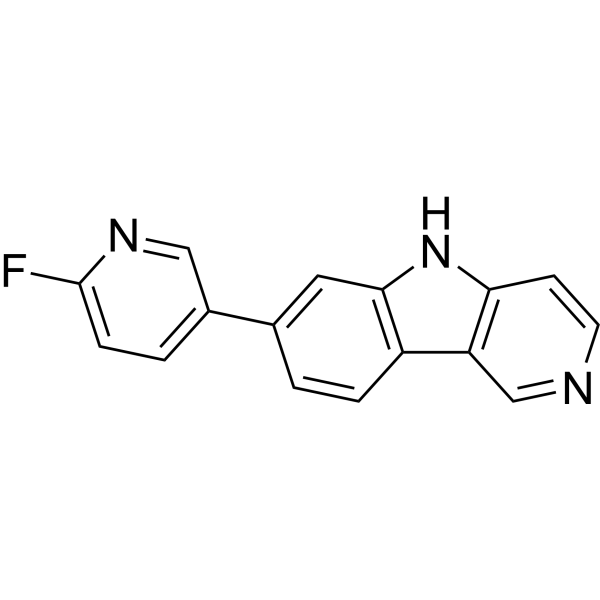
    Tau ligand-1 (Compound 75) is a ligand for aggregated tau protein that can penetrate the blood-brain barrier . In tissues from patients with Alzheimer's disease, progressive supranuclear palsy, corticobasal degeneration, and Pick's disease, Tau ligand-1 exhibits high affinity for aggregated tau protein, with equilibrium dissociation constant (KD) values ranging from 1 to 3.8 nM . Tau ligand-1 can serve as a potential positron emission tomography (PET) tracer and holds promise for application in positron emission tomography imaging studies of tau-related diseases in the central nervous system .
    Tau ligand-1
  • HY-159083

    Amyloid-β Neurological Disease
    DN5355 is a small molecule compound that targets amyloid β protein () and hyperphosphorylated tau protein. DN5355 can inhibit the aggregation of and tau protein and disaggregate the formed and tau protein fibers. DN5355 can be used in the study of Alzheimer's disease .
    DN5355
  • HY-111935

    Microtubule/Tubulin Neurological Disease
    3,3'-Diethyl-9-methylthiacarbocyanine iodide is a cyanine dye, also a tau aggregation inhibitor, with an IC50 value of 0.28 μM for tau. 3,3'-Diethyl-9-methylthiacarbocyanine iodide can cause misfunction of the microtubule cytoskeleton. 3,3'-Diethyl-9-methylthiacarbocyanine iodide can be used for researching Alzheimer’s disease .
    3,3'-Diethyl-9-methylthiacarbocyanine iodide
  • HY-P991374

    Tau Protein Neurological Disease
    PNT001 is a human IgG1 monoclonal antibody (mAb) targeting cis-pT231 Tau. PNT001 can be used in Neurodegenerative disorders and Traumatic brain injuries research. Recommended isotype control: Human IgG1 kappa, Isotype Control (HY-P99001) .
    PNT001
  • HY-172973

    Tau Protein Neurological Disease
    TAU-IN-4 (compound I1.21) is a potent Tau aggregation inhibitor with a KD of 1.58 μM. TAU-IN-4 can be used in the study of Alzheimer’s disease .
    TAU-IN-4
  • HY-P2516

    Tau Protein Neurological Disease
    Tau Peptide (275-305) (Repeat 2 domain) is the Alzheimer's Tau fragment R2, corresponding to the second repeat unit of the microtubule-binding domain, which is believed to be pivotal to the biochemical properties of full tau protein. Tau Peptide (275-305) specifically coordinates with group IIB metal ions (Zn²⁺, Cd²⁺, Hg²⁺), which can induce their conformational changes and significantly promote their pathological accumulation. Tau Peptide (275-305) can be used to study the role of heavy metals in neurodegenerative diseases .
    Tau Peptide (275-305) (Repeat 2 domain)
  • HY-141661

    Amyloid-β Neurological Disease
    Aβ/tau aggregation-IN-1 is a potent 1-42 β-sheets formation and tau aggregation inhibitor. The KD values of Aβ/tau aggregation-IN-1 with 1-42 and tau are 160 μM and 337 μM, respectively. Aβ/tau aggregation-IN-1 can permeate the blood-brain barrier .
    Aβ/tau aggregation-IN-1
  • HY-B2021

    Insecticide Neurological Disease
    τ-Fluvalinate is an insecticide and in-hive miticide, with its mechanism involving interfering with nervous systems. τ-Fluvalinate binds to the open state of Varroa destructor (VdNaV1) and Apis mellifera (AmNaV1) voltage-dependent sodium channels, with EC50 values of 160 nM and 60 nM respectively. τ-Fluvalinate has higher affinity for AmNaV1, which causes sublethal toxicity to honeybees. τ-Fluvalinate can be applied for research on Varroa destructor infestation in honeybee colonies .
    τ-Fluvalinate
  • HY-100723

    Amyloid-β Neurological Disease
    THK-523 has demonstrated its high affinity and selectivity for tau pathology both in vitro and in vivo. 18F-THK523 is a potent tau imaging radiotracer. 18F-THK523 is a potent in vivo tau imaging ligand for Alzheimer's disease .
    THK-523
  • HY-W835959

    Tau Protein Neurological Disease
    ACI-3024 is an an orally active and highly selective Tau protein aggregation inhibitor. ACI-3024 decrease the β-sheet content and seeding properties of pathological Tau from different Tauopathies, leading to a significant rescue of the Tau-induced neurodegeneration and neuroinflammation in a cellular model. ACI-3024 is promising for research of neurodegenerative diseases .
    ACI-3024
  • HY-162712

    Orexin Receptor (OX Receptor) Tau Protein Neurological Disease
    OX-201 is an orally active, blood-brain barrier-permeable OX2R agonist with an EC50 of 8.0 nM. OX-201 activates OX2R to induce wakefulness and neuronal activation. OX-201 promotes the release of neuron activity-dependent tau protein from neurons into the interstitial fluid of hippocampal tissues. OX-201 is applicable to research related to Alzheimer's disease and tauopathies .
    OX-201
  • HY-146135

    Microtubule/Tubulin Dopamine Receptor Neurological Disease
    Tau-aggregation-IN-1 (Compound D-519) is a tau441 protein aggregation inhibitor with an IC50 of 21 µM. Tau-aggregation-IN-1 is also a dopamine D2 and D3 receptor agonist .
    Tau-aggregation-IN-1
  • HY-138679

    Tau Protein Ligands for Target Protein for PROTAC Neurological Disease
    Aberrant tau ligand 2 (Compound 4-12) is the ligand for tau protein and can be used as target protein ligand for synthesis of PROTAC degrader C004019 (HY-138669) .
    Aberrant tau ligand 2
  • HY-P4968

    Tau Protein Others
    Tau Peptide (337-368) (Repeat 4 Domain) is a 32-amino acid peptide derived from the fourth microtubule-binding repeat sequence (R4) of the tau protein. Tau Peptide (337-368) (Repeat 4 Domain) can be used in research on neurodegenerative diseases .
    Tau Peptide (337-368) (Repeat 4 Domain)
  • HY-101182

    Microtubule/Tubulin Neurological Disease
    THK-5117, an arylquinoline derivative, displays high binding affinity to tau fibrils with a Ki of 10.5 nM. THK-5117 has high binding affinity to tau protein aggregates and tau-rich Alzheimer disease (AD)  brain homogenates. 18F-THK-5117 has the potential to act as a tau imaging PET probe .
    THK-5117

Inquiry Online

Your information is safe with us. * Required Fields.

Salutation


Country or Region *

Applicant Name *


Organization Name *

Department *


Email Address *


Product Name *

Cat. No.


Requested quantity *

Phone Number *


Remarks

Inquiry Online

Inquiry Information

Product Name:
Cat. No.:
Quantity:
MCE Japan Authorized Agent:

