




1. Search Result
Search Result
Results for "

Th1 response

" in MedChemExpress (MCE) Product Catalog:

37

Inhibitors & Agonists

2

Biochemical Assay Reagents

5

Peptides

2

Inhibitory Antibodies

5

Natural
Products

2

Isotope-Labeled Compounds

2

Click Chemistry

8

Oligonucleotides

Targets Recommended:
Cat. No. Product Name Target Research Areas Chemical Structure
  • HY-153808
    Complete Freund's adjuvant (CFA)
    Maximum Cited Publications
    15 Publications Verification

    Toll-like Receptor (TLR) Inflammation/Immunology
    Complete Freund's adjuvant (CFA) is an immunoadjuvant emulsified with antigen by its discoverer Jules T. Freund to enhance an animal's immune response to an antigen. Complete Freund's adjuvant (CFA) is also an inducer of the Th1 immune response and a ligand of TLRs. Complete Freund's adjuvant (CFA) contains heat-killed inactive tuberculosis bacilli and consists of a paraffin oil-in-water emulsion. Complete Freund's adjuvant (CFA) stimulates a strong and durable immune response and can be used to induce persistent inflammatory pain models in mice, experimental autoimmune myocarditis (EAM) models, and more. Incomplete Freund's adjuvant (IFA) (HY-153808A) is another type of Freund's Adjuvant that stimulates a weaker immune response .
    Complete Freund's adjuvant (CFA)
  • HY-P1240
    MOG (35-55) mouse, rat
    Maximum Cited Publications
    9 Publications Verification

    Myelin Oligodendrocyte Glycoprotein Peptide (35-55), mouse, rat

    Endogenous Metabolite Neurological Disease Inflammation/Immunology
    MOG (35-55) mouse, rat (Myelin Oligodendrocyte Glycoprotein Peptide (35-55), mouse, rat) is a minor component of CNS myelin. MOG (35-55) mouse, rat has encephalitogenic activity and induces T cell proliferative. MOG (35-55) mouse, rat induces Th1 cytokine response as well as relatively high levels of IgG antibodies. MOG (35-55) mouse, rat produces a relapsing-remitting neurological disease with extensive plaque-like demyelination. MOG (35-55) mouse, rat (MOG (35-55)) can be used for experimental autoimmune encephalomyelitis (EAE) modeling .
    MOG (35-55)  mouse, rat
  • HY-146244
    Agatolimod
    1 Publications Verification

    ODN 2006; PF-3512676; CpG 7909; ODN 7909

    Toll-like Receptor (TLR) Bacterial NO Synthase Apoptosis Infection Cancer
    Agatolimod ((ODN 2006; PF-3512676; CpG 7909)) is a TLR9 agonist and immunomodulator with an EC50 of 180 nM against human TLR9. Agatolimod activates and upregulates the expression of both TLR9 and TLR6, and mediates downstream signaling pathways via IRAK4, IRF5, IRF7. Agatolimod induces Th1-type innate and adaptive immune responses, activates various immune cells and promotes antigen presentation, regulates antibody levels and immune cell infiltration, upregulates the secretion of multiple cytokines, induces apoptosis and cell cycle arrest, enhances cytotoxicity, and clears intracellular Salmonella. Agatolimod is applicable to research on COVID-19, breast cancer, lung adenocarcinoma, HPV-related tumors, melanoma, and salmonellosis .
    Agatolimod
  • HY-101092
    QS-21-Api
    5+ Cited Publications

    Stimulon

    NOD-like Receptor (NLR) Inflammation/Immunology Cancer
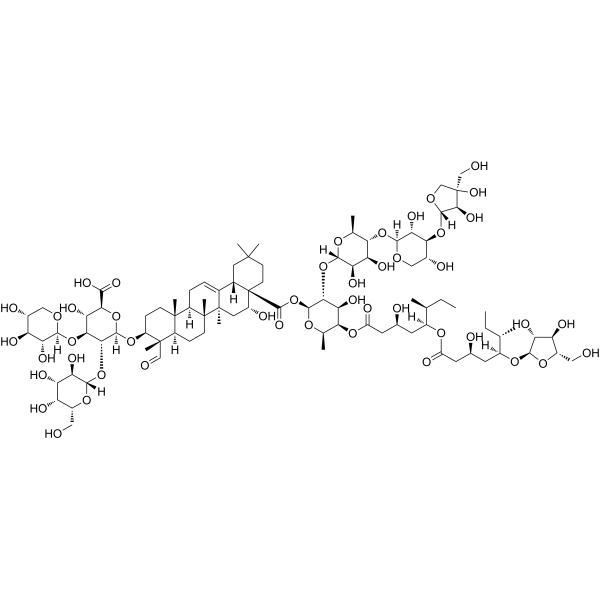
    QS-21-Api, an immunostimulatory saponin, could be used as a potent vaccine adjuvant. QS-21-Api stimulates Th2 humoral and Th1 cell-mediated immune responses through action on antigen presenting cells (APCs) and T cells. QS-21-Api can activate the NLRP3 inflammasome with subsequent release of caspase-1 dependent cytokines, IL-1β and IL-18 .
    QS-21-Api
  • HY-150724
    ODN 1018
    2 Publications Verification

    1018 ISS

    Toll-like Receptor (TLR) Inflammation/Immunology
    ODN 1018 (1018 ISS) is a TLR9 agonist and immune modulator. ODN 1018 exhibits adjuvant activity and augments CD8+ T cell responses with LNP-encapsulated OVA peptides. ODN 1018 triggers sustained suppression of allergic airway inflammation. ODN 1018 can be used for the research of allergic asthma and systemic lupus erythematosus .
    ODN 1018
  • HY-153808B

    Toll-like Receptor (TLR) Inflammation/Immunology
    Complete Freund's adjuvant (CFA, 1 mg/ml) is an immunoadjuvant emulsified with antigen that can enhance an animal's immune response to an antigen. Complete Freund's adjuvant (CFA, 1 mg/ml) is also an inducer of the Th1 immune response and a ligand of TLRs. Complete Freund's adjuvant (CFA, 1 mg/ml) contains heat-killed inactive tuberculosis bacilli and consists of a paraffin oil-in-water emulsion. Complete Freund's adjuvant (CFA, 1 mg/ml) stimulates a strong and durable immune response and can be used to induce rheumatoid arthritis in rats, and more .
    Complete Freund's adjuvant (CFA, 1 mg/ml)
  • HY-P1240A
    MOG (35-55) TFA
    Maximum Cited Publications
    9 Publications Verification

    Myelin Oligodendrocyte Glycoprotein Peptide (35-55), mouse, rat TFA

    Endogenous Metabolite Neurological Disease Inflammation/Immunology
    MOG (35-55) (MOG (35-55)) TFA is a minor component of CNS myelin. MOG (35-55) (TFA) has encephalitogenic activity and induces T cell proliferative. MOG (35-55) (TFA) induces Th1 cytokine response as well as relatively high levels of IgG antibodies. MOG (35-55) (TFA) produces a relapsing-remitting neurological disease with extensive plaque-like demyelination. MOG (35-55) (MOG (35-55)) TFA can be used for experimental autoimmune encephalomyelitis (EAE) modeling .
    MOG (35-55) TFA
  • HY-137131

    DC-Cholesterol hydrochloride

    Amyloid-β Liposome IFNAR Interleukin Related Neurological Disease Inflammation/Immunology
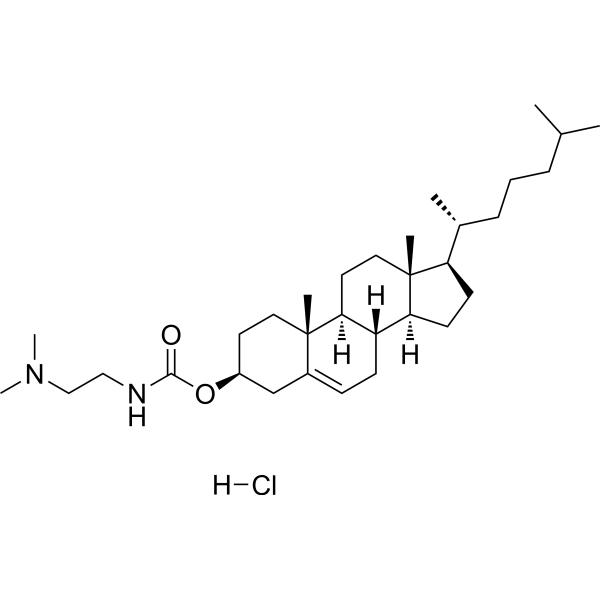
    DC-Chol hydrochloride is a cationic lipid. DC-Chol hydrochloride could inhibit Aβ40 fibril formation under appropriate experimental conditions. DC-Chol hydrochloride strongly inhibits amyloidogenesis of oxidized hCT in a dose-dependent manner. DC-Chol hydrochloride induces the production of Th1 (IL-2 and IFN-γ) and Th2 (IL-5) cytokines. DC-Chol hydrochloride can enhance the body's immune response to antigens. DC-Chol hydrochloride is used as a gene delivery vector. DC-Chol hydrochloride can be used in research in areas such as hepatitis B vaccines to improve vaccine immunity .
    DC-Chol hydrochloride
  • HY-112137

    Caspase Interleukin Related MyD88 Inflammation/Immunology
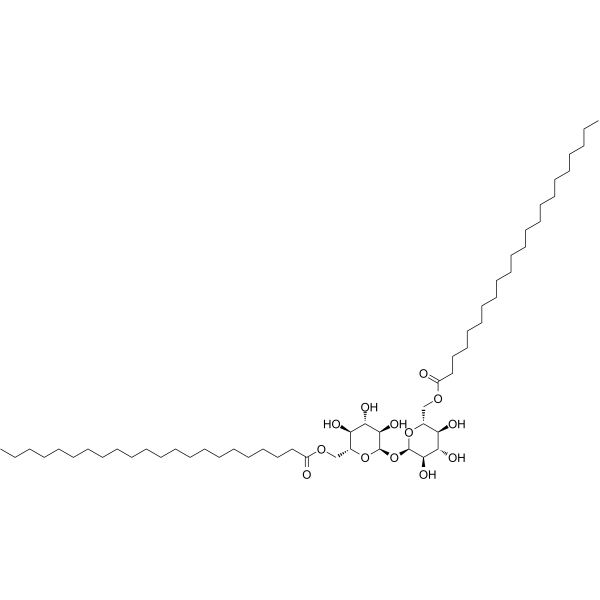
    Trehalose-6,6'-dibehenate is an orally active glycolipid. Trehalose-6,6'-dibehenate activates Mincle and inflammasome, inducing IL-1β secretion in a caspase activity-dependent manner. Trehalose-6,6'-dibehenate exerts a Myd88-dependent adjuvant activity. Trehalose-6,6'-dibehenate induces Th-1/Th-17 immune responses .
    Trehalose-6,6'-dibehenate
  • HY-P2358

    NF-κB p38 MAPK Infection Inflammation/Immunology
    PSMα3 is an inhibitor of NF-κB p65 and p38 MAPK. PSMα3 forms membrane pores and binds to residues of human insulin B chain to inhibit insulin aggregation. PSMα3 forms α-type amyloid-like fibrils to exert cytotoxic effects, and acts as a functional amyloid virulence determinant of Staphylococcus aureus. PSMα3 is applicable to research related to spondyloarthritis, rheumatoid arthritis, insulin-derived amyloidosis, and Staphylococcus aureus infection .
    PSMα3
  • HY-150217
    CpG ODN 10101
    2 Publications Verification

    ODN 10101

    Toll-like Receptor (TLR) Infection Inflammation/Immunology
    CpG ODN 10101 (ODN 10101; CPG 10101) is a selective agonist targeting TLR9, a synthetic oligodeoxynucleotide modified with phosphate thioester. CpG ODN 10101 activates B cells and plasmacytoid dendritic cells (pDCs), inducing the production of cytokines and chemokines such as interferon-IFN-α, interferon-inducible protein IP-10, and 2'5'-oligoadenylate synthase (2'5'-OAS), regulating innate immunity and promoting Th1 adaptive immune responses. CpG ODN 10101 also possesses antiviral properties and enhances vaccine immunogenicity, making it suitable as an immunomodulator and vaccine adjuvant for vaccine development in chronic hepatitis C and infectious diseases such as melioidosis, pertussis, and respiratory syncytial virus (RSV) .
    CpG ODN 10101
  • HY-101092B

    Drug Intermediate Inflammation/Immunology Cancer
    QS-21-Xyl is a active component of QS-21 (HY-101092A). QS-21 is a natural vaccine adjuvant and induces a balanced Th1/Th2 immune response, particularly cellular immunity .
    QS-21-Xyl
  • HY-164485

    Toll-like Receptor (TLR) SARS-CoV Infection
    INI-4001 is a TLR7/8 agonist and vaccine adjuvant. INI-4001 regulates innate and adaptive immune responses by activating murine TLR7 and human TLR7/TLR8. INI-4001 enhances IgG and neutralizing antibody responses against Powassan virus (POWV), reduces viral loads in the brain, liver and spleen, provides complete protection against lethal POWV challenge, and skews immune responses toward a Th1 phenotype. When INI-4001 is used in combination with Al (OH)3 and SARS-CoV-2 RBD antigen, it efficiently adsorbs to Al (OH)3, promotes Th1 immunity and enhances SARS-CoV-2 neutralizing antibody responses. INI-4001 is applicable to research related to Powassan virus infection and COVID-19 .
    INI-4001
  • HY-P990219

    Interleukin Related Infection Inflammation/Immunology
    Anti-Mouse IL-2 Antibody (JES6-1A12) is an anti-mouse IL-2 IgG1 monoclonal antibody. Anti-Mouse IL-2 Antibody (JES6-1A12) can inhibit Treg amplification and enhance Th1 response. Anti-Mouse IL-2 Antibody (JES6-1A12) can form a complex with IL-2 for experimentation. Anti-Mouse IL-2 Antibody (JES6-1A12) can be used for research on infection conditions such as malaria .
    Anti-Mouse IL-2 Antibody (JES6-1A12)
  • HY-P991257
    MK-1966
    1 Publications Verification

    Interleukin Related CXCR MHC Cancer
    MK-1966 is an anti-IL-10 antibody. MK-1966 inhibits secretion of cytokines from activated macrophages, production of CC and CXC chemokines, and a TH1 response, down-regulates MHC and costimulatory molecules on dendritic cells (DCs), and induces regulatory T cells. MK-1966 can be used for the research of cancer , such as gastric cancer .
    MK-1966
  • HY-125390

    CL-087

    Toll-like Receptor (TLR) Inflammation/Immunology Cancer
    SM-360320 (CL-087) is a potent, orally active TLR7 agonist. SM-360320 is a immuno-modulator and exerts an antitumor effect. SM-360320 can act in synergy with DNA vaccines leading to an enhanced Th1 antibody response . SM-360320 can inhibit HCV replication in hepatocytes via a type I IFN-independent mechanism in addition to its IFN-mediated activity .
    SM-360320
  • HY-N0885
    Telocinobufagin
    1 Publications Verification

    Telobufotoxin; Telocinobufogenin

    JAK STAT mTOR PI3K Akt Polo-like Kinase (PLK) Na+/K+ ATPase Apoptosis Bacterial Infection Cardiovascular Disease Neurological Disease Inflammation/Immunology Cancer
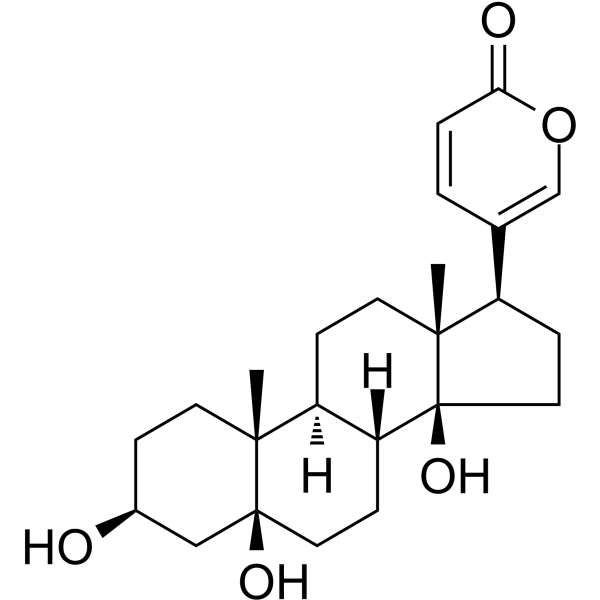
    Telocinobufagin (Telobufotoxin; Telocinobufogenin) is an orally active bufadienolide with potential anti-tumor effects. Telocinobufagin exerts its anti-cancer effects on non-small cell carcinoma, osteosarcoma, thyroid cancer, breast cancer and head and neck squamous cell carcinoma by inhibiting the STAT3, JAK2/STAT3, LARP1-mTOR, PI3K/Akt/Snail and PLK1 pathways, and can also induce tumor cell apoptosis. Telocinobufagin enhances the Th1 immune response and protects against Salmonella typhimurium infection. Telocinobufagin has a strong cardiac-stimulating effect by inhibiting the activity of Na +/K +-ATPase, and it can promote renal fibrosis. Telocinobufagin demonstrates non-opioid analgesic effects in various acute pain models .
    Telocinobufagin
  • HY-159102

    Toll-like Receptor (TLR) Inflammation/Immunology
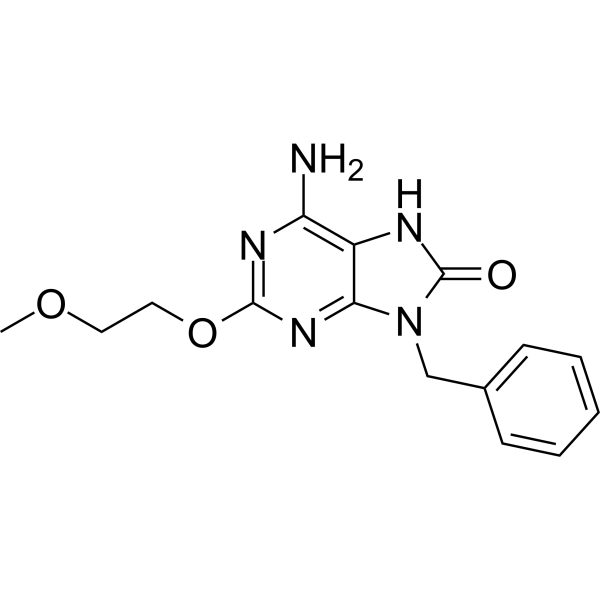
    PVP-037.2 is a TLR7/8 agonist. PVP-037.2 can serve as an adjuvant to enhance vaccine-induced TH1 type immune responses, increasing the production of antigen-specific antibodies IgG1 and IgG2c .
    PVP-037.2
  • HY-142998

    Liposome Interleukin Related IFNAR Infection Inflammation/Immunology
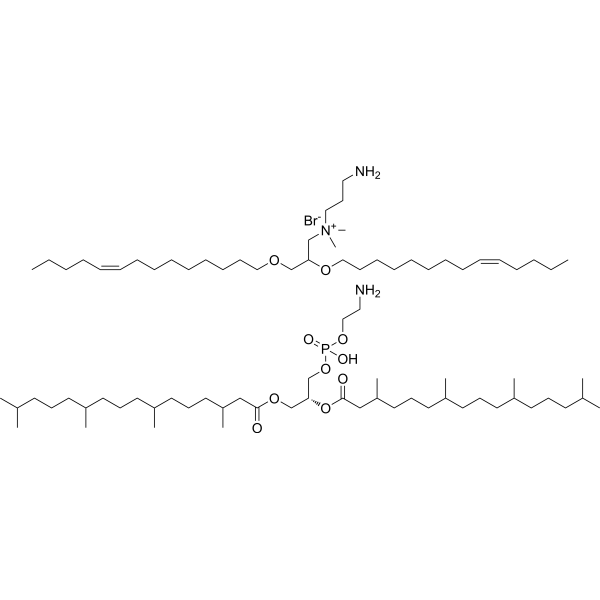
    Vaxfectin is a second-generation cationic lipid-based suspension that adjuvants effectively both pDNA and protein-based vaccines. Vaxfectin can boost the immune response against a range of pDNA-expressed pathogenic antigens in vivo. Vaxfectin can increase IgG titers and give rise to an IL-6 dependent enhancement of the humoral immune response without altering the Th1 type immune response. Vaxfectin can be studied for vaccine formulation .
    Vaxfectin
  • HY-158694A

    Toll-like Receptor (TLR) Inflammation/Immunology
    TLR7 agonist 20 hydrochloride is a selective Toll-like receptor 7 (TLR7) agonist with an EC50 of 0.22 μM. TLR7 agonist 20 hydrochloride, as an immunostimulant and vaccine adjuvant, enhances the production of anti-spike protein antibodies, increases IgG2b and IgG2c levels, and thereby drives Th1-type immune responses in mice. TLR7 agonist 20 hydrochloride can be used in studies related to non-inflammatory potent vaccine adjuvants .
    TLR7 agonist 20 hydrochloride
  • HY-125209A

    Apoptosis PARP DNA/RNA Synthesis Cancer
    TH5427 hydrochloride is a NUDT5 inhibitor with a human target IC50 of 29 nM, ~690-fold selectivity over MTH1 in vitro, and selective functional inhibition over other NUDIX hydrolases including NUDT9 [1].TH5427 hydrochloride binds to the active site of NUDT5, blocking enzymatic activity related to ADP-ribose metabolism and PAR-derived ATP synthesis [1].TH5427 hydrochloride blocks progestin-dependent nuclear ATP synthesis, impairs progestin-induced chromatin remodeling, inhibits histone H1 displacement, disrupts progestin-dependent gene regulation, and abrogates progestin-dependent proliferation in breast cancer cells [1].TH5427 hydrochloride functions as a versatile probe to study nuclear ATP dynamics and ADP-ribose-related metabolism in cells [1].TH5427 hydrochloride engages NUDT5 at physiological temperatures, as demonstrated by Drug Affinity Responsive Target Stability (DARTS) assay [1].TH5427 hydrochloride stabilizes NUDT5 against thermal denaturation in cell lysates and intact cells, as shown by cellular thermal shift assay (CETSA) [1].TH5427 hydrochloride functionally inhibits NUDT5 activity, leading to downstream effects on oxidative DNA damage and DNA replication in triple-negative breast cancer (TNBC) cells .TH5427 hydrochloride suppresses proliferation of TNBC cells without inducing cell death or apoptosis, slows DNA replication in TNBC cells, promotes accumulation of oxidative DNA lesions, and triggers DNA damage response in TNBC cells .TH5427 hydrochloride suppresses growth of TNBC cells in vitro, inhibits growth of TNBC xenograft tumors in nude mice in vivo, and shows greater potency against TNBC cell lines compared to ER-positive and normal-like breast cell lines .TH5427 hydrochloride can be used for the research of breast cancer and triple-negative breast cancer .
    TH5427 hydrochloride
  • HY-N15846

    Drug Derivative Infection Inflammation/Immunology
    VSA 1, a semisynthetic QS-21 (HY-101092) analog, is a saponin adjuvant. VSA 1 potentiates antigen-specific IgG1 and IgG2a immune responses in BALB/c mice, indicating a mixed Th1/Th2 immune response. VSA 1 significantly improves vaccine efficacy after primary immunization and enhances homologous protection .
    VSA 1
  • HY-178240

    Interleukin Related Endogenous Metabolite TNF Receptor Inflammation/Immunology
    rel-(1S,2R)-Dihydro bupropion is a metabolite of bupropion. rel-(1S,2R)-Dihydro bupropion can promote endogenous IL-10 production and inhibit Th1 cytokines (IL-12 and TNF-α). rel-(1S,2R)-Dihydro bupropion can induce immune response transition from Th1 to Th2. rel-(1S,2R)-Dihydro bupropion can be used for research on inflammatory conditions .
    rel-(1S,2R)-Dihydro bupropion
  • HY-158694

    Toll-like Receptor (TLR) Inflammation/Immunology
    TLR7 agonist 20 is a selective Toll-like receptor 7 (TLR7) agonist with an EC50 of 0.22 μM. TLR7 agonist 20, as an immunostimulant and vaccine adjuvant, enhances the production of anti-spike protein antibodies, increases IgG2b and IgG2c levels, and thereby drives Th1-type immune responses in mice. TLR7 agonist 20 can be used in studies related to non-inflammatory potent vaccine adjuvants .
    TLR7 agonist 20
  • HY-178966

    STING Infection Inflammation/Immunology
    STING agonist-48 is a potent STING agonist that exhibits STING-dependent activity in vitro (EC50 = 4.02 μM). STING agonist-48 prefers to bind with the transmembrane domain (TMD) over the cytosolic cyclic dinucleotide (CDN) domain. STING agonist-48 shows adjuvant efficacy, enhancing IgG and Th1/Th2 cytokine responses in humanized STING mice. STING agonist-48 can be used for the study of inflammation-related diseases .
    STING agonist-48
  • HY-164454

    Aurora Kinase STAT JAK Mitosis Inflammation/Immunology
    AJI-100 is a dual-target inhibitor of Aurora kinase A and JAK2 with IC50 values of 12.7 nM and 18.5 nM, respectively. AJI-100 directly blocks Aurora kinase A to inhibit T cell mitosis and cell polarity, and inhibits JAK2 activation to inhibit STAT3 phosphorylation, thereby reducing the differentiation of TH1 and TH17 cells. AJI-100 can be used in studies on regulating immune responses and preventing graft-versus-host disease (GVHD) .
    AJI-100
  • HY-W795993

    Transmembrane Glycoprotein Inflammation/Immunology
    TJU103 is a CD4 inhibitor. TJU103 inhibits autoreactive CD4 + T cells by disrupting the function of the CD4 during activation. TJU103 decreases mononuclear cell infiltration in brain and spinal cord tissue of experimental allergic encephalomyelitis (EAE) mice model. TJU103 downregulates Th1 and Th2 cytokine levels in response to proteolipid protein epitope 139-151 (PLPe) and exhibits inhibitory effects both after the appearance of EAE symptoms and upon rechallenge with Ag. TJU103 can be used for autoimmune diseases like EAE and sclerosis (MS) research .
    TJU103
  • HY-177300

    Toll-like Receptor (TLR) HBV IFNAR Interleukin Related Infection Inflammation/Immunology
    TLR7/8 agonist 13 is an orally active dual agonist of TLR7 (lowest effective concentrations (LEC) [hTLR7] = 1.6 μM) and TLR8 (LEC [hTLR8] = 1.6 μM). TLR7/8 agonist 13 exhibits agonistic activity against human peripheral blood mononuclear cells (hPBMCs) (LEC [hPBMC] = 0.5 μM). TLR7/8 agonist 13 induces endogenous IFNα, activating myeloid dendritic cells and monocytes toward a TH1 phenotype in mice and cynomolgus monkeys. TLR7/8 agonist 13 reduces viral load and HBV surface antigen expression in a mouse model of chronic AAV-HBV infection. TLR7/8 agonist 13 has the potential to indirectly induce IFNγ, which may promote HBV antigen-specific CD8 T cell-mediated responses. TLR7/8 agonist 13 can be used to study hepatitis B virus .
    TLR7/8 agonist 13
  • HY-163704

    IFNAR Interleukin Related Inflammation/Immunology Cancer
    KRN7000 analog 1 exhibits good Th1-biased immune response through induction of interferon-γ (IFN-γ) and reduction of interleukin-4 (IL-4). KRN7000 analog 1 is potential as an antitumor agent and vaccine adjuvant .
    KRN7000 analog 1
  • HY-159754

    Toll-like Receptor (TLR) Inflammation/Immunology
    HS201 is a nucleotide extract that can be used as a vaccine adjuvant. HS201 can activate Toll-like receptors and trigger Th1 immune responses. HS201 is mainly used in inactivated vaccines for diseases such as foot-and-mouth disease.
    HS201
  • HY-W777138

    Isotope-Labeled Compounds Endogenous Metabolite TNF Receptor Interleukin Related Inflammation/Immunology
    rel-(1S,2R)-Dihydro bupropion-d9 is the deuterium labeled rel-(1S,2R)-Dihydro bupropion (HY-178240). rel-(1S,2R)-Dihydro bupropion is a metabolite of bupropion. rel-(1S,2R)-Dihydro bupropion can promote endogenous IL-10 production and inhibit Th1 cytokines (IL-12 and TNF-α). rel-(1S,2R)-Dihydro bupropion can induce immune response transition from Th1 to Th2. rel-(1S,2R)-Dihydro bupropion can be used for research on inflammatory conditions .
    rel-(1S,2R)-Dihydro bupropion-d9
  • HY-W745349

    Isotope-Labeled Compounds Endogenous Metabolite TNF Receptor Interleukin Related Inflammation/Immunology
    rel-(1S,2R)-Dihydro bupropion-d9 hydrochloride is the deuterium labeled rel-(1S,2R)-Dihydro bupropion hydrochloride (HY-178240). rel-(1S,2R)-Dihydro bupropion is a metabolite of bupropion. rel-(1S,2R)-Dihydro bupropion can promote endogenous IL-10 production and inhibit Th1 cytokines (IL-12 and TNF-α). rel-(1S,2R)-Dihydro bupropion can induce immune response transition from Th1 to Th2. rel-(1S,2R)-Dihydro bupropion can be used for research on inflammatory conditions .
    rel-(1S,2R)-Dihydro bupropion-d9 hydrochloride
  • HY-P10982

    Toll-like Receptor (TLR) Inflammation/Immunology
    SjDX5-53 is a selective TLR2 inducer derived from a 3 kDa peptide from Schistosoma japonicum eggs. SjDX5-53 inhibits inflammatory Th1 and Th17 responses by inducing tolerogenic dendritic cells (tolDCs) and promoting the generation of regulatory T cells (Tregs) and their suppressive capacity. SjDX5-53 is primarily used in the treatment of autoimmune and inflammatory diseases such as colitis and psoriasis .
    SjDX5-53
  • HY-164455

    STAT JAK Aurora Kinase Mitosis Inflammation/Immunology
    AJI-214 is a dual-target inhibitor of Aurora kinase A and JAK2. AJI-214 directly blocks Aurora kinase A to inhibit T cell mitotic progression and cell polarity, and inhibits JAK2 activation to inhibit STAT3 phosphorylation, thereby reducing the differentiation of TH1 and TH17 cells. AJI-214 can be used in studies on regulating immune responses and preventing graft-versus-host disease (GVHD) .
    AJI-214
  • HY-161255

    NO Synthase Inflammation/Immunology
    3,4-DAA is an orally active Anthranilic acid derivative with potent immunosuppressive activities. 3, 4-DAA can alleviate the severity of colitis through inhibiting Th1 cells response, promoting Th2 cytokines expression and inducing CD4 +CD25 + T cells expression . 3,4-DAA suppressed expression of inducible nitric oxide synthase (iNOS) and nitric oxide (NO) release from EOC20 cells induced by IFN-γ and Lipopolysaccharide .
    3,4-DAA
  • HY-181740

    CD1 Cancer
    GCB-27b is an immunostimulant that binds to CD1d. GCB-27b forms a stable and long-lasting complex with CD1d, which is presented to the TCR of NKT cells to drive immune responses. GCB-27b induces a Th1-skewed immune response in *Mus musculus*, resulting in high expression of IFN−γ with restricted IL-4 levels. GCB-27b is applicable to research related to lung metastasis of melanoma .
    GCB-27b
  • HY-181739

    CD1 Cancer
    GCB-27a is a CD1d-binding immunostimulant and antitumor agent. GCB-27a binds to CD1d to form a stable complex and presents it to NKT cells, enhancing hydrophobic interactions within the A' pocket of CD1d through branched-chain conformation restriction. GCB-27a induces a Th1-biased immune response, drives IFN−γ production and limits IL-4 levels. GCB-27a is applicable to research related to melanoma lung metastasis .
    GCB-27a

Inquiry Online

Your information is safe with us. * Required Fields.

Salutation


Country or Region *

Applicant Name *


Organization Name *

Department *


Email Address *


Product Name *

Cat. No.


Requested quantity *

Phone Number *


Remarks

Inquiry Online

Inquiry Information

Product Name:
Cat. No.:
Quantity:
MCE Japan Authorized Agent:

