1. Search Result
Search Result
Results for "

ULK

" in MedChemExpress (MCE) Product Catalog:

61

Inhibitors & Agonists

1

Screening Libraries

4

Natural
Products

1

Recombinant Proteins

11

Antibodies

10

Oligonucleotides

Targets Recommended:
Cat. No. Product Name Target Research Areas Chemical Structure
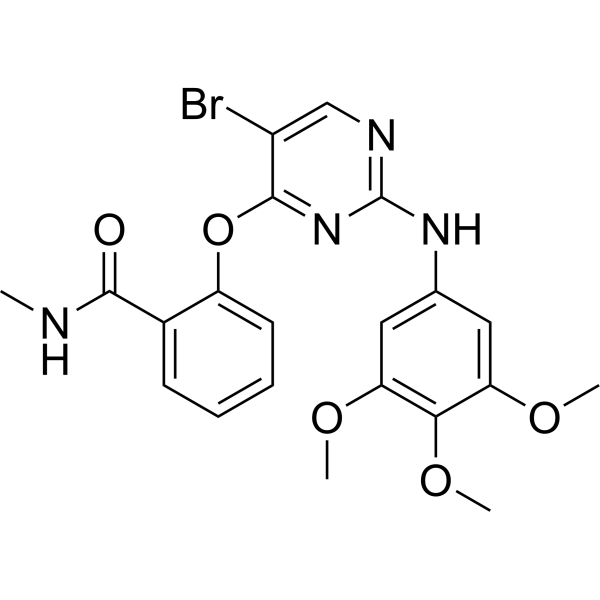
  • HY-16966
    SBI-0206965
    35+ Cited Publications

    ULK AMPK Autophagy Apoptosis Cancer
    SBI-0206965 is a potent, selective and cell permeable autophagy kinase ULK1 inhibitor with IC50s of 108 nM for ULK1 kinase and 711 nM for the highly related kinase ULK2. SBI-0206965 is also an AMPK inhibitor that can paradoxically increase Thr172 phosphorylation .
    SBI-0206965
  • HY-13018
    MRT67307
    25+ Cited Publications

    IKK ULK Autophagy Inflammation/Immunology Cancer
    MRT67307 is a dual inhibitor of the IKKε and TBK-1 with IC50s of 160 and 19 nM, respectively . MRT67307 also inhibits ULK1 and ULK2 with IC50s of 45 and 38 nM, respectively. MRT67307 also blocks autophagy in cells .
    MRT67307
  • HY-147141
    HS-276
    2 Publications Verification

    IRAK TNF Receptor Casein Kinase Interleukin Related Inflammation/Immunology
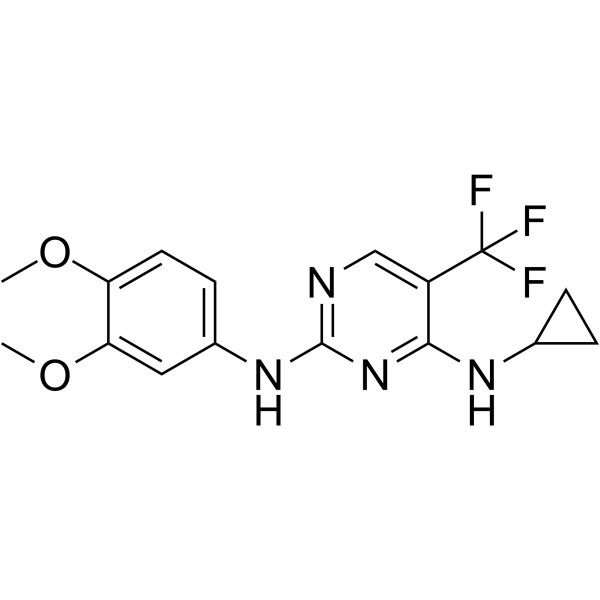
    HS-276 is an orally active, potent and highly selective TAK1 inhibitor, with a Ki of 2.5 nM. HS-276 shows significant inhibition of TAK1, CLK2, GCK, ULK2, MAP4K5, IRAK1, NUAK, CSNK1G2, CAMKKβ-1, and MLK1, with IC50 values of 8.25, 29, 33, 63, 125, 264, 270, 810, 1280, and 5585 nM, respectively. HS-276 reduces the expression of TNF, IL-6, and IL-1β. HS-276 can be used for rheumatoid arthritis (RA) research .
    HS-276
  • HY-114490
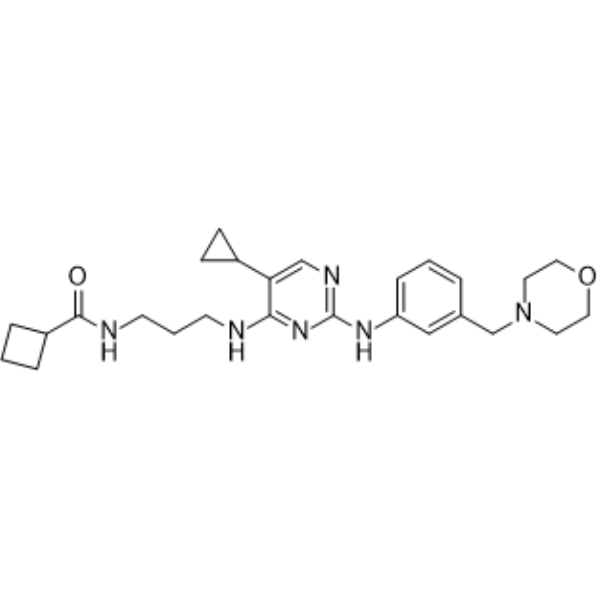
    ULK-101
    5+ Cited Publications

    ULK Cancer
    ULK-101 is a potent and selective ULK1 inhibitor, with IC50 values of 1.6 nM and 30 nM for ULK1 and ULK2, respectively. ULK-101 suppresses autophagy and sensitizes cancer cells to nutrient stress .
    ULK-101
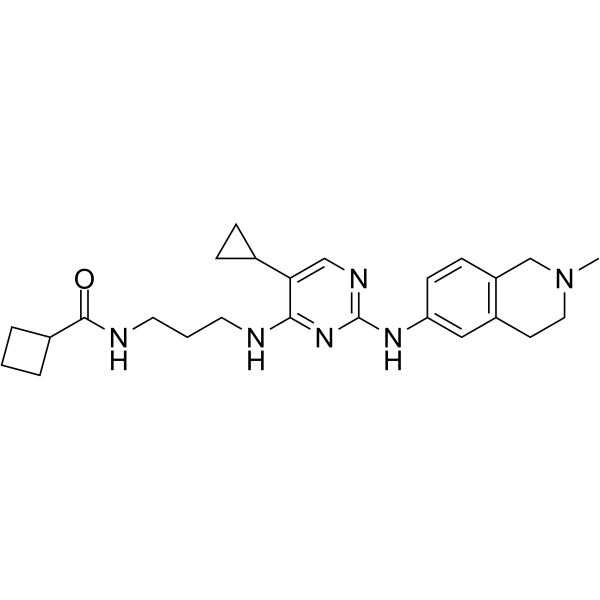
  • HY-100006
    MRT68921
    25+ Cited Publications

    ULK Reactive Oxygen Species (ROS) Apoptosis GSK-3 Bcl-2 Family Cancer
    MRT68921 is a potent NUAK1/ULK1 dual inhibitor. MRT68921 inhibits ULK1 and ULK2 with IC50 values of 2.9 nM and 1.1 nM, respectively. MRT68921 can block cells autophagy and kill tumor cells by breaking the balance of oxidative stress signals. MRT68921 can inhibit cell proliferation and induce ROS production and apoptosis. MRT68921 can be used for the research of cancer, such as breast cancer .
    MRT68921
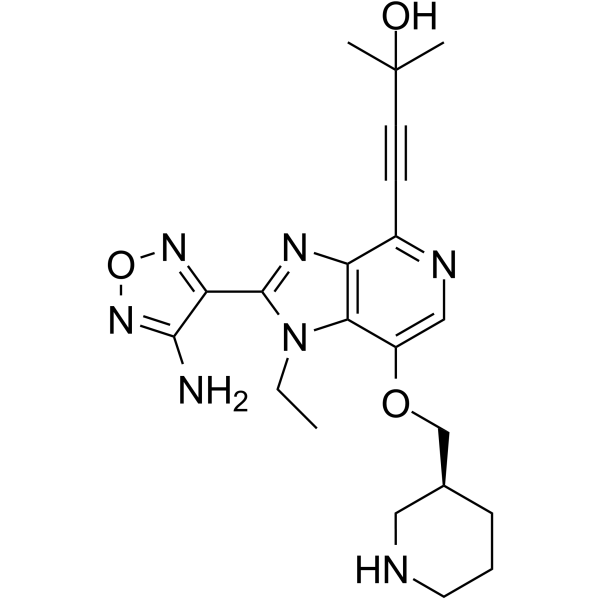
  • HY-10249
    GSK-690693
    Maximum Cited Publications
    42 Publications Verification

    Akt AMPK Autophagy Cancer
    GSK-690693 is an ATP-competitive pan-Akt inhibitor with IC50s of 2 nM, 13 nM, 9 nM for Akt1, Akt2 and Akt3, respectively. GSK-690693 is also an AMPK inhibitor, affects Unc-51-like autophagy activating kinase 1 (ULK1) activity and robustly inhibits STING-dependent IRF3 activation .
    GSK-690693
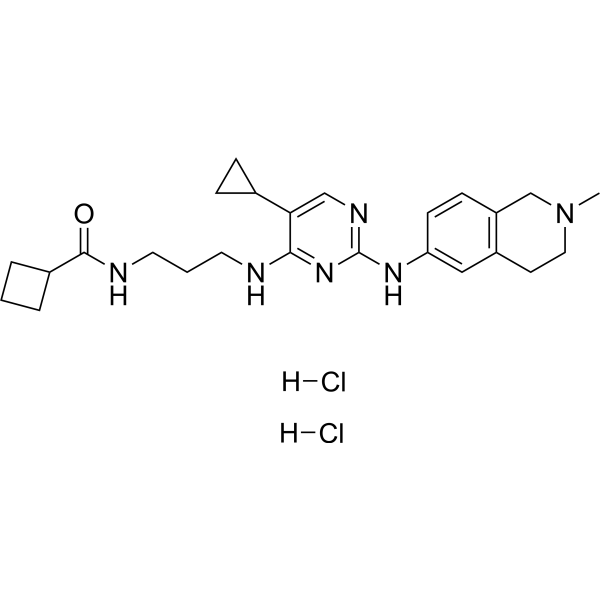
  • HY-100006A
    MRT68921 dihydrochloride
    25+ Cited Publications

    ULK Reactive Oxygen Species (ROS) Apoptosis GSK-3 Bcl-2 Family Cancer
    MRT68921 dihydrochloride is a potent NUAK1/ULK1 dual inhibitor. MRT68921 dihydrochloride inhibits ULK1 and ULK2 with IC50 values of 2.9 nM and 1.1 nM, respectively. MRT68921 dihydrochloride can block cells autophagy and kill tumor cells by breaking the balance of oxidative stress signals. MRT68921 dihydrochloride can inhibit cell proliferation and induce ROS production and apoptosis. MRT68921 dihydrochloride can be used for the research of cancer, such as breast cancer .
    MRT68921 dihydrochloride
  • HY-130665
    TL12-186
    1 Publications Verification

    PROTACs CDK Cancer
    TL12-186 is a Cereblon-dependent multi-kinase PROTAC degrader. Multi-kinases include CDK, BTK, FLT3, Aurora kinases, TEC, ULK, ITK, et al. TL12-186 inhibits CDK2/cyclin A (IC50=73 nM) and CDK9/cyclin T1 (IC50=55 nM) .
    TL12-186
  • HY-160699
    DCC-3116
    1 Publications Verification

    ULK Ras Autophagy Cancer
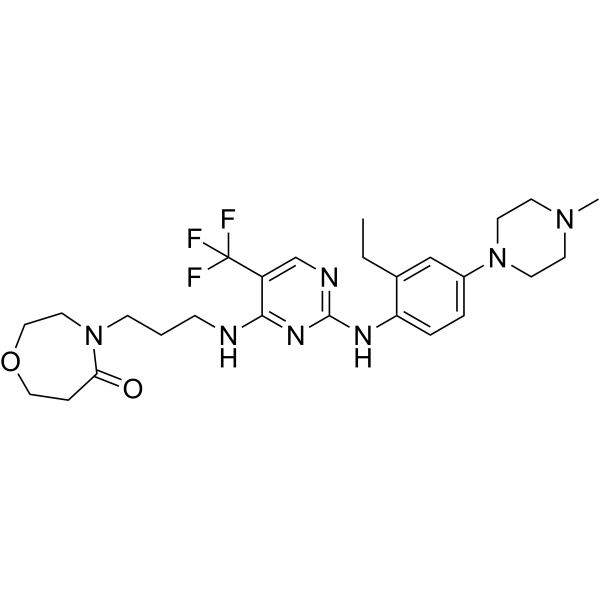
    DCC-3116 is an orally active ULK1/2 inhibitor. DCC-3116 can inhibit autophagy in lung cancer cells by inhibiting KRAS G12C signaling, thereby inhibiting the proliferation of lung cancer cells and exerting anti-cancer effects .
    DCC-3116
  • HY-D0195

    Environmental Pollutants Biochemical Assay Reagents Neurological Disease Metabolic Disease Inflammation/Immunology Cancer
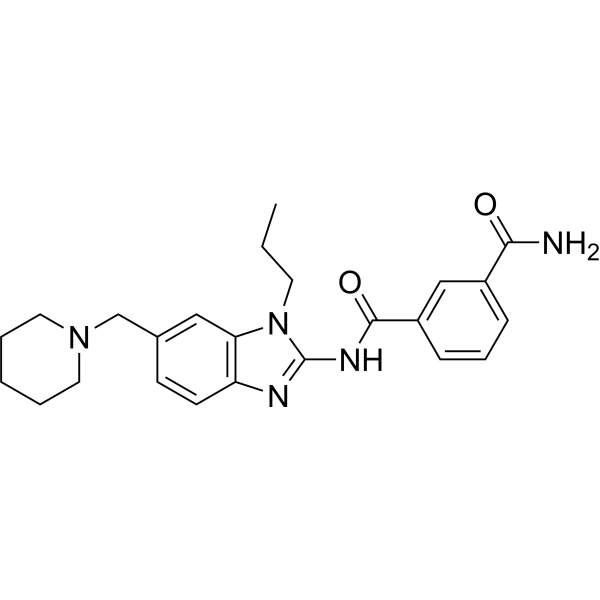
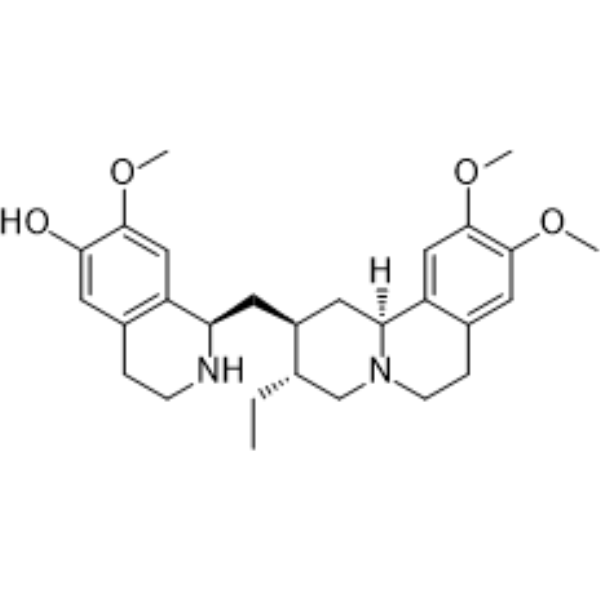
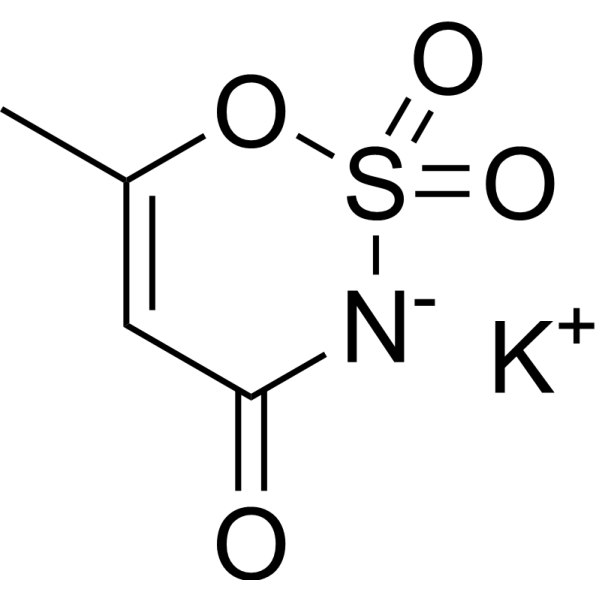
    Acesulfame potassium is a synthetic sweetener. Long-term use of Acesulfame potassium can affect cognitive function, possibly by altering the neurometabolic functions in mice. Acesulfame potassium can suppress autophagic degradation of PD-L1 in RIL-175 and SK-Hep1 cells through the ERK1/2-mTORC1-ULK1 pathway, which may be related to immune evasion in cancer cells. Acesulfame potassium can be used in research on neurological diseases, metabolic disorders, cancer, and immune evasion .
    Acesulfame potassium
  • HY-N0559
    Kirenol
    1 Publications Verification

    Casein Kinase Apoptosis AMPK Akt NF-κB TGF-beta/Smad Cardiovascular Disease Neurological Disease Metabolic Disease Inflammation/Immunology Cancer
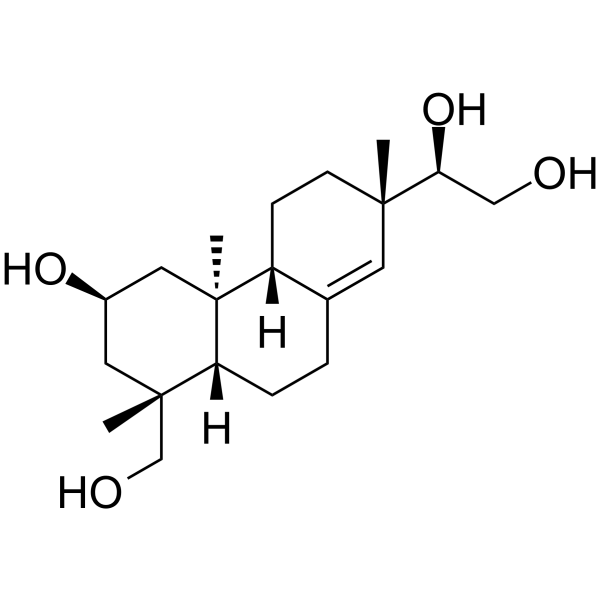
    Kirenol is a diterpenoid compound, an orally active apoptosis inducer and signaling pathway regulator, with a Kd value of 5.47 μM against the target CK2. Kirenol promotes the cleavage of Bid into tBid, regulates the protein levels/phosphorylation of Bax, Bcl-2, p53 and p21, and induces caspase-independent apoptosis, S-phase cell cycle arrest, ROS accumulation and cytotoxicity in cancer cells. Kirenol activates the CK2/AKT and AMPK-mTOR-ULK1 pathways, inhibits the signaling of NF-κB, TGF-β/Smads and NLRP3 inflammasome, and regulates the GSK3β, BMP and Wnt/β-catenin pathways. Kirenol induces autophagy, mitophagy and osteoblast differentiation, promotes mitochondrial fusion, and exerts antioxidant, anti-inflammatory, antifibrotic, renoprotective, cardioprotective, neuroprotective and analgesic effects. Kirenol is applicable to research related to chronic myeloid leukemia, ischemic stroke, diabetic nephropathy, heart failure, acute lung injury and osteoporosis .
    Kirenol
  • HY-124729
    BL-918
    3 Publications Verification

    ULK Autophagy Neurological Disease
    BL-918 is an orally active UNC-51-like kinase 1 (ULK1) activator with an EC50 of 24.14 nM. BL-918 exerts its cytoprotective autophagic effect by targeting ULK complex. BL-918 has the potential for Parkinson’s disease (PD) treatment .
    BL-918
  • HY-101923
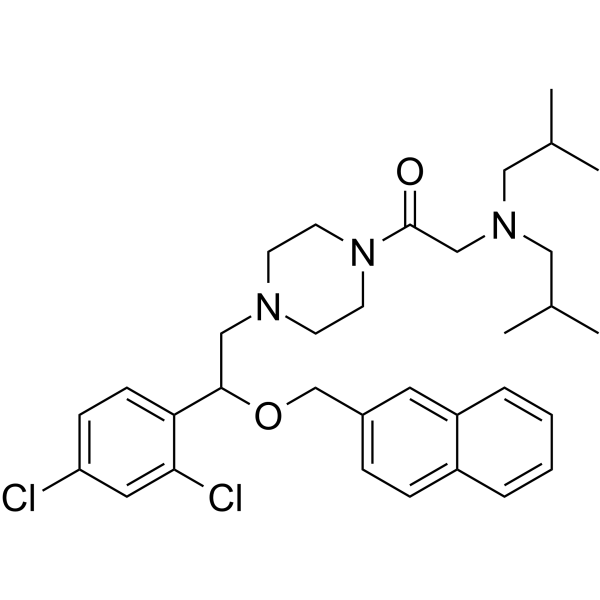
    LYN-1604
    5+ Cited Publications

    ULK Autophagy Apoptosis Cancer
    LYN-1604 is a potent UNC-51-like kinase 1 (ULK1) activator (EC50=18.94 nM) for the research of triple negative breast cancer (TNBC) .
    LYN-1604
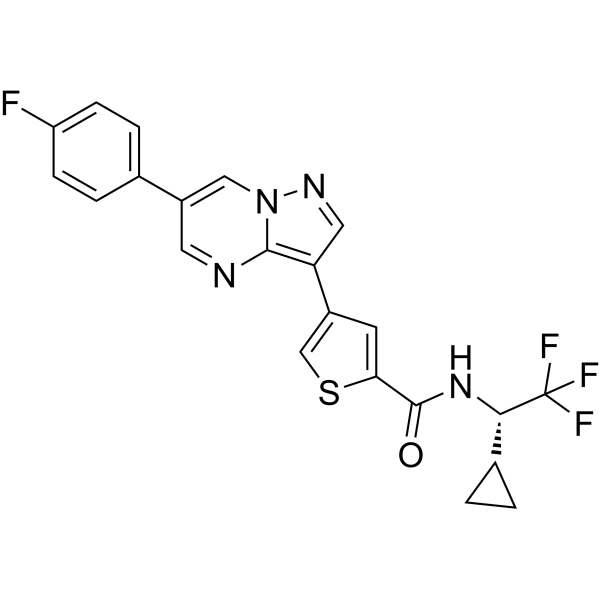
  • HY-137742

    ULK Autophagy Cancer
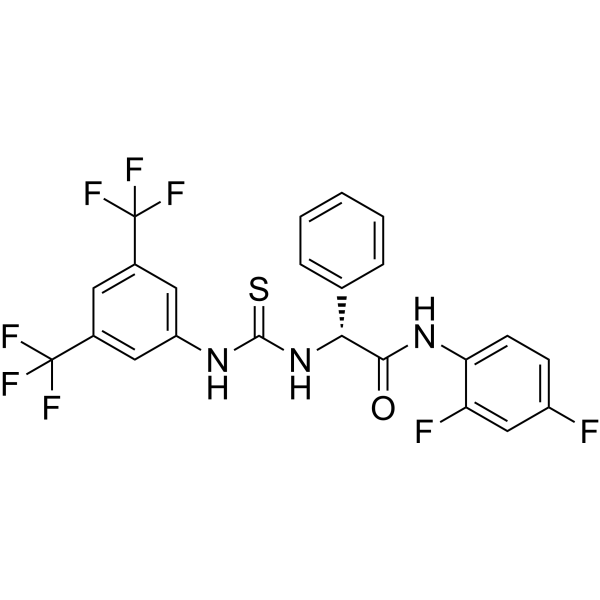
    SBP-7455 is a potent, high affinity and orally active dual ULK1/ULK2 autophagy inhibitor with IC50s of 13 nM and 476 nM in the ADP-Glo assays, respectively. SBP-7455 potently inhibits ULK1/2 enzymatic activity and can be used for triple-negative breast cancer (TNBC) research .
    SBP-7455
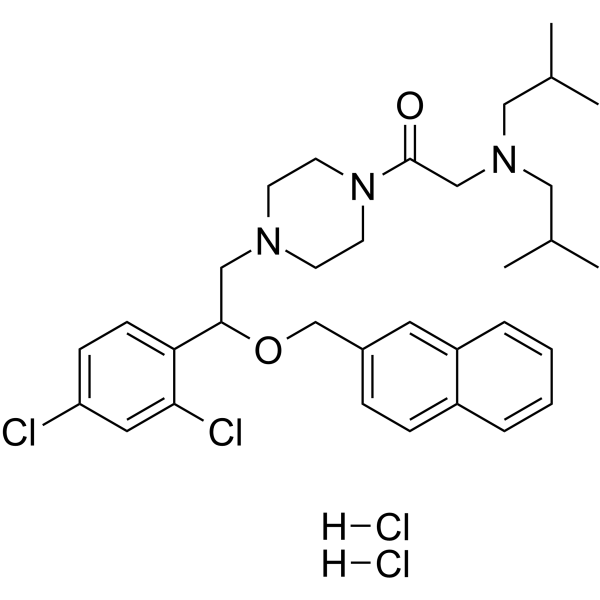
  • HY-101923B
    LYN-1604 dihydrochloride
    5+ Cited Publications

    ULK Autophagy Apoptosis Cancer
    LYN-1604 dihydrochloride is a potent UNC-51-like kinase 1 (ULK1) activator (EC50=18.94 nM) for the research of triple negative breast cancer (TNBC) .
    LYN-1604 dihydrochloride
  • HY-148065

    PROTACs Wee1 CDK AAK1 ULK MELK Itk IRAK Ephrin Receptor FGFR MAP4K p38 MAPK Neurological Disease Metabolic Disease Inflammation/Immunology Cancer
    FMF-06-098-1 is a multi-target kinase PROTAC degrader. FMF-06-098-1 can be used to target degradation kinases which degrades AAK1, AΒL2, AURKA, AURKB, BUBIB, CDC7, CDK1, CDK12, CDK13, CDK2, CDK4, CDk6, CDK7, CDK9, CHEK1, CSNKID, EPHA1, PER, FGFR1, GAK, IRAK4, ITK, LIMK2, MAP4K2, MAP4K3, MAPK6, MAPK7, MARK4, MELK, PKN3, PLK4, PRKAA1, PTK2, PTK6, RPS6KA4, S1K2, STK35, TNK2, UHMK1, ULK1, and WEE1 .
    FMF-06-098-1
  • HY-137506
    XST-14
    2 Publications Verification

    ULK p38 MAPK TGF-β Receptor Anaplastic lymphoma kinase (ALK) CaMK Apoptosis Cancer
    XST-14 is a potent, competitive and highly selective ULK1 inhibitor with an IC50 of 26.6 nM. XST-14 induces autophagy inhibition by reducing the phosphorylation of the ULK1 downstream substrate. XST-14 induces apoptosis in hepatocellular carcinoma (HCC) cells and has antitumor effects .
    XST-14
  • HY-179089

    ULK Cancer
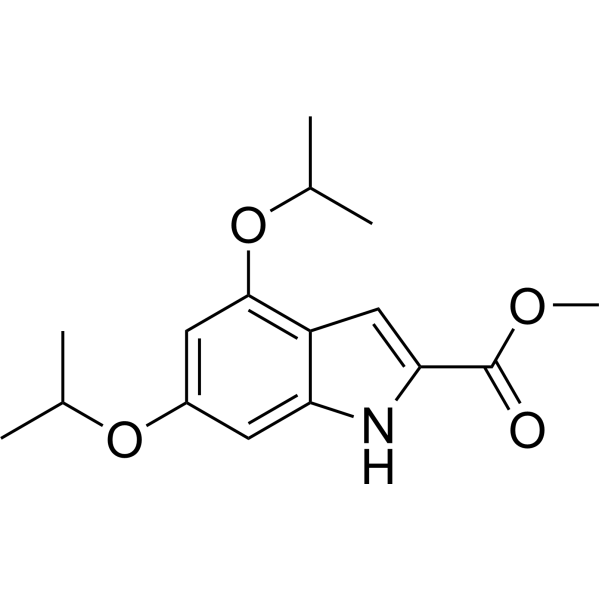
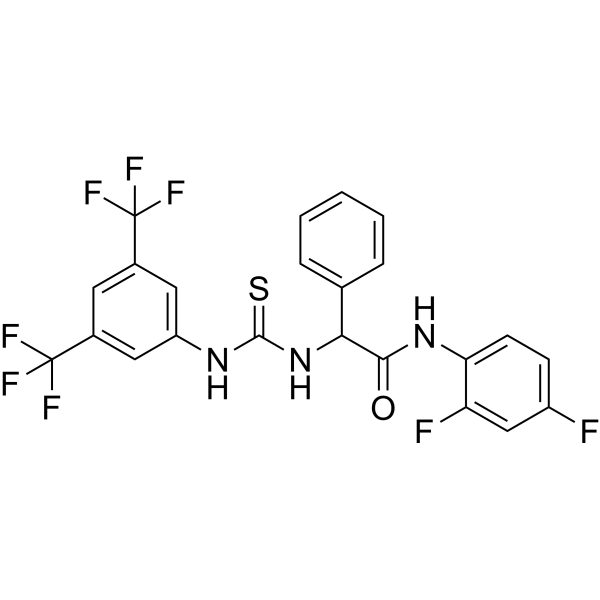
    SBP-1750 is an orally active ULK inhibitor and an ATG13 degrader. SBP-1750 strongly inhibits ULK1/2 activity, with IC50 values of 8 and 50 nM, respectively. SBP-1750 induces ATG13 degradation, with an EC50 value of 114 nM. SBP-1750 can inhibit autophagy in cancer cells and induce cell death. SBP-1750 can be used in cancer research, such as for pancreatic cancer .
    SBP-1750
  • HY-N4176

    Autophagy Neurological Disease
    Ginkgolide K, isolated from Ginkgo biloba, induces protective autophagy through the AMPK/mTOR/ULK1 signaling pathway. Ginkgolide K possesses neuroprotective activity .
    Ginkgolide K
  • HY-148061

    PROTACs Bcr-Abl CDK Salt-inducible Kinase (SIK) Cyclin G-associated Kinase (GAK) MAP4K MAPKAPK2 (MK2) Ferroptosis ULK LIM Kinase (LIMK) Cancer
    DB1113 (Example 24) is a bifunctional compound targeted protein degradation of kinases. DB1113 degrades ABL1, ABL2, BLK, CDK11B, CDK4, CSK, EPHA3, FER, GAK, LIMK1, MAP3K20, MAP4K1, MAP4K2, MAP4K3, MAP4K5, MAPK14, MAPK7, MAPK8, MAPK9, MAPKAPK2, MAPKAPK3, NLK, PDIK1L, PTK2B, RIPK1, RPS6KA1, RPS6KA3, SIK2, SIK3, STK35, TNK2, and ULK1. DB1113 can be used for research of disease or disorder mediated by aberrant kinase activity .
    DB1113
  • HY-115570
    GW406108X
    1 Publications Verification

    GW108X

    Kinesin ULK Autophagy Cancer
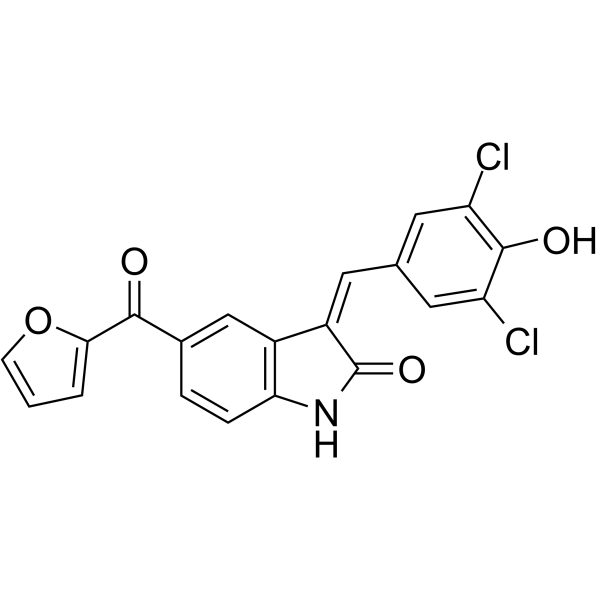
    GW406108X is a specific Kif15 (Kinesin-12) inhibitor with an IC50 of 0.82 uM in ATPase assays. GW406108X, a potent autophagy inhibitor, shows ATP competitive inhibition against ULK1 with a pIC50 of 6.37 (427 nM). GW406108X inhibits ULK1 kinase activity and blocks autophagic flux, without affecting the upstream signaling kinases mTORC1 and AMPK .
    GW406108X
  • HY-119137

    Autophagy AMPK Cancer
    AMDE-1 is a potent autophagy inducer. AMDE-1 induces autophagy by the AMPK-mTORC1-ULK1 pathway and at the same time inhibited autophagy-mediated degradation by causing lysosome dysfunction. AMDE-1 can be used in research of cancer .
    AMDE-1
  • HY-162100

    ULK Autophagy Cancer
    MR-2088 is a reversible, ATP-competitive, and selective ULK1/2 inhibitor with pEC50 values of 8.3 and 8.7 respectively. MR-2088 effectively inhibits autophagic flux and demonstrates a synergistic antiproliferative effect with Trametinib (HY-10999) (MEK inhibitor) in vitro. MR-2088 can be used for non-small lung cell cancer (NSCLC) research .
    MR-2088
  • HY-N0867

    HIV ULK Bcl-2 Family Infection Cancer
    13-Oxyingenol-dodecanoate (13OD) is a tumor suppressor agent. 13-Oxyingenol-dodecanoate has anti-HIV-1 activity with EC50 value of 33.7 nM .13-Oxyingenol-dodecanoate can induce the expression of ULK1 to effect mitochondrial dysfunction and cellular autophagy. 13-Oxyingenol-dodecanoate also increases the expression of BAX and suppresses the expression of BCL-2 to effect apoptosis .
    13-Oxyingenol-13-dodecanoate
  • HY-148063

    PROTACs AAK1 Aurora Kinase CaMK CDK Ferroptosis Salt-inducible Kinase (SIK) LIM Kinase (LIMK) ULK Metabolic Disease
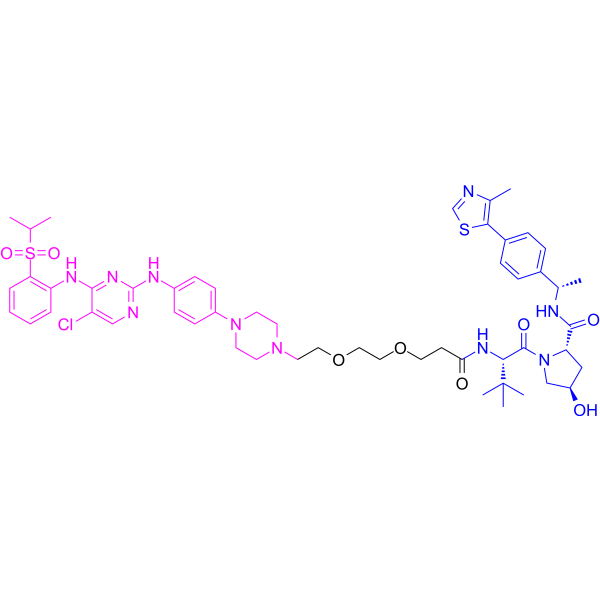
    DB0614 is a PROTAC based on Cereblon ligand, which is a selective and potent targeted protein degrader of NEK9 inhibitor. DB0614 can degrade ABL1, ABL2, BLK, CDK11B, CDK4, CSK, EPHA3, FER, GAK, LIMK1, MAP3K20, MAP4K1, MAP4K2, MAP4K3, MAP4K5, MAPK14, MAPK7, MAPK8, MAPK9, MAPKAPK2, MAPKAPK3, NLK, PDIK1L, PTK2B, RIPK1, RPS6KA1, RPS6KA3, SIK2, SIK3, STK35, TNK2 and ULK1. DB0614 can be used for research of disease or disorder mediated by aberrant kinase activity .(Blue: Thalidomide-4-OH (HY-103596), Black: linker, Pink: FLT3-IN-17 (HY-148070))
    DB0614
  • HY-158408

    ULK Mitophagy Neurological Disease
    NZ-66 is a UNC-51-like kinase 1 (ULK1) targeting chimera, which is used to achieve proximity-induced and ULK1-dependent degradation of mitochondria. NZ-66 induces mitophagy. NZ-66 is potential for attenuating neurodegenerative disorders .
    NZ-66
  • HY-13018A

    IKK ULK Autophagy Inflammation/Immunology Cancer
    MRT67307 hydrochloride is a dual inhibitor of the IKKε and TBK-1 with IC50s of 160 and 19 nM, respectively . MRT67307 hydrochloride also inhibits ULK1 and ULK2 with IC50s of 45 and 38 nM, respectively. MRT67307 hydrochloride also blocks autophagy in cells .
    MRT67307 hydrochloride
  • HY-124729A

    ULK Autophagy Neurological Disease
    (Rac)-BL-918 is the racemate of BL-918. BL-918 is a potent activator of UNC-51-like kinase 1 (ULK1), inducing cytoprotective autophagy for Parkinson’s disease treatment .
    (Rac)-BL-918
  • HY-136479

    Sirtuin Cancer
    F0911-7667 is a SIRT1 activator that induces autophagic cell death in U87MG and T98G cells by activating the AMPK-mTOR-ULK complex. CWR tripeptide was also identified as a SIRT1 activator that reduced p53 acetylation in IMR32 neuroblastoma cells and protected cells from cell death induced by Aβ fragments .
    F0911-7667
  • HY-125199

    ULK Cancer
    ULK-100 is a highly selective and potent ULK1 kinase inhibitor with an IC50 value of 1.6 nM. ULK-100 is promising for research of autophagy-related diseases (e.g., KRAS-mutant lung cancer, glioblastoma) .
    ULK-100
  • HY-143466

    FAK ULK AMPK Apoptosis Autophagy Cancer
    ULK1-IN-2 (compound 3s) is a potent ULK1 inhibitor. ULK1-IN-2 shows highest cytotoxic effect against cancer cell lines, with IC50 of 1.94 μM in A549. ULK1-IN-2 can induce apoptosis and simultaneously block autophagy, and can be used to study NSCLC (Non-small cell lung cancer) .
    ULK1-IN-2
  • HY-RS15452

    Small Interfering RNA (siRNA) ULK Others

    Ulk1 Mouse Pre-designed siRNA Set A contains three designed siRNAs for Ulk1 gene (Mouse), as well as a negative control, a positive control, and a FAM-labeled negative control.

    Ulk1 Mouse Pre-designed siRNA Set A
    Ulk1 Mouse Pre-designed siRNA Set A
  • HY-RS15451

    Small Interfering RNA (siRNA) ULK Others

    ULK1 Human Pre-designed siRNA Set A contains three designed siRNAs for ULK1 gene (Human), as well as a negative control, a positive control, and a FAM-labeled negative control.

    ULK1 Human Pre-designed siRNA Set A
    ULK1 Human Pre-designed siRNA Set A
  • HY-161850

    ULK Apoptosis PARP Autophagy NF-κB AMPK Akt Reactive Oxygen Species (ROS) Cancer
    ULK1-IN-3 (Compound 8) is a novel chromone-based as a potential inhibitor of ULK1. ULK1-IN-3 inhibits cell cycle, autophagy and induces apoptosis, oxidative stress in colon cancer cell lines .
    ULK1-IN-3
  • HY-100006B

    ULK Reactive Oxygen Species (ROS) Apoptosis GSK-3 Bcl-2 Family Cancer
    MRT68921 hydrochloride is a potent NUAK1/ULK1 dual inhibitor. MRT68921 hydrochloride inhibits ULK1 and ULK2 with IC50 values of 2.9 nM and 1.1 nM, respectively. MRT68921 hydrochloride can block cells autophagy and kill tumor cells by breaking the balance of oxidative stress signals. MRT68921 hydrochloride can inhibit cell proliferation and induce ROS production and apoptosis. MRT68921 hydrochloride can be used for the research of cancer, such as breast cancer .
    MRT68921 hydrochloride
  • HY-13018B

    IKK ULK Autophagy Inflammation/Immunology Cancer
    MRT67307 dihydrochloride is a dual inhibitor of the IKKε and TBK-1 with IC50s of 160 and 19 nM, respectively . MRT67307 dihydrochloride also inhibits ULK1 and ULK2 with IC50s of 45 and 38 nM, respectively. MRT67307 dihydrochloride also blocks autophagy in cells .
    MRT67307 dihydrochloride
  • HY-117413

    ULK Cancer
    SR-17398 is an inhibitor for Unc-51-Like Kinase 1 (ULK1) with an IC50 of 22.4 μM .
    SR-17398
  • HY-101923A

    ULK Autophagy Apoptosis Cancer
    LYN-1604 hydrochloride is a potent UNC-51-like kinase 1 (ULK1) activator (EC50=18.94 nM) for the research of triple negative breast cancer (TNBC) .
    LYN-1604 hydrochloride
  • HY-RS15456

    Small Interfering RNA (siRNA) Others

    Ulk2 Rat Pre-designed siRNA Set A contains three designed siRNAs for Ulk2 gene (Rat), as well as a negative control, a positive control, and a FAM-labeled negative control.

    Ulk2 Rat Pre-designed siRNA Set A
    Ulk2 Rat Pre-designed siRNA Set A
  • HY-RS15454

    Small Interfering RNA (siRNA) ULK Others

    ULK2 Human Pre-designed siRNA Set A contains three designed siRNAs for ULK2 gene (Human), as well as a negative control, a positive control, and a FAM-labeled negative control.

    ULK2 Human Pre-designed siRNA Set A
    ULK2 Human Pre-designed siRNA Set A
  • HY-RS19647

    Small Interfering RNA (siRNA) Others

    Ulk3 Mouse Pre-designed siRNA Set A contains three designed siRNAs for Ulk3 gene (Mouse), as well as a negative control, a positive control, and a FAM-labeled negative control.

    Ulk3 Mouse Pre-designed siRNA Set A
    Ulk3 Mouse Pre-designed siRNA Set A
  • HY-RS15458

    Small Interfering RNA (siRNA) Others

    ULK4 Human Pre-designed siRNA Set A contains three designed siRNAs for ULK4 gene (Human), as well as a negative control, a positive control, and a FAM-labeled negative control.

    ULK4 Human Pre-designed siRNA Set A
    ULK4 Human Pre-designed siRNA Set A
  • HY-RS15455

    Small Interfering RNA (siRNA) ULK Others

    Ulk2 Mouse Pre-designed siRNA Set A contains three designed siRNAs for Ulk2 gene (Mouse), as well as a negative control, a positive control, and a FAM-labeled negative control.

    Ulk2 Mouse Pre-designed siRNA Set A
    Ulk2 Mouse Pre-designed siRNA Set A
  • HY-RS15457

    Small Interfering RNA (siRNA) Others

    ULK3 Human Pre-designed siRNA Set A contains three designed siRNAs for ULK3 gene (Human), as well as a negative control, a positive control, and a FAM-labeled negative control.

    ULK3 Human Pre-designed siRNA Set A
    ULK3 Human Pre-designed siRNA Set A
  • HY-RS15453

    Small Interfering RNA (siRNA) Others

    Ulk1 Rat Pre-designed siRNA Set A contains three designed siRNAs for Ulk1 gene (Rat), as well as a negative control, a positive control, and a FAM-labeled negative control.

    Ulk1 Rat Pre-designed siRNA Set A
    Ulk1 Rat Pre-designed siRNA Set A
  • HY-168507

    Autophagy Cancer
    SG31 is a potent autophagy activator via the AMPK/ULK1-dependent pathway .
    SG31
  • HY-W550739

    PD-1/PD-L1 ERK mTOR Autophagy Neurological Disease Metabolic Disease Inflammation/Immunology Cancer
    Acesulfame is a synthetic sweetener. Long-term use of Acesulfame can affect cognitive function. Acesulfame potassium can suppress autophagic degradation of PD-L1 in RIL-175 and SK-Hep1 cells through the ERK1/2-mTORC1-ULK1 pathway, which may be related to immune evasion in cancer cells. Acesulfame can be used in research on neurological diseases, metabolic disorders, cancer, and immune evasion .
    Acesulfame
  • HY-181699

    ULK Cancer
    ULK1-IN-5 (Compound D1) is a selective ULK1 inhibitor with an IC50 of 14.91 nM. ULK1-IN-5 functionally inhibits the kinase activity of ULK1. ULK1-IN-5 reduces the phosphorylation level of ATG13. ULK1-IN-5 exerts antiproliferative effects on cervical cancer cells. ULK1-IN-5 is applicable to relevant research on cervical cancer .
    ULK1-IN-5
  • HY-181668

    ULK Cancer
    ULK1-IN-4 (compound 12i) is a ULK1 inhibitor with an IC50 of 4.7 μM against human ULK1, and it exhibits selectivity for Aurora A/Aurora B kinases. ULK1-IN-4 forms a covalent bond with the thiol group of the Cys182 residue of ULK1, thereby inhibiting the kinase activity of ULK1. ULK1-IN-4 inhibits the growth of colorectal cancer cells and exerts tumor-suppressive activity in a mouse model of colorectal cancer .
    ULK1-IN-4
  • HY-181742

    ULK PI3K Autophagy Cancer
    ULK1/2-IN-1 is a tissue-targeted ULK1/2 inhibitor conjugated to the RGR (CRGRRST) tumor neovasculature-homing peptide. ULK1/2-IN-1 mediates autophagy inhibition and induces cytotoxicity in endothelial cells. ULK1/2-IN-1 can be used for the research of tumor-targeted autophagy inhibitors .
    ULK1/2-IN-1

Inquiry Online

Your information is safe with us. * Required Fields.

Salutation


Country or Region *

Applicant Name *


Organization Name *

Department *


Email Address *


Product Name *

Cat. No.


Requested quantity *

Phone Number *


Remarks

Inquiry Online

Inquiry Information

Product Name:
Cat. No.:
Quantity:
MCE Japan Authorized Agent:

