
1. Search Result
Search Result
Pathways Recommended: Stem Cell/Wnt Cell Cycle/DNA Damage
Results for "

brain cell proliferation

" in MedChemExpress (MCE) Product Catalog:

79

Inhibitors & Agonists

1

Screening Libraries

1

Fluorescent Dyes

3

Peptides

18

Natural
Products

4

Isotope-Labeled Compounds

2

Oligonucleotides

Cat. No. Product Name Target Research Areas Chemical Structure
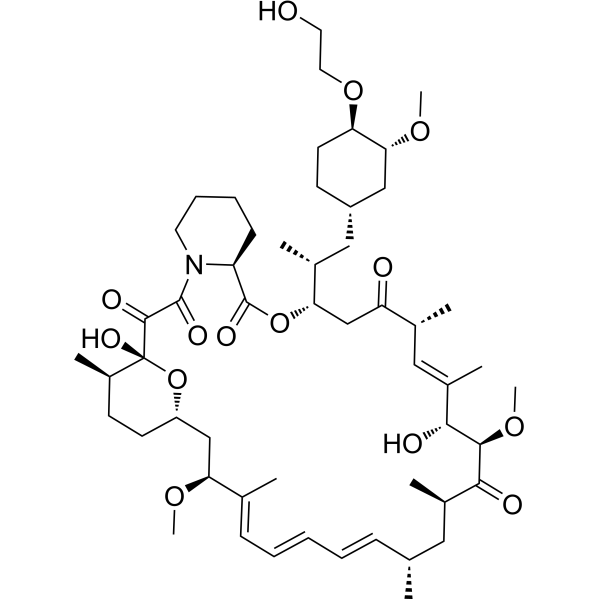
  • HY-10218
    Everolimus
    Maximum Cited Publications
    114 Publications Verification

    RAD001; SDZ-RAD

    mTOR FKBP Autophagy Apoptosis Bacterial Infection Neurological Disease Metabolic Disease Inflammation/Immunology Cancer
    Everolimus (RAD001) is a Rapamycin (HY-10219) derivative and a potent, selective, orally active, blood-brain barrier-permeable mTOR1 inhibitor. Everolimus binds to FKBP-12 to generate an immunosuppressive complex. Everolimus inhibits tumor cells proliferation and induces cell apoptosis and autophagy. Everolimus has potent immunosuppressive and anticancer activities .
    Everolimus
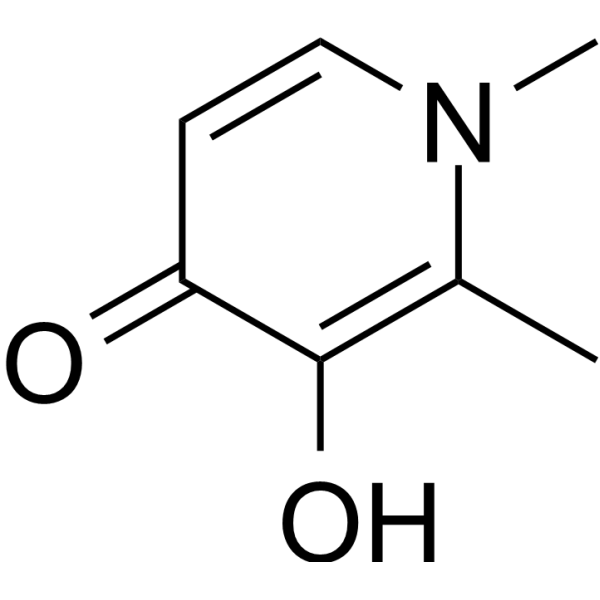
  • HY-B0568
    Deferiprone
    45+ Cited Publications

    Ferroptosis HCV Apoptosis COX Histone Demethylase Cardiovascular Disease Infection Neurological Disease Metabolic Disease Inflammation/Immunology Cancer
    Deferiprone is a potent, orally active, brain-penetrant, cell-penetrant, skin-permeable, free iron chelating agent. Deferiprone inhibits the proliferation and migration, and stimulates apoptosis in tumor cell. Deferiprone can inhibit KDM. Deferiprone has antianemic, neuroprotective, anti-inflammatory, antioxidant, and antidotal activity. Deferiprone can be used in cancer, cardiovascular disease, infection, inflammation, and neurological disease study .
    Deferiprone
  • HY-173629

    Ras Apoptosis Cancer
    RMC-5127 is a small molecule inhibitor that binds to GTP-targeted KRAS G12V, with oral bioavailability and blood-brain barrier permeability. RMC-5127 inhibits the activities of the RAS and MAPK pathways, suppresses the proliferation of KRAS G12V-mutant cancer cells and induces their apoptosis. RMC-5127 can be used for the research of KRAS G12V-mutant non-small cell lung cancer, pancreatic ductal adenocarcinoma, colorectal cancer and intracranial KRAS G12V tumors .
    RMC-5127
  • HY-14463
    Onalespib
    10+ Cited Publications

    AT13387

    HSP Cancer
    Onalespib (AT13387) is a potent and cross the blood-brain barrier heat-shock-protein-90 (Hsp90) inhibitor. Onalespib inhibits the proliferation, survival and migration. Onalespib decreases the expression of EGFR, p-EGFR, AKT, P-AKT, ERK1/2, P-ERK1/2, S6, P-S6 protein. Onalespib shows antitumor activity. Onalespib has the potential for the research of non-small cell lung cancer (NSCLC) .
    Onalespib
  • HY-147081
    AS 1411
    2 Publications Verification

    AGRO-100

    Histone Methyltransferase Bcl-2 Family Cancer
    AS 1411 (AGRO-100) is an oligonucleotide aptamer targeting nucleoproteins. AS 1411 inhibits tumor cell proliferation by affecting the activity of nucleoprotein-containing complexes and can be used as a carrier to precisely deliver nanoparticles, oligonucleotides and small molecules to cancer cells. AS 1411 reduces PRMT5 expression to inhibit tumor growth in DU145 prostate cancer cells. AS 1411 works by blocking the binding of nucleoproteins to bcl-2 mRNA in MCF-7 breast cancer cells. AS 1411-coupled Jin nanospheres can inhibit breast cancer cell proliferation in vitro and in mouse models, has the ability to cross the blood-brain barrier with low tissue toxicity .
    AS 1411
  • HY-B0534
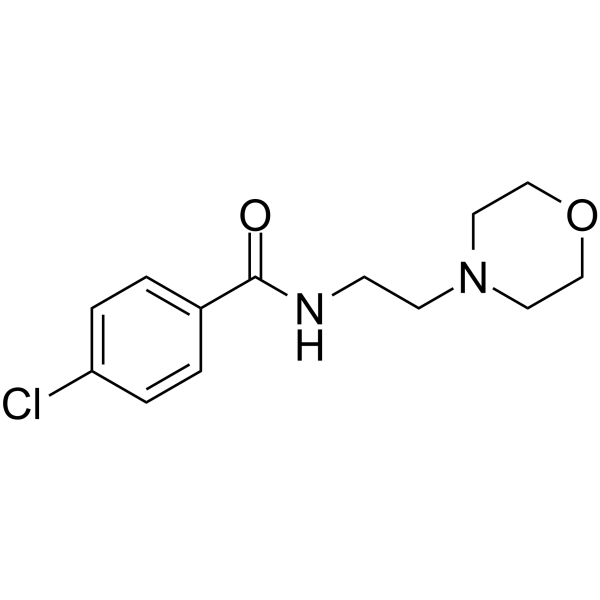
    Moclobemide
    3 Publications Verification

    Ro111163

    Monoamine Oxidase Neurological Disease
    Moclobemide (Ro111163) is a brain-penetrant and reversible monoamine oxidase (MAO-A) inhibitor with an IC50 of 6.061 μM for hMAO-A .Moclobemide up-regulates proliferation of hippocampal progenitor cells in chronically stressed mice.
    Moclobemide
  • HY-W094758A

    Fluorescent Dye Cancer
    4-Di-1-ASP is a styryl dye used to stain glioma cells in living brain tissue for analysis of cell structure, viability, proliferation and endocytosis, cytokinesis and phagocytosis, as well as for observation of mitochondrial structures in living cells. 4-Di-1-ASP fluoresces green when imaged microscopically (λexem = 475/606 nm) .
    4-Di-1-ASP
  • HY-B2167R

    DHA (Standard); Cervonic acid (Standard)

    Reference Standards Endogenous Metabolite Neurological Disease Cancer
    Docosahexaenoic acid (Standard) is the analytical standard of Docosahexaenoic acid. This product is intended for research and analytical applications. Docosahexaenoic Acid (DHA) is an omega-3 fatty acid abundantly present brain and retina. It can be obtained directly from fish oil and maternal milk. In Vitro: Docosahexaenoic acid (DHA) is essential for the growth and functional development of the brain in infants. DHA is also required for maintenance of normal brain function in adults. The inclusion of plentiful DHA in the diet improves learning ability and memory . DHA is an essential requirement in every step of brain development like neural cell proliferation, migration, differentiation, synaptogenesis. The multiple double bonds and unique structure allow DHA to impart special membrane characteristics for effective cell signaling. Many development disorders like dyslexia, autism spectrum disorder, attention deficit hyperactivity disorder, schizophrenia etc. are causally related to decreased level of DHA . DHA is a potent RXR ligand inducing robust RXR activation already at low micro molar concentrations. The EC50 for RXRα activation by DHA is about 5-10 μM fatty acid . In Vivo: Docosahexaenoic acid administration over 10 weeks significantly reduces the number of reference memory errors, without affecting the number of working memory errors, and significantly increases the docosahexaenoic acid content and the docosahexaenoic acid/arachidonic acid ratio in both the hippocampus and the cerebral cortex . DHA treatment exerts neuroprotective actions on an experimental mouse model of PD. There is a decrease tendency in brain lipid oxidation of MPTP mice but it does not significantly .
    Docosahexaenoic acid (Standard)
  • HY-N2392
    Kukoamine A
    1 Publications Verification

    Parasite Lipoxygenase Opioid Receptor Apoptosis Autophagy Reactive Oxygen Species (ROS) Interleukin Related TNF Receptor PGE synthase COX Infection Neurological Disease Metabolic Disease Inflammation/Immunology Cancer
    Kukoamine A, a spermine alkaloid, is an orally active and brain-penetrant component found in the root barks of Lycium chinense (L. chinense) Miller. Kukoamine A inhibits purified Crithidia fasciculata trypanothione reductase and soybean lipoxygenase, activates μ-opioid receptor. Kukoamine A can inhibt cancer cell proliferation, migration and invasion, cause G0/G1 phase cell cycle arrest and induce apoptosis. Kukoamine A exerts neuroprotective effect and can induce autophagy . Kukoamine A inhibits LPS (HY-D1056)-induced NO, ROS, PGE2, TNF-α, IL-1β, IL-6 production and COX-2 activity. Kukoamine A reverses palmitic acid-induced insulin resistance, lipid accumulation, and oxidative stress via downregulation of Srebp-1c. Kukoamine A can be used for the research of cancer, infection, inflammation, metabolic and neurological disease, such as glioblastoma and Parkinson's disease .
    Kukoamine A
  • HY-13464

    Brigatinib analog

    Anaplastic lymphoma kinase (ALK) EGFR Cancer
    ALK-IN-1 is an orally active, blood-brain barrier-permeable ALK and EGFR inhibitor. ALK-IN-1 binds to and inhibits ALK kinase, ALK fusion proteins, and wild-type and mutant EGFR variants, thereby disrupting their corresponding signaling pathways. ALK-IN-1 can suppress the growth and proliferation of tumor cells and exhibits potential inhibitory activity against mutant EGFR. ALK-IN-1 can be used in the research of non-small-cell lung cancer .
    ALK-IN-1
  • HY-111940

    Raf p38 MAPK ERK Inflammation/Immunology
    LUT014 is a topical inhibitor targeting BRAF that cannot pass through the blood-brain barrier. LUT014 inhibits BRAF kinase and abnormally activates the MAPK/ERK signaling pathway, promoting the proliferation of epidermal keratinocytes, repairing skin barrier damage caused by radiation damage, and alleviating inflammatory responses. LUT014 is independent of RAS signaling and accelerates the repair and regeneration of damaged skin cells. LUT014 can be used to study radiation dermatitis, especially skin damage caused by breast cancer radiotherapy .
    LUT014
  • HY-151527
    PI3K/Akt/CREB activator 1
    4 Publications Verification

    Akt PI3K Epigenetic Reader Domain Neurological Disease
    PI3K/Akt/CREB activator 1 (compound AE-18) is a potent, orally active PI3K/Akt/CREB activator. PI3K/Akt/CREB activator 1 promotes neuronal proliferation, induced differentiation of Neuro-2a cells into a neuron-like morphology, and accelerated the establishment of axon-dendrite polarization of primary hippocampal neurons through upregulating brain-derived neurotrophic factor via the PI3K/Akt/CREB pathway. PI3K/Akt/CREB activator 1 can be used in research of vascular dementia (VaD) .
    PI3K/Akt/CREB activator 1
  • HY-N0419
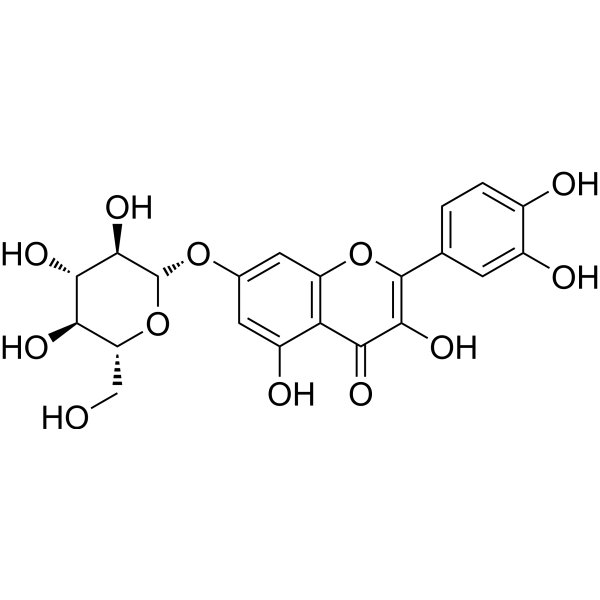
    Quercimeritrin
    2 Publications Verification

    Quercetin-7-O-β-D-glucopyranoside

    Glycosidase c-Kit MMP VEGFR Aurora Kinase Metabolic Disease Cancer
    Quercimeritrin (Quercetin-7-O-β-D-glucopyranoside) is an orally active α-glucosidase inhibitor (with an IC50 of 79.88 μM against the Saccharomyces cerevisiae enzyme) and a P-gp substrate, with anti-angiogenic and antioxidant activities. Quercimeritrin does not cross the blood-brain barrier and does not inhibit cytochrome P450 enzymes. Quercimeritrin precisely binds to and inhibits the active sites of c-Kit, MMP-2, Aurora-A kinases and α-glucosidase, thereby disrupting target functions. Quercimeritrin effectively regulates postprandial blood glucose and also exhibits significant anti-angiogenic activity, which inhibits endothelial cell proliferation and microvascular growth. Quercimeritrin can be used in the research of diabetes and breast cancer .
    Quercimeritrin
  • HY-N0660

    Apoptosis PARP Caspase AMPK Autophagy VEGFR Keap1-Nrf2 STING 11β-HSD Ferroptosis PI3K Akt p38 MAPK ERK Neurological Disease Metabolic Disease Inflammation/Immunology Cancer
    Jujuboside B is a bioactive saponin component isolated from Ziziphi Spinosae Semen (sour jujube seed), with oral efficacy and blood-brain barrier permeability. Jujuboside B induces acute leukemia cell death and drives necroptosis apoptosis by activating the RIPK1/RIPK3/MLKL pathway. Jujuboside B upregulates the expression of NOXA, PARP and caspase-3, activates AMPK, inhibits the proliferation of breast cancer cells, and induces cell apoptosis and autophagy. Jujuboside B inhibits angiogenesis and tumor growth by blocking the VEGFR-2 signaling pathway. Jujuboside B alleviates liver injury in mice by regulating the Nrf2-STING signaling pathway . Jujuboside B alleviates liver injury by regulating anti-inflammatory responses and downregulating the expression of 11β-HSD2. Jujuboside B induces ferroptosis and overcomes radioresistance in non-small cell lung cancer via the PPARγ-ATF3-Gpx4 signaling pathway. Jujuboside B exerts inhibitory effects on platelet aggregation. Jujuboside B inhibits febrile seizures by suppressing the activity of AMPA receptors. Jujuboside B reverses chronic unpredictable mild stress-promoted tumor progression by blocking the PI3K/Akt and MAPK/ERK pathways and dephosphorylating CREB signaling. Jujuboside B is applicable to related studies on acute leukemia, breast cancer, PM2.5-induced lung injury, hepatotoxicity, liver injury, colorectal cancer, non-small cell lung cancer, thromboembolic diseases, cardiovascular diseases associated with high platelet aggregation, febrile seizures, and depressive-like phenotypes .
    Jujuboside B
  • HY-160236

    Drug Metabolite Neurological Disease
    3-(3-Sulfooxyphenyl) propanoic acid is a metabolite of Echinacoside (HY-N0020). It promotes neural, psychological and brain health, enhances the proliferation, function and activity of brain cells, and facilitates extinction learning. 3-(3-Sulfooxyphenyl) propanoic acid can be used in research related to anxiety disorders, post-traumatic stress disorder, extinction learning deficits, autism, as well as neurodegenerative diseases including Parkinson's disease and Alzheimer's disease .
    3-(3-Sulfooxyphenyl)propanoic acid
  • HY-P5558

    VEGFR Neurological Disease
    KLTWQELYQLKYKGI is a VEGF mimetic peptide designed based on the VEGF helix sequence 17-25, with the ability to activate VEGF receptors and exert pro-angiogenic biological activity. KLTWQELYQLKYKGI effectively promotes the attachment, spreading and proliferation of human umbilical vein endothelial cells. KLTWQELYQLKYKGI enhances the proliferation, migration and osteogenic differentiation of bone marrow stromal cells (BMSCs). KLTWQELYQLKYKGI synergistically accelerates angiogenesis and bone regeneration in rat cranial defect models. KLTWQELYQLKYKGI can be used for the research of brain tissue engineering and traumatic brain injury repair and biomaterials for bone tissue engineering and bone repair .
    KLTWQELYQLKYKGI
  • HY-159480

    Src ATM/ATR Apoptosis mTOR AMPK Cancer
    AD1058 is an orally active, selective, and BBB-permeable inhibitor of ATR (IC50: 1.6 nM). AD1058 exhibits anticancer activity by inhibiting tumor cell proliferation, inducing cell cycle arrest, and promoting apoptosis. AD1058 is suitable for research on advanced malignancies and brain metastases .
    AD1058
  • HY-43521

    Target Protein Ligand-Linker Conjugates Btk STAT Inflammation/Immunology Cancer
    Ibrutinib-MPEA is an orally active, blood-brain barrier permeable inhibitor of BTK and STAT5. As a derivative of Ibrutinib (HY-10997) conjugated with a PROTAC linker, Ibrutinib-MPEA allows the synthesis of a series of PROTAC molecules. Ibrutinib-MPEA significantly reduces the proliferation of neoplastic mast cells and primary mastocytoma cells by inducing apoptosis and inhibiting IgE-dependent histamine release. Ibrutinib-MPEA is applicable to the research of canine mast cell tumors, cerebral ischemia/reperfusion injury in diabetic mice, and neuroinflammation-related diseases .
    Ibrutinib-MPEA
  • HY-117286

    TEN-010

    Epigenetic Reader Domain Apoptosis Neurological Disease Cancer
    (S)-JQ-35 (TEN-010) is an orally active, blood-brain barrier-permeable bromodomain inhibitor that selectively targets the bromodomain and extra-terminal domain (BET) protein family (BRD4, BRD3, BRD2 and BRDT). (S)-JQ-35 blocks the activation of Myc gene expression by BRD4, thereby inhibiting cancer cell proliferation and promoting cancer cell apoptosis. (S)-JQ-35 can be used in research related to NUT midline carcinoma and neuroblastoma .
    (S)-JQ-35
  • HY-131943

    Methylenetetrahydrofolate Dehydrogenase (MTHFD) Neurological Disease Cancer
    DS44960156 is a selective MTHFD2 inhibitor with moderate to low blood-brain barrier penetration (IC50=1.6 μM, Ki=1.23 μM). DS44960156 specifically binds to the active site of MTHFD2, disrupts redox homeostasis and blocks serine-mediated one-carbon metabolism, thereby increasing the NAD +/NADH ratio and ROS levels. DS44960156 not only effectively inhibits the proliferation of glioma cells, but also enhances the sensitivity of cells to glutamine starvation-induced death. DS44960156 binds to plasma proteins, shows no mutagenicity, carcinogenicity or acute oral toxicity, and serves as a research agent for glioblastoma multiforme and other cancers .
    DS44960156
  • HY-N1983
    Caudatin
    1 Publications Verification

    Apoptosis Autophagy Reactive Oxygen Species (ROS) Mitochondrial Metabolism PARP Caspase Bcl-2 Family VEGFR FAK WDR5 p38 MAPK JNK PPAR Neurological Disease Inflammation/Immunology Cancer
    Caudatin is an orally active and brain-penetrant C-21 steroidal found in Cynanchum bungei decne with a variety of biological activities. Caudatin can inhibit cell proliferation, migration, invasion, cause cell phase arrest, induce apoptosis, autophagy, ROS prodution and loss of mitochondrial membrane potential. Caudatin activates PARP, caspase-3, -7, -9, upregulates pro-apoptotic Bad and Bax and downregulates anti-apoptotic Bcl-2 and Bcl-XL. Caudatin suppresses VEGF, FAK phosphorylation, upregulates p21, p27, DR5 protein expression, activates the p38 MAPK, JNK and PPARα/TFEB-mediated autophagy-lysosomal signaling pathways. Caudatin can be used for the research of cancer, inflammation and neurological disease, such as glioma and Alzheimer's disease .
    Caudatin
  • HY-W002199

    6:2 FTOH; 1H,1H,2H,2H-Perfluoro-1-octanol; 2-(Perfluorohexyl)ethanol

    Bacterial Apoptosis ERK TNF Receptor Infection Neurological Disease
    6:2 Fluorotelomer alcohol (6:2 FTOH) is an orally active, blood-brain barrier-permeable modulator of cyclin D1 and ETS1. 6:2 Fluorotelomer alcohol downregulates cyclin D1 expression, upregulates ETS1 via the TNF-α/ERK 1/2 pathway, impairs mitochondrial membrane potential and respiratory function, increases reactive oxygen species levels, disrupts calcium homeostasis and activates endoplasmic reticulum stress markers, and induces cell proliferation inhibition and endothelial-mesenchymal transition. Furthermore, 6:2 Fluorotelomer alcohol induces morphological abnormalities in zebrafish embryos and liver developmental damage, while disrupting the brain immune microenvironment in mice, causing systemic toxicity and delayed pup maturation in CD-1 mice. 6:2 Fluorotelomer alcohol also induces cortical neuron apoptosis, glial cell activation, synaptic abnormalities, colonic barrier damage, intestinal dysbiosis and autism spectrum disorder-like symptoms in mice. 6:2 Fluorotelomer alcohol shows no mutagenic, clastogenic, primary skin/eye irritation or skin sensitizing effects, exhibits no selective reproductive toxicity in CD-1 mice, and is classified as GHS Category 4 for acute oral toxicity. 6:2 Fluorotelomer alcohol can be used in studies of neurodevelopmental disorders and autism spectrum disorders .
    6:2 Fluorotelomer alcohol
  • HY-N2255
    Crebanine
    4 Publications Verification

    Akt Apoptosis NF-κB Reactive Oxygen Species (ROS) p38 MAPK ERK Interleukin Related TNF Receptor NO Synthase nAChR Bacterial Cancer
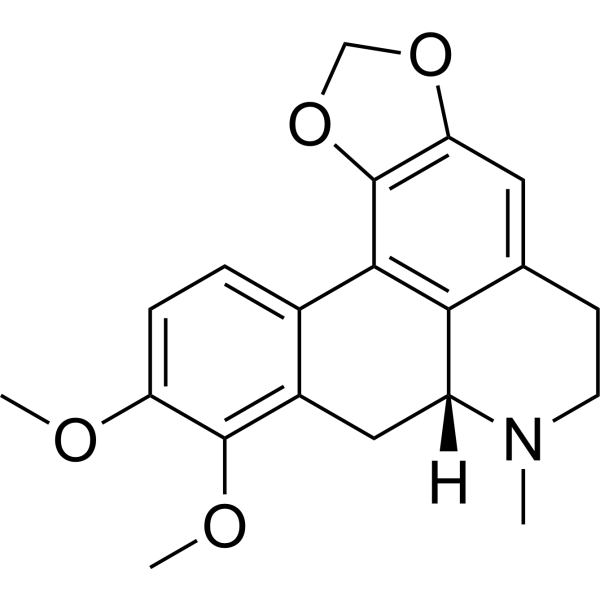
    Crebanine is an isoquinoline-like alkaloid that can be derived from Stephania. Crebanine is an antagonist of the α7-nAChR with an IC50 of 19.1 μM. Crebanine suppresses the proliferation, migration, and invasion of cancer cells, triggers reactive oxygen species (ROS) burst, and promotes apoptosis. Crebanine inhibits the AKT/FoxO3a, NF-κB and MAPK signaling pathways. Crebanine attenuates NOX2 hyperactivation, exhibits antioxidant properties by reducing reactive oxygen species and peroxidation in microglia cells. Crebanine inhibits voltage-dependent Na + current in guinea-pig ventricular myocytes. Crebanine has high inhibitory activity against gram-positive animal pathogenic bacteria. Crebanine ameliorates ischemia-reperfusion brain damage in middle cerebral artery occlusion and reperfusion (MCAO/R) rats. Crebanine significantly improves Scopolamine (HY-N0296)-induced cognitive deficits in ICR mice. Crebanine can be used for the study of hepatocellular carcinoma (HCC), cerebral ischemia and Alzheimer's disease .
    Crebanine
  • HY-N0430

    Coptisin

    Indoleamine 2,3-Dioxygenase (IDO) NF-κB p38 MAPK PI3K Akt Apoptosis Reactive Oxygen Species (ROS) Mitochondrial Metabolism DNA/RNA Synthesis ROCK LDLR Cardiovascular Disease Neurological Disease Metabolic Disease Inflammation/Immunology Cancer
    Coptisine is an orally active and brain-penetrant alkaloid found in Coptis chinensis. Coptisine is a reversible, uncompetitive IDO inhibitor with a Ki of 5.8 μM and an IC50 of 6.3 μM. Coptisine suppresses neuroinflammation, reduces Aβ plaque burden and shows neuroprotective activity. Coptisine shows anti-inflammation activity by blocking NF-κB, MAPK, and PI3K/Akt activation. Coptisine inhibits cancer cells proliferation, induces DNA damage, G2/M phase cell cycle arrest, apoptosis, ROS production and mitochondrial dysfunction. Coptisine inhibits Rho/ROCK pathway activation, reduces arrhythmia, limits cardiac injury marker release, reduces infarct size, and preserves cardiac function in rat myocardial ischemia/reperfusion models. Coptisine downregulates HMGCR and upregulates LDLR and CYP7A1 to modulate cholesterol metabolism, reduces abnormal serum lipid levels, and promotes fecal bile acid excretion. Coptisine can be used for the research of cancer, hypercholesterolemia, Alzheimer’s disease, inflammatory disorders and cardiovascular disease .
    Coptisine
  • HY-N0430A
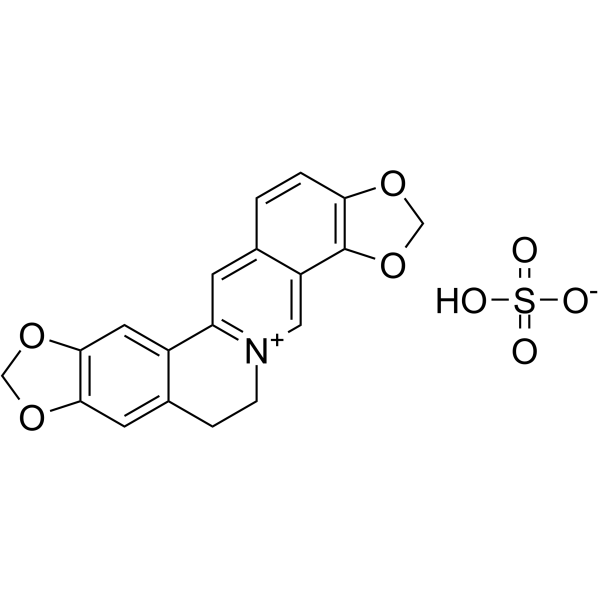
    Coptisine Sulfate
    5 Publications Verification

    Indoleamine 2,3-Dioxygenase (IDO) NF-κB p38 MAPK PI3K Akt Apoptosis Reactive Oxygen Species (ROS) Mitochondrial Metabolism DNA/RNA Synthesis ROCK LDLR Cardiovascular Disease Neurological Disease Metabolic Disease Inflammation/Immunology Cancer
    Coptisine Sulfate is an orally active and brain-penetrant alkaloid found in Coptis chinensis. Coptisine Sulfate is a reversible, uncompetitive IDO inhibitor with a Ki of 5.8 μM and an IC50 of 6.3 μM. Coptisine Sulfate suppresses neuroinflammation, reduces Aβ plaque burden and shows neuroprotective activity. Coptisine Sulfate shows anti-inflammation activity by blocking NF-κB, MAPK, and PI3K/Akt activation. Coptisine Sulfate inhibits cancer cells proliferation, induces DNA damage, G2/M phase cell cycle arrest, apoptosis, ROS production and mitochondrial dysfunction. Coptisine Sulfate inhibits Rho/ROCK pathway activation, reduces arrhythmia, limits cardiac injury marker release, reduces infarct size, and preserves cardiac function in rat myocardial ischemia/reperfusion models. Coptisine Sulfate downregulates HMGCR and upregulates LDLR and CYP7A1 to modulate cholesterol metabolism, reduces abnormal serum lipid levels, and promotes fecal bile acid excretion. Coptisine Sulfate be used for the research of cancer, hypercholesterolemia, Alzheimer’s disease, inflammatory disorders and cardiovascular disease .
    Coptisine Sulfate
  • HY-B0708
    β-Estradiol 17-acetate
    1 Publications Verification

    1,3,5(10)-Estratriene-3,17β-diol 17-acetate

    Estrogen Receptor/ERR Endocrinology
    β-Estradiol 17-acetate (1,3,5(10)-Estratriene-3,17β-diol 17-acetate) is a long-acting endogenous estrogen precursor and also a cell viability and proliferation enhancer. β-Estradiol 17-acetate promotes the adhesion and proliferation of freshly isolated and revived female-derived human brain microvascular endothelial cells, and reverses the decreased viability of revived male-derived human brain microvascular endothelial cells. β-Estradiol 17-acetate exerts the microvascular protective effect of estrogen, enabling non-tumor human brain microvascular endothelial cells to be cultured in vitro for 2 months after cryopreservation. β-Estradiol 17-acetate is biotransformed into β-estradiol via hydrolase action in the in vitro skin of humans, hairless dogs, rats and hairless mice .
    β-Estradiol 17-acetate
  • HY-N6745

    Na+/K+ ATPase Apoptosis Infection Cardiovascular Disease
    Citreoviridin, a toxin from Penicillium citreoviride NRRL 2579, inhibits brain synaptosomal Na +/K +-ATPase whereas in microsomes, both Na +/K +-ATPase and Mg 2+-ATPase activities are significantly stimulated in a dose-dependent manner . Citreoviridin inhibits cell proliferation and enhances apoptosis of human umbilical vein endothelial cells .
    Citreoviridin
  • HY-124284

    HMBA

    Apoptosis p38 MAPK Akt NF-κB Notch Bcl-2 Family MDM-2/p53 Epigenetic Reader Domain Neurological Disease Metabolic Disease Cancer
    Hexamethylene bisacetamide (HMBA) is a differentiation inducer and selective bromine domain inhibitor that can differentiate across the blood-brain barrier. Hexamethylene bisacetamide can induce tumor cell differentiation and inhibit cell proliferation, showing antitumor activity. Hexamethylene bisacetamide induces apoptosis by Notch1, Bcl-2 and p53 signaling pathways. In addition, Hexamethylene bisacetamide improves the obesity phenotype of mice .
    Hexamethylene bisacetamide
  • HY-160167

    DZD8586

    Src Btk Inflammation/Immunology Cancer
    Birelentinib (DZD8586) is an orally effective, selective, non-covalent inhibitor targeting LYN tyrosine kinase and BTK tyrosine kinase, capable of penetrating the blood-brain barrier. Birelentinib exhibits concentration-dependent antiproliferative effects in RI-1 cells and diffuse large B-cell lymphoma (DLBCL) cell lines carrying BTK resistance mutations (such as C481X, V416L, etc.). Birelentinib blocks both BTK-dependent and independent signaling of the B-cell receptor (BCR), thereby inhibiting tumor cell proliferation and inducing cell death. Birelentinib can be used in research to overcome resistance to existing covalent and non-covalent BTK inhibitors in B-cell non-Hodgkin lymphoma (B-NHL) .
    Birelentinib
  • HY-B1941
    4-tert-Octylphenol
    2 Publications Verification

    Endogenous Metabolite Apoptosis DNA/RNA Synthesis Neurological Disease Metabolic Disease Inflammation/Immunology Endocrinology
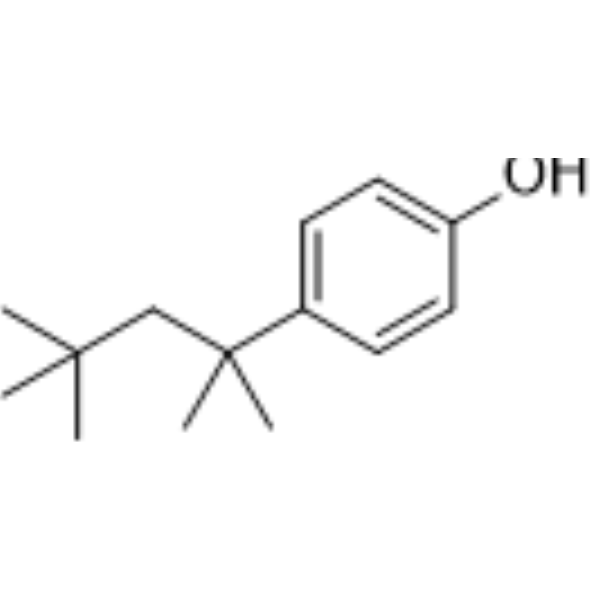
    4-tert-Octylphenol, a endocrine-disrupting chemical, is an estrogenic agent. 4-tert-Octylphenol is also a biodegradation product of non-ionic surfactants alkylphenol polyethoxylates. 4-tert-Octylphenol induces apoptosis in neuronal progenitor cells in offspring mouse brain. 4-tert-Octylphenol reduces bromodeoxyuridine (BrdU), mitotic marker Ki67, and phospho-histone H3 (p-Histone-H3), resulting in a reduction of neuronal progenitor proliferation. 4-tert-Octylphenol disrupts brain development and behavior in mice, which is promising for reserch of immune response, neuro-related diseases and ethology .
    4-tert-Octylphenol
  • HY-175802

    HYBI-084

    WDR5 Potassium Channel Inflammation/Immunology Cancer
    HBI-2375 (HYBI-084) is a brain-penetrant WDR5 inhibitor with an IC50 of 4.48 nM. HBI-2375 binds to the WINR5 and disrupts MLL1-WDR5 protein-protein interactions. HBI-2375 inhibits cancer cells proliferation and shows anti-tumor activity in AML mouse models, and increases tumor CD8 + cytotoxic T lymphocyte infiltration. HBI-2375 inhibits hERG with an IC50 of 17 µM .
    HBI-2375
  • HY-11095

    mGluR CaSR PI3K Akt mTOR Autophagy Apoptosis Bcl-2 Family Caspase Cardiovascular Disease Neurological Disease
    NPS 2390 is an allosteric antagonist of calcium-sensing receptor (CaSR) and mGluR1/5. NPS 2390 inhibits the PI3K/Akt/mTOR signaling pathway, reduces hypoxia-induced intracellular calcium elevation, decreases the expression of autophagy (autophagy) proteins, regulates the expression of phenotypic marker proteins, and inhibits the proliferation of pulmonary artery smooth muscle cells. NPS 2390 attenuates the endogenous apoptosis (apoptosis) pathway, increases the expression level of Bcl-2, downregulates the expression levels of Bax, cytochrome c and caspase-3, alleviates cerebral edema and improves neurological function in rat models. NPS 2390 can be used in studies related to hypoxic pulmonary hypertension, traumatic brain injury, stroke and pain .
    NPS 2390
  • HY-P6292

    PACAP Receptor PKA ERK PI3K Akt GSK-3 Neurological Disease Cancer
    KS-133 is a bicyclic peptide with VIPR2 antagonistic activity that can cross the blood-brain barrier. KS-133 selectively blocks VIPR2-mediated Gq/Ca, Gs/cAMP, cAMP/PKA/ERK and PI3K/AKT/GSK3β signaling pathways. KS-133 inhibits VIPR2 agonist-induced CREB phosphorylation in the prefrontal cortex of mice. KS-133 shifts the polarization direction of macrophages toward M1. KS-133 attenuates cancer cell proliferation and reduces the cell cycle distribution level at the S-M phase. KS-133 exerts antitumor effects in a mouse model of colorectal cancer. KS-133 reverses cognitive decline in mouse models of psychiatric disorders. KS-133 can be used for research related to schizophrenia, colorectal cancer and breast cancer .
    KS-133
  • HY-147081A
    AS 1411 sodium
    2 Publications Verification

    AGRO-100 sodium

    Histone Methyltransferase Bcl-2 Family Cancer
    AS 1411 (AGRO-100) sodium is an oligonucleotide aptamer targeting nucleoproteins. AS 1411 sodium inhibits tumor cell proliferation by affecting the activity of nucleoprotein-containing complexes and can be used as a carrier to precisely deliver nanoparticles, oligonucleotides and small molecules to cancer cells. AS 1411 sodium reduces PRMT5 expression to inhibit tumor growth in DU145 prostate cancer cells. S 1411 sodium works by blocking the binding of nucleoproteins to bcl-2 mRNA in MCF-7 breast cancer cells. S 1411 sodium-coupled Jin nanospheres can inhibit breast cancer cell proliferation in vitro and in mouse models, has the ability to cross the blood-brain barrier with low tissue toxicity
    AS 1411 sodium
  • HY-N2045
    Musk ketone
    1 Publications Verification

    Environmental Pollutants Apoptosis Akt Cytochrome P450 PI3K Neurological Disease
    Musk ketone is a widely used artificial fragrance. Musk ketone is also a cytochrome P450 enzyme inducer. Musk ketone shows mutagenic and comutagenic effects in Hep G2 cells and induces neural stem cell proliferation and differentiation in cerebral ischemia via activation of the PI3K/Akt signaling pathway. In the brain, musk ketone is neuroprotective against stroke injury through inhibition of cell apoptosis .
    Musk ketone
  • HY-B0568R

    Reference Standards Ferroptosis HCV Apoptosis COX Infection Cardiovascular Disease Neurological Disease Inflammation/Immunology Endocrinology Cancer
    Deferiprone (Standard) is the analytical standard of Deferiprone. This product is intended for research and analytical applications. Deferiprone is a potent, orally active, brain-penetrant, cell-penetrant, skin-permeable, free iron chelating agent. Deferiprone inhibits the proliferation and migration, and stimulates apoptosis in tumor cell. Deferiprone has antianemic, neuroprotective, anti-inflammatory, antioxidant, and antidotal activity. Deferiprone can be used in cancer, cardiovascular disease, infection, inflammation, and neurological disease study .
    Deferiprone (Standard)
  • HY-145777

    Methionine Adenosyltransferase (MAT) Neurological Disease Cancer
    AGI-43192 is a potent and orally active inhibitor of methionine adenosyltransferase 2A (MAT2A) that limitedly penetrates the blood-brain barrier. AGI-43192 exhibits inhibitory activitity against MAT2A and S-adenosyl methionine (SAM) in HCT-116 MTAP-null cells with IC50s of 32 and 14 nM. AGI-43192 can significantly inhibit the proliferation of HCT-116 cells and tumor growth. AGI-43192 can be used to study the role of SAM regulation in the central nervous system (CNS) and colon cancer .
    AGI-43192
  • HY-145778

    Methionine Adenosyltransferase (MAT) Neurological Disease Cancer
    AGI-41998 is a potent and orally active inhibitor of methionine adenosyltransferase 2A (MAT2A) that effectively penetrates the blood-brain barrier. AGI-41998 exhibits inhibitory activities against MAT2A and S-adenosyl methionine (SAM) in HCT-116 MTAP-null cells with IC50s of 22 nM and 34 nM. AGI-41998 can significantly inhibit the proliferation of HCT-116 cells and tumor growth. AGI-41998 can be used to study the role of SAM regulation in the central nervous system (CNS) and colon cancer .
    AGI-41998
  • HY-P2612

    TNF Receptor RANKL/RANK Apoptosis Inflammation/Immunology
    WP9QY is an inhibitor targeting TNFα and RANKL, which blocks the TNFα-TNFR1 interaction and inhibits TNFα-mediated apoptosis, cytotoxicity and bone destruction. WP9QY inhibits osteoclastogenesis and promotes osteoblast differentiation, induces chondrocyte proliferation and glycosaminoglycan production, and synergizes with TGF-β3 to promote chondrogenesis. WP9QY effectively repairs full-thickness articular cartilage defects in rabbits via intra-articular injection, and inhibits methylmercury-induced reduction of NeuN-positive cells in mouse brain slices. WP9QY can be applied to the research of diseases related to methylmercury-induced neuronal death, cartilage injury, osteoarthritis and bone loss .
    WP9QY
  • HY-167876

    PI3K Cancer
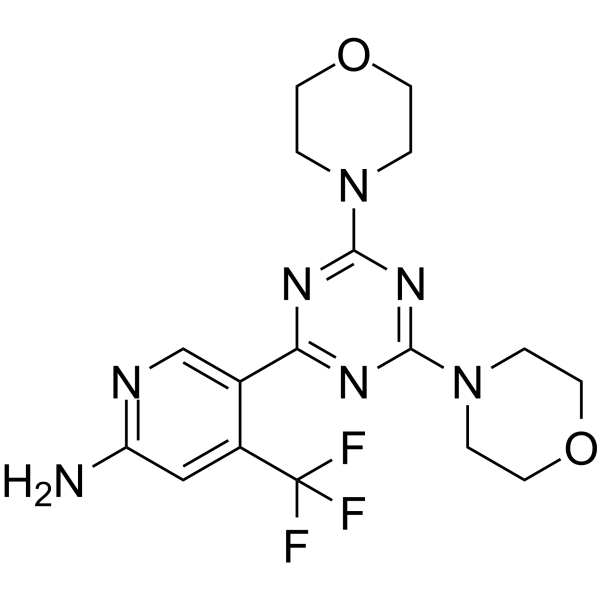
    PQR514 is a potent PI3K inhibitor with anticancer activity. PQR514 is able to inhibit cancer cell proliferation. PQR514 showed significant antitumor activity in the OVCAR-3 xenograft model, with the required concentration being approximately one-eighth that of PQR309. PQR514 has good pharmacokinetic properties and minimal brain penetration, making it an optimized candidate compound for inhibiting systemic tumors .
    PQR514
  • HY-130495

    CDDO-Trifluoethyl amide; RTA 404; TP-500

    Keap1-Nrf2 Apoptosis Cancer
    CDDO-TFEA (RTA 404; TP-500) is a trifluoroacetamide derivative of CDDO with enhanced ability to cross the blood-brain barrier. CDDO is an Nrf2 activator that inhibits proliferation and induces differentiation and apoptosis in various cancer cells. CDDO-TFEA can enhance Nrf2 expression and signaling in various neurodegenerative disease models, including those mimicking multiple sclerosis, amyotrophic lateral sclerosis, and Huntington's disease. CDDO-TFEA induces apoptosis and blocks colony formation in Ewing's sarcoma and neuroblastoma cell lines with IC50 values ranging from 85-170 nM.
    CDDO-TFEA
  • HY-15211

    γ-secretase Apoptosis Neurological Disease Cancer
    MRK 003 is a potent, selective and orally active γ-secretase inhibitor. MRK 003 reduce brain Aβ production in vivo. MRK 003 induces caspase-dependent apoptosis and inhibits tumor cell proliferation in vivo and in vitro .
    MRK 003
  • HY-115925

    SHP2 Phosphatase Cancer
    SHP2-IN-9 is a specific SHP2 inhibitor (IC50 =1.174 μM) with enhanced blood–brain barrier penetration. SHP2-IN-9 shows 85-fold more selective for SHP2 than SHP1. SHP2-IN-9 inhibits SHP2-mediated cell signal transduction and cancer cell proliferation, and inhibits the growth of cervix cancer tumors and glioblastoma growth in vivo .
    SHP2-IN-9
  • HY-113916

    AT13387 lactate

    HSP Cancer
    Onalespib lactate is a potent and cross the blood-brain barrier heat-shock-protein-90 (Hsp90) inhibitor with an Kd value of 0.71 nM. Onalespib lactate inhibits the proliferation, survival and migration. Onalespib lactate decreases the expression of EGFR, p-EGFR, AKT, P-AKT, ERK1/2, P-ERK1/2, S6, P-S6 protein. Onalespib lactate shows antitumor activity. Onalespib lactate has the potential for the research of non-small cell lung cancer (NSCLC) .
    Onalespib lactate
  • HY-N9454

    Pregnane X Receptor (PXR) COX NF-κB Amylases β-glucuronidase DNA/RNA Synthesis Amyloid-β NOD-like Receptor (NLR) Pyroptosis Cancer
    Garcinoic acid is an orally active anti-inflammatory agent that crosses the blood-brain barrier. Garcinoic acid also enhances efferocytosis and enzyme/receptor regulation, and selectively inhibits human COX-2, porcine α-amylase, Saccharomyces cerevisiae α-glucosidase and human DNA polymerase β (IC50=11 μM), as well as activates human PXR. Garcinoic acid enhances macrophage efferocytosis via receptors such as MerTK and LRP-1, and promotes the production of pro-resolving lipid mediators. Garcinoic acid inhibits NF-κB activation and pro-inflammatory cytokine secretion, interferes with aggregation, downregulates NLRP3 inflammasome activity, and binds to targets including CD44 and EGFR to inhibit leukemia cell proliferation. The pharmacological activities of Garcinoic acid, such as antioxidant, anti-inflammatory and lipid metabolism-regulating effects, are widely used in studies related to various diseases including atherosclerosis, Alzheimer's disease, type 2 diabetes, inflammatory bowel disease and viral pneumonia .
    Garcinoic acid
  • HY-N3940

    Others Neurological Disease Cancer
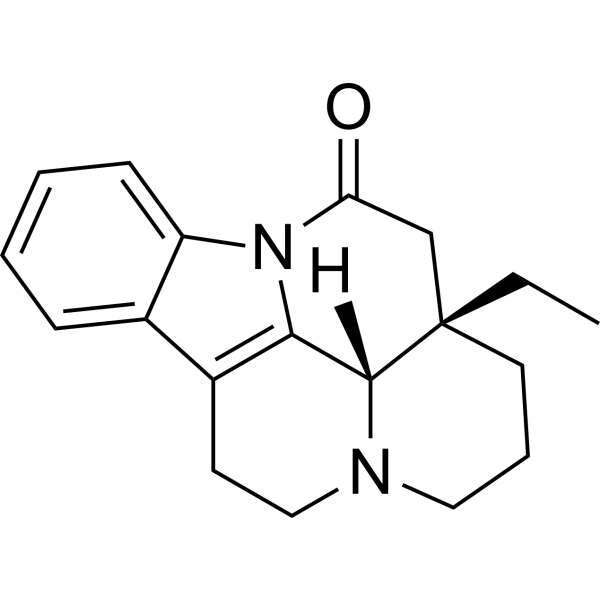
    Gelsevirine is the major alkaloid in Gelsemium elegans with potent anxiolytic effects. The anxiolytic mechanism of Gelsevirine may be involved in the agonist action of the glycine receptor in the brain. Gelsevirine has anti-proliferation activity with IC50 values of 1.41 mM and 1.22 mM for SW480 cells and MGC80-3 cells, respectively .
    Gelsevirine
  • HY-13906

    (+)-Largazole

    HDAC Neurological Disease Cancer
    Largazole ((+)-Largazole) is a potent, selective, orally active and brain-penetrant class I HDAC inhibitor found in marine cyanobacteria. Largazole shows an IC50 of 0.07 nM for HDAC2. Largazole releases its active form Largazole thiol (HY-170890) after hydrolysis. Largazole has a strong inhibitory effect on SF-268, SF-295 and SH-SY5Y cells, with IC50 values of 62, 68 and 102 nM respectively Largazole can upregulate the tumor suppressor gene Pax6 to inhibit the proliferation, invasion and colony formation of glioblastoma cells. Largazole can significantly upregulated brain-derived neurotrophic factor BDNF, neuronal transcription factor Pax6, and μ-opioid receptor gene Oprm1. Largazole exerts antitumor and neuroprotective effects. Largazole can be used for researches of Glioblastoma and Alzheimer’s disease .
    Largazole
  • HY-108385

    Isotope-Labeled Compounds Endogenous Metabolite DNA/RNA Synthesis PPAR Reactive Oxygen Species (ROS) Apoptosis Fungal Inflammation/Immunology Cancer
    Ochratoxin A-D4 (Phe-​OTA-D4) is the deuterium labeled Ochratoxin A. Ochratoxin A is an orally active food-borne mycotoxin that can cross the blood-brain barrier. Ochratoxin A is a secondary metabolite of fungi belonging to the genera Aspergillus and Penicillium, and is classified as a Group 2B carcinogen. Ochratoxin A exerts its effects through multiple pathways, including inducing oxidative stress, inhibiting mitochondrial respiration, causing oxidative DNA damage, disrupting the PPAR-γ-CD36 axis, inducing immunosuppression, generating ROS, mediating mitochondria-dependent apoptosis, inhibiting glutamate uptake, triggering demyelination and neuroinflammation, inducing DNA hypomethylation, and inhibiting cell proliferation. Ochratoxin A can induce nephrotoxicity, hepatotoxicity, immunotoxicity, and neurotoxicity, and also exhibits mutagenicity, teratogenicity, and carcinogenicity.
    Ochratoxin A-D4
  • HY-N1983R

    Reference Standards Apoptosis Autophagy Reactive Oxygen Species (ROS) Mitochondrial Metabolism PARP Caspase Bcl-2 Family VEGFR FAK WDR5 p38 MAPK JNK PPAR Neurological Disease Inflammation/Immunology Cancer
    Caudatin (Standard) is the analytical standard of Caudatin (HY-N1983). This product is intended for research and analytical applications. Caudatin is an orally active and brain-penetrant C-21 steroidal found in Cynanchum bungei decne with a variety of biological activities. Caudatin can inhibit cell proliferation, migration, invasion, cause cell phase arrest, induce apoptosis, autophagy, ROS prodution and loss of mitochondrial membrane potential. Caudatin activates PARP, caspase-3, -7, -9, upregulates pro-apoptotic Bad and Bax and downregulates anti-apoptotic Bcl-2 and Bcl-XL. Caudatin suppresses VEGF, FAK phosphorylation, upregulates p21, p27, DR5 protein expression, activates the p38 MAPK, JNK and PPARα/TFEB-mediated autophagy-lysosomal signaling pathways. Caudatin can be used for the research of cancer, inflammation and neurological disease, such as glioma and Alzheimer's disease .
    Caudatin (Standard)
  • HY-16491

    DJ-927

    Microtubule/Tubulin Cancer
    Tesetaxel (DJ-927) is an orally active and brain-penetrant taxane tubulin inhibitor. Tesetaxel inhibits tubulin depolymerization with an IC50 of 0.44 μM. Tesetaxel inhibits cancer cells proliferation and shows potent antitumor activity against P-glycoprotein-positive cancer cells. Tesetaxel can be used for the research of cancer, such as solid tumors, liver metastasis, and advanced breast cancer .
    Tesetaxel

Inquiry Online

Your information is safe with us. * Required Fields.

Salutation


Country or Region *

Applicant Name *


Organization Name *

Department *


Email Address *


Product Name *

Cat. No.


Requested quantity *

Phone Number *


Remarks

Inquiry Online

Inquiry Information

Product Name:
Cat. No.:
Quantity:
MCE Japan Authorized Agent:

