
Search Result
Results for "
cGAS-STING
" in MedChemExpress (MCE) Product Catalog:
| Cat. No. |
Product Name |
Target |
Research Areas |
Chemical Structure |
-
- HY-13902
-
Berzosertib
Maximum Cited Publications
24 Publications Verification
VE-822; VX-970; M6620
|
ATM/ATR
Apoptosis
STING
Caspase
|
Infection
Metabolic Disease
Cancer
|
|
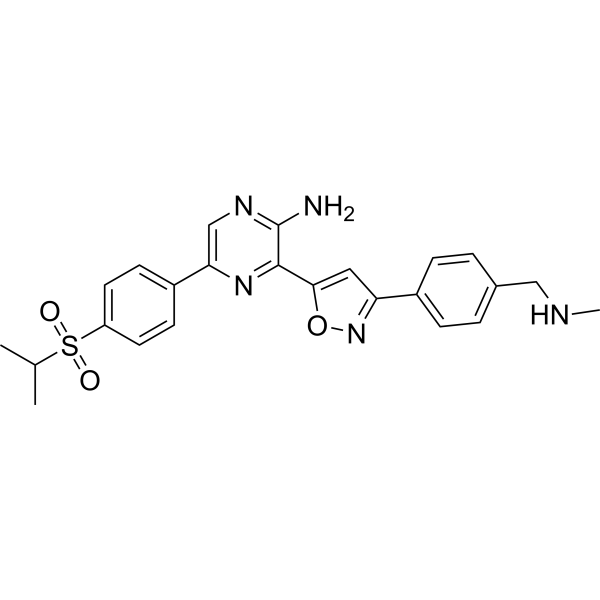
Berzosertib (VE-822) is an orally active, CNS-penetrant, and selective ATR kinase inhibitor. Berzosertib blocks ATR kinase activity, abrogates G2/M cell cycle checkpoint, impairs DNA damage repair. Berzosertib induces apoptosis, inhibnits conlony migration, inhibits cell proliferation, and activates cGAS-STING axes in cancer cells. Berzosertib can be used for the research of cancers, such as head and neck squamous cell carcinoma, and colorectal cancer .
|
-
-
- HY-P1680
-
|
Asterin
|
STING
HSV
|
Infection
Inflammation/Immunology
Cancer
|
|
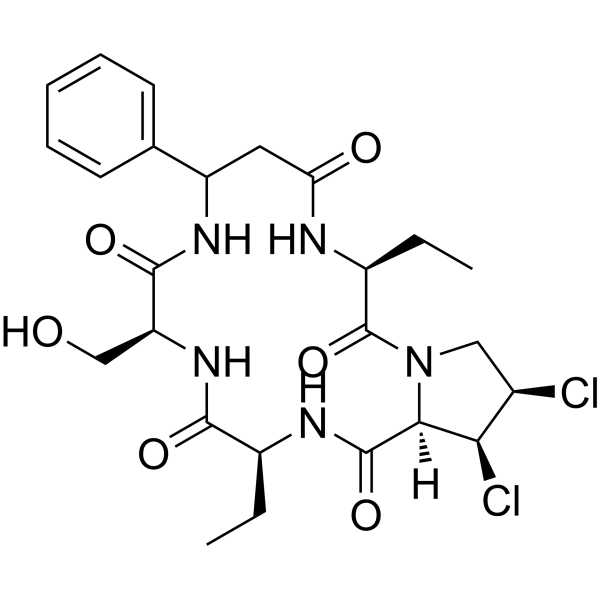
Astin C (Asterin) is a cyclopeptide that can be extracted from Aster tataricus. Astin C has anti-inflammatory and anti-cancer activities. Astin C can specifically inhibit the cGAS-STING signaling pathway, block the recruitment of IRF3 to the STING signalosome, and thus inhibit the innate inflammatory response. Astin C can be used in the research of autoimmune diseases and cancers .
|
-
-
- HY-160225
-
|
|
STING
Interleukin Related
|
Inflammation/Immunology
|
|
ISD sodium is an interferon-stimulatory DNA, a 45 bp non-CpG double-stranded oligonucleotide derived from the genome of Listeria monocytogenes. ISD sodium potently induces type I interferon production via the cGAS‑STING‑TBK1‑IRF3 pathway .
|
-
-
- HY-124700
-
|
|
Cyclic GMP-AMP Synthase
STING
PD-1/PD-L1
Epoxide Hydrolase
|
Metabolic Disease
|
|
LYPLAL1-IN-1 (compound 11) is a selective, covalent, and irreversible inhibitor of the lysophospholipase-like enzyme LYPLAL1 (IC50 = 6 nM). LYPLAL1-IN-1 shows selectivity against other serine hydrolases such as carboxylesterase CES1 (IC50 > 50 μM for CES1). LYPLAL1-IN-1 inhibits the depalmitoylation function of LYPLAL1, blocking its depalmitoylation modification of cyclic GMP-AMP synthase (cGAS), thereby promoting cGAS dimerization and activation, and initiating the cGAS-STING pathway-mediated innate immune response. LYPLAL1-IN-1 can enhance DNA-induced type I interferon production, upregulate PD-L1 expression in tumor cells, and promote the accumulation of tumor-infiltrating CD8 + T cells, with the core function of strengthening the anti-tumor immune response. LYPLAL1-IN-1 is primarily used in tumor immunology research, especially in combination with PD-1/PD-L1 inhibitors .
|
-
-
- HY-177338
-
|
|
STING
Cyclic GMP-AMP Synthase
IFNAR
TNF Receptor
Interleukin Related
|
Inflammation/Immunology
Cancer
|
|
STING agonist-45 is a selective STING agonist (EC50 = 0.28 μM). STING agonist-45 activates the innate immune response through the cGAS-STING pathway, upregulating key markers such as p-TBK1 and IRF3. STING agonist-45 exhibits robust STING activation in human peripheral blood mononuclear cells (PBMCs), inducing the production of type I interferons (such as IFN-β) and downstream cytokines (such as TNF-α and IL-6). STING agonist-45 enhances anti-tumor immunity, inhibits tumor growth, and increases CD8 + T cell infiltration in mouse models. STING agonist-45 is promising for the study of STING-related diseases .
|
-
-
- HY-P2914
-
|
|
Biochemical Assay Reagents
|
Metabolic Disease
Inflammation/Immunology
|
|
Carnitine acetyltransferase is a mitochondrial matrix enzyme that catalyzes the interconversion of Acetyl-CoA and Acetylcarnitine (HY-126358). Carnitine acetyltransferase functions as a positive regulator of total body glucose tolerance and muscle activity of pyruvate dehydrogenase. Carnitine acetyltransferase is responsible for mitochondrial acetyl-CoA balance and regulation of fatty acid oxidation by utilizing short- and medium- chain fatty acids and their corresponding acylcarnitines as substrates. Carnitine acetyltransferase plays a crucial role in regulating glucose homeostasis. Carnitine acetyltransferase can be utilized in the research of aging, obesity, and diabetes .
|
-
-
- HY-158045
-
|
|
PROTACs
PARP
|
Cancer
|
|
PROTAC PARP1 degrader-1 is a PARP1 PROTAC degrader with a DC50 value of 252.5 nM. PROTAC PARP1 degrader-1, combined with Daunorubicin (HY-13062A), induces the accumulation of cytoplasmic DNA fragments, activates the cGAS/STING innate immune pathway, and remodels the tumor microenvironment. PROTAC PARP1 degrader-1 can be used in research related to breast cancer .
|
-
-
- HY-N2616
-
|
|
STING
|
Inflammation/Immunology
|
|
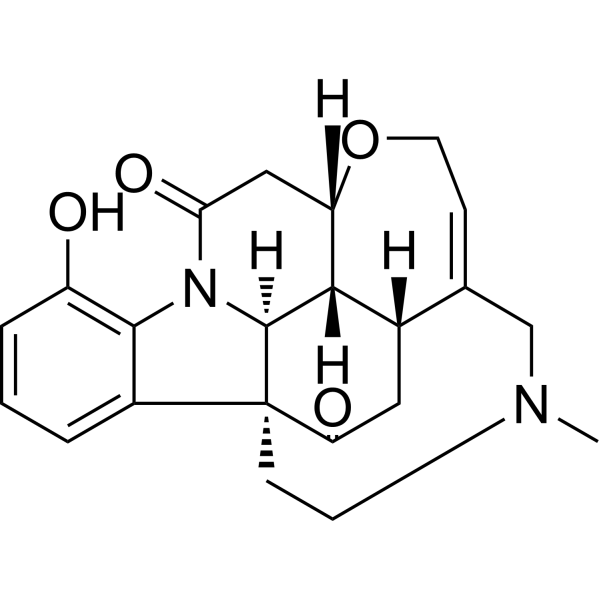
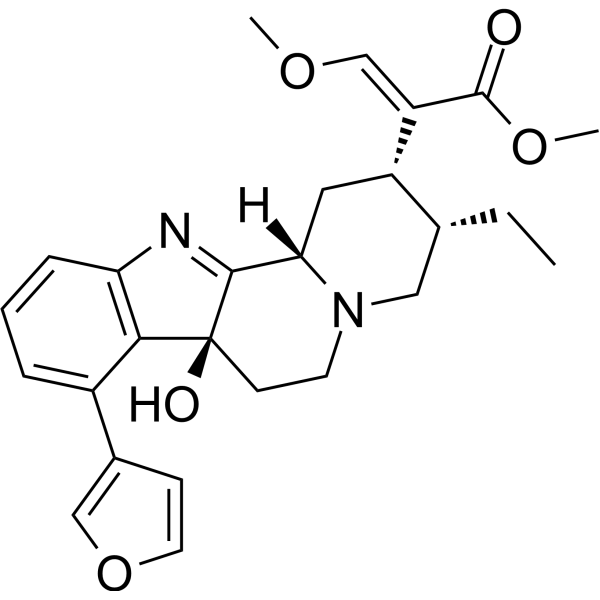
Vomicine modulates cGAS-STING-TBK1 signaling pathway, and exhibits anti-inflammatory activity. Vomicine is an alkaloid that can be isolated from Strychnos nux-vomica seeds .
|
-
-
- HY-164288
-
|
TDI-006570
|
Cyclic GMP-AMP Synthase
STING
|
Neurological Disease
Inflammation/Immunology
|
|
TDI-6570 (TDI-006570) is a blood-brain barrier-permeable, orally active cGAS inhibitor with an IC50 of 1.64 μM. TDI-6570 exhibits high gastrointestinal absorption and a long brain half-life in mice, and shows no toxicity to primary neurons. By inhibiting the cGAS-STING-IFN signaling pathway, TDI-6570 reduces STING levels and the activation of TBK1, blocks double-stranded DNA-induced cGAS activation and downstream interferon-stimulated gene expression, thereby reducing tau protein spread and improving synaptic loss. TDI-6570 reverses memory deficits, increases the amplitude of long-term potentiation, enhances the MEF2C transcriptional network, restores PSD-95 and vGAT punctate structures, and significantly improves cognitive resilience. TDI-6570 can be applied to the research of Alzheimer's disease, Parkinson's disease, systemic lupus erythematosus, as well as various central nervous system and autoimmune diseases .
|
-
-
- HY-158189
-
|
|
Photosensitizer
Reactive Oxygen Species (ROS)
Apoptosis
|
Neurological Disease
Cancer
|
|
TPP-Ce6 is a mitochondria-targeted photosensitizer formed by the ester bond conjugation of chlorophyll e6 (Ce6) with triphenylphosphine (TPP). Under light irradiation or ultrasound exposure, TPP-Ce6 generates reactive oxygen species, induces cell apoptosis, and triggers immunogenic cell death. TPP-Ce6 can serve as a component of carrier-free co-delivery systems, undergo enzyme-induced self-assembly within tumors, and modulate tumor hypoxia. TPP-Ce6 is applicable to research on breast cancer and glioblastoma .
|
-
-
- HY-N15159
-
|
|
Cyclic GMP-AMP Synthase
STING
Parasite
|
Infection
Inflammation/Immunology
|
|
Cladophorol A is a cyclic GMP-AMP synthase (cGAS) inhibitor. Cladophorol A binds to the conserved adenosine nucleobase binding site within the cGAS active site to inhibit its catalytic activity. Cladophorol A effectively inhibits the overactivation of the cGAS-STING pathway with an IC50 of 370 nM. Cladophorol A inhibits asexual blood-stage Plasmodium falciparum with an EC50 of 0.7 μg/mL. Cladophorol A can be used for the researches of inflammatory disease and malaria .
|
-
-
- HY-162133
-
|
|
STING
Apoptosis
IKK
IFNAR
NF-κB
|
Cancer
|
MSA-2-Pt, platinum salt-modified MSA-2 (HY-136927), is a STING agonist. MSA-2-Pt inducing cell death by platinum and activating the STING pathway by MSA-2. MSA-2-Pt direct activates STING pathway, induces phosphorylation of TBK1, IRF3, and NF-κB p65. MSA-2-Pt enhances tumor infiltration of CD4 + and CD8 + T cells, and induces tumor cell death and apoptosis in mouse colon carcinoma and melanoma models .
|
-
-
- HY-178431
-
|
|
mTOR
Apoptosis
Reactive Oxygen Species (ROS)
STING
|
Cancer
|
|
MT-44 is a highly selective and potent mTOR inhibitor with an IC50 of 49.4 nM. MT-44 can inhibit cancer cells proliferation, migration and invasion. MT-44 can induce cells apoptosis and ROS production and cause G2/M phase arrest. MT-44 can activate the cGAS/STING pathway. MT-44 can be used for the research of cancer, such as triple-negative breast cancer .
|
-
-
- HY-P990181
-
|
|
Glutathione Peroxidase
STING
|
Inflammation/Immunology
|
|
Anti-Mouse myeloperoxidase/MPO Antibody (6G4) is an anti-mouse myeloperoxidase/MPO IgG2c monoclonal antibody. Anti-Mouse myeloperoxidase/MPO Antibody (6G4) can activate the cGAS/STING pathway. Anti-Mouse myeloperoxidase/MPO Antibody (6G4) induces acute and chronic kidney injury in mice. Anti-Mouse myeloperoxidase/MPO Antibody (6G4) is often used in the construction of inflammation conditions models such as anti-neutrophil cytoplasmic antibody (ANCA)-associated vasculitides (AAV) .
|
-
-
- HY-162966
-
|
|
Cyclic GMP-AMP Synthase
PROTACs
STING
|
Cancer
|
|
MS7829 is a deubiquitinase-targeting chimera (DUBTAC) that targets cGAS. MS7829 recruits OTUB1 to cGAS, binds covalently to OTUB1, stabilizes the protein abundance of cGAS, and activates the cGAS-STING-IRF3 innate immune signaling pathway in an OTUB1-dependent manner. MS7829 is applicable to cancer-related research .
|
-
-
- HY-169225A
-
|
PDIC-NS
|
STING
Apoptosis
Reactive Oxygen Species (ROS)
|
Inflammation/Immunology
Cancer
|
|
PDIC-NN dimethanesulfonate (PDIC-NS) is a STING activator with anticancer activity. PDIC-NN dimethanesulfonate promotes the content and biostability of endogenous cyclic dinucleotides (CDNs). PDIC-NN dimethanesulfonate triggers ROS burst and causes serious damage to mitochondria. PDIC-NN dimethanesulfonate induces cell apoptosis and inhibits DNA replication. PDIC-NN dimethanesulfonate activates cGAS-STING signaling pathway, enhances the immunogenicity of tumor cells and activates a robust innate immune response .
|
-
-
- HY-176256
-
|
|
STING
|
Cancer
|
|
endo-S-cGAFMP (Compound 3) is a STING agonist. endo-S-cGAFMP induces the production of interferon regulatory factors and proinflammatory cytokines by activating the cGAS-STING pathway, thereby enhancing innate and adaptive immune responses. endo-S-cGAFMP has potent immunostimulatory capacity in THP1 monocytes and RAW macrophages (EC50 values of 2.45 μM and 5.54 μM, respectively). endo-S-cGAFMP has significant antitumor activity. endo-S-cGAFMP can be used as a potential cancer immunotherapeutic agent, especially for studies of systemic administration .
|
-
-
- HY-178032
-
|
|
PARP
Apoptosis
Reactive Oxygen Species (ROS)
DNA/RNA Synthesis
STING
|
Cancer
|
|
PARP1-IN-44, an Olaparib (HY-10162) derivative, is an orally active PARP1 inhibitor (IC50 = 0.6 nM), and also inhibits PARP2 (IC50 = 1.0 nM) and PARP7 (IC50 = 7.5 nM). PARP1-IN-44 has selective antiproliferative activity against BRCA-deficient cancer cells with minimal toxicity to normal cells. PARP1-IN-44 induces G2/M phase arrest, promotes apoptosis, elevates ROS levels, disrupts mitochondrial membrane potential. PARP1-IN-44 suppresses PARylation while increasing γH2AX accumulation. PARP1-IN-44 activates the cGAS-STING pathway, upregulating IFN-β and CXCL10 expression. PARP1-IN-44 enhancing CD8+ T cell infiltration in a CT26 tumor mouse model, demonstrating robust in vivo antitumor efficacy .
|
-
-
- HY-157490
-
|
|
PARP
HDAC
|
Cancer
|
|
PARP/HDAC-IN-1 (compound B102) is a potent dual inhibitor of PARP and HDAC. PARP/HDAC-IN-1 inhibits PARP1, PARP2 and HDAC1 with IC50s of 19.01, 2.13, 1690 nM, respectively .
|
-
-
- HY-169225
-
|
PDIC-NS free base
|
STING
Apoptosis
Reactive Oxygen Species (ROS)
|
Inflammation/Immunology
Cancer
|
|
PDIC-NN (PDIC-NS free base) is a STING activator with anticancer activity. PDIC-NN promotes the content and biostability of endogenous cyclic dinucleotides (CDNs). PDIC-NN triggers ROS burst and causes serious damage to mitochondria. PDIC-NN induces cell apoptosis and inhibits DNA replication. PDIC-NN activates cGAS-STING signaling pathway, enhances the immunogenicity of tumor cells and activates a robust innate immune response .
|
-
-
- HY-N12507
-
|
|
STING
NF-κB
|
Others
|
|
Eupenicisirenin C (compound 1) is a sirenin derivative. Eupenicisirenin C has strong NF-κB inhibitory activities. Eupenicisirenin C suppresses effects on cGAS-STING pathway. Eupenicisirenin C inhibits RANKL-induced osteoclast differentiation in bone marrow macrophage cells .
|
-
-
- HY-158126
-
|
|
DNA/RNA Synthesis
|
Cancer
|
|
G-quadruplex ligand 2 (compound A3) is a triphenylamine-based ligand that targets mitochondrial DNA G4s. G-quadruplex ligand 2 activates the cGAS-STING pathway. G-quadruplex ligand 2 inhibits tumor growth and metastasis via regulation of TME .
|
-
-
- HY-163461
-
|
|
PARP
|
Cancer
|
|
4F-DDC is a novel PARP1 inhibitor with an IC50 value of 82 nM. 4F-DDC induces DNA damage and activates the cGAS–STING pathway. 4F-DDC inhibits the growth of HCC-1937-derived tumor xenografts .
|
-
-
- HY-175472
-
|
|
Phosphatase
Apoptosis
|
Cancer
|
|
(GalNAc)3-CPT is a glycoconjugate prodrug that targets the asialoglyco-protein receptor (ASGR) overexpressed on hepatocytes. (GalNAc)3-CPT exhibits significant antitumor activity (IC50 value of 3.07 μM in HepG2 cells) by activating the cGAS-STING pathway and promoting CD8+ T cell infiltration into tumors, thereby inducing tumor cell apoptosis .
|
-
-
- HY-162944
-
|
|
Ferroptosis
Mitochondrial Metabolism
STING
Autophagy
|
Cancer
|
|
NA-Ir is a Ferroptosis inducer. NA-Ir targets mitochondrial DNA (mtDNA) and activates the cGAS-STING pathway to induce ferritinophagy (Autophagy), while also generating reactive oxygen species (ROS) through photodynamic therapy (PDT), depleting glutathione (GSH), and downregulating glutathione peroxidase 4 (GPX4), thereby triggering lipid peroxidation and Ferroptosis. NA-Ir exhibits higher anticancer activity under light exposure and selectively inhibits cancer cells with high H2S levels .
|
-
-
- HY-N2616R
-
|
|
Reference Standards
STING
|
Inflammation/Immunology
|
|
Vomicine (Standard) is the analytical standard of Vomicine. This product is intended for research and analytical applications. Vomicine modulates cGAS-STING-TBK1 signaling pathway, and exhibits anti-inflammatory activity. Vomicine is an alkaloid that can be isolated from Strychnos nux-vomica seeds .
|
-
-
- HY-162967
-
|
|
PROTACs
Cyclic GMP-AMP Synthase
STING
|
Inflammation/Immunology
Cancer
|
|
MS8588 is a deubiquitinase-targeting chimera (DUBTAC) against cGAS. MS8588 induces targeted stabilization of cGAS, thereby activating downstream signaling pathways. MS8588 activates the cGAS/STING/IRF3 innate immune signaling pathway. MS8588 exhibits antitumor activity .
|
-
-
- HY-13735H
-
|
Acriquine acetate
|
Parasite
Sodium Channel
DNA Stain
Apoptosis
|
Cancer
|
|
Quinacrine (Acriquine) acetate is a small molecule modulator of the cGAS-STING-TBK1 signaling pathway, possessing immune stimulatory activity. Quinacrine acetate has been explored for its potential therapeutic applications in enhancing anti-tumor immunity. Quinacrine acetate can improve the effectiveness of cancer immunotherapies by addressing the poor immunogenicity of various tumors. Quinacrine acetate also presents a promising strategy for overcoming the limitations associated with immune checkpoint inhibitors in cancer treatment.
|
-
-
- HY-183748
-
|
|
DNA/RNA Synthesis
PD-1/PD-L1
IKK
STAT
STING
|
Cancer
|
|
XL-20 is an orally active DNA polymerase θ (Polθ) ATPase inhibitor with an IC50 of 4.3 nM against human targets. XL-20 activates the cGAS-STING pathway. XL-20 upregulates the expression of PD-L1 in HR-deficient cancer cells. XL-20 acts synergistically with PARP inhibition in HR-deficient cancer cells and in vivo xenograft models. XL-20 can be used in studies related to HR-deficient cancers .
|
-
-
- HY-181850
-
|
|
G-quadruplex
DNA/RNA Synthesis
Cyclic GMP-AMP Synthase
STING
Autophagy
|
Cancer
|
|
Telomeric G4s ligand 2 is an orally active, selective ligand of telomeric G-quadruplex (G4), with an IC50 of 0.4 μM. Telomeric G4s ligand 2 binds to dimeric telomeric G4, inhibits the activities of DHX36 and BLM helicases. Telomeric G4s ligand 2 activates cGAS-STING and TERRA-ZBP1 pathways, inducing autophagy and G2/M cell cycle arrest, and exhibits antiproliferative effects across cancer cell lines. Telomeric G4s ligand 2 can be used for the study of colorectal cancer .
|
-
-
- HY-180555
-
|
|
PROTACs
STING
|
Inflammation/Immunology
Cancer
|
|
SN38-(PEG)2-Pom-α is a selective PROTAC RPL15 degrader. SN38-(PEG)2-Pom-α induces ubiquitin-mediated degradation of RPL15 without affecting TOP1. SN38-(PEG)2-Pom-α induces damage-associated molecular pattern (DAMP) secretion from cancer cells, which activated cGAS-STING signaling in dendritic cells. SN38-(PEG)2-Pom-α enhances anti-PD-1 immunotherapy in a murine melanoma tumor model expressing human CRBN. SN38-(PEG)2-Pom-α can be used for melanoma research .
|
-
-
- HY-182926
-
|
|
DNA/RNA Synthesis
Topoisomerase
|
Cancer
|
|
Topoisomerase I/II-IN-9 is a topoisomerase I/II inhibitor (IC50<10 μM) and a DNA damage inducer. Topoisomerase I/II-IN-9 blocks the interaction between the enzyme and DNA by binding to the DNA-binding pocket of the enzyme. Topoisomerase I/II-IN-9 activates the cGAS-STING pathway and promotes the accumulation of cytoplasmic double-stranded DNA. This further drives the production of type I interferons, CCL5, CXCL10 and interferon-stimulated genes, and induces anti-tumor immune responses in vivo. Topoisomerase I/II-IN-9 can be applied to the research of related diseases such as triple-negative breast cancer, colorectal cancer and gastric cancer .
|
-
-
- HY-13902A
-
|
VE-822 hydrochloride; VX-970 hydrochloride; M6620 hydrochloride
|
ATM/ATR
Apoptosis
STING
Caspase
|
Neurological Disease
Cancer
|
|
Berzosertib (VE-822) hydrochloride is an orally active, CNS-penetrant, and selective ATR kinase inhibitor. Berzosertib hydrochloride blocks ATR kinase activity, abrogates G2/M cell cycle checkpoint, impairs DNA damage repair. Berzosertib hydrochloride induces apoptosis, inhibnits conlony migration, inhibits cell proliferation, and activates cGAS-STING axes in cancer cells. Berzosertib hydrochloride can be used for the research of cancers, such as head and neck squamous cell carcinoma, and colorectal cancer .
|
-
-
- HY-182758
-
|
|
Topoisomerase
Apoptosis
|
Neurological Disease
Inflammation/Immunology
Cancer
|
|
Topoisomerase I-IN-21 is a promising topoisomerase I inhibitor with an IC50 of 18.79 μM. Topoisomerase I-IN-21 shows higher selectivity toward cancer cells over normal CD8 + cells. Topoisomerase I-IN-21 induces G0/G1 cell cycle arrest and apoptosis. Topoisomerase I-IN-21 activates the cGAS-STING pathway, leading to enhanced immune gene expression. Topoisomerase I-IN-21 can be used for research on leukemia, non-small-cell lung, colon, central nervous system, melanoma, ovarian, renal, prostate, and breast cancers .
|
-
-
- HY-182360
-
|
|
PERK
Eukaryotic Initiation Factor (eIF)
Bcl-2 Family
Apoptosis
Reactive Oxygen Species (ROS)
STING
DNA/RNA Synthesis
PD-1/PD-L1
|
Cancer
|
|
Cytisine-Platinum(IV) Prodrug-1 is a Pt(IV) prodrug incorporating the natural compound Cytisine (HY-N0175) with antiproliferative activity against tumor cells. Cytisine-Platinum(IV) Prodrug-1 promotes calcium transfer across the IP3R1-GRP75-VDAC1 axis to drive mitochondrial calcium overload. Cytisine-Platinum(IV) Prodrug-1 initiates unfolded protein response via PERK, eIF2α, ATF4, and CHOP to modulate Bcl-2 and Bax, triggering apoptosis. Cytisine-Platinum(IV) Prodrug-1 induces mitochondrial dysfunction, ROS production, reduced ATP synthesis, DNA damage, and S-phase cell cycle arrest. Cytisine-Platinum(IV) Prodrug-1 activates the cGAS-STING pathway, reduces PD-L1 expression, drives immunogenic cell death. Cytisine-Platinum(IV) Prodrug-1 exhibits high physiological stability, efficient cellular accumulation, and enhanced platinum-DNA binding, and inhibits tumor growth in mouse models with reduced systemic toxicity. Cytisine-Platinum(IV) Prodrug-1 can be used for the research of lung cancer .
|
-
-
- HY-179624
-
|
|
Cyclic GMP-AMP Synthase
|
Neurological Disease
|
|
cGAS-IN-7 is a cyclic GMP-AMP synthase (cGAS) inhibitor with an IC50 of 0.66 μM for human cGAS. cGAS-IN-7 modestly decreases cGAMP levels in THP1 cells. cGAS-IN-7 can be used for the research of Alzheimer's disease .
|
-
-
- HY-P991989
-
|
|
ADC Antibody
|
Cancer
|
|
MRG004A Antibody (HuSC1-39) is a monoclonal antibody inhibitor targeting tissue factor (TF). MRG004A Antibody can be used to synthesize the antibody-drug conjugate (ADC) MRG004A. MRG004A Antibody can be used to research related to cancer .
|
-
-
- HY-12970B
-
|
|
Histone Methyltransferase
Reactive Oxygen Species (ROS)
Apoptosis
|
Neurological Disease
Cancer
|
|
EPZ020411 dihydrochloride is a selective, blood-brain barrier-permeable PRMT6 inhibitor with an IC50 of 0.010 μM. EPZ020411 dihydrochloride blocks PRMT6-mediated histone H3R2 methylation, reduces ROS production, and inhibits Apoptosis. EPZ020411 dihydrochloride is applicable to research related to neuropathic pain, colorectal cancer, ototoxicity, hearing loss and glioblastoma .
|
-
| Cat. No. |
Product Name |
Target |
Research Area |
-
- HY-P1680
-
|
Asterin
|
STING
HSV
|
Infection
Inflammation/Immunology
Cancer
|
|
Astin C (Asterin) is a cyclopeptide that can be extracted from Aster tataricus. Astin C has anti-inflammatory and anti-cancer activities. Astin C can specifically inhibit the cGAS-STING signaling pathway, block the recruitment of IRF3 to the STING signalosome, and thus inhibit the innate inflammatory response. Astin C can be used in the research of autoimmune diseases and cancers .
|
| Cat. No. |
Product Name |
Target |
Research Area |
Image |
-
- HY-P990181
-
|
|
Glutathione Peroxidase
STING
|
Inflammation/Immunology
|
|
Anti-Mouse myeloperoxidase/MPO Antibody (6G4) is an anti-mouse myeloperoxidase/MPO IgG2c monoclonal antibody. Anti-Mouse myeloperoxidase/MPO Antibody (6G4) can activate the cGAS/STING pathway. Anti-Mouse myeloperoxidase/MPO Antibody (6G4) induces acute and chronic kidney injury in mice. Anti-Mouse myeloperoxidase/MPO Antibody (6G4) is often used in the construction of inflammation conditions models such as anti-neutrophil cytoplasmic antibody (ANCA)-associated vasculitides (AAV) .
|
-
(5)
-
- HY-P991989
-
|
|
ADC Antibody
|
Cancer
|
|
MRG004A Antibody (HuSC1-39) is a monoclonal antibody inhibitor targeting tissue factor (TF). MRG004A Antibody can be used to synthesize the antibody-drug conjugate (ADC) MRG004A. MRG004A Antibody can be used to research related to cancer .
|
-
(5)
| Cat. No. |
Product Name |
Category |
Target |
Chemical Structure |
| Cat. No. |
Product Name |
|
Classification |
-
- HY-160225
-
|
|
|
CpG ODNs
|
|
ISD sodium is an interferon-stimulatory DNA, a 45 bp non-CpG double-stranded oligonucleotide derived from the genome of Listeria monocytogenes. ISD sodium potently induces type I interferon production via the cGAS‑STING‑TBK1‑IRF3 pathway .
|
Your information is safe with us. * Required Fields.
Inquiry Information
- Product Name:
- Cat. No.:
- Quantity:
- MCE Japan Authorized Agent:

