
132 Results for "

cell plasma membrane

" in MedChemExpress (MCE) Product Catalog:
Products (132)

132 Results for "cell plasma membrane" in MCE Product Catalog:

194
194 Publications Verification
Cat. No.: HY-15924
CAS No.: 298-93-1
Synonyms: MTT; Thiazolyl Blue Tetrazolium bromide; Methylthiazolyldiphenyl-tetrazolium bromide
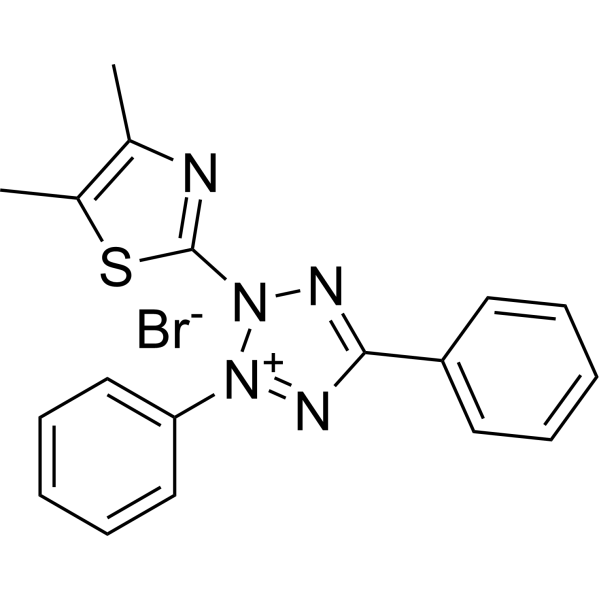
Thiazolyl Blue (MTT) is a cell-permeable and positively charged tetrazolium dye that is used to detect reductive metabolism in cells. Thiazolyl Blue is taken up by cells through the plasma membrane and then reduced to formazan by intracellular NAD (P) H-oxidoreductases. Thiazolyl Blue is frequently used in colorimetric assays to measure cell proliferation, cytotoxicity, and apoptosis .
loading...
    loading...
96
96 Cited Publications
Cat. No.: HY-N0322A
Target:  

Liposome

Cholesterol Water Soluble is a major sterol in mammals, constituting 20-25% of the structural composition of the plasma membrane. The plasma membrane is highly permeable to water but relatively impermeable to ions and protons. Cholesterol Water Soluble plays an important role in determining the fluidity and permeability characteristics of membranes and the function of transporters and signaling proteins. Cholesterol Water Soluble is also an endogenous estrogen-related receptor alpha (ERRα) agonist. Cholesterol Water Soluble can be used to study the effects of cholesterol on potassium currents in inner hair cells .
(Note: This product is a mixture of Cholesterol and Methyl-β-cyclodextrin. The product specifications below only indicate the effective content of Cholesterol.)
loading...
    loading...
21
21 Cited Publications
Cat. No.: HY-B0633
CAS No.: 9067-32-7
Synonyms: Sodium hyaluronate
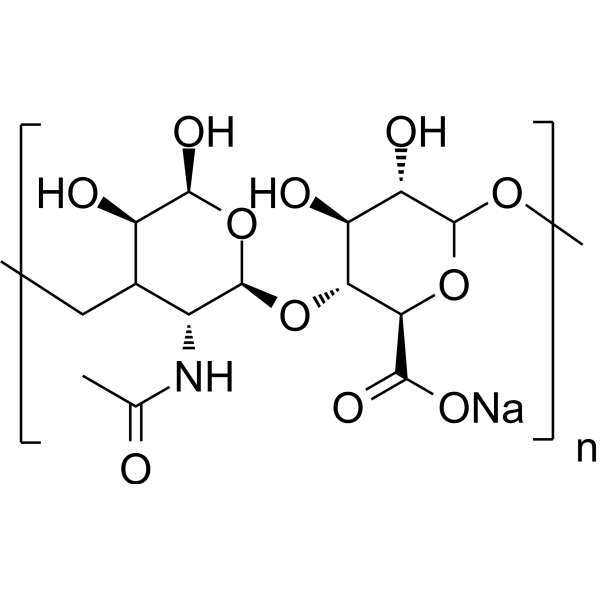
Hyaluronic acid sodium (Sodium hyaluronate) is a biopolymer composed of repeating units of disaccharides with various applications. Hyaluronic acid sodium is a major component of the extracellular matrix (ECM). Hyaluronic acid sodium is synthesized at the plasma membrane. Increased hyaluronic acid sodium levels are associated with tumor cell growth, adhesion, migration, invasion and angiogenesis in digestive cancers. Hyaluronic acid sodium participates in tissue remodeling and rapid cell proliferation in some physiological processes including embryonic morphogenesis and wound-healing. Hyaluronic acid sodium activates the PI3K-Akt signaling. Hyaluronic acid sodium acts as a regulator of cancer-associated lymphangiogenesis. Hyaluronic acid sodium also enhances cell invasion and angiogenesis by promoting proteolytic MMP-9 binding to cell surface or stimulating MMP-9 binding to cell surface. Hyaluronic acid sodium can be used as drug delivery for sodium butyrate to improve the anti-proliferative activity on breast cancer cell line. Hyaluronic acid sodium can be studied in joint diseases, wound healing and cancer .
loading...
    loading...
21
21 Cited Publications
Cat. No.: HY-B0633A
CAS No.: 9004-61-9
Synonyms: Hyaluronan; Hyaluronate
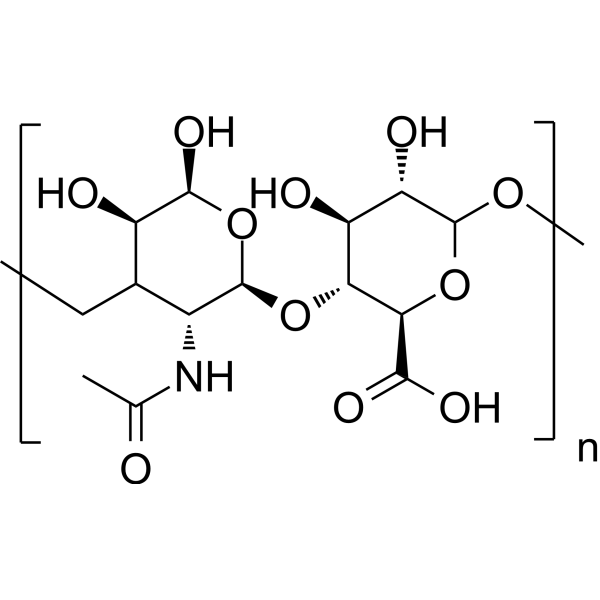
Hyaluronic acid is a biopolymer composed of repeating units of disaccharides with various applications. Hyaluronic acid is a major component of the extracellular matrix (ECM). Hyaluronic acid is synthesized at the plasma membrane. Increased hyaluronic acid levels are associated with tumor cell growth, adhesion, migration, invasion and angiogenesis in digestive cancers. Hyaluronic acid participates in tissue remodeling and rapid cell proliferation in some physiological processes including embryonic morphogenesis and wound-healing. Hyaluronic acid activates the PI3K-Akt signaling. Hyaluronic acid acts as a regulator of cancer-associated lymphangiogenesis. Hyaluronic acid also enhances cell invasion and angiogenesis by promoting proteolytic MMP-9 binding to cell surface or stimulating MMP-9 binding to cell surface. Hyaluronic acid can be used as drug delivery for sodium butyrate to improve the anti-proliferative activity on breast cancer cell line. Hyaluronic acid can be studied in joint diseases, wound healing and cancer .
loading...
    loading...
18
18 Cited Publications
Cat. No.: HY-Y0966
CAS No.: 56-40-6
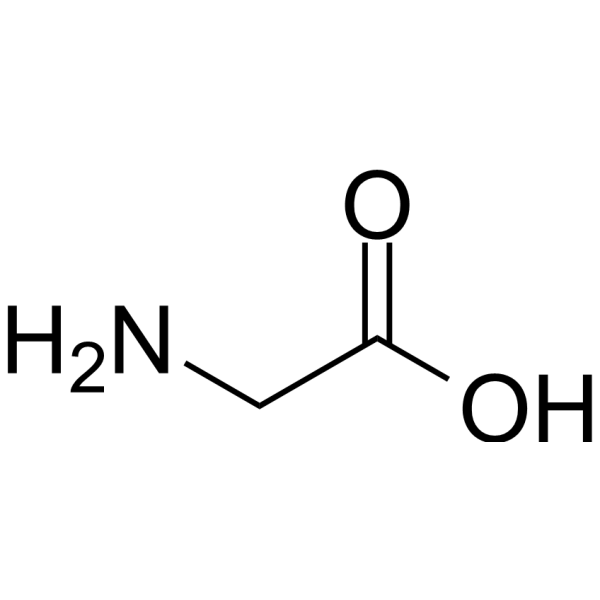
Glycine is an inhibitory neurotransmitter in the CNS and also acts as a co-agonist along with glutamate, facilitating an excitatory potential at the glutaminergic N-methyl-D-aspartic acid (NMDA) receptors. Glycine is orally active. Glycine inhibits the membrane aggregation of NINJ1 and prevents plasma membrane rupture during cell death. Glycine can be used to study cell protection, cancer, neurological diseases, and angiogenesis .
loading...
    loading...
12
12 Cited Publications
Cat. No.: HY-D0986
CAS No.: 115534-33-3
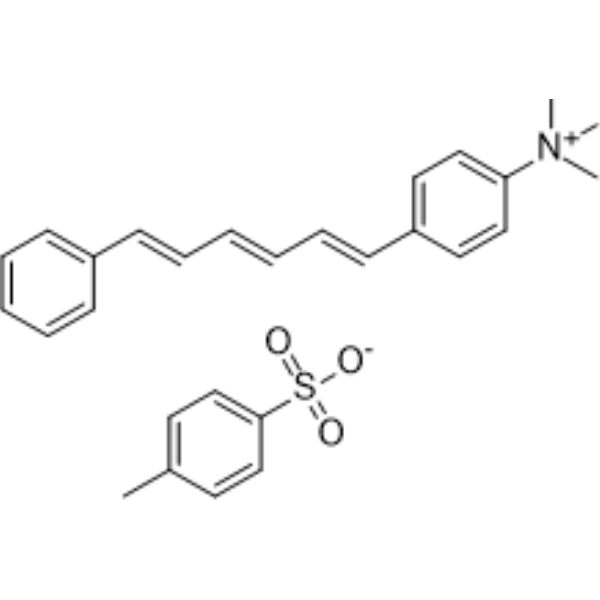
TMA-DPH is a hydrophobic fluorescent membrane probe (Ex=355 nm; Em=430 nm). TMA-DPH is able to anchor on the cell surface and localize to different regions of the phospholipid bilayer. By analyzing the fluorescence polarization values of TMA-DPH in the plasma membrane and membrane substructures, the fluidity of the cell membrane can be determined .
loading...
    loading...
7
7 Cited Publications
Cat. No.: HY-D1063
CAS No.: 207399-07-3
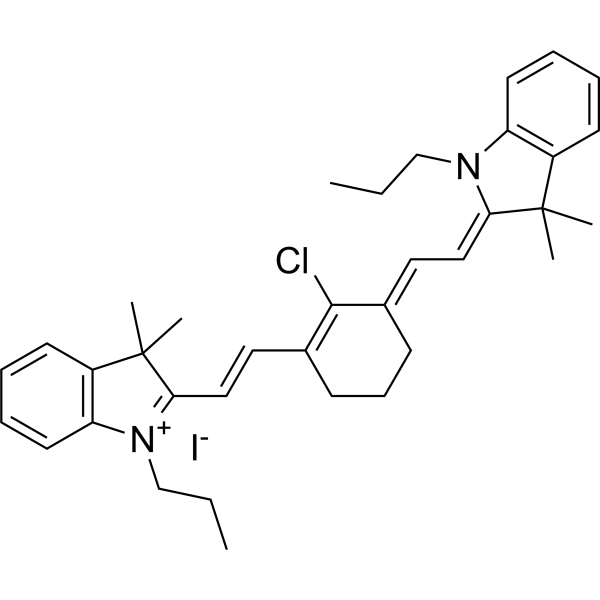
IR-780 is a near-infrared fluorescent probe for in vivo imaging of tumor cells. IR-780 is transported into tumor cells via OATPs and ABCB10, with uptake dependent on glycolytic activity and plasma membrane potential. IR-780 preferentially accumulates in tumor cell mitochondria, including those of drug-resistant cancer cells, without chemical conjugation. IR-780 generates reactive oxygen species (ROS), induces hyperthermia and apoptosis, inhibits tumor growth and recurrence, and modulates HSP70 expression upon ultrasound or 808 nm laser exposure. IR-780 acts as a sonosensitizer, photodynamic and photothermal agent, and drug delivery carrier, with low acute imaging-dose toxicity and rapid vital organ clearance. IR-780 can be used for the research of cancer, such as breast cancer, lung cancer, and non-small cell lung cancer (NSCLC) .
loading...
    loading...
4
4 Cited Publications
Cat. No.: HY-120821
CAS No.: 1839524-44-5
Purity:  99.17%
Synonyms: ES2
Target:  

Exosomes

Research Areas:  

Others

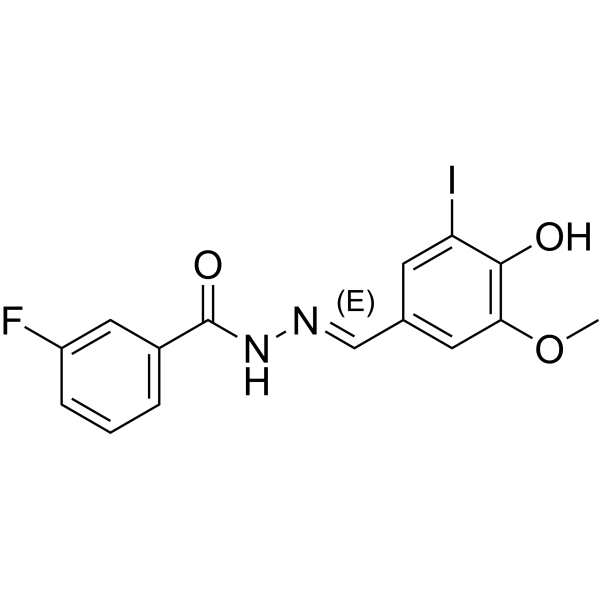
Endosidin-2 (ES2) is a selective inhibitor targeting the conserved exosome subunit EXO70. Endosidin-2 binds to the C-terminal domain of EXO70, inhibiting exocytosis and endosomal recycling, while promoting vacuolar trafficking in plant cells. Endosidin-2 interferes with the EXO70-mediated vesicle-to-plasma membrane anchoring process, leading to abnormal aggregation of auxin transporters (such as PIN2) in the cytoplasm and redirected to vacuolar degradation, while causing abnormal Golgi structure (such as cup-shaped or ring-shaped vesicles cisternae formation). Endosidin-2 can inhibit exocytosis in plant and mammalian cells and is mainly used to study the dynamic regulation of membrane trafficking (such as polar growth, vesicle sorting) .
loading...
    loading...
4
4 Cited Publications
Cat. No.: HY-109061
CAS No.: 1903008-80-9
Purity:  99.87%
Synonyms: YH25448; GNS-1480
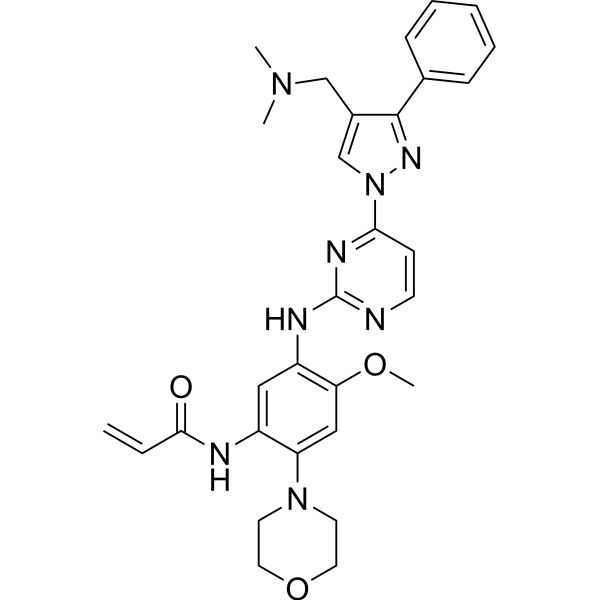
Lazertinib (YH25448; GNS-1480) is an orally active, blood-brain barrier permeable third-generation EGFR tyrosine kinase inhibitor, as well as an ABCB1/ABCG2 inhibitor and a TRPA1 activator. Lazertinib exhibits IC50 values of 0.4 mM and 0.2 mM against human ABCB1 and ABCG2, respectively. By inhibiting mutant EGFR signaling, EGFR phosphorylation and the downstream ERK/AKT pathway, as well as upregulating surface expression of EGFR/MET, Lazertinib induces cell cycle arrest, apoptosis, spontaneous calcium responses, hyperexcitability of dorsal root ganglion (DRG) neurons, and TRPA1-dependent pain-like behaviors. Lazertinib competitively binds to the substrate-binding sites of ABCB1/ABCG2, stimulates their ATPase activity without altering their expression or plasma membrane localization, thereby enhancing ADCC activity, acting as a chemosensitizer, and reversing ABCB1-mediated multidrug resistance. It exerts antitumor activity as a single agent or in combination with other drugs. Lazertinib is applicable to research related to non-small cell lung cancer, multidrug-resistant cancers, and paresthesia .
loading...
    loading...
4
4 Cited Publications
Cat. No.: HY-109061B
CAS No.: 2247995-37-3
Synonyms: YH25448 mesylate; GNS-1480 mesylate
Research Areas:  

Cancer

Lazertinib (YH25448; GNS-1480) mesylate is an orally active, blood-brain barrier permeable third-generation EGFR tyrosine kinase inhibitor, as well as an ABCB1/ABCG2 inhibitor and a TRPA1 activator. Lazertinib mesylate exhibits IC50 values of 0.4 mM and 0.2 mM against human ABCB1 and ABCG2, respectively. By inhibiting mutant EGFR signaling, EGFR phosphorylation and the downstream ERK/AKT pathway, as well as upregulating surface expression of EGFR/MET, Lazertinib mesylate induces cell cycle arrest, apoptosis, spontaneous calcium responses, hyperexcitability of dorsal root ganglion (DRG) neurons, and TRPA1-dependent pain-like behaviors. Lazertinib mesylate competitively binds to the substrate-binding sites of ABCB1/ABCG2, stimulates their ATPase activity without altering their expression or plasma membrane localization, thereby enhancing ADCC activity, acting as a chemosensitizer, and reversing ABCB1-mediated multidrug resistance. It exerts antitumor activity as a single agent or in combination with other drugs. Lazertinib mesylate is applicable to research related to non-small cell lung cancer, multidrug-resistant cancers, and paresthesia .
loading...
    loading...
3
3 Cited Publications
Cat. No.: HY-B0984
CAS No.: 13636-18-5
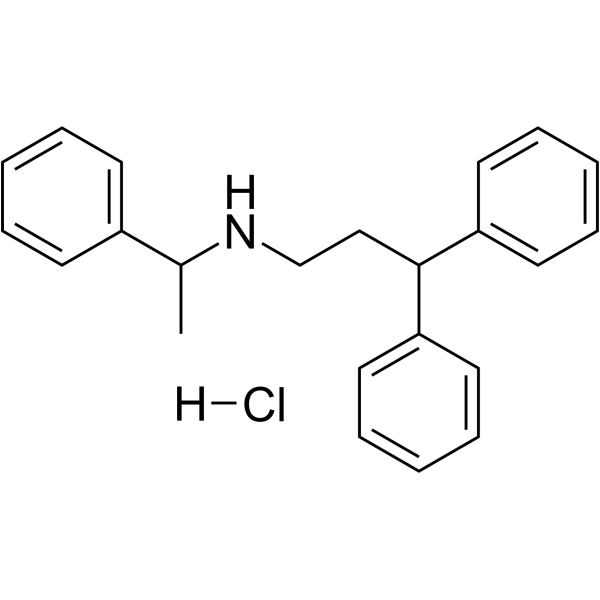
Fendiline hydrochloride, a diphenylalkylamine type of antianginal agent, is an L-type calcium channel blocker (IC50 of 17 µM). Fendiline hydrochloride is also a selective K-Ras inhibitor, and has no effect on H-Ras and N-Ras. Fendiline hydrochloride inhibits K-Ras plasma membrane localization (IC50 of 9.64 μM), inhibits K-Ras signal output and blocks the proliferation of pancreatic, colon, lung, and endometrial cancer cell lines expressing oncogenic mutant K-Ras. Fendiline hydrochloride is a STING agonist and is able to inhibit the growth of multiple refractory cold tumors (MC38, CT26 and B16F10) .
loading...
    loading...
3
3 Cited Publications
Cat. No.: HY-B0984A
CAS No.: 13042-18-7
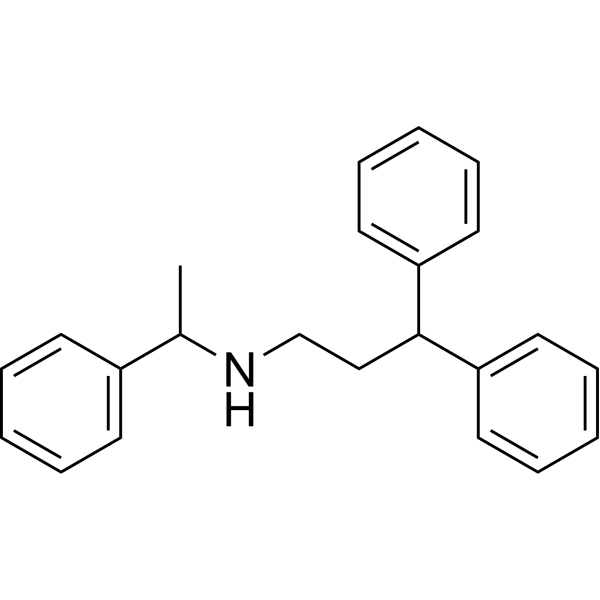
Fendiline, a diphenylalkylamine type of antianginal agent, is an L-type calcium channel blocker (IC50 of 17 µM). Fendiline is also a selective K-Ras inhibitor, and has no effect on H-Ras and N-Ras. Fendiline inhibits K-Ras plasma membrane localization (IC50 of 9.64 μM), inhibits K-Ras signal output and blocks the proliferation of pancreatic, colon, lung, and endometrial cancer cell lines expressing oncogenic mutant K-Ras. Fendiline is a STING agonist and is able to inhibit the growth of multiple refractory cold tumors (MC38, CT26 and B16F10) .
loading...
    loading...
2
2 Cited Publications
Cat. No.: HY-P5712
CAS No.: 113-73-5
Synonyms: Gramicidin soviet
Research Areas:  

Infection

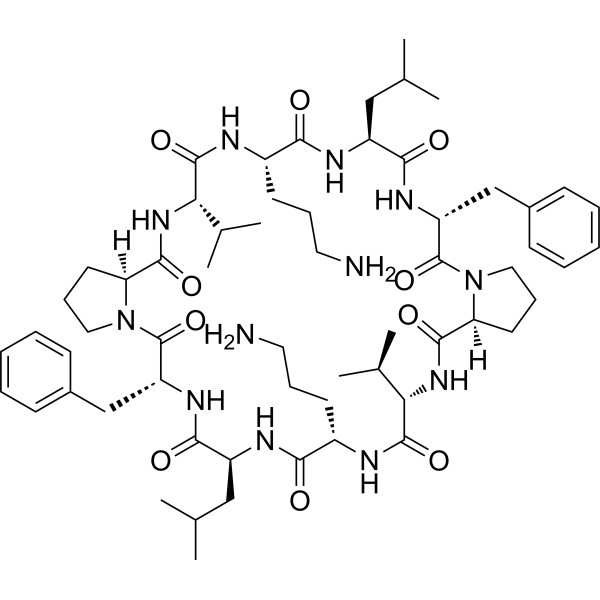
Gramicidin S (Gramicidin soviet) is a cationic cyclic peptide antibiotic that selectively targets bacterial cell membranes and has anticancer activity. Gramicidin S also exerts antibacterial activity by destroying membrane integrity and interfering with membrane protein function. Gramicidin S inserts into the phospholipid bilayer through hydrophobic amino acid residues, specifically binds to negatively charged membrane lipids and disrupts membrane structure, thereby inhibiting cell division and cell wall synthesis, and ultimately causing bacterial death. Gramicidin S also inhibits ion channels, with IC50s of 41 μM, 24 μM, and 3 μM for Na +/K +-ATPase, tobacco leaf plasma membrane Mg 2+/K +-ATPase, and rat heart plasma membrane Ca 2+-ATPase, respectively .
loading...
    loading...
2
2 Cited Publications
Cat. No.: HY-114297
CAS No.: 128-33-6
Purity:  99.47%
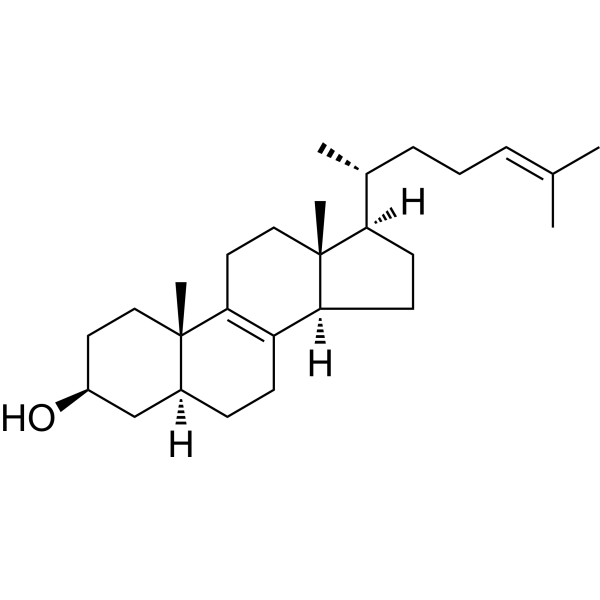
Zymosterol is a Cholesterol (HY-N0322) biosynthesis metabolite. Zymosterol, a precursor of Cholesterol, is found mostly in the plasma membrane. Zymosterol circulates within the cell .
loading...
    loading...
2
2 Cited Publications
Cat. No.: HY-124171
CAS No.: 181530-09-6
Purity:  ≥99.0%
Zinquin ethyl ester is a cell-permeable and lipophilic fluorescent derivative of Zinquin (HY-D0982). Zinquin ethyl ester reacts with protein-bound Zn 2+ in cells and forms fluorescent ternary adducts. Zinquin ethyl ester undergoes hydrolysis by intracellular esterases impeding its efflux across the plasma membrane (Ex/Em = 370/470 nm) .
loading...
    loading...
2
2 Cited Publications
Cat. No.: HY-156404
CAS No.: 1449483-78-6
Purity:  99.04%
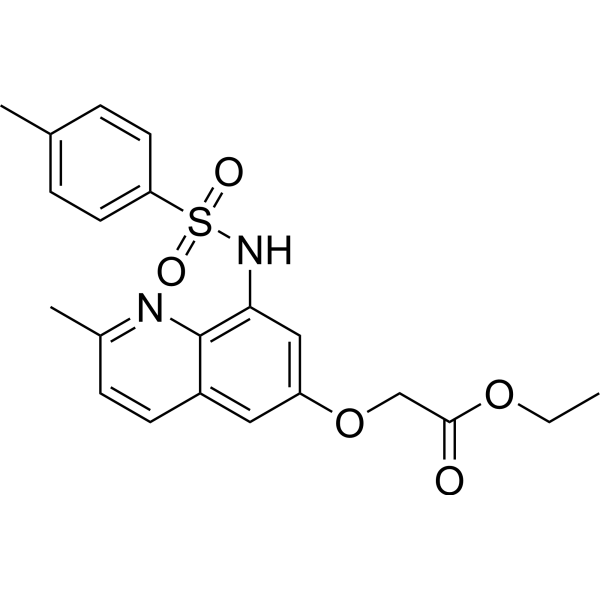
PM-1, a derivative of Thioflavin-T (ThT; HY-D0218), is a small but highly specific plasma membrane (PM) fluorescent dye for specific and long-time membrane imaging of living and fixed cells. PM-1 is embedded directly into the cell membrane and exhibits a very long retention time on the plasma membrane with a half-life of approximately 15 h. PM-1 can be used in combination with protein labeling probes to study ectodomain shedding and endocytosis processes of cell surface proteins .
loading...
    loading...
1
1 Cited Publications
Cat. No.: HY-D0367
CAS No.: 4193-55-9
Synonyms: Calcofluor White M2R
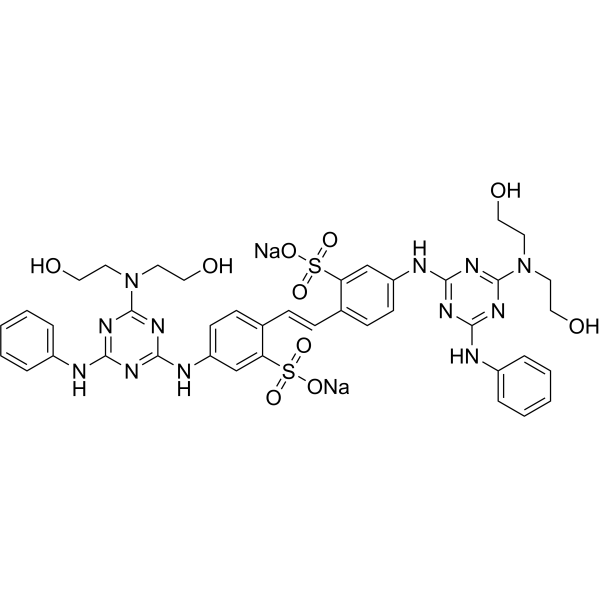
Fluorescent brightener 28 is a fluorescent whitening agent commonly used in the padding process of the textile industry. Fluorescent brightener 28 is capable of staining polysaccharides such as cellulose, and when the plasma membrane ruptures, it also weakly stains the cytoplasm and strongly stains the cell nucleus. Additionally, Fluorescent brightener 28 can be utilized to detect intracellular chitin in living cells. Fluorescent Brightener 28 also is a visible light emitting diode (LED)-light sensitive photoinitiator for free radical photopolymerizations .
loading...
    loading...
1
1 Cited Publications
Cat. No.: HY-W750459
CAS No.: 4404-43-7
Target:  

Fluorescent Dye

Research Areas:  

Others

Fluorescent brightener 28 (Technical Grade) is a fluorescent whitening agent commonly used in the padding process of the textile industry. Fluorescent brightener 28 is capable of staining polysaccharides such as cellulose, and when the plasma membrane ruptures, it also weakly stains the cytoplasm and strongly stains the cell nucleus. Additionally, Fluorescent brightener 28 can be utilized to detect intracellular chitin in living cells. Fluorescent Brightener 28 also is a visible light emitting diode (LED)-light sensitive photoinitiator for free radical photopolymerizations .
loading...
    loading...
1
1 Cited Publications
Cat. No.: HY-124298
CAS No.: 168482-84-6
Purity:  99.00%
Target:  

Fluorescent Dye

Research Areas:  

Others

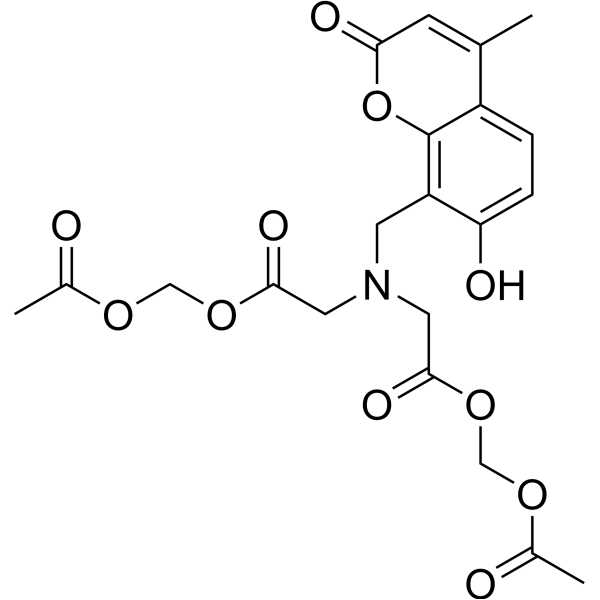
Calcein Blue AM is a cell staining agent. Calcein Blue AM serves as a substrate for intracellular esterases, which hydrolyze its acetoxymethyl (AM) ester group to convert the non-fluorescent reagent into fluorescent Calcein Blue. Calcein Blue AM passively penetrates the plasma membrane of both live and dead cells; it is converted into a polar fluorescent product and retained in the cytoplasm of live cells, whereas dead cells cannot retain the dye. Calcein Blue AM exhibits significant dye leakage, and its fluorescence intensity gradually decreases over time. Calcein Blue AM can be used for endpoint-based cell viability assays and short-term cell tracking experiments with a duration of no more than 4 hours.
loading...
    loading...
1
1 Cited Publications
Cat. No.: HY-P700709
Purity:  ≥ 95%, as determined by Bis-Tris PAGE.
Synonyms: ENPP1; Nucleotide Diphosphatase; Prev. PDNP1; NPPase; Prev. M6S1; membrane Component, Chromosome 6, Surface Marker 1; Prev. NPPS; membrane Component Chromosome 6 Surface Marker 1; PC-1; plasma-cell membrane Glycoprotein 1; PCA1; Alkaline Phosphodiesterase
Species:  
Mouse
Source:  
HEK293
loading...
    loading...

