
1. Search Result
Search Result
Results for "

cellular responses

" in MedChemExpress (MCE) Product Catalog:

116

Inhibitors & Agonists

6

Screening Libraries

6

Fluorescent Dyes

7

Biochemical Assay Reagents

11

Peptides

1

MCE Kits

6

Inhibitory Antibodies

22

Natural
Products

21

Isotope-Labeled Compounds

11

Oligonucleotides

1

GMP Molecules

Cat. No. Product Name Target Research Areas Chemical Structure
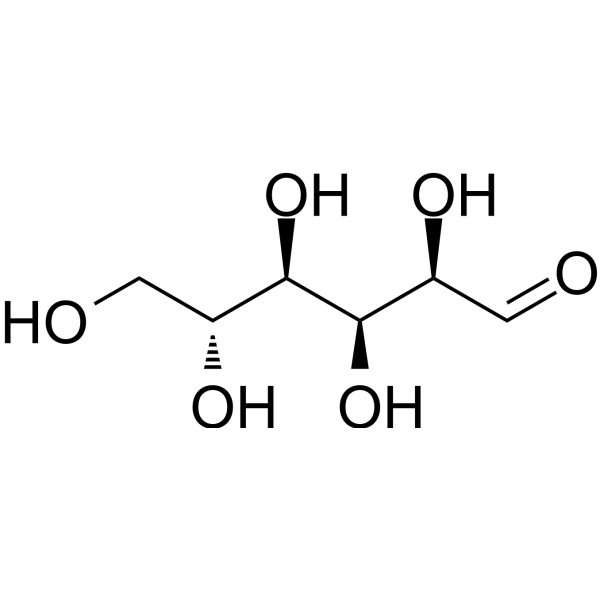
  • HY-B0389
    D-Glucose
    Maximum Cited Publications
    53 Publications Verification

    Glucose; D-(+)-Glucose; Dextrose

    Environmental Pollutants Endogenous Metabolite Cardiovascular Disease Others Metabolic Disease Endocrinology Cancer
    D-Glucose is the naturally occurring form of glucose and the most abundant monosaccharide. D-Glucose is a critical components of the general metabolism, and serve as critical signaling molecules in relation to both cellular metabolic status and biotic or abiotic stress response .
    D-Glucose
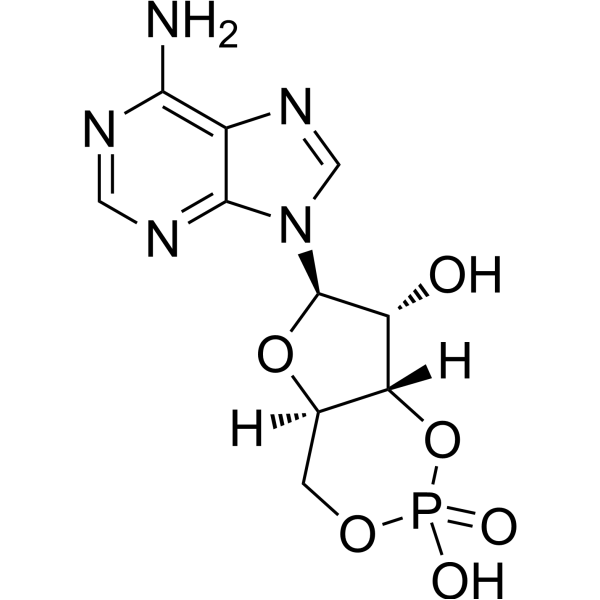
  • HY-B1511
    Cyclic AMP
    20+ Cited Publications

    Cyclic adenosine monophosphate; Adenosine cyclic 3', 5'-monophosphate; cAMP

    Endogenous Metabolite Neurological Disease Metabolic Disease Cancer
    Cyclic AMP (Cyclic adenosine monophosphate), adenosine triphosphate derivative, is an intracellular signaling molecule responsible for directing cellular responses to extracellular signals. Cyclic AMP is an important second messenger in many biological processes .
    Cyclic AMP
  • HY-113313
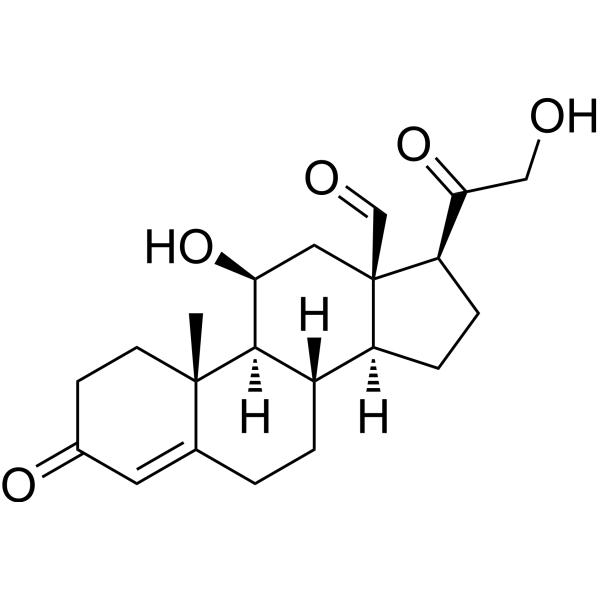
    Aldosterone
    5+ Cited Publications

    Endogenous Metabolite Cardiovascular Disease
    Aldosterone is the primary mineralocorticoid. Aldosterone is a steroid hormone, and it is synthesized and secreted in response to renin-angiotensin system activation (RAS) or high dietary potassium by the zona glomerulosa (ZG) of the adrenal cortex. Aldosterone activity is dependent by the binding and activation of the cytoplasmic/nuclear mineralocorticoid receptor (MR) at cellular level .
    Aldosterone
  • HY-113324
    NADPH
    15+ Cited Publications

    Endogenous Metabolite Cancer
    NADPH is a coenzyme of glutathione reductase (GR), thioredoxin reductase (TrxR) and NADPH oxidase (NOX), and participates in redox reactions as a hydrogen donor. NADPH has the characteristic of selectively participating in the regulation of cellular redox homeostasis. NADPH exerts antioxidant activity and resists reactive oxygen species (ROS) damage by providing reducing equivalents for the regeneration of glutathione (GSH) and thioredoxin (Trx); at the same time, it acts as a substrate of NOX to generate superoxide anions, mediating oxidative stress and immune response. NADPH participates in maintaining the intracellular reducing environment, biosynthesis and regulating gene expression (such as the Nrf2 pathway), and is mainly used in the study of oxidative stress-related diseases (such as cardiovascular diseases, neurodegenerative diseases, cancer) and immune regulation mechanisms .
    NADPH
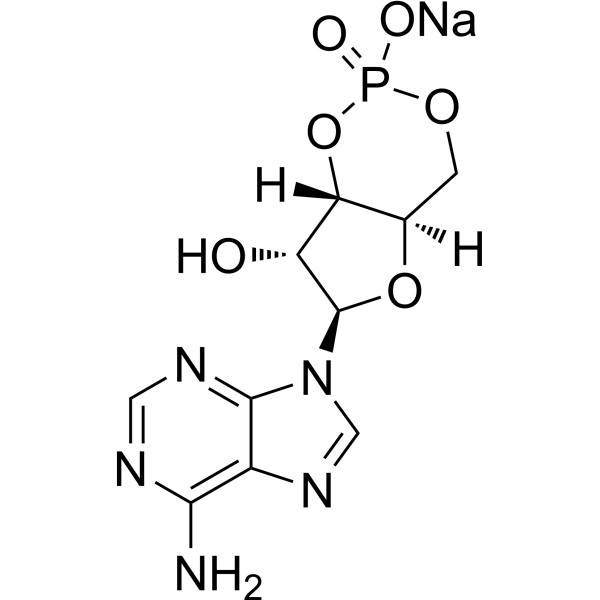
  • HY-B1511A
    Cyclic AMP sodium
    20+ Cited Publications

    Cyclic adenosine monophosphate sodium; Adenosine cyclic 3', 5'-monophosphate sodium; cAMP sodium

    Biochemical Assay Reagents Neurological Disease Metabolic Disease Cancer
    Cyclic AMP (Cyclic adenosine monophosphate) sodium, adenosine triphosphate derivative, is an intracellular signaling molecule responsible for directing cellular responses to extracellular signals. Cyclic AMP sodium is an important second messenger in many biological processes .
    Cyclic AMP sodium
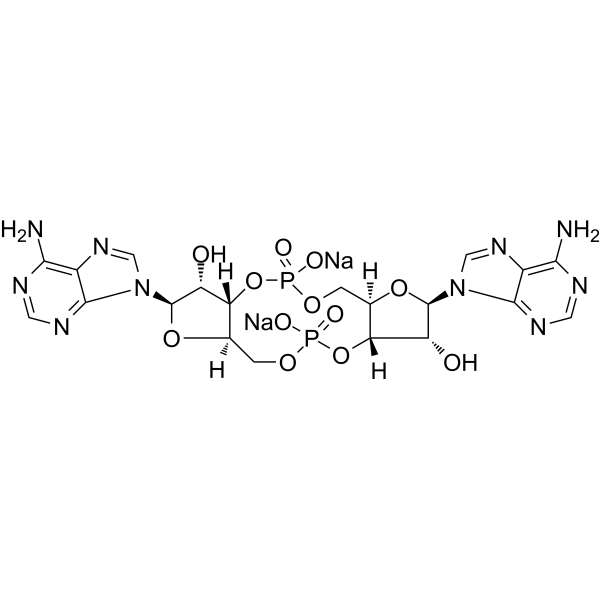
  • HY-12326A
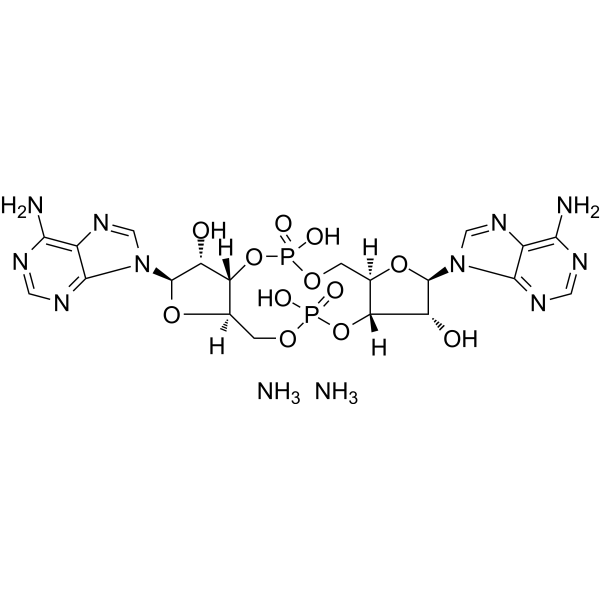
    c-di-AMP disodium
    15+ Cited Publications

    Cyclic diadenylate disodium; Cyclic-di-AMP disodium

    STING Bacterial Endogenous Metabolite Inflammation/Immunology
    c-di-AMP (Cyclic diadenylate) sodium is a STING agonist, which binds to the transmembrane protein STING thereby activating the TBK3-IRF3 signaling pathway, subsequently triggering the production of type I IFN and TNF. c-di-AMP sodium is also a bacterial second messenger, which regulates cell growth, survival, and virulence, primarily within Gram-positive bacteria, and also regulates host immune response. c-di-AMP sodium acts as a potent mucosal adjuvant stimulating both humoral and cellular responses .
    c-di-AMP disodium
  • HY-123942
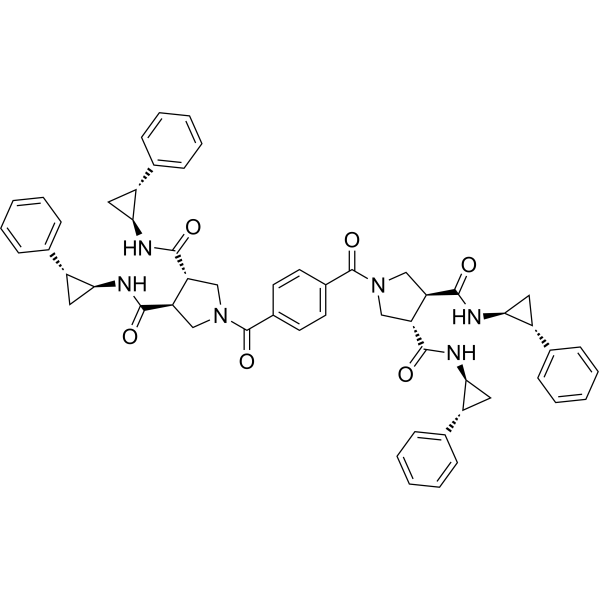
    Diprovocim
    10+ Cited Publications

    Toll-like Receptor (TLR) TNF Receptor p38 MAPK NF-κB Inflammation/Immunology Cancer
    Diprovocim is a potent TLR1/TLR2 agonist. Diprovocim elicits full agonist activity in human THP-1 cells (EC50=110 pM). Diprovocim stimulates the release of TNF-α from mouse macrophages (EC50=1.3 nM). Diprovocim activates downstream MAPK and NF-κB signaling pathway. Diprovocim displays strong adjuvant activity in mice, particularly abetting cellular immune responses .
    Diprovocim
  • HY-18975
    I-BRD9
    5+ Cited Publications

    Epigenetic Reader Domain Inflammation/Immunology Cancer
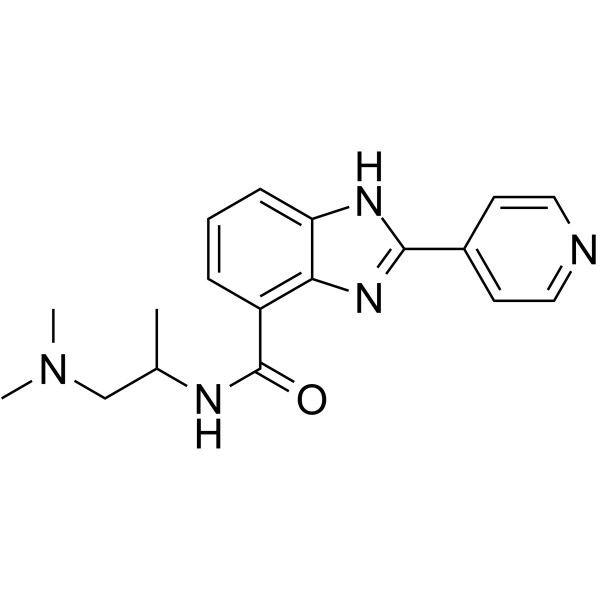
    I-BRD9 is a selective cellular chemical probe of bromodomain-containing protein 9 (BRD9) with pIC50 value of 7.3 μM. I-BRD9 has high selectivity for bromodomain and extra terminal domain (BET) family and highly homologous bromodomain-containing protein 7 (BRD7). I-BRD9 can be used to identify genes regulated by BRD9 in Kasumi-1 cells involved in oncology and immune response pathways .
    I-BRD9
  • HY-P99361

    PDL192; ABT-361; Anti-TNFRSF12A/TWEAKR/CD266 Reference Antibody (enavatuzumab)

    TNF Receptor Cancer
    Enavatuzumab (PDL192; ABT-361) is a humanized IgG1 monoclonal antibody targeting the receptor of TNF-like weak inducer of apoptosis (TWEAK). TWEAK (Fn14; TNFRSF12A), the natural ligand of the TWEAK receptor (TweakR), stimulates multiple cellular responses. Enavatuzumab induces tumor growth inhibition through direct TweakR signaling and antibody dependent cell-mediated cytotoxicity (ADCC). Enavatuzumab can actively recruits and activates myeloid effectors to kill tumor cells. Enavatuzumab inhibits the growth of various human TweakR-positive cancer cell lines and xenografts in vitro and in vivo .
    Enavatuzumab
  • HY-B0389S10
    D-Glucose-13C
    1 Publications Verification

    Glucose-13C; D-(+)-Glucose-13C; Dextrose-13C

    Endogenous Metabolite Metabolic Disease
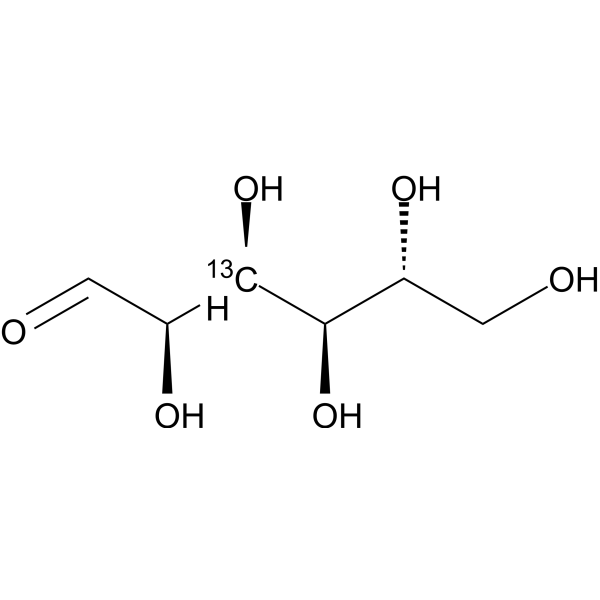
    D-Glucose- 13C is the 13C labeled D-Glucose. D-Glucose (Glucose), a monosaccharide, is an important carbohydrate in biology. D-Glucose is a carbohydrate sweetener and critical components of the general metabolism, and serve as critical signaling molecules in relation to both cellular metabolic status and biotic and abiotic stress response .
    D-Glucose-13C
  • HY-12326

    Cyclic diadenylate; Cyclic-di-AMP

    STING Bacterial Endogenous Metabolite Inflammation/Immunology
    c-di-AMP (Cyclic diadenylate) is a STING agonist, which binds to the transmembrane protein STING thereby activating the TBK3-IRF3 signaling pathway, subsequently triggering the production of type I IFN and TNF. c-di-AMP (Cyclic diadenylate) is also a bacterial second messenger, which regulates cell growth, survival, and virulence, primarily within Gram-positive bacteria, and also regulates host immune response. c-di-AMP (Cyclic diadenylate) acts as a potent mucosal adjuvant stimulating both humoral and cellular responses .
    c-di-AMP
  • HY-N0712
    Typhaneoside
    3 Publications Verification

    Autophagy mTOR Akt FXR Cardiovascular Disease Neurological Disease Metabolic Disease Cancer
    Typhaneoside is an orally bioavailable signal modulator and cellular regulator. Typhaneoside regulates the PI3K/Akt/mTOR autophagy transduction pathway. Typhaneoside promotes the activation of AMP-activated protein kinase and Caspase-3, induces apoptosis, ferroptosis, autophagy, ROS accumulation, and cell cycle arrest at the G2/M phase, and reduces cancer cell viability. Typhaneoside activates the farnesoid X receptor signaling pathway, improves glucose and lipid metabolism, alleviates inflammatory responses, oxidative stress and hepatic lipid accumulation, and exerts hepatoprotective effects. Typhaneoside is applicable to research related to post-myocardial infarction heart failure, acute myeloid leukemia, non-alcoholic fatty liver disease, and neurological disorders .
    Typhaneoside
  • HY-D0307A

    Acid Red 27; Azorubin S; FD & C Red Dye No. 2

    Environmental Pollutants Biochemical Assay Reagents Inflammation/Immunology
    Amaranth is an organic azo dye. Amaranth inhibits cellular immune response. Amaranth can be used as a food additive .
    Amaranth
  • HY-B0389S16

    Glucose-1-13C; D-(+)-Glucose-1-13C; Dextrose-1-13C

    Endogenous Metabolite Metabolic Disease
    D-Glucose-1- 13C is the 13C labeled D-Glucose. D-Glucose (Glucose), a monosaccharide, is an important carbohydrate in biology. D-Glucose is a carbohydrate sweetener and critical components of the general metabolism, and serve as critical signaling molecules in relation to both cellular metabolic status and biotic and abiotic stress response .
    D-Glucose-1-13C
  • HY-162563

    STING Inflammation/Immunology Cancer
    AK59 is a STING degrader that works by leveraging HERC4, a hect domain E3 ligase. AK59 can be used in the study of autoimmune diseases and cancer .
    AK59
  • HY-101092B

    Drug Intermediate Inflammation/Immunology Cancer
    QS-21-Xyl is a active component of QS-21 (HY-101092A). QS-21 is a natural vaccine adjuvant and induces a balanced Th1/Th2 immune response, particularly cellular immunity .
    QS-21-Xyl
  • HY-108626

    NCGC84

    Neuropeptide S Receptor Neurological Disease
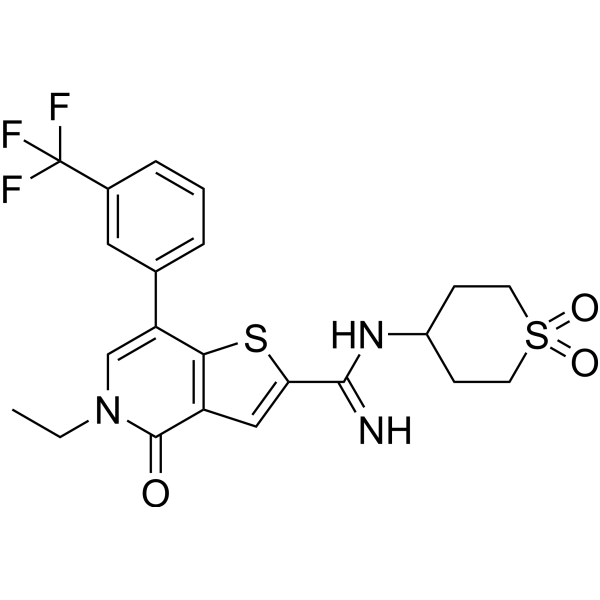
    ML154 (NCGC84) is a selective, brain-penetrant and non-peptide neuropeptide S receptor (NPSR) antagonist with a pA2 of 9.98. ML154 potently inhibits NPS-stimulated cellular calcium, cAMP, and ERK phosphorylation responses with IC50 values of 36.5 nM, 22.1 nM, and 9.3 nM, respectively .
    ML154
  • HY-113313S1

    Endogenous Metabolite Cardiovascular Disease
    Aldosterone-d7 is the deuterium labeled Aldosterone. Aldosterone is the primary mineralocorticoid. Aldosterone is a steroid hormone, and it is synthesized and secreted in response to renin-angiotensin system activation (RAS) or high dietary potassium by the zona glomerulosa (ZG) of the adrenal cortex. Aldosterone activity is dependent by the binding and activation of the cytoplasmic/nuclear mineralocorticoid receptor (MR) at cellular level .
    Aldosterone-d7
  • HY-P99845

    MEDI 4920; VIB 4920

    TNF Receptor Inflammation/Immunology
    Dazodalibep (MEDI 4920; VIB 4920) is a non-antibody fusion protein that targets CD40L. Dazodalibep inhibits the co-stimulatory signals between immune cells (such as T cells, B cells, and antigen-presenting cells), thereby enabling the inhibition of a broader range of cellular and humoral responses. Dazodalibep can be used for research on rheumatoid arthritis and Sjögren's syndrome .
    Dazodalibep
  • HY-B2218D

    Magnesium dihydroxide, 99%(KT)

    Environmental Pollutants Bacterial Infection Inflammation/Immunology
    Magnesium hydroxide (Magnesium dihydroxide), 99%(KT) is an orally effective antacid. Magnesium hydroxide, 99%(KT) can form a local strongly alkaline microenvironment, reduce ATP production by consuming H +, and hydrolyze cellular phospholipids to disrupt the cellular integrity of microorganisms, thus exhibiting antibacterial activity. Magnesium hydroxide, 99%(KT) downregulates the generation of inflammatory macrophages to alleviate inflammatory responses. Magnesium hydroxide, 99%(KT) can be used in research related to acid peptic diseases and chronic wound infections .
    Magnesium hydroxide, 99%(KT)
  • HY-113469
    Cyclic GMP
    1 Publications Verification

    Endogenous Metabolite Infection Cardiovascular Disease Inflammation/Immunology
    Cyclic GMP (cGMP), an important second messenger, is a major intracellular mediator of extracellular signals such as nitric oxide (NO) and natriuretic peptides (NPs). Effects of Cyclic GMP occur through three main groups of cellular targets: cGMP-dependent protein kinases (PKGs), cGMP-gated cation channels, and PDEs. Cyclic GMP can inhibit both platelet adhesion and aggregation. cGAMP (Cyclic-GMP-AMP) (HY-12512), a conjugate of Cyclic GMP and AMP, can induce IRF3 phosphorylation and nuclear translocation, enhancing antiviral immune responses .
    Cyclic GMP
  • HY-P99661
    Inbakicept
    2 Publications Verification

    Interleukin Related Cancer
    Inbakicept is a dimeric human IL-15 receptor alpha (IL-15 Ra) sushi domain/human IgG1 Fc fusion protein and is an IL-15 superagonist complex. Inbakicept is able to form complex N-803 (Nogapendekin alfa inbakicept) with the IL-15 antibody Nogapendekin alfa in a 1:2 ratio. N-803 mimics the function of IL-15 and amplifies anti-CD20 mAb-mediated NK cell responses and antibody-dependent cellular cytotoxicity (ADCC). N-803 also increases degranulation and IFNγ production in cells .
    Inbakicept
  • HY-165613

    Dipalmitoyl-S-glyceryl-cysteine; S-[2,3-Bis(palmitoyloxy)propyl]cysteine

    Toll-like Receptor (TLR) Influenza Virus NF-κB Infection Inflammation/Immunology
    Pam2Cys (Dipalmitoyl-S-glyceryl-cysteine; S-[2,3-Bis(palmitoyloxy)propyl]cysteine) is a TLR2 agonist and immunostimulant. Pam2Cys binds to TLR2 to activate dendritic cells and trigger the TLR2-dependent NF-κB signaling pathway. Pam2Cys also induces dendritic cell maturation by upregulating the expression of cell surface MHC II molecules. Pam2Cys activates innate immune signaling pathways, drives pro-inflammatory and antimicrobial responses, enhances the expression of macrophage activation markers, increases phagocytic activity, induces the release of IL-12 and pro-inflammatory cytokines, and polarizes macrophages into a pro-inflammatory, antimicrobial phenotype without interfering with IL-10-induced macrophage polarization. Pam2Cys also serves as the lipid moiety in synthetic lipopeptide vaccines and possesses self-adjuvant properties. Pam2Cys enhances the immunogenicity of conjugated peptide segments and induces cellular and humoral immune responses. However, it does not activate CD4 T cells in mouse splenocyte cultures when used alone. Pam2Cys activates pulmonary TLR2 signaling pathways, triggers innate immune responses, recruits neutrophils and macrophages, induces the secretion of various cytokines, alleviates symptoms and damages associated with influenza A virus infection in mice without impairing adaptive immunity. Pam2Cys can be used in studies related to tuberculosis and influenza A virus infection .
    Pam2Cys
  • HY-162405

    STAT TGF-beta/Smad Interleukin Related Inflammation/Immunology
    STAT6-IN-12 is a potent STAT6 inhibitor with an IC50 of 50 nM. STAT6-IN-12 also inhibits Smad2/3 with an IC50 of 68 nM. STAT6-IN-12 inhibits TGFβ-dependent Smad2/3 signaling pathway, IL-4-dependent STAT6 signaling pathway, and cellular inflammatory responses. STAT6-IN-12 can be used for the research of inflammation .
    STAT6-IN-12
  • HY-112951
    ChX710
    4 Publications Verification

    STING Cancer
    ChX710 could prime the type I interferon response to cytosolic DNA, which induces the ISRE promoter sequence, specific cellular Interferon-Stimulated Genes (ISGs), and the phosphorylation of Interferon Regulatory Factor (IRF) 3.
    ChX710
  • HY-B0389S5

    Glucose-d2; D-(+)-Glucose-d2; Dextrose-d2

    Isotope-Labeled Compounds Endogenous Metabolite Metabolic Disease
    D-Glucose-d2 is the deuterium labeled D-Glucose. D-Glucose (Glucose), a monosaccharide, is an important carbohydrate in biology. D-Glucose is a carbohydrate sweetener and critical components of the general metabolism, and serve as critical signaling molecules in relation to both cellular metabolic status and biotic and abiotic stress response .
    D-Glucose-d2
  • HY-B0389S6

    Glucose-d7; D-(+)-Glucose-d7; Dextrose-d7

    Isotope-Labeled Compounds Endogenous Metabolite Metabolic Disease
    D-Glucose-d77 is the deuterium labeled D-Glucose. D-Glucose (Glucose), a monosaccharide, is an important carbohydrate in biology. D-Glucose is a carbohydrate sweetener and critical components of the general metabolism, and serve as critical signaling molecules in relation to both cellular metabolic status and biotic and abiotic stress response .
    D-Glucose-d7
  • HY-B0389S15
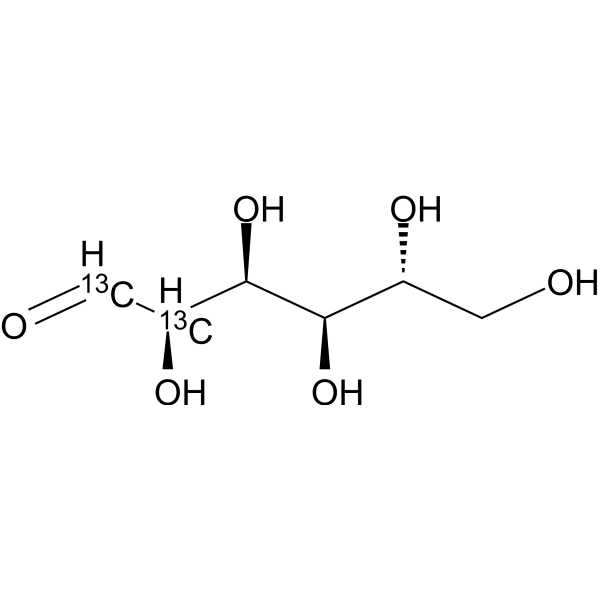
    D-Glucose-13C2-4
    1 Publications Verification

    Glucose-13C2-4; D-(+)-Glucose-13C2-4; Dextrose-13C2-4

    Endogenous Metabolite Metabolic Disease
    D-Glucose- 13C2-4 is the 13C labeled D-Glucose. D-Glucose (Glucose), a monosaccharide, is an important carbohydrate in biology. D-Glucose is a carbohydrate sweetener and critical components of the general metabolism, and serve as critical signaling molecules in relation to both cellular metabolic status and biotic and abiotic stress response .
    D-Glucose-13C2-4
  • HY-B0389R

    Glucose (Standard); D-(+)-Glucose (Standard); Dextrose (Standard)

    Reference Standards Endogenous Metabolite Cardiovascular Disease Others Metabolic Disease Endocrinology Cancer
    D-Glucose (Standard) is the analytical standard of D-Glucose. This product is intended for research and analytical applications. D-Glucose is the naturally occurring form of glucose and the most abundant monosaccharide. D-Glucose is a critical components of the general metabolism, and serve as critical signaling molecules in relation to both cellular metabolic status and biotic or abiotic stress response .
    D-Glucose (Standard)
  • HY-150750A

    Toll-like Receptor (TLR) Apoptosis Interleukin Related TNF Receptor IFNAR Inflammation/Immunology Cancer
    ODN M362 sodium is a TLR9 agonist that acts as a vaccine adjuvant. ODN M362 sodium activates mouse splenocytes, induces apoptosis in human hepatocellular carcinoma cells, upregulates proinflammatory cytokines in human hepatocellular carcinoma cells, and inhibits the proliferation of human hepatocellular carcinoma cells. ODN M362 sodium upregulates the expression of TLR9/TLR6, activates downstream signaling pathways via IRAK4 and IRF7, and strongly amplifies antigen-specific cellular immune responses to participate in innate immune activation. ODN M362 sodium can be used in research related to hepatocellular carcinoma and breast cancer .
    ODN M362 sodium
  • HY-P5523A

    NOD-like Receptor (NLR) NF-κB Interleukin Related Metabolic Disease
    iE-DAP dihydrochloride is a Nod1 agonist. iE-DAP dihydrochloride activates NOD1, which in turn activates the NF-κB signaling pathway and MLCK signaling pathway, inducing cellular inflammatory responses and tight junction disruption. iE-DAP dihydrochloride downregulates the expression of ZO-1 and Occludin genes. iE-DAP dihydrochloride increases the secretion of IL-6, GRO-α, MCP-1, IL-8 and MIP-1β in term human trophoblast cell cultures. iE-DAP dihydrochloride triggers preterm birth in pregnant mice, reduces fetal body weight, and induces fetal inflammation. iE-DAP dihydrochloride can be used in studies related to mastitis and preterm birth .
    iE-DAP dihydrochloride
  • HY-P99431

    Alomfilimab; SAR 445256

    CD28 Inflammation/Immunology Cancer
    KY-1044 (Alomfilimab; SAR 445256) is a fully human IgG1 antibody targeting inducible costimulatory receptor (ICOS). KY-1044 depletes ICOS high cells via antibody-dependent cellular cytotoxicity (ADCC) through the engagement of FcgRIIIa. KY-1044 act as a costimulatory molecule on cells expressing lower ICOS levels, such as CD8 + TEff cells (through FcgR-dependent clustering). KY-1044 exploit the differential expression of ICOS on T-cell subtypes to improve the intratumoral immune contexture and restore an antitumor immune response .
    KY-1044
  • HY-B1511R

    Cyclic adenosine monophosphate (Standard); Adenosine cyclic 3', 5'-monophosphate (Standard); cAMP (Standard)

    Endogenous Metabolite Reference Standards Cancer
    Cyclic AMP (Standard) is the analytical standard of Cyclic AMP. Cyclic AMP (Cyclic adenosine monophosphate), adenosine triphosphate derivative, is an intracellular signaling molecule responsible for directing cellular responses to extracellular signals. Cyclic AMP is an important second messenger in many biological processes .
    Cyclic AMP (Standard)
  • HY-12326B
    c-di-AMP diammonium
    15+ Cited Publications

    Cyclic diadenylate diammonium; Cyclic-di-AMP diammonium

    STING Bacterial Endogenous Metabolite Inflammation/Immunology
    c-di-AMP diammonium is a STING agonist, which binds to the transmembrane protein STING thereby activating the TBK3-IRF3 signaling pathway, subsequently triggering the production of type I IFN and TNF. c-di-AMP diammonium is also a bacterial second messenger, which regulates cell growth, survival, and virulence, primarily within Gram-positive bacteria, and also regulates host immune response. c-di-AMP diammonium acts as a potent mucosal adjuvant stimulating both humoral and cellular responses .
    c-di-AMP diammonium
  • HY-178208

    Poly(ADP-ribose) Glycohydrolase (PARG) Cancer
    MDOLL-0286 is a selective Poly(ADP-ribose) Glycohydrolase (PARG) (ARH3) inhibitor with an IC50 of 2.3μM. MDOLL-0286 can inhibit ARH3’s poly-ADP-ribose hydrolytic activity on cellular substrates. MDOLL-0286 can inhibit DNA damage response. MDOLL-0286 can be used for the research of cancer .
    MDOLL-0286
  • HY-W010410

    Environmental Pollutants Neurological Disease Metabolic Disease
    Oct-1-en-3-ol, a fatty acid fragrant, is a self-stimulating oxylipin messenger. Oct-1-en-3-ol serves as a signaling molecule in plant cellular responses, plant-herbivore interactions, and plant-plant interactions. Oct-1-en-3-ol causes dopamine neuron degeneration through disruption of dopamine handling .
    Oct-1-en-3-ol
  • HY-113469A
    Cyclic GMP sodium
    1 Publications Verification

    Endogenous Metabolite Infection Cardiovascular Disease Inflammation/Immunology
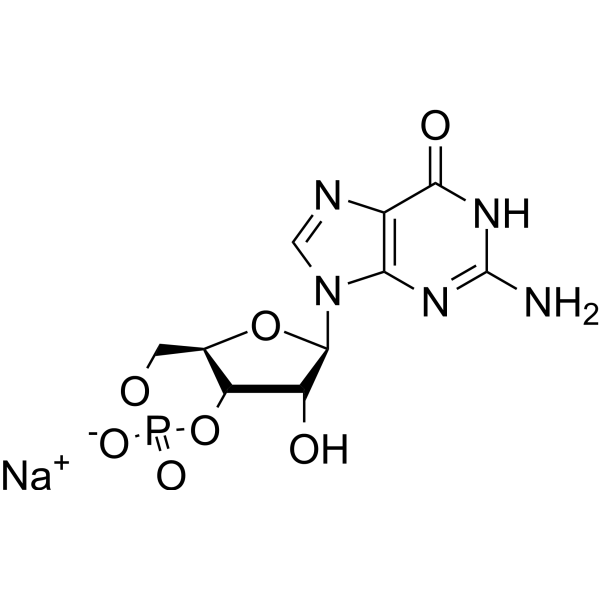
    Cyclic GMP (cGMP) sodium, an important second messenger, is a major intracellular mediator of extracellular signals such as nitric oxide (NO) and natriuretic peptides (NPs). Effects of Cyclic GMP sodium occur through three main groups of cellular targets: cGMP-dependent protein kinases (PKGs), cGMP-gated cation channels, and PDEs. Cyclic GMP can inhibit both platelet adhesion and aggregation. cGAMP (Cyclic-GMP-AMP) (HY-12512), a conjugate of Cyclic GMP and AMP, can induce IRF3 phosphorylation and nuclear translocation, enhancing antiviral immune responses .
    Cyclic GMP sodium
  • HY-148980A
    Polyinosinic acid sodium
    1 Publications Verification

    Toll-like Receptor (TLR) Inflammation/Immunology
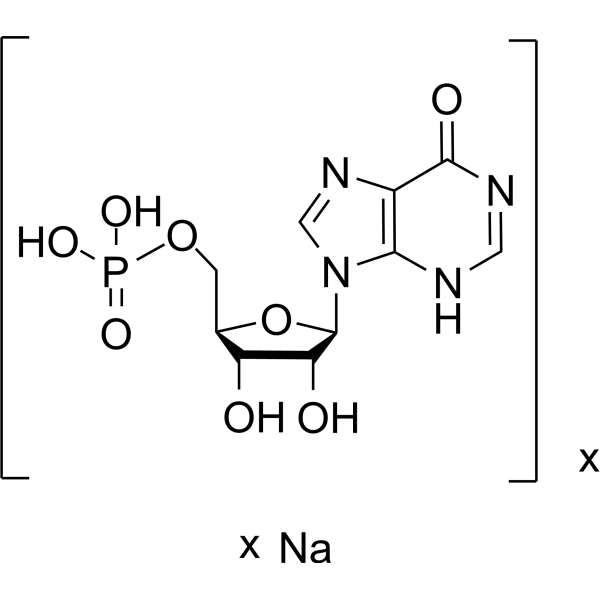
    Polyinosinic acid sodium is the sodium form of Polyinosinic acid (HY-148980). Polyinosinic acid is a single stranded homonucleic acid, which is a Toll-like Receptor 3 (TLR3) ligand. Polyinosinic acid enhances cellular immune response through TLR3 and TRIF. Polyinosinic acid has potential applications in immune regulation .
    Polyinosinic acid sodium
  • HY-101954

    ORI-9020; SB-9000

    HBV Infection
    Inarigivir (ORI-9020) is a dinucleotide antiviral drug that can significantly reduce liver HBV DNA in transgenic mice expressing hepatitis B virus. Inarigivir (ORI-9020) act as a RIG-I agonist to activate cellular innate immune responses .
    Inarigivir
  • HY-101954A

    ORI-9020 ammonium; SB-9000 ammonium

    HBV Infection Inflammation/Immunology
    Inarigivir (ORI-9020) ammonium is a dinucleotide antiviral drug that can significantly reduce liver HBV DNA in transgenic mice expressing hepatitis B virus. Inarigivir (ORI-9020) ammonium acts as a RIG-I (Retinoic acid-inducible gene-I) agonist to activate cellular innate immune responses .
    Inarigivir ammonium
  • HY-172741

    Drug Derivative Metabolic Disease
    Dioctanoyl PI(3,5)P2 sodium is a synthetic analog of PI(3,5)P2 (a natural phosphatidylinositol). Phosphatidylinositol phosphates (PIPs) are intracellular amphiphilic molecules implicated in numerous cellular responses including growth, division, movement, differentiation, neuro-exocytosis, and survival .
    Dioctanoyl PI(3,5)P2 sodium
  • HY-W145481A

    Carob galactomannan

    Sirtuin Inflammation/Immunology
    D-Galacto-D-mannan (Carob galactomannan) is an orally active Dectin-2 agonist. D-Galacto-D-mannan exerts antioxidant activity against hydroxyl radical generation. D-Galacto-D-mannan activates Dectin-2 to trigger downstream signaling pathways, promote the expression of immunoregulatory molecules, coordinate innate and adaptive immune responses, and inhibit excessive inflammatory responses by upregulating the expression of Sirtuin 1. When used as a vaccine adjuvant, D-Galacto-D-mannan induces cellular and humoral immune responses, promotes IFNγ secretion, increases antibody levels and virus neutralization titers, and elevates the levels of immunoglobulin G and A. D-Galacto-D-mannan can serve as an adjuvant for foot-and-mouth disease vaccines, enhance the vaccine-mediated ability of hosts to defend against viral infection in mice, and reduce local side effects at the inoculation site in pigs. D-Galacto-D-mannan can be used in the research of inflammatory and immune diseases, such as foot-and-mouth disease .
    D-Galacto-D-mannan
  • HY-161767

    Molecular Glues Oxidative Phosphorylation Ras Cancer
    JWJ-01-306 is a CRBN-recruiting ZBTB11 Molecular Glues degrader. JWJ-01-306 degrades ZBTB11 and reprograms cellular metabolism, thereby reducing the level of Oxidative Phosphorylation and the activity of the tricarboxylic acid cycle. JWJ-01-306 enhances the response of organoids to K-Ras inhibition. JWJ-01-306 inhibits the proliferation of pancreatic ductal adenocarcinoma cells and melanoma cells. JWJ-01-306 can be used in studies related to pancreatic ductal adenocarcinoma and melanoma .
    JWJ-01-306
  • HY-P2892

    Endogenous Metabolite Metabolic Disease
    Fumarase catalyses the conversion of l-malic acid to fumaric acid. Fumarase participates in the tricarboxylic acid cycle in mitochondria. Fumarase participates in the cellular response to DNA double strand breaks .
    Fumarase
  • HY-E70625

    Casein Kinase Cancer
    Casein Kinase 2 (CK2) is a serine/threonine protein kinase that is highly conserved among eukaryotes and has roles in many different cellular processes, such as cell survival, cell cycle regulation, cell polarity, stress responses, transcription and translation .
    Casein Kinase 2
  • HY-B0389S8

    Glucose-d1-4; D-(+)-Glucose-d1-4; Dextrose-d1-4

    Isotope-Labeled Compounds Endogenous Metabolite Metabolic Disease
    D-Glucose-d-44 is the deuterium labeled D-Glucose. D-Glucose (Glucose), a monosaccharide, is an important carbohydrate in biology. D-Glucose is a carbohydrate sweetener and critical components of the general metabolism, and serve as critical signaling molecules in relation to both cellular metabolic status and biotic and abiotic stress response .
    D-Glucose-d1-4
  • HY-B0389S2

    Glucose-d12-1; D-(+)-Glucose-d12-1; Dextrose-d12-1

    Isotope-Labeled Compounds Endogenous Metabolite Metabolic Disease
    D-Glucose-d12-12 is the deuterium labeled D-Glucose. D-Glucose (Glucose), a monosaccharide, is an important carbohydrate in biology. D-Glucose is a carbohydrate sweetener and critical components of the general metabolism, and serve as critical signaling molecules in relation to both cellular metabolic status and biotic and abiotic stress response .
    D-Glucose-d12-1
  • HY-P2817

    PLCs

    Phospholipase Infection Metabolic Disease
    Phospholipase C (PLCs) is a class of phospholipases. Phospholipase C participates in cellular signaling and regulation by virtue of its ability to hydrolyze membrane phospholipids into di-acyl-glycerol (DAG) and inositol triphosphate (IP3), which further causes the activation of other signaling pathways involved in various processes, including immune response .
    Phospholipase C
  • HY-113313R

    Reference Standards Endogenous Metabolite Cardiovascular Disease
    Aldosterone (Standard) is the analytical standard of Aldosterone. This product is intended for research and analytical applications. Aldosterone is the primary mineralocorticoid. Aldosterone is a steroid hormone, and it is synthesized and secreted in response to renin-angiotensin system activation (RAS) or high dietary potassium by the zona glomerulosa (ZG) of the adrenal cortex. Aldosterone activity is dependent by the binding and activation of the cytoplasmic/nuclear mineralocorticoid receptor (MR) at cellular level .
    Aldosterone (Standard)
  • HY-113469B

    Endogenous Metabolite Infection Cardiovascular Disease Inflammation/Immunology
    Cyclic GMP (cGMP) TBAOH, an important second messenger, is a major intracellular mediator of extracellular signals such as nitric oxide (NO) and natriuretic peptides (NPs). Effects of Cyclic GMP TBAOH occur through three main groups of cellular targets: cGMP-dependent protein kinases (PKGs), cGMP-gated cation channels, and PDEs. Cyclic GMP can inhibit both platelet adhesion and aggregation. cGAMP (Cyclic-GMP-AMP) (HY-12512), a conjugate of Cyclic GMP and AMP, can induce IRF3 phosphorylation and nuclear translocation, enhancing antiviral immune responses .
    Cyclic GMP (TBAOH)

Inquiry Online

Your information is safe with us. * Required Fields.

Salutation


Country or Region *

Applicant Name *


Organization Name *

Department *


Email Address *


Product Name *

Cat. No.


Requested quantity *

Phone Number *


Remarks

Inquiry Online

Inquiry Information

Product Name:
Cat. No.:
Quantity:
MCE Japan Authorized Agent:

